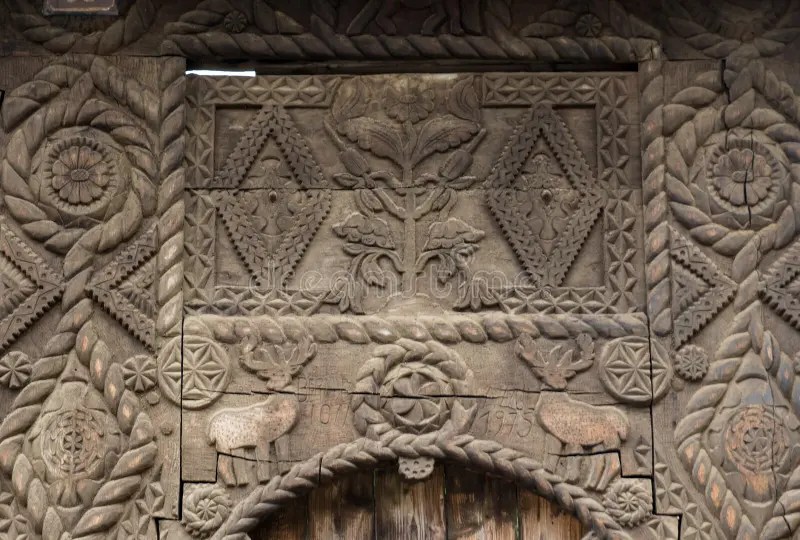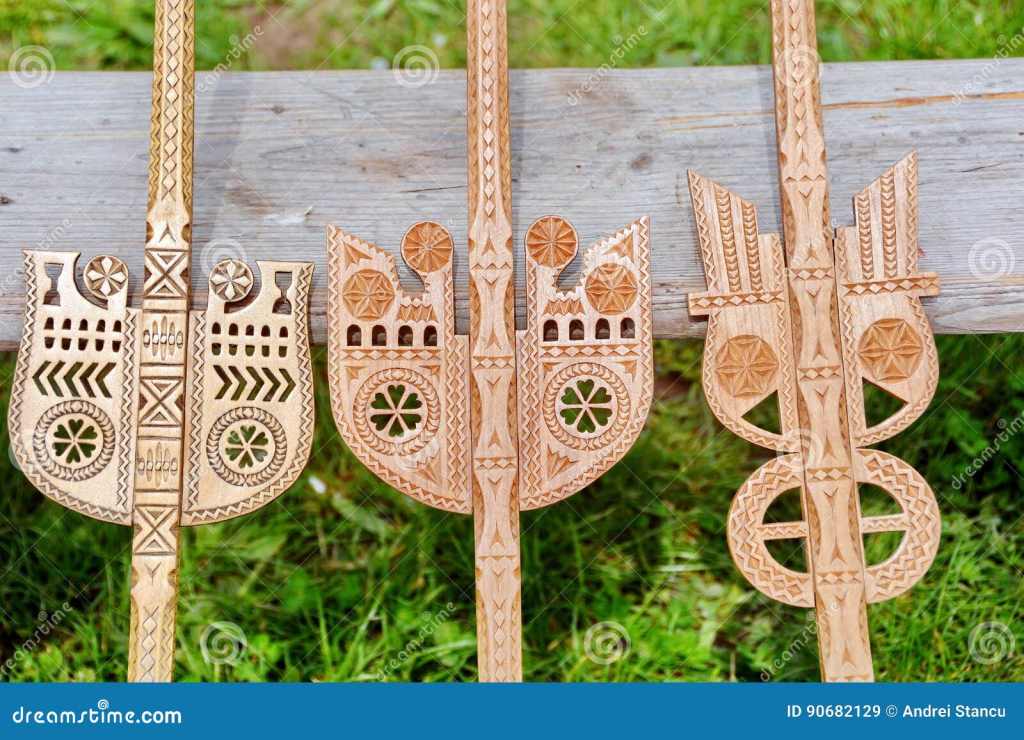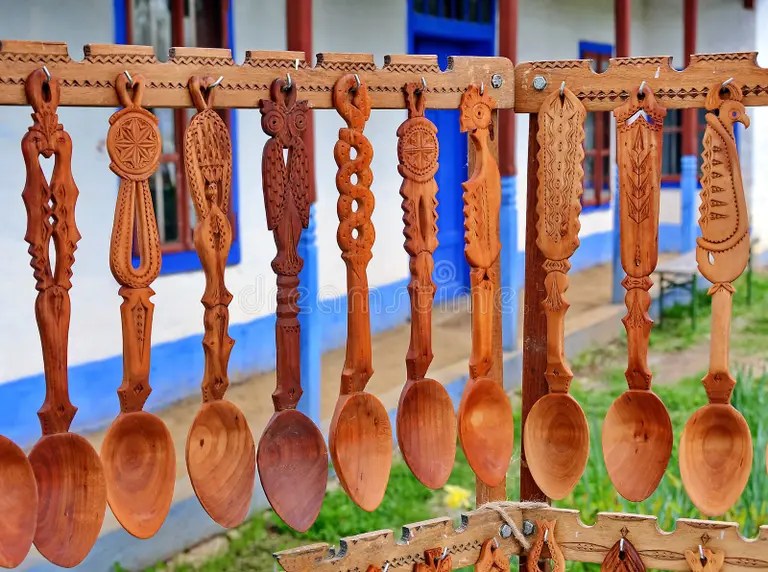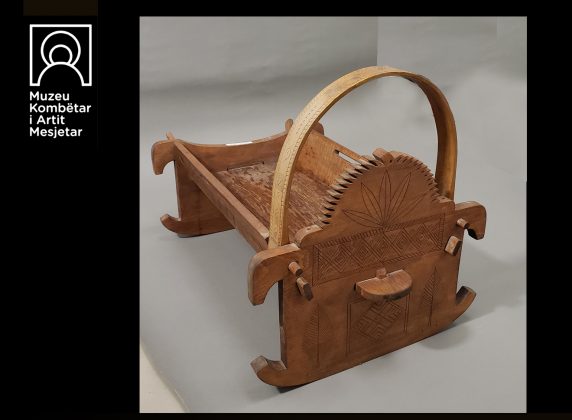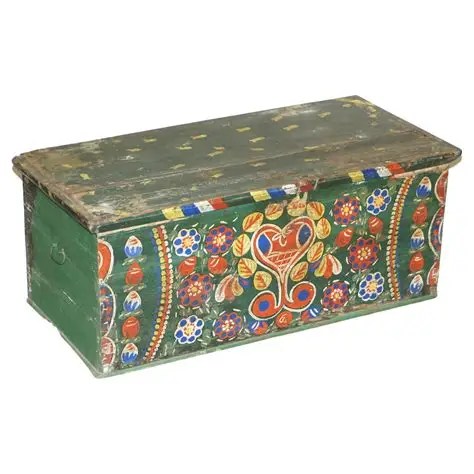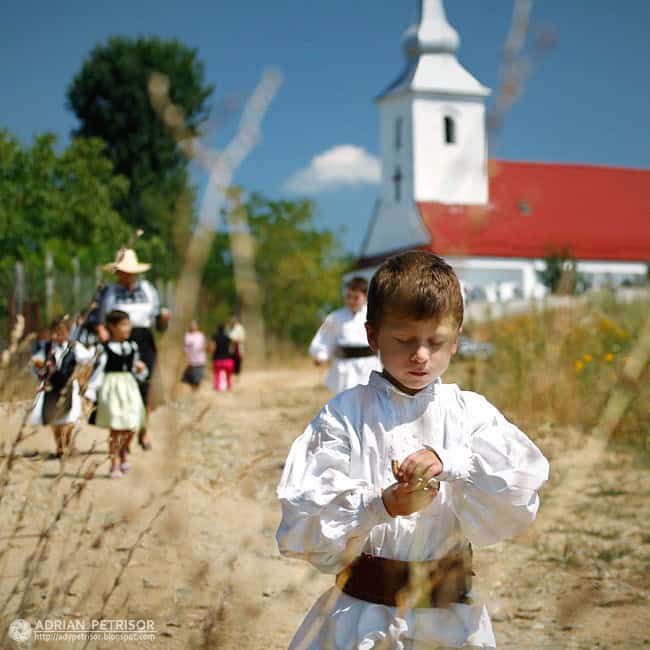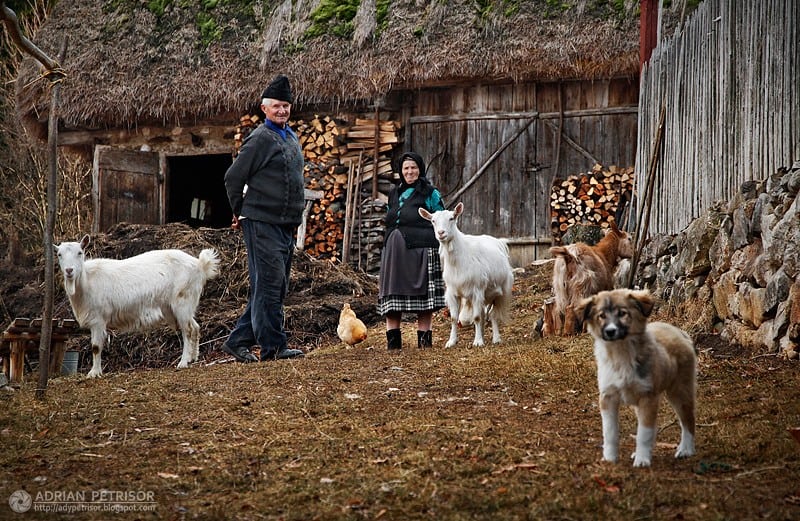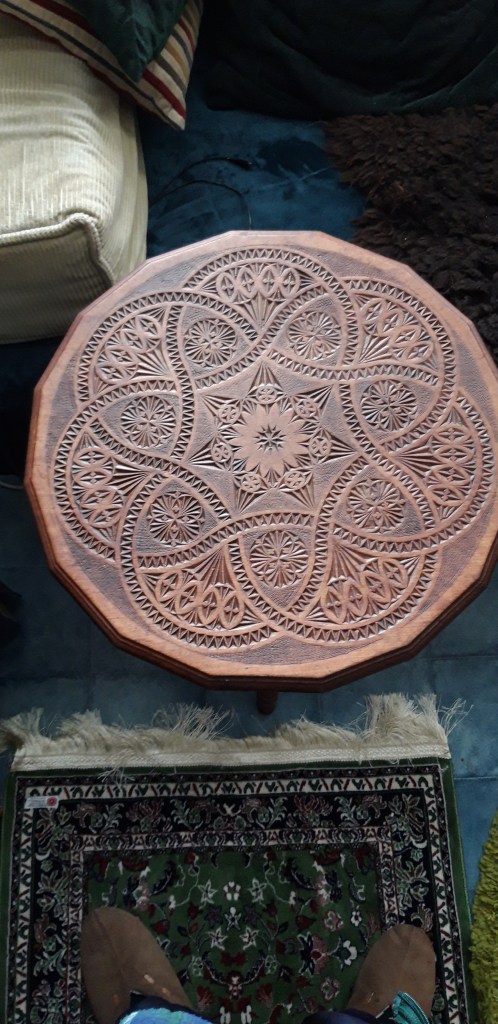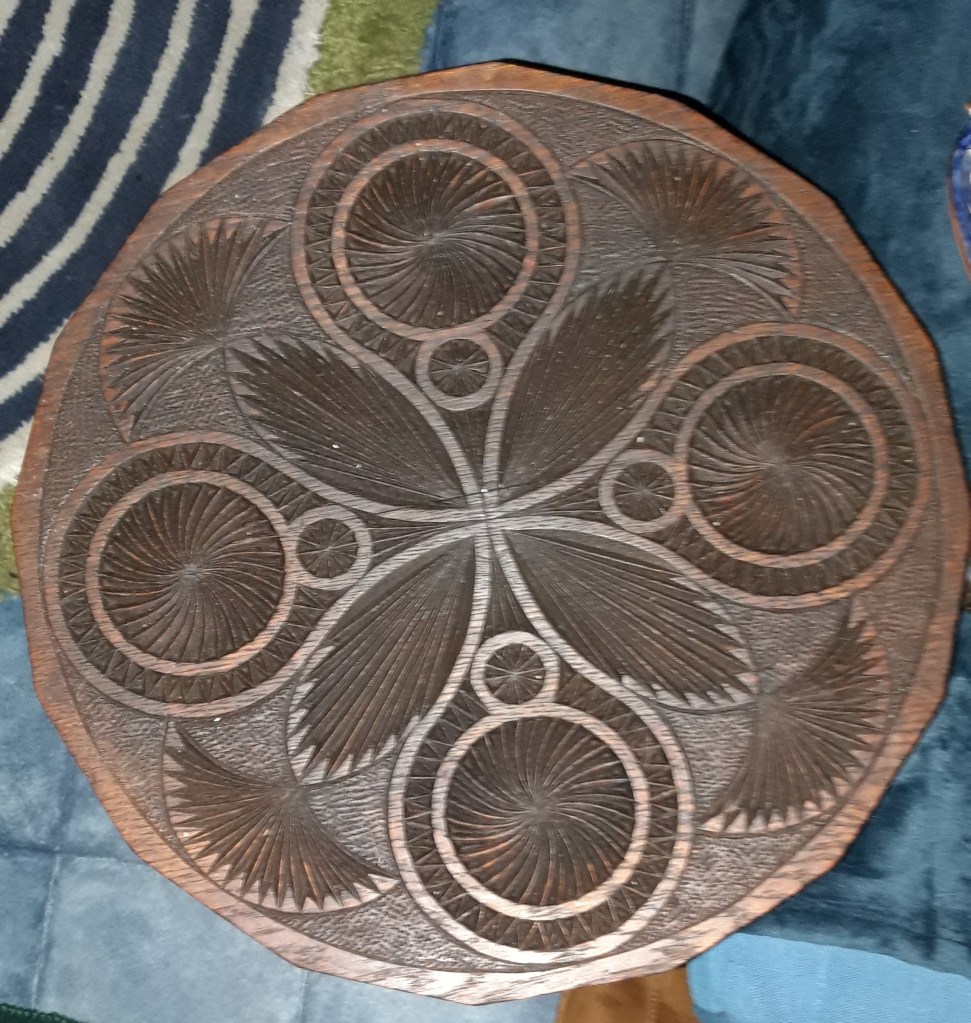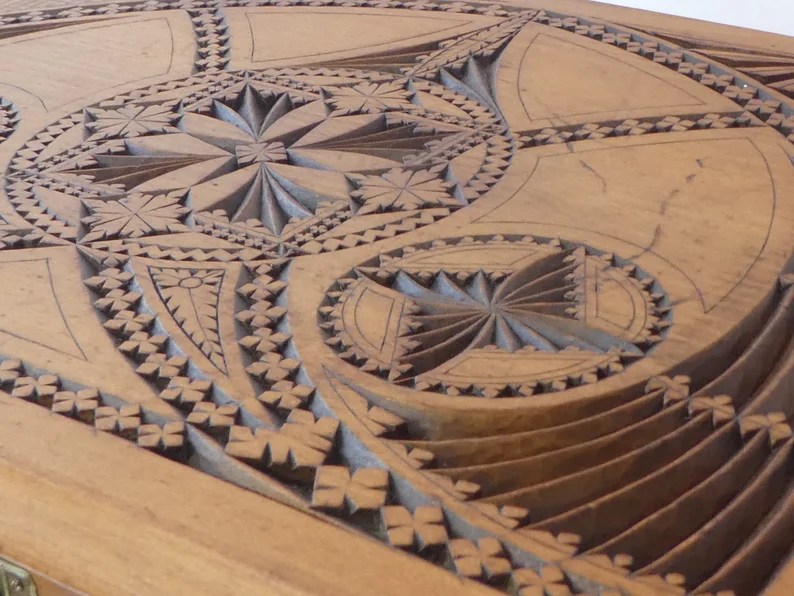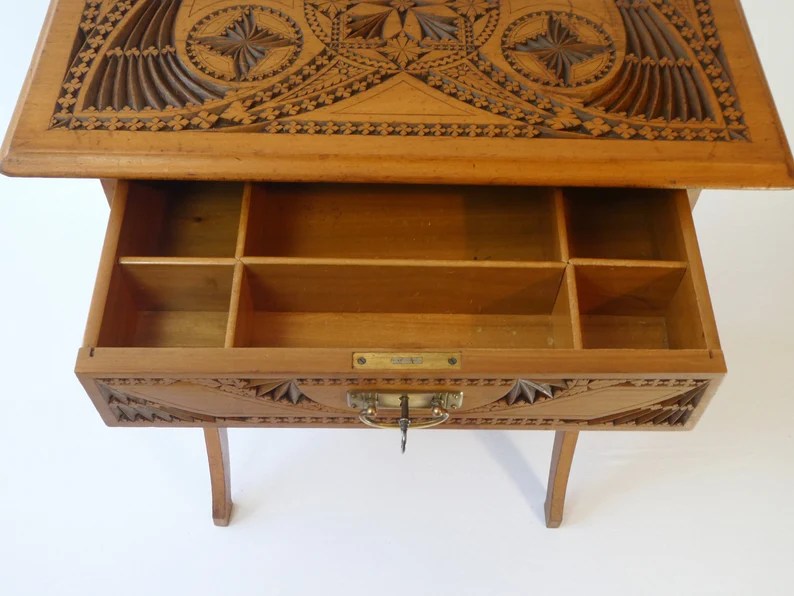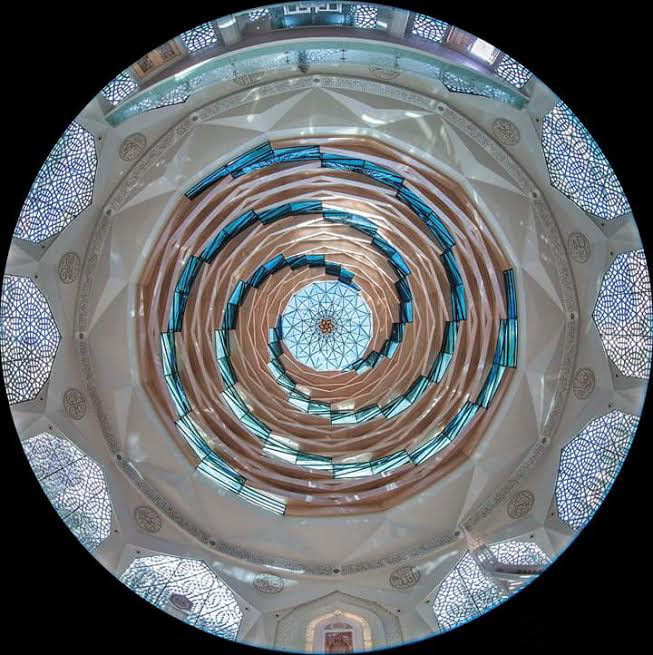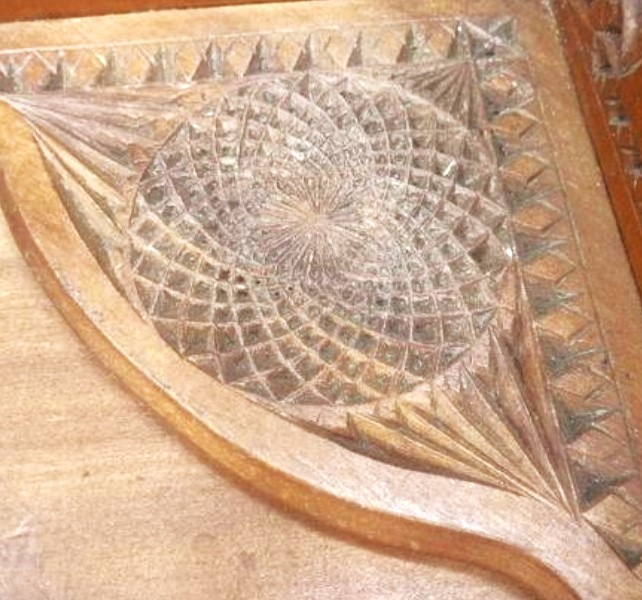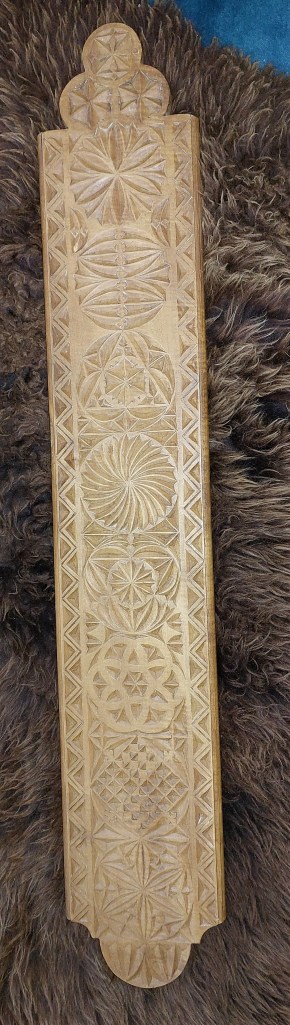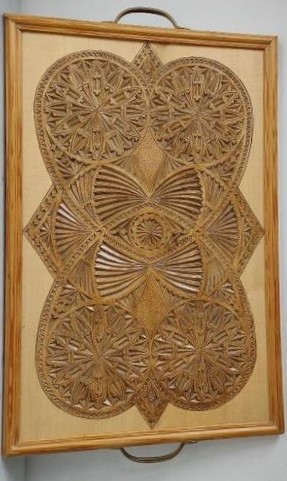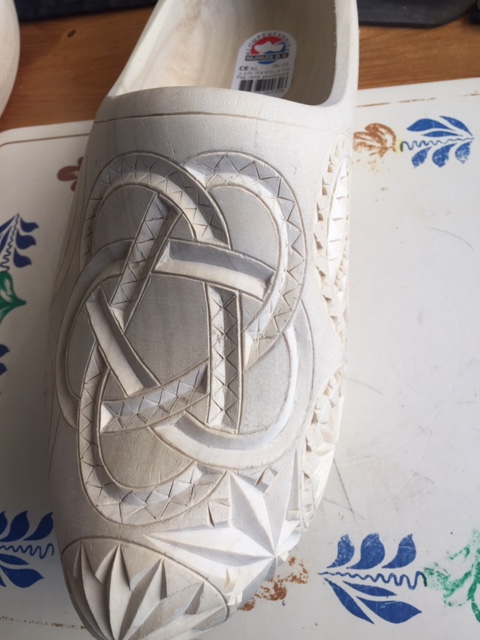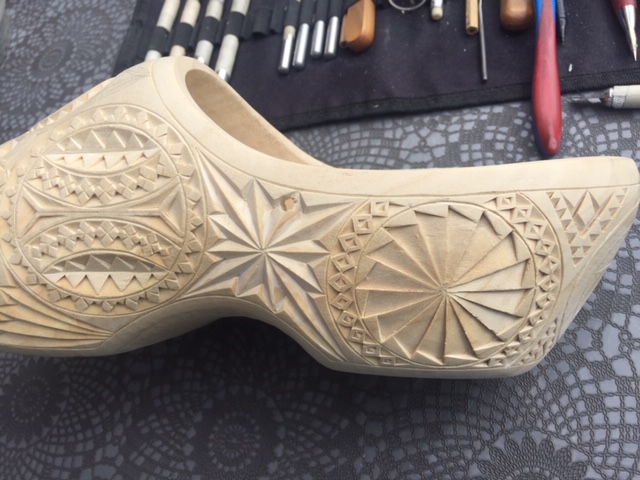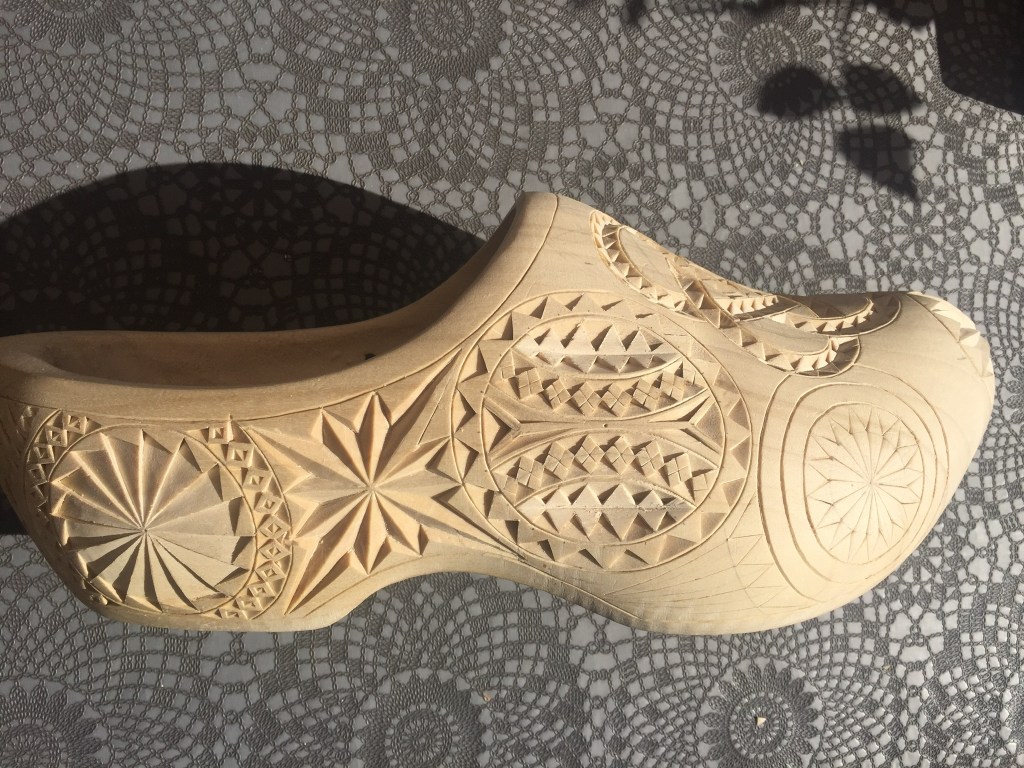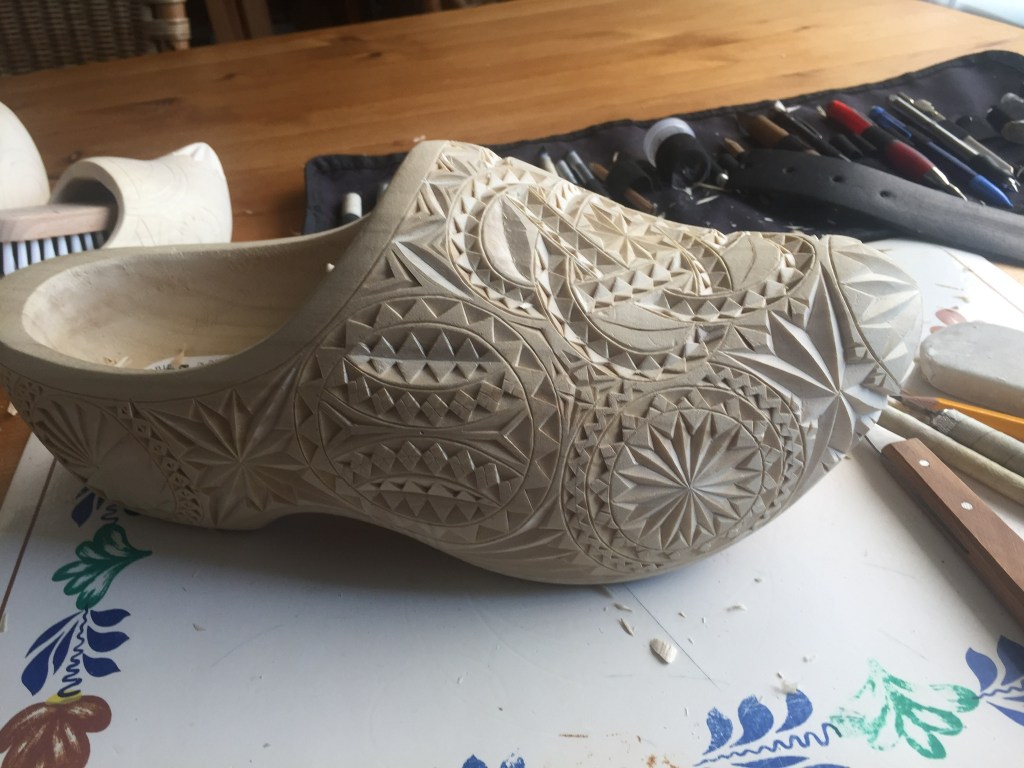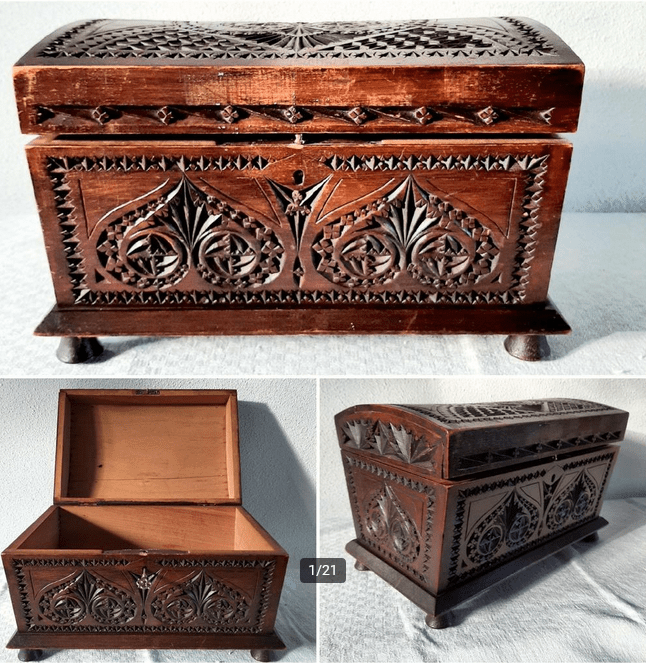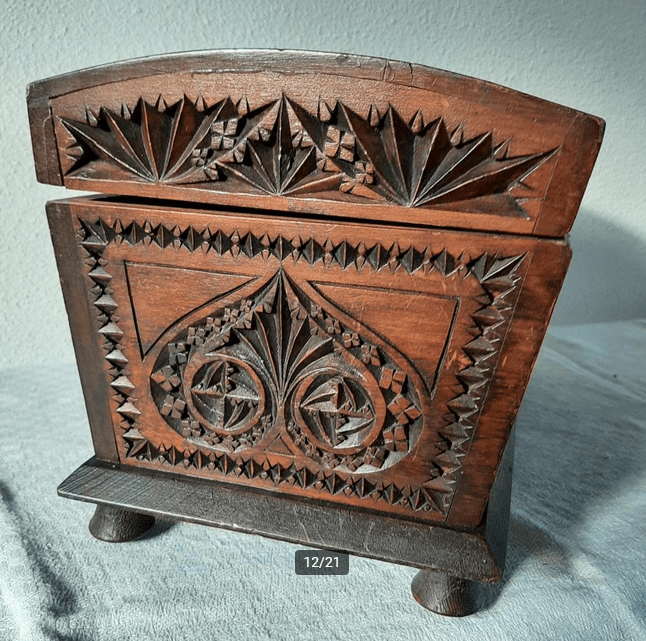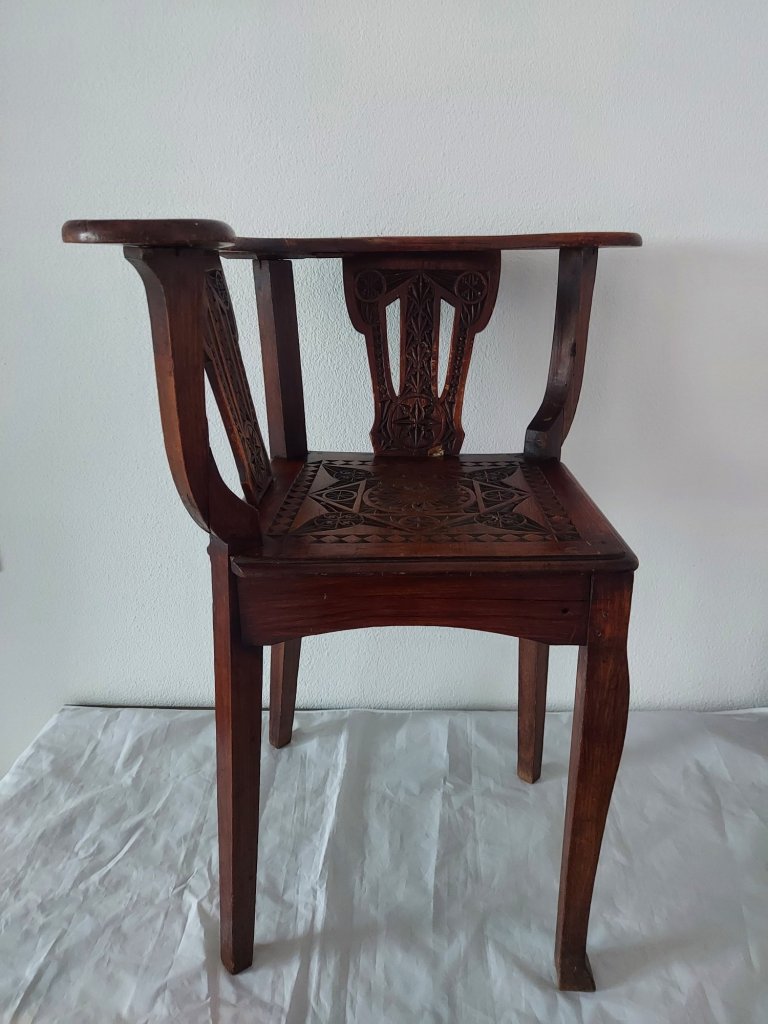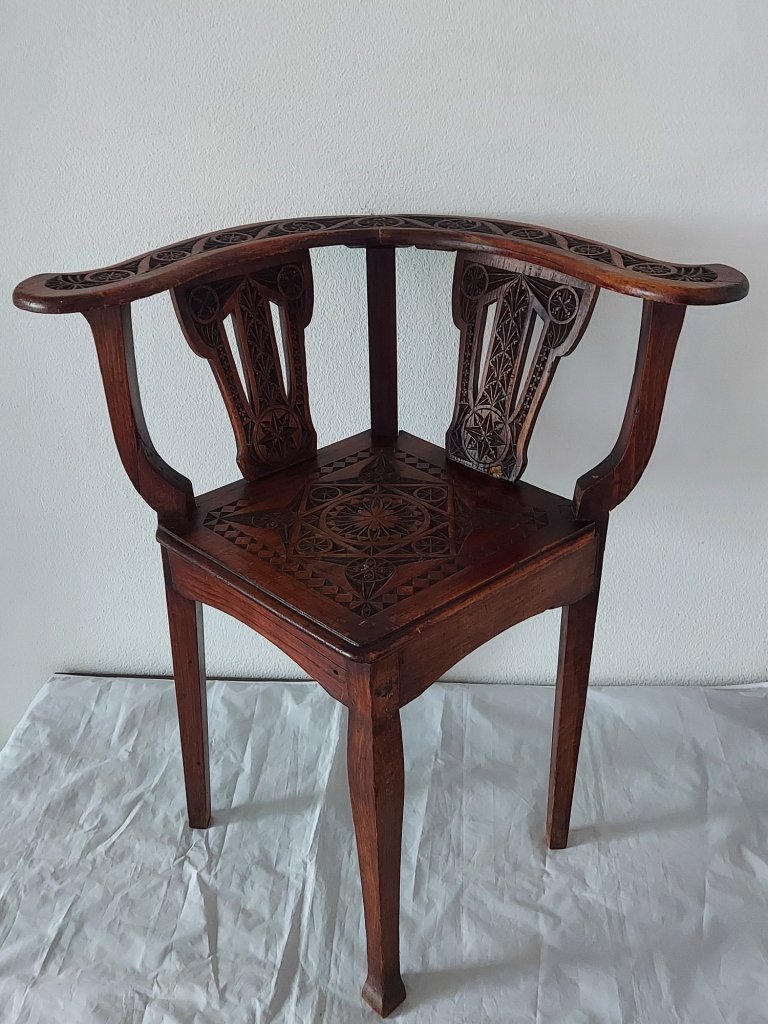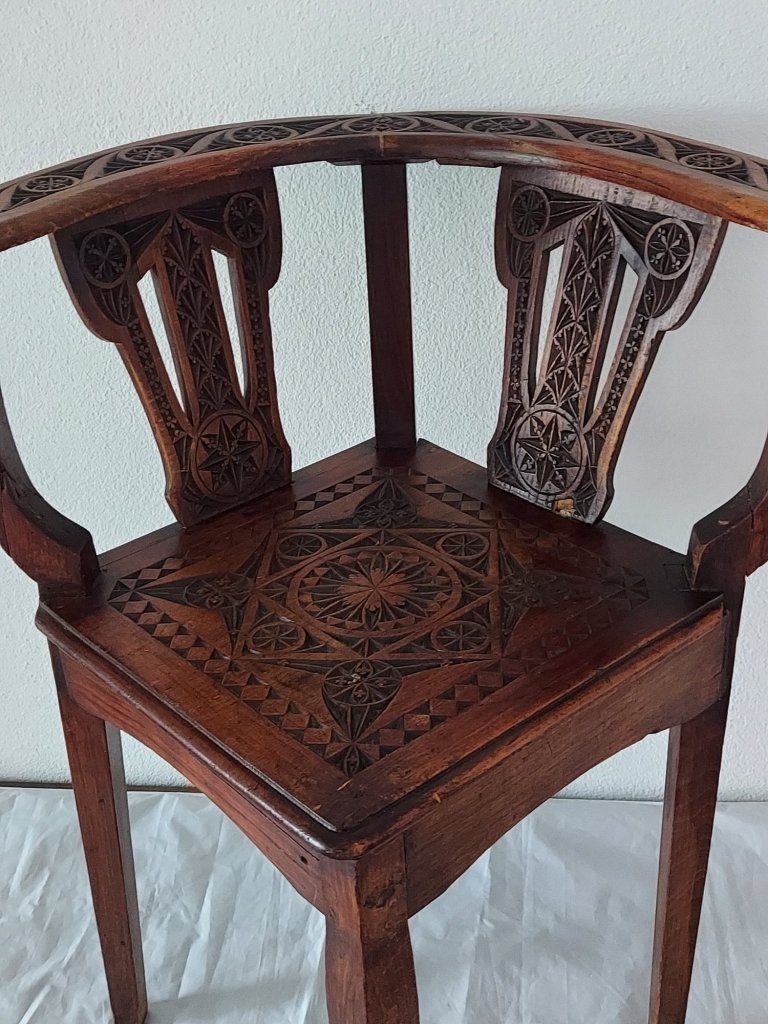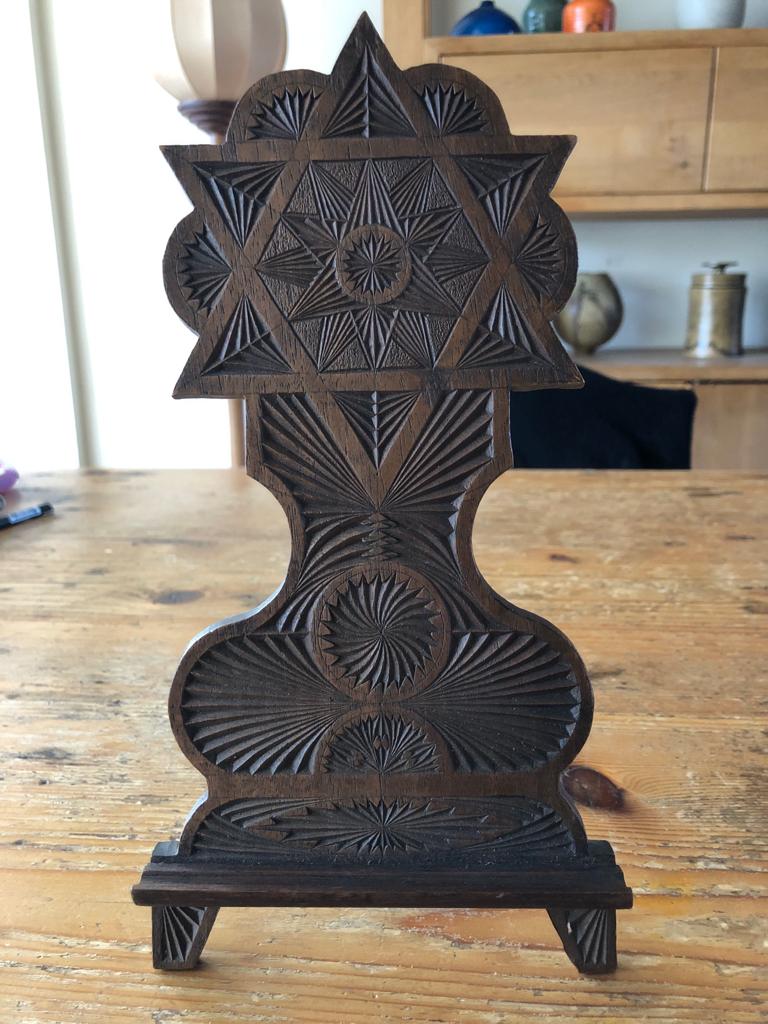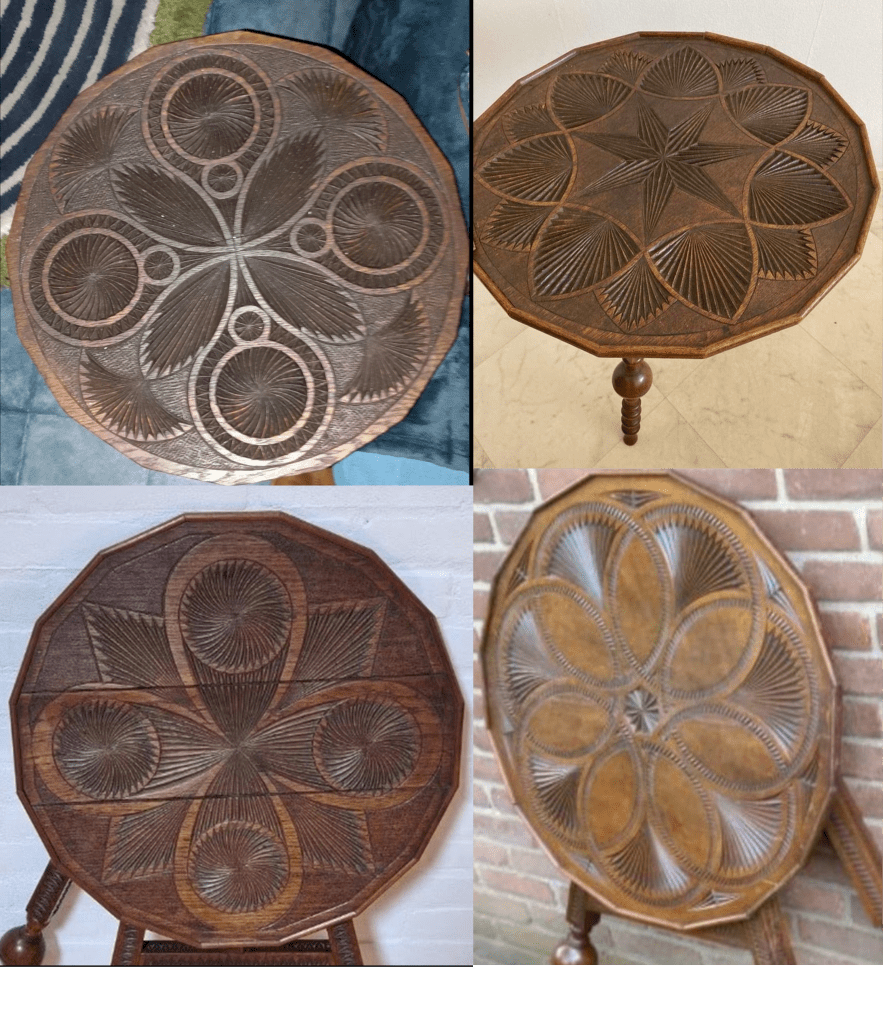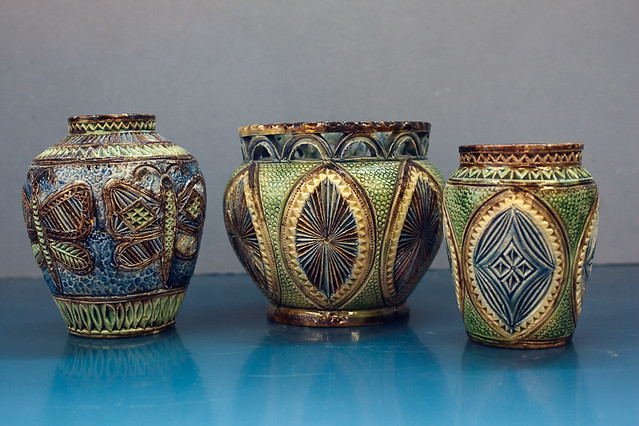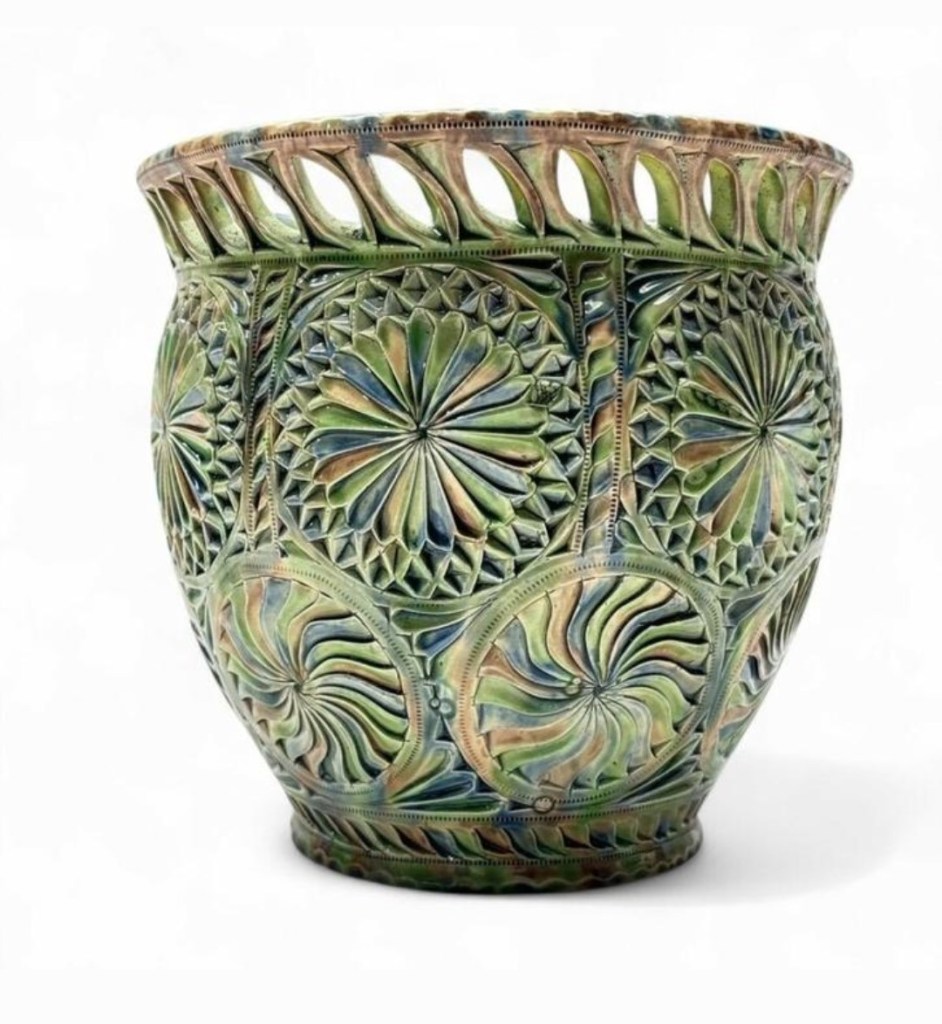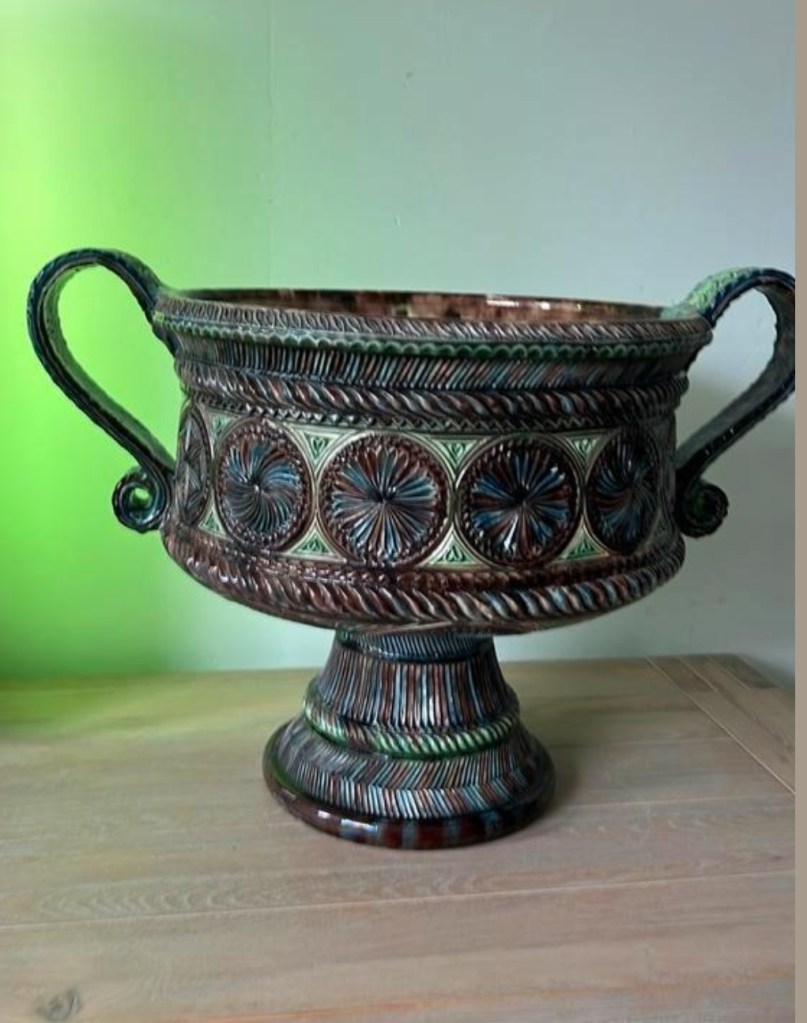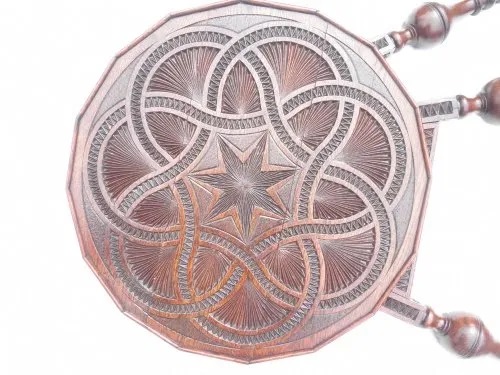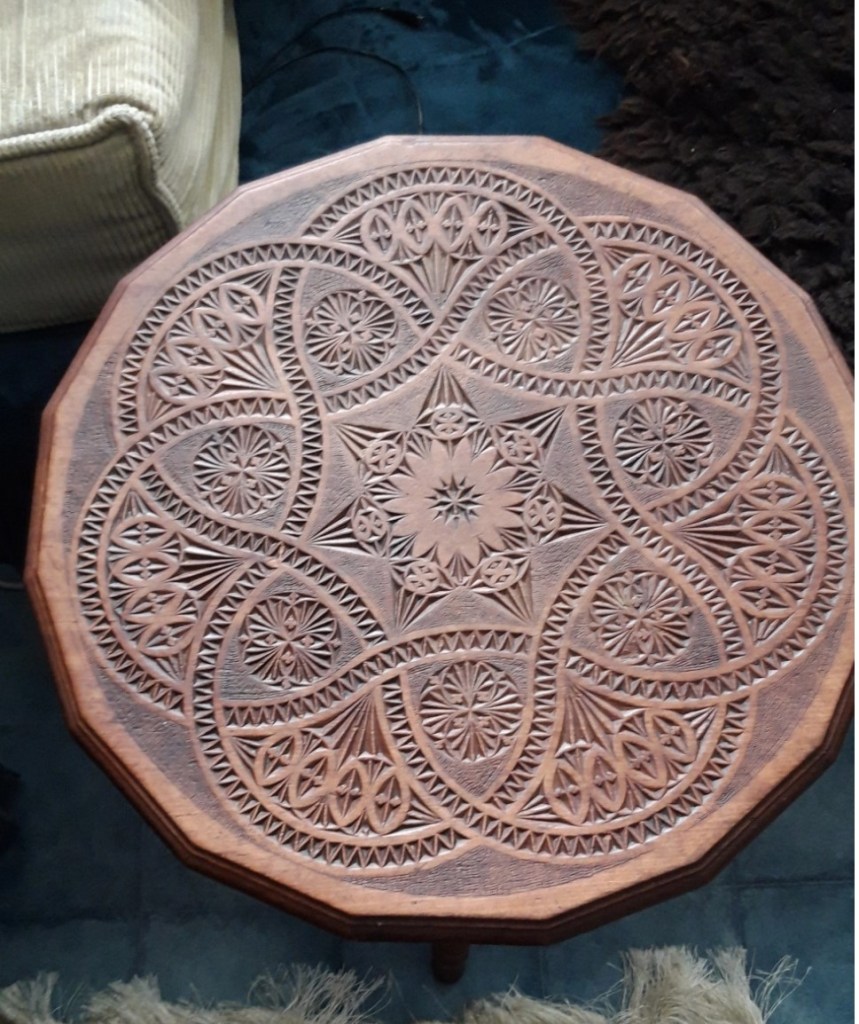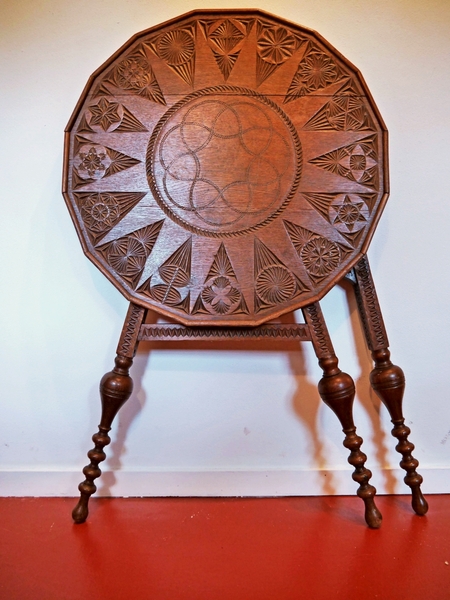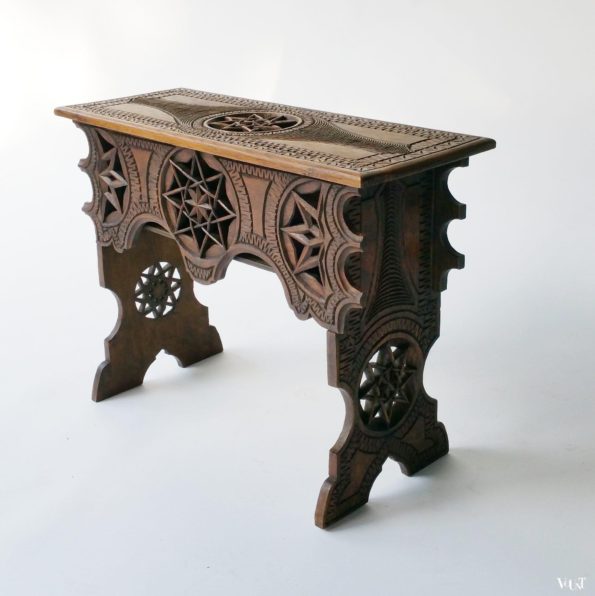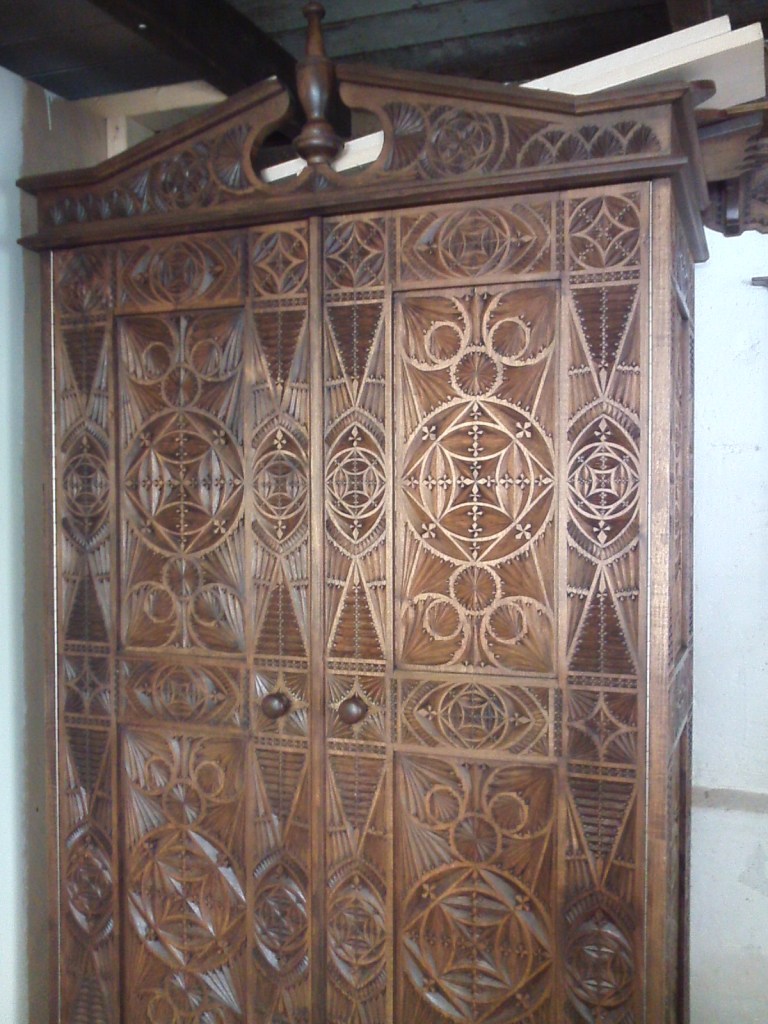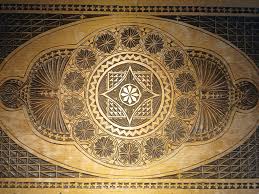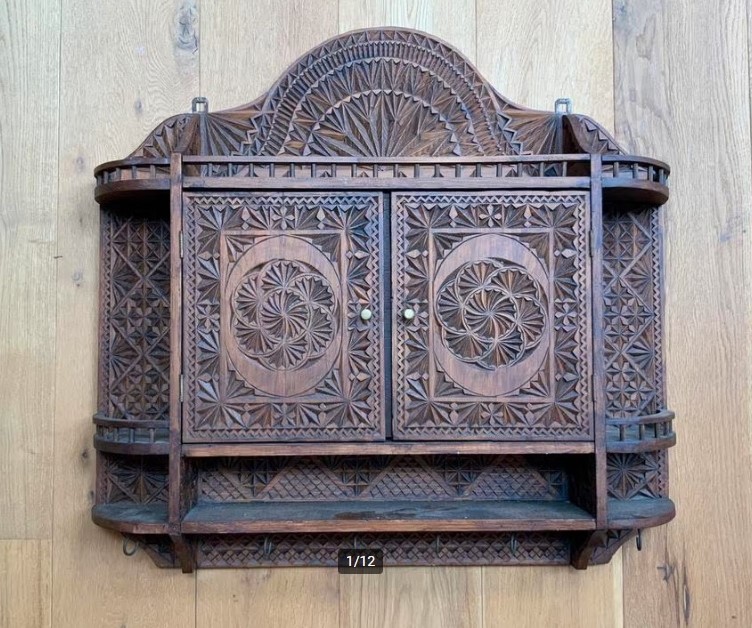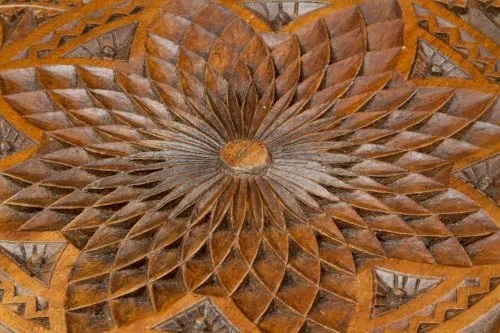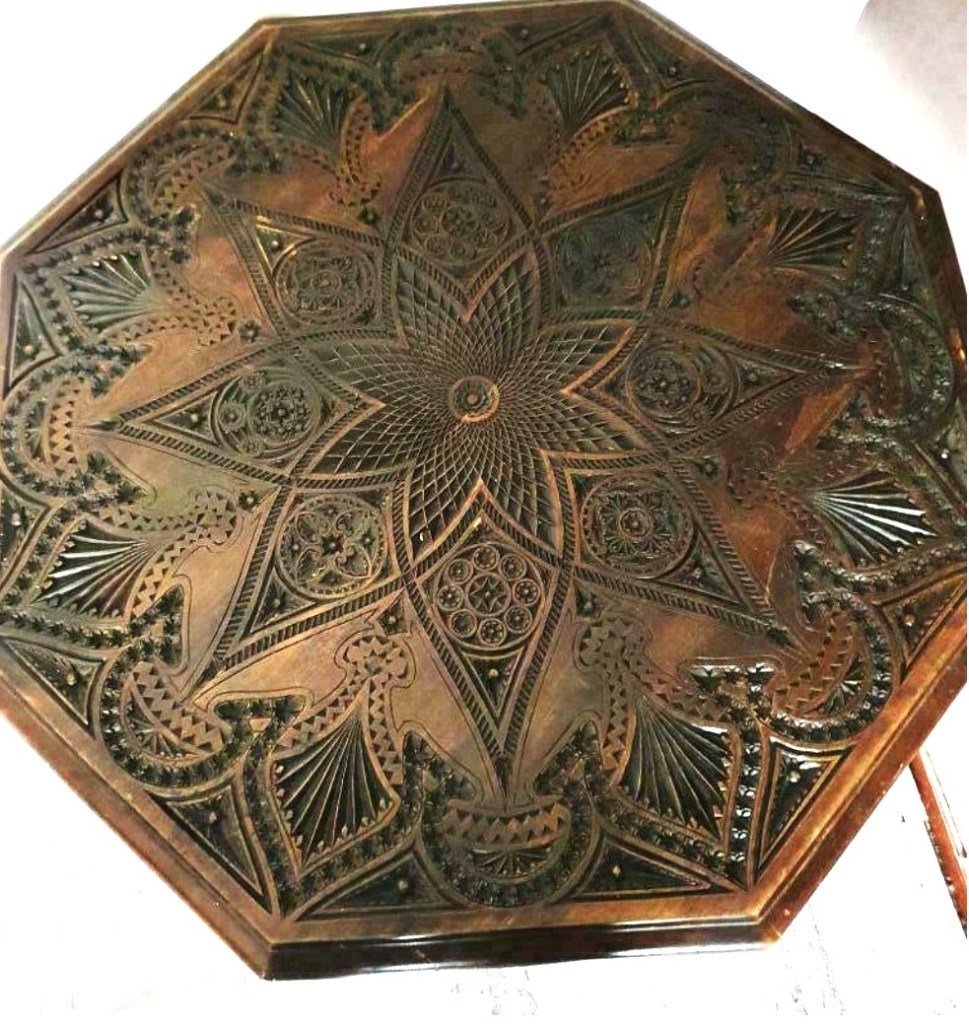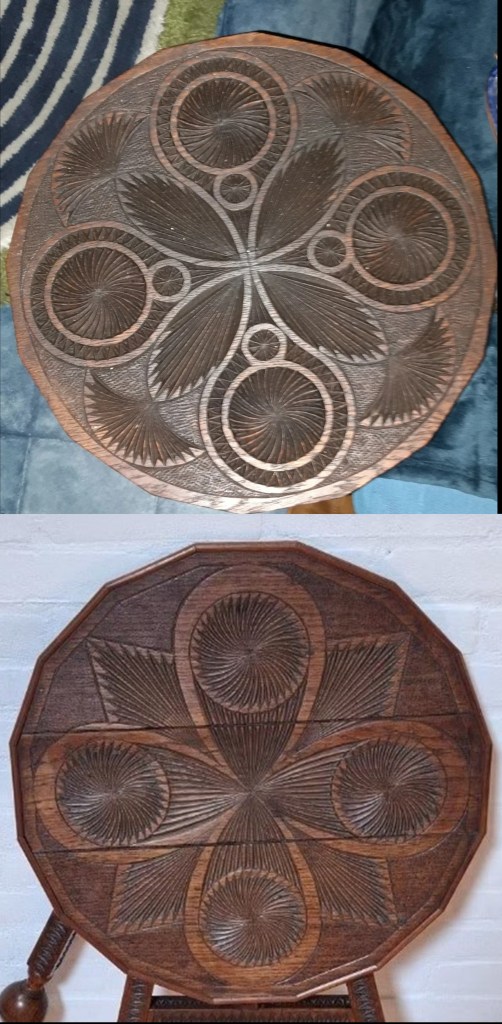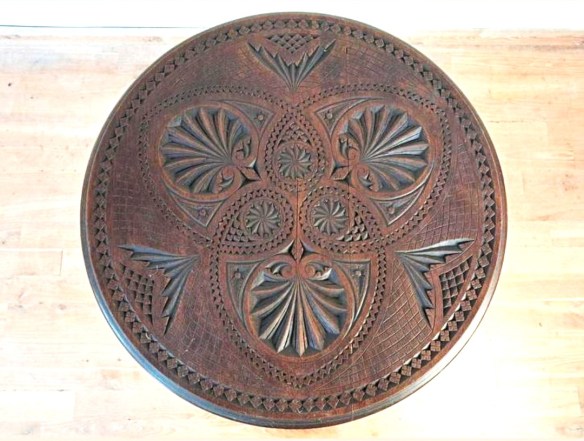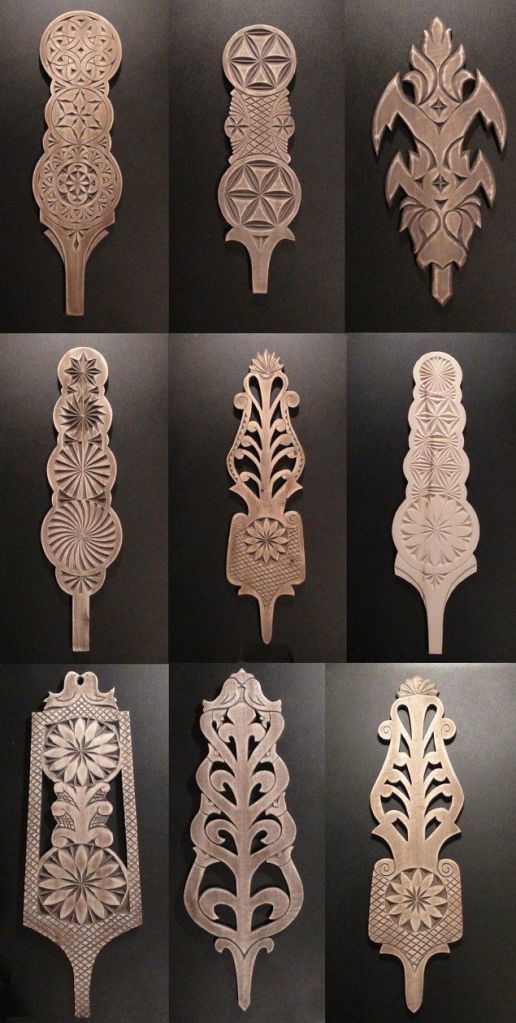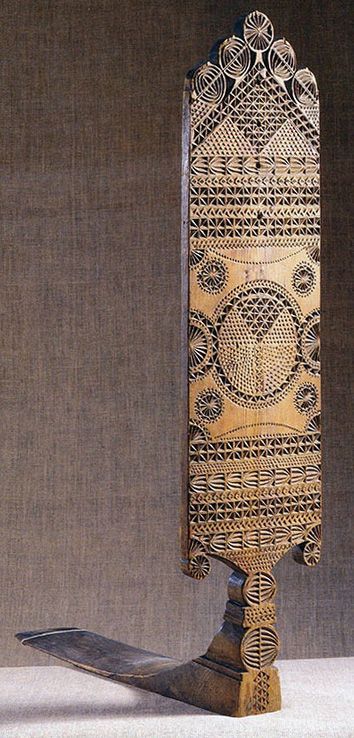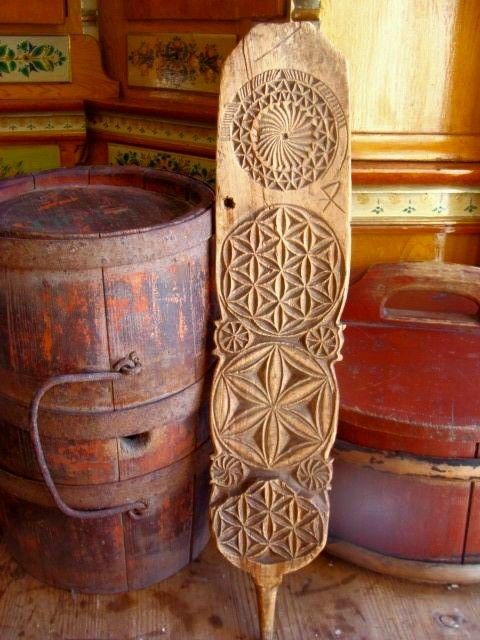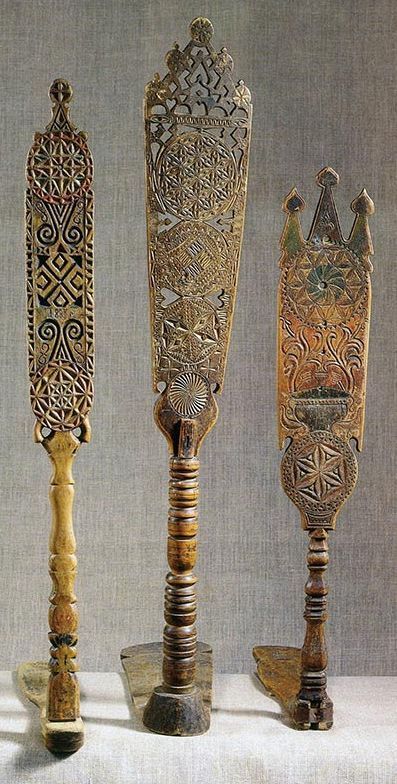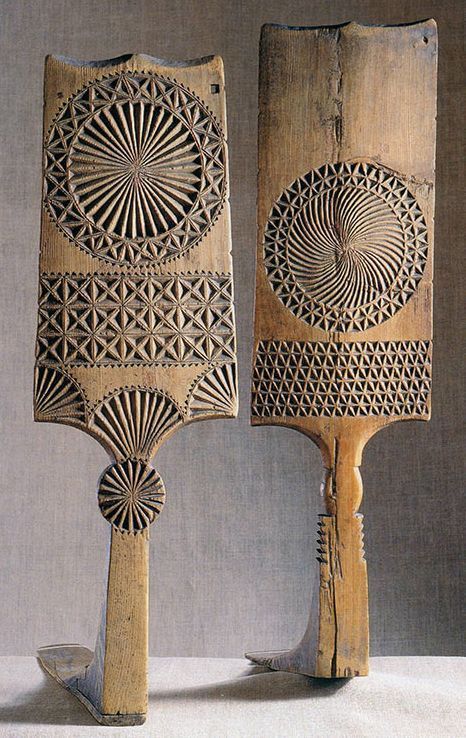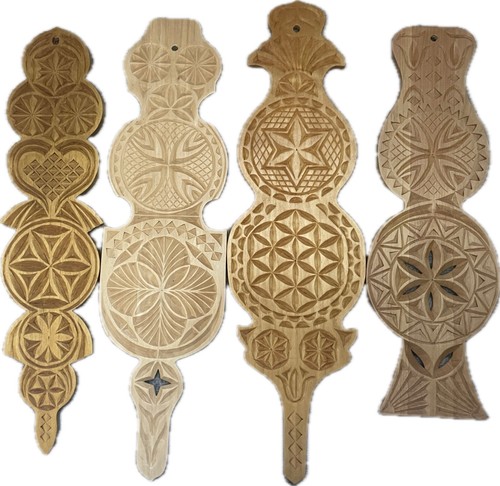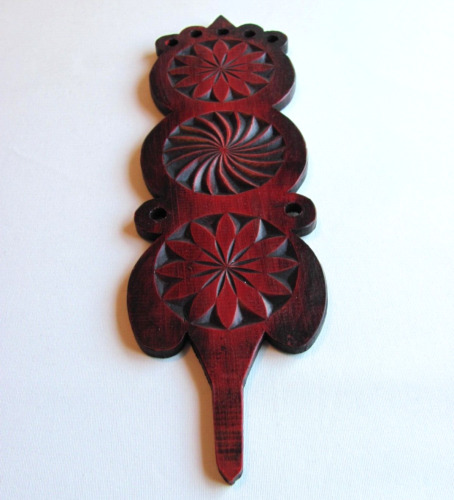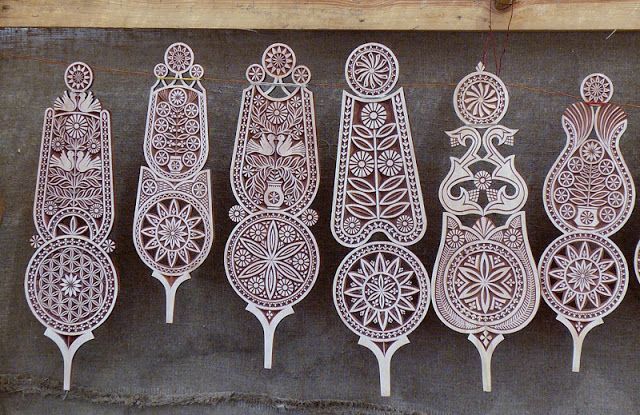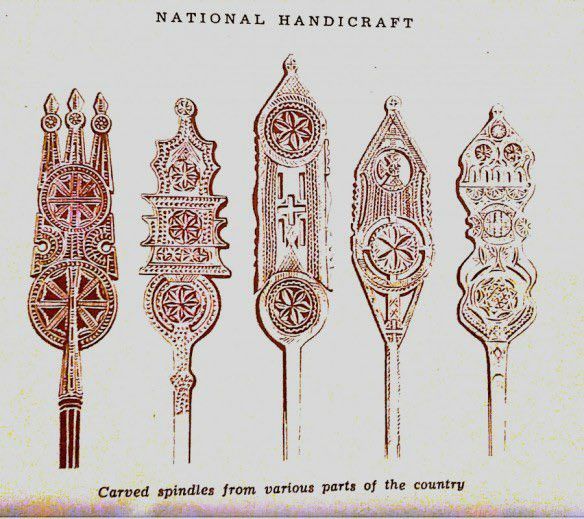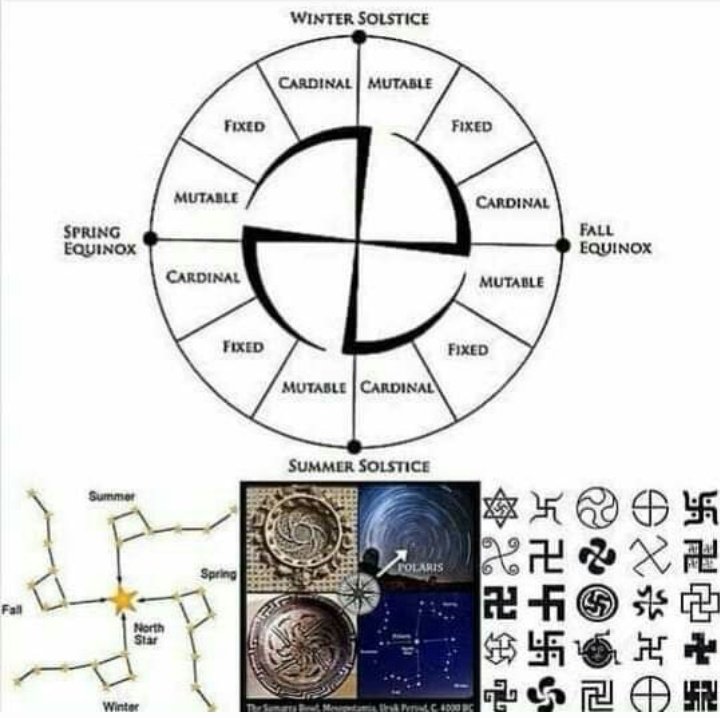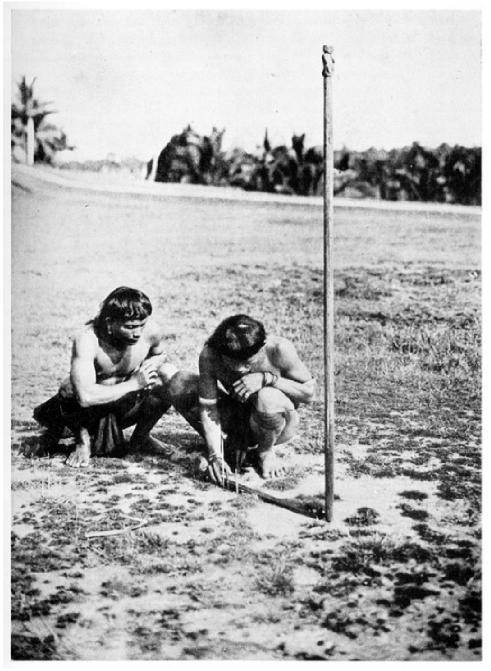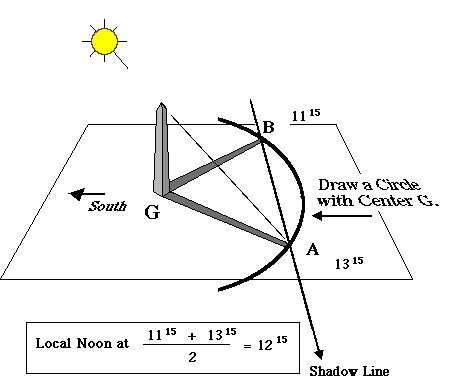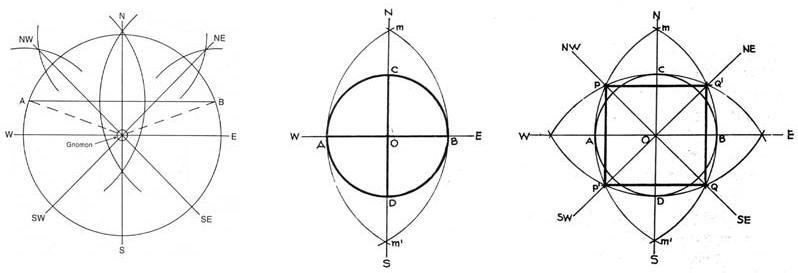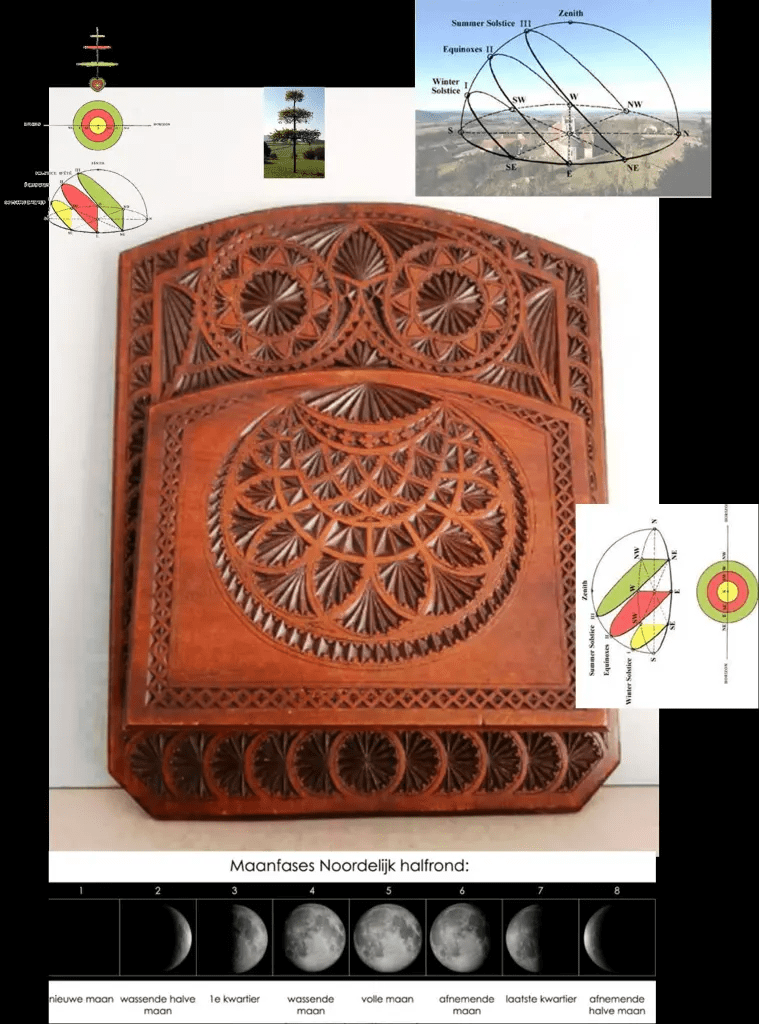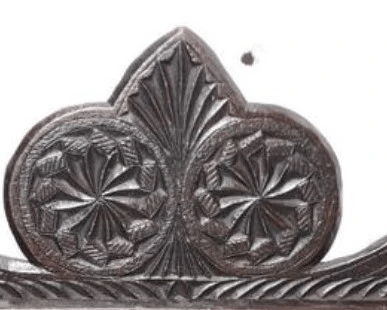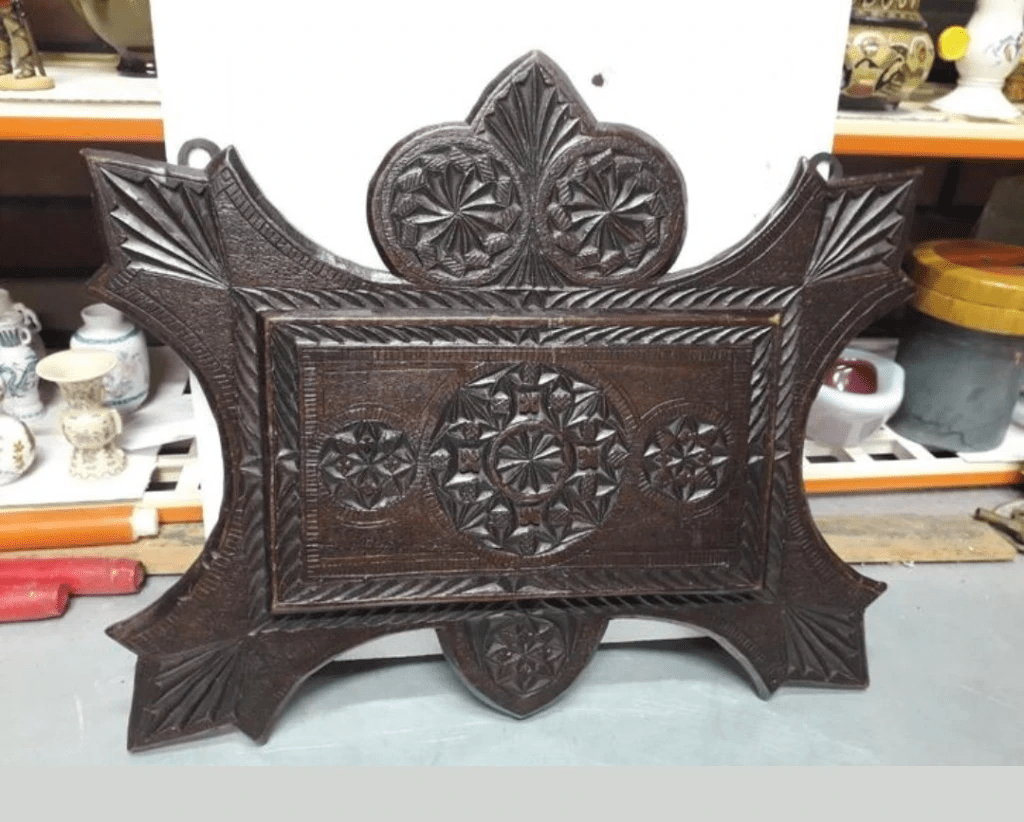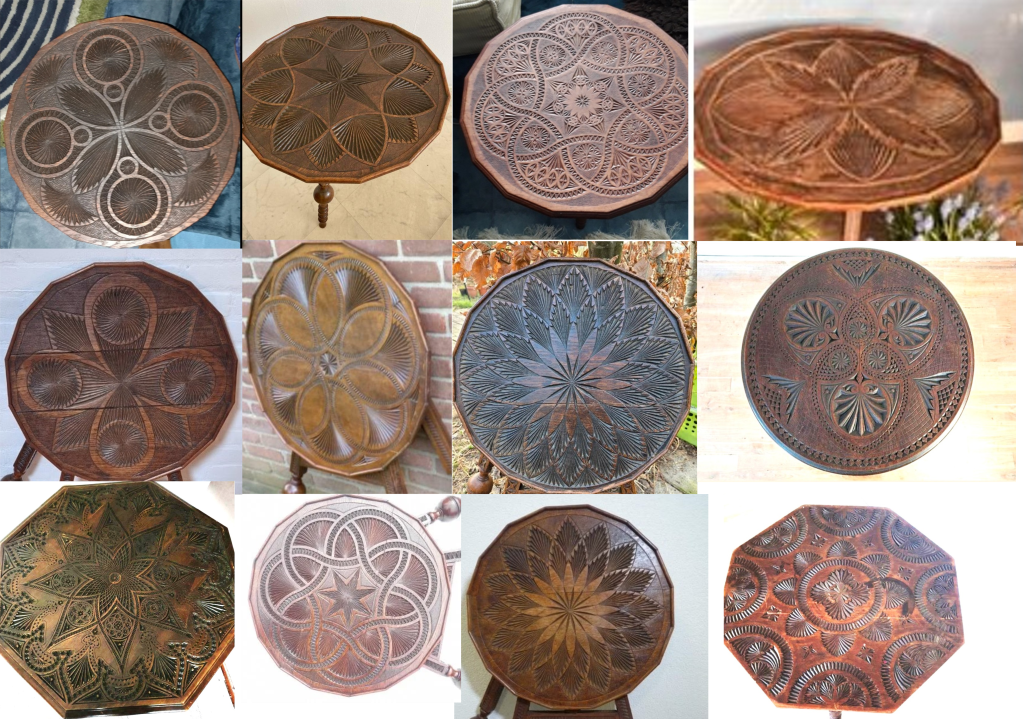


Romania’s long-standing tradition of wood carving, particularly in darker hardwoods, is one of the country’s most visually striking and spiritually rich cultural achievements. From the hills of Maramureș to the monasteries of Bucovina, this tradition reflects not only craftsmanship but the deeper soul of a Christian rural people. These carvings are not whimsical folk decorations but solemn expressions of faith, memory, and hierarchy. They carry symbols of eternal truths, often placed at the thresholds of homes and churches where heaven and earth are believed to meet.

The visual language of carved wood in Romania is steeped in Christian theology, ancestral reverence, and cosmic symbolism. These are not anonymous peasant items for tourist admiration, but sacred artifacts shaped by centuries of continuity. Men carved gates for their family homes with the same intention with which they built altars in churches. The care, time, and attention given to each design points toward a culture that values moral order, beauty, and permanence.
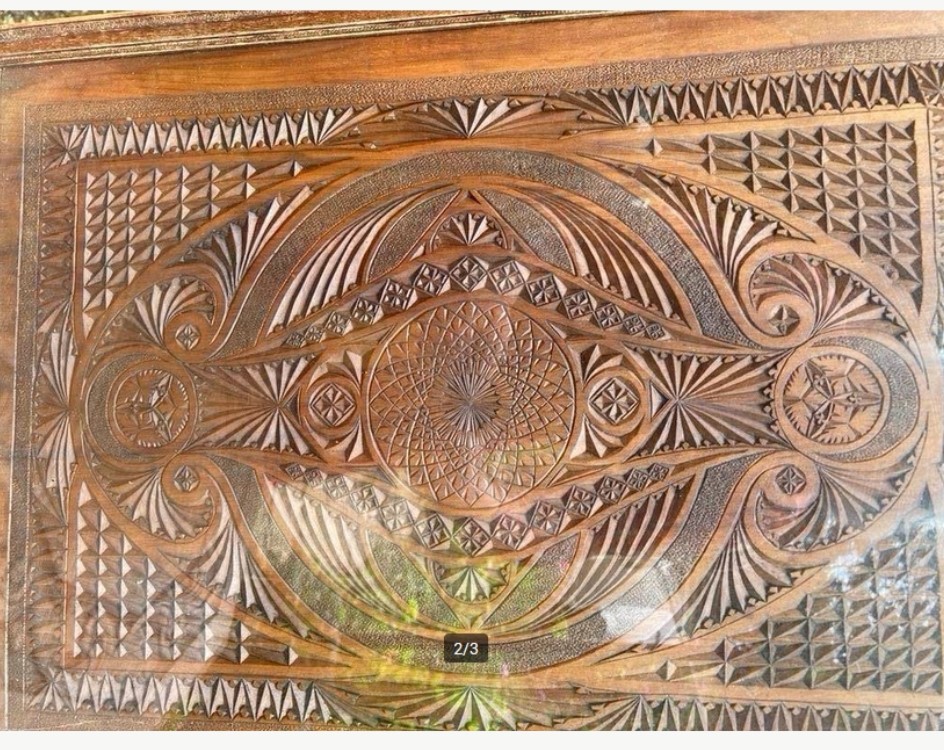
The prevalence of darker tones in Romanian wood carving is partially due to the natural aging of walnut, oak, and beech, but also a deliberate choice to create contrast and depth. Smoke from candles and hearths, linseed oil, and hand-rubbing methods over generations darkened the surfaces even further. The result is an aesthetic that is solemn and grave yet full of warmth and light when struck by sunlight or candle flame.

These carved forms continue to shape Romania’s cultural identity. Whether viewed in a village church or preserved in a national museum, they offer a rare continuity with a past where Christianity was not merely professed but carved into the very walls of daily life. The dark wood of Romania holds memory and meaning as surely as any illuminated manuscript or fresco.

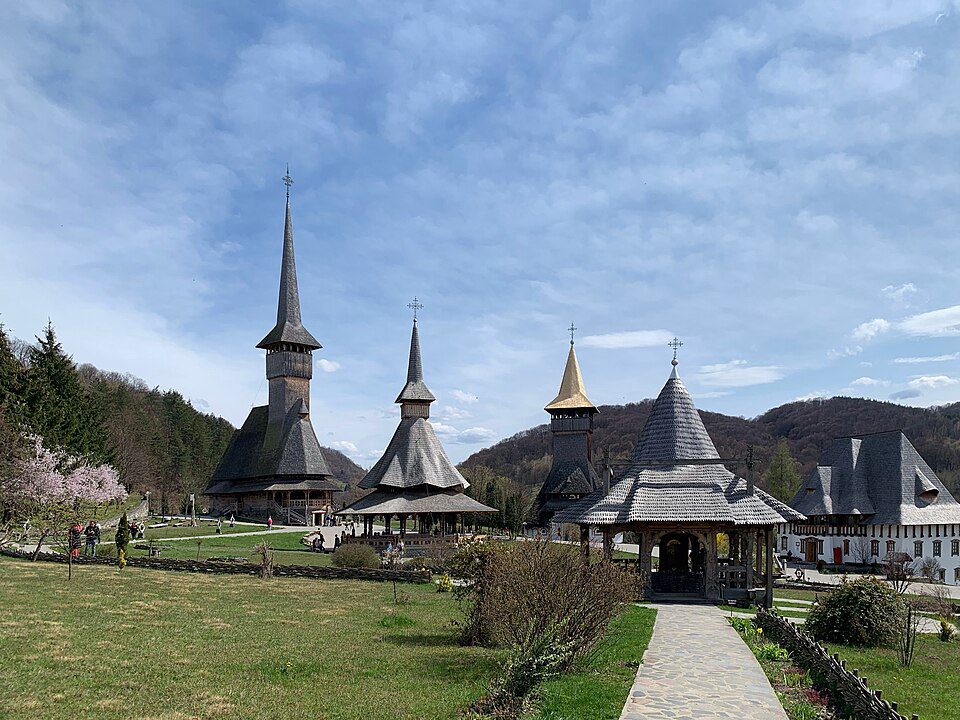
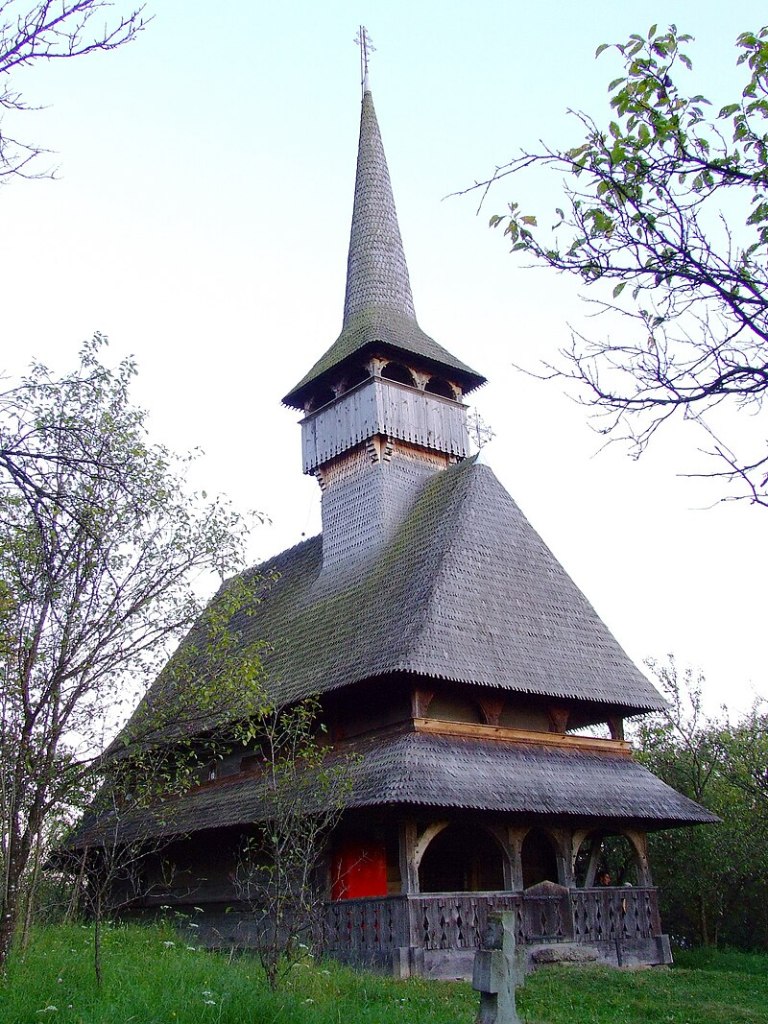
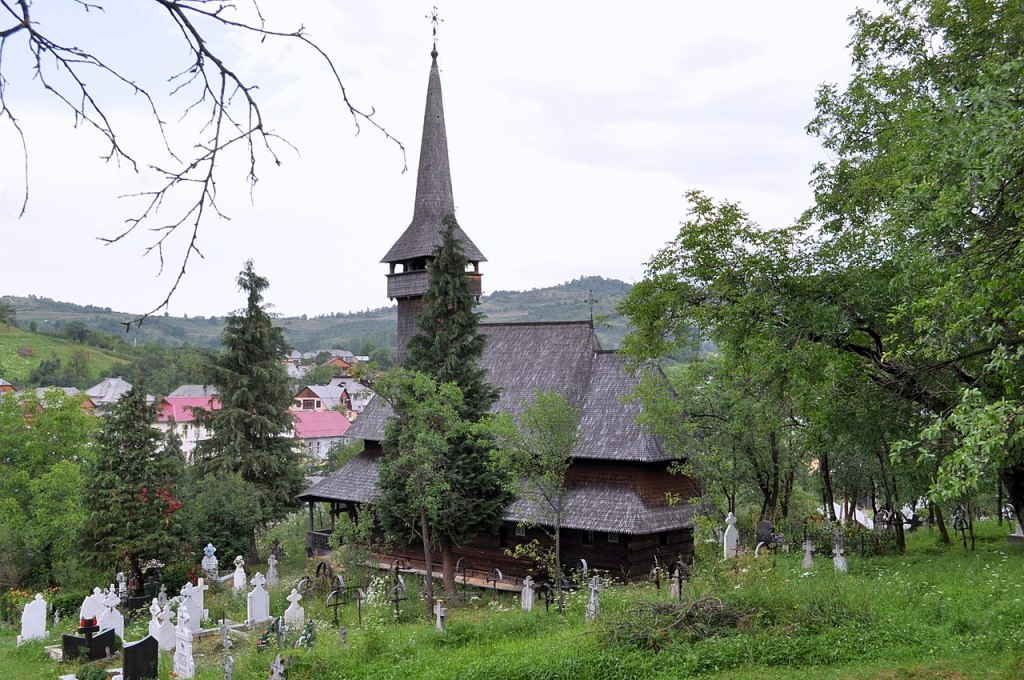
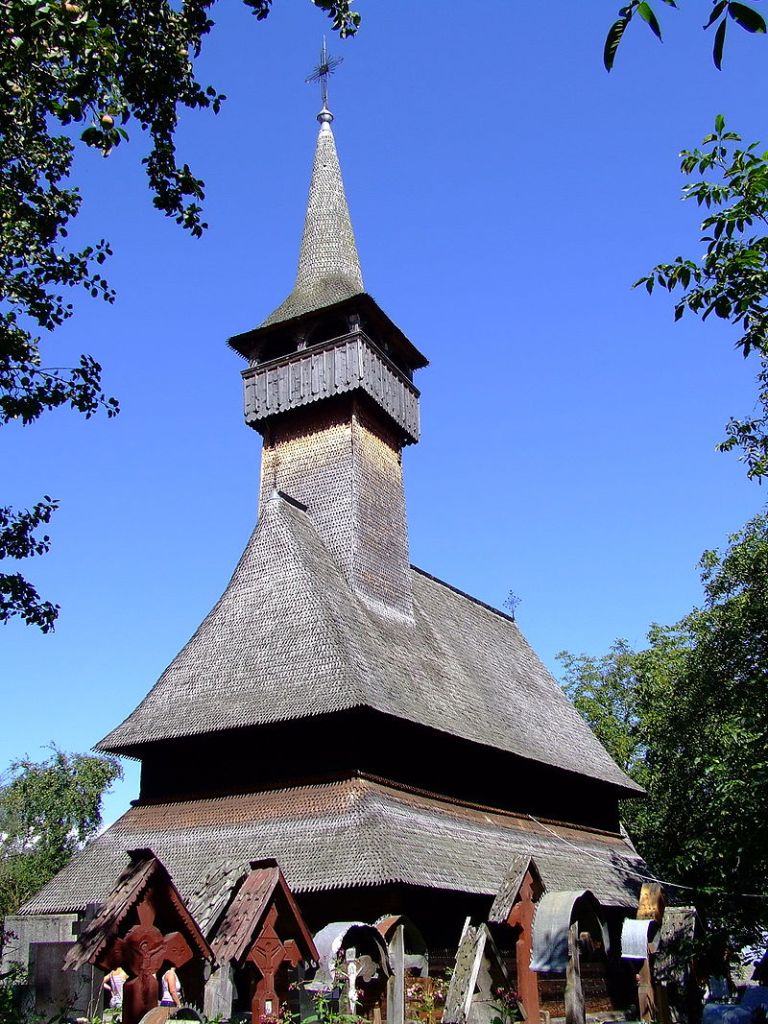
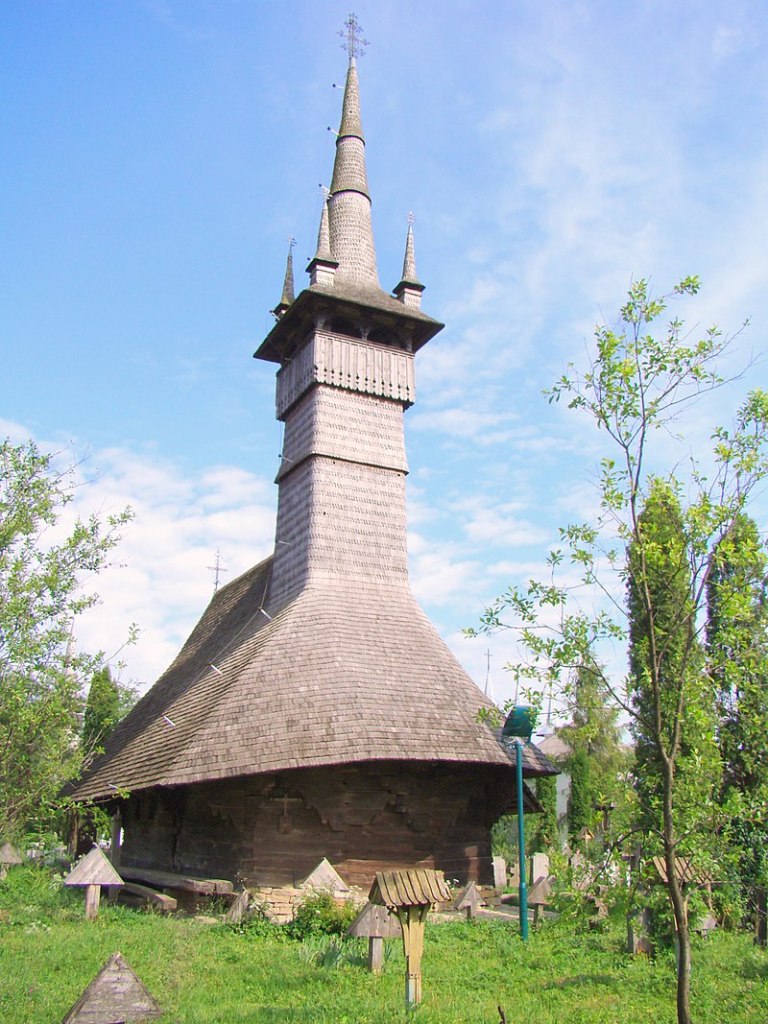
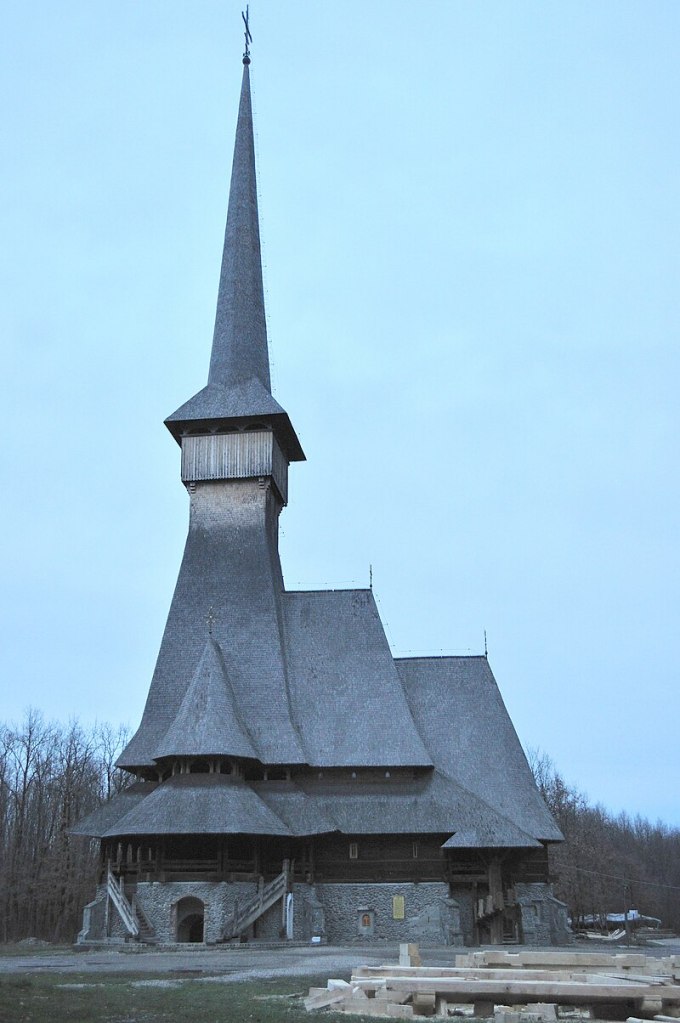
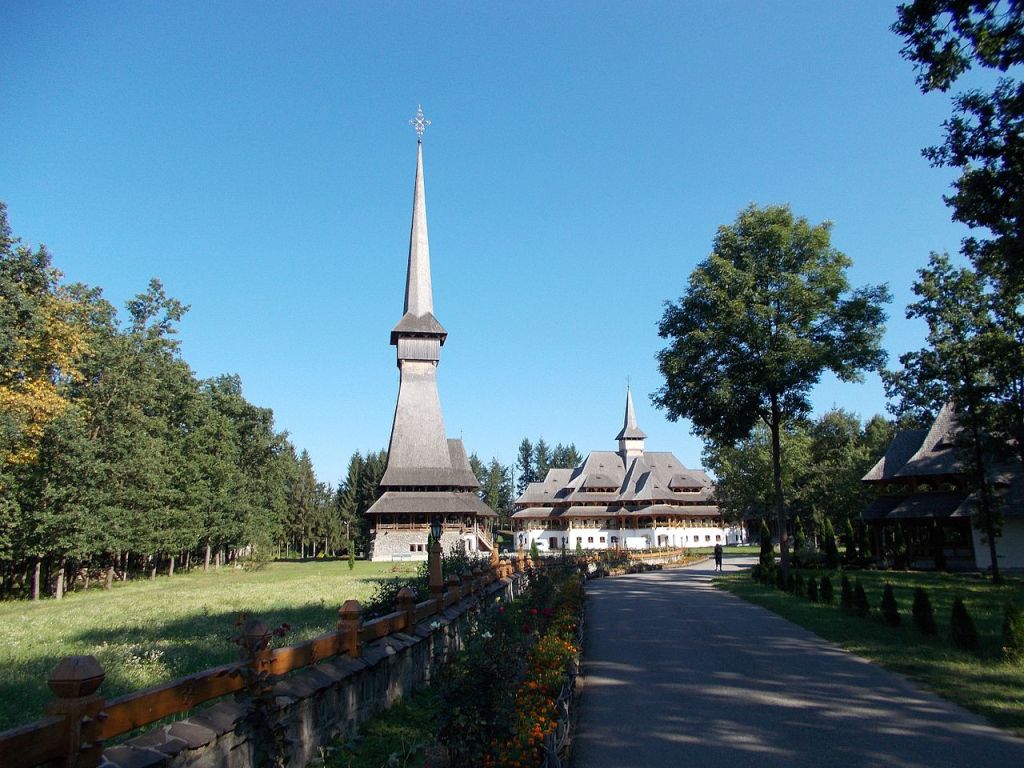
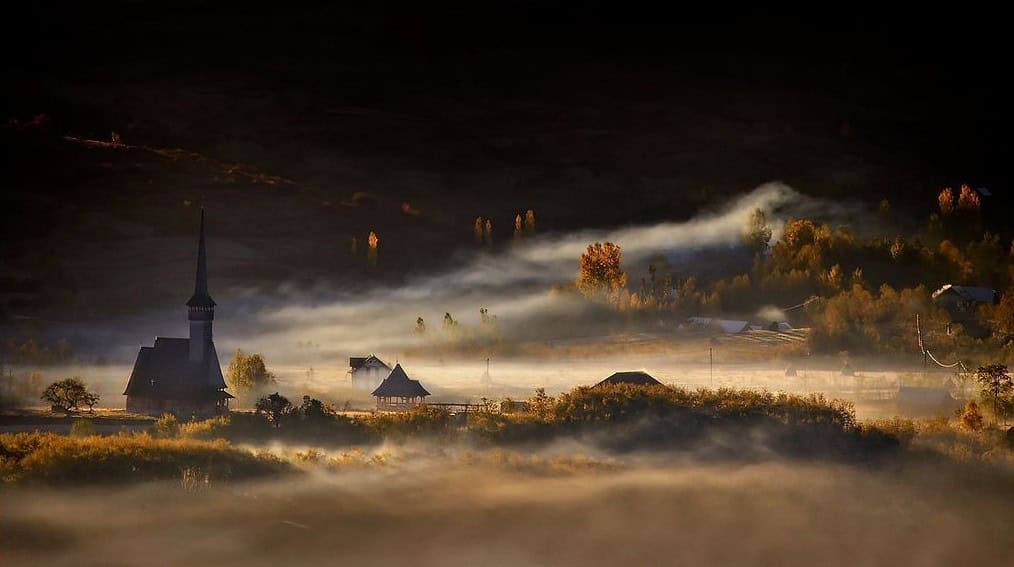
The region of Maramureș, located in northern Romania, remains the beating heart of the country’s wooden tradition. In its villages, wooden architecture is not merely functional but spiritual. Church towers rise like needles above thick forests, their forms echoing both steeples and watchtowers. Here, wood is not an alternative to stone, but a preferred material infused with meaning, humility, and ancestral significance.
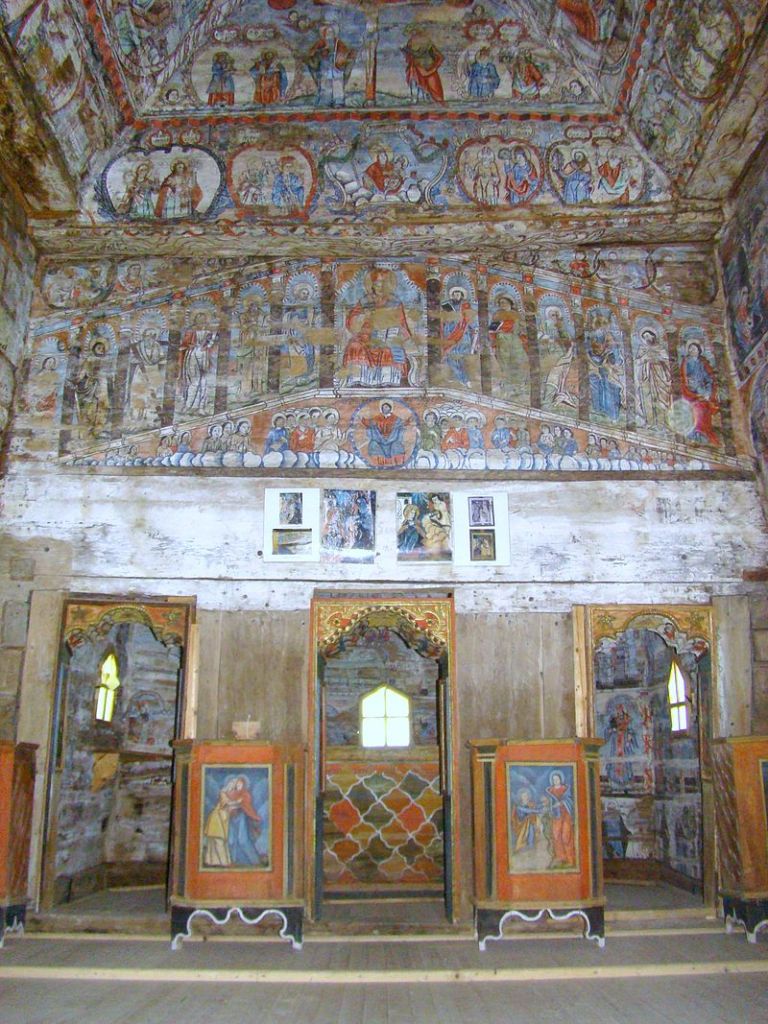
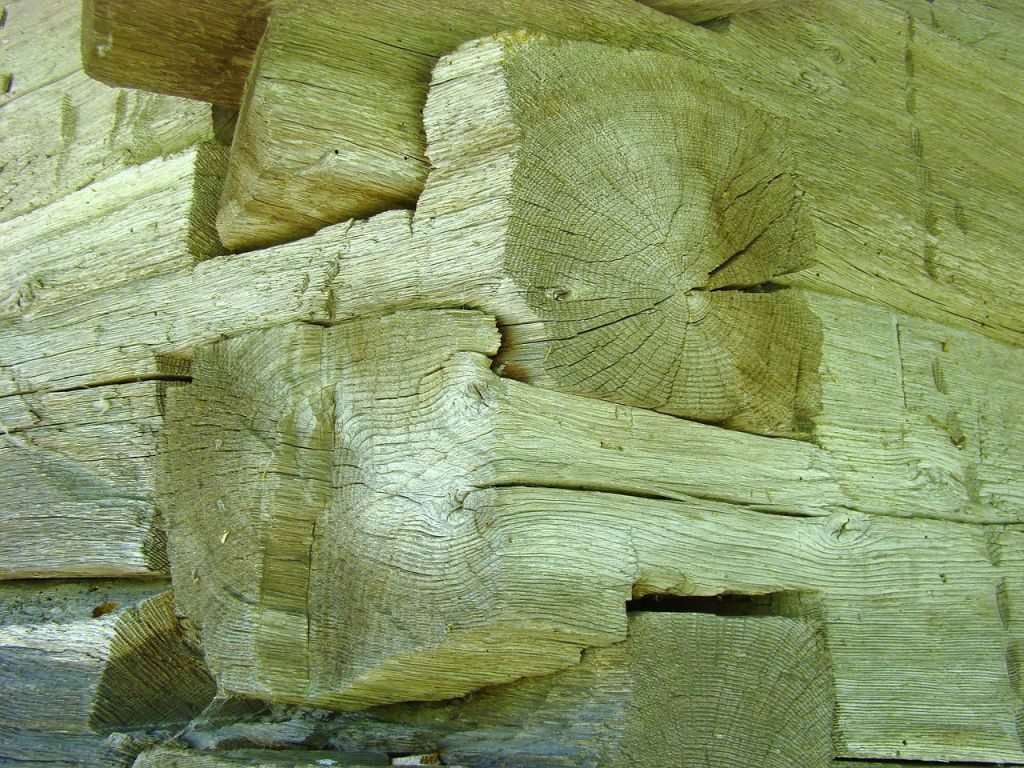
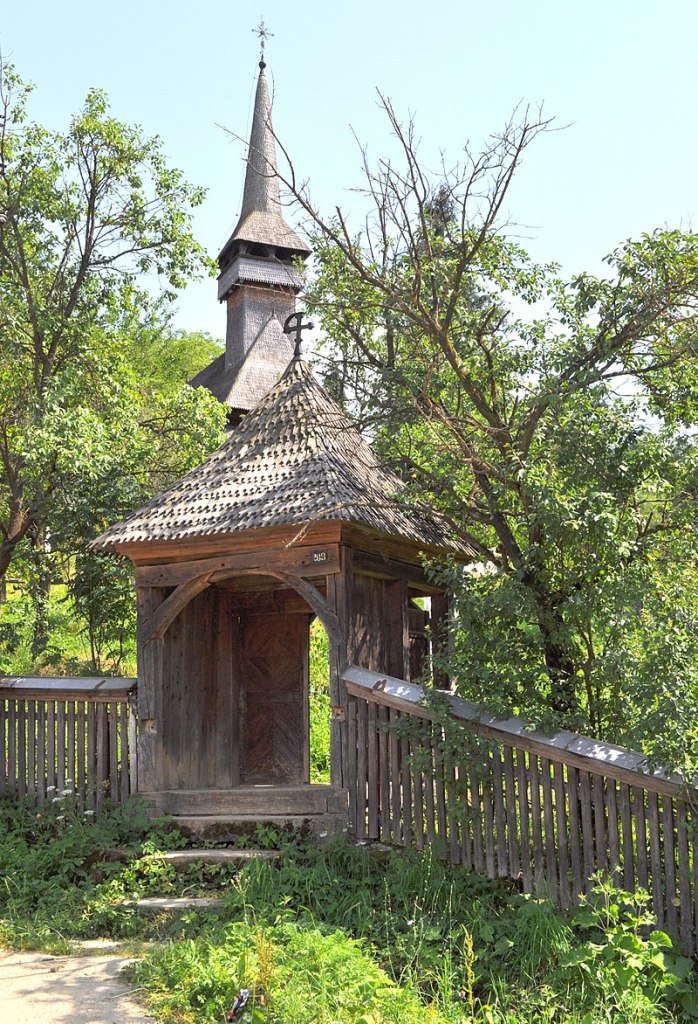
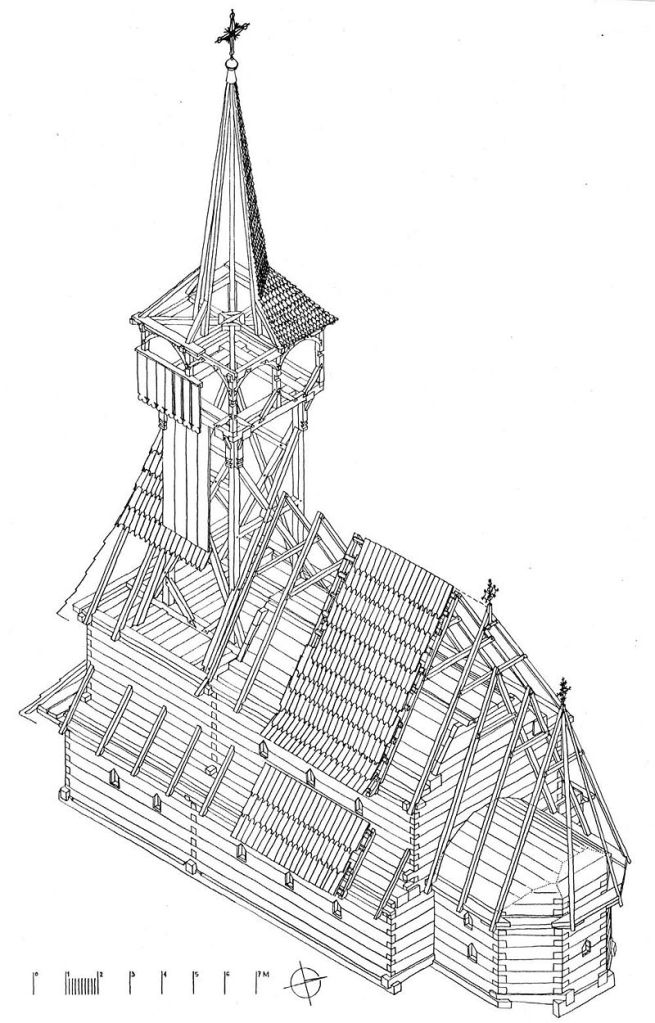
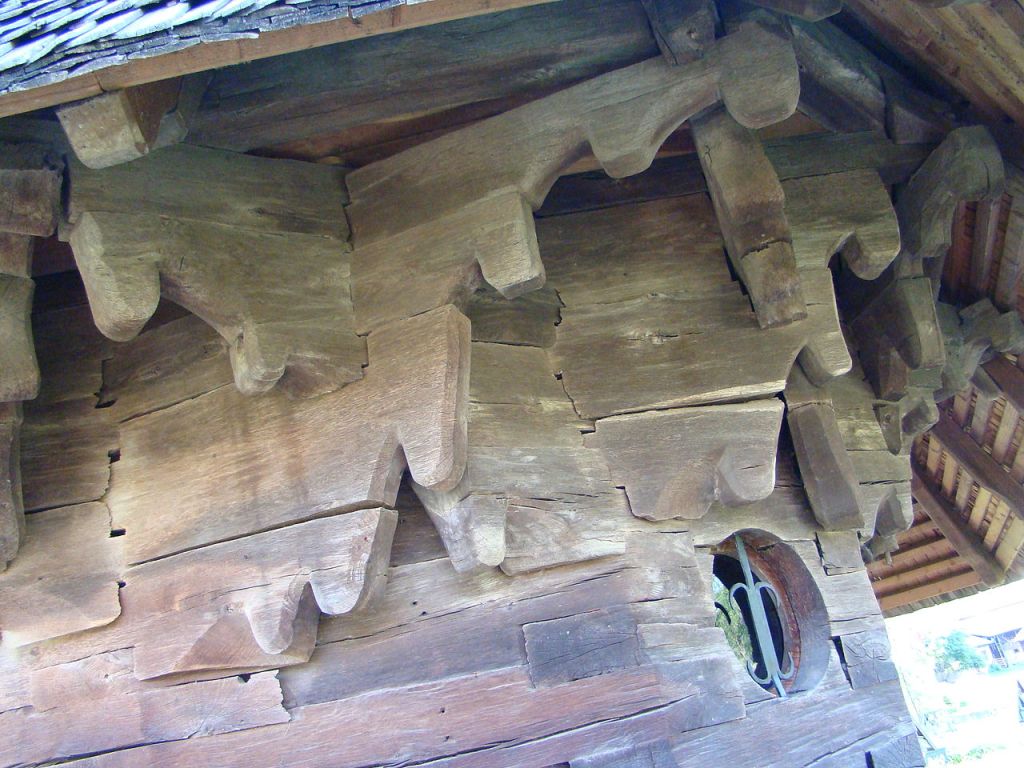
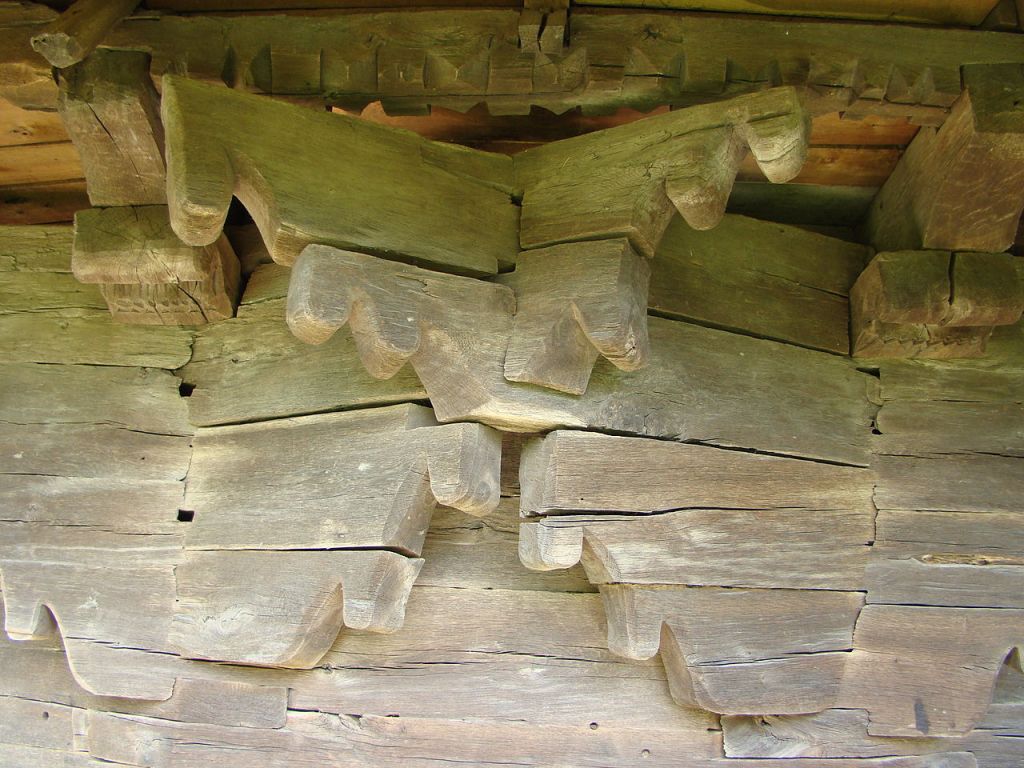
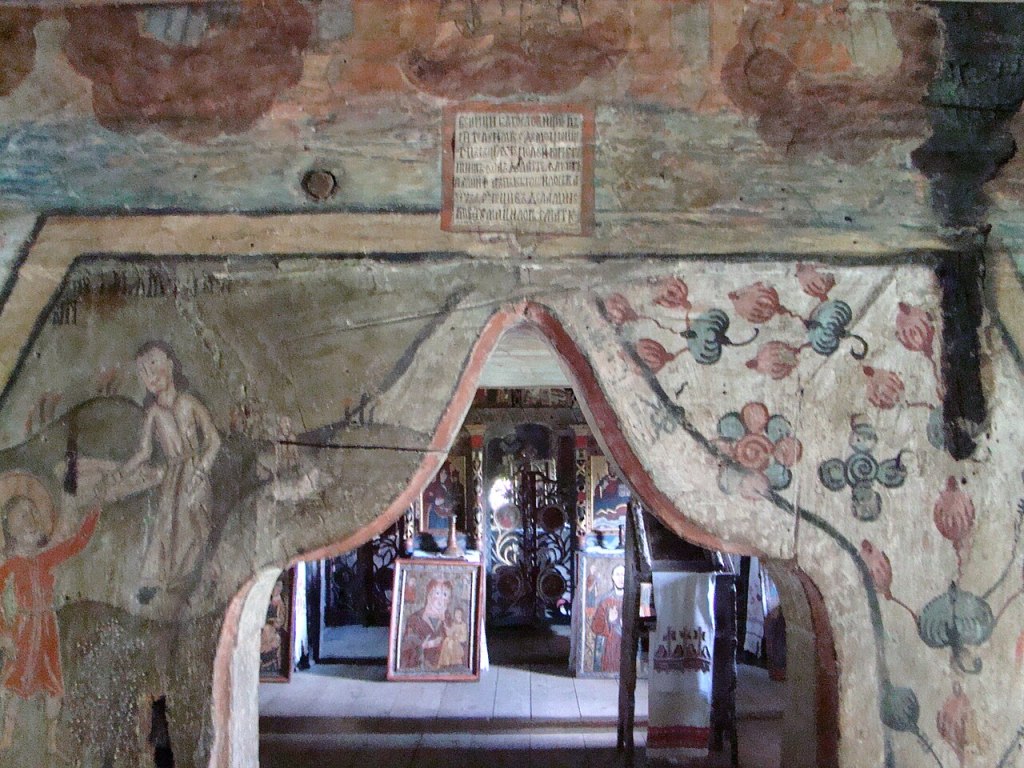
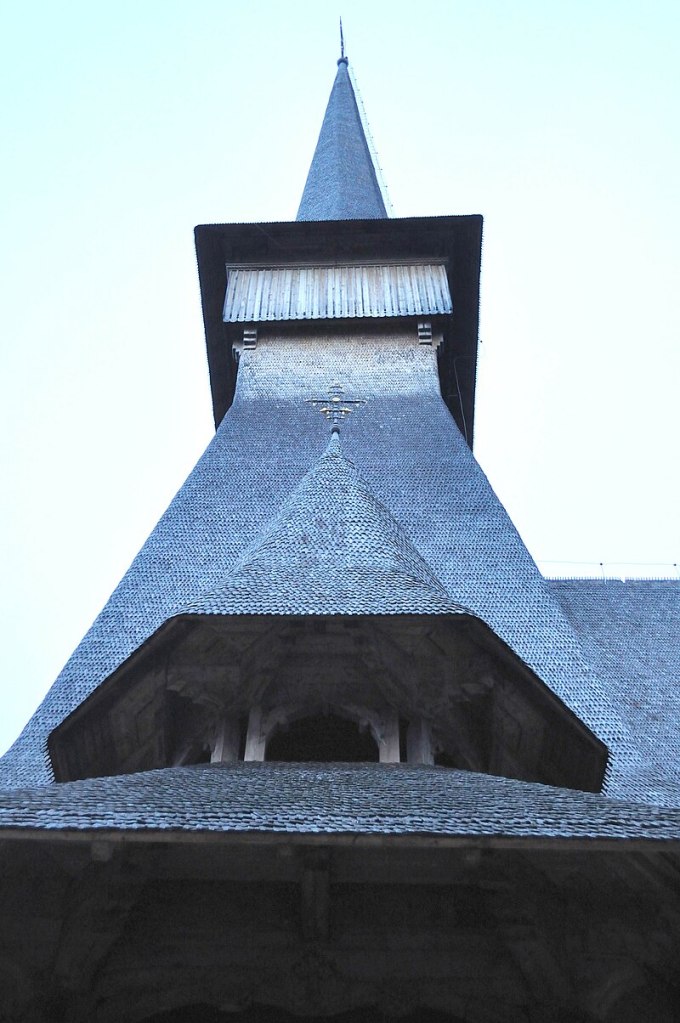
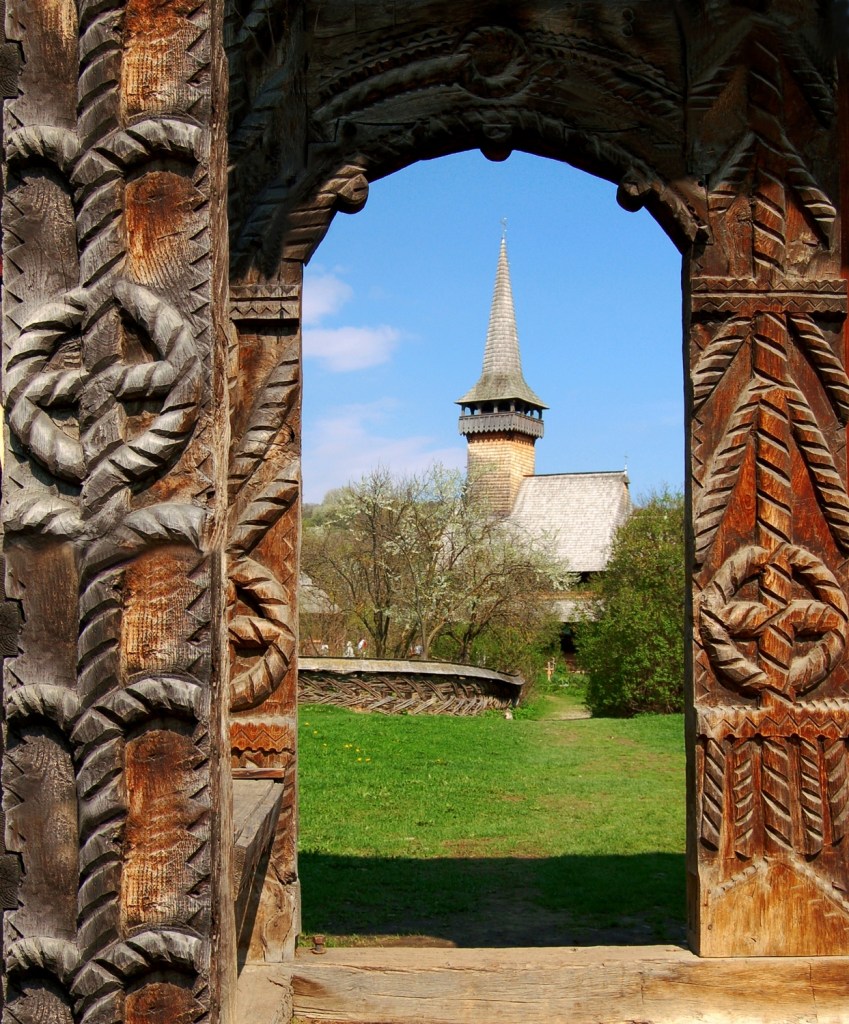
The wooden churches of Maramureș are renowned for their harmonious proportions, towering spires, and steep roofs. Constructed between the 17th and 18th centuries, many are now UNESCO World Heritage Sites, including the churches of Bărsana (1720), Ieud Deal (1364 but rebuilt in later centuries), and Poienile Izei (1604). Built without nails, these churches use local oak and fir to create a sacred space that unites heaven and earth in verticality and symbol. The darkened interiors, aged by incense and smoke, preserve Biblical frescoes and intricate carvings.
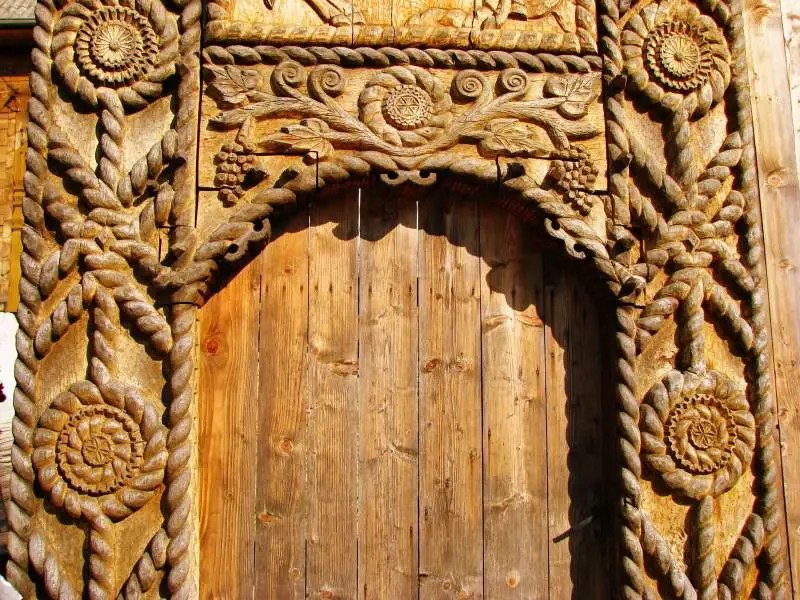
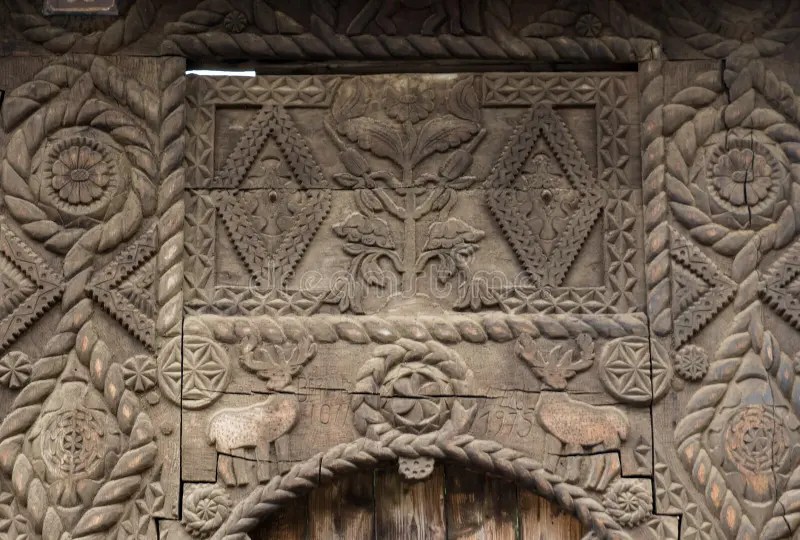
Each church in Maramureș features a carefully carved portal that leads into a sacred enclosure. Designs include rosettes, twisted ropes, and crosses carved in relief, symbolizing life, eternity, and the Holy Trinity. The doors themselves often tell stories from the Gospels or Old Testament, rendered in stylized forms passed down through local traditions. Walls and ceilings contain wooden beams marked with initials, blessings, or protective symbols.

These churches are not relics of a dead past. They continue to host baptisms, weddings, and liturgies. Local priests and laypeople maintain the wooden structures, understanding them not only as architectural heritage but as living altars. In many cases, the original master carver’s name has been forgotten, in keeping with the Orthodox principle that sacred work should point toward God, not man.
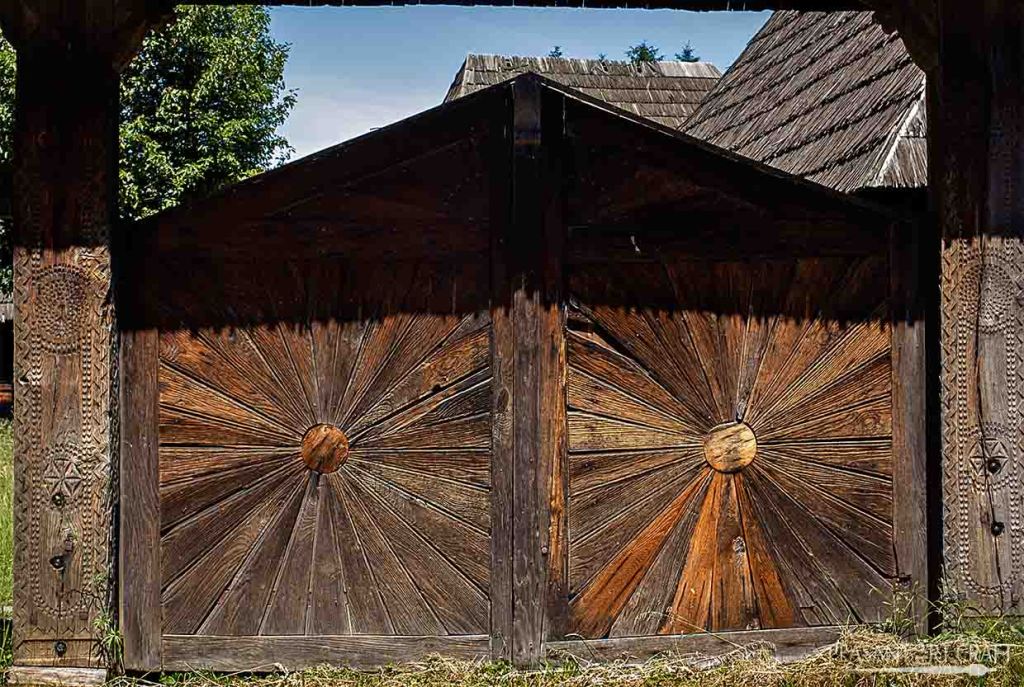
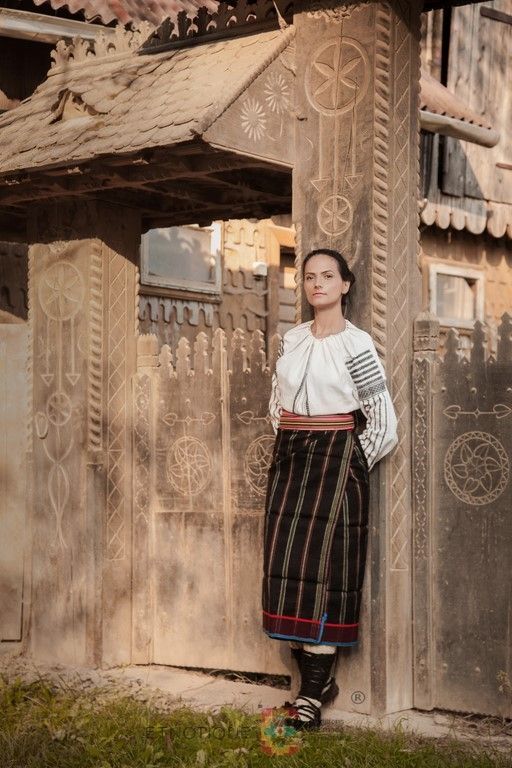
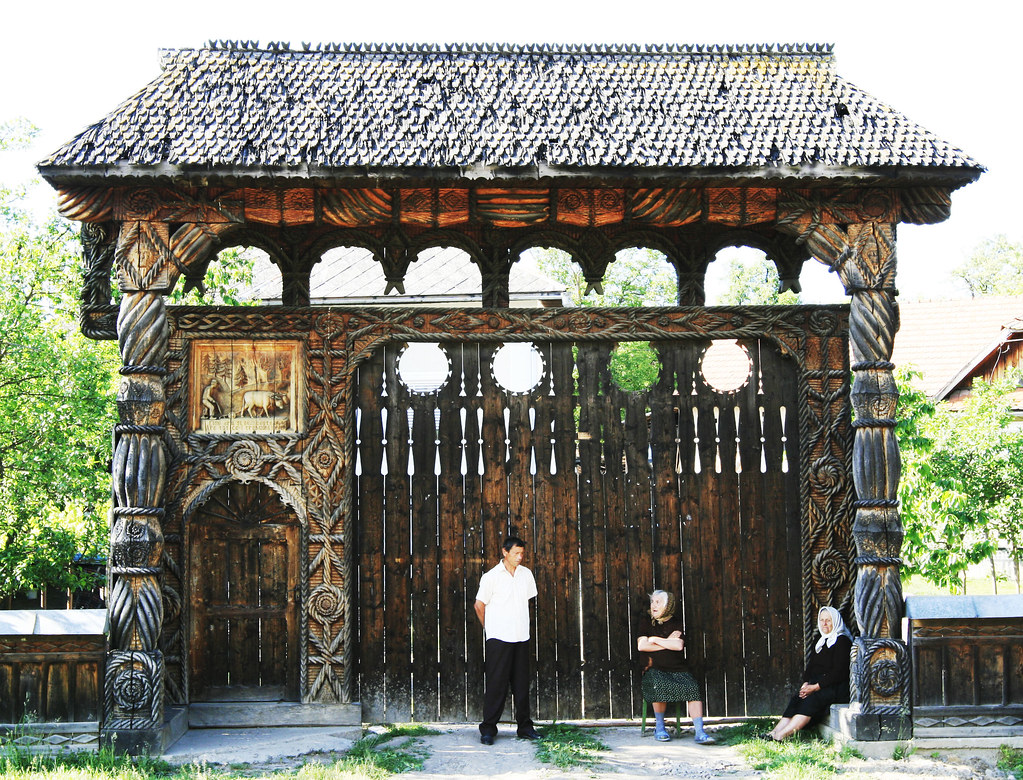
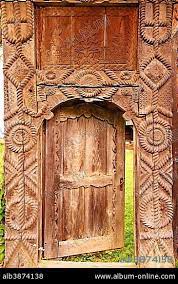
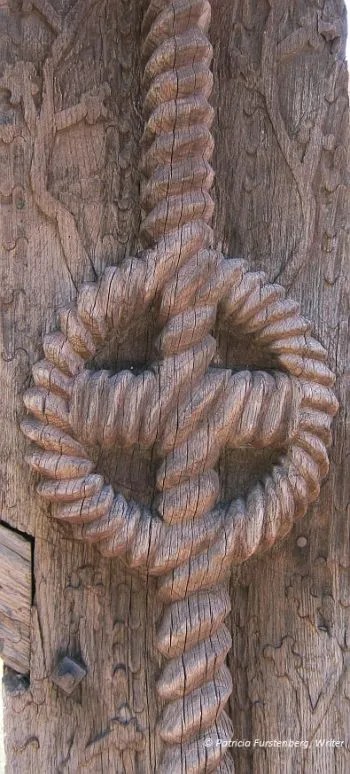
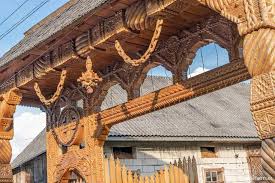
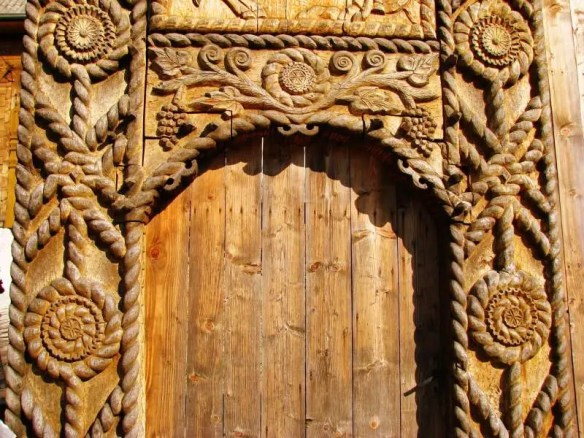
Maramureș is equally famous for its massive carved gates, which often stand taller than the homes they guard. These gates, typically built from oak, are adorned with interlaced patterns, symbols of eternity, sun wheels, and depictions of the tree of life. The rope motif, carved in twisted relief, signifies continuity between generations and the unbroken chain of Christian family lineage.

A typical Maramureș gate includes a small covered shelter, under which visitors stand before knocking. This space is symbolically important; it marks a threshold between the outer world and the sanctity of the home. The craftsmanship of these gates was historically a point of pride, often prepared by a groom before his wedding as a demonstration of readiness and virtue. Today, such gates remain in use, cherished by those who still live close to the soil and the old rhythms of life.
Notable Wooden Churches in Maramureș:


Romanian wood carving is rooted in a symbolic vocabulary that pre-dates modern notions of “decorative” art. Each motif holds spiritual meaning, whether derived from Christian theology or older cosmological symbols adapted to sacred use. The designs are often abstract, geometric, and stylized, allowing them to be deeply meditative while remaining culturally recognizable.

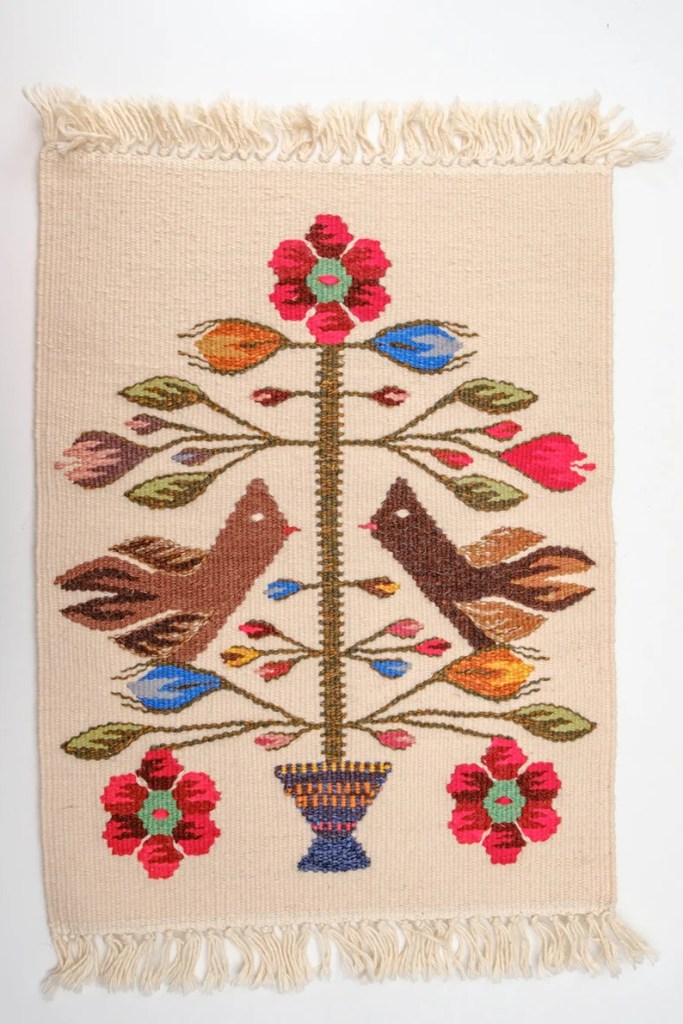
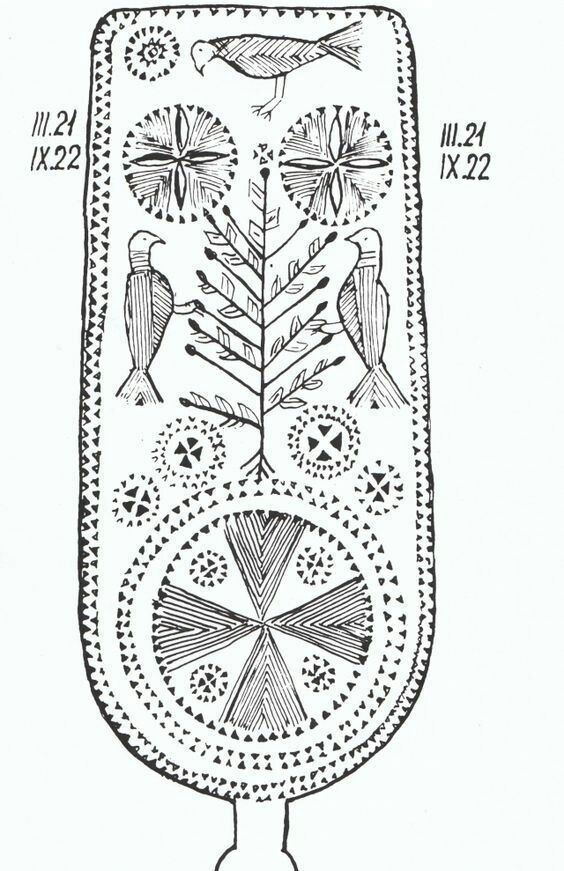
The carved tree of life is perhaps the most frequent and powerful symbol found on Romanian gates, beds, and doors. Representing the axis mundi, it connects the heavens, earth, and underworld. In Christian interpretation, the tree also calls to mind both the Tree in the Garden of Eden and the Cross of Christ. The vertical alignment of these carvings mirrors the layout of a church—with heaven above, the earth in the middle, and the foundation of tradition and law below.

This carved motif often features a central trunk with symmetrical branches rising upward. It may be flanked by birds, sun wheels, or geometric spirals. In Orthodox Christianity, this image evokes both the continuity of divine providence and the singular sacrifice of the Crucifixion. Found on both churches and household items, it reminds the viewer of the link between everyday life and spiritual ascent.

In rural belief, the tree also protected the household from misfortune. A tree carved into the gate or bed frame functioned not just as art but as a prayer. Carvers selected their designs with care, balancing aesthetic harmony with theological significance. The unity of symbol and material remains a distinctive feature of Romanian Christian craft.
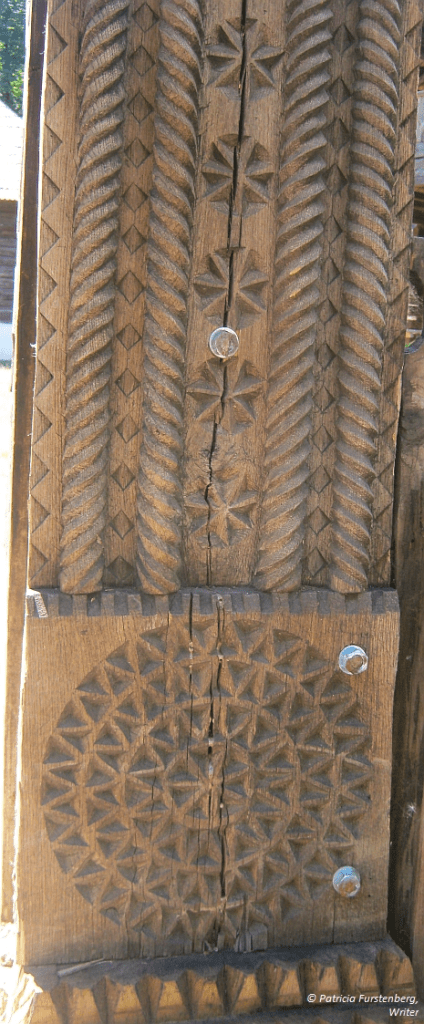
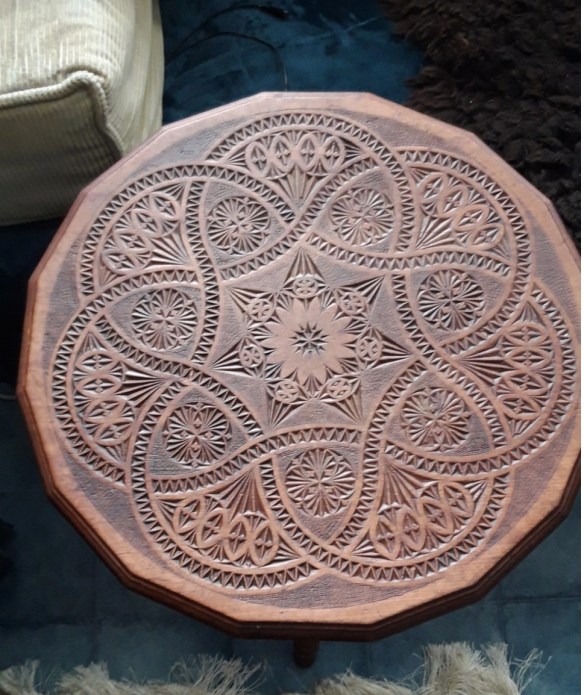
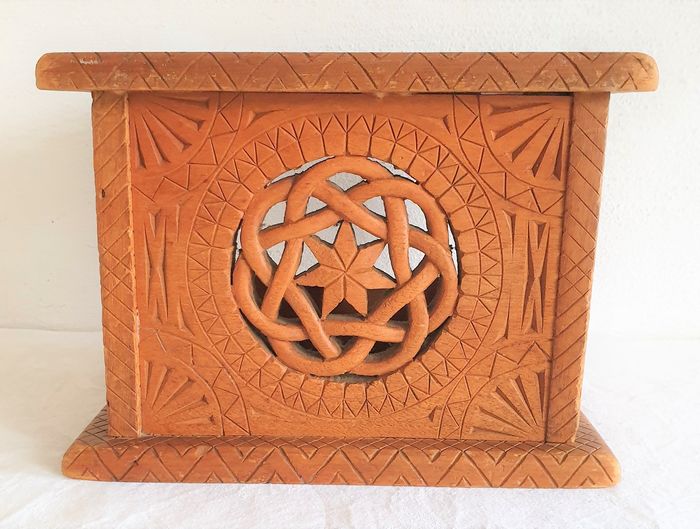
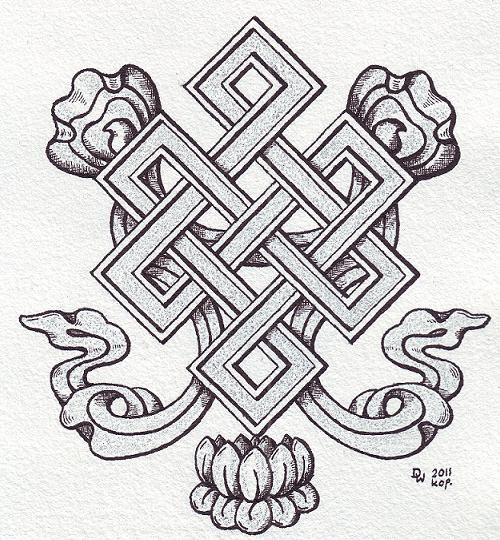
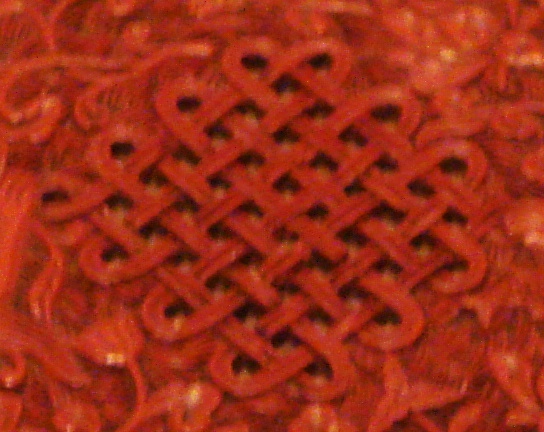
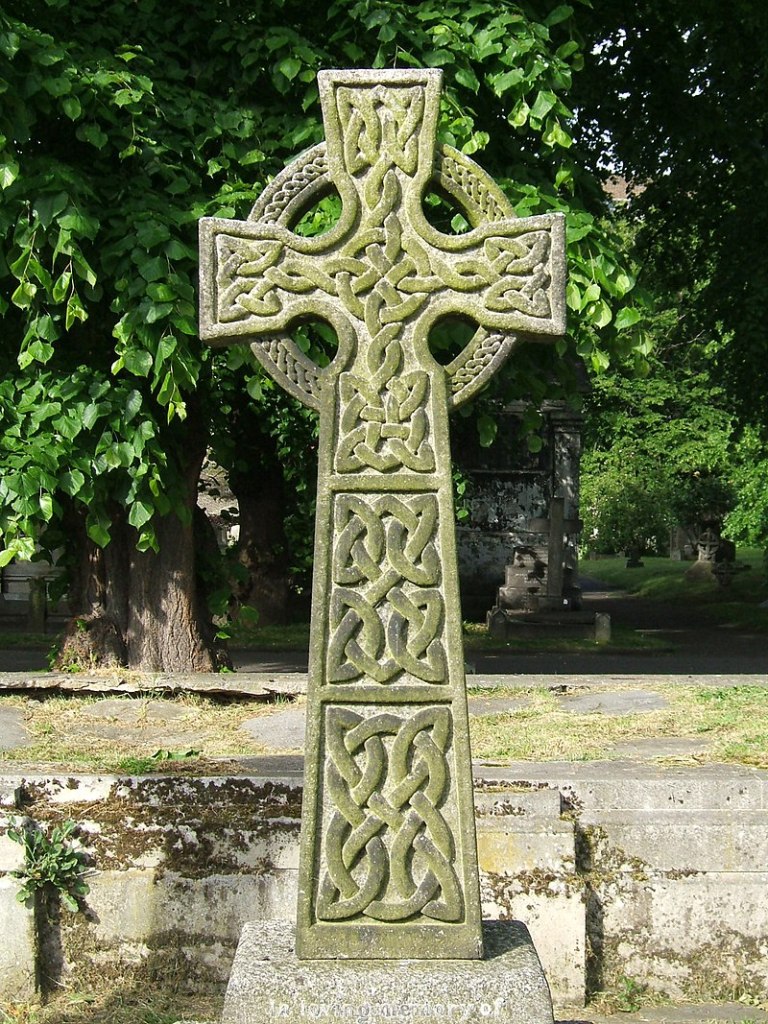
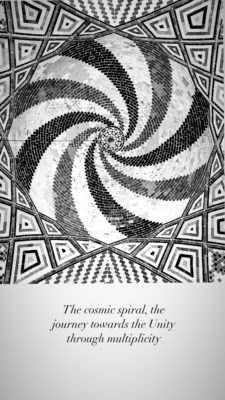
Another enduring motif is the twisted rope, usually carved in spiral relief. This “infinite knot” symbolizes eternity, the unbroken succession of days and generations under God’s rule. Often, it encircles doorways, candle holders, or even wooden columns. It serves both as a frame and as a visual expression of the continuity of time.
The rope is often carved on the supporting poles of the front porch, pridvor, a symbol of infinity meant to protected the household and connected the earth to the infinite and blessed Heavens above.

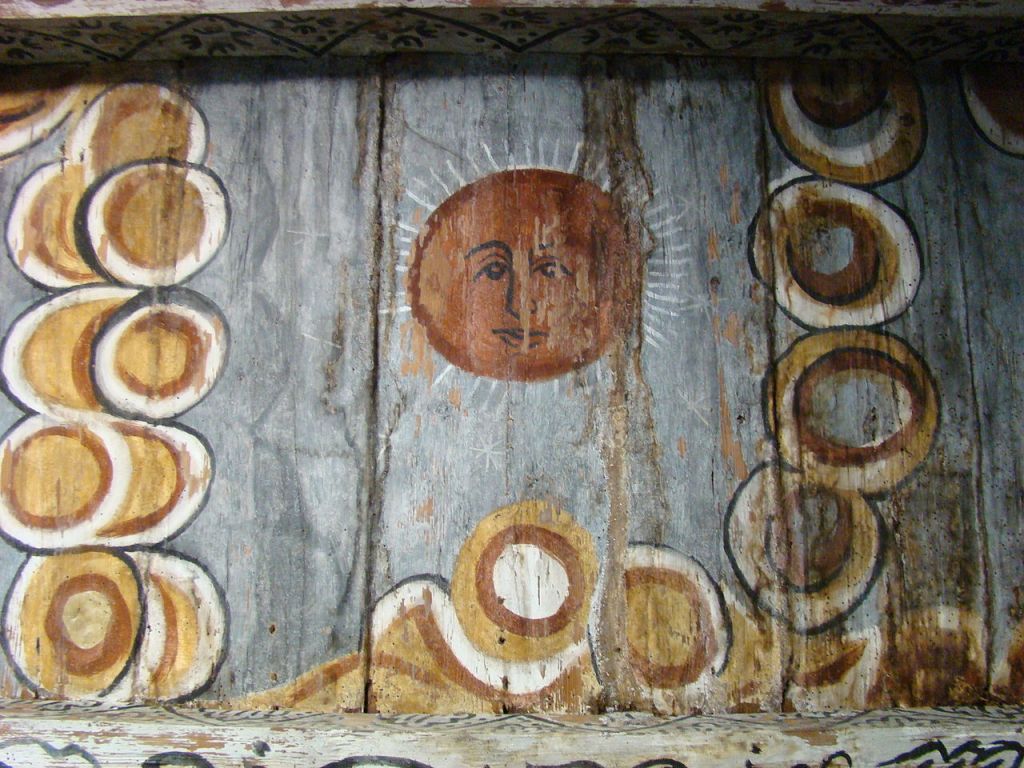
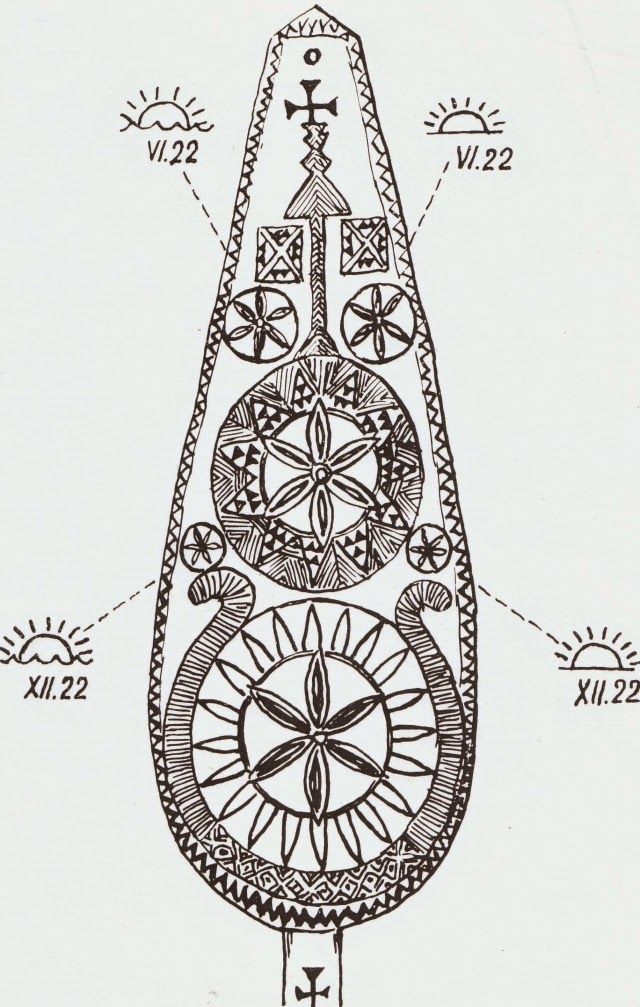
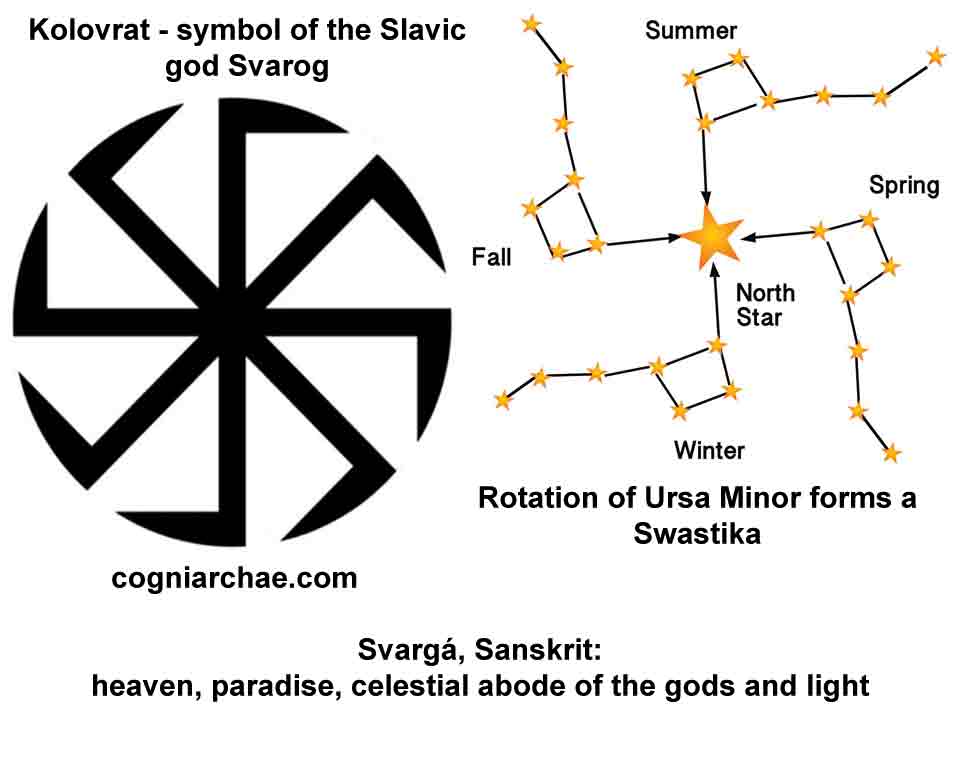
The sun wheel, often rendered as a cross within a circle, represents light, resurrection, and the divine order. Though similar to symbols found in pre-Christian Europe, in Romanian carving these wheels are interpreted through a Christian lens. They often appear near altar areas, on gates, or incorporated into icons. Their message is one of hope and divine clarity amid the darkness of the fallen world.
Wood has long held a sacred role in the Orthodox Christian tradition in Romania. Unlike the grand marble cathedrals of Western Europe, Romanian churches—especially in the countryside—embrace the warmth and humility of wood. This choice is not simply practical; it reflects theological priorities. Wood is organic, tied to the Incarnation of Christ, and speaks to a God who entered the created world, not as a king in a palace, but as a carpenter in a humble village.
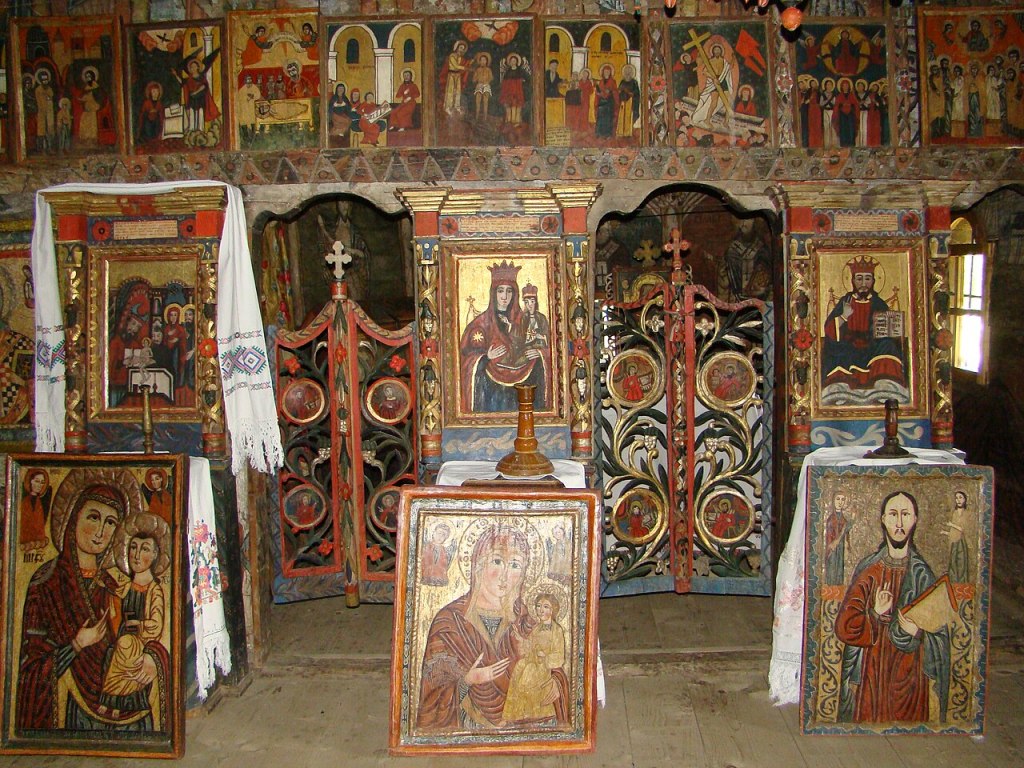
Romania’s Orthodox churches incorporate carved wood in nearly every sacred object: iconostases, bishop’s thrones, lecterns, choir stalls, and candle holders. These elements are not ornamental extras but integral to the worship experience. They surround the faithful with visual theology. In some monasteries, such as the 15th-century Putna Monastery founded by Stephen the Great in 1466, carved wooden interiors enhance the solemnity of monastic life while reinforcing hierarchy and order.
At the heart of every Orthodox church stands the iconostasis—a screen of icons and carvings that separates the nave from the altar. In Romania, these screens are often made of dark walnut or oak, intricately carved with vines, flowers, angels, and interlacing patterns. The purpose is not concealment but revelation—this carved wall becomes a spiritual veil through which glimpses of heaven are offered. The doors in the iconostasis, known as the Royal Doors, are particularly ornate and often include scenes of the Annunciation or the Four Evangelists.
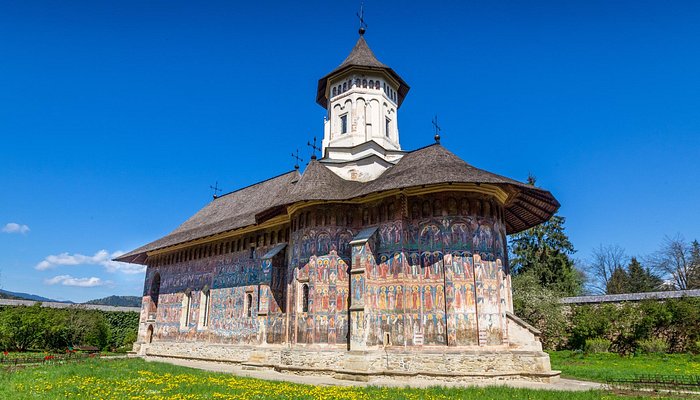
Monasteries such as Voroneț, Humor, and Moldovița, while known for their exterior frescoes, also preserve carved wooden iconostases inside. In parish churches, these icon screens are typically the work of local artisans rather than urban guilds. Passed down through generations, the carving techniques used remain consistent with Orthodox canons, ensuring the sacredness of space is preserved across time.
Beyond the iconostasis, carved wood appears in many other sacred furnishings. Choir stalls, where the faithful or clergy stand during long services, are often engraved with protective motifs and scriptural inscriptions. Their high backs and armrests offer physical support but also represent the dignity of worship.
Lecterns used for Gospel readings and bishop’s thrones at the sides of the altar are similarly adorned. Even candle stands are carefully carved, often featuring grapevine motifs to evoke the Eucharist. In many churches, these objects were crafted as acts of devotion, donated by families or brotherhoods who saved for years to commission them. The act of carving was thus both spiritual and communal—a gift to the Church and to God.
Romanian wood carving was never confined to ecclesiastical settings. The same symbols and skills found in village churches reappear in household items that mark the seasons of life—birth, marriage, labor, and death. In rural homes, almost every wooden object bore a mark of craftsmanship: cradles, chairs, beds, spoons, and cupboards were carved with motifs that blended beauty with blessing.

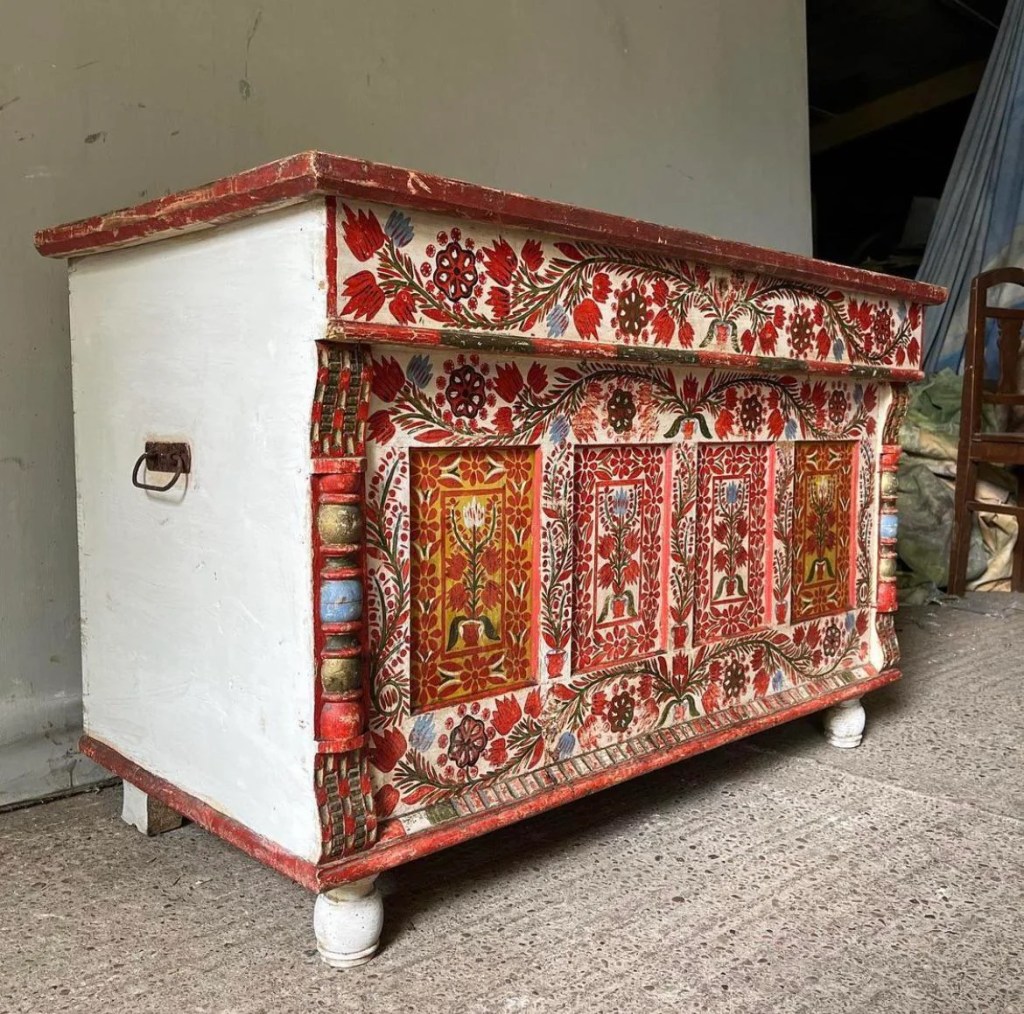
These folk carvings were not kitsch or idle decoration; they functioned as moral and spiritual signposts. The presence of Christian symbols in the home reinforced the faith lived out daily. A cradle might bear carvings of doves and crosses, offering both protection and beauty to a newborn. A chest for storing dowry linens would feature interlaced patterns and prayers carved along the lid.

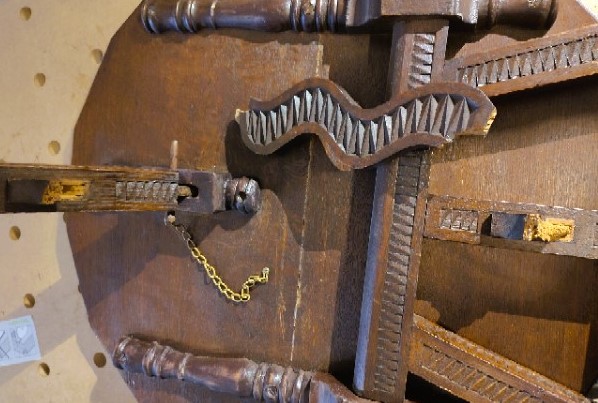
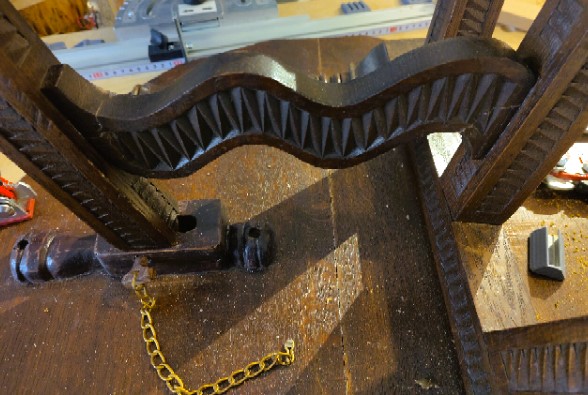
One of the most cherished items in a Romanian household was the dowry chest, given to a bride by her family and often carved by her father or groom. These chests, known as “lada de zestre,” were made of walnut or fir and served as storage for linens, clothing, and sacred items like icons. Carvings on the chest often included the rope of eternity, the tree of life, or prayers in Old Romanian script.

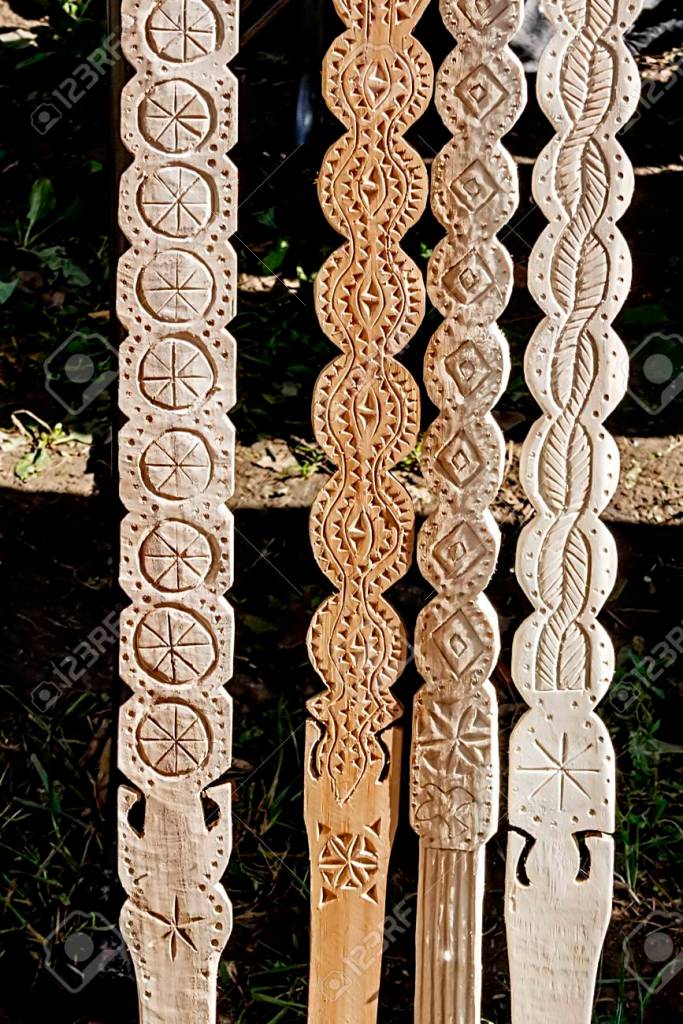
Wedding pillars or carved marriage beams were another traditional feature, sometimes installed at the entryway of the couple’s new home. These would be dated, inscribed with the couple’s names, and feature blessings for fertility, unity, and the protection of saints. Such objects grounded marriage in both tradition and transcendence, marking it as a sacred union under God’s watch.

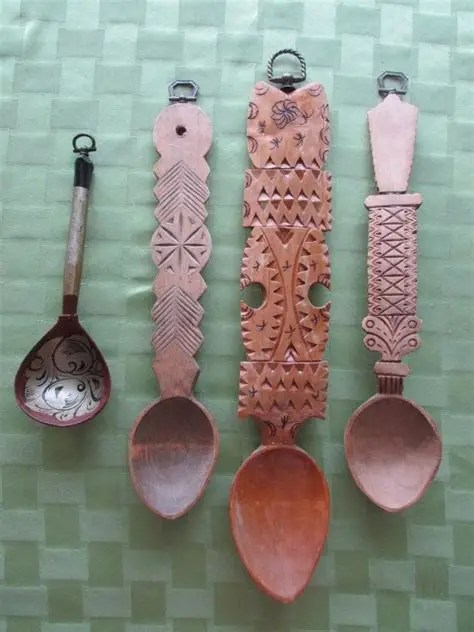
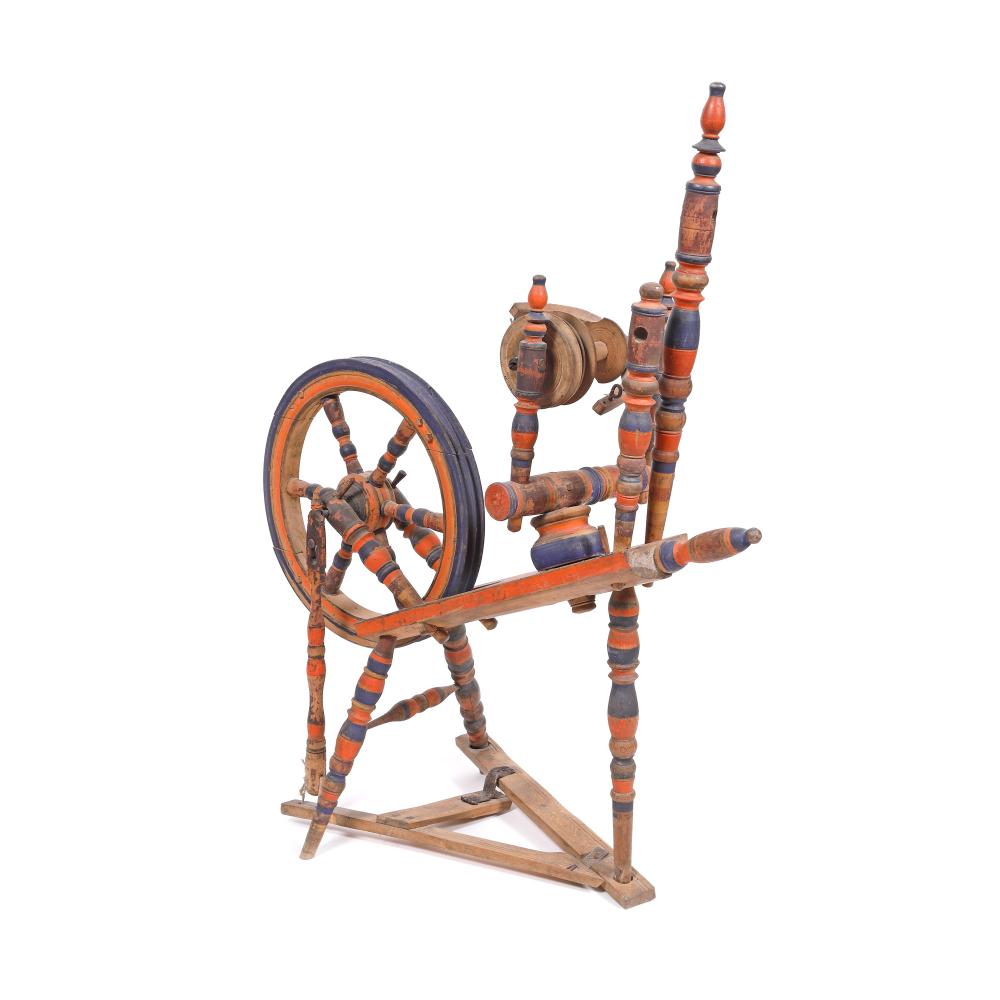
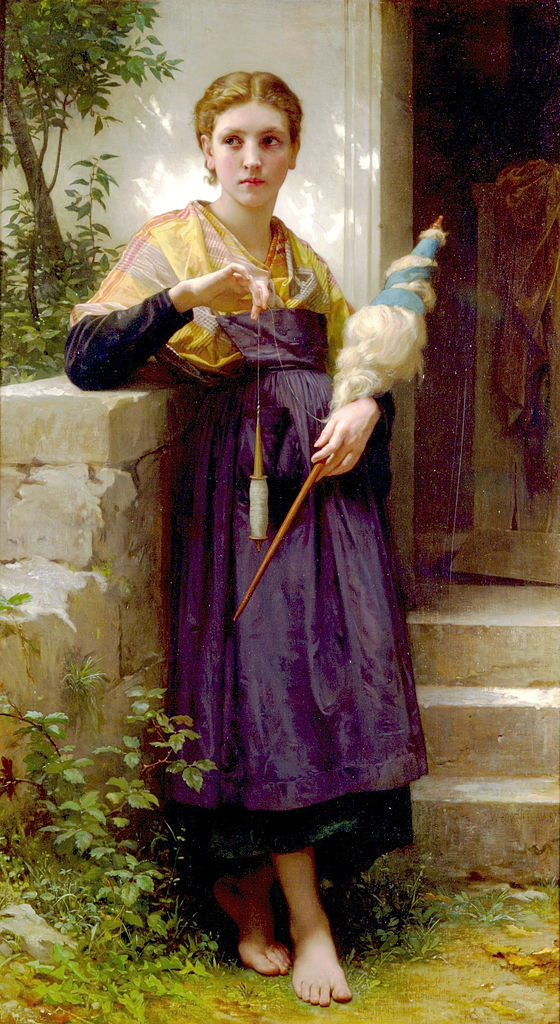
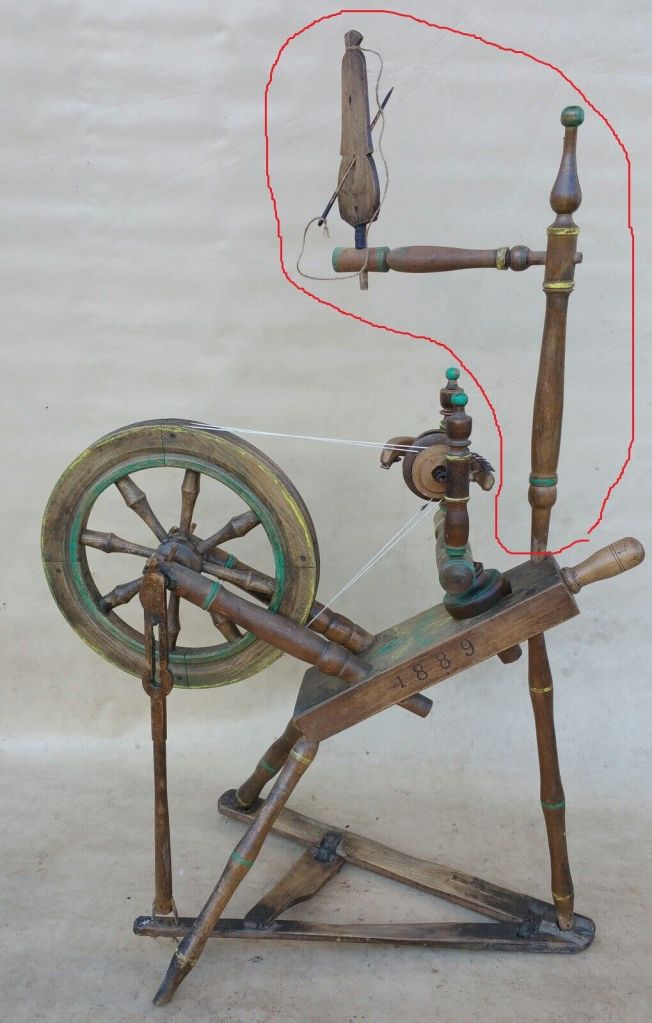
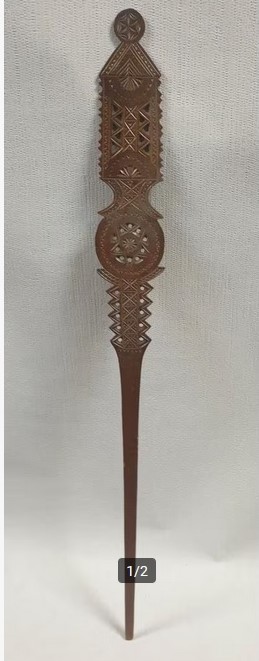
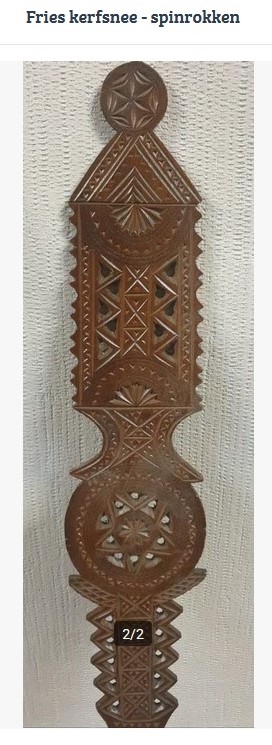
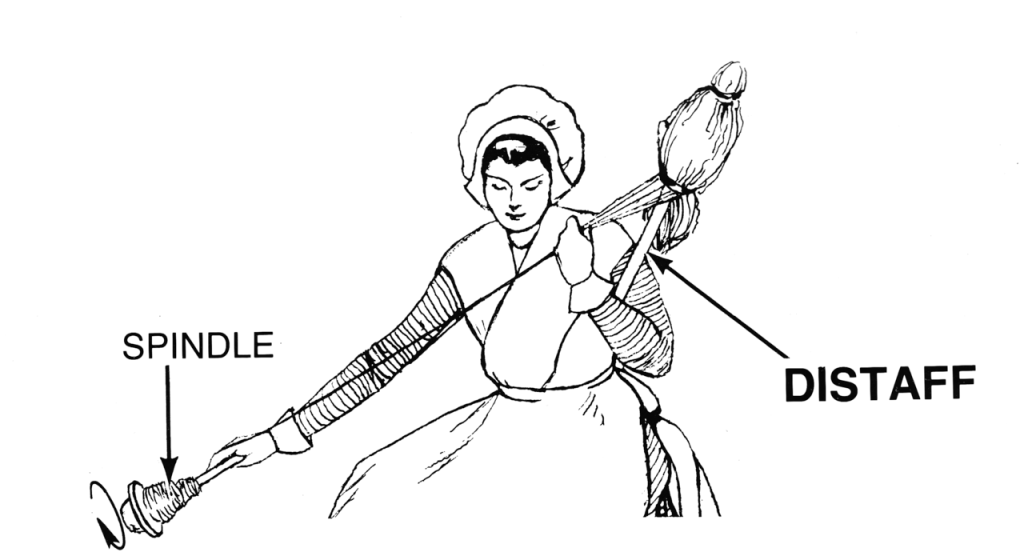
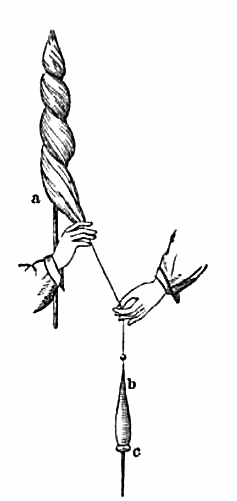
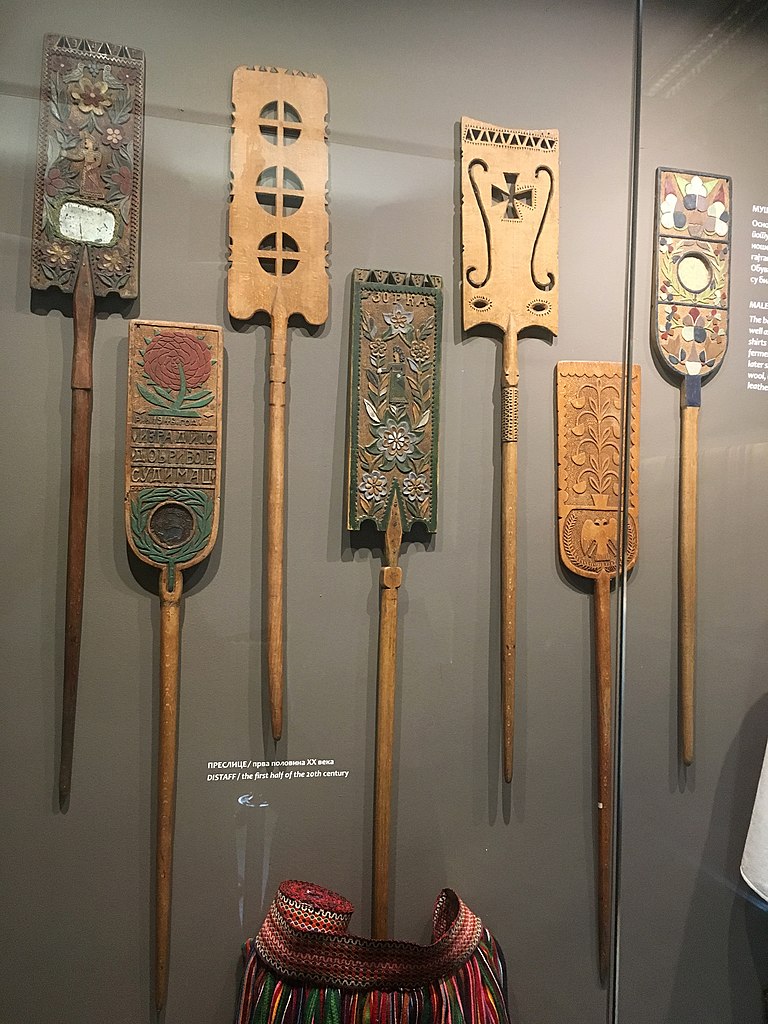
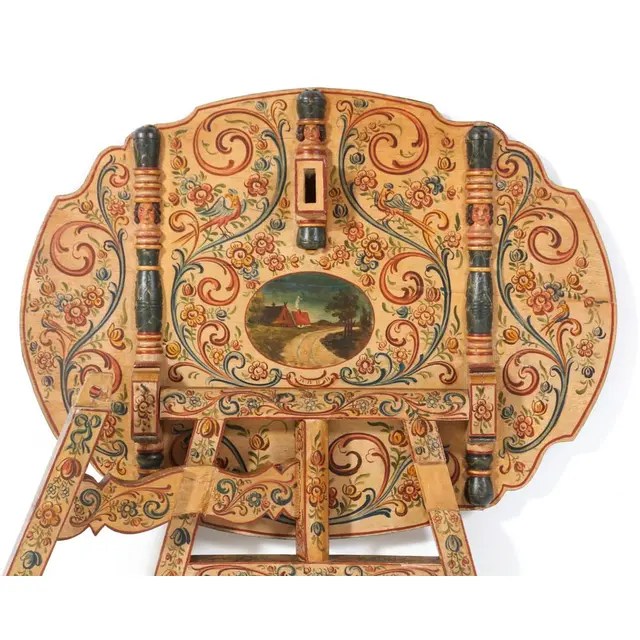
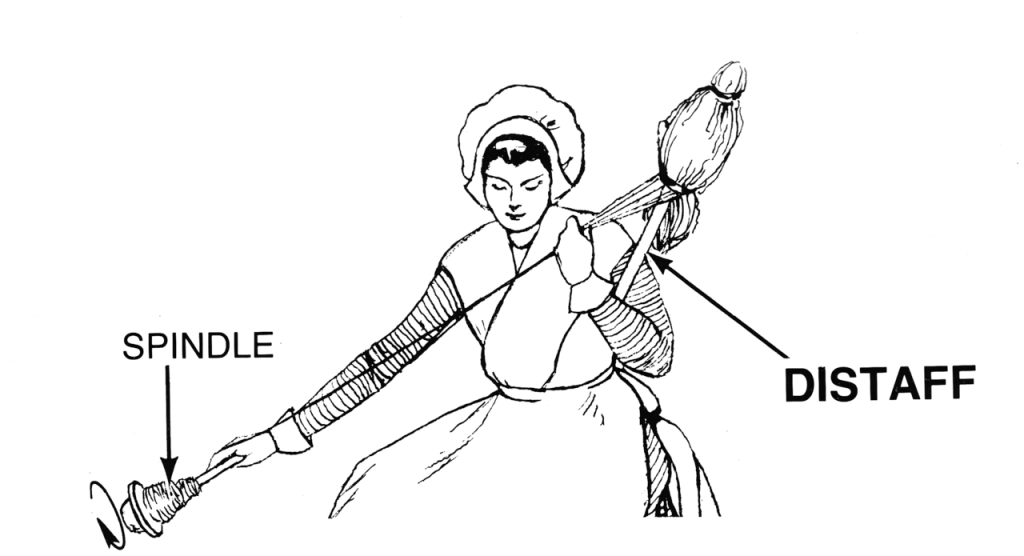
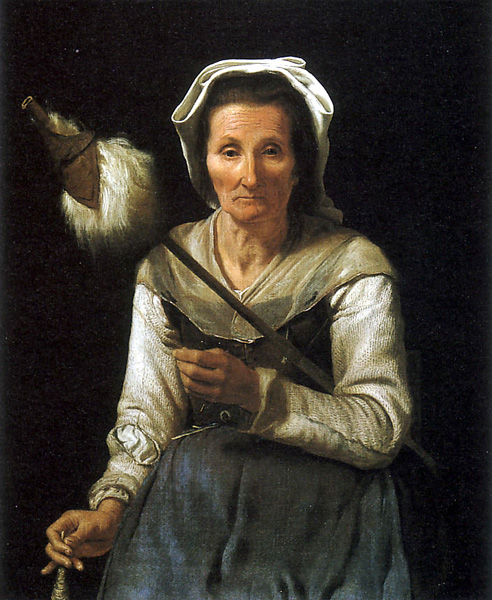
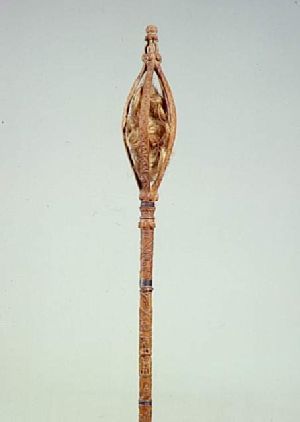
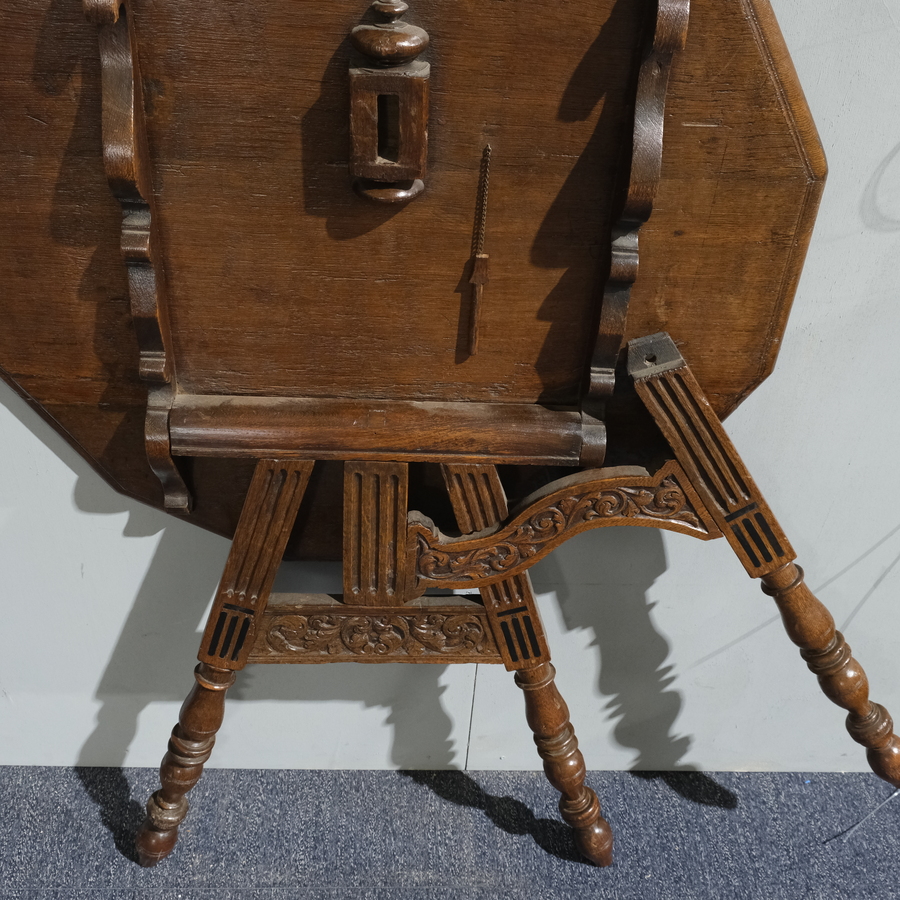
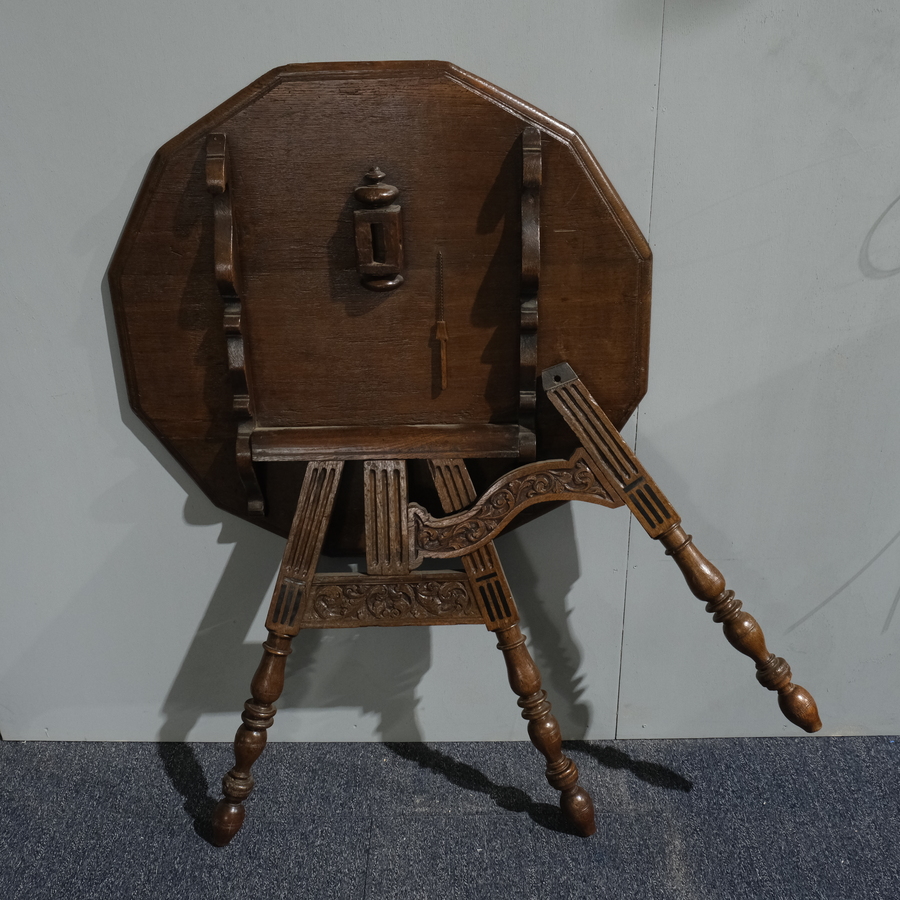
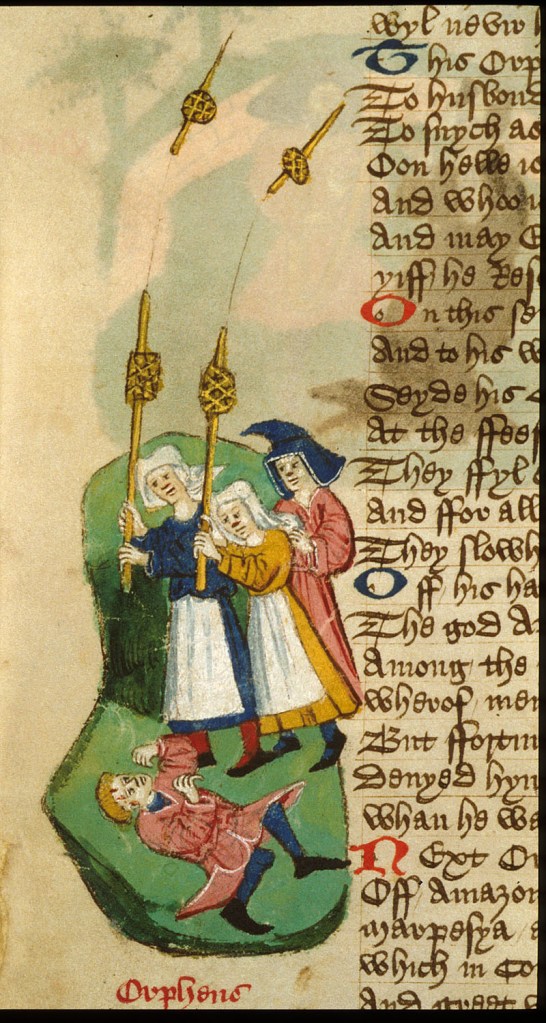
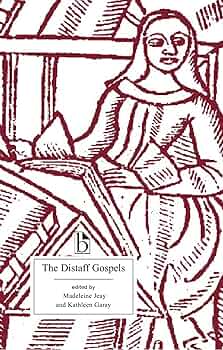
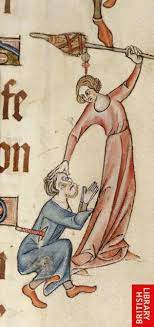
Even the most utilitarian objects in Romanian homes carried carved meaning. Wooden spoons were often shaped with care and gifted at significant moments, such as baptisms or the completion of a house. Spinning wheels used by women to prepare wool included floral and vine motifs, tying labor to beauty and symbol.

Stools and beds were made with sturdy joints and adorned with Christian symbols or repeating geometrical patterns. Even the hearth, the center of the home, might have carved beams featuring crosses or phrases of blessing. In this world, nothing was purely functional—everything had a place in the moral and spiritual life of the household.
Traditional Carved Household Items and Their Meanings:


Romanian wood carving is distinguished not only by its symbolism but also by its precise techniques and choice of materials. Artisans traditionally used native hardwoods such as walnut, oak, and beech—woods that are strong, dense, and capable of holding fine detail. These trees were readily available in the Carpathian forests and harvested with reverence, often in accordance with seasonal and religious calendars. Each species lent its own character: walnut offered dark richness, oak provided structure, and beech was favored for its smooth grain.
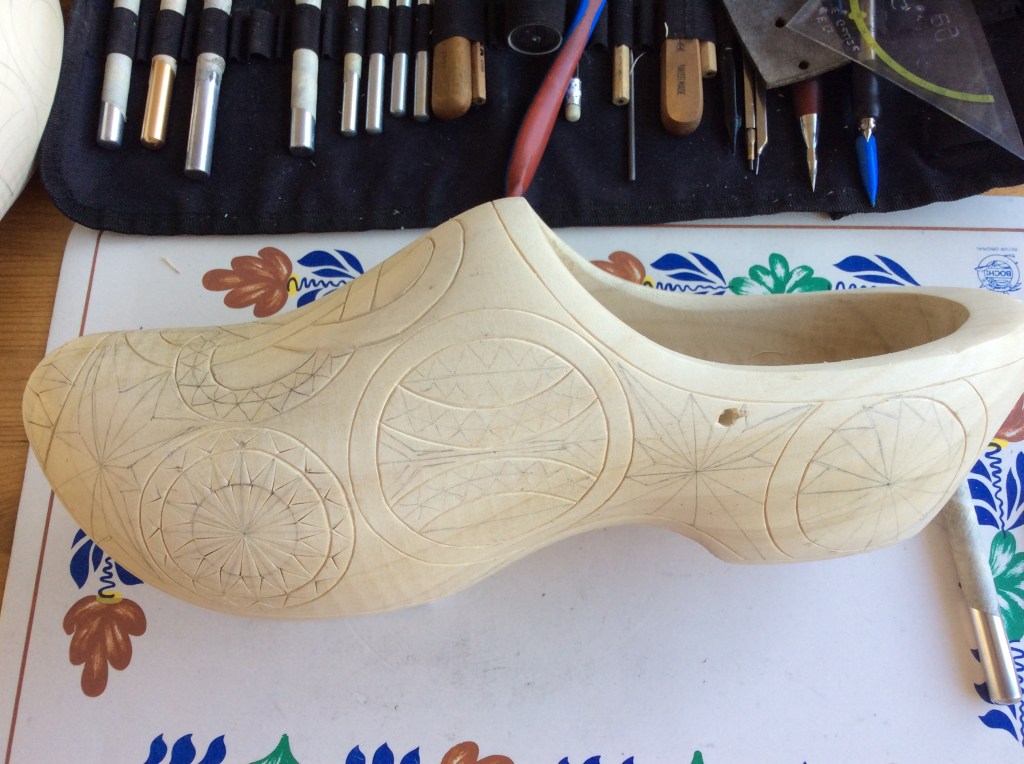
Tools were simple yet effective. Traditional carvers relied on chisels, gouges, adzes, and knives—usually hand-forged by local blacksmiths. Without the use of modern electric tools, every line was the result of deliberate human effort. The slowness of the process was seen as a virtue; it allowed for contemplation and prayer. In village communities, carving was not an isolated profession but a seasonal activity performed by farmers, shepherds, and priests in their quieter months.
The dark coloration that characterizes Romanian wood carving is often the result of both time and technique. In many cases, the wood darkens naturally through aging, exposure to smoke, and the absorption of oils from human touch. Smoke from candles and hearth fires would cling to iconostases and ceilings, lending a natural patina over generations. Some families also applied linseed oil or beeswax to preserve the carvings, deepening the contrast between carved recesses and raised surfaces.

In some regions, certain stains or iron oxide compounds were used to achieve a deeper tone deliberately, though the aesthetic remained rooted in subtlety and restraint. The goal was never artificial enhancement but reverent preservation. Even today, when restorers treat old pieces, they take care not to over-clean or strip away the accumulated history that gives Romanian woodwork its spiritual gravity.
The knowledge of wood carving was passed down through generations, often within families or small religious communities. Boys learned by watching their fathers and grandfathers, first handling scrap wood and eventually taking on sacred commissions. In monastic settings, younger monks were taught the discipline as part of their spiritual formation. Carving was not merely manual labor—it was regarded as a sacred offering, a way to glorify God through the work of human hands.
The names of the greatest village carvers are rarely known, and that anonymity was intentional. Pride was considered a spiritual danger. In some cases, however, a master carver’s style became so distinctive that his work could be recognized by fellow craftsmen. This silent tradition, passed on with humility, helped preserve stylistic integrity and theological depth long before the arrival of formal art academies or folklore institutes.
The tradition of Romanian wood carving faced one of its greatest trials during the communist era, which began in 1947 and lasted until the fall of the regime in December 1989. The official atheist ideology promoted by the state sought to erase religious expression from public life. Churches were demolished or closed, clergy imprisoned or surveilled, and sacred symbols suppressed. Yet, wood carving endured — quietly, steadfastly, and with moral purpose.
In villages where traditions ran deep, artisans continued to carve religious motifs, often under the pretense of making “folk art” or “decorative furniture.” These works retained their sacred meaning to those who carved and received them, even if the authorities demanded secular explanations. Homes still bore carved crosses above doorways, and dowry chests continued to include symbols of faith passed off as mere tradition. Under the guise of rural heritage, the truth of Christian belief lived on in wood.
For many carvers, their work became a form of silent resistance. When church commissions dried up or became dangerous, they turned to carving for the home and for trusted members of their community. Gates, cradles, and candle stands carried Christian symbols that required no explanation for those who understood their meanings. These artisans were not loud dissidents; they were guardians of sacred order.
In some regions, small chapels were secretly maintained or built on private land using traditional materials. Carvings were hidden from public view but revealed during family rites of passage. These acts of spiritual perseverance helped preserve a sense of Christian identity that outlasted the regime’s efforts to erase it. Through wood, a memory of holiness was handed down even when churches were padlocked and hymnals banned.
The language of symbols allowed carvers to embed Christian meanings without drawing the attention of the state. A rope of eternity on a gate could be explained as a folk motif, but for the faithful, it remained a reminder of eternal life. The wheel of the sun, while officially interpreted as a peasant design, continued to represent Christ as the Light of the World. Through abstraction and stylization, Romanian craftsmen protected the sacred from desecration.
These coded messages were not invented during communism, but they took on new importance under it. They allowed faith to remain embedded in daily life without provoking retaliation. In this way, wood carving served as both cultural memory and spiritual lifeline — a testimony to truth endured, not merely told.
Since the fall of communism in 1989, Romania has experienced a revival of interest in its traditional crafts, with dark wood carving regaining its rightful place as a living art form rather than a relic of the past. The re-opening of churches, monasteries, and rural festivals has created a renewed demand for carved gates, altars, and sacred furnishings. Young artisans, often the children or grandchildren of village carvers, are now continuing the tradition, blending historical reverence with practical adaptations for the modern age.
This renewal is visible in both sacred and secular settings. New churches, especially in northern Romania, are often constructed entirely from wood in the old Maramureș style, complete with carved steeples, iconostases, and altar screens. In towns and cities, carved gates and wooden balconies are making a return in residential architecture, not out of nostalgia, but as a declaration of rootedness. Museums such as the Village Museum in Bucharest and the Wood Art Museum in Câmpulung Moldovenesc preserve masterworks while also supporting living artisans through exhibitions and workshops.
Several Romanian monasteries have reestablished carving workshops, where novices are trained in traditional woodwork alongside their spiritual formation. These monastic craftsmen often receive commissions from parishes across the country and even from abroad. Their work maintains the same humility and theological depth that marked their forebears, ensuring continuity in both style and spirit.
Government and church institutions have begun to recognize the importance of this sacred art. Grants and competitions for young carvers, though modest, have supported the preservation of tools, techniques, and religious meaning. More importantly, there is growing cultural respect for the idea that Romania’s identity is tied not just to language or land, but to the visual theology etched into wood.
Beyond monasteries, artisan families in villages across Maramureș, Bucovina, and Transylvania are again carving for a wide range of patrons. Some produce custom gates for homes, while others craft large-scale iconostases for diaspora churches in Western Europe and North America. These families operate modest workshops, often attached to their homes, where they use traditional tools alongside modern equipment when necessary.
What unites these contemporary carvers is a shared commitment to continuity. They see themselves not as innovators, but as stewards of a sacred trust. Their adaptations—whether for export, tourism, or urban settings—remain faithful to the original purpose of the craft: to elevate the everyday through moral beauty and order. Through their hands, the legacy of Romania’s carved wood continues to live and speak.
Within the broader context of European sacred art, Romanian wood carving stands apart in both material and spirit. While much of Western Europe turned to marble, limestone, and gold leaf to express religious grandeur, Romania retained its devotion to wood—humble, local, and alive. This choice was not a mark of poverty but of theological distinction. It reflected a culture that prized inward reverence over outward splendor.
The Gothic and Baroque churches of France, Italy, and Germany were monumental in scale and rich in ornament, often designed to overwhelm the senses. Romanian wooden churches, by contrast, invite intimacy. They are smaller in size, but no less elevated in meaning. Their spires stretch to the heavens not in conquest, but in devotion. Their carvings teach not through grandeur, but through parable.
Western ornamentation often emphasized naturalism, dramatic movement, and illusionistic space. Romanian carving, by contrast, remained symbolic and stylized. A flower might not look botanically accurate, but its meaning—life, fertility, resurrection—was unmistakable to the viewer. Romanian art chose mystery over spectacle, order over novelty.
Moreover, where Western sacred spaces often relied on imported materials and professional guilds, Romanian churches were built by local hands using local wood. This gave rise to a deep unity between builder, place, and faith. The result is an art that feels neither elitist nor primitive, but morally centered—an expression of sacred order rooted in soil and Scripture.


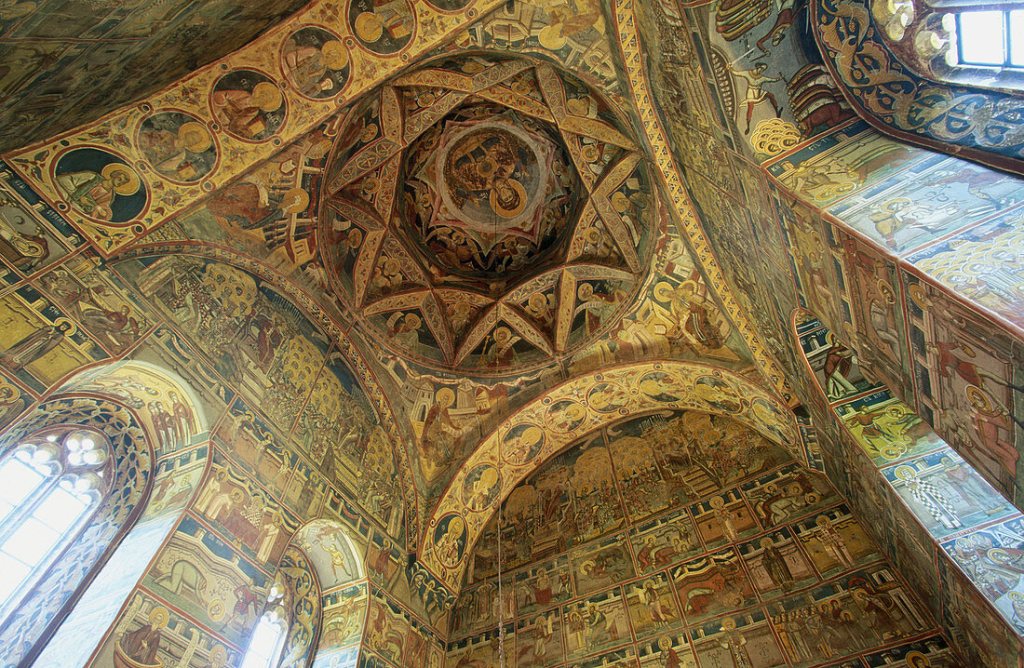
In Moldavia there is a merging of Eastern and Western architectural traditions. Significant development of religious architecture in the Principality of Moldavia mainly occurred in the 15th and 16th centuries see Moldavian vault


While distinct, Romanian wood carving shares some kinship with traditions found in Norway’s stave churches and Russia’s rural Orthodox architecture. All three cultures developed woodwork in colder climates, under Christian Orthodoxy (or early Christianity in Norway), and favored symbolism over realism. In each, the carved structure becomes part of the liturgical experience, drawing the viewer toward contemplation rather than distraction.
That said, Romanian wood carving possesses a unique balance between rustic strength and theological depth. Where Russian carving often becomes elaborate and Norwegian work emphasizes structure, Romanian carving thrives on rhythm, repetition, and encoded Christian symbols that link family, nature, and God. It is not simply folk art—it is spiritual architecture, carved in covenant rather than concept.

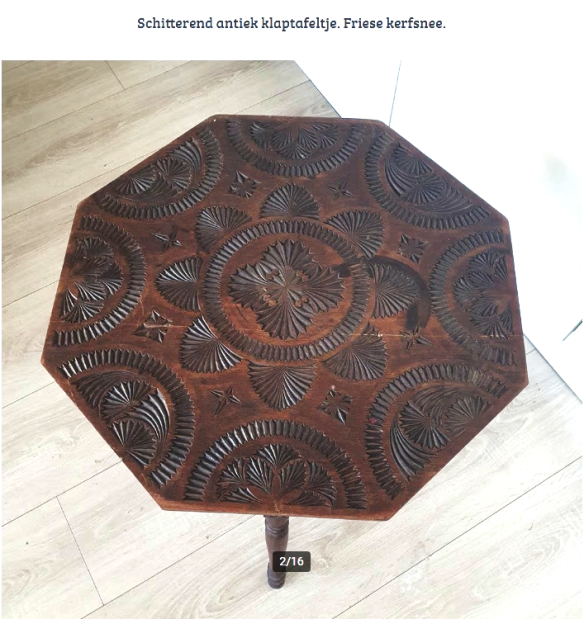
See also: The wisdom of Frisian Craftmanship
Romania’s dark wood carvings are more than national heritage—they are living theology, carved into gates, beds, churches, and memory. They remind us that beauty need not be loud, that sacredness can dwell in small villages, and that craftsmanship can be an act of worship. They teach us that true tradition is not static—it is alive, handed down from father to son, from altar to threshold.
In a world that prizes speed, novelty, and mass production, the patience and discipline of Romanian wood carvers offer a rebuke and a lesson. Their carvings call us back to a slower, more meaningful rhythm, where the hand follows the heart, and the pattern follows the eternal. These wooden forms, darkened by time and faith, are sermons carved without words.
They still stand: at the entrance to homes, at the gates of monasteries, and in the hearts of churches. They endure because they were made not just with tools, but with truth. And as long as Romanian wood carving is passed on, it will continue to proclaim—quietly, beautifully—that the sacred still matters.
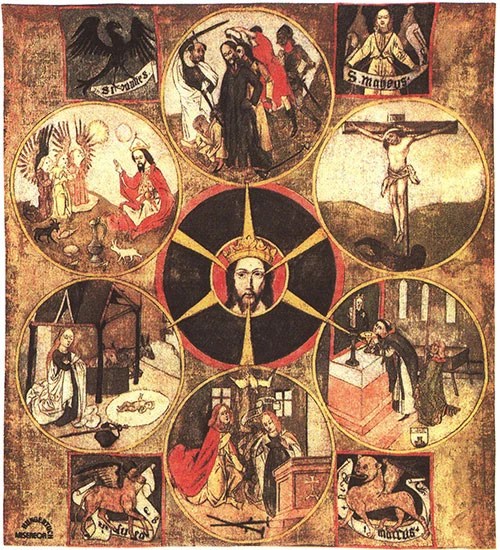
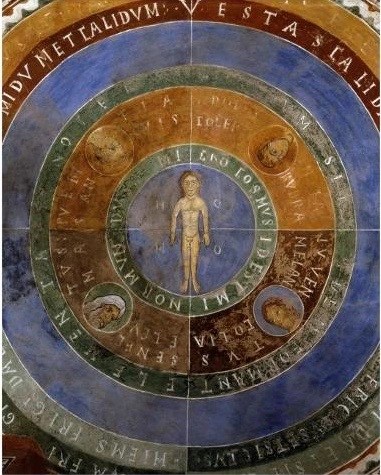
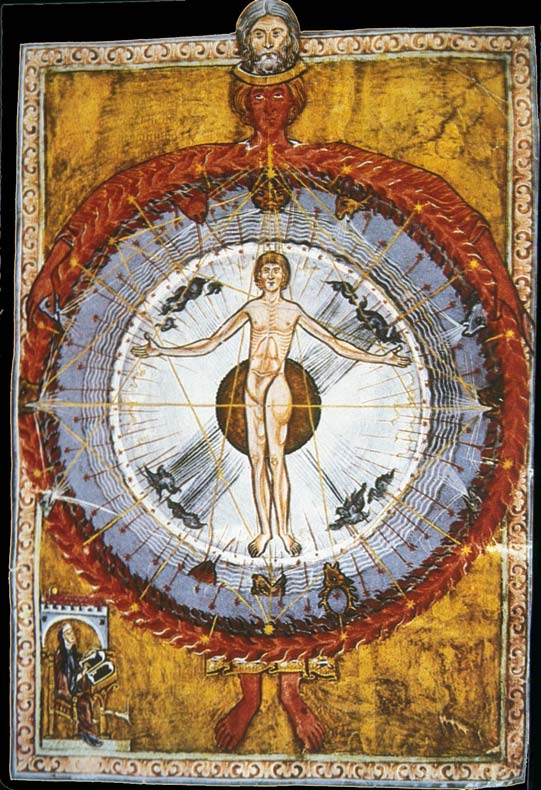
The Man in Sapphire Blue is from the book Scivias (1151)
Hildegard was 42 years old in 1142, when this, her first book of illuminations, was started.
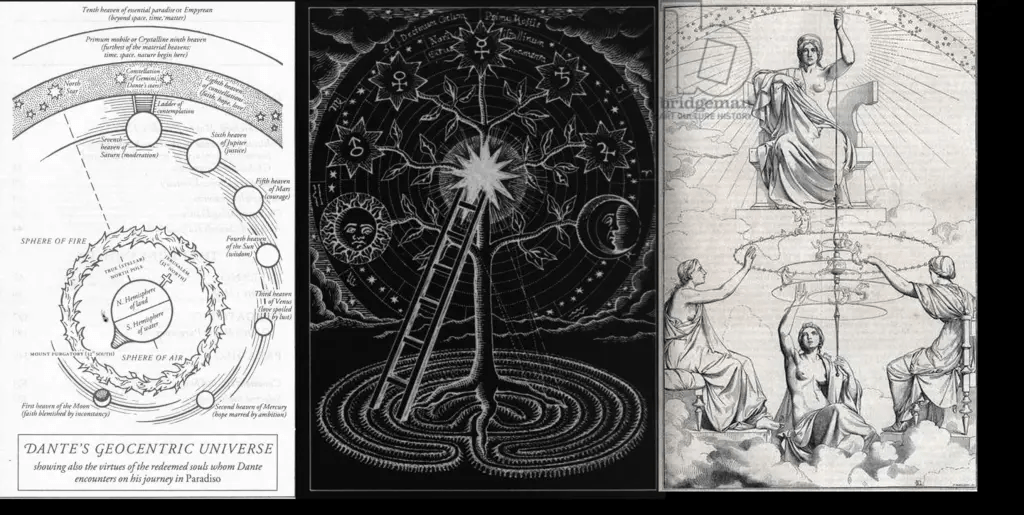
Hildegard describes: “A most quiet light and in it burning with flashing fire the form of a man in sapphire blue.” The blue colors and the manner in which the man holds out his hands, extended toward the world, denote compassion and healing. Hildegard describes the Trinity as “One light, three persons, One God. The Father is brightness and the brightness has a flashing forth and in the flashing forth is fire and these three are one.” The Father is a living light, the Son, a flash of light and the Spirit is fire.. The fire of the Holy spirit binds all things together, illustrated as an energy field surrounding the man. Symbolized as the golden cord of the universe, the Holy Spirit streams through eternity creating a web of interconnectivity of all being and of divinity with creation and humanity (reminiscent of an East Indian cosmology using cord and thread imagery).
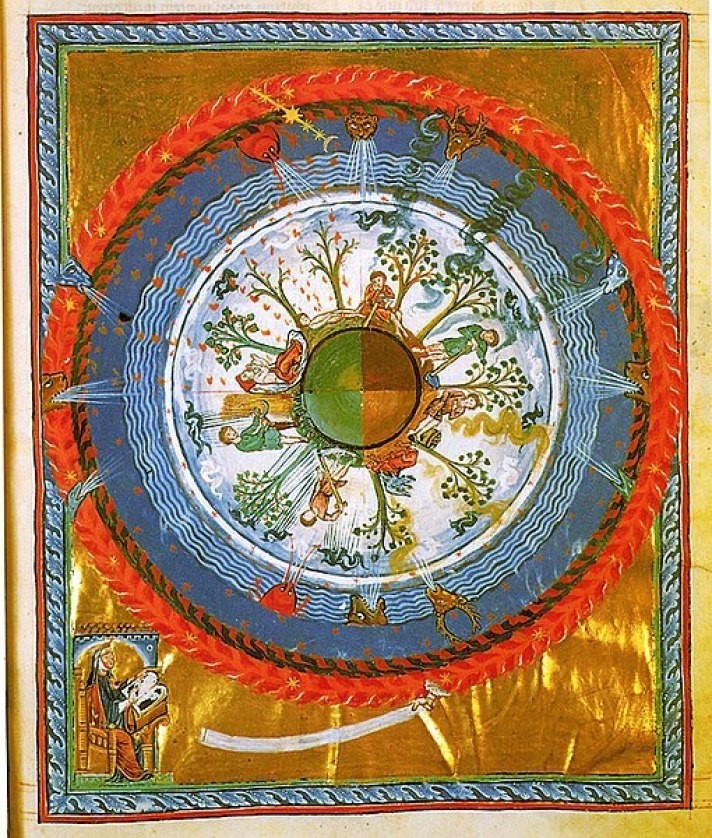
Hildegard’s theology of Trinity is about divine compassion entering the world. Jesus the Christ is the revelation of the compassion of God, the incarnation of divine compassion. The Hebrew word for Womb is compassion. But we do not merely look at a mandala (ancient circular image of the universe) – we are transformed by it. This mandala draws us into the energy of divine compassion, it connects us with the Christ, the Blue Man, such that we realize our own identity in Him who is the compassion for the universe. If we don’t hold our healing capacity in unity, the entire rope (universe) unravels.
May the words and visions of Hildegard speak to your sense of divine receptivity. And may you wonder with reverence at the precious gift of this amazing, sacred cosmos and our Oneness with all of Life. Read more here
Pure Romania – Romania offers a rich experience with its 4000 years of history, ancient fortress cities, well-preserved villages, people immersed in ancient traditions, diverse nature, and a blend of contrasts and equilibrium. Visiting Romania feels like stepping into a realm where time moves slowly, nature is generous, the sky feels within reach, and those residing away from bustling cities wear constant smiles.

Charlie Ottley BBC: So what do you love most about Romania?
King Charles: It’s the timelessness of it which is so remarkable, almost out of some of those stories one used to read as a child. It’s quite remarkable. People are yearning for that sense of belonging and identity and meaning!

And we have to find, we have to rediscover some of these aspects of the way we produce food and live and maintain and give back to nature, if we are going to make sure this whole system continues; and that’s why human cultural systems matter because they are intimately linked to that aspect of nature. It’s in us, but we’ve somehow denied it and thrown it away and said it doesn’t matter, it doesn’t exist, it’s irrelevant. It isn’t irrelevant!
Charlie Ottley BBC: It nourishes the soul and the heart.
Prince Charles: That’s what Romania does for you!

The former Prince of Wales’s, King Charles’s private nature retreat lies nestled amongst the meadows and hills of Zalán Valley (Zalánpatak, Valea Zălanului) in Transylvania, Romania. The property has kept its Transylvanian authenticity by having been carefully restored with traditional methods and materials. It is now open to accommodate and entertain individual travellers from around the world. Holidays in Transylvania, Romania. Nature holidays in the wild flower meadows of Prince Charles. Accommodation in heritage guesthouses of The Prince of Wales.See Here
In the modern world, craftsmanship is often reduced to technique, productivity, or personal expression. But in the eyes of Traditionalist thinkers like René Guénon, Ananda Coomaraswamy, and Frithjof Schuon, craft is something far more profound—it is a sacred act rooted in metaphysical principles and spiritual symbolism.
Craft as Sacred Knowledge
René Guénon viewed traditional craft not as utilitarian labor but as a means of cosmic participation. The traditional craftsman, for Guénon, was engaged in work that reflected the divine order:
“A craft is not merely a technique, but a transmission of a traditional knowledge, the application of principles that are ultimately metaphysical.”
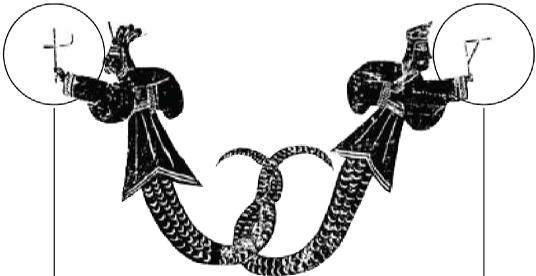
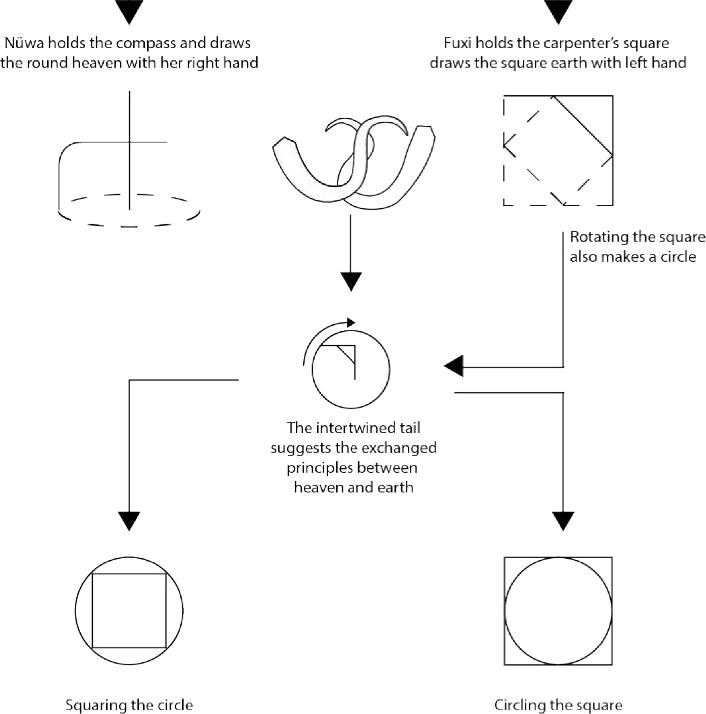
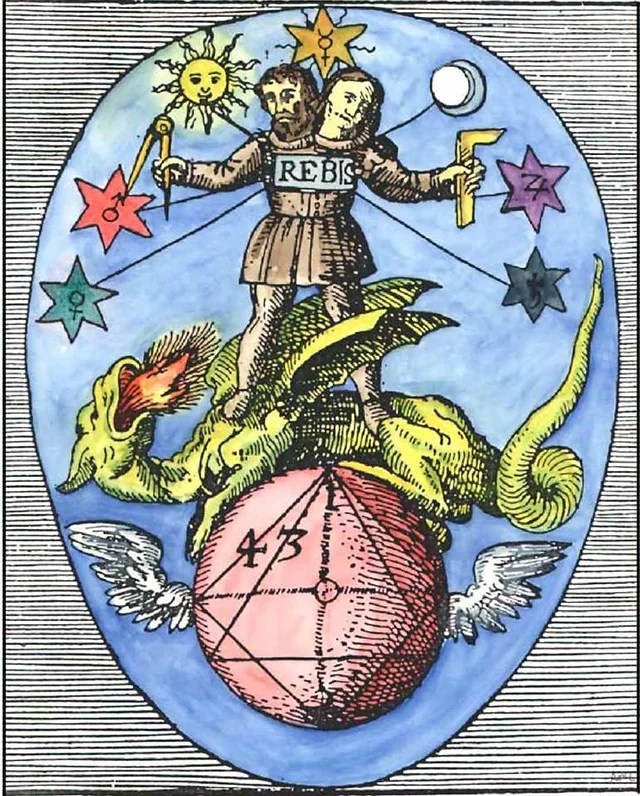
In traditional civilizations, there was no division between the sacred and the secular in labor. Every craft, from carpentry to stonemasonry, was infused with symbolic meaning. The tools themselves—like the compass, the square, or the chisel—served as metaphors for universal truths. The craftsman, through repeated and intentional action, participated in the divine act of creation.
Work and contemplation were not separate in traditional societies. A craftsman worked not just with his hands but also with an awareness of the symbolic and spiritual meaning of his work.
The tool, the material, and the process had symbolic dimensions. For instance, in masonry or metalwork, the transformation of raw material symbolized the transformation of the soul.
Initiation and Guilds
Guénon emphasized the role of initiatic craft guilds—especially in the West, such as medieval masonry guilds—which preserved esoteric teachings and transmitted initiatic knowledge through symbols, rituals, and oral transmission.
These guilds were structured hierarchically and transmitted cosmological knowledge embedded in tools, geometry, architecture, and ritual.
The compass and square, for example, symbolized heaven and earth or spirit and matter.
The architecture of temples or cathedrals followed sacred geometry, aligning physical structures with cosmic principles.
Degeneration in Modernity
Guénon argued that in modern times, the loss of sacred and symbolic understanding has led to the degeneration of crafts into mere technical skills, disconnected from their metaphysical roots.
This reflects his larger thesis: modernity is a descent into materialism, fragmentation, and loss of spiritual orientation””. The disappearance of guilds, desacralization of labor, and mass industrialization exemplify this decline.
Read Here: The Arts and their Traditional Conception

Art That Expresses Truth
Ananda Coomaraswamy, deeply rooted in both Eastern and Western traditions, emphasized that the traditional artist or craftsman was not creating to express individuality, but to reveal the timeless:
“The traditional craftsman did not ‘express himself,’ he expressed truths.”
Coomaraswamy rejected the modern cult of originality and innovation. For him, traditional art and craft were “vehicles for eternal wisdom“. The form was not arbitrary—it was a symbolic expression of metaphysical principles, passed down through sacred traditions. Every detail, from proportions to ornamentation, had a purpose that reached beyond aesthetics.
“Work is for the sake of the work done, and not for the profit therefrom.”
In this sense, “work was prayer “—a form of contemplation, a discipline of the soul.
Read here: Primitive Mentality: The myth is not my own, I had it from my mother.
Beauty as a Path to the Divine
Frithjof Schuo* extended these insights by focusing on the spiritual essence of traditional art. For Schuon, beauty itself was a reflection of the Divine:
“The beauty of a traditional object reflects the eternal archetypes; it speaks in silence to the soul.”
Craftsmanship, when aligned with traditional forms, becomes a contemplative path. Whether it’s a sacred icon, a hand-carved door, or a woven textile, its power lies in its “participation in the eternal “. For Schuon, even in a world that has largely lost its traditional frameworks, the sacred can still be accessed through ” form, beauty, and right intention:
“A sacred form, however simple, is a vessel of grace.”
A Living Tradition
What unites Guénon, Coomaraswamy, and Schuon is the belief that “”true craft is never arbitrary”. It arises within a living tradition, where every gesture, pattern, and proportion reflects a metaphysical reality. In contrast, modern craftsmanship—stripped of symbolism and spiritual orientation—becomes hollow, reduced to commerce or self-expression.
Their critique is not simply nostalgic. It is a call to recover the sacred dimension of human making—to reintegrate craft into a vision of life that is oriented toward the transcendent.
To make with the hands, in the traditional sense, is to align oneself with the cosmos. Craft, then, becomes more than labor—it becomes liturgy. The Traditionalist vision invites us to see again with sacred eyes: to recognize that a pot, a wall, a song, or a loom, when shaped by truth and beauty, can become a path toward the eternal.
Made for use versus made for sale, creation versus production. Human being valued versus machine being valued.. When the human being is valued, there is integrity in the work. There is dignity in the freedom to work for purpose, and satisfaction knowing the effort is respected. When the human being is removed from the actual creation or building of the thing itself, the spirit of the work, whatever it is, is disconnected if not all together removed making the being servile to the method of production.
The ‘maker’ thus becomes a salesperson for something they have had manufactured for them to sell as their own to make an individual profit. The purpose is then not the benefit or betterment of humanity, but the betterment and advancement of oneself. And this
form applies now to almost all forms of artistic creation be it painting, dance, music, fashion,
design, architecture, interior design and so on; they all have become templated ideas easily
reproduced without much prerequisite of fundamental knowledge or originality.
Read here: Why Exhibit Works of Art?
For more info about Craft and Sacred Architecture read:

An Hermeneutic Exploration of René Guénon’s Symbolism of the Cross Applied to Sacred Architecture.

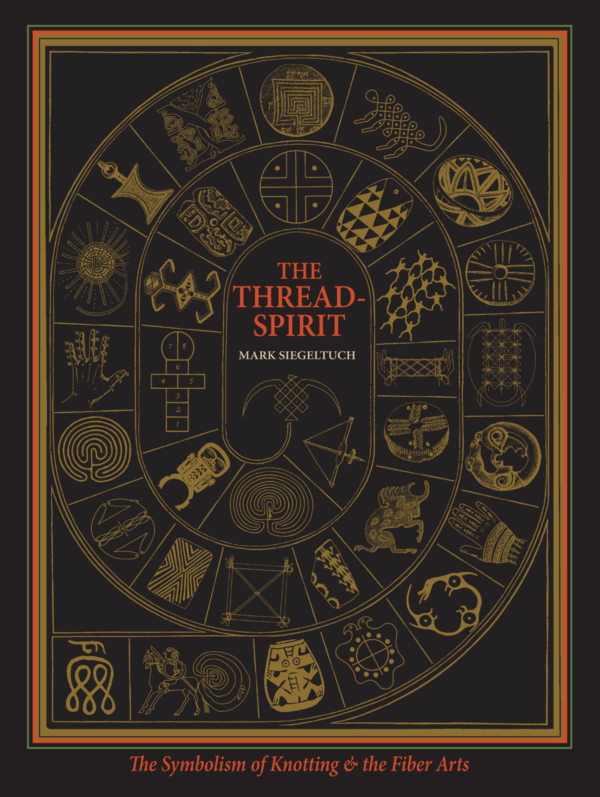
The Thread-Spirit Doctrine:An Ancient Metaphor in Religion and Metaphysics with
Prehistoric Roots

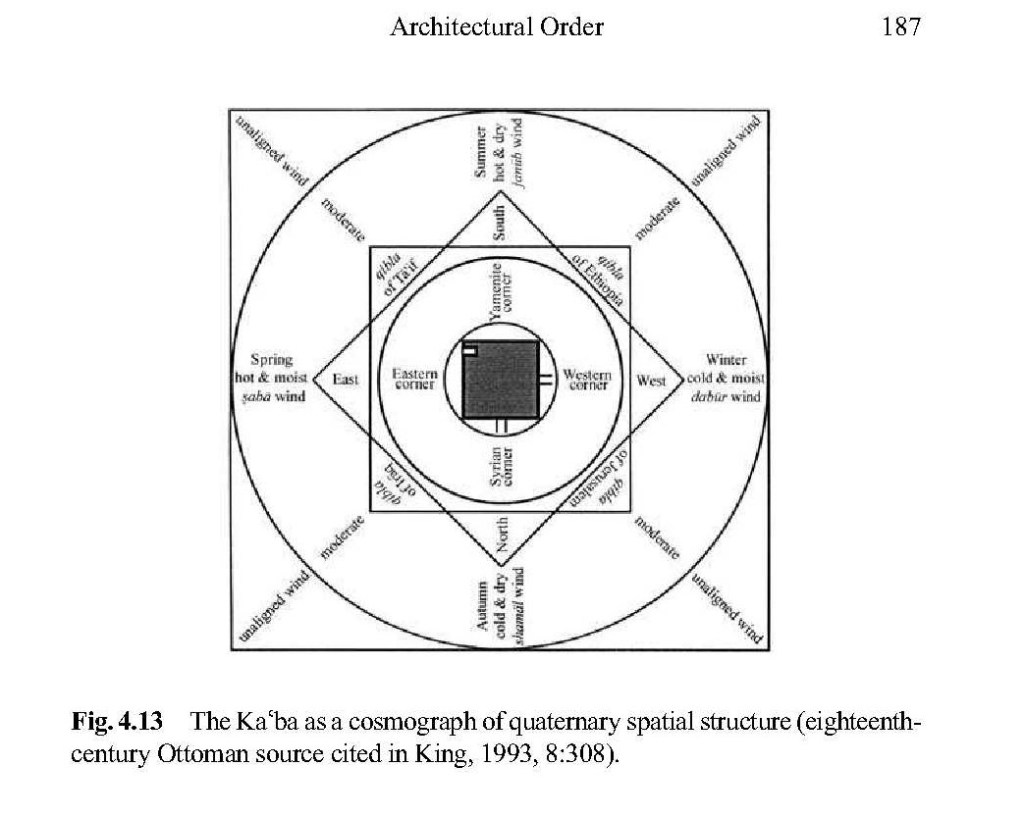
Cosmology_and_architecture_in_premodern Islam

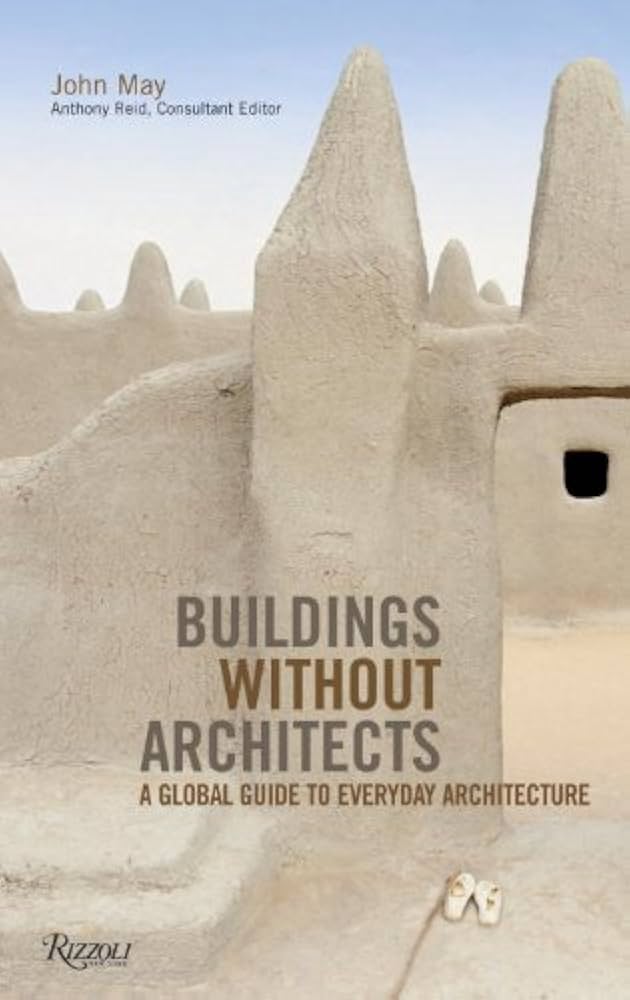
Buildings Without Architects:

Buildings Without Architects is a wonderfully informative reference on vernacular styles, from adobe pueblos and Pennsylvania barns to Mongolian gers and European wooden churches. This small but comprehensive book documents the rich cultural past of vernacular building styles. It offers inspiration for home woodworking enthusiasts as well as architects, conservationists, and anyone interested in energy-efficient building and sustainability.
The variety and ingenuity of the world’s vernacular building traditions are richly illustrated, and the materials and techniques are explored. With examples from every continent, the book documents the diverse methods people have used to create shelter from locally available natural materials, and shows the impressively handmade finished products through diagrams, cross-sections, and photographs. Unlike modern buildings that rely on industrially produced materials and specialized tools and techniques, the everyday architecture featured here represents a rapidly disappearing genre of handcrafted and beautifully composed structures that are irretrievably “of their place.” These structures are the work of unsung and often anonymous builders that combine artistic beauty, practical form, and necessity. Read Here
For J.D.P.

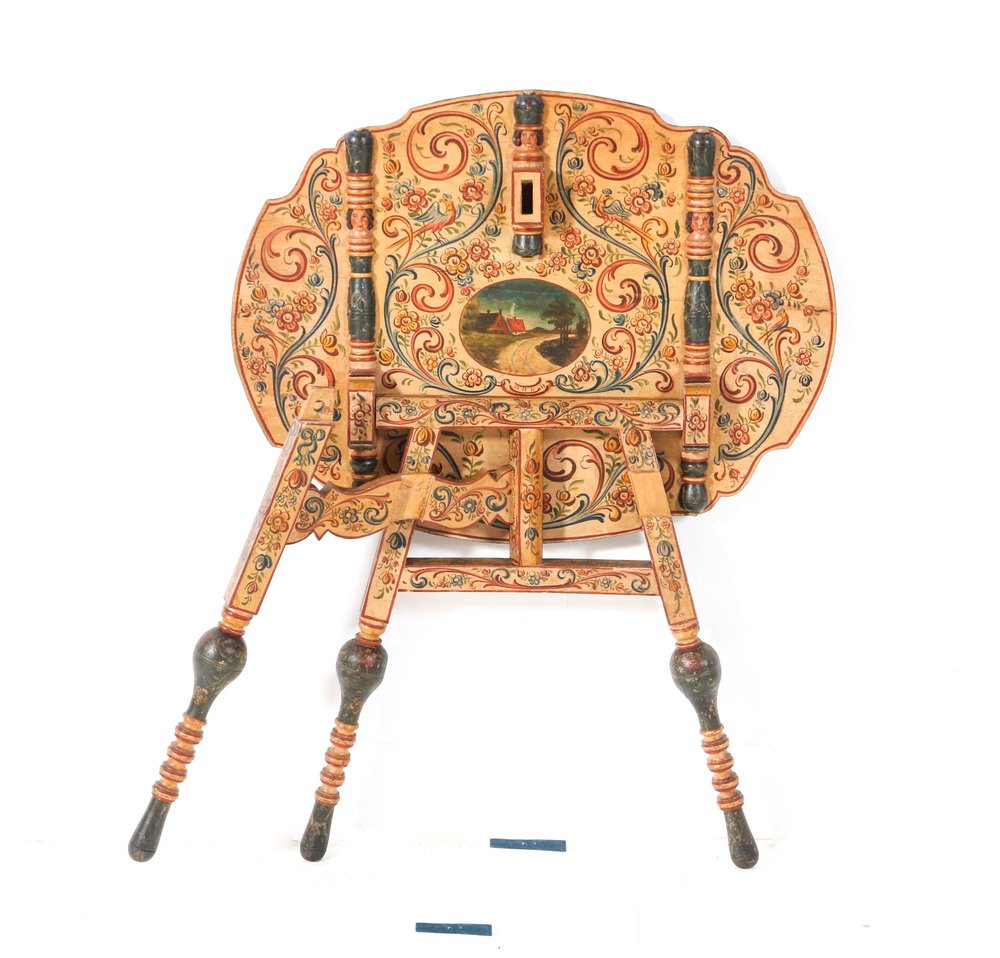
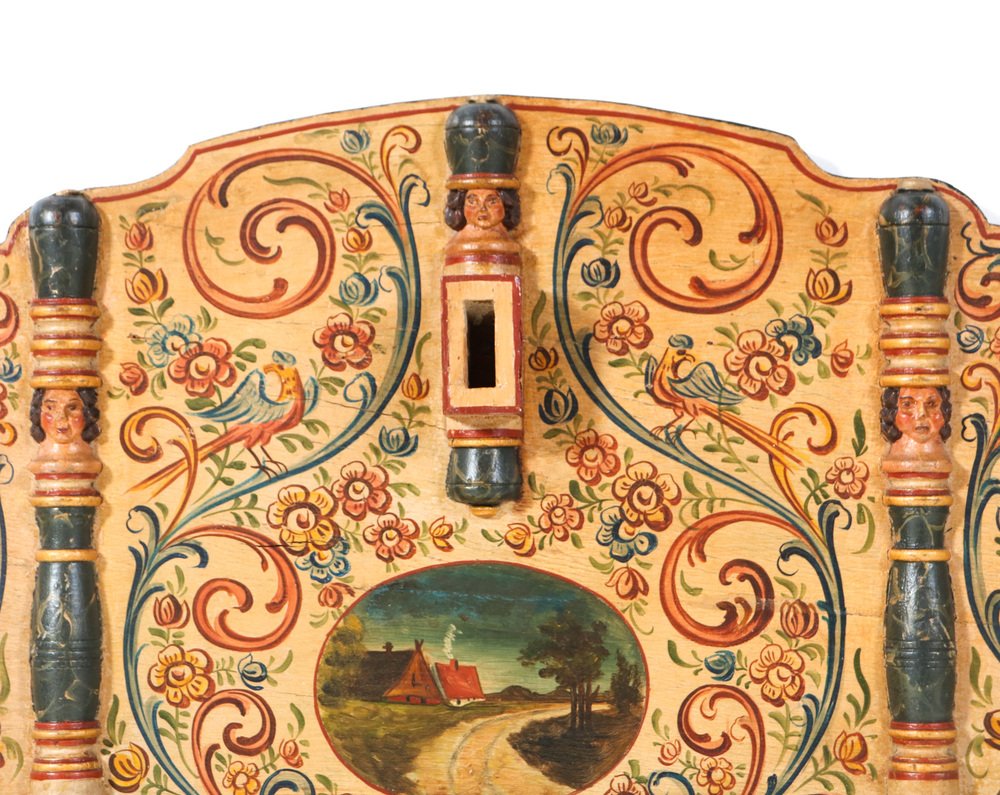
Frisian craft refers to the traditional arts and craftsmanship originating from Friesland, a region in the northern Netherlands and parts of northwestern Germany. Frisian craftsmanship is known for its rich cultural heritage, which includes a variety of artisanal skills such as weaving, wood carving, pottery, metalworking, and textile arts. Here are a few key aspects of Frisian craft:
1. Frisian Weaving
Weaving is an important part of Frisian craft, especially in the creation of traditional textiles such as carpets, bedspreads, and decorative fabrics. The Frisian weaving techniques often reflect the natural environment and local customs. They might feature patterns inspired by the sea, wind, and local flora.


2. Frisian Woodworking
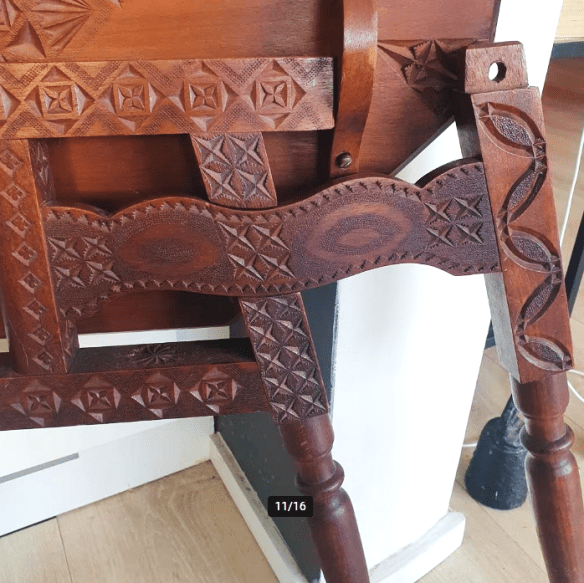
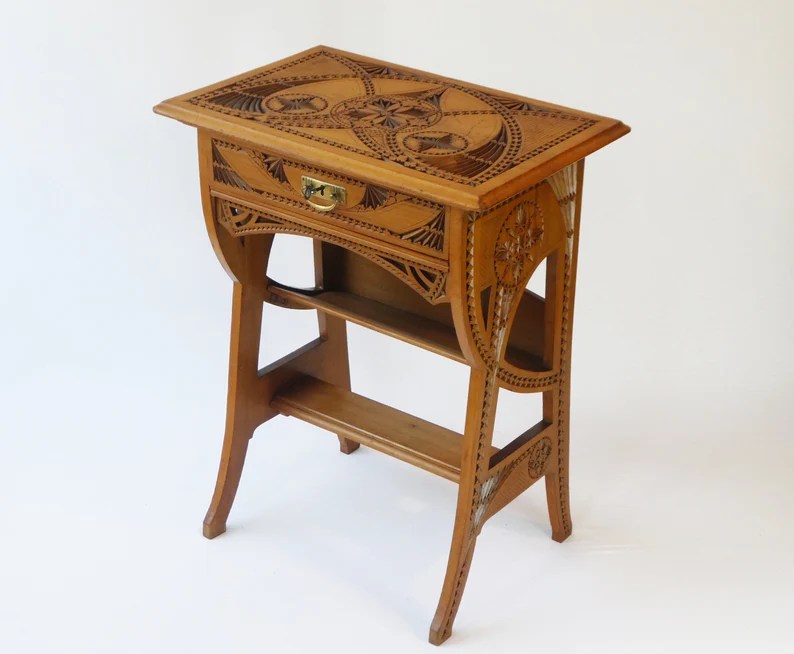
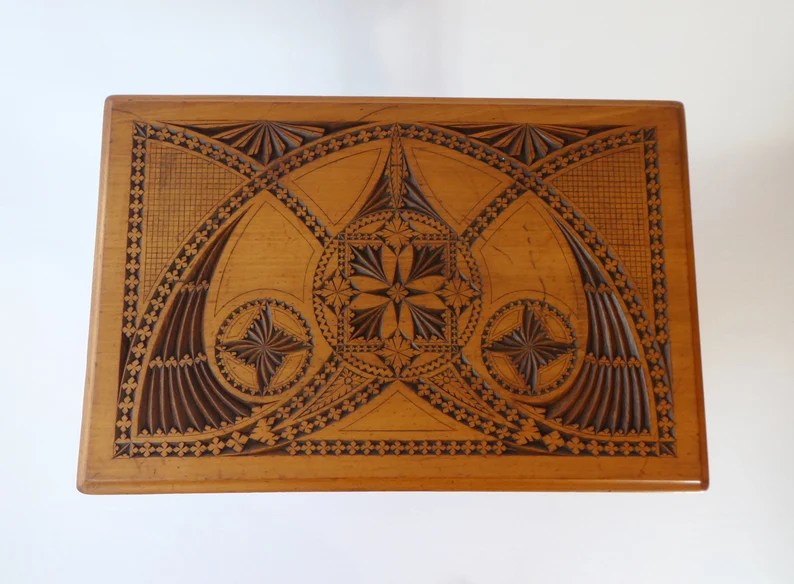
Wood has been a central material in Frisian culture due to the abundance of forests in the region. Artisans often create functional objects like furniture, as well as decorative pieces. The most notable wood crafts include carved wooden toys, chests, and farm implements.


3. Pottery and Ceramics
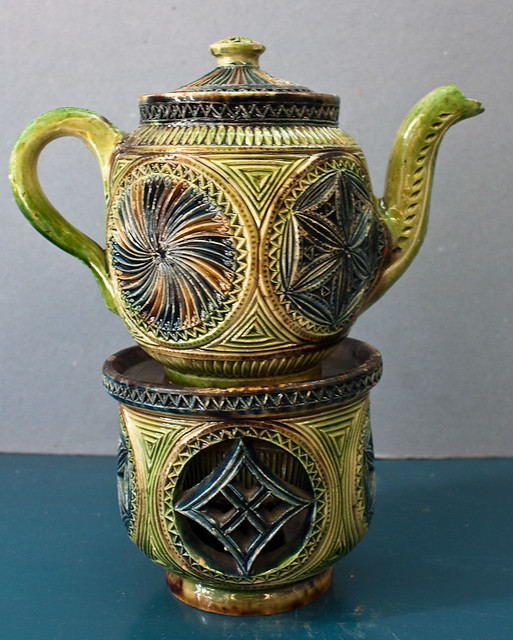
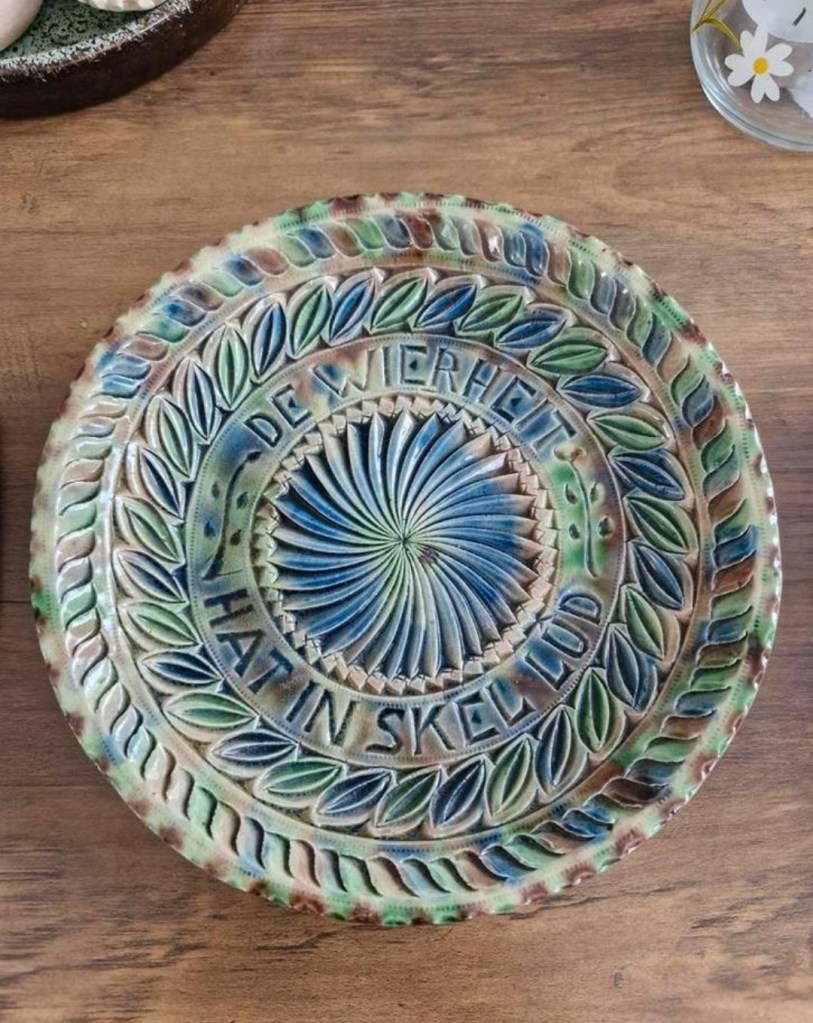
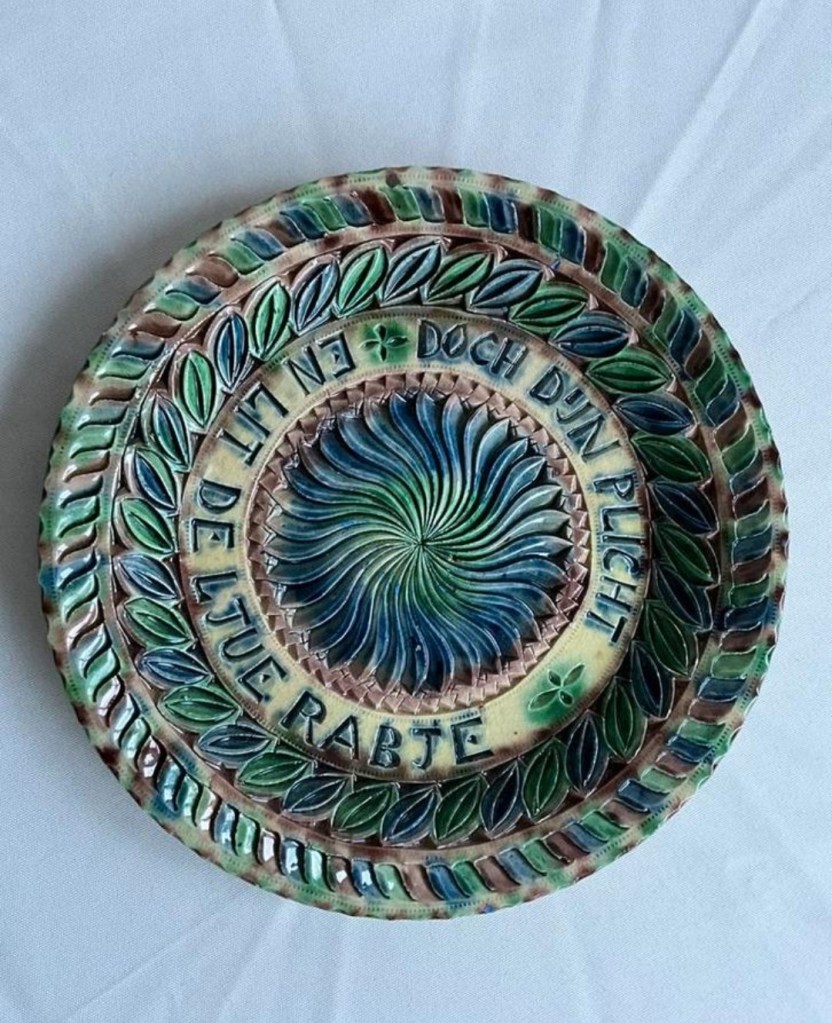
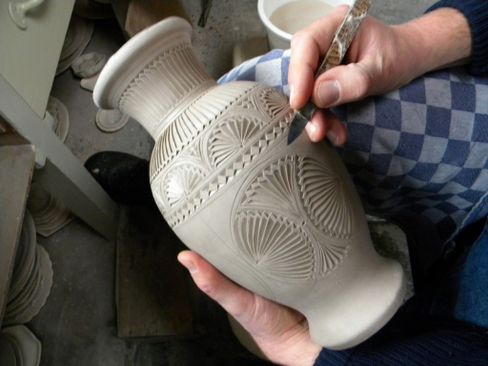
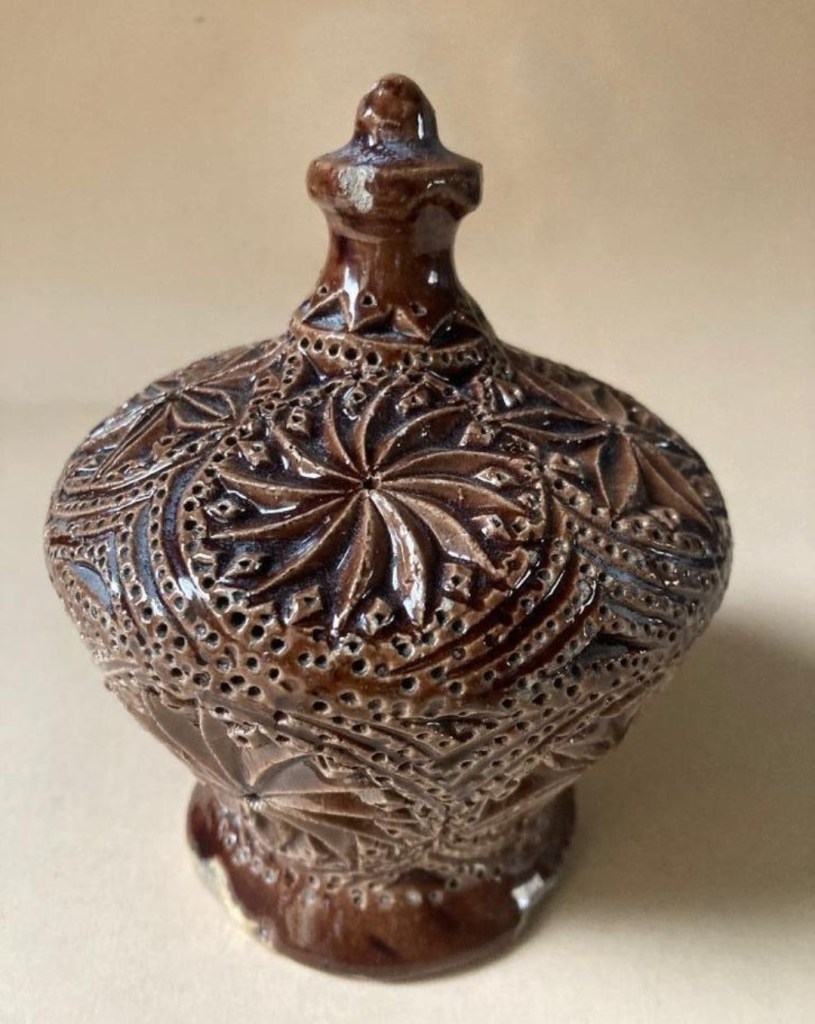
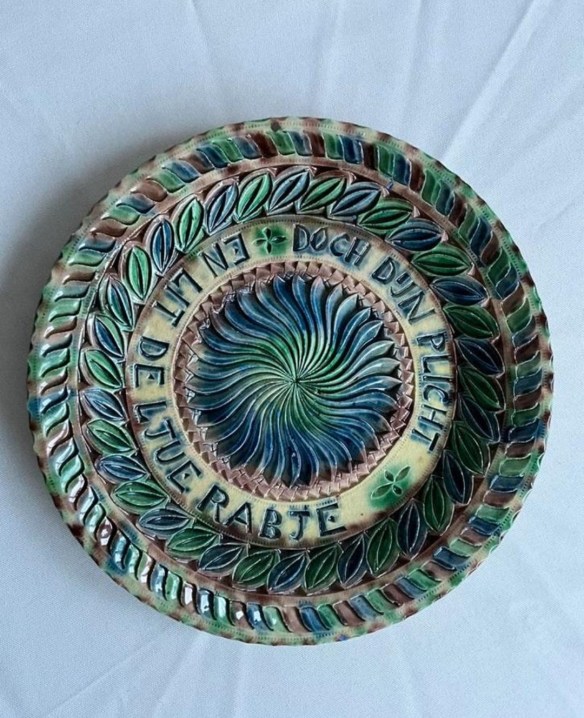
Traditional Frisian pottery, especially from the 18th and 19th centuries, often reflects both practical and decorative qualities. Pottery from this region was typically made by hand and adorned with naturalistic patterns and earthy colors.


4. Metalworking
Metal craftsmanship, especially in the form of wrought ironwork and small tools, was common in Friesland. Historically, metalworkers produced items for daily life, such as nails, locks, and tools, but they also created decorative ironworks for gates and windows.


5. Textile Arts
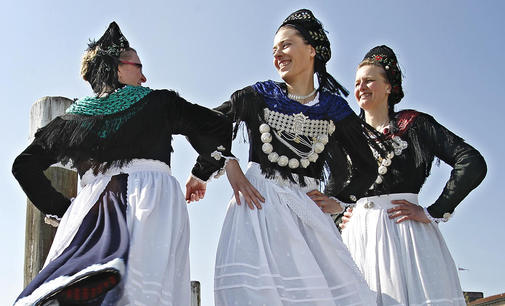
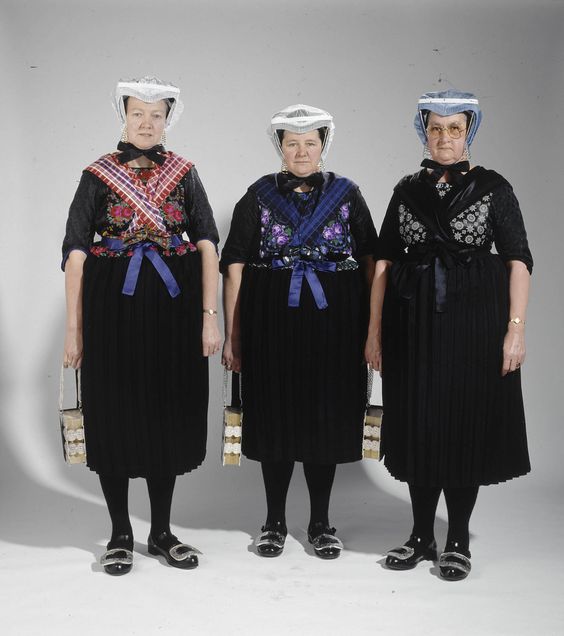
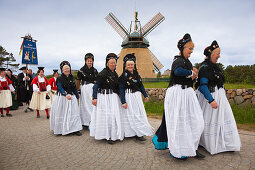
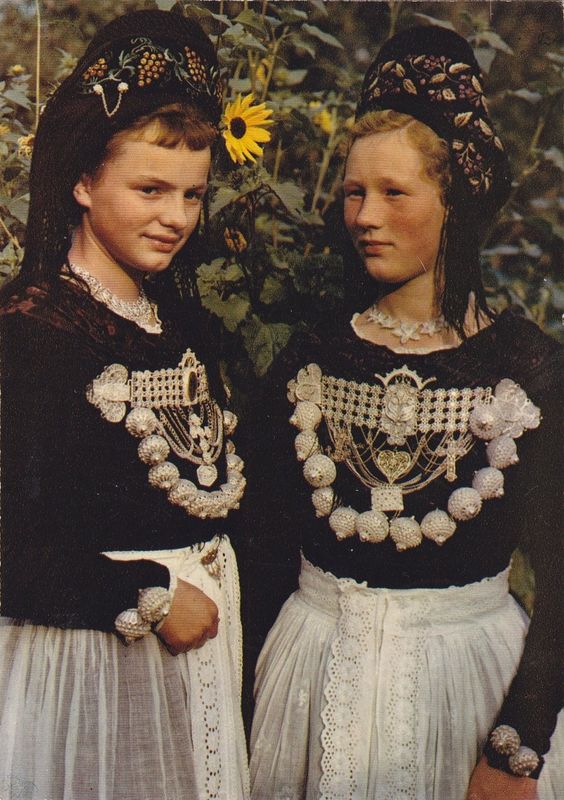
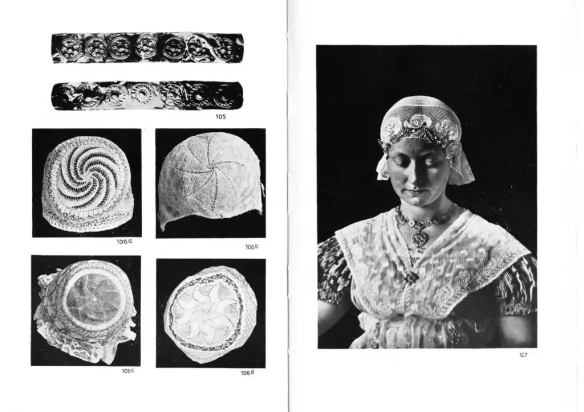
The Frisian people have a long tradition of spinning and knitting. Wool was spun into yarn and made into blankets, clothes, and other practical items. Folk costumes often featured intricate needlework and lace.


6. Frisian Shipbuilding
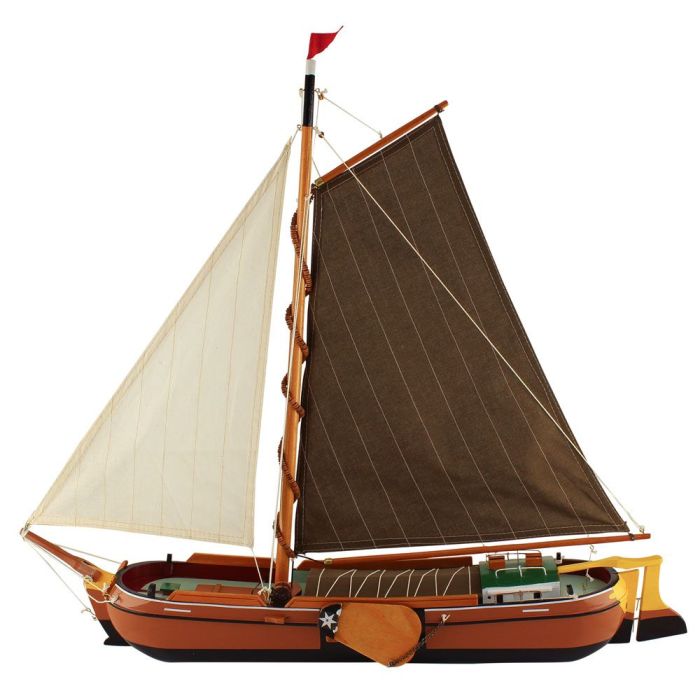
Given Friesland’s historical proximity to the water, shipbuilding was also an important craft. The Frisians were known for constructing sturdy, flat-bottomed boats suited to navigating the shallow waters of their region.
Frisian craft is deeply tied to the region’s history and identity. Many of these traditional crafts are still practiced today, often revived or celebrated through folk festivals and artisan markets.


7- Frisian Horse
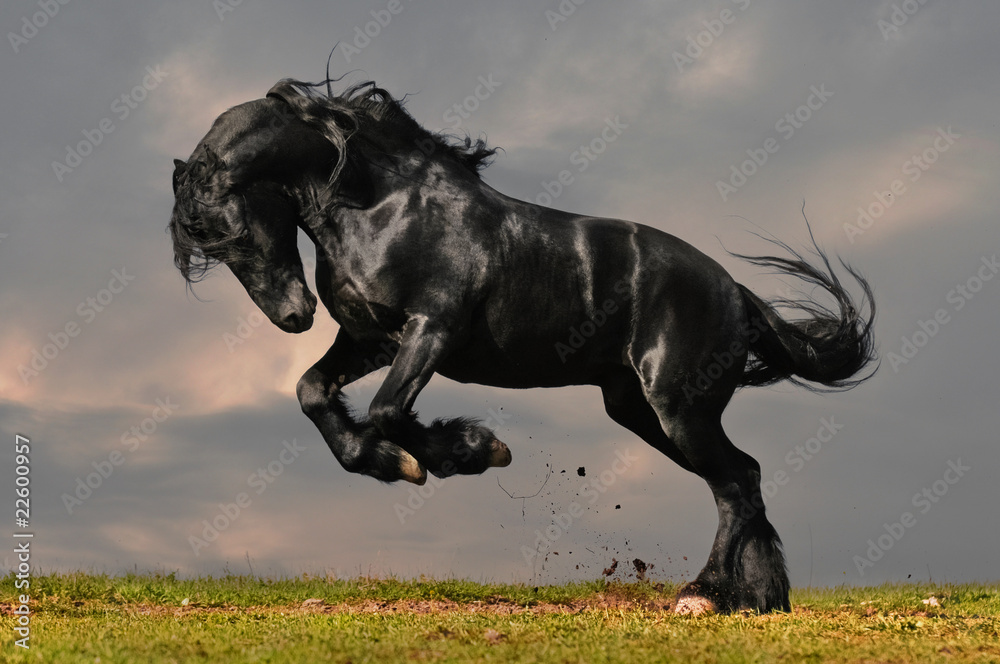
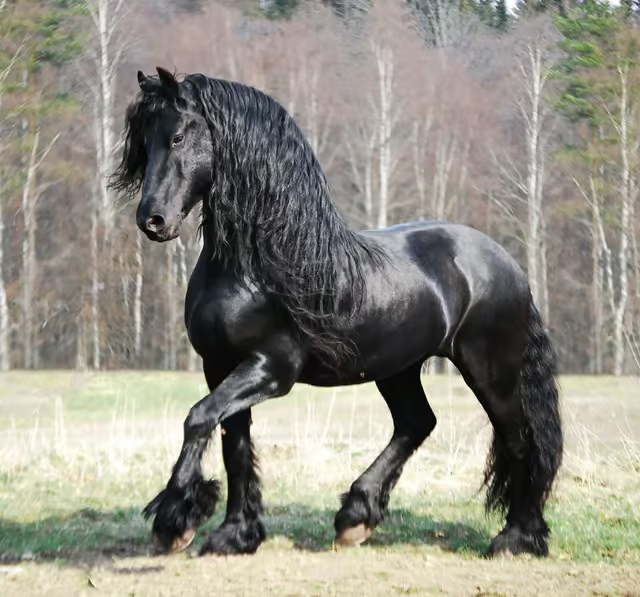
The Friesian horse, nicknamed “the black pearl”, also known as the Friesian horseIs a purebred originating from Friesland, a province of the Netherlands (Holland). Its morphology is distinguished by its black dress brilliant, its long mane on its large neckline and long back. The Friesian is a horse which perfectly embodies the harmony between power and grace. He is recognized as saddle horse (trotting race) as like draft horse. Its temperament calm, cooperative makes it an ideal partner, whether in dressage, in coupling or showThe Friesian is also sought after for its baroque appearance, a characteristic inherited from ancient Iberian breed crosses. A show horse, the Friesian is a beautiful horse capable of endurance and work.


8- Frisian Clocks
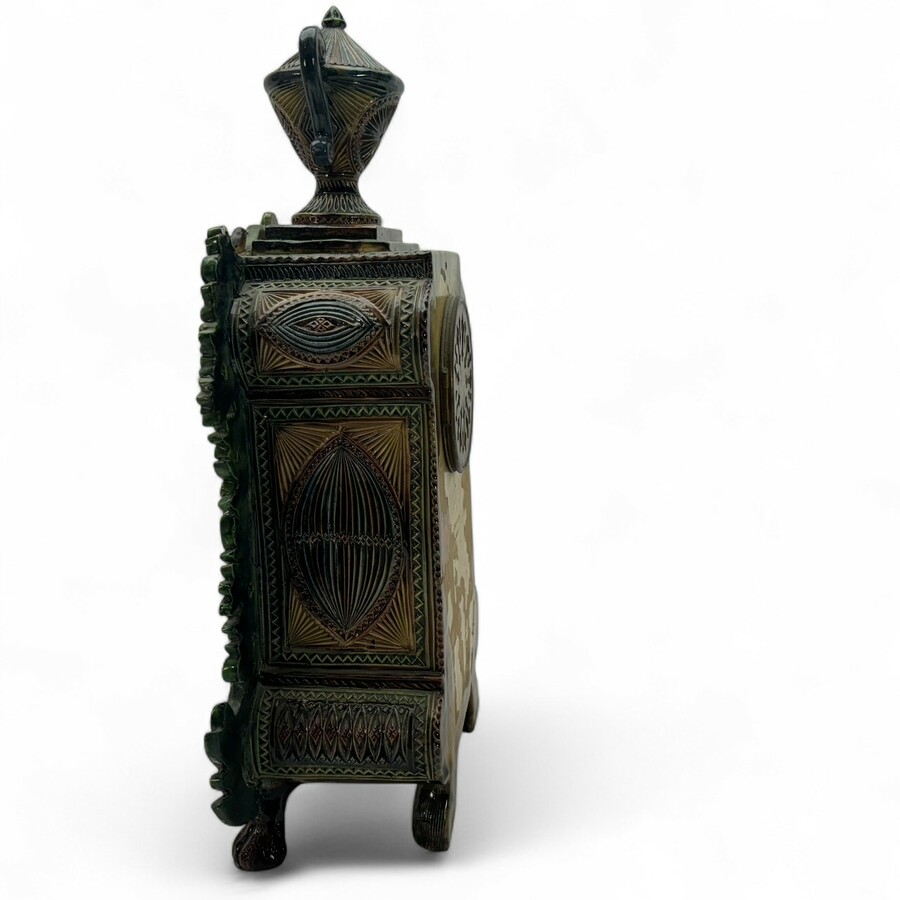
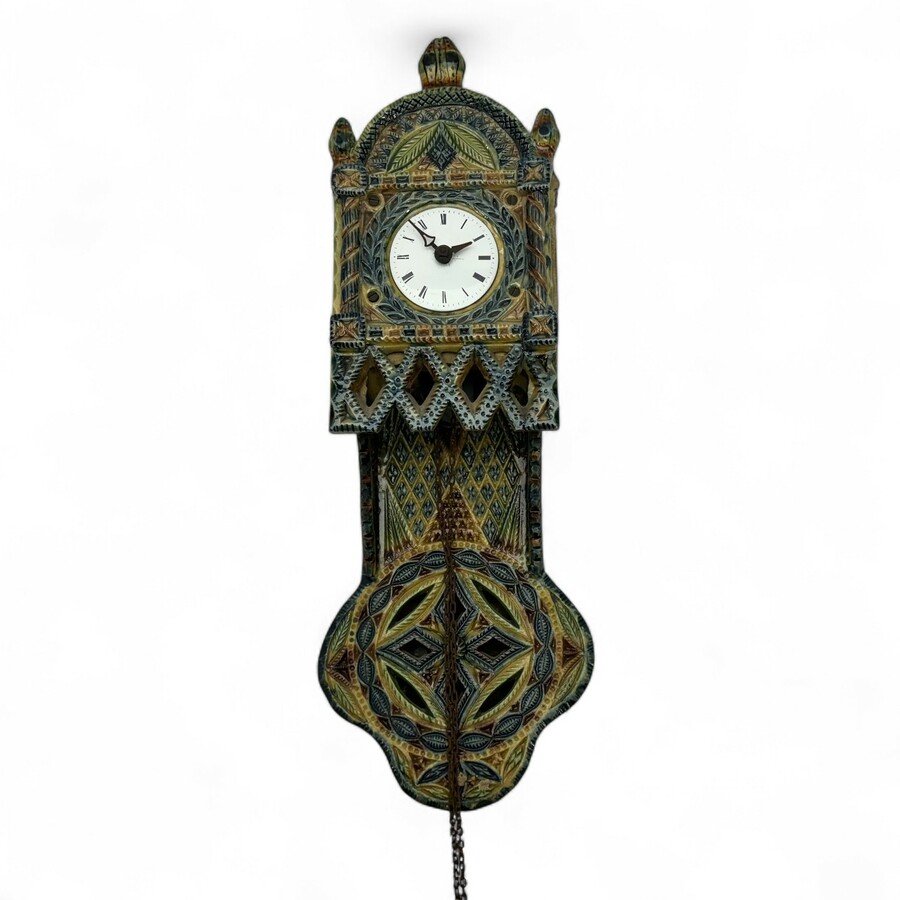
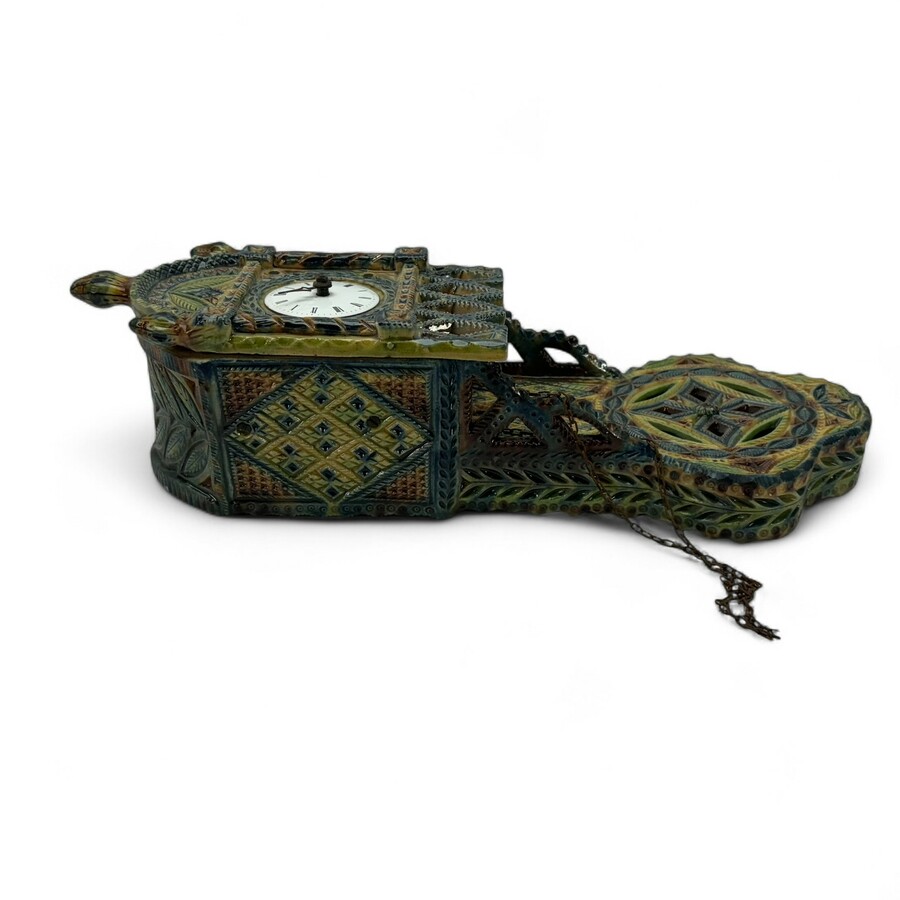
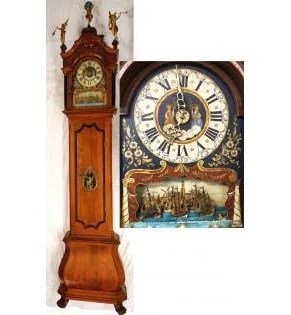
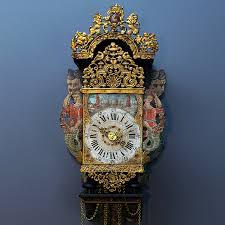
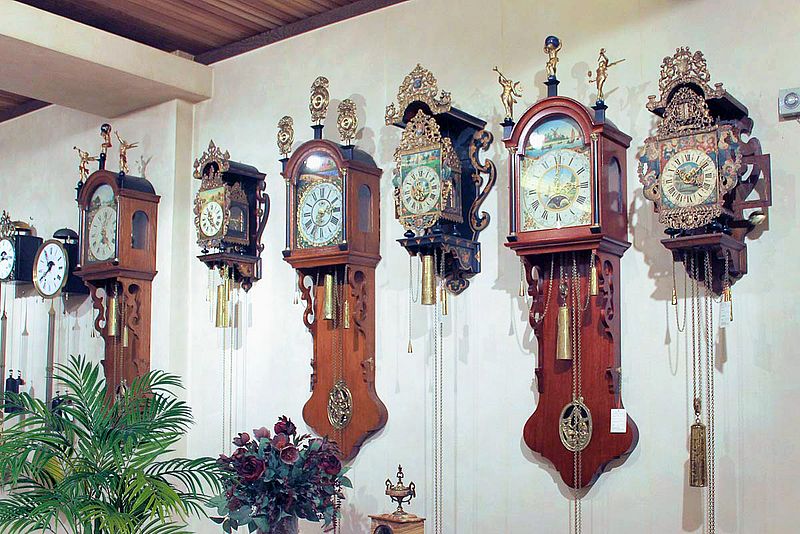
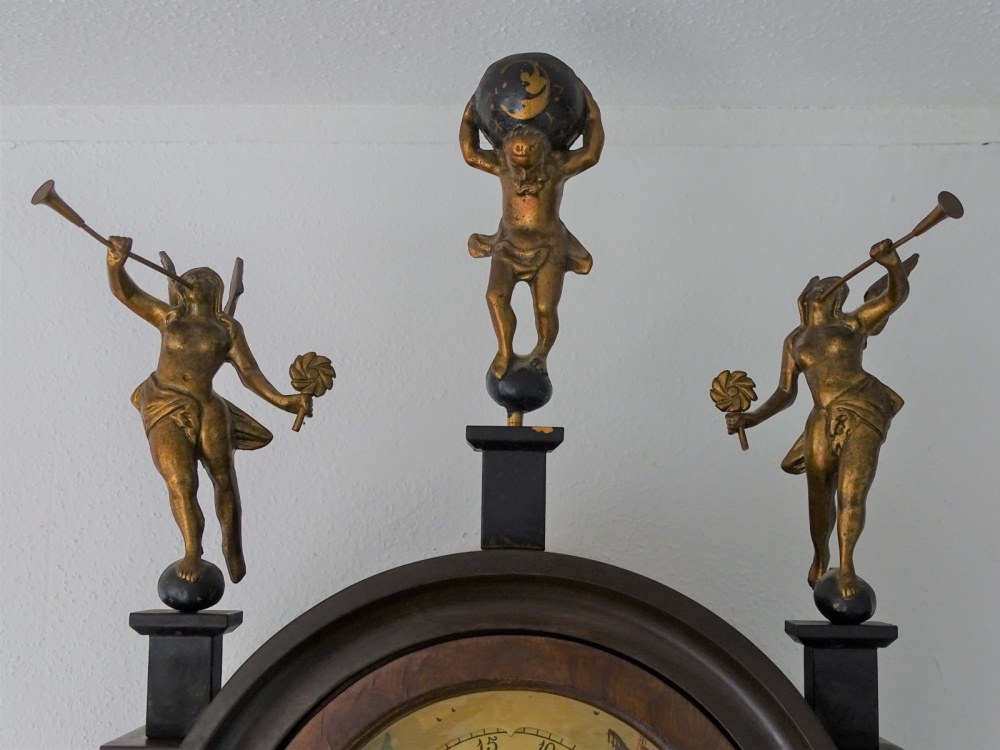
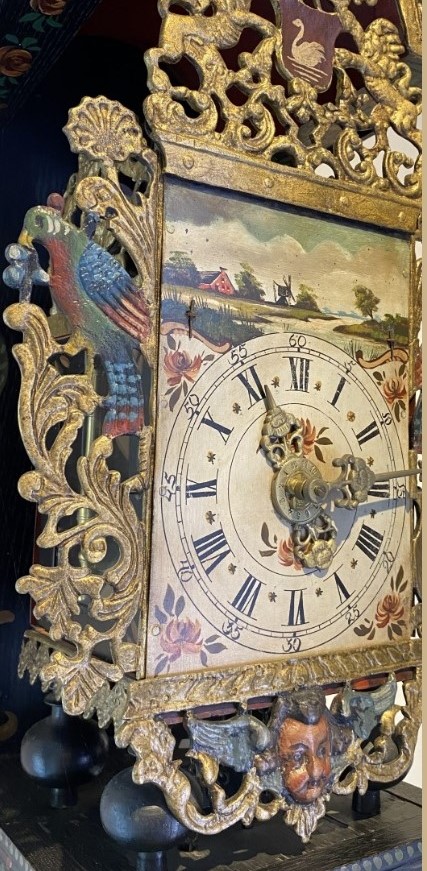
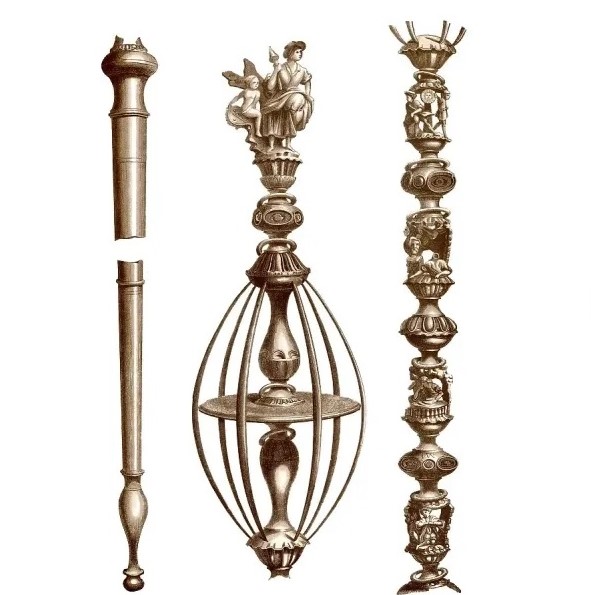
Frisian clocks, often known as Friese klokken, are traditional pendulum clocks originating from Friesland, a province in the Netherlands. These clocks are renowned not only for their craftsmanship but also for the rich symbolism embedded in their design, particularly in the decorations adorning the clock’s hood, face, and weights.


| Symbol | Meaning |
|---|---|
| Atlas (with the globe) | Strength, endurance, and the burden of responsibility — often represents time bearing the world. |
| Angels or Cherubs | Protection, divine guidance, and the fleeting nature of time — often depicted with trumpets or hourglasses. |
| Sun and Moon (Lunar phases) | The passage of time, cycles of life, cosmic order — seen in the moon phase indicators. |
| Ships or Galleons | Friesland’s maritime heritage, adventure, and trade — common in seafaring communities. |
| Foliage, Flowers, and Fruit | Fertility, growth, prosperity — often seen in hand-painted details around the dial or case. |
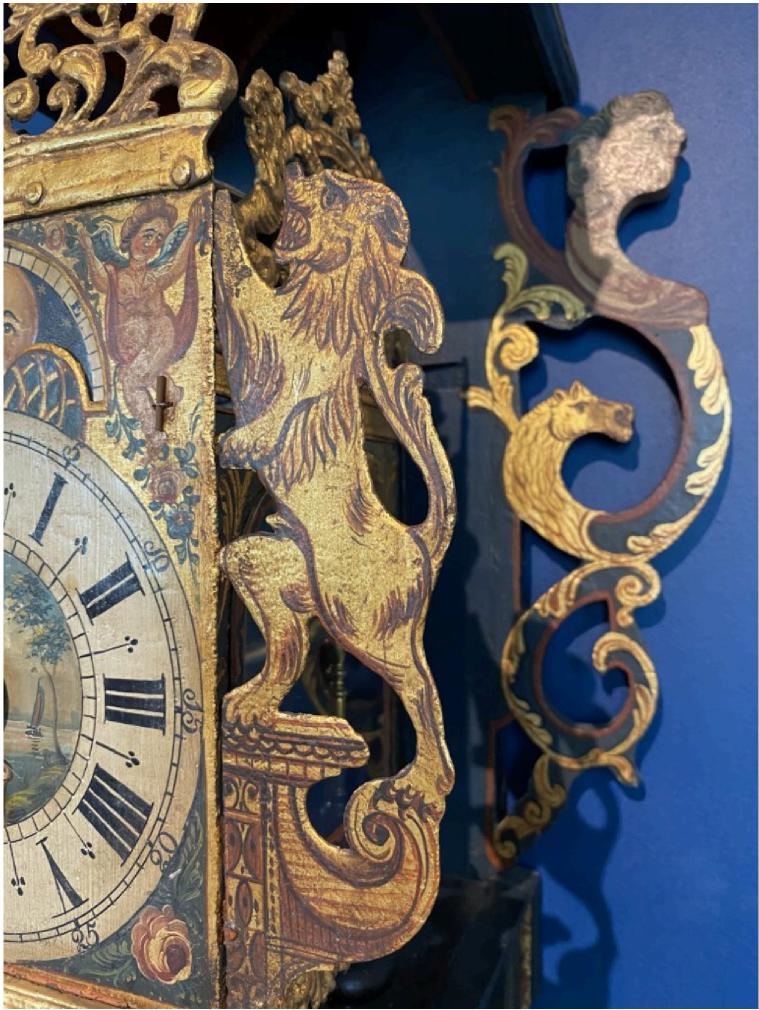
| Crowned Lions or Eagles | Power, vigilance, and nobility — sometimes incorporated in crest-like designs. |
| Religious Figures (Saints or Biblical scenes) | Faith, moral values, and spiritual reflection — particularly on older or more ornate clocks. |
By using a certain figure or image that has a special meaning the creator can express an idea or convey understanding. The representation can reveal a hidden and have a deeper meaning that may be unraveled, which sometimes difficult because the symbol appears in different ways can be interpreted. Sometimes the meaning of a symbol is no longer easy to trace.


Transience of life
In the 17th and 18th centuries, people liked to use symbols portraying the transience of life, tto remind the viewer that everything in life is fleeting and empty. Flower still lifes in paintings were already since the 16th century a way to express the transience of life. Because flowers are only beautiful for a short time , they symbolized the temporality of the existance.

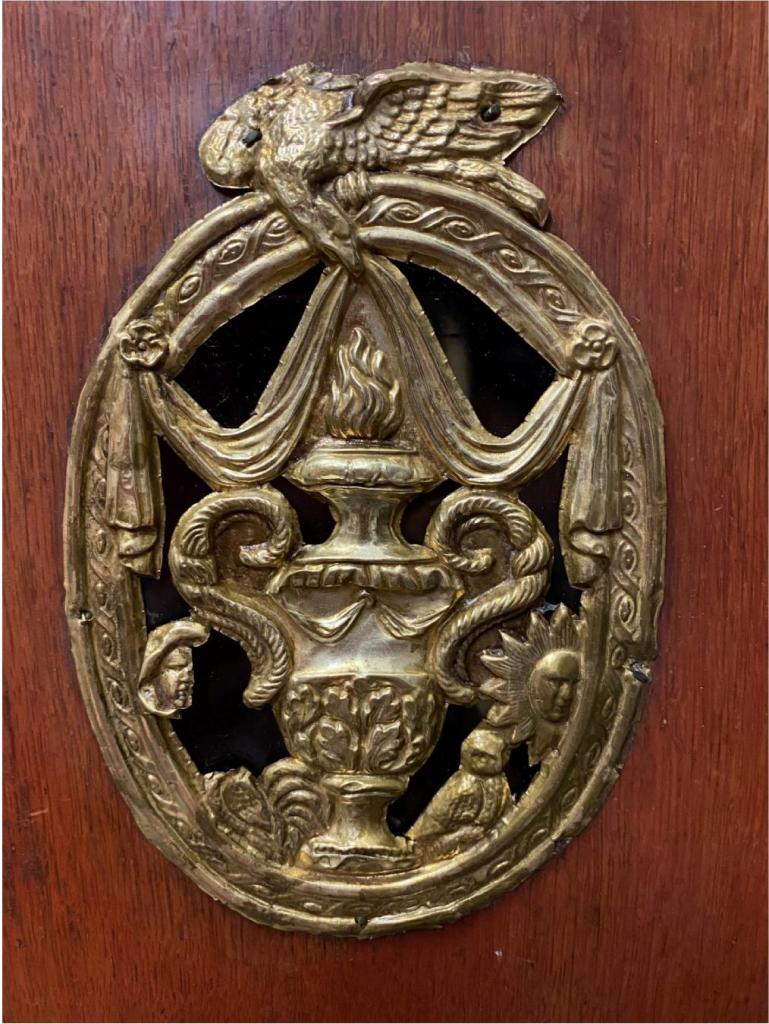
On this well-known pendulum piece you can see an urn (vase), from which an eternal flame rises. This representation, the fire of life, symbolizes time. Next to the urn you see a sun (day) and a moon (night) depicted and below that a rooster (morning) and an owl (evening). The eagle lifts a drapery to unveil transience.

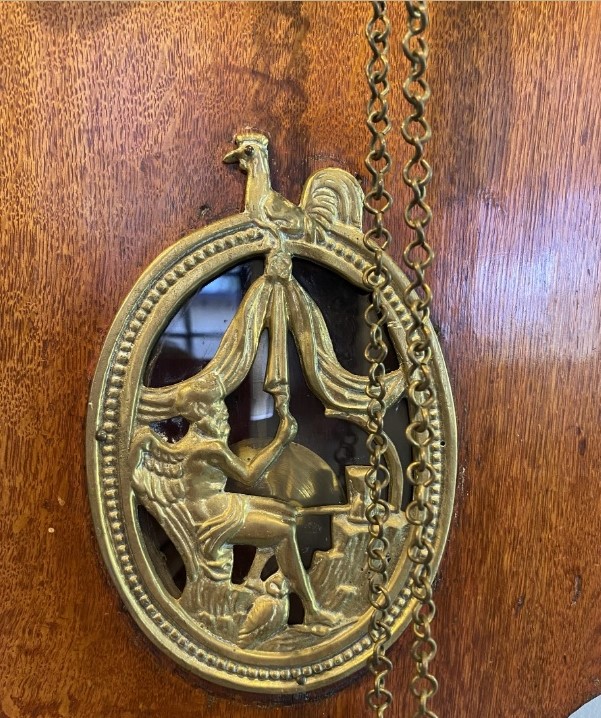
The image of Father Time (Saturn) is one of the most common pendulum pieces. Father Time is of course recognizable by his scythe (= symbol for death/ transience) and hourglass (= time). The rooster (morning/ dawn) is on top of the pendulum piece and an owl (evening-night or wisdom) can be found at the bottom.
Frisian clocks became popular between the 17th and 19th centuries, especially in affluent households in Friesland and the broader Netherlands. The rich symbolism reflected both personal values and regional pride, often blending Christian themes, nautical motifs, and folklore. Many were passed down as family heirlooms, seen as symbols of continuity and stability across generations.


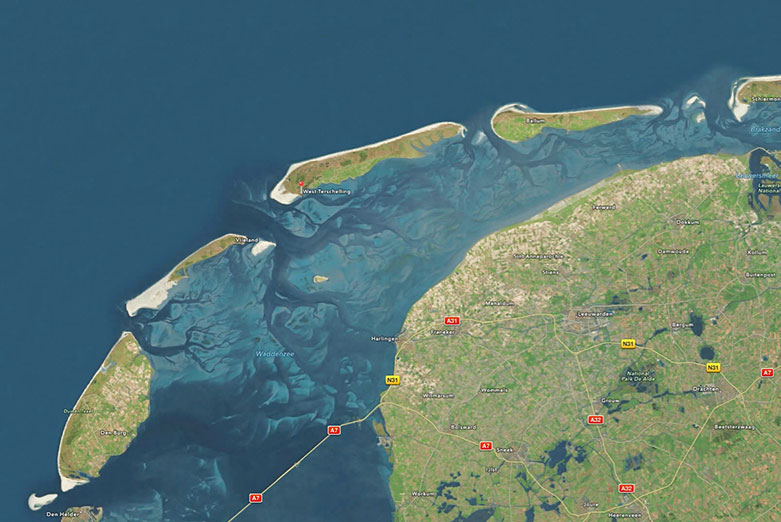
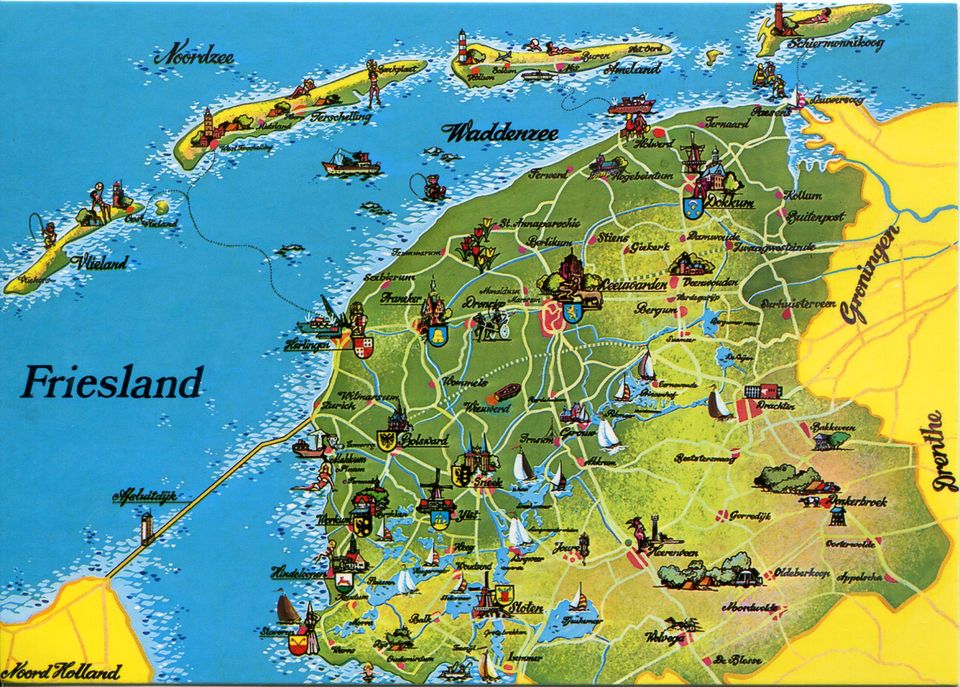
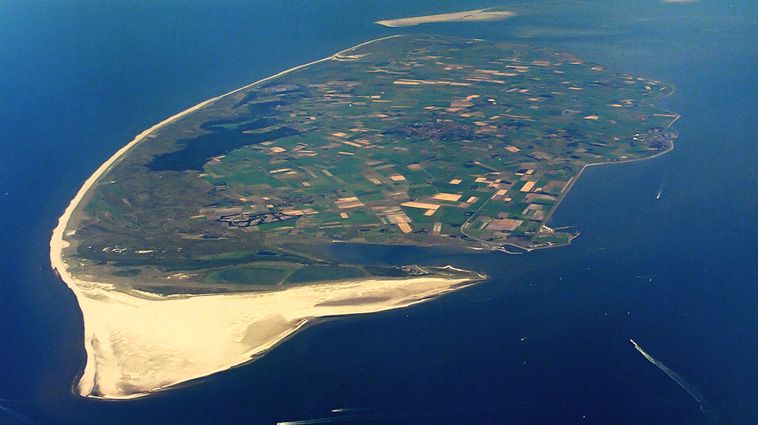
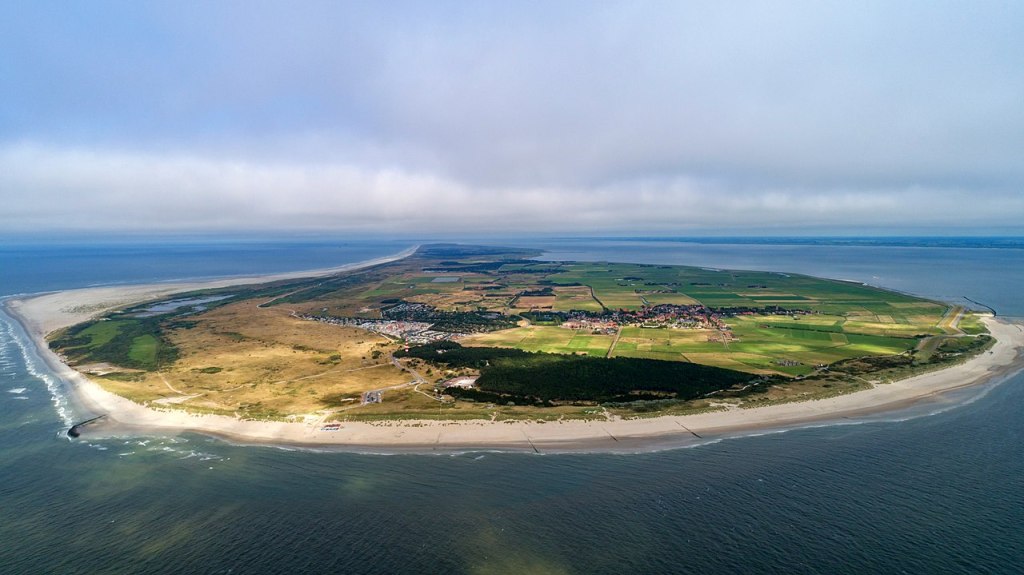
On the Dutch Wadden Islands: Texel, Vlieland, Terschelling, Ameland and Schiermonnikoog, many ancient customs can still be found, corresponding to those of the Scandinavian countries, belonging to the ancient cultural heritage of the North Sea peoples.


This film shows beautiful scenes in the province of Friesland in the Netherlands a century ago. Friesland is one of the 12 Dutch provinces in the North of the country, bordering to the Waddenzee. It is famous for its 11 cities skating race that is occasionally held during extremely cold winters. The original B&W film is of mediocre quality, so we used all the software tools possible to try to enhance and colorize it. The result is quite good, but with slightly less detail than many of our other films about old The Netherlands. The film begins with a shot of the town of Leeuwarden followed by footage of Friesland’s beautiful nature with its many lakes and flora and fauna. Sailing on the lakes in so called “skutjes” is a popular Dutch pass time. The end of the film is quite emotional and endearing as it shows an old couple who try to make a living in their extremely old and dilapidated farm house.


Frisian wisdom, like much of the wisdom found in different cultures, often emphasizes simplicity, connection to nature, and the importance of community. The Frisians, an ethnic group indigenous to the coastal regions of the Netherlands and Germany, have a rich history that stretches back over a thousand years. Their proverbs and sayings reflect their strong ties to the land, sea, and people around them.
Here are a few examples of Frisian wisdom:
“Wie net yn de wyn is, is net genôch.”
Translation: “He who is not in the wind is not enough.”
Meaning: This suggests that only those who endure hardship or challenges (the wind) can truly grow or be considered complete.
“Bliid wêze mei watst hast, is mear as it sykjen nei watst net hast.”
Translation: “Being happy with what you have is more than searching for what you don’t have.”
Meaning: A reminder to appreciate what you already possess rather than always seeking more or different.
“De geast is sterker as it lichem.“
Translation: “The spirit is stronger than the body.”
Meaning: This reflects the belief that mental strength, willpower, and determination often matter more than physical ability.
“De oseaan kin ek wiete fuotten krije.”
Translation: “The ocean can also get wet feet.”
Meaning: Even the strongest can have their weaknesses or experience failure.
“Ien fûgel yn de hân is better as tsien yn de loft.”
Translation: “One bird in the hand is better than ten in the air.”
Meaning: This is similar to the English saying “A bird in the hand is worth two in the bush” — emphasizing the value of appreciating what you already have, rather than chasing something uncertain.
Frisian wisdom is often deeply connected to the idea of living in harmony with the natural world, being grounded in one’s community, and having a strong sense of identity and resilience.
In the modern world, craftsmanship is often reduced to technique, productivity, or personal expression. But in the eyes of Traditionalist thinkers like René Guénon, Ananda Coomaraswamy, and Frithjof Schuon, craft is something far more profound—it is a sacred act rooted in metaphysical principles and spiritual symbolism.
Craft as Sacred Knowledge
René Guénon viewed traditional craft not as utilitarian labor but as a means of cosmic participation. The traditional craftsman, for Guénon, was engaged in work that reflected the divine order:
“A craft is not merely a technique, but a transmission of a traditional knowledge, the application of principles that are ultimately metaphysical.”
In traditional civilizations, there was no division between the sacred and the secular in labor. Every craft, from carpentry to stonemasonry, was infused with symbolic meaning. The tools themselves—like the compass, the square, or the chisel—served as metaphors for universal truths. The craftsman, through repeated and intentional action, participated in the divine act of creation.
Work and contemplation were not separate in traditional societies. A craftsman worked not just with his hands but also with an awareness of the symbolic and spiritual meaning of his work.
The tool, the material, and the process had symbolic dimensions. For instance, in masonry or metalwork, the transformation of raw material symbolized the transformation of the soul.
Initiation and Guilds
Guénon emphasized the role of initiatic craft guilds—especially in the West, such as medieval masonry guilds—which preserved esoteric teachings and transmitted initiatic knowledge through symbols, rituals, and oral transmission.
These guilds were structured hierarchically and transmitted cosmological knowledge embedded in tools, geometry, architecture, and ritual.
The compass and square, for example, symbolized heaven and earth or spirit and matter.
The architecture of temples or cathedrals followed sacred geometry, aligning physical structures with cosmic principles.
Degeneration in Modernity
Guénon argued that in modern times, the loss of sacred and symbolic understanding has led to the degeneration of crafts into mere technical skills, disconnected from their metaphysical roots.
This reflects his larger thesis: modernity is a descent into materialism, fragmentation, and loss of spiritual orientation””. The disappearance of guilds, desacralization of labor, and mass industrialization exemplify this decline.
Read Here: The Arts and their Traditional Conception


Art That Expresses Truth
Ananda Coomaraswamy, deeply rooted in both Eastern and Western traditions, emphasized that the traditional artist or craftsman was not creating to express individuality, but to reveal the timeless:
“The traditional craftsman did not ‘express himself,’ he expressed truths.”
Coomaraswamy rejected the modern cult of originality and innovation. For him, traditional art and craft were “vehicles for eternal wisdom“. The form was not arbitrary—it was a symbolic expression of metaphysical principles, passed down through sacred traditions. Every detail, from proportions to ornamentation, had a purpose that reached beyond aesthetics.
“Work is for the sake of the work done, and not for the profit therefrom.”
In this sense, “work was prayer “—a form of contemplation, a discipline of the soul.
Read here: Primitive Mentality: The myth is not my own, I had it from my mother.
Beauty as a Path to the Divine
Frithjof Schuo* extended these insights by focusing on the spiritual essence of traditional art. For Schuon, beauty itself was a reflection of the Divine:
“The beauty of a traditional object reflects the eternal archetypes; it speaks in silence to the soul.”
Craftsmanship, when aligned with traditional forms, becomes a contemplative path. Whether it’s a sacred icon, a hand-carved door, or a woven textile, its power lies in its “participation in the eternal “. For Schuon, even in a world that has largely lost its traditional frameworks, the sacred can still be accessed through ” form, beauty, and right intention:
“A sacred form, however simple, is a vessel of grace.”
A Living Tradition
What unites Guénon, Coomaraswamy, and Schuon is the belief that “”true craft is never arbitrary”. It arises within a living tradition, where every gesture, pattern, and proportion reflects a metaphysical reality. In contrast, modern craftsmanship—stripped of symbolism and spiritual orientation—becomes hollow, reduced to commerce or self-expression.
Their critique is not simply nostalgic. It is a call to recover the sacred dimension of human making—to reintegrate craft into a vision of life that is oriented toward the transcendent.
To make with the hands, in the traditional sense, is to align oneself with the cosmos. Craft, then, becomes more than labor—it becomes liturgy. The Traditionalist vision invites us to see again with sacred eyes: to recognize that a pot, a wall, a song, or a loom, when shaped by truth and beauty, can become a path toward the eternal.
Made for use versus made for sale, creation versus production. Human being valued versus machine being valued.. When the human being is valued, there is integrity in the work. There is dignity in the freedom to work for purpose, and satisfaction knowing the effort is respected. When the human being is removed from the actual creation or building of the thing itself, the spirit of the work, whatever it is, is disconnected if not all together removed making the being servile to the method of production.
The ‘maker’ thus becomes a salesperson for something they have had manufactured for them to sell as their own to make an individual profit. The purpose is then not the benefit or betterment of humanity, but the betterment and advancement of oneself. And this
form applies now to almost all forms of artistic creation be it painting, dance, music, fashion,
design, architecture, interior design and so on; they all have become templated ideas easily
reproduced without much prerequisite of fundamental knowledge or originality.
Read here: Why Exhibit Works of Art?
For more info about Craft and Sacred Architecture read:

An Hermeneutic Exploration of René Guénon’s Symbolism of the Cross Applied to Sacred Architecture.

The Thread-Spirit Doctrine:An Ancient Metaphor in Religion and Metaphysics with
Prehistoric Roots

The Essential Titus Burckhardt: Reflections on Sacred Art, Faiths, and Civilizations

Cosmology_and_architecture_in_premodern Islam

Buildings Without Architects:

Buildings Without Architects is a wonderfully informative reference on vernacular styles, from adobe pueblos and Pennsylvania barns to Mongolian gers and European wooden churches. This small but comprehensive book documents the rich cultural past of vernacular building styles. It offers inspiration for home woodworking enthusiasts as well as architects, conservationists, and anyone interested in energy-efficient building and sustainability.
The variety and ingenuity of the world’s vernacular building traditions are richly illustrated, and the materials and techniques are explored. With examples from every continent, the book documents the diverse methods people have used to create shelter from locally available natural materials, and shows the impressively handmade finished products through diagrams, cross-sections, and photographs. Unlike modern buildings that rely on industrially produced materials and specialized tools and techniques, the everyday architecture featured here represents a rapidly disappearing genre of handcrafted and beautifully composed structures that are irretrievably “of their place.” These structures are the work of unsung and often anonymous builders that combine artistic beauty, practical form, and necessity. Read Here
1. Origins and Creation Myths
Frisian mythology contains stories that link the Frisians to ancient, often semi-legendary origins:
2. Deities and Supernatural Beings
Frisian mythology shares gods and spirits with wider Germanic tradition but sometimes with local flavors:
3. Folktales and Legends
4. Frisian Freedom
Though more historical, the concept of Frisian Freedom—the idea that Frisians were free from feudal overlords and ruled themselves—is tied to semi-mythical origins, symbolizing an independent spirit often mythologized in regional storytelling.
5. Cultural InfluenceFrisian mythology, though not as extensively documented as Norse mythology, influenced:
6. Relation to Other Mythologies
Frisian mythology sits at a crossroads between:
Norse Mythology (due to proximity and shared Germanic roots) Dutch Folklore
Saxon and Anglo-Saxon Traditions, especially given migrations from Frisia to Britain in the early medieval period
Frisian and Norse Mythology: Deep Connections
1. Shared Germanic Roots
Both Frisians and Norse peoples descend from Proto-Germanic tribes:
Example:
| Norse Name | Frisian/Dutch Equivalent | Role |
| Odin (Wodan) | Weda / Wodan | God of wisdom, war, magic |
| Thor (Thunar) | Thuner / Donar | God of thunder, protector |
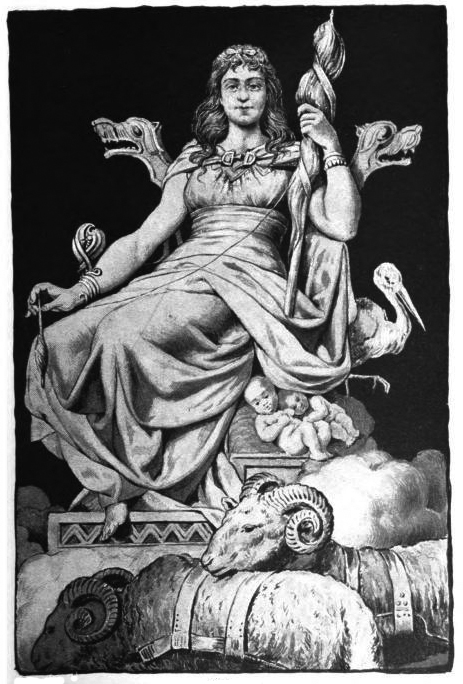
| Frigg | Frigga / Frika | Goddess of marriage, motherhood |
Frisian versions tend to be more faintly preserved, often through folk tales rather than structured myth.
2. Maritime and Coastal Culture
Both cultures:
The Norse myth of Frodi’s Mill, where the sea becomes salty from the endlessly grinding magic mill, aligns conceptually with similar Frisian maritime legends explaining natural phenomena.
Frisian folklore includes tales of:
3. Historical Contact Zones
From the 5th to 11th centuries, Frisia and Scandinavia were closely connected:
Norse sagas reference Frisian locations and people:
4. Mythic Parallels and Syncretism
Frodi and Frisian Freedom
Both traditions idealize:
Supernatural Women
5. The Oera Linda Book and Norse Echoes
Though considered a 19th-century literary forgery, the Oera Linda Book reflects:
This shows how Norse myth influenced later attempts to construct or imagine Frisian mythic history.
Summary: Deep, Interwoven Traditions
Frisian and Norse mythologies: Share common Germanic ancestry– Reflect parallel seafaring worldviews – Include overlapping deities and spirits – Show cultural exchange via trade, raids, and migration Emphasize themes of freedom, fate, and nature’s power
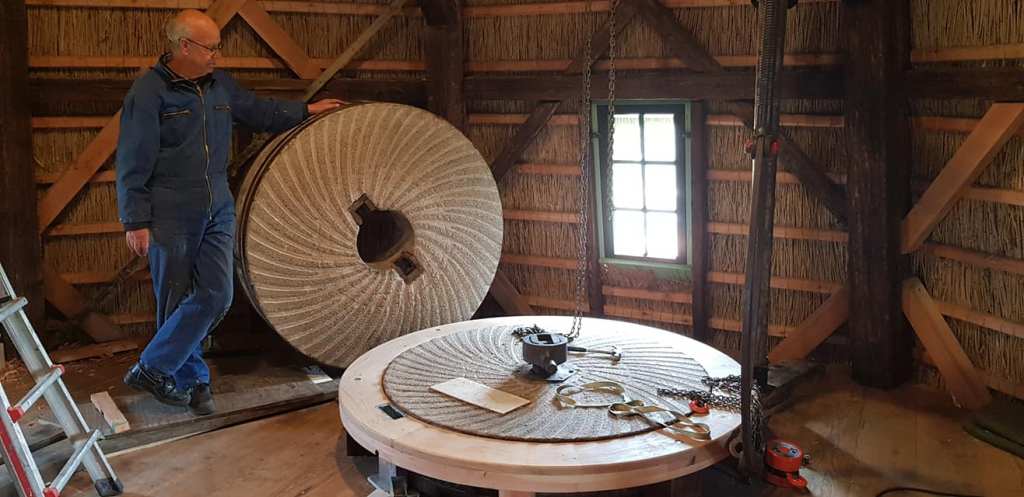
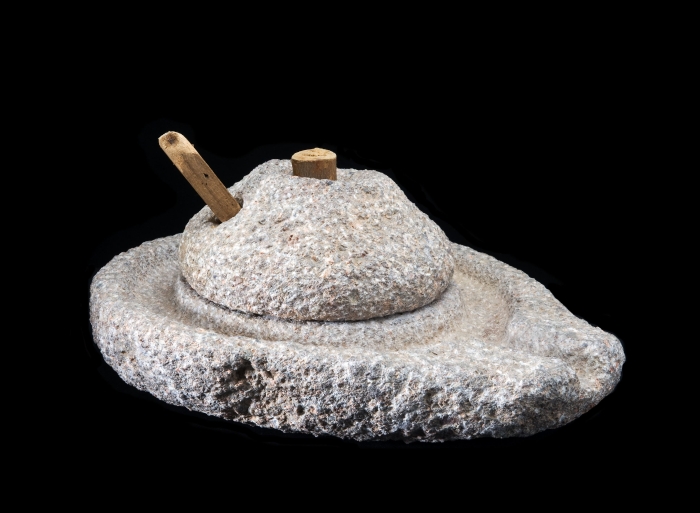
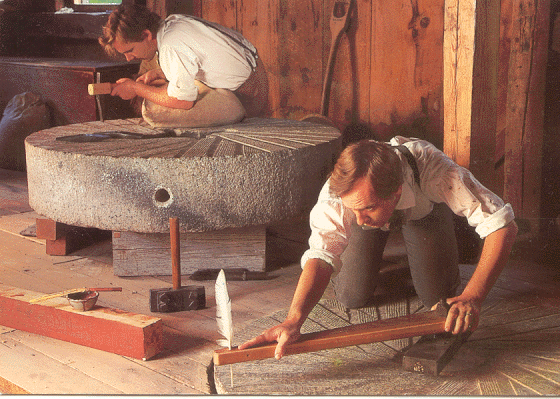
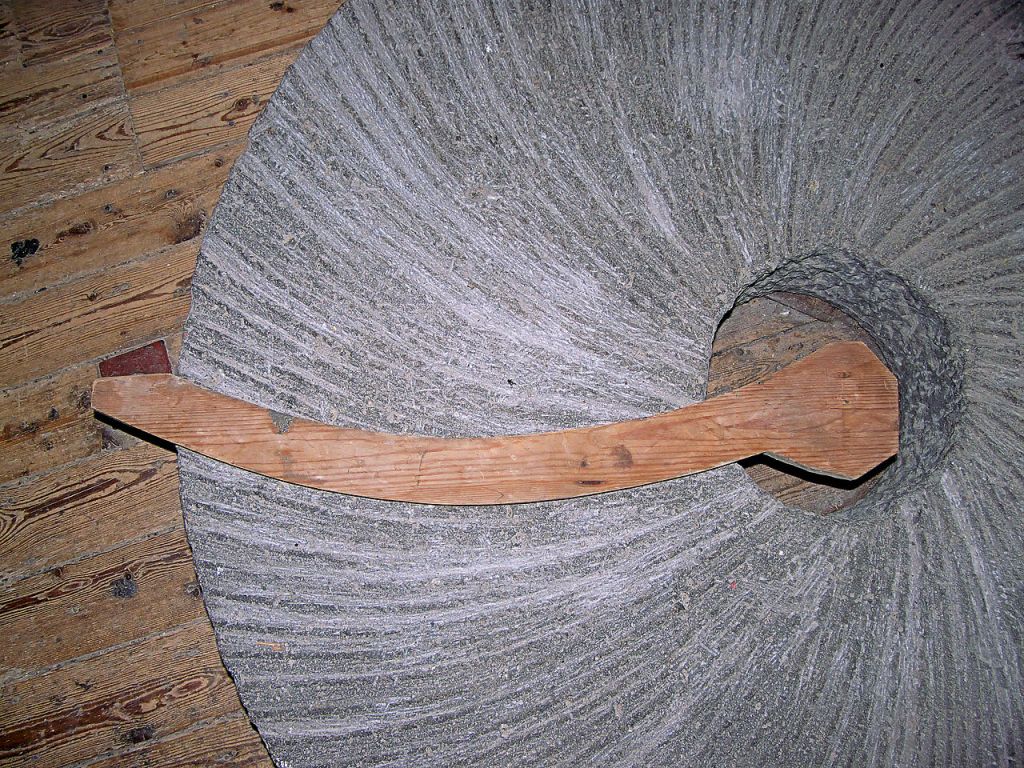
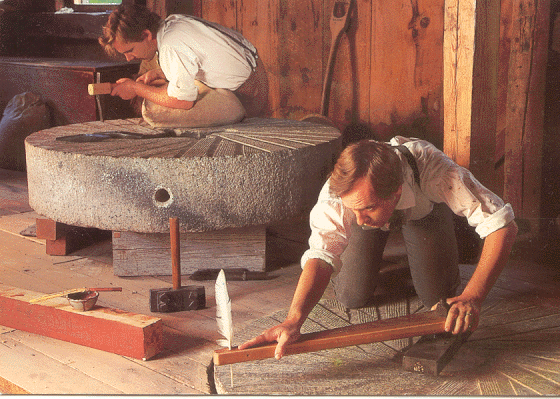
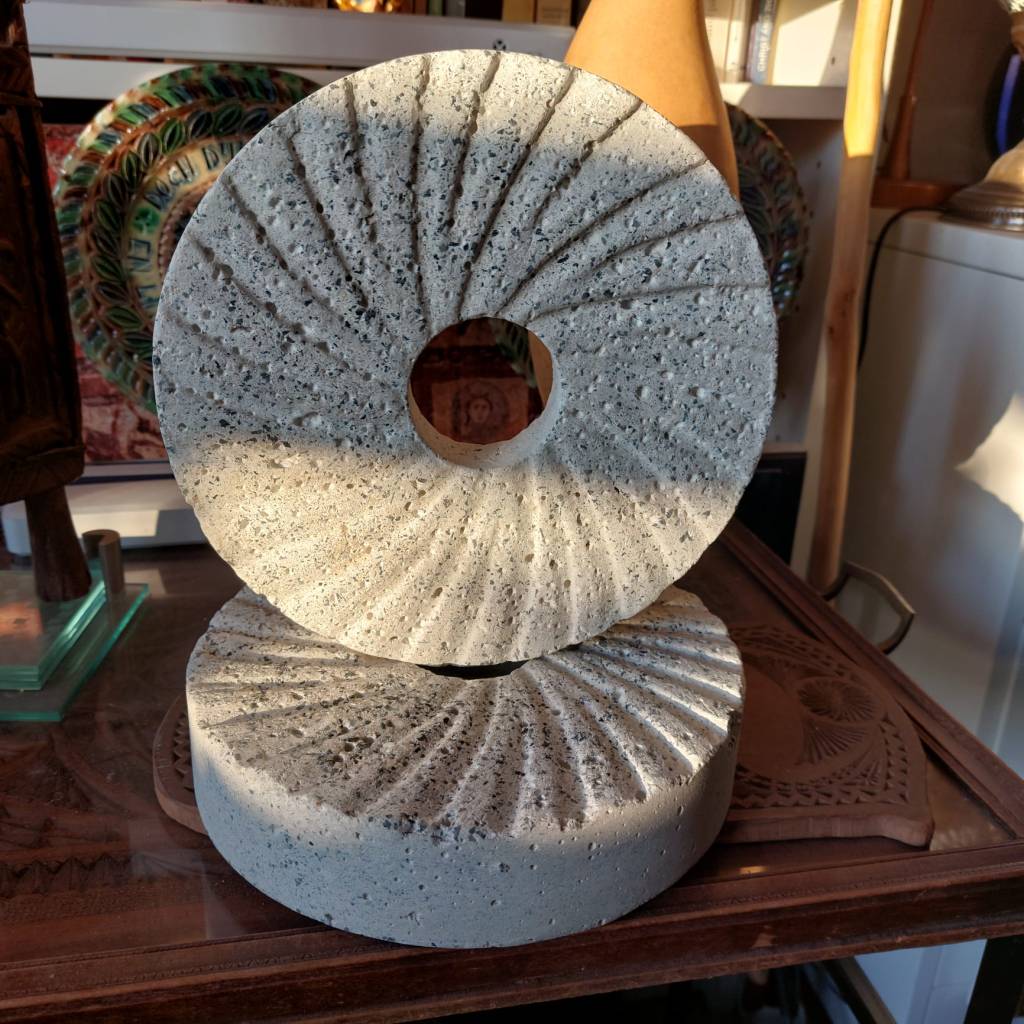
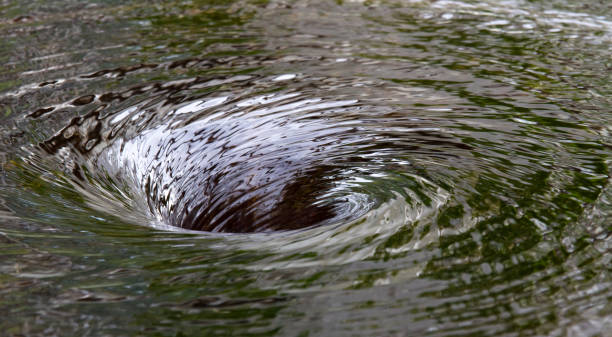
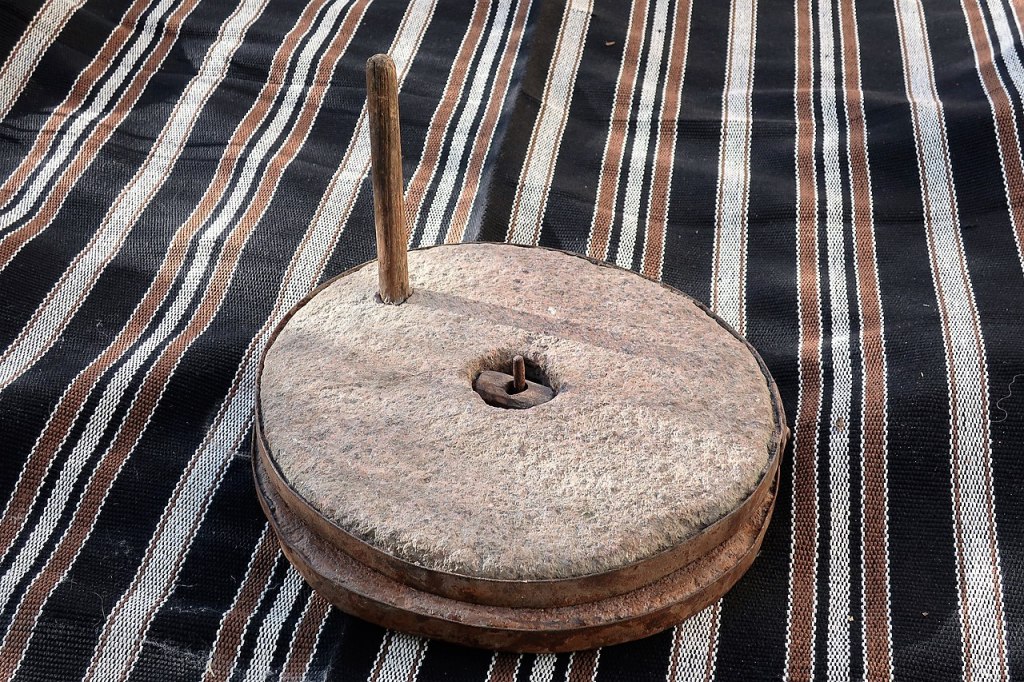
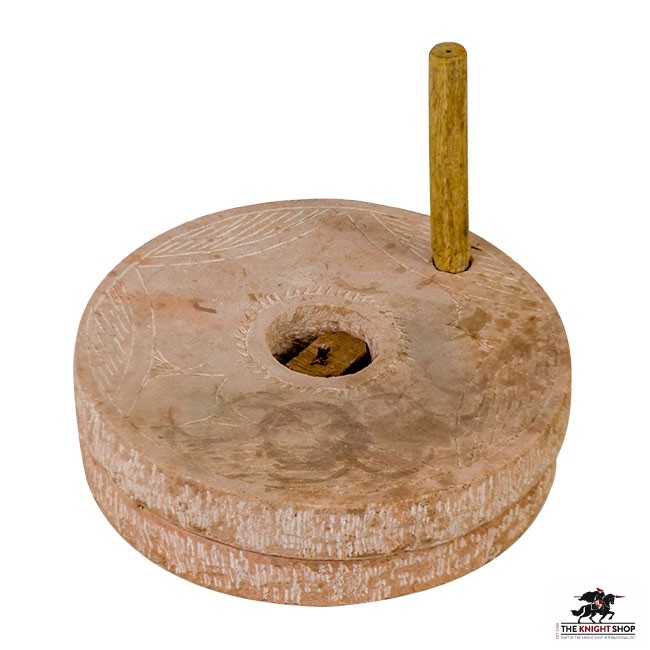
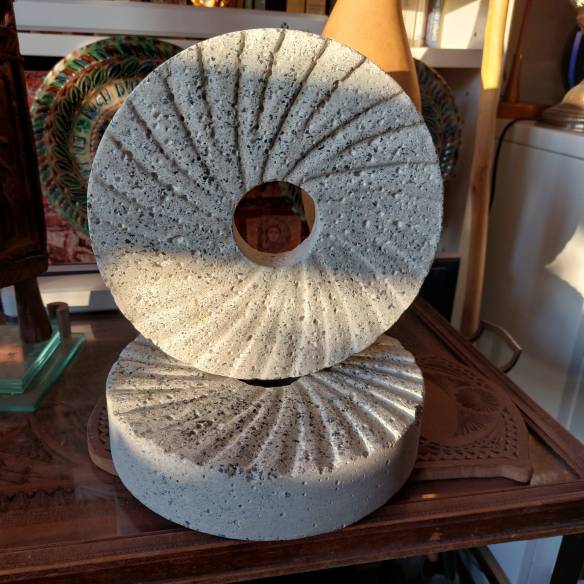
In the mythologies of diverse cultures, the millstone appears not merely as a tool of agrarian labor but as a symbol imbued with immense metaphysical weight. Whether functioning as a source of abundance, an agent of justice, or a mechanism of fate, the millstone represents the cyclical and transformative forces that underpin both the human and the cosmic condition. From Norse sagas to African oral traditions and biblical parables, this humble object becomes a metaphor for the profound **interplay between creation, destruction, and moral consequence.
*Grotti’s Mill: Cosmic Power and the Consequences of Exploitation

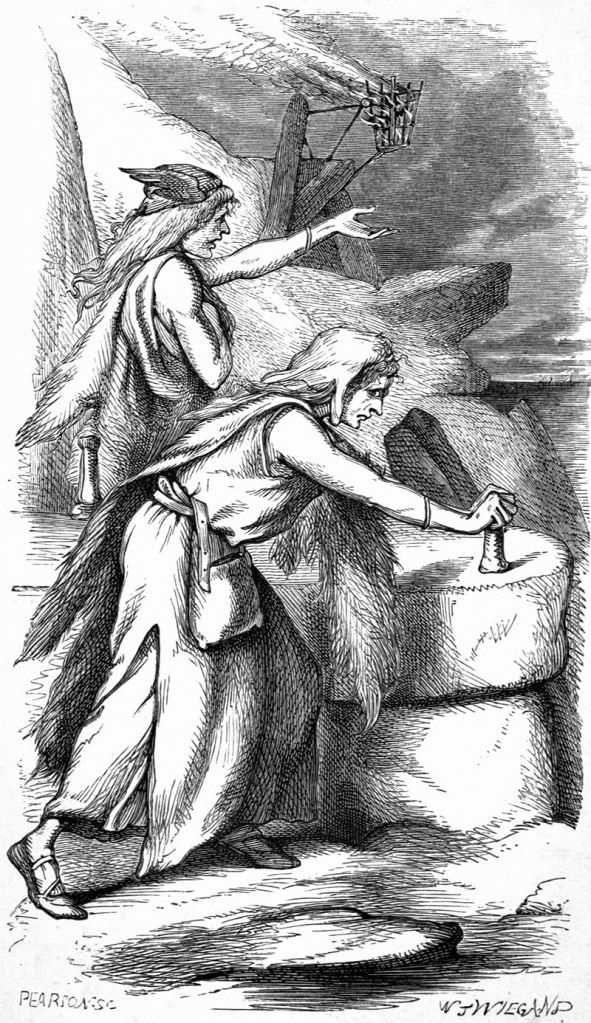
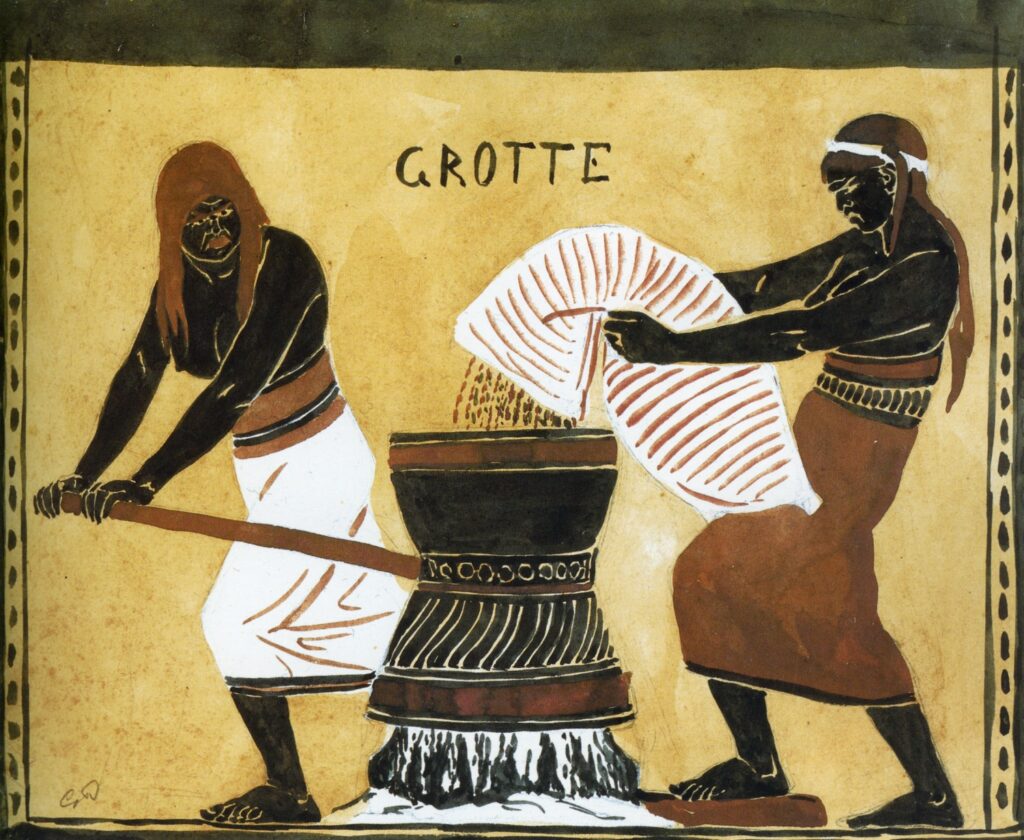
One of the most striking mythological representations of the millstone occurs in Norse mythology with the tale of Grotti’s Mill, found in the Grottasöngr. This enchanted mill is capable of grinding anything the owner desires—peace, gold, or destruction. When King Frodi acquires the mill and forces two giantesses, Fenja and Menja, to labor ceaselessly, their grinding shifts from prosperity to vengeance. Ultimately, they bring about Frodi’s ruin by unleashing chaos through the mill.
Here, the millstone symbolizes the fragile balance of cosmic order. When treated with respect, it generates peace and wealth; when abused, it yields destruction. The myth functions as a cautionary tale about hubris, greed, and the exploitation of natural or divine forces, reflecting an early understanding of what we might now call ecological or spiritual backlash.
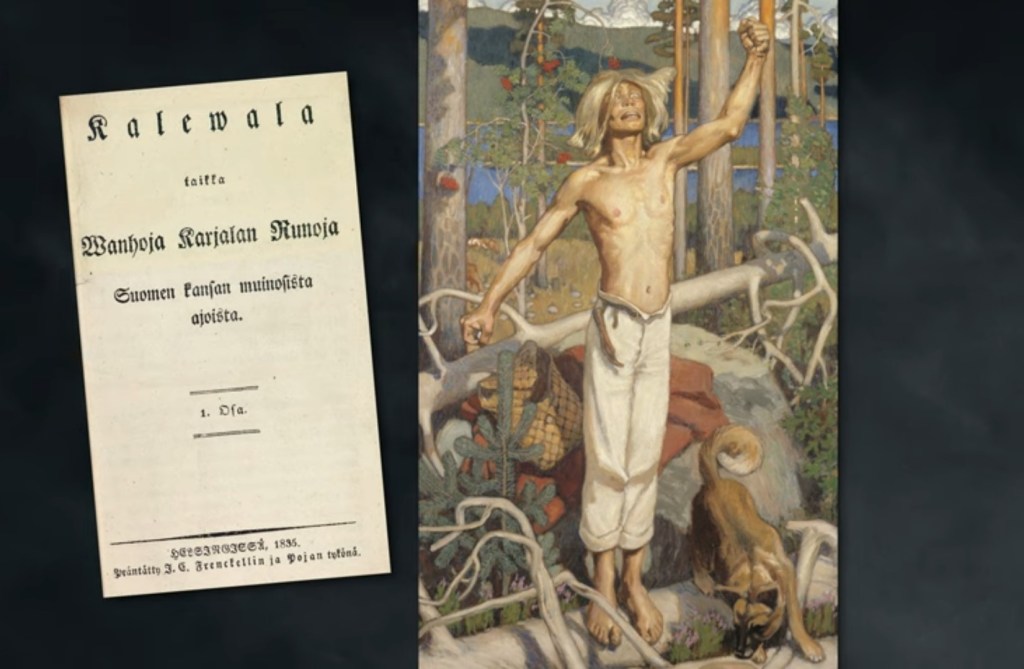
The Sampo: Mythical Mill of Prosperity in the Kalevala
A parallel motif exists in Finnish mythology in the form of the Sampo, a magical artifact described in the *Kalevala*, Finland’s national epic. Often interpreted as a millstone or cosmic mill, the Sampo endlessly produces grain, salt, and gold. Forged by the smith Ilmarinen, it is later stolen and lost at sea, bringing misfortune to the land and its people.
The Sampo, like Grotti’s Mill, symbolizes the source of life and abundance, but also its fragility. Its disappearance suggests that prosperity is not a permanent condition—it must be protected, cultivated, and used wisely. The Sampo functions mythologically as a cosmic center, a generative force whose disruption signals the dissolution of harmony.
Biblical Imagery: Judgment and the Weight of Moral Responsibility
In Christian scripture, the millstone takes on a different, though equally profound, symbolism. In the Gospel of Matthew (18:6), Jesus states,*”If anyone causes one of these little ones…to stumble, it would be better for them to have a large millstone hung around their neck and to be drowned in the depths of the sea. Here, the millstone is a metaphor for divine justice—an inescapable consequence for those who harm the innocent.

The weight and permanence of a millstone suggest the inescapable burden of guilt and the absolute nature of moral law. Unlike the Norse and Finnish mills, which produce external conditions (peace, gold, war), the biblical millstone is internalized—a representation of conscience, consequence, and ultimate accountability.
The Millstone in African and Ancient Mesopotamian Cosmologies
In West African oral traditions, the act of grinding grain—often done by women—carries sacred meaning. The millstone becomes a symbol of female power, ancestral continuity and **transformation**. It is both a domestic object and a spiritual one, representing the conversion of raw nature into nourishing culture. Similar motifs appear in Mesopotamian religion, where goddesses like Nisaba, associated with grain and wisdom, were linked to the act of milling as a divine function.
These traditions emphasize the millstone as a transformative force—a symbol not only of sustenance but of cultural identity, spiritual labor, and the cyclical regeneration of life through the feminine.
Universal Themes: Turning Wheels and Eternal Cycles

Across all these myths, the millstone serves as more than an instrument—it is a rotating axis, evoking imagery of the wheel of time, the cycle of karma, or the eternal return. The turning motion of the mill mirrors the revolutions of the stars, the seasons, and the soul’s journey through time. Whether used to produce food, treasure, or doom, the millstone becomes an agent of cosmic repetition and renewal.

Conclusion: The Millstone as a Symbolic Nexus*
The recurrence of the millstone across global mythologies suggests its function as a symbolic nexus—a point where material labor, metaphysical power, and moral consequence converge. It represents the processes that **grind down, refine, and reveal**: grain into flour, effort into sustenance, action into destiny. Whether in the hands of gods, giants, or mortals, the millstone reflects a core philosophical truth: that all creation involves a turning, a grinding, a cost—and ultimately, a transformation.


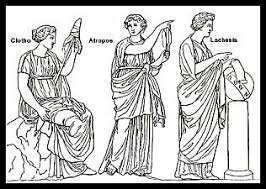
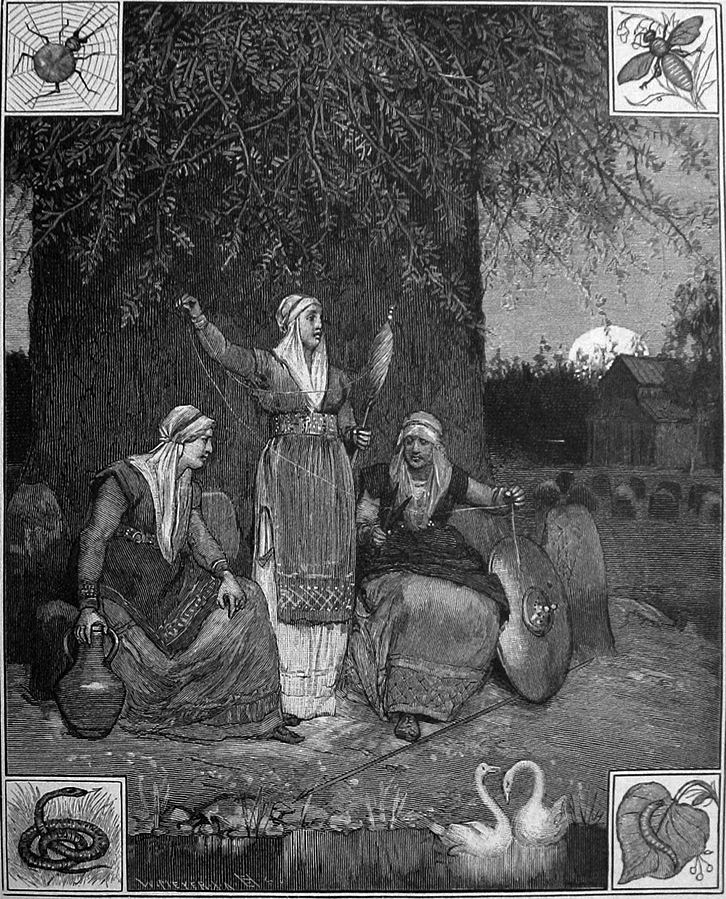
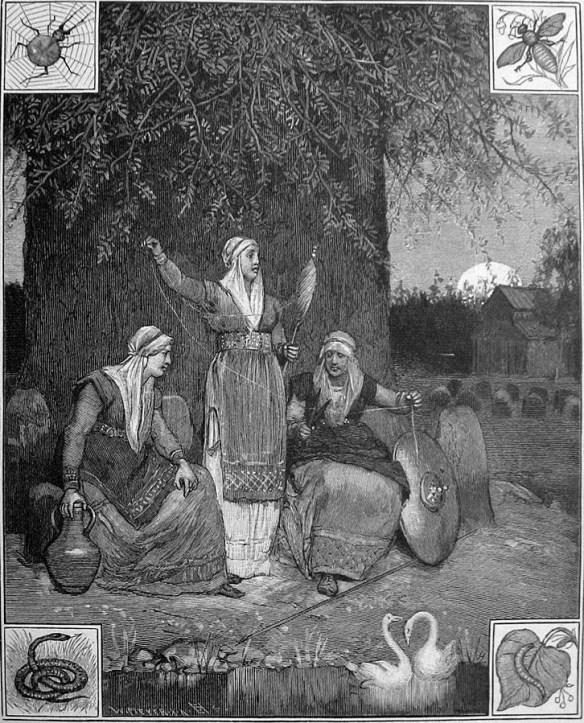
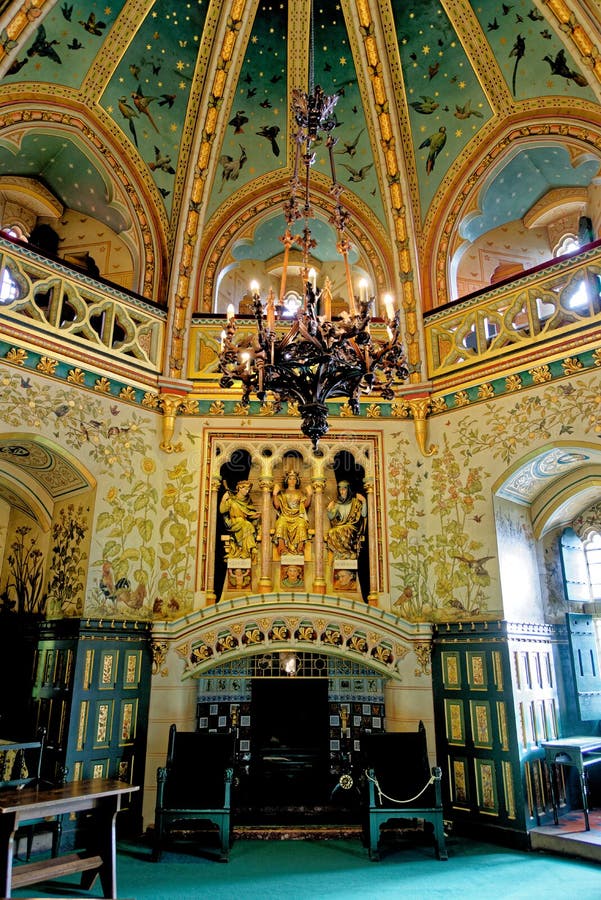
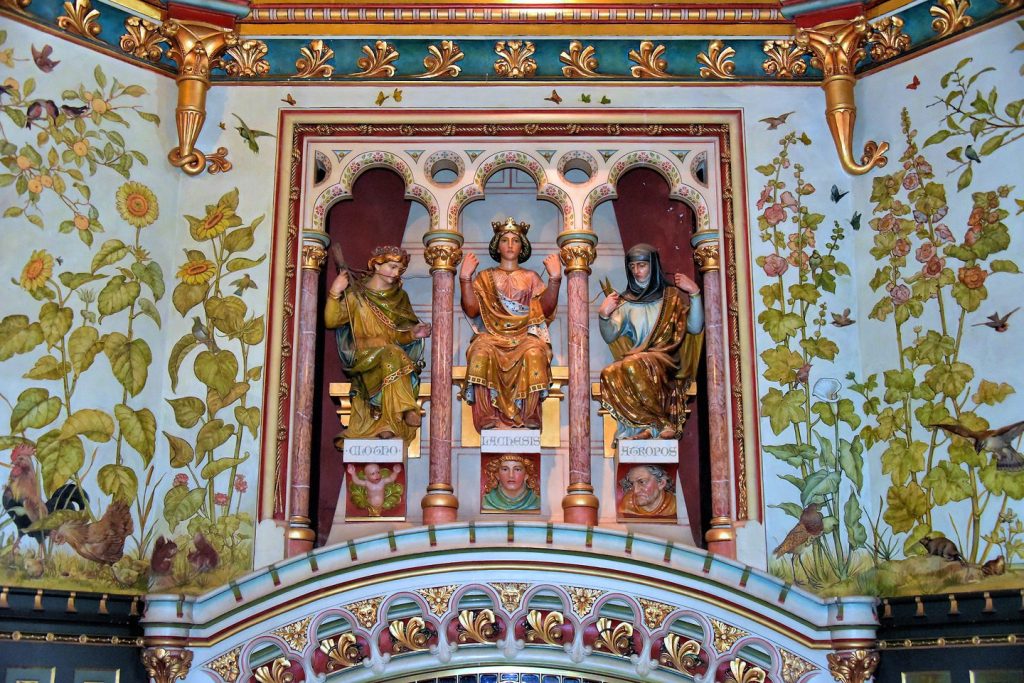
Clotho, Lachesis, Atropos: The three Moirai (Fates) spin, measure, and cut the thread of life.

Clotho spins the thread (beginning of life). Lachesis measures its length (the life span). Atropos cuts it (death).
Symbolism: Spinning here represents the control over life’s journey — creation, destiny, and inevitable fate.

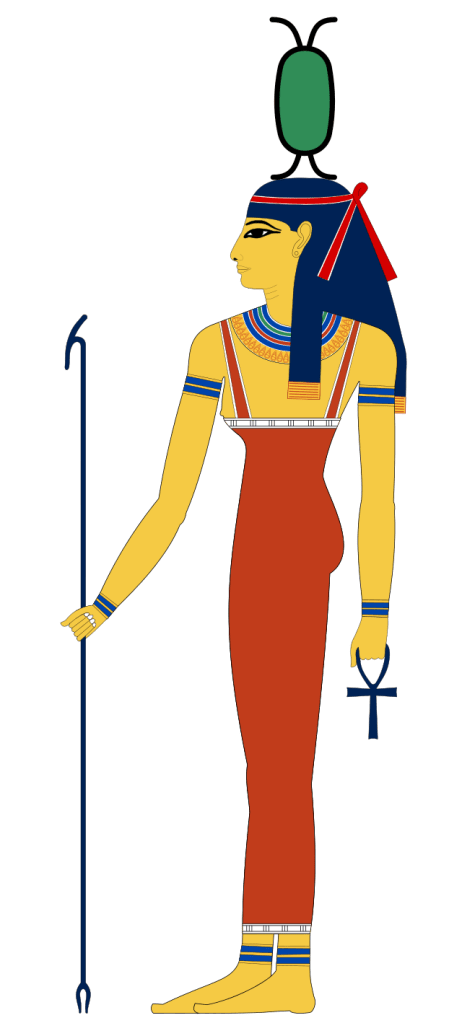
Spider Goddess Neith (Egyptian Mythology) Neith is a primordial deity associated with weaving the world into existence. Sometimes depicted as weaving reality itself. Symbolism: The act of spinning/weaving equates to cosmic creation — crafting order from chaos.

The Norns (Norse Mythology)
Similar to the Fates, they spin the threads of destiny by Yggdrasil, the World Tree. Represent Urd (Past), Verdandi (Present), Skuld (Future). Symbolism: Spinning reflects how past, present, and future are interwoven, shaping all existence.
Arachne (Greek Mythology)
A mortal woman skilled in weaving who challenges the goddess Athena. Transformed into a spider as punishment for her hubris. Symbolism: Spinning/weaving reflects skill, creation, artistry — but also pride, defiance, and transformation.
Spinning as Broader Symbolism:
Creation — Spinning fibers into thread mirrors crafting reality from raw chaos.
Time & Continuity — Threads represent the continuous flow of life and history.
Fate & Control — The spinner holds power over destinies.
Transformation — Spinning materials into new forms symbolizes metamorphosis.
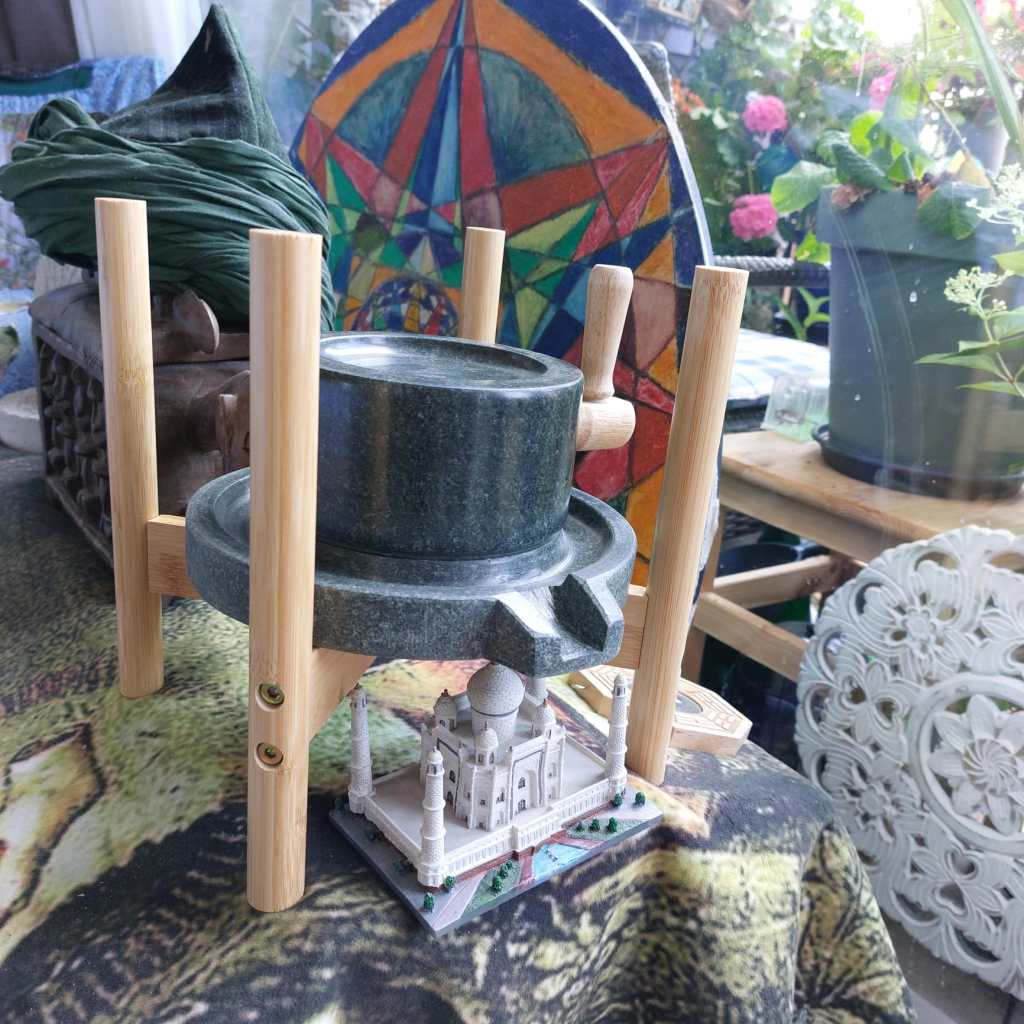
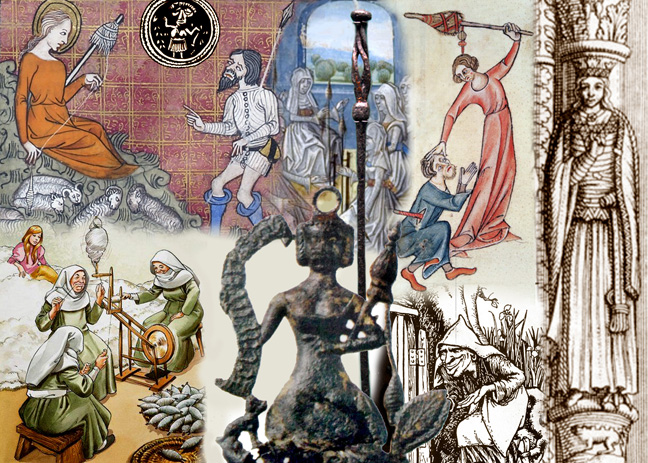
The spinning wheel and the millstone each carry rich symbolism, both individually and when compared. Here’s a breakdown of what they symbolize and how their meanings contrast or complement one another:
Spinning Wheel – Symbolism
Creation: The act of spinning raw fibers into thread symbolizes creativity and birth
Feminine Energy: Traditionally associated with women’s domestic labor and maternal roles.
Fate and Destiny: In mythology (e.g., the Fates in Greek myth), spinning controls the thread of life.
Time and Continuity: The constant spinning motion mirrors the cycle of time and life’s continuity.
Peace and Patience: Especially in Gandhi’s use, the spinning wheel (charkha) represents nonviolence, self-reliance, and simplicity.
Millstone – Symbolism
Burden or Weight: “A millstone around one’s neck” suggests*a heavy responsibility or punishment. |
Labor and Industry | Symbol of grinding work, sustenance, and survival—essential yet relentless.|
Judgment: In the Bible and other traditions, the millstone can symbolize divine justice.|
Transformation: Represents the breaking down of the raw into the refined (grain into flour).
Foundation: As a fixed element in work, it symbolizes stability and reliability. |
Spinning Wheel vs. Millstone – Symbolic Contrast
Light vs. Heavy: Light, delicate motion | Heavy, grinding force |
Creative vs. Destructive :Constructs thread from chaos | Destroys grain to create nourishment |
Feminine Creation: Womb-like symbolism (thread = life) | Earthy, grounding labor (grain = body/sustenance)|
Destiny vs. Duty:Tied to fate, myth, and spiritual identity | Tied to survival, labor, and physical need |
Together as Symbolic Pair
The spinning wheel and the millstone, when viewed together, can represent two fundamental aspects of human life:
Spinning Wheel = the soul’s journey, creativity, destiny, ideals
Millstone = the body’s needs, labor, sustenance, consequences
They also contrast idealism and practicality, or the lightness of creation with the weight of responsibility.
1. Shared Germanic Heritage
The Frisians are part of the wider Germanic cultural and linguistic group, closely related to: The Saxons,The Angles,The Jutes,The Norse (Scandinavians)
This shared heritage means:
2. The Frisian Sea and Salt Connection
3. Frisian Freedom and Frodi’s Tyranny
4. Possible Migration Myths
Summary: Is Frodi’s Mill Part of Frisian Myth?
Directly? — No confirmed, native Frisian version of Frodi’s Mill survives in historical records.
Indirectly? — Yes, through shared mythology, coastal folklore, and cultural exchanges across the North Sea during the Viking Age.
Themes of: Sea legends (salt, sunken treasures)- Resistance to oppression (Frodi’s downfall vs. Frisian Freedom) – Shared Germanic cosmology : All create strong parallels.

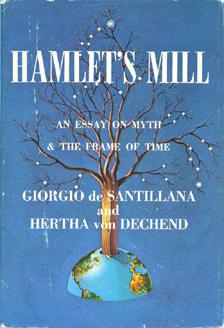
Hamlet’s Mill: An Essay on Myth & theFrame of Time (first published by Gambit Inc.,
Boston, 1969), later Hamlet’s Mill: An Essay Investigating the Origins of Human
Knowledge and Its Transmission Through Myth, by Giorgio de Santillana, a professor of the
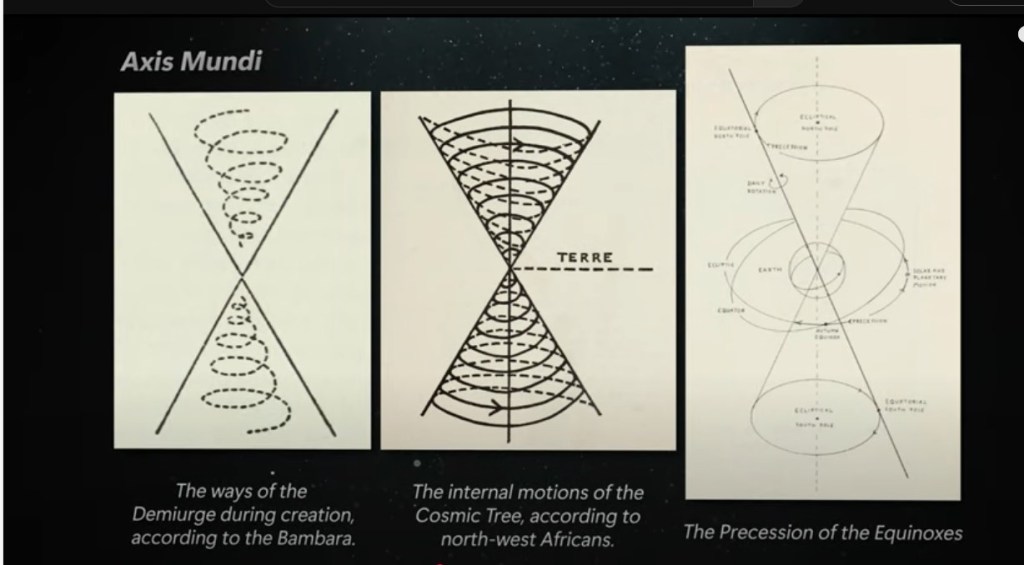
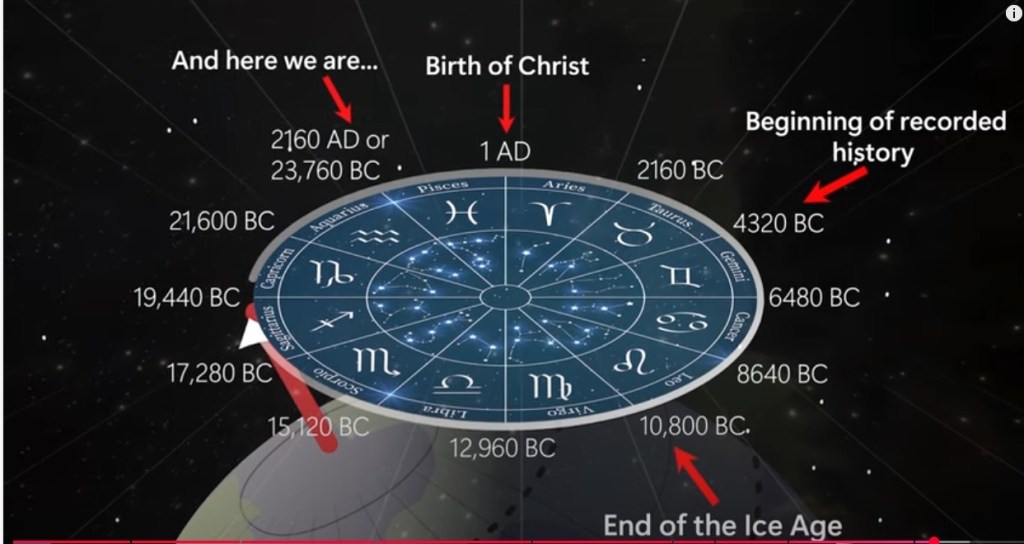
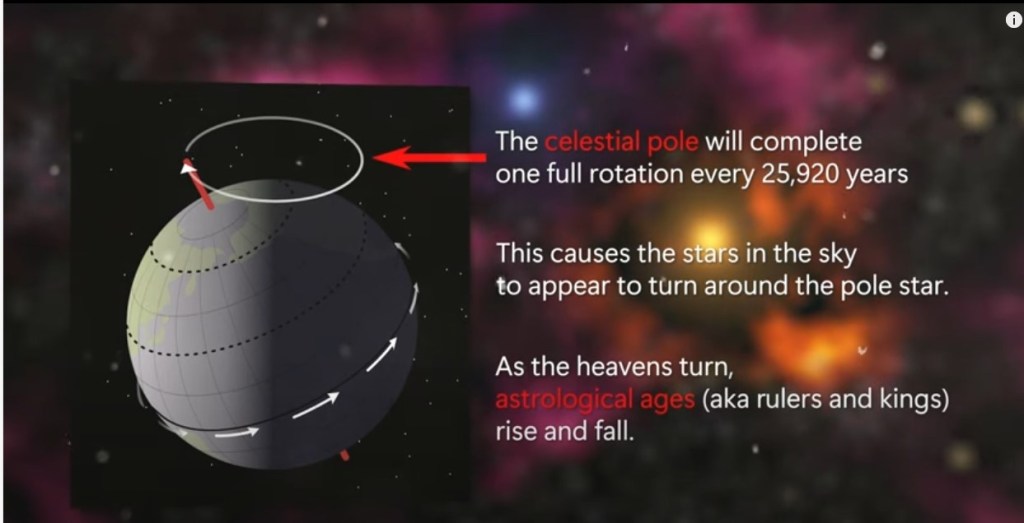
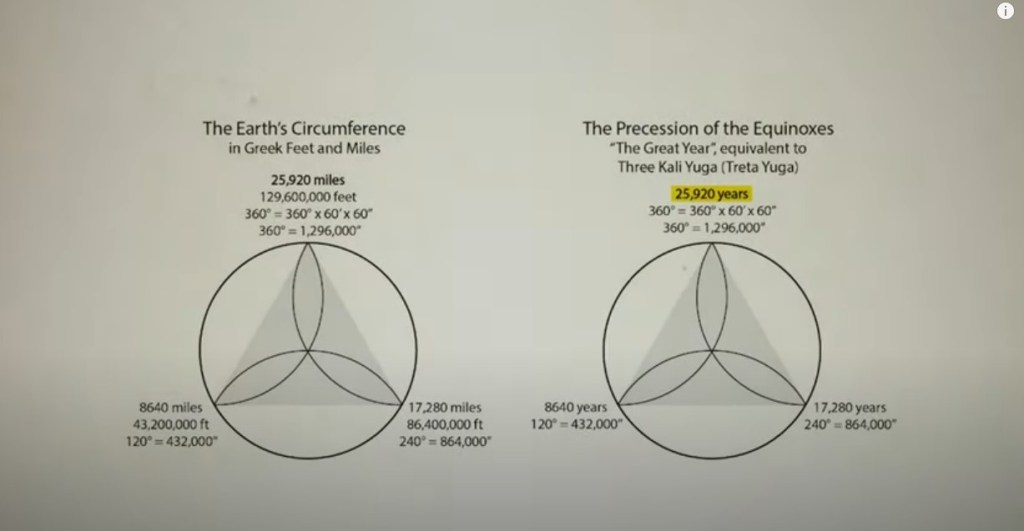
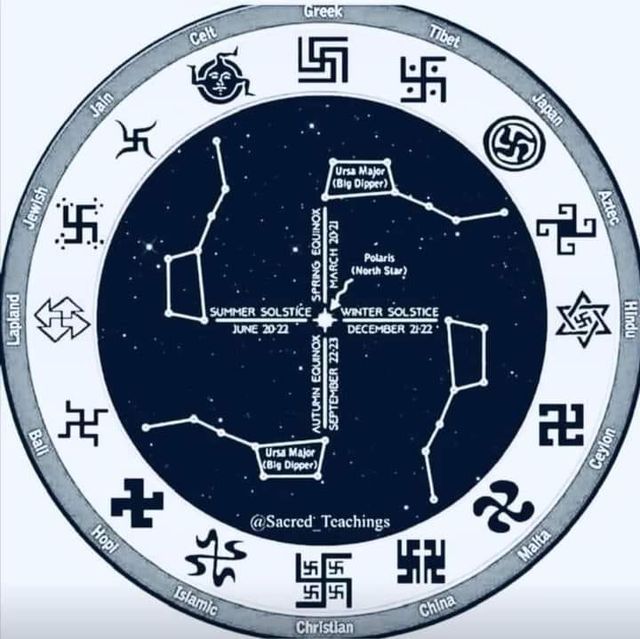
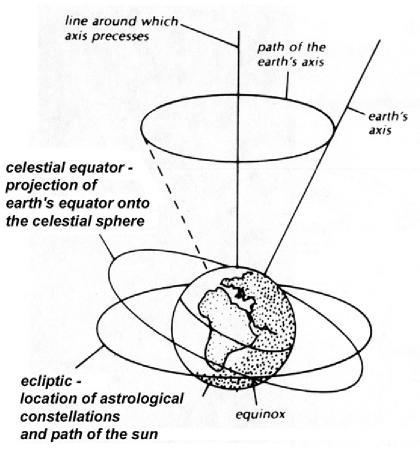
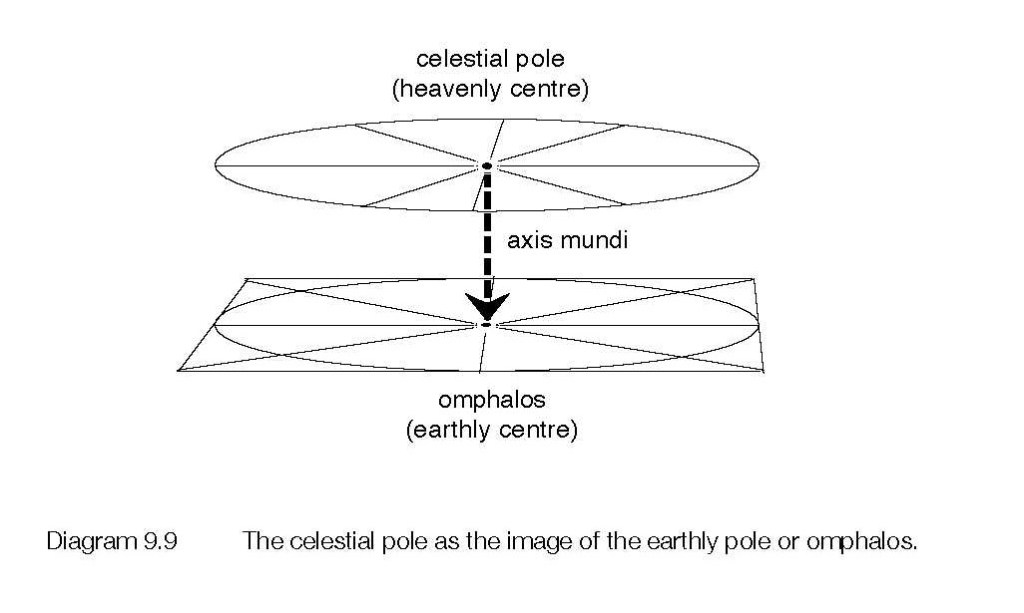
history of science at the Massachusetts Institute of Technology in Cambridge, MA, US, and Hertha von Dechend, a professor of the history of science at Johann Wolfgang Goethe-Universität in Frankfurt, Germany, is a nonfiction work of history of science and comparative mythology, particularly in the subfield of archaeoastronomy. It is primarily about the possibility of a Neolithic era or earlier discovery of axial precession and the transmission of that knowledge in mythology.

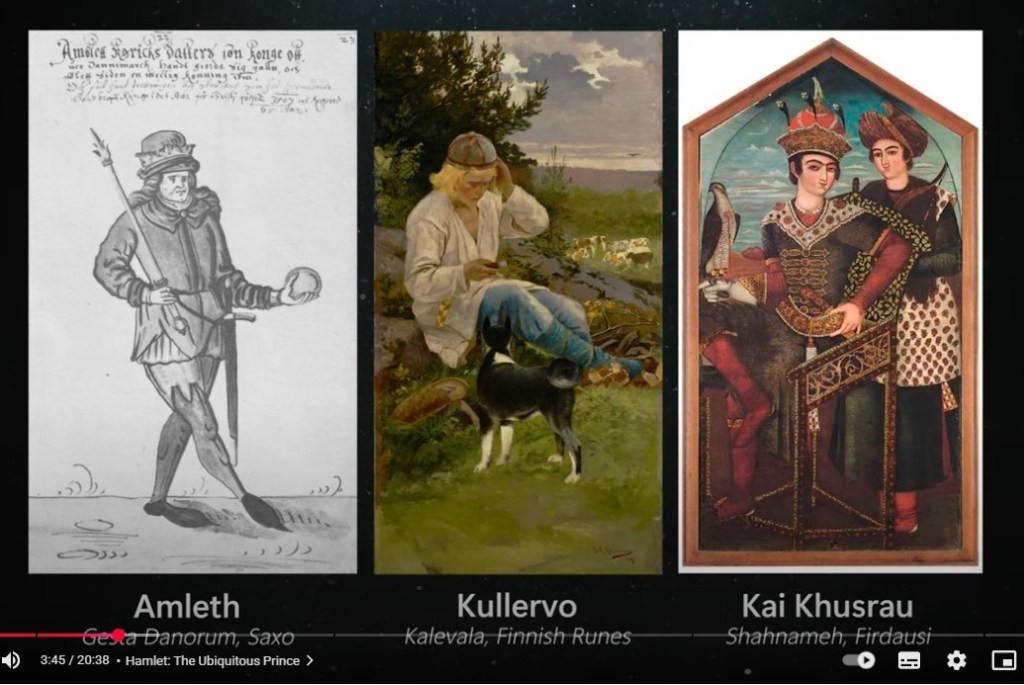
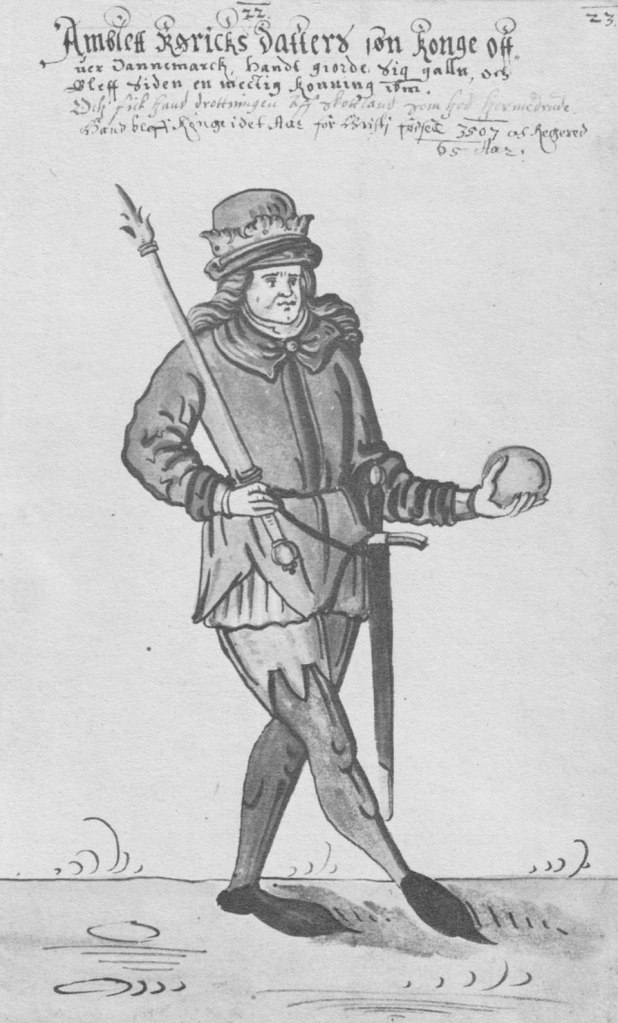
The main theses of the book include (1) a late Neolithic or earlier discovery of the precession of the equinoxes,2 an associated long-lived megalith building late Neolithic civilization that made astronomical observations sufficient for that discovery in the Near East,[2] and (3) that the knowledge of this civilization about precession and the associated astrological ages was encoded in mythology, typically in the form of a story relating to a millstone and a young protagonist.


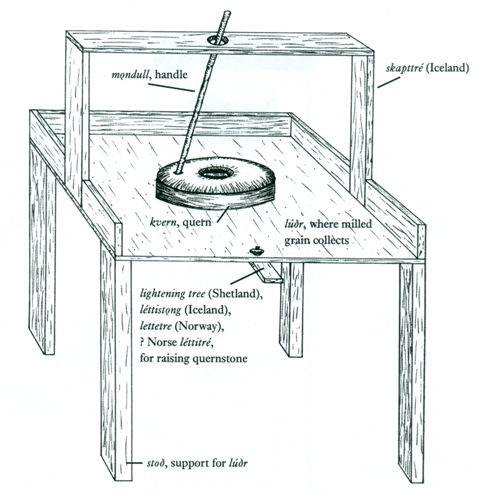
This last thesis gives the book its title, “Hamlet’s Mill”, by reference to the kenning Amlóða kvern recorded in the Old Icelandic Skáldskaparmál.

The authors claim that this mythology is primarily to be interpreted as in terms of archaeoastronomy and they reject, and in fact mock, alternative interpretations in terms of fertility or agriculture.

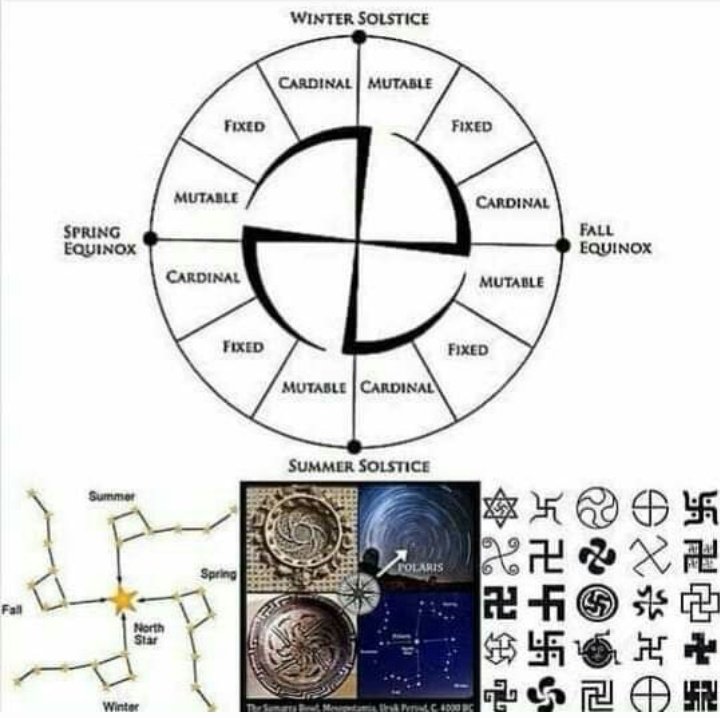
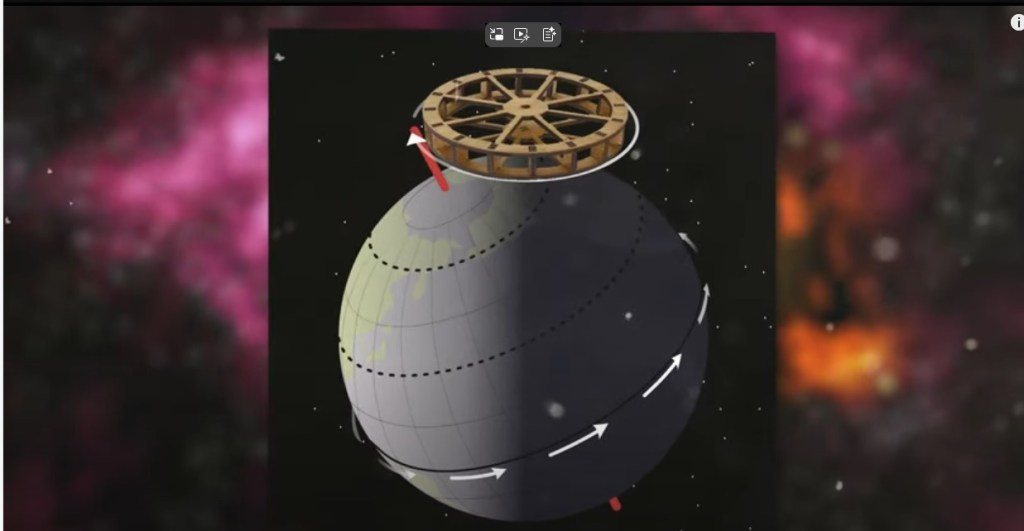
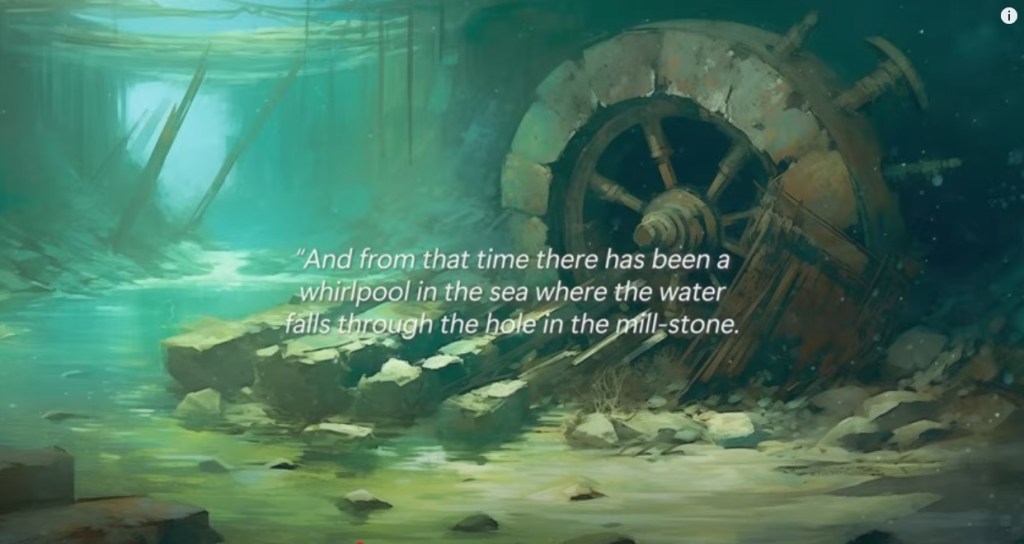
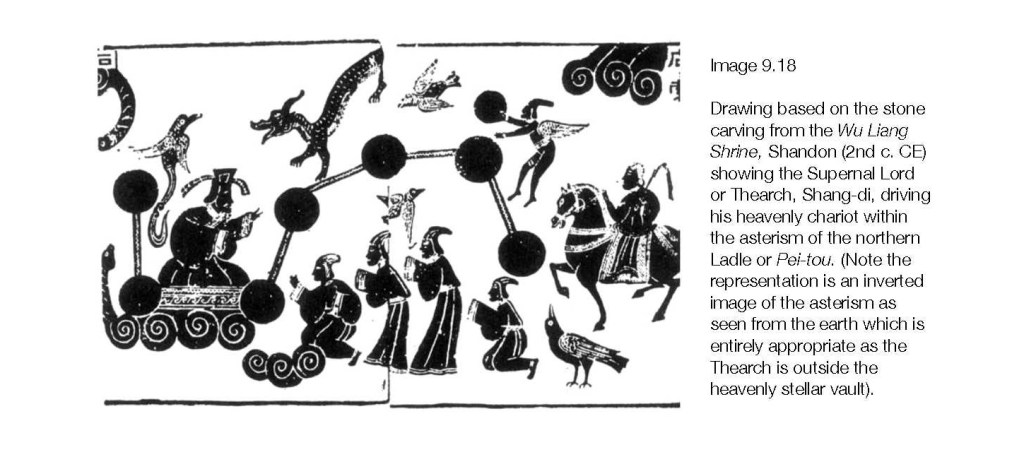
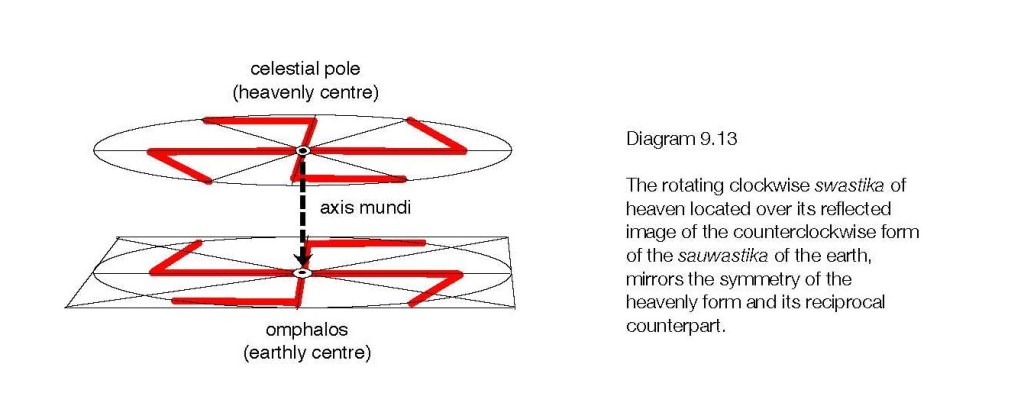
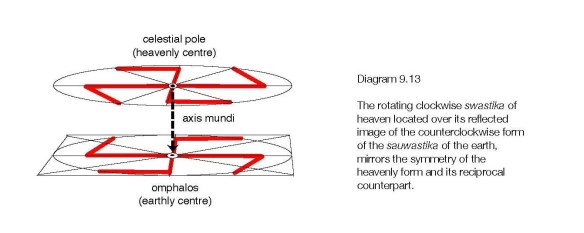
The book’s project is an examination of the “relics, fragments and allusions that have survived the steep attrition of the ages”. In particular, the book centers on the mytheme of a heavenly mill which rotates around the celestial pole and is associated with the maelstrom and the Milky Way.

The authors argue for the pervasiveness of their hypothetical civilization’s astronomical ideas by selecting and comparing elements of global mythology in light of hypothetical shared astronomical symbolism, especially among heavenly mill myths, heavenly milk-churn myths, celestial succession myths, and flood myths.

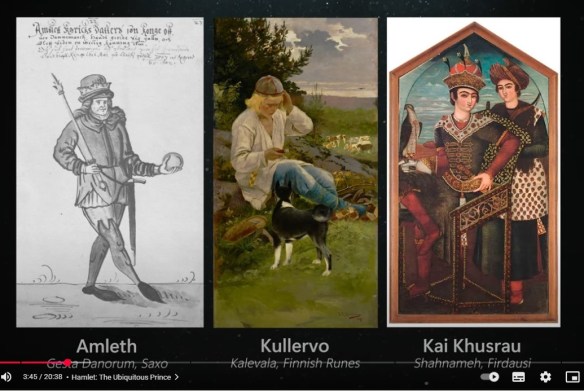
Their sources include African myths collected by Marcel Griaule, the Persian epic Shahnameh, the Classical mythology of Plato, Pindar, and Plutarch, the Finnish epic Kalevala, the eddas of Norse mythology,] the Hindu Mahabharata,[ Vedas,] and Upanishads,] Babylonian astrology, and the Sumerian Gilgamesh and King List. Read here

Salt in the ocean comes from two sources: runoff from the land and openings in the seafloor.
Rocks on land are the major source of salts dissolved in seawater. Rainwater that falls on land is slightly acidic, so it erodes rocks. This releases ions that are carried away to streams and rivers that eventually feed into the ocean. Many of the dissolved ions are used by organisms in the ocean and are removed from the water. Others are not removed, so their concentrations increase over time.
Another source of salts in the ocean is hydrothermal fluids, which come from vents in the seafloor. Ocean water seeps into cracks in the seafloor and is heated by magma from the Earthʼs core. The heat causes a series of chemical reactions. The water tends to lose oxygen, magnesium, and sulfates, and pick up metals such as iron, zinc, and copper from surrounding rocks. The heated water is released through vents in the seafloor, carrying the metals with it. Some ocean salts come from underwater volcanic eruptions, which directly release minerals into the ocean.
Salt domes also contribute to the ocean’s saltiness. These domes, vast deposits of salt that form over geological timescales, are found underground and undersea around the world. They are common across the continental shelf of the northwestern Gulf of America.
Two of the most prevalent ions in seawater are chloride and sodium. Together, they make up around 85 percent of all dissolved ions in the ocean. Magnesium and sulfate make up another 10 percent of the total. Other ions are found in very small concentrations. The concentration of salt in seawater (salinity) varies with temperature, evaporation, and precipitation. Salinity is generally low at the equator and at the poles, and high at
mid-latitudes. The average salinity is about 35 parts per thousand. Stated in another way, about 3.5 percent of the weight of seawater comes from the dissolved salts.

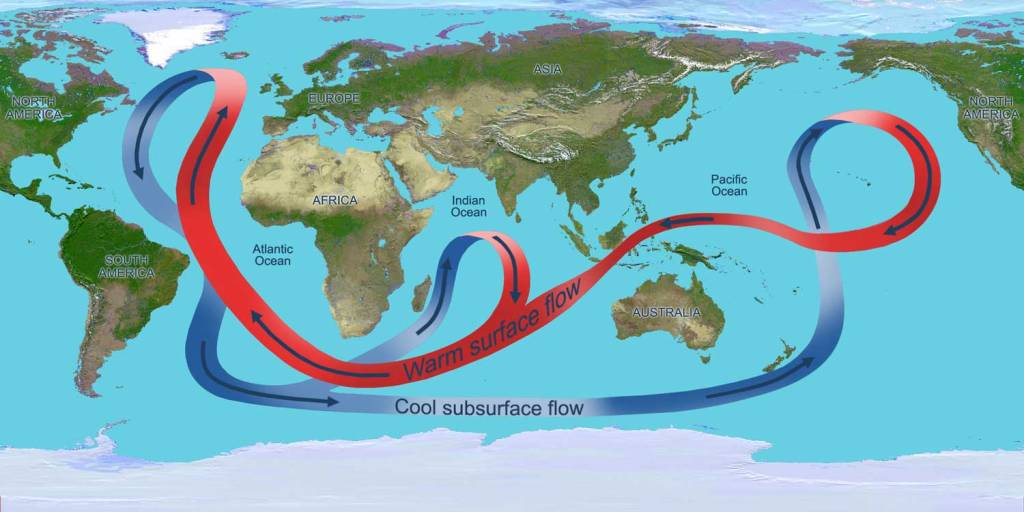
This model shows some of the cause and effect relationships among components of the
Earth system related to ocean circulation. While this model does not depict the ocean
circulation patterns that results from atmospheric wind and density differences in water
masses, it summarizes the key concepts involved in explaining this process

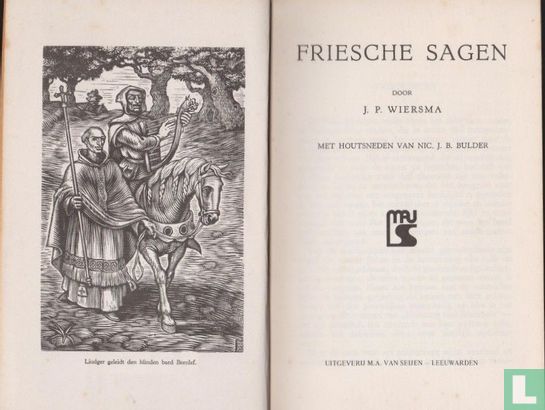
JJ Wiersma (early 20th century) published works in which he collected Frisian sagas, legends and mythical stories from Friesland. Like other folkloric writers, he contributed to the recording of the Frisian oral storytelling tradition, which was passed on orally from generation to generation for centuries.
Important work by Wiersma:
Themes from Frisian Myths and Legends according to Wiersma
| Theme | Explanation |
| Giants and Creation Stories | How Frisian landscapes were shaped by giants or divine powers. |
| The battle against the sea | Stories about sunken villages, dikes, storm surges and courageous dike reeves. |
| White Ladies and Ghosts | Supernatural apparitions in swamps or old forests. |
| Grutte Pier and Freedom Fighters | Legendary Frisian figures who defended their country against oppressors. |
| Magical Places | Legends about places that are said to have a special power or curse. |
Example of a Frisian Saga from Wiersma’s Collections
The Drowned Monastery of Ezonstad
According to tradition, there was once a monastery near the Frisian Ezonstad . Because of the sins of the inhabitants and the greed of the monks, the gods punished them: during a stormy night, the entire area was swallowed by the sea. To this day, fishermen are said to be able to hear the bells of the monastery ringing underwater in calm weather…
Why are these stories important?
They are a source of inspiration for art, literature and music in Friesland. They are part of Friesland’s cultural heritage. They keep the Frisian language and identity alive. They reflect age-old fears and hopes, especially surrounding water, nature and supernatural forces.
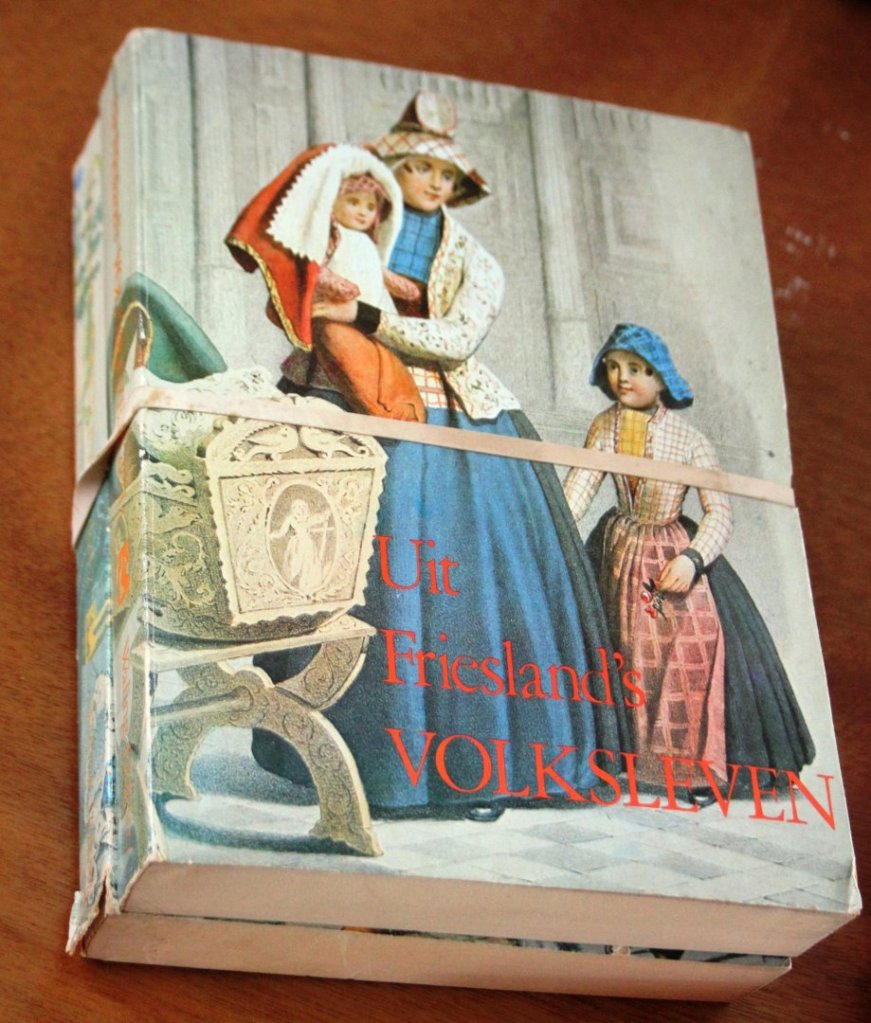
Frisian folk life

“Uit Friesland’s volksleven” is a book by Waling Dykstra, in which Frisian folk life, traditions and lore are described. It contains, among other things, folk traditions, folk customs, folk tales and folk concepts. It is a source for Frisian folk life from both the past and later.
The book is a general anthology and collection on folklore and Frisian culture. You can probably borrow it from your local library.
It is important to emphasize that IJje Wijkstra is a person known from a dramatic story, but he is not directly related to the book “Uit Friesland’s volksleven” by Waling Dykstra. IJje Wijkstra is known for an incident in 1929 in which he killed four police officers.
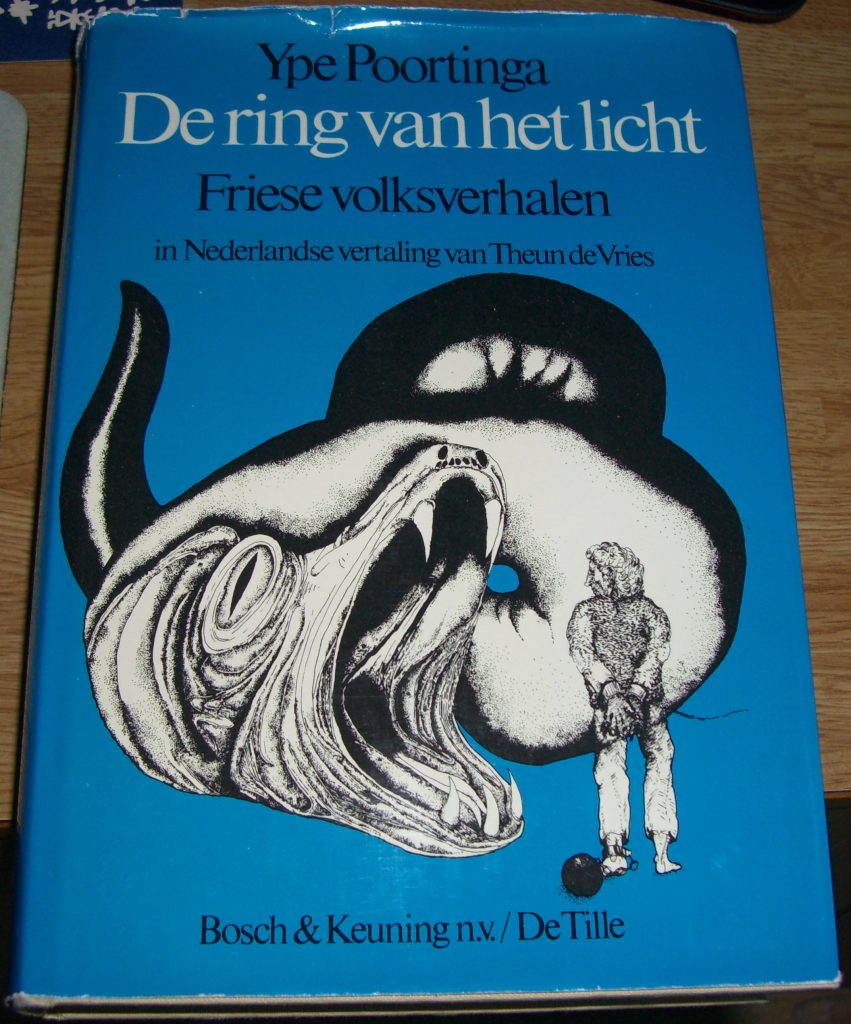
Frisian Folk tales

For several years, Ype Poortinga has recorded folk tales, legends and fairy tales from Friesland, as they were told for centuries by the fire, at the bar or in the privacy of the living room. When writing them down, the captivating presentation was kept intact as much as possible.

The stories were told in Frisian and when this book appeared in the original language, the surprise was great: it turned out that many more stories were alive and well among the Frisian population than was thought possible.
Theun de Vries provided the Dutch translation for this edition, so that the rest of the Netherlands and Flanders can now take note of these lively, amusing and sometimes exciting folk tales.
More than four others – Frisian Folkstale

At that time there lived in the Grinzer Pein (Friesland) a young man who was called out that he was not afraid of anything. When a ferry had to be dug, he got a job there. He joined the team with twenty westerners. Those twenty westerners were as lazy as duckweed. They wanted him to do the work, so he got into trouble with them. Then they said, “If you don’t work, we’ll cut you in pieces.” But the young man laughed and said, “You should try that first.” And then those twenty westerners came up to him with open knives , but he knocked them down one by one, for he was not afraid. And that same evening, near the new ferry, one of the Westerners was found cut into strips. But that joung man had not done that, his own comrades wanted to get rid of that westerner. And because the young servant had fought with him, they thought, he will be blamed.
That turned out to be the case, because the nineteen westerners testified that he must have been the murderer of their comrade. He went to court, and because he would not confess, he was put on the rack, but he maintained his innocence, for he was not afraid of anything, not even the pain. Desesperate, they called a wizard, a real wizard. He had to scare him so he confessed. The wizard had him tied on a chair; then he was powerless. But they had tortured him so much that he could hardly speak.
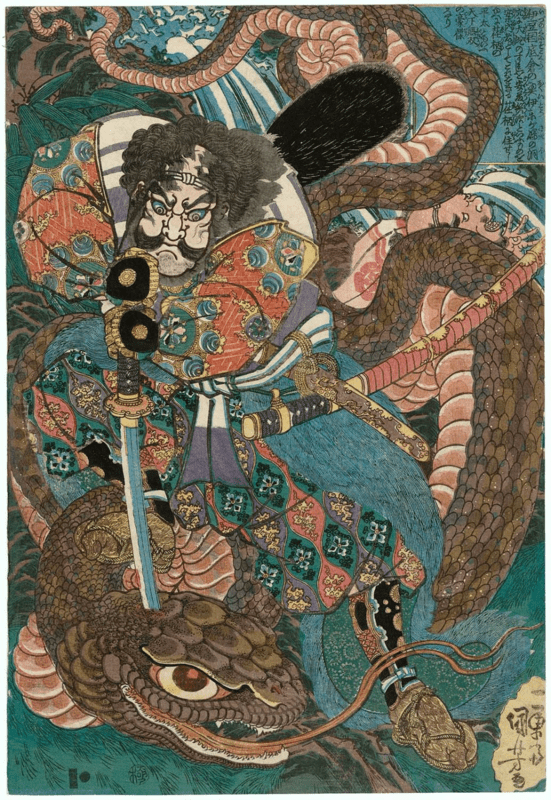
And then he was given a cup of warm milk to drink. The magician looked straight at him and said, ‘Look at the ground in front of you!’ And then the young man noticed that his ten toes had turned into ten snakes. They grew out of his toes, they grew bigger and bigger and came closer and closer to his head. But he made those snakes drink one by one from the hot milk from the cup he had in his hands. The snakes writhed together again and fell asleep at his feet.
The wizard asked, “Aren’t you scared yet?” But he replied, “You haven’t got any of those beasts yet, because my cup isn’t empty yet.” Then the wizard turned the boy’s hair into flames and said that he would be consumed by these flames. But the young man asked: ‘Do you have tobacco in your pocket? I don’t have any tobacco with me, but my pipe does. Stop it in front of me for a moment, so I can at least light it on the flames and don’t have to use a match’.
And the third was that the sorcerer sat before him and said: If you will not confess, you will be sent to hell. ‘But the young servant laughed, for he was not afraid. The wizard looked straight at him and then the young man noticed that his body was turning into a skeleton. The magician said:
“Aren’t you scared yet? Remember – this is how you go to hell and stay there!” “Oh,” he said, “why should I be afraid? Such an old charnel house as I am now – there is no one in hell who knows me.” And he did not bow the neck.
However, he was sentenced to death. The executioner appeared and he was to be cut into four. He was already on the block to be chopped in four, then they asked him if he wasn’t scared yet. “No,” he said, “why should I be afraid? Our father always said I was worth more than four others. And if you cut me in four here, you’ll be dealing with not one, but four men in a minute.’ And he was not quartered, but they took him back to the cell.
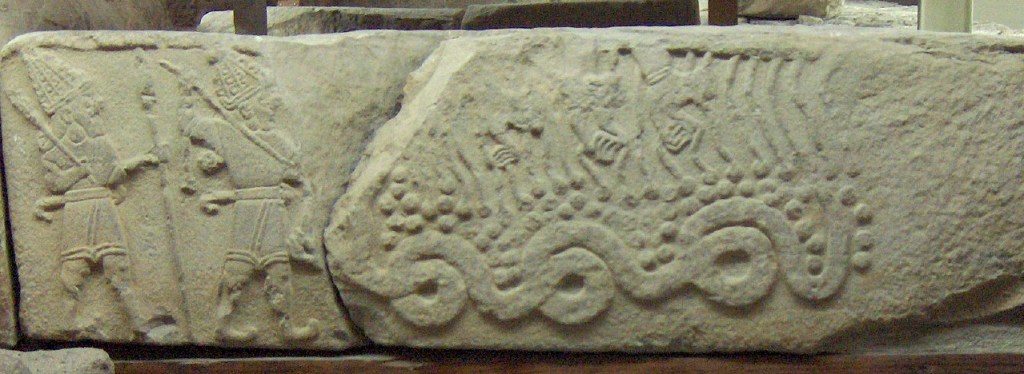
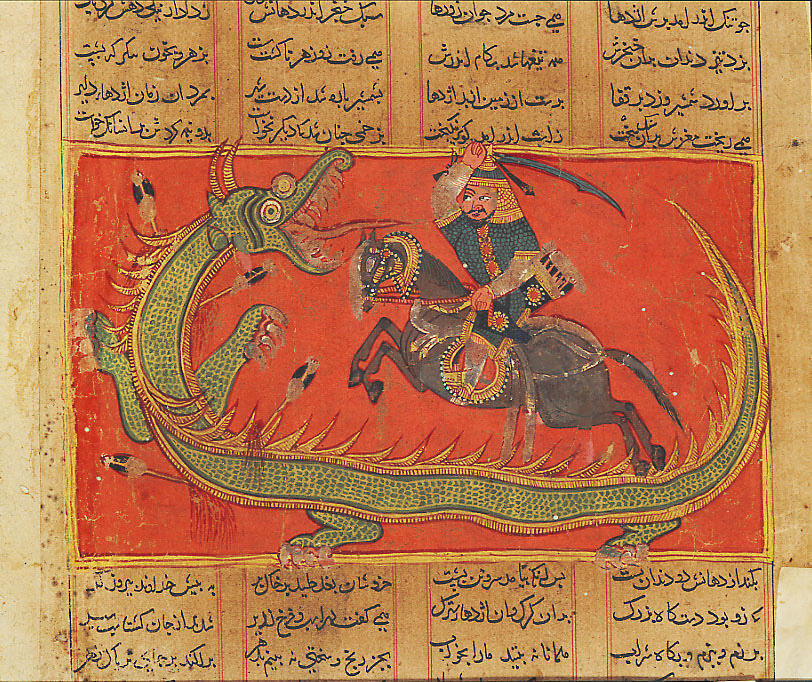
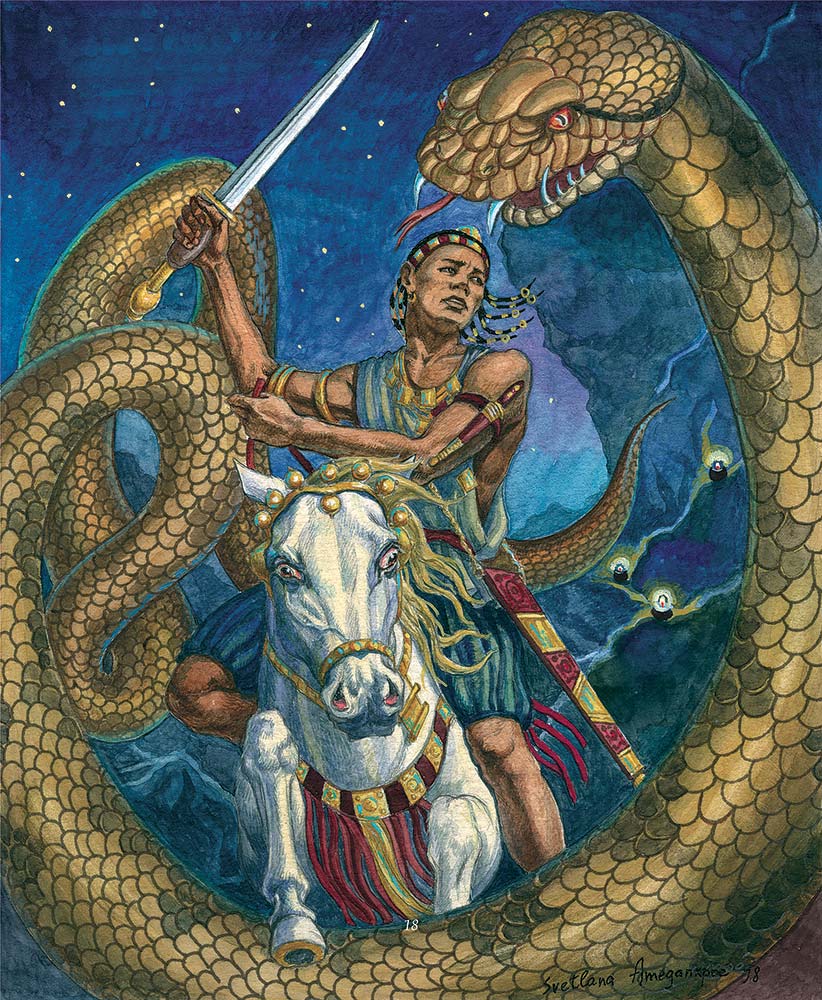
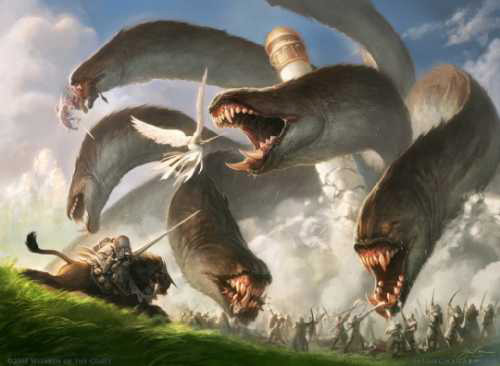
That same night the devil came to him and left nothing to frighten him. He told him the most horrible stories and transformed himself into the most horrible forms. The devil became an old woman, with teeth as large and as sharp as razors, and threatened to bite his throat. The devil became a dragon with seven heads that spewed fire at him. He became a very large snake, with a mouth so wide that it could eat it in one sitting. But the young servant was not afraid. Only when the devil finally asked him if he felt any fear at all did he say, “No, I don’t, but you do!
And he began to tease him so furiously, he made such hideous noises, and he drew such crooked faces, that even the devil became frightened and threw himself to the ground and blew the retreat.
The judges came to the conclusion that a person that even the devil fears can never be a murderer. And he was acquitted…
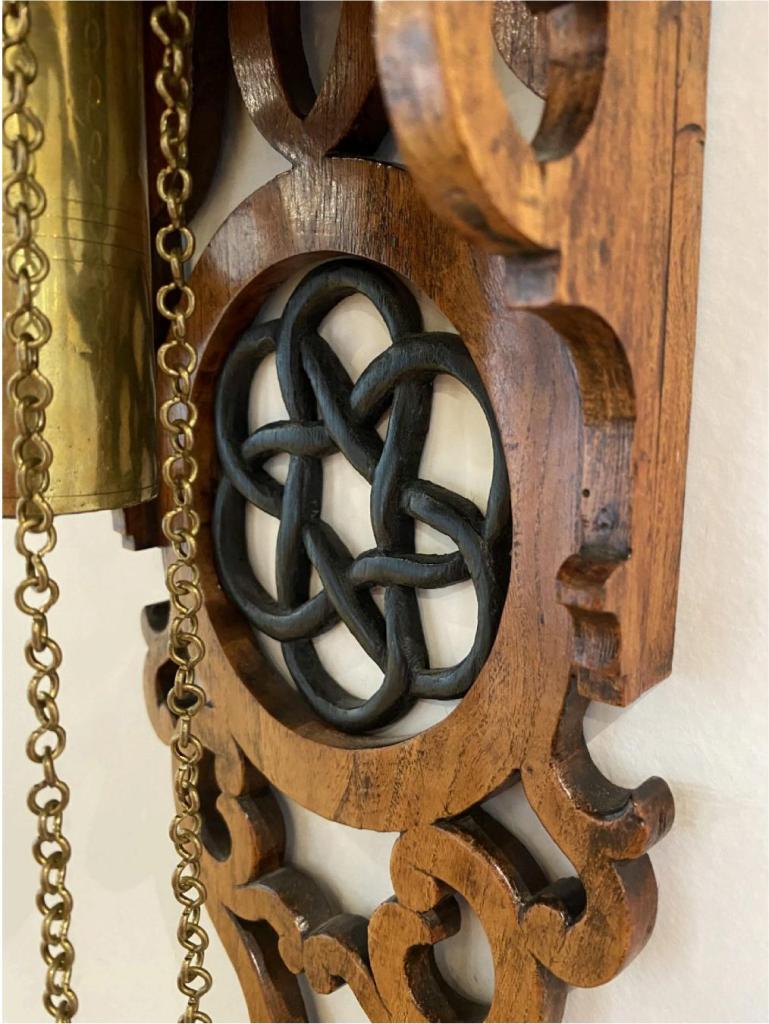
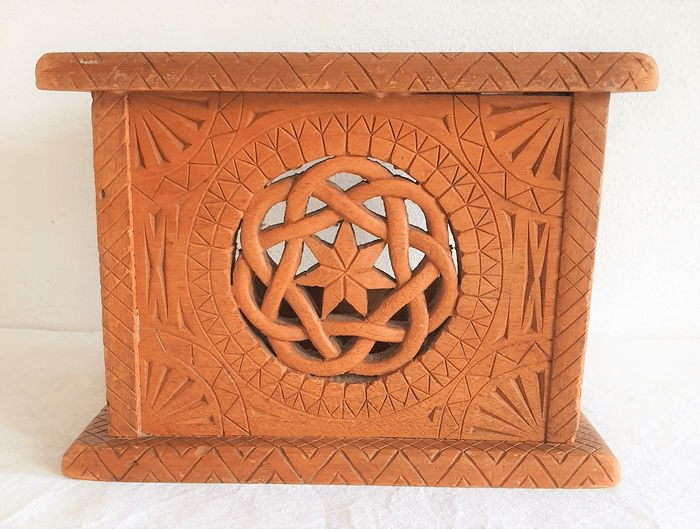
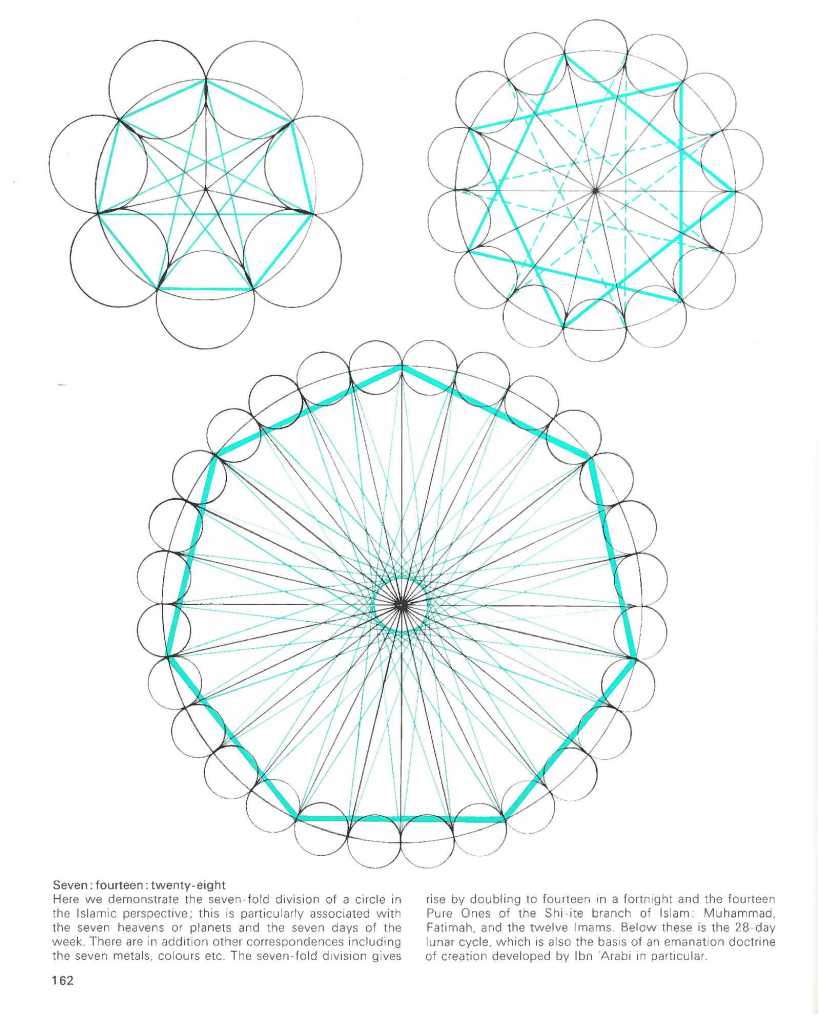
Meaning of the Eternal Knot with the Number 7
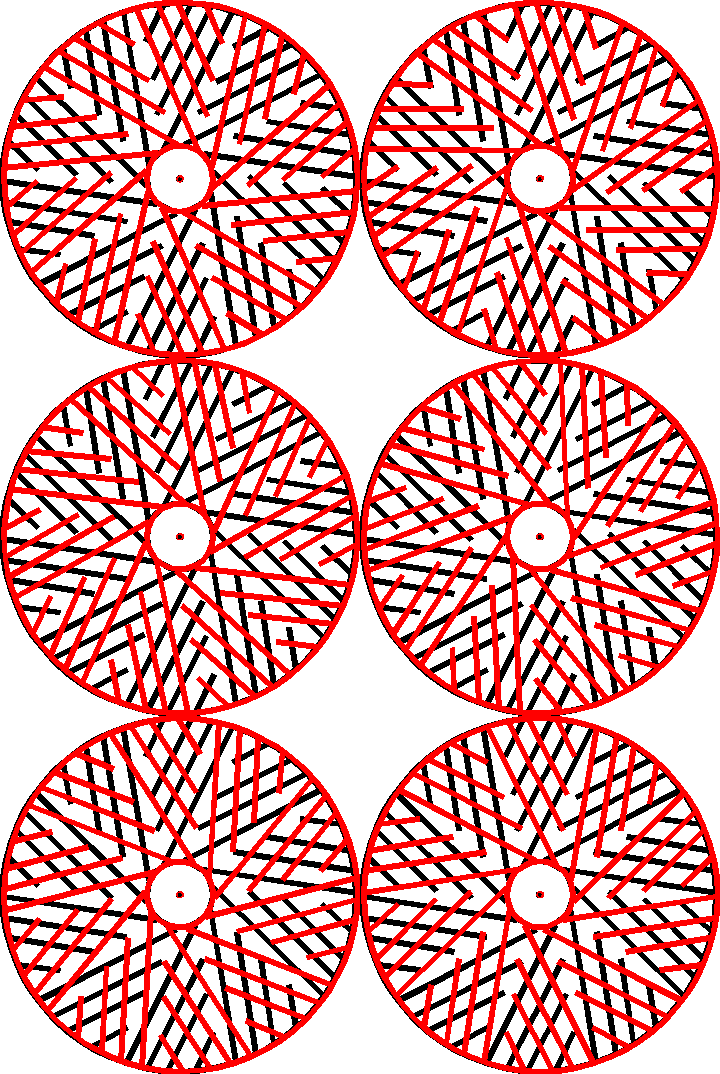
The Eternal Knot itself symbolizes: Infinity , the cycle of life and death,The connectedness of everything in the universeThe intertwining of time , space , and consciousness
When you combine this with the sacred number 7 , you get a powerful spiritual deepening.
Symbolism of the Number 7
The number 7 is found in almost every spiritual tradition as a number of holiness , mysticism , and completion . Some examples:
| Tradition / Culture | Symbolism of 7 |
| Buddhism | Seven Steps of the Buddha after His Birth |
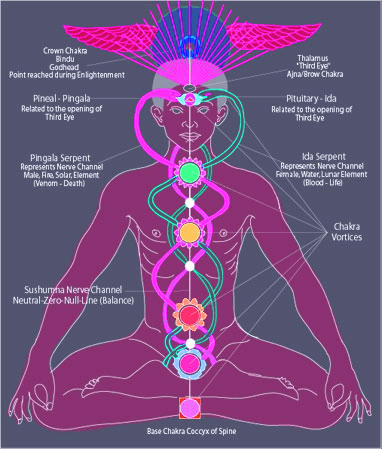
| Hinduism | Seven chakras (energy points) |
| Christianity | Seven days of creation |
| Judaism | Seven-branched candelabra ( Menorah ) |
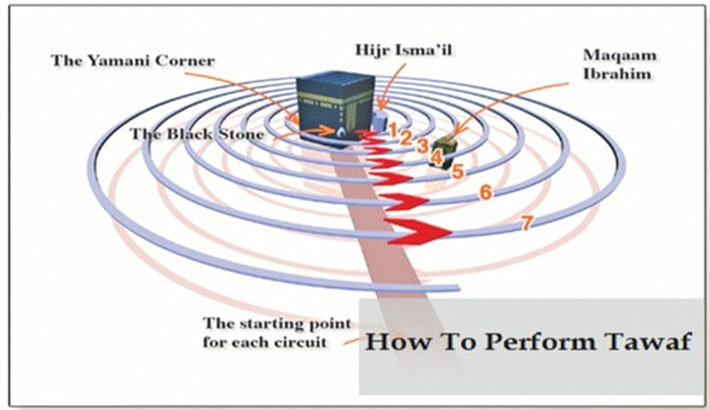
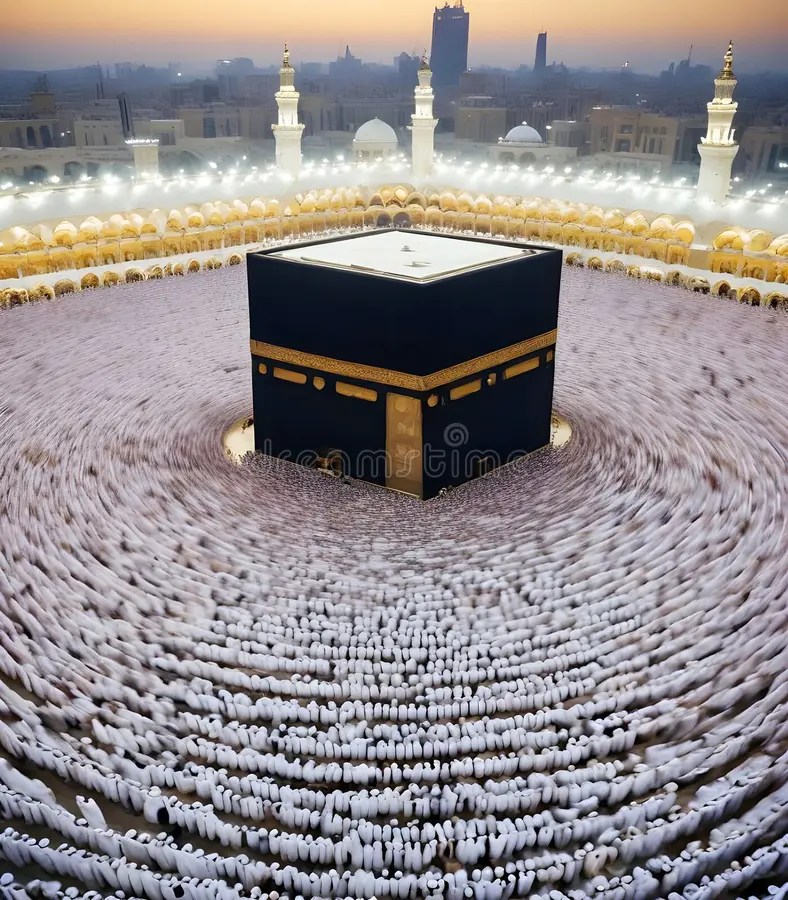
| Islam | Seven heavens, seven rounds around the Kaaba |
| Nature & Cosmos | Seven celestial bodies visible to the naked eye |
What does an Eternal Knot of 7 mean?
An Eternal Knot with 7 loops or connections represents:
Perfect connection of body, mind and soul
The eternal cycle of transformation and spiritual growth in 7 phases
The coming together of timelessness (knot) and completeness (7)
A balance between the material (the knot is tangible) and the spiritual (the symbolism of 7)
The Eternal Knot , also known as the Infinity Knot , is a powerful symbol found in several spiritual traditions, most notably within Buddhism , Hinduism , and Celtic culture . Here is some background information on this fascinating symbol:
Meaning of the Eternal Knot
General Symbolism :
In Buddhism

In Hinduism


Celtic Culture


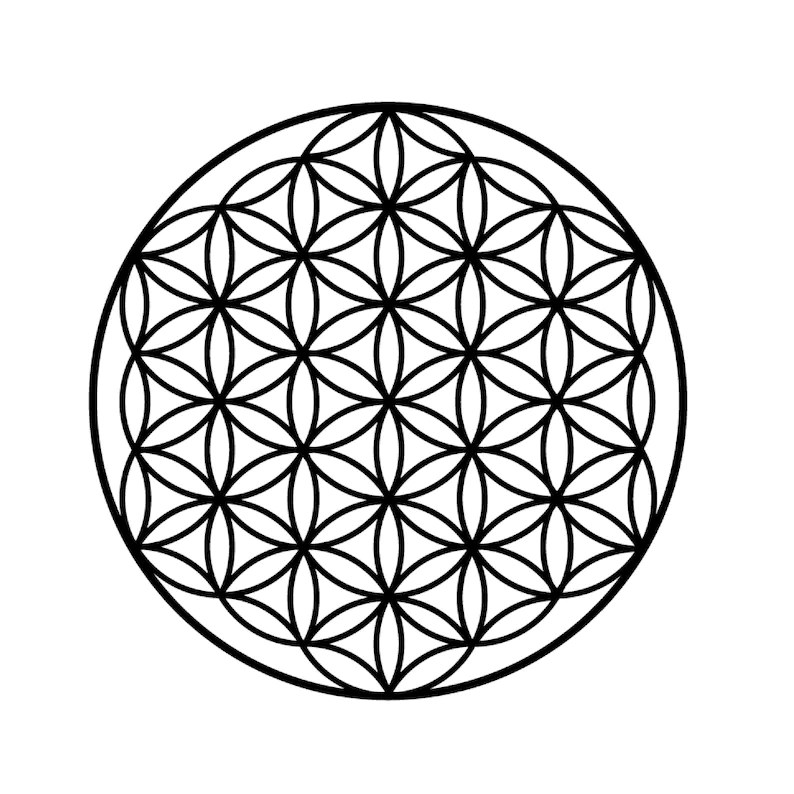
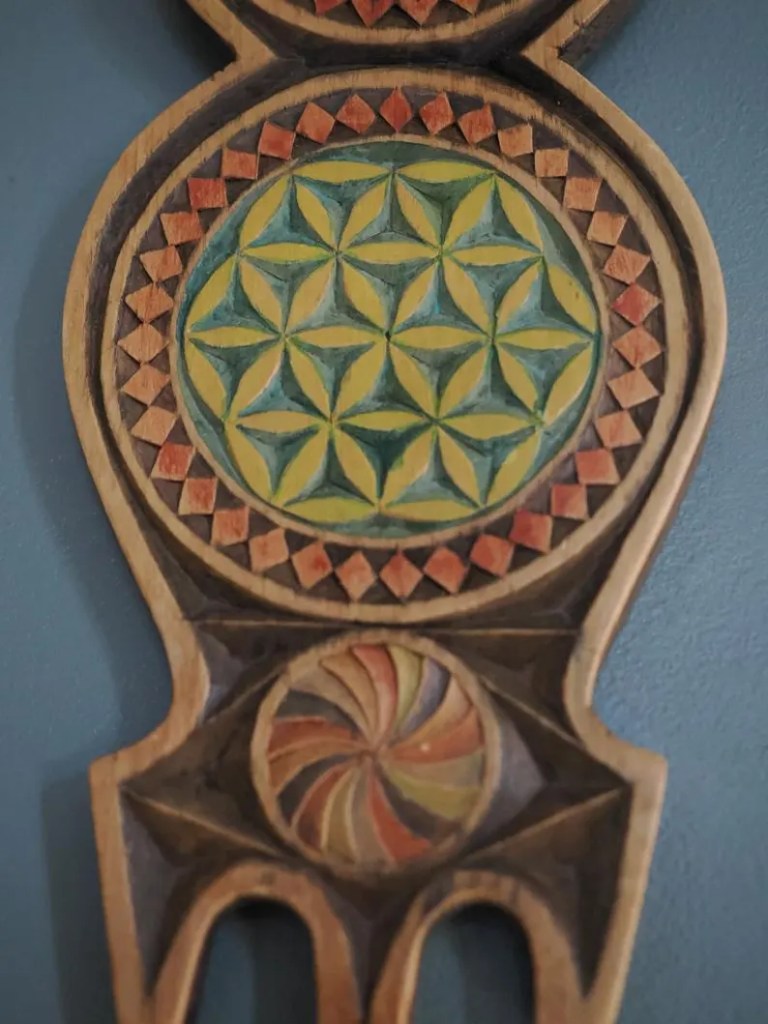
The Flower of Life is one of the most iconic symbols in sacred geometry, representing the interconnectedness of all life and the fundamental patterns of creation.
What is the Flower of Life?
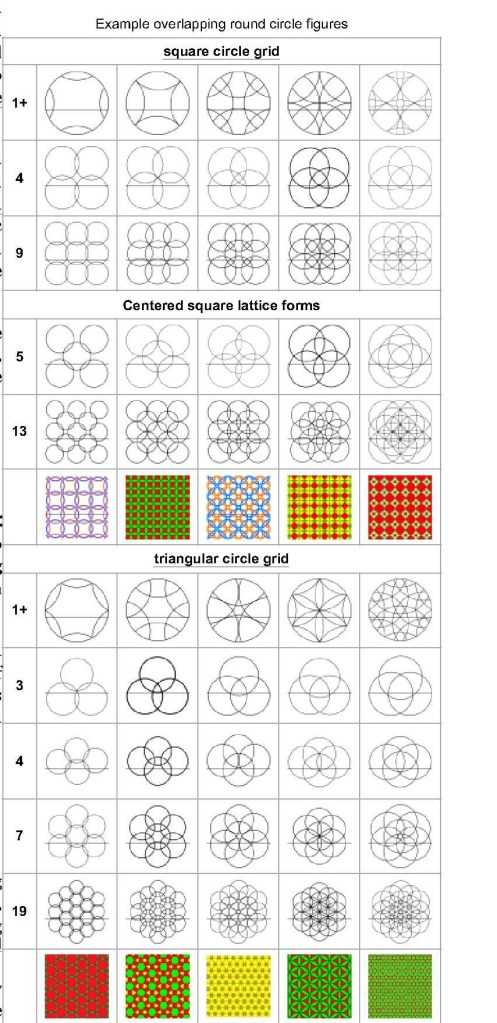
The Flower of Life is a geometric figure made up of multiple evenly-spaced, overlapping circles arranged in a hexagonal pattern, resembling a flower. The pattern can expand infinitely, symbolizing endless creation and unity.

Basic Structure:
Meaning and Symbolism
The Flower of Life is considered a visual expression of: Unity of all living things, Interconnectedness of the universe, Blueprint for life and creation, Sacred structure behind nature and reality
Flower of Life in NatureThe pattern reflects: See Geometry of Life – Geometry of Plants – Geometry of Human Life
An overlapping circles grid is a geometric pattern of repeating, overlapping circles of an equal radius in two-dimensional space. Commonly, designs are based on circles centered on triangles (with the simple, two circle form named vesica piscis) or on the square lattice pattern of points.
Patterns of seven overlapping circles appear in historical artefacts from the 7th century BC onward; they become a frequently used ornament in the Roman Empire period, and survive into medieval artistic traditions both in Islamic art (girih decorations) and in Gothic art. The name “Flower of Life” is given to the overlapping circles pattern in New Age publications.

Of special interest is the hexafoil or six-petal rosette derived from the “seven overlapping circles” pattern, also known as “Sun of the Alps” from its frequent use in alpine folk art in the 17th and 18th century.

The triangular lattice form, with circle radii equal to their separation is called a seven overlapping circles grid.[1] It contains 6 circles intersecting at a point, with a 7th circle centered on that intersection.
Overlapping circles with similar geometrical constructions have been used infrequently in various of the decorative arts since ancient times.
The oldest known occurrence of the “overlapping circles” pattern is dated to the 7th or 6th century BCE, found on the threshold of the palace of Assyrian king Aššur-bāni-apli in Dur Šarrukin (now in the Louvre).[2]
The design becomes more widespread in the early centuries of the Common Era. One early example are five patterns of 19 overlapping circles drawn on the granite columns at the Temple of Osiris in Abydos, Egypt,[3] and a further five on column opposite the building. They are drawn in red ochre and some are very faint and difficult to distinguish.[4] The patterns are graffiti, and not found in natively Egyptian ornaments. They are mostly dated to the early centuries of the Christian Era[5] although medieval or even modern (early 20th century) origin cannot be ruled out with certainty, as the drawings are not mentioned in the extensive listings of graffiti at the temple compiled by Margaret Murray in 1904.[6]
Similar patterns were sometimes used in England as apotropaic marks to keep witches from entering buildings.[7] Consecration crosses indicating points in churches anointed with holy water during a church’s dedication also take the form of overlapping circles.
A girih pattern that can be drawn with straightedge and compass
Window cage at Topkapı Palace, using pattern
In Islamic art, the pattern is one of several arrangements of circles (others being used for fourfold or fivefold designs) used to construct grids for Islamic geometric patterns. It is used to design patterns with 6- and 12-pointed stars as well as hexagons in the style called girih. The resulting patterns however characteristically conceal the construction grid, presenting instead a design of interlaced strapwork.[8]
Patterns of seven overlapping circles are found on Roman mosaics, for example at Herod’s palace in the 1st century BC.
The design is found on one of the silver plaques of the Late Roman hoard of Kaiseraugst (discovered 1961).] It is later found as an ornament in Gothic architecture, and still later in European folk art of the early modern period.
High medieval examples include the Cosmati pavements in Westminster Abbey (13th century).[11] Leonardo da Vinci explicitly discussed the mathematical proportions of the design

See also:The Soul Carved in Wood: Romania’s Sacred Craft
Frisian Craftmanship


Frisian patterns are very comparable to Islamic Patterns. They express the same Thruth “Haqq” in Arabic and these patterns lead to the Truth. All Frisian would agree with Goethe who says:
“Stupid that everyone in his case
Is praising his particular opinion!
If Islam means submission to God,
We all live and die in Islam.”
(West-East Divan)
See:Goethe, the “refugee” and his Message for our times

see also Research Goethe Message for the 21st century
The classic study of the cosmological principles found in the patterns of Islamic art and how they relate to sacred geometry and the perennial philosophy: Is the book Islamic Patterns: An Analytical and Cosmological Approach by Keith Critchlow

For centuries the nature and meaning of Islamic art has been wrongly regarded in the West as mere decoration. In truth, because the portrayal of human and animal forms has always been discouraged on Islamic religious principles that forbid idolatry, the abstract art of Islam represents the sophisticated development of a nonnaturalistic tradition. Through this tradition, Islamic art has maintained its chief aim: the affirmation of unity as expressed in diversity.

In this fascinating study the author explores the idea that unlike medieval Christian art, in which the polarization of such forms and patterns was relegated to a background against which to set sacred images, the geometrical patterns of Islamic art can reveal the intrinsic cosmological laws affecting all creation. Their primary function is to guide the mind from the mundane world of appearances toward its underlying reality.

Numerous drawings connect the art of Islam to the Pythagorean science of mathematics, and through these images we can see how an Earth-centered view of the cosmos provides renewed significance to those number patterns produced by the orbits of the planets.

The author shows the essential philosophical and practical basis of every art creation–whether a tile, carpet, or wall–and how this use of mathematical tessellations affirms the essential unity of all things. An invaluable study for all those interested in sacred art, Islamic Patterns is also a rich source of inspiration for artists and designers. Read here the book


Millstone , maelstroms and Frisian craft patterns
A whirlpool is a body of rotating water produced by opposing currents or a current running into an obstacle. Small whirlpools form when a bath or a sink is draining. More powerful ones formed in seas or oceans may be called maelstroms (/ˈmeɪlstrɒm, -rəm/ MAYL-strom, – strəm).One of the earliest uses in English of the Allan Poe in his short story ” Scandinavian word malström or malstrøm was by Edgar A Descent into the Maelström” (1841). The Nordic word itself is derived from the Dutch word maelstrom (pronounced [ˈmaːlstroːm]
ⓘ ; modern spelling maalstroom), from malen (‘to mill’ or ‘to grind’) and stroom (‘stream’), to form the meaning ‘grinding current’ or literally ‘mill-stream’, in the sense of milling (grinding) grain.

Vortex is the proper term for a whirlpool that has a downdraft. In narrow ocean straits with fast flowing water, whirlpools are often caused by tides. Many stories tell of ships being sucked into a maelstrom, although only smaller craft are actually in danger.] Smaller whirlpools appear at river rapids[] and can be observed downstream of artificial structures such as weirs and dams. Large cataracts, such as Niagara Falls, produce strong whirlpools.


distaff (/ˈdɪstɑːf/, /ˈdɪstæf/, also called a rock[is a tool used in spinning. It is designed to hold the unspun fibers, keeping them untangled and thus easing the spinning process. It is most commonly used to hold flax and sometimes wool, but can be used for any type of fibre. Fiber is wrapped around the distaff and tied in place with a piece of ribbon or string. The word comes from Low German dis, meaning a bunch of flax, connected with staff.
As an adjective, the term distaff is used to describe the female side of a family. The corresponding term for the male side of a family is the “spear” side.
In Western Europe, there were two common forms of distaves, depending on the spinning method. The traditional form is a staff held under one’s arm while using a spindle – see the figure illustration. It is about 3 feet (0.9 m) long, held under the left arm, with the right hand used in drawing the fibres from it.[2] This version is the older of the two, as spindle spinning predates spinning on a wheel.
A distaff can also be mounted as an attachment to a spinning wheel. On a wheel, it is placed next to the bobbin, where it is in easy reach of the spinner. This version is shorter, but otherwise does not differ from the spindle version.
By contrast, the traditional Russian distaff, used both with spinning wheels and with spindles, is L-shaped and consists of a horizontal board, known as the dontse (Russian: донце), and a flat vertical piece, frequently oar-shaped, to the inner side of which the bundle of fibers was tied or pinned. The spinner sat on the dontse, with the vertical piece of the distaff to her left, and drew the fibers out with her left hand. The distaff was often richly carved and painted and was an important element of Russian folk art.[3]
Recently,[when?] handspinners have begun using wrist distaves to hold their fiber; these are made of flexible material, such as braided yarn, and can swing freely from the wrist. A wrist distaff generally consists of a loop with a tail, at the end of which is a tassel, often with beads on each strand. The spinner wraps the roving or tow around the tail and through the loop to keep it out of the way, and to keep it from getting snagged.
Dressing a distaff is the act of wrapping the fiber around the distaff. With flax, the wrapping is done by laying the flax fibers down, approximately parallel to each other and the distaff, then carefully rolling the fibers onto the distaff. A ribbon or string is then tied at the top and loosely wrapped around the fibers to keep them in place.


The disenchantment with scientific progress has awakened a new environmental awareness in our culture so that today we are reconsidering the constructed world with respect to the position of the sun to create sustainable environments. This “new” approach to the design of the constructed world is based on ancient traditions that have been lost due to new technologies that have allowed us to defy nature. These ancient traditions were (eco)logical—the forces of nature were used to shape the constructed world to create comfortable dwellings that responded to prevailing environmental conditions. The built world was auspicious because it was oriented towards the cosmos: the positions of the sun, the stars and the planets. Human dwelling was considered to be a microcosm of the universe and was associated with spirituality. The act of building itself was a religious rite. Divining the constructed world was a talismanic operation that the ancients used to orient their earthly creations to be “square with the world” and began with the human body at its center and origin. The cosmological origins of building will be demonstrated by considering the ancient practices of Vāstu Śāstra and Feng Shui as a way of reconsidering present-day body-centered (eco)logical approaches to design.
Divining the Constructed World
From the trunk of a gum tree Numbakula fashioned the sacred pole (kauwa-auwa) and, after anointing it with blood, climbed it and disappeared into the sky. This pole represents a cosmic axis (axis mundi), for it is around the sacred pole that territory becomes habitable, hence is transformed into a world.
Mircea Eliade, The Sacred and the Profane1
Divining the constructed world was a talismanic operation that the Ancients used to orient their earthly creations to be “square with the world.” The Ancients constructed according to divine co-ördinating principles to align their built works with the cardinal directions of the earth with respect to the cosmos. This was an (eco)logical operation that intended to embody the divine in an earthly construction that began with the human body at its center and origin. The body marked the beginning and the first point of contact with the heavens through its axis mundi, which in the body is the line of the spine in the erect human figure. In this way, the earthly microcosm could be brought into alignment with the macrocosm of the universe.
Divination is a geomantic procedure. The word geomancy is derived from the Greek geo, literally meaning the earth, and manteia, meaning divination or coming from above. Geomancy is the act of projecting lines onto the earth from the cosmos above through marking the ground and encircling. This talismanic operation projects regulating lines upon the ground to provide auspicious conditions for the construction of the built environment and to protect the constructed world. This is a “divine” act with heavenly origins.
The divine resources for ancient geomantic procedures included the positions and the paths of the sun, the moon, the stars and the planets. The instrument the Ancients used to take their measurements was the gnomon, literally, interpreter. It was a stick, often in the form of a human figure , which was used to help them interpret their position on earth with respect to the greater universe of the cosmos by being encircled: the intersection of the gnomon’s cast shadow and the circle in the morning and the evening at the summer solstice located solar east and west from which north and south could be determined . This (eco)logical procedure resulted in built works that considered the environment through solar and stellar orientation.


This study is about the symbolism of Millstone appeared in psychotherapy like sand play therapy with symbol work. Symbols not only deliver meanings but also have numinous power, which produces transformation through powerful energy from emotional experience. Symbols help human’s mentality develop by compromising opposites which cause conflict. This study is to examine the characteristic of Millstone in human history and the symbolic
meaning which appears in mythology and tales and alchemy, and to explain universal and cultural meaning of millstone connected to psychological symbolism. Millstone represents pain through sacrifice of grain, death and the creation of new consciousness as a symbol of the rebirth. Also, it explains the circulation of original nature as a symbol of destiny to overcome by the integration of anima and animus. The millstone described as the symbol of Self in the marriage of mythology represents the coniunctio oppositorum between men and women, a combination of yin and yang. It is the symbol of wholeness integrating conscious and unconscious. Through this study, we consider that millstone is the psychic center of the ego- Self axis and the individuation in the psychotherapy is the process of unceasing transformation of one’s whole personality which experiences the process of balancing, regulating and unifying. Consequently, millstone functions as symbolic intermediation that leads to the center of one’s whole psyche.
Read here


The Norns, similar to the Fates, they spin the threads of destiny by Yggdrasil, the World Tree. Represent Urd (Past), Verdandi (Present), Skuld (Future). Symbolism: Spinning reflects how past, present, and future are interwoven, shaping all existence


The three Norns or three Fates are maybe forgotten but you can find some presence in Wales in the Castel Coch:


We find back the 3 faces of the three Norns on the back “flap on the wall” table and also their distaffs with the 3 legs of the table:

Distaff Shape: A distaff often has a long, slender, spindle-like appearance with a widened or carved top for holding fibers.


Table Legs Resembling Distaff: Many fold-down or wall-mounted flap tables, especially antique or rustic ones, have legs that are turned (wood-turned on a lathe) into spindle shapes:


The faces of the 3 Norns disappear and became knots but the connection piece is always the same in a wave form of a thread:


The Diftaff was very special in the Middelages : “Quenouille” is French for distaff, the tool used in spinning to hold fibers, historically associated with women’s domestic work. It was so uimportant that yopu can find an“Évangiles des Quenouilles”, or The Distaff Gospels, it is a 15th-century French collection of popular beliefs, superstitions, and proverbial wisdom, supposedly gathered from women spinning at their distaffs.
Furniture design echoing the distaff can intentionally reference the domestic, female-centered spaces where knowledge, stories, and traditions were passed down — much like the Distaff Gospels themselves. The work presents itself humorously as “gospels” — not religious scripture, but rather the collected “truths” women exchanged while working, often reflecting folk beliefs, moral lessons, and practical advice.


Why “Distaff Gospels“?
In medieval Europe, spinning at the distaff was a communal and domestic female space, where women exchanged stories, advice, and gossip. The title plays on the contrast between sacred religious texts (gospels) and everyday, earthy wisdom passed between women — elevating domestic knowledge in a playful way.


But the most important pice was the front of the table: the Frisian Eternal Knot or Flower of Life. ( see above)
We can call the tables and another crafts a kind of Frisian Folk Mandalas for the daily use of the Family:


The wisdom of Frisian craft, particularly in clockmaking and other traditional arts from Friesland, reflects deep-rooted values of precision, resilience, respect for tradition, and harmony with nature. Here’s a breakdown of the underlying wisdom embedded in Frisian craftsmanship: Wisdom Reflected in Frisian Craft:
Patience and Precision
Frisian clockmakers were known for their meticulous attention to detail. The delicate mechanisms and ornate decorations took months of steady, focused work, teaching the value of:
Endurance over instant results, Craftsmanship over mass production, Pride in perfecting one’s skill,,Good work cannot be rushed — time is both the master and the measure.
Respect for Time
Frisian clocks, in particular, embody the philosophical relationship with time: Time is cyclical (reflected in moon phases and astronomical elements) – Time governs life, work, and nature’s rhythms – The passing of time demands mindfulness, not haste – The clock reminds owners: Master time, don’t be mastered by it — a reflection of both humility and responsibility.
Connection to Nature
Frisian crafts often incorporate natural elements — woodcarvings, floral designs, or ship motifs — symbolizing: The interconnectedness of humanity and the environment – The rhythm of tides, seasons, and life cycles – Sustainability, using local materials like oak or pine for lasting beauty
Cultural Identity and Storytelling
Frisian craft preserves oral history and regional pride, telling stories through: *Family crests or local symbols on clocks (Scenes of Friesland’s landscapes) in carvings or paintings -* Passing down objects as heirlooms, keeping stories alive across generations – A well-made object carries the soul of its maker and the spirit of its land
Simplicity Meets Elegance
True to Dutch design sensibilities, Frisian craft reflects functional beauty, blending:
Practical engineering (precise clockworks, sturdy furniture) -* Subtle artistry (hand-painted details, symbolic carvings) – Minimal excess, maximum meaning
Legacy of Frisian Wisdom
Even today, the wisdom of Frisian craft is visible in: -Dedication to high standards – Interweaving function with beauty – Honoring tradition while embracing innovation – Living life in harmony with time and nature
Art That Expresses Truth
Ananda Coomaraswamy, deeply rooted in both Eastern and Western traditions, emphasized that the traditional artist or craftsman was not creating to express individuality, but to reveal the timeless:
“The traditional craftsman did not ‘express himself,’ he expressed truths.”
Coomaraswamy rejected the modern cult of originality and innovation. For him, traditional art and craft were “vehicles for eternal wisdom“. The form was not arbitrary—it was a symbolic expression of metaphysical principles, passed down through sacred traditions. Every detail, from proportions to ornamentation, had a purpose that reached beyond aesthetics.
“Work is for the sake of the work done, and not for the profit therefrom.”
In this sense, “work was prayer “—a form of contemplation, a discipline of the soul.
The eternal wisdom formed with Sacred Geometry is universal and is based on the One Truth , “Haqq “in arabic.
In the modern world, craftsmanship is often reduced to technique, productivity, or personal expression. But in the eyes of Traditionalist thinkers like René Guénon, Ananda Coomaraswamy, and Frithjof Schuon, craft is something far more profound—it is a sacred act rooted in metaphysical principles and spiritual symbolism.
Craft as Sacred Knowledge
René Guénon viewed traditional craft not as utilitarian labor but as a means of cosmic participation. The traditional craftsman, for Guénon, was engaged in work that reflected the divine order:
“A craft is not merely a technique, but a transmission of a traditional knowledge, the application of principles that are ultimately metaphysical.”
In traditional civilizations, there was no division between the sacred and the secular in labor. Every craft, from carpentry to stonemasonry, was infused with symbolic meaning. The tools themselves—like the compass, the square, or the chisel—served as metaphors for universal truths. The craftsman, through repeated and intentional action, participated in the divine act of creation.
Work and contemplation were not separate in traditional societies. A craftsman worked not just with his hands but also with an awareness of the symbolic and spiritual meaning of his work.
The tool, the material, and the process had symbolic dimensions. For instance, in masonry or metalwork, the transformation of raw material symbolized the transformation of the soul.
Initiation and Guilds
Guénon emphasized the role of initiatic craft guilds—especially in the West, such as medieval masonry guilds—which preserved esoteric teachings and transmitted initiatic knowledge through symbols, rituals, and oral transmission.
These guilds were structured hierarchically and transmitted cosmological knowledge embedded in tools, geometry, architecture, and ritual.
The compass and square, for example, symbolized heaven and earth or spirit and matter.
The architecture of temples or cathedrals followed sacred geometry, aligning physical structures with cosmic principles.
Degeneration in Modernity
Guénon argued that in modern times, the loss of sacred and symbolic understanding has led to the degeneration of crafts into mere technical skills, disconnected from their metaphysical roots.
This reflects his larger thesis: modernity is a descent into materialism, fragmentation, and loss of spiritual orientation””. The disappearance of guilds, desacralization of labor, and mass industrialization exemplify this decline.
see:Wisdom of Craftmanship Versus Modernity

Amleth (Old Norse: Amlóði; Latinized as Amlethus) is a figure in a medieval Scandinavian legend, the direct inspiration of the character of Prince Hamlet, the hero of William Shakespeare’s tragedy Hamlet, Prince of Denmark. The chief authority for the legend of Amleth is Saxo Grammaticus, who devotes to it parts of the third and fourth books of his Gesta Danorum, completed at the beginning of the 13th century.[1] Saxo’s version is supplemented by Latin and vernacular compilations from a much later date. In all versions, prince Amleth (Amblothæ) is the son of Horvendill (Orwendel), king of the Jutes. It has often been assumed that the story is ultimately derived from an Old Icelandic poem, but no such poem has been found; the extant Icelandic versions, known as the Ambales-saga or Amloda-saga, are considerably later than Saxo.2] Amleth’s name is not mentioned in Old-Icelandic regnal lists before Saxo. Only the 15th-century Sagnkrønike from Stockholm may contain some older elements.


The Old Icelandic form Amlóði is recorded twice in Snorri Sturluson‘s Prose Edda. According to the section Skaldskaparmal,

the expression Amlóða mólu (‘Amlóði’s quern-stone‘) is a kenning for the sea, grinding the skerries to sand.] In a poem by the 10th-century skald Snæbjörn the name of the legendary hero Amlóði is intrinsically connected to the word líðmeldr (‘ale-flower’), leading to the conclusion that the nine mermaids, who operated the “hand-mill of the sea”, “long ago ground the ale-flour of Amlóði”.The association with flour milling and beer brewing, the gold carried around, the net used to catch people and the association with the nine female waves place Amleth on a par with the deity Aegir and his wife Rán.
The late 12th-century Amlethus, Amblothæ may easily be latinizations of the Old Norse name. The etymology of the name is unknown, but there are various suggestions.

Icelandic Amlóði is recorded as a term for a fool or simpleton in reference to the character of the early modern Icelandic romance or folk tale.[9] One suggestion[10] is based on the “fool” or “trickster” interpretation of the name, composing the name from Old Norse ama “to vex, annoy, molest” and óðr “fierceness, madness” (also in the theonym Odin). The Irish and Scottish word amhlair, which in contemporary vernacular denotes a dull, stupid person, is handed down from the ancient name for a court jester or fool, who entertained the king but also surreptitiously advised him through riddles and antics.
A more recent suggestion is based on the Eddaic kenning associating Amlóði with the mythological mill grótti, and derives it from the Old Irish name Admlithi “great-grinding”, attested in Togail Bruidne Dá Derga.[11]

Attention has also been drawn to the similarity of Amleth to the Irish name Amhladh (variously Amhlaidh, Amhlaigh, Amhlaide), itself a Gaelic adaptation of the Norse name Olaf.[12]
In a controversial suggestion going back to 1937, the sequence æmluþ contained in the 8th-century Old Frisian runic inscription on the Westeremden yew-stick has been interpreted as a reference to “Amleth”.
Ameland

Ameland is a young island. It is risen from the sea only in the youngest era of geological history of the earth, the Holocene (the geological epoch from 11,700 years ago to the present). The early signs of the origins of the wadden island Ameland came into being after the last ice age. The temperature rose, the icecaps melted, the sea level rose and for our surroundings that meant the North Sea advanced towards the land.
The exact etymology of Ameland is debated, but it likely derives from older Germanic or Frisian roots: “Ame” may come from an old word for water, river, or wetland. “Land” clearly means “land” or “territory” in Dutch and Germanic languages. So, Ameland likely means “land by the water”, river land”, or “wetland area”, which fits geographically since it’s an island surrounded by sea and tidal flats.”
But it is more realistic to say that Ameland come fom Amlodi ,the Old Icelandic form Amlóði is recorded twice in Snorri Sturluson‘s Prose Edda. According to the section Skaldskaparmal, the expression Amlóða mólu (‘Amlóði’s quern-stone‘) is a kenning for the sea, grinding the skerries to sand


Powerful Jungian symbols: the mill and the bread
In Jungian psychology, symbols hold powerful and often universal significance in the human psyche. The mill, as a symbol, can be interpreted in various ways within this framework. Here are a few potential Jungian interpretations of the symbol of the mill:

The mill can be seen as a symbol of transformation and renewal. Just as a mill grinds grains into flour, it signifies the process of transforming raw or unconscious material into something refined and useful. In Jungian terms, this can represent the journey of individuation, where one moves from a state of unconsciousness to self-awareness and self-realization.
Jung often emphasized the importance of the mandala as a symbol of wholeness and the integration of the self. The circular shape of a millstone or the circular motion of a mill wheel can be likened to a mandala. The mill can represent the journey toward psychological integration and balance.
In Jungian psychology, the anima (the inner feminine aspect in men) and the animus (the inner masculine aspect in women) play significant roles in the individuation process. The mill can symbolize the anima or animus as a guiding force in the process of inner transformation and self-discovery.

The mill could be seen as one such archetype, representing the idea of work, productivity, and the cyclical nature of life — themes that resonate with people across cultures and time periods.The turning of the mill wheel can symbolize the cyclical nature of life, death, and rebirth. Just as the wheel of the mill never stops turning, life also follows a continuous cycle of birth, growth, decay, and renewal.
The process of alchemy, which involves transforming base metals into gold, is a metaphor for spiritual and psychological transformation. The mill, with its grinding and refining process, can symbolize the alchemical journey of turning the “base” aspects of the psyche into something more valuable and enlightened.
The mill as symbol of industriousness
The mill, with its continuous grinding and processing of grain, represents the idea of hard work and diligence. Just as the millstone tirelessly grinds grains into flour, individuals who embrace the symbol of the mill in their psyche may be inclined to value and embody qualities such as persistence, dedication, and a strong work ethic.
In a Jungian sense, the concept of industriousness can extend beyond external work to include inner work and self-improvement. The process of self-discovery and self-realization often requires significant effort and dedication. The mill can symbolize the inner “grinding” and transformation that occurs when one engages in the exploration of the self and works to integrate various aspects of the psyche.
Industriousness is not limited to physical labor but can also encompass creative and intellectual pursuits. The mill’s grinding motion can symbolize the process of generating ideas, creating art, or producing meaningful work. This interpretation emphasizes the idea that industriousness isn’t just about labor but also about the generation of valuable output.
The mill’s cyclical motion, as it continually turns the wheel, can represent the cyclical nature of industriousness and productivity. It highlights the idea that effort and hard work are ongoing processes, much like the seasons or the passage of time. This cyclical nature can also symbolize the need for balance between work and rest.
The act of grinding grains to make flour carries rich symbolic significance, often associated with themes beyond its literal meaning. Here are some interpretations of the symbol of grinding for making flour:
Grinding grains into flour is a transformative process. The symbol can represent the idea of transformation in general, where something raw or unrefined is processed and refined into a more valuable and useful form. This can be applied to personal growth and development, where individuals work on themselves to become better versions of themselves.
Just as grains are ground to make flour, individuals may go through difficult experiences that shape and refine their character. This symbol can be a reminder that personal growth often involves facing and overcoming challenges.
The act of grinding can be physically demanding and may involve suffering. In a symbolic context, it can represent the idea of enduring suffering or hardship for a greater purpose. This connects to the idea that meaningful achievements often come with sacrifices and challenges.It can also represent the qualities of patience and persistence. Just as the millstone keeps turning, individuals may need to persevere through long and arduous journeys in life to achieve their goals.
The process of grinding can also symbolize the importance of balance and moderation. Too much grinding can reduce grains to dust, while too little can leave them unprocessed. This can be a reminder to find a balance in life’s endeavors and not to overexert or neglect important aspects of one’s life.
Incorporating the symbol of grinding for making flour into storytelling or personal reflection can add depth to the narrative and offer insights into themes of transformation, personal growth, endurance, and balance. It serves as a reminder that even mundane tasks can hold profound symbolic meaning.
The symbols of the flour and the bread
Bread is a rich and universal symbol that holds various meanings across cultures and throughout history. Here are some common symbolic interpretations of bread:
Bread is often seen as a symbol of basic sustenance and nourishment. It represents the fundamental sustenance needed for physical survival. In a broader sense, it can also symbolize the emotional and spiritual nourishment required for a fulfilling life.
In many cultures Bread has historically been a staple food shared among people, symbolizing communal bonds, sharing, and hospitality. Breaking bread with others often signifies unity and the sharing of resources, both material and emotional. Also, in some cultures and religious traditions, bread is used as an offering or sacrifice to deities or spirits. It represents a gesture of devotion and giving back.
Bread’s association with grains and the cycle of planting, harvesting, and grinding gives it a connection to the cycles of life and fertility. It can represent the cycle of birth, growth, and renewal.
In many religions, bread plays a central role in rituals and symbolism. In Christianity, for example, the Eucharist or Holy Communion involves the consumption of bread as a representation of the body of Christ. In this context, bread symbolizes spiritual nourishment and connection with the divine.
From an alchemical perspective, bread is the result of a transformational process involving the mixing and fermentation of ingredients. This can symbolize the transformative power of time and effort in turning raw materials into something more valuable and nourishing. It can also be seen as a metaphor for inner transformation and personal growth.
As a basic food staple, bread is often associated with abundance and prosperity. It can symbolize the fulfillment of material needs and the rewards of hard work and productivity.
The process of making bread involves combining separate ingredients into a cohesive whole. This can symbolize the idea of unity and oneness, where different elements come together to create something greater than the sum of its parts.
Bread, with its simple ingredients of flour, water, and yeast, can symbolize humility and the value of simplicity in life. It reminds individuals to appreciate the simple pleasures and necessities of life.
The symbolic meanings of mills, grinding, and bread are versatile and often depend on cultural, religious, and personal contexts. They are powerful symbols that resonate with many aspects of human experience, from physical sustenance to spiritual and emotional fulfillment.
Written after years of studying both the textile arts and traditional symbolism, The Thread-Spirit is a compendium of the wisdom of both essential human exercises. Inasmuch as we express who we are through what we create and use, through our technologies, we are the human beings described in this book.
The technology of traditional societies is based on the application of metaphysical principles to practical ends. This is particularly clear in the case of the fiber arts— knotting, weaving, spinning, basketry, and the like—where a worldwide symbolism exists which appears to have its origins in Paleolithic times.
There is an underlying historical continuity to this symbolism that survives, but has been forced underground with the rise of rationalism. These traditions survived into the 20th century in more remote parts of the world, but they were generally no longer understood. The Thread-Spirit attempts to examine the traditions, as they existed and continue to exist, and reunite them with their ancient meanings.
The technology of traditional societies is based on the application of metaphysical principles to practical ends. This is particularly clear in the case of the fiber arts— knotting, weaving, spinning, basketry, and the like—where a worldwide symbolism exists which appears to have its origins in Paleolithic times. Dr. A. K. Coomaraswamy referred to this symbolic complex as the sutratman (thread-spirit) doctrine and it is well documented by the literary, artistic and archeological remains.

Using a consistent set of symbols, our ancient ancestors sought to explain the relations governing the social order, the workings of the cosmos, and the mysteries surrounding birth and rebirth. The eye of the needle, for example, was understood as the entrance to heaven while the thread was the Spirit that sought to return to its Source. Creation is a kind of sewing in this version of the story as God wields his solar, pneumatic needle. Man is conceived as a jointed creature similar to a marionette or puppet but held together by an invisible thread-spirit. When this thread is cut, a man dies, comes “unstrung,” and his bones separate at the joints.
It was the American art historian, Carl Schuster who first discovered the significance of body joints in this symbolism and he believed that it was based on an analogy with the plant world where regeneration is possible from a shoot or sprout. Body joints play a role in such diverse matters as labyrinths, continuous-line drawings, cat’s cradles, dismemberment and cannibalism, and various rituals meant to ensure rebirth and the continuity of the social order. Read here :The Thread-Spirit Doctrine:An Ancient Metaphor in Religion and Metaphysics with Prehistoric Roots
A journey from the primordial China of the legendary rulers to the maze of the palace of Knossos to the sovereignty of Saturn, in an attempt to unravel a plot which – like a dance – turns out to be based on rules animated by a lost science of rhythm whose vestiges are manifested in diagrams cosmological information informed by the observation of the highest heaven: the circumpolar region as it must have appeared in 3000 BC, different from the current one due to the precessional cycle.
We do not know how the original concept of the labyrinth, probably Minoan, was born. In any case, it was more concrete than the Greek references cited indicate, because the definition of “remarkable (stone) structure” sounds derivative and vaguely metaphorical. It is conceivable that the name of a certain structure attributed to Daedalus became a generic designation — as happened, for example, with the proper name “Caesar,” which came to mean the epitome of sovereign power and rank, as reflected in the German word “Kaiser” and the Russian word “tsar”.[1]
Kern thinks it more likely that the primary use of the word was related to a dance, whose pattern would “crystallize” much later in permanent forms, such as graffiti, petroglyphs and – finally – built structures. However plausible it may seem, this hypothesis does not shed much light on the first meaning of this drawing and on the reasons for its established form, the one we usually refer to as Cretan o knossian. Nor does it explain why such an important “structure” as a king’s palace should have the shape of a dance path.
While it is true that a Latin given name such as Caesar has come to mean “the epitome of sovereign power and rank”, on the other hand we may find that the English word King and the German one King may share a common root with the word having the same meaning in the Turkic and Mongolian languages: Khan


see Lo-Shu , the labyrinth and the Tortoise
And THE METAPHYSICAL SYMBOLISM OF THE CHINESE TORTOISE


The Kundalini refers to the dormant power or energy present in every human being, and lying like a coiled serpent in the etheric body at the base of the spine. This coiled serpent has been biding its time for ages, waiting for the day when the soul would begin to take charge of its rightful domain—the personality, or the combination of the physical, astral and mental bodies.

This ‘spiritual’ force, while still asleep, is the static form of creative energy which serves to vitalise the whole body. When awakened and beginning to ‘uncoil’, this electric, fiery force proves to be of a spiral nature, and hence the symbolic description of ‘serpent power’.
As the Kundalini force is aroused, it will steadily increase the vibratory action of the etheric centres and consequently also that of the physical, astral and mental bodies through which the vital body finds expression. This animating activity will have a dual effect, firstly by eliminating all that is coarse and unsuitable from the lower vehicles, and secondly by absorbing into its sphere of influence those lofty qualities which will serve to raise the energy content of the vital body of the evolving individual. Read more here.


See the Sacred Geometry of plants and The Geometry of Flowers

For more info about The Frisians Look at
Salt Samphire & Storytellers
anglo-saxons animals archaeology battles & war business men Celts Cologne drowned lands dykes fashion & lifestyle floods freedom Frisians hiking history kings legends money mud names Old Frisian Law paganism peat piracy religion & spiritual Rhine Romans runes saints salt marsh Seven Sealands sports tax terp travels Vikings værft Wadden Sea Warft wierde women
—————————————————————————————————————————————————————————
by Rumi
All our desire is a grain of wheat.
Our whole personality is the milling-building.
But this mill grinds without knowing about it.
The millstone is your heavy body.
What makes the stone turn is your thought-river.
The stone says: I don’t know why we do all this,
but the river has knowledge!
If you ask the river, it says,
I don’t know why I flow.
All I know is that a human opened the gate!
And if you ask the person, he says:
All I know, oh gobbler of bread, is that if this stone
stops going around there will be no bread for your bread-soup!
All this grinding goes on, and no one has any knowledge!
So just be quiet, and one day turn
to God and say: “What is this about bread-making?”


A dragonslayer is often the hero in a “Princess and dragon” tale. In this type of story, the dragonslayer kills the dragon in order to rescue a high-class female character, often a princess, from being devoured by it. This female character often then becomes the love interest of the account. One notable example of this kind of legend is the story of Ragnar Loðbrók, who slays a giant serpent, thereby rescuing the maiden, Þóra borgarhjörtr, whom he later marries.
There are, however, several notable exceptions to this common motif. In the legend of Saint George and the Dragon, for example, Saint George overcomes the dragon as part of a plot which ends with the conversion of the dragon’s grateful victims to Christianity, rather than Saint George being married to the rescued princess character.
In a Norse legend from the Völsunga saga, the dragonslayer, Sigurd, kills Fáfnir—a dwarf who has been turned into a dragon as a result of guarding the cursed ring that had once belonged to the dwarf, Andvari. After slaying the dragon, Sigurd drinks some of the dragon’s blood and thereby gains the ability to understand the speech of birds. He also bathes in the dragon’s blood, causing his skin to become invulnerable. Sigurd overhears two nearby birds discussing the heinous treachery being planned by his companion, Regin. In response to the plot, Sigurd kills Regin, thereby averting the treachery.[2]
Mythologists such as Joseph Campbell have argued that dragonslayer myths can be seen as a psychological metaphor:[3]
“But as Siegfried [Sigurd] learned, he must then taste the dragon blood, in order to take to himself something of that dragon power. When Siegfried has killed the dragon and tasted the blood, he hears the song of nature. he has transcended his humanity and re-associated himself with the powers of nature, which are powers of our life, and from which our minds remove us. …Psychologically, the dragon is one’s own binding of oneself to one’s own ego.”[4]


According to Campbell, the spiritual poverty of today’s society lies, among other things, in the fact that people no longer want and/or can hear this call. This leads to alienation from our own nature, with all its consequences. “Follow your bliss, really, follow your bliss”, he says, “Find out where it lies and the universe will open doors where there were only walls”. His own life story* is a good example of this.
During his life, Joseph Campbell met Jiddu Krishnamurti, Carl Gustav Jung and Heinrich Zimmer, among others. If he had such a thing, Campbell said, the latter was his guru. Here a subtle line emerges to the tradition of advaita vedanta, because the guru of Heinrich Zimmer ( 1943) was Ramana Maharshi ( 1950).
However, Joseph Campbell’s material is infinitely broader, with approaches and contributions from countless peoples, cultures and times. Mysticism, myths, mystical stories… What are they about? Joseph Campbell says:
“This ancient information (the myths) deals with themes that have supported human life for thousands of years, that have shaped civilizations and that have inspired religions. And that information concerns deep inner problems and mysteries, inner thresholds and inner transformation… “.
“And”, says Campbell, “if it grabs you, then you always draw such a deep, rich inspiring inspiration from these traditions that you will never give up. If you do not know where and what signposts are along the way, you have to figure it out for yourself and find your own way”. Read more here: Myths and Consciousness
This video is a special release from the original Thinking Allowed series that ran on public television from 1986 until 2002. It was recorded in February 1987. Here Campbell describes his overall vision of the role of mythology in culture.
the power of myth
Joseph Campbell and the Power of Myth Ep 1 ‘The Hero’s Adventure
Joseph Campbell continues exploring C.G. Jung’s idea of the Archetypes of the Collective Unconscious by looking at Jung’s concept of the Persona/Personae — the aspects of one’s personality that been shaped from outside, by the society in which one lives. In particular Campbell focusses on the ways that Asian and Western societies approach this. The lecture from which this clip was taken has been released as the first program in Mythos I — The Shaping of Our Mythic Tradition (https://www.jcf.org/works/titles/the-…) For more of Joseph Campbell’s thoughts on Jung and the Archetypes of the Collective Unconscious in myth, check out The Portable Jung (https://www.jcf.org/works/titles/the-….
https://www.youtube.com/@JosephCampbellFoundation/playlists
Myth lets you know where you are across the ages of life–at 40 or at 80… This video is a brief excerpt from interviews filmed with Joseph Campbell shortly before his death in 1987, previously unreleased by the Joseph Campbell Foundation – http://www.jcf.org


Etc……


Our only purpose is to give our love, respect and service to Allah but if given the opportunity every person would be a pharaoh. His ego would declare itself the highest lord. We must kill the dragon that is our ego and then we will find Allah with us and around us and within us.
Kill your dragon
Transcript
We are sitting here for the sake of Allah, the Lord of heavens and earth. We are asking from His divinely love, to carry everyone in His divinely love ocean.
From His endless love to His servants, Allah Almighty asking His servants to ask more love in Himself.

He is not asking anything else. You may ask from your children love and respect.
And love brings respect.
Therefore, Allah Almighty, the Lord of mankind, sending His Prophets to His servants to teach them that He Almighty asking from His servants love and respect.
I don’t think that any religion through their Prophets just bringing another message.
Heavenly messages all full with love and respect. We are not lecturers. I am not a lecturer.
I am a humble servant sitting here and, as it is mentioned through whole holy books, when servants of Lord meeting, gathering for the sake of their Lord’s love, Allah Almighty opening from His endless mercy oceans on them. Only that hope making me to be with you here.
And also, as I am an obedient servant for the real servants of our Lord, and they are ordering me to be here and to address to the servants of the Lord Almighty Allah. And I am only a transmitter. Transmitter.
What coming to my heart, I am trying to give to you. Therefore, we are not going to be imprisoned through one subject. Our plane unlimited. We may run like this, like that, like straight background, anywhere. It is a wide plane. We may move in it. We are free to reach everyone that may be here. We may reach. No one can escape.
If they can escape, finally we are catching. Yes. I saw a documentary vision in TV that
hunters on wilds, wilds hunters. They are hunting, they are throwing this harpoon on them and that [one] thinking that it may escape. Making like this, like that but then catching him. No one present in here and may escape from my hand.
May ask to escape but from truth two years they may escape. I am declaring truth on behalf of the Lord Almighty Allah, on behalf of His Prophets, on behalf of His Beloved,
Seal of Prophets, Muhammad, peace be upon him and upon them, on behalf of whole saints, all awliyas. My words, they are correct. Therefore, I don’t think that they are going to leave me to speak to you false, batil, wrong, or to carry you away from truth.
No. Therefore, someone’s ego going to be unhappy. Doesn’t matter. We can look after that ego to cut it down, to save that person from the hands of that dragon.
Here in England, in London, I am looking St. George’s Wood. St. George Wood, I mean to say about Saint George.

There is a statue nearby to central mosque. People running around and coming but they are not taking wisdom. What is that? What Saint George doing? What he mean to say?
He is killing a dragon, showing people “O people, all of you you must be killer of dragons.” Everyone has a dragon.
And that is their… That dragon who that dragon which was refusing whole Prophets.

Same dragon attacking on Adam.
Same dragon just attacked on Noah.
Same dragon was attacking on Moses.
Same dragon attacking on Abraham. Same dragon attacking on Jacob.
Same dragon attacking on Solomon and David


and on Zakariya, on… Same dragon attacking to Jesus Christ.
And same dragon attacking also on the Seal of Prophets.
And same dragon’s attacking on believers. Everyone has a dragon.

And that Saint George showing – “O people, you must kill it. If you are not killing it, no rest, no peace, no mercy, no justice, no love, no respect to you. Kill it, O mankind.” Calling through that statue.
But people running around, looking what is that. Yes. And we are feeding that dragon. Instead to kill it, we are feeding.
We are… Every morning we are awakening and making like this “O my Lord, what you are asking? You’re asking smoking? Ready. Asking wine? Ready.
Asking something else? It’s ready. I am under your command. Everyday I am your slave.” – People saying to their dragons. Feeding, very carefully saying “I am your obedient worshipper. I never leaving you. I am never getting disobedient to you. I am not rebellion or rebellious to you. Always you are finding me obedient one.”

Yes. Why no peace on earth? Because you are feeding dragons.
You are looking after it so carefully. Never listening the Lord’s command. No one going to be obedient to the Lord of heavens and earth. Why people attacking on Prophets? Do you think that they are bad people? If they are not accepting now, good ones, they are fighting. But what about for Prophets?

What was their sins? No sins for Prophets. Prophets, they are innocent people.
They are pure people, clean people, perfect people. Why common people attacking them, trying to kill them? And they killed thousands of thousands of Prophets. Murdering martyrs, thousands of Prophets. And they killed, martyred so many saints. Why? They were bad people? They were devils, or people they were devils? Yes. We must look once again to ourselves. What we are doing? For what we are working?

For the Lord, for the sake of Lord? To make Him pleased or to make our egos, our dragons pleased? You say to yourself. Don’t say to me.
When you are alone nighttime, you may say to yourself “Oh I am… Just I worked for my Lord today”. If you are saying this, you are very happy person, very lucky. But you must be true.
First, you must be true to yourself before becoming true to others.
But it is so difficult to be true even for yourself. Because that dragon should prevent you to say truth. Yes. Ask yourself.
When people sleeping, and you’re alone – “O James, or John or Ahmad or Abdullah. Are you here, Abdullah? Our name’s Abdullah, the servant of the Lord. But you must ask do you think that you’re really servant of your Lord. Tell me, to whom you served today?”

Yes. Be sincere. Everyone must be sincere.
Or this world going to be destroyed.
Because devils taking chance from insincere people, taking courage, taking power and trying to make people insincere. Yes. Therefore, I don’t think that any religion… Because their source is heavens, from heavens coming every religion to establish through the conscience of mankind the love and respect towards their Lord.
If anyone knowing another thing, may say. That is, up today I learnt, as a summary.
From whole books, from whole religions I have that summary that every Prophet coming with divinely messages to make people more in love and in respect for their Lord Almighty Allah.
That is our mission. And that is most precious mission and that is most acceptable mission in Divine Presence. You can’t find more than this respected job for mankind.
Most respected job in Divine Presence [is] to call people in love and in respect to their Lord Almighty Allah. And we are finding hindrance, biggest veil for reaching to that station.
Our egos too jealous, too jealous. Asking every respect to himself, asking every love to himself, asking every obedience to himself, asking everything for himself, not for anyone else, either for the Lord of heavens and earth or for others.

The night journey – what a strange translation? Power of night or night journey. What is? Miraj.
You are doing so strange translations. That night that the Seal of Prophets Muhammad, peace be upon him, he invited to Divine Presence and the Lord of heavens and earth addressing to him “O Muhammad, Beloved one, if I am leaving My servants, if I am giving to everyone power or ability, you should find everyone like Pharaoh.”

Everyone should be one Pharaoh, that that Pharaoh, he finds himself all power through in his hands and people – slaves. And he was saying “I am your greatest lord.” He wasn’t agree to be an ordinary one. He was claiming to be the greatest one. Because people, Allah Almighty just made whole people to be slaves. When he was looking that people are slaves, he was saying “I am your greatest lord.”
But Allah Almighty taught him a lesson he never forgetting. That Pharaoh, who was saying “I am your greatest lord” the Lord of heavens taught him a lesson, yet he is never forgetting. And it is impossible to forget.

When he was sank, sinking through the Red Sea’s red waves, he was knowing what he was.
Allah Almighty leaving His servants, giving power and testing them. And He was saying “O Muhammad, if I am giving a chance what I just gave to Pharaoh, all of them going to be Pharaoh to claim that they are Lord.”
And same characteristic with all mankind. Therefore, when you are finding someone they have been given a little bit power, going to destroy others.
Therefore, when I am saying, ego asking to be everything only for himself, not to be partner, as Pharaoh was saying “I never accepting any partner. I’m the greatest.” And every ego, nafs that we have [is] on same characteristic, never changing.
But a seed, seed… There is flowers now growing up.Red, white, what is that? Not rose. Full now whole London. What is it? Daffodils. They have small onions. If you are not planting, not opening. Maybe through shops a little bit opening. But never bringing this flower.
Because must be planted. Outside now. Therefore, our egos, if never finding its field, never growing up to be a Pharaoh.
And Allah Almighty giving from divinely wisdoms to the Seal of Prophets “Beware from ego. Make your nation My servants, beware from their ego.”

Beware dog. And instead beware dog, you must try to beware ego. Sleeping? Open your eyes.
Beware your ego – most dangerous, terrible dragon, more than dragon of Chinese. Chinese people, they are keeping that dragon not from love, but from fear.
They are old people with old wisdoms. But now they are using it as a figure design. But really they are signing with that dragon – teaching people “O people, beware from that dragon
that it is with you.” Therefore, whole religions, whole religions taking methods for protecting people, protecting followers from their egos.
One of the most important protection for believers is fasting.
Without fasting, no one can be able to control that dragon and to protect himself from that dragon. You should find same fasting through every religion from old religions, beginning from Adam. He fast first 30 days without eating and drinking. Because he ate from prohibited wheat
in paradise, from prohibited tree. When he ate, he has been sent on earth. And till that, going from him he was fasting 30 days without eating anything. But the Lord Almighty Allah
giving permission to his children to fast from morning up to night, up to evening.
And it was through Moses’ holy book, through Jesus Christ’s holy book, and through David’s psalms, through Abraham’s orders and through Noah’s heavenly orders. Every Prophet just came with fasting. But we did it, we changed.

Christians doing 50 days. It was before correct fasting. It is now – there are only a few people keeping even that order for Christianity. Even they can’t carry to be patient not to eat what prevented for them through that period.
They are doing as fasting – not to eat fat or meat or such things. Even for that, now they are not keeping that order. And it was before fasting. And in our days anyone who asking a protection from their dragons, from their terrible egos, they must practice fasting.
Yes. It is not something to be hungry, to be thirsty.
People may say “What is the benefit from being hungry or thirsty?”
But whole power on it to be able, when your ego rushing to eat, you are saying that “There is 5 minutes more, be patient.” And it was attacking, and we are saying “There is 1 minute more. You must be patient.” That is training for ego and to protect yourself and to be able to cut it.

We have… When we are going to be enough powerful to catch that dragon, we have a method for cutting it. Because a small one can’t catch a sheep and cut it, slaughter.
No. Must be enough power to keep and to cut. And don’t think that only that fasting you may be enough powerful to slaughter your dragon. No. We have another methods.
When you are going to be prepared for that purpose, we have 40 days. 40-days seclusions in Islam also, that every Prophet they did it. As it is mentioned through Holy Qur’an, 40 days for Moses before going to mount Sinai. And the Seal of Prophets, he was using that seclusion before his prophecy on the mountain of Nur. Jabali Nur, mount of lights.
And don’t think that you can be able when you are living with people to cut it. No.
You must take it out. of communities. Whole saints, they were cutting it – out of communities, countryside, through deserts, through lonely mountains.
That is the reason Christians, they are using monasteries on silent deserts, on mountains. But now it is also lost.
Whom they were in monasteries, they are not going to be there to feed their egos. No, but to cut it.
And finally, we are asking forgiveness from Allah Almighty and asking good understanding.
Everyone through their religions, through their beliefs, and every religion coming on same point to give more love, more respect to Allah Almighty. But in front of you, your ego preventing. Take it away. Kill it.

And open, then you should find your Lord in front of you, in you, with you, around you.
Astaghfirullah. Astaghfirullah.
Astaghfirullah. Alhamdulillah.
Alhamdulillah. Wa shukrulillah.
Walhamdulillahi Rabbi l-alameen. Wa salatu wa salamu ‘ala rasulina Ziyadatan li sharafi Nabi, sallAllahu alaihi wa salam…
Fatiha.


WATER & ITS SPIRITUAL SIGNIFICANCE
EDITED BY VIRGINIA GRAY HENRY-BLAKEMORE AND ELENA
LLOYD-SIDLE. FONS VITAE (WWW.FONSVITAE.COM). 2009.
REVIEWED BY SAMUEL BENDECK SOTILLOS
Exploring man’s ecological, spiritual, and symbolic relationship with nature through meditation and thoughts on water, this volume is a useful tool for religious practitioners of all faiths to understand more deeply the connection between their religious life and the earth. Based on the idea that water is the original, primordial mirror, the examination details how a community’s values are now reflected in its water, asking questions such as What are our polluted rivers and streams saying about us? And does that match what our faith instructs us to be?
“Why die of thirst when the water of life is near? Drink from the source, For all things live
from water.”
HAFIZ
Conventional wisdom informs us of the crucial role that water plays in our collective lives. Regrettably, present-day discussions of water are often outweighed by its quantitative aspect pertaining to its increasing scarcity due to lack of rain fall, deforestation, and increasing atmospheric temperatures associated with climate change, not to mention the hither to unprecedented phenomenon of the privatization of water, while qualitative concerns regarding its contamination are also on the rise as fresh water is becoming evermore limited. The current pandemic is often couched within what has been identified as the environmental crisis of our times; although undeniably real, it frequently lends itself to misdiagnosis by not acknowledging or under standing what is above and beyond it, which is essentially a matter of the spiritual domain. In contradistinction, the perennial wisdom of the sophia perennis informs us that not only is water essential to sustaining sapiential existence itself, but it is sacred and concurrently a sym bol of the human soul, thus framing the most urgent call of all, the spiritual crisis of contemporary life. The following Native American proverb of the Lakota people is fitting: “The frog does notdrink up the pond in which he lives.”
WATER & ITS SPIRITUAL SIGNIFICANCE was prepared in honor of the fourteenth annual Festival of Faiths, in Louisville, KY, organized by the Center for Interfaith Relations. It is therefore apropos that among its selections are providential essays by spiritual representatives who are at once authorities within their respective traditions, yet also embrace the universality of truth underlying the religions of the world, including the First Peoples or Shamanic traditions. These selections include essays and or poetry by Sri Ramakrishna, Ananda Kentish Coomaraswamy, Titus Burckhardt, Martin Lings, Whitall N. Perry, Emma Clark, Huston Smith, Henry David Thoreau, Thomas Merton, Wendell Berry, Colemen Barks, Timothy Scott, and Hamza Yusuf-Hanson.

Titus Burckhardt in his consummate essay, “The Symbolism of Water,” under scores the interconnectedness of the environment and the human being, who is made of up seventy-percent water, in its unanimous light: “When the balance of Nature is not disturbed, the earth’s waters themselves continually re-estab lish their purity, whereas, when this balance is lost, death and pollution are the result. It is thus not merely a coincidence that the ‘life’ of the waters is a symbol for the ‘life’ of the human soul.” That the corporeal world and life itself are indivisible from the element of water is directly acknowledged by the sacred traditions:
“We made every living thing of water” (QUR’AN XXI:30). The mystic Angelus Silesius writes:
“The world is my sea, the sailor
the spirit of God. The boat my body, the
soul he who wins back his Abode.”
This is also verified by the eminent Sufi, Shams-i-Tabriz:
“Conceive Soul as a fountain, and these created beings as rivers…. Do not think of the water failing; for this water is without end.”
Plotinus also affirms the mystical dimen sion of water:
“Imagine a fountain that has no origin beside itself; it gives itself
to all the rivers, yet is never exhausted by
what they take, but always remains inte
grally what it was…the fountain of life,
the fountain of intellect, beginning of
being, cause of the good, and root of the Soul.”

The process of spiritual alchemy and its relation to water is symbolized by Gautama Buddha’s words: “As a lotus flower is born in water, grows in water and rises out of water to stand above it unsoiled, so I, born in the world, raised in the world, having overcome the world, live unsoiled by the world.”
The coincidence of opposites or coincidentia oppositorum is skillfully presented in the following symbolism offered in the Rg Veda: “Though the rivers flow, the Waters do not move.” (v. 47:5)
The timeless wisdom of all ages is perhaps summarized best within the topic of water in Verse 8 of the Tao Te Ching:
The best way to live
is to be like water
For water benefits all things
and goes against none of them
It provides for all people
And even cleanses those places
A man is loath to go
In this way it is just like Tao
Live in accordance with the nature
of things…
One who lives in accordance with nature
Does not go against the way of things
He moves in harmony with the present
moment
Always knowing the truth of just what
to do
The underlying symbolism of water both East and West is well expressed in the didactic words of René Guénon:
“‘Walking on the water’ symbolizes the domination of the world of forms and change.”
Sri Ramakrishna humorously presents this theme in light of those seeking paranormal powers in dissimilarity from integration with the transcendent, and we also are reminded of the warning presented across all spiritual traditions about the seeking of such powers:
A man after fourteen years’ penance in a
solitary forest obtained at last the power of
walking on water. Overjoyed at this, he
went to his Guru and said, “Master, master, I have acquired the power of walking
on water.”
The master rebukingly replied,
“Fie, O child! Is this the result of thy fourteen years’ labors? Verily thou hast
obtained only that which is worth a
penny; for what thou hast accomplished
after fourteen years’ arduous labor ordinary men do by paying a penny to the
boatman.”
The life-giving qualities are perhaps most perceived in places that have minimal rainfall, such as the desert ecologies. Muhammad Asad articulates in a descriptive and seamless manner how life originates from the Divine, is sustained by it, and thus returns to it:
We had stopped for our noon prayer. As I washed my hands, face and feet from a
water-skin, a few drops spilled over a dried-up tuft of grass at my feet, a miserable little plant, yellow and withered and lifeless under the harsh rays of the sun. But
as the water trickled over it, a shiver went through the shriveled blades, and I saw
how they slowly, tremblingly, unfolded. Afew more drops, and the little blade moved and curled and then straightened themselves slowly, hesitatingly, trembling…. I held my breath as I pouredmore water over the grass tuft. It moved more quickly, more violently, as if some
hidden force were pushing it out of its dream of death. Its blades—what a delight
to behold!—contracted and expanded like the arms of a starfish, seemingly over
whelmed by a shy but irrepressible delirium, a real little orgy of sensual joy: and
thus life re-entered victoriously what a moment ago had been as dead, entered it
visibly, passionately, overpowering and beyond in its majesty.
Within the discussion, it is apt to mention the following words of John Chryssavgis in consideration of the meaning of water outpouring from the human body in the form of tears and their transpersonal significance:
“Tears signify an opening of new life, a softening of the soul, a clarity of mind. They
bring us to rebirth and the world to healing. They signify a true homecoming.
Through tears we are able to enter the
treasury of the heart.”
A. K. Coomaraswamy highlights the symbolism of water and contextualizes its symbolism in its unanimous orientation by way of grand synthesis: “In conclusion: we are not much concerned here with the literary history of these striking agreements…. The point is, rather, that such collations as have been made above illustrate a single case of the general proposition that there are scarcely any, if any, of the fundamental doctrines of any orthodox tradition that cannot as well be supported by the authority of many or all of the other orthodox traditions, or, in other words, by the unanimous tradition of the Philosophia Perennis et Universalis.”
This anthology assists in the recovery of the sacred meaning of water via the spiritual traditions of the world in a very comprehensive and unitive fashion. There have been scores of books published in recent years on the miraculous stature of water yet they often “miss the mark” by not acknowledging the underlying spiritual principles that provide the true origin in divinis, not only of water but of all the elements (air, fire, water, and earth) that make up the manifest world. In renewing the spiritual significance of water, we are reminded of the Buddhist parable of the finger pointing at the moon—When the finger points at the moon, the foolish man looks at the finger—which is to say water is sacred and inseparable from sapiential existence, yet the finger points beyond its own designation, to what is transcendent and Divine from where water and consequently all existence originates—”from God do we come and unto Him do we return” (inna lillahi wa inna ilahi raji’un).


Rule 1
How we see God is a direct reflection of how we see ourselves. If God brings to mind mostly fear and blame, it means there is too much fear and blame welled inside us. If we see God as full of love and compassion, so are we.
Rule 2
The path to the Truth is a labour of the heart, not of the head. Make your heart your primary guide! Not your mind. Meet, challenge and ultimately prevail over your nafs (self, psyche, soul) with your heart. Knowing your ego will lead you to the knowledge of God.
Rule 3
You can study God through everything and everyone in the universe, because God is not confined in a mosque, synagogue or church. But if you are still in need of knowing where exactly His abode is, there is only one place to look for him: in the heart of a true lover.
Rule 4
Intellect and love are made of different materials. Intellect ties people in knots and risks nothing, but love dissolves all tangles and risks everything. Intellect is always cautious and advises, ‘Beware too much ecstasy’, whereas love says, ‘Oh, never mind! Take the plunge!’ Intellect does not easily break down, whereas love can effortlessly reduce itself to rubble. But treasures are hidden among ruins. A broken heart hides treasures.
Rule 5
Most of problems of the world stem from linguistic mistakes and simple misunderstanding. Don’t ever take words at face value. When you step into the zone of love, language, as we know it becomes obsolete. That which cannot be put into words can only be grasped through silence.
Rule 6
Loneliness and solitude are two different things. When you are lonely, it is easy to delude yourself into believing that you are on the right path. Solitude is better for us, as it means being alone without feeling lonely. But eventually it is the best to find a person who will be your mirror. Remember only in another person’s heart can you truly see yourself and the presence of God within you.
Rule 7
Whatever happens in your life, no matter how troubling things might seem, do not enter the neighbourhood of despair. Even when all doors remain closed, God will open up a new path only for you. Be thankful! It is easy to be thankful when all is well. A Sufi is thankful not only for what he has been given but also for all that he has been denied.
Rule 8
Patience does not mean to passively endure. It means to look at the end of a process. What does patience mean? It means to look at the thorn and see the rose, to look at the night and see the dawn. Impatience means to be shortsighted as to not be able to see the outcome. The lovers of God never run out of patience, for they know that time is needed for the crescent moon to become full.
Rule 9
East, west, south, or north makes little difference. No matter what your destination, just be sure to make every journey a journey within. If you travel within, you’ll travel the whole wide world and beyond.
Rule 10
The midwife knows that when there is no pain, the way for the baby cannot be opened and the mother cannot give birth. Likewise, for a new self to be born, hardship is necessary. Just as clay needs to go through intense heat to become strong, Love can only be perfected in pain.
….. read more here
The Prayer is an excellent act, but its spirit and meaning are more excellent than its form, even as the human spirit is more excellent and more enduring than the form. For the human form does not abide forever, but the spirit does. In the same way, the form of The Prayer does not remain,but its meaning and spirit do.


From the book Illuminated Prayer Coleman Barks/Michael Green
You are a Christian because you believe in Jesus, and you are a Jew because you believe in all the prophets including Moses. You are a Muslim because you believe in Muhammad as a prophet, and you are a Sufi because you believe in the universal teaching of God’s love. You are really none of those, but you are all of those because you believe in God. And once you believe in God, there is no religion. Once you divide yourself off with religions, you are separated from your fellowman.
What is it that we really love? What is the stronger pull? Behavioral scientists believe that immediately after birth, we enjoy a happy blurring of the distinction between “self” and “non-self,” but that before too long in our life-trajectory, we pull our-selves free of such oceanic unity and we individuate.
It’s a fascinating new experience: Me! Years go by, life experience accumulates. We slowly discover that our self-entity exists within an atmosphere of aloneness and separation. Our first instinct is to break out of the isolation with a lot of grasping and pos-sessing—friends, lovers, food, cars, money, land, whatever. We try to dull the ache with entertainment, understand it with philosophy, or accept it in therapy. No matter. Nothing quite delivers the abiding wholeness we sense is really the way we ought to be.

The human shape is a ghost made of distraction and pain. Sometimes pure light, sometimes cruel, trying wildly to open,this image tightly held within itself.
“The mystics are gathering in the street. Come out!”
“Leave me alone. I’m sick.”
“I don’t care if you’re dead! Jesus is here, and he wants to resurrect somebody!”
An intuition is awakened within us of the original human experience, of a deep, effortless unity, not with things, but with the ocean of pure love-being within which they exist. A longing and a thirst…
The thirst in our souls is the attraction put out by water itself:
We belong to it, and it to us.
…and a new attraction is felt, a tidal pull toward something deep and unknown. Something shifts inside. Rumi says:
be like a fish on a beach moving toward wave-sound.
The Prayer and the teachings here are tools to nourish and strengthen this pull, this longing to return to the source…
We can’t help being thirsty moving toward the voice of water.
Milk-drinkers draw close to the mother, Muslims, Christians, Jews, Buddhists, Hindus, shamans, everyone hears the intelligent sound and moves, with thirst, to meet it.

These teachings are part of an ancient Way of returning. They go far back before recorded history. The Way is not “religion,” it is the root from which all religions grow.
Signs of this Way can be found everywhere, among all peoples. The Way exists to serve, and chameleon-like, it takes much of its external coloration from whatever culture or religion it finds itself in.
In the world of mystic Islam, the ones who embrace and transmit this way of returning, of knowing themselves, are often called Sufis.
Their “I” is not what most think of as “I.”
I am cloud and rain being released, and then the meadow as it soaks it in.
I wash the grains of mortality from the cloth around a dervish.
I am the rose of eternity, not made of water or fire or the wandering wind, or even earth. I play with those.
I am
a light within his light. If you see me, be careful.
Tell no one what you’ve seen.
The “I” that so many have defended to their dying breath might be likened to a slightly unstable computer operating system. It’s got wonderful features, but it still crashes and needs regular upgrades. Ultimately it is nothing more than a swarm of charged particles, or rather, it’s only the pattern of charges, completely ephemeral, subject at any moment to error messages, erasure, viruses, random power surges . . . even unfixable crashes. The Sufi’s response to such a marginal exitence is simple: abandon the assumption that this program is who we really are. Marvelous things can now happen. We might identify with wider horizons—like the hard drive, or the processor. Or the network, the World Wide Web, the wide world, or finally, the great sea of being supporting everything.
This opening up of identity is the great work, and no effort in it is ever wasted. Those who find their way to the shore of this sea are ennobled and transformed. Those diving in discover they are no different from the sea. They were God’s secret. Now God is their secret
Dissolver of sugar, dissolve me, if this is the time.
Do it gently with a touch of hand, or a look. Every morning I wait at dawn. That’s when it happened before.
Or do it suddenly like an execution. How else can I get ready for death?
You breathe without a body like a spark. You grieve, and I begin to feel lighter. You keep me away with your arm, but the keeping away is pulling me in.
Where do we begin? The arts of starting out, of soul-turning, of returning to the vast bright waters of universal consciousness are all found in the realm of prayer.

A wicker basket sank in the Ocean, saw itself full of seawater,
decided it could live independently. Left the ocean, not a drop stayed in it.
But the ocean took it back
For God’s sake, stay near the sea! Walk the beach.
Your face is pale.
I am sinking in the ocean of this subject.

A man in prison receives a prayer rug from a friend. What he had wanted, of course, was a file or a crow-bar or a key! But he began using the rug, doing the Five-Times Prayer before dawn, at noon, midafternoon, after sun-set, and before sleep. Bowing, sitting up, bowing again, he notices an odd pattern in the weave of the rug at the point where his head touches. He studies and meditates on that pattern, gradually discovering that it is a diagram of the lock that confines him to his cell and how it works. He’s able to escape.
Anything you do every day
can open
into the deepest spiritual place,
which is freedom.
What nine months does for the embryo
Forty early mornings will do for your growing awareness.
There is no single word in English that conveys the scope of the Arabic word Salat. “Prayer,” “blessings,” “supplication,” and “grace” are implied, but all fail to convey the Salat’s marvelous integration of devotional heart-surrender ‘with physical motion.
In Salat, our entire being is engaged in a single luminous event.
The Salat that we practice begins with the Miraj, the mystic Night Journey of . the noble prophet Muhammad. Called. from his meditation into superconsciousness, he ascends through the heavens and beyond to mingle and merge with the Lord and Creator, light upon Light.

Returning, he brings back the earthly forms of these celestials adorations.

The prayer is gifted not to one tribe or to one race or one religion but to all humanity, and we present it here as such, a treasure for everyone.
Moving with the Prayer as response to inner need draws one into the precious community of mystic lovers everywhere.

At the Call says the Book of Revelation,
leave your trading and hasten unto remembrance.
The Prayer lends a new life to the day, binding it into the rhythm of a sacred circle. Like a waterwheel that ceaselessly catches water out of a stream and spills it into a garden, The Prayer lifts us up again and again out of our preoccupations and sets us into a sacred time. The Prayer empowers us to put aside the ten thousand cares and realign to the unity and blessedness intrinsic to all things.

Be courageous and discipline yourself.
Work. Keep digging your well.
Don’t think about getting off from work.
Water is there somewhere.
Submit to a daily practice.
Your loyalty to that
is a ring on the door.
Keep knocking, and the joy inside
will eventually open a window
and look out to see who’s there.
The Prayer is a deep psycho-logical force field to help us over-come our mole-like resistances to the light. The Prayer is an unfolding series of archetypal motions and gestures that appear in endless variation throughout all the devotional practices of the human family.
Salat is a remarkably compact and focused exercise. It gently returns our lives to “that which we really love” five times every day, and grounds that returning in the movements and knowledge of body-wisdom.
The body itself is a screen to shield and partially reveal the light that’s blazing inside your presence.
-The Times
Following celestial law, the earth each day performs a complete turning. The light moves through five stages as the sun dawns, climbs to its zenith, descends downward in the slanting rays of aftemoon, sets in glowing colors, and disappears into darkness. For the Sufi, this cycle is a mirror of the human life span: our dawing into the world, our growth, maturation, decline, and death. In these five stages, the soul makes its journey around another sun that never rises or sets.
The Prayer invites us to awaken from the superficial self at these moments of the day. By aligning our devotional work with these natural times of power we start to move with the rhythms of God’s creation in a new way, attuned to the mystical correspondences between outer and inner and to the seasons of life.


see: Hildegard of Bingen: Viriditas – the Greening power of the Divine –
Think of how PHENOMENA come trooping
out of the Desert of Non-existence
into this materiality.
Morning and night,
they arrive in a long line and take over
from each other, “It’s my turn now. Get out!”
A son comes of age, and the father packs up. This place of phenomena is a wide exchange of highways, with everything going all sorts of different ways.
We seem to be sitting still, but we’re actually moving, and the Fantasies of Phenomena are sliding through us like ideas through curtains.
Myths and Consciousness: Bill Moyers interviews Joseph Campbell ( 1987). In six episodes. English, Dutch subtitles. With thanks to Roy Hartgers for the digitization of the video material.
What is shown is impressive. The structure, content and explanations show the unimaginably rich stature and erudition of Joseph Campbell at the end of his life with crystal clarity.
As he says: “At the beginning of my search I wrote about what I had read and studied, now I know from a lifelong experience that it is so“. Quests with a completely open mind: no dogmas.
And the emphatic message that the purpose of life cannot really be described ‘scripturally’, because it can ultimately only be experienced internally, beyond the words. The myths refer to this.
That is where everyone’s own inner treasure lies. Which everyone can only dig up themselves. Myths are very helpful in this. Very educational material, therefore, to be used for education, joint study with discussion and human development in a much broader sense. The six episodes are titled as follows:
1: The Hero’s Adventure
2: The Myth’s Message
3: The First Storytellers
4. Sacrifice and Bliss
5. Love and the Goddess
6. Masks of Eternity
(Note: The formal request for permission to the Joseph Campbell Foundation [Joseph Campbell Foundation, PO Box 705, Fleischmanns, NY 12430] to place this Dutch subtitled version on You-Tube has so far remained unanswered.)
Joseph Campbell believes that every person receives a call in their life to realize their deeper desires. This often goes against newly acquired or already established interests and requires courage. Choices have to be made. Potential heroism unfolds.
According to Campbell, the spiritual poverty of today’s society lies, among other things, in the fact that people no longer want and/or can hear this call. This leads to alienation from our own nature, with all its consequences. “Follow your bliss, really, follow your bliss”, he says, “Find out where it lies and the universe will open doors where there were only walls”. His own life story* is a good example of this.
During his life, Joseph Campbell met Jiddu Krishnamurti, Carl Gustav Jung and Heinrich Zimmer, among others. If he had such a thing, Campbell said, the latter was his guru. Here a subtle line emerges to the tradition of advaita vedanta, because the guru of Heinrich Zimmer ( 1943) was Ramana Maharshi ( 1950).
However, Joseph Campbell’s material is infinitely broader, with approaches and contributions from countless peoples, cultures and times. Mysticism, myths, mystical stories… What are they about? Joseph Campbell says:
“This ancient information (the myths) deals with themes that have supported human life for thousands of years, that have shaped civilizations and that have inspired religions. And that information concerns deep inner problems and mysteries, inner thresholds and inner transformation… “.
“And”, says Campbell, “if it grabs you, then you always draw such a deep, rich inspiring inspiration from these traditions that you will never give up. If you do not know where and what signposts are along the way, you have to figure it out for yourself and find your own way”.
His own life story is also a good example of this.

The Masks of Godtraces mankind’s history as a search for meaning through ideas, themes and quests of culture and religion.
The Masks of Godis the summation of Joseph Campbell’s lifelong study of the origins and function of myth. In volume 1 of the series, The Masks of God, Campbell examines the primitive roots of spiritual beliefs among our ancient ancestors. Drawing on anthropology, archaeology and psychology Primitive Mythology confirms the fundamental unity of mankind (not only biologically but in shared spiritual history).
In volume 2 of the series, Oriental Mythology, Campbell examines Eastern mythology as it developed in the distinctive religions of Egypt, India, China and Japan. Campbell examines Eastern mythology as it developed in the distinctive religions of Egypt, India, China and Japan. While Western religions dwell on good and evil, Eastern religions focus on the promise of eternal life. Oriental Mythology explores how Eastern religions came to manifest their varying modes of thought and expression.
In volume 3 of the series, Occidental Mythology, Campbell examines the themes that underlie the art, worship and literature of the Western world. , Campbell examines the themes that underlie the art, worship and literature of the Western world. Occidental Mythology traces European consciousness from the Levantine earth-goddesses of the Bronze Age and the subsequent tribal invasions that shaped Judaic and Greek myth before examining the influence of Persia, Rome, Islam and Christian Europe on ancient beliefs.
In volume 4 of the series,The Masks of God, Creative Mythology, Campbell examines the entire inner story of modern culture, spanning its philosophic, spiritual and cultural history since the Dark Ages and investigating modern man’s unique position as the creator of his own mythology.
Creative Mythology deepens our understanding of the post-medieval culture we have inherited. The Masks of God traces mankind s history as a search for meaning through the ideas, themes and quests of culture and religion.

The Hero with a Thousand Faces (first published in 1949) is a work of comparative mythology by Joseph Campbell, in which the author discusses his theory of the mythological structure of the journey of the archetypal hero found in world myths.
Since the publication of The Hero with a Thousand Faces, Campbell’s theory has been consciously applied by a wide variety of modern writers and artists. Filmmaker George Lucas acknowledged Campbell’s theory in mythology, and its influence on the Star Wars films.
The Joseph Campbell Foundation and New World Library issued a new edition of The Hero with a Thousand Faces in July 2008 as part of the Collected Works of Joseph Campbell series of books, audio and video recordings. In 2011, Time placed the book in its list of the 100 best and most influential books written in English since the magazine was founded in 1923.

Campbell explores the theory that mythological narratives frequently share a fundamental structure. The similarities of these myths brought Campbell to write his book in which he details the structure of the monomyth. He calls the motif of the archetypal narrative, “the hero’s adventure”. In a well-known quote from the introduction to The Hero with a Thousand Faces, Campbell summarizes the monomyth:
A hero ventures forth from the world of common day into a region of supernatural wonder: fabulous forces are there encountered and a decisive victory is won: the hero comes back from this mysterious adventure with the power to bestow boons on his fellow man]
In laying out the monomyth, Campbell describes a number of stages or steps along this journey. “The hero’s adventure” begins in the ordinary world. He must depart from the ordinary world, when he receives a call to adventure. With the help of a mentor, the hero will cross a guarded threshold, leading him to a supernatural world, where familiar laws and order do not apply. There, the hero will embark on a road of trials, where he is tested along the way. The archetypal hero is sometimes assisted by allies. As the hero faces the ordeal, he encounters the greatest challenge of the journey. Upon rising to the challenge, the hero will receive a reward, or boon. Campbell’s theory of the monomyth continues with the inclusion of a metaphorical death and resurrection. The hero must then decide to return with this boon to the ordinary world. The hero then faces more trials on the road back. Upon the hero’s return, the boon or gift may be used to improve the hero’s ordinary world, in what Campbell calls, the application of the boon.
While many myths do seem to follow the outline of Campbell’s monomyth, there is some variance in the inclusion and sequence of some of the stages. Still, there is an abundance of literature and folklore that follows the motif of the archetypal narrative, paralleling the more general steps of “Departure” (sometimes called Separation), “Initiation”, and “Return”. “Departure” deals with the hero venturing forth on the quest, including the call to adventure. “Initiation” refers to the hero’s adventures that will test him along

Campbell studied religious, spiritual, mythological and literary classics including the stories of Osiris, Prometheus, the Buddha, Moses, Mohammed, and Jesus. The book cites the similarities of the stories, and references them as he breaks down the structure of the monomyth.
The book includes a discussion of “the hero’s journey” by using the Freudian concepts popular in the 1940s and 1950s. Campbell’s theory incorporates a mixture of Jungian archetypes, unconscious forces, and Arnold van Gennep’s structuring of rites of passage rituals to provide some illumination.[4] “The hero’s journey” continues to influence artists and intellectuals in contemporary arts and culture, suggesting a basic usefulness for Campbell’s insights beyond mid-20th century forms of analysis. The Hero with a Thousand Faces Read here


Richard Gault explores the meaning of an extraordinary mathematical phenomenon
The Mandelbrot set is a very modern phenomenon; it was discovered only in the 1970s and the endless unfolding of the beautiful complex patterns it generates can be witnessed only due to contemporary computer power. Natural phenomena as diverse as snowflakes, the leaves of ferns and the form of mountain ranges can be described as Mandelbrot fractals. But in this article, Richard Gault argues that the main purpose it serves is a philosophical one, demonstrating the feasibility of a principle which many great thinkers and spiritual teachers throughout the ages have expounded – that what we see in the material world is in reality a projection or shadow of happenings in a higher dimension of spirit and consciousness.
Beauty seems either to be just there in the natural world, waiting to be recognised – think of sunsets – or to be the work of artistic inspiration. But at the end of the last century an astonishingly beautiful mathematical discovery was made – the Mandelbrot set. Nothing quite like the fantastic patterns it generates had ever been seen before 1980. The mesmerising images are made up of intricate fractal shapes – that is, irregular shapes which remain similar though never identical as more detail is revealed. Natural phenomena as diverse as snowflakes, the leaves of ferns and the form of mountain ranges can be described as Mandelbrot fractals. But they can also be seen in human constructs such as the muqarnas in Islamic architecture or in the design of Persian rugs.[1]
The term ‘fractal’ was only coined in 1975 by the man after whom the Mandelbrot set is named, the Polish-French-American mathematician and polymath Benoit Mandelbrot. The story of its discovery, and of Benoit’s role in it, is related by Arthur C. Clarke in the 1995 Netflix documentary Fractals: The Colours of Infinity (see end of article). Clarke remarks during the documentary: ‘I’m often asked, well these pictures are all very pretty but what’s their practical value?’ And it is true that while the Mandelbrot set does have practical applications – in computer graphics, for example – its usefulness is relatively limited. It does not compare with, say, Fleming’s discovery of penicillin or the uses of the laws of electromagnetism developed by Faraday and Maxwell. Or within mathematics itself, the discovery and development of calculus and differential equations which affect each of us daily: almost everything that has been engineered will have been designed using these mathematical techniques.
That Clarke was ‘often asked … what’s their practical value’ is revealing. It shows that practical value is a widely accepted yardstick. This was not always the case. Those who ask the question unwittingly live by the vision of the founding father of modern Western science, the Englishman Francis Bacon. Bacon wrote in 1597: ‘The real test of knowledge is not whether it is true but whether it empowers us.’ This was a radical and novel idea four hundred years ago. Now utility almost overwhelms all other values. But there are other purposes knowledge can serve and I want to suggest that for the Mandelbrot set, there is a very interesting and important philosophical one.

A core role of philosophy is to help us find answers to fundamental questions about ourselves and the reality we find ourselves in. Existential and metaphysical questions are also the ones that all the great spiritual traditions address. There are, of course, differences between the way that spiritual seekers search for answers and the methods of philosophers. One of the most essential of these is that most contemporary philosophers accept that there is just one level of reality, which is the reality we know and experience through our senses. By contrast, all spiritual traditions acknowledge at least two levels: the sensory, material world and another deeper, hidden world of spirit and consciousness.
I did not say ‘all contemporary philosophers’ – just ‘most’. It is true that most modern philosophers, as well as virtually all of Bacon’s successor scientists, investigate reality on the understanding that what is real is simply what can be observed and measured. However, there is a significant number who do not. Important examples of such heterodox thinkers in our present day include those whose work we have covered in Beshara Magazine over the last five years: Philip Goff, Iain McGilchrist, Federico Faggin and Bernardo Kastrup. They recognise that there is a higher primordial level of pure consciousness out of which ordinary reality emerges.
I also wrote ‘most contemporary philosophers’ because before the modern age, there were many major philosophers who recognised distinct levels of reality. Plato was particularly famous and influential for arguing that the phenomenal world is merely a shadow of a deeper, truer reality. That reality, he wrote, is the world of forms or archetypes. So, for example, all horses we see are manifestations of the ideal horse form according to Plato. Likewise every beautiful sunset, beautiful rose or beautiful song reveals in its own way the essential idea of beauty. Iain McGilchrist echoes Plato in describing fundamental values such as beauty as ‘ontological primitives’.
A similar understanding is brought out in Islamic philosophy. The 13th century philosopher and mystic Ibn ‘Arabi also used the analogy of shadows, maintaining that what we see in the world is really a projection – as in a shadow theatre – of events in this other, vertical dimension. This hidden reality, as Eric Winkel explained in our conversation with him last year (click here) is the domain of the ‘Divine Names’, and thus the external world is understood to be an arena where the Divine Names play out.
Interesting as the ideas of Ibn ‘Arabi and Plato are, how easy is it to accept them? Is it really plausible that what we see – this complex, rich, ever-changing world – could actually be the product of relatively few, unchanging forms or names? I argue that the Mandelbrot set provides an answer, or at least a way of opening ourselves to the answer, as it vividly demonstrates how an endless variety can emerge from something that is in itself quite simple.

.
This is because the astonishing patterns of the set are generated by a remarkably concise mathematical equation:
Z = Z2 + C
How such a simple formula can give rise to such intricate and exquisite patterns is explained in some detail, but in an easily understood way for the non-mathematician, in the video below.
The Mandelbrot set does not prove that thinkers such as Plato, Ibn ‘Arabi and McGilchrist are right, of course. But it does offer an analogy to help us understand what they are suggesting. To believe something it is necessary to first accept that it is believable. In our secular, scientistic age, the step of acknowledging that reality might not be confined to the observable is difficult, often unsurmountable, for many people. Therefore the infinite generative capacity of the Mandelbrot set can be useful as a way of opening minds and hearts to another, I believe much richer, way of understanding the world.
Further: not only does it suggest why the idea of different levels of reality is believable, it also gives an answer to the question that might arise; why, if Plato is right, did reality not stop at the level of the ideal? Look again at the Mandelbrot equation, Z = Z2 + C. There is an elegance here and, perhaps for a mathematician, it has a certain beauty and perfection in itself. But its true magnificence is a hidden one, in that it is essentially a potential. The beauty within it is invisible and can only be seen when it is brought out by letting a computer unfold the equation. In the same way, Plato’s ideal horse is fine in itself, but it wants fulfilment in, among others, the chestnut stallion I see grazing in the pasture close to where I live. Ideal forms, as well as Ibn ‘Arabi’s and McGilchrist’s ontological primitives, appear in a very real sense to need to express themselves.

The Mandelbrot set also helps us to understand what science is. Confronted by the rich complexity of the world as it presents itself, scientists attempt to describe how it works in relatively simple terms. They seek the rules or laws which underlie the behaviour of everything from photons to galaxies. This is not easy. Their task is analogous to being presented with a set of Mandelbrot images and being challenged to discover the equation that produced them. It would be extremely difficult, if it is possible at all, to derive the source equation, Z = Z2 + C, by interrogating the patterns. How much more challenging, then, is the task that science has set itself? So it is right that philosophers of science acknowledge that scientific theories cannot claim to be true, but are just the best explanation found so far for a particular phenomenon. That science offers only provisional approximations maybe should be better known by the general public – and indeed by many practising scientists.
It can also be noted that usually the rules or models that scientists propose are not iterative like the Mandelbrot set. They are static equations, like Einstein’s E = MC2 and linear models like Newton’s laws of motion. By contrast, Mandelbrot’s equation is itself a process in motion. As such it is in keeping with the ancient idea, first expressed by Heraclitus and echoed in our own times by McGilchrist, that reality should be understood to be ‘based on process and flow’ rather than on concrete, static matter. Here again, the set provides an analogy which may assist people to comprehend new ideas.
Bacon sparked a revolution in the 16th century that has culminated in the commonly accepted way of seeing the world. The Mandelbrot set with its marvellous patterns may help people accept that there can be a different way of understanding reality. The time may yet come when, amongst other things, a scientific discovery is greeted with – yes it could be useful but would it really be beautiful?

THE SUFI DOCTRINE OF RUMI: Illustrated Edition
WILLIAM C. CHITTICK. FOREWORD BY SEYYED HOSSEIN NASR –
Reviewed by Samuel Bendeck Sotillos
“Hail, O Love that bringest us good gain—thou art the physician of all our ills”
–Rūmī
The outpouring of interest in RūMī(1207-1273) or as he is known within the world of Islamic spirituality, Jalāl al-Dīn Muḥammad Rūmī or simply Mawlānā, “our Master,” in the contemporary West is an overwhelming confirmation of the timeless relevance of traditional wisdom that isneither of the East or West. He is the originator of the renowned “mystical dance” (semā), which later became known as the “dance of the whirling dervishes” that is utilized by the Mevlevi or Mawlawiyya Sufi order founded by Rūmī ’s followers after his death. How is it that a poet from the thirteenth-century born in Balkh (Khurasan or present-day Afghanistan), who lived most of his life and was buried in Konya (Turkey), has become a celebrated figure in America today? This is again evidence of his universal message that transcends religious and sectarian boundaries, national, cultural, and ethnic divisions and is not limited to time or place. With the rise of Islamophobia, including extremism and xenophobia in all its forms, the message of the saints and sages such as Rūmī provide an antidote to the increasing ignorance, hatred, and violence that are besieging the world today.
THE SUFI DOCTRINE OF RUMI is a revised edition of a work that was initially published in 1974 in Iran by the Aryamehr University in Tehran to celebrate the seven-hundredth anniversary of Rūmī ’s death, when Professor Chittick was an assistant professor of Religious Studies at the university. This new edition is colorfully decorated with calligraphy, Persian and Turkish miniature paintings, which are truly stunning for the eye to gaze upon.
Seyyed Hossein Nasr, one of the world’s most respected writers and speakers on Islam and its mystical path, Sufism, was then the Chancellor of Aryamehr University. Nasr discusses the importance of this work for future Rūmī studies in his Foreword to this book:
[This] study of Dr. Chittick has the great merit…of approaching the subject [of Rūmī’s metaphysical teachings] from a strictly traditional point of view untainted by the modernistic fallacies which have colored most of the other studies devoted so far to this subject in Western languages.… May the message of Rūmī serve as a beacon of light to dispel the shadows which prevent modern man from seeing even his own image in its true form and from knowing who he really is.

Rūmī ’s major works are the DīWāN-I SHAMS-I TABRīZī of some 40,000 verses, and the MATHNAWī containing some 25,000 verses, which is often regarded as “the Qu’ran in the Persian language.” Although no work could fully encompass the totality of Rūmī ’s teachings, readers may ask, why yet another book? While numerous books are available they often miss the mark, and do not provide insight into the mystical symbolism of Rūmī ’s spiritual universe. Chittick speaks to his intentions behind preparing this work:
Despite numerous studies of him [Rūmī], until now there has been no clear summary in English of the main points of his doctrines and teachings…. For those who know [ Rūmī] only through the popularizing translations [of his poetry], this little book may provide some insight into his universe of meaning. Unlike most Sufi poets, Rūmī explains the meaning of his imagery and symbolism. My task is simply to juxtapose various verses and prose passages to let him say what he wants to say.

While Rūmī is well-known, and celebrated in the present-day, what is lacking are authoritative works accessible for general readers that offer an introduction in clear and accessible language to his magical poetry. This book does just that as it provides an authoritative and accessible presentation of Rūmī ’s magisterial teachings and its
fundamental themes vis-à-vis the Islamic tradition, which is central to his spiritual universe. The lack of knowledge pertaining to the Islamic tradition tends to obstruct Western readers from understanding the depth of Rūmī. Sufism is regarded as the inner or esoteric dimension of Islam and is a spiritual path by which the human being can transcend his or her individual egoism to reach the Divine. Chittick explains the distinction and relationship between the inner and outer dimensions of religion:
Exotericism by definition must be limited in some sense, for it addresses itself to a particular humanity and a particular psychological and mental condition— even though its means of addressing itself is to some degree universalized and expanded through time and space to encompass a large segment of the human race. Esotericism also addresses itself to particular psychological types, but it is open inwardly towards the Infinite in a much more direct manner than exotericism, since it is concerned primarily with overcoming all the limitations of the individual order.
Chittick clarifies the role of the Prophet Muhammad within Sufism as some have tried to separate Sufism from the Islamic tradition as if one could be a Sufi without being a Muslim:
For the Sufis themselves one of the clearest proofs of the integrally Islamic nature of Sufism is that its practices are based on the model of the Prophet Muhammad. For Muslims it is self evident that in Islam no one has been closer to God—or, if one prefers, no one has attained a more complete spiritual realization—than the Prophet himself, for by the very fact of his prophecy he is the Universal Man and the model for all sanctity in Islam. For the same reason he is the ideal whom all Sufis emulate and the founder of all that later become crystallized within the Sufi orders.
Rūmī confirms that all Sufi orders link back like a chain (silsilah) to the Prophet and that without the Prophet Muhammad there would be no Sufism.
This is expressed in his lyrical verse:
“God’s way is exceedingly fearful,
blocked and full of snow. He [the
Prophet] was the first to risk his life,
driving his horse and pioneering the
road. Whoever goes on this road, does
so by his guidance and guarding. He
discovered the road in the first place and
set up waymarks everywhere.”
To the surprise of many Rūmī admirers, who would never accuse him of being narrow-minded, rather than being against orthodox interpretations of religion, Rūmī speaks of orthodoxy as a spiritual necessity to the union with the Divine: “The (right) thought is that which opens a way: the (right) way is that on which a (spiritual) king advances.”

The following is another poetic articulation of Rūmī ’s perspective on orthodoxy: “Alter yourself, not the Traditions: abuse your (dull) brain, not the rose-garden (the true sense which you cannot apprehend).”
According to Rūmī, the true nature of the relationship between the Divine and the world of form requires a transcendent wisdom that is outside the reach of normal or rational knowledge:
It…is neither inside of this world nor
outside; neither beneath it nor above it;
neither joined with it nor separate from it:
it is devoid of quality and relation. At
every moment thousands of signs and
types are displayed by it (in this world).
As manual skill to the form of the hand,
or glances of the eye to the form of the
eye, or eloquence of the tongue to the
form of the tongue (such is the relation of
that world to this).
Although the Divine confirms the unity of all phenomena in the manifest world, when viewed through the lens of the relative or duality, all things appear as separate and disjointed from one another without a trace that they are essentially interconnected on a higher level. Likewise, knowledge cut off from its transcendent source characterizes the fallen consciousness of humanity.
Chittick writes, “The fall of man is the result of the blinding of the ‘eye of the heart’ (chashm-i dil or ‘ayn al-qalb), which alone sees with the vision of gnosis.” Due to the fallen consciousness which attaches itself to what is transitory, human beings do not see things as they are but rather in a distorted way: “Therefore union with this (world) is separation from that (world): the health of this body is the sickness of the spirit. Hard is the separation from this transitory abode: know, then, that the separation from that permanent abode is harder.”

According to Rūmī, the fallen consciousness of Adam extends and includes the whole of humanity:
Sick, surely, and ill-savored is the
heart that knows not (cannot
distinguish) the taste of this and that.
When the heart becomes whole (is
healed of pain and disease), it will
recognize the flavor of falsehood and
truth [since “God taught Adam the
Names”]. When Adam’s greed for the
wheat [the forbidden fruit] waxed
great, it robbed Adam’s heart of health
….discernment flees from one that is
drunken with vain desire.
The loss of the sense of the sacred is itself the forgetting of the Divine. Rūmī asserts, “Forgetfulness (of God), O beloved, is the pillar (prop) of this world; (spiritual) intelligence is a bane to this world.”
Sufism teaches that Universal or Perfect Man (al-insān al-Kāmil) is the prototype of both the microcosm and the macrocosm, the human being and the cosmos. This is to say that Universal or Perfect Man is “the perfect human model who has attained all the possibilities inherent in the human state.” For Universal or Perfect Man the misidentification with the empirical ego has relinquished itself, “the human ego with which most men identify themselves is no more than his outer shell”. Chittick explains the need for consciousness to be in ceaseless contemplation of the Real in order to remedy the forgetfulness of the Divine: “the maintenance of the world depends on the balance between the contemplative who has realized the state of Universal Man, and fallen man, who lives in a state of forgetfulness.” The theomorphic identity of all human beings is the Universal or Perfect Man as Rūmī instructs:
The owner of the Heart [Universal or
Perfect Man] becomes a six-faced
mirror: through him God looks upon
(all) the six directions. Whosoever hath
his dwelling place in (the world of) the
six directions, God doth not look upon
him except through the mediation of
him (the owner of the Heart)….
Without him God does not bestow
bounty on any one.

Rūmī reminds readers that the original function of every human being is to be the Universal or Perfect Man in order to act as a channel of grace in the world. In fact, not to do so, is to forfeit what it means to be human:
There is one thing in this world which
must never be forgotten. If you were to
forget everything else, but did not
forget that, then there would be no
cause to worry; whereas if you
performed and remembered and did
not forget every single thing, but forgot
that one thing, then you would have
done nothing whatsoever.
The saints and sages of the world’s religions remind the human collectivity of his or her original or theomorphic nature and provide methods of realizing
this transpersonal identity:
In the composition of man all sciences
were originally commingled, so that his
spirit might show forth all hidden things,
as limpid water shows forth all that is
under it—pebbles, broken shards, and the
like—and all that is above it, reflecting in
the substance of the water. Such is its
nature, without treatment or training.
But when it was mingled with earth or
other colors [when Adam fell], that
property and that knowledge was parted
from it and forgotten by it. Then God
most High sent forth prophets and saints,
like a great, limpid water such as delivers
out of darkness and accidental coloration
every mean and dark water that enters
into it. Then it remembers; when the soul
of man sees itself unsullied, it knows for
sure that so it was in the beginning, pure,
and it knows that those shadows and
colors were mere accidents.

Identity itself belongs to the Divine and thus the mystery of human identity cannot be resolved without the inclusion of what transcends the empirical ego. Rūmī astutely writes:
“The idol of your self is the mother of (all) idols….”
Whether the human being chooses to do good actions or evil ones, all creation confirms the existence of the Absolute. Rūmī writes,
“…(both) infidelity and
faith are bearing witness (to Him): both
are bowing down in worship before His
Lordliness.”
The secret of the Prophetic Tradition that affirms “Die before ye die” is a call for self- effacement before the Divine in order to be reabsorbed in the Divine. Rūmī states that ultimately death in this life is an alchemical process of spiritual transformation; it is a
journey of homecoming and not of departure in order to return to the Supreme Identity:
O you who possess sincerity, (if) you want
that (Reality) unveiled, choose death and
tear off the veil [of your self-existence]—
Not such a death that you will go into the
grave, (but) a death consisting of
(spiritual) transformation.
Rūmī casts light on the famous, yet no less controversial dictum by the great Sufi mystic al-Hallāj (858-922), which is an instruction on how to approach the Divine:
Take the famous utterance “I am God.”
Some men reckon it a great pretension;
but “I am God” is in fact a great humility.
The man who says “I am the servant of
God” asserts that two exist, one himself
and the other God. But he who says “I
am God” has naughted himself and cast
himself to the winds. He says, “I am
God”: that is, “I am not, He is all,
nothing has existence but God, I am pure
nonentity, I am nothing.” In this the
humility is greater.

The deepening of our understanding of the mystical dimension of the religions will aid in creating more spiritual literacy across the faith traditions and will simultaneously revive the meaning and significance of the outer or formalistic dimension of religion. For Rūmī and all saints and sages of the sapientia traditions are upholding the right understanding of their own faith traditions and how to approach them accordingly.

The shahādah or the essential declaration of faith in Islam, Lā ilāha illallāh, “There is no god but God,” when seen through the discerning and contemplative “eye of the heart” becomes a crystalline distillation of Rūmī ’s metaphysical teachings. Two main steps on the Path are contained in the shahādah, the first consisting of the “annihilation of self” (fanā) and the second the “subsistence in God” (baqā), for when the illusory nature of human identity dissociated from the Divine reality is seen for what it is and it becomes evident that the Divine is all that exists, concentration on the Real becomes possible. This formula can also be understood as “There is no self but the Self” or, correspondingly, “There is no reality but the Reality,” being universal in principle and applicable to all faiths.
As the centuries pass, Rūmī continues to demonstrate his profound presence in the hearts and minds of those who are attracted to his message, which calls for nothing less than are sacrilization of this world and union with the Divine. The importance of this book is that it guides readers through the fundamental themes of Rūmī ’s complex spiritual labyrinth, making his symbolic language intelligible to readers unfamiliar with his teachings or the mystical dimension of Islam. It is truly remarkable to find the timeless in time; and it is not only through Rūmī but all of the saints and sages of the world’s faith traditions where such examples of pure metaphysics can be found, urging a resurgence of the sacred that is ever present in this very moment. We conclude with two lines from Rūmī ’s DīWāN inviting all to take part in the pilgrimage of the Heart:
“Make a journey out of self into [your real] self,
O master, / For by such a journey
earth becomes a quarry of gold.”


“Under whatever name and form one may worship the Absolute Reality, it is only a means for realizing It without name and form.
That alone is true realization, wherein one knows oneself in relation to that Reality, attains peace and realizes one’s identity with it.”
— Śrī Ramana Maharshi
Reviewed by Samuel Bendeck Sotillos
ŚRī RAMANA MAHARSHI (1879-1950), KNOWN AS THE SAGE OF ARUNACHALA, was a spiritual paragon of the twentieth century. He was revered by millions of people around the world because his teachings transcend all forms of religious exclusivism and are not limited to Hindu spirituality, as people of all faiths and walks of life came to sit in his presence. He assisted individuals to inquire into the deepest truths and did so using very few words. His
teachings were many times taught in silence. This was often his preferred method of instruction in order to transmit to the human being in his company the essence of non-duality or Advaita Vedānta. He embodied what is known as the sanātana dharma or “eternal religion” that is found at the heart of each of the world’s religions.
This book by A.R. Natarajan combines biographical material gathered from direct sources and the essential teachings of Ramana Maharshi. Also, included in this volume is Foreword
by Eliot Deutsch, a leading authority on Hindu thought. The reader can find therein 160 photographs documenting the span of Ramana Maharshi’s lifespan.
The Sage of Arunachala was born as Venkataraman Iyer, in what is now Tiruchuli, Tamil Nadu, India, into an orthodox Hindu Brahmin family. On July 17, 1896, at the age of sixteen,
Venkataraman for no apparent reason was overwhelmed by a sudden, violent fear of death. He provided the following description of this event:
I stretched myself like a corpse, and it
seemed to me that my body had actually
become rigid—“I” was not dead—“I”
was on the other hand conscious of being
alive, in existence. So the question arose
in me, “What was this ‘I’?” I felt that it
was a force or current working, despite
the rigidity or activity of the body, though
existing in connection with it. It was that
current or force or center that constituted
my personality, that kept me acting,
moving etc. The fear of death dropped
off. I was absorbed in the contemplation
of that current. So further development or
actively was issuing from the new life and
not from any fear
From this event emerged his true identity as the Self (Ātmā) that is beyond birth and death (saṃsāra) and prompted his self-enquiry (ātma vichāra) of “Who am I?”
Who can understand the state of the one
Who has dissolved his ego and
Is abiding always in the Self?
For him the Self alone is.
What remains for me to do?
Nearly six weeks later, on August 29, 1896, Venkataraman left his uncle’s home in Madurai, and traveled to the holy mountain Arunachala, in Tiruvannamalai. Since his arrival to the holy mountain on September 1, 1896, he remained there for the rest of his life.
He emphasizes that this process was not of his own ego-bound will, but rooted in the Divine Will, being as he considered it an act “in obedience to his command”.
It needs to be emphasized that while Ramana Maharshi left home and became a renunciate at an early age he did so with the highest regard and love for his parents and credits them for his spiritual search:
As mother and father both, you gave birth
to me and tended me. And before I could
fall into the deep sea called jaganmaya,
and get drowned in the universal illusion,
you came to abide in my mind, you drew me to yourself.
O Arunachala, you whose
being is all Awareness. What a wonderful
work of art your Grace has wrought, my
Mother-Father-Lord!
In fact, Ramana Maharshi’s mother, Azhagammal or Alagammal (1864 -1922), followed her son to live on the holy mountain with him during the last years of her life and was very devoted to him. The Matrubhuteswara Temple was built over her burial place and daily worship continues to be carried out until this day. Ramana Maharshi in no uncertain terms emphasized that “liberated women are on a par with liberated men” and viewed all women
as being his mothers. At the ashram, according to Ramana Maharshi, “All are equal here.”
Upon arriving in Tiruvannamalai he initially stayed at the Arunachaleswara Temple and
while he subsequently stayed at various sites on the sacred mountain, he is reported to have stayed the longest period in the Virupaksha Cave—for seventeen years, from 1899 to 1916. He in no way downplayed the householder life as he viewed it as being equal with
a renunciate life. He adds, “There is no difference between domestic life and that of hermits. Just as you avoid the cares of home when you are here, go home and try to be equally unconcerned and unaffected at the circumstances amidst home life.”
This early period of Ramana Maharshi’s sādhana or spiritual practice occurred in a remarkable fashion and demonstrated his total and utter surrender to the path for he underwent many physical and psychological austerities:
Days and nights would pass without my
being aware of their passing. I entertained
no idea of bathing or cleaning of teeth
or other cleansing activities even when
I had defecated and had no baths. The
face got begrimed, the hair had become
one clotted mass like wax and the nails
grew long. When anyone thought that I
should have food, I would stretch a hand
and smoothing would drop on my hand.
My hands were not useful for any other
purpose. I would eat and rub my hand on
my head or body and drop again into my
continuous mood. This was my condition
for some years from the time of my arrival.
Because of his non-dual point of view, he denied having engaged in any form of spiritual practice as it would affirm the insurmountable split of duality which was itself an illusion (māyā). It could be alternatively viewed as spontaneous penance as he affi rms, “I have never done any sadhana.” For Ramana Maharshi there was no otherness—no devotee or pilgrim—coming to visit him or asking questions as this would again denote a fundamental duality and would further perpetuate the notion of separateness, when in reality there is only the Absolute or non dual Essence. According to Hindu metaphysics the notion of the spiritual
aspirant (sādhaka) and the realized, the enlightened and the unenlightened or moksha and saṃsāra are illusory as they perpetuate this duality that is imaginary in nature. From the relative point of view, duality is all that exists, but from that of the Absolute such constructs are unreal. This is reflected in his dialogues with visitors and devotees, when he
expressed: “What you seek is that which is already at hand, ever existent.” Likewise, “Is there any way of adoring the Supreme who is all, except by abiding fi rmly as That!”

Because Ramana Maharshi emphasized like many other saints and sages before him that “the Guru is always within you,” this powerful non dual teaching has been fundamentally
misinterpreted and distorted. While this teaching is undoubtedly true and orthodox according to the different ways that immanence is expressed throughout the sapiential traditions, without prior transcendence there is no immanence. Meaning that without there first being an external guru it is improbable that the seeker will come to know the internal guru. For Ramana Maharshi, his relationship with the holy mountain of Arunachala took on the disciple-guru relationship. He describes this remarkable bond in the ensuing:
O Arunachala, you who stand and shine
before me in the form of my guru, destroy
utterly my faults, cure me and convert me,
and as your servant govern me.
Look at me! Think of me! Touch me!
Make me fi t, ripen me! Then be my
Master, govern me, O Arunachala.
Oh Lord in the form of hill,
You are the remedy for the endless chain of births.
For me your feet alone are the refuge.
Your duty it is to remove my mother’s
suffering and govern her.
O Conqueror of Time!
Your lotus feet are my refuge,
Let them protect my mother from death.
What is death if scrutinized?
Arunachala, blazing fire of knowledge,
Burn away the dross.
Absorb my sweet mother in you,
What need would there be then for cremation?
Arunachala, dispeller of Maya’s veil,
Why then the delay in curing my mother’s delirium?
O Mother of those who seek refuge in you,
Is there a better shield than you from fate’s blows
Ramana Maharshi discusses the traditional sources documenting the sacredness of Arunachala as the embodiment of Shiva:
There is an aitikya (tradition) that this
hill is linga swarupa, that is to say, that
this hill itself is God. This aitikya is not to
be found anywhere else. That is the cause
of the glory of this place. The tradition
of this place is that this hill is the form of
God and that in its real nature it is full
of light. Every year the Deepam festival
celebrates the real nature of the mountain
as light itself. Authority for this is found
in the Vedas, the Puranas, and in the
stotras (poems) of devotees. Because this
tradition maintains that the hill is Siva
swarupa, the practice of giripradakshina,
walking clockwise around the mountain as
an act of reverence or worship, has risen, I
also have faith in giripradakshina and have
had experience of it.

He encouraged seekers that visited to walk around the sacred mountain, which is a custom that is common to many of the world’s religions, known in Sanskrit as pradakshina. Ramana Maharshi describes the function of circumambulation for the spiritual aspirant:
For everybody it is good to do
pradakshina. It does not matter if one has
faith in the pradakshina or not. Just as fire will burn on touching it, whether they
believe or not the hill will do good to all
those who go around it.
Ramana Maharshi clarifies the mistaken belief that he never had a teacher: “I have never said that there is no need for a guru.” He affirms that while he had a guru, it was not a human guru, in the traditional sense. He states this here: “a Guru need not always be in human form.” Yet this does not mean that other seekers can follow in his footsteps, as his Spiritual Realization was due to his unique disposition given his jnānic nature that allowed him to attain deliverance or liberation (moksha) without the traditional requirement of initiation (diksha), which likens him to what is referred to in Islamic esoterism as a fard, a “solitary” or someone who awakens spontaneously and outside the normal channels of tradition. He elaborates further on the mistaken notion that he has not had a guru:
That depends on what you call a guru.He need not necessarily be in the human form. Dattatreya had twenty-four gurus—elements, etc. That means that every form in the world was his guru. A guru is absolutely necessary. The Upanishads say that none but a guru can take a man out of the jungle of mental and sense perceptions, so there must be a guru.
The Sage of Arunachala welcomed all and everyone who visited the ashram. He received Hindus, non Hindus or even the non-religious in the same manner, for he did not want to withhold his darshan from anyone who desired it. However, this should not be then taken to suggest that to have a religion was unnecessary; on the contrary, for having a religion and
committing oneself to it may very well have provided individuals with the framework needed to assimilate his teachings in a more integral way.
Ramana Maharshi’s compassion and blessing extended to all of creation. All sentient beings were in their essential nature the Self and the notion of “other” or “otherness” was again
non-existent and illusory (māyā). He had special relationships with squirrels and peacocks, and there was the well known and highly esteemed Cow Lakshmi, who came to the ashram as a calf in 1926 until her awakening or mukti in June 1948. When asked if the Cow Lakshmi had indeed been liberated Ramana Maharshi confirmed that she had been. He emphasized that happiness is the longing and natural state of all sentient beings:
“Every living being longs always to be happy, untainted by sorrow: and
everyone has the greatest love for himself, which is solely due to the fact
that happiness is his real nature. Hence, in order to realize that inherent and
untainted happiness, which indeed he daily experiences, when the mind is
subdued in deep sleep, it is essential that he should know himself. For obtaining
such knowledge the enquiry “Who am I?” in quest of the Self is the best means.
The Sage of Arunachala recognized the transcendent unity of all faith traditions. He went so far as stating that of all the non-dual Vedāntic statements none could match the one found within the Old and New Testaments:
Of all the definitions of God, none is indeed so well put as the Biblical statement “I AM THAT I AM” in EXODUS (Chap. 3). There are other statements, such as Brahmaivaham, Aham Brahmasmi and Soham. But none is so direct as the name JEHOVAH = I AM. The Absolute Being is what is—It is the Self. It is God. Knowing the Self, God is known. In fact God is
none other than the Self.
A noteworthy parallel has been made between Śrī Ramana Maharshi and Shaykh Ahmad Al-‘Alawī (1869-1934), two principle spiritual lights in the contemporary world. (Martin Lings,
“The Spiritual Master,” in A SUFI SAINT OF THE TWENTIETH CENTURY: SHAIKH AHMAD AL-‘ALAWī, HIS SPIRITUAL HERITAGE AND LEGACY
This is also an example of how two analogous spiritual traditions manifest themselves distinctly within the temporal cycle, one within Hinduism, a religion that traces itself back to the beginning of the Manvantara or the temporal cycle known as the Krita-Yuga or Satya-Yuga (Golden Age), and the other Islam, which represents the closing of the current temporal cycle known as the Kali-Yuga (Iron Age).
Ramana Maharshi provides an astute and sobering instruction on how to benefit others and the world when questioned on this point, “Help yourself, you will help the world.”
Likewise, he taught to always live and abide in the now or present moment, “Do what is right at a given moment and leave it behind.”
This book depicting the life and teachings of one of the most celebrated spiritual luminaries of the twentieth century, the Sage of Arunachala, Ramana Maharshi, conveys the magnitude of his teachings in an era that has become increasingly disconnected from the
sacred, finding itself in a continued and alarming state of disarray. A.R. Natarajan has done a commendable job in presenting these timeless teachings in a manner that makes them relevant and accessible for contemporary seekers. Throughout the book there are wonderful photographs that provide a darshan-like experience of being in the presence of this remarkable sage. It is the unborn and eternal essence within all sentient beings known as the Self that Ramana Maharshi unshakably identified with, as his memorable words
capture so eloquently: “Where can I go? I am here.” ◆ Free Download Here