The Pied Piper of Hamelin (German: Rattenfänger von Hameln, also known as the Pan Piper or the Rat-Catcher of Hamelin) is the titular character of a legend from the town of Hamelin (Hameln), Lower Saxony, Germany. The legend dates back to the Middle Ages, the earliest references describing a piper, dressed in multicolored (“pied”) clothing, who was a rat-catcher hired by the town to lure rats away with his magic pipe. When the citizens refuse to pay for this service, he retaliates by using his instrument’s magical power on their children, leading them away as he had the rats. This version of the story spread as folklore and has appeared in the writings of Johann Wolfgang von Goethe, the Brothers Grimm, and Robert Browning, among others.
The Pied Piper of Hamelin: The rats/mices that infest the town are symbolic of all the sins, corruption and false beliefs that plague the people. The Pied Piper is a man who comes to show the people the path to the light. He asks for a vast reward since he knows that this is the supreme test of the townspeople. If they have listened to his message, they will have no more need of their gold because they will have lost their materialistic greed and they will no longer worship money. They will be happy to pay him the agreed sum (symbolising that they have progressed from the materialistic to the spiritual plane).
The Piper succeeds in driving out the rats (the moral pollution) from the community, but it is a short-term success.
When the time comes for the townspeople to pay the Piper, they are still wedded to their old greed and materialism and they don’t give him his due. The Pied Piper realises that these adults are incapable of changing their wicked ways, so he leads the children to salvation instead, ensuring that they are cut off forever from the malignant influence of the adults. This is symbolised by the magic mountain opening (the Koppenberg Mountain), the children going inside and then vanishing forever from the knowledge of the townspeople.
The only child who fails to gain admission to paradise is the crippled boy (symbolising that he has been too badly injured by the beliefs and corruption of the townspeople to take the decisive step to Knowledge).
Mawlānā Sheikh Nazim,Sufi Master of Naqshbandiya retells the story of the Pied Piper but with a beautiful ending. In such a way, Allāh ﷻ gives the Awliyā’ ( Saints)a divine music that no one can resist.
God’s Psychology is not normal psychology. It goes beyond the mind, beyond feelings, beyond emotions and beyond the study of behavior and beyond science. It goes to the core of who we are. Why we came to this world. How to return to a place within us that is untouched by the world. The One that created us is the One who takes us through this journey within. This book is revolutionary and unlike any book you have ever read. It can change your life. It will bring true peace. The extraordinary discourses in this book, God’s Psychology, were spoken in Tamil by Muhammad Raheem Bawa Muhaiyaddeen while he was residing in Colombo, Sri Lanka. They were given over a ten-day period, from March 7, 1982 to March 16, 1982. Read here
The Rocky mountain of the Heart
This original “Heart’s Work” painting by Muhammad Raheem Bawa Muhaiyaddeen (Ral.), “The Rocky Mountain of the Heart,” was completed on January 28, 1980, and it illustrates the stone-hearted qualities we have grown within ourselves; this mountain is harder than the hardest mountain in creation, and is layered with arrogance, selfishness, religious differences, religious arrogance, conceit, and desire for name, fame, and titles. This hard heart is unmelting and shows no compassion for other lives.
The animals that surround this rocky mountain are representative of the animal qualities that have entered the hearts of mankind. All these animals and even the shrubs and bushes illustrate the distractions that we need to clear from within ourselves. We must then build a place of worship to remember God.
The seven colors in the painting represent the seven states of consciousness within mankind: feeling, awareness, intellect, judgment, wisdom, divine analytic wisdom, and divine luminous wisdom. The fish represent creation, and the swan represents subtle wisdom, the perfection that accepts only purity.
This “Rocky Mountain of the Heart” has to be split open and blasted away, and in its place the house of God’s qualities must be built within our own hearts and within our own lives.
The words of Muhammad Raheem Bawa Muhaiyaddeen [Ral.] reveal the Sufi path of esoteric Islām: that the human being is uniquely created with the faculty of wisdom, enabling him to trace himself back to his Origin—Allāh, the Creator and Cherisher of all the Universes who exists in Oneness with all lives—and to surrender to that Source, leaving the One God, the Truth, as the only reality in his life. This is the original intention of the purity that is Islām.
Bawa Muhaiyaddeen[Ral.] spoke endlessly of this Truth through parables, discourses, songs, and stories, all pointing the way to return to God. Over fifteen thousand hours of this ocean of knowledge were recorded.
What we know is that he was first sighted by spiritual seekers—a man we know only as Periari and a few others from the town of Kokuvil—at the edge of the jungle near the pilgrimage town of Kataragama in what was then known as the island country of Ceylon.
The tiny island that is shaped like a teardrop falling from the tip of southern India is a place known for its legendary as well as its sacred geography. Adam ’ s Peak in the center of the island is said to have retained the imprint created by the impact of Adam ’ s foot from when he first touched the earth after being cast out of the Garden of Eden.
Referred to in the ancient text of the Ramayana as Lanka, it was the site of Princess Sita ’ s captivity by her abductor, Ravana, the evil demon-king of Lanka. The Ramayana contains details of the battlefields where the armies of her husband Prince Rama fought the armies of the demon-king, and describes the groves of exotic herbs dropped by Hanuman, the monkey-king who helped Prince Rama rescue his wife.
When the island was called the Isle of Serendib, the voyage of Sinbad was described in the Thousand and One Nights. Medieval Arabs and Persians made regular pilgrimages to Adam ’ s Peak. The fourteenth century Arab traveler and scholar Ibn Batutah made that pilgrimage.
Legends record the visit of the Qutb[Ral.] who after visiting Adam’s Peak meditated for twelve years in what came to be known as the hermitage shrine of Daftar Jailani that lies at the edge of a precipitous granite cliff in the south central portion of the island, a site that has become a place of saintly visitation and mystical meditation.
Living in that land of legends, those seekers from Kokuvil recognized Bawa Muhaiyaddeen[Ral.] as a uniquely mystical being when they began to interact with him, begging him to teach them. He had lived peacefully alone in the jungle for so long that he had almost forgotten human speech. Gradually, he began to speak with those seekers. Telling those seekers that God was the only Teacher, he consented to study side by side with them. Working long hours in the rice fields as a farmer by day, he spoke and sang to them of his experiences of God in the evenings. Eventually, he and that small group of seekers from Kokuvil built an ashram in Jaffna, a town in the northern tip of the country.
Travel was difficult in that small country, yet the refuge of his presence was irresistible. As more and more people came to know about him and to hear him sing and speak of God, many of them began to invite him to stay in their homes. Among those people were Dr. Ajwad Macan-Markar and his wife Ameen Macan-Markar who lived in the city of Colombo. Bawa Muhaiyaddeen[Ral.] told them it would not be easy: that he was like a tree upon which many birds needed to take shelter. If he was to agree to stay at their home, they would also have to accommodate these birds. He warned them that there could be many at times. Dr. Ajwad and his wife did not hesitate to agree to open their home to all who wished to accompany him. After that, Bawa Muhaiyaddeen[Ral.] always stayed at their home when he was in Colombo. For forty years Bawa Muhaiyaddeen[Ral.] spent his time with those seekers until 1971.
“Before I arrived at 46th Street in Philadelphia for my first visit, Bob Demby, Carolyn Secretary, Zoharah Simmons and some others sitting here arranged for me to come.
“They formed a society for that purpose, to invite me here. I did not come to Philadelphia with the idea of establishing a fellowship. There is only one Fellowship and that is Allāh’s. There is only one family and one Fellowship. We are all the children of Adam [A.S.], and Allāh is in charge of that Fellowship.”
After that first visit, Bawa Muhaiyaddeen[Ral.] went back and forth between Philadelphia and what by then had been renamed Sri Lanka until 1982, when he stayed in the United States until December 1986.
In these distressing times, his words are increasingly recognized as representing the original intention of Islām which is the purity of the relationship between man and God as explained by all the prophets of God, from Adam, Noah, Abraham, Ishmael, Moses, David, Jesus, and Muhammad, may the peace of God be upon them, who were all sent to tell and retell mankind that there is one and only One God, and that this One is their Source—attainable, and waiting for the return of each individual soul. See Bawa Muhaiyaddeen Fellowship
The Golden Words of a Sufi Sheikh
In this comprehensive collection of parables, proverbs and words of wisdom, M.R.Bawa Muhaiyaddeen (Ral.) provides guidance about nearly every aspect of a spiritual life.
Drawing on examples from animal life and nature, M.R. Bawa Muhaiyaddeen (Ral), cautions the reader to avoid what is wrong and turn towards what is right in every aspect of existence. Just open the book for inspiration, reflection and truth. These words illuminate the life of the soul and lead the reader towards God and unity with all lives. Read here
A Book of God’s Love
True Love, Forgiveness, Cultivating the Heart, and Eternal Youth;comprise a collection of discourses that offer a glimpse into some of the wonders of God. The nature and mystery of God s love is explained a love that does not break or fail, an endless, unfathomable love without condition or attachment. In the chapter titled Forgiveness, M.R. Bawa Muhaiyaddeen (Ral), explains that God does not punish us or forsake us, but treats us with limitless patience, and continues to forgive the faults we commit out of ignorance, until the very last breath. Read Here
Sufi landscapes of the Heart by a Calligrapher of Nature: Photography book ( free download)
The term itself is medieval, as it appears as early as the 12th century, under the words speculum regum, and may have been used earlier than that. The genre concept may have come from the popular speculum literature that was popular between the 12th through 16th centuries, which focused on knowledge of a particular subject matter.
These texts most frequently take the form of textbooks which directly instruct kings, princes or lesser rulers on certain aspects of governance and behaviour. But in a broader sense the term is also used to cover histories or literary works aimed at creating images of kings for imitation or avoidance. Authors often composed such “mirrors” at the accession of a new king, when a young and inexperienced ruler was about to come to power. One could view them as a species of prototypical self-help book or study of leadership before the concept of a “leader” became more generalised than the concept of a monarchicalhead-of-state.[1]
One of the earliest works was written by Sedulius Scottus (fl. 840–860), the Irish poet associated with the Pangur Bán gloss poem (c. 9th century). Possibly the best known European “mirror” is The Prince (c. 1513) by Niccolo Machiavelli, although this was not the most typical example.
Dio Chrysostom, The First Discourse on Kingship and The Second Discourse on Kingship and The Third Discourse on Kingship and The Fourth Discourse on Kingship
Eusebius of Caesarea’s Life of Constantine may be a mirror for princes. This text’s precise genre, audience, and aims has been a subject of scholarly controversy. (c. 339AD)
Ambrose, De officiis ministrorum (c. 391AD) although the book is for clergy, many of its lessons can be applied to secular lords due to its inspiration and criticism of Cicero’s original.
Gregory of Tours‘ History of the Franks (late 6th century) which warns against internal strife.
De duodecim abusivis saeculi, ‘On the twelve abuses of the world’ (7th century), a Hiberno-Latin treatise by an anonymous Irish author sometimes referred to as Pseudo-Cyprian. This work, though not a ‘mirror for princes’ per se, was to be of great influence on the development of the ‘genre’ as it took place on the Continent.
Dhuoda, (841-843) Liber manualis, written for her son William.
Agobard of Lyons, his letters, A Comparison of Ecclesiastical and Political Government and Wherein the Dignity of the Church Outshines the Majesty of Empires and the Liber Apologeticus.
Sedulius Scottus, De rectoribus christianis ‘On Christian rulers’ (c. 855-9), addressed to King Lothar II of Lotharingia.
Hincmar of Reims, De ordine palatii ‘On the management of the palace’ (882), which sets out the moral duties of a king and includes an account of the organisation of the palace.
Irish texts
see De duodecim abusivis saeculi above. The vernacular mirrors differ from most texts mentioned here in that the ones who are described as giving and receiving advice are commonly legendary figures.
Audacht Morainn (‘The Testament of Morand’), written c. 700, an Old Irish text which has been called a forerunner of the ‘mirrors for princes’.[3] The legendary wise judge Morand is said to have sent advice to Feradach Find Fechtnach when the latter was about to be made King of Tara.[4]
Tecosca Cormaic, ‘The Instructions of Cormac’, in which the speaker Cormac mac Airt is made to instruct his son Cairbre Lifechair about a variety of matters.
Vincent of Beauvais, De eruditione filiorum nobilium = ‘On the Education of Noble Children’ (c. 1250).
Guibert of Tournai, Eruditio regum et principum = ‘The Education of Kings and Princes’ (1259), written for Louis IX.[6]
Guibert of Tournai, De modo addiscendi = ‘On the Method of Learning’ (c. 1260) written for John de Dampierre, provost of Bruges, son of Guy of Flanders.
The III Consideracions Right Necesserye to the Good Governaunce of a Prince (c. 1350), a translation of a French treatise from 1347, intended for King John II of France.[10]
Philip of Leyden, De cura reipublicae et sorte principantis (“On the care of the state and the role of the ruler”) (c. 1355), dedicated to William V of Holland
Phillipus de Bergamo, Spiegel der regyrunge (15th century) translated into middle German
Eyn kurz ordenunge in gemeyne allen den die da regieren huß, dorffere oder stede, (15th century) short text written on how to rule a household, village or city
Von der regeronge der stede, (15th century) text written on how to govern a city
Renaissance
John Skelton, Speculum principis (1501), lost work written for the then future Henry VIII. A copy of this treatise, which may not be entirely the same as that presented to Henry, resides with the British Museum.[11]
Antonio de Guevara, Relox de príncipes (1529), inspired by and dedicated to Charles V, a bestseller of its times, translated during the 16th Century to English, Latin, Italian, German, French and Dutch.
Ibn Ẓafar al-Ṣiqillī’s (12th century) Sulwan al-Muta’ fi ‘udwan al-atba ‘Consolation for the Ruler during the Hostility of Subjects’; published in English (1852) as, Solwān; or Waters Of Comfort[16][17]
Bahr Al-Fava’id ‘Sea of (Precious) Virtues’, compiled in the 12th century.[18]
Ibn Arabi, Divine Governance of the Human Kingdom (At-Tadbidrat al-ilahiyyah fi islah al-mamlakat al-insaniyyah) (1194-1201AD/590-598AH)
Saadi’s Gulistan, chapter I, “The Manners of Kings”, (1258, Persian).
Hussain Vaiz Kashifi’s Aklhaq i Muhsini (composed in Persian AH 900/AD 1495), translated into English as “The Morals Of The Beneficent” in the mid 19th century by Henry George Keene
Neagoe Basarab (1512–1521), The teachings of Neagoe Basarab to his son Theodosie, one of the earliest literary works in Wallachia
Mikhail Lomonosov, (1760) Panegyric to the Sovereign Emperor, Peter the Great
Chinese texts
Ancient
Tao Te Ching – Lao Tzu Chinese philosopher (Can be interpreted as a mystical text, philosophical text, or political treatise on rulership) (late 4th century BC)
Mencius – moral advice for a ruler (late 4th century BC)
What is the difference between Satan and the carnal soul? An Islamic view:
Man’s real identity which is called soul has numerous aspects and layers. Quran mentions its three states (carnal, self-reproaching and peaceful). The carnal soul is formed when animalistic desires dominate man. It is a state of human soul that constantly commands human toward vices and to satisfy carnal desires. But Satan is literally and terminologically applied to any untamed and defiant creature whether human, jinn or animal. Iblīs is a specific Satan that is a jinn upgraded to angels’ level because of long years of worship. However he defied God’s command (to prostrate Adam) and thus he was expelled from God’s compassion. Iblīs vowed to misguide humans through temptation. Therefore the carnal soul is in fact one of Satan’s tools to dominate and control humans. It is considered one of Satan’s soldiers. Thus the temptation by Iblīs as the external Satan and temptation and stimulation by the carnal soul as the internal Satan would lead humans to collapse. In other words, in view of animal inclinations of humans, the carnal soul is influenced by Satan’s temptations giving way to Satan to advance step by step until the person is considered a member of Satan’s party.
The answer to this question requires a few premises: First premise: The soul and its levels Mankind’s real identity has three aspects and layers (animal, human and divine). It is well inferred from Quranic verses that human soul and spirit has three stages: 1-The carnal soul or man’s animalistic layer: Man’s animalistic layer is summarized in lust, anger and carnal desires. This internal inclination and state of soul is termed by Quran as the carnal soul. The Quran emphasizes that: “Most surely (man’s) self is wont to command (him to do) evil” Quran 12:53 That is why it has been called the carnal soul (the soul that commands to the vices). In this stage the intellect and the faith have not become so strong to control and harness the untamed soul. Instead the intellect and faith become dominated and defeated by the carnal soul in many cases. In a quotation by ancient Egypt’s queen, this stage has been referred to where she said: “And I do not declare myself free, most surely (man’s) self is wont to command (him to do) evil”. Quran 12:53
2-Self-reproaching soul: “Lawwama soul”: It is a stage of soul reached by humans following education, training and effort. During this stage, human may occasionally commit vices due to the swelling of instincts. However he becomes immediately remorseful, blames himself and decides to recompense by cleaning his heart and soul through tawba [repentance]. Quran calls this stage “lawwama soul” and states: “Nay! I swear by the self-accusing soul.”Quran 75:2
3-Peaceful soul: “Mutma’enna soul” is a stage achieved by humans following purification and complete training. In this stage untamed instincts are unable to fight with the intellect and faith because the intellect and faith have become so strong that instincts do not have much power to confront. This is the position of prophets’ and God’s friends and their true followers; those who have learned lessons of faith and piety purifying their souls for many years accomplishing jihad akbar [the grand jihad]. Quran calls this stage as “mutma’enna soul” and says: ” O soul that art at rest! Return to your Lord, well-pleased (with him), well-pleasing (Him)” Quran 89:27-28
Second premise: Iblīs and Satan
1- Iblīs: Iblīs is a specific Satan, a jinn upgraded to angels’ level due to long years of worship. However he was expelled from the heavens following his defiance because he disobeyed the divine command and committed a vice.
2-Satan: Satan is derived from the Arabic verb “sha-ta-na” meaning defiance and distancing. Any defiant creature is called Satan whether a human, a jinn or an animal. As we read in Quran: “And thus did We make for every prophet an enemy, the Shaitans from among men and jinn.” Quran 6:112
Iblīs is called Satan because he is a defiant, saboteur and untamed creature.
Third premise: The relation between the carnal soul and Satan The carnal soul is in fact one of Satan’s tools to dominate and control humans. It is considered a soldier of Satan. Thus the temptation by Iblīs as the external Satan and temptation and stimulation by the carnal soul as the internal Satan would lead humans to collapse. Satan’s primary effort is to mislead humans hindering them from reaching the reality. He has sworn by divine might in this regard, as we read in Quran:” He [ Iblīs] said: Then by Thy Might I will surely make them live an evil life, all Except Thy servants from among them, the purified ones.” Quran 38:82-83 Eghwa is derived from the Arabic word “ghayy” meaning “against rushd” and “rushd” means to achieve the reality. Satan has sworn by divine might that he will mislead humans -Quran 38:82-83 . He advances step by step to mislead humans influencing them by his temptations up to the point where humans become satans themselves. Then Satan employs them to mislead other human beings. A human being who surrenders himself to his animalistic desires as a result of Satanic temptation, has in fact been entangled by the carnal soul. Imam Ali (PBUH) says: “Like a hypocrite, the carnal soul flatters the person depicting itself as a friend so that it can control the human leading him to next levels” Satan tempts people with weak faith and makes their hearts his house using their carnal desires and the carnal soul. Finally he touches their hands and bodies, shakes their hands and becomes their friend. Because one whose heart has become Satan’s house, he is not only Satan’s host but also his assistant. About this group, Imam Ali (PBUH) says: “…Thus Satan looks through their eyes and speaks through their tongues.” Conclusion: Satan and the carnal soul are both mans’ enemies. Therefore Quran mentions Satan as man’s external enemy and advises him to consider Satan as his enemy. Quran 2:168 Also in traditions by the infallibles (Peace be upon them all) the carnal soul (whims) has been considered an enemy. That the holy prophet (PBUH) said: “Your worst enemy is your own soul” refers to the abovementioned stage of soul. The secret to call the soul “the worst enemy” is because it is internal. The external enemy/burglar is unable to damage the person without the company of the internal enemy/burglar. This internal enemy is an insider who knows everywhere and applies this information to report the person’s desire to Satan and reports back Satan’s message (who is the external carnal soul). Therefore the carnal soul is considered one of Satan’s jonoud (soldiers) because many of the carnal soul’s characteristics are similar to those of Satan’s soldiers. Therefore the carnal soul is influenced by Satan’s temptations giving way to Satan to advance step by step until the person is considered a member of Satan’s party.
Iblis (top right on the picture) refuses to prostrate before the newly created Adam from a Persian miniature
In Islam, the principle of evil is expressed by two terms referring to the same entity:Shaitan (meaning astray, distant or devil) and Iblis. Iblis is the proper name of the devil representing the characteristics of evil. Iblis is mentioned in the Quranic narrative about the creation of humanity. When God created Adam, he ordered the angels to prostrate themselves before him. All did, but Iblis refused and claimed to be superior to Adam out of pride. [Quran7:12] Therefore, pride but also envy became a sign of “unbelief” in Islam. Thereafter Iblis was condemned to Hell, but God granted him a request to lead humanity astray, knowing the righteous will resist Iblis’ attempts to misguide them. In Islam, both good and evil are ultimately created by God. But since God’s will is good, the evil in the world must be part of God’s plan. Actually, God allowed the devil to seduce humanity. Evil and suffering are regarded as a test or a chance to proof confidence in God. Some philosophers and mystics emphasized Iblis himself as a role model of confidence in God, because God ordered the angels to prostrate themselves, Iblis was forced to choose between God’s command and God’s will (not to praise someone else than God). He successfully passed the test, yet his disobedience caused his punishment and therefore suffering. However, he stays patient and is rewarded in the end]
Muslims hold that the pre-Islamicjinn, tutelary deities, became subject under Islam to the judgment of God, and that those who did not submit to the law of God are devils.
Although Iblis is often compared to the devil in Christian theology, Islam rejects the idea that Satan is an opponent of God and the implied struggle between God and the devil.] Iblis might either be regarded as the most monotheistic or the greatest sinner, but remains only a creature of God. Iblis did not become an unbeliever due to his disobedience, but because of attributing injustice to God; that is, by asserting that the command to prostrate himself before Adam was inappropriate. There is no sign of angelic revolt in the Quran and no mention of Iblis trying to take God’s throne and Iblis’s sin could be forgiven at anytime by God. According to the Quran, Iblis’s disobedience was due to his disdain for humanity, a narrative already occurring in early New Testament apocrypha.
As in Christianity, Iblis was once a pious creature of God but later cast out of Heaven due to his pride. However, to maintain God’s absolute sovereignty, Islam matches the line taken by Irenaeus instead of the later Christian consensus that the devil did not rebel against God but against humanity. Further, although Iblis is generally regarded as a real bodily entity, he plays a less significant role as the personification of evil than in Christianity. Iblis is merely a tempter, notable for inciting humans into sin by whispering into humans minds (waswās), akin to the Jewish idea of the devil as yetzer hara.
On the other hand, Shaitan refers unilaterally to forces of evil, including the devil Iblis, then he causes mischief. Shaitan is also linked to humans psychological nature, appearing in dreams, causing anger or interrupting the mental preparation for prayer. Furthermore, the term Shaitan also refers to beings, who follow the evil suggestions of Iblis. Furthermore, the principle of Shaitan is in many ways a symbol of spiritual impurity, representing humans’ own deficits, in contrast to a “true Muslim“, who is free from anger, lust and other devilish desires.
In contrast to Occidental philosophy, the Sufi idea of seeing “Many as One”, and considering the creation in its essence as the Absolute, leads to the idea of the dissolution of any dualism between the ego substance and the “external” substantial objects. The rebellion against God, mentioned in the Quran, takes place on the level of the psyche, that must be trained and disciplined for its union with the spirit that is pure. Since psyche drives the body, flesh is not the obstacle to humans but rather an unawareness that allows the impulsive forces to cause rebellion against God on the level of the psyche. Yet it is not a dualism between body, psyche and spirit, since the spirit embraces both psyche and corporeal aspects of humanity. Since the world is held to be the mirror in which God’s attributes are reflected, participation in worldly affairs is not necessarily seen as opposed to God. The devil activates the selfish desires of the psyche, leading the human astray from the Divine. Thus it is the Ithat is regarded as evil, and both Iblis and Pharao are present as symbols for uttering “I” in ones own behavior. Therefore it is recommended to use the term I as little as possible. It is only God who has the right to say “I”, since it is only God who is self-subsistent. Uttering “I” is therefore a way to compare oneself to God, regarded as shirk.
For many of our contemporaries, there is no more pressing issue than the acute ecological challenges facing the planet. Environmental degradation has reached a tipping point, but how have we fallen into such a predicament? At a deeper level, this critical situation can be seen as a mirror that reflects the spiritual crisis gripping the soul of humanity today.
This commenced with the secularizing impetus of the Enlightenment project, which has led to a diminished understanding of the human psyche and the cosmos itself. The anomaly of modern Western psychology is that it stems from the same desacralized and reductionistic outlook.
By contrast, a deep-seated connection between sentient beings, the environment, and the Spirit has been recognized in all other times and places, throughout humanity’s traditional civilizations.
By a resurrection of a “science of the soul” via a rehabilitated sacred cosmology, the spiritual roots of the ecological crisis can be restored and seen in a proper light. This essay examines the metaphysical dimension of the environmental crisis. The framework employed for this study is the “transpersonal” perspective of the perennial psychology—an application of the insights found in the world’s great wisdom traditions. The objective of the study is to propose a more holistic approach to understanding the essential relationship between our humanity and the natural environment—in all of its boundless and complex variety—seen as a manifestation of divine reality. Read more here
The Transfiguration of the Human Being
Since the most remote times there has been a practice of continuously living with the awareness of death in one’s consciousness. The words of the adage Memento mori, Latin for ‘Remember that you are mortal’, encapsulate this practice. All the saints and sages speak in unanimity of identification with the empirical ego or separate self as the source of all human suffering. As ́Sri Ramakrishna (1836–1886), the Paramahamsa of Dakshineshwar, a spiritual luminary, powerfully expressed the need to die to our lower nature: ‘When “I” is dead, all troubles cease.’
An essential element in the world’s religions is the injunction that finds expression, for instance, in the well-known words of the Prophet of Islam: ‘Die before ye die’ (mutu qabla an tamutu). Correspondingly within the Hindu tradition there is the concept of being ‘twice-born’ (dvija): our initial birth into terrestrial existence is one type of birth, the second birth that the religions refer to is an initiation into the spiritual path. This alchemical and transformative psycho-spiritual process of dying before dying reoccurs in a myriad diverse forms and descriptions throughout the spiritual traditions, yet we can observe the myriad points of convergence. Just how universal this transformative process is has been underscored by the philosopher Frithjof Schuon (1907–1998): ‘every complete tradition postulates in the final analysis the “extinction” of the ego for the sake of the divine “I.”’
The French metaphysician René Guénon (1886–1951) also confirms the universal nature of the doctrine of mystical death and resurrection: ‘[T]he idea of a “second birth”, understood in a purely spiritual sense, is indeed common to all spiritual doctrines.’ At the heart of every integral psychology or ‘science of the soul’ is the recognition of psycho-spiritual transformation or metanoia, which is inseparable from metaphysics and integral spirituality. This perennial psychology that is an application of the perennial philosophy discerns between the horizontal dimension consisting of the empirical ego, and the vertical dimension that that pertains to the transpersonal Self. The horizontal and vertical dimensions are interdependent, and are both required for the human realm and the realm of the Spirit. However, it is essential to bear in mind that the vertical dimension precedes the horizontal and that the horizontal is reliant on the vertical dimension and not the other way around. As we recall, ‘To deny the spiritual is to deny the human.’ In what follows, we will explore psycho-spiritual integration and the symbolic meaning behind mystical death and resurrection, as found in the universal and timeless wisdom found around the world. Read more here…
The First Book of Urizen; Man floating upside down, 1794 (colour-printed relief etching) by Blake, William (1757-1827)
…The fall of man, seen in intellectual terms, begins as a primal misunderstanding of the true nature of God. All else follows from this, since a failure to understand Who God really is distorts our picture of every other thing, person, situation, or level of being. Where the intellect is darkened by spiritual ignorance, it can reveal to us only shadows of the Truth, false objects which the will is attracted to because of their partial resemblance to the Truth they hide, in the course of which it becomes weakened and distorted, until it can no longer will the Good—even if, by the Grace of God, the darkness of the Intellect were to be lifted for a moment, and that Good revealed.
A shadow requires three things: a source of light, an opaque object, and a field where the shadow falls. If the light is God, the opaque object, the ego, and the field where the shadow falls, the universe, then the shadows of the ego, projected by the Light of God, are false beliefs, which appear to that ego not as its own shadows, nor even as beliefs, but as the literal nature of reality: the shadows of God.
The ego, by definition, does not know itself. It tries to convince us that we can become unique and original if we submit to its magic. It forgets that egotism actually stereotypes us, makes us drearily predictable, because human egos, at root, are much alike. Our deepest fears and desires, of which the ego is composed, are very few and very common.
God is the only Reality, the sole object, and subject, of all knowledge. But when primal fear and desire, which are the seed-form of the ego, separate subject from object, so that the perceiving subject is apparently no longer God—as in Reality it always is, since only God, in the last analysis, is Witness of His own manifestation—then limited and conditioned views of Reality are born, held within the minds of limited and conditioned subjects. From one point of view, these limited views, and the limited subjects who perceive them, are the creative manifestation of God in space and time; from another, they are God’s shadows, His veils. When these shadows become thick, and their darkness intense, it appears as if God were absent from His creation. It is into these places and times of the apparent ‘death of God’ that God sends the prophets, saviors and avatars who found and renew the great wisdom traditions.…
If Gods combine against Man Setting their Dominion above The Human Form Divine. Thrown down from their high Station In the Eternal heavens of the Human Imagination: buried beneath In dark oblivion with incessant pangs ages on ages In Enmity & war first weakened then in stern repentance They must renew their brightness & their disorganized functions Again reorganize till they assume the image of the human Cooperating in the bliss of Man obeying his Will Servants to the Infinite and Eternal of the Human form WILLIAM BLAKE, from The Four Zoas
In the well-known words of St Paul from the book of Ephesians, ‘We wrestle not against flesh and blood but against principalities, against powers, against the rulers of the darkness of this world, against spiritual wickedness in high places.’ These principalities and powers, in my opinion, can be legitimately seen as elements of the system of the Antichrist, a system which ‘constellates’ only at the end of the aeon, but which is virtually present all throughout ‘fallen’ human history, as when Paul speaks of ‘the god of this world [who] hath blinded the eyes of them that believe not’ (2 Cor. 4:4). The ‘god of this world’ is obviously Satan, but Satan in his particular aspect as the patron of ‘worldliness’, of the organized social and mass psychological system created by the human ego in rebellion against God. The Antichrist per se represents the establishment of this system in its terminal form for this aeon via the breakthrough of sub-human, ‘infra-psychic’ forces into human history, just as Christ—and Muhammad, and the Buddha, and the Hindu Avatars—represent the breakthrough of Divine Wisdom and Love.
For many of the early Christians, the Roman Empire represented, for obvious reasons, the system of Antichrist. The Roman Emperor was worshipped as a god at one time, at least in the provinces, and the Number of the Beast, 666, is often solved as a numerological reference to the emperor Nero. The central grievance of the Jewish Zealots, the anti-Roman guerrilla terrorists of Jesus’ time, was that to require that the Jews pay taxes to Rome was an act of emperor-worship and thus a blasphemy against God,
especially since the Roman denarius in which the tax was to be paid bore an image of the emperor, and so was technically an idol in the eyes of many Jews, who, like the Muslims in later centuries, prohibited the making of any image of Yahweh, and considered any deity who could be visually represented as inherently false. That Jesus was on one level sympathetic to the Zealots, though he was certainly not a political revolutionary—any more than he was a collaborator with Rome—is shown by the fact that he criticized every known Jewish sect of his time—Pharisees, Sadducees, Scribes, and Herodians—except the Zealots and the Essenes, and numbered one Simon the Zealot among his disciples, though we can’t be sure whether ‘Zealot’ refers to Simon’s affiliation or only his character.
In the Apocalypse, the central symbol of the Antichrist is the Beast, who acts as an agent of the Dragon (Satan). Upon the Beast rides the Whore, whose name is Mystery, Babylon the Great. The seven heads of the Beast, which are seven kings, are also seven mountains upon which she sits, like the seven mountains of Rome And so, on one level, the Beast is the Roman Empire, compared by the writer of the book to the Babylonian captivity of the Jews. This identification of the Beast with Rome has led certain Protestant sects to see it as a symbol of the Roman Catholic Church —an attribution which would be partly justified only in the case of the complete apostasy of Catholicism, which, in my opinion, cannot be assumed to have happened even now.
The Dragon of the Apocalypse, identified with Satan, represents a perverted spiritual order. Based on this Satanic order is the perverted social order of the Beast. And the Whore of Babylon, who rides the Beast—that is, who both guides it and is carried along by it—is the perverted psychic order of the latter days. The seven heads of the Beast, who are seven kings with whom Babylon consorts and seven mountains upon which she reigns, symbolize—among other things—the seven major faculties of the soul, which in antiquity were represented by the seven planets: the Moon, fertility and sub-conscious emotion; Mercury, thought, cunning and the ability to deal with information; Venus, love, sexuality and relatedness; the Sun, intellect, the spiritual center of the soul and source of its life; Mars, will and aggression; Jupiter, leadership ability and philosophical intelligence; Saturn, long-term planning ability, mystical knowledge and the wisdom of old age. If the Beast and the Whore ‘occupy’ the seven provinces of the soul, this indicates that the regime of Antichrist has conquered and perverted all these aspects of human life, both socially and psychologically, a perversion which is represented in Catholic theology by the seven deadly sins.
According to Martin Lings, in his article ‘The Seven Deadly Sins in the Light of the Symbolism of Number’, ‘superbia (pride) is related to the Sun, avaritia (avarice) to Saturn, luxuria (lust) to Venus, invidia (envy) to Mercury, gula (gluttony) to Jupiter, ira (anger) to Mars, and accidia (sloth) to the Moon.’ The power of the Beast over the human soul is symbolized by the ‘mark of the Beast’—who in this case is actually, according to the Apocalypse, a second Beast, servant of the first, identified as the False Prophet—which is placed either upon the right hand or upon the forehead. The mark upon the right hand symbolizes power over the will, and that upon the forehead power over the intelligence: when the intelligence is darkened, the will is overpowered as well, since it must now follow error instead of Truth.
The regime of Antichrist, then, operates on three levels, which are the three ontological levels of the human being: the material level, including both the socio-historical realm and the human body; the psychic level, embracing both the conscious and the sub-conscious mind; and the spiritual level, which though it cannot ultimately be perverted, since it is Divine, can be obscured by the powers of darkness, and also counterfeited, according to the principle that ‘Satan is the ape of God’.
The Beast, who is Antichrist, is thus the counterfeit of Christ, a perverse and distorted version of the image of God within us. Under his regime, all the powers and qualities of the human form, considered as God’s central act of Self-revelation in this world (‘who has seen me has seen the Father’ said Jesus, speaking as the Divine Archetype of Humanity) are aped by demonic forces: wisdom, love, miracles of healing and control over natural forces, and even the resurrection of the body, all will be enacted in counterfeit, ‘so as to lead astray, if possible, even the elect.’
Evangelical Christians tend to concentrate on predictions relating to how the system of Antichrist will appear in future history and society. This is a valid and important level upon which to view the matter, though we have to be careful not to interpret scripture too narrowly, since an event recounted in a densely-symbolic text like the Apocalypse may appear in history as several different events, or trends, happening at various times. My intent, however, is to concentrate more on the psychic and metaphysical aspects of ‘the darkness of this world’, including that level of things where the unconscious mind interacts with society, the realm where the powers of darkness appear as unconscious belief-systems and social mores.
A spiritually degenerate society rules its members not only by police-state tactics, or by influencing them to consciously believe false doctrines, but also by indoctrinating them to adopt certain beliefs unconsciously, beliefs that will have all the more power over them by this very unconsciousness, since they are never brought into the light of day where they can be critically evaluated. An evil society will inculcate these beliefs deliberately, through various sorts of propaganda, indoctrination, and mind-control. On the other hand, the rulers of the society in question will in some ways be just as unconscious as the population they indoctrinate. While they may consciously lie to the people on questions of fact, nonetheless they take the fundamental beliefs they disseminate absolutely for granted, and are therefore unconscious of them. The deepest lies—the unconscious social mores and the false conceptions of God on which they are based—appear to our rulers simply as the nature of things. Because they believe in them implicitly, they need never become aware of them as beliefs.If you want to delude others, it is best to begin by deluding yourself; that way none can question your ‘sincerity’. Read more here
The divine is supernatural, but religion is very much of this world. The way people worship even has an impact on their physical surroundings. Here’s a telltale sign that you’re in Catholic country: chapels, shrines and grottoes dot the roadside. The latter are replicas of the cave in southern France where the Virgin Mary appeared to a local peasant girl in the early 19th century.
Those Marian apparitions themselves are another peculiar point of contact between faith and the world. Typically, they happen in times of crisis to young children from a humble background. They are often the only ones able to see the apparition. The visitations sometimes reoccur over a prolonged period. If the Virgin speaks to those who can observe her, it is to ask for a chapel or church to be built, to implore the faithful to be more devout, and/or to offer warnings for the future. Witnesses are often able to report in great detail on the dress and attributes of the apparition, but mostly there is no direct contact between the Virgin and the observers.
For centuries, the Virgin Mary has appeared to the faithful, requesting devotion and promising comfort. These maps show the geography of Marian apparitions – the handful approved by the Vatican, and many others. Historically, Europe is where most apparitions have been reported, but the U.S. is pretty fertile ground too.
“Dear children! The Most High permits me to be with you, and to be joy for you and the way in hope, because mankind has decided for death. That is why He sent me to keep instructing you that without God you do not have a future. Little children, be instruments of love for all those who have not come to know the God of love. Witness joyfully your faith and do not lose hope in a change of the human heart. I am with you and am blessing you with my motherly blessing. Thank you for having responded to my call.”
For quite a while now, in Medjugorje (Čitluk, Bosnia-Herzegovina) six trustworthy witnesses, testify firmly under oath, that since the 24th of June 1981, the Blessed Virgin Mary, or the “Gospa”, as she is affectionately known as here, appears to them every day up to the present.
Suddenly, while the children were still on their way a light flashed three times. To them and to those following them, it was a sign indicating Our Lady’s whereabouts. On that third day Our Lady appeared even higher up than on the previous days. All at once Our Lady disappeared. But when the children began to pray, she reappeared. She was cheerful and smiling serenely and once again her beauty was overwhelming.
As they left their houses some older women advised them to carry holy water with them to make sure that it was not of Satan. When they were with Our Lady Vicka took the water and splashed it in the direction of the vision saying, “If you are Our Blessed Mother, please stay, and if you are not, go away from us”. Our Lady smiled at this and remained with the children. Then Mirjana asked her name and she replied, “I am the Blessed Virgin Mary”.
On the same day, coming down Podbrdo, Our Lady appeared one more time, this time however only to Maria saying, “Peace, peace, peace and only peace”. Behind her, Maria could see a cross. After which Our Lady repeated, in tears, the following words, “Peace must reign between man and God, and between all people!” The area where this took place is about half way up to the Apparition Site.
The fourth day
On the 27th of June 1981, Our Lady appeared three times to the children. On that occasion the children asked all kinds of questions and Our Lady responded. For priests, she gave this message. “May the priests firmly believe and may they take care of the faith of the people!” Once again, Jakov and Mirjana asked for a sign, because the people had begun to accuse them of lying and of taking drugs. “Do not be afraid of anything”, Our Lady replied.
Before parting, when asked if she would come again, she indicated that she would. On the way down Podbrdo, Our Lady appeared one more time to say goodbye with the words, “May God be with you my angels, go in peace!”
The fifth day
On the 28th of June 1981, big crowds were gathering from all parts even from the early hours of the morning. By noon there were about fifteen thousand people. On the same day, the Parish Priest, Fr. Jozo Zovko, examined the children on what they had seen and heard in the previous days.
At the usual time Our Lady appeared again. The children prayed with her, and afterwards they questioned her. Vicka, for example, asked “My dear Lady, what do you want from us and what do you want from our priests?” Our Lady replied, “The people should pray and firmly believe”. Regarding priests, she replied that they should believe firmly and help others to do the same.
On that day Our Lady came and went many times. During one of these times the children asked her why she doesn’t appear in the Parish Church for every-one to see. She replied, ” Blessed are those who have not seen and yet believe”.
Even though the crowds were pushing them with their questions and curiosities and the day was heavy and sultry, the children felt as though they were in heaven.
The sixth day
On the 29th of June 1981, the children were taken to Mostar for a medical examination after which they were proclaimed “healthy”. The statement of the head doctor was: “The children aren’t crazy, the person who brought them here must be though”….
The crowds on Apparition Hill that day were greater than ever. As soon as the children arrived at the usual place and began to pray, Our Lady appeared. On that occasion the Blessed Mother exhorted them to have faith saying, “The people should believe firmly and have no fear.”
On that day, a doctoress who was following and observing them, during the apparition desired to touch Our Lady. The children guided her hand to the place where Our Lady’s shoulder was, and she felt a tingling sensation. The doctor, even though an atheist had to admit that, “Here, something strange is happening!”.
On that same day a child was miraculously healed by the name of Daniel Šetka. Her parents had brought her to Medjugorje, praying specifically for a healing. Our Lady had promised that this would come about if the parents prayed and fasted and strongly believed. The child thereupon was healed.
The seventh day
On the 30th of June 1981 two young girls suggested to the children to go by car further away to be able to stroll in peace. Really their intention was to bring them away from the area and keep them until after the normal apparition time had passed. However, even though the children were far away from Podbrdo, at the usual time of the apparition, it was as if an interior call prompted them to ask to be let out of the car. As soon as they did, and said a prayer, Our Lady drew near to them, from the direction of Podbrdo, which was now over a kilometre away. She prayed seven “Our Fathers” etc. And so the girl’s trick had no effect. Soon after this the police began to hinder the children and the pilgrims going on Podbrdo, the site of apparitions. The children, and soon afterwards even the crowds were forbidden to go there. But Our Lady continued to appear to them in secret places, in their homes and in the fields. The children had already gained confidence, and openly spoke with Our Lady, eagerly seeking her advice, listening to her warnings and messages. The events of Medjugorje continued in this fashion up until the 15th of January 1982.
In the meantime, the Parish Priest began to host the pilgrims in the Church, enabling them to participate in the rosary and to celebrate the Eucharist. The children also gave out the rosary. Our Lady sometimes appeared to them in the church at that time. Even the Parish Priest himself once while praying the rosary, saw Our Lady. Immediately he broke off praying and spontaneously started to sing a popular hymn: “Lijepa si, lijepa, Djevo Marijo” – “O how beautiful you are, Most Blessed Virgin Mary”. The whole church could see that something unusual was happening to him. Afterwards he stated that he had seen her. And so, he who up until then had not only been doubtful, but openly against even rumours of the apparitions, became their defender. He testified his support of the apparitions even to the point of serving a prison sentence.
From the 15th of January 1982 onwards the children saw Our Lady in a closed off area of the Parish Church. The Parish Priest arranged this because of the newly arisen difficulties and sometimes even dangers, which provided themselves for the visionaries. Previously the children had ensured that this was in accord with Our Lady’s wishes. Because of the prohibitions of the Diocesan Bishop however, from April 1985 onwards the children ceased to use the area of the church as an apparition site. Instead, they went to a room in the Parish house.
All this time, from the beginning of the apparitions up until today, there have only been five days when none of the children saw Our Lady.
Our Lady didn’t always appear in the same place either, nor to the same group, nor individuals, nor did her apparitions always last a specified period. Sometimes the apparitions lasted two minutes, sometimes an hour. Neither did Our Lady appear at the children’s will. Sometimes they prayed and waited but Our Lady didn’t appear until a little while afterwards, unexpectedly and unforewarned. And sometimes she appeared to one and not to the others. If she hadn’t promised an appointed time, nobody knew when she would appear, or if she would appear. Neither did she appear always to just the aforesaid visionaries, but to others also of different age, stature, race, education and walks of life. All this suggests that the apparitions are not a product of the imagination. It depends neither on time nor place, nor desire nor the prayer of pilgrim or visionary, but moreover on the will of He who permits it.
In the beginning Our Lady made her messages known to the visionaries on a daily basis and through them to the whole world. Commencing from the 1st of March 1984, Our Lady began to give weekly messages on Thursdays to the parish community in Medjugorje, and through them to the rest of the world. Since some of the things that Our Lord desired were fulfilled, as Our Lady said , from the 25th of January 1987 onwards, Our Lady would give her monthly message on the 25th of each month This has continued up until the present. Mirjana Dragicevic-Soldo, Ivanka Ivankovic-Elez and Jakov Colo had daily apparitions until 1982, 1985, i.e. 1998. Since then, Our Lady appears to them once a year and gives a message.
“Dear children! The Most High permits me to be with you, and to be joy for you and the way in hope, because mankind has decided for death. That is why He sent me to keep instructing you that without God you do not have a future. Little children, be instruments of love for all those who have not come to know the God of love. Witness joyfully your faith and do not lose hope in a change of the human heart. I am with you and am blessing you with my motherly blessing. Thank you for having responded to my call.”
“Dear children! God permits me to be with you and to lead you on the way of peace, so that through personal peace, you build peace in the world. I am with you and intercede for you before my Son Jesus, that He may give you a strong faith and hope in a better future, which I desire to build up with you. You be courageous and do not be afraid, because God is with you. Thank you for having responded to my call. ”
“Dear children! Pray that the Holy Spirit may enlighten you that you be joyful seekers of God and witnesses of love without bounds. I am with you, little children, and, anew, I am calling all of you: take courage and bear witness to the good works that God is doing in and through you. Be joyful in God. Do good to your neighbor so that it will be good for you on earth and pray for peace, which is threatened because Satan wants war and peacelessness. Thank you for having responded to my call. ”
The name Međugorje literally means “between mountains”. At an altitude of 200 m (660 ft) above sea level it has a mild Mediterranean climate. The town consists of an ethnically homogeneous Croat population of 2,306. The Roman Catholicparish includes four neighbouring villages: Bijakovići, Vionica, Miletina and Šurmanci. Since 2019, pilgrimages to Medjugorje have been authorized by the Vatican.[3][4]See more here
It is situated 30km from Mostar where the famous brigde were distroyed during the war:
Al-Khidr plays a critical role in the slaying of a seven-headed dragon by the warrior saint Sari Saltiq – may Allah sanctify his secret – in the Ottoman epic.
Sari Saltik: A Bektashi Story
There was in Dobruja a seven-headed dragon, to which the two daughters of the King were allotted as food. Sari Saltik (who had been sent to the region by Hajji Bektash himself) agreed to deliver the girls if their father would embrace Islam. He went to the column to which they were tied as victims for the dragon, accompanied by his seventy Dervishes, who were beating drums and swinging the banner. He untied the Princesses, and then waited with his wooden sword, expecting the dragon himself, as the seventy Dervishes beat their drums.
When the dragon approached, Sari Saltik addressed it with the verse of the Qur’an that begins, “Greeting on Noah in both worlds.” He then cut off three of the dragon’s heads, so that it fled with the remaining four. Sari Saltik followed him up to his cave, at the entrance of which he cut off the remaining heads with his wooden sword, and followed the dragon into his den. The beheaded dragon began to struggle with Sari Saltik and to press him against the rock, which gave way under his hands and feet — their marks can still be seen there. The dragon, having exhausted his strength, fell to the ground dead, and Sari Saltik, with his bloody breast and wooden sword, now led the two girls to their father the king.
But the man who had shown Saltik Sultan the road to the column had picked up the tongues and ears of the three heads cut off, and had hurried before Sari Saltik to lay them before the king, boasting that he himself had killed the dragon. Now, though the daughters asserted the contrary, yet the impostor persisted in his boast, so Sari Saltik proposed as a proof, to be boiled with the man in a cauldron. Though the pretender did not like this kind of trial, yet by order of the king he was obliged to undergo it. Sari Saltik was tied up by his Dervishes, and the impostor by his companions, and both were put into a cauldron heated by an immense fire.
Hajji Bektash was at that moment at Kirshehri in Anatolia, and was suddenly overcome. He swept with a handkerchief a dripping rock, saying, “My Saltik Muhammad is now in great anxiety, may Allah help him!” Ever since that day salt water has dripped from that rock, and from thence the salt called Hajji Bektash is produced.
Built around 1520, the Blagaj Tekke monument attracts many tourists
On his travels around eastern Europe, the BBC’s Nick Thorpe describes his three separate encounters with Sari Saltuq, a 13th Century legendary Turkish dervish. I first came across Sari Saltuq in Bosnia – at the source of the Buna River – at Blagaj, where the river flows blue and fully-formed straight out of a sheer cliff. To say “came across” him requires some explanation. I sat quietly at his graveside. Green felt covered the raised coffin. I was inside an ancient tekke, a place of worship traditionally used by Sufi Muslim dervishes. Zijo, the wild man who slept among the graves when the Croats were shelling Blagaj during the war, told me how he put a dish of water by the head of the tomb each night and how it was often gone, drained to the bottom, by morning. The rooms next door were for praying, talking, and drinking tea and coffee. There was even a sort of bathroom where you could shower, once upon a time, but only when it was raining, as the water flowed through star-shaped holes carved in the stone of the domed roof. ‘Flying carpet’ I came across Sari Saltuq next in Babadag, in the Dobrugea region of Romania, close to the Black Sea Coast. Legend has it that Saltuq, a Muslim holy man and worker of miracles – sometimes synonymous with Saint Nicholas in the Christian tradition – arrived here by flying carpet in the mid-14th Century. On the edge of Babadag is a graceful mosque – a surprise in Christian Orthodox Romania. Outside it is a hexagonal turbe, or tomb, of pink and yellow stone. And once again the green, raised coffin, with a dervish mitre at the top end: Sari Saltuq’s grave.
Slow journey
The city of Kruje sits alongside a panoramic mountainside location I ran into him again in Albania last week, beneath the head of the mountain over Kruje. The name Kruje comes from the Albanian word for water source. Up ahead I thought we were driving into the clouds at first, but no… those really were mountains. Kruje is a small, handsome town, hanging like a necklace beneath the chin of Sari Saltuq’s mountain.
Saltuq’s bravery Kruje is a Bektashi town, and Sari Saltuq was a Bektashi saint. The Bektashis are one of the most remarkable of the dervish orders in Islam, closely associated with the Jannisary fighters who brought Islam to the Balkans in the Middle Ages. But while the Janissaries wielded tempered steel, the Bektashis are famous for their wooden swords and their kindness to Christians. Sari Saltuq, himself, chopped off the seven heads of the dragon that used to live in a cave on the top of the mountain at Kruje. The dragon had an unpleasant habit of eating young local girls and the king was so relieved to be rid of the dragon that he offered him his daughter’s hand in marriage. Sari Saltuq, already an old man, nobly declined, asking nothing more than permission to live in the cave. Happily installed, with a magnificent view of Albania’s Adriatic Coast, his followers brought him food each day up the mountain until he was warned that jealous local men were plotting his assassination. Infuriated by their ungratefulness, he leapt down the mountain and across to the island of Corfu in just three steps.
‘Fleet-footed traveller’ Our progress downhill was more laborious, but the bus stopped for a few minutes to inspect the shrine of his footstep in the marbled rock, just below the town. Slightly larger than my own, the footprint is deep and polished by the touch and veneration of several hundred years of visitors.
a map shows Sari saltuq graves troughout Balkans, one mistake altough it has also atleast one grave in Bulgaria, Kaliakra
What is more, the fish (Nun) is mentioned in the Holy Qur’an (68: 1), and Tabari for his part explains that this is the fish that supports the earth in Islamic cosmology: “The fish moved and became agitated. As a result, the earth quaked, whereupon He firmly anchored the mountains on it, and it was stable.” This role of the mountains in balancing the instability of the world has been designated in the Holy Qur’an by a specific term: {And the mountains: stakes} (78, 7). Now, “stakes” (awtad, singular watad)has in turn been applied to an exalted group of four in Islamic esoterism, and al-Khidr – peace be upon him – is among them. It may even be observed that the saint’s staff in this iconography depicts a kind of “stake,” and is therefore equivalent to the weapon of Saint George which fixes or “stabilizes” the dragon.
The Sufis of Bosnia bridge the divide between Islam and the West by teaching the Qur‟anic concepts of peace, including tawhid (unity with all) and respect towards others. These spiritual Muslims have been in the Balkan Peninsula since the 14th century, influencing the nature of Balkan Islam to be moderate. This paper looks into the notions of Sufism, its historical and contemporary existence in Bosnia, and the beliefs that they promote concerning the other Abrahamic religions. On-site research in 2006 and 2007 in Zenica, Ţivĉići, Kaćuni, Tuzla, Blagaj, Poĉitelj, Mostar, and Sarajevo in Bosnia and Hercegovina details numerous active Sufi Orders and documents the presence of visuals promoting interfaith tolerance and harmony with Christians and Jews. The Bosnian Sufis are a moderating force in Islam that may play an important role in drawing the world together and lessening the chances of a major clash between Islam and the West. Read here
“Dear children! Today I am looking at you and calling: return to God because He is love and out of love has sent me to you to lead you on the way of conversion. Leave sin and evil, decide for holiness and joy will begin to reign; and you will be my extended hands in this lost world. I desire that you be prayer and hope to those who have not come to know the God of love. Thank you for having responded to my call.”
The War Against Love The modern world does not only pervert our beliefs and our actions, it also devastates our feelings—as witness the violation, by almost every sector of contemporary society, religious, secular and ‘esoteric’, of the realm of romantic love. We used to say, ‘Love conquers all’; but since nothing is left to us now of the word ‘love’ but dumb sentimentality and the automatic reaction to sexual stimulus, we have forgotten the incomparable power of that Conqueror, forgotten that only Love can press all the human faculties, including courage, self-sacrifice and strategic intelligence, into Her service. Romantic love has been a buried foundation, and sometimes an acknowledged pillar, of European civilization for almost a thousand years. It reached its highest literary expression in the Parzival of Wolfram von Eschenbach, and in Dante’s Divine Comedy, the greatest single compendium of spiritual knowledge in Western Christendom, where the lore of the troubadours was fully reunited to the Christian tradition, culminating in the figure of Beatrice Portinari as an incarnation of Holy Wisdom. And since, if my family genealogy is accurate, I am 29th in direct (though often female) line from Eleanor of Aquitaine, who presided over the famous Courts of Love, and thus 31st in line from her grandfather Guillaume of Poitiers, the first troubadour, my ancestors now press me to speak for Love again, in the face of the darkness of the latter days, and to refute the slander of ‘the World’ that Love is blind. On the contrary, it is passion that is blind, but Love’s vision penetrates like an arrow, into the depth of the spiritual Heart.
The Antichrist will be the perfect shell. He will be politically, culturally, religiously and even metaphysically ‘correct’. Everything he does, according to all explicit criteria, will initially appear to be right. Those who recognize and oppose him will not seem spiritual in the eyes of the world; perhaps not even in their own eyes. They will appear unbalanced, arrogant, reactionary, petty. In the face of the towering emptiness of the Beast, only a healthy emotional nature which has endured the shame of Love, whose feelings are grounded in Love Itself, will have the power to smell the corruption, the ‘dead men’s bones and all uncleanness,’ hidden in that whitewashed tomb. Read more here…
…..In the Orthodox Christian icon of St George, the saint is shown as a knight mounted on a white horse, in the act of rescuing a princess from a dragon by impaling him with his lance. If St George is Knowledge, then the princess is Love, and the dragon is Power. In the outer world, the dragon manifests as tyranny, oppression, collective vice, and the established regime of heartlessness; in the inner world, he is the nafs-al-ammara, the passional soul, the rule of concupiscence over the human heart. The dragon, in other words, is Satan, the spiritual archetype of Antichrist. And the princess is the energy of Eros, who is either a slave to the power-motive, as with the Whore of Babylon ‘with whom the kings of the earth have committed fornication’ (Rev. 17: 2), or the bride of Knowledge, the living body of Truth, as in the case of the Heavenly Jerusalem, described in Rev. 21: 2 as ‘coming down out of heaven from God, prepared as a bride adorned for her husband.
THE ELIATIC FUNCTION IN THE ISLAMIC TRADITION: KHIDR AND THE MAHDI
by ZACHARY MARKWITH
The present article is an in depth examination of the role of Khidr (or KhiZr, KheZr) and the Mahdi in the Islamic tradition, focusing on their significance as spiritual guides, transmitters of sacred knowledge and on their importance in the preparation for the end of time. The author uses the concept of the ‘Eliatic function’ presented by Leo Schaya as a guiding principle for this study, and begins the article with an explanation of this concept. On the basis of this, he then discusses the traditional Islamic understanding firstly of Khidr and then of the Mahdi. Throughout the analysis the author presents quotations from the Qur’an and Hadith along with the interpretations of classical and contemporary commentators, focusing in particular on Shi’ism and Sufism. Here the article
Ibn ʻArabi’s messianic secret: From “the mahdi” to the imamate of every soul
“Know, o (true) listener, that the people of God, when the Real One (al-Haqq) draws them toward Himself … , He places in their hearts something calling them to seek their (true) happiness. So they seek after that and inquire about it (until) they find in their hearts a certain tenderness and humility and striving for peace and release (salàma) from the state of ordinary people (al-nas) with their (normal condition of) mutual envy, greed, hostility and opposition. Then when they have completed the perfection of their moral qualities or have nearly done so, they find in their nafs something calling them toward solitary retreat and withdrawal from ordinary people. So some of them take to wandering (siyaha) and frequenting the (wild) mountains and plains, while others do their wandering between the towns and cities – moving from one to another as soon as they’ve come to know and get used to the people of a particular place -, while still others isolate themselves in a room in their own homes, staying there alone and cut off from people. All of that is so that they can be alone and at ease with the Real One (al-Haqq) who has called them to Him – not in order to find any particular being or miraculous event, whether sensible or in their innermost selves. Thus all of those we have mentioned continue like that until they are suddenly illuminated by something from God that comes between them and their nafs – which for some of them occurs in their nafs; for others in their imagination; and for others from outside themselves. Then they are suddenly filled with longing from that occurrence and immediately seek the company of (other human) creatures …. Now there comes to them through that occurrence (wàrid) a (divine) “addressing” and informing them of their state or of what (God) is calling them to, as with …. Then they are given comfort and solace (uns) wherever they are …. Read more here
Nicholas of Flüe (German: Nikolaus von Flüe; 1417 – 21 March 1487) was a Swiss hermit and ascetic who is the patron saint of Switzerland.[1] He is sometimes invoked as Brother Klaus. A farmer, military leader, member of the assembly, councillor, judge and mystic, he was respected as a man of complete moral integrity. He is known for having fasted for over twenty years. Brother Klaus’s counsel to the Diet of Stans (1481) helped prevent war between the Swiss cantons.
500 years ago, the brother Niklaus von Flue saved the Swiss Confederation from collapse in the so-called “Stanser Kommommnis” and entered the history of Switzerland as the “Father of the Fatherland”. Niklaus von Flue brought it from farmer to captain, councilman and judge and then lived as a hermit for 20 years. Winfried Abel, a young, poetically gifted pastor in Kasset, has attempted to decrypt the visual testament of Brother Klaus, and we are astonished and grateful to find out what God foreshadowed and revealed to the little ones. Here is bread for the soul, according to which the person threatened by the emptying of meaning is starving as never before. A Message of Peace for our Times!
Of the many spiritual insights Nicholas received in his visions, one, in particular, is reproduced often in a reduced logographic format, as a mystical wheel.[24] Nicholas described his vision of the Holy Face at the center of a circle with the tips of three swords touching the two eyes and mouth, while three others radiate outwards in a sixfold symmetry reminiscent of the Seal of Solomon. A cloth painted with the image, known as the meditation prayer cloth[25] associates the symbol with six episodes from the life of Christ: the mouth of God at the Annunciation, the eyes spying Creation both in its prelapsarian innocence and redemption from the Fall at Calvary, while in the inward direction the betrayal by his disciple Judas in the Garden of Gethsamene points to the crown of the Pantocrator sitting in the judgment seat, the glad tidings of the Nativity scene’s “Glory to God in the Highest and Peace to his people on Earth” echoes in the ear on the right of the head, while the memorial of the Lord’s Supper “This is my body, which will be given for you” at the prayers of consecration in the Divine Liturgy of the Mass echoes to the ear on the left of the head.
These six medallions contain additional symbols of acts of Christian kindness:
two crutches suggest Visiting the sick as a work of mercy
hiker’s walking stick with travel pouch suggests Hospitality to strangers
a loaf of bread, fish and a pitcher of water and wine represent Feed the hungry, quench the thirsty
chains indicate Care for the incarcerated
Christ’s garments evoke Clothe the naked
a coffin reminds us to Bury the dead
This visual interpretation encapsulates the personal piety of rural peasants, many illiterate, for whom salvation history was expressed in these crucial aspects of God’s loving relationship with us and the Christian duty to the love of neighbor. Sanctifying grace flows from the Paschal Victim on the Cross, an image Nicholas described in his vision by the stream,[26] where the Tabernacle sits atop a spring that flows forth covering the earth, echoing the rivers flowing from the Temple in Ezekiel’s visions. Such profound insights on the allegorical,[27] anagogical and tropologicalsenses of scripture are often lost in modern biblical exegesis that focuses too narrowly on the literal sense, the historical-critical method. One vision he had between 1474, the year the monk Hans von Waltheim [de] visited him, and 1478, when Albrecht von Bonstetten.[10] He was frightened by the vision of a glowing face and adopted a bewildered appearance which also shocked von Bonstetten.[10] The medieval biographer Heinrich Wölflin wrote that other visitors were also frightened but there is no other report about this.[28]
Saint Niklaus von Flüe, the patron saint of Switzerland, was held in the highest esteem by both CG Jung and Marie-Louise von Franz. Jung even declared him the Patron Saint of Psychotherapy, due to the Saint’s deep inward reflections and profound experiences. His visions reportedly began while still in his mother’s womb and continued until his death. One of his later visions was a terrifying image of the face of God. Von Franz saw Niklaus as the shadow brother of Christ and wrote of him as the alchemical Anthropos, a universal man. His visions were an evolution of Christian mysticism.
Shaykh Muhammad Nazim Al-Haqqani An-Naqshibandi, Sohbat from January, 1991
“I was passing through Switzerland and I was visiting a holy man through Switzerland. According to traditions, he was a very simple person, never belonging to emperors or kings. Simple and poor person, living through forest, far away from people, running away from people, running to his Lord’s service.
Running to be able for his Lord’s servanthood better. He was asking servanthood for his Lord. Perhaps, 300 years or more, he passed away. But yet, he has been respected and visited. Because his Lord dressed him honor from His Divine Presence. And it is someone that belongs the nation of Christians.
But he was a true believer in his Lord and in His, Almighty’s prophets and His Beloved Prophet, the Seal of Prophets, Sayyidina Muhammad, peace be upon him. Now that I am speaking for him, he’s sending to me to say that “I was follower the Seal of Prophets also. Don’t think that, that honor given to me only to be follower Jesus Christ.” That was the reason he was saying “that I was escaping from people away. And blessings that coming with me, it was a protection for this country. And so many years, through centuries, I was a guarantee for the peace, to be peace in Switzerland.”
Retreat at Bruder Klaus in Flüeli-Ranft – june 2018
The term San is commonly used to refer to a diverse group of hunter-gatherers living in Southern Africa who share historical and linguistic connections. The San were also referred to as Bushmen, but this term has since been abandoned as it is considered derogatory. There are many different San groups – they have no collective name for themselves, and the terms ‘Bushman’, ‘San’, ‘Basarwa’ (in Botswana) are used. The term, ‘bushman’, came from the Dutch term, ‘bossiesman’, which meahttps://maypoleofwisdom.com/san-people-the-world-most-ancient-race/nt ‘bandit’ or ‘outlaw’.
The Bushman or San people of Africa have a fascination for the Praying Mantis and love this small insect. The mantis created many things and appears in numerous myths. He can be foolish, wise or helpful, The Koi San people of Southern Africa worshipped the praying mantis. They believed that he gave them words and fire.
As they are also small people they appreciate the Mantis’ place in nature. Although, whenever they walk on the African landscape and feel ’the animal eye upon them’, it was the small Mantis that they worship and neither of the Big Five. They converse and weave stories about the Mantis, see things through its eyes and learn to value the little things in life.
Although Mantis is a type of San ‘super-being’, the Namibian San / Bushmen do not regard him as a god, like the moon and sun. Indeed, he is all too human and in many ways personifies the San himself.
praying
He is a kind of dream Bushman, and resembles the real mantis, with his small wedge-shaped face and intelligent look. The figures which primitive artists painted on the walls of their rock shelters, prance along like Mantis himself. Mantis is very much a family man and likes to have his folk around him.
Hyrax
His wife is Dassie, the rock hyrax. His son is young Mantis, very like his resourceful father.
Then there is Porcupine who is an adopted daughter, whose real father is a weird monster called the All-Devourer, with whom she is too frightened to live.
Porcupine
Porcupine is married to a being who is neither human nor animal, but a part of the rainbow, called Kwammanga.
They have two sons, one called Kwammanga after his father, and the other Mongoose or, as he is sometimes known, Ichneumon.
mongoose
The latter is a bossy young character who is always putting his grandfather Mantis in his place.
Mantis also has a sister, a lovely lady called Blue Crane, of whom he is most fond.
blue crane
So, this is the family of Mantis, and not all that strange a family, if compared to some human families
Praying Mantis – Patience and Wisdom
Follow Mantis
To “Follow Mantis” means to honor your true nature, your highest self – and let it direct you. When a praying mantis comes to visit, its message may be one of a spiritual nature. Mantis asks that we take a moment to pause, reflect, and become aware of our surroundings. Has life gotten a little out of hand? Feeling overwhelmed? Gaze into the eyes of a praying mantis and let him/her teach you how to still the mind and go within.
The First Bushman
Water in a desert country is so precious that for those who depend on it, it can assume divine properties. To the Bushman water is the ancient symbol of life. In it he can revitalize himself an make a fresh start. His legendary hero, Mantis, appears at the time of the beginning of the world, when the face of the earth was covered with water.
Mantis was carried over the tumult of the dark and turbulent water by a bee (bees, as honey makers, are an image of wisdom). The bee, however, became warier and colder as he searched for solid ground and Mantin felt heavier and heavier. He flew slower and sank down towards the water. At last, while floating on the water, the bee saw a great white flower, half-open, awaiting the sun’s first rays. He laid Mantis in the heart of the flower and planted within him the seed of the first human being. Then the bee died. But as the sun rose and warmed the flower, Mantin awoke and there, from the seed left by the bee, the first Bushman was born.
Mantis, Ostrich and Fire
In addition to life, Mantis also brought the first fire to the people. Before this, they ate their food raw, just as they killed it, like the leopard and the lion, and they slept in their shelters at night, with no cheering light to brighten the long dark hours.
Mantis had noticed that whenever Ostrich went to eat, his food smelt different and delicious. So one day he crept close to Ostrich to observe him as he ate. He saw Ostrich furtively take some fire from beneath his wing, and dip his food into it. When he had finished eating, he carefully tucked the fire back under his wing, and walked off.
Mantis knew that Ostrich would not give him any fire, so he decided to make a plan. One day he went to visit Ostrich. ‘Come,’ he called, ‘I have found a tree with delicious yellow plums on it.’ Ostrich was delighted. He began to eat the plums that were easiest to reach. ‘No, higher, higher! The best ones are right at the top,’ Mantis urged him.
As Ostrich stood up on tiptoe and spread his wings to balance himself, Mantis snatched some of the fire from beneath his wing and ran off with it. This was how he brought fire to the Bushmen. Since then, Ostrich, terribly ashamed, has never flown and keeps his wings pressed to his sides, to preserve the little fire he has left. According to the Bushmen, the ostrich has always been rather an odd fellow. When the female makes her nest in a hollow in the warm sand, she lays 20 to 30 round, creamy eggs, but invariably leaves one outside. Why?
Because she and her husband are so busy brooding on the theft of their fire, that they can be very absent minded. She is even liable to forget she is sitting on a clutch of eggs, and so she puts one the outside of the nest, just to remind herself and her husband, that they have eggs in the nest..
The mantis, the eland and the meerkats
The /Xam were a southern San (Bushman) group living in the central Cape Colony, South Africa. Prominent among the /Xam myths recorded by the philologist Wilhelm Bleek in the 1870s is a series of episodes concerning the adventures of the Mantis (/Kaggen), the southern San trickster-deity. The principal episodes include the Mantis’s creation of the Eland from a shoe, the death of the Eland, the Mantis’s fight with the Meerkats (suricates: small furry mammals), and the Mantis’s creation of the moon. At the heart of the myth lie the negotiation of social relations between affines and a specific conflict resolution mechanism. This mechanism was brought into play to deal with internal social stress in the years of contact with Bantu-speaking agropastoralists and, later, white settlers. To provide an understanding of the functioning of this mechanism, the author first briefly outlines the cosmological stage on which many southern San myths were played out and the kinship relations within the Mantis’s family. He argues that the performances of ‘The Mantis, the Eland and the Meerkats’, especially those in which the narrator developed the shamanic episodes, served to reproduce acceptance of the key role of shamans in coping with social tensions and was one of the ways in which shamans consolidated and increased their power.
THE MANTIS, THE ELAND AND THE MEERKATS myth The Mantis stole /Kwammang-a ’s shoe and put it into a waterhole. When /Kwammang-a missed his shoe, he asked his wife, the Porcupine (the Mantis’s adopted daughter), about it. She replied that she knew nothing about the matter. Then, at the waterhole, the Mantis made an Eland out of the shoe and fed the animal on honey that he should have taken home to his family. /Kwammang-a was angry when he missed his shoe, and he told his son, the young Ichneumon, to spy on the Mantis to see what he was doing with the honey. The next day, the Ichneumon accompanied the Mantis, and, whilst pretending to sleep beneath a kaross, he saw him call the Eland out of the waterhole. When the Eland came up to the Mantis, he wetted the animal’s hair and smoothed it with honey. When the Ichneumon saw this, he jumped up and cried out, “This is the creature who is eating the honey! The Eland is drinking the honey!’ The Eland went back into the reeds, and the Mantis and the Ichneumon returned home. The Ichneumon told /Kwammang-a what he had seen and said that /Kwammang-a should collect honey and take it to the waterhole. Then, if he moistened the honey and called, he would see the Elands He did so, calling out what the Ichneumon had told him to call: ‘/Kwammang-a’s shoe’s heel!’ The Eland jumped out of the reeds and trotted up to /Kwammang-a. As it drank the water and the honey, he shot it. It sprang back and ran off to die. Later, the Mantis went to the waterhole and found that his Eland was no longer in the reeds; he wept. He saw blood on the ground. He returned home. Meanwhile, /Kwammang-a went to Ki-ya-koe and the Meerkats, and together they tracked and found the dead Eland. /Kwammang-a took his arrow out of the carcass and returned home. While the Meerkats were cutting up the Eland, the Mantis came and pierced open the Eland’s gall, thus angering the Meerkats. The meerkats then fought him and threw him on the Eland’s horns. The Mantis fled. At home the Mantis lay down because his head ached. He trembled, and the tree on which the Meerkats had placed the Eland’s meat and their clothes came out of the ground, flew through the sky and came down near the Mantis’s head, thus making a shelter for him. The Meerkats returned to their home naked, and the women asked them why they had brought home neither eland meat nor their quivers. Read more here
Way of the Bushman
Told in their own words, these teachings reveal how the Bushmen are able to receive direct transmissions of God’s love in the form of the universal life force, n/om. The individuals who are filled with this force describe it as an awakened, energized feeling of love that inspires a spontaneous and heightened ecstatic awareness that opens mystical perception. Having your heart transfixed by this force enables true healing and spiritual growth to occur. Experiencing the force in your entire being, through a vision of “God’s egg”, awakens deep spiritual wisdom and extraordinary healing gifts. Those who “own the egg” are blessed with the ability to have direct communication with the Divine, a “rope to God,” and can communicate with others for all “ropes” are connected.
Conveying the deep love that is the dominant emotion of Bushman spirituality, the book explores tribal legends and teaching tales, the importance of dreams and encounters with animals, the origins of their dances, such as the giraffe dance, and specific rituals and ceremonies, including puberty rites for boys and girls.
“As the elder teachers of the Ju’/hoan Bushman (San) people, we hold the most enduring traditional wisdom concerning healing and spiritual experience. This book is a testimony of our ecstatic ways. We happily share our basic teachings about spirituality and healing with those whose hearts are sincerely open.” Read here
“All africa within Us”
Sir Laurens van der Post tells his story about his first encounter with Africa after the War. Produced by Jonathan Stedall and filmed by Paul Bellinger for BBC Television ‘ World About Us’
In this moving sequel to The Lost World of the Kalahari van der Post records everything he has learned of the life and lore of Africa’s first inhabitants. The Heart of the Hunter is a journey into the mind and spirit of the Bushmen, a people outlawed by the advance of blacks and whites alike. read here
The distinguished explorer and writer recounts his rediscovery of the Bushmen, outcast survivors from Stone Age Africa. Faced with constant attack from all the peoples who followed them, the last of the Bushmen have retreated to the scorching depths of the Kalahari Desert in southern Africa. After a gruelling trek, van der Post finds the Bushmen, thriving in one of the world’s most inhospitable landscapes, with their physical peculiarities, their cave art and their joyful music-making intact. Read Here
In his classic A Mantis Carol, Laurens van der Post tells the true story of an episode in his life that lead him from his home in London to New York City in search of one of the “First People” of his native Africa. Hans Taaibosch, a Bushman from Africa working the circus in modern America, is the focus of this remarkable tale, which begins with a recurring dream of a praying mantis and follows a web of coincidences to a deeply moving conclusion. Read here
This spiritual classic, Unseen Warfare, was written by the Catholic priest Lorenzo Scupoli, then after seeing its value, later edited and revised by St. Nicodemus of the Holy Mountain and St. Theophan the Recluse. In the same spirit as the Philokalia and other writings of the Orthodox Holy Fathers, this book offers detailed guidance for anyone desiring to please God. Look also Polishing your heart, Virtues Ethic for a modern Devotion in our times
This recording is chapter 9: “On Protecting the Mind From Too Much Useless Knowledge and Idle Curiosity.” The teaching will be especially helpful for the naturally quick-witted and argumentative, those consuming news and current events, and anyone struggling to avoid distractions and submit their will to Christ. Quoting St. Basil the Great, “Let listening to worldly news be bitter food for you, and let the words of saintly men be as combs filled with honey.”
Rich in its references to the teachings of the saints and Fathers, Unseen Warfare combines the insights of West and East on that spiritual combat which is the road to perfection and the stripping away of all that militates against it. St. Theophan wrote in his foreword, “the arena, the field of battle, the site where the fight actually takes place is our own heart and all our inner man. The time of battle is our whole life.”Read the book here
Introduction
There is a war going on outside and there is a war within. We are all tired of these wars and wish they would cease. We want the world to change. Most of us wish things around us were different and most of us wish we could change things inside of us. But how can we change ourselves so as to change the world around us? We are broken, discontent and lost. However, as God has demonstrated throughout history, He is exceedingly proficient at pulling off His will through messed up people in pretty crazy and amazing ways.
Our brokenness can be fixed. We can be healed. This can be accomplished this through learning about and practicing unseen warfare, which is ascetical theology. This is the foundation of the spiritual life which is the way to healing, and the way to healing is the path towards God. As Evagrius said, “People become better as they come nearer to God.” Therefore this is a spiritual and religious process of re-linking one’s soul to God, which ends in communion with God. Through God we can be fully restored.
Referring to the spiritual life in terms of war is a little intense for some. The modern spiritual enthusiast might prefer softer terms such as “self improvement” or “self help” or “self realization”. I prefer referring to this as unseen warfare because this explains with precision the active work that self improvement requires. It is “unseen” in that is takes place in the mind and heart of a person.
It is “warfare” because there is an intense conflict in ones thoughts, feelings, desires and urges during the process of change. It is a war, and it requires warfare—daily confrontation with the bad habits and patterns that we have established over time. This is what Jesus Christ was referring to when he said, “Think not that I am come to send peace on earth: I came not to send peace, but a sword” (Matt 10:34). It may sound like a paradox, but as Aristotle said, “we must make war so that we may live in peace.”
Here we will explore this as taught in the Holy Sccriptures and the writings of the early Church fathers, desert monks and nuns and mystics throughout the ages. We will be delving into the writing of the great early spiritual writers and ascetics from both eastern and western Christian traditions as well as some more modern theologians and philosophers.
“You must never be afraid, if you are troubled by a flood of thoughts, that the enemy is too strong against you, that his attacks are never ending, that the war will last for your lifetime, and that you cannot avoid incessant downfalls of all kinds. Know that our enemies, with all their wiles, are in the hands of our divine Commander, our Lord Jesus Christ, for Whose honor and glory you are waging war. Since He himself leads you into battle, He will certainly not suffer your enemies to use violence against you and overcome you, if you do not yourself cross over to their side with your will. He will Himself fight for you and will deliver your enemies into your hands, when He wills and as He wills” — Unseen Warfare, Lorenzo Scupoli (16th century)
Through the course of this website you will be learning the basics of spiritual warfare. Some will be theoretical but much will be practical. We will be learning about the following topics: the Goal of unseen warfare, who the enemy is, the location of the battlefield (the soul), the anatomy of the soul, the passions, how to overcome bad habits with good habits, the virtues and the vices (the long lists), how to think straight and overcome destructive thoughts, self examination, self control & self denial. We will also cover a brief survey of illumination & perfection which will include contemplation, uncreated light, hesychasm, dispassion & theosis, most of which may be largely out of the reach of us who live not in a cave.
The aim of this endeavor, that is undertaking unseen warfare, is not to find happiness or consolation in this life, nor is it to be viewed as a “self help” system. Although these are the natural outcome of success in spiritual warfare, they are not the actual end game in victory. As C.S. Lewis said,
“I didn’t go to religion to make me happy. I always knew a bottle of Port would do that. If you want a religion to make you feel really comfortable, I certainly don’t recommend Christianity.”
–C.S. Lewis
The goal of unseen warfare is to reconnect with God. As outlined in the scriptures, this is a road of affliction and suffering. After all Jesus said that this for the modern American. Therefore, wanting to do this is a bit crazy. You have to be nuts to be excited about wanting to destroy yourself and all your desires. The American way is, “you deserve it” or “just do it!” or “You can do anything you want as long as it doesn’t hurt requires each of us to bear our own cross. This includes dying to our self and also rising again as a new man in Him.
The early Greek philosophers, and later, the Church saints and mystics, knew that desire and pleasure do not produce happiness, but instead produce suffering. So the ascetic is embracing suffering and even uniting it to Christ to overcome suffering. This makes no sense to the world. As stated eloquently by St. John Climacus in the Ladder of Divine Ascent:
“All who enter upon the good fight, which is hard and close, but also easy, must realize that they must leap into the fire, if they really expect the celestial fire to dwell in them.”
–St John Climacus
When choosing to engage in any level of ascetic practice, one thing is for certain. We will be challenged, tested and we will fail. In fact, we will fall on the battlefield very often–even daily and even multiple times a day. Failure is a major component of this battle. And because the culture and world we live in is going in the opposite way of asceticism, the battle is all the more difficult, and at times may seem impossible. But be of good cheer, because the Church Fathers knew it would be difficult for us. Here is an entry from the Arena, by the Russian mystic, St. Ignatius Brianchaninov. I’m pretty sure this is describing our time.
“Once the holy fathers of the Egyptian Skete were talking prophetically about the last generation. ‘What have we done?’ they said. One of them, the great Abba Ischyrion replied: ‘We have carried out the Commandments of God.’ They asked him: ‘And what will those who come after us do?’ Abba replied: ‘They will do half as much as we have done.’ They again asked him: ‘And what will those who come after them do?’ Abba Ischyrion replied: ‘They will not have any monastic activity whatever, but they will be permitted to have troubles and afflictions, and those of them who persevere will be superior to us and our fathers.’”
— St. Ignatius Brianchaninov
This website of teachings and quotes is a warriors manual or field guide that can be referenced for inspiration. The quotes from the scriptures, saints and mystics herein quickly empower and inspire. Their words are like swords that cut through the modern worldview of materialism, relativism and individualism. By God’s mercy and grace, we can destroy our broken self and build up a new person in Christ. This is the way of true purpose, peace and contentment that is only fully realised when a soul is purified and united to the Godhead.
“Finally, my brethren, be strong in the Lord, and in the power of his might. Put on the whole armor of God, that ye may be able to stand against the wiles of the devil. For we wrestle not against flesh and blood, but against principalities, against powers, against the rulers of the darkness of this world, against spiritual wickedness in high places. Wherefore take unto you the whole armor of God, that ye may be able to withstand in the evil day, and having done all, to stand. Stand therefore, having your loins girt about with truth, and having on the breastplate of righteousness; and your feet shod with the preparation of the gospel of peace; Above all, taking the shield of faith, wherewith ye shall be able to quench all the fiery darts of the wicked one. And take the helmet of salvation, and the sword of the Spirit, which is the word of God: Praying always with all prayer and supplication in the Spirit, and watching thereunto with all perseverance and supplication…”

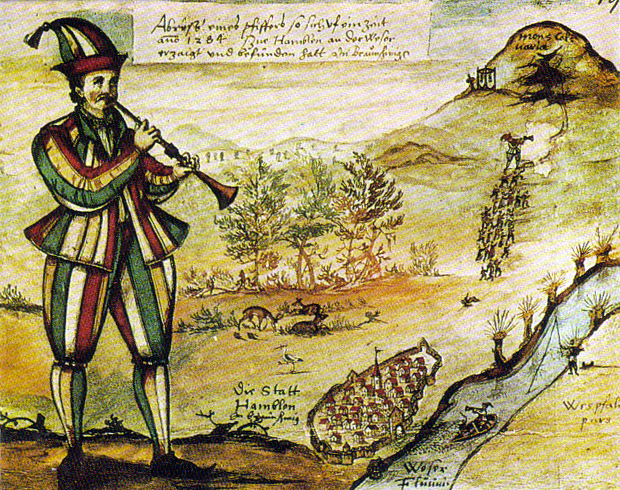
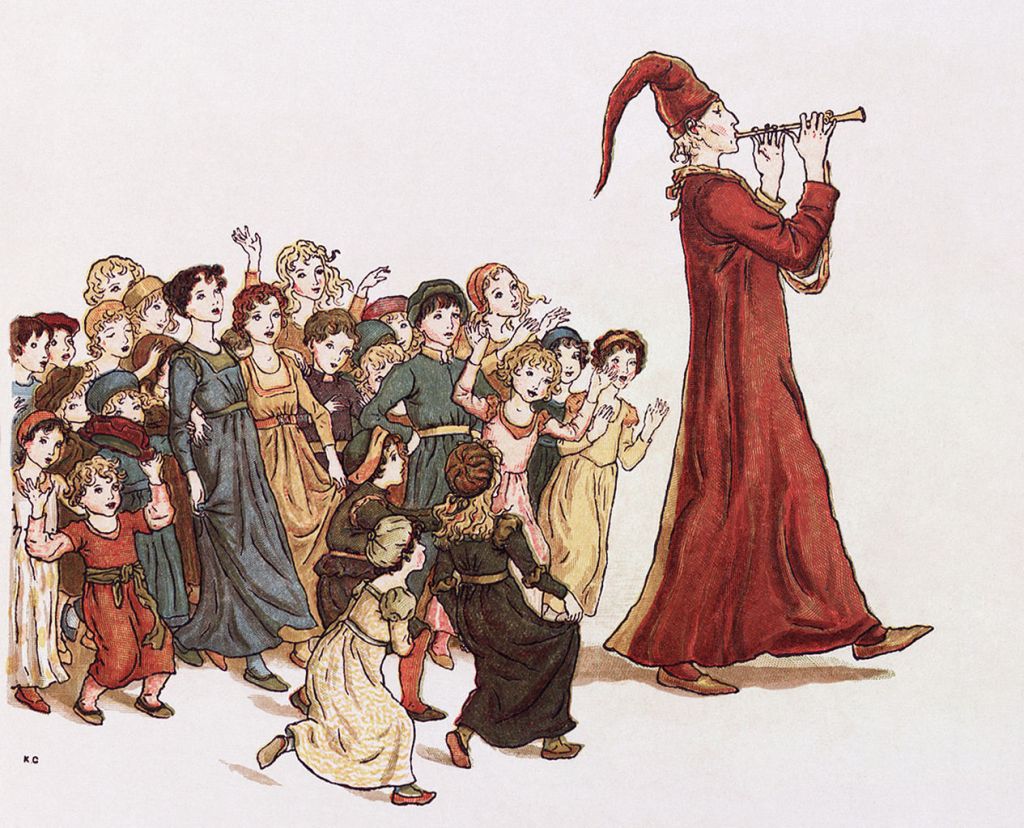
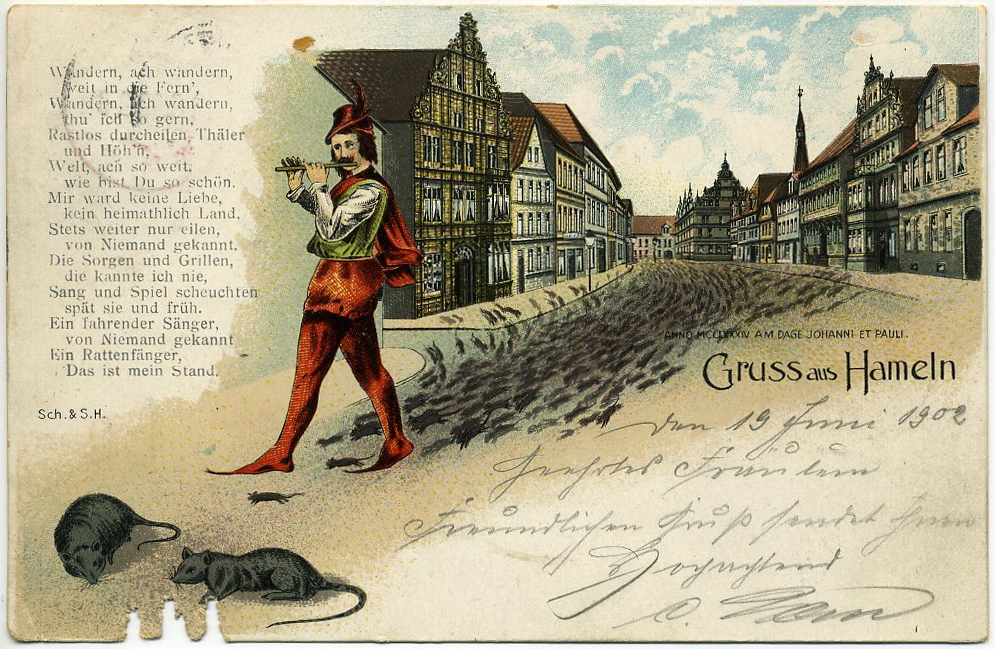
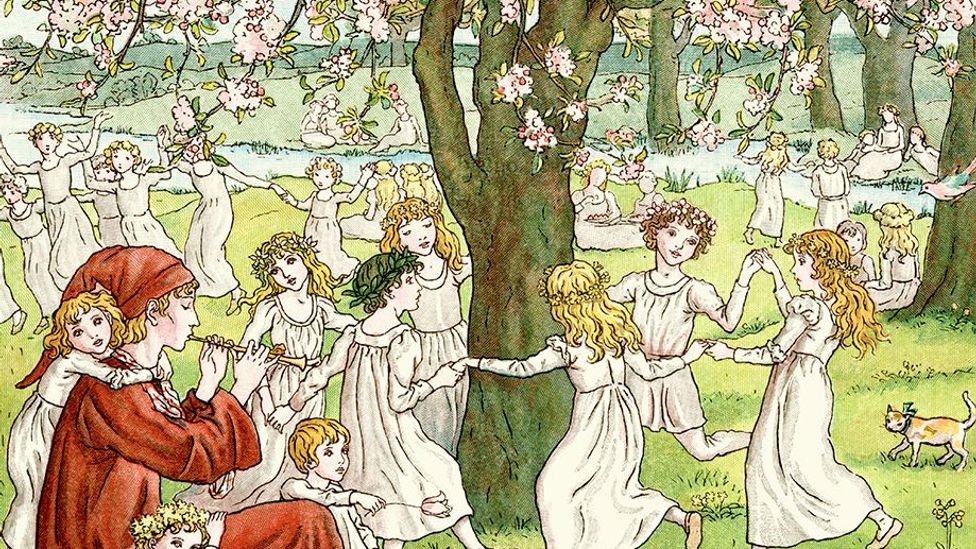
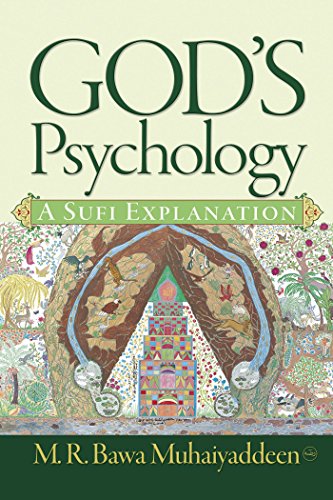
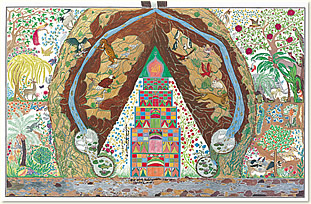
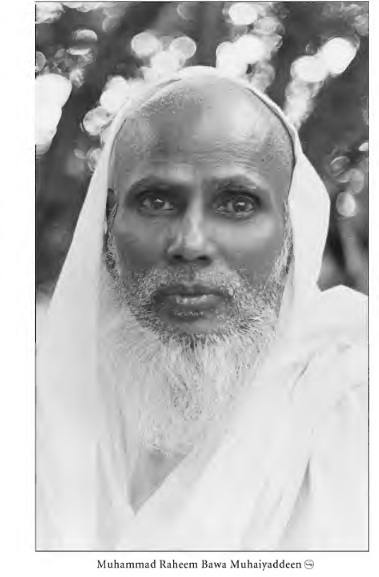





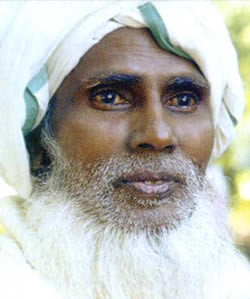
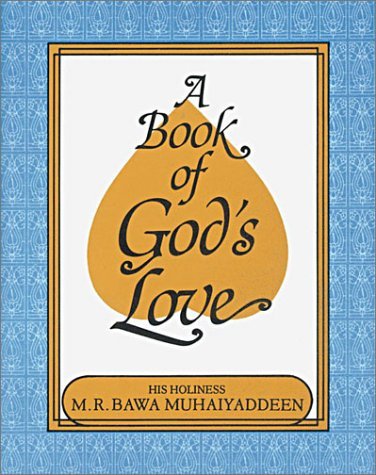
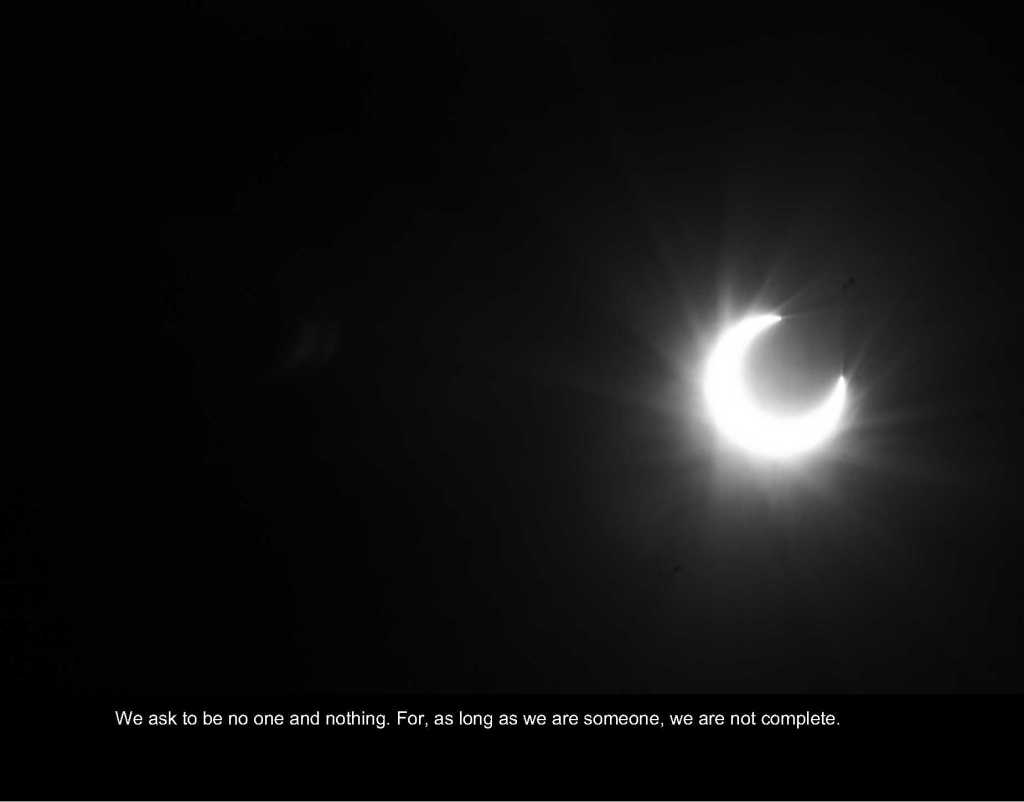
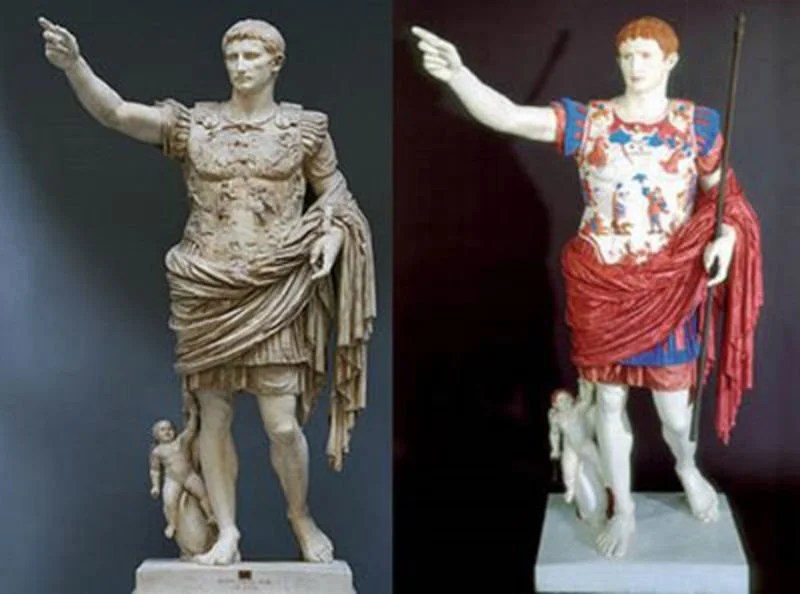
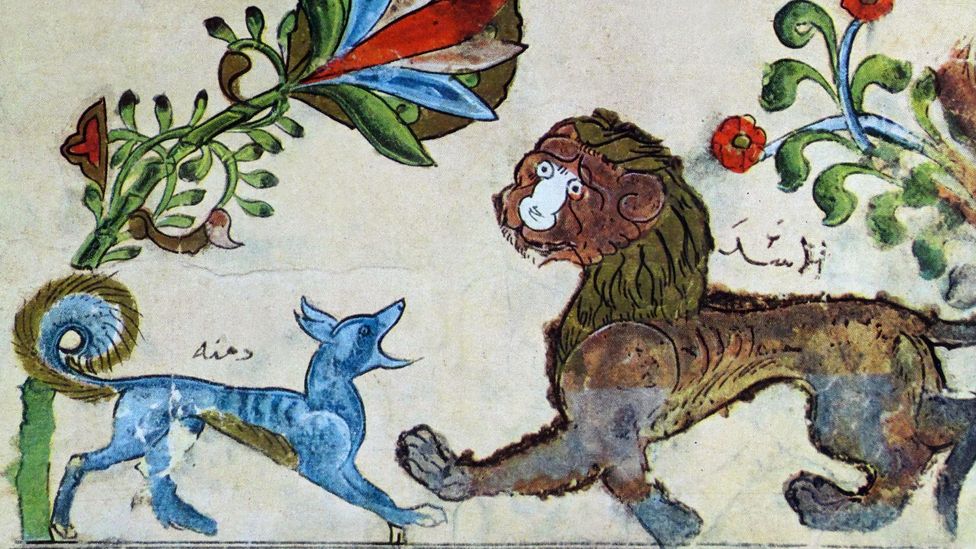






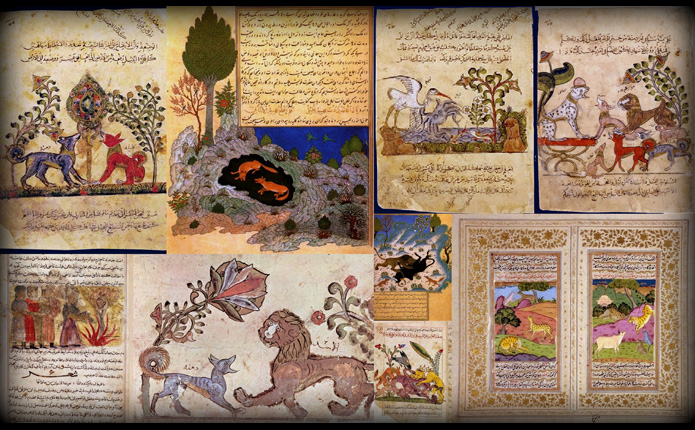
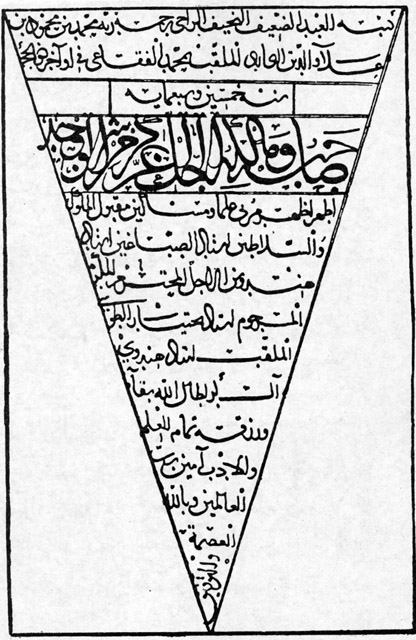
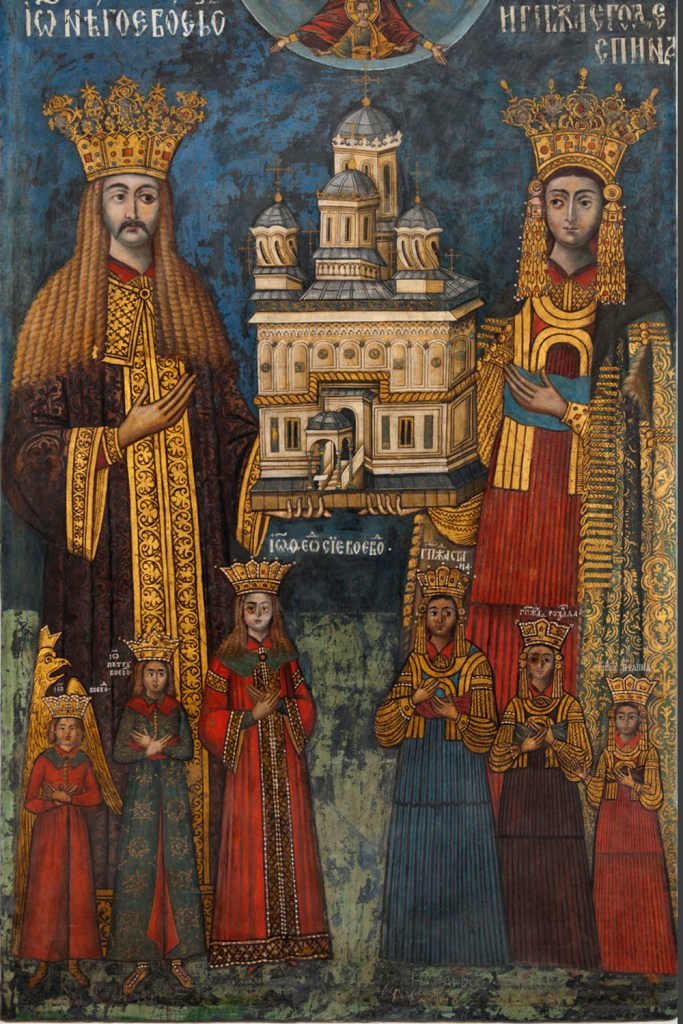
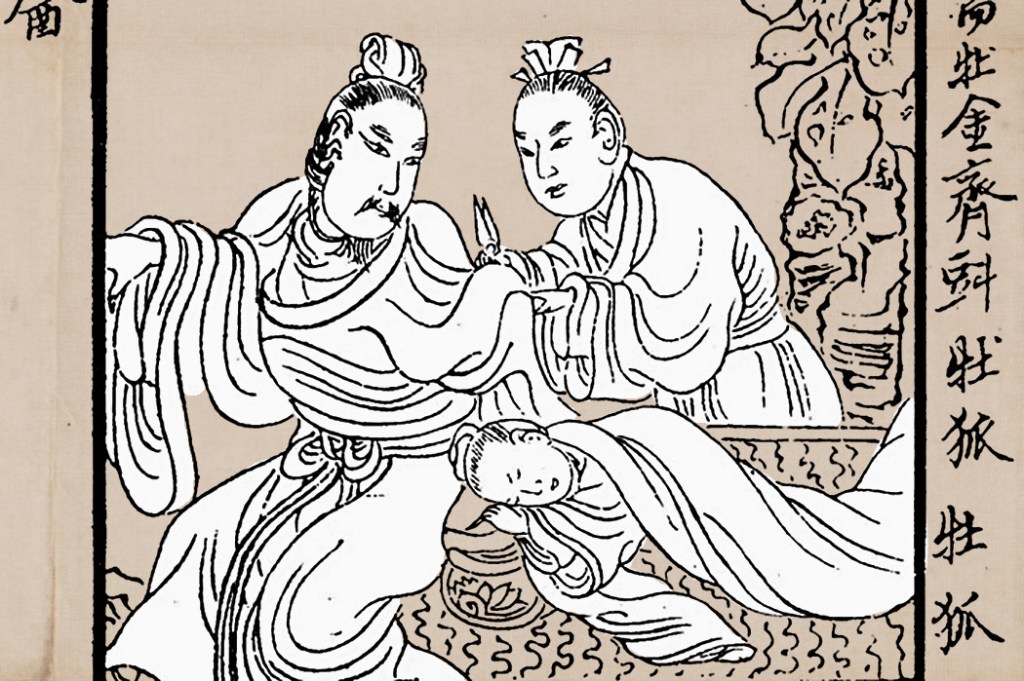

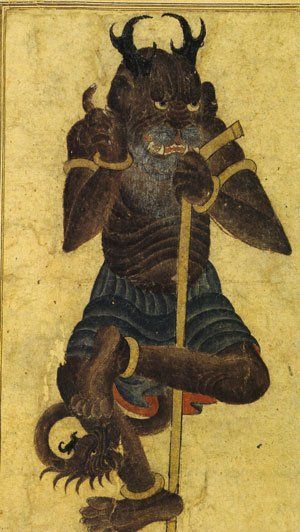
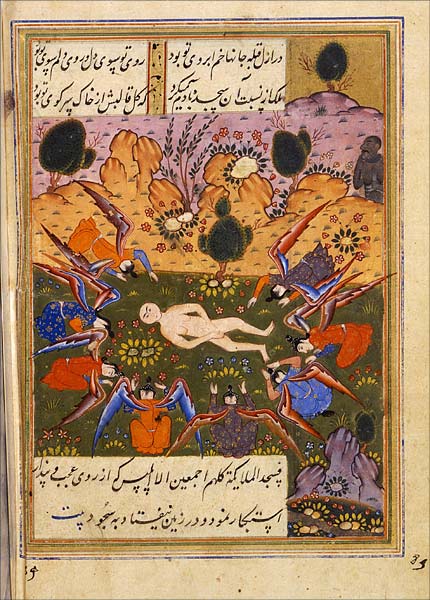
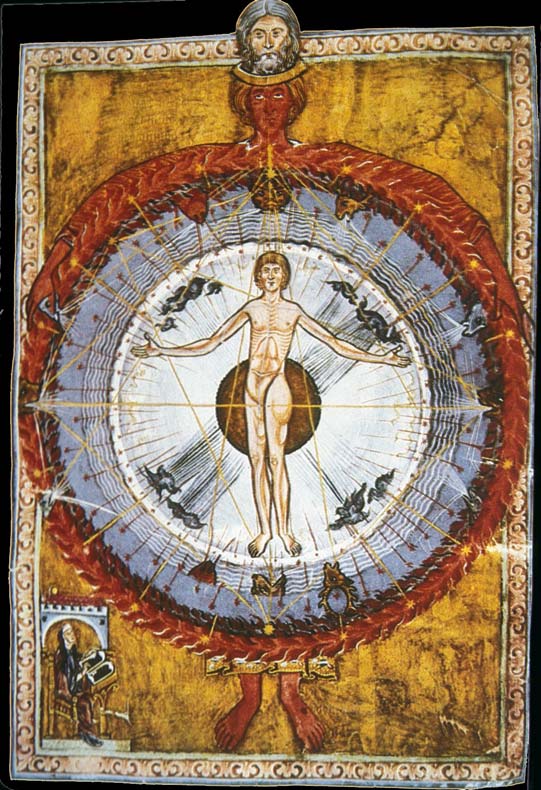
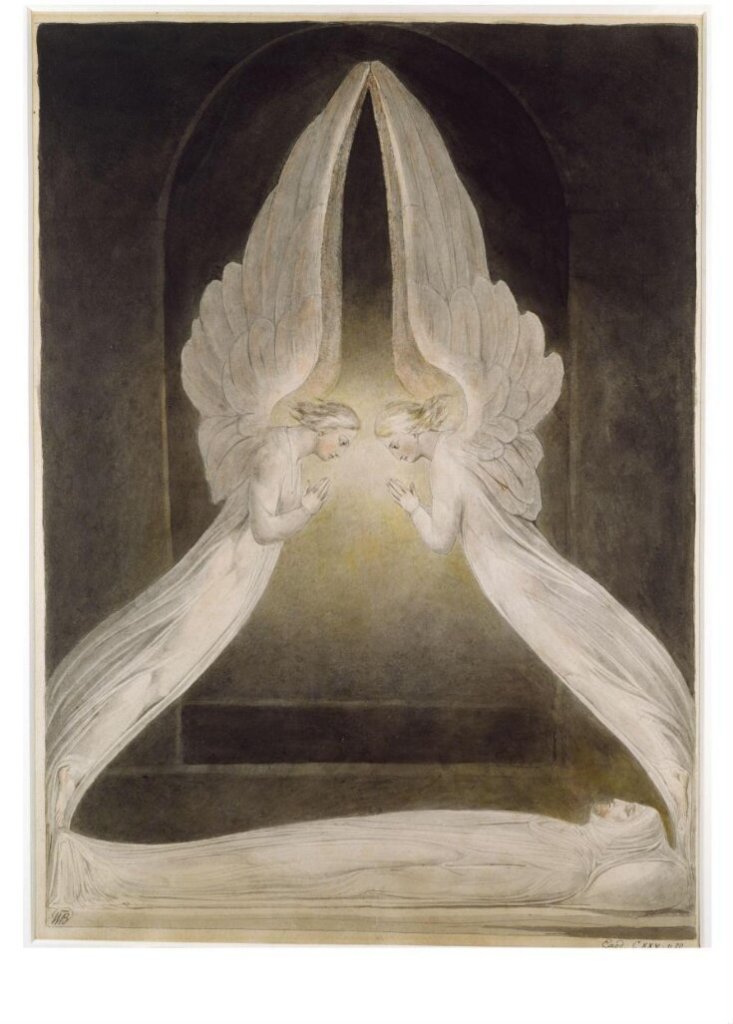
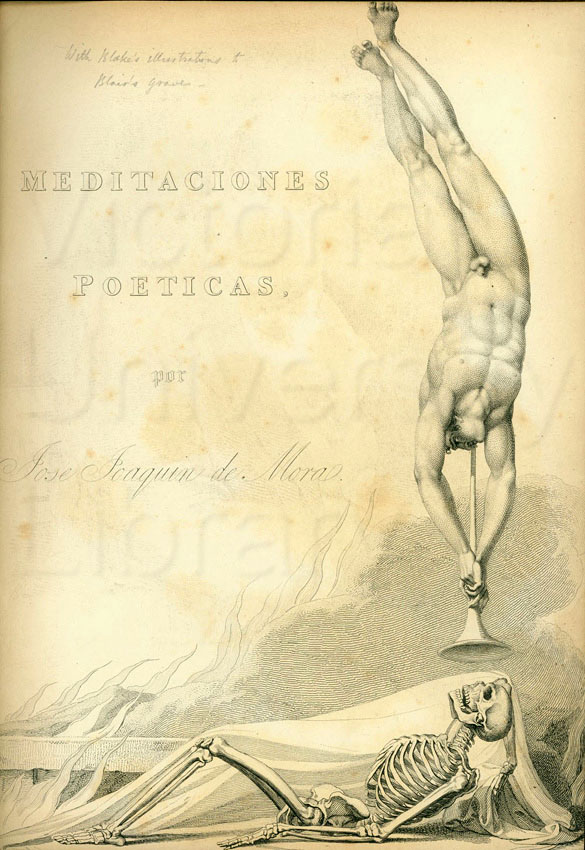
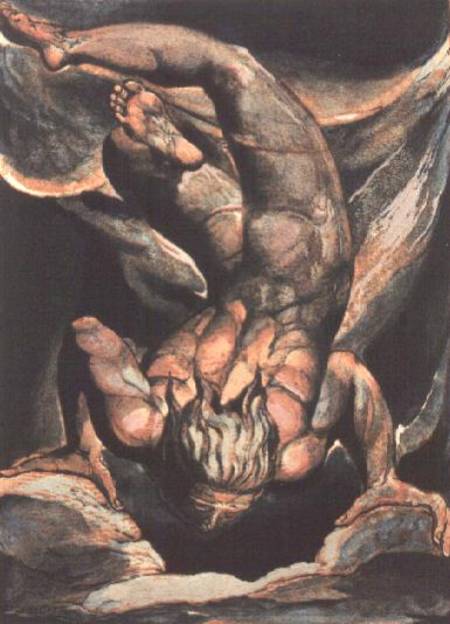
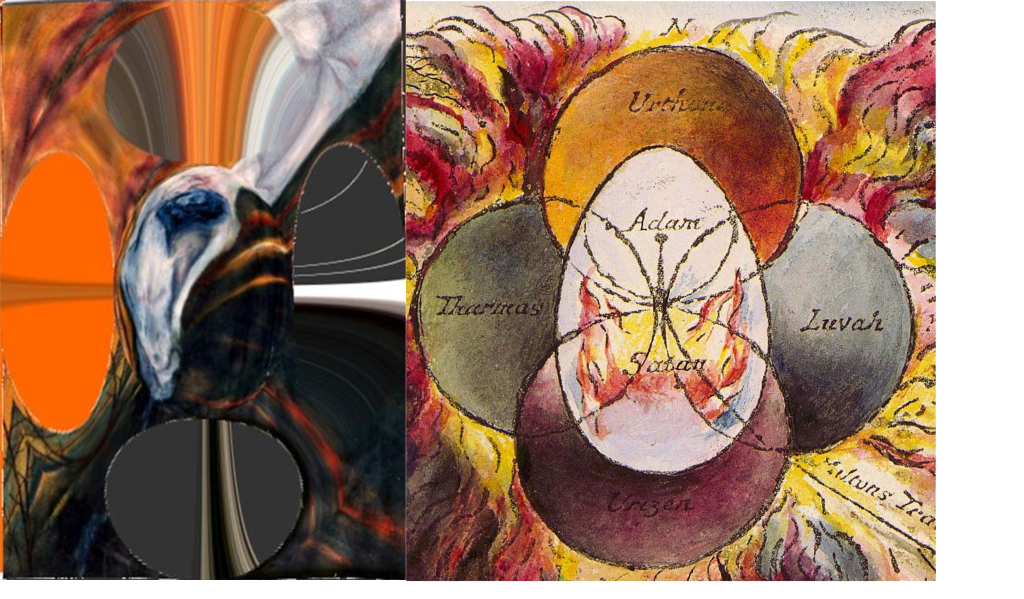
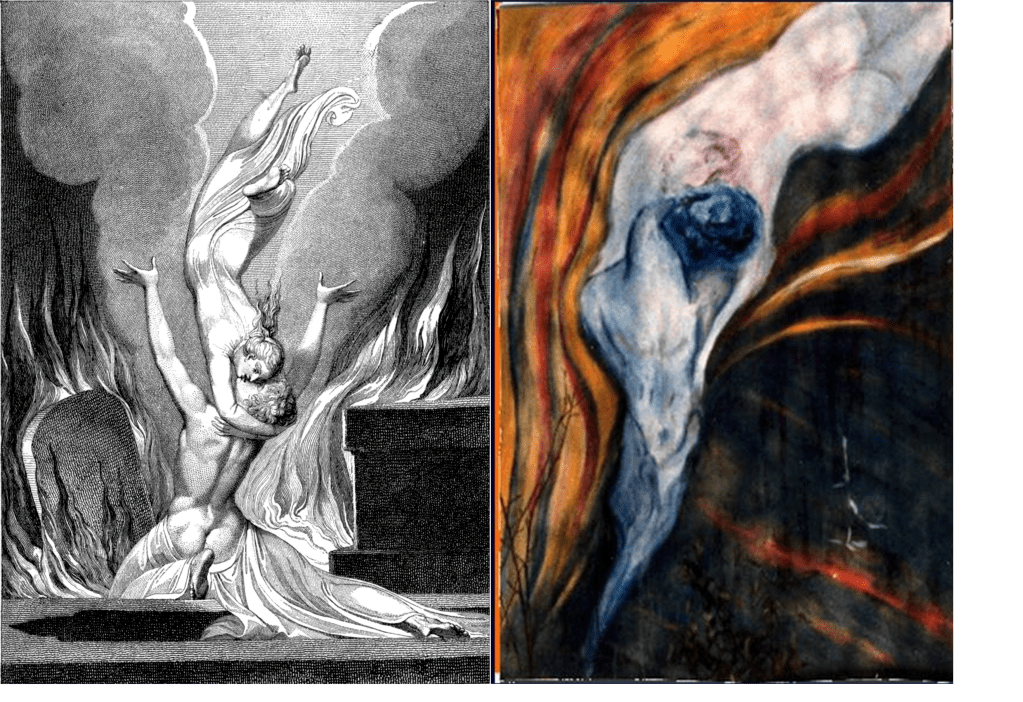
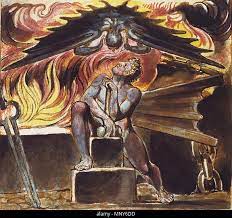
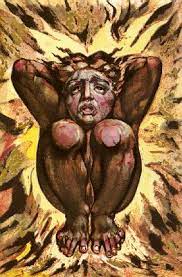
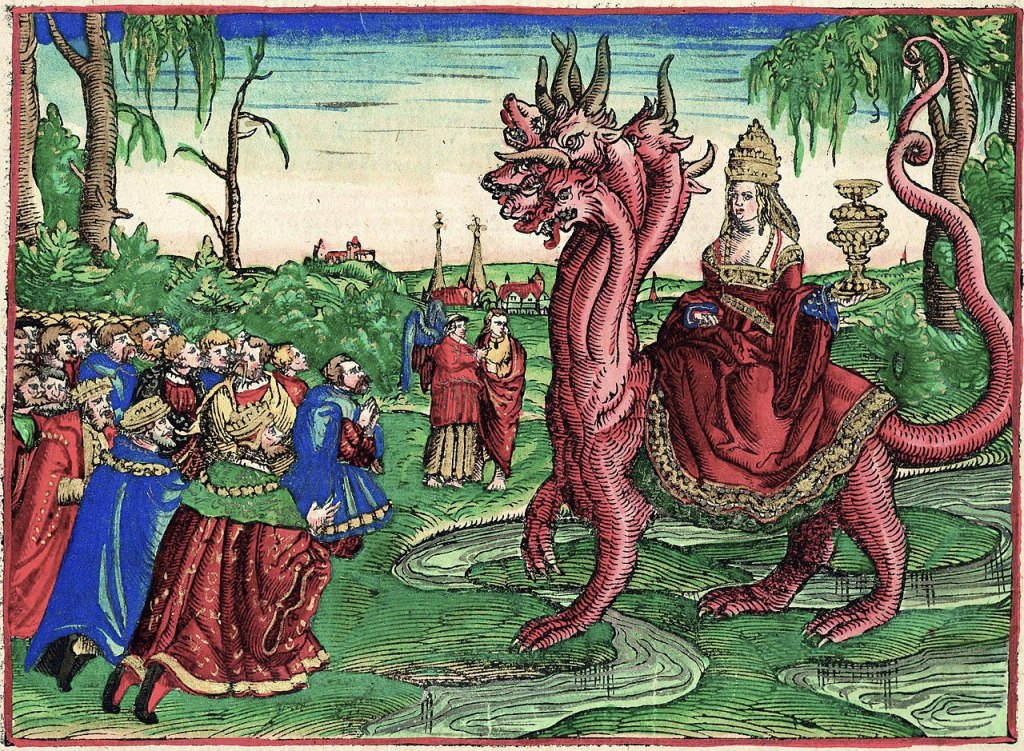
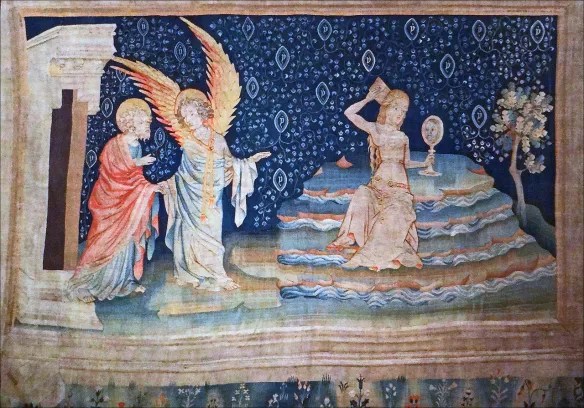
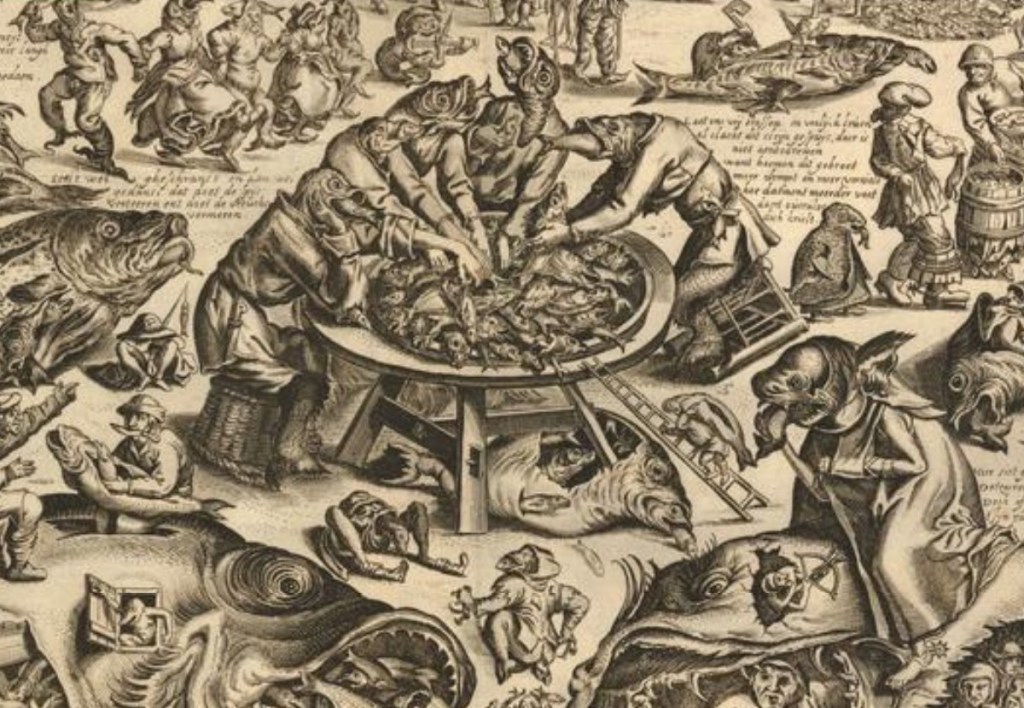
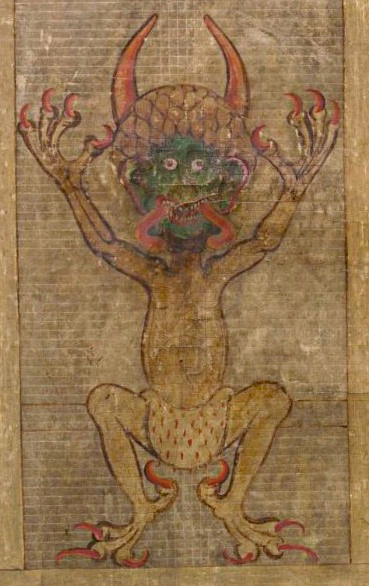
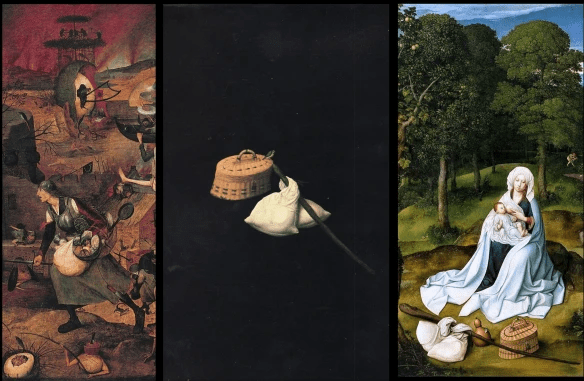
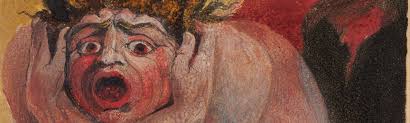
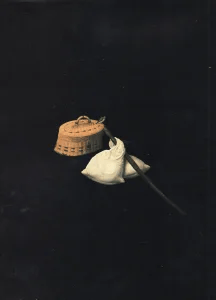

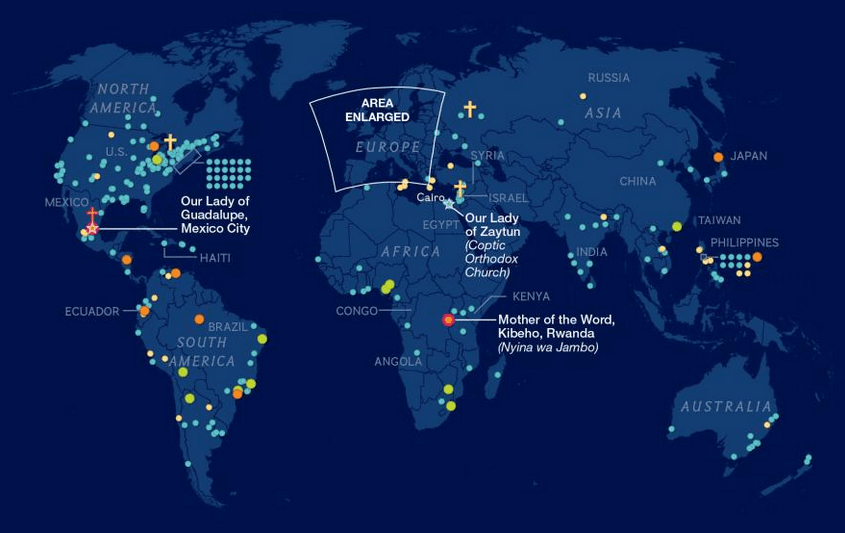
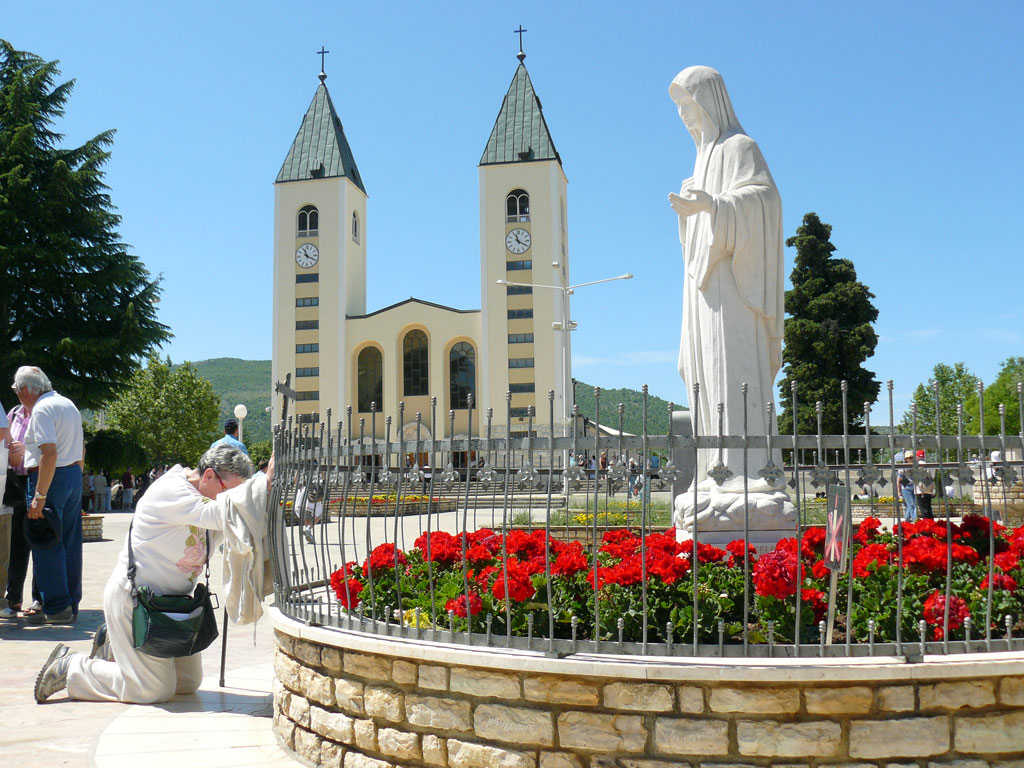
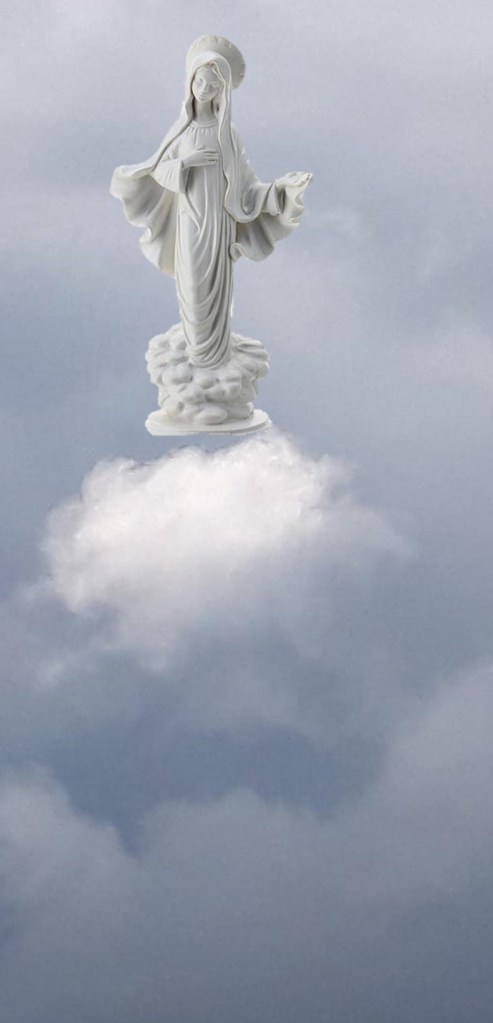
![[O]](https://www.medjugorje.ws/data/olm/images/__mt/nw.gif)



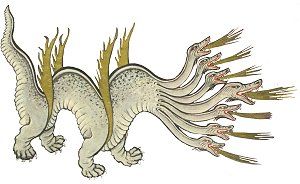
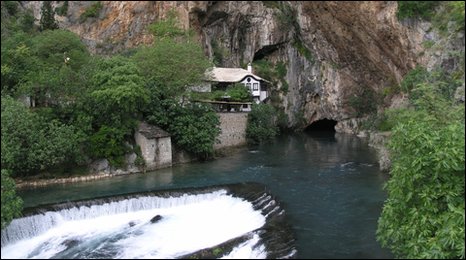

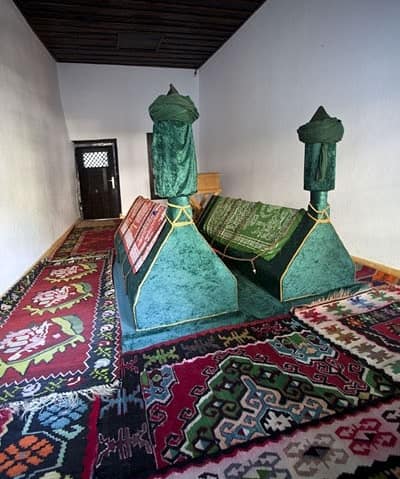



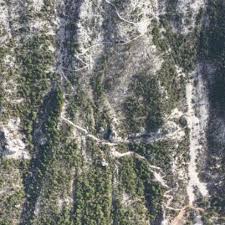
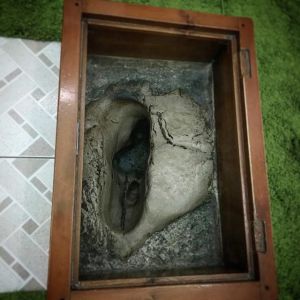

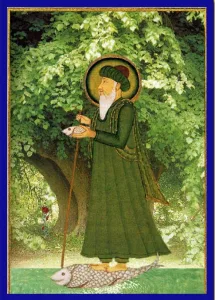
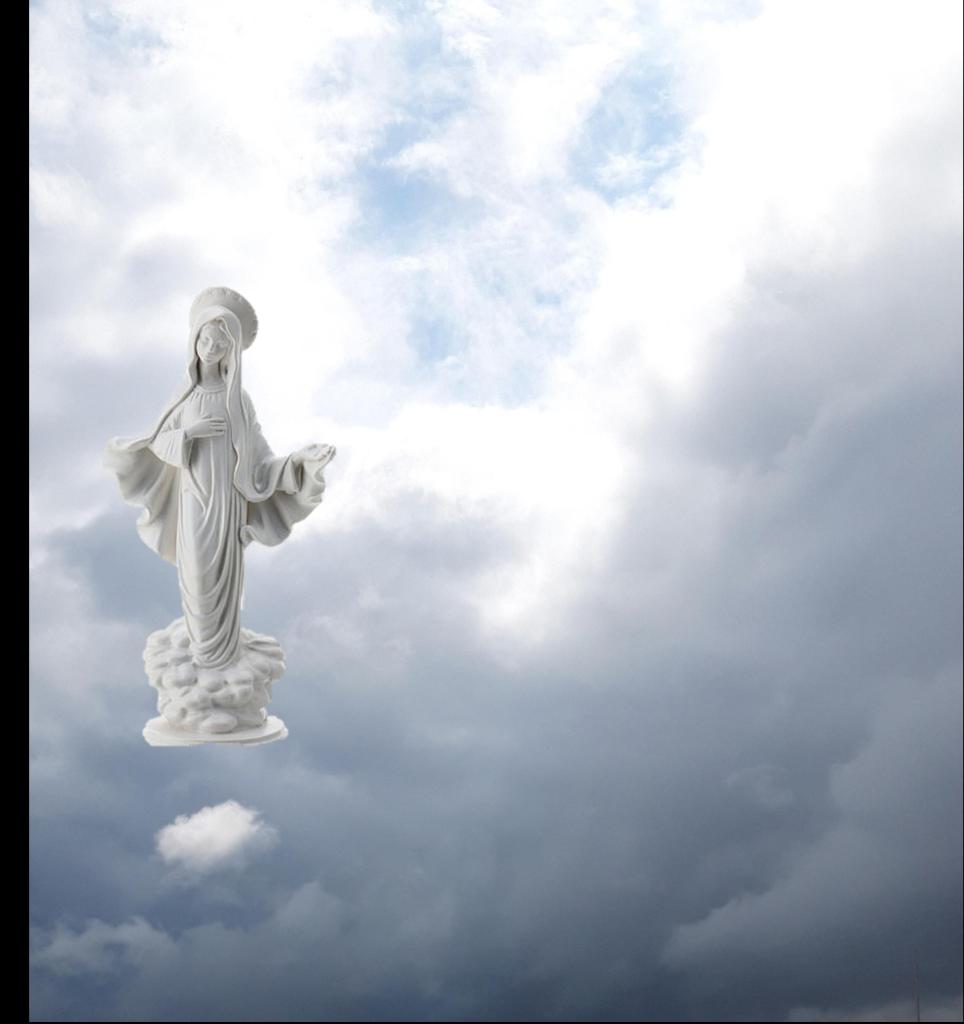
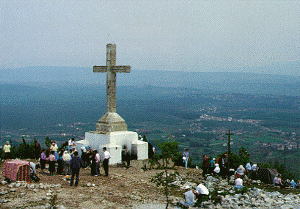
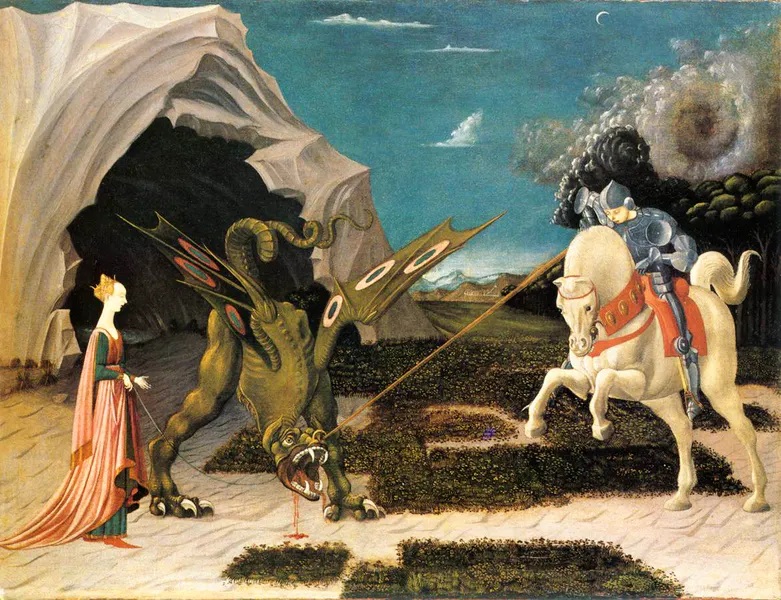
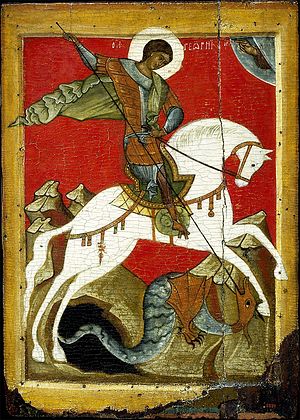
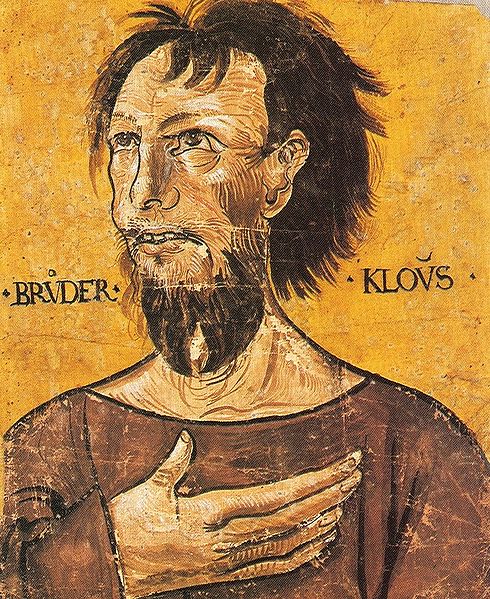
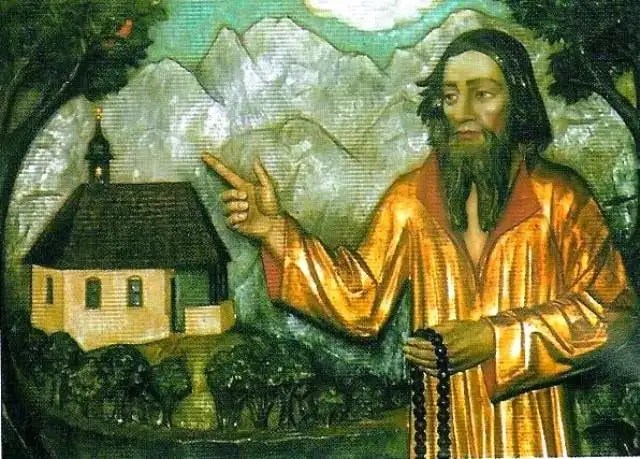
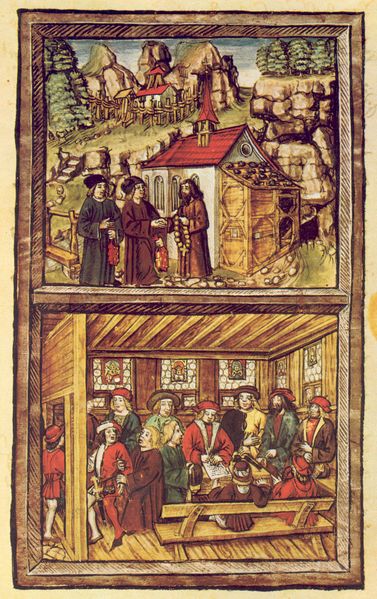




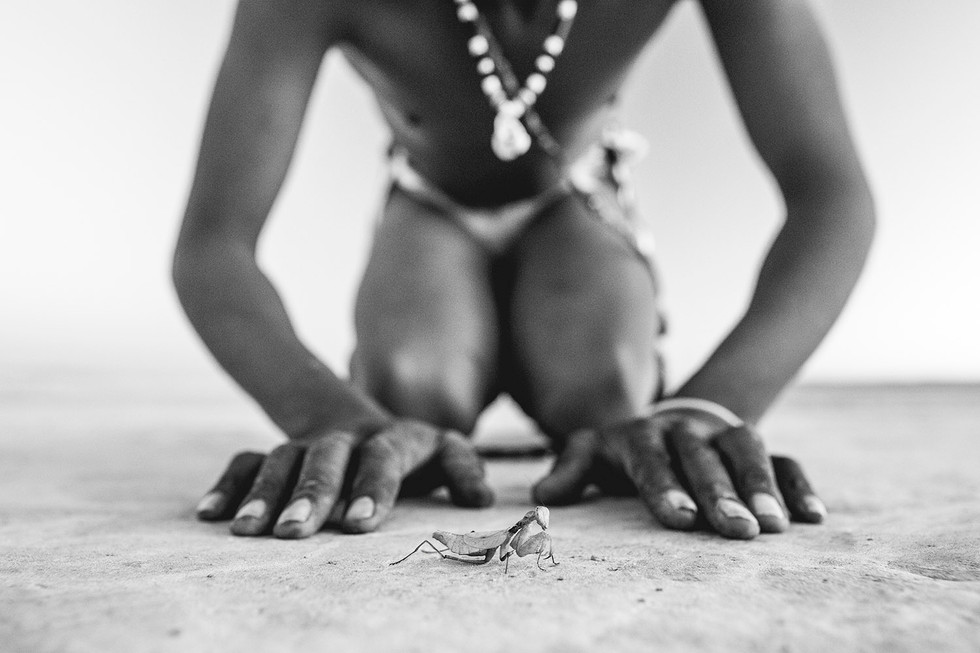










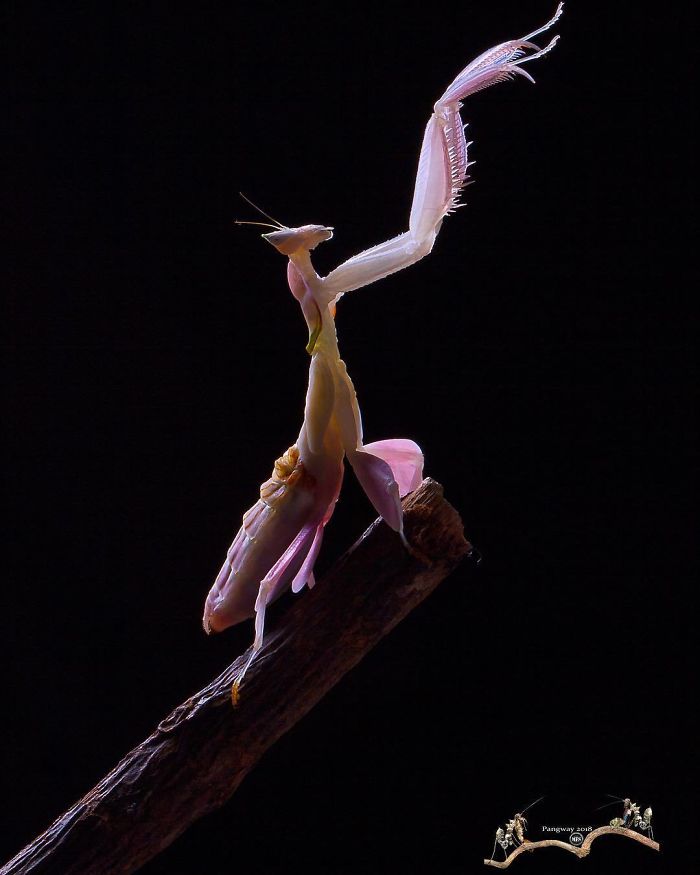

















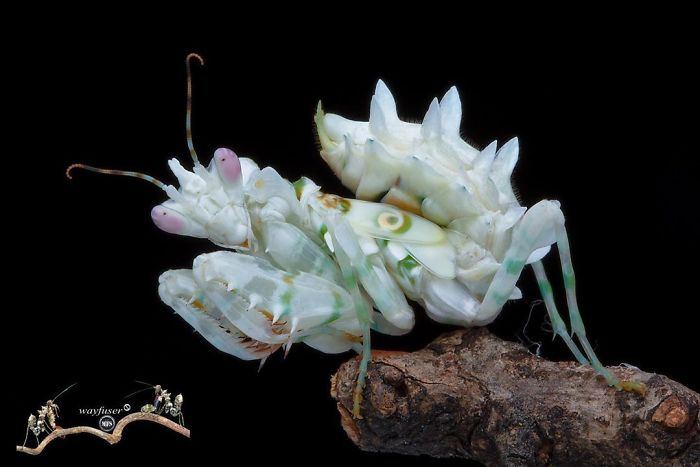







 Path to the Maypole of Wisdom