- Childhood of Jesus
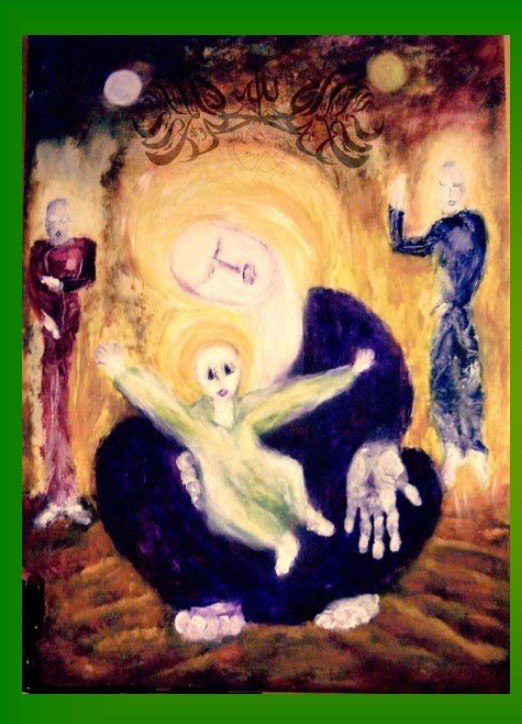
- Jesus as a Child
INTRODUCTION
The childhood of Jesus is mentioned in the following apocryphal writings: the Infancy Gospel of Thomas (originally from the second century with later additions as can be found in the Tischendorf edition), the Pseudo-Matthew (6th-7th century and close to the Latin version of the Protoevangelium), the Arabic Infancy Gospel (probably 6th century), and the Irish Versified Narrative (perhaps as early as 700 A.D.)
The scenes of Jesus boyhood have one single purpose; he is to be shown to the world as the one who has superhuman power. He gives life to the clay sparrows, is master of the Sabbath, and shows at an early age that His knowledge is that of the God-Man. Jesus is a healer and restores health and even life.
The portrait of Jesus is a mixture of transcendent and bountiful personality and, at the same time, he acts like an ornery and vengeful little brat. The combination is typical for a clear assessment of both his humanity and his divinity.
A. JESUS AND THE BIRDS
Events dealing with Jesus and the birds follow a similar pattern. Jesus gathers water, makes it clear, clean, and good. He then uses it with clay to make birds, usually twelve sparrows. He does it on a Sabbath. When chastised, he makes the sparrows chirp and fly away. He punishes his accusers.
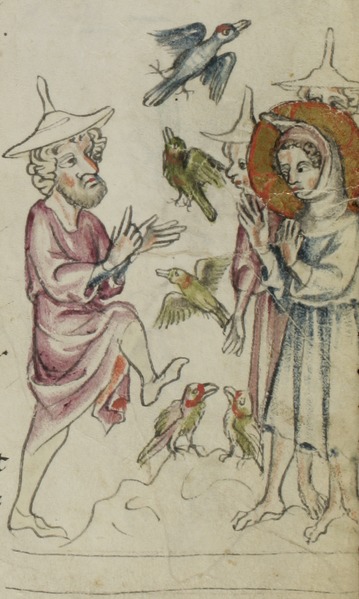
1. Jesus was angry that the Son of Annas, the Scribe, was dispersing the water which Jesus had collected…And He commanded that he shall wither like a tree. The parents of the boy carried him to Joseph bemoaning their lost child. (Infancy Gospel of Thomas [A], 2-3)

2. Jesus, playing outside his home made pools of water, but another child of Annas came and broke up the pools. Jesus complained, “You shall not go on your way, and you shall dry up like a stick”… The father came and complained to Joseph about his dead child. Jesus made 12 sparrows. But it was the Sabbath and one child complained to Joseph. He asked Jesus why he did these things—profaning the Sabbath. Jesus did not answer but said to the sparrows: “Fly away” and they did so”. Joseph marveled. (Infancy Gospel of Thomas [B], 2-3)
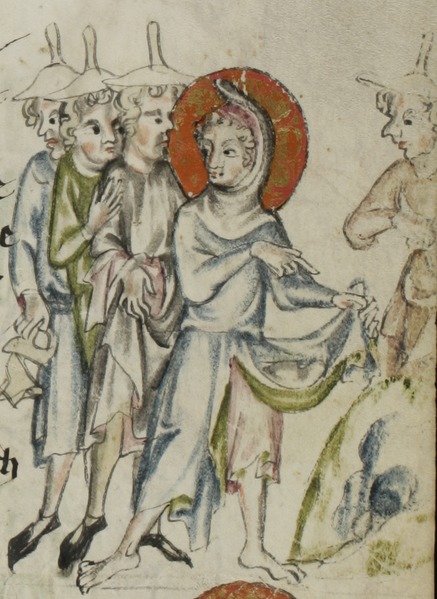
3. One of the children moved with envy about the passages for water and overthrew what Jesus had built up. Jesus caused him to die. The parents came, complaining. Joseph asked Mary to speak to Jesus. Mary admonished Jesus. Jesus kicked the boy’s backside and he came back to life. Again Jesus made 12 sparrows. People complained to Jospeh about Jesus working on the Sabbath…Jesus clapped his hands and the sparrows flew away. People were filled with astonishment but some complained. The Son of Annas came and broke the dams Jesus had made. Jesus cursed the boy and he withered away and died. (Ps Matthew 26-28)
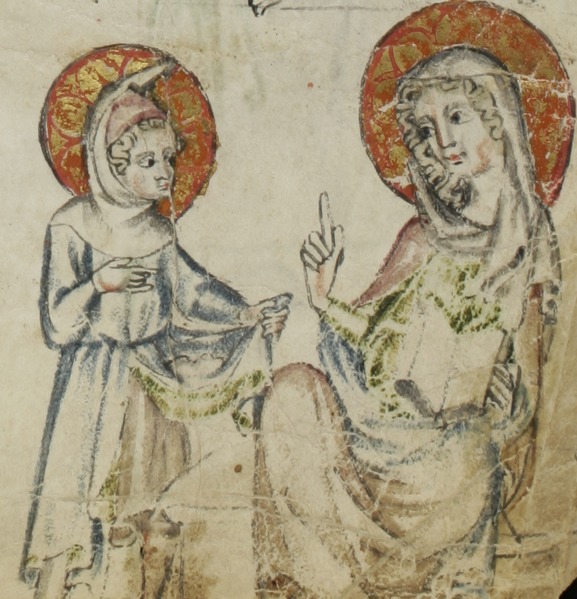
4. At age of 7, Jesus playing with his friends, made different animals from clay…, Jesus then told these figures to walk, some to fly, and some to eat from his hand. The other boys told this to their parents who told them not to play with Jesus because he is a wizard. (Arabic Infancy Gospel, 36)
5. Again on Sabbath , Jesus and some boys made fish ponds. The son of Hanan became angry at their working the Sabbath. Jesus had made 12 sparrows and arranged them around the pond. After Hanan reprimanded them, Jesus clapped his hands and the sparrows flew away. Hanan kicked the pond of Jesus and the water spilled away. But Jesus told him that as the water vanished away so shall his life. (Arabic Infancy Gospel, 46)
6. A certain Jen upbraided Jesus to his father Joseph for making twelve small birds…Jesus clapped his hands and the birds were scared away.
The son of Annas came and destroyed the work of Jesus…And Jesus said: “May you be as a little branch that falls before its fruit.” The boy collapsed like a withered twig. (N.B. The Koran also makes mention of similar traditions.) (Irish Versified narrative, 1-10)
B. JESUS CURSES A BOY
This series is based on the following recurring scenarios: Jesus is attacked or vilified by one or several boys; he curses the attacker who dies or is incapacitated. The conversation with Joseph or/and Mary leads to the restoration of the boy’s health or life. Almost like a refrain, the stories mention the wonderment of the people, the fact that Jesus’ every word becomes immediate deed, the rejection of Jesus and his parents, and the puzzlement of Joseph (and Mary).
1. “Since you have such a child, you cannot dwell with us…Every word he speaks whether good or evil, was a deed and became a miracle.” (Infancy Gospel of Thomas [A], 4-5)
2. They complained to Joseph. “Every word he says has an immediate effect…teach your child to bless and not to curse…” (Infancy Gospel of Thomas [A], 4-5)
3. …“at least teach him to bless and not to curse.” At the same hour, Jesus seized the dead boy by the ear and lifted him up… And they saw Jesus speaking to him like a father to his son… (Ps-Matthew, 29)
4. “As you have thrown me down, so you shall fall and not rise again… (Arabic Infancy Gospels, 47)
5. …a boy annoyed Jesus…the boy collapsed; he died on the instant… Jesus responded to Joseph: ‘Anyone who is innocent does not die from judgment…It is only the wicked that the curse pursues.’ (Irish Versified Narrative, 11-21)
C. JESUS AND THE ALPHABET
“Jesus and the Alphabet” introduces to the Lord’s wisdom and knowledge. He reveals himself, through the mouth of his teachers, as more learned than all the masters. He reads their minds, and declares that he is before all ages. He is not Joseph’s son. He alone knows the unknown mystery symbolized in a letter Alpha (see on this behalf Irenaeus, Adv. Haereses, I, B.1)
I With Zaccheus or Zacharias:
1. Zacchaeus, the teacher said after hearing Jesus…Woe is me…I desired to get a pupil, and I have found I have a teacher. (The child) said: I have come from above to curse them and then call them to things above… (Infancy Gospel of Thomas [A],6-8)
2. …Joseph led him to a certain teacher named Zacchaeus and said: “Take this child, and teach him letters…And when Jesus heard he laughs…You say what things you know, but I understand more things than you; for before the ages I am…Behold, you do not believe me now. When you see my cross than you will believe that I speak the truth!… (Infancy Gospel of Thomas [B], 6-7)
3. Zachyas, doctor of the law, said…after hearing Jesus, the boy, “I thought I had a scholar. I, not knowing him, have found my master…” …And Jesus said: ‘…that each may return to his original state, and abide in him who is the root of life and perpetual sweetness.’ (Ps-Matthew, 30-31)
4. Joseph brought Jesus to Zachaeus for instruction… But after listening to Jesus, the Master said to Joseph: “You have brought to me to be taught a boy more learned than all the masters.” To the Lady Mary also he said, “This son of yours has no need of instruction.” (Arabic Infancy Gospel, 48) The little boy Jesus answered, ‘Sage of the law of God, you think Joseph is my father. It is not he. ‘I was before your begetting, it is I who am the sage; I know every thought that has been in your heart.” …Jesus answered the sage Zacharias. “Thus did I see even you long ago through the mystery of the Holy Spirit; sage of the law, from all time before your begetting, I was.” (Irish Versified Narrative, 22-39)
II With Another Teacher:
1. Joseph took Jesus to another teacher… “First, I will teach him Greek and then Hebrew… Jesus said to him, “If you are indeed a teacher…tell me the power of the Alpha, and I will tell you that of the Beta.’ And the teacher was annoyed and struck him on the head. The child was hurt and cursed him. He immediately fainted and fell on his face. The child returned to Joseph’s house. He, grieved, commanded his mother, “Do not let him go outside, for all who provoke him die.” (Infancy Gospel of Thomas [A], 14)
2. And a second time, Joseph and Mary were told to send Jesus to school. They did so… But the master began to teach in an imperious tone…Jesus responded: ‘Tell me first what Beta is, and I will tell you what Alpha is.’ The master got angry and struck Jesus…but no sooner had he struck him, that he fell down dead…Joseph was sorrowful…and said ‘at some time someone will strike him in malice and he will die.’ But Mary answered, ‘Do not believe that is possible…he who sent him to be born will himself guard him from all mischief…’ (Ps-Matthew 38)
3. Another instance of the same… Then Joseph said to Mary: “From this time we shall not let him go out of the house, since everyone who opposes him is struck dead. (Arabic Infancy Gospel, 49)
III With a Third Teacher:
1. …to another teacher, a third teacher. Though he found the book on the lectern: instead he opened his mouth and spoke by the Holy Spirit… the crowd was amazed! Joseph, worried, went to the school but the teacher said: ‘I took the child as a disciple, but he is full of much grace and wisdom. Take him to your house. (Infancy Gospel of Thomas [A],15)
2. Again the Jews asked Mary and Joseph to go to another master to learn…They did so… And Jesus went to the school, took the book out of the hand of the master…and began to read not what was in the book. But he spoke in the Spirit of the Living God…with such power that the master himself fell to the ground and adored him. When Joseph came, the master said to him: “You have given me not a scholar, but a master…” (Ps-Matthew,39)
D. JESUS AND ZENOSome stories deal with Jesus’ relationship to a boy named Zeno. Zeno falls from the house-top where Jesus and other boys were playing, and is dead. The parents accuse Jesus of having pushed Zeno. He returns the dead boy to life for him to testify in favor of Jesus innocence. The attendance glorifies God for, as Zeno says, “I was dead, you brought me to life.”
1. They were playing in the upper story of the house. But one of the children fell down and died… The parents came and accused Jesus. But he leaped down from the roof and said to Zeno. “Arise and tell, did I throw you down?” And he said: “No, Lord, you did not throw me down, but raised me up.” And the parents glorified God. (Infancy Gospel of Thomas [A], 9)
2. Same story in different wording. (Infancy Gospel of Thomas [B},8)
3. Same story in different wording. (Ps-Matthew,32)
4. Same story in different wording. (Arabic Infancy Narrative, 44)
5. …his age, I know was seven. One of the boys fell over a cliff and died. They all fled, except Jesus who waited for the crowd…They accused Jesus of causing his death. But Jesus said: “Wait!” Jesus went to Zeno and asked him, “Is it true that I threw you down?” Zeno responded: Lord it is NOT TRUE…but as he was dead when he fell, he again died after answering Jesus. (Irish Versified Narrative, 40-44)
E. JESUS’ HEALING POWERS
The apocryphals tell a number of stories about the child
Jesus’ healing powers. He heals a man’s foot, heals from
viper bite, heals a sick child, a workman, and the poisoned boy. In one instance, Joseph heals in the name of Jesus.
I Jesus Heals a Man’s Foot
1. The axe a man uses to cleave wood walls and splits the sole of his foot. Jesus takes his injured foot in his hand and it is healed immediately. He asks the man to remember him. The crowd worships the child because they see the spirit of God at work in him. (Infancy Gospel of Thomas [A],10; [B], 9.)
II Jesus Heals James’ Viper Bite
1+2. Collecting sticks, James the son of Joseph, was bit in the hand by a viper. Jesus breathes upon the bite and James is healed. The creature bursts. (The Infancy Gospel of Thomas [A] 16: similar story in Arabic Infancy Narrative, 43)
3. The Ps-Matthew presents the same story but puts it into a different setting. James, the first born son of Joseph, gathers vegetables. A viper strikes his hand. Jesus runs up to him and blows on his hand to cool it. James is healed: and the viper dies. (Ps-Matthew. 41)
III Jesus Heals a Sick Child
1. Jesus runs up to a dead child (frequently he is mentioned as “running quickly” to where the incident happens!), touches his breast and commands him to live. The child looks up and laughs. He intimates the mother to remember him. The bystanders recognize in him God or an angel because his every word is an “accomplished deed”. Jesus continues to play with other children. (The Infancy Gospel of Thomas [A], 17)
IV Jesus Heals a Workman
1. An accident at a construction site provokes the death of a workman. Jesus goes to the site, takes the man’s hand and orders him to rise and do his work. The man worships him, and so do the people praising Him as a gift from heaven. (The Infancy Gospel of Thomas [A]18)
V The Poisoned Boy
1. A boy, taking eggs from a partridge’s nest, was bitten by a venomous serpent. They carry him to the place where Jesus was sitting like a king, and boys standing around him like servants. Seemingly insensitive to the agonizing boy, Jesus invites his entourage to go and kill the serpent. They find the serpent, who submits to Jesus. Jesus tells him to go and suck the poison from the boy. The serpent sucks out the poison. Jesus curses him, and the serpent bursts asunder. The boy is healed, and Jesus promised that he will be his disciple. He is Simon the Cananaean, mentioned in the Gospel. (Arabic Infancy Narrative, 42)
VI Joseph Heals in the Name of Jesus
1. Living with his family in Capernaum, Jesus invites his father, Joseph, to go and heal a rich man by the name of Joseph. The man had withered away under his infirmity, and was now dead. Seeing Joseph’s reluctance and lack of healing power, he tells him to take the kerchief on his head, to put it on the dead man’s face, and to say: “Christ save you”. Joseph did as ordered by his son, and life was restored in the rich man, Joseph. (Ps.-Matthew, 40)
F. JESUS’ DOMINION OVER NATURE
The childhood events are replete with miraculous deeds, not only with regard to the sick, dying, and dead, but also when the laws of nature are at stake. Jesus carries water in his garment, stretches beams of wood, produces a miraculous harvest, and tames the wild beasts. Again, the meaning of these stories is to show the supernatural powers of Jesus who, though a child, manifests his divine origin and nature.
I Jesus Fetches Water
1+2. His mother gives him a pitcher to draw water for the household. The pitcher is broken but Jesus spreads out his garment, fills it with water and brings it to his mother. Mary keeps to herself the miraculous deed. He was six years old. (The Infancy Gospel of Thomas, [A]13 and [B]10)
3. In the version of the Pseudo-Matthew a child strikes the pitcher and Jesus takes the water up in his cloak. Mary reflects on/and keeps these things in her heart. (Ps-Matthew, 33)
4. In the Arabic Infancy Narrative Mary is addressed as Lady. She preserves in her heart what she sees. Here, the cloak becomes a handkerchief. (Arabic Infancy Narratives, 45)
5. The Irish Versified Narrative, in general very short, tells the same story in two sentences. (Irish Versified Narrative, 45)
II Jesus Stretched a Beam
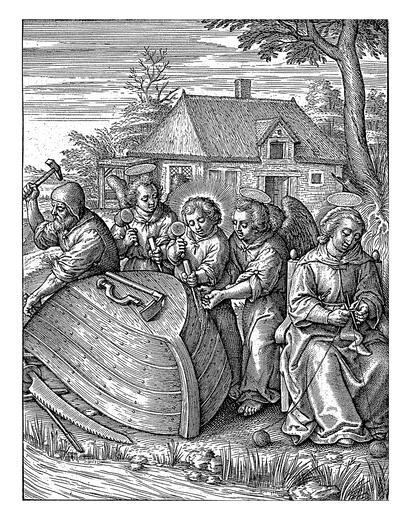
1. Jesus helps Joseph as carpenter. When he is commissioned to make a bed the two beams are of unequal length. Jesus takes hold of the shorter piece, and stretching, makes it equal to the other, the longer beam. His father is amazed and thanks God for his child. (The Infancy Gospel of Thomas, [A], 13)
2. In the version [B] 11 of the same story, Joseph tells Mary. She rejoices, and then glorifies Jesus “with the Father and the Holy Ghost, now and ever and unto the ages of the ages. Amen.”
3. In Pseudo-Matthew Joseph is commissioned to build “a couch six cubits long”. His servant blunders and cuts two uneven pieces of wood. In this and other stories it is implied that Joseph was used to making ox-yokes, ploughs, and implements of husbandry, but may have lacked the skills to build a couch. (Ps-Matthew, 37)
4. In the Arabic Infancy Narratives, Joseph and Jesus work as a team, and make it a habit that whenever Joseph had to make anything longer or shorter, the Lord Jesus (sic!) would stretch out his hand and comply with his father’s wish. (Arabic Infancy Narratives, 38)
5. In the Irish Versified Narrative, short as ever, Jesus simply says: “Take your part: I shall take mine”, and both beams are even. (Irish Versified Narrative, 47-48)
III Jesus Sows a Field
1. Joseph and Jesus sow corn. The child sows only one grain of corn, but he brings in a hundred measures. He then gives the corn to the poor of the village. Joseph takes the residue. (Infancy Gospel of Thomas, [A], 12)
2. Jesus goes into the field to sow “a little wheat”. It grows and “multiplies exceedingly”. In the end he gathers a produce of three kors which he distributes to acquaintances. (Ps-Matthew, 34)
3. A different, the Irish Version, uses leeks. Jesus has only a little field but harvests a hundred basketfuls of leeks. (Irish Versified Narrative, 46)
IVJesus and the Throne
1. Only mentioned in the Arabic Infancy Narratives, this story uses the same motif as the beamstretching account. Joseph builds a throne for the King, a labor which takes two years. In the end, the throne lacks “two spans of the prescribed measure.” Joseph confides in the Lord Jesus (sic!) who consoles him. Each having stretched his own side, the throne is brought to the exact mea sure of the place. The woods used were of many kinds, and celebrated in the time of Solomon. The bystanders are astonished and praise God. (Arabic Infancy Narratives, 3a)
V Jesus and the Dyer
1. Jesus passes the workshop of a dyer named Salem. He collects the clothes he finds in the workshop and puts them in a tub full of indigo. Salem calling Jesus Son of Mary, is devastated. “You spoiled everything and destroyed my reputation, for each one of the garments was to have a different color. Jesus goes and takes the clothes out of the tub, each of them in the color the dyer wished. The Jews praised God. (Arabic Infancy Narrative, 37)
VI Jesus and the Lions
1. Pseudo-Matthew tells the story of Jesus spending time in the company of the lions living near the bank of the Jordan, in the proximity of Jericho. It was not safe to approach the cave where a lioness nursed her whelps. Jesus, however, enters the cave. The lions worship him and play with him. The crowd sees in Jesus’ action a sure sign of grievous sins committed by his parents or himself. But Jesus exits the cave, and with him the lions. Jesus addresses the people: “How much better are the beasts than you, seeing that they recognize their Lord and glorify him; while you men, who have been made in the image and likeness of God, do not know him!” In sight of everybody, Jesus crosses the Jordan with the lions. The water is divided on the right and on the left. He sends the lions back intimating them not to hurt anybody, adding, “Neither let man injure you…” Then he returns to his mother. (Ps.-Matthew, 35-36)
G. JESUS’ AUTHORITY OVER PEOPLE

Whether sharing a meal with his family, playing with fellow kids, or conversing with the learned, his authority and the influence he has on people is unmistakable. He is the little king.
I Jesus the King
1. Jesus gathers the boys “after the manner of a king”. They spread their clothes, he sits on them, and is crowned with a crown. The boys drag people in front of him, and bid them to adore the king. (Arabic Infancy Narrative. 41)
II Jesus and the Kids
1. A group of boys, hiding from him, are punished. He changes the boys into goats, and orders them to leave the house where they were hiding. Women present at the scene ask for his mercy. He answers that the “sons of Israel are like the Ethiopians among the nations”, but eventually takes pity and restores the kids to their former condition, telling them: “Come, boys, let us go and play.” (Arabic Infancy Narratives, 40)
III Jesus Shares and Meal with His Family
1. This story, only in Pseudo-Matthew, tells of the utmost respect given to Jesus by his whole family, that is Joseph and Mary, her sister Mary, daughter of Cleophas and Anna, the parents of Jesus’ mother, as well as James, Joseph, Judah, and Simeon, the sons of Joseph, and his two daughters. Jesus blesses them, is the first to eat and drink, and when absent no one dares to take refreshments, not even Joseph or Mary. He is feared and observed. He was considered “a lamp before their eyes”. When Jesus sleeps the brightness of God shines upon him. (Ps-Matthew, 42)
IV Jesus in the Temple at the Age of Twelve
Luke’s perikope (2. 41-51) is rendered in the Infancy Gospel of Thomas and in the Arabic Infancy Narrative.
1. Following the gospel text, the Infancy Gospel of Thomas ([A], 1a) highlights the importance of Mary. The Scribes and Pharisees address her in these words: “Blessed are you among women, because God has blessed the fruit of your womb. For such glory and such excellence and wisdom we have never seen nor heard.” Jesus follows his mother, and was subject to his parents. The mother stores up what has happened. (Infancy Goepsl of Thomas, [A] 1a)
2. The Arabic Infancy Narrative goes into greater detail. Jesus questions the scribes about whose son is the Messiah? They answer, “The Son of David”. He connects his answer with the divine origin of the Messiah.
Asked by an astronomer whether he had studied astronomy, he explains the number of “spheres, and of heavenly bodies, their natures and operations, their opposition; their aspect, triangular, square, and sextile”.
He is asked whether he has studied medicine, and Jesus explains “physics, and metaphysics, hyperphysics and hypophysics, the powers likewise and humours of the body, and the effects of the same…” He teaches anatomy, psychology (the operations of the soul upon the body), and the interaction between psychology and morals. His exposition is qualified as being beyond “the reach of any created intellect”.
The scribes and scholars ask Mary whether Jesus were her son. When she confirms, they say in amazement: “Blessed are you, O Mary, who have brought forth such a son. (Arabic Infancy Narrative, 50-53)
Both versions follow closely the overall pattern of Luke’s perikope (Lk 2:41-51)
Jesus in Britain
The unknown years of Jesus (also called his silent years, lost years, or missing years) generally refers to the period of Jesus’s life between his childhood and the beginning of his ministry, a period not described in the New Testament.
The “lost years of Jesus” concept is usually encountered in esoteric literature (where it at times also refers to his possible post-crucifixion activities) but is not commonly used in scholarly literature since it is assumed that Jesus was probably working as a carpenter in Galilee, at least some of the time with Joseph, from the age of 12 to 29.
In the 19th and 20th centuries theories began to emerge that between the ages of 12 and 29 Jesus had visited India and Nepal for Spiritual enlightenment inspiring from Hinduism, or had studied with the Essenes in the Judaean Desert. Modern mainstream Christian scholarship has generally rejected these theories and holds that nothing is known about this time period in the life of Jesus.
The use of the “lost years” in the “swoon hypothesis“, suggests that Jesus survived his crucifixion and continued his life, instead of what was stated in the New Testament that he ascended into Heaven with two angels.[9] This, and the related view that he avoided crucifixion altogether, has given rise to several speculations about what happened to him in the supposed remaining years of his life, but these are not accepted by mainstream scholars either. read more about The 18 unknown years
_-_James_Tissot.jpg)
- Jesus the Master Builder: Druid Mysteries and the Dawn of Christianity
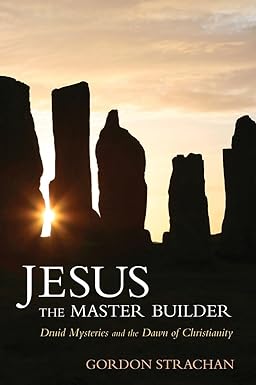
The activities of Jesus before the start of his ministry at the age of thirty have been the subject of much speculation. Did he travel beyond the bounds of Palestine in his search for wisdom knowledge? Where did he acquire the great learning which amazed those who heard him preaching and enabled him to cross swords in debate with Scribes and Pharisees?
A number of legends suggest that Jesus traveled to the British Isles with Joseph of Arimathea, who worked in the tin trade. With these legends as his starting point, Gordon Strachan uncovers a fascinating network of connections between the Celtic world and Mediterranean culture and philosophy.
Taking the biblical image of Wisdom as the ‘master craftsman’, Strachan explores the deep layers of Mystery knowledge shared between the Judaic-Hellenic world and the northern Druids — from the secret geometry of masons and builders, which Jesus would have encountered in his work as a craftsman in Palestine, to the Gematria or number coding of the Old and New Testaments. Read here
This book is the basis of the film documentary ‘And Did Those Feet’ which screened at the BFI in London in 2010.
Ancient knowledge: The Sacred Geometry Behind British Stone Circles
Read also Jesus, Sun of God:Ancient Cosmology and Early Christian Symbolism
– Stone Circles Explained: How Maypoles and Lintels lead to Stone Houses
The following essay is extracted from “Stone Circles Explained” by Stephen Childs. This book offers some alternative and less explored theories of the purpose of stone circles. Not all stone circles fit neatly into the explanations outlined in this essay, but some fit quite well! Stonehenge and Gobekli Tepe, for example, served other purposes which are detailed in the author’s book. But considering the sheer number of stone circles that exist, especially in northern Europe, this theory could explain the purpose of some.
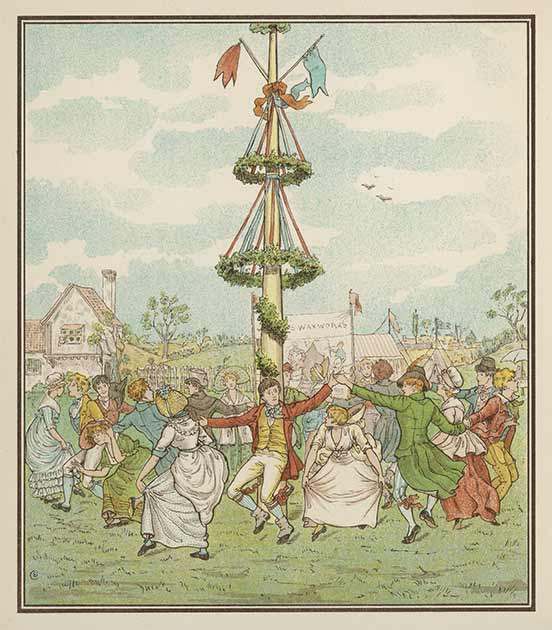
The Maypole dance, believe or not, also has connections to the explanation of stone circles. This colour drawing of a traditional Maypole dance is from 1882. (Archivist / Adobe Stock)
“Stone Circles Explained”: The Maypole Dance
As the icecap receded from northern Europe ten thousand years ago vegetation returned first, then animals, and finally human beings.
Because of the need to follow seasonally mobile prey the houses of hunting peoples tended to be temporary or portable. The tepee of North American Indians, constructed of poles and skins, comes immediately to mind. Siberian hunters such as the Yukghir used similar accommodation until recently and the earliest hunting inhabitants of the British Isles surely did likewise.
It was not uncommon for the lower edges of the hide walls of such temporary homes to be pinned to the ground by a circle of boulders which were rolled back and left in situ when the hunters moved on. Some of these “tent rings” were reoccupied annually and stayed in place for centuries. They can still be seen in lands occupied by the American Indians and Inuit peoples, and in Lapland and Siberia. There is also sometimes a small central circle of hearth stones.
The Sami People: Reindeer Herding and Cultural Survival in the Far North
Surprising Stone Age Knowledge Revealed on a Mammoth Bone Bracelet
One folk custom which originated in the construction of the temporary summer homes of these nomadic ancestors is that tradition of dance associated since time immemorial with springtime: the Maypole dance. It seems impossible that such a peculiar dance with such strange accessories would have been invented unless it had served originally some practical purpose. A little thought suggests what that purpose must have been.
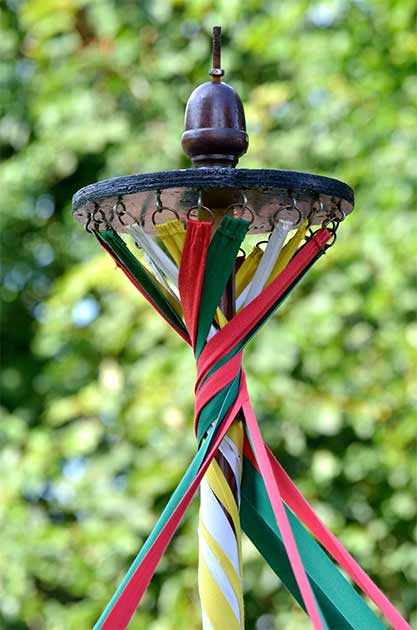
The twisted ribbons from a Maypole “weave dance.” (pauws99 / Adobe Stock)
As the dancers weave in and out of each other the variegated ribbons which they hold are woven into a cat’s cradle which radiates from the tall central pole. The ribbons tend to end up wrapped around the pole but if the weaving is done on top of a number of taut guy ropes anchored to a circle of boulders and if the dancers change direction frequently, as is traditional, it is possible to weave a framework which resembles a tent in shape.
Imagine, instead of ribbons, long thongs of rawhide, and assume that at the end of the dance the ends of the thongs are securely anchored to pegs or boulders. This provided a framework to support a covering of skins, thatch or turf. The traditional gathering of greenery and flowers to decorate homes on May Day also testifies to this practical activity. A house of this sort could easily be completed in a day by a dozen people.
The folk tradition that some stone circles are petrified dancing girls preserves a memory of the time when tribal tents were roofed by means of the Maypole dance. The connection between stone circles and the Maypole dance is also clear at Avebury where the spring dance continued until the nineteenth century. read more here

The Sun Dance is the most sacred ritual of Plains Indians, a ceremony of renewal and cleansing for the tribe and the earth. Primarily male dancers—but on rare occasions women too—perform this ritual of regeneration, healing and self-sacrifice for the good of one’s family and tribe. But, in some tribes, such as the Blackfeet, the ceremony is led by a medicine woman. It has been practiced primarily by tribes in the Upper Plains and Rocky Mountain, especially the Arapaho, Arikara, Assiniboine, Cheyenne, Crow, Gros Ventre, Hidatsa, Sioux, Plains Cree, Plains Ojibway, Omaha, Ponca, Ute, Shoshone, Kiowa, and Blackfoot tribes. See here
- Stone crosses in Cornwall
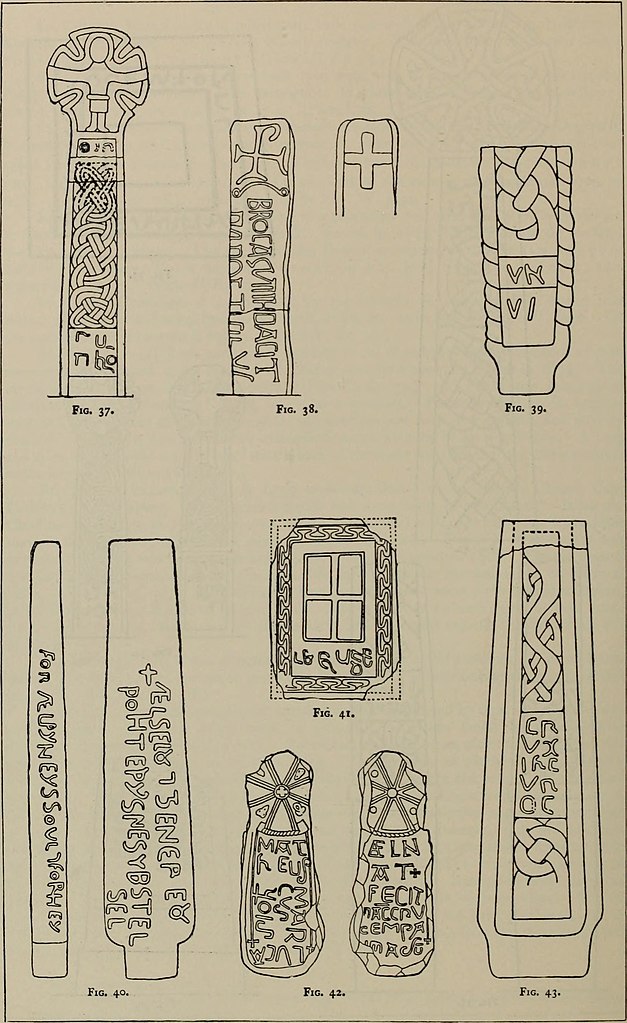
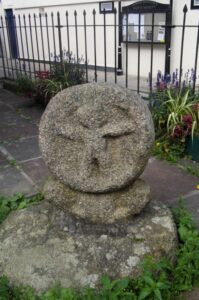
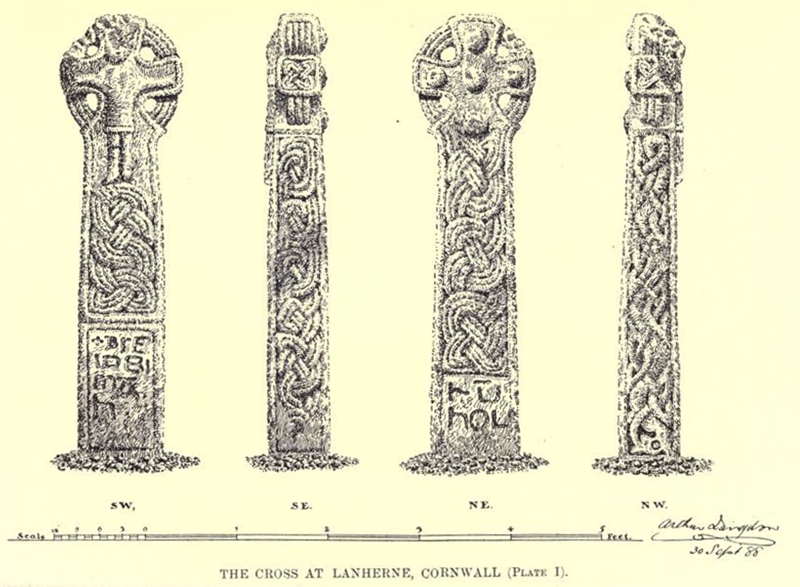
Wayside crosses and Celtic inscribed stones are found in Cornwall in large numbers; the inscribed stones (about 40 in number) are thought to be earlier in date than the crosses and are a product of Celtic Christian society. It is likely that the crosses represent a development from the inscribed stones but nothing is certain about the dating of them. In the late Middle Ages it is likely that their erection was very common and they occur in locations of various types, e.g. by the wayside, in churchyards, and in moorlands. Those by roadsides and on moorlands were doubtless intended as route markings. A few may have served as boundary stones, and others like the wayside shrines found in Catholic European countries. Crosses to which inscriptions have been added must have been memorial stones. According to W. G. V. Balchin “The crosses are either plain or ornamented, invariably carved in granite, and the great majority are of the wheel-headed Celtic type.” Their distribution shows a greater concentration in west Cornwall and a gradual diminution further east and further north. In the extreme northeast none are found because it had been settled by West Saxons. The cross in Perran Sands has been dated by Charles Henderson as before 960 AD; that in Morrab Gardens, Penzance, has been dated by R. A. S. Macalister as before 924 AD; and the Doniert Stone is thought to be a memorial to King Dumgarth (died 878). see here more
There show often Jesus as infant and not crucified:
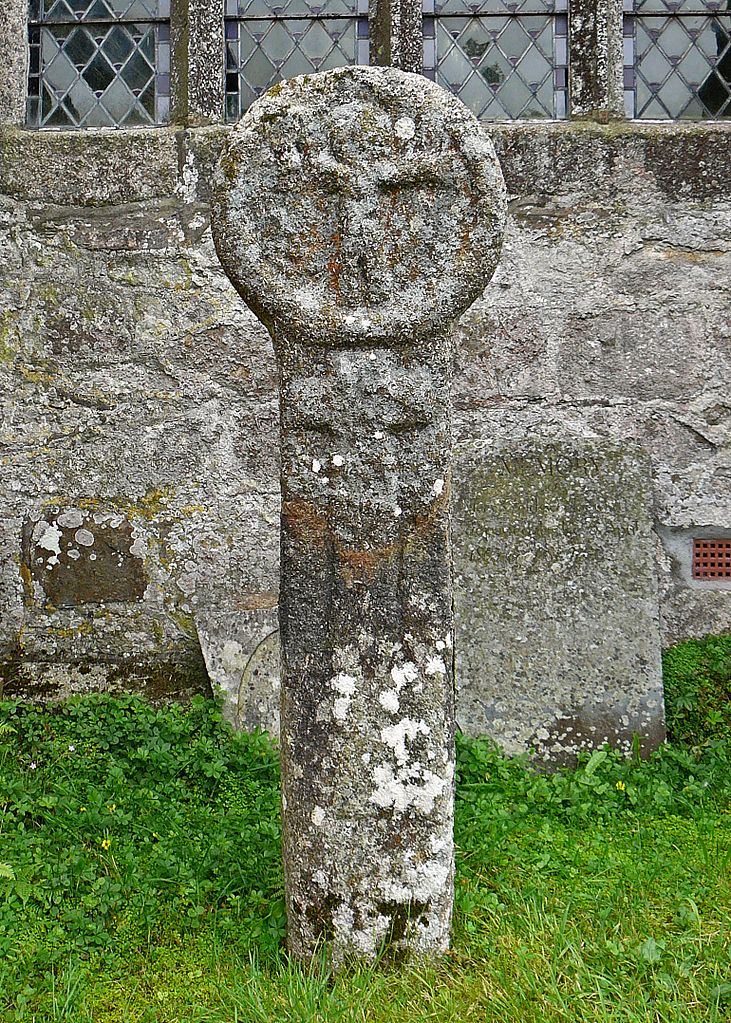
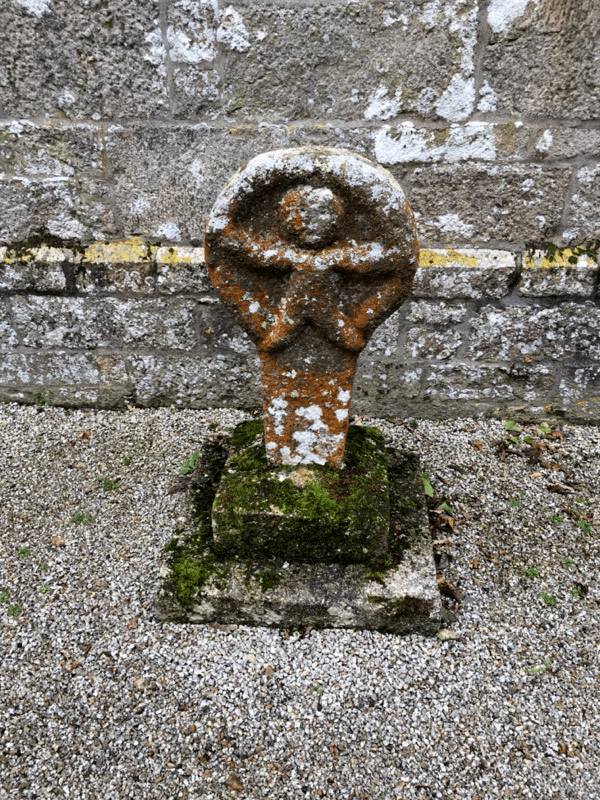

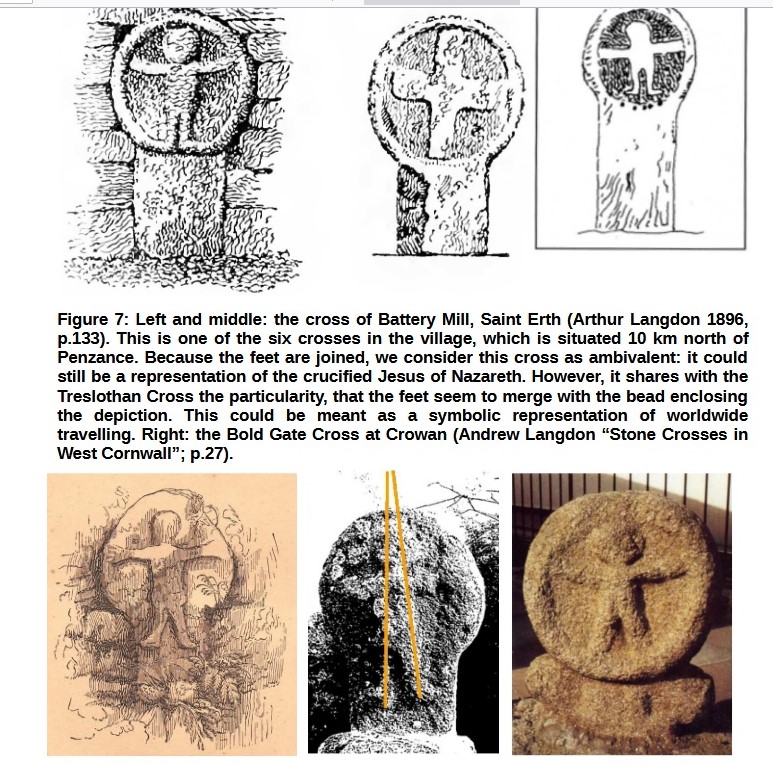
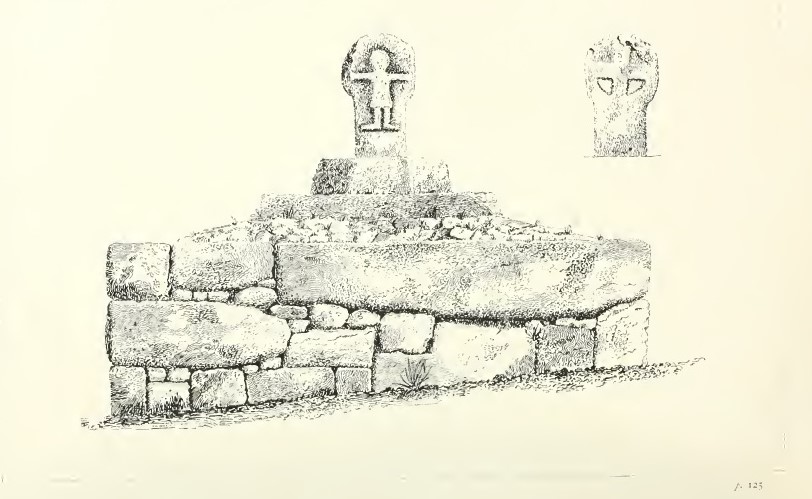

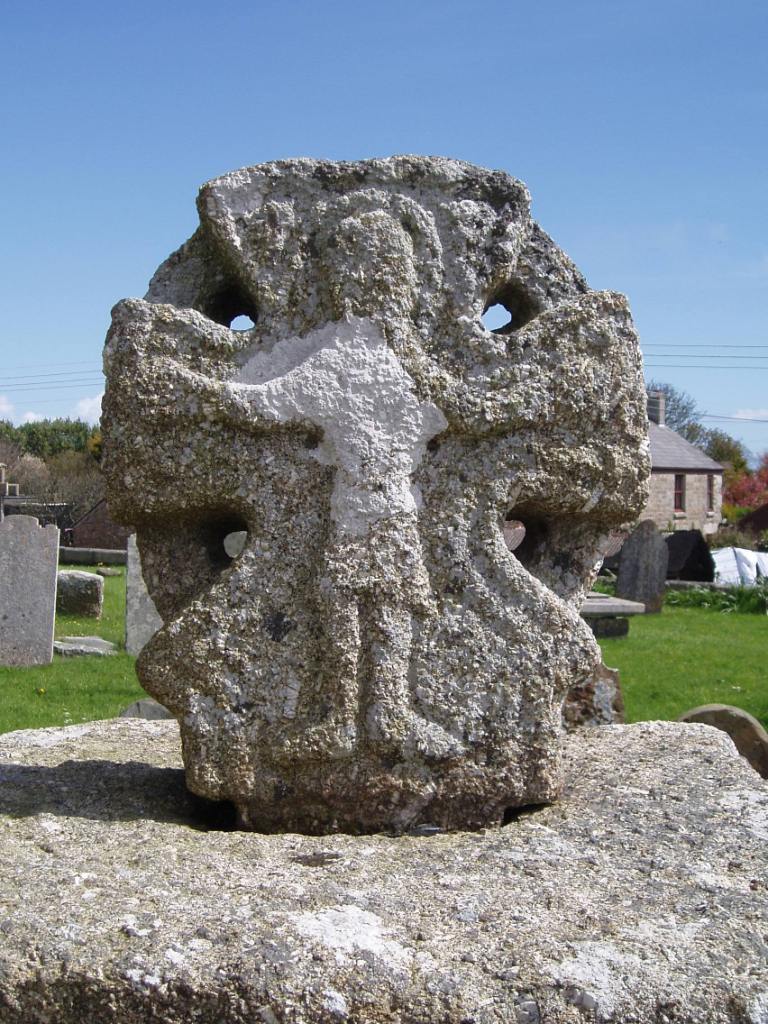
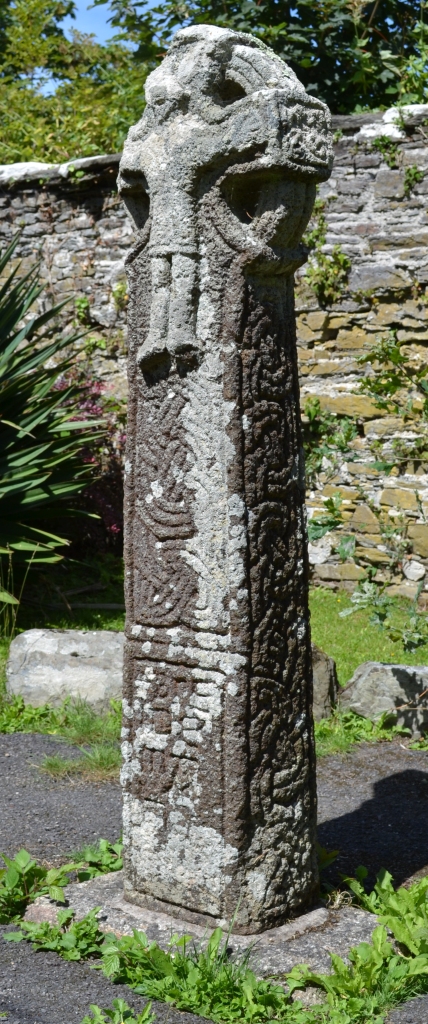
Cornwall abounds with springs which provide water throughout the year, even during the driest spells. Many of these have been ‘captured’ and turned into wells. Cornwall abounds with springs which provide water throughout the year, even during the driest spells. Many of these have been ‘captured’ and turned into wells. Not all these wells were necessarily holy, many having simply served their local communities, but they have become so through tradition. It is a good question as to why some of these were venerated more than others.
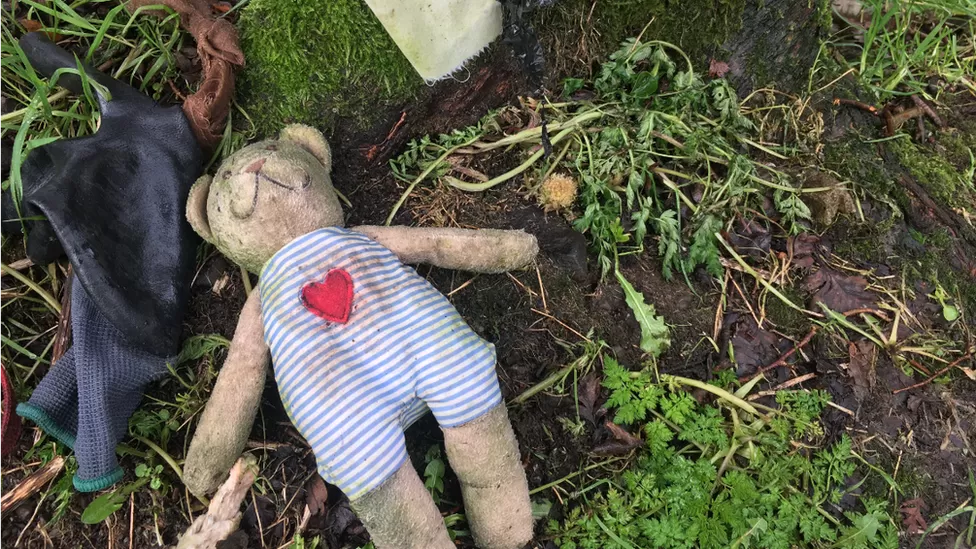
The best are set around with hawthorn or blackthorn.
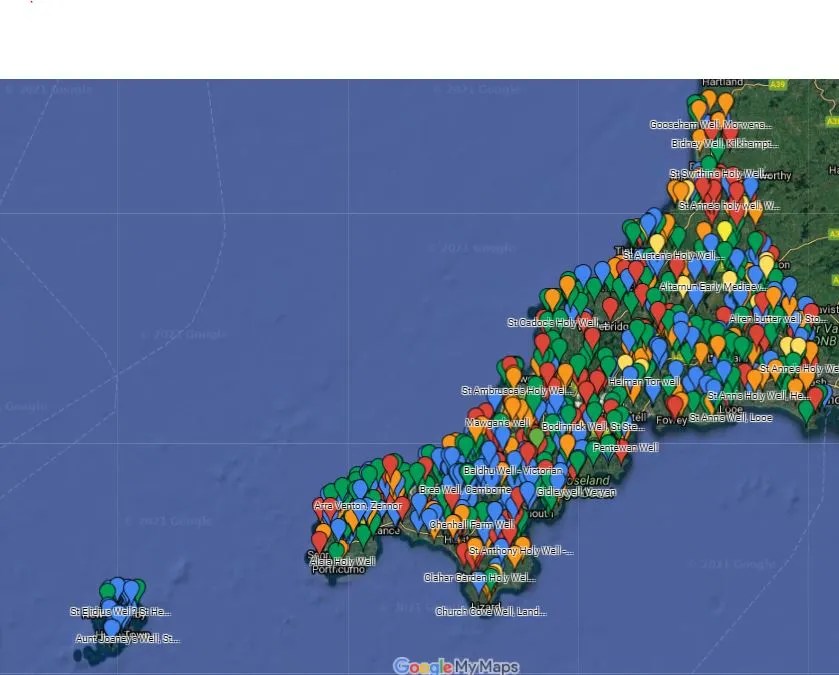
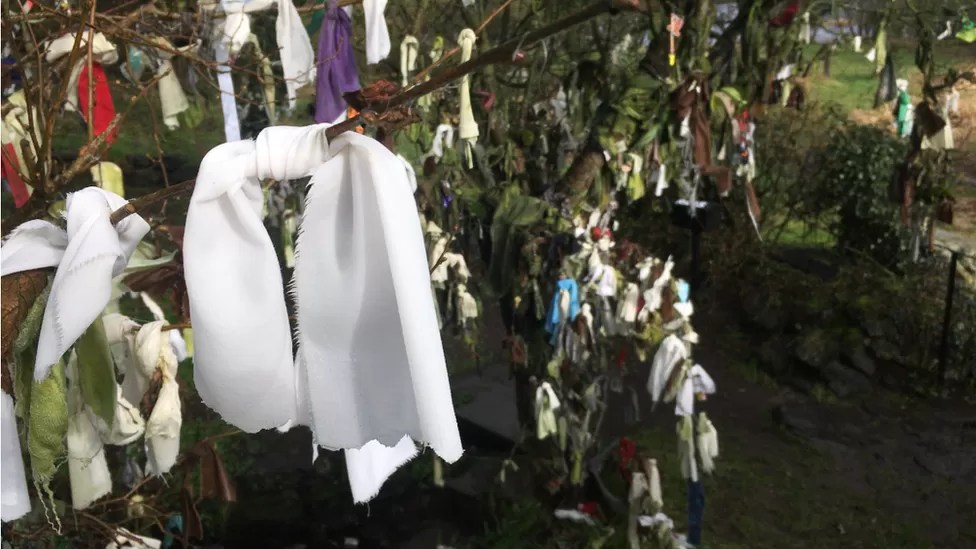

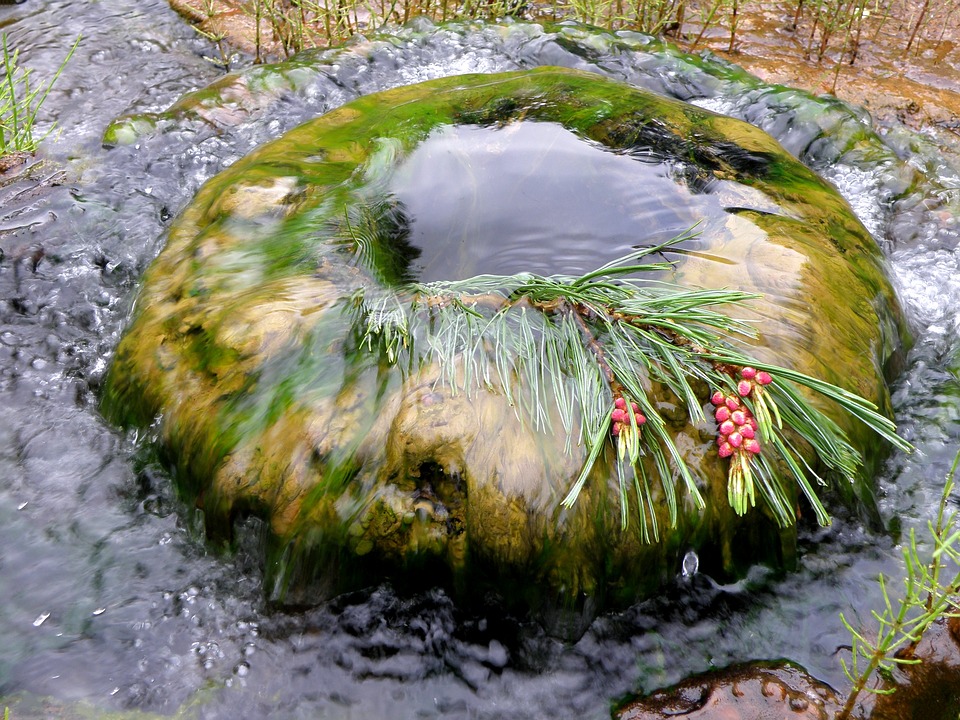
People would make pilgrimages to these wells, leaving offerings and praying for divine intervention, and over time, they became vibrant social hubs where people would gather and catch up with their community. As for their discovery, the exact origins are a bit of a mystery, with some suggesting that the wells were created by early Christian missionaries, while others believe that they predate Christianity and served as places of worship for ancient pagan cultures. Regardless of their origins, it’s clear that Holy Wells have played a vital role in the lives of the people of the UK for many centuries and continue to do so to this day.
So, if you’re ever in need of a little peace and quiet or a dash of local folklore, seeking out a Holy Well should be right at the top of your list.
Whether you’re a believer or a sceptic, the scenery alone is worth the journey, so do pop along, fill up a bottle, and drink in the mystery of these delightful wells! Read here
- The bullaun of Ireland
A bullaun (Irish: bullán; from a word cognate with “bowl” and French bol) is the term used for the depression in a stone which is often water filled. Natural rounded boulders or pebbles may sit in the bullaun.[1] The size of the bullaun is highly variable and these hemispherical cups hollowed out of a rock may come as singles or multiples with the same rock.[2][3]
,_October_2009.JPG)

Local folklore often attaches religious or magical significance to bullaun stones, such as the belief that the rainwater collecting in a stone’s hollow has healing properties.[4] Ritual use of some bullaun stones continued well into the Christian period and many are found in association with early churches, such as the ‘Deer’ Stone at Glendalough, County Wicklow.[5] The example at St Brigit’s Stone, County Cavan, still has its ‘cure’ or ‘curse’ stones. These would be used by turning them whilst praying for or cursing somebody.[1] In May 2012 the second cursing stone to be found in Scotland was discovered on Canna and drawn soon after by archaeological illustrator Thomas Small.[6] It has been dated to c. 800.[7] The first was found on the Shiant Islands.[8] It has been dated to c. 800.[7] The stones were latterly known as ‘Butterlumps’.[9]
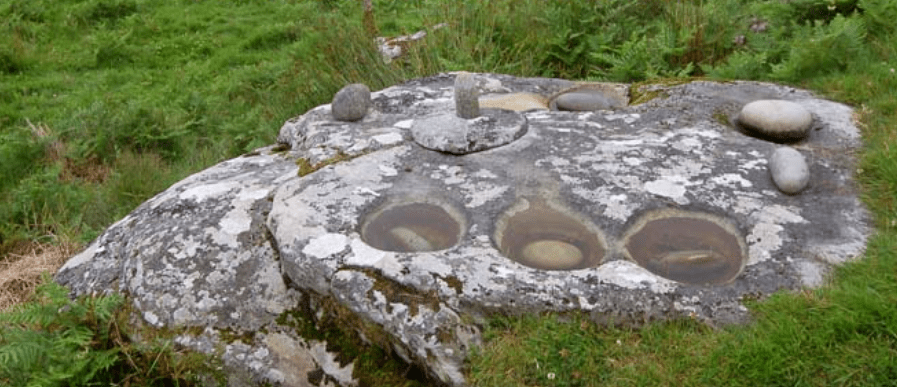
St. Aid or Áed mac Bricc was Bishop of Killare in 6th-century. At Saint Aid’s birth his head had hit a stone, leaving a hole in which collected rainwater that cured all ailments, thus identifying it with the Irish tradition of Bullaun stones.[10] Rosewall Hill near St Ives in Cornwall UK has several bullaun which can be found on top, or near the tops of the granite outcrops or cairns on high points on the hill. It is open to question as to whether or not these are man-made or
formed by the natural erosion of the granite. Many of the granite boulders on this hill have what appear to be erosion formed concavities, usually pear shaped, which indicate bullaun in formation. However, the location of the larger forms on the tops of the outcrops does suggest that these sites have been chosen. Trevalgan Hill, just to the north of Rosewall Hill, has a round bullaun some 50 cm across as can be seen in the photograph. Read more here
Look also the 50 Holy Wells in Ireland by Paul Kingsnorth, – and the Lives of Wild Saints
And The Prayer of the Heart in Hesychasm and Sufism
- Arma Christi
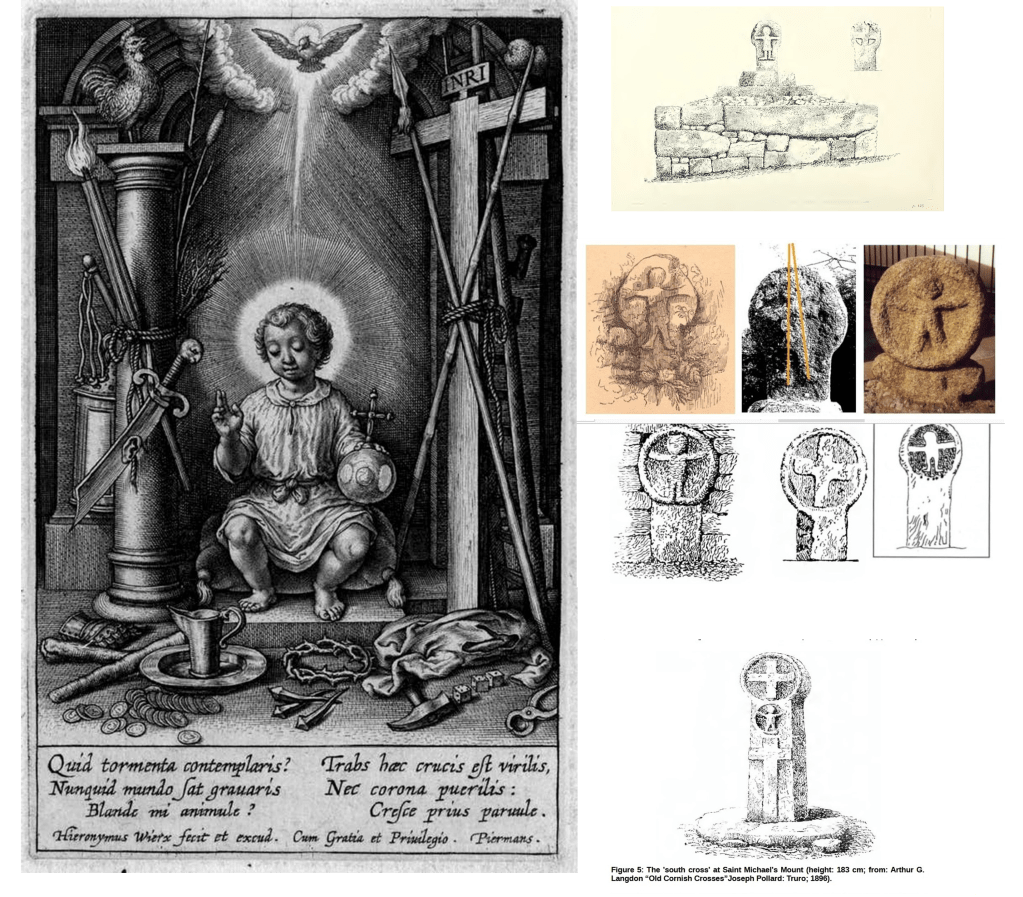
A tradition of Imitation of Christus using the Arma Christi florish inBritain and the Netherlands in 13th century:
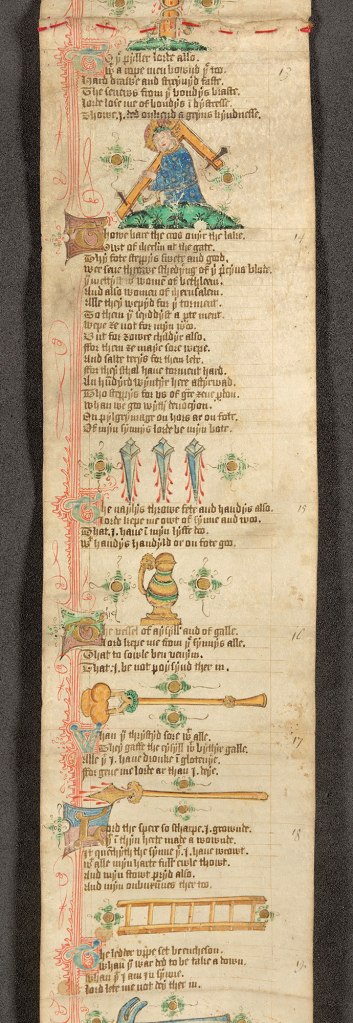
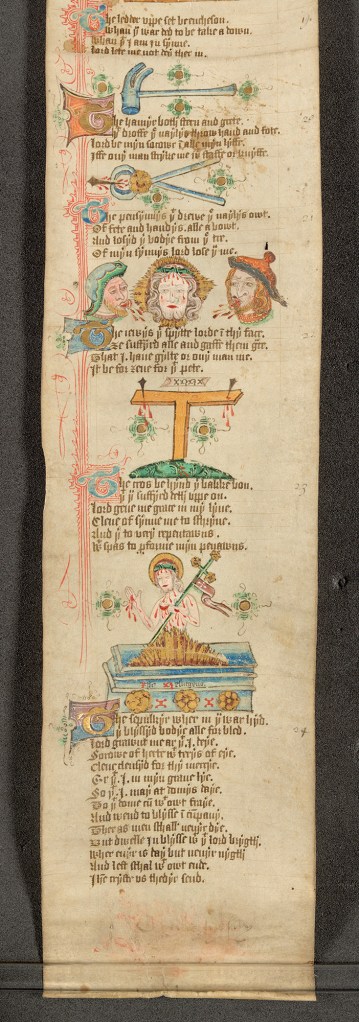
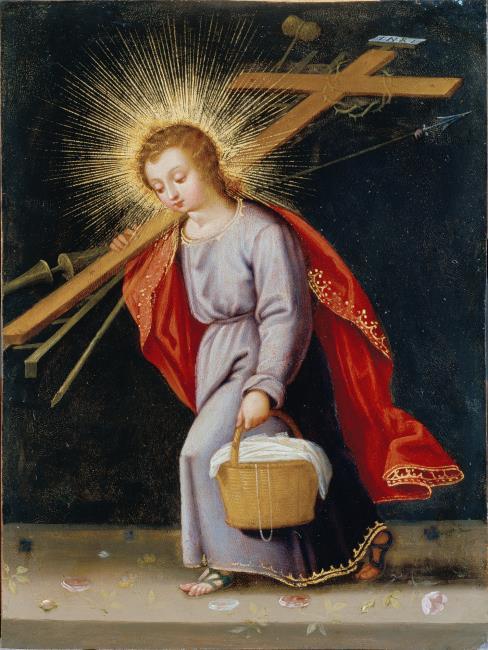
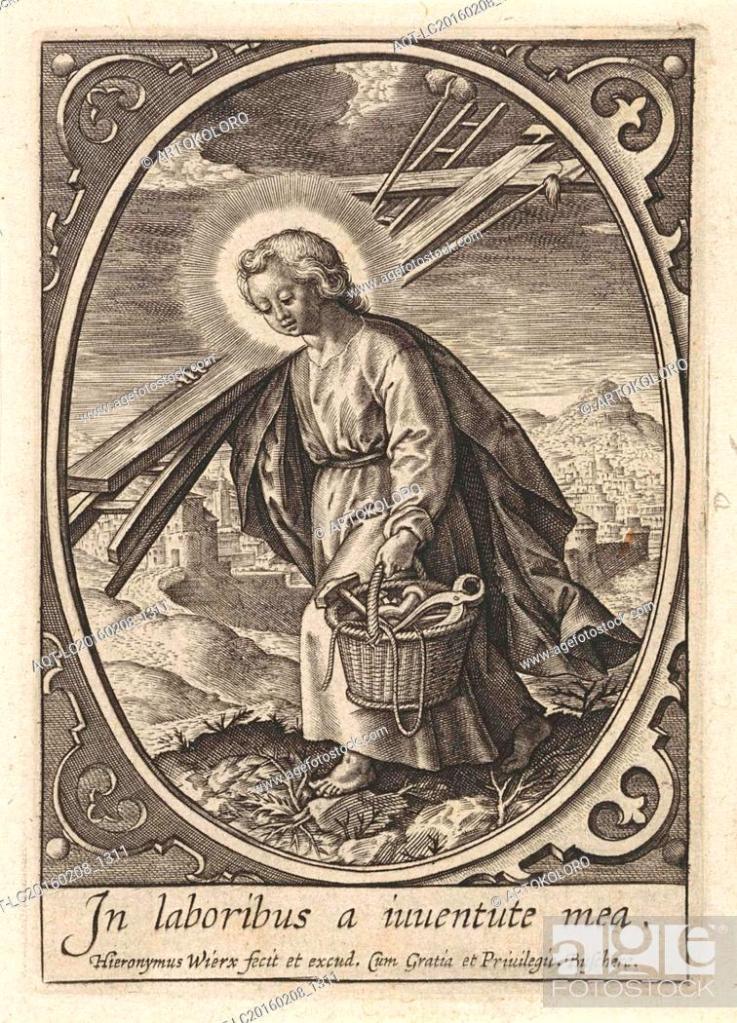
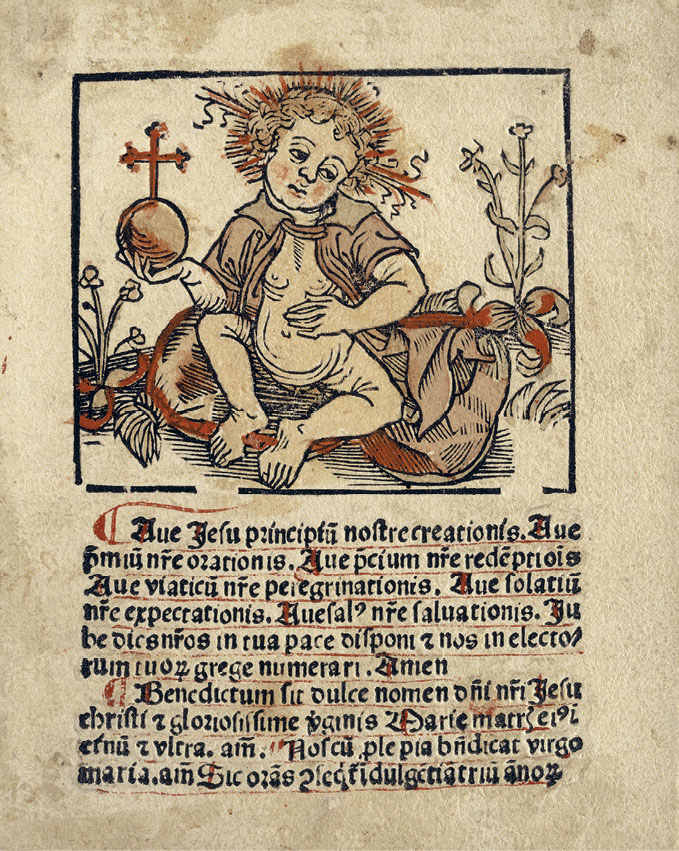
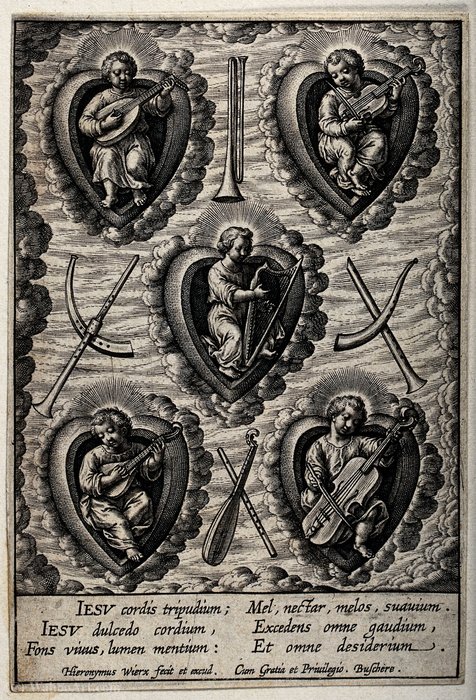
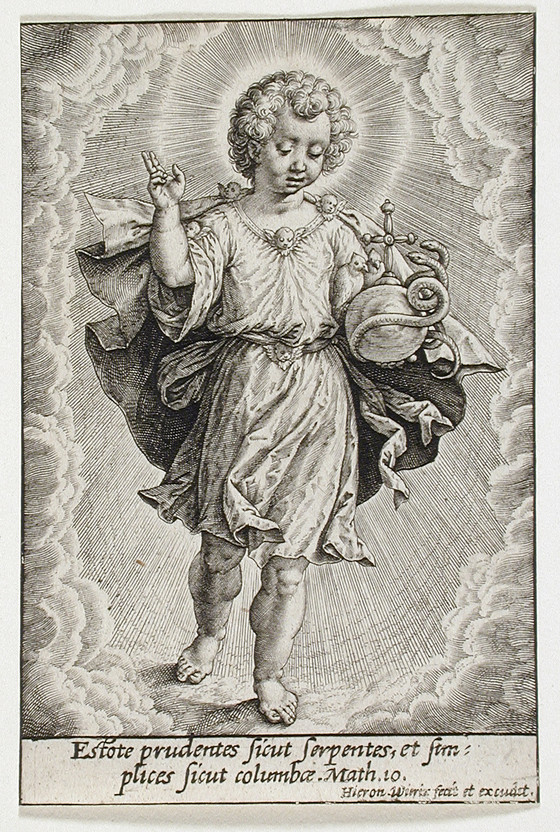
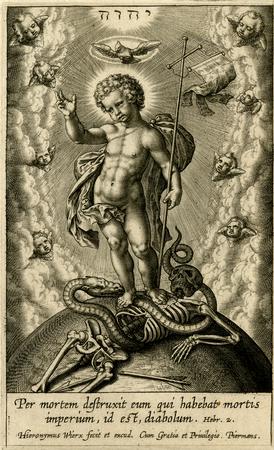
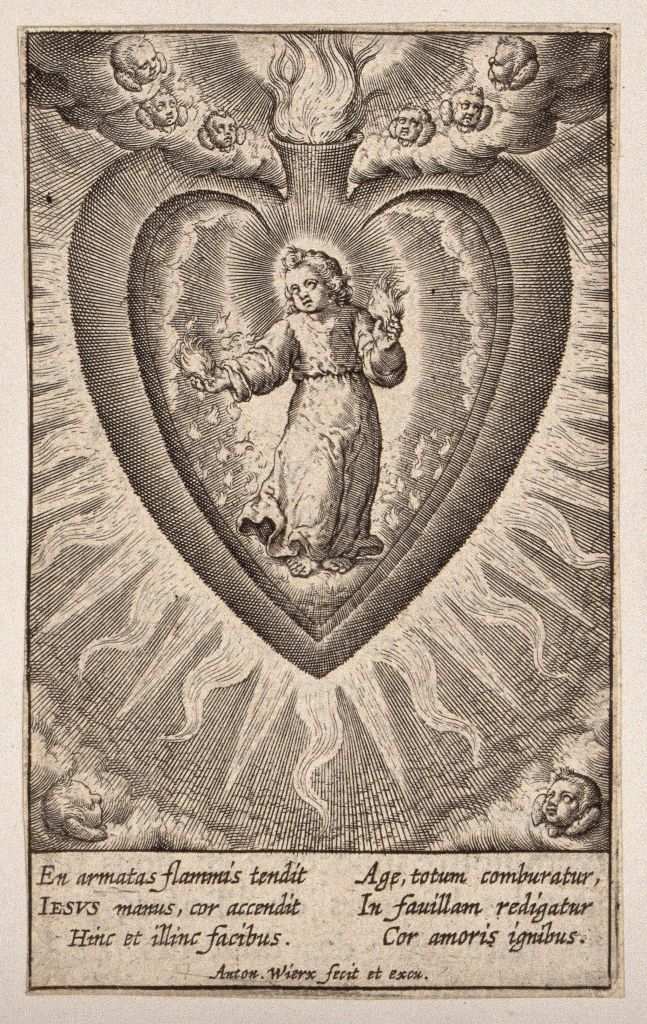
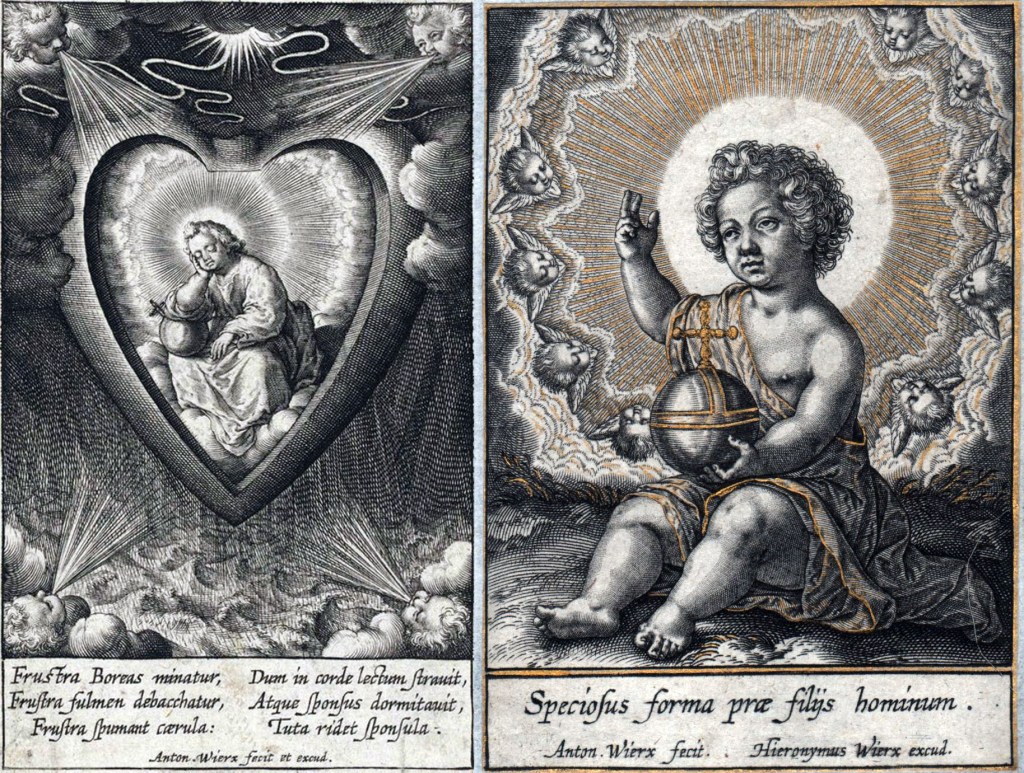
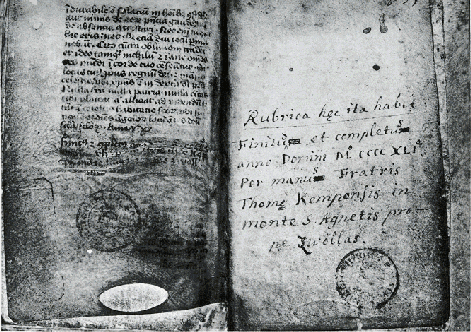
The Imitation of Christ , by Thomas à Kempis, is a Christian devotional book first composed in Medieval Latin as De Imitatione Christi (c. 1418–1427).[1][2] The devotional text is divided into four books of detailed spiritual instructions: (i) “Helpful Counsels of the Spiritual Life”, (ii) “Directives for the Interior Life”, (iii) “On Interior Consolation”, and (iv) “On the Blessed Sacrament”. The devotional approach of The Imitation of Christ emphasises the interior life and withdrawal from the mundanities of the world, as opposed to the active imitation of Christ practised by other friars.[1] The devotions of the books emphasize devotion to the Eucharist as the key element of spiritual life.[Read here
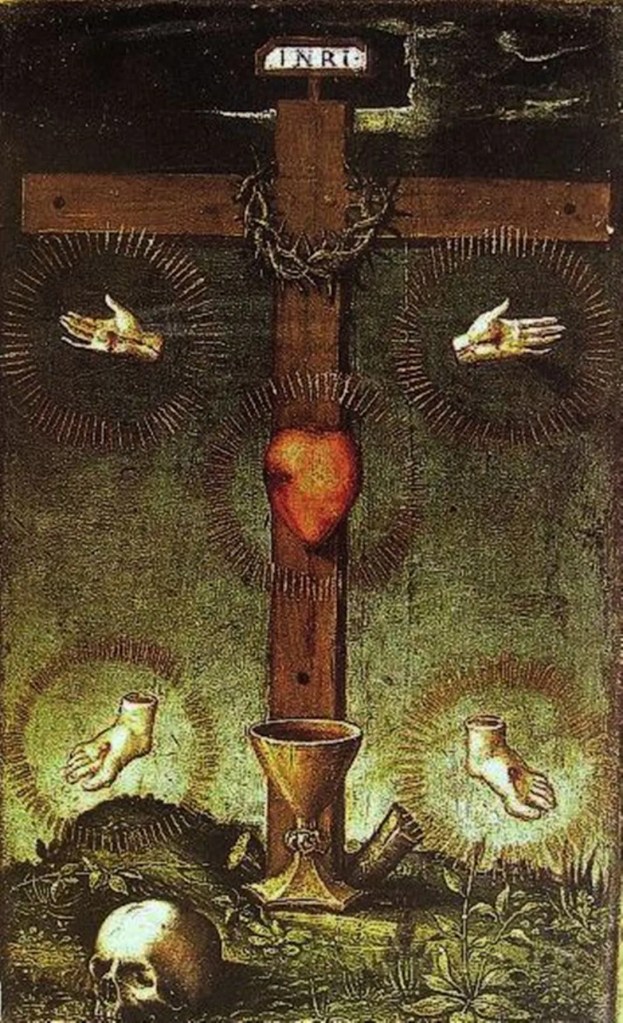
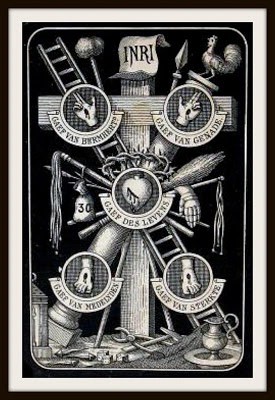
What does love look like?
It has the hands to help others.
It has the feet to hasten to the poor and needy.
It has eyes to see misery and want.
It has the ears to hear the sighs and sorrows of men.
That is what love looks like.
Saint Augustine
In the 5 circles is written: “Gave van Barmhartigheid“: Gift of Mercy , “Gave van Genade’: Gift of Grace, “Gave des Levens” ( in the heart): Gift of Life, ” Gave van Medelijden”: Gift of Compassion, “Gave van sterkte“: Gift of strength.
Read more here : Migration to the Spiritual Land of Peace
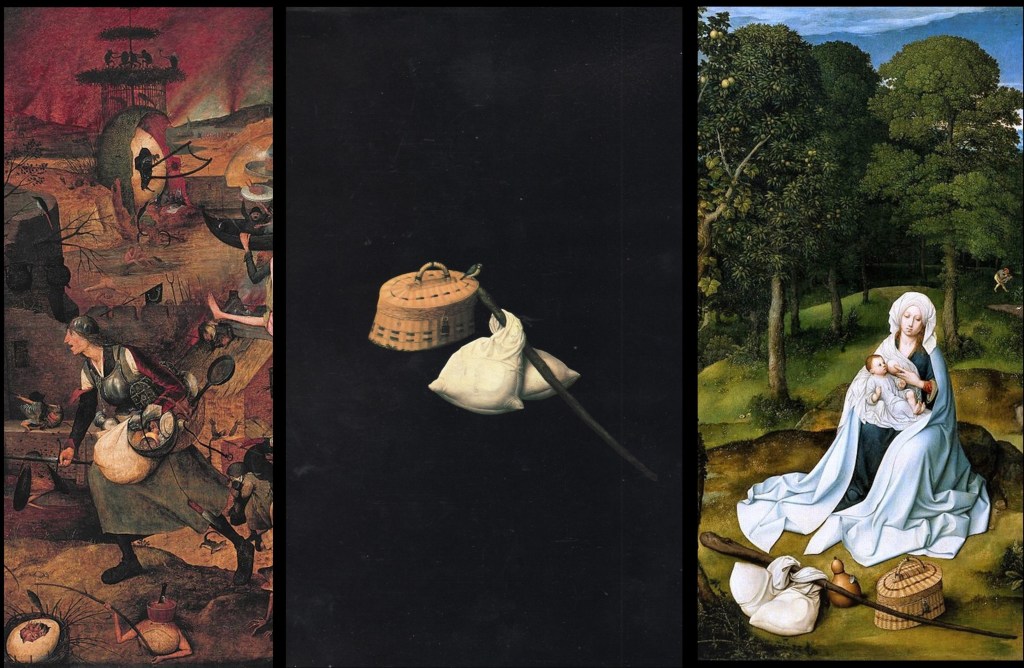
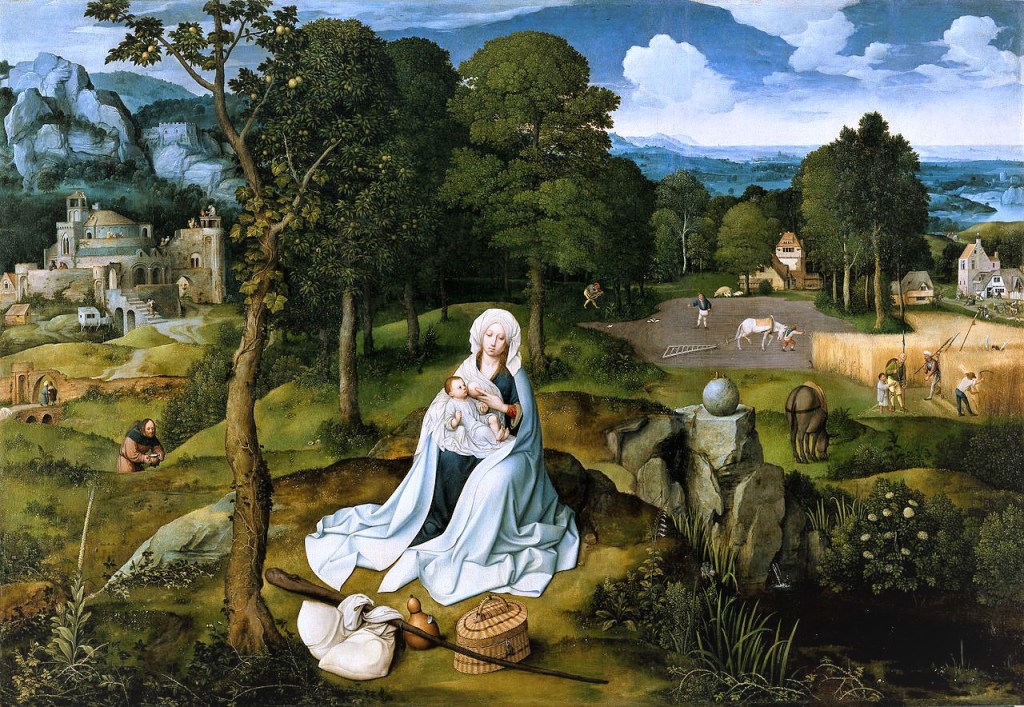
The Rest on the Flight into Egypt of the “Holy Refugees” by Joachim Patinir
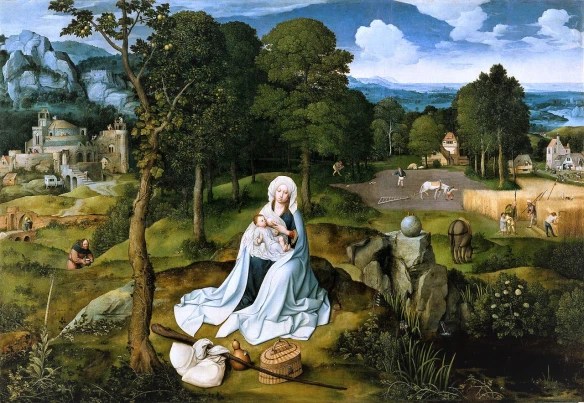
Read here :Spiritual exercise for the “Refugee” of our Times – Sources materials
- Jesus in Glastonbury
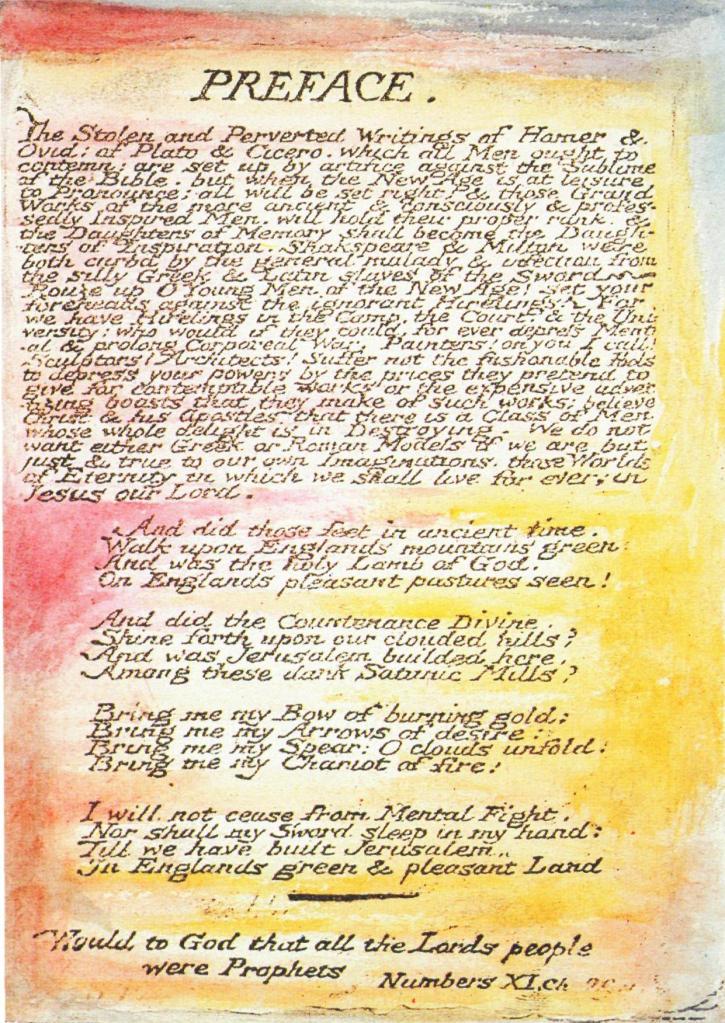
William Blake’s dramatic poem ‘Jerusalem’, familiar nowadays as an inspirational hymn, draws on the myth that Christ himself may have visited Glastonbury with Joseph of Arimathea and ‘walked on England’s mountains green’.
The Gospels record that Joseph of Arimathea was a wealthy follower of Christ who buried Christ’s body in his own tomb after the Crucifixion.
In the Middle Ages Joseph became connected with the Arthurian romances of Britain. He first features in Robert de Boron’s Joseph d’Arimathie, written in the twelfth century, as the Keeper of the Holy Grail. He receives the Grail (the cup used by Christ at the Last Supper) from an apparition of Jesus and sends it with his followers to Britain.
Later Arthurian legends elaborated on this story and introduced the idea that Joseph himself travelled to Britain, bringing the Holy Grail with him and then burying it in a secret place, said to have been just below the Tor at the entrance to the underworld. The spring at what is known as Chalice Well is believed to flow from there. In their quests King Arthur and the Knights of the Round Table searched for the Grail.
Various strands of the myth are set around Glastonbury Abbey. When Joseph arrived in Britain he is said to have landed on the island of Avalon and climbed up to Wearyall Hill (sometimes called Wirral Hill). Exhausted, he thrust his staff into the ground and rested. By morning his staff had taken root (see the Holy Thorn below). With his twelve followers he established the first monastery at Glastonbury and built the first wattle church; in one version of the story Christ himself travelled with Joseph from the Holy Land and helped in the building work. Finally it was believed that Joseph had been buried somewhere at the abbey.
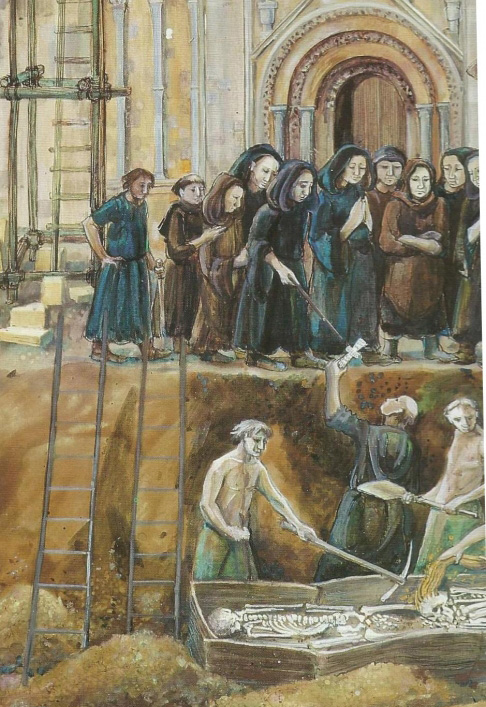
In the later Middle Ages the story of the abbey’s foundation by Joseph was of great significance as this was the basis of its claim to be the oldest religious community and abbey in the country. Abbot Chinnock (1375-1420) did much to promote the cult and from his time Joseph seems to have become a major object of pilgrimage.
To accommodate the growing numbers of pilgrims, a great crypt was excavated below the Lady Chapel and Galilee in the time of Abbot Bere (abbot from 1495-1525). This incorporated the older well which stood on the south side of the Lady Chapel and provided an entire new church below the old Lady Chapel where pilgrims could worship and where prestigious people could be buried. In the vault ribs of the crypt can still be seen numerous holes which probably held the votive offerings made by the pilgrims to the altar of St Joseph.
Glastonbury, like Tintagel in Cornwall, South Cadbury in Somerset and Caerleon in South Wales, is linked by tradition to King Arthur. Glastonbury Abbey is said to have been his final resting place.
Very little reliable evidence survives from the fifth and sixth centuries when the historical Arthur lived. This period is known as the Dark Ages or Post-Roman period which followed the departure of the Romans from Britain. Some historians doubt whether Arthur really existed; others see him as a warrior king who led the Britons in their resistance against the Anglo-Saxon conquest of England.
From the 12th century Arthur became the central figure of one of the great cycles of medieval European literature – the Arthurian romances. These have their origin in Geoffrey of Monmouth’s imaginative History of the Kings of Britain, completed in 1138. Geoffrey’s account provided many of the elements of the story, from Arthur’s conception at Tintagel to his last battle against Mordred at Camlann and final rest in Avalon, and featured his father Uther Pendragon, his wife Guinevere, his sword Excalibur and the wizard Merlin. Later writers added further characters and many variations on Geoffrey’s tale, depicting Arthur as a great warrior defending Britain from human and supernatural enemies, with related themes of the Holy Grail and the Knights of the Round Table.
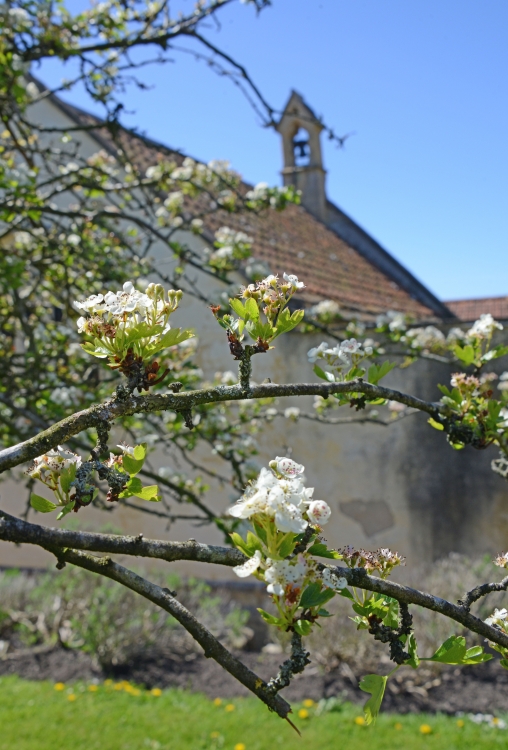
Many believe that the Holy Thorn tree that can be seen in the grounds originated from the staff of Joseph of Arimathea.
By the 1530s, not long before the Dissolution of the Monasteries, three thorn trees grew on Wearyall Hill (sometimes known as Wirral Hill) about 1km south-west of Glastonbury. The trees were very unusual because they flowered twice – once in the spring around Easter, and a second time at Christmas.
Not surprisingly, they were seen as holy thorns. In the Civil Wars of the 17th century Puritan soldiers cut down the only remaining thorn because they saw it as an object of superstition. However, local people had kept cuttings, and it is from these that the thorn now growing in the abbey grounds is believed to descend. It continues to flower around Easter and again at Christmas.
The custom of sending a budded branch of a Glastonbury thorn to the Queen at Christmas seems to have begun in the early 17th century, when a branch was sent to Queen Anne, King James I’s consort. A spray is still cut from the thorn in St John’s Church yard and sent to the sovereign each Christmas by the Vicar and Mayor of Glastonbury.
- Traditions of Glastonbury: The Biblical Missing Years of Christ – Answered
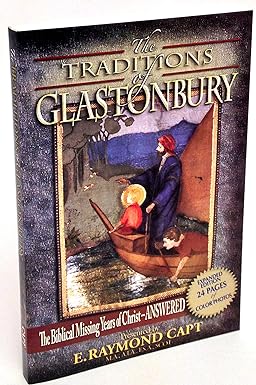
The silent years of Jesus between 12 and 30 and an examination of the historical records concerning Joseph of Arimathea the great uncle of Jesus as a provincial Roman Senator and metal merchant. It was rumored that he owned many of the merchant ships that came to England from Rome and Phoenicia to barter for metal and other goods. Did Jesus accompany his uncle to this isle of the west? Mr. Capt reveals that there is substantial evidence to support that he did.
EXCERPT: One day a small boat from one of the large merchant ships anchored in the Bristol Channel tied up at the causeway of the Lake Village. A bearded man and a slim young boy in his early teens stepped ashore. They were no strangers to the villagers who crowded around to welcome them. The merchant had been coming by their village for many years on his way to the lead mines of the Mendip Hills. It was known that he held a very important position in the powerful Roman government and carried the title “Nobilus Decurio”. It was rumored that he owned many of the merchant ships that came to these Isle of the West from Rome and Phoenicia to barter for metal and other goods.
The auburn haired lad was also known. He had accompanied His uncle on a prior visit staying at the village and exploring the surrounding territory while His uncle conducted his business at the nearby Mendip lead mines. But this time a woman perhaps in her early thirties was with them. As the boy helped the woman ashore the crew proceeded to unload various sized chests and sacks obviously belonging to them. Accommodations were soon found and the baggage was carried to one of the tiny huts facing the estaury.
In the weeks that followed the merchant and the boy constructed a wattle hut similar to those of the village on a nearby island. The site they chose was at the base of a hill from which ran a spring of fresh water. Hawthorne and oak trees dotted the landscape. Small game and fish were in abundance and the marshy fertile shores promised bountiful crops. When the hut was finished the woman and the boy moved from the village to their new home. The merchant and his men sailed away.
The Geometry of Nature and Cosmos – Divine Mind Made Manifest – Tom Bree
Tom Bree – Plotinus and the Planets
Look also:The Cosmos in Stone: the Ascent of the Soul and Cosmology in Sufism
Plotinus or the Simplicity of Vision
Plotinus’s views on the self, existence, love, virtue, gentleness, and solitude. He shows that Plotinus, like other philosophers of his day, believed that Plato and Aristotle had already articulated the essential truths; for him, the purpose of practicing philosophy was not to profess new truths but to engage in spiritual exercises so as to live philosophically. Seen in this light, Plotinus’s counsel against fixation on the body and all earthly matters stemmed not from disgust or fear, but rather from his awareness of the negative effect that bodily preoccupation and material concern could have on spiritual exercises. Read here
Herakleitos : Logos Made Manifest
Herakleitos lived circa 545BC to 485BC – exactly at the time Greek civilisation began to rise towards its Golden Age. But Herakleitos was not a great statesman or soldier or sculptor; he looked at the world without wanting to change it or bring it under his control or make beautiful stone images of it. He simply wanted to understand it. So he thought about it: how things come to be and how things pass away…and he saw that nothing is really separate at all – all matter, everywhere, simply changes form, in an endless cycle of transformation. What we experience as individual forms are but fleeting interlocking brush strokes in a picture too big for our normal human vision to grasp. Herakleitos, though, did grasp this mystic vision of unity. And he intuitively understood that every brush stroke in the picture can only occur if there is an underlying unseen pattern. This pattern he called the Logos. Observing that human problems and failures are caused by living separately, and thus out of harmony with Logos to the attention of all. The methods he chose were the methods anyone might resort to when describing something previously unknown: similes, riddles, metaphors, aphorisms, allegories and…when those failed, browbeating and exasperated criticism! This book tried again. Herakleitos’ own words are the starting place as the reader is taken on a voyage of discovery through philosophy and physics, through time and space, through human behaviour and consciousness – to arrive at a new vision of the nature of reality Read here
- The Omphalos in Glastonbury
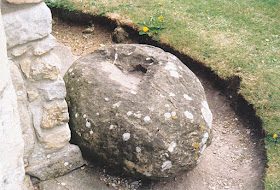
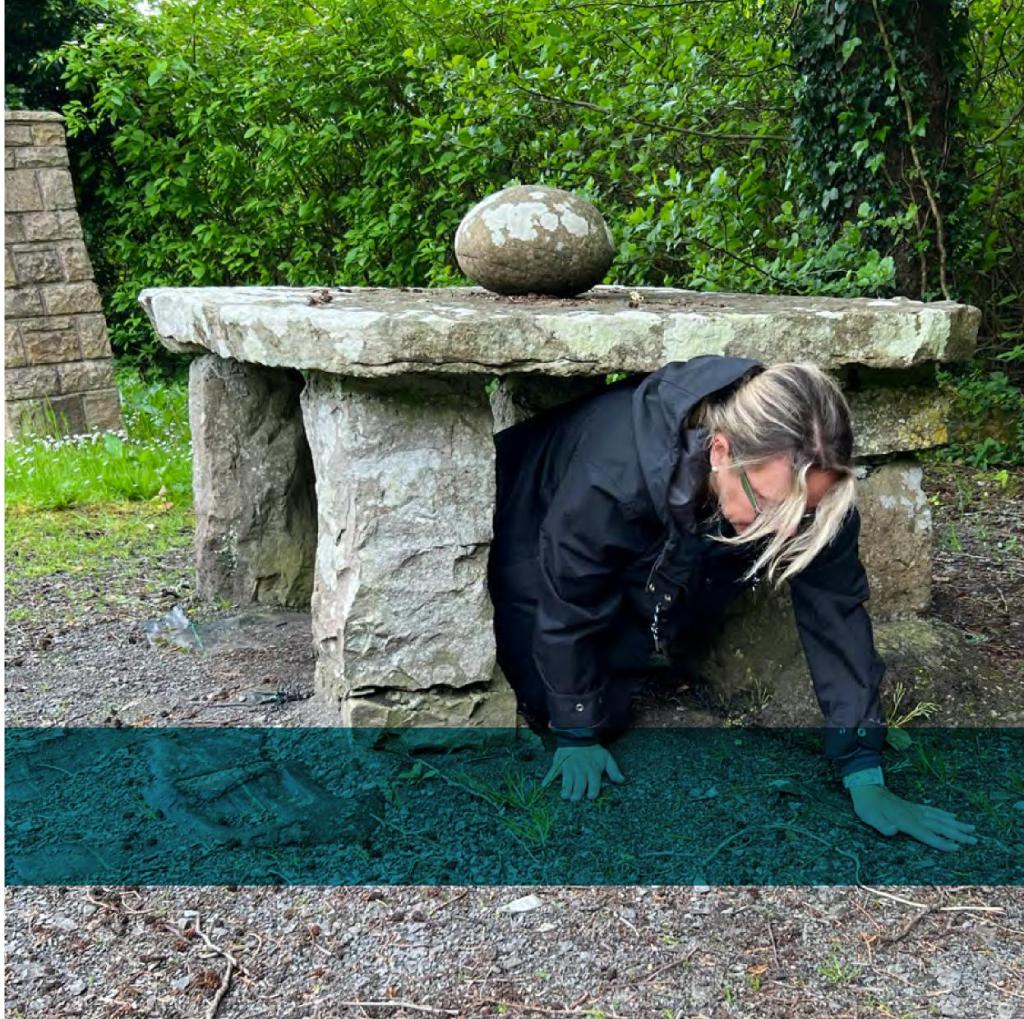
When the work of excavation on the site of the east alley of the cloister had reached its limit, a cut was made eastward along the line of a stone water-channel, now to be seen running from the south-east angle of the cloister. A short distance along this a huge boulder stone of the sort locally known as the “Tor Burr” was encountered. This was lying in the bank on the south side of the drain, in an irregular position, on its side. It appeared to be roughly egg-shaped, but flattened, the measurements being approximately 3ft. by 2ft. 4ins. by 1ft. 4ins. One of the flat sides was exposed, and this was found to be artificially levelled over a considerable area. In the centre was a cavity, roughly hollowed. Read more here
The Sufi Master Sheikh Nazim al Haqqqni confirmed the footprint was of Jesus. Read here and Here
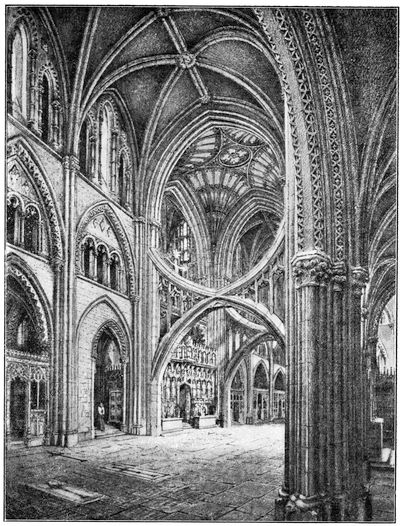
As early as 1899 Bligh Bond had expressed his belief that the dimensions of the buildings at Glastonbury Abbey were based on gematria,] and in 1917 he published, with Thomas Simcox Lea, Gematria, A Preliminary Investigation of the Cabala contained in the Coptic Gnostic Books and of a similar Gematria in the Greek text of the New Testament, which incorporated his own previously published paper, The Geometric Cubit as a Basis of Proportion in the Plans of Mediaeval Buildings.Read here
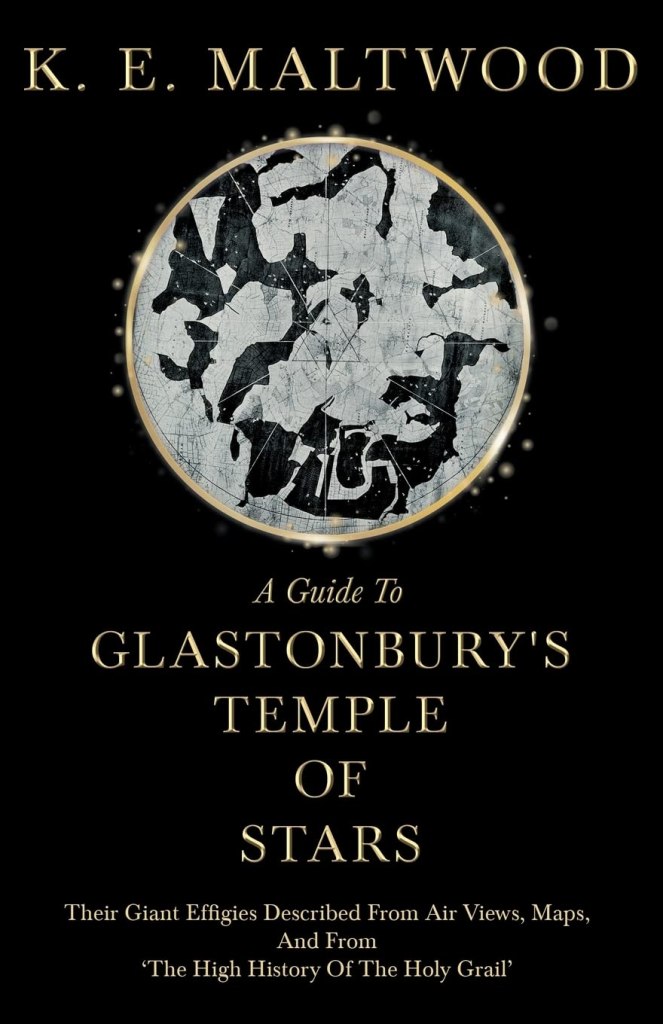
The temple is claimed by some to depict a colossal landscape zodiac, a map of the stars on a gigantic scale, formed by features in the landscape (roads, streams, field boundaries, etc.). The theory was first put forward in 1934 by Katherine Maltwood, an artist who “discovered” the zodiac in a vision, and held that the “temple” was created by Sumerians in about 2700 BC.[1] The idea was revived in 1969 by Mary Caine in an article in the magazine Gandalf’s Garden (number 4).[2] Compared to Maltwood’s version, she turned Scorpio upside down, added a monk to Gemini, and altered the outlines of Capricorn, Libra, and Leo. read here more info and the Land of the Sun by Guenon
- Cosmic egg
The world egg, cosmic egg or mundane egg is a mythological motif found in the cosmogonies of many cultures that is present in Proto-Indo-European culture[1] and other cultures and civilizations. Typically, the world egg is a beginning of some sort, and the universe or some primordial being comes into existence by “hatching” from the egg, sometimes lain on the primordial waters of the Earth.
One Chinese creation myth describes a huge primordial egg containing the primal being, the giant Pangu. The egg broke and Pangu then separated chaos into the many opposites of the yin and the yang, that is, into creation itself.
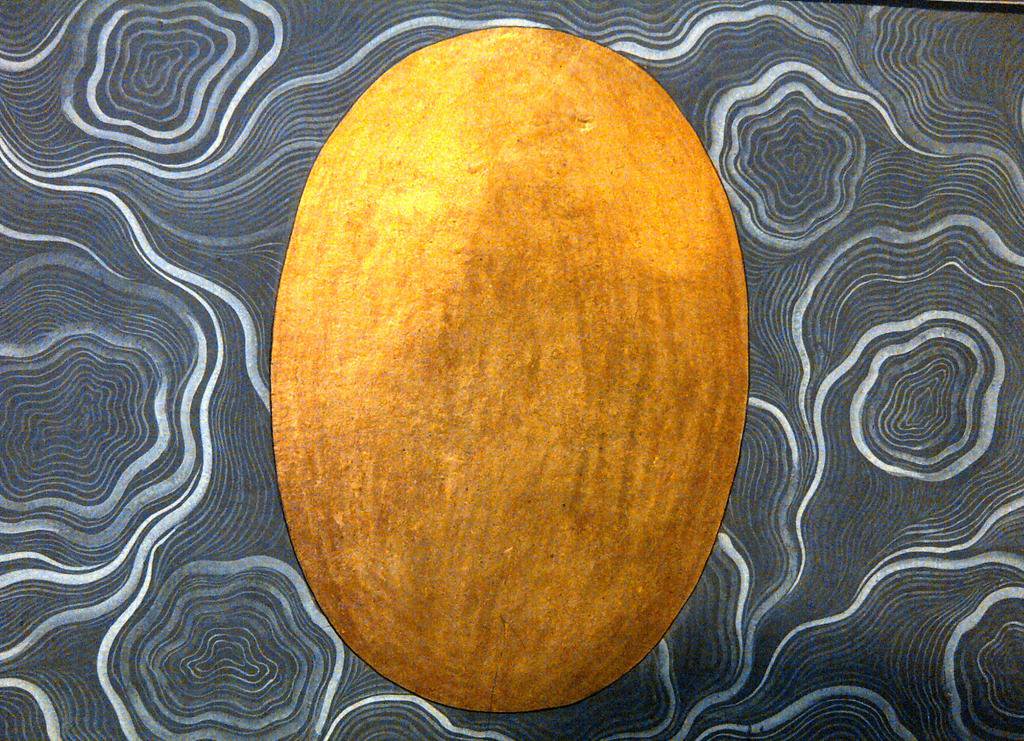

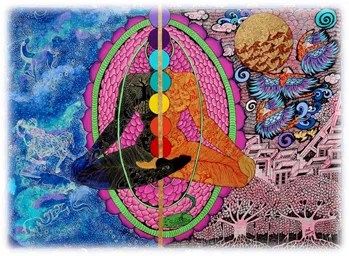
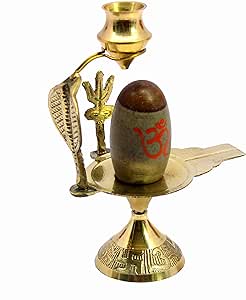
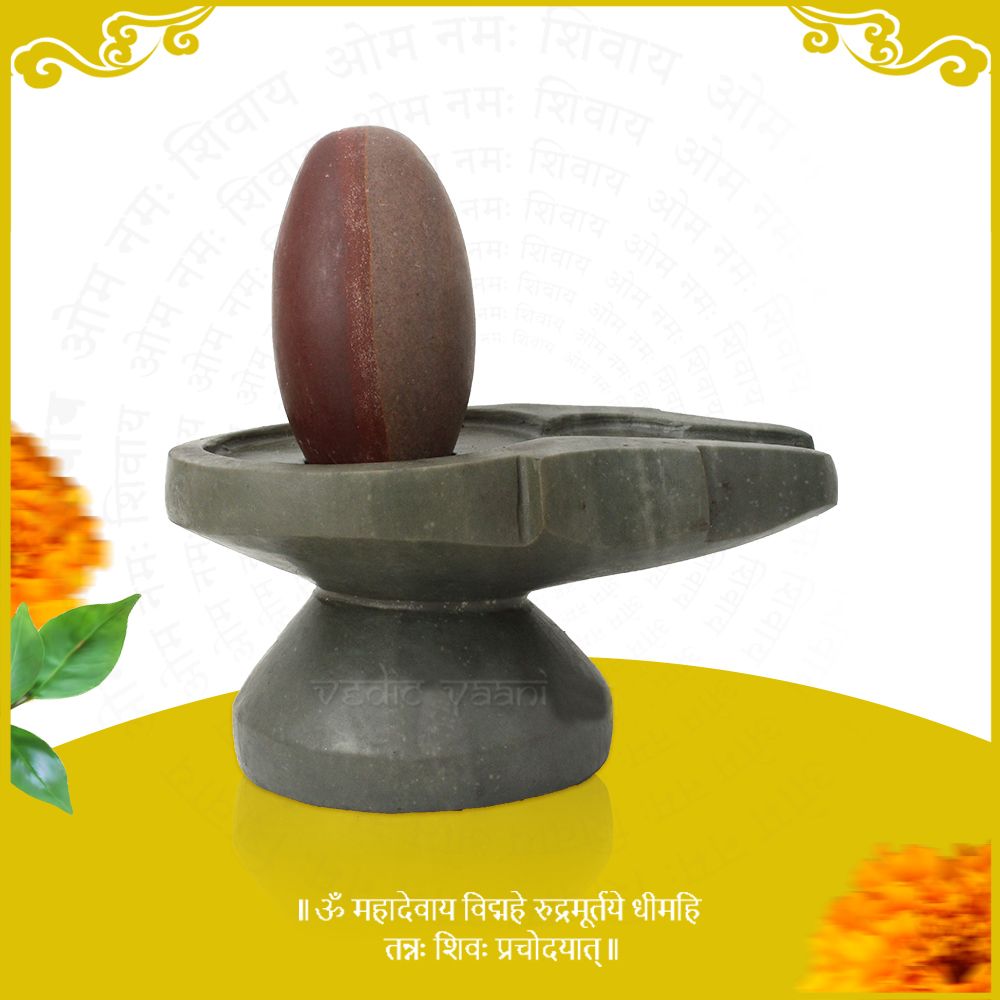
The Satapatha Brahmana of India contains the story of the desire of the original maternal waters’ desire to reproduce. Through a series of prolonged rituals, the waters became so hot that they gave birth to a golden egg. Eventually, after about the time it takes for a woman or a cow to give birth, the creator, Prajapati, emerged from the egg and creation took place.
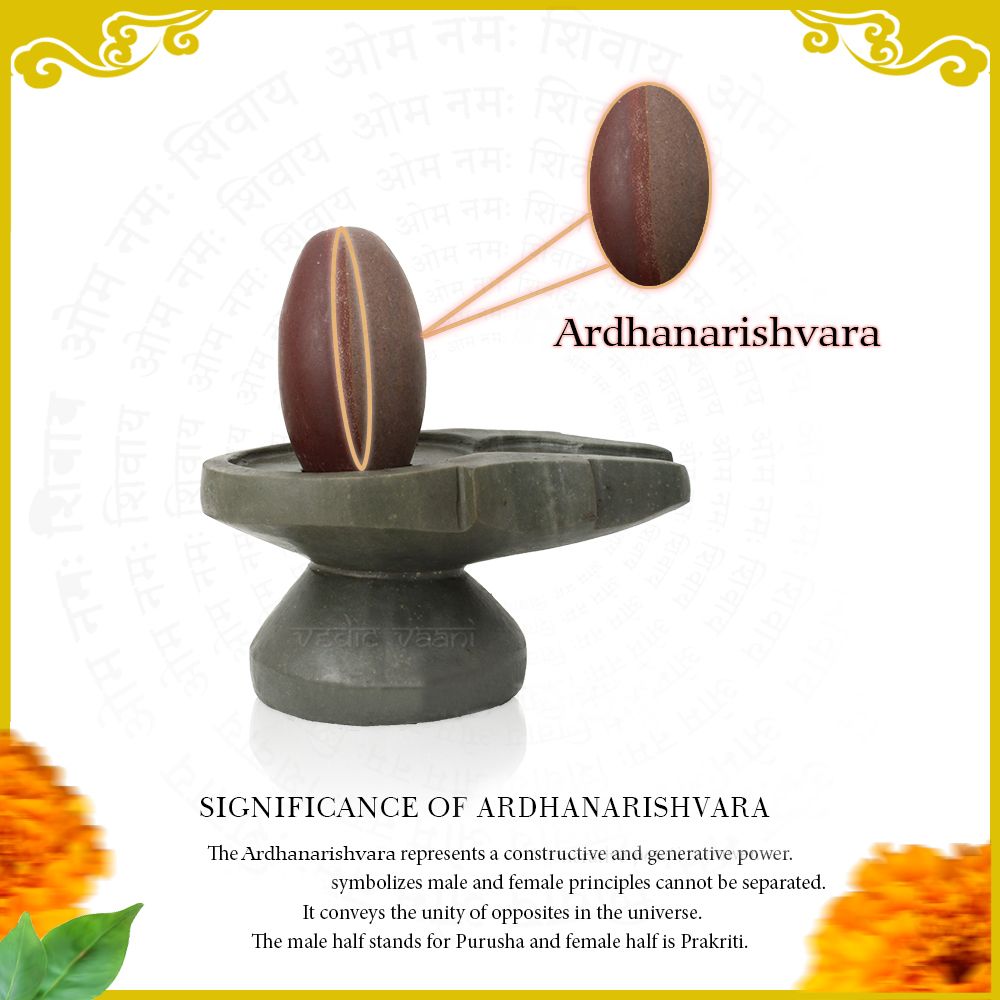
The Cosmic Egg — An Indian interpretation on the creation of the universe Read here
- Jesus in India
In 1925, Nicholas Roerich recorded his travels through Ladakh in India. This portion of his journal was published in 1933 as part of Altai Himalaya. He recounts legends of Issa shared with him by the Ladakhi people and lamas, including that Issa (Jesus) traveled from Palestine to India with merchants and taught the people. An extended section of this text parallels sections of Notovitch’s book, and Roerich comments on the remarkable similarity of the accounts of the Ladakhis to these passages, despite the Ladakhis having no knowledge of Notovitch’s book. He also recounts that the stories of others on his travel refer to various manuscripts and legends regarding Jesus (Issa) and that he personally visited the “abbot” of Hemis. Read here and ANCIENT TRADE ROUTES AND THE MISSION OF THE APOSTLE THOMAS IN INDIA and the Unknown Life of Jesus
 Path to the Maypole of Wisdom