- a- Gender and the Androgyne: A Metaphysical, Linguistic and Anthropological View
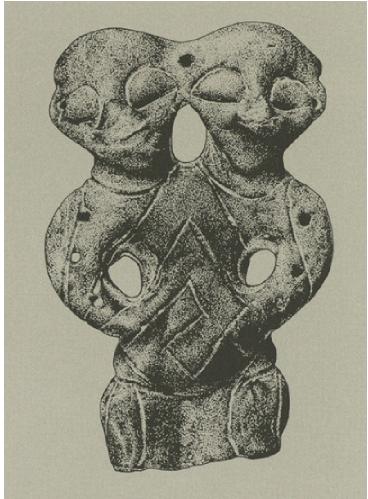
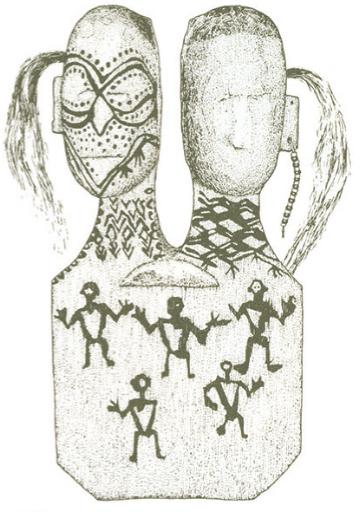
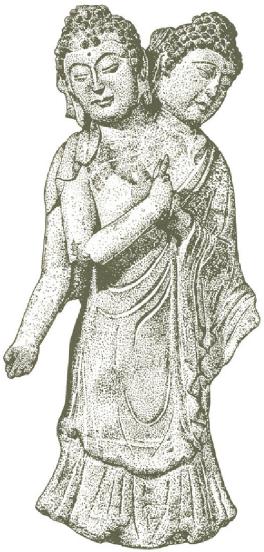
This paper will examine the concept of androgyny from a metaphysical, linguistic and anthropological perspective. Androgyny has often been represented by the figure of the hermaphrodite, a human with both male and female physical characteristics. I hope to show that androgyny originated first as a social idea and later as a metaphysical explanation for cosmology, creation, and the relationship.
Androgyne and Hermaphrodite
The word “androgyne” is a combination of the Greek words for man (andro-) and woman (gyné). The word comes into English via the Latin word androgynus. The word “hermaphrodite” is derived from Greek god, Hermaphroditos, son of Hermes and Aphrodite, whose body was merged with the nymph Salmacis to achieve a more perfect form with both male and female attributes. Like many Greek myths the earliest forms are lost to us but we do have evidence that the idea of dual sexuality has some antiquity in Greece.
The oldest traces of the cult in Greek countries are found in Cyprus. Here, according to Macrobius (Saturnalia, iii. 8), there was a bearded statue of a male Aphrodite, called Aphroditus by Aristophanes. Philochorus in his Atthis (ap. Macrobius loc. cit.) further identified this divinity, at whose sacrifices men and women exchanged garments, with the Moon. A terracotta plaque from the 7th century BC depicting Aphroditos was found in Perachora, which suggests it was an archaic Greek cult.
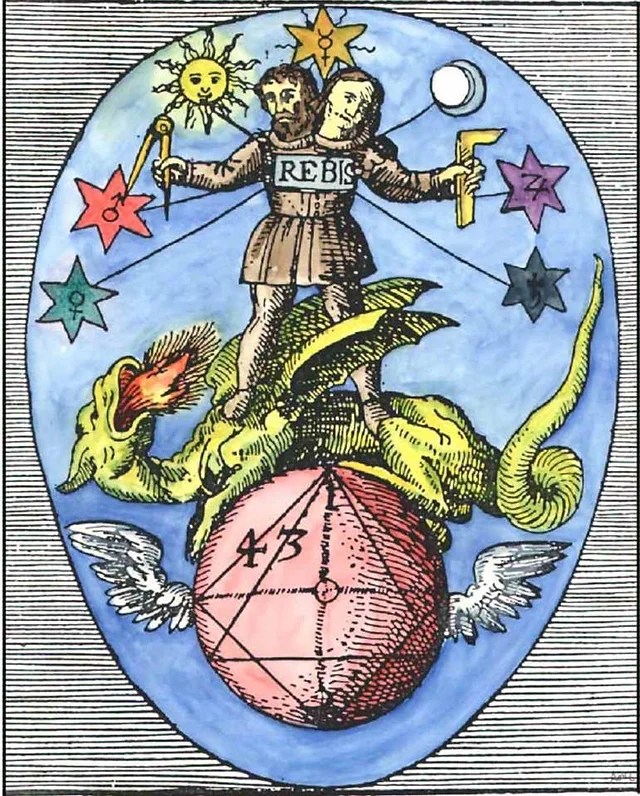
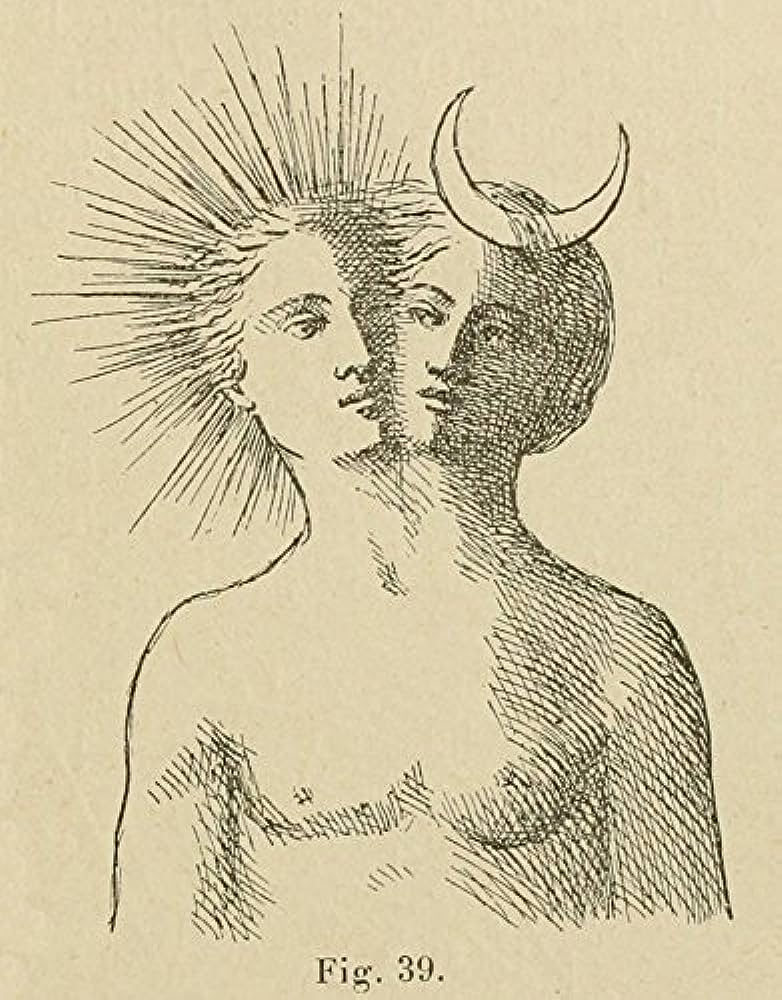
Both the androgyne and the hermaphrodite represent a common idea expressed in medieval and Renaissance alchemy by the figure of the “Rebis” (from the Latin res bina, “double matter”), depicted as a double-headed figure . The Rebis was the end product of the “Great Work” in which opposing qualities were reunited. This “Chemical Wedding” was a union of opposites: hot and dry sulphur and cold and moist mercury where the color red represented the male and the color white represented the female parts. Another common element in the symbolism was the depiction of the Sun (male) and Moon (female) above, or in the hands of the figure.
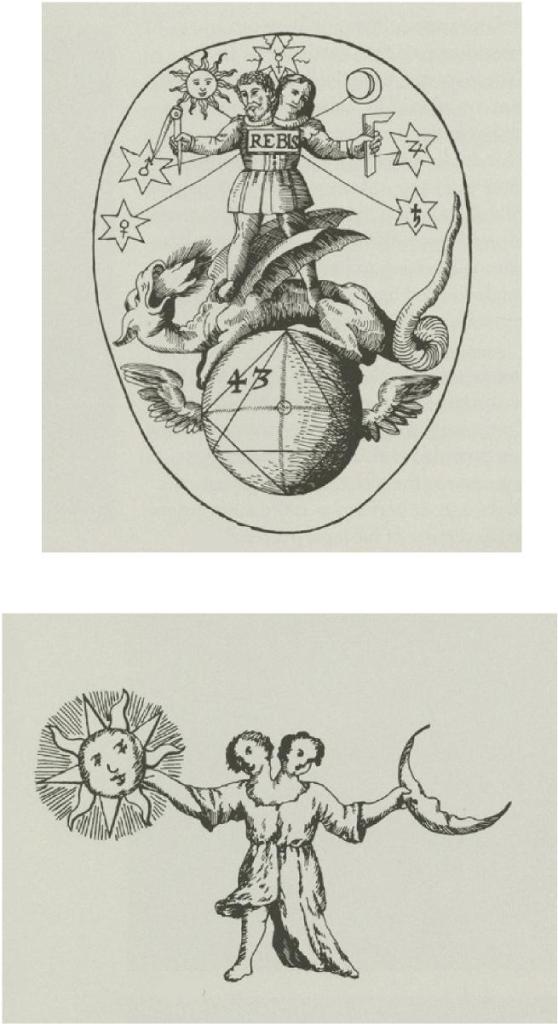
The androgynous figure does represent a kind of marriage in religious, metaphysical and
alchemical thought but the idea is not a social one. It is an ontology or more properly, a
pneumatology, in which the psychic nature of the individual is represented as two “souls” which
are reflexions of the role of humans as mediators between the world of the senses and God. To achieve salvation the lower soul must be subordinated to the higher thus revealinig the Divinity within us. In the eastern traditions this is referred to as “non-attachment”.
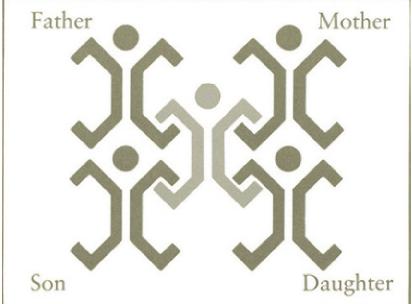
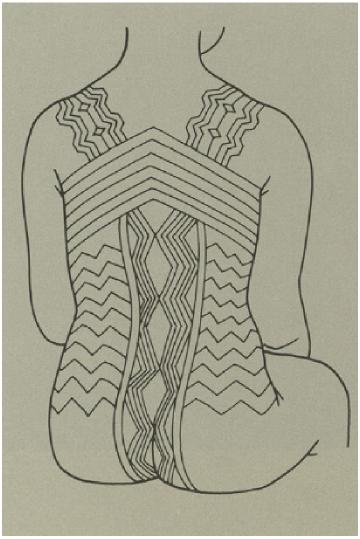
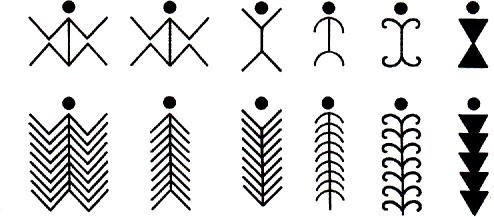
The social ideas of early humans underwent a transformation in Neolithic times with the
emergence of writing and the breakdown of tribalism in certain parts of the world. What is
essentially a social identity becomes an individual one. Writing allowed a measure of detachment which made these older ideas conscious for the first time but which turned them into religious doctrines and practices which came to replace the older unselfconscious tribal values. The religion of the city state could serve as a new form of tribe with more explicit beliefs and written laws. Most of the ideas and artistic concerns of the world’s major religions have roots in the tribal world but the emphasis has been transferred to the individual who must achieve salvation (rather than rebirth) through the religious teachings. The older idea of rebirth via reconnection to the body of one’s ancestors is abandoned in favor of personal resurrection. Resurrection in God made sense to newly detribalized peoples, one of the reasons that the major religions were successful in converting people from a more ancient way of life. God the Father came to replace the First. Ancestor and the religious community (the body of Christ) replaced the social body. The image of the androgyne in later periods reflects these changes.
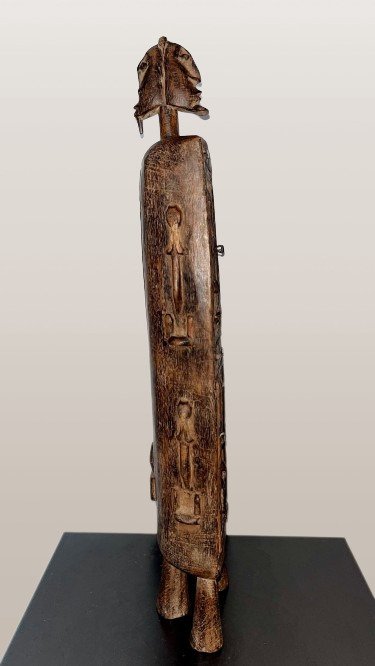
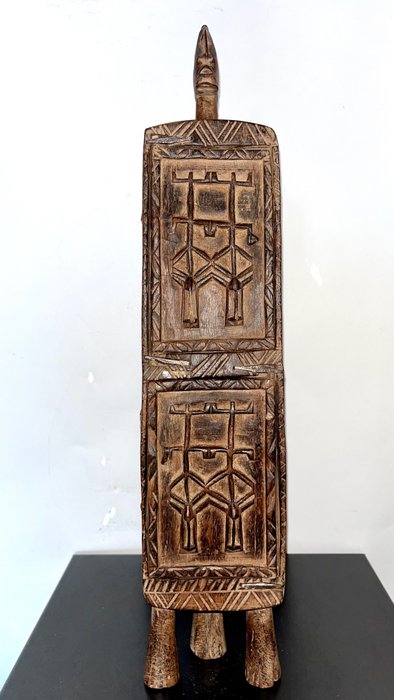
b- The double meaning of the Androgyne
- The Androgyne, alpha and omega of the manifested being
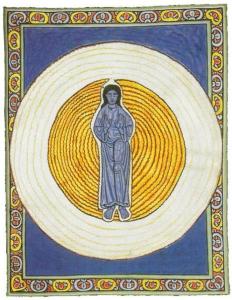
In the “Symposium” of Plato, Aristophanes builds up his speech about love on a myth. In bygone days, only androgynes used to exist. They were composed of two beings of opposite sex, placed side by side. Boosted by their double nature, they wanted to challenge the Gods and therefore Zeus decided to punish the androgynes by splitting them in two. They gave birth to human beings looking just like us. According to Aristophanes, love would be nothing else but a feeling of nostalgia towards our ancient nature and a desperate quest for our lost unity. The union of beings or opposites would portray an attempt to re-find the missing link through the search for soul mate. It follows from the myth that the Androgyne represents, at the same time, both united aspects of the being. Either the opposites are merged within the potential state of the not yet manifested being or the manifested being has realized their re-integration and rejoined the primeval Unit. Originally, the Being stood beyond the polarities merged into the Unity. He was neither masculine nor feminine and far away from the physical features of the hermaphrodite. In reality, he was standing outside of any physical level, at a proper spiritual level.
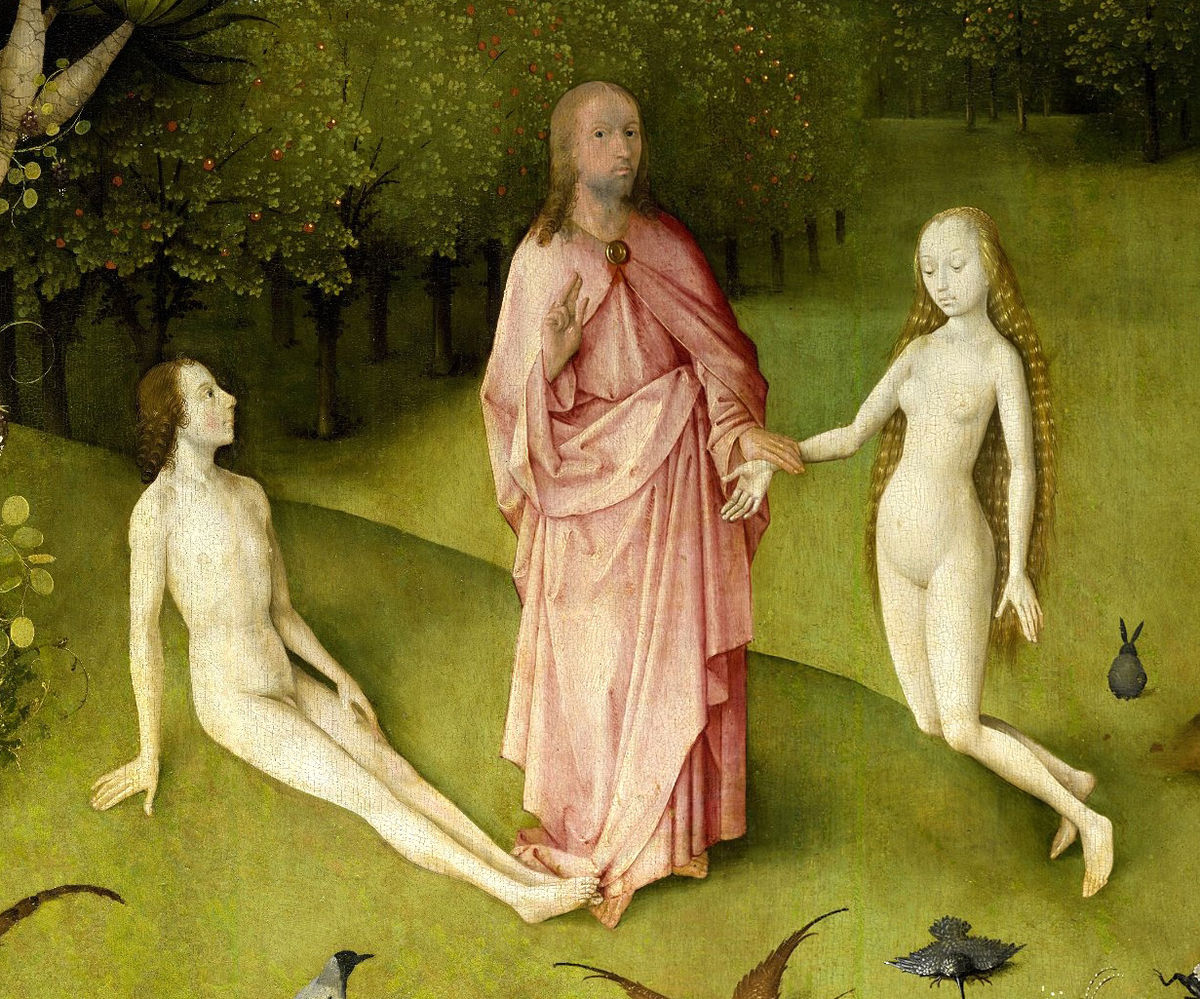
The Androgyne is neither masculine nor feminine, It is neuter. It is at once the symbol of the not yet manifested being whose polarities are still merged within the Unity and the manifested being who has realized their re-integration within the primeval Unity Splitting of the Being symbolizes the polarization of the primeval Unit, at the source of the manifestation of any thing. A polarization between light and darkness, day and night, Heaven and Earth, hot and cold, fire and water, yang and yin, masculine and feminine as well as between opposites feelings: happiness and misfortune, fear and aggressiveness, sadness and anger, doubt and credo etc. Within many traditions, the primeval Unit used to be represented as a “Cosmic Egg” of “spherical” form, the less differentiated as it does not give any preference to any direction coming out from the centre. The differentiation of the primeval Unit, under its manifested aspects, has to go through duality, which is associated with the fall. The original Adam was an androgyne; he became male when Eve was born from one of his sides (and not ribs).
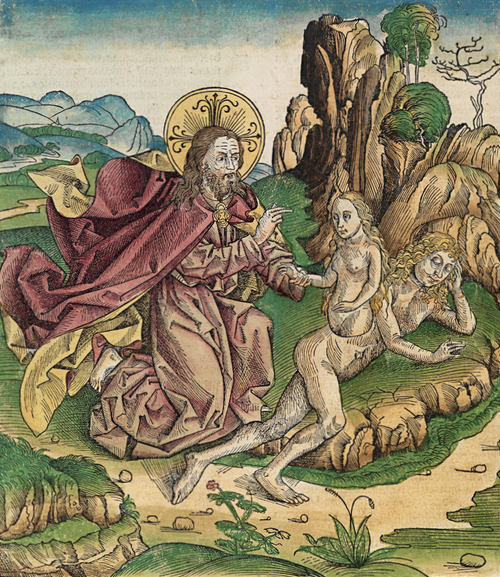
During its manifestation, the human becomes male or female and goes through successive cycles of death in an existence state and re-birth into another state until being liberated from the duality perception proper to the manifested world. Life is a whole and living it fully brings you to transcendence. Then, Heaven meets Earth, opposed polarities disappear and antagonisms are transformed into complements merged within the primeval Unit. Opposites such as doubt and credo are overcome by trust. Similarly, the resolution of the antagonisms like sadness and anger is accomplished by compassion. As for the dilemma between fear and aggressiveness, it can only be solved by love and sharing. Restoring the primeval state is the matter, for instance, of the “Yoga” which means union (of opposites).
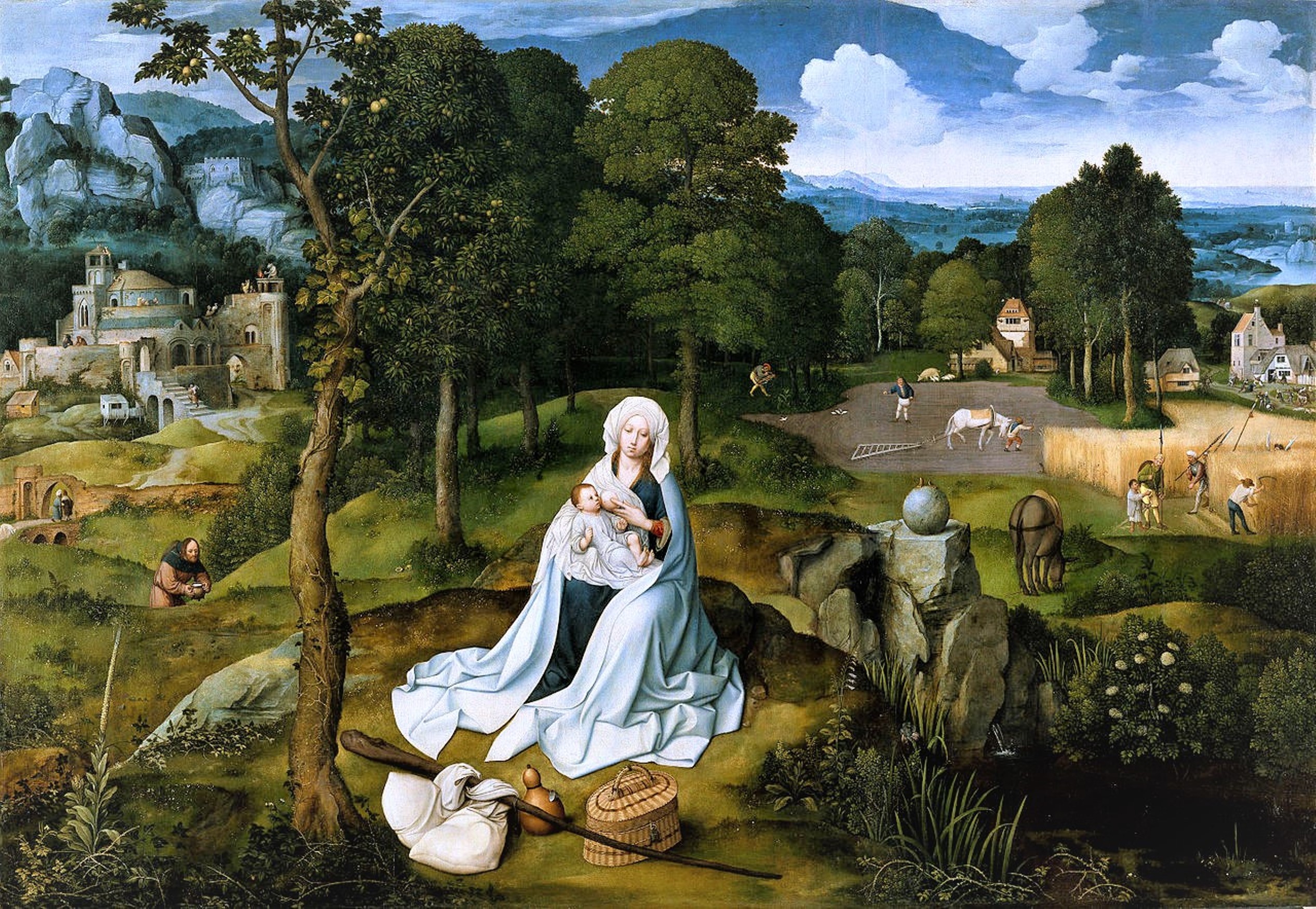
Both reverse movements may be found in Androgyne representations within different traditional forms. The Androgyne is often depicted either as a dyad or a bisexual entity.
- The Androgyne representations
The dyadic representation
Diverse traditions offer plenty of examples of representations taking the dyad appearance:
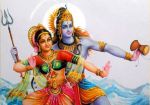
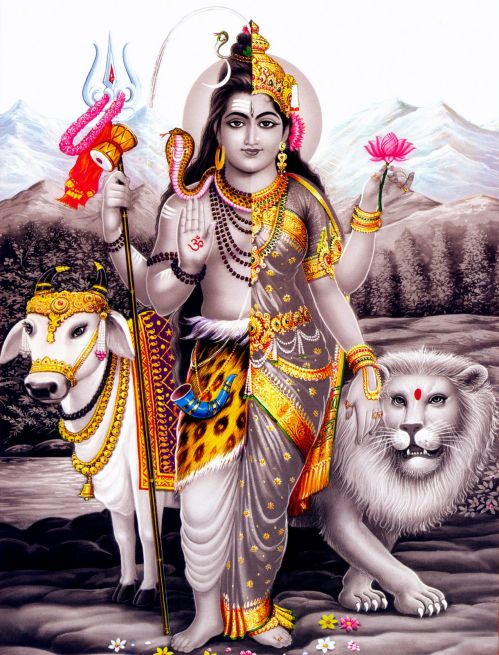
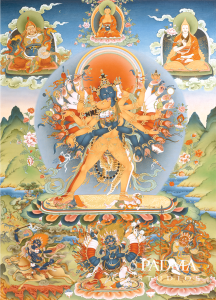
In Hindu tradition, for instance, Shiva is an androgyny God tenderly embracing Shakti, his own energy depicted as a female Goddess (see the picture). The erotic sculptures of Khajuraho Temple show such “couples”, the real meaning of which has sometimes been forgotten.
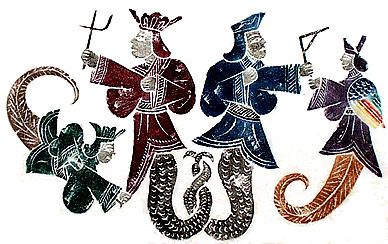
In the Chinese tradition, the brother and sister “couple”, Fu hi and Niu koua, is represented unified by their snake tails, symbol of the cosmic force and its twin currents.
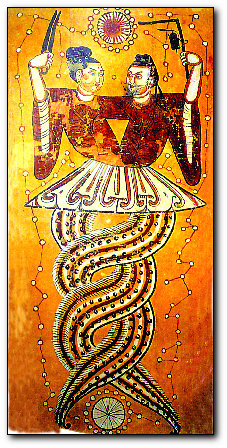
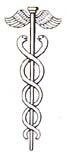
An ancient painting of Nüwa and Fuxi unearthed in Xinjiang, holding the tools of creation – compass and square. One of them allows the manifestation of the primeval Unit into its dual form, particularly feminine and masculine. The other corresponds to the return of the manifested being to its original and unified form. This representation evokes the Caduceus, another androgyny symbol.
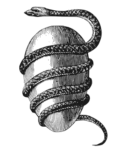
Originally merged within the Cosmic Egg, Izanagi and his young sister, Izanami, play a similar role in the Creation myth of Japan. Reaching down from Heaven alongside the rainbow
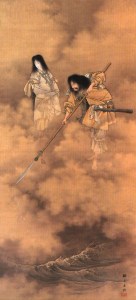
, Izanagi thrust his jewelled spear into the sea and lifted it; a brine dripping from it, thus creating the first island of the archipelago. The couple built up the August Heavenly Pillar and a shelter. To celebrate their sacred union, they circled around the Pillar, Izanmi to the left and Izanagi to the right, as both snakes of the Caduceus.The
God Ptah of Pharaonic Egypt, the womb where the primordial energy spreads, was both “father” and “mother” of all Gods. Each of them symbolized certain aspects of the original God.
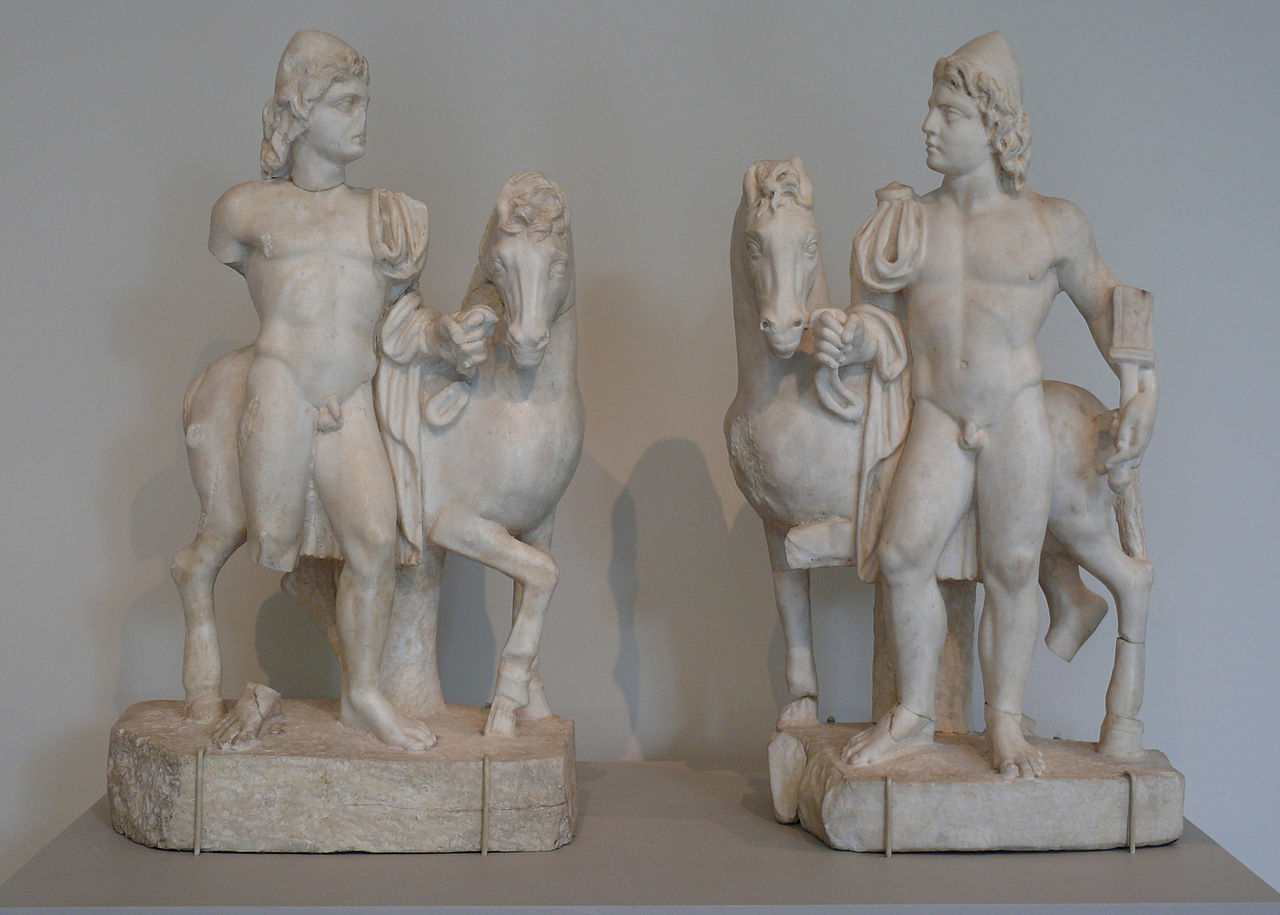
The Dioscuri, sons of Zeus, encompass the same meaning. Born from the love of Zeus transformed into a swan and Leda, Castor and Pollux emerge from two eggs. One gave birth to Castor and Clytemnestra, the other to Pollux and Helena. The symbolism is obvious. Moreover, most of ancient Greece deities were androgynes.
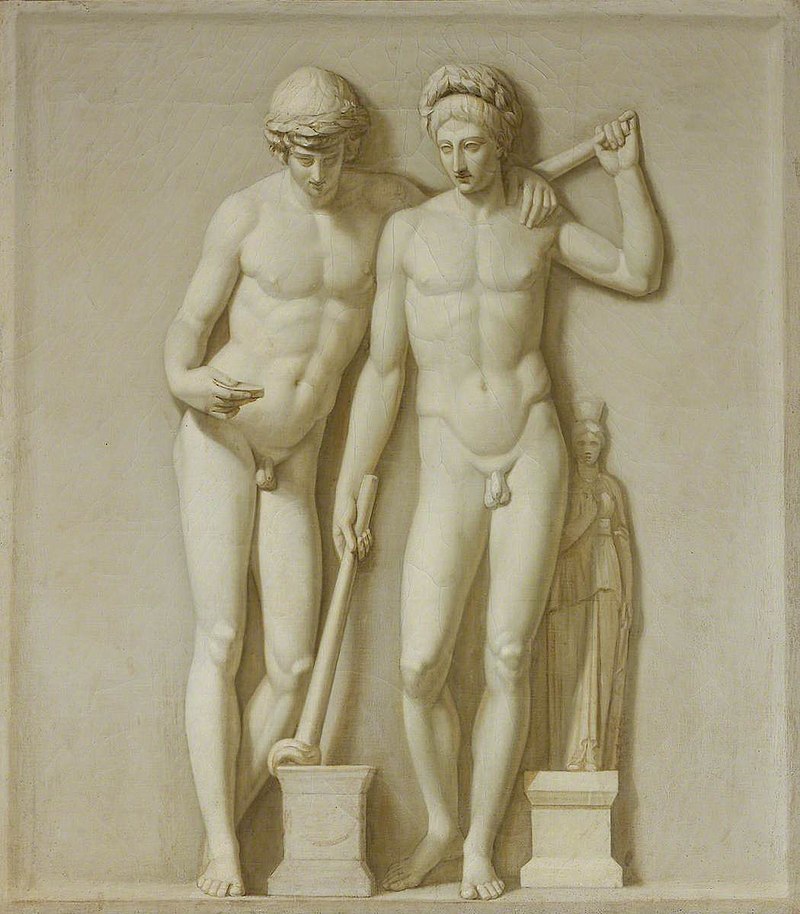
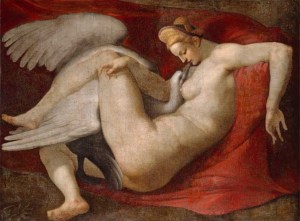
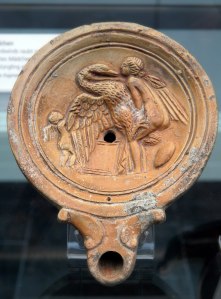
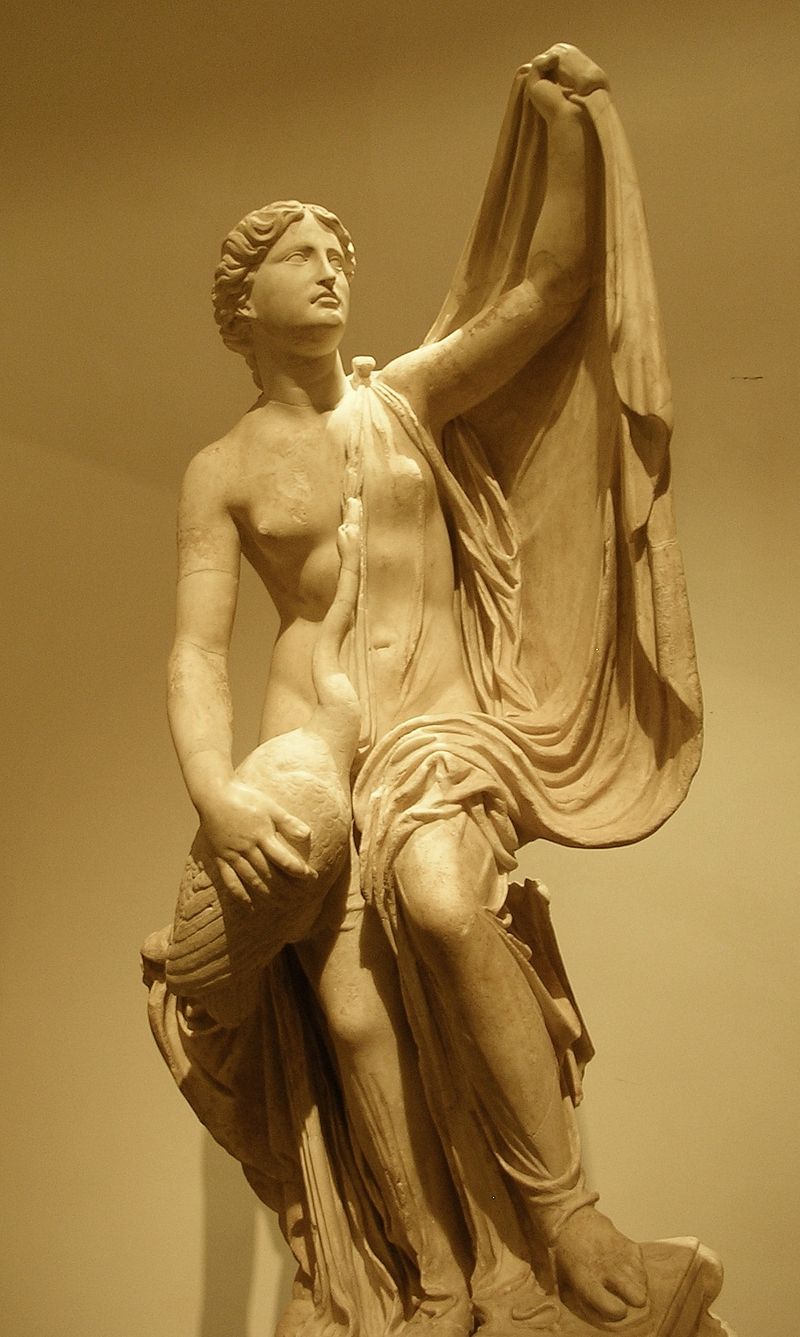
The opposite picture, not identified, offer a good example of such an entity.
The cloudy belt symbolizes the Cosmic Egg. Its division into two halves portrays the polarization of the primeval Unit. The egg contains a character potentialized according to masculine and feminine aspects and distinguished alongside a vertical axis. The Zodiac signs, outside the egg and representing the Cosmos, let us know that this axis links both equinoxes, probably a reference to the time when the annual cycle started with Spring. 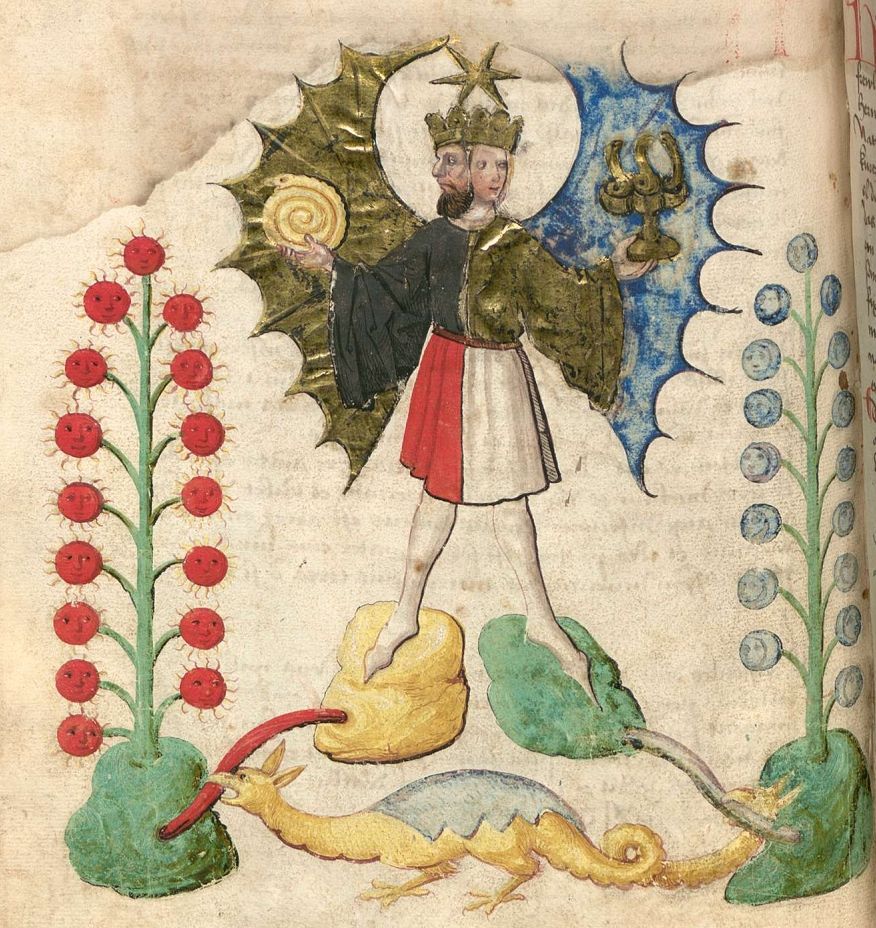
The male side is associated with the Spring-Autumn semester and the female to the complementary semester, Autumn-Spring. The midpoints of both semesters stand on a horizontal axis linking Winter and Summer solstices.
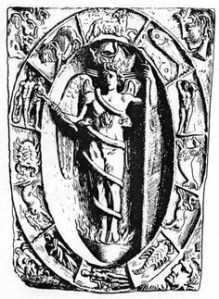
Summer solstice represents the start of the descent phase of the sun towards the South Celestial Pole whereas Winter solstice corresponds to the beginning of the ascent phase of the sun in direction of the North Celestial Pole.
The meaning attached to both character attitudes is derived from this celestial vision. The feminine and right hand holds a vase turned “downwards” from which a bird emerges in the direction of the sun descent phase. This bird is connected to the descent current from Heaven to Earth. The masculine and left hand grasps a vase oriented “upwards” from which a bird flies away in the direction of the sun ascent phase. It corresponds to the ascent current from Earth to Heaven.
The meeting of both currents can only produce a neutral non polarized element, the result of the combining action of twocomplementary principles. Consequently, this image represents, at the same time, the primordial Androgyne as well as the way back of the manifested being to its primeval non differentiated state.Expressed in other words, both descent and ascent currents depict respectively the active or sulphured and passive or mercurial principles of the Hermetic tradition.
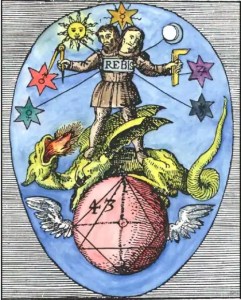
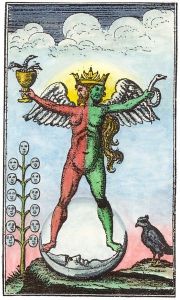
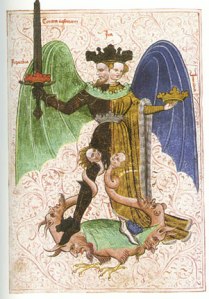
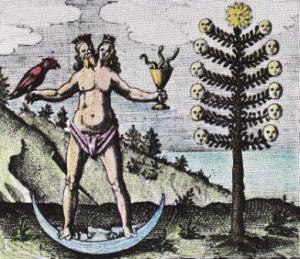
The hermetic Rebis (from “res bina” or double matter) is composed of a body crowned by two heads, one masculine, the other feminine, as on the picture below dating from the beginning of the 17th century.
A bird, representing the immutable Principle in comparison with the moving manifestation, sits motionless on the right hand. The left hand holds a vase from which three snakes are emerging. The central snake symbolizes the vertical axis or “World Axis” around which winds both cosmic force currents in reverse directions. As the former picture, the last one represents, at the same time, the primordial Androgyne and the return path to this state. This last aspect is reinforced by the presence of the tree on the right, which depicts the seven degrees of the hermetic initiation. The first six are represented by couples of faces symmetrically located on each side of the trunk as they still refer to the manifested or dualistic world. The last one, symbolized by the Sun situated at the treetop, identifies the being who has re-integrated the primeval Unit. The Moon, taking the shape of a boat on which the Androgyne is standing, indicates that the latest dominates the inferior waters characterizing the dualistic world. It corresponds to the walk on waters common to various traditions, notably Christian.
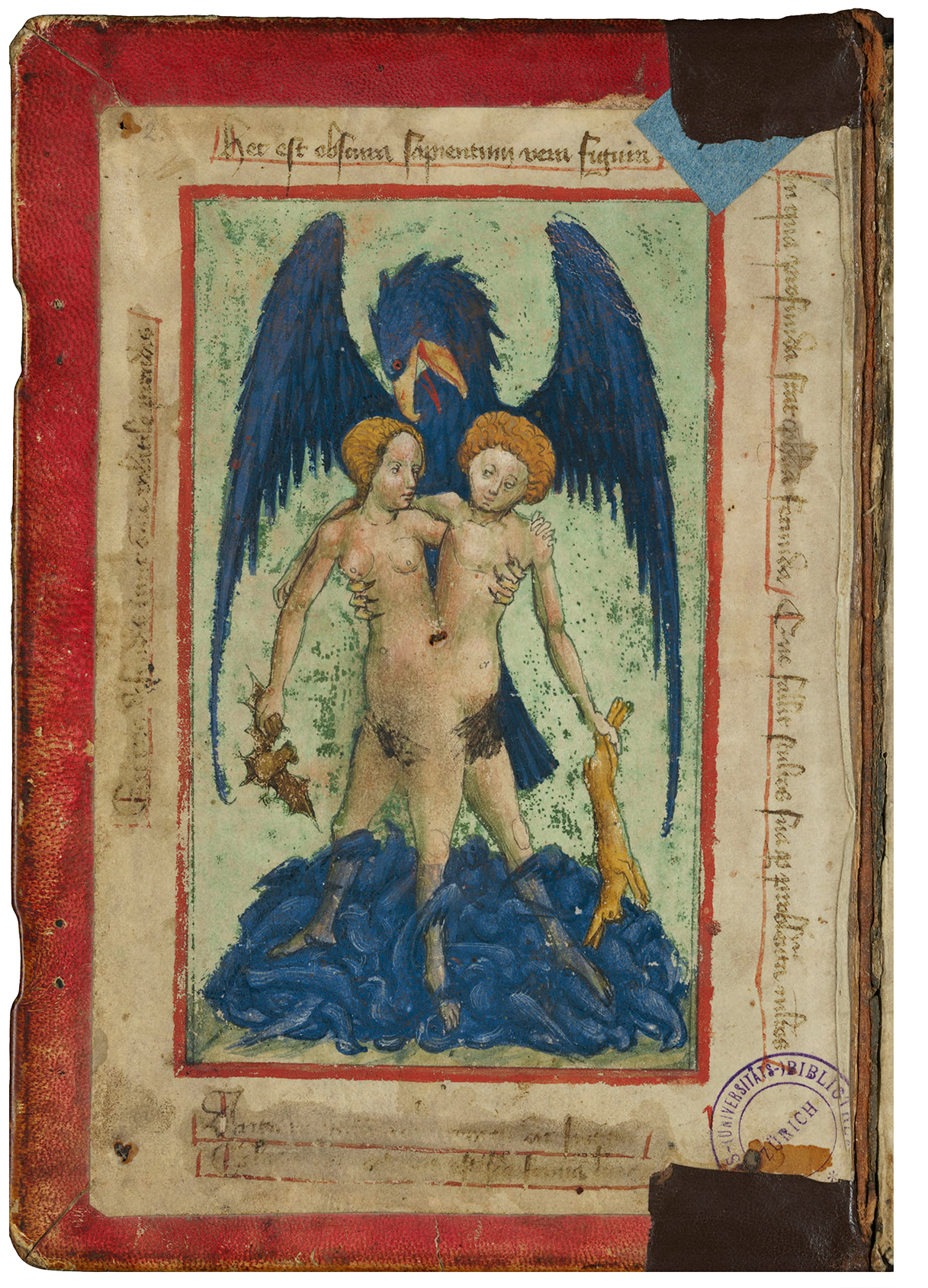
The “Emerald Table”, body of the Hermetic doctrine, describes the Rebis as generated by the Sun and Moon. However, Moon is always subordinated to Sun as she is only reflecting his light. Therefore, she represents the passive or feminine principle whereas the Sun portrays the active or masculine principle. This seems to contradict the meaning drawn from the first picture where the feminine and masculine aspects were respectively associated with the active and passive principles.
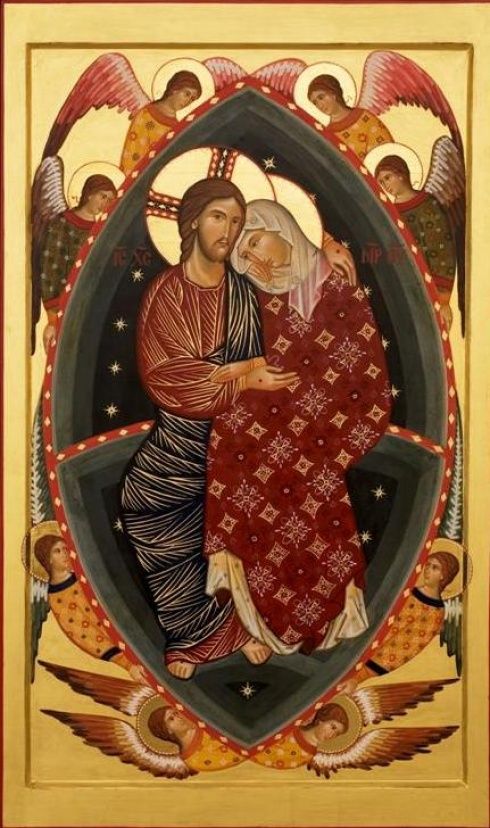
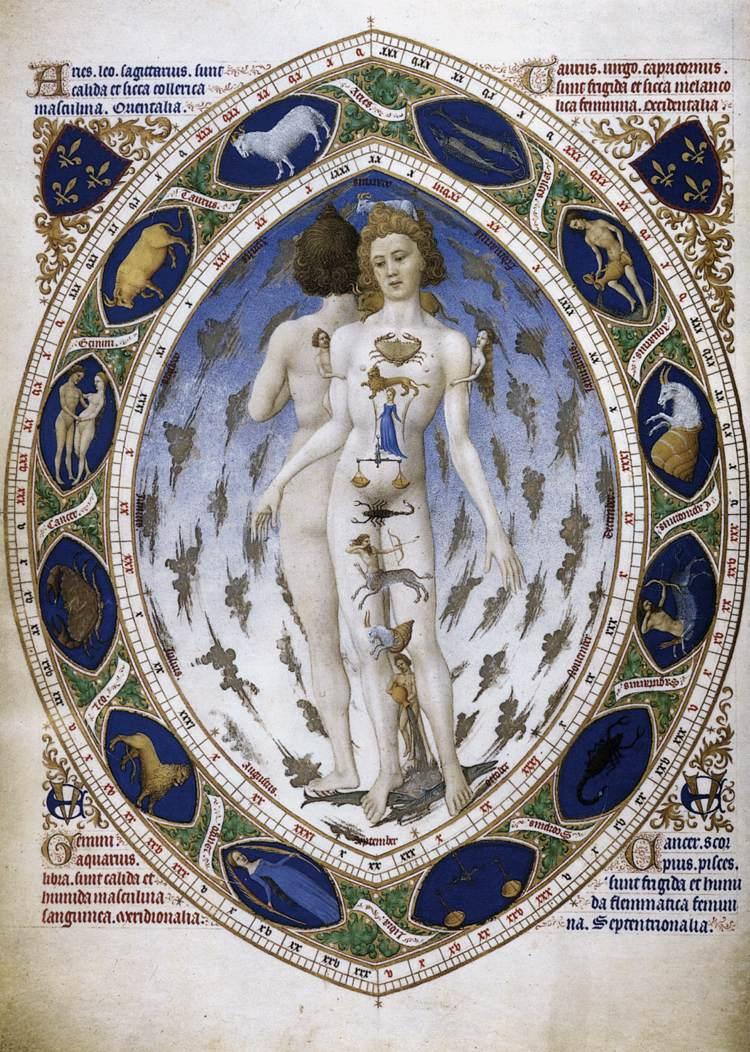
In fact, the second picture personifies a terrestrial vision, mainly characterized by the initiation degrees linked to the way back to the primeval state or to the passage from Earth to Heaven. The first picture, on the contrary, starts from a vision centred on the North Celestial Pole symbolizing the fixed point or the immutable Principle around which the manifested world is turning. It rather points out the passage from Heaven to Earth. Moreover, the character of the first picture represents the One (split) in two when the second is more about the two (re-unified) into One. Celestial and terrestrial approaches are reversed just like the vision in a mirror where right and left swap places. This is the meaning given by the Emerald Table formula: “what is up (in celestial order) is like what is down (in terrestrial order)” and conversely. In other words and according to the selected vision, the feminine principle, which is passive at the terrestrial level, may become active at the celestial level.
Note:Crossed Figures A prehistoric motif and its relation to later artistic, metaphysical and mathematical ideas
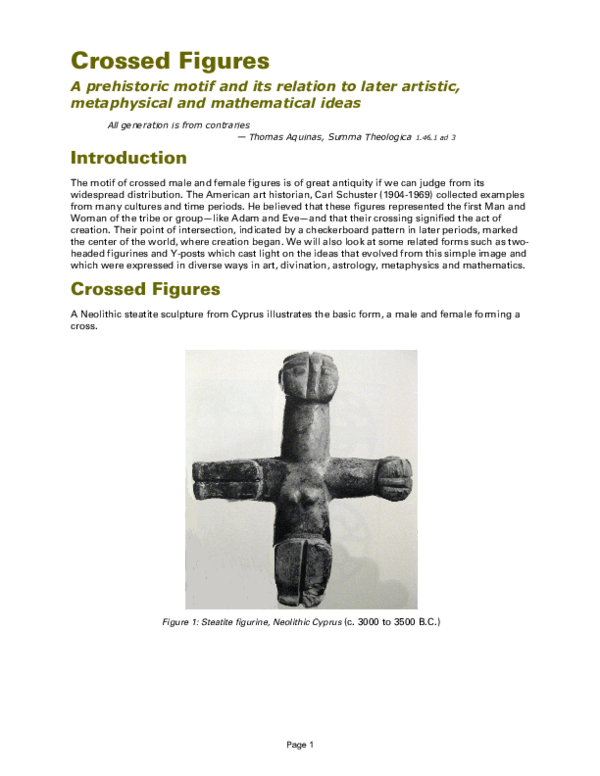
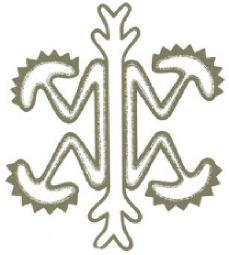
The motif of crossed male and female figures is of great antiquity if we can judge from its widespread distribution. The American art historian, Carl Schuster (1904-1969) collected examples from many cultures and time periods. He believed that these figures represented the first Man and Woman of the tribe or group—like Adam and Eve—and that their crossing signified the act of creation. Their point of intersection, indicated by a checkerboard pattern in later periods, marked the center of the world, where creation began. We will also look at some related forms such as two-headed figurines and Y-posts which cast light on the ideas that evolved from this simple image and which were expressed in diverse ways in art, divination, astrology, metaphysics and mathematics. Read more here
 Path to the Maypole of Wisdom