To start our Migration to the Spiritual Land of Peace , we look at an old text known as papyrus 3024 from the Berlin Museum, known as “Man arguing with his Soul” or the “Rebel in the Soul” we can perhaps study one of the earliest accounts of the confrontation with the ego.
– Rebel in the Soul: An ancient Egyptian dialogue between a Man and his Soul
This controversial text, that was meant for initiates at the threshold of the Ancient Egyptian Inner Temple, speaks to us with intriguing relevance to the problems of today. Taking the form of a dialogue between a man and his soul, this sacred text explores the inner discourse between doubt and mystical knowledge and deals with the rebellion and despair of the intellect at a crucial stage of spiritual development. The first complete and consistent translation of the Berlin Papyrus 3024, which is thought to be nearly 4,000 years old:
“The man’s soul tells him that men of greater value than he have suffered from the world, and advises him to gain an insight from his attitude and search to overcome his despair.
It is An Egyptian temple text, related with the God IAI, an aspect of the Solar God, the stubborn donkey. It shows the intellectual rebellion of our Ego.
“The stubborn, passionate, long-suffering ass is the perfect natural symbol of our rational personality. It bears, like the ass, the weight of all our suffering, and carries us through life. It is stubborn, selfish and refuses to go where we think we best…
….Yet paradoxically, it is the same stubborn ass, and only the ass, that can carry the Rebel to salvation; mounted upon the ass, man is mounted upon his own rebellion. The ass is the father of all rebels, but also the carrier of redemption.”
In Ancient Egypt, Iai, the Great Ass, is the aspect of the Sun God with Ass’s ears. This is Osiris in his listening state; listening equalled wisdom to the Ancient Egyptians. The Book of the Gates depicts the progression of the sun through the night. The Twelve Hours of Night are depicted as regions of the Underworld. Each region is an Hour, and each Hour has its gate through which to pass. To pass, we must know the name of the gatekeeper, or guardian.
This is the same as identifying the layers of egos we each have within – an ego is what others might call one of the deadly sins, Pride, Envy, Greed…all those different aspects of the personality that can prevent us from progressing through the gates or stages of spiritual development. When we look inwardly at the aspects of our personality that rule or affect our lives, we need to recognise what is affecting our spiritual progress; if we learn to use it wisely and become its master, instead of it being master over us, we then recognise the Guardian of that Gate – can name the Guardian, and can “pass through the Gate”. Consciousness moves from Gate to Gate.
In the argument with his Soul, the man is bargaining for the right to die because he can no longer face the suffering of living in this world without his mentor. In Ancient Egypt, it was believed that a man and his Soul would be judged together in the afterlife; the Soul can make appeals on his behalf. So the man is arguing with his Soul to persuade it that killing himself is the correct thing to do, as he wants it to accept his reasons, and agree with him so that it will stay with him after death and make favourable appeals. However, his Soul has other ideas..
“I spoke to my soul that I might answer what it said:
To whom shall I speak today?
Brothers and sisters are evil and friends today are not worth loving.
Hearts are great with greed and everyone seizes his or her neighbor’s goods.
Kindness has passed away and violence is imposed on everyone.
To whom shall I speak today?
People willingly accept evil and goodness is cast to the ground everywhere.
Those who should enrage people by their wrongdoing
make them laugh at their evil deeds.
People plunder and everyone seizes _his or her neighbour’s goods.
To whom shall I speak today?
The one doing wrong is an intimate friend and the brother with whom one used to deal is an enemy.
No one remembers the past and none return the good deed that is done.
Brothers and sisters are evil
and people turn to strangers for righteousness or affection.
To whom shall I speak today?
Faces are empty and all turn their faces from their brothers and sisters.
Hearts are great with greed
and there is no heart of a man or woman upon which one might lean.
None are just or righteous and the land is left to the doers of evil.
To whom shall I speak today?
There are no intimate friends
and the people turn to strangers to tell their troubles.
None are content and those with whom one used to walk no longer exist.
I am burdened with grief and have no one to comfort me.
There is no end to the wrong which roams the earth.
When we consider the age of this text, from XII Dynasty Egypt (approx 1991-1783 BC), we can see that the nature of the woes and troubles of humankind have changed very little.
The man’s soul tells him that men of greater value than he have suffered from the world, and advises him to gain an insight from his attitude and search to overcome his despair. It tells him some allegorical stories – the first being the “mythical field of transformations”; both the field AND the plough are to be found within man. The field is the ground; the earth, where the soul of the man dwells, and is to be cultivated by the ploughman – the man must “cultivate” himself.
The harvest is what is then offered back to the soul. The “harvest”, what is left of the man after his life, is in dangerous hands if left uncultivated. It is exposed to a “storm from the North” said to indicate the Head (Reason); the storm is consciousness threatened by intellectual rebellion.
The man at this point in the story, when his Rebel/ego is arguing for survival, is not yet ready to let the wisdom of his heart rule his intellect, and this is symbolised by the crocodile. The man’s heirs, in the story he is told by his soul, are eaten by a crocodile whilst still in the egg, before they are fully formed, before they have lived, and will never realise their potential. See The Rebel in Soul by Bika Reed and here The Rebel in The Soul: The Wisdom of Ordinariness
Brueghel : the apocalypse within
The Fall of the Rebel Angels or The Archangel Michael Slaying the Apocalyptic Dragon, Dulle Griet or Mad Meg, and The Triumph of Death.All three panels are again the same overall size. The link is provided by the Apocalypse.
Notwithstanding the “predilection of his age for symbolism and allegory”, the eulogy of Ortelius that Bruegel ‘depicted many things that cannot be depicted’, the search for hidden truths, and the idea that this artist was deliberately obscure and cryptic, considering the dangers inherent in being openly critical, a degree of circumspection is only to be expected. With these three works, here we also have Bruegel’s major excursion into the world of Jheronimus Bosch. The first, the Rebel Angels, was at one time attributed to Bosch, the formal language of the second, Dulle Griet, is distinctly reminiscent of Bosch and the third, the Triumph of Death, has all the apocalyptic power of Bosch – and more; a landscape of death, one where the promise of redemption and resurrection is absent. God is nowhere to be seen. Or is it more we, our ego denies the existence of God?
Is the Message of Brueghel more like this: There is no God … But God? Recognising the eternal struggle in the soul of man between the sinful earthly being or nature, dominated by earthly wisdom, and the divine nature of God,Brueghel asks us a total submission.
The 1560s was no time for children’s games. Amused by each of these spectacles of humanity, people miss the underlying seriousness of Bruegel in everything he does. Bruegel transports us back over four centuries to a time when everyone looks to be having fun. Where did all the good times go? Within 50 years of this painting the European world appears to be have been struck by an epidemic of depression that plunged young and old into months and even years of morbid lethargy and relentless terrors. We seem to have been living with it ever since. The decline in opportunities for traditional pleasures is later reflected in John Bunyan’s march to a life free of fun. In Pilgrim’s Progress carnival is the portal to Hell, just as pleasure in any form, sexual, gustatory, convivial, is the devil’s snare. It seems that while the medieval peasant enjoyed the festivities as an escape from work, the Puritan embraced work as an escape from terror.
Progress came with a price. The new world had not yet made a Faustian pact with the Devil to gain its brilliant advances in science, exploration and industry but it had swept away some of the traditional cures for the depression that those achievements brought in tow.
But still, the old world had its own demons to fight. As visitors to the museums where this group of three pictures hang, smile, laugh even, and check those inventories of activity, the link between laughter and spirituality goes unnoticed.
The ability to laugh can help us through the best and worst of times. Its importance for our spiritual wellbeing is generally neglected.
Brueghel used the personnage of “Dulle Griet’ to express this kind of stubbornness as the stubborn donkey of the Egyptian papyrus from 4000 years ago. It shows the intellectual rebellion of our Ego.
Modern Man with all his “economical grow- energy” knowledge and scientifical research based on rebellion against his Soul, wants to find (without his soul) the solutions to all the problems he createdand is landed in an apocalyptic “theather” prophesying the complete destruction of the world.
an as stubbornness of the intellectual rebellion of our Ego so acting as “Whore of Babylon” discribed in the Book of Revelation.
Only by killing earthly wisdom and the lusts and properties in his soul would man enable Christ to be reborn within himself and be united with God, thereby restoring that `oneness’ referred to at the beginning of the Theologia Germanica:
“Sin is selfishness:Godliness is unselfishness:A godly life is the steadfast working out of inward freeness from self:To become thus Godlike is the bringing back of man’s first nature”.
Christ as Child in the Heart of the true believer.
What does love look like? It has the hands to help others. It has the feet to hasten to the poor and needy. It has eyes to see misery and want. It has the ears to hear the sighs and sorrows of men. That is what love looks like.
Saint Augustine
In the 5 cirkels is written: “Gave van Barmhartigheid“: Gift of Mercy , “Gave van Genade’: Gift of Grace, “Gave des Levens” ( in the heart): Gift of Life, ” Gave van Medelijden”: Gift of Compassion, “Gave van sterkte“: Gift of strength.
The Spiritual Message of Bruegel for our Times
Bruegel’s Philosophical Circle
Bruegel the man – as opposed to his paintings – remains more or less invisible to history. There is nothing written by him and, with one exception – Abraham Ortelius’ remarks in his Album Amicorum which will be discussed below – there is nothing by his contemporaries that provides a glimpse into his intellectual, psychological, philosophical or spiritual outlook. But those with whom he is known to have associated are among the most brilliant and outstanding men of their time; many of them were men of renown in the world. The writers, artists and religious thinkers whose names are linked with Bruegel were men of the humanist movement who, inwardly at least, rejected the politics and dogmatic rigidities of conventional religion in favour of a search for such philosophical and mystical truths as can be approached through methods of contemplative spirituality.
Like the gnostics before them they cultivated the art of complete inner freedom from conventions and preconceptions. Outwardly, like Lipsius, they could maintain the appearance of conformity, even if lightly. Others like Niclaes, the founder of the House of Love, more openly declared themselves „filled with God‟ and set themselves up as teachers, though Niclaes himself encouraged his followers to disguise their innermost convictions and let themselves be counted among the Church’s faithful.( A practice known as Nicodemism, a position whereby Christians could hide their dissenting beliefs while conforming to mainstream religious rituals).
Theirs was a form of gnosticism in that they gave priority to the action of knowledge granted by the Spirit over the disciplines of conformity to church regulations. It can be argued that they were students of esoteric Christianity and heirs of the Perennial Philosophy. Read more here
Mutiny of the Soul
Depression, anxiety, and fatigue are an essential part of a process of metamorphosis that is unfolding on the planet today, and highly significant for the light they shed on the transition from an old world to a new.
When a growing fatigue or depression becomes serious, and we get a diagnosis of Epstein-Barr or Chronic Fatigue Syndrome or hypothyroid or low serotonin, we typically feel relief and alarm. Alarm: something is wrong with me. Relief: at least I know I’m not imagining things; now that I have a diagnosis, I can be cured, and life can go back to normal. But of course, a cure for these conditions is elusive.
The notion of a cure starts with the question, “What has gone wrong?” But there is another, radically different way of seeing fatigue and depression that starts by asking, “What is the body, in its perfect wisdom, responding to?” When would it be the wisest choice for someone to be unable to summon the energy to fully participate in life?
The answer is staring us in the face. When our soul-body is saying No to life, through fatigue or depression, the first thing to ask is, “Is life as I am living it the right life for me right now?” When the soul-body is saying No to participation in the world, the first thing to ask is, “Does the world as it is presented me merit my full participation?” Read More Here
The Spiritual Land of Peace:
Look and behold: there is in the world a very unpeaceable Land and it is the wildernessed land wherein the most part of all impenitent and ignorant people do dwell and in which is, the first of all needful for the man; to the end that he may come to the Land of Peace and the City of Life and Rest. ( from Terra Pacis by Hendrik Niclaes of the Family of Love,)
The same unpeaceable land has also a City, the name of which they that dwell therein do not know, but only those who are come out of it, and it is named Ignorance.
The “Dulle Griet” as “whore of Babylon” , in the land of Ignorance by Brueghel:
Dulle griet is the representation of the Whore of Babylon living in a land of Ignorance.
The Whore of Babylon or Babylon the Great is a symbolic female figure and also place of evil mentioned in the Book of Revelation in the Bible. Her full title is stated in Revelation 17 (verse 5) as Mystery, Babylon the Great, the Mother of Prostitutes and Abominations of the Earth.
The word “Whore” can also be translated metaphorically as “Idolatress“.[1] The Whore’s apocalyptic downfall is prophesied to take place in the hands of the image of the beast with seven heads and ten horns. There is much speculation within Christian eschatology on what the Whore and beast symbolize as well as the possible implications for contemporary interpretation.
Dulle Griet is the model of modern man’s Rebellion against his soul and Anger against it. How can Dulle Griet find a way to calm her anger?
She can looks in the mirror and see herself,making more “selfies”, so seeing more anger as the portait of vanity of Hans Memling shows us. The lady see only more vanity The message of Memling is in his Triptych of Earthly Vanity and Divine Salvation focuses on the idea of “Memento mori,” a Latin phrase that translates to “Remember your mortality.” Memling’s triptych shockingly contrasts the beauty, luxury and vanity of the mortal earth with images of death and hell. In the time of Breughel and in our times the message is that Vanity is not the solution. see: Nothing Good without Pain: Hans Memling”s earthly Vanity and Divine Salation
The phrase “All is vanity” comes from Ecclesiastes 1:2 (Vanity of vanities, saith the Preacher, vanity of vanities; all is vanity.
Don’t change the world in hopes of changing yourself,
change yourself so the world changes because of you.
In this land of Ignorance, for the food of men, there grows neither corn nor grass.
The people that dwell therein know not their original or first beginning; neither do they know from whence, or how, they came into the same. And moreover then, that they are altogether blind, and blind-born.
The forementioned city, named Ignorance, has two Gates. The one stands in the North, or Midnight, through the which men go into the city of darkness or ignorance.
This gate now, that stands to the North, is very large and great, and has also a great door, because there is much passage through the same; and it has likewise his name, according to the nature of the same city.
Foreasmuch as that men do come into Ignorance through the same gate, therefore it is named Men Do Not Know How to Do. And the great door, where through the multitude do run is named Unknown Error; and there is else no coming into the City named Ignorance.
The other gate stands on the one side of the City, towards the East or Spring of the Day, and the name is the Narrow Gate, through the which, men travel out of the city and do enter into the Straight Way which leads to Righteousness.
Now when one travells out through the same Gate, then does he immediately espie some Light, and that same reachs to the Rising of the Sun.
Here the symbolism, taking up the theme of the ‘bread of life’, i.e. spiritual nourishment, employs the images of ‘corn’ and ‘seed’ whose esoteric meaning was discussed earlier and which will be met again in the paintings by Bruegel of the Harvest and the Ploughman (Fall of Icarus).
The importance of spiritual nourishment – or rather the lack of it – is discussed in the section dealing with the Peasant Wedding Feast( in construction)(Marriage at Cana) where the lack of wine is shown to correspond, by rhetorical imitation, with famine imagery in the Old Testament where the sense is that of ‘famine for the word of God’.
‘Landscape With The Fall of Icarus.‘ It is the only painting Bruegel did with a non-Biblical mythological subject. W.H. Auden’s poem ‘Musee des Beaux Arts’ describes it:
About suffering they were never wrong,
The Old Masters: how well they understood
Its human position; how it takes place
While someone else is eating or opening a window or just
walking dully a long; …
In Bruegel’s Icarus, for instance: how everything turns away
Quite leisurely from the disaster; the ploughman may
Have heard the splash. the forsaken cry,
But for him it was not an important failure; the sun shone
As it had to on the white legs disappearing into the green
Water; and the expensive delicate ship that must have seen
Something amazing, a boy falling out of the sky.
Had somewhere to go and sailed calmly on.
The painting shows Icarus, barely discernible, already submerged but for his legs. The ploughman in the foreground, the fisherman with his back to us, the shepherd leaning on his crook staring at the blank sky , his back to Icarus, the ship sailing away from Icarus to the horizon as the tones of earth and water fade toward the splashing pastels of a setting sun on the horizon, all underline Bruegel’s comment on the folly of human ambitions.
The painting represents a rendering of the German proverb: ‘No plough comes to a standstill because a man dies.’ As such, it establishes a continuity of myth and the times, but rather than make the event tragic he makes it inconsequential next to the mundane pursuits at hand. We come upon the actors in tableau , frozen as in a movie still about to come into action; the splash frozen too – creates a tension but one soon to be exhausted and consumed by the natural splendor of the sunset.
Here the painter has produced an eidetic effect: he has captured the event’s meaning while at the same time debunking its grandiosity.
The mundane elements of work and subsistence capture our attention, until as an afterthought we notice pale Icarus about to disappear. All of this is cradled in nature so that the painting becomes a pageant of indifference with a sense of cosmic irony. It is the scale of nature which makes the scene great though the actors in both harmony and tension with nature are unaware of the forces at work.
Hence, Bruegel’s ‘throwing away of the title ,’ a technique borrowed from the mannerists whom this painting debunks as well. Here Bruegel has entered a controversy over the desirability of Italian painting that raged among Flemish painters at the time. The realism of the Flemish plowman, anticipating in style and flavor Thomas Hart Benton’s rural apotheosis, the barely discernible corpse in the wooded area in the left middle ground , the theme of the fall, and the fragile make-believe classicized buildings moving toward the horizon to which all goes and from which everything comes, all point to a rejection of the hegemony of classicism, the debunking (relativizing) of mythologies superimposed from the outside, and an identification with indigenous Netherlandish elements represented by the peasantry.
When we consider the age of this text ( The Rebel in the soul), from XII Dynasty Egypt (approx 1991-1783 bc), we can see that the nature of the woes and troubles of humankind have changed very little. This is where the text can also be read as a text of initiation.
The man’s soul tells him that men of greater value than he have suffered from the world, and advises him to gain an insight from his attitude and search to overcome his despair. It tells him some allegorical stories – the first being the “mythical field of transformations”; both the field AND the plough are to be found within man. The field is the ground; the earth, where the soul of the man dwells, and is to be cultivated by the ploughman – the man must “cultivate” himself.
The harvest is what is then offered back to the soul. The “harvest”, what is left of the man after his life, is in dangerous hands if left uncultivated. It is exposed to a “storm from the North” said to indicate the Head (Reason); the storm is consciousness threatened by intellectual rebellion. The man at this point in the story, when his Rebel/ego is arguing for survival, is not yet ready to let the wisdom of his heart rule his intellect, and this is symbolised by the crocodile. The man’s heirs, in the story he is told by his soul, are eaten by a crocodile whilst still in the egg, before they are fully formed, before they have lived, and will never realise their potential.
The ‘heir’ in the egg symbolises what the cultivated man could become. Here we can see it as an unborn Akh.
The Man’s Ba is teaching him that The Great Ass, the ego and False Self, must be sacrificed to the crocodile. Unless this sacrifice is made, the man cannot travel further through the Hours of the Night to the light of dawn; he will never integrate with his mystical body and be re-born.
Anubis, the god of the Underworld, is also the god of helping us realise our full potential, as protector of the Soul in its journey through the Underworld.
Reed tells us:
“The Ancient Egyptian Myth which describes the birth of the redeemer, Anubis, gives us an insight into this dramatic turning, or birth into higher consciousness. In this myth, the jackal god is pursuing Seth, the Enemy of Light, who takes the form of a panther and escapes the dog.
But the mother dog, Isis, sees the panther and catches up. Terrified of the wild bitch, the panther transforms himself into the dog, his own pursuer. But Isis digs her teeth into his back. Caught, Seth cries, “Why are you pursuing this poor dog who does not exist?” The myth then says “And this is how he became. HE BECAME (IN PU) is the Egyptian name for Anubis, the first Priest of Osiris. The Redeemer (IN PU) only comes to life by seeing his own “inexistence”
In other words, we will only reach our full potential when we ‘pursue’ ourselves, and by doing this – the Work on the Self: cultivation, we will understand the need to sacrifice our false identity. Our ego will argue for its own survival, and this Rebel will put up the greatest fight, until we recognise it for what it is – a false non-existent self – and are born into higher consciousness, as our own “heir”.
The man shows he has understood:
In truth, he who is yonder will be a living god, punishing the crime of him who does it.
In truth, he who is yonder will stand in the Bark of the Sun, making its bounty flow to the temples.
In truth, he who is yonder will be a wise man, who cannot, when he speaks, be stopped from appealing to Re !
His Ba answers:
Throw complaint over the fence, you my comrade, my brother! May you make offering upon the brazier, and cling to life by the means you describe! Yet love me here, having put aside the West! [the West is where the deceased goin the Ancient Egyptian belief system]
But when it is wished that you attain the West, that your body joins the earth, then I shall alight after you have become weary, and then we shall dwell together!”
Stretching 21 metres (69 feet) in length and standing nearly 13 metres (42 feet) high, practically every surface of Rosslyn Chapel is carved in an outstanding display of craftsmanship.
There are literally hundreds of individual figures and scenes carved around you. Here are just a few of our favourites.
Farmers wife rescuing a goose from the jaws of a fox
This carving appears on the outside wall of the Chapel, near the entrance door. It tells us of the farming community which was based around Rosslyn in the fifiteenth century.
Knight on horseback
A possible representation of William ‘the Seemly’ St Clair, the first of the St Clairs to settle in Scotland
William is said to have brought a portion of the True Cross or ‘Holy Rood’ to Scotland. An alternative theory is that the figure holding a cross behind the knight may represent Queen Margaret whom William escorted from Hungary to marry Malcolm Canmore, King of Scotland, in 1070.
Maize
Surrounding a window are carvings of maize or Indian Corn
The presence of this plant carving in the Chapel raises many questions: not only is it an exotic plant but it originates from North America, a country traditionally thought to have been discovered by Columbus in 1492, almost 50 years after Rosslyn Chapel was built.
Lucifer
One of the many Masonic carvings in the Chapel
Hanging upside down and bound with rope, this is the fallen angel Lucifer. It is one of the depictions of angels in unusual positions in the Chapel which are significant in the rites of Freemasonry.
The Star of Bethlehem and the Nativity
Representation of the birth of Christ
This hanging boss encompasses the eight-pointed Star of Bethlehem carved with figures of the nativity. Clockwise around its sides are the Virgin and child; the manger; the three wise men; and three shepherds.
Green man
One of the best examples of over 100 ‘Green Man’ carvings in the Chapel
Rosslyn is renowned for its many carvings of the Green Man, historically a pagan figure. The vines sprouting from his mouth represent nature’s growth and fertility, illustrating the unity between humankind and nature.
Angel playing the bagpipes
One of the many carvings of angels playing musical instruments
The carved angels in the Lady Chapel are celebrating Christ’s birth with music. Bagpipes first appeared in Scotland from the mid-1400s and this is thought to be one of the earliest depictions of the instrument.
Musical cubes
Carved cubes that protrude from the arches of the Lady Chapel
Each one of these cubes is unique, carved with individual symbols made up of lines and dots. Various theories suggest that these may represent keys to a secret code or be musical notes. The Rosslyn Motet has recently been composed as one ‘solution’ to the code
The Dance of Death :A string of figures caught in the ‘Dance of Death’
Characters from all walks of life are each accompanied by a skeleton, Death. The dance springs from the skeletons pushing and pulling the reluctant people off to meet their fate and symbolises death’s inevitable triumph over life. See also The Dance of Death: A warning for our Times
Apprentice Pillar The most elaborately decorated pillar in the Chapel
This pillar contains one of the most famous and fascinating riddles of the building. An apprentice mason is said to have carved the pillar, inspired by a dream, in his master’s absence. On seeing the magnificent achievement on his return, the master mason flew into a jealous rage and struck the apprentice, killing him outright.
Seven Virtues
On the south aisle, you will see the seven virtues. Starting from the left, there is a bishop then, left to right, helping the needy; clothing the naked; looking after the sick; visiting those in prison; avarice (misplaced from the seven deadly sins, see below); feeding the hungry; burying the dead, then the reward for virtue, St Peter waiting at the gates of heaven with a key in his hand.
Seven deadly sins
Also on the south aisle, opposite the seven virtues, you will find the seven deadly sins. Starting from the left, there is a bishop, then left to right, pride; gluttony; charity (misplaced from the seven virtues); anger; envy; sloth; lust, then the punishment for sin, the devil emerging from a monster’s mouth and stretching out a hook towards the whole group.
The Rosslyn Stave Angel – Music Cipher’
Melody deciphered in the chapel
Like a plot from “The Da Vinci Code,” a team of code breakers claims to have found music hidden for 500 years in intricate carvings at the church where author Dan Brown set the climax of the best-selling book.
Father and son team Thomas and Stuart Mitchell say they deciphered a musical code hewn into stone cubes on the ribs supporting the ceiling of Rosslyn Chapel in the village of Roslin, near Edinburgh.
“Breaking the code was a true eureka moment. It’s like we have been given a compact disc from the past,” said Stuart Mitchell, 41, a music teacher from Edinburgh. “But unlike the fiction of ’The Da Vinci Code,’ this is a tangible link to the past.”
The music has been recorded, and will get its official premiere in the chapel May 18.
Musical experts reserved judgment, but did not dismiss the Mitchells’ theory.
“We have 213 cubes (at Rosslyn), and the possibility that they have something to say is by no means implausible,” said Warwick Edwards, an expert on early Scottish music at Glasgow University. More research is needed, he said.
Cube carvings on the chapel’s arches believed to be a musical score are seen at Rosslyn Chapel near Edinburgh, Scotland May 1, 2007. A former Royal Air Force codebreaker and his composer son believe they have deciphered a musical score which has remained hidden for nearly 600 years in the carvings on the walls of Rosslyn Chapel which was a major feature in the book and film ‘The Da Vinci Code’
Gordon Munro, an expert on Scottish church music from the 1500s, 1600s and 1700s at the Royal Scottish Academy of Music and Drama in Glasgow, said, “I have heard the music and it is not impossible, but it can only be a reconstruction that is open to interpretation.”
Ground Zero for symbolism The elaborate decoration and the mysterious symbolism have inspired many legends, among them that the building is a replica of Solomon’s Temple and that it is the resting place of the Holy Grail, the Ark of the Covenant or even the mummified head of Jesus Christ.
Brown’s novel, based on the theory that Jesus married Mary Magdalene and founded a dynastic line which survives today, climaxes at Rosslyn Chapel. “Symbology heaven,” Brown called it.
The Mitchells’ research centered on the ribs of a ceiling in the Lady Chapel. Rows of carved angels play instruments above the columns of cubes.
The elder Mitchell, 75, who was a code breaker for the Royal Air Force during the Korean War, said he spent 25 years working at the puzzle.
“Many of the angels had musical instruments and some were arranged as a choir, but there was one angel we couldn’t work out,” he said. “Then we realized she was carrying a musical stave, the lined blueprint for musical composition, and therefore we were looking at a coded piece of music.”
The five-line stave that Mitchell believes the angel is holding came into general use in the 16th century in the West, music historians say.
the science of sound If the Mitchells are right about the meaning of the shapes, the people who built Rosslyn Chapel between 1446 and 1486 knew something about the science of sound that wasn’t generally known in the West until the 1700s.
The Mitchells believe the patterns on the cubes are Chladni patterns — created by vibrations of musical pitches.
The patterns are named for Ernest Chladni (1756-1827), a German musician who is also remembered as the inventor of the glass harmonica.
Chladni spread fine sand on metal or glass plates, then used a violin bow to make the plate vibrate. Sand gathered in parts of the plate which were not vibrating, creating patterns unique to each pitch. Although the patterns are associated with Chladni, the effect had been noted a few decades earlier, by the English scientist Robert Hooke in 1665.
The Mitchells assert the effect was also known by Gilbert Haye, one of the chapel’s builders, who died in 1513. “The Cymatics/Chladni patterns were inspired and found in the art of the ancient Chinese gong making which Sir Gilbert Haye would have discovered during his time in the Far East,” said Stuart Mitchell.
The Apprentice Pillar
The extraordinary ‘Apprentice Pillar’, as it is known today, is probably the most famous and unique feature at Rosslyn Chapel. It is a column of stone, ornately decorated with vines that climb up its trunk in a helix pattern. The top of the pillar is bursting with a profusion of different plants, and at the bottom are eight dragons encircled around the base, chewing on cords that come out from the pillar.
The pillar is made from sandstone, and was carved using simple tools such as a mallet and chisels. There is a famous story about how the pillar was made by an apprentice boy, hence its name ‘Apprentice Pillar’ The pillar is at the south east corner of the Chapel, partitioning the smaller Lady Chapel from the main part of the building.
The pillar dates from between the founding of the Chapel in 1446 and 1484, when building work stopped.
The precise meaning of the pillar is a puzzle that has teased many brains over the last 500 years. One theory is that the pillar represents the mythical Tree of Life, which connects and nourishes all forms of life. This tree is a widespread idea, found in many cultures and traditions around the world.
In Christianity and Judaism, the tree is the source of eternal and infinite life and it stood in the paradise that was God’s Garden of Eden. (Eternal and infinite mean outside the world of time and space as we know it, with no end or limit.) In Norse myth, the tree is called Yggdrasil, and there is a dragon underneath called Niðhöggr which is trying to destroy all life by gnawing through the tree’s roots.
The Apprentice Pillar seems to be honouring both traditions – the Chapel is a Christian church designed for Christian worship and the pillar is surrounded by carvings referencing the Bible – in fact, the Chapel has been described ‘A Bible in Stone’.
As the Alhambra in Spain is called a “Quran in stone”:
Just as the Tree of Life was in God’s Garden of Eden, surrounded by all the life God created, so the pillar stands in the Chapel surrounded by Biblical carvings and depictions of flourishing plant life. However, the eight dragons gnawing the roots at the bottom suggest that the pillar is also the Norse tree Yggdrasil, and this may be because Sir William St Clair, the founder of the Chapel, had Norse ancestry and was very proud of it. He and his forebears were Princes of Orkney, which was Norse before it became part of Scotland, and the origins of the St Clair family itself were Scandinavian
On the other side of the Chapel is another ornately carved pillar, popularly called the ‘Mason’s Pillar’. Unlike the Apprentice Pillar however, the plants do not climb in energetic spirals, but in rigid vertical rows. While the Mason’s Pillar is a fine example of stone carving, the Apprentice Pillar is generally held to be a more beautiful and superior work of art.
In medieval times, a skilled craftsman was called a master. A Master was at the top of his profession, and respected for his work. This master would train up young boys in his trade, and in time they might become Masters too. This took a long time and a lot of hard work. When these boys were in training, they were called ‘apprentices’. An apprentice would start his training young, at the age of about thirteen, and he would be at the beck and call of his Master until he was twenty one years old.
The story goes . . . There was once a Master Mason in charge of building Rosslyn Chapel. This Master Mason had an idea of how marvellous the Chapel could be, and he planned to make a beautiful pillar decorated with all sorts of wondrous leaves and vines. But when his pillar was finished, he was dissatisfied. He knew it could have looked even better – more beautiful and more alive – but it was his own skill and craftsmanship that had fallen short. What he needed to do, he felt, was to travel abroad and see the amazing cathedrals of Europe. If he could study them, he would be able to come back with the knowledge needed to create the pillar of his dreams for Rosslyn Chapel. Sir William St Clair gave him permission to travel, and he left. He was gone a long time. Years, in fact. And while he was gone, a lowly apprentice boy had a vision, in which he realised how this amazing pillar could be made. He set to work, and created the feat of stone carving that you see today – the famous ‘Apprentice Pillar’. When Master Mason returned, he felt he finally had it in him to create the pillar he wanted. Into Rosslyn he came, full of ambition and plans. Imagine his feelings, when he saw the Apprentice Pillar, standing there already in all its glory! And then imagine his anger when he discovered that it was not even a craftsman of high status who had made it, but a lowly apprentice! He flew into a rage of jealousy, picked up his mason’s mallet, and struck the young apprentice on the head, killing him outright. His fellow craftsmen and Sir William were appalled. The Mason was taken to trial for the murder and was hanged according to the law of the time, but the other masons felt this unishment was not enough. They created an image of the young apprentice’s head, with the gash on his forehead, and placed it on the Chapel wall as a memorial. And they made an image of Master Mason as well, and placed it where his gaze would rest on the Apprentice Pillar for eternity
The murder story of a mason and apprentice exists in many medieval cathedrals and churches across Europe, not just at Rosslyn. Furthermore, the pillar was called the ‘Prince’s Pillar’ before it became known as the Apprentice Pillar. However this story has been told at Rosslyn since at least the 17th century, so it certainly has a long association with the building.
Of the many mysteries and legends which envelop Rosslyn Chapel few can be so well known as that surrounding the ‘Apprentice’ Pillar. The legend concerns the murdered apprentice with its overt references to the initiation rituals of ancient guilds of stonemasons which stretch back to the murder of Hiram Abif, the master mason, at the time of the building of King Solomon’s Temple in Jerusalem. Thus, the murder of the apprentice at Rosslyn is seen as a symbolic re-enactment of the murder of Hiram Abif which, today, has immense spiritual and emotional connotations for the world-wide fraternity of Freemasons.
Another robust legend that may connect Rosslyn with threshold sacrifice is the widespread belief that the chapel’s groundplan is based on that of Solomon’s Temple, although skeptics point out that Rosslyn’s is identical to that of Glasgow Cathedral, which, except for the enormous difference in scale, is true.
But what if the similarities between Rosslyn and Solomon’s Temple, at least for Freemasons, were meant to be more symbolic than actual, and that both skeptics and true believers have been looking at things the wrong way? In Albert Mackey’s Encyclopedia of Freemasonry is the following entry: “Over the Sacred Lodge presided Solomon, the greatest of kings, and the wisest of men; Hiram, the great and learned King of Tyre; and Hiram Abif, the widow’s son, of the tribe of Naphtali. It was held in the bowels of the sacred Mount Moriah, under the part whereon was erected the Holy of Holies. On this mount it was where Abraham confirmed his faith by his readiness to offer up his only son, Isaac.
Here it was where the Lord delivered to David, in a dream, the plan of the glorious Temple, afterward erected by our noble Grand Master, King Solomon. And lastly, here it was where he declared he would establish his sacred name and word, which should never pass away — and for these rea-sons this was justly styled the Sacred Lodge.”
Might not the floor of Rosslyn Chapel be symbolic, then, of a place that predates Solomon’s Temple – the threshing floor of Araunah and a place of great Biblical sacrifice, which in many ways it still is? Claimed as a holy place by Christians, Jews, and Muslims, the rock over which now stands Jerusalem’s Dome of the Rock has become, over millennia, a most costly piece of real estate.
Clockwise from upper-left: the apprentice, the apprentice’s mother, the master mason, the Dome of the Rock, the Stone of Destiny, the Foundation Stone. Center: The murder of Hiram Abiff, as reenacted in a Masonic ritual
Also revered as “The Foundation Stone,” the rock from which the world was made, it was the place where Biblical patriarch Jacob is said to have dreamt of a ladder reaching to Heaven, with angels ascending and descending – which brings us to Scotland’s unique connection with the place. Whether or not the block of stone now safely enshrined in Edinburgh Castle is Scotland’s fabled Stone of Destiny, one of its popular monikers is “Jacob’s Pillow.” And then there is the theory that the Scots are, in fact, a “lost tribe of Israel.” When historians, Biblical scholars and adherents to British Israelism debate that theory, things get noisy.
In the Rosslyn story The master mason was so inflamed with rage and passion, that he struck him with his mallet, killed him on the spot, and paid the penalty for his rash and cruel act.
The goal of a master mason is to control his passions and so to realize a death to the world: The world” is the general name for all the passions. When we wish to call the passions by a common name, we call them the world. But when we wish to distinguish them by their special names, we call them passions. The passions are the following: love of riches, desire for possessions, bodily pleasure from which comes sexual passion, love of honor which gives rise to envy, lust for power, arrogance and pride of position, the craving to adorn oneself with luxurious clothes and vain ornaments, the itch for human glory which is a source of rancor and resentment, and physical fear. Where these passions cease to be active, there the world is dead…. Someone has said of the Saints that while alive they were dead; for though living in the flesh, they did not live for the flesh. See for which of these passions you are alive. Then you will know how far you are alive to the world, and how far you are dead to it.”
Note: Pontius Pilate offering to sacrifice his own son in the place of Jesus
Written in the Coptic language, the ancient text tells of Pontius Pilate, the judge who authorized Jesus’ crucifixion, having dinner with Jesus before his crucifixion and offering to sacrifice his own son in the place of Jesus. It also explains why Judas used a kiss, specifically, to betray Jesus — because Jesus had the ability to change shape, according to the text — and it puts the day of the arrest of Jesus on Tuesday evening rather than Thursday evening, something that contravenes the Easter timeline.
The discovery of the text doesn’t mean these events happened, but rather that some people living at the time appear to have believed in them, said Roelof van den Broek, of Utrecht University in the Netherlands, who published the translation in the book “Pseudo-Cyril of Jerusalem on the Life and the Passion of Christ”(Brill, 2013).
While apocryphal stories about Pilate are known from ancient times, van den Broek wrote, with Pilate offering to sacrifice his own son in the place of Jesus.
“Without further ado, Pilate prepared a table and he ate with Jesus on the fifth day of the week. And Jesus blessed Pilate and his whole house,” reads part of the text in translation. Pilate later tells Jesus, “well then, behold, the night has come, rise and withdraw, and when the morning comes and they accuse me because of you, I shall give them the only son I have so that they can kill him in your place
In the text, Jesus comforts him, saying, “Oh Pilate, you have been deemed worthy of a great grace because you have shown a good disposition to me.” Jesus also showed Pilate that he can escape if he chose to. “Pilate, then, looked at Jesus and, behold, he became incorporeal: He did not see him for a long time…”
Pilate and his wife both have visions that night that show an eagle (representing Jesus) being killed.
In the Coptic and Ethiopian churches, Pilate is regarded as a saint, which explains the sympathetic portrayal in the text, van den Broek writes.
The reason for Judas using a kiss
In the canonical bible the apostle Judas betrays Jesus in exchange for money by using a kiss to identify him leading to Jesus’ arrest. This apocryphal tale explains that the reason Judas used a kiss, specifically, is because Jesus had the ability to change shape.
“Then the Jews said to Judas: How shall we arrest him [Jesus], for he does not have a single shape but his appearance changes. Sometimes he is ruddy, sometimes he is white, sometimes he is red, sometimes he is wheat coloured, sometimes he is pallid like ascetics, sometimes he is a youth, sometimes an old man …” This leads Judas to suggest using a kiss as a means to identify him. If Judas had given the arresters a description of Jesus he could have changed shape. By kissing Jesus Judas tells the people exactly who he is. [Religious Mysteries: 8 Alleged Relics of Jesus]
This understanding of Judas’ kiss goes way back. “This explanation of Judas’ kiss is first found in Origen [a theologian who lived A.D. 185-254],” van den Broek writes. In his work, Contra Celsum the ancient writerOrigen, stated that “to those who saw him [Jesus] he did not appear alike to all.”
The Kiss of God: Mystical Death in Judaism
this study discusses spiritual and mystical death under three rubrics: the first is entitled,
“`If you wish to live then die’: Aspects of Death and Desire in Jewish Spirituality”; the second is “‘For Your sake we are killed all day long’: The Sanctification of God in Love”; and the third is entitled
“‘As if he sacrificed a soul’: Forms of Ritual Simulation and Substitution.” Read here
The name Maccabee[4] is often used as a synonym for the entire Hasmonean dynasty, but the Maccabees proper were Judas Maccabeus and his four brothers. The name Maccabee was a personal epithet of Judah,[5] and the later generations were not his direct descendants. One explanation of the name’s origins is that it derives from the Aramaicmaqqəḇa, “the hammer”, in recognition of Judah’s ferocity in battle.[6] The traditional Jewish explanation is that Maccabee (Hebrew: מכבים Machabi) is an acronym for the Torah verse that was the battle-cry of the Maccabees, “Mi chamochaba’elim YHWH“,
Who is like You among the heavenly powers, Lord!”,] as well as an acronym for “MatityahuhaKohenben Yochanan” (Matthias the priest, son of John). The correlating Torah verse Exodus 15:11, The song of Moses and the Children of Israel by the Sea,[7] makes a reference to elim, with a mundane notion of natural forces, heavenly might, war and governmental powers. The scholar and poet Aaron Kaminka argues that the name is a corruption of Machbanai, a leading commando in the army of King David.[9]
Note: In Freemason ritual of the Master Degree the concept of the lost Word which it is always difficult to understand , Rene guenon says it a question and an answer:
question:(MKBI:Who is like You among the heavenly powers, Lord!from the song of the sea and the answer : AIN BLTK( Nobody but YOU) it is the same meaning asThe meaning of ‘La ilaha illa Allah’ in Islam :“there is no God but God
( MKBI was bastarded in a corrupted and totally without meaning “mac bebenac”” and AIN BLTK became … “bltk ain” also nonsens for ignorant of Hebrew so it became “Tubalcain””
The Compagnons du Devoir, full name Compagnons du Devoir et du Tour de France, is a French organization of craftsmen and artisans dating from the Middle Ages. Their traditional, technical education includes taking a tour, the Tour de France, around France and doing apprenticeships with masters. For a young man or young woman today, the Compagnonnage is a traditional mentoring network through which to learn a trade while developing character by experiencing community life and traveling.[1] The community lives in a Compagnon house known as a cayenne and managed by a mère (mother) or maîtresse (mistress), a woman who looks after the well-being of the residents,[1] of which there are more than 80 in France. The houses vary in size from a small house for five people to a larger one with more than 100 people living together.
It is relate with the Woman and the seven sons who was a Jewish martyr described in 2 Maccabees 7 as the mother of seven sons who, like her, were arrested by Antiochus IV Epiphanes and forced to prove their respect to him by consuming pork. When they refused, Antiochus tortured and killed the sons one by one in front of the unflinching and stout-hearted mother.
The Ballad of Hannah and her Seven Sons tells a story well known from the Apocrypha II Maccabees 6:12-17. During the persecution of the Jews in Syria at the time of Antiochus Epiphanes (d. 163 B.C.E.), the seven sons of Hannah were commanded to worship an idol. Each refused, and each in turn was slaughtered. The Babylonian Talmud Gittin 57b sets the story in the time of “Caesar,” that is, at the time of the destruction of the second temple in 70 C.E. The ballad follows the medieval version of Jossipon in its account of the mother’s death. The Judeo-Arabic ballad based on this story appears to have been very popular, and like so many of its type, is “known only in its variants.” It is found throughout the eastern dialect area extending from Libya to Iraq, and the western dialect area has a different ballad on the same theme. In the past century or so, the eastern ballad has been printed in such far-flung spots as Calcutta, Bagdad, Aden, Tiberias, Leghorn, Tripoli and Tunis. The version translated here is that printed in Tunis in 1910 by Mardochée Uzan and brother, and sold by him at his “modern bookstore” in Rue Sidi Mardoum, Tunis. At that time Tunis had a large Jewish population, perhaps as much as one third of the inhabitants of the city. Occasionally, I have preferred a reading from a different edition to which reference is made in the notes.
The Ezekiel Mural at Dura Europos
Jewish Symbols in the Greco-Roman Period: Abridged , his volume presents the most important portions of Erwin Goodenough’s classic thirteen-volume work, a magisterial attempt to encompass human spiritual history in general through the study of Jewish symbols in particular. Revealing that the Jewish religion of the period was much more varied and complex than the extant Talmudic literature would lead us to believe, Goodenough offered evidence for the existence of a Hellenistic-Jewish mystic mythology far closer to the Qabbalah than to rabbinical Judaism.
To Goodenough, the art and layout of the synagogue suggested a group with a “mystical” orientation to worship, specifically involving the liturgical experience of heavenly ascent.10 Eminent Jewish scholar Jacob Neusner sees such a development at Dura as no surprise, given that in this region around AD 220–50 other significant religious movements with strong mystical components were also taking form.11 It should be remembered, however, that detailed descriptions of corresponding ideas relating to “Jewish mysteries” were already to be found centuries earlier in the writings of Philo—writings whose core elements may go back to the First Temple period and arguably relate to its distinctive rites and theology .Read
The Seven Sleepers between Christianity and Islam: from Portraits to Talismans
This article deals with the particular role played by the “Compagnons of the Cave” (Ashāb al-Kahf ) in saint veneration, considering that they were among the first figures in Islam to be regarded as “friends of God” (walī, awliyā). Particularly interesting is the case of the dog Qitmīr who protects them and was regarded by some authors as a manifestation of some great figures, such as the Prophet Khidr, ‘Alī ibn Abū Tālib, or Salmān. This study also explains why the portraits (drawings, paintings, miniatures) of these saints were so attractive, to the extent that they became protective objects or talismans. Though these talismans are geometrical figures (with a focus on circle and/or hexagon), and more precisely “geometric portraits,” they take shape in a variety of ways, especially in the form of ships or trees, all being explained by the Qurʾānic story of the Companions or by the Muslim tradition about them. No wonder that Qitmīr is given a key position in this talismanic art. Read Here
Craft guilds were made up of craftsmen and artisans in the same occupation, such as hatters, carpenters, bakers, blacksmiths, weav ers and masons.Guilds are defined as associations of craftsmen and merchants formed to promote the economic interests of their members as well as to provide protection and mutual aid. As both business and social organizations, guilds were prolific throughout Europe between the eleventh and sixteenth centuries. A significant part of the skilled labor force in medieval cities was structured around the organization of guilds, which provided economic, educational, social and religious functions, based on the Christian tradition :Spiritual Ethics,Virtues and Uprightness, the seven heavenly virtues combine the four cardinal virtues of prudence, justice, temperance, and fortitude with the hree theological virtues of faith, hope, and charity. These seven capital virtues, also known as seven lively virtues, contrary or remedial virtues, are those opposite the seven deadly sins. They are often enumerated as chastity, temperance, charity, diligence, kindness, patience, and humility. These virtues were often explained in the admittance of the guild through a ritual of admission as the Operative Masonry rituals and the example of Rosslyn Chapel.
But these Craftmen shape for 500 years all the beautifull architectures and Art not only in Europe but over the all world:
all the maps are coming from the Atlas of Medieval Man – Covering the years between AD 1,000 to 1,500, an illustrated volume includes information on the Norman Conquest, the Crusades, the Black Death, the Hundred Years’ War, and the spread of Islam.
The decline of guilds after the sixteenth century took place for both economic and religious reasons. Industrialization and the existence of new markets greatly weakened the control of craft guilds. As societies moved from feudalism to emerging forms of capitalism, the monopolistic practices of guilds and the hereditary structure of many apprenticeships became outmoded. With industrialization, the structure and control of guilds were difficult to maintain. In addition, the Reformation resulted in the suppression of guilds in Protestant nations because of their religious functions.
As a stonemason grew in his craft, he was entered into the appropriate rank: apprentice, journeyman (now called Fellow Craft) and master mason. At each stage, the craftsman was entrusted with the secrets of each level, which include passwords and grips (or handshake) made known to him only upon due inspection of necessary proficiency by a master of the craft. This way, as stonemasons migrated across Europe to the next job, each man was assured proper pay and privilege commensurate with his skill level, and clients were assured of the quality of work. (The only three degrees of a Mason)
The speculative freemasons of our modern time lost all these crafts, all the Wisdom-knowledge and are ignorant of their own ignorance. ForgettingPlato’s Cave and promoting the madnees of Democracy, they became a “secret society” and the actors of an Inverted Spirituality, becoming a “moral” code of behavior for “”all the conquest of the West” convincing the elites of the colonial world that avarice, pride; gluttony,anger; envy; sloth; lust ( the 7 deadly sins), the best way to function in a “modern”society” and inflated their ego with 30 degrees of pubertal prideness . The Wisdom of the guilds which provided economic, educational, social and religious functions, based on the Christian tradition, but also present in all spiritual traditions, was totally lost.
While the crisis of modernity has progressively escalated into a global meltdown and the masses are besieged by—the tyranny of mindless distractions, obsessive consumption of unnecessary goods, the insatiable thirst for unrestrained quantity, exploitation by illogical mechanisms of fear, the assault by hostile economic policies devised by the corporate hegemony virtually bloodletting the populace, the endless perpetuation of the war machine, the ever quickening of time, and the collapsing ecosystems of planet earth to name only a few—these are none other than reflections of the inner disarray, if not an utter eclipse of the human microcosm itself.
Modern man is a human without Soul, without the “Living Breath”.
Modern man suffocates and cries: “i can’t breathe” , because a human without “the living Breath” is always dying. It is his only certainty in life, man shall once die and all traditions in the world teach us to take care of our Soul, our “Living Breath”, always in our daily life, but sure at the moment when we are dying. Modern man is the only one of all the traditions of the world who dares to think that he is right to live without his soul and without his “Living Breath”. What an arrogance and Vanity! But remember Vanity is the quality of being vain, something that is vain, it is always empty, or valueless.
Our protest is the expression of his deep spiritual Crisis in the times of deep ignorance..
This text seeks to uncover the early Jewish, Scottish and Stuart sources of “ancient” Cabalistic Freemasonry that flourished in “Ecossais” lodges in the 18th and 19th centuries. Drawing on architectural, technological, political and religious documents, it offers real-world, historical grounding for the flights of, accomplished through progressive initiation, are found in Stuart notions of intellectual and spiritual “amicitia”. Despite the expulsion of the Stuart dynasty in 1688 and the establishment of a rival “modern” system of Hanoverian-Whig Masonry in 1717, the influence of “ancient” Scottish-Stuart Masonry on Solomonic architecture, Hermetic masques, and Rosicrucian science was preserved in lodges maintained visionary Temple building described in the rituals and symbolism of “high-degree” Masonry. The roots of mystical male bonding by Jacobite partisans and exiles in Britain, Europe, and the New World. Read Here
Islam and Freemasonry , from fascination to hatred
The first Masonic lodges in the Muslim East were founded on the initiative of diplomats, merchants and foreign residents. From Morocco to Indonesia, they were numerous and prosperous as long as the power in place – weak or in the hands of Europeans – tolerated or supported them. For a long time, the initiation of natives remained unthinkable or rejected because of differences in religion, level and method of education or the status of the country. This obstacle was overcome at the beginning of the 19th century. Belief in a single God, sometimes designated by the ecumenical expression “Great Architect of the Universe”, was shared, the neophyte being able to demand the presence of the holy book of his choice upon his reception. Notables and even sovereigns (Turkey, Morocco, India) thus entered the Order. The astonishing similarity of certain oriental doctrinal entities (Bektashism), always established and accepted, with the practices of the lodges, facilitated this expansion. The relationships were reversed with the emergence of three combined factors: the suppression, by the main French obedience, in 1877, of the obligation to believe in God and in the immortality of the soul – and the extreme radicalization of oriental political regimes hostile to any meeting or organization acting under the seal of secrecy. Masonic rites and myths being largely inspired, even in the high grades, by the Old and New Testaments, the suspicion, spread by abundant anti-Masonic literature, according to which Freemasonry is a Zionist tentacle, did the rest. Today, lodges only exist in four of the countries where Islam is predominant: Turkey, Lebanon, Malaysia and Morocco. See Summary here in French
Secret Practices of the Sufi Freemasons: The Islamic Teachings at the Heart of Alchemy
Baron Rudolf von Sebottendorff (1875-1945) was a Freemason and practitioner of alchemy. In 1900 he moved to Turkey where he met the Jewish Termudi family, who introduced him to Rosicrucianism and led to his initiation into a local Masonic lodge. In 1910 he founded a lodge of the Bektashi Order in Constantinople. Returning to Germany, in 1917 he founded the Thule Society, an occult organization that led to the German Workers’ Party–joined in 1919 by Adolf Hitler, who transformed it into the Nazi Party. Sebottendorff left the Thule Society as it became increasingly political, fleeing to Turkey.
Stephen Flowers studied Germanic and Celtic philology and religious history at the University of Texas at Austin and in Goettingen, West Germany. He received his Ph.D. in 1984 in Germanic Languages and Medieval Studies with a dissertation entitled Runes and Magic.
Anti-Tradition—secularism and materialism—opposes religion; Counter-Tradition inverts it; and the esoteric essence of Counter-Tradition is the Counter-Initiation.
Charles Upton expands on this concept, recognizing the action of the Counter-Initiation in such areas as the politicizing of the interfaith movement, the anti-human tendencies in the environmental movement, the growing interest in magic and sorcery, the involvement of the intelligence communities in the fields of UFO investigation and psychedelic research, the history of Templarism and Freemasonry, and the de-Islamicization of the famous Sufi poet, Jalaluddin Rumi.
In the mid-16th century, Bruegel’s paintings are coveted conversation pieces. That they still elicit conversations and admiration 450 years later is no coincidence, according to Manfred Sellink. “There are only a few artists in history whose oeuvre has such a scope that you can spend a lifetime working on it, without getting bored,” says Manfred Sellink (director of the KMSKA in Antwerp and Bruegel expert) , who devoted the lion’s share of his career to Pieter Bruegel the old. “When he died in 1569 in Brussels, he dominated like no other, the image ofthat pivotal period in the Southern Netherlands, the mid-16th century developed into one of the most creative regions of the known world.”
Much like the great humanist scholar Erasmus of Rotterdam, Bruegel questioned how well we really know ourselves and also how we know, or visually read, others. His work often represented mankind’s ignorance and insignificance, emphasizing the futility of ambition and the absurdity of pride. See Bruegel : Discerning Wisdom from Folly
In PETER BRUEGEL THE ELDER AND ESOTERIC TRADITION , we have explored the idea that traditional sacred art and literature are vehicles for transmitting knowledge of what philosophers associated with the Perennial Philosophy regarded as eternal truths. We have also examined the idea that such knowledge comes veiled in symbolism and allegory.
Bruegel: the Tower of Babel:The paintings depict the construction of the Tower of Babel, which, according to the Book of Genesis in the Bible, was built by a unified, monolingual humanity as a mark of their achievement and to prevent them from scattering: “Then they said, ‘Come, let us build ourselves a city, and a tower with its top in the heavens, and let us make a name for ourselves; otherwise we shall be scattered abroad upon the face of the whole earth.‘” (Genesis 11:4).
“Death is not the opposite of life. The opposite of death is birth. Life has no opposite.” — Eckhart Tolle
What if the story of Jesus isn’t about Jesus at all?
To re-cast a famous Joseph Campbell saying, what if each of us is the dying god of our own lives? What riches are uncovered if we read the dying god stories not as literal, historical events but as metaphors for our own evolution from material, biological beings bound by instinctual conditioning into spiritual beings of awakened consciousness? Is it any wonder then that the dying god is so often born of a virgin or through some other non-biological process? Horus was conceived as his mother Isis hovered in the form of a hawk over the dead body of her husband Osiris. Mithra was born spontaneously from a rock. Adonis, Attis, Dionysus, Jesus, Quetzalcoatl and many others were born of virgins. The hero, the gift-giver and the dying god live and have their being in higher consciousness, not in the lower realms of ego, competition and conflict. In the Gospel of John, when Nicodemus asks for Jesus’ advice, Jesus simply says, “you must be born from above.” In other words, each of us must shift from lower consciousness to the higher plane of God-consciousness within. The virgin birth signifies that each of us, at the level of our divine essence, was not born from the union of sperm and egg but are identical and unified with the eternally Real, what Krishna called “the unborn” and what Jesus called “everlasting life”. Shifting out of body and ego identification is the work of every spiritual tradition.
If the purpose of myth is to teach us how to live our own lives, then what have we learned?
In Buddhism the central metaphor is that of awakening from the sleep of ignorance, suffering and conditioning. In Christianity the central metaphor is death and rebirth, coming out of our animal nature with its instinctual drives of acquisition and conflict and rising into the unitive experience of God-consciousness, transcending all boundaries and limitations. Resurrection is transformation. Rebirth signifies death to the ego, to limitation, to space and time. Rising from the “grave” of our lower nature embodies the realization of awakening.
Beneath the crests and troughs of the ocean’s waves lies an immense stillness, a stillness that is both the source of the waves and their destination. Is it not true that we “die” every night? Were it not for sleep, this cyclical, recurring “death”, this immersion into the sea of unconsciousness, our life would cease. Just as the silence between notes makes music possible, so too the empty formlessness of the Void makes possible the vibrant fullness of our conscious, waking life. In the end, the inner and the outer are the same. The surface mirrors the depth. The tomb is a womb. Nirvana is samsara, and the kingdom of heaven is lying all around us, only we do not see it. Not only is there a correspondence, there is an identity. Life, in essence, is synonymous with the eternal Ground of Being, the Real, what we in the west call God, and as such it is ultimately untouched by death. “Death is not the opposite of life,” Eckhart Tolle writes in Stillness Speaks. “The opposite of death is birth. Life has no opposite.” Despite centuries of theological calcification it is still possible for us to exhume the universal spiritual wisdom of the Christian story, that each of us is the presence of God-consciousness in the field of forms. Only, as Buddha pointed out, we don’t know it. Like the sun breaking over the horizon at countless sunrise services throughout Christendom this Easter, we too are gradually dawning to the truth of our divine nature. Dare to say it out loud. Let your sun rise. Let the wisdom within you shape your thoughts and words and actions. Become, finally, who you really are. This is the hidden meaning of Easter.
The Blessed Virgin Mary fell asleep on Mt. Rahel, Jesus came to her and asked; Mother are you asleep? I did sleep but you my Son awakened me, said the Blessed Virgin Mary.
She continued telling him this; I saw you in the Garden, stripped of your clothes, you were led to Caiphas to Pilate, from Pilate to Herode. There your Holy face was spat on (upon) and they crowned you with thorns.
“Death is not the opposite of life. The opposite of death is birth. Life has no opposite.” — Eckhart Tolle
What if the story of Jesus isn’t about Jesus at all?
To re-cast a famous Joseph Campbell saying, what if each of us is the dying god of our own lives? What riches are uncovered if we read the dying god stories not as literal, historical events but as metaphors for our own evolution from material, biological beings bound by instinctual conditioning into spiritual beings of awakened consciousness? Is it any wonder then that the dying god is so often born of a virgin or through some other non-biological process? Horus was conceived as his mother Isis hovered in the form of a hawk over the dead body of her husband Osiris. Mithra was born spontaneously from a rock. Adonis, Attis, Dionysus, Jesus, Quetzalcoatl and many others were born of virgins. The hero, the gift-giver and the dying god live and have their being in higher consciousness, not in the lower realms of ego, competition and conflict. In the Gospel of John, when Nicodemus asks for Jesus’ advice, Jesus simply says, “you must be born from above.” In other words, each of us must shift from lower consciousness to the higher plane of God-consciousness within. The virgin birth signifies that each of us, at the level of our divine essence, was not born from the union of sperm and egg but are identical and unified with the eternally Real, what Krishna called “the unborn” and what Jesus called “everlasting life”. Shifting out of body and ego identification is the work of every spiritual tradition.
If the purpose of myth is to teach us how to live our own lives, then what have we learned?
In Buddhism the central metaphor is that of awakening from the sleep of ignorance, suffering and conditioning. In Christianity the central metaphor is death and rebirth, coming out of our animal nature with its instinctual drives of acquisition and conflict and rising into the unitive experience of God-consciousness, transcending all boundaries and limitations. Resurrection is transformation. Rebirth signifies death to the ego, to limitation, to space and time. Rising from the “grave” of our lower nature embodies the realization of awakening.
Beneath the crests and troughs of the ocean’s waves lies an immense stillness, a stillness that is both the source of the waves and their destination. Is it not true that we “die” every night? Were it not for sleep, this cyclical, recurring “death”, this immersion into the sea of unconsciousness, our life would cease. Just as the silence between notes makes music possible, so too the empty formlessness of the Void makes possible the vibrant fullness of our conscious, waking life. In the end, the inner and the outer are the same. The surface mirrors the depth. The tomb is a womb. Nirvana is samsara, and the kingdom of heaven is lying all around us, only we do not see it. Not only is there a correspondence, there is an identity. Life, in essence, is synonymous with the eternal Ground of Being, the Real, what we in the west call God, and as such it is ultimately untouched by death. “Death is not the opposite of life,” Eckhart Tolle writes in Stillness Speaks. “The opposite of death is birth. Life has no opposite.” Despite centuries of theological calcification it is still possible for us to exhume the universal spiritual wisdom of the Christian story, that each of us is the presence of God-consciousness in the field of forms. Only, as Buddha pointed out, we don’t know it. Like the sun breaking over the horizon at countless sunrise services throughout Christendom this Easter, we too are gradually dawning to the truth of our divine nature. Dare to say it out loud. Let your sun rise. Let the wisdom within you shape your thoughts and words and actions. Become, finally, who you really are. This is the hidden meaning of Easter.
The large carved stone sarcophagus lid in the Temple of Inscriptions is a unique piece of Classic Maya art. Iconographically, however, it is closely related to the large wall panels of the temples of the Cross and the Foliated Cross centered on world trees. Around the edges of the lid is a band with cosmological signs, including those for sun, moon, and star, as well as the heads of six named noblemen of varying rank.[18] The central image is that of a cruciform world tree. Beneath Pakal is one of the heads of a celestial two-headed serpent viewed frontally. Both the king and the serpent head on which he seems to rest are framed by the open jaws of a funerary serpent, a common iconographic device for signalling entrance into, or residence in, the realm(s) of the dead. The king himself wears the attributes of the Tonsured maize god – in particular a turtle ornament on the breast – and is shown in a peculiar posture that may denote rebirth.[19] Interpretation of the lid has raised controversy. Linda Schele saw Pakal falling down the Milky Way into the southern horizon.
Germinate osiris:
Beginning in Dynasty 18, beds were made on which soil was molded into the shape of the god of regeneration and ruler of the dead, Osiris. Thickly sown with grain and kept moist until the grain sprouted and grew, then left to dry again, these figures were created as part of a ritual carried out in association with the Osirian Festival of Khoiak. They magically expressed the concept of life springing from death, symbolizing the resurrection of Osiris. Some examples are also seen in tomb contexts, as the deceased was identified with this god.
In later periods, pottery Osiris bricks were most likely used during the Khoiak Festival as planters; this example was empty, but others contained soil mixed with cereal grains and linen. Here Osiris is shown in his typical form as a mummy, wearing the tall crown of Upper Egypt flanked by ostrich plumes. In his hands he In his hands he holds the crook and flail of kingship. See : The Corn Osiris of Isis Oasis
Many scholars suggest that Quetzalcoatl of Mesoamerica (also known as the Feathered Serpent), the Maya Maize God, and Jesus Christ could all be the same being. By looking at ancient Mayan writings such as the Popol Vuh, this theory is further explored and developed. These ancient writings include several stories that coincide with the stories of Jesus Christ in the Bible, such as the creation and the resurrection.
The symbol of the serpent has long been associated with deities of Mexico and Guatemala. In the Aztec language, the word “coatl” means serpent. By placing the Aztec word “quetzal” in front of the word “coatl” we have the word, “Quetzalcoatl”. The word “quetzal” means feathers. A beautiful bird, native to Guatemala, carries the name quetzal. Quetzalcoatl, therefore, means, “feathered serpent,” or serpent with precious feathers. (See our web site for illustration} The word quetzal is the name of the coin in Guatemala and also is the national symbol of the country.
Throughout pre-Columbian Mexican history, scores of individuals, both mythological and real, were given the name or title of Quetzalcoatl. Attempts also have been made to attribute the name Quetzalcoatl to only one person. The following quotations are indicative of what is said about Quetzalcoatl
The role that both Quetzalcoatl and the Maize God played in bringing maize to humankind is comparable to Christ’s role in bringing the bread of life to humankind. Furthermore, Quetzalcoatl is said to have descended to the Underworld to perform a sacrifice strikingly similar to the atonement of Jesus Christ. These congruencies and others like them suggest that these three gods are, in fact, three representations of the same being. Read more here: Quetzalcoatl the Maya Maize God and Jesus Christ
In the sacred history of Meso-America, a Christ-like figure dominates the spiritual horizon. His name is Quetzalcoatl, which means the Plumed Serpent. Quetzalcoatl is one of the most ancient concepts of God in this region. He reconciles in himself heaven and earth. He is the creator of humankind and the giver of agriculture and the fine arts.
In the tenth century, a Toltec priest named Quetzalcoatl acquired a large following in the Valley of Mexico. He opposed both human sacrifice and warfare, promoting instead the arts and self-discipline as a means for coming closer to God. This made him many enemies among the ruling classes. They brought about his downfall, but he confounded them by rising from the dead, after being consumed in a sacred fire. His heart became the morning star, and he himself became young once again. He promised to return one day to his people.
The stories of Quetzalcoatl and Christ are so similar that it is easy to see one in the other. In this icon, both Quetzalcoatl and Christ are depicted in the same guise. It is a resurrection icon, with their heart ascending from the flames of death and rebirth. Around the edge, in gold leaf, is an ancient Aztec depiction of the Plumed Serpent. Red and black are the colors the Aztecs associated with the morning star.
Quetzalcoatl and Christ bring us the same timeless message: God is closer to us than we are to ourselves. In both their lives, our human condition has been joined inseparably to the divine. Each proclaims to us a simple gospel of compassion, and invites us to dance with God in the divine fire burning in each of our hearts.
The traditional calendar of Bulgarians in the past had several important dates in the transitional period between the change of seasons. Climatic conditions on Bulgarian lands quite naturally split the cycle of nature into two major parts. The first part starts on May 6th, or Saint George’s Day, when spring arrives and all nature awakens for life. The second borderline is October 26th, or the Day of Saint Demetrius. This is deemed to be the end of the active agricultural season, the start of winter, evening gatherings and engagements of young couples. Just as every new beginning, Saint Demetrius’ Day was a source of much hope. On this day, people would make predictions as to the future fertility, health, love and the weather at the coming Saint George’s Day. Because in folk beliefs, George and Demetrius were twin brothers, that is why the predictions made on Saint Demetrius’ Day were valid for the day of his twin brother.
Saint Demetrius’ Day is a big Christian holiday. On this day, Bulgarians traditionally venerate the memory of the holy martyr Demetrius who was born in Thessaloniki in the 3rd century AD. He died as a martyr for the Christian faith, and upon his grave in Thessaloniki a small church was erected. At the place of this small church, a magnificent basilica stands today, where the relics of St. Demetrius are kept. This is, in a nutshell, his official Christian role in Bulgarian beliefs. In Bulgarian folklore, however, St. Demetrius has been given a special place, and the whole month of October is sometimes called the Month of Demetrius.
In folk beliefs, Saint Demetrius is the elder twin brother of St. George. Both are strong, beautiful and fearless men. Along with St. Theodore and St. Elijah, they are the Christianized equivalent of the brave men in Bulgarian mythology. Strong and dexterous in the battle, with their fast horses they can jump over mountains, conquer evil, and fight dragons. In folk tales and legends, the two saints have the power to open and close heaven, make rain and snow and ensure fertility. The task of St. Elijah was to protect the fields of corn from the evil creatures who stole the harvest. His brothers, twins George and Demetrius, were also strong enough to defeat the mythical monsters. They are represented as warriors and victors also in Christian iconography. Saint George is riding a white horse and Saint Demetrius a red one, both holding a spear in hand. Read more here
Symbolism of Holy Grail and Sir Gawain and the green Knight
The Symbolism of the Holy Grail by Rene Guenon
In connection with the Knights of the Round Table it is not irrelevant to show the meaning of the “Grail quest”, which, in legends of Celtic origin, is represented as their principal function. Every tradition contains such allusions to something which, at a certain time, became lost or hidden. There is, for example, the Hindu Soma—the Persian Haoma—the “draught of immortality” which has a most direct relationship with the Grail, for the latter is said to be the sacred vessel that contained the blood of Christ, which is also the “draught of immortality”. In other cases the symbolism is different: thus according to the Jews it is the pronunciation of the great divine Name which is lost; but the fundamental idea always remains the same, and it will shortly appear to what, exactly, it corresponds.
The Holy Grail is said to be the cup used at the Last Supper, wherein Joseph of Arimathea received the blood and water from the wound opened in Christ’s side by the lance of Longinus the Centurion. According to legend, this cup was carried to Britain by Joseph of Arimathea himself along with Nicodemus;2 and in this can be seen the indication of a link established between the Celtic tradition and Christianity. In fact, the cup plays a most important part in the majority of ancient traditions, and this, no doubt, applied particularly in the case of the Celts. The cup is also to be observed in frequent association with the lance, the two symbols then becoming in a certain way complementary; but it would take us far from our subject to enter into this.
ESTOILE INTERNELLE
Perhaps the clearest expression of the Grail’s essential significance is found in the account of its origin: it tells that this cup had been carved by the angels from an emerald which fell from Lucifer’s forehead at his downfall. That emerald strikingly recalls the urnā, the frontal pearl which, in Hindu (and hence in Buddhist) symbolism, frequently replaced the third eye of Shiva, representing what might be called the “sense of eterni ty”. It is then said that the Grail was given into Adam’s keeping in the Earthly Paradise, but that Adam, in his turn, lost it when he fell, for he could not bear it with him when he was driven out of Eden. Clearly, man being separated from his original center, thereafter found himself enclosed in the temporal sphere; he could no longer rejoin the unique point whence all things are contemplated under the aspect of eternity. In other words the possession of the “sense of eternity” is linked to what every tradition calls the “primordial state”, the res toring of which constitutes the first stage of true initiation, since it is the necessary preliminary to conquest of “supra-human” states. What follows might appear more enigmatic: Seth obtained re-entry into the Earthly Paradise and was thus able to recover the precious vessel; now the name Seth expresses the ideas of foundation and stability and, consequently, indicates, in a certain manner, the restoration of the primordial order destroyed by the fall of man. It can therefore be understood that Seth and those who possessed the Grail after him were by this very fact, able to establish a spiritual center destined to replace the lost Paradise, and to serve as an image of it; thus possession of the Grail represents integral preservation of the primordial tradition in a particular spiritual center. The legend tells neither where nor by whom the Grail was preserved until the time of Christ; but its recognizably Celtic origin leaves it to be understood that the Druids had a part therein and must be counted among the regular custodians of the primordial tradition. The loss of the Grail, or of one of its symbolic equivalents, is, in brief, the loss of tradition with all that the latter includes; nevertheless, the tradition is, in truth, hidden rather than lost; or at least it can only be lost as regards certain secondary centers, when they cease to be in direct relation with the supreme center.Read more here
St John the baptist
For The Legend of King Arthur: The Once and Future King and his Knights of the Round Table, the mysterious Grail – a legend which is wide spread over Europe and even beyond, makes people want to know even more. Look here
René Guénon and the Heart of the Grail:
Looking around him, describing and deploring the effects of modernity, René Guénon found an answer in the Grail. More than that, he believed that it could light our way back to the Terrestrial Paradise, to the kind of communion with the divine enjoyed by our primordial parents in Eden. It may even offer us deliverance from the world completely, carrying us beyond the cosmos until we are so utterly transfigured and transformed that we are no longer merely human. As Guénon is undoubtedly one of the most interesting thinkers of the twentieth century, we may find it fruitful to meditate on these ideas. They may not set us on the path to transformation (as Guénon would wish), but they may reveal a truth which is not generally appreciated: that at the very centre of Guénon’s challenging thinking, the place where the Grail is to be sought, is a heart overflowing with joy and love.Read here
Sir Gawain and the Green Knight :
During a New Year’s Eve feast at King Arthur’s court, a strange figure, referred to only as the Green Knight, pays the court an unexpected visit. He challenges the group’s leader or any other brave representative to a game. The Green Knight says that he will allow whomever accepts the challenge to strike him with his own axe, on the condition that the challenger find him in exactly one year to receive a blow in return.
Stunned, Arthur hesitates to respond, but when the Green Knight mocks Arthur’s silence, the king steps forward to take the challenge. As soon as Arthur grips the Green Knight’s axe, Sir Gawain leaps up and asks to take the challenge himself. He takes hold of the axe and, in one deadly blow, cuts off the knight’s head. To the amazement of the court, the now-headless Green Knight picks up his severed head. Before riding away, the head reiterates the terms of the pact, reminding the young Gawain to seek him in a year and a day at the Green Chapel. After the Green Knight leaves, the company goes back to its festival, but Gawain is uneasy.
Time passes, and autumn arrives. On the Day of All Saints, Gawain prepares to leave Camelot and find the Green Knight. He puts on his best armor, mounts his horse, Gringolet, and starts off toward North Wales, traveling through the wilderness of northwest Britain. Gawain encounters all sorts of beasts, suffers from hunger and cold, and grows more desperate as the days pass. On Christmas Day, he prays to find a place to hear Mass, then looks up to see a castle shimmering in the distance. The lord of the castle welcomes Gawain warmly, introducing him to his lady and to the old woman who sits beside her. For sport, the host (whose name is later revealed to be Bertilak) strikes a deal with Gawain: the host will go out hunting with his men every day, and when he returns in the evening, he will exchange his winnings for anything Gawain has managed to acquire by staying behind at the castle. Gawain happily agrees to the pact, and goes to bed.
St John the Baptist
The first day, the lord hunts a herd of does, while Gawain sleeps late in his bedchambers. On the morning of the first day, the lord’s wife sneaks into Gawain’s chambers and attempts to seduce him. Gawain puts her off, but before she leaves she steals one kiss from him. That evening, when the host gives Gawain the venison he has captured, Gawain kisses him, since he has won one kiss from the lady. The second day, the lord hunts a wild boar. The lady again enters Gawain’s chambers, and this time she kisses Gawain twice. That evening Gawain gives the host the two kisses in exchange for the boar’s head.
The third day, the lord hunts a fox, and the lady kisses Gawain three times. She also asks him for a love token, such as a ring or a glove. Gawain refuses to give her anything and refuses to take anything from her, until the lady mentions her girdle. The green silk girdle she wears around her waist is no ordinary piece of cloth, the lady claims, but possesses the magical ability to protect the person who wears it from death. Intrigued, Gawain accepts the cloth, but when it comes time to exchange his winnings with the host, Gawain gives the three kisses but does not mention the lady’s green girdle. The host gives Gawain the fox skin he won that day, and they all go to bed happy, but weighed down with the fact that Gawain must leave for the Green Chapel the following morning to find the Green Knight.
New Year’s Day arrives, and Gawain dons his armor, including the girdle, then sets off with Gringolet to seek the Green Knight. A guide accompanies him out of the estate grounds. When they reach the border of the forest, the guide promises not to tell anyone if Gawain decides to give up the quest. Gawain refuses, determined to meet his fate head-on. Eventually, he comes to a kind of crevice in a rock, visible through the tall grasses. He hears the whirring of a grindstone, confirming his suspicion that this strange cavern is in fact the Green Chapel. Gawain calls out, and the Green Knight emerges to greet him. Intent on fulfilling the terms of the contract, Gawain presents his neck to the Green Knight, who proceeds to feign two blows. On the third feint, the Green Knight nicks Gawain’s neck, barely drawing blood. Angered, Gawain shouts that their contract has been met, but the Green Knight merely laughs.
The Green Knight reveals his name, Bertilak, and explains that he is the lord of the castle where Gawain recently stayed. Because Gawain did not honestly exchange all of his winnings on the third day, Bertilak drew blood on his third blow. Nevertheless, Gawain has proven himself a worthy knight, without equal in all the land. When Gawain questions Bertilak further, Bertilak explains that the old woman at the castle is really Morgan le Faye, Gawain’s aunt and King Arthur’s half sister. She sent the Green Knight on his original errand and used her magic to change Bertilak’s appearance. Relieved to be alive but extremely guilty about his sinful failure to tell the whole truth, Gawain wears the girdle on his arm as a reminder of his own failure. He returns to Arthur’s court, where all the knights join Gawain, wearing girdles on their arms to show their support. See: The Journey to the Self: Stages of Trauma and Initiation in Sir Gawain and the Green Knight
” This is the vera sentenzia of ‘losing one’s head.’ It is called a ‘secret’ and a ‘mystery’ not because it cannot be stated in words, however enigmatically, but because it must remain incomprehensible to whoever has not taken even the first steps on the way of self-naughting, and never having sacrificed is still ‘unborn.”‘ Whoever, like Gawain, searches for the Master Surgeon, to pay his debt, and submits to this Headman’s axe, will find himself, not without a head, but with another head on his shoulders; just as Gawain, having lain down to die, assuredly stood up again a new man. That is what is enacted in the ritual, in which the sacrificer himself is always identified with the victim, – ‘and verily, no sacrifice whatever is offered that is not the Pravargya for the Comprehensor thereof. And, verily, whosoever teaches, or participates in (bhaksayati) this Pravargya enters into that Life and that Light. The observance of the rule thereof is the same as it was at the first outpouring”
The Imitation of Christ , by Thomas à Kempis, is a Christian devotional book first composed in Medieval Latin as De Imitatione Christi (c. 1418–1427).[1][2] The devotional text is divided into four books of detailed spiritual instructions: (i) “Helpful Counsels of the Spiritual Life”, (ii) “Directives for the Interior Life”, (iii) “On Interior Consolation”, and (iv) “On the Blessed Sacrament”. The devotional approach of The Imitation of Christ emphasises the interior life and withdrawal from the mundanities of the world, as opposed to the active imitation of Christ practised by other friars.[1] The devotions of the books emphasize devotion to the Eucharist as the key element of spiritual life.[Read here
What does love look like? It has the hands to help others. It has the feet to hasten to the poor and needy. It has eyes to see misery and want. It has the ears to hear the sighs and sorrows of men. That is what love looks like.
Saint Augustine
In the 5 circles is written: “Gave van Barmhartigheid“: Gift of Mercy , “Gave van Genade’: Gift of Grace, “Gave des Levens” ( in the heart): Gift of Life, ” Gave van Medelijden”: Gift of Compassion, “Gave van sterkte“: Gift of strength.
The Great Schema in the Orthodox Church requires the traditional monastic vows, plus special spiritual feats. According to Archpriest G. S. Debolsky: “In the understanding of the Church, the Great Schema is nothing less than the supreme vow of the Cross and death; it is the image of complete isolation from the earth, the image of transformation and transfiguration of life, the image of death and the beginning of another, higher, existence.” As a monastic dignity, the Great Schema has been known since the 4th century. According to an ancient legend, this dignity was inaugurated by St. Pachomios the Great. However, as a form of monastic life, the Great Schema goes back to the origin of Christianity. Those who followed Christ’s teachings on supreme spiritual perfection by voluntarily taking the vows of chastity, obedience and poverty were called ascetics to distinguish them from other Christians. They led a harsh and secluded hermit’s life like St. John the Baptist, or like our Lord Jesus Christ Himself during his forty days in the desert.
According to the Rule of St. Pachomios, the act of acceptance into a monastery had three steps and consisted of (a) “temptation” (trial), (b) clothing, and (c) presentation to the starets for spiritual guidance. Each of the three steps undoubtedly had its own significance. They marked the beginning of the three stages in monasticism which have become deeply embedded in the life of the Eastern Church: first, the novice (or rasoforos); the second, the monk (known as a monk of the Lesser Schema); and the third, the monk of the Great Schema. Read more here
IN THE WILDERNESS of Northern California, Monks John and Damascene searched in hopes of finding a way to reach out to the Punk scene, which John had escaped. Seeing that the scene was full of kids that were sick of themselves and crippled by nihilism and despair, the Monks set out to give them the same hope that they found in Ancient Christianity. To do this, they decided to submit an article about Father Seraphim Rose in the popular magazine, Maximum Rock and Roll. When Father Damascene read over the magazine, he knew that they would never publish something like it. Struggling to show truth to the darkened subcultures, they tried again, but this time only placing an ad for Saint Hermans Brotherhood. They got a response from the editor, saying “What the @#*% is a Brotherhood?” and the Monks were told “We only run ads for music and ‘zines*.” A light bulb went on and thus, Death to the World was born. The first issue was printed in the December of ’94 featuring a Monk holding a skull on cover. The hand-drawn bold letters across the top read “DEATH TO THE WORLD, The Last True Rebellion” and the back cover held the caption: “they hated me without a cause.”
“The world” is the general name for all the passions. When we wish to call the passions by a common name, we call them the world. But when we wish to distinguish them by their special names, we call them passions. The passions are the following: love of riches, desire for possessions, bodily pleasure from which comes sexual passion, love of honor which gives rise to envy, lust for power, arrogance and pride of position, the craving to adorn oneself with luxurious clothes and vain ornaments, the itch for human glory which is a source of rancor and resentment, and physical fear. Where these passions cease to be active, there the world is dead…. Someone has said of the Saints that while alive they were dead; for though living in the flesh, they did not live for the flesh. See for which of these passions you are alive. Then you will know how far you are alive to the world, and how far you are dead to it.”
In Sufism, the four traditional forms (white, black, red and green) of this initiatory death represent the practices which aim to extinguish spiritual lusts as well as carnal concupiscences read here in French
The Green death: Death to the universe. Death thus understood, death with regard to the universe, becomes, with the desire to enter the path, the first step of the itinerants towards God. In Sufi thought, it has four aspects: a white death, a black death, a red death and a green death. The white death is hunger, which is akin to enlightenment. The black death is realized when the Sufi practices and succeeds in enduring the evils caused by men or even all evil in an absolute way, which is likely to sadden the self/ego which becomes darkened. The Red Death consists of subduing him, which ends up killing him.
Finally, the green death consists of wearing the dress which becomes, by dint of being patched, variegated like the earth in spring. Spiritual death here below is therefore the supreme privation. But, for Sufism, there exists, here below also, another death, this one eminently positive: death with regard to the universe, which is rebirth and which is access to the first home of the other. -of the. Such death results in life, it is itself life. The words of Hallâj are eloquent in this regard: “Kill me, my comrades, it is in my murder that my life lies! My death, it is to (over)live; and my life is to die!”
Eternal Spring
We change Reality by changing our Perception of it
There is much to be learn about Eternity by living in Time
There is much to be learn about Time by living in Eternity
Before the modern-day obsession with social and political issues, the strand of learning often called Sufism played a major if not predominant role in all Muslim societies. What distinguishes Sufism from other approaches to the Islamic tradition is the fact that it considers the transformation of the soul the goal of human life, while looking at dogma, ritual, and law as means to this end, not ends in themselves. (Sufism is a problematic and controversial term, but probably more adequate than “mysticism” or “esotericism”, both of which carry too much baggage to apply in any more than superficial ways to the vastly diverse assortment of teachings and practices that are directed toward spiritual transformation in the Islamic tradition). In keeping with the worldview established by the Koran, Muslim scholars addressed three major issues: activity, understanding, and transformation.
Activity became the specialty of the jurists, the experts in the Shariah, who took it upon themselves to define right and wrong deeds. Understanding was the specialty of various schools of theology and philosophy, ranging from the dogmatic to the mystical and metaphysical. Transformation was the specialty of spiritual guides, many but not all of whom came to be called Sufis.
If we want to choose one word to designate the process and goal of transformation, we can not do better than “love.”
To explain why this is so, I will summarize the understanding of love as it was discussed from early times. Specifically, I want to look at two issues that run through all the discussions, namely the ontological and moral imperatives.
The ontological imperative means that all things love by nature.
The moral imperative means that human beings, by virtue of their own specific nature, must refine and perfect their love or suffer the consequences.
Any thinking that can be called Islamic grounds itself in tawhīd,the notion of unity. Briefly, tawhīd means that all reality is utterly contingent upon the one supreme reality, called God by theologians and the Necessary Being by philosophers. What imparts a specifically Islamic color to this universal notion is the idea that Muhammad was the last in a series of 124,000 prophets sent by God.
Strict attention to unity brings us face to face with the ontological imperative:
Everything is exactly what it must be, for all things are under the control of the One. Among the many Koranic proof texts cited in support of this imperative is the verse «His only command, when He desires a thing, is to say to it “Be!”, and it comes to be» (36: 82).
Theologians called this word “Be” the creative command (al-amr al-khalqī).It is eternal, which is to say that, from the human point of view, it is re-uttered at every moment. As a result, the universe and all things within it are constantly renewed. Read more here
Stupid that everyone in his case Is praising his particular opinion! If Islam means submission to God, We all live and die in Islam.” Goethe (West-East Divan)
As Paul Kingsnorth in 50 Holy Wells say: “Who knows what the future holds? Not me. But as the chaos of the Void accelerates, a parallel spiritual longing deepens. We need truth. We need God. People still come to the wells to speak to Him. I can see, if only in my dreams, a future in which more and more people come looking here. A future in which the wells are still tended and the prayers grow in numbers, the well rounds revive and the sacred landscape of ancient Ireland begins to awaken from its slumber. A future in which we remember that all things are soaked in God. A future in which the lessons of the modern hermit St Joseph the Hesychast are remembered by us worldly Christians today:
God is everywhere. There is no place where He cannot be found. Within and without, above and below, wherever you turn all things cry out: “God.” We live and move in Him. We breathe God, we eat God, we clothe ourselves in God. All things praise and bless God. The whole creation cries out. All things, living or inanimate, speak with wonder and glorify the Creator.
Verily He is the One Who will revive the dead…
SURAH 30- AR-RUM AYAT 48-50 48- Allah is He Who sends the winds, so they raise clouds, and spread them along the sky as He wills, and then break them into fragments, until you see rain drops come forth from their midst! Then when He has made them fall on whom of His slaves as He will, lo! they rejoice! 49- And verily before that (rain), just before it was sent down upon them, they were in despair! 50- See, then, the tokens of Allah’s Mercy: how He revives the earth after it is dead. Verily He is the One Who will revive the dead. He has power over everything. see here
In Sufism, the four traditional forms (white, black, red and green) of this initiatory death represent the practices which aim to extinguish spiritual lusts as well as carnal concupiscences read here in French
The Green death: Death to the universe. Death thus understood, death with regard to the universe, becomes, with the desire to enter the path, the first step of the itinerants towards God. In Sufi thought, it has four aspects: a white death, a black death, a red death and a green death. The white death is hunger, which is akin to enlightenment. The black death is realized when the Sufi practices and succeeds in enduring the evils caused by men or even all evil in an absolute way, which is likely to sadden the self/ego which becomes darkened. The Red Death consists of subduing him, which ends up killing him.
Finally, the green death consists of wearing the dress which becomes, by dint of being patched, variegated like the earth in spring. Spiritual death here below is therefore the supreme privation. But, for Sufism, there exists, here below also, another death, this one eminently positive: death with regard to the universe, which is rebirth and which is access to the first home of the other. -of the. Such death results in life, it is itself life. The words of Hallâj are eloquent in this regard: “Kill me, my comrades, it is in my murder that my life lies! My death, it is to (over)live; and my life is to die!”
Eternal Spring
Faouzi Skali in his book Jesus and the Sufi Traditon explains in the 10 chapter,The birth of Jesus in man:
The soul of the mystic, Rûmi teaches us, is similar to Mary: “If your soul is pure enough and full of love enough, it becomes like Mary: it begets the Messiah”.
And al-Halláj also evokes this idea: “Our consciences are one Virgin where only the Spirit of Truth can penetrate”
In this context, Jesus then symbolizes the cutting edge of the Spirit present in the human soul:“Our body is like Mary: each of us has a Jesus in him, but as long as the pains of childbirth do not appear in us, our Jesus is not born” ( Rumi, The Book of the Inside, V).
This essential quest is comparable to suffering of Mary who led her under the palm tree (Koran XIX, 22-26): “ I said:” 0 my heart, seek the universal Mirror, go towards the Sea, because you will not reach your goal by the only river! ”
In this quest, Your servant finally arrived at the place of Your home as the pains of childbirth led Mary towards the palm tree “(RÛMi, Mathnawî, II, 93 sq.)
Just as the Breath of the Holy Spirit, breathed into Mary, made him conceive the Holy Spirit, as so when the Word of God(kalám al-haqq) enters someone’s heart and the divine Inspiration purifies and fills his heart (see Matthew V, 8 or Jesus in the Sermon of the Mountain exclaims: “Blessed are pure hearts, for they will see God! “) and his soul, his nature becomes such that then is produced in him a spiritual child (walad ma’nawî) having the breath of Jesus who raises the dead.
“Human beings,” it says in Walad-Nama ( French translation, Master and disciple, of Sultan Valad andKitab al-Ma’ârif the Skills of SoulRapture), must be born twice: once from their mother, another from their own body and their own existence. The body is like an egg: the essence of man must become in this egg a bird, thanks to the warmth of Love; then it will escape its body and fly into the eternal world of the soul, beyond space. ”
And Sultan Walad adds: “If the bird of faith (imán) is not born in Man during its existence, this earthly life is then comparable to a miscarriage.”
The soul, in the prison of the body, is ankylosed like the embryo in the maternal womb, and it awaits its deliverance. This will happen when the “germ” has matured, thanks to a descent into oneself, to a painful awareness: “The pain will arise from this look thrown inside oneself, and this suffering makes pass to beyond the veil. As long as the mothers do not take birth pains, the child does not have the possibility of being born (. Rumi, Mathnawî, II, 2516 sq.) (…) My mother, that is to say my nature [my body], by his agony pains, gives birth to the Spirit … If the pains during the coming of the child are painful for the pregnant woman, on the other hand, for the embryo, it is the opening of his prison ”(Ibid., 3555 sq)
Union with God, explains Rûmi, manifests itself when the divine Qualities come to cover the attributes of His servant:
“God’s call, whether veiled or not, grants what he gave to Maryam. 0 you who are corrupted by death inside your body, return from nonexistence to the Voice of the Friend! In truth, this Voice comes from God, although it comes from the servant of God! God said to the saint: “I am your tongue and your eyes, I am your senses, I am your contentment and your wrath. Go, for you are the one of whom God said: ‘By Me he hears and by Me he sees!’ You are the divine Consciousness, how should it be said that you have this divine Consciousness?Since you have become, by your wondering, ‘He who belongs to God’.
I am yours because ‘God will belong to him. Sometimes, I tell you: ‘It’s you!’, Sometimes, ‘It’s me!’ Whatever I say, I am the Sun illuminating all things. “(Mathnawî, I, 1934 sq).
Once the illusion of duality has been transcended, all that remains in the soul is the divine Presence:the soul then finds in the depths of its being the divine effigy.
It has become the place of theophany. This is what Rumi calls the spiritual resurrection: “The universal Soul came into contact with the partial soul and the latter received from her a pearl and put it in her womb. Thanks to this touch of her breast, the individual soul became pregnant, like Mary, with a Messiah ravishing the heart. Not the Messiah who travels on land and at sea, but the Messiah who is beyond the limitations of space! Also, when the soul has been fertilized by the Soul of the soul, then the world is fertilized by such a soul “( Ibid., II, 1184 sq.).
This birth of the spiritual Child occurs out of time, and therefore it occurs in each man who receives him with all his being through this “Be!” that Marie receives during the Annunciation: “From your body, like Maryam, give birth to an Issa without a father! You have to be born twice, once from your mother, another time from yourself. So beget yourself again! If the outpouring of the Holy Spirit dispenses again his help, others will in turn do what Christ himself did: the Father pronounces the Word in the universal Soul, and when the Son is born, each soul becomes Mary (Ibid., III, 3773.)
So Jesus can declare: “O son of Israel, I tell you the truth, no one enters the Kingdom of Heaven and earth unless he is born twice!By the Will of God, I am of those who were born twice: my first birth was according to nature, and the second according to the Spirit in the Sky of Knowledge! » (Sha’ranî, Tabaqat, II, 26; Sohrawardî, ‘Awarif, I, 1)
The second birth corresponds to what we also gain in Sufism as the “opening (fath) of the eye of the heart“: “When Your Eye became an eye for my heart, my blind heart drowned in vision ; I saw that You were the universal Mirror for all eternity and I saw in Your Eyes my own image. I said, “Finally, I found myself in His Eyes, I found the Way of Light!” (Rumi, Mathnawî, II, 93 sq.)
This opening is the promise made by God to all those who conclude a pact with the spiritual master, pole of his time, like the apostles with Jesus or the Companions when they pledged allegiance to Muhammad: “God was satisfied with believers when they swore an oath to you under the Tree, He knew perfectly the content of their hearts, He brought down on them deep peace (sakina), He rewarded them with a prompt opening ( fath) and by an abundant booty which they seized ”(Coran XLVIII, 18-19).(The abundant loot indicates Divine Knowledge (mari’fa).Read more here
It is the End of the World as We Know It – and we feel fine: The illustrations from Le Livre de la Vigne nostre Seigneur
Some of the most remarkable, wonderful and unsettling images of hell and damnation from the middle ages are found in a 15th century manual describing illustrations and are available to view here. This seems to have been the second volume of a larger, two part work, completed the apocalypse (the end of the world) produced by Carthusian monks in France known as Le Livre de la Vigne nostre Seigneur (The Book of the Vineyard of our Lord). Now held by the Bodleian LIbrary in Oxford its some time before 1463 in France. Its author and illustrators are unknown. It’s thought to be Carthusian because one illustration depicts two Carthusian monks.
These images depict the Antichrist and his war on the Church, the signs of the coming of the end of the world, the Last Judgement and then, in full gory detail, the sufferings of the damned.
The whole point of this blog is to argue that our ideas of heaven and hell owe far more to the imaginations of writers and artists in the middle ages and Renaissance than to the bible and here we get a really good feel for the kinds of ideas that were shaping the thinking of Christians bout the afterlife at this time. They are fun, shocking, amusing and very, very interesting.
Satan being judged by Christ as the apostles pray for him. From Le Livre de la Vigne nostre half 15th century. France. Bodleian Library MS Douce 134 Seigneur. First fol. 67v.
Will the real Antichrist please stand up?
The book begins with a description of the nature and activities of the Antichrist, who is shown here with his two faces, one revealing his true, devilish nature and a more acceptable ‘human’ face which proves attractive to the human population. See Inauguration of Total Ego-Madness at the Capitol
double character of the Antichrist revealed to people wearing an assortment of interesting headwear. Fol. 4r
The book then portrays this creature in the different stages of his career as he seduces the world and turns the populations of earth against the Christian church. Interestingly, written a hundred years before the Reformation by Catholic monks, the Antichrist is depicted here, arriving in Jerusalem as a false pope!
The Antichrist arrives in Jerusalem dressed as the pope. f 6r
With the Antichrist now in charge it’s not long before the persecution of the true followers of Christ (those who won’t bow down to the Antichrist) begins.
The persecution of the church begins. Clearly not an easy time to be a churchgoer. Fol. 30r
Thankfully, God has everything in hand and soon brings an end to the activities of the Antichrist.
The Antichrist being ‘zapped’ by God while the Devil takes his soul. People seem distressed. ‘Funny weather we’re having’.
Fifteen Signs
Following the destruction of the Antichrist comes the end of the world itself. First however, the population of earth have to endure 15 ‘signs’ of The End, each of them terrible enough in themselves. These are beautiful, striking images, full of imagination and, worryingly seem all too relevant to features of our own global crisis!
he first sign the sea rises to the level of the mountain tops. Folio 41v
Then the seas dry up and disappear altogether Folio 42r
Then all the sea creatures and monsters are gathered together (in the air apparently!) Folio 42v
And then the waters themselves burn with flames. Folio 43r
————————–
And so it goes on, with one world crisis after another. here ís the depiction of the cities and towns of mankind, their pride and joy, broken down and ruined
The sixth sign. Towns and cities are ruined and fall to the ground. Fol. 44r
And then of course comes ‘The End’ and the great final judgement. After the world is flattened, earthquakes, the raising of the dead and the death of the living the angels blow their trumpets and all the dead are raised together to face judgement. This is depicted rather wonderfully as both the opening of the tombs (this is a bodily resurrection of course) and the emptying of Death, pictured as the mouth of the Leviathon (the great biblical sea monster) .
The bodies emerge from their tombs (top) as their souls emerge from the jaws of death (bottom) to be greeted by the angels. Folio 50v
Standing under judgement
Christ appears in the sky/heavens attended by angels to judge the blessed and the damned. You can easily spot the damned – they are dark-skinned. I am not sure how relevant it is to judge a previous era in terms of concepts like racism that we use now. The damned were often associated with ‘the heathen’ (who were usually foreign) but here it could simply be a way of ‘spotting the difference’, with the darker shade a symbol of their wickedness. White is usually seen as a colour of purity. These associations of course raise their own issues about skin colour and its perception. Jesus of course is very ‘european’ and whiter than white!
Christ (or at least his head) appears in the sky ready to separate the blessed and the damned. Angels bearing the symbols of his passion attend him while church big wigs watch with approval. Some of those waiting below have clearly been cramped up in death and are taking the opportunity to do some exercise. Folio 57v
As the women and the apostles pray for the souls of the dead, Christ judges them. The right arm is raised in blessing, the left stretched out in condemnation.
Jesus (all of him), perched precariously on a rainbow, prepares to sentence the damned among whom, it appears, are a pope and a king! Fol. 63r
But of course the judging must be fair and according to an ‘official’ standard, so scales are employed and Michael, the chief angel, is given the job of weighing the souls. This idea of the weighing of souls is not found in the New Testament but was an idea taken over by the church from Egyptian mythology. It became a stock feature of medieval and Renaissance depictions of the Last Judgement.
How much do you weigh? Michael the Archangel prepares his equipment for the final weighing of souls. Folio 73r
But Christ does not judge alone. After all he promised the 12 apostles that they would rule with him, so at the Last Judgement they will sit in judgement with him like a celestial 12 man jury.
The 12 apostles sit in judgement of sinners, (including a pope, a monk and three people doing complicated dance moves) and devils. Biblical basis for the 12 man jury system perhaps? Fol. 75r
And so, at last, the souls have been weighed, the jury has deliberated and the sentence is passed. With the words “depart from me, accursed ones, into everlasting fire” (Matthew 25.41 Vulgate) Christ banishes the damned from his presence.
Christ delivers judgement on the damned. “Discedite maledicti in ignem eternum”. Fol. 76r
And so the Antichrist has been defeated, the end of the world has come and the dead have been raised (bodily please note!), some to everlasting life and some to everlasting damnation. For the monks reading this amazing book, the text and these marvellous illustrations would have both terrified them (after all, everyone involved seems to suffer) and reassured them. The various wars and rumours of wars, plagues, famines, earthquakes they experienced and knew of and the failures of popes, priests, kings and emperors could all be read, not as random, chaotic events without meaning, but as signs of The End, which the book told them was in the hands of Jesus, their Lord. They could find comfort and hope in that.
But that isn’t the end of the book. It goes on to describe in graphic detail the horrors awaiting those who are sentenced to perdition. The torments of the damned are portrayed in their full horror.
Following judgement the wicked and the devils are consigned together to the ‘pit’ of hell. The devils look rather pleased about it. From Le Livre de la Vigne nostre Seigneur. 15th century; France. Bodleian Library MS Douce 134 fol. 77v
In the previous post I looked at some of the illustrations from LeLivre de la Vigne nostre Seigneur, a 15th century French manual describing the end of the world, the last judgement and the punishment of the wicked in hell. It’s an amazing document and the illustrations are quite remarkable and beautiful. The illustrations show the activity of the Antichrist, the signs of the Apocalypse and the Last Judgement. After the Last Judgement the illustrations show in graphic detail the terrible punishments and tortures that lie in wait for the damned. In this post I want to show you these illustrations, not just to revel in the twisted imagination of these Renaissance monks as they imagined the unspeakable horrors of damnation (although I do!) but to think about what they tell us about the Renaissance view of sin. A warning before we begin – this is not for the faint hearted or the sqeamish!
Being ‘sent down’.
The damned are ‘sent down’ to hell through what appears to be a giant mouth-shaped hole in the ground. This imagery isn’t surprising as both death and hell (or Sheol/Hades) are pictured as living monsters in the bible and in subsequent Christian imagery. The damned are accompanied by the demons who will torment them for the rest of eternity who seem very pleased at the prospect! The press of bodies and the confusion of orientation symbolises the chaotic nature of life without God. So anyone looking at our house would conclude . . . .
It’s a bit crowded in here. The damned descending to hell together with their allotted torturers. Detail from Fol. 77v.
Here is a close-up of the hellsmouth and we can see some of the beasts and monsters who will be tormenting the damned. This is clearly by a different illustrator.
The ‘mouth of hell’ filled with the damned and the demons who will torment them. Fol. 81v.
First, it seems, the damned are cooked in ovens for a while. The forks seem very impressive!
Those who broke the commandments are cooked in the ovens. Fol. 82
The Seven Deadly Sins
Having been cooked the damned are now ready for some appropriate punishment. Those guilty of the seven most terrible sins (at least in the Christian tradition), the so called ‘Seven Deadly Sins’, are punished in such a way that each punishment reflects in some way the nature of the sin.
Here the proud and vainglorious (i.e. those who think too much of themselves) are ‘broken’ on a terrible wheel. Standing tall and proud requires a strong back bone. No one will be doing much of that after this.
Fol. 83r
Here those guilty of Envy are being punished by immersion in either fire or ice, each no doubt thinking that the other lot have it easier!
The envious are punished, some in fire, some in ice. Fol. 83v
Here the wrathful (implaccably and violently aggressive) are being punished by experiencing the rage and aggression of the devils.
The wrathful getting their just deserts. Fol. 84r
Below the slothful are being eaten by dragons and eagles. The wrathful and the slothful are close to each other for a reason. Sloth was considered to be closely connected to Wrath. Thomas Aquinas, reflecting on Aristotle’s distinctions between the different kinds of Wrath, the acute, the bitter and the difficult, wrote that “the bitter have a permanent Wrath on account of the permanence of the gloom they keep closed within them”. St. Bonaventure wrote “Wrath, when it cannot avenge itself, turns sullen, and thus from it is born Sloth”; and Brunetto Latini, Dante’s guardian and teacher, wrote that “In Wrath neglectful Sloth is born and abides,” Sloth was Wrath turned in on itself. These are not people who just don’t like hard work, these are people who bitterly resent having to do anything because they are angry all the time, an anger turned inwards in sullenness and gloom. Sounds like being a teenager to me!
The slothful are eaten by dragons and eagles Fol. 84v
Here are the avaricious being cooked. Interesting to see Popes, Bishops and Kings in there! People of this era were under no illusions about their rulers! O.K., here’s the interactive bit. What high profile political or religious figures would you like to see in your cauldron?!
The avaricious are boiled in cauldrons. A pope, a king, a cardinal, a bishop and monks are all included. Fol. 85r
Gluttony comes next in the list, a more henious sin than Lust which comes next. This interested me because in our modern church Lust is a much more high profile sin than Gluttony. Very few pastors or priests are thrown out of the church in disgrace for eating too much! But in the medieval era Gluttony was considered a worse sin than Lust because it was thought that for the glutton, food takes the place of God. It was in fact a form of idolatry. The classification of Gluttony as a greater evil than Lust is reflected in a widespread medieval interpretation of Genesis 2.15–17 and 3.6, according to which Adam’s sin was literally an excessive love of food! Since the food was offered to Adam by Eve, gluttony also had sexual implications and was seen (partly) as the root cause of Lust! So Lust and Gluttony were thought to be interconnected – the one (food) led to the other (sex)! Perhaps for that reason medieval spirituality emphasised fasting as a means to purge the soul!
Below the gluttons are being punished, but I am not sure I can explain how. It looks as if they are forced to sit around a meal table on which there is nothing palatable to eat.
The punishment of the gluttons. Fol. 85v
And here are the lustful being cooked together. Just as they burned for one another while they were alive so they will burn with one another in this way in hell.
The lechers who burned with passion in this life now burn in a very different way in hell. Fol. 86r
Anything else to confess?
But of course there are many more than seven sins and the hell of Le Livre has something for everyone! Here the usurers (those who lend money for interest – bankers!) are being punished. They are immersed in wells of boiling water up to their deserved level.
The usurers. Each one is immersed to different depths depending on how bad they were Fol. 121r
It was important to deter thieves. They are hung over flames while two delighted devils look at the reader.
Thieves are hung over fires. Fol 121v
And murderers and tyrants get their comeuppance too. They experience violence and tyranny themselves.
Murderers and tyrants are attacked with spears and pikes Fol. 122r
Many rivers to cross
In Classical mythology the underworld was watered by at least four rivers and these are usually intergated into Christian accounts of hell. Here we see four rivers depicted. Below are the Styx and the Phlegeton.
According to some versions of Classical mythology the Styx was the river which the dead had to cross in order to enter the afterworld. The person (or being!) who ferried them across was called Charon. Some versions of the myth give the river a different name, the Acheron. Dante’s Inferno names both the Styx and the Acheron (so he ends up with five rivers only four of which are actually in hell). In Dante’s version of hell it is the Acheron that forms the border between the land of the living and hell and which the damned must cross (in Charon’s boat) to get to hell itself. The Styx is the second river Dante and Virgil find in hell. It begins life as a bubbling spring in the fourth level of hell and flows down into the fifth level where it forms a swamp in which the violent are punished. The name Styx in Greek meant ‘gloom’. In LeLivre de la Vigne nostre Seigneur it seems as if the Styx is a river the damned must swim over while being clubbed on the heads, not by Charon but by devils.
The rivers of hell (1). The Styx and the Phlegeton Fol. 87v
The Phlegeton was also a river taken from Classical mythology. The word in Greek means ‘fiery’. In Phaedo (112b) Plato describes it as “a stream of fire which coils around the earth and flows into the depths of Tartarus”. In Dante’s Commedia the Phlegeton in the third river of hell and it originates, like all the rivers of Dante’s Inferno, from tears flowing from a crack in the statue of the Old Man of Crete. Dante’s Phlegeton consists of boiling-hot blood, which probably symbolizes the blood of victims of violent death. The stream forms the first ring of the seventh circle, in which the sinners of violence against others are immersed at various depths corresponding to the severity of their crimes against their fellow men. Here in LeLivre de la Vigne nostre Seigneur it seems that is indeed a very hot and fiery river.
And here are the other two rivers of hell; the Lethe and the Cocytus.
In classical mythology the river Lethe represented forgetfulness. The waters of the river erased memory. In the Republic (10.621), Plato mentions Lethe as the river that the soul must drink during the process of metempsychosis, the passing of the soul at death into another body. In the Aeneid (6.713–715) Virgil refers to Lethe during Anchises’ speech on transmigration: only when the dead have had their memories erased by the Lethe that they may be reincarnated. According the Roman poet Statius the river Lethe borders Elysium, the final resting place of the virtuous in the underworld. This is how Dante conceives of the role of the Lethe and the river forms the physical boundary separating the pilgrim from the earthly paradise at the top of the mount of purgatory. The pilgrim must drink from the waters of the river to forget his sins before he crosses to paradise and begins his ascent to the highest heaven. Here in LeLivre de la Vigne nostre Seigneur it is found in hell.
The Lethe and the Cocytus. Fol 88r
The Cocytus, which means ‘the river of wailing’, is also associated in Classical mythology with the underworld. In some versions the Cocytus, along with the Acheron, forms the boundary of the underworld. In the Commedia Dante situates the Cocytus in the ninth circle of hell, right at the bottom, where its waters are frozen by the beating of Lucifer’s great leathery wings. In situating it here he was possibly influence by Isidore of Seville who in his Etymologies (book 14) located the Cocytus near Tartarus, the deepest, darkest part of hell. Here in LeLivre de la Vigne nostre Seigneur it seems very hot and fiery, not icy at all! But the monks’ conception of Satan is very different to that of Dante and hell isn’t arranged in every deepening circles. There is icy punishment but the river don’t freeze over.
And a terrible time was had by all
Finally (as far as this post is concerned) here are some images which were added I think, just to remind the reader that being in hell is a really, really bad way to spend your eternity. The interest (to me) is how the illustrator(s) identified the most painful and terrible forms of human suffering.
Too darned hot
Fire was generally the most popular image of eternal torment
The damned and devils languish in the flames in the mouth of hell. Fol. 87rThe damned writhe in the flames of hell. Fol. 90v More burning. Fol 105v
Being devoured
But being eaten seems to have been very popular too.
Here the damned are eaten by worms. The reference to worms is found in the bible (eg Mark 9.42-48) and becomes one of the main images of hellish torment in medieval art. The idea of having your body constantly gnawed away by little burrowing creatures is truly horrifying. Having spent a day in the mountain here in Sweden being eaten by thousands of mosquitos gave me some idea of how appalling this would be!
The damned are devoured by worms Fol. 91v
Here the damned are devoured by wild creatures and snakes.
Terrible beasts and serpents torment the damned Fol. 92r
‘You’re as cold as ice’
We usually think of hell as hot and fiery but in some depictions of hell freezing is an option too. Hell can be icily cold too. In Dante’s Inferno, sinners guilty of treachery are frozen in the waters of the Cocytus in the ninth circle of hell, The waters are frozen by the cold wind generated by the beating of Lucifer’s wings. The bottom circle of hell is a profoundly cold and silent place. This shouldn’t surprise us when we realise that God was usually thought of as pure light. People knew that the sun, the source of their light, was also the source of warmth and would readily have undeerstood the image of somewhere far away from God being dark and cold. The bottom of hell is as far away from God as you can get! Here we see the damned frozen.
The damned encased in ice. Fol. 94r
Eat up!
And finally (for now) some poor souls being fed molten metal (or very hot tomato soup . . . not sure which – it’s hard to see)
The damned have molten metal poured down their throats Fol. 95v
Lucifer, prince of Hell, with devils around him.Twelve devils with forksTorments of the Damned, some are clawed and embraced by devilsDevils biting and clawing the damned.Devils attack the Damned with weapons.Devils scourge and beat the Damned.Usurers are punished by being plunged into boiling wells. The depth of the water is the depth of their wickednessThieves are hung over firesMurderers and tyrants are attacked by devils with spears and pikes
These are amazing (and horrifying) images, intended to frighten people into believing in God and staying true to their religious vocations. It may also have provided some satisfaction to the readers to think of political and religious figures featuring in some of these hellish landscapes, being eaten, boiled, frozen and poked mercilessly. Surely we have all had such dreams!
Dark Way to Paradise: Dante’s Inferno in Light of the Spiritual Path
Dante’s Inferno is often presented today in lurid ‘gothic’ terms as if it were no more than an entertaining demonic freak-show. Alternately, it is taken as merely a cultural and political commentary on Dante’s own place and time, cast in allegorical terms. But the Inferno, and the Divine Comedy as a whole, are much more than that. The human passions, and the Mystery of Iniquity of which they are expressions, are fundamentally the same in any place and time; the Inferno presents not so much a history of sin as a catalogue of the archetypes of sin, the fundamental ways in which all of us are tempted to betray the human form. Based on the works of a number of the Greek Fathers, on the writings of several members of the Traditionalist School, notably Frithjof Schuon and Rene Guenon, and on the kind of wide personal experience of the violation of the human form that is available to anyone in these times with both the requisite discernment-rooted in love-and the courage to keep his or her eyes open, Jennifer Doane Upton has once again seen Dante’s Inferno as it really is. It is the record of the struggle of the human mind, will, and emotions to discover and name, by the grace of God, the sins resident in the human soul. As both a traditional re-presentation and a contemporary revisioning of the ‘examination of conscience’, individual and collective, Dark Way to Paradise is at once an exegetical masterpiece and a handbook of demonology of concrete use to any true physician of the soul. In its direct application of metaphysical principles to ‘infernal psychology’, it is unique among Dante commentaries. And in a time like ours, when the Western Church appears to be dissolving before our eyes, to save again what Dante himself saved out of the great medieval Christian synthesis has never been so timely.
The Ordeal of Mercy: Dante’s Purgatorio in Light of the Spiritual Path/The vertical path
The Ordeal of Mercy is a book of wide erudition and simple style; its goal is to present the Purgatorio, according to the science of spiritual psychology, as a practical guide to travelers on the Spiritual Path. The author draws upon many sources: the Greek Fathers, notably Maximos the Confessor; St. John Climacus; Fathers and Doctors of the Latin Church, including St. Augustine and St. Thomas Aquinas; John Donne, William Blake and other metaphysical poets; the doctrines of Dante’s own initiatory lineage, the Fedeli d’Amore; the modern Eastern Orthodox writers Pavel Florensky and Jean-Claude Larchet; and the writings of the Traditionalist/Perennialist School, including René Guénon, Frithjof Schuon, Martin Lings, Leo Schaya, and Titus Burckhardt.
Other exegetes of Dante have dealt with the overall architecture of the Divine Comedy, its astronomical and numerical symbolism, its philosophical underpinnings, and its historical context. Jennifer Doane Upton, however–while preserving the narrative flow of the Purgatorio and making many cogent observations about its metaphysics–directs our attention instead to many of its “minute particulars,” unveiling their depth and symbolic resonance. She presents the ascent of the Mountain of Purgatory as a series of timeless steps, each of which must be plumbed to its depths before the next step arrives; in doing so she demonstrates how the center of this journey of purgation is everywhere, and its circumference nowhere.
In the words of the author, “The soul in its journey must divest itself of extraneous tendencies and desires in order to become the ‘simple’ soul of theology–the soul of one essence, of one will, of one mind. If it can do this it will reach Paradise, its true homeland.”
“The Ordeal of Mercy is the finest commentary on Dante’s Puragtorio that I have ever read, an indispensable book for all those who want to understand the paradoxical dance of grace on the path to liberation.”–Andrew Harvey, author of The Hope: A Guide to Sacred Activism
“The Ordeal of Mercy presents a detailed and erudite metaphysical commentary on the Cantos of the Purgatorio section of Dante Alighieri’s ‘Fifth Gospel,’ La Divina Commedia, one that is clearly the fruit of extensive research combined with deep contemplation. Dante himself said that his poem had an interior sense beyond the surface meaning; Jennifer Doane Upton’s approach accordingly opens the Cantos of Purgatorio–whether we take it as an account of purgation in the post-mortem realms or as the passage through this present life understood as an ‘ordeal of mercy’–to the eye of initiatic apprehension, the eye of the Heart. Seemingly minor motifs are homed in on to reveal their deep significance, as well as their place in the broader pattern of the Purgatorio, which corresponds to the stage of Purgation on the Christian Way.”–Nigel Jackson, More Info on website of Charles Upton
The centrepiece of the carnival’s proceedings are clown-like performers known as Gilles. Appearing, for the most part, on Shrove Tuesday (or Mardi Gras), the Gilles are characterised by their vibrant dress, wax masks and wooden footwear. They number up to 1,000 at any given time, range in age from 3 to 60 years old, and are customarily male. The honour of being a Gille at the carnival is something that is aspired to by local men.
From dawn on the morning of the carnival’s final day, Gilles appear in the centre of Binche, to dance to the sound of drums and ward off evil spirits with sticks.] Later during the day, they don large hats adorned with ostrich feathers, and march through the town with baskets of oranges. These oranges are thrown to, and sometimes at, members of the crowd gathered to view the procession] The vigour and longevity of the orange-throwing event has in past caused damage to property – some residents choose to seal windows to prevent this. The oranges are considered good luck because they are a gift from the Gilles and it is an insult to throw them back.
The Gilles is the best example of a character as St Georges: A Hero dying and living again each year due to the divine Greenness (Viriditas) of a Spring Rejuvenation ritual
When we begin to look at some of the other elements of the George myth a completely different picture begins to emerge. One of the most telling clues to the genuine mystery behind the George phenomenon is in the name itself.
The word begins and ends with the root Ge. This is one of the oldest words known, occurring in Sumerian, Egyptian, Greek and Indo-European languages. It means Earth. Everyday words still in common use such as Ge-ology or Ge-ography show how persistent this root has been over at least the last six thousand years.
The etymology of George thus appears to show that he may originally have been an Earth-God connected with fertility, whose widespread worship in the ancient world was absorbed by Constantine’s attempts to make early Christianity into an all-inclusive religion that would become a vehicle for Roman bureaucracy. To reinforce this view the Greek translation of the name means ‘Earth-worker’ or ‘Tiller of the soil’.
In the Golden legend :
VORAGINE’S ETYMOLOGY FOR THE NAME GEORGE George is said of geos, which is as much to say as earth, and orge that is tilling. So George is to say as tilling the earth, that is his flesh. And St. Austin saith, in Libro de Trinitate that, good earth is in the height of the mountains, in the temperance of the valleys, and in the plain of the fields. The first is good for herbs being green, the second to vines, and the third to wheat and corn.
Thus the blessed George was high in despising low things, and therefore he had verdure in himself, he was attemperate by discretion, and therefore he had wine of gladness, and within he was plane of humility, and thereby put he forth wheat of good works.
Or George may be said of gerar, that isholy, and of gyon, that is a wrestler, that is an holy wrestler, for he wrestled with the dragon.
Or George is said of gero, that is a pilgrim, and gir, that is detrenched out, and ys, that is a councillor. He was a pilgrim in the sight of the world, and he was cut and detrenched by the crown of martyrdom, and he was a good councillor in preaching.
And his legend is numbered among other scriptures apocryphal in the council of Nicene, because his martyrdom hath no certain relation. For in the calendar of Bede it is said that he suffered martyrdom in Persia in the city of Diaspolin, and in other places it is read that he resteth in the city of Diaspolin which tofore was called Lidda, which is by the city of Joppa or Japh. And in another place it is said that he suffered death under Diocletian and Maximian, which that time were emperors. And in another place under Diocletian emperor of Persia, being present seventy kings of his empire. And it is said here that he suffered death under Dacian the provost, then Diocletian and Maximian being emperors. see more ST. GEORGE, MARTYR
Folklores of province of Hainaut – Belgium
In the Golden legend, printed in English in 1230 it contained a detail of St George’s career that had strangely hitherto gone unmentioned in the voluminous annals of the saint’s life. Almost a thousand years after his supposed death George was to become famous all over the world for what was his most fabulous exploit of all—the slaying of a dragon. And the folklores of Hainaut are very found of it.
The Ducasse de Mons, also commonly known as Doudou, is a popular festival that happens every year on Trinity Sunday (57 days after Easter) in the town of Mons in Belgium. The feast comprises two important parts: the procession, including the descent and the uprising of the Saint Waltrude’s Shrine, as well as the combat named Lumeçon between Saint George and a dragon.
The feast begins from the Saturday before Trinity Sunday to the next Sunday. As an eight-day festival with a specific liturgy, it can be called an octave.
The Procession
The descent of the shrine takes place on the Saturday evening. During a religious ceremony, the shrine is taken down from its altar. The priest gives the shrine (kept all year in the Collegiate Church of St. Waudru) to the town authorities for the duration of the festival. Then a procession with torches begins in the streets of the town.
On the morning of Trinity Sunday, the shrine is placed on the Car d’Or (“Golden Chariot“), which is a gildeddray, and the procession begins. The Car d’Or is pulled through the streets by draft horses. The carriage is accompanied by several guilds that represent the history of the region. At the end of the procession, the Car d’Or has to climb a steep, cobblestone street, the Rampe Sainte-Waudru. To help the horses with the immense weight, hundreds of people gather behind to push. Local superstition holds that if the Car d’Or does not reach the top of the hill in one go, the city will suffer great misfortune. This happened in 1803, due to the French Revolution, as well as in 1914 and in 1940, just prior to the two world wars.
At the end of the week, the shrine is returned to its rightful place in the church with great ceremony.
The game of Saint George
This game is played on the Trinity Sunday between 12:30 (p.m.) and 13:00 (1 p.m.). It represents the fight between Saint George (the good) and the dragon (the evil). The fight is called Lumeçon. This name comes from the old French name Limaçon (old French name meaning a spectacle with horses that made circular movements.)
The combat happens on the Grand Place of Mons. The length of the dragon is about 10 metres (33 ft). The end of his tail is covered with horses’ hairs (mane). The dragon is displaced with the help of the white men (French: Hommes blancs). Saint George is protected by the Chinchins who represent dogs. The dragon is helped by the devils (French: Les diables). Each devil is armed with a cow bladder full of air (the balloon in the past before plastic had been developed). With this weapon, they knock the Chinchins and the public that are placed all around the arena. The dragon attacks Saint George with his tail. The dragon also attacks the public. So the public is also an important participant in the fight. People try to take the mane of the tail because it is said to bring luck for a year. Finally, there are also the Leaf men (French: Hommes de feuilles) that are covered with real leaves of ivy. They help the dragon by defending and supporting his tail.
The combat is precisely choreographed. Saint George on his horse turns clockwise, and the dragon turns in the other direction (this is a reference to good versus evil). Saint George tries to kill the dragon with his lance but the lance always breaks on contacting the dragon’s skin. Saint George uses a pistol and finally kills the dragon on the third try. At 13:00 (1 p.m.), the participants leave the square, people rush into the arena to find the last lucky manes which have fallen on the ground. And the carillon of Mons rings.
The procession is one of the most important festivals in the Borinage and the Mons region. Every Pentecost Monday, Wasmes (commune of Colfontaine) organizes a procession and a tour of the village to commemorate an ancient legend.
According to tradition, the Pucelette procession has its origins in a 12th century legend. According to this legend, around 1130, a monstrous beast (probably a dragon), which had its lair in the marshes of Wasmes, sowed fear in the Borinage. It attacks everything that comes its way and devours its victims. One day, the lord and knight Gilles de Chin learns of the existence of this monster who is said to have seized a little girl from Wasmes, a 4 or 5 year old “flea”, whom he would hold captive in his lair. He invokes Our Lady before undertaking his expedition and asks her to guide him to free this little girl. Sure of his victory, he sets off. He heads for the Haine Marshes where the dragon is.
Parade of giants in Ath
Each summer, the small town of Ath holds a procession known as the Ducasse (or Parade of Giants). The procession, which traces its origins to the Middle Ages, commemorates the marriage of two giants (Monsieur and Madame Gouyasse or Goliath). A mock ceremony is held in a church, and afterward, the giant fights a shepherd David, in front of the town hall.[5] Onlookers throw coins at the effigies of the giants as they pass for good luck.[5] It is clear that the Christian story of David and Goliath was influential to this festival.
Goliath is here the Dragon :
And David: the hero destroying Evil
Carnival
The word Carnival is of Christian origin, and in the Middle Ages, it referred to a period following Epiphany season that reached its climax before midnight on Shrove Tuesday] British historian John Bossy, in writing on the origin of the practices during Carnival, states that “These were, despite some appearances, Christian in character, and they were medieval in origin: although it has been widely supposed that they continued some kind of pre-Christian cult, there is in fact no evidence that they existed much before 1200.” Because Lent was a period of fasting, “Carnival therefore represented a last period of feasting and celebration before the spiritual rigors of Lent.” Meat was plentiful during this part of the Christian calendar and it was consumed during Carnival as people abstained from meat consumption during the following liturgical season, Lent. In the last few days of Carnival, known as Shrovetide, people confessed (shrived) their sins in preparation for Lent as well. In 1605, a Shrovetide play spoke of Christians who painted their faces to celebrate the season:
What, are there masques? Hear you me, Jessica: Lock up my doors, and when you hear the drum And the vile squealing of the wry-nck’d fife, Clamber not you up o the casements then, Nor thrust your head into the public street To gaze on Christian fools with varnish’d faces.]
From an anthropological point of view, carnival is a reversal ritual, in which social roles are reversed and norms about desired behavior are suspended.[19][20]
Winter was thought of as the reign of the winter spirits; these needed to be driven out in order for the summer to return. Carnival can thus be regarded as a rite of passage from darkness to light, from winter to summer: a fertility celebration, the first spring festival of the new year.]
Traditionally, a Carnival feast was the last opportunity for common people to eat well, as there was typically a food shortage at the end of the winter as stores ran out. Until spring produce was available, people were limited to the minimum necessary meals during this period. On what nowadays is called vastenavond (the days before fasting), all the remaining winter stores of lard, butter, and meat which were left would be eaten, for these would otherwise soon start to rot and decay. The selected livestock had already been slaughtered in November and the meat would no longer be preservable. All the food that had survived the winter had to be eaten to assure that everyone was fed enough to survive until the coming spring would provide new food sources
Several Germanic tribes celebrated the returning of the daylight. The winter would be driven out, to make sure that fertility could return in spring. A central figure of this ritual was possibly the fertility goddess Nerthus. Also, there are some indications that the effigy of Nerthus or Freyr was placed on a ship with wheels and accompanied by a procession of people in animal disguise and men in women’s clothes. Aboard the ship a marriage would be consummated as a fertility ritual. see Schembart Carnival
Tacitus wrote in his Germania: Germania 9.6: Ceterum nec cohibere parietibus deos neque in ullam humani oris speciem adsimulare ex magnitudine caelestium arbitrator – “The Germans, however, do not consider it consistent with the grandeur of celestial beings to confine the gods within walls, or to liken them to the form of any human countenance.” Germania 40: mox vehiculum et vestis et, si credere velis, numen ipsum secreto lacu abluitur – “Afterwards the car, the vestments, and, if you like to believe it, the divinity herself, are purified in a secret lake.”
Traditionally, the feast also was a time to indulge in sexual desires, which were supposed to be suppressed during the following period fasting.Before Lent began, all rich food and drink were consumed in what became a giant celebration that involved the whole community, and is thought to be the origin of Carnival]
From an anthropological point of view, carnival is a reversal ritual, in which social roles are reversed and norms about desired behavior are suspended.
Winter was thought of as the reign of the winter spirits; these needed to be driven out in order for the summer to return. Carnival can thus be regarded as a rite of passage from darkness to light, from winter to summer: a fertility celebration, the first spring festival of the new year.
In many Christian sermons and texts, the example of a vessel is used to explain Christian doctrine: “the nave of the church of baptism”, “the ship of Mary“, etc. The writings show that processions with ship-like carts were held and lavish feasts were celebrated on the eve of Lent or the greeting of spring in the early Middle Ages.
The Lenten period of the liturgical calendar, the six weeks directly before Easter, was historically marked by fasting, study, and other pious or penitential practices. During Lent, no parties or celebrations were held, and people refrained from eating rich foods, such as meat, dairy, fat, and sugar. The first three classes were often totally unavailable during this period because of late winter shortages.[31]
Mircea Eliade, historian of religions, gives us a clear explanation about Carnival and its meaning. He writes: “Any new year is a revival of time at its beginning, a repetition of the cosmogony. Ritual fights between two groups of extras, the presence of the dead, Saturnalia and orgies, are all elements which indicate that at the end of the year and in the expectation of the new year the mythical moments of the passage of chaos to the cosmogony are repeated”.[43] Eliade also writes: “Then the dead will come back, because all barriers between the dead and the living are broken (is the primordial chaos not revived?), and will come back since – at this paradoxical moment – time will be interrupted, so that the dead may be again contemporaries of the living.” Eliade stresses that people have “a deep need to regenerate themselves periodically by abolishing the elapsed time and making topical the cosmogony”.
The Fight Between Carnival and Lent
The literary theme of the struggle between personifications of Lent and Shrove Tuesday dates as far back as the year 400 with the Psychomachia. The 13th Century French poem La Bataille de Caresme et de Charnage describes a symbolic battle between different foods, meat against fish.[2] A likely graphic precursor of the painting is a 1558 Frans Hogenberg print in which the personifications of lean and fat are driven together on carts by their supporters. The supporters attack each other with fish, waffles, cookies and eggs.
Also in 1559, Bruegel produced a series of prints of the Seven Virtues, which have formal similarities: an allegorical figure, against a background with a high horizon line, is surrounded by a crowd of figures who carry out various activities related to the subject. In the same year, Bruegel painted Netherlandish Proverbs, also modelled on a print by Hogenberg. The following year he produced Children’s Games. These three works are closely related, each forming a catalogue of folk customs. The works mark the transition of Bruegel from draughtsman to the painter of grand panels for which he is now known.[3]
The Psychomachia (Battle of Spirits or Soul War) is a poem by the Late AntiqueLatinpoetPrudentius, from the early fifth century AD.[1] It has been considered to be the first and most influential “pure” medieval allegory, the first in a long tradition of works as diverse as the Romance of the Rose, Everyman and Piers Plowman; however, a manuscript discovered in 1931 of a speech by the second-century academic skeptic philosopher Favorinus employs psychomachia, suggesting that he may have invented the technique.[2]
In slightly less than a thousand lines, the poem describes the conflict of vices and virtues as a battle in the style of Virgil’s Aeneid. Christianfaith is attacked by and defeats paganidolatry to be cheered by a thousand Christian martyrs. The work was extremely popular, and survives in many medieval manuscripts, 20 of them illustrated.[3] It may be the subject of wall paintings in the churches at Claverley, Shropshire, and at Pyrford, Surrey, both in England. In the early twelfth century it was a common theme for sculptural programmes on façades of churches in western France, such as Aulnay, Charente-Maritime.[4]
The plot consists of the personified virtues of Hope, Sobriety, Chastity, Humility, etc. fighting the personified vices of Pride, Wrath, Paganism, Avarice, etc. The personifications are women because in Latin, words for abstract concepts have feminine grammatical gender; an uninformed reader of the work might take the story literally as a tale of many angry women fighting one another, because Prudentius provides no context or explanation of the allegory.[5]
Cycle of Life and Dead
European masked festivals and carnivals are connected with the cycle of life and death, with the cycle of nature, with the fertility of the women and the soil as well as with the human need to affirm and reaffirm every year the relation with the environment.
Krampus or Spiritual “winter” of the modern world
In Catholicism, St. Nicholas is the patron saint of children. His saints day falls in early December, which helped strengthen his association with the Yuletide season. Many European cultures not only welcomed the kindly man as a figure of generosity and benevolence to reward the good, but they also feared his menacing counterparts who punished the bad. Parts of Germany and Austria dread the beastly Krampus, while other Germanic regions have Belsnickle and Knecht Ruprecht, black-bearded men who carry switches to beat children. France has Hans Trapp and Père Fouettard. (Some of these helpers, such as Zwarte Piet in The Netherlands have attracted recent controversy.)
Krampus’s name is derived from the German word krampen, meaning claw, and is said to be the son of Hel in Norse mythology. The legendary beast also shares characteristics with other scary, demonic creatures in Greek mythology, including satyrs and fauns.
The legend is part of a centuries-old Christmas tradition in Germany, where Christmas celebrations begin in early December. Krampus was created as a counterpart to kindly St. Nicholas, who rewarded children with sweets. Krampus, in contrast, would swat “wicked” children, stuff them in a sack, and take them away to his lair.
According to folklore, Krampus purportedly shows up in towns the night of December 5, known as Krampusnacht, or Krampus Night. The next day, December 6, is Nikolaustag, or St. Nicholas Day, when children look outside their door to see if the shoe or boot they’d left out the night before contains either presents (a reward for good behavior) or a rod (bad behavior). (
The very concept of ‘folklore’ as it is commonly understood rests on the radically false idea that there exist `popular creations’, spontaneous products of the masses; and one can immediately see the close relationship between this way of looking at things and ‘democratic’ prejudices. As bas been quite rightly said, ‘the profound interest of all so-called popular traditions lies above all in the fact that they are not popular in origin’; and we would add that if, as is almost always the case, we are dealing with elements that are traditional in the true sense of the word, however deformed, diminished, or fragmentary they may sometimes be, and with things of real symbolic value, then their origin, far from being popular, is not even human.
What may be popular is uniquely the fact of ‘survival‘ when these elements come from traditional forms that have disappeared; and in this respect the term ‘folklore’ takes en a meaning very near to that of ‘paganism”, taking the Jatter in its etymological sense and with no polemical er abusive intent.
The people thus preserve, without understanding them, the debris of ancient traditions sometimes even reaching back to a past toe remote to be determined and which is therefore consigned to the obscure domain of `prehistory’; and in so doing they function as a more or less ‘sub-conscious” collective memory, of which the content has manifestly come from somewhere else. (This is an essentially “lunar’ function, and it should be noted that, astrologically, the popular masses effectively correspond to the moon’, which at the same time indicates their purely passive nature, incapable of initiative or spontaneity.)
What may seem most astonishing is that, when we go to the root of the matter, the things so conserved are found to contain in a more or less veiled form a considerable body of esoteric data, that is, what is least ‘popular’ in essence, and this fact of itself suggests an explanation that we will lay out in a few words.
When a traditional form is on the verse of extinction, its last representatives may very well deliberately entrust to this collective memory of which we have just spoken what would otherwise be irrevocably lost. Read more…INSIGHTS INTO CHRISTIAN ESOTERISM and René Guénon
St George: The Art of Dragon Taming
Paul Broadhurst in “the Green Man and the Dragon”told about the art of Taming the dragon in Britain:
One of the best-selling books of all time was The Golden Legend, written by the Bishop of Genoa Jacobus de Voragine. In it he provided the medieval world with a definitive account of the lives of the saints, which everyone at the time believed to be historical facts gleaned by his scholarship from ancient records. In reality, like so many others that were to follow down the centuries, it was a motley mix of fact and, where there were no facts, a liberal dose of fiction. There was also an agenda.But it was a formula that gripped the attention of its readers, who preferred to believe in the fabulous and miraculous exploits of their heroes, just as in Celtic times when people loved to hear of the wondrous world of giants, gods and the Land of Faery. The saints were all these, and more, for they did the work of the one true God. Read More about St George: The Art of Dragon Taming
Oikosophia:For we need a home where we may once again speak the language of the soul, and a language of the soul that may take us home.
…To awaken the Functional Consciousness is to be Love, to be Unity. Qualification separates you from the water of the sea, from the stone, from the earth, from vegetation, from the amorous turtle dove, from the ferocious beast, from all human races; but all that appears outside of you is functionally within you, man of the end of a Time.
Qualification shows you a Moslem separate from a Jew, a Buddhist, a Brahman, a Taoist, a Christian; it discusses endlessly their “philosophies” and their merits. What is your criterion, you who do not know the revelation of Knowledge? Everything in its own fashion tells you the Truth, while only Truth speaks to you openly of Redemption.
Redemption is within us, provided we awaken the Consciousness of the function which unifies, and renders all discussion null and void. Is not Knowing more precious than seeking Learning?
We can notice two peaks in the calendar of the European masking practices : the winter festivals (or winter cycle) and the carnivals (spring cycle). The first starts on 11th November and ends at Candlemas, the second begins on Shrove Tuesday and ends after Easter. Apart from these dates, there are also festivals taking place at other periods during the year. They are, for example, connected with important moments of the Christian or Orthodox calendar.
Both the winter feasts and the spring feasts are periods of transition considered as « suspended », out of time. Historically and symbolically speaking, these periods were regarded as favourable to the opening of a parallel world, namely hell. This explains the recurring presence of demonic characters such as Devils and Witches during these festivities.
European masking practices are also intense moments of social regulation. The mask – as a mediating object guaranteeing anonymity – permits the reversal of the relationship between the genders as well as the reversal of power, the acting out of sexual games, the demonstration of exaggerated virility or feminity. Sometimes all kinds of excesses and socio-cultural and political parodies are authorized or encouraged during these festivities.
Between universality and particularity
The mask is defined as « a false face with which one hides one’s face for disguise ». Etymologically speaking, the term masca is supposed to be derived from ancient Italian languages and to stand for « hideous and evil being ». It could also come from the Arabic word maskhara (mashara) meaning « to falsify » or « to metamorphose ». The use of the terms maschera in Italian, mask in English and masque in French leads to the assumption that all terms have the same origin. The « mask » in the narrow sense denotes an object worn on the face, on the head or fitting over the entire head and which transforms its wearer’s appearance.
However, the mask is not used in isolation. It cannot be looked at without taking into account the costume, the accessories, the music, the dance which accompany the mask or even any other element modifying its appearance (makeup, tattoos, scarifications, ornaments).
The earliest (visual) evidence of masking practices could date back to prehistory. Prehistoric parietal and portable art, in particular from Europe and Africa, shows indeed that therianthropic figures (half man half animal) have existed for thousands of years. However, when dealing with so distant ages, we need to be cautious. It is impossible to know the (practical or symbolic) function of these « masks » or even of these representations. Although it is difficult to go back to the origins of masking practices, we can note that all around the world they have a long history. They have survived, changed and adapted themselves until our times, both in rural contexts and in urbanized and industrial environments.
The mask is an ambiguous object. It has existed all over the world for thousands of years and is thus universal. However, it can only be comprehended in its local context. When talking about masks, we continuously vacillate between universality and particularity. The mask as a tool for transformation acts on its wearer, but also on the audience (or the public) or even on the environment. It is a mediator achieving its effectiveness through the relations it creates. Indeed, masks provide a framework within which people’s relationships with the environment, with other persons, with gender, with hierarchical structures etc. are negociated and reasserted. These relationships in turn actively participate in the construction of diverse identities ; of course ethnical, regional and national, but also religious, sexual and generational identities. Through its collections and exhibitions, the Museum tries to show these multiple faces of the mask.
The Hero with a Thousand Faces
The Hero with a Thousand Faces (first published in 1949) is a work of comparative mythology by Joseph Campbell, in which the author discussesusses his theory of the mythological structure of the journey of the archetypal hero found in world myths.
Since the publication of The Hero with a Thousand Faces, Campbell’s theory has been consciously applied by a wide variety of modern writers and artists. Filmmaker George Lucas acknowledged Campbell’s theory in mythology, and its influence on the Star Wars films.[1]
Campbell explores the theory that mythological narratives frequently share a fundamental structure. The similarities of these myths brought Campbell to write his book in which he details the structure of the monomyth. He calls the motif of the archetypal narrative, “the hero’s adventure”. In a well-known passage from the introduction to The Hero with a Thousand Faces, Campbell summarizes the monomyth:
A hero ventures forth from the world of common day into a region of supernatural wonder: fabulous forces are there encountered and a decisive victory is won: the hero comes back from this mysterious adventure with the power to bestow boons on his fellow man.[3]
In laying out the monomyth, Campbell describes a number of stages or steps along this journey. “The hero’s adventure” begins in the ordinary world. He must depart from the ordinary world, when he receives a call to adventure. With the help of a mentor, the hero will cross a guarded threshold, leading him to a supernatural world, where familiar laws and order do not apply. There, the hero will embark on a road of trials, where he is tested along the way. The archetypal hero is sometimes assisted by allies. As the hero faces the ordeal, he encounters the greatest challenge of the journey. Upon rising to the challenge, the hero will receive a reward, or boon. Campbell’s theory of the monomyth continues with the inclusion of a metaphorical death and resurrection. The hero must then decide to return with this boon to the ordinary world. The hero then faces more trials on the road back. Upon the hero’s return, the boon or gift may be used to improve the hero’s ordinary world, in what Campbell calls, the application of the boon.
While many myths do seem to follow the outline of Campbell’s monomyth, there is some variance in the inclusion and sequence of some of the stages. Still, there is an abundance of literature and folklore that follows the motif of the archetypal narrative, paralleling the more general steps of “Departure” (sometimes called Separation), “Initiation”, and “Return”. “Departure” deals with the hero venturing forth on the quest, including the call to adventure. “Initiation” refers to the hero’s adventures that will test him along the way. The last part of the monomyth is the “Return”, which follows the hero’s journey home.
Campbell studied religious, spiritual, mythological and literary classics including the stories of Osiris, Prometheus, the Buddha, Moses, Mohammed, and Jesus. The book cites the similarities of the stories, and references them as he breaks down the structure of the monomyth.
The book includes a discussion of “the hero’s journey” by using the Freudian concepts popular in the 1940s and 1950s. Campbell’s theory incorporates a mixture of Jungian archetypes, unconscious forces, and Arnold van Gennep’s structuring of rites of passage rituals to provide some illumination.[4] “The hero’s journey” continues to influence artists and intellectuals in contemporary arts and culture, suggesting a basic usefulness for Campbell’s insights beyond mid-20th century forms of analysis. Read here The hero with a thousand faces
A hero ventures forth from the world of common day into a region of supernatural wonder: fabulous forces are there encountered and a decisive victory is won: the hero comes back from this mysterious adventure with the power to bestow boons on his fellow man.
Among the Traditionalists, Ananda Coomaraswamy and René Guénon touched upon folklore, but never made an extensive study of it. And Martin Lings, in the anthology Sword of Gnosis, did a metaphysical exegesis of a Lithuahttps://maypoleofwisdom.com/the-power-of-myth/nian folk song. That’s about the extent of the Traditionalist treatment of folklore, though Rama Coomaraswamy told me that his father Ananda had made a collection of folk songs with a view toward a metaphysical treatment of them, but never finished the project. Among Sophia Perennis titles, Cinderella’s Gold Slipper: Spiritual Symbolism in the Grimms’ Tales by Samuel Fohr deals with this neglected area, as does Tales of Nasrudin: Keys to Fulfillment by Ali Jamnia, as well as Mining, Metalurgy and the Meaning of Life: A Book of Stories by Roger Sworder.
Ananda K. Coomaraswamy had this to say about the metaphysical dimension of folklore:
[By] “folklore” we mean that whole and consistent body of culture which has been handed down, not in books but by word of mouth and in practice, from time beyond the reach of historical research, in the form of legends, fairy tales, ballads, games, toys,crafts, medicine, agriculture, and other rites, and forms of organization, especially those we call tribal.
This is a cultural complex independent of national and even racial boundaries, and of remarkable similarity throughout the world. . . . The content of folklore is metaphysical.
Our failure to recognize this is primarily due to our own abysmal ignorance of metaphysics and of doctrines are received by the people and transmitted by them.
In its popular form, a given doctrine may not always have been understood, but so long as the formula is faithfully transmitted it remains understandable;
“superstitions,” for the most part, are no mere delusions, but formulae of which the meaning has been forgotten. . . . We are dealing with the relics of an ancient folk metaphysics its technical terms. . . . Folklore ideas are the form in which metaphysical wisdom, as valid now as it ever was. . . . We shall only be able to understand the astounding uniformity of the folklore motifs all over the world, and the devoted care that has everywhere been taken to ensure their correct transmission, if we approach these mysteries (for they are nothing less) in the spirit in which they have been transmitted (“from the Stone Age until now”) with the confidence of little children, indeed, but not the childish self-confidence of those who hold that wisdom was born with themselves.
The true folklorist must be not so much a psychologist as a theologian and metaphysician, if he is to “understand his material”. . . . Nor can anything be called a science of folklore, but only a collection of data, that considers only the formulae and not their doctrine. . . .
René Guénon, who died in 1951, also dealt with the folklore as the transmission of the Primordial Tradition, in his book Symbols of the Sacred Science:
The very conception of folklore, in the generally accepted sense of the term, is based on an idea that is radically false, the idea that there are “popular creations” spontaneously created by the mass of the people….As has been rightly said [by Luc Benoist], “the profound interest of all so-called popular traditions lies in the fact that they are not popular in origin”; and we will add that where, as is almost always the case, there is a question of elements that are traditional in the true sense of the word, however deformed, diminished and fragmentary they may be sometimes, and of things that have a real symbolic value, their origin is not even human, let alone popular.
What may be popular is solely the fact of “survival,” when these elements belong to vanished traditional forms…. The people preserve, without understanding them, the relics of former traditions which go back sometimes to a past too remote to be dated, so that it has to be relegated to the obscure domain of the “prehistoric”; they thereby fulfill the function of a more or less subconscious collective memory, the contents of which have clearly come from elsewhere.
What may seem most surprising is that the things so preserved are found to contain, above all, abundant information of an esoteric order, which is, in its essence, precisely what is least popular, and this fact suggests in itself an explanation, which may be summed up as follows: When a traditional form is on the point of becoming extinct, its last representatives may very well deliberately entrust to this aforesaid collective memory the things that otherwise would be lost beyond recall;that is in fact the sole means of saving what can in a certain measure be saved.
At the same time, that lack of understanding that is one of the natural characteristics of the masses is a sure enough guarantee that what is esoteric will be nonetheless undivulged, remaining merely as a sort of witness of the past for such as, in later times, shall be capable of understanding It.
Sundance of Native Indians and Sundance of European youth
The mummers were costumed actors who participated in midwinter festivals in ancient and medieval Europe, largely in pantomime, though songs also formed part of the performance.
In the Middle Ages they performed at Christmas; the tradition of the Christmas mummers in England was revived in perhaps the 18th century.
Their plays included such motifs as the duel, death-and-resurrection, and the triumph of St. George over the dragon.
The word “mummer,” though derived from the Greek word for “mask,” is the likely origin of the English word “mum”; to “keep mum” means “to act like a mummer, a mime”—though the word “mime” comes from the Greek mimesis, “imitation; art”, which is related to the Sanskrit maya, the magical or dramatic power by which the Absolute manifests Itself as the universe. The universe, like a mask, both veils and reveals the mystery of the Absolute Reality. The symbolism found in “Nottamun Town” also suggests that the mummers, at one point in their history, may have had some relation to the tradition of Christian Hermeticism.
It is interesting, however, that the first two lines of stanza five, perfectly accurate in their context and entirely at one with the genius of the song, were written by Jean Ritchie herself (she tells me), following a vision she had, while walking in the woods, of the procession that appears in that stanza—proving that the ancient but always-new lore of the Primordial Tradition is transmitted by inspiration as well as memory, even if the one inspired is not entirely certain about, or necessarily even interested in, the intellectual meaning of the gift he or she has been given.
So René Guénon’s idea that the folk act as no more than a passive receptacle for metaphysical ideas received and transmitted by the esoteric sages must clearly be supplemented by the understanding that “the Spirit bloweth where it listeth,” that artists working consciously within folk traditions can sometimes be inspired by the same Source that the sage himself also acknowledges and serves; no-one can put their copyright on Wisdom, or their brand on Truth.
In traditional cultures, silence, like any essential human gesture, is not neutral. It indicates not simply the subjective desire not to speak, but the objective presence of a “mystery,” an initiatory secret; the Greek word for “mystery,” mysterion, is closely related to the verb myo, which means “to shut the mouth”, to “keep mum.” And to judge from “Nottamun Town,” the silence of the mummers was symbolic in precisely this sense, indicating that they were the transmitters, perhaps at one time the conscious transmitters, of mystical or alchemical lore in cryptic form.
In any fully traditional culture there is always a give-and-take between initiatory mysteries on the one hand and popular religion and/or folklore on the other, whether or not this exchange is mediated by an established “church.”
To take only one example, the Hindu Mahabharata may be viewed either as a mass of folklore which has collected around the core of a sophisticated literary epic, consciously designed to transmit a mystical doctrine in the guise of a semi-historical legend, or as a consciously-composed mystical epic which has drawn upon a mass of mystical and/or historical folklore for its raw material. This ambiguity and tension between the two poles of aristocratic literature and folk legend is expressed in the epic itself through the figure of the sage Vyasa, who is at once the poet who composed the Mahabharata and a character appearing within it. And this two-way flow of lore between the folk and the literati seems to have taken place in the mummer-tradition as well, where established poets would compose libretti for mummer-plays based on folk material—literary ballads which, after a generation or two, might themselves be transformed into folk songs.
The mystical truth which is realized in the sage is virtual in the folk.
If the folk are the field, the sage is the fruit of the tree which grows in the center of it, a fruit which, even as it takes its place in the eternal domain of God’s attributes, also cyclically returns to the field from which it grew, via its seed, to propagate wisdom.
Note: Fulk is an old European personal name, probably deriving from the Germanic folk (“people” or “chieftain”). It is cognate with the French Foulques, the Italian Fulco and the Swedish Folke, along with other variants such as Fulke, Foulkes, Fulko, Folco, Folquet, and so on. However, the above variants are often confused with names derived from the Latin Falco (“falcon”), such as Fawkes, Falko, Falkes, and Faulques. Folquet de Marseille, fulco minstreel Fulk, King of Jerusalem
The folk correspond to the Aristotelian materia, that which receives the imprint of forms, and the sage to forma, that which shapes or “informs” the material which allows it to appear.
And the tree corresponds to Tradition in the sense employed by French metaphysician René Guénon: that body of spiritual Truth, lying at the core of every religious revelation and a great deal of folklore and mythology, which has always been known by the “gnostics” of the race since it is eternal in relation to human time, representing as it does the eternal design or prototype of Humanity itself.
A traditional culture permeated by half-understood mystical lore on the folk level is a fertile matrix for the full development of the gnostic, the sagacious individual, who, by means of his darshan, his willingness to allow himself to be contemplated as a representative of spiritual Truth, returns the seed of wisdom to the folk who venerate him.
Such a sage may also compose tales, ballads, riddles, plays, proverbs and dances impregnated with mystical lore rendered into cryptic form, which can be subconsciously assimilated by the folk without breaking the seal of the mysteries.
A great deal of Sufi lore, for example, has been transmitted in this way. And if mystical truths may be shown to ordinary people in dreams—who will be unable to consciously understand and assimilate these truths in the absence of a traditional hermeneutic and a mystagogue who can employ it, unless God wills otherwise—then we can also say that there is a constant two-way communication between the enlightened sage and the people via the subtle realm, or between God and the people via the sage—a communication which, however, only the sage is fully conscious of. The voice of the people may be the Voice of God—vox populi vox Dei—but only the sage can hear what, precisely, this Voice is saying. See more here
St George: The Art of Dragon Taming
One of the best-selling books of all time was The Golden Legend, written by the Bishop of Genoa Jacobus de Voragine. In it he provided the medieval world with a definitive account of the lives of the saints, which everyone at the time believed to be historical facts gleaned by his scholarship from ancient records. In reality, like so many others that were to follow down the centuries, it was a motley mix of fact and, where there were no facts, a liberal dose of fiction. There was also an agenda.But it was a formula that gripped the attention of its readers, who preferred to believe in the fabulous and miraculous exploits of their heroes, just as in Celtic times when people loved to hear of the wondrous world of giants, gods and the Land of Faery. The saints were all these, and more, for they did the work of the one true God.
Printed in English in 1230 it contained a detail of St George’s career that had strangely hitherto gone unmentioned in the voluminous annals of the saint’s life. Almost a thousand years after his supposed death George was to become famous all over the world for what was his most fabulous exploit of all—the slaying of a dragon.Read more here
When we begin to look at some of the other elements of the George myth a completely different picture begins to emerge. One of the most telling clues to the genuine mystery behind the George phenomenon is in the name itself.
The word begins and ends with the root Ge. This is one of the oldest words known, occurring in Sumerian, Egyptian, Greek and Indo-European languages. It means Earth. Everyday words still in common use such as Ge-ology or Ge-ography show how persistent this root has been over at least the last six thousand years.
The etymology of George thus appears to show that he may originally have been an Earth-God connected with fertility, whose widespread worship in the ancient world was absorbed by Constantine’s attempts to make early Christianity into an all-inclusive religion that would become a vehicle for Roman bureaucracy. To reinforce this view the Greek translation of the name means ‘Earth-worker’ or ‘Tiller of the soil’.
LegendsOF GILLES DE CHIN
Hero of one of Hainaut’s most characteristic and enduring legends, Gilles de Chin also belongs to history. His adventures were told, between 1230 and 1250, by Gauthier de Tournai whose “Canchon Monsignor” was based, by his own admission, on a story by Gautier li Cordier. Born perhaps in Chin – village of Tournaisis twinned with that of Ramegnies, Gilles de Chin, Berlaymont, Chièvres, Sars and Wasmes is mentioned, in three authentic acts of 1123, in connection with a donation made to the abbey of Saint-Ghislain, by his father Gonthier and by himself from lands located in Wasmes. The most credible of the old Hainaut chroniclers, Gislebert, tells us that he was one of the comrades in arms and advisers of the Count of Hainaut Baudouin IV, known as the Builder. Having participated in the crusade, he married Ida (or Eva) de Chièvres, took part in the war against Brabant and was killed in 1137, probably on August 12, at Bouchain or Rollecourt, in Ostrevant. Buried in the cloister of the abbey of Saint-Ghislain, his mausoleum – with recumbent statue – was transferred to Mons at the end of the 18th century and placed in the old castle chapel of Saint-Calixte where he is currently more visible. Apparently, it was in the 16th century that the monks of Saint-Ghislain spread the legend of Gilles de Chin. This mythical story and the biography elements provided to us by Gauthier de Tournai allow us to evoke the figure of this knight without fear and without reproach. As a young man, Gilles de Chin participated in various tournaments, distinguished himself there and became acquainted with one of his admirers, the Comtesse de Duras, who was married. “The Countess is on her balcony with her young ladies; it leans on the pillar (according to Gauthier de Tournai). She is dressed in a simple bliaut, her braids scattered for warmth, undressed and without a wimple, still very young, because she is not yet eighteen… A spark touches her heart under the breast and makes her whole body quiver, change color and turn pale…”.
The Comte de Duras is unaware of his wife’s tender feelings for the young and brilliant knight. “Lady,” he said to her, “look at that knight’s shield there and take it into consideration!” Placed in the presence of the Countess, Gilles felt faint in his turn. The two young people confess their love, but this cannot and must not be divulged. ‘Get this law from me,’ said the Countess to Gilles, ‘that you will never boast; put love in your heart, not in your tongue! “. This impossible love encourages Gilles to take part in the crusade. Over there, in the Holy Land, while fighting the infidels, he will doubtless forget his “friend”. He hesitates, however, but one night Christ appears to him in a dream, reminds him of his passion and invites him to take up the cross. Gilles therefore embarks, fights the Saracens, faces a formidable giant, fights against brigands, ventures as far as Egypt, is attacked by a lion but kills it then is put in the presence of a snake or a crocodile that he also manages to defeat. His exploits reach the ears of the Queen of Jerusalem who makes amorous advances to him. Gilles does not give in and returns to Hainaut with the hope of seeing his sweetheart again. Alas, this one passed from life to death! What else to do, to lessen his heartache, accomplish new feats in wars and tournaments.
We are then around 1130 and a monstrous beast, which has its lair in the marshes of Wasmes, sows fear in the Borinage. This fantastic beast, no one has seen it. Is it a dragon or a vile serpent? It attacks everything that comes its way. And it devours its victims! One day, Gilles learns of the existence of this monster who is said to have seized a little girl from Wasmes, a 4 or 5 year old “flea”, whom he would hold captive in his lair. The knight makes the decision to attack the beast. He invokes, before undertaking his vengeful expedition, Our Lady and asks her to guide his arm. Strengthened by the assurance that he will emerge victorious from the fight, he sets off. He is alone, on horseback, perhaps armed with a spear but surely with a sword, the second “Durendal”. And he heads for the Haine marshes where, millennia ago, these enormous mastodons got bogged down: the iguanodons, whose skeletons were found in a mine in Bernissart. The adventures of the fight can be imagined. Gilles, having arrived at the heart of the spongy ground, scans the horizon but, smelling a human presence, the horrible dragon – because it is one, spitting a hellish fire! – does not take long to come out of retirement. Our hero’s horse rears but Gilles, who silences his own fear, quickly calms him down. And it is from the flank, to keep safe from the furnace which is identified with the mouth of the terrible beast, that he attacks it, thrusts his spear, several times, between its rough scales. Heavy and bleeding profusely, the hideous creature turns on its axis but the rider follows the movement and persists in harassing the body of the ferocious monster which is exhausted. How long does this fight last? What does it matter! Before evening falls, the strange animal, exhausted, out of breath, almost bloodless, remains pinned to the ground. He still lives. Gilles then gets off his horse and finishes him off with a sword before cutting off his head, which he will bring back as a trophy. But, the beast dead, he hastens, first, to seek his retirement. She’s not far. It’s a kind of cave. The “flea” is there. The ragged child smiles at her savior who places her on the back of his horse and brings her back to Wasmes, where they celebrate the liberator and the liberated. The peasants of the place are now freed from their fears and, the next day, will go to Mons to give the head of the dragon to the count. Will the valiant Gilles de Chin later marry the “young girl” and will she give him many children? The legend does not answer this question. According to some authors, the exploit of the brave knight would be at the origin, on the one hand, of the Combat known as “Lumeçon” which takes place in Mons on Trinity Sunday, and, on the other hand, of the Tour de Wasmes, or Procession known as the “Pucelette”, which comes out on Pentecost Tuesday. If the journey of Wasmes, which does not make room for Gilles de Chin or the dragon but walks the statue of Notre-Dame – this one having been invoked by the knight – and is joined at the end of the journey by a little girl – wearing a hat of ostrich feathers and dressed in a sumptuous blue dress – which represents the “Pucelette”, was aroused, it seems, by the legend, the fight of Lumeçon would not be, claim certain folklorists, derived from it.
The « Pucelette » and the Tour de Wasmes (Colfontaine)
A great folk event, the “Pucelette” is one of the major processions of the Mons region.
A great folk event, the “Pucelette” is one of the major processions of the Mons region. Based on an ancient legend, it is the occasion for many festivities every year. On Whit Monday, “La Pucelette” is presented to the population before starting the Tour of Wasmes on the Tuesday, a procession which combines history and tradition.
A dragon at its origin
We are in the 12th century, around 1130, the Borinage lives in fear of a horrid beast with its lair in the Wasmes marshes. The terrifying dragon devours its victims, attacks the population and one day snatches a young resident of Wasmes. The terrified «Pucelette» awaits her fate in the lair of the monster. When he hears of this tragedy the Knight Gilles de Chin decides to fight the beast and to free the child. After defeating the beast, Gilles de Chin brought the child back to her village where the population celebrated the saviour and the freed hostage. The legend was born
The Pucelette
There are many families in Wasmes who register their baby daughter from birth to play the ‘Pucelette ‘. 4 or 5 years old, she symbolises purity and innocence and embodies the child freed by the Knight Gilles de Chin for one day. It is the priest of Wasmes who designates the lucky girl, to the delight of the families, who see this choice as a rare privilege. Dressed in a light blue satin dress and wearing a tiara with 3 ostrich feathers, she is presented to the people on the afternoon of Pentecost Monday. She is collected at home, decorated for the occasion, before being escorted to the Church, for a solemn blessing. The Tour of Wasmes
This procession retraces the journey of the injured dragon until its death. It is organised in honour of the Virgin Mary who Gilles de Chin had invoked to guide his arm, before the terrible battle with the dragon. The procession starts at 4 in the morning for the early risers and continues throughout the day. Pilgrims escort the 12th century statue of Notre-Dame de Wasmes in polychrome wood, on a long tour of 17 km ending at the church of Wasmes. Flour is thrown as the procession passes, an offering made to receive the salvation of the young child. Popular tradition has it that this action will bring happiness to those present on the route of the procession.
Le Doudou, ducasse rituelle de Mons( in French) :Info here
Saint George and the dragon:Cult, culture and foundation of the city.
A Sauroctone hero is a dragon slayer hero. They are found throughout Europe, very often becoming Saints, directly attached to the Myth of the Foundation of a City. They are then called: “THE HOLY FOUNDERS” “Les Routes de Saint-Georges”: This Network of Cities and Regions has as its main objective the promotion of European identity and citizenship through popular festivals celebrating the myth of Saint-Georges (as “Founding Myth”).
From Palestine to England, from the Balkans – the sources agree that George was born in Cappadocia – to Catalonia (San Jordi), the figure of the saint also defines morphologically one of the most important martyrological cults in Mediterranean area.
Following the insights of René Girard, which describes the violent origins of human culture, I propose to analyze through the traditional image of St. George, the foundation of the “enclosed city”, model of the Mediterranean city during the Middle Ages, with particular reference sacrificial origins of living space.
Worship, cult and culture are, in fact, even the mythical-ritual moments of a single human being on earth, in its anthropological, historical and institutional and political-symbolic. Read here: Sacrifice is the City
At the “Ducasse d’Ath”, David finally struck down the giant Goliath . More than five centuries old, traditionally organized on the 4th weekend of August, the Ducasse d’Ath was marked this year by the victory of the shepherd David against Goliath. The festivities will continue on Sunday and Monday.
More than five centuries old, traditionally organized on the 4th weekend of August, the Ducasse d’Ath was marked this year by the victory of the shepherd David against Goliath. The festivities will continue on Sunday and Monday. After the “burning of the chestnuts” of the giant Goliath, Friday evening, a symbolic moment created in 1986 and which celebrated its 30th edition this year, the festivities of the Ducasse d’Ath reached their peak on Saturday.
This popular festival, which once again attracted thousands of people, continued early Saturday afternoon with the street parade of the giant Goliath and his future wife, Honorine. The couple went dancing from the town hall to the Saint-Julien church where the nuptial vespers of “Gouyasse” were celebrated. At the end of the religious service, the couple returned to the town hall where the giant Philistine faced in single combat the little shepherd David. This year again, the role of the shepherd was played by Yolan Sauvage, 8.5 years old. Shortly before 6 p.m., before this fight long awaited by the crowd, the two protagonists recited a dialogue called the “Bonimée”. And the height of happiness for the Athois, little David defeated Goliath.
With the Shepherd having won the fight, the giants began their traditional dance.
David and Goliath interpreted: Goliath = Dragon / David = Hero, St georges, Gilles
The story of David and Goliath is told in the 17th Chapter of I Samuel. It is one of two stories that presents David to King Saul. The first story you are no doubt very familiar with also. It tells of David playing the harp to soothe the weary mind of Saul.
The second story about David the giant killer begins with the Israelites and Philistines confronting each other ready for a big battle. They were situated on two hills. One day David came to the Israelite camp with food from home for his brothers in the army. When he arrived he heard Goliath challenging any Israelite to come out and fight him. All the soldiers were reluctant to take up the challenge. Goliath was a giant of a man. According to the story he was nine and one half feet tall and loaded with heavy armor. His appearance and challenge struck terror in the Israelite soldiers. When David saw their fear he was amazed and horrified. David had a simple faith and trust in God. He believed that with the Lord on his side he could not be defeated in any challenge. He believed that Israel could not be defeated since the Lord was on the side of Israel and he was therefore quite surprised to see the negative reaction of the soldiers in the Lord’s army. David was quick to take up the challenge of fighting the giant. The other soldiers thought it was ridiculous that a scrawny kid would even think of fighting a giant. But they took him to Saul to get his permission. Saul too was reluctant, but David convinced him. David told Saul of his experiences as a shepherd when he would have to fight off bears and other wild animals.
Saul finally consented to let David try his hand with the giant. He even wanted to help David by letting David use his armor. But to David the armor of Saul was a burden. Instead David went to meet the giant with his sling. On the way he picked up five smooth stones from a river bed. When Goliath saw David coming to meet him he was flabbergasted. The giant said, “Am I a dog, that you come to me with sticks?” He cursed David and laughed at him. He thought he would have a ridiculously easy fight in taking care of David. He further said to David, “Come to me, and I will give your flesh to the birds of the air and to the beasts of the field.”
Goliath’s sarcasm and threats did not scare David. David said to the giant, “You come to me with a sword and with a spear and with a javelin; but I come to you in the name of the Lord of hosts, the God of the armies of Israel, whom you have defied.” David even went further and said to the giant, “This day the Lord will deliver you into my hand, and I will strike you down, and cut off your head.” Goliath probably laughed at this outburst of confidence. He did not think David had a chance with him. As they came together for the battle David took a stone and put it in his sling. He slung the stone at the giant, hitting him on the forehead. We are told that the stone sank into the giant’s forehead, he fell to the ground, and David ran to him, took the giant’s sword and cut off his head. When the Philistines saw what happened to Goliath, they panicked and fled. The Israelites chased them and defeated them.
There are a number of interpretations that can be derived from this story, depending upon the level of consciousness and interest of the individual. A military commander would see that no compromise or advantage can be given to the enemy if he is to win the battle. Also he will see the necessity of courage and confidence in his troops if he is to attack the enemy and be successful.
On a higher level of interpretation we might say that a basic meaning of the story is this.
When we believe our cause is right and believe that God is with us, we can succeed in meeting any challenge no matter how big or difficult it may seem to us. All challenges that seem to defeat us begin in our minds. Our perceptions cause us to be afraid. The giant is some big misconception in our minds that is really false. And we are loaded with misconceptions about life, about God, and about ourselves. We think many of these misconceptions are actually true. We have a great misconception about our potential ability and powers and what we can accomplish in life. Many of us have accepted the negative opinions of others about us. Or we have judged ourselves and our potential by appearances instead of judging by truth. Many think they are limited in talent, intelligence, and ability, simply because their parents may seem to be limited. We often get too concerned about what others may think about us, what we think, say, or do. We may even be overly concerned about what they may think about the way we dress, how we comb our hair, how we walk, or how we talk. This negative analysis inhibits our true thoughts and our actions. Many times we would like to do something but we are afraid of the giant, what we think someone might say or do.
We also have many religious misconceptions that keep us shaking in fear and bondage. Many are afraid to challenge traditional religious concepts. They think that God will strike them dead or send them to hell to suffer for eternity. The truth is there is no hell in the first place to be afraid of, and God would not strike anyone dead simply for asking some questions in his pursuit of truth. We should never be afraid to question and even reject beliefs that we come to know are false. The church has used the threat of eternal punishment to control us. It has no right to do that. No minister, priest, rabbi, or any other religious leader has the right to dominate anyone. There is no eternal punishment but believing there is will inhibit our thought and actions. We will keep performing the same old rituals. We will keep listening to the same old fear preaching. And we will be kept in line by those who are claiming to be God’s representatives on earth.
David is a character that is not afraid to accept the challenge of the giant. He knows the giant cannot defeat him. He has a simple faith and trust in the Lord of hosts, the Presence and Power of God within him. If we are to grow in this type of faith and confidence we too must begin with an absolute trust in our inner Lord. It is not the easiest thing to develop. The ego is used to trusting in itself. It is not eager or willing to put aside its misconceptions. It likes to believe in what it can see, touch, smell, or manipulate. To believe in and trust something as abstract and seemingly non-existent as the Lord seems ridiculous. But the ego functioning on the human level has not discovered the great Reality of the Lord. David has had this discovery and it has filled him with an indomitable courage. According to appearances he did not have a chance to win in the battle with the giant. The giant had all the modern equipment, the size, and the big mouth.
There are many times in life when it seems we do not have a chance in dealing with some concept or some problem. Some give up in despair at these times. But the David type stands firm and then goes forward to meet the challenge. When we go forward in trust we then get the right idea, the smooth stone, that will enable us to be victorious. This idea is not something that we put in our minds. It is not something that we dream up with our intellect or try to figure out through human effort.
It is a spiritual idea that is revealed to us when we become still and trust in our inner Lord.
It only took one stone to do the seemingly impossible job on the giant. The stone sank into the forehead of the giant. The forehead is a symbol of the imagination. That is where the many human giants are located, the many misconceptions that we hold in our mind. He is our human vision of life. He is our negative thinking. He is not the person in our lives that we think is making our lives miserable. He is not the job or the lack of one. He is not anything outside of us. He is in our own imagination. He is our big negative thought about the outer things in our lives. Knowing this we do not have to struggle and battle with people and things. We do not have to eliminate people from our lives. What we have to do is defeat the imaginary giant that we think is so real.
The cause of all manifestation in our lives is in our consciousness. Nothing happens by fate or chance. We may not know what is in our consciousness that ties us in with the situations and people in our lives but we can be sure there is something that must be worked out. It makes no difference whether we know or understand or accept this or not.
The ego likes to elude any personal responsibility by blaming people or things. The human ego justifies itself through rationalization. Take for example the one who thinks someone else is making his life miserable. He says to himself, “If it was not for so and so, I would be happy.” What he should be saying is this, “If it was not for the attitude I have about this person I would be happy.” We should remember it is a lot easier to change our attitude than it is to change some person.
Some would say, “If the rich people would give up their wealth we could solve the poverty problem.” But that would not work either. If there is lack in our lives we must get rid of the giant in us that believes that we have to be in lack. We have to have the simple faith of a David that believes that God does provide for every need.
The truth is, no one can make you unhappy and no one can keep your good from you. Only the misconception, the big giant of lack and limitation, can do that. The truth accepted in consciousness can change any outer situation. It may not happen overnight but we can defeat all the Goliaths that come on the scene of our minds. Like David we may have many battles with fears and other wild human thoughts. These battles strengthen us. They strengthen our trust in the Presence and Power of God within us.
We must have an absolute honesty in working in principle. There must a complete willingness to surrender and trust in the inner Lord. When the ego can let go and do this, then the individual will experience a surge of faith and confidence he has never known before. It will not be an egotistical self assurance. It will be a calm inner poise. The mind will be at peace while meeting the biggest of giants. When the seemingly impossible vision is changed or killed, the outer will change. We must cut off the giant’s head. We must eliminate the negative belief at the source, in the head, in the imagination.
It does not take a lot of equipment in the outer to change our lives. It does not take a lot of metaphysical formulas. All it takes is a simple trust in the Lord.
Spring Rejuvenation ritual : Carnaval of Binche in Belgium
In the Walloon town of Mons (Mons), the amusing dragon play of “Le Lumqon” or “Le Doudou” is still performed every year, on Trinity Sunday immediately after the procession has been drawn. When he has reached the cathedral again with the famous “Car d’or” drawn by six beautifully decorated brewer’s horses, he has reached the cathedral again and the Te Deum, initiated by the clergy, is followed by the Bergen national anthem: “Le Chant du Doudou”, begins in front of the town hall on the Groote Markt, the battle of “Saint George et le Lumqon”. Saint George has a forced martial appearance. On the head a cuirassier helmet with fluttering tail; high, shiny riding boots accentuate his horsemanship, a lance, a sword and a pistol are the weapons with which he will attack the beast, but he does not rely solely on the strength of these anachronistic weapons, for he has required reinforcements in four “chinchins” who give him a most cuddly guide and defy the dragon. We recognize figures of widespread popularity in these characteristic gray riders. The Bergen “chevaux goddesses” are identical to the English “Hobby-Horses”, which are missing in every “Mummer’s play” besides “The snap-dragon”, to the German Schimmelreiter and to our ’s Hertogenbossche spit-up. Their task at Mons is described in “La Chanson Montoise” in: “Les Chinchins agréables Courent aussi dans ces lieux Leur danse très aimable Sait plaire à tous les yeux. En dansant sautillent Ils nous font crever d’rire Dans ces lieux, tous les yeux Font se fixer sur eux’. to animal mimicry, which was generally applied in daemon scrolls among Aryan peoples, as Severian, Maximus of Turin, Chrysologus of Ravenna and Caesarius of Arles have already shown in the first centuries of our era, and has confirmed the new folkloric research These hobbyhorse riders from the Dragon Steer Game in Bergen are a last memory (Lock follows)
At the side of the dragon fight on against “Monseigneur Saint Georges” two wild men armed with clubs and completely wrapped in green ivy leaves. I found these mythological “Hommes sauva-ges” in the May procession of the St. Evermaer town Rutten near Tongeren. , where they advanced on either side of the priest, who under Heaven bore about the Most Holy. Their foliage has been changed in the traditional figure of the Carnaval de Malmedy: “Le Savedje” in a body covering of green, yellow and red painted wooden shales, which in the English Mummers of Overton and Longparish in paper fringe can arouse both memories of the vegetation daemon. , which in France is called ‘Le Feuillu’ as on the scaly skin of the dragon.In Mons it is led in its evolutions by six dragon servants dressed entirely in white, leggy fellows, who know how to maneuver the monster dexterously and make sure that the meter-long tail regularly sways in the audience to the great amusement of all bystanders, but to the lesser pleasure of those affected. Chinchins under the constant volleys of helmeted Pompiers and the exciting accompanying play of harmony, the hobbyhorse riders.
It was a good idea of Mr Remouchamps, director of ‘Le Musée de la Vie Wallonne’, to publish a characteristic folk print of this popular entertainment in 1926, which respected the folkloric character of this naive display in all its naivete. Of course, that the cuirassier Joris will emerge victorious — at the stroke of one o’clock, after having fired two pistol shots at the monster! Then, with thunderous clapping of hands, every year on the Bergensche Markt, joy rises to its peak and tens of thousands of excited Bergen residents start to sing their national anthem: “Le Chant de Gloire de la Cité Montoise”, which we have followed here in Hainaut, patois and understandably French: Nous irans virel car d’or. Nous irons voir le Char d’Or al procession d’Mon á la procession de Mons. Ce s’ra l’poupeye S. Djer Ce sera la statue de S. George qui nous suivra de lon. qui nous suivra de loin.
“C’est l’Doudou, c’est I’mama C’est l’poupeye S Djorge ki va Les djins the rempart riy’ront come des kiards the vir tant d’carotes; les djins the culot riy’ront come des sots the vir tant d’carotes e la pot. C’est le Doudou, c’est la’mama’. c’est la statue S. Georges qui va. Les gens du rempart riron’s comme des chiards Ne voir tant de carottes ; les gens du’quatier éloigné riron’s comme des cors de voir tant de carottes dance color pot’.
The word Doudou means the Infant Jesus and “Fmama” his mother, the Blessed Virgin. When the meaning was completely lost, Le Doudou became the familial name that de Montois gives to his Lumqon, the dragon, now used again by Saint Georges, but in the eighteenth century it was fought by the secular hero Gilles de Chin, who must have lived in the early twelfth century, as the chronicler Gislebert, chancellor of Baldwin V of Hainaut tells us.
In the Holy Land this nobleman killed all alone with his lance a furious lion Minstrels like Gautier le Cordier and Gautier de Tournay sang this heroic feat and the pious crusader became a historical, legendary person, while the battle scene was moved from the Holy Land to Wasmes in the environs of Mons, where the vanquished lion metamorphosed into a fallen dragon. At the beginning of the 17th century, two old paintings could still be seen in the church portal in Wasmes, the allegorical meaning of which could not be explained.
One represented a knight fighting a monster, while the other represents the same knight kneeling before the Virgin. These paintings were later associated with the heroic deed of Gilles de Chin, who was venerated as a benefactor at Wasmes.
About 1600 a monk of St. Gislain connected the allegorical representations with the history of Gilles de Chin, and he spread the legend that with the help of the miraculous statue of the Virgin Mary of Wasmes the dragon was defeated.
I found this legend under No. 84 also mentioned in the collection of Wolf’s Dutch sagas, while a painting can still be seen in the church at Wasmes, in which the knight is depicted in a kneeling position with the caption: ,Sainte Vierge, en ce jour, je viens pour t’implorer The détruire en ce jour un dragon qui vient nous dévorer’.
A banner is also carried along in the procession every year, on which the dragon battle is depicted with the caption: ,Attaques Gilles de Chin de dragon furieux Et tu sera de lui par moi victorieux’. This procession-famous in the Hainaut country as „Procession de la Pucelette” also keeps alive the memory “á, ce légendaire Gille de Chin,” who rescued a child from the mouth of a dragon. They go there to the house of “La Pucelette”, a girl of 4 or 5 years, who, receive the clergy in a room furnished as a chapel. In the living-room, the Pastor hangs the insignia of her high dignity on a large golden heart, which she wears on her breast. Her processional garb, consisting of a blue silk dress and cloak, never changes, while she also wears a crown on her head as “Pucelette” “surmontée de plumes d’autriche blanches, aux extrémités retombant en panache”. So we see here the rescued Dragon Child of Wasmes, who has to honor “Gilles de Chin” as his savior, wearing the same headdress as the contemporary “Gilles de Binche”, when in “Le grand cortège” to the music of “Le Doudou” perform their rhythmic Carnival dances.
On the one hand the name “Chin” seems to have been transferred to “Les Chinchins” from the St. George’s Game in Mons, while on the other hand the name “Gilles” became popular for carnival appearances, which with their ringing bells set themselves akin to the English Morris dancers, who also accompanied their Snapdragon and King George in old May Games.
It would take me too far afield to establish here in numerous analogies and parallels the identity of the English Morris dancers, Hainaut Gilles, Austrian Tresterer and Tyrolean KranzMufer, but I do not wish to deprive my readers here of the curious legend in which the Gilles de Binche also be brought closer to the dragon slayers, especially to “Messire Gilles de Chin” who replaced St. George at Wasmes.
Once, a long time ago, there lived at Ath a giant, a man-eater — called Golias ( Goliath)— who terrorized the whole land of Hainaut, and every year had to receive an innocent maiden as booty for his feast. The good lord of Binche omised to Gilles de Chin, who knew how to slay the monstrosity, his beautiful daughter Marceline in marriage. Now one day she walked innocently in the great forest, where she picked flowers, strayed from the right path, and got lost in the labyrinthine paths.
There the formidable man-eater approached her and dragged her to his dreaded abode, which no living soul had ever left. A poor, heavily hunchbacked woodcutter—Caracol is his name—hidden behind a bush, had seen the nefarious business, and in conjunction with the wolf, the lion, and the hare, the three animals whom he tended in complete peace, he killed Golias.
Note : caracol is not only a word for escargot a dish very famous in belgium but also a very old military tactic as the labyrinth tactic in India, the Chakravyuha descibed in the Maharabata
Already he thought he could lead the beautiful damsel of Binche before the altar, when Senechal, hunchback like him, but rich and powerful like Drost, dared to pretend to be the victor. And as there were no witnesses in the depths of the forest at the time of the raid, no one could give proof to the contrary, for Marceline had instantly fainted at Golias’ face, and had seen only in a brief moment of awakening that her savior had been ” bossu”,hunchback . Understandably, the lord of Binche would have preferred the hunchback Drost rather than the hunchback woodcutter to be his son-in-law, but just as he was about to clasp the hands of bride and groom, a fairy who spoke the truth intervened.
The hunchbacked woodcutter turned into a handsome young Prince, and the impostor Sénéchal was rebuked by disfiguring him with a hump in front and behind. And voilà pourquoi le Gille porte deux bosses, celle de Caracol et celle de Sénéchal. This is why the Gille has two bumps, that of Caracol and that of Sénéchal.
And the end of thefestival , the effigy of the Giant goliath is ritually burn :
As also the bumps of the Gilles, so the evils of the winter can be destroyed and the Greenness of Spring can rejuvenate Man and nature:
Associating this saga with the rhythmic jump dances of the Gilles to the music of the Mons national anthem Le Doudou, which is also played during Le combat de Saint George et les chinchins avec le Dragon et les diables the folklorist of the ethnological school recognizes in this a variant of the mythical story, which in all European countries depicts the struggle between summer and winter, fertility and sterility.
The fight between Gilles de Chin and the dragon, a process of individuation.
“Process” and “individuation” are important in JUNG’s psychology. Individuation designates, for JUNG, “the process by which a being becomes a psychological “in-individual”, that is to say an autonomous and indivisible unit, a totality”, “become a truly individual being in our uniqueness the most intimate. Individual means that cannot be divided.
This principle of self-realization, of one’s uniqueness is inscribed in every human being. Something in us, which JUNG called the Self, prompts us to do so. The Self, not to be confused with the Me, limited to the field of our consciousness, is the goal of psychic life. To individuate is therefore to integrate what should have been different, it is to widen the field of one’s consciousness. “Process” indicates the transformation, the progressive progress and with changing courses.
Individuation thus never responds to a kind of all or nothing law, but follows an evolution which sometimes accelerates, slows down, seems to stagnate, even regress but tends inexorably towards the realization of our Self.
We know other dragon stories, sharing, in particular, with that of Wasmes the offering of fresh flesh which is made to him in a cyclical manner. Thus, for example, the tale of “Two brothers” transcribed by the Grimm brothers. At the gates of the city there is a high mountain where a dragon dwells; every year he must be given a virgin, otherwise he will devastate the whole country. They have already delivered all the virgins to him, there is no one left but the king’s daughter. Everyone who tried to kill the dragon died there. He is one of the two brothers, a hunter and soon to be a hero of his state, who, after having also gathered in a chapel, will kill him, marry the princess and inherit the kingdom.
In Bordeaux, Poitiers, Tarascon (country of the beast called Tarasque, tamed by Ste Marthe), the monster devoured a virgin a day. “Aquatic ferocity – we will come to this later – and devouring, will become popular, writes Gilbert DURAND, in all the medieval bestiaries in the form of fabulous coquatrix and the countless cocadrilles and cocodrilles of our countryside. »
In the North of France it is called Bouzouc, which the people of Mons called Doudou. We find the term dragon in the Italian drago, the English dragon, the German Drache; it comes from the Greek “drakôn” which means something relating to the gaze, to the vision. The term Drac is associated with several names of rivers in France. It is interesting to note that in different places around the world, similar stories have been woven, that central themes and recognizable creatures have supported the common thread. We will talk about these elements later but, from now on, it seems useful and important to me to try to define what, in the human psyche, can be at the source of these tales and legends.
We have known for a very long time but above all, to put it simply, since the work of Sigmund FREUD, that alongside our consciousness there is another very vast field, that of an unconscious. Its personal part, or “shadow” is composed of what we do not want to be, of what we do not want to see entering or returning to the field of our consciousness. If FREUD limited the notion of the unconscious to this personal part, Carl Gustav JUNG brought out the existence of a collective part of our unconscious, that which is transmitted from generation to generation of human beings, inscribing each time its passage as the mason marked his stone, a mark that was as significant as it was insignificant with regard to the cathedral . This collective unconscious is like a matrix of the psychological development of humanity, which makes us psychologically human beings and not just anything else, just as our instincts make us make gestures, undertake behaviors which ensure nutrition, reproduction or even survival without these having ever necessarily been learned.
Within this collective unconscious, an energy system is the basis of our thoughts, our images, our functioning as human beings. These energetic nuclei or archetypes, common to all of humanity but whose expressions, manifestations, “concretizations” – in Jungian language we will speak of constellations – will become more specific to such an individual, to such a group of individuals according to their personal experience, ethnic or geographical affiliation, etc. Dreams, stories, tales, legends or myths were born, developed and perpetuated, symbolically telling different things but yet fundamentally a little the same through the ages as in the beyond borders.
The legend before us is made up of four characters, at least in its final form. The monster, in this case a dragon, a living and virgin offering, the Pucelette, a hero, Gilles de Chin and an inspiring woman, the Virgin Mary.
1.The dragon.
When we evoke a dragon fight with a Sauroctone hero, that is to say dragon slayers, such as those delivered by Saint George or Saint Michael, the first attempts at explanation that come to us relate to a fight of forces good against forces of evil, those of the devil/dragon, forces of light against those of darkness. I would say these dualist explanations are often moralizing, that is to say referring to a system of values that they defend or want to impose. These fights then become allegories, representations – in the theatrical sense of the term as is the “mystery” or “Game of Saint George” or even “Lumeçon” played in Mons and which since 1380 takes part in the Procession of the Trinity, a week after Pentecost. They distance themselves from the creative and living symbolic richness of the first materials, the first phantasms, the first daydreams generated by the human psyche.
The legend of Gilles de Chin has, first of all, a human origin often forgotten, even ignored, by dint of being only socially dressed to the tastes and interests of an era, of an institution. A few years ago, young Wasmois stole the Mons dragon to bring it back to its village of origin. A few days from Doudou, there was panic but everything was back to normal.
Quarrel of steeples or attempt to put back in place, in order? Already in 1737, a request, which remained in vain, had been sent by the inhabitants of Wasmes to the Austrian government to bring back the head of the dragon preserved in Mons, a crocodile head in fact, to Wasmes, its place of origin, they believed.
The human imagination has created monsters/dragons all over the world. Gilbert DURAND classified symbolic productions according to two successive “regimes” for humanity (phylogenetic level) as for the individual (ontogenetic level).
First of all a diurnal regime : predominance of postural reflexes (standing up, fleeing, etc.) faced with the fears of becoming aware of the weather. The imagination feeds on antithesis, separation and distinction, polemics. The symbolization is of theriomorphic character (of animal form like the horse, the ogre,…), nyctomorphic (darkness, our dragon, the black moon,…), catamorphic (the abyss, the labyrinth, the fear of falling,… ). Then comes the symbolism relating to the search for the mastery of the first fears. The symbolization is then linked to productions of the ascending type (angelism, the monarch, the scepter, verticality, etc.), spectacular (light, the sun, the eye of the father, etc.), diairetic or cutting (weapons of the hero, we will come back to this later, the sword, the purifying water, the soul,…).
Then comes a nocturnal regime : it is, on the one hand, that of the inversion and the unlearning of fear (soft heat, reflection, egg, interlocking, etc.), of intimacy (cave, secret room, house, holy places, etc.), mystical structures (swallowing/swallowing, euphemization, minimization or gulliverization, etc.). This “regime” marks our imagination with a concern for compromise, for synthesis.
Finally, cyclical symbols where symbolization takes over the mastery of time, particularly in the myths of the return (the lunar phases, the Son, etc.). Then the myth of progress symbolized by the cross, the tree of life,… and the access to the synthetic structures of the imagination (spirit of system, harmonization of opposites,…) will prove possible.
Various hypotheses concerning the origin of the legend report work on the draining of swamps, the construction of dams, etc. These diversified and controversial hypotheses, however, all bring together the same intuition of natural aquatic elements controlled, at least attenuated, allowing the less precarious installation of the inhabitants, combined with a possible exploitation of a soil where one takes root more, of a basement which will be full of a black stone leveling almost everywhere, the coal.
This fear sends primitive man back to his still chaotic individual as well as collective psychic functioning, a state where unconsciousness takes precedence over the awareness of the interior and exterior world, a state of lack of differentiation leaving a bridle to emotional cataclysms and little room for mastery, a state of nascent humanity, of the progressive constitution of an ego gaining in solidity.
The dragon thus represents, among other things, our primitive impulses. From an ontogenetic point of view, the dependence of a devastating dragon represents the lack of differentiation of the newborn from the outside world, particularly from the mother. The Subject that forms is still fused, confused in the world of the Object.
Marie-Louise VON FRANZ writes in “The myths of creation” about a Chinese parable entitled The death of Houan-Toun: “this name is translated into English by chaos and in German by unconscious. Houan designates the muddy or the torrent, the whole of something, which is complete, and Toun, which is confused. Houan-Toun therefore means, approximately: a confused, unintelligible, troubled, muddy whole, not yet separated, without cause or reason, without bottom, and of which one cannot see the root. »
The dragon is the archetypal image of this original lack of differentiation and of its anguish at getting lost in time, in the pond, in the waters. Here we find the symbolization of the raw material, the materia prima of the alchemists in its dangerous aspect, a material from which will emerge, later, much later, differentiation, consciousness, individuation. “The dragonsnake, an archaic animal, is an image of the deepest psychic layers. It is also unconsciousness, under its maternal aspect of non-differentiation. To kill the dragon is to come out of the mother, to be born into individual consciousness” writes Marie-Louise VON FRANZ in “The way of individuation in fairy tales”.
At this stage, there is no fight, not yet. The dragon alone is in action in our imagination. The symbolism of the terrible, devouring mother is manifested here in its most unconscious, coldest, most murderous form. It is, for example, the image of the mother goddess of the Babylonian epic Tiâmat who gave birth to pitiless giant snakes, placed dragons, hurricanes, furious dogs and other monstrous creatures before being, later, overcome by her son Marduk and create the world. To kill the dragon will therefore be to free oneself from the raw material, to “liberate”, to generate consciousness, to free one’s living environment from the devastating element and to create one’s own world of consciousness.
A return to Alchemy where Basile VALENTIN, monk chemist, philosopher and botanist of the 16th century. century, author of a work entitled “The Twelve Keys” (for the knowledge of the Work) describes in the tenth of these keys “the cibation or nutrition of the dry matter with its own milk.
This matter corresponds here to the dragon which will have to be nourished by the virgin (well, well that tells us something!) which appears under him. In clearer terms, it is necessary to extract from the ore found in the terrestrial caves, the spirit which will allow the transmutation. » (J. VAN LENNEP, « Alchimie »,). Another alchemist, BARCHUSEN, author of “Elementa chimiae” in 1718, writes this: “The matter remaining at the bottom of the vase, at the beginning of the experiments, appears in the form of a toad vomiting earth, water, fire and the air which, in the following will be mixed, ordered until producing a unitary element symbolized by the terrestrial globe. A dragon, sulfur, rushes into the mercurial water until it merges completely with it. The fire it spits will end up gathering itself into a solar ball where the child of philosophy will appear…”
Frightening and promising at the same time, source of anguish and life. There you have the symbolic ambivalence of everything in the dragon. Terror of water and riches of life, of organization.
Should we consider the dragon as totally evil, as an image of the only evil? And is evil altogether evil, good altogether good?
From this raw material, another phase can begin, a duality emerges, a differentiation takes place. What would be this self-nutritional substance of dry matter, what would be this spirit allowing transmutation…?
2.The maid or little virgin girl
… A breath, a glimmer of hope, a light breeze indicating our unconsciousness. Something is preparing, still precarious like a balance to be reached but still distant, called into question by the natural elements and the primitive anxieties they generate. Precarious too, as were the fleas delivered as an offering to the monster, periodically swallowed up, periodically sacrificed attempts to outline and construct a consciousness.
As we saw earlier, this female character is not present in all the stories of the legend, in the final staging though. Yet it is she who is honored during the Pentecost celebrations, perhaps the result of the addition of a fashionable processional practice or contamination by another story.
To return to our legend, if the flea saved by Gilles de Chin is honored, I would like to pay homage, existence and function to all those who preceded her.
All these sacrifices of virgin children make me think of an exchange between Miguel SERRANO and CG JUNG (“CG JUNG and Hermann HESSE. Tale of two friendships”). SERRANO evokes the Massacre of the Innocents and says to JUNG:
“Much has been said about the death of Christ, but no one seems to care about the death of so many innocent people. Their deaths seem to have been accepted simply as necessary for the birth of the Redeemer. The same thing happened when Krishna was born when all the neighborhood children born on the same day were executed by the tyrant Kansa. Thus, it seems that a terribly unjust event must always precede the advent of a Saviour. One could almost consider this fact as a positive evil. However, the question remains whether the end justifies the means.
Jung was silent for a while, then said slowly: – And when you think that those who are sacrificed are often the best…”
A cyclic feminine element is introduced, interferes in the unconscious and slowly takes its place in the imagination. A dragon feeds on maidens and at the same time inoculates itself with the seeds of its defeat, or rather of its transformation. As JUNG said, quoted by ML VON FRANZ, you should not worry too much if a dragon appears. Just remind him that his natural destiny is to devour himself.
He will then say “Oh yes! and will start biting his tail. It is the ouroboros of the alchemists. It will be necessary to remind him of his duties, that is to say to inoculate him with a little conscience and then to retire. For humanity, this is well worth these repeated sacrifices of virginal victims.
If we speak of maidens, we associate with them the potential fertility, not yet realized, actualized of the feminine being. The dragon of the initial turbulent waters begins to bear fruitfulness within itself.
The cruel waters participate in the fertilization of the shores and neighboring lands such as these vegetable gardens which have disappeared under the silt after a violent storm. The fertilization guaranteeing a future made of awareness, of sedentarization, of individuation to the detriment of the present of a little girl makes for lack of differentiation, the unconscious, precariousness.
The slow work of individuation can be understood through this passage from “Water and Dreams” by Gaston BACHELARD: “We would then interpret the birth of an evil child as the birth of a being who does not belong not to the normal fecundity of the Earth; he is immediately returned to his element, to very near death, to the homeland of total death which is the infinite sea or the roaring river. Water alone can rid the earth. It is then explained that when such children abandoned at sea were rejected alive on the coast, when they were “saved from the waters”, they easily became miraculous beings. Having crossed the waters, they had crossed death. They could then create cities, save peoples, remake a world. The superposition of these words with our caption is clear.
Kali, it is told, sprang forth armed from the brow of the Great Goddess Durga during a battle to annihilate demonic male power. Although she is often presented as cruel and horrific, with her lolling red tongue and necklace of severed heads, Kali is creator and nurturer, the essence of Mother-love and feminine energy. In India, worship of the goddess in her multiple forms, and the vision of the sacred as woman have never ceased. Now, the image of Kali has begun to appear in new contexts as men and women look beyond outworn stereotypes. Using the powerful imagery of paintings, sculptures and writings, Ajit Mookerjee, the distinguished author of Kundalini:The Arousal of the Inner Energy, presents a celebration of Kali and an exploration of the rich meanings of feminine divinity.Read here
This feminine breath, a slow journey towards awareness, towards a potential individuation, towards the realization of the Self, still fragile and partial, still maintained in the darkness of non-differentiation can be considered as a constellation, a representation of the anima, this psychic element which draws man into life. In opposition to the primitive chaos represented by the dragon, something of the order of humanity, of balance, of consciousness is expressed, is put in place. A work of ascension takes place. These young girls are delivered to death, like Persephones, to give birth, later on, to a more fertile region in the psyche hitherto dominated by the most obscure unconsciousness.
In primitive civilizations, we find this kind of awakening told in tales where life first unfolds in lethargy (cf. ML VON FRANZ “Woman in fairy tales”). It is an awakening through female mediation as in the Hopi myth often quoted by JUNG “…originally, these Indians lived in the deepest layers of the earth. Whenever one of these levels was overcrowded, the women made the situation so intolerable that the men were forced to find a way to reach the upper level, so that the women who themselves did nothing, forced little little by little by their bad mood the Hopi men to reach the world of the conscience. »
The anima, Latin word meaning “breath, life”, is a feminine personification of the prefiguration of thought, of the inspiration which arouses creative thoughts in man, “the inspiring woman” (JUNG), “the relationship to the source of life in the unconscious” (James HILLMAN). Instance of connection between the collective unconscious and the conscious, it refers to the traditional, historical and archaic past, maintains a “curious relationship with time” (JUNG “Introduction to the essence of mythology”). Its relations with history go back to the archaic and even phylogenetic past, that is to say, to the collective past of man. She governs the inner world of the male collective unconscious. The anima, feminine principle, has its masculine counterpart in the woman, the animus. “While the anima goes back, the animus worries more about the present and the future. (JUNG “Problems of the modern soul”) “One could almost extrapolate: the anima takes us back into history so that the struggle with history – the history of the cases we are , that of our ancestors, of our culture – is a way of proceeding to the constitution of the soul. Interest in the present, the political scene, social reforms, current opinions and all futurology are the responsibility of the animus – and this, for both men and women -. The anima and the animus need each other because, while the animus updates the past in relation to the present and the future, the anima gives depth and culture to the current opinions and conjectures. (E. JUNG and J. HILLMAN, “Anima and Animus”)
We will therefore see these sacrificed and devoured fleas as imaginary representations of this management of the collective unconscious, imaginary representations of the construction of consciousness and of the self, of the cyclical mediation between man and his raw material. The anima thus functionalized is indeed the archetype of the “psychological call” (J. HILLMAN) because before becoming conscious, we must begin by glimpsing that we are unconscious.
The sacrificed child is the prelude to the coming of the hero. It was, just now, the second term of a differentiation, it becomes now that it is delivered, the third term of a transcendence, of a beyond of the fight with the dragon.
As the poet Reiner-Maria RILKE said “All the dragons in our lives are probably only princesses waiting to see us beautiful and brave. »
3.The hero.
Time, initially circular, eternal, has become “decircularized” to “spiral” and progress verticaly. This germination of a feminine in the dark, the nigredo of the alchemists, must succeed and see the light of day. At the risk of remaining forever in endless primordial unconsciousness, a breaking point must arise on this sequence, an insurrection must emerge. Like Zeus, helped by his mother Rhea, was stolen from the devouring appetites of the ogre Cronos. Listen to Hesiod, quoted by Michel CAUTAERTS, describe this episode in his “Theogony”: “But the day came when she was going to give birth to Zeus, father of gods and men; she then begged her parents, Earth and Starry Sky, to form a plan with her that would allow her to give birth to her son in secret […] they brought her to Lyctos, in the fat land of Crete, the day when she was to give birth to the last of her sons, the great Zeus; and it was the enormous Earth that received her child to nourish and care for him in vast Crete.
Carrying him away under cover of the shadows of the rapid Night, she reached the first heights of Dictos, and with her hands she hid him in the hollow of an inaccessible lair, in the secret depths of the Divine Land, on the sides Mount Aegeon, which is covered with thick woods. Then, wrapping a large stone in swaddling clothes, she handed it over to the mighty lord, son of Heaven, first king of the gods, who seized it with his hands and engulfed it in his belly, poor wretch!, without his heart suspecting that , for later, in the place of this stone, it was his son, invincible and impassive, who preserved life and who was soon to, by his strength and his arms, triumph over him, drive him from his throne and reign in his turn among the immortals. (M. CAUTAERTS, “Couples of the gods, couples of men. From mythology to psychoanalysis on a daily basis”)
Note: see also Dante’s purgatory: Because Dante is right
Knowledge of the eternal truths is potentially present in the human spirit or intellect, but its unfolding is directly conditioned by the will, negatively when the soul falls into sin, and positively when this fall is overcome. The different punishments in Purgatory that Dante describes can be regarded, not only as posthumous states, but also as stages in ascesis, that lead to the integral and primordial condition, in which knowledge and will—or, more precisely, knowledge of man’s eternal goal and his striving after pleasure—are no longer separated from one another.
In our legend also, the child so far devoured may have been saved. Time, hitherto circular and closed, can therefore flow spirally and verticaly, a differentiation takes place, a maiden-hero couple is born, a feminine-masculine couple of opposites. Figure of animus, the hero acts, realizes in his actions what the individual, the subject could or should do. What should happen on a conscious plane does not happen, does not materialize or not yet, “executes in the unconscious and then appears as a projected figure” (Jung, “Metamorphoses of the soul and its symbols”), a fighter of our imagination who achieves what is consciously impossible for us.
On the psychological level, a field of consciousness with an armed and equipped Me can emerge from unconsciousness. As Lucie JADOT writes in an article entitled “The Myth of the Hero according to Jung”: “…achieving extraordinary and perilous feats, he (the hero) is the projection of the ego ideal of the ordinary man. Because man, every man, is the psychological hero of his fight for the autonomy of the ego: the archetype of the hero, activated in the psyche, arouses emotions, images, motivations which can be projected on the mythical hero, amplifying , exalting and glorifying the ordeal that the self experiences. »
The hero, by the synthesis he operates between conscious and unconscious, constitutes,
psychologically, a representation of the archetype of the Self, “a potential anticipation of an individuation which approaches the All” (“Introduction to the essence of mythology”), of a totality. He is human with supernatural characteristics, qualities; it still participates in qualities
of the “divine” of the collective unconscious but also enters and brings into the field of consciousness. “Becoming conscious is perhaps the most potent experience of the original eras because through it the world, of which no one knew anything before, came into existence. “And God said: let there be light”, these words are the projection of the experience
pre-temporal experience of a consciousness separating from the unconscious. (“Introduction to the Essence of Mythology”). Magnificent expression of what was this eternal time when man, in his undifferentiated unconsciousness, “knew nothing” of his environment and suffered from it, endured its floods and its engulfments. To rebel, to make the sauroctone hero appear, is to set oneself up as a Subject, it is to make desire appear, it is to begin time, it is eternity and one day, a first day, fragile as will still be many of the following. We are never safe from the return of the beast within us, from a psychotic submersion, from a destructive possession by the unconscious. The fight against the monsters, Jung tells us, indicates “the danger for the acquired conscience to be devoured again by the soul of instinct, the unconscious” (“Introduction to the essence of mythology”)” If, during my existence, I do not encounter the dragon that is within me, if I lead an existence that remains devoid of this confrontation,…
this deficiency will lead with age to an annoyance similar to that caused by the omission of a natural need… If one has not been the target of inner difficulties, one remains on one’s own surface. » (« Man discovering his soul ») This meeting for the widening of consciousness, of his individual particularities, is the task to which compels the human being, it is also, as for our hero, his great risk.
This lack of differentiation, this original unconsciousness is that of the “kingdom of the Mothers” as Goethe wrote.
This mother from whom we all come after having been founded, melted and merged there. This original mother who contains life at the same time as death, the one before life. Foster mother and also terrible and devouring mother. As Charles Baudouin wrote in “L’oeuvre de Jung”, quoted by L. Jadot, “what the hero fights in the monster is less the enemy father…than his own fixation on the mother. What is delivered in this way – like the treasure or the captive virgin – is the libido [term for which we can substitute “psychic energy”] once chained by virtue of the primary fixations. To free ourselves, therefore, from the regression of our psychic energy towards the collective unconscious, towards the maternal image which calls us to fusion, as the song of the Sirens called Ulysses towards the destructive rocks.
The fight that the hero undertakes and that he leads against the monster for a transcendence which proves necessary is the expression of the controversy established between the opposites, the light is opposed to darkness, the rise to the fall. . As Gilbert DURAND says, light tends to become lightning or a sword, the ascent to trample a defeated adversary. We are well, with the hero and his weapons in the diairetic symbolism (see table “Symbolic of the imaginary”). “Sword, sword of fire, torch, water and lustral air, detergents and stain removers (he alludes to our current advertisements) thus constitute the great arsenal of diairetic symbols available to the imagination to cut, save, separate and distinguish darkness from luminous value” (“Anthropological structures of the imaginary”). In the Germanic and Indo-European tradition, the killers of monsters, bears or dragons are innumerable. The Christian prototypes are, of course, the Archangel Saint Michael, who fought near the Norman mount of the same name, and Saint George, the mythical prince who also delivered a young girl from the clutches of a dragon which he slew with his spear. .
As in our legend, the hero who conquers death by opposing the annihilation of the soul, achieves renewal, personifies the creative force. A new individual and collective existence can then emerge. Sacrificer, he is at the same time sacrificed, sacrifices himself by accepting the fight. By this double sacrifice, he recreates life. To sacrifice means ” to make sacred”. As Pierre SOLIE points out, during the sacrifice a round trip of the shamanic type takes place. “During this, they all changed state: they became sacred, that is to say, they took a “bath of eternity”, thereby taking up the challenge of their mortal destiny. … When they return from their “trip”, all the components that have participated in one way or another from another to sacrifice are so transformed by their passage through the sacred universe, induced by violent ritual death, that the profane universe is itself changed. »
New existence, new relationship to the world of the Object, new relationship to the environment for an asserting Subject. A new era, perhaps. Let us remember that our Sauroctonian hero was later dressed in the clothes of Gilles de Chin, the same man who bequeathed to the inhabitants several bonniers of land for the exploitation of coal. We know what happened and the importance that this exploitation had in the region. The walls that surround us still tell the story, the “misery in the Borinage” that accompanied and followed it still shapes the soul of the inhabitants.
Bernard SERGENT, Doctor of Ancient History and Archaeology, researcher at the CNRS (“Cahiers internationales du symbolisme” n° 86-87-88, 1997) carried out an interesting research about the sauroctone fights and their meaning of renewal by the victorious fight on the Dragon. He had the curiosity, in fact, to identify and locate on the calendar all the saints to whom acts of elimination of dragons or serpents in France and Belgium were attributed. He was thus able to observe that the highest frequencies are in May/June and October/November which can be considered, according to the expression of the author, as “months of dragons”. The moments of greatest density correspond to the cycle of the four great Celtic festivals which are Imbolc located on February 1, Beltene on May 1, Lugnasad on August 1, Samain on November 1.
The author draws the conclusion that “the sauroctonian saints of Western Europe represent a Celtic mythical and heortological heritage. »
If the feast of Samain, the Celtic new year, opened the winter, Beltene, dedicated to the sun god Belenos, closed it. The two festivals form the cuts of the two great seasons of the Celtic year. They are, says the author, ” moments of confrontations, invasions, duels, often based on the contact between the human world and [the Other] that of the infernal (and divine) powers,…” Celebrating the victory of Gilles de Chin over the dragon in the same way period, therefore, it seems to be part of a Celtic tradition of a rebirth, a renewal of nature that the hero establishes by his victorious combat.
In fact, if I mentioned earlier the now possible flow of spiral and linear time, with the hero’s fight, we are in yet another dimension of time, that of the moment, of the instant just to carry out this fight. We know the adage: “it’s not time before time, it’s too late after time”. The Greeks had created many deities to represent that particular time. Hermes of the full silence during which “an angel passes” we say now, Kairos, god of circumstances favorable to action, but also Nike, goddess of victory, of the mysterious moment when, in a conflict, in a fight, a board suddenly tilts in favor of one of the belligerents. It is this moment that our hero has seized to confront and defeat the dragon. Before the hour was swallowing up, after the right moment is deliverance.
It remains for us to analyze the appearance in the final story of a fourth character who has his importance, his influence in the fight, I mean the Virgin Mary.
4.The Virgin Mary .
Since the appearance of the dragon in the imagination which engendered the legend, as we have seen, the virgin, with a lowercase V, has appeared in the form of an offering, a cyclically swallowed up sacrificial element. With the appearance of the liberated Pucelette and her liberating heroic complement, a fourth element emerges tending, thus, to establish a quaternity, a totality, a step towards the realization of an individuation. This element is symbolized here by the image of the Virgin Mary, but what does it actually express?
Success in the fight against the terrible mother, obstacle on the path of life as we have seen, reconquers the mother who dispenses love and life. From the “diurnal” phase of the imaginary , characterized by the diairetic struggle against the monsters engendered by temporal anxiety, we enter the next phase, the “nocturnal” phase of evolution. of our imagination. This regime is that of conversion and euphemization, reversing the images of death, of the flesh and of the night in the gentleness of time, in a sublimated, spiritualized Virgin-Mother.
Virgo is associated with water as the great lunar goddess. She is called “spiritual moon”, “stella maris”, “star of the sea” or even “queen of the ocean”. From the turbulent and engulfing waters of the first times, we access an ethereal, welcoming and beneficial water, source of life. She is the ideal mother, spiritual fruitfulness, harbinger of the future, of a new birth. She is the vessel of the divine child. These words from a Mottet entitled “Alma redemptoris mater” attributed to Jean OCKEGHEM, a Saint-Ghislain composer of the 15th century:
“Sweet mother of the redeemer who remains the accessible door of heaven, star of the sea and support of the fallen, who wishes to uplift the peoples. You who by a marvelous gift gave birth to your holy offspring. Virgin before as well as after, who from the mouth of Gabriel accepted Salvation, have mercy on our sins. »
Albert Le GRAND, theologian of the 13th century, wrote after a dream quoted by JUNG in Psychology and Alchemy, “Hail, resplendent star of the sea, Mary, born to enlighten the nations…” We find there the association with water, on the one hand, and the renewal of a community, on the other.
Mary is the mother of God and, as Claude-Henri ROCQUET writes (“Ruysbroeck. Bridal mystic, maternal mystic” Editions de l’ULB): “Mother of God! This is unthinkable, inconceivable. It passes all categories and degrees of the reasonable… How would the finite contain the infinite, how would the temporal, and the mortal, give birth to the eternal, to the immortal, to what is even beyond the origin? There you have it, in other words, the mystery of the Self, the beginning and end of our psychic life .
Thus by the appearance of a symbol like that of the Virgin, posing as the opposite pole to the mother – dragon, a spirit-matter duality, a new momentum can be taken by the transcendent resolution of these opposites. Like Aphrodite, of which she is a representation of the spiritual side, she can be associated with a path of transformation. As Michel CAUTAERTS writes: “Judeo-Christian civilization has emphasized the figure of Mary, leaving Venus the passions of the body that she condemned. In return, alchemy uses the goddess to illustrate the metamorphoses of matter and spirit: representations of snakes evolving into dragons, then into various animals before becoming eagles or doves. Constellated, this archetype imposes a path of transformation, a narrow, dangerous but exciting path. »
The first is that of the anima linked to instinct, associated with the image of Eve, with our dragon;
the second is linked to aesthetics, although still sexualized, associated with the Hélène of Faust, with our liberated virgin;
the third where “love reaches the altitude of spiritual devotion”.
The fourth stage being Wisdom or Sophia, towards which tends the psyche without rarely reaching it fully.
We are coming to the end of this exposition, of this proposal for an analysis of the legend. From the undifferentiated One at the beginning, we moved on to the two of differentiation, then to the three of separation/distinction and finally to the four of the reunion of opposites and of totality.
The aphorism of the alchemist Mary the Prophetess: “One becomes two, two becomes three and from the third is born one as a fourth.” »
…In the holiest month, Ramadan. Blessed month. And through this blessed month I am trying to reach something from spirituality. Through spirituality I am asking to reach the level of holy ones, that holy ones they are blessed ones. Blessed ones and O people! If you are not going to reach blessings from heavens through your whole life, what is the benefit of your existence here?
What does it mean? It means nothing nothing! Why? Why you are not asking “Am I in existence to be nothing? To be like a dust?” It is big blame, O people! if I am not asking that question, “For what I am in existence? What is the main aim of my being in existence? For what I have been granted eyes, ears, tongue, hands, feet and a perfect figure? Yes, man just created on a perfect figure. No any other created as a man. The creation of man it is perfect.
But if you are not thinking Who granted to you who is figure, designer, for you, for what granted that to you , you must think on it. Designer of man on same womb, designing some babies as a man. Designing some babies as a baby girl or baby boy. As He likes. You are not putting your will there to say “I must be figure of man.” Or “I must be figure of lady.” Or no one can say, “I must be red color or white color or ? color or green color.”
“O Shaykh we are never hearing of green color man!”
“Yes, we must be. You are not looking east and west. Say to top people that you must do and you must look and find green men also.”
Yes there is green men, it is true. there is green man. Only one, but he is not also, his face green, but that is then Christians saying St. George, but we are saying Khidr (as) . Green man, chevalier St. George. Always in his hand he is killing a dragon. Very good. It is very very and a important symbol that they are making a figure on a horse through his hand a spear and killing a dragon. So many people they are taking only looking to that figure, but really that figure asking to teach people.
O people! That one who is a famous personality through creation, through his hand with a spear killing a giant gigantic dragon.
O people! Look what does it mean? It means that St. George going to be a saint because he killed that dragon that it is representing our egos. Killing and going to bury the same. O people! ! Enough to carry your feelings that belongs all of them to your dragon. Leave that feelings and kill that one then everyone going to be a St. George, a blessed one in the Divine Presence. And that Green Man is only one. And asking to teach people “O people! Til your most terrible enemy, the dragon is killed…but you are not taking any care of it.
As everyone knows that every prophet they were sitting on earth, not on thrones. There are some exceptions, doesn’t matter, but mostly whole prophets sitting on earth with poor people, weak people, native people, and aseer, (slaves) slave people. They were sitting with those people and that not taking honor from them but giving honor because they are trying to give something to our Lord’s creatures. They tried to make people best ones, not the worst ones. Who is working for their egoes and no other aim for them is except their dragons? Therefore don’t try to be “First Lady”or “Number One” in America, in Turkey, in England, in Russia.
Who is first one? Who is best one?Don’t think that every first one going to be best one.
Everybody thinking first one. First one they claim but it is not important. Important is that one who is claiming to be best one. Are you best one? Give answer to me. To be “First One” if making you best one, bravo. If not then it is a very dangerous situation to be “First Lady”or “Number One” through nations. No. Only if you are asking our honor in Divinely Presence. Yes, you may claim, “I am first one on earth” but on heavens do you think your name written under tables of best ones? Old Testament, New Testament, Psalms and Holy Quran what there are saying? What are they teaching people? Teaching them to be best ones or worst ones? Say! Popes say! Archbishops say! Patriarchs say! Presidents say! Philosophers say! Hindus say! Buddhists you may say! The Lord of heavens asking from you to be first ones or best ones? That is the main source of troubles on earth.
Kill Your Dragon
….Here in England, in London, I am looking at St. John’s Wood. I want to say something about t Saint George. There is a statue nearby to central mosque. People running around and coming but they are not taking wisdom. What is that? What Saint George doing? What he mean to say? He is killing a dragon, showing people “O people, all of you must be killer of dragons.”
Everyone has a dragon.
… Same dragon attacking on Adam. Same dragon just attacked on Noah. Same dragon was attacking on Moses. Same dragon attacking on Abraham. Same dragon attacking on Jacob. Same dragon attacking on Solomon and David and on Zakariya… Same dragon attacking to Jesus Christ. And same dragon attacking also on the Seal of Prophets. And same dragon’s attacking on believers.
Everyone has a dragon. And that is Saint George showing – “O people, you must kill it. If you are not killing it, no rest, no peace, no mercy, no justice, no love, no respect to you. Kill it, O mankind.” Calling through that statue. But people running around, looking what is that?
Yes. And we are feeding that dragon. Instead to kill it, we are feeding it. … Every morning we are awakening and making like this “O my Lord, what you are asking? You’re asking smoking? Ready. Asking wine? Ready. Asking something else? It’s ready. I am under your command. Everyday I am your slave.” – People saying to their dragons. Feeding, very carefully saying “I am your obedient worshipper. I never leaving you. I am never getting disobedient to you. I am not rebellion or rebellious to you. Always you are finding me obedient one.” Yes. Why no peace on earth? Because you are feeding dragons. You are looking after it so carefully. Never listening the Lord’s command. No one going to be obedient to the Lord of heavens and earth.
Why people attacking on Prophets? Do you think that they are bad people? If they are not accepting now, good ones, they are fighting. But what about for Prophets? What was their sins? No sins for Prophets. Prophets, they are innocent people. They are pure people, clean people, perfect people. Why common people attacking them, trying to kill them? And they killed thousands of thousands of Prophets. Murdering martyrs, thousands of Prophets. And they killed, martyred so many saints. Why? They were bad people? They were devils, or people they were devils?
Yes. We must look once again to ourselves. What we are doing? For what we are working? For the Lord, for the sake of Lord? To make Him pleased or to make our egos, our dragons pleased? You say to yourself. Don’t say to me. When you are alone nighttime, you may say to yourself “Oh I am… Just I worked for my Lord today”. If you are saying this, you are very happy person, very lucky. But you must be true.
First, you must be true to yourself before becoming true to others. But it is so difficult to be true even for yourself. Because that dragon should prevent you to say truth. Yes. Ask yourself. When people sleeping, and you’re alone – “O James, or John or Ahmad or Abdullah. Are you here, Abdullah? Our name’s Abdullah, the servant of the Lord. But you must ask do you think that you’re really servant of your Lord. Tell me, to whom you served today?” Yes. Be sincere.Everyone must be sincere or this world going to be destroyed. Because devils taking chance from insincere people, taking courage, taking power and trying to make people insincere. Yes. Therefore, I don’t think that any religion say something else… Because their source is heavens, from heavens coming every religion to establish through the conscience of mankind the love and respect towards their Lord.
If anyone knowing another thing, may say. That is, up today I learnt, as a summary. From whole books, from whole religions I have that summary that every Prophet coming with divinely messages to make people more in love and in respect for their Lord . That is our mission. And that is most precious mission and that is most acceptable mission in Divine Presence. You can’t find more than this respected job for mankind. Most respected job in Divine Presence [is] to call people in love and in respect to their Lord . And we are finding hindrance, biggest veil for reaching to that station. Our egos too jealous, too jealous. Asking every respect to himself, asking every love to himself, asking every obedience to himself, asking everything for himself, not for anyone else, either for the Lord of heavens and earth or for others.
… Therefore, whole religions, whole religions taking methods for protecting people, protecting followers from their egos. One of the most important protection for believers is fasting. Without fasting, no one can be able to control that dragon and to protect himself from that dragon. You should find same fasting through every religion from old religions, beginning from Adam. He fast first 30 days without eating and drinking. Because he ate from prohibited wheat in paradise, from prohibited tree. When he ate, he has been sent on earth. And till that, going from him he was fasting 30 days without eating anything. But the Lord giving permission to his children to fast from morning up to night, up to evening. And it was through Moses’ holy book, through Jesus Christ’s holy book, and through David’s psalms, through Abraham’s orders and through Noah’s heavenly orders.
Every Prophet just came with fasting. But we did it, we changed. Christians doing 50 days. It was before correct fasting. It is now – there are only a few people keeping even that order for Christianity. Even they can’t carry to be patient not to eat what prevented for them through that period. They are doing as fasting – not to eat fat or meat or such things. Even for that, now they are not keeping that order. And it was before fasting. And in our days anyone who asking a protection from their dragons, from their terrible egos, they must practice fasting. Yes. It is not something to be hungry, to be thirsty. People may say “What is the benefit from being hungry or thirsty?” But whole power on itis “to be able“, when your ego rushing to eat, you are saying that “There is 5 minutes more, be patient.” And it was attacking, and we are saying “There is 1 minute more. You must be patient.” That is training for ego and to protect yourself and to be able to cut it...
When we are going to be enough powerful to catch that dragon, we have a method for cutting it. Because a small one can’t catch a sheep and cut it, slaughter. No. Must be enough power to keep and to cut. And don’t think that only that fasting you may be enough powerful to slaughter your dragon. No. We have another methods. When youare going to be prepared for that purpose, we have 40 days. 40-days seclusions in Islam also, that every Prophet they did it. As it is mentioned through Holy Qur’an, 40 days for Moses before going to mount Sinai. And the Seal of Prophets, he was using that seclusion before his prophecy on the mountain of Nur. Jabali Nur, mount of lights. And don’t think that you can be able when you are living with people to cut it. No. You must take it out of communities. Whole saints, they were cutting it – out of communities, countryside, through deserts, through lonely mountains. That is the reason Christians, they are using monasteries on silent deserts, on mountains. But now it is also lost. Whom they were in monasteries, they are not going to be there to feed their egos. No, but to cut it.
And finally, we are asking forgiveness from Allah Almighty and asking good understanding. Everyone through their religions, through their beliefs, and every religion coming on same point to give more love, more respect to Allah Almighty. But in front of you, your ego preventing. Take it away. Kill it. And open, then you should find your Lord in front of you, in you, with you, around you.
Astaghfirullah. Astaghfirullah. Astaghfirullah. Alhamdulillah. Alhamdulillah. Wa shukrulillah. Walhamdulillahi Rabbi l-alameen. Wa salatu wa salamu ‘ala rasulina Ziyadatan li sharafi Nabi, sallAllahu alaihi wa salam… Fatiha.
Some students have witnessed the medieval iconography of the Green Man with the Sultan al-Awliya, and not only in Britain, but even in Cyprus. Green Man “visit” to the Celts, whose lands are at the outer reaches of Europe; See The Green Man, St George and the Dragon Power of Nature
After all, al-Khidr is the teacher of the Afrad or Solitaries, that is, saints “outside” the community of believers. Especially relevant in this context is the medieval poem “Sir Gawain and the Green Knight,” Read here St george and al Khidr
Ramadan is not just a month of fasting, but a month of spiritual healing. Presented from an interfaith perspective as a means to motivate believers to action, the articles by such famous writers as Muhammad al-Ghazzali, Shaykh Abdul Qadir Jilani, Imam Jawziyya, Ibn Sireen, Seyyed Hossein Nasr, Mawlana Mawdudi and Laleh Bakhtiar include essays on both the Law and the Way. They are divided into the traditional threefold method of spiritual healing, namely, knowledge, inner processing and action. Read more here
Understanding the spiritual meanings on which the practices of Islam are based, opens up the vastness of the inner life. Even though young Muslim children are not yet obliged to fast or pay zakat, the virtues and spiritual dimensions on which these are based can easily be introduced and comprehended even by five-year olds. Imam al-Ghazali’s stories and metaphors offer an effective way for parents to communicate with their children, in a language which can be used and directly related to the occurrences within everyday life. In the following two books of the Ihya, such virtues as generosity, gratitude, selflessness, reflection, self-discipline, patience, honesty, moderation, and trust in God’s loving wisdom are no longer abstract concepts but can be clearly seen instead as urgent and absolutely relative to each individual. We are indeed blessed to have Imam al-Ghazali’s systematic presentation of aspects belonging to the inner sunna and his detailed map for guarding and perfecting our innate and noble nature. Read Here ordownload
O moon-faced Beloved, the month of Ramadan has arrived Cover the table and open the path of praise.
O fickle busybody, it’s time to change your ways. Can you see the one who’s selling the halvah how long will it be the halvah you desire?
Just a glimpse of the halvah-maker has made you so sweet even honey says, “I’ll put myself beneath your feet, like soil; I’ll worship at your shrine.”
Your chick frets within the egg with all your eating and choking. Break out of your shell that your wings may grow. Let yourself fly.
The lips of the Master are parched from calling the Beloved. The sound of your call resounds through the horn of your empty belly.
Let nothing be inside of you. Be empty: give your lips to the lips of the reed. When like a reed you fill with His breath, then you’ll taste sweetness.
Sweetness is hidden in the Breath that fills the reed. Be like Mary – by that sweet breath a child grew within her.
“For example, when trees become big, they say, “Let’s leave this tree. Let’s not prune it.” They do things so that it bears a lot of fruit. If you don’t prune it, the fruit will become small or it will be bad. If you prune it, you leave half of the big tree. Those fruits it gives come out beautiful; they become good. It’s easy to harvest. It actually bears more fruits. People think, “I pruned the tree, a lot will be lost.” Whereas if you don’t prune it, it will yield less. You can’t reach inside it from the thorns. You can’t benefit from it. Zakāt is the same. It increases wealth, it makes it of barakah because you will attain the pleasure of Allāh ‘Azza wa-Jalla and the pleasure of our Prophet صلى الله عليه وسلم. You will also give the poor their right.”
Due to the rise of social media, information bubbles and the possibilities of Deepfakes, we no longer live in a shared reality.How further?We live in an “infocalypse,” says British disinformation expert Nina Schick.In her book Deepfakes and the Infocalypse – What You Urgently Need to Know, she sketches a society that is overrun by too much information, whereby no distinction can be made between ‘information’ and ‘disinformation’.
In this virtual briefing with WIRED editor Greg Williams and Nina Schick, political broadcaster and author of Deep Fakes and the Infocalypse, they explore the rise of fake news and the disturbingly outsized impact this type of misinformation has on how we think and behave – and on what we believe. “If you look at how corrupt our information ecosystem has become, deepfakes didn’t emerge in a vacuum – what we’re actually seeing is how the age of information and all the rapid exponential technological advances attached to the age of information which have had many positive benefits, also have a darker underbelly.” says Schick in this 25-minute briefing. Designed as an extension of WIRED’s long-running live conference portfolio, these punchy, deliberate and engaging sessions reflect the same high calibre of speakers and programming featured at a WIRED event.
Book Excerpt
From Deepfakes by Nina Schick
There is a viral video of President Obama on YouTube, with almost 7.5 million views. The title lures you in: “You Won’t Believe What Obama Says In This Video!”
Obama looks straight into the camera. Seated in a deep mahogany chair, he appears to be in the Oval Office. He’s aged – you can tell from his salt-and-pepper hair. But he looks confident, relaxed. Over his right shoulder, you catch a glimpse of the American flag. As usual, Obama is dressed impeccably: a crisp white shirt and a blue tie. On his left lapel, he’s sporting a US-flag pin.
You click play. “We’re entering an era in which our enemies can make it look like anyone is saying anything in any point in time,” Obama begins. “Even if they would never say those things. So, for instance…” he continues, gesturing with his hands, “they could have me say things like President Trump is a total and complete dipshit!” His eyes seem to glimmer with a hint of a smile. Obama continues: “Now, you see, I would never say these things, at least not in a public address.”
Obama never did say those things. The video was fake – a so-called ‘deepfake’, created with the help of Artificial Intelligence (AI).
Welcome to the future, one in which AI is getting powerful enough to make people say things they never said and do things they never did. Anyone can be targeted, and everyone can deny everything. In our broken information ecosystem – characterized by misinformation and disinformation – AI and deepfakes are the latest evolving threat.
Spatial Horizontality thinking:
Illustrating the technosphere’s expansion requires that technology be considered through representations of the technosphere as an infrastructural or networked whole. Examples of these are gas pipelines, intercontinental food freighting, and instant communication using an Internet connection. If the technology is networked into a flow of energy and matter, it is not only a thing unto itself but also represents a systemic component of the technosphere. The horizontal movement of technology across the Earth’s surface demonstrates both the magnitude of systemic interconnections and, correspondingly, the difficulty of distinguishing human agency in the extraction of energy and matter when the expansion spans great distances with effects on several environments.
What is a deepfake?
A deepfake is a type of ‘synthetic media,’ meaning media (including images, audio and video) that is either manipulated or wholly generated by AI.
Technology has consistently made the manipulation of media easier and more accessible (ie through tools like Photoshop and Instagram filters). But recent advances in AI are going to take it further still, by giving machines the power to generate wholly synthetic media. This will have huge implications on how we produce content, and how we communicate and interpret the world. This technology is still nascent, but in a few years’ time anyone with a smartphone will be able to produce Hollywood-level special effects at next to no cost, with minimum skill or effort.
While this will have many positive applications – movies and computer games are going to become ever more spectacular – it will also be used as a weapon.
When used maliciously as disinformation, or when used as misinformation, a piece of synthetic media is called a ‘deepfake’. This is my definition for the word. Because this field is still so new, there is still no consensus on the taxonomy. However, because there are positive as well as negative uses-cases for synthetic media, I distinguish a ‘deepfake’ specifically as any synthetic media that is used for mis- and disinformation purposes.
The Obama YouTube video was produced by the Hollywood Director Jordan Peele and Buzzfeed, and was intended to be educational, serving as a warning for these potential negative use cases of synthetic media.
As ‘Obama’ goes on to say, “Moving forward we need to be more vigilant with what we trust on the Internet. It may sound basic, but how we move forward in the Age of Information is going to be the difference between whether we survive or if we become some fucked-up dystopia.”
With the advent of social media, different groups in our society have the tendency to increasingly withdraw into their own ‘echo rooms.’In this they experience their own ‘subjective truth.’This makes it increasingly difficult to reach a consensus on how the ‘real’ world should be seen.A new effective and influential step in the dissemination of dis- and misinformation is the emergence of synthetic media.
How do synthetic media change our perception of reality?
Deek fakes are computer and artificial intelligence (A.I.) generated audio and / or video fragments that can no longer be distinguished from “real”.In this context, consider the video of the British Queen Elizabeth, who (initially) gave a serious Christmas speech but later ended up dancing on the tables of Buckingham Palace.In this broadcast, VPRO Tegenlicht investigates what is ‘real’ and what is ‘fake’.And what role synthetic media play in our experience of “reality”.An exploration of the future with three prominent thinkers in which both the dangers and the positive potential of these media are discussed.In this context, think of deep fake as a therapy and as a new artistic form of expression.
The Transhumanist Fallacy
By M. Ali LakhaniAnd
Satan whispered unto him and said: ‘O Adam, shall I show thee the Tree of Immortality and a kingdom that fadeth not away?’ — Qur’an, XX: 120
‘...machines cannot overtake human intelligence, but men surely can relinquish their original condition, repudiate their intelligence and willingly surrender to technology’s artifice; they can, indeed, reach such a point of stultification as to reduce their consciousness to the level of computer data, and, on comparing the two machines, there is no doubt, the computer is more capable.’ – Agustín López Tobajas, Manifesto Against Progress
In the last few decades, our world has been revolutionized by inventions such as the internet, the tablet and the smartphone. According to some claims, it is now bracing for the next, and, it is anticipated, more profound, technological revolution — transhumanism, the convergence of nanotechnology, biotechnology, information technology and cognitive science (NBIC) which is expected to usher in what is being termed the ‘Transhuman Era’, one that will blur the distinction between man and machine, and radically redefine what it means to be human. In fact it is being asserted that this new era has already dawned. In August 2018, Forbes proclaimed its advent and cautioned that its emerging technologies, while ‘saving lives, extending lives and even redefining life’, will raise many new ethical challenges.
What is ‘transhumanism’? Denoted by the sign ‘H+’, transhumanism can be defined as the ideology which seeks to modify or improve the human race and overcome its biological limitations by, for instance, prolonging human life or otherwise ‘augmenting’ the human organ‑ism through NBIC technologies such as gene therapy and cybernetic engineering. Though the concepts underlying the ideology are older, the term ‘transhumanism’ itself came to prominence in a 1957 essay by Sir Julian Huxley, in which he outlined its key aim — the ‘transcendence’ of the human species.Read more here
An Athenian philosopher living in ancient Greece, Plato is famous in part for penning the Socratic dialogue The Allegory of the Cave, one of the most significant pieces of work in literary history.
– What Is an Allegory?
The word ‘allegory’ comes from the Latin ‘allegoria,’ meaning speaking to imply something else. An allegory represents a larger point about society or human nature through a simple story, in which different characters may represent real-life figures. Sometimes, situations in the story may echo stories from history or modern-day life without ever explicitly stating this connection.
Allegories are similar to metaphors in that both illustrate an idea by making a comparison to something else. However, allegories are complete stories with characters, while metaphors are brief figures of speech.
– What Is The Allegory of the Cave?
The Allegory of the Cave is a Socratic dialogue recorded by Greek philosopher Plato. Plato was a student of Socrates, and one of the few people to write down some of his many teachings, which were eventually compiled into their own books. The Republic is one such book, containing The Allegory of the Cave, a dialogue between Socrates and Plato’s brother Glaucon. As presented by Plato, Socrates’s allegory of the cave imagines a group of people chained together inside an underground cave as prisoners. Behind the prisoners there is a fire, and between the prisoners and the fire are moving puppets and real objects on a raised walkway with a low wall. However, the prisoners are unable to see anything behind them, as they have been chained and stuck looking in one direction—at the cave wall—their whole lives.
As they look at the wall before them, they believe the shadows of objects cast by the moving figures are real things—and the only things. Their visible world is their whole world. The narrative goes on to ponder about what would happen if one of the prisoners were forced to leave. What would they see? How would they adjust? Would they believe what they saw outside? What would happen to them if they returned to the cave? Would they be able to see the same things they saw before? The narrative assumes the freed prisoner would return and try to liberate their fellow prisoners, now knowing how much more of the world exists outside the cave. However, in its conclusion, Socrates and Glaucon agree that the other prisoners would likely kill those who try to free them, as they would not want to leave the safety and comfort of their known world.
– What Does The Allegory of the Cave Mean?
Plato uses the cave as a symbolic representation of how human beings live in the world, contrasting reality versus our interpretation of it. These two ideas reflect the two worlds in the story: the world inside the cave, and the world outside. For the prisoners in the cave, the shadows on the wall created by firelight are all they know to be real. If one of the prisoners breaks free and witnesses the outside world, they will come to understand that as the true reality. However, when the freed prisoner returns to the darkness of the cave, their eyes will have now been blinded by the light of the sun, and their fellow prisoners still inside the cave will believe that it is the outside world that is harmful; to them, that truth is not worth seeking.
The allegory delves into the philosophical thought of truth, and how those with different experiences or backgrounds may perceive it. The shadows on the wall of the cave are constantly changing, so there is no stability or consistency offered for those who bear witness to them—only a false reality. They have no knowledge that the real world exists outside of their dark cave, or even that there is a real world other than their own. Meanwhile, the person who has left the cave will not be able to exist as they once did. In fact, they may even come to pity or feel superior to those who remain in the cave. The allegory essentially demonstrates the conflicts between knowledge and belief and what happens to a person once they’ve been enlightened. It is an examination on the nature of humanity, and fear of the unknown.
The Influence of The Allegory of the Cave
Plato’s cave allegory has influenced philosophy as well as media and filmmaking, whether directly or indirectly. References to Plato’s allegory of the cave appear in works such as:
Fahrenheit 451 by Ray Bradbury (1953): In this famous dystopian novel, fireman Guy Montague burns books for a living, until a new acquaintance forces him to reconsider his values. Through literature, Montague discovers the outside world.
Country of the Blind by H.G. Wells (1904): In this Plato-esque story, a man with sight stumbles into a land of the blind, where all the villagers lost their sight due to a disease. However, not only can they not see, but they also don’t believe anyone else can. The man fails to prove to the villagers that he can see, and in the end, he is unable to save them from an impending rock slide.
The Matrix (1999): This popular film follows Neo (Keanu Reeves) as he discovers that the world he has been living in is actually a simulated reality. Neo decides to leave his comfortable existence and learn the truth.
The Truman Show (1998): In this movie about a TV show, Truman Burbank (Jim Carrey) lives a “fake” life that is used purely for the entertainment of others. Slowly, he begins to chip away at the facade, even though everyone else around him refuses to admit he’s right.
Room by Emma Donoghue (2010): Author Emma Donoghue has acknowledged the influence of the Socratic allegory in her novel, Room, which is told from the perspective of a young boy who has never left the room where he was born.
– Why Platonic Philosophy can help us Understand Islam
It is without a doubt that Plato’s Allegory of the Cave is one of the most thought-provoking and fascinating parables ever told. It is intriguing to the extent that many have devoted their entire careers, if not lives, to trying to fully grasp its true essence and meaning. The Allegory of the Cave has infinite interpretations, which have added to its beauty over time, creating multiple platforms for discussion, debate and abysmal philosophical analysis. This short tale by Plato not only depicts the journey of a ‘prisoner’ out of a dark cave and into the world of the Good, rather; it illustrates a story concerning the soul, the importance of knowledge and the true meaning of liberation. It is only when one has closely read and analyzed ‘The Republic‘ by Plato that he/she is able to summarize the three ways through which a person is able to make the celebrated turn. It this turn that transforms the person from being a regular individual who lives in the world of shadows and is preoccupied with non-concrete things, into a philosopher; a person who has experienced what lies outside the cave and is able to see “the true light of the Good.” According to Plato’s Republic, the three ways are: divine intervention or ‘divine irruption’ into the human dimension, education of the individual through the muses and gymnastics (which is supervised by the philosophers) and what is known as ‘dialectic’.
The Allegory of the Cave can be categorized as an example of divine irruption, the first of the three above-mentioned methods. The motive for such an assumption lies in the wording of the allegory itself narrated by Socrates. Socrates begins his renowned narration by instructing Glaucon to imagine a cave. In this imaginary cave, Socrates speaks of prisoners who have been firmly tied up and chained since their childhood, all facing the same direction: “Imagine further that since childhood the cave dwellers have had their legs and necks shackled so as to be confined to the same spot. They are further constrained by blinders that prevent them from turning their heads; they can see only directly in front of them.” (Plato, 209) What this description suggests is that the only reality, the only thing that the prisoners are familiar with, are the shadows that are projected on the cave’s wall. Everything else is obscure and unknown to them.
It is when Socrates mentions to Glaucon that one of the prisoners is freed that we sense an interference from the divine, a greater source of power that commands the liberation of the prisoner: “One prisoner is freed from his shackles. He is suddenly compelled to stand up, turn around, walk and look toward the light.” (Plato, 210) The language used in the previously cited phrase, particularly the words freed and compelled suggest the external intercession of an unmentioned player. The phrases: “Again, let him be compelled to look directly at the light” and “then let him be dragged up by force” both reiterate the interference of an external force”. What can be inferred from this extended metaphor is that it is only with the presence of a divine player, that the ordinary person can make the turn towards the light of the good. One can also interpret the allegory of the cave as being a justification for the proper transformation of the soul once it has been provided the precise sort of education. Hence, the person who pursues true education and seeks knowledge, continuously clarifying his doubts, will be able to attain the title of a philosopher if he strives to do so. When the ‘chosen prisoner’ is released and let out to the real world, his eyes gradually begin to adjust to the new environment that surrounds him. He instantaneously apprehends that everything that was once familiar to him i.e. the shadows, are in truth, factions and obscurities compared to what is actually existent—what is truer than reality as we know it. But, when the possibility of the prisoner returning back to the cave is presented to Glaucon, it is agreed that he will be mocked and ridiculed on his claim of seeing a ‘truer world’ than the world of shadows. The reason for this is that the other prisoners, who have never experienced life outside the cave, will find it impossible to believe a different insight on reality than the one they have known during the course of their lives: the faded shadows on the wall.
The Similarity of Plato’s Cave and the Story of the Prophet
One must closely encapsulate the allegory of the cave on its own terms before making any comparisons and associations that could further enhance one’s own understanding of this legendary fable. It was almost impossible to avoid connecting the Allegory of the Cave, and the ascent of ‘the chosen prisoner’, to the period of revelation in Prophet Muhammad’s life—peace and blessings be upon him. It was during the Holy month of Ramadan when God communicated with the Prophet Muhammad, who was retreating in a cave, through archangel Gabriel. A noticeable similarity between Plato’s allegory and the story of Muhammad’s first revelation in Islam lies in the first verse, or first word to be more precise, that was revealed to Muhammad by Gabriel: “Read in the name of thy Lord and Cherisher, who created—created man out of a mere clot of congealed blood. Read! And thy Lord is Most Bountiful, He who taught [the use of] the pen. He taught man that which he knew not.” (Qur’an, Surat Al-`Alaq 96:1-5)
Why We Need to Educate Ourselves
Education. Education is one of the most prominent parallels that can be found in both of the two accounts. It is with knowledge that one is able to transcend towards a higher class—that of philosophers. The allegory of the cave depicts the elevation process of one’s mind by education through the ascent of the ‘chosen prisoner’ to witness the true world of reality. Similarly, the first word revealed to Prophet Muhammad —read— stresses the importance of seeking knowledge and uplifting one’s intellectual capacity to the next domain. Henceforth, education is framed as a marvelous gift, whether it was through Plato’s thought (which is eventually sourced to the Creator), or directly from God through Gabriel, it is agreed upon that it holds great power and ability to transform what is ordinary to being extraordinary.
The Prophet Mohammed as the Liberated Man in Plato’s Allegoy
Apart from education, there are several other similarities between Muhammad’s experience with revelation and what is styled by Plato in the Allegory of the Cave. One main resemblance is the flow of events in each of the two accounts; the idea of a ‘chosen prisoner’ by a divine power, the adjustment that was required by the prisoner to his new surroundings, and then, the anticipated mockery that awaited the prisoner upon his return to the cave. All of these instants that Plato depicted in the fable narrated by his teacher, Socrates, can be found in the account of Prophet Muhammad’s first revelation.
Upon his sudden encounter with the archangel, Muhammad was unable to familiarize with what was happening around him and he hurried out of Cave Hira’a and down Jabal Al Nour (Mountain of Light). Gabriel then called out to Prophet Muhammad, seeing that he was running away from him, saying: “O Muhammad! You are the Messenger of Allah and I am Angel Gabriel.” Upon hearing this, the Prophet Muhammad stopped, and at that moment in time, anywhere he turned his head to he saw Gabriel. (Al Banna, 26) .
What we can infer from this is that Muhammad was specifically chosen by God to see the light of the Good and experience the real truth, this is similar to the prisoner who was liberated from his shackles and was compelled to ascent outside of the cave; it was he who was chosen out of all the others.
To conclude, the two versions that have been analyzed in this essay aim to further develop and bridge the gap between Platonic philosophy and one of the most significant stories in Islam. The Allegory of the Cave is not limited to philosophical aspects of the human life, rather; it can be extended further to religious and spiritual traits of our lives. In Islamic view; God is the source of all the Good in our world, He is the One that grants each of us His due of light and goodness: “God wishes to purify you completely…to lead you out of darkness into light”.
A Comparison of the Philosopher-Kings in Plato’s Republic and Al-Farabi’s The Attainment of Happiness – An Essay by Daniel Joshuva
Plato and Abu Nasr Al-Farabi
Al-Farabi (872-950 A.D.) was an Islamic Philosopher who lived during the Golden Age of Islam in the Abbasid Caliphate. He studied and wrote much on the ancient works by the Greeks, especially Plato and Aristotle. This essay will cover much on the ideals of Happiness for a city’s population, and the the basis on what makes a good ruler; that is the Philosopher-King. See here more: Al-Farabi’s Humanistic Principles and “Virtuous City” and The City of Life, Visions of Paradise
Introduction
The ideas of Plato’s Republic have both influenced and antagonized philosophy from cultures all over the world ever since it was written in the 4th century BC. Specifically, the philosopher-kings of his Republic have been debated and interpreted in so many ways, it’s hard to imagine anything new being said. However, in the 9th century AD, the brilliant Islamic philosopher Abu Nasr Al-Farabi (AD 870-950) would do just that. His breadth of knowledge and understanding of both Greek and Muslim thought is impressive, even by today’s standards. His originality is also seen in his attempts to synthesize the two traditions. In this essay, I would like to explore two things.
First, what are the similarities and differences between the philosopher-kings of Plato and the philosopher-kings of Al-Farabi? If there are any, what changes did Al-Farabi make to Plato’s theory?
Second, what can the modern-day reader learn from a comparison of these two thinkers that come from vastly different contexts?
Plato
Although the Republic is large and covers a variety of issues; for the purposes of this essay, the main discussion will come from books 5,6, and 7. As mentioned in the introduction above, the philosopher-kings of Plato have been interpreted in many ways since thetextwas written over 2 millennia ago. One of the more popular interpretations is that the philosopher-kings described by Plato are meant to stay in an idealistic context. This is important because many people have dismissed the concept of Plato’s philosopher-king on grounds that they are not a practical solution to any real political situation. Whereas this very well be true, Plato in this section is philosophizing on his ideal city, a city that he most likely doesn’t see coming to fruition in any real sense. As he tells Glaucon in Book V
Let me, as if on a holiday, do what lazy people do who feast on their own thoughts when out for a solitary walk. Instead of finding out how something they desire might actually come about, these people pass that over, so as to avoid tiring deliberations about what’s possible and what isn’t. They assume that what they desire is available and proceed to arrange the rest, taking pleasure in thinking through everything they’ll do when they have what they want, thereby making their lazy souls even lazier. (Republic 458a)
As Plato tells us, he is writing under the assumption that the aims of his ideal city arealready assumed possible. He does this to “avoid tiring deliberations about what’s possible and what isn’t.” Instead, he wants to talk about all the necessary parts that would be required for his ideal city, if the ideal city is already assumed to be possible. In this sense, the philosopher-kings are truly an idealist notion. Dr. Robin Barrow describes Plato as, “a poet”, with, “a touch of the mystic about him and more than a touch of imagination” (Barrow 209). In my opinion, it is important to remember this aspect of Plato’s thought when discussing his theory of philosopher-kings in his ideal city.
It is towards the end of Book V, after his discussion on the role of women and the family in his ideal city, that Plato states his controversial thesis that has caused debates ever since.
Until philosophers rule as kings or those who are now called kings and leading men genuinely and adequately philosophize, that is, until political power and philosophy entirely coincide, while the many natures who at present pursue either one exclusively are forcibly prevented from doing so, cities will have no rest from evils, Glaucon, nor, I think, will the human race. And, until this happens, the constitution we’ve been describing in theory will never be born to the fullest extent possible or see the light of the sun. It’s because I saw how very paradoxical this statement would be that I hesitated to make it for so long, for it’s hard to face up to the fact that there can be no happiness, either public or private, in any other city. (Republic 473c-e)
As he admits in the last sentence, Plato does not believe that a city can find happiness unless the rulers of the city become “philosopher-kings”. So, what are they?
Plato, through Socrates, spends the rest of Book V establishing what is means for a ruler to be a philosopher. When Glaucon asks Socrates who the true philosophers are, he responds “Those who love the sight of truth” (Republic 475e). “The outcome of the whole discussion”, as Cross and Woozley explain in their commentary of the Republic, “is that the latter does not possess knowledge, does not really know anything, but has only belief (doxa), is a philodoxos, i.e. a lover of belief, whereas the genuine philosopher possesses knowledge, is able to apprehend the truth, and thus alone merits the name of philosopher” In Book V, Socrates establishes that the philosopher-kings he is about to discuss further are those that possess true knowledge, as opposed to those that rely on “doxa” or belief.
Although much more time could be spent on what Plato understands as knowledge, which is a true understanding of his theory of Forms, for the purposes of this discussion it is better to move on to Book VI. It is in Book VI that Plato begins to give the specific qualities that should be seen in his ideal philosopher-king. After establishing again that the philosopher-king, in his nature, has, “a love for the truth” (Republic 485c); he then lists more specific characteristics associated with this nature. Wooley and Cross summarize these characteristics as, “a good memory, he is quick to learn, magnanimous, gracious, a friend and kinsman of truth, courage, justice and temperance” .It is these characteristics that Plato believes will be visible in the nature of every philosopher-king.
For the purposes of this essay, the other important takeaway from Book VI comes from Plato’s discussion about what the best constitution should be in relation to these guardians of the city. As he states, if we, “were to find the best constitution, as it is itself the best, it would be clear that it is really divine and that other natures and ways of life are merely human” (Republic 497d). It is here that Plato acknowledges the importance of laws and lawmakers in relation to his ideal city. He understands that true knowledge of the forms is not enough; the rulers must also use this knowledge in the making of the laws in the city. As Wooley and Cross state, “There must, as is said at 497d, be some authority in the state with the same idea of its constitution, the same understanding of it, as Glaucon and Plato, the original legislators. That is, the rulers must have knowledge, must in fact be philosophers” . The ideal rulers of Plato’s city must not only be philosophers, they must also be legislators.
Only if the rulers of Plato’s city also become philosophers and legislators will the happiness of Plato’s ideal city come to fruition. It must be remembered that the philosopher-kings Plato imagines only exist to create and maintain happiness in his ideal city. They do not have any selfish motives of their own. The rest of Books VI and VIII are Plato trying to explain how and what the education of these philosopher-kings might look like. He highlights this process with three different allegories: Allegory of the Sun, Allegory of the Divided Line, and the Allegory of the Cave. These allegories represent the process guardians are supposed to go through to obtain true knowledge. As described by Narges Tajik, “Philosophers pass through the steps of their own education, whether physical or mental, in the city. They, after training in music and literature as a preliminary education, learn mathematical disciplines-arithmetic, geometry, astronomy, and harmonics” . It is through this process of education, as the infamous allegory of the Cave shows us, that the philosopher-kings ascend from darkness to light. Plato summarizes the goal of this process in Book VII, “But our present discussion, on the other hand, shows that the power to learn is present in everyone’s soul and that the instrument with which each learns is like an eye that cannot be turned around from darkness to light without turning the whole body… education is the craft concerned with doing this very thing, this turning around, and with how the soul can most easily and effectively be made to do it” (Republic 518c-d). Is it through this process of ascent that the philosopher-kings learn the Good, which is what is necessary for the ideal city.
As Plato makes clear, however, learning about the truth is not enough. Those that learn must not be allowed, “to do what they’re allowed to do today”, which is, “To stay there and refuse to go down again to the prisoners in the cave and share their labors and honors, whether they are of less worth or of greater” (Republic 519d). The guardians must go back and educate the rest of the city. Glaucon then asks if it is wrong to force these guardians to live a worse life when they could live a better one by not going back. As Socrates then reminds Glaucon, the philosopher-kings only exist in the first place for the happiness of the whole city. “The law produces such people in the city, not in order to allow them to turn in whatever direction they want, but to make use of them to bind the city together” (Republic 520a). The guardian that returns to Plato’s city is not only ruler, but now a philosopher and legislator as well. Happiness for the city and for themselves is only found when they use their newfound knowledge for this purpose.
Al-Farabi
Although he was largely known in the medieval Islamic world for his expertise on Aristotle, even known as the “Second Master” because of this, the influence of Plato on Islamic philosopher Al-Farabi’s thought is also undeniable. However, the influence of Plato on Al-Farabi is largely, “an un-Platonic interpretation of Plato, at least of Plato as seen by the Hellenistic traditions” (Mahdi, Philosophy and Political Thought 17). The importance of Plato on Al-Farabi’s thought is largely a political one, while viewing the other-worldly aspects of Plato as “accidental” (Mahdi, Philosophy and Political Thought 17). This is noticeable when one sees the special importance Al-Farabi places on both Plato’s Republic and Laws in his political works. In this context, The Attainment of Happiness is especially important, because according to Mahdi, “it is here that he gives an account of the theoretical foundation on the basis of which those other works should be understood, and of the philosophic principles that are applied in the other works” (Mahdi, Philosophy of Plato and Aristotle 9). A comparison between the philosopher-kings of Plato and Al-Farabi becomes insightful when viewed through this light.
Before Al-Farabi arrives at his discussion of what philosopher-kings should be in his The Attainment of Happiness, he splits the books into two sections. He first discusses “the human things through which nations and citizens of cities attain earthly happiness in this life and supreme happiness in the life beyond are of four kinds: theoretical virtues, deliberative virtues, moral virtues, and practical arts” (Al-Farabi, Attainment of Happiness 13). Of these the theoretical virtues are most important because, “[It] is primary knowledge. The rest is acquired by meditation, investigation and inference, instruction and study” . After telling us what each of these are, he tells us that theoretical perfection is comprised with the knowledge of these four things (25). He then goes on to discuss in depth the methods by which one can attain knowledge in each of these things. Although much more could be said on this section of the book, Al-Farabi arrives at the conclusion that knowledge comes to be understood by man through one of two ways: philosophy or religion. As Mahdi points out, “The main argument of the Attainment of Happiness is so constructed as to lead inevitably to a view of the relation between philosophy and religion” (Mahdi, Philosophy of Plato and Aristotle 9). As we will see, the ruler of Al-Farabi’s ideal city becomes a different variation of Plato’s when this is fully understood.
Al-Farabi finally states the central thesis of his philosopher-kings towards the end of the book when he says
So let it be clear to you that the idea of the Philosopher, Supreme Ruler, Prince, Legislator, and Imam is but a single idea. No matter which one of these words you take, if you proceed to look at what each of them signifies among the majority of those who speak our language, you will find that they all finally agree by signifying one and the same idea. (Al-Farabi, TheAttainment of Happiness 46)
It is clear from reading this that his idea of philosopher-kings is very similar to Plato’s. The rulers described by both authors are those that work for a single idea: the happiness of the city. To begin, let us compare the first four categories that are almost identical to Plato’s: Philosopher, Ruler, Legislator, and Prince.
The philosopher that Al-Farabi describes is almost identical to the role the philosopher plays in Plato’s Republic. The philosopher, like Plato’s, is someone that understands the truth of being at deeper level than the rest of the city. For Al-Farabi, this is someone that is knowledgeable in the “theoretical virtues”, which as mentioned earlier is described as “primary knowledge”. Knowledge is not enough however, because, “To be a truly perfect philosopher one has to possess both the theoretical sciences and the faculty for exploiting them for the benefit of all others according to their capacity” (Al-Farabi, The Attainment of Happiness 43). Just like the example from Plato’s cave, the philosopher cannot stand idly by after learning truth, he must go back into the city. His philosophy must not only be theoretical, but practical as well. He goes as far as to say that those that isolate themselves with the theoretical alone practice a “defective philosophy” .
For the philosopher, the “practical virtues” in Al-Farabi’s system are the virtues used to bring the rest of the city happiness. For the city, it is not enough that the philosopher understands truth, he must be able to apply what he knows towards the benefit of the city. And because of the belief that Plato and Al-Farabi have that not all citizens can learn truth the same way the philosophers do, other “practical” methods must be used. It is for this reason that Al-Farabi declares that the philosopher must be a “supreme ruler” as well . The philosopher needs this authority so that he may apply practically what he knows how to demonstrate theoretically. Therefore, when someone considers, “the case of the true philosopher, he would find no difference between him and the supreme ruler. For he who possesses the faculty for exploiting what is comprised by the theoretical matters for the benefit of all others possesses the faculty for making such matters intelligible as well as for bringing into actual existence those of them that depend of the will” (Al-Farabi, The Attainment of Happiness ). In short, the supreme ruler brings about practically, through will, what the philosopher theoretically demonstrates as truth.
As was discussed above, the legislator aspect of Plato’s philosopher-king is an acknowledgement by Plato that knowing the truth is not enough, the rulers must also be able to create laws so that this same truth can be realized in the city. Al-Farabi understands the legislator role in a very similar way. He states that, “to bring the actual existence of intelligibles”, the philosopher also needs to, “prescribe the conditions that render possible their actual existence” (Al-Farabi, The Attainment of Happiness 45). Once the conditions to bring about truth are considered, the philosopher becomes legislator in creating laws to bring his knowledge to the city. “Therefore the legislator is he who, by the excellence of his deliberation, has the capacity to find the conditions required for the actual existence of voluntary intelligibles in such a way as to lead to the achievement of supreme happiness” . Al-Farabi’s legislator, just like the philosopher and supreme ruler, has one goal: achievement of supreme happiness. Al-Farabi reminds us that the legislator must be a philosopher first for this very reason. He believes that it is impossible for the legislator to find the conditions necessary for supreme happiness unless he experiences this happiness first with his own intellect . He then emphasizes the inverse as well: the philosopher that understands the theoretical virtues but cannot bring them about practically “has no validity” .
The Prince category that Al-Farabi mentions is also heavily inspired by Plato’s thought. Al-Farabi believes that humans have different “natural virtues”, or in other words, different humans have different natural states of character. It is only after this natural virtue is “coupled with deliberative virtue” that moral virtues can be formed by the will (Al-Farabi, The Attainment of Happiness 33). For Al-Farabi, it follows from this that, “some men who are innately disposed to a [natural moral] virtue that corresponds to the highest [human moral] and that is joined to a naturally superior deliberative power, others just below them, and so on… Therefore the prince occupies his place by nature and not merely by will”. It is important for Al-Farabi that it is not only outside things that give the prince power, he must also show innate ability to understand truth. In fact, he tells us the name prince itself is supposed to signify, “sovereignty and ability” (46). And just like the other categories, the perfect prince exists only for the attainment of supreme happiness. “If his ability is restricted to goods inferior to supreme happiness, his ability is incomplete and he is not perfect” .
After Al-Farabi mentions the Philosopher, Supreme Ruler, Prince, and Legislator, he mentions the last category that truly separates him from Plato: The Imam. The ingenuity that Al-Farabi shows in synthesizing the Imam with the philosopher-king is incredible. It is this synthesis that has lead scholars like Farouk A. Sankari to state that it is, “Alfarabi’s great contribution to political philosophy” . So, what exactly does Al-Farabi’s Imam represent? He tells us that the idea of the Imam in Arabic, “signifies merely the one whose example is followed and who is well received: that is, either his perfection is well received or his purpose is well received” (Al-Farabi, The Attainment of Happiness 46). In short, the Imam represents someone that brings the truth to the people through religion.
It is the incorporation of religion in Al-Farabi’s theory of philosopher-kings that separates him from Plato. Religion is important for Al-Farabi because, aside from philosophy, it is the other way that man can assent to truth. Philosophy, as discussed above, is when truth can be demonstrated by the intellect, when the philosopher shows proficiency in the “theoretical virtues”. Religion, on the other hand, knowing the same truth as the philosopher, persuades not through demonstration but through imitation. In fact, it is these “popular, generally accepted, and external [philosophical]” methods of persuasion through imitation that Al-Farabi understands as religion. “In everything of which philosophy gives an account based on intellectual perception or conception, religion gives an account based on imagination” (Al-Farabi, The Attainment of Happiness ). The divine revelation of religion for Al-Farabi is symbolic imitation, meant to persuade those that cannot understand the demonstrative methods of the philosopher. In this context, the Imam becomes important because he translates the demonstrated truth of the philosopher into symbols so that the rest of the city may be persuaded to truth through imagination.
In Al-Farabi’s own time, this religion was Islam. The bold claim that religion and philosophy ascend to the same truth by merging the Imam with the philosopher-king is what makes Al-Farabi stand out from Plato. As Ali and Qin state, “Unlike Plato’s philosopher king, the ruler of Alfarabi’s virtuous city is a philosopher prophet who receives divine revelations. Revelation as his source of knowledge differentiates him from the ruler of Plato’s The Republic and associates him with the prophet Muhammad, rightly guided Sunni caliphs and Shia Imams who received guidance from God through revelation” . Al-Farabi’s Imam, someone that receives divine truth and translates it into images for the benefit of the people, is clearly modeled after the prophet Muhammad. Religion can be the link that reveals truth to those that cannot understand the universal truths passed down through philosophy. For Al-Farabi, if philosophy is universal, then religion is cultural. As he states, “Philosophy gives an account of the ultimate principles (that is, the essence of the first principle and the essences of the incorporeal second principles), as they are perceived by the intellect. Religion sets forth their images by means of similitudes of them taken from corporeal principles and imitates them by their likeness among political offices. It imitates the divine acts by means of the functions of political”. Philosophy only gives an account of truth; it is religion that imitates this truth in the real world by the formation of political offices that try to bring this truth to reality. Ali and Qin go on to conclude, “Although Alfarabi makes a distinction between the knowledge of a philosopher and the nonphilosophers, he, nonetheless, seeks perfection for ‘all the people of the excellent city’, and argues that all of them ‘ought to’ have the basic knowledge about everything. While Plato either excludes or expels imperfect natures, Alfarabi’s policy towards them seems to be that of reformations through the knowledge they can grasp which is religion, the symbolic imitation of philosophy” . Al-Farabi links the Imam to the philosopher-king of Plato so that “ultimate principles” can be understood by all, even if this understanding must come through symbolic images created by religion to imitate the “ultimate principles” of the philosophers.
Takeaways for the Modern-Day Reader
When it comes to comparing philosophers with the magnitude and breadth of knowledge that Plato and Al-Farabi showed throughout their work, the hardest part comes in narrowing down what can be learned. The beauty of these great intellectuals for the modern-day reader is that they can continue to inform and expand our thinking in so many ways, even thousands of years later. The philosopher-kings of both writers is just one example of a jumping off point in a comparison between these two. However, in doing research for this comparison, there was a theme that is continually seen throughout both works that I believe is still relevant for any student of political philosophy. The theme is in the title of Al-Farabi’s work that has been discussed, sa adah in the Arabic, or in the English translation: happiness.
In my view, the philosopher-kings of both Plato and Al-Farabi cannot be critically examined unless the emphasis on happiness that both authors display is understood fully. This happiness, however, is different than what many people think of when they think of happiness in the 21st century. For most people in the modern world, happiness starts on the individual, personal level. This understanding of happiness never usually escapes the realm of feelings; feelings that change as consistently as the seasons. Some may go a little further, and extend this understanding of happiness not only to themselves, but to those they care about as well. However, for Plato and Al-Farabi, this is almost the exact wrong way to look at it. For them, happiness only exists when the city is happy. Everything they theorize for their ideal cities is always viewed through this lens, especially in relation to philosopher-kings. For both authors, it is not that the philosopher-kings come first, followed by ideal happiness. For them, it is that ideal happiness already exists, and it is the philosopher-kings that come to learn this truth to benefit the overall happiness of the city. It is why Plato’s philosopher-king must return to the cave, because his existence in the first place is only for that purpose. As Tajik reminds us, “Plato believes that the philosopher ought to return to the city, because if he does not promote the citizens towards the happiness, his own happiness will not be perfect” . Al-Farabi reminds us of this “supreme happiness” as well, which is seen in how he continually emphasizes both the theoretical and practical knowledge that rulers must have to properly govern a city. In these theoretical cities, every individual lives for the happiness of the city, and it is this happiness that comes back to then be experienced by the individual. Even the philosopher-kings, in their quest for ultimate truth, only exist in the end for this purpose.
Another takeaway that branches off this overall theme of happiness, is the significant impact that religion plays in the role of Al-Farabi’s city when compared to Plato’s. Al-Farabi, by looking at the world around him, knew that philosophy was not enough in bringing everyone to understand happiness in the same way as the philosophers did. His proof was not only the Islamic world around him, but also the other religions of the past. He understood the power religion could play in helping so many people come to understand happiness. Like Plato, Al-Farabi believed that because different people have different natures, not everyone could come to understand truth in the same way. Whereas Plato seems to leave behind those that cannot understand the truth of philosophy, Al-Farabi tries to bring them back in through religion. By imitating philosophy, religion tries to bridge gap between the philosophers and non-philosophers. Al-Farabi wants everyone to know the truth of the philosophers, even if they must come to understand this truth through methods of persuasion instead of methods of demonstration (Al-Farabi, The Attainment of Happiness).
Conclusion
As mentioned previously, the attempt to compare writers with the level of stature of these two was a difficult task. However, it has also been an extremely rewarding one. On the most basic level, having to dive deeper than I ever have into two different philosophers has greatened my interest not only in their philosophical contexts, but in their historical contexts as well. More specifically, Plato’s concept of philosopher-kings was what I found most interesting reading through the Republic earlier this semester, so getting to learn a little more about how it has been understood over time has also been rewarding. In my opinion, Plato’s philosopher-kings remind us that his ideal city was one in where every citizen lived for the happiness of the entire city. This means that the rulers are not only included in this, but that in his ideal city, the rulers would not even exist outside of this. Al-Farabi then takes this concept from Plato and expands on it brilliantly. In his attempt to synthesize the concept of Plato’s philosopher-king with the Imam of Islam, Al-Farabi displays great respect for the philosophy of the past without ignoring the people of his own historical context. If there is an overarching lesson to be drawn from Plato and Al-Farabi, it is this one. Plato’s philosopher-kings serve to remind us that the knowledge of existence outside the cave is useless unless one goes back in. Al-Farabi’s addition of religion is his acknowledgment that this knowledge should be known by all, not only the rulers. Although Plato and Al-Farabi both agree that philosophy contains truths that are eternal, it is Al-Farabi that reminds us that these truths can be understood in more than one way. If Plato’s emphasis on philosophy reminds us of universal truths, it is Al-Farabi’s addition of religion that reminds us that these truths are always being told in new eras, in new places, to new people.
Plato’s idea of democracy
Plato finds democracy next to tyranny. Why does he think so low of democracy? Explain your position towards his criticism. Can his argumentation be applied to contemporary democracies?
This essay seeks to address the above questions. First it explains Plato’s concept of democracy, which shapes his attitude towards this form of government. Then it discusses my position towards Plato’s criticism of democracy, provides a definition of contemporary democracy, and finally shows how Plato’s argumentation can be applied to present day democracies.
Plato’s idea of democracy which was conceptualized in around 300 B.C is quite different from the present day understanding of democracy. According to Plato, democracy originates “when the poor win, kill or exile their opponents, and give the rest equal civil rights and opportunities of office, appointment to office being as rule by lot” . In another word, for Plato only philosopher kings were entitled to rule a society and apart from them ordinary people were perceived as barbaric and not worthy of governing. Plato’s perception of democracy was shaped by his aristocratic background. For him only the elite which were described as “gold” had the right to rule the regular people who according to Plato were destined to be ruled. In Plato’s word elite is a person who born with capacity and ability of being “gold”. He doesn’t want the people to take power and hold office.
Plato believed that anyone who did not have exceptional gifts could not grow into a good man unless he was brought up from childhood in a good environment and trained in good habits. Plato asserts that “ democracy with a complicated gesture sweeps all this away” and doesn’t mind what the habits, and background of its politician are; provided they profess themselves the people’s friends, they are duly praised.
The main reasons why Plato doesn’t want people to be in power are the following: first, he says that “people are free, there is liberty and freedom of speech plenty, and every individual is free to do as he likes” . Therefore, people will abuse ultimate freedom and this will lead the state to chaos and instability. Plato refers to democracy as “an agreeable anarchic form of society” with lots of variety, which considers all people as equal, whether they are equal or not. In an anarchic society there is no protection of people’s basic rights and complete chaos. In such a society without law and order, violence would be rampant and inevitably lead to oppression and tyranny.
Second, in Plato’s point of view, a democratic society is a place for “constitution hunting” where a multitude of constitutions based on individuals’ interests are available. Plato says “it’s a shop in which one finds plenty of models to show” . In Plato’s word, model means constitutions mean the laws that people created by themselves and using that according to their own interests. He warns against leaving people with their own interests. Therefore, we can conclude that according to Plato finally it leads to anarchy and tyranny in a state. In an anarchic society there is no law, and the powerful person is the leader. He has his own law and he accommodates it on people. He does “what pleases him best”, and becomes a tyrant. In order to prevent a society from becoming anarchy, we should have regulation on that society.
I think there is need for regulation within the rule of law in a democratic society, but Plato defines it differently. In my opinion, every citizen of a state has equal rights and responsibilities toward his country similar to the elite (philosopher king) part of society. In contemporary democracy, unlike Plato’s time, the whole power belongs to people. However, Plato wants the state to be ruled only by the “philosopher king” therefore denying the rights of other citizens of the state; this is not practical in contemporary democracy. Read more here
Big Fish eats always little fishes
Why Democracy Doesn’t Work:
Democracy is the closest we’ve gotten to a form of government that offers equal representation and rights to all people and provides an avenue for everyone to contribute to society’s development. But it is no secret that Plato, one of the greatest ancient Greek philosophers, did not like democracy. He believed that democracy doesn’t work. Or as is precisely stated in The Republic, “Democracy is a charming form of government, full of variety and disorder, and dispensing a sort of equality to equals and unequal alike“. Furthermore, in The Republic, he proposes what he envisioned an ideal government should resemble. Although all of Plato’s suggestions are not ideal or applicable in a democracy, there are definitely a few that can be learned and adapted to improve our governments’ status. Due to the recent developments across the globe, it should be self-evident that we haven’t managed and taken care of our democracies very well. So what faults did Plato find in democracy as a form of government? Why did one of the greatest philosophers our planet has ever known, living in one of the most ancient democracies in humanity’s history, not like democracy? And more importantly, what lessons can we take away from Plato and his Republic? —-
Why Plato Hated Democracy
The Republic’s clues about modern leaders and their popularity
Ancient Greece is famed for both it’s democracy and philosophy. Despite this, the seminal Greek philosopher Plato was much opposed to his city’s democratic governance.
Plato’s ‘Republic’ is widely acknowledged as the cornerstone of Western philosophy and the first great examination of political life. Written around 375bc, ‘The Republic’ still holds insights into ethics and political life that can teach the modern world many a lesson. Such has been the impact of Plato on Western thought that Alfred North Whitehead claimed:
“The safest general characterization of the European philosophical tradition is that it consists of a series of footnotes to Plato”.
European political thought became dominated by appraisals to democratic values in the 20th century, as democracy swept the continent. But this is not quite what the great philosopher had in mind. Plato uses The Republic to deliver a damning critique of democracy that renders it conducive to mass ignorance, hysteria, and ultimately tyranny.
Democracy in Ancient Athens
Plato witnessed democracy begrudgingly in his city of Athens. Ancient Athenian democracy differs from the democracy that we are familiar with in the present day. Athens is a city-state, while today we are familiar with the primary unit of governance operating nationwide. Consequently, governance of a smaller population enabled more ‘direct’ forms of democracy rather than the ‘representative’ forms accorded by contemporary constitutions.
All citizens (with the pertinent qualification of their being free men) were permitted the opportunity of equal political participation: Important decisions were made by the assembly, where each citizen had the right to speak and the majority of offices were assigned by lot.
Professional prosecutors and judges did not exist in Ancient Athens. Instead, it was left to the ordinary citizen to bring indictments, act as jurors, and deliberate on the outcome of trials.
Nineteenth-century painting by Philipp Foltz depicting the Athenian politician Pericles delivering his famous funeral oration in front of the Assembly.
The Death of Socrates
Socrates, another of Ancient Athens’ great philosophers, was Plato’s respected mentor and friend. Plato’s Republic is written in a series of dialogues in which Socrates is given a starring role — Socrates himself never wrote his work down. As a result, there is some ambiguity as to whose opinions are being posited in the Republic but it is commonly thought to be Plato’s.
Socrates was largely a nonentity in Athenian public life but he was an enthralling character who dedicated his life to conversations with promising young men and leading intellectuals. But it was not only his life that had an extraordinary impact on Plato; but also his death.
In 399bc Socrates was put on trial by a small group of fellow citizens acting as democratic citizen-prosecutors. He was accused of corrupting the youth of Athens and introducing new gods, neglecting those of the city, which existed as an object of civic patriotism. Socrates was convicted of these charges, before being imprisoned and finally executed. Plato was repulsed by his city’s failure to benefit from Socrates and the execution influenced his conclusion that democracy is antithetical to philosophy.
Democracy — Rule by the Ignorant
Plato believed that expertise is the critical attribute of a leader; He criticizes democracy of seldom producing such characters. Rather, it elects popular spinsters who are effective in manipulating popular opinion.
To depict this, Plato uses an analogy of ship navigation in Book VI of ‘The Republic’. He contests that in order to select the appropriate captain, a popular vote is ineffective because people can be swayed by characteristics as irrelevant as their appearance. Instead, we should seek out only the most knowledgeable candidate as it is he who holds the required expertise.
Plato illustrates the ignorance that democracy yields in producing a captain:
… the true navigator must study the seasons of the year, the sky, the stars, the winds, and all the other subjects appropriate to his profession if he is to be really fit to control the ship…[the electorate] think that it’s quite impossible to acquire the professional skill needed for such control and that there’s no such thing as the art of navigation.
Plato, therefore, believed that philosophers should rule — philosopher kings. A true philosopher is someone that is in love with knowledge and the search for true reality. Those who seek reality are those best qualified to guide as they have the greatest knowledge at their disposal.
‘Philosophy’ can be interpreted from Greek as the love of wisdom, thus a true philosopher is a person who seeks pleasure purely of the mind. According to Plato (in Book VII), this unencumbered love of wisdom negates the possibility of the love of falsehoods, physical pleasures, material pleasures, meanness, and cowardice. All desires and tendencies that threaten to corrupt leadership.
In a democracy, however, leaders are prone to ignoring the inconvenient truths. During the Brexit campaign, a leading UK politician Michael Gove refused to name any economists who back Britain’s exit from the European Union, saying that “people in this country have had enough of experts”. In different sections of Plato’s Republic, this hostility towards philosophy (true knowledge) is predicted.
In his famous Allegory of the Cave (Book VI), Plato illustrates a moment in which a man discovers the reality of the world is different than perceived by prisoners in a cave. As he returns to the cave to reveal this, he is met with violent rage. As well as being symbolic of Athens’ treatment of Socrates, it suggests that knowledgeable leadership cannot survive in democracy as it will be ‘warped and estranged’ by the need to remain popular.
Democracy is Hysterical
The excitability and emotion of people and their mass mobilization incites democracy to acts of hysteria according to Plato. The whimsical nature of public support defies sound reason and produces fatal inconsistency over time.
The ‘Mytilenian Debate’ in Athens, 427bc, stands as a flagrant example of this hysteria. Reported in Thucydides’ book the History of the Peloponnesian War, the Athenian assembly, scared of further revolt, hastily sentenced all of the male citizens of the rebellious city-state Mytilene to death, while the women and children would be sold into slavery. Realizing the unprecedented brutality of their decision, it was overturned the very next day.
Aside from inconsistency, Plato also insists that the hysteria of democracy leads to its demise in other ways:
“An excessive desire for liberty at the expense of everything else is what undermines democracy and leads to the demand for tyranny”
In this society awash with liberty, there is no distinction between citizens, immigrants, and aliens. Teachers fear pupils, the young do no respect the old. Everything is full of the spirit of liberty and even animals walk the streets with rights. Aspects of the liberal society illustrated here are today celebrated. In fact, Plato’s apparent denunciation of immigrants holding citizenship and animal right appears draconian in the setting a present-day liberal-democracies. But rather than denunciating these substantive realities, the great philosopher was concerned this society would cause a greater conflict; a political conflict yielding hunger for a single, strong leader — a tyrant.
Incredibly, issues that Plato mentioned 2,400 years ago are very much still topical — often sources of political dispute. Across the Western political discourse, immigration and citizenship remain a source of political tension. Donald Trump’s ascent to power appears indicative of this revolt against libertarian politics that yearns for strong leadership, in light of these insights in Book VIII of ‘The Republic’.
Historically, the most famous demise from a democracy into tyranny happened in Germany between the First and Second World Wars. At the end of the First World War, a condition for armistice decreed that Kaiser Wilhelm was to give up his monarchy. The German Reichstag assumed the responsibility and offered to usher in a democracy, fearful of the rising communist appetite. Here became the Weimar Republic.
When the Weimar Republic was formed in 1919, there were hopeful signs that democracy would take root in Germany. The new democratic constitution with its expanded bill of rights was one of the most progressive in the world. Historians have offered a number of explanations as to why it failed. Among them is the punitive nature of the Treaty of Versaille, burdening generations of Germans with economic scarcity and so-called “guilt clause” attributing sole responsibility of the war to Germany.
German football supporters giving the Nazi salute during the international match against England in 1935.
The guilt and economic collapse enraged the German population, feeling it a huge mark of shame on national pride. Such emotion, a Platonic viewpoint may claim, is conducive to political hysteria enabling a well-timed tyrant to capitalize on the will for strong leadership and violent retribution. We all know what happened next.
Criticism of the Plato’s Ideal State
In Plato’s ideal state, groups are divided into their social utilities such as a warrior population and an agricultural population, without the ability to willfully change professions. With this system of functional specialization, there is little possibility of any full development of human personality. Suggesting that the state should wield such control over the livelihoods of its citizens is an affront to human liberty as we understand it now.
Plato fails to condemn the institution of slavery and regard it as fundamental evil, which reflects the social construct in neighboring Sparta — a militaristic oligarch with a large serf populous. His careful organization of society by a detached philosopher-king rids his ideal state of the self-determination that provides human liberty in a democracy. A final irony is that Plato’s advocacy of censorship of art, poetry, and bad characters (Books III and X) could perhaps prohibit The Republic from existing in his own ideal state.
Ignoring the lower class population was dangerous according to Aristotle, and likewise, notions such as a frequently idle warrior population were simply impractical. Kings should take advice from philosophers and they should also benefit from the advice of their citizenry. This mode of the constitution is thought to bring more unity than one preventing political dialogue between the ruled and their rulers.
While there have been instances of tyranny arising from democracy, as noted in the previous chapter, democracy has been widely successful. An article from the Economist claims that populations have turned on autocrats for good reason:
“Democracies are on average richer than non-democracies, are less likely to go to war and have a better record of fighting corruption. More fundamentally, democracy lets people speak their minds and shape their own and their children’s futures. That so many people in so many different parts of the world are prepared to risk so much for this idea is testimony to its enduring appeal”.
The affluence, liberty, and peace arising from the spread of democratic values in the 20th century would afflict damage to Plato’s testimony for what appears to be an autocratic rule of dissonant philosophy.
There is a lot we can learn from Plato and his work in The Republic. Perhaps where democracies are concerned, we must remain wary of the ignorance and hysteria that Plato forewarned us of, to halt regression into tyrannical practice.
Look Friends; This we have always knouw: that the big fishes eat the little ones
Tyranny of the stock Market:
– Why do the rich get richer — even during global crises?
Every 30 hours, the pandemic spawned a new billionaire, while pushing a million people into poverty. Here’s why. y Somesh Jha 26-12-2022
Death and devastation are not the only calling cards COVID-19 will be remembered by. The pandemic has also drastically widened inequalities across the globe over the past three years.
According to the Bloomberg Billionaires Index, 131 billionaires more than doubled their net worth during the pandemic. The world’s richest person, Louis Vuitton chief Bernard Arnault, was worth $159bn on December 27, 2022, up by around $60bn compared with early 2020. Elon Musk, the planet’s second-wealthiest man, boasted a $139bn fortune — it was less than $50bn before the pandemic. And India’s Gautam Adani, third on the index, has seen his wealth increase more than tenfold in this period, from approximately $10bn at the start of 2020 to $110bn at the end of 2022.
At the same time, close to 97 million people — more than the population of any European nation — were pushed into extreme poverty in just 2020, earning less than $1.90 a day (the World Bank-defined poverty line). The global poverty rate is estimated to have gone up from 7.8 percent to 9.1 percent by late 2021. Now, skyrocketing inflation is affecting real wage growth, eating into the disposable incomes of people around the world.
To curb rising prices, central banks are reducing the flow of money into the economy by increasing interest rates and withdrawing excess liquidity. But that has again boomeranged on workers, with companies — from tech firms like Amazon, Twitter and Meta to banks like Goldman Sachs — announcing layoffs at the end of an already tumultuous 2022.
Al Jazeera spoke to economists to understand why the rich keep getting richer even amid crises and whether that is inevitable each time there is an economic slowdown.
The short answer: Many countries adopt policies such as tax breaks and financial incentives for businesses to boost economies amid crises like the pandemic. Central banks flood the economy with money to make it easier to lend and spend. This helps the wealthy grow their money through financial market investments. But widening inequality is not unavoidable.
During economic crises, governments take measures to boost financial markets, like the New York Stock Exchange seen here, in turn helping the wealthy with major investments multiply their fortunes .
Stock market boom
When the pandemic began, central banks across the world swung into action to protect financial markets that took a severe beating as governments started imposing lockdown restrictions.
To save the economy from collapsing, central banks slashed interest rates, thereby lowering borrowing costs and increasing the supply of money. They also pumped trillions of dollars into financial markets with the aim of encouraging companies to invest in the economy. Major central banks have infused more than $11 trillion into the global economy since 2020.
These interventions triggered a boom in the value of stocks, bonds and other financial instruments — but the rise in asset prices wasn’t accompanied by an increase in economic production.
“Instead of leading to more economic output, a bulk of the sudden infusion of money into the financial system led to a dramatic rise in asset prices, including stocks, which benefitted the rich,” Francisco Ferreira, director of the International Inequalities Institute at the London School of Economics (LSE), told Al Jazeera.
A year into the pandemic, capital markets had risen $14 trillion, with 25 companies — mostly in the technology, electric vehicles and semiconductors segment — accounting for 40 percent of the total gaiBillionaires saw their fortunes increase as much in 24 months as they did in 23 years, according to Oxfam’s “Profiting from Pain” report released in May this year. Every 30 hours, while COVID-19 and rising food prices are pushing nearly one million more people into extreme poverty, the global economy is also spawning a new billionaire.ns, according to an analysis of stock performance of 5,000 companies by consulting firm McKinsey.
“The result is that this pandemic period has seen the biggest surge in billionaire wealth since the records began,” Oxfam America’s Director of Economic Justice Nabil Ahmed told Al Jazeera. “And we are still coming to terms about how extraordinary that rise has been.”
Billionaires saw their fortunes increase as much in 24 months as they did in 23 years, according to Oxfam’s “Profiting from Pain” report released in May this year. Every 30 hours, while COVID-19 and rising food prices are pushing nearly one million more people into extreme poverty, the global economy is also spawning a new billionaire.
Pre-pandemic factors
To be sure, both income and wealth inequalities have been on the rise since the 1980s when governments across the world began deregulating and liberalising the economy to allow more private sector participation. Income inequality refers to the gulf in the disposable income of the rich and the poor whereas wealth inequality deals with the distribution of financial and real assets, such as stocks or housing, between the two groups.
Among other things, the post-liberalisation period also resulted in declining bargaining power of workers. At the same time, companies increasingly started turning to financial markets to borrow money for their investments, Yannis Dafermos, a senior lecturer in economics at SOAS University of London, told Al Jazeera.
“It is the financialisation of the economy in particular that generated a lot of income for the rich, who invest in financial assets,” Dafermos said. “And whenever an economic crisis strikes, the central banks’ response is to save the financial market from collapsing because it is so much interlinked with the real economy. This helps stock and bond markets to thrive creating more wealth and inequality.”
This is what major central banks did during the global financial crisis in 2008-09 — injecting liquidity into the market through various tools and lowering interest rates to encourage companies to borrow and invest.
“The easy money policy that began after the global financial crisis led to really low to negative interest rates and big liquidity in the financial system,” Jayati Ghosh, professor of economics at the University of Massachusetts Amherst, told Al Jazeera. “So, in the past 15 years, corporations chose to reinvest the money into buying more financial assets chasing high returns, rather than increasing their production.”
The pandemic accelerated those structures of inequality – be it liberalisation of the labour market, surge in monopoly power or erosion of public taxation – Oxfam’s Ahmed said. One example is that 143 of 161 countries analysed by Oxfam froze tax rates for the rich during the pandemic, and 11 countries reduced them.
Inflation hits lower-income nations worst
As countries started easing COVID-19 restrictions, a sharp rise in consumer demand coupled with supply shocks contributed to global inflation touching record levels.
That has forced central banks to wind up their policies of allowing access to easy money. They have also announced sharp interest rate rises. Their aim now is to reduce demand so that prices soften and, in advanced economies like the United States, to also cool down the jobs market.
To preserve their earnings in the wake of this policy shift, major companies have now started announcing job cuts, even as inflation bites the poor with low savings.
“Even when inflation has increased, the profit margins of firms have not declined,” Dafermos said. Large companies are retaining profits to give dividends to their shareholders rather than increasing wage incomes, even as smaller companies suffer due to a lack of investments by bigger firms, he said.
Interest rate increases have increased borrowing costs, also affecting the ability of low-income and developing countries to spend more on welfare schemes as they have high levels of public and private debt.
“Because of the way the global financial system works, there will be a lot of pressure on developing countries to implement austerity measures,” Dafermos said. “That can create more inequalities and for me, this is perhaps more significant because it limits their capacity to provide social protection to the poor.”
According to Oxfam, lower-income countries spent approximately 27 percent of their budgets in repaying their debts – twice the money spent on education and four times that on health.
Inequality is a political choice
After World War II, countries started following progressive taxation policies and took steps to address monopoly power, Ahmed said. And while many nations reversed that approach during the pandemic, a few bucked the trend. Costa Rica increased its highest tax rate by 10 percent and New Zealand by 6 percent in order to redistribute wealth.
“There are examples of countries doing the right thing. And it reminds us that inequality is not inevitable. It’s a policy and a political choice,” Ahmed said.
If left unaddressed, on the other hand, wealth inequality gives power to the rich to influence policies in their favour, which can further deepen the income divide, independent of the boom-and-bust nature of economic cycles. “Higher wealth tends to be associated with capture of government and state institutions by the elite,” Ferreira at the London School of Economics said.
This, he said, can take different forms in different democratic contexts. But the result is the same. “The bargaining power of the rich increases due to various tools they use such as lobbying,” he said. “Policies end up benefitting the wealthy and that again creates a cycle. But, this time it’s a political cycle”
Mirrors for princes (Latin: specula principum), or mirrors of princes, form a literary genre, in a loose sense of the word, of political writing during the Early Middle Ages, Middle Ages and the Renaissance, and are part of the broader speculum or mirror literature genre. They occur most frequently in the form of textbooks which directly instruct kings or lesser rulers on certain aspects of rule and behaviour, but in a broader sense the term is also used to cover histories or literary works aimed at creating images of kings for imitation or avoidance. Authors often composed such “mirrors” at the accession of a new king, when a young and inexperienced ruler was about to come to power. One could view them as a species of self-help book – a sort of proto-study of leadership before the concept of a “leader” became more generalised than the concept of a monarchicalhead-of-state. see more here
Today Anno 2020 these self-help book can be used by any young man to form his heart and mind. Read here A Mirror for the Sons of our Times
Thomas More and Islam: Utopia (1516)
Sir Thomas More, by Hans Holbein
An odd case in early 16th century literature on tolerance is the work of Erasmus’s personal friend Thomas More. In his Utopia of 1516, More pictures an ideal society where different religions co-exist. He not only allows the diversity of Islamic society to enter the stage, but also the fact that the wise majority regards God as ‘above all our apprehensions’:
There are several sorts of religions, not only in different parts of the island, but even in every town; some worshipping the sun, others the moon, or one of the planets. Some worship such men as have been eminent in former times for virtue or glory, not only as ordinary deities, but as the Supreme God; yet the greater and wiser sort of them worship none of these, but adore one eternal invisible, infinite, and incomprehensible Deity, as a being that is far above all our apprehensions, that is spread over the whole universe, not by its bulk, but by its power and virtue; him they call the Father of all.
Utopus, the king of the Utopians, ‘made a law so that every man might be of what religion he pleased, and might endeavour to draw others to it by the force of argument’. Islam’s teaching on truth shared by different religions shows as Utopus ponders ‘whether those different forms of religion might not all come from God, who might inspire men differently, He being possibly pleased with a variety in it’.
The stress on philosophy and argument suggests that More, rather than the Ottoman, had the Moorish Empire in mind; the Medieval center of philosophy and science which had been surrendered to Catholic rule only years before. This viewpoint may be substantiated by the story of the Utopian who converted to Christianity. He commenced preaching ‘with more zeal than discretion’, crying out against the Utopians ‘as impious and sacrilegious persons, that were to be damned to everlasting burnings’. Despite the fact that it was ‘one of [the Utopians] ancientest laws, that no man ought be punished for his religion’, the Christian is punished, ‘not for having disparaged their religion, but for his inflaming the people to sedition’. This reminds of the story of Eulogius and the martyrs of Cordoba, suggesting stories reached Thomas More from that quarter.
Illustrative the fact that early in the 16th century, the ideas imported from Islam were only appreciated as experiments, is that despite the apparent comprehensiveness of the teachings on tolerance in Utopia, Thomas More would only 15 years later forget about his own book and vehemently persecute heretics as Chancellor under king Henry. Read here I N S E A R C H OF U T O P I A: A R T A N D S C I E N C E I N T H E E R A O F T H O M A S M O R E
The Ottoman Legacy: 600 years of how to maintain a balance between religious ideology and secular politics and how to promote fairness and equality among citizens in a multicultural society. Read also: Platonism in Islamic philosophy
While many still equate the Ottomans with the decadence of Istanbul–extravagant architecture, harems, and hookahs–they are unaware that the secrets of Ottoman success lay in a disciplined bureaucracy and a standing army that both awed and seduced its opponents. The Ottomans harnessed the talents of their diverse populations and quickly buttressed the crumbling edifice of Byzantine Christianity. Their dynamism and resilience helped fuse the cultures of Asia, Europe, and Africa, from the Himalayas to the Sahara, absorbing whatever impressed them, from Mongol armor to Persian tile work. Alongside their essential rigor, they enjoyed the finer aspects of life: in music, cuisine, and art, unafraid, even as rugged fighters, to display their love of flowers and gardens, especially tulips and roses. Behind the fine robes, carpets, and ceramics on display today in their great architectural monuments, Istanbul’s Topkapi Palace and Hagia Sophia, lie centuries of migration, trade, and struggle. Read more here
The present work complements Guénon’s East and West, The Crisis of the Modern World, and The Reign of Quantity and the Signs of the Times, for whereas the latter detail the West’s gradual movement away from traditional values, Spiritual Authority and Temporal Power focuses by contrast on what Guénon believed to be the normal relationship between the spiritual and the temporal implied in a healthy traditional civilization, that is, the supremacy of knowledge over action, of the sacerdotal over the royal caste. Touching first on India and the medieval West, Guénon then illustrates his point by citing quarrels over investiture and disputes of certain French kings with the papacy as evidence of a deviation in Christianity. In his preface Guénon refers to recent ‘incidents’ that had drawn attention to this general question, and although he says that his deliberations are not meant to deal directly with them, it may be of interest to note that the events concerned centered on a confrontation in 1926 between the political organization Action Française and Pope Pius XI. Read Here
This remarkable book grew out of a conference headed by René Guénon, the sinologist René Grousset, and the neo-Thomist Jacques Maritain on questions raised by Ferdinand Ossendowski’s thrilling account in his Men, Beast and Gods of an escape through Central Asia, during which he foils enemies and encounters shamans and Mongolian lamas, whose marvels he describes. The book caused a great sensation, especially the closing chapters, where Ossendowski recounts legends allegedly entrusted to him concerning the ‘King of the World’ and his subterranean kingdom Agarttha. The present book, one of Guénon’s most controversial, was written in response to this conference and develops the theme of the King of the World from the point of view of traditional metaphysics. Chapters include: Western Ideas about Agarttha; Shekinah and Metatron; The Three Supreme Functions; Symbolism of the Grail; Melki-Tsedeq; Luz: Abode of Immortality; The Supreme Center concealed during the Kali-Yuga; and The Omphalos and Sacred Stones . Read Here
Farid al-din ‘Attar’s epic poem The Conference of the Birds is one of the spiritual masterpieces of the world. An extended allegory for the spiritual path, it has continued to inspire seekers, artists and commentators from the 13th century to the present day. In this article, Dr Ken Avery explores the meaning of one of the most famous sub-sections, ‘The Story of Shaykh San‘an and the Christian Maiden’ which relates the tale of a pious shaykh who falls in love with a beautiful young girl and abandons everything to follow his passion. He suggests that this radical and complex tale has much to teach us, in our divided world, about tolerance, empathy, friendship and love.
‘Let us love one another; for love is of God, and one who loves is born of God and knows God; one who does not love does not know God; for God is love.’ (I John 4:7–8)
‘I am one colour with your friendship, a companion of your love.’ (Jalaluddin Rumi)
As I write this, it is the twentieth anniversary of those terrible events of 11 September 2001 when the twin towers in New York were brought down. The media is awash with stories of horror and survival, of love and hate, of terror and forgiveness. It has also been recently filled with images and stories of the failure of Western nations in Afghanistan after twenty years of military intervention, and the great suffering of the Afghan people.
There are, of course, some who would argue that this is a religious conflict, and that reconciliation between ‘Christian’ and ‘Muslim’ ways of thinking and acting is not possible. That this is wrong on so many levels is borne out by a deeper understanding of the historical, political, cultural and economic conditions operating over the many centuries of encounter between Western and Muslim-majority societies. Without addressing political and economic arguments, on a purely religious level there are many more common sources of inspiration and shared culture of the two faith-systems than differences – though admittedly this is not always evident. Islam is sometimes portrayed in Western eyes as monolithic, intolerant, backward looking and hostile to the Christian values which used to underpin Western societies. But an understanding of mainstream Islamic culture and literature makes this view untenable.
In this short article, I wish to focus on a writer from the classical age of Persian literature – from the period which Westerners call medieval – as an illustration of what can be learned of tolerance, empathy, friendship and indeed love across religious boundaries.
Farid al-din ‘Attar (d.1220) lived in the late 12th, early 13th centuries in what is today north-eastern Iran, working as a pharmacist/physician in the bustling city of Nishapur, a great centre of culture and learning. He wrote several books in rhymed couplet form, a collection of lyric poems and a prose hagiography, all showing his great erudition and understanding of the Sufi path of love and spiritual journeying. His works invite us into the transcendent world of Sufi spirituality, but he is also a superb literary craftsman and an inspired story teller, his writings couched in a mellifluous poetic style.
His story-telling skills come to the fore in his most well known book, written in rhyming couplets, Mantiq al-tayr, usually referred to in English as The Conference of the Birds.[1] This masterpiece contains a primary framework narrative interspersed with secondary stories and anecdotes culled from religious and secular history, folklore and everyday life. The ‘theme and illustration’ genre has a clear didactic purpose for aspirants on the Sufi path, but it is also aimed at non-lettered listeners as well as more literate readers.
The frame story in the Conference is an allegory about a group of birds, led by the wise hoopoe, who undertake a journey in search of their king, the legendary simurgh. At first, each bird makes excuses for its timidity in this venture, but the hoopoe, a thinly disguised Sufi master, gives encouragement and advice for the quest. After many trials and guidance through seven allegorical valleys, thirty birds (si murgh) reach their goal of self-discovery. They finally realise that they themselves contain the truth they have been seeking: with their selves purified by their quest, they become one with the Truth. ‘Attar here tries to speak of an encounter which cannot be put into words but is experienced as divine grace.
. The focus of my purpose here, however, is not on ‘Attar’s esoteric – or indeed ineffable – teachings but rather on a beautifully expressed story about the transformative power of love in all its aspects, across religious and cultural horizons.
The story of ‘Shaykh San‘an and the Christian Girl’ is the longest and arguably the most important fable contained in the Conference of the Birds. It is a complex, baffling, and even iconoclastic tale of love, desire, betrayal, friendship, empathy and compassion. It is played out between an aging, revered, pious shaykh from Mecca – the heartland of Islam – and a young, dazzlingly beautiful, woman, a Christian devotee from Byzantine Turkey. The story begins when the pious shaykh, secure and surrounded by many followers in Mecca, has disturbing dreams of worshipping an idol in Rūm (the eastern Christian Roman empire or Byzantium). He is determined to find the meaning of the dream and sets off to visit Rūm; as soon as he arrives, he falls hopelessly in love with a young Christian woman of exceptional beauty.
He camps at her door for a month, stricken and distraught until she eventually begins to taunt him. He declares his love for her but she demands that he abandon his Muslim faith, burn the Qur’an, worship idols and drink wine, all abhorrent to his faith. The shaykh accepts all of these demands but she then insists that he become her swineherd for a year, in utter degradation. In despair, his followers limp back to Mecca where his chief disciple who had not accompanied them to Rūm castigates them for abandoning the master.
They all return, and in their fervent prayers a vision of the Prophet Muhammad assures them that the shaykh is freed of his infatuation. They find him repentant and remorseful and all return to Mecca. Meanwhile the young woman has a dream telling her to adopt the shaykh’s faith; she awakens realising her folly and runs after the master, imploring forgiveness. He admits her to his path but her pain is too much and she soon dies of grief and shame.
In this bare outline the tale is a ‘fall and redemption’ fable with the ‘hero’ undergoing numerous trials before he emerges triumphant with the vanquishing of his opponent. But this is a superficial reading of a story which holds great subtlety and complexity, written by an author who is not afraid to subvert conventional narratives of faith and unbelief, or symbols of piety and apostasy. Before exploring these themes, however, some context to this story needs to be given.
Firstly, the Shaykh San’an episode occurs about a quarter of the way through the book where all the birds are wavering with indecision about undertaking their perilous journey. The hoopoe tells the story in an attempt to win them over and give them courage for their venture. In this s/he succeeds admirably: the story of the loss of self at this crucial point in the book convinces the other birds of their need to forge ahead on their flight of discovery.
Secondly, in dealing with interfaith issues, it is important to remember that the ‘Christianity’ ‘Attar portrays in the Conference of the Birds is not what we understand today in the West as Christianity. For Muslims of ‘Attar’s time there was little differentiation made between Christians, Jews or Zoroastrians; all were minority religions living under Muslim polity, known from the Qur’an as ‘People of the Book’, i.e. faith communities possessing earlier written scriptures. There was generally a good deal of tolerance for these minority faiths but there were civil and economic restrictions, such as wearing distinctive clothing, taxation disadvantages and sometimes being treated as second-class citizens.
In the story of Shaykh San’an, the ‘Christian’ faith he is enticed into involves renouncing Islam, burning the Qur’an, worshipping idols and drinking wine. He is also made to enter a ‘monastery’ where there are idols and wine drinkers, but it is a Magian (Zoroastrian) monastery (dayr mughān), a poetic figure common to Persian lyrical poets. This is not the only occasion in the story where ‘Attar refers to Zoroastrian rather than specifically Christian symbols and nomenclature. This confusion of referents is perhaps poetic licence, but it is also a warning against an overly literal reading of the text. It makes it difficult to link these Christian symbols with the denomination of the Church of the East (known pejoratively in the West as Nestorians), prominent in Iran and along the silk roads during the Middle Ages. Their iconography and use of wine in the eucharist could account for these references, but ‘Attar is a poet rather than an historian.
Given these caveats, we can now go on to look a little closer at this remarkable story and its implication for spiritual journeying today.
. At the beginning of the tale the shaykh is portrayed as a faithful and highly respected leader of his community, with 400 followers – the pinnacle of piety and conventional religious faith and practice in the holy city of Mecca. But as soon as he began to have disturbing dreams of worshipping an idol in Rūm, he knew what this entailed. He immediately sensed that all his piety was of no value if these dreams continued:
I do not know whether I can live with this grief: I have said that I have to die if I lose my faith.[1]
This mention of having to die (tark-i jān) means in this context abandoning the full sense of self and being to which the shaykh was accustomed in his conventional, religiously-contained and prescribed life.
The shaykh is determined to find the source of his recurring dream and hastens to the ‘Christian’ land with his 400 followers in tow. ‘Attar leavens the seriousness of this undertaking with allusive and piquant humour:
They travelled from the Ka‘ba to the extremity of Rūm; they went round and round every part of Rūm.
The ‘extremity’ (aqṣā) alludes to Jerusalem while ‘round and round’ (ṭawf) alludes to the circumambulation of the Ka‘ba during pilgrimage
When the shaykh discovers the young woman, her great beauty is described in typically exaggerated language familiar from the Persian poetic tradition. Images of light, fire, sun, stars, and so on, abound:
In the sphere of beauty and the constellation of gracefulness she was a sun, but one that did not set.
Yet her physical beauty is mirrored by spiritual beauty as well. She is portrayed not as a brazen siren intent on luring the old man to destruction – at least not yet. She is initially described as:
That young Christian woman of spiritual qualities (rūḥānī ṣifat) with a hundred intimations of divine knowledge on the path of the spirit of God.
The shaykh immediately falls desperately in love with the hopeless infatuation of an old man for a beautiful young woman. The love is openly erotic, passionate and painful, described in terms of fire and darkness. He cries:
Like a candle I am extinguished by heat and burning; burning continually at night and snuffed out by day.
‘Attar comments:
All which was his, before his eyes, was no more; his heart was filled with smoke from his passionate melancholy.
His companions try to reason with him and counsel repentance, but the old man realises he has lost his position of authority, his social standing and all that was part of his former life:
I have repented of fame, honour and high standing, free of being a revered elder, of speaking and teaching.
Distraught and on fire he camps at the woman’s door, seeking seclusion (khalwat – a word usually meant for spiritual retreat and secluded prayer) with the stray dogs of her street. He professes unconditional love for her:
I will lose my life (jān) for you if you give the word […]
I am going to the grave with a burned soul (jān), the world ablaze from the fire of my being (jān).
This word jān is worth a bit of exploration. It is a multivalent Persian word which I have highlighted in the translation excerpts to show the fluidity of its meaning; traditionally translated as ‘soul’, it means much more – such as ‘life’, ‘being’, ‘true self’, etc. – depending on context. Its Sanskrit cognate dhyāna travelled by way of Buddhism to reach Japan, to be rendered as ‘Zen’.
Shaykh San‘an drinks wine at the bidding of the Christian maiden. Oil painting, late 19th century, Iran. Image: Jonathan ORourke/Alamy Stock Photo
Drinking the Wine of Love
. Following the shaykh’s declaration, the girl begins to taunt him about the hopelessness of his love and the physical and spiritual disparity between them. Finally she demands four things before he can become her lover: bow down to an idol; burn the Qur’an; drink wine, and turn away from his faith. At first the shaykh is willing to drink wine but does not agree to the others. This is significant since the wine he drinks is the experience of erotic/mystical ecstasy:
She said: ‘Arise! Come and drink wine; when you have drunk you will shout out!’
They carried the old man to a Magian monastery, his companions following clamorously.
The shaykh of the Truth (al-ḥaqq) glimpsed a new crowd, he saw the party’s host was immeasurably beautiful;
The fire of love carried off his dignity; the tresses of the Christian carried off his life.
Not an atom of his reason or understanding remained; without a word he drank up;
He took the cup from his friend’s hand; he drank and his heart was broken.
The wine of erotic ecstasy removes all knowledge and memory of his former life and learned ways. He is enraptured and in this state he succumbs to her other demands:
Love does not agree with a comfortable life: a lover must always be an unbeliever.
If you venture resolutely in love Your path (madhhab) is these curled tresses.
Her invitation for him to ‘convert’ is more allusive than literal; she entices him into a religion of love, eroticism and ecstatic experience occasioned by wine and the lure of youthful beauty. He agrees to burn his books in front of an idol, but ‘Attar is ambiguous about the nature of the idol, whether it is a religious icon or the young woman herself who is described thus poetically. She tells the old man:
Before this time you were raw, raw in love; live well, for you are now cooked, so there! […]
Well-cooked intellect (‘aql) is merely learning the alphabet of love; love knows what is hidden (ghayb) and what bewilders.
The shaykh seeks her hand in the union of marriage but she rejects him because of his age and poverty. He feels betrayed and grieved: having thrown away everything for her love, he responds with the vehemence of unrequited passion, in language reminiscent of ‘Attar’s lyric poetry. Then comes the punch: she demands he become her swineherd for a year; his degradation is complete. ‘Attar comments:
When you begin the path, O man of action, you will see both idols and pigs a thousand fold;
Kill the pigs; burn the idols in the desert of love, else become like the shaykh, disgraced in love.
At this point, the shaykh dismisses all his followers, who return distraught to Mecca. One of his followers, however, had remained in Mecca the whole time and had not travelled to Rūm. When he hears the sad story he castigates the others for not staying and supporting their master:
When he bound on the Christian girdle (zunnār) you should all have done the same!
You should not have left his side voluntarily: you should all have become Christians!
He goes on to say that true friendship persists even though the friend becomes an unbeliever:
When the shaykh fell into the mouth of a crocodile you all fled from him, fearing for your reputation and honour.
Love has its foundation in disrepute (bad nāmī); all who turn away hypocritically are unripe (khāmī).
With these words about the nature of friendship, this tale suddenly reaches its pivot point which will eventually lead to its resolution. The shaykh’s faithful disciple urges prayer and supplication, and this is performed so vociferously that heaven is aroused. The Prophet Muhammad appears in a dawn vision telling all the followers that by their prayers and fasting the shaykh has been freed from his bonds and his sins forgiven. The followers hasten back to find him remorseful and repentant, with all his wisdom, learning and memory returned. ‘Attar makes clear that it is through the Prophet’s intervention that the shaykh is forgiven and his actual repentance is not much emphasised.
. The attention of the story now turns to the fate of the young woman. She has a dream in which she is told to adopt the shaykh’s path (madhhab); on awakening she realises her folly and runs after him, imploring forgiveness in anguished prayer:
For all which I have done, do not take offence; I am miserable: I have accepted your faith; do not regard me as irreligious (bī-dīn).
The shaykh is told by an inner voice that the woman has repented:
She has found friendship in Our (i.e. God’s) court: her situation has found remedy now on Our path.
Turn around and be with that idol again: become a friend and confidant of your idol!
This, it seems to me, is the crux of the whole story. There is great gentleness and sensitivity in ‘Attar’s description of the woman’s conversion, and great compassion is enjoined on the shaykh. Despite the harshness of her earlier demands on the old man to convert her to ‘Christianity’, now that he has been humiliated and purified of his conventional, narrow religiosity, he is called to become a friend and confidant of the ‘idol’ – the formerly disdainful beauty who led him ‘astray’ into his enlightenment.
She now implores the shaykh to teach her the path of submission and the way of Truth (rāh-i ḥaqq). He obliges, but her remorse and sorrow weigh so heavily on her that she bids farewell to the world:
That moon-like one said this and left her life (jān); she had half a life (jān) and scattered it over her Beloved Lord (jānān):
Her sun became hidden behind a cloud; sweet life (jān) separated from her, alas!
‘Attar mourns her death, and thus the story ends with these closing lines:
Like the wind we all pass from the world; we all depart like her, all of us.
Many times [this story] has happened on the path of love; one acquainted with love will know this […]
The carnal self cannot hear the secrets [of love]; it is said that someone without a fortune cannot be robbed.
This [secret] must be heard by the ear of our inmost being (jān) and heart, not by the painted form of water and clay [our physical body].
The war between the heart and the carnal soul intensifies every moment: cry out in lamentation as the mourning increases.
On this path our watchfulness must be great if we are to dive into this deep sea.
Of course ‘Attar had to end this subversive story in a conventional way with the woman converting and the shaykh returning to his traditional path. Otherwise the Conference of the Birds would have been banned and the author arraigned before religious or civil authorities in 12th-century Nishapur. But ‘Attar had already subverted the established protocols, both in this story and in other places throughout his writings, despite the apparent formal pieties of his Sufi themes and subjects.
Both the shaykh and the woman are transformed by true love. From the security, conventionality and complacency of the shaykh’s religious and social standing he is utterly devastated by erotic and mystical ecstasy, and eventually returns to his former self enlightened by love and friendship for his new disciple, the young Christian woman. She, on the other hand, is transformed from her ‘religion’ of haughty self-regard, of narcissistic beauty, of contempt and cruelty for lesser mortals, until she learns too late the path of humility and true self-worth.
In this story there is love in all its forms: divine, erotic, passionate, compassionate, as well as friendship, forgiveness, and the pain of unrequited love. But what is important today is the view – uncommon if not radical for ‘Attar’s time – that friendship and love cut across religious or denominational horizons and connect believers and unbelievers alike. Conventional religious behaviour and personal piety are not enough: they may even lead down the wrong path. The freeing of religious faith in the loss of self and self-regard is the only way to show love in the world, and to attain true spirituality.
‘Attar’s tomb in Nishapur, which continues to be much-visited in the present day.
Kenneth Avery is an Australian, a teacher of music and a writer. He studied Semitic and Islamic studies at the Universities of Sydney and Melbourne, and has published books on early Sufism as well as Fifty Poems of ‘Aṭṭār, an edition and translation of selections from ‘Attar’s lyric poetry (with Ali Alizadeh)
The parrot Seeker of eternal life:What good is immortality Spent in a cage?”
The “Conference of the Birds” is a 12th-century Sufi poem by Attar of Nishapur, that is a timeless parabol of the mystical quest for the Truth. It features the hoopoe, a spiritual guide figure, leading the birds on a perilous search for their King, the mythical Simorgh. Each bird in turn makes an excuse for not setting out, until at last they are all ready to take part. The parrot symbolizes false immortality, and would rather stay safe in her cage than live forever. Read here the Conference of the Birds
From the “Conference of the Birds” by Attar of Nishapur
“Welcome, O Parrot ! In your beautiful robe and collar of fire, this collar is fitting for a dweller in the underworld but your robe is worthy of Heaven. Can Abraham save himself from the fire of Nimrod? Break the head of Nimrod and become the friend of Abraham, who was the friend of God. When you have been delivered from the hands of Nimrod put on your robe of glory and fear not the collar of fire.
….
Then came the Parrot with sugar in her beak, dressed in a garment of green, and round her neck a collar of gold.
The hawk is but a gnat beside her brilliance; earth’s green carpet is the reflection of her feathers, and her words are distilled sugar.
Listen to her: ‘Vile men whose hearts are iron have shut me in a cage, so charming am I. Held fast in this prison I long for the source of the water of immortality guarded by Khidr. Like him I am clothed in green, for I am a Khidr among birds.
I should like to go to the source of this water, but a moth has not strength to lift itself to the Simurgh’s great wing ; the spring of Khidr is enough for me.’Read more here
Saudi Arabia is well-known for its dry and hot deserts. World is shocked as holy cities turn green after immense rainfall.
Cities of Jeddah, Makkah and Madinah showed greenery in several dry regions according to reports issued by Terra Satellite image on January 7. Internet users admitted that they were frightened amidst heavy rainfall that greenery might appear.
Its February and still the images and videos are circulating on internet comparing both arid and green regions in frame and discussing that Muhammad’s prophecy might actually be true. Many Muslims around the globe confessed that prophecy has been fulfilled and Judgement Day is nearer than we can imagine. Around 1400 years ago, Prophet Muhammad (SAW) narrated:
“The Final Hour will not come before wealth becomes abundant and overflowing so much so that a person takes Zakat out of his property and will not be able to find anyone to accept it from him and till the land of Arabia reverts into meadows and rivers.” (Sahih Muslim-157c)
Saudi desert turned green after thousands of years making prophecy true
This Hadith is mentioned in the second most authentic collection of Prophet’s sayings. The word “revert” implies that these holy cities were once filled with greenery and vegetation. Archeologists discovered fossils like elephant’s tusks decade ago which confirmed that gigantic creatures existed in this land thousands of years ago and could not have survived if Saudi Arabia wasn’t a wetland.
325000-year-old Elephant tusk discovered in Nafud desert
Pilgrims in Makkah were shocked to see greenery in holy cities and were not pleased as they have faith that the Last hour is nearer.
Saudi Green Initiative is also in gear which will result in vegetation and plantation leading to Green Saudi Arabia by 2030. In order to restore natural greenery, 17 new initiatives are launched and 18 million trees have already been planted.
If you see, one part of hadith is yet to come true-Rivers. There are still no permanent rivers in Saudi Arabia however there are valleys. Immense rainfall just like recent one can also give rise to rivers once again as geologists confirmed the climate change might be one of the reasons.
A greener future and better quality of life:
Achieving a green future is a global imperative. Saudi Arabia aspires to enhance quality of life and safeguard future generations at home and beyond its borders. Working toward this goal, the Kingdom is bringing together government ministries, private sector entities and foreign leaders under dual green initiatives, to identify and deliver on opportunities to rapidly scale climate action. Saudi & Middle East Green Initiatives
Learn how Saudi Arabia is turning its deserts into green oasis using new technology and sustainable practices. From forests to farmlands, see how these projects are changing the landscape.
Neom promises a sustainable future, but at what cost? Discover the hidden truths of forced displacements, worker deaths, and human rights violations behind Saudi Arabia’s Vision 2030. Is this futuristic city worth the human and ethical price?
Saudi Arabia’s NEOM: Dream in the Sand:
Saudi Arabia wants to become a major player in the global tourism game. Massive amounts of money have been invested, among other controversial megaprojects, in Trojena, a ski resort smack dab in the desert where it practically never snows. These grandiose projects are raising eyebrows due to their human and environmental price tags. We attempted to get into Trojena, the site in the middle of nowhere designated by the country to host the Asian Winter Games in four years’ time Neom: What’s the green truth behind a planned eco-city in the Saudi desert?
Saudi Arabia To Host 2029 Asian Winter Games In NEOM’s Trojena
NEOM 2025 UPDATE: The Line or The Lie :
Neom – The Line – The Rise and Fall of Saudi Arabia’s Linear City.
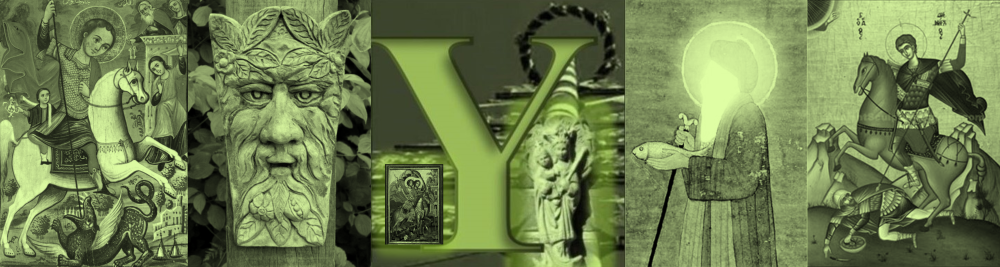
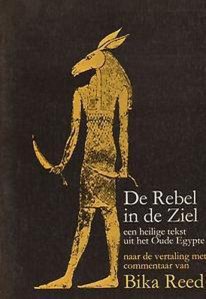

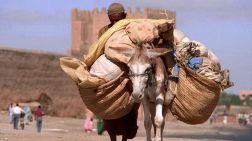
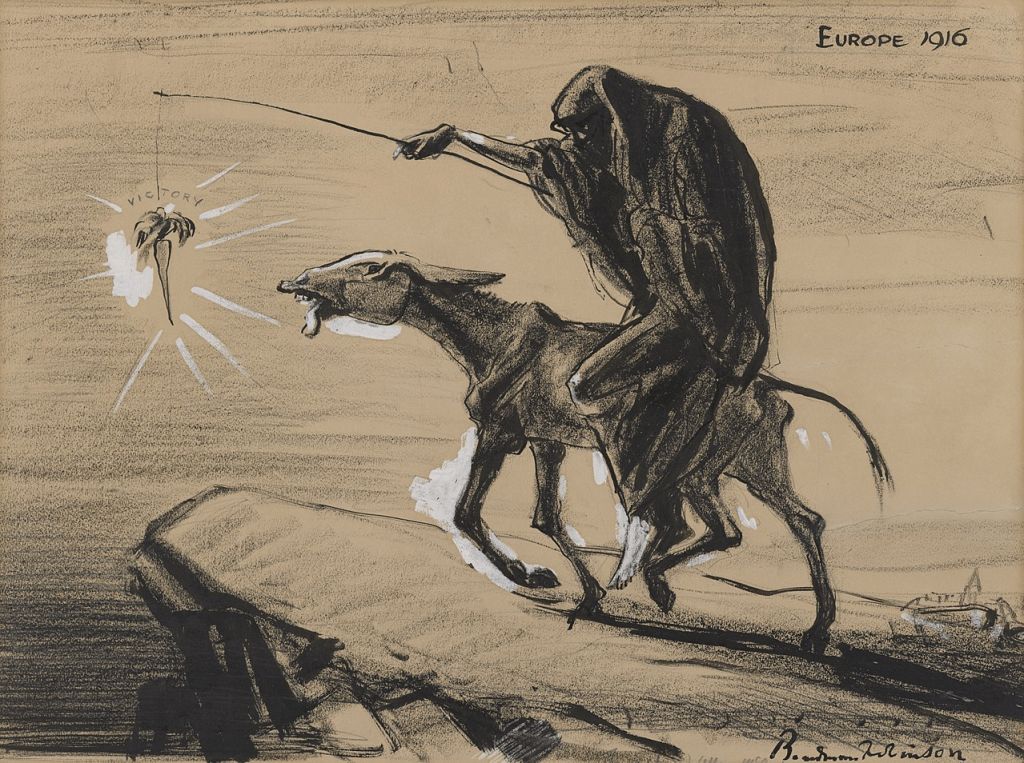
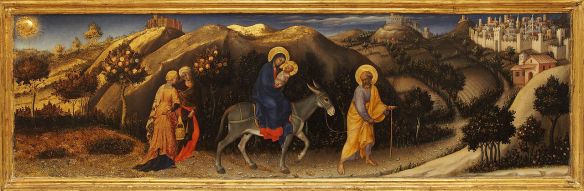
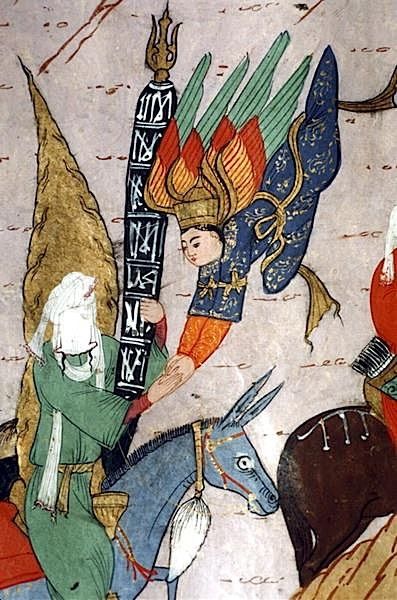
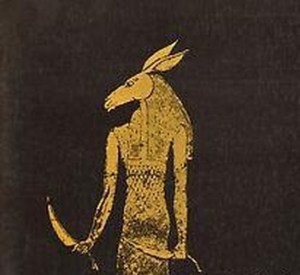
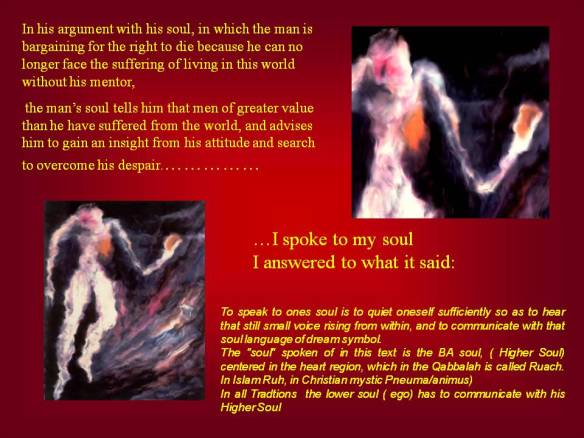
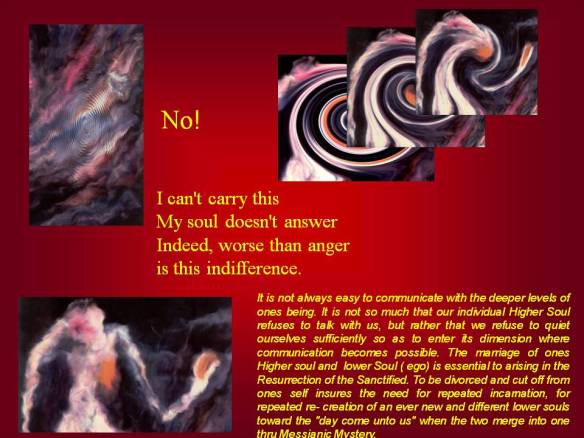
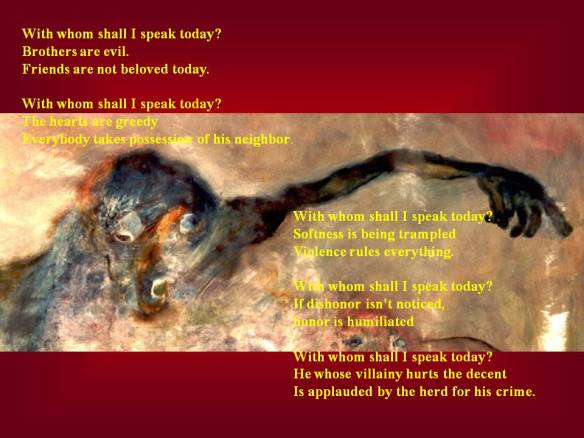
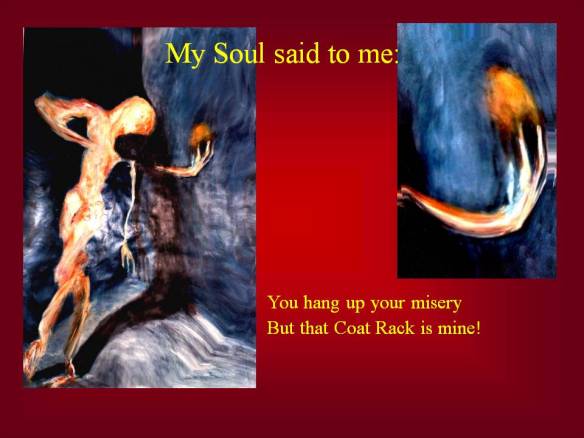
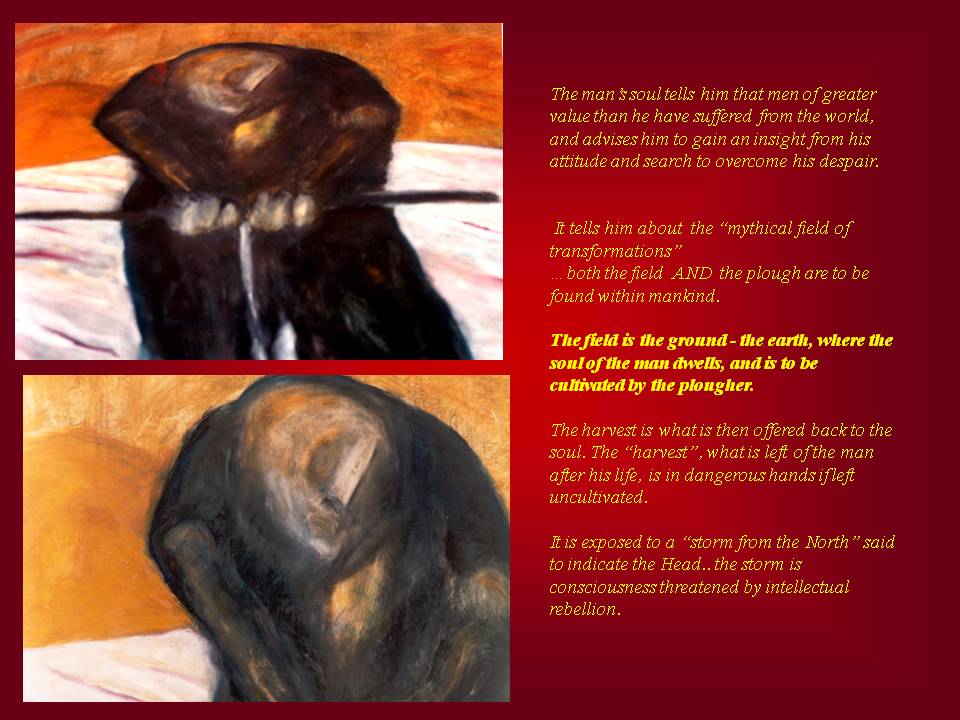
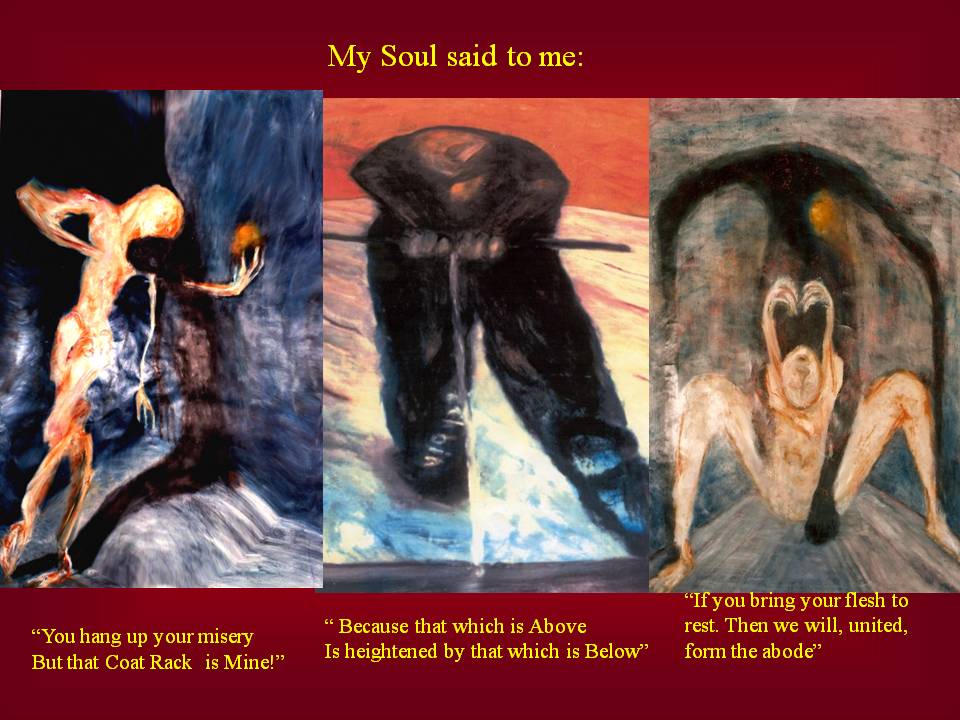
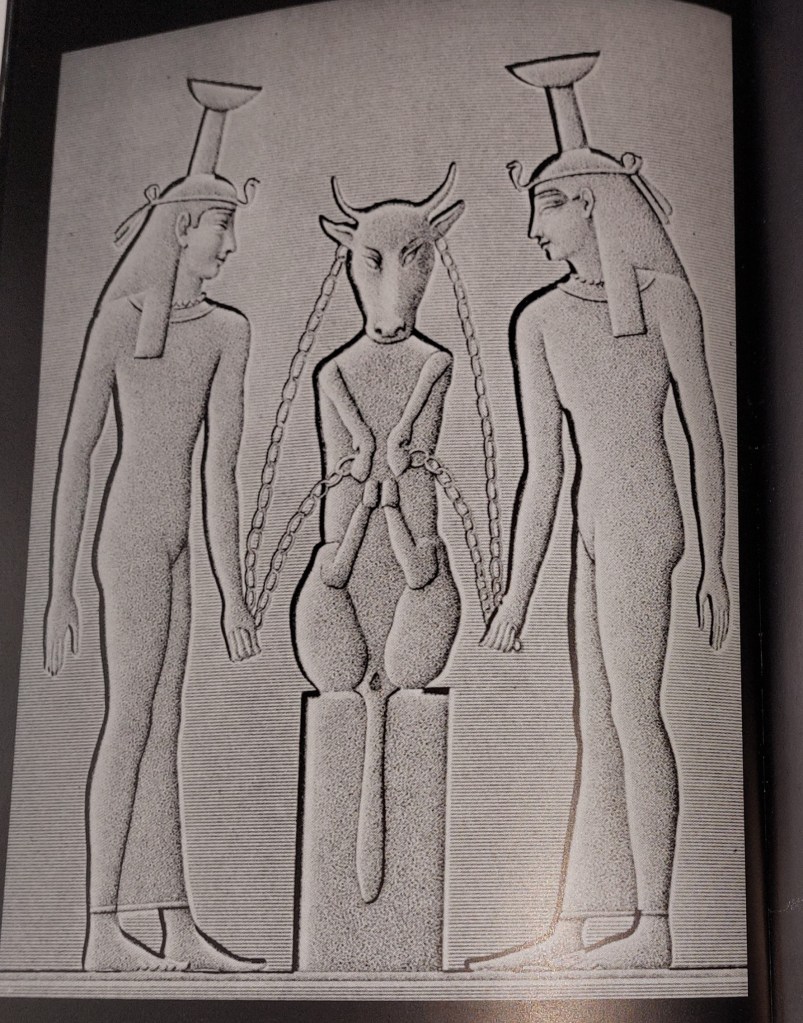
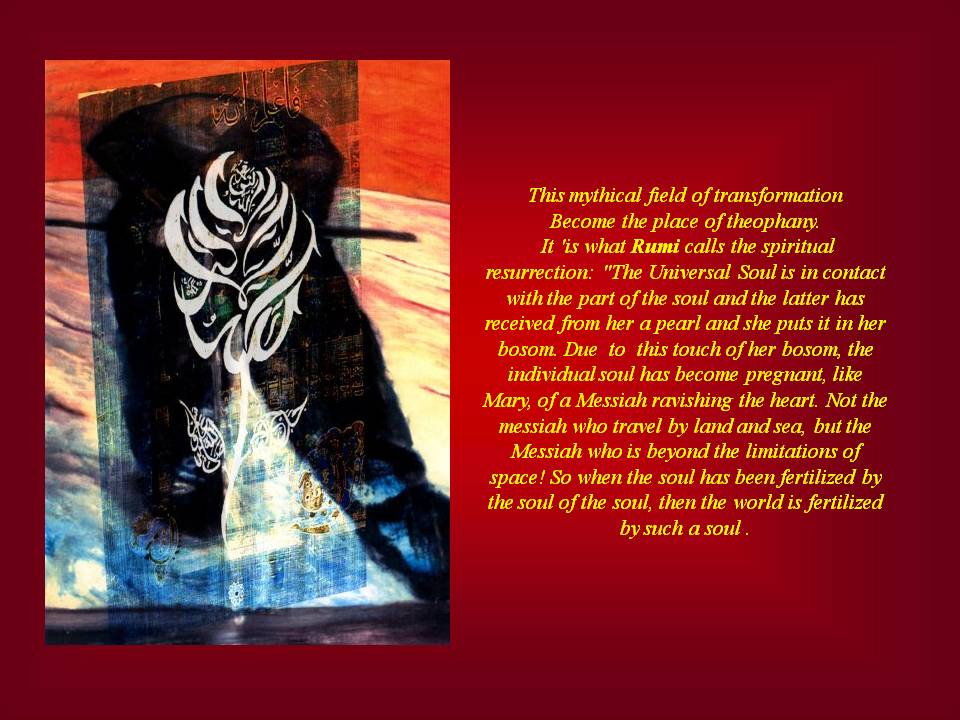
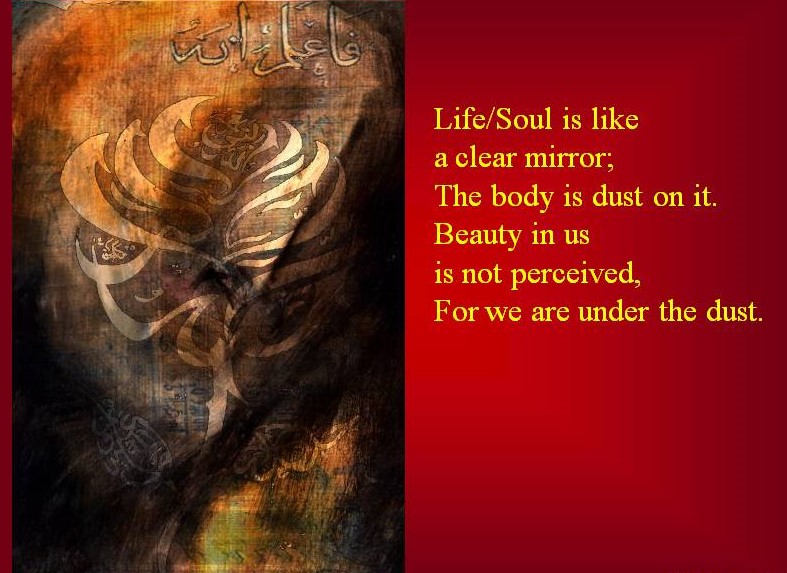
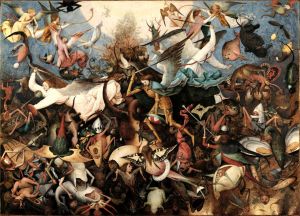
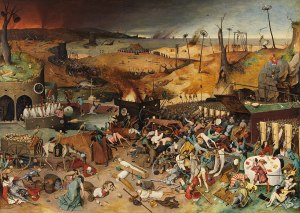
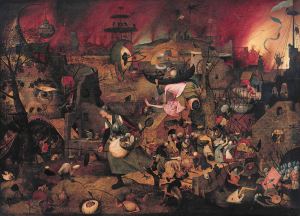
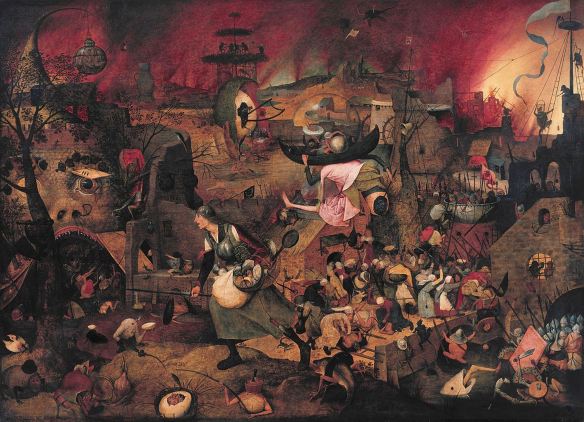
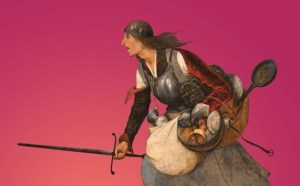
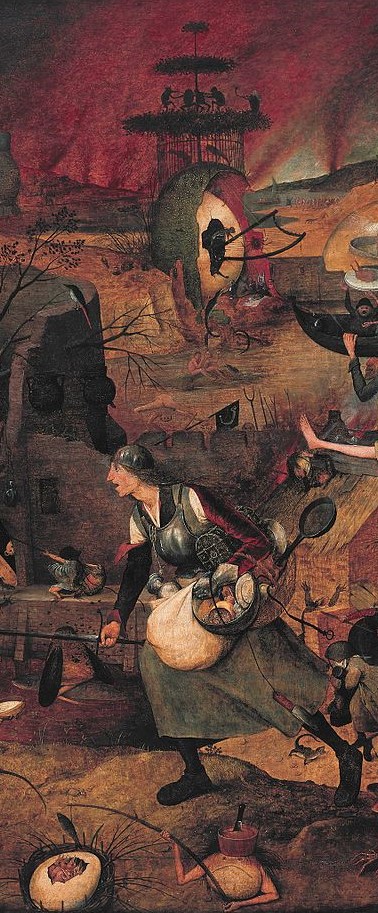
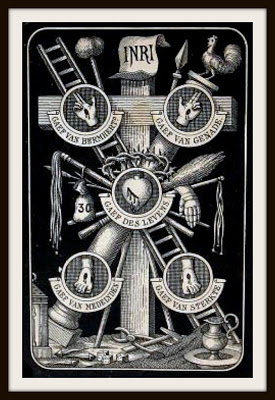
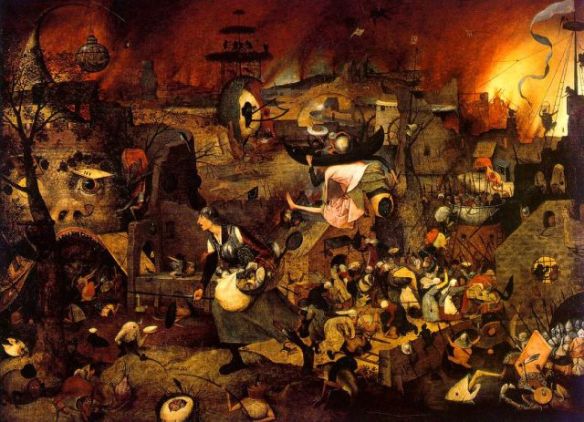
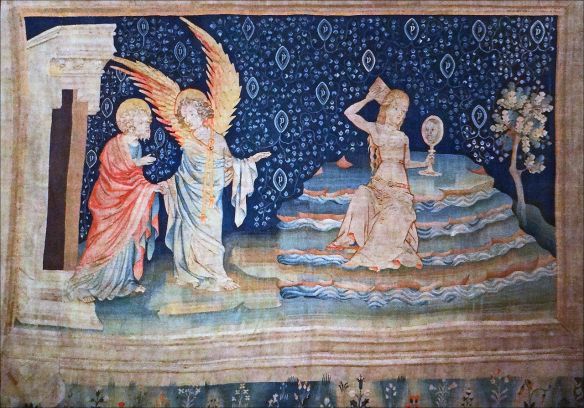
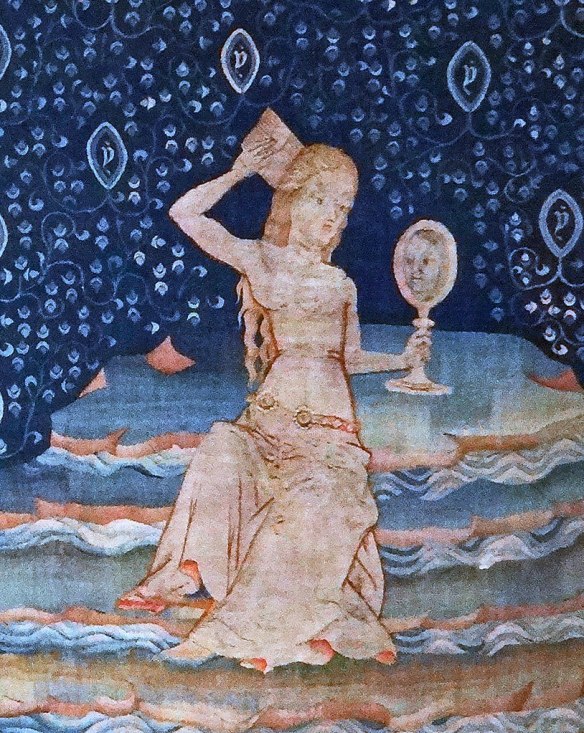
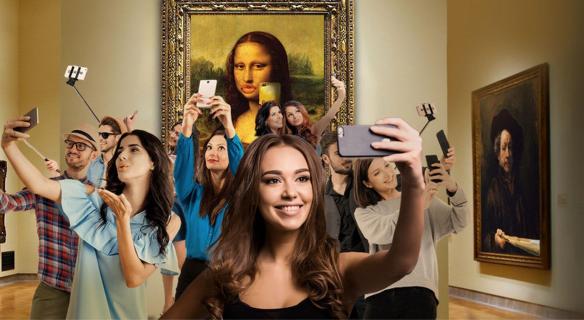
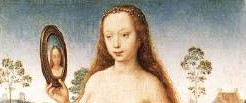
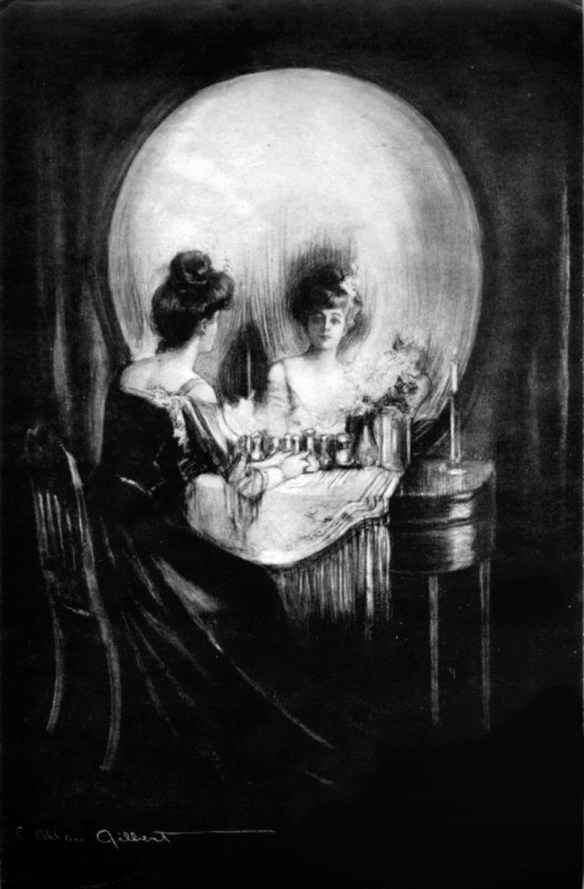

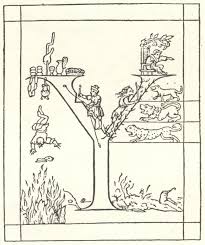
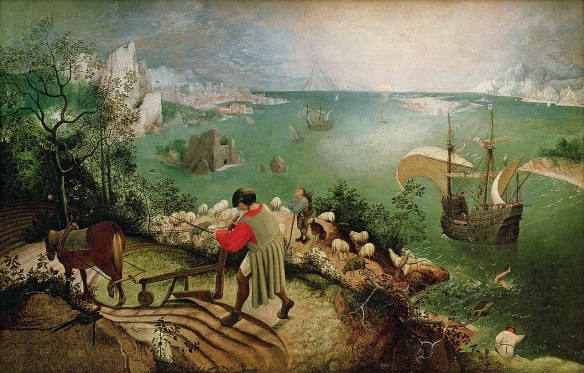
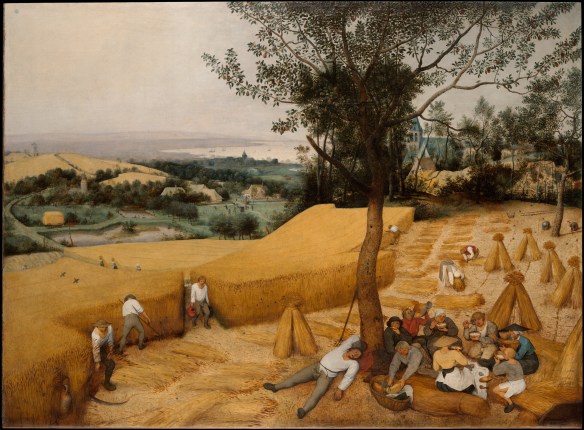
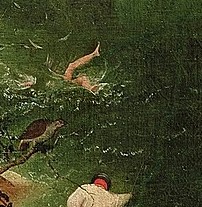
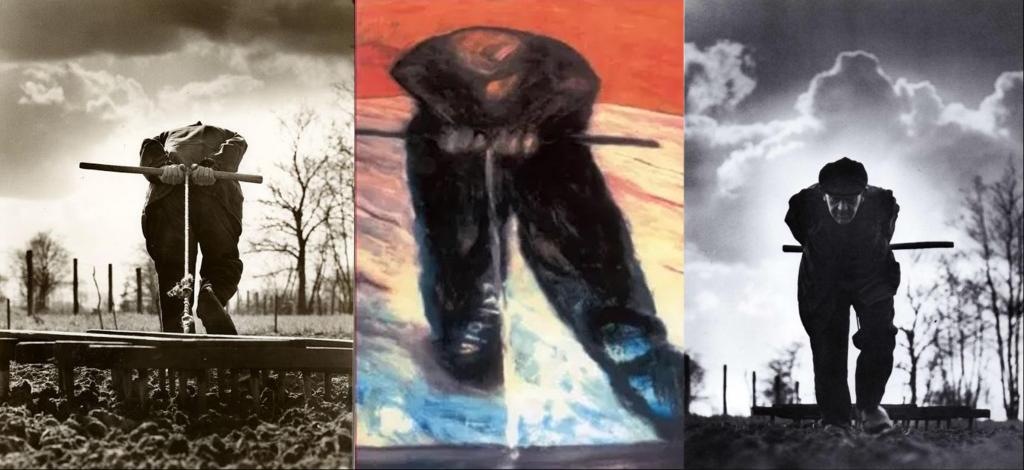
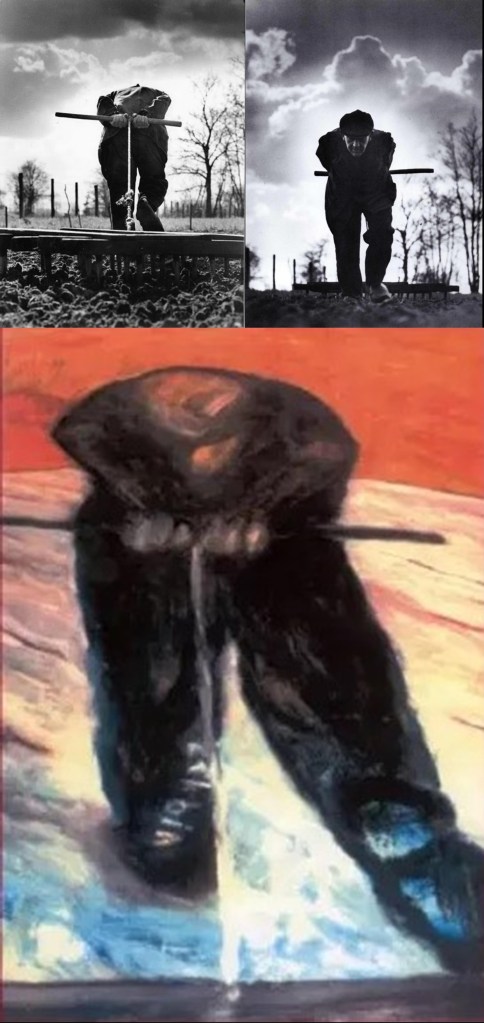

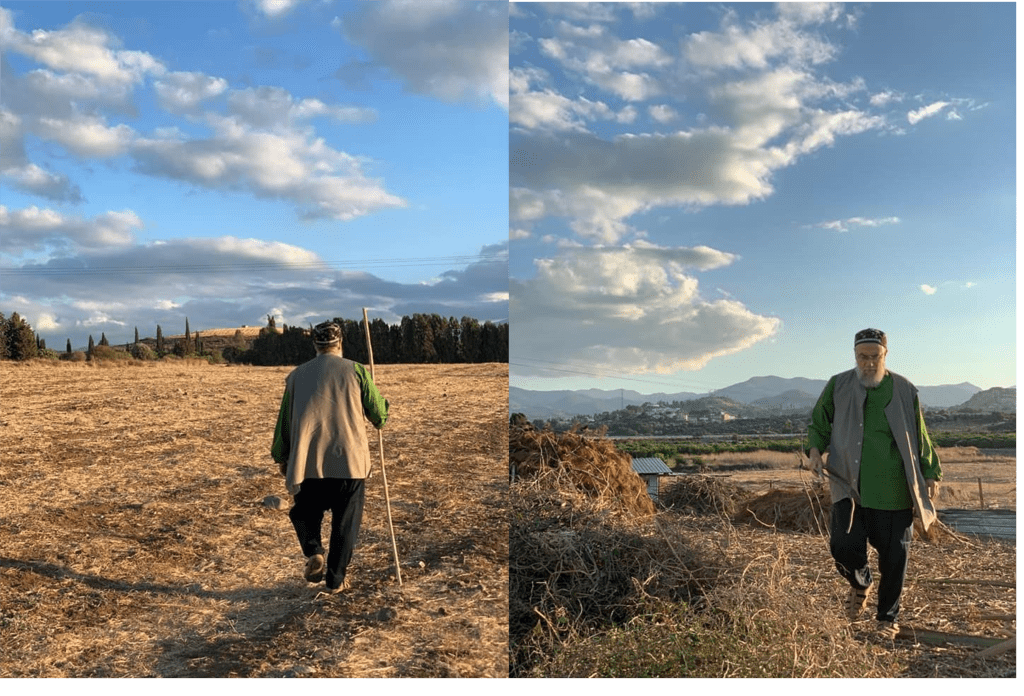
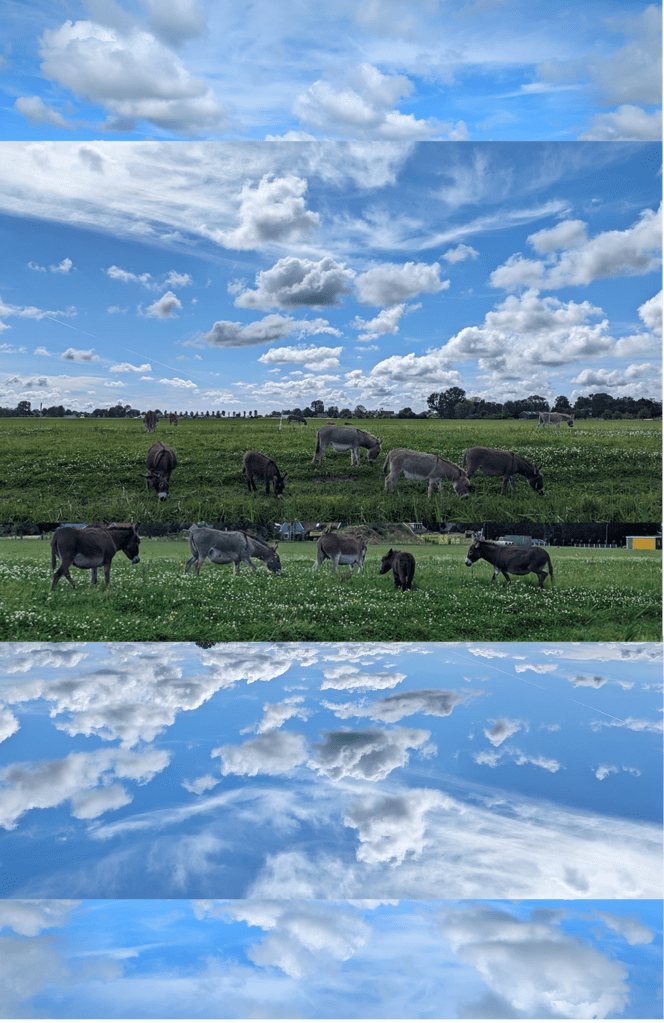
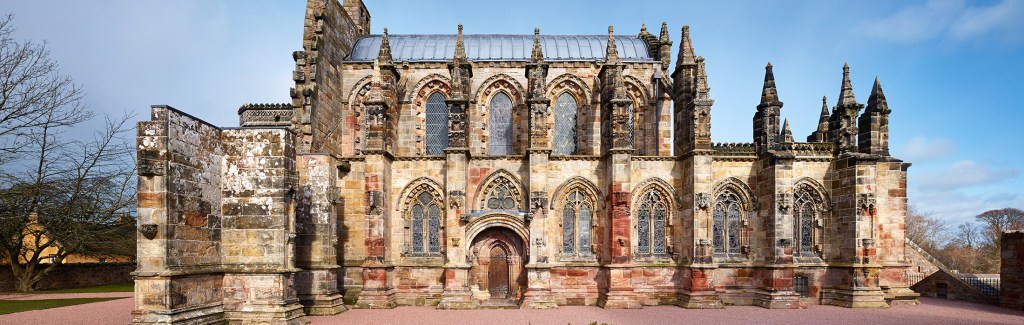
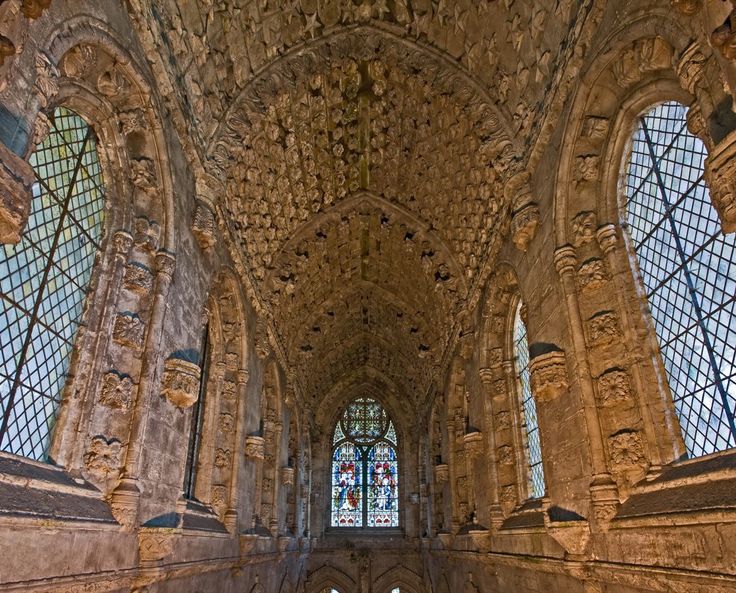
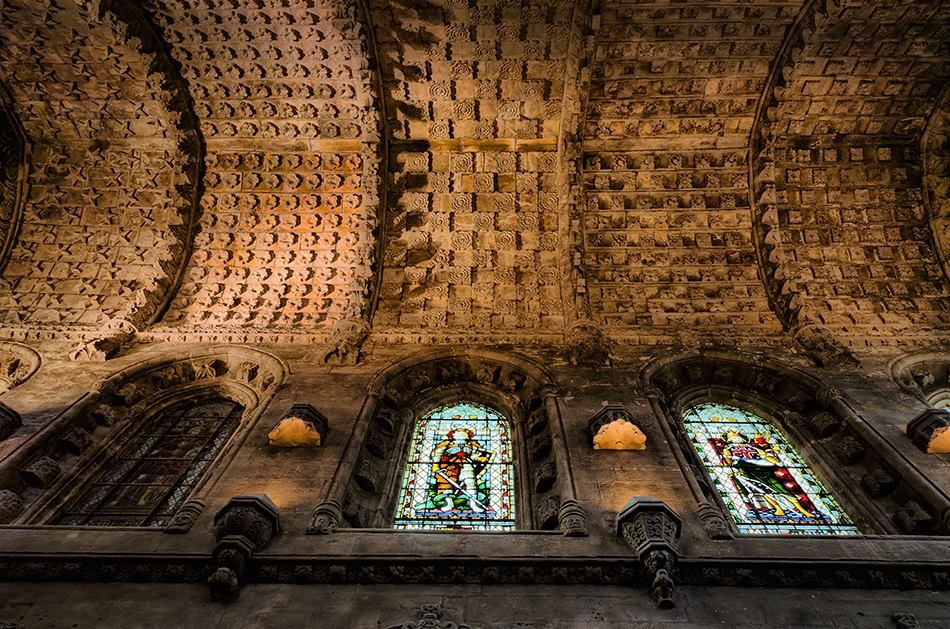
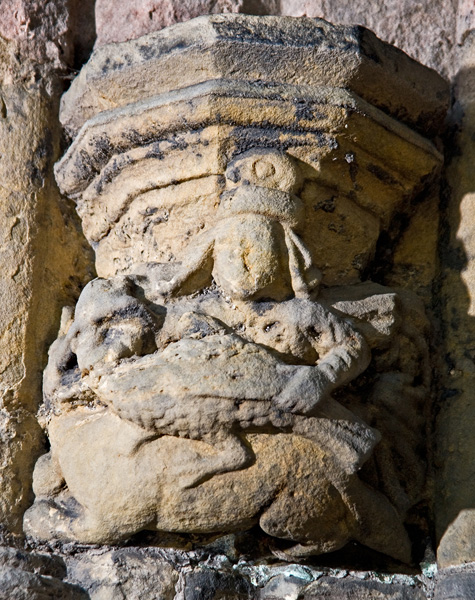
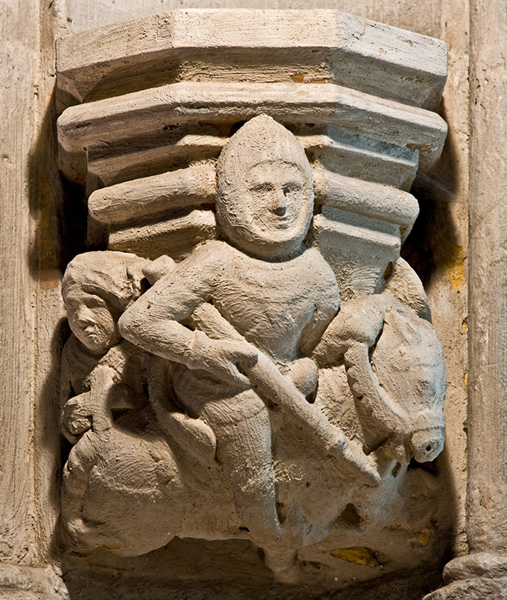
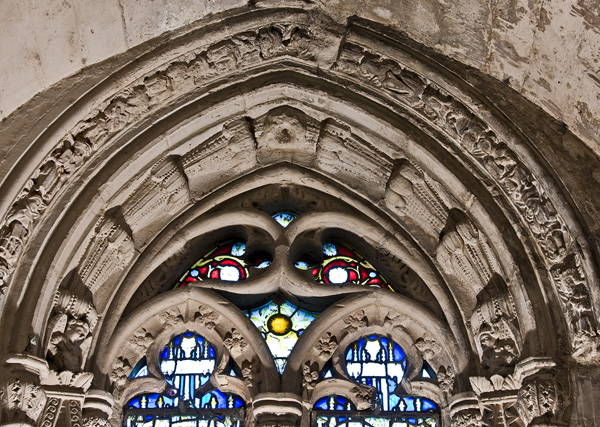
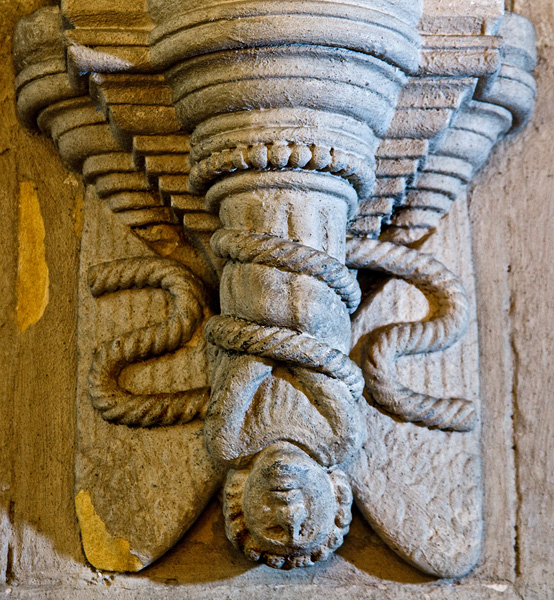
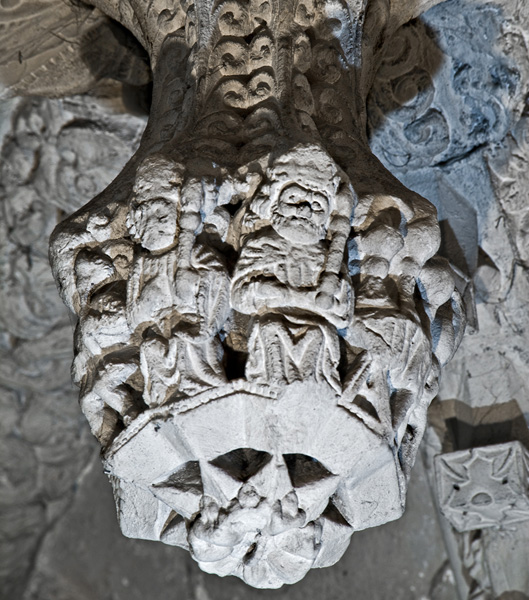
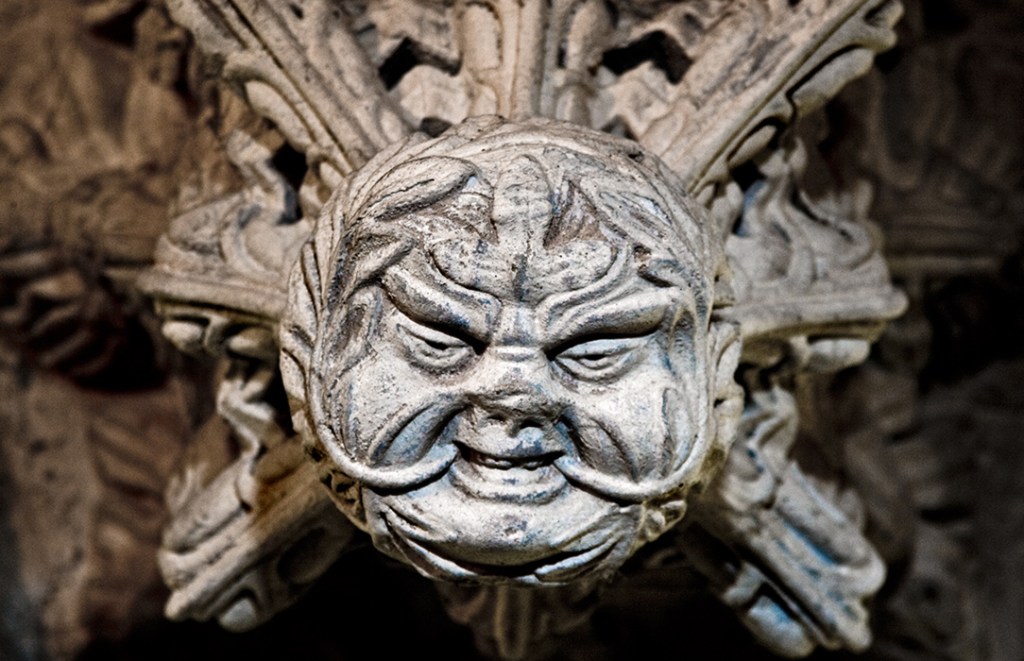
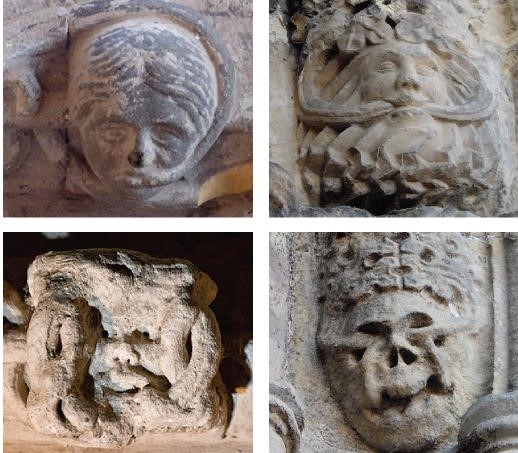
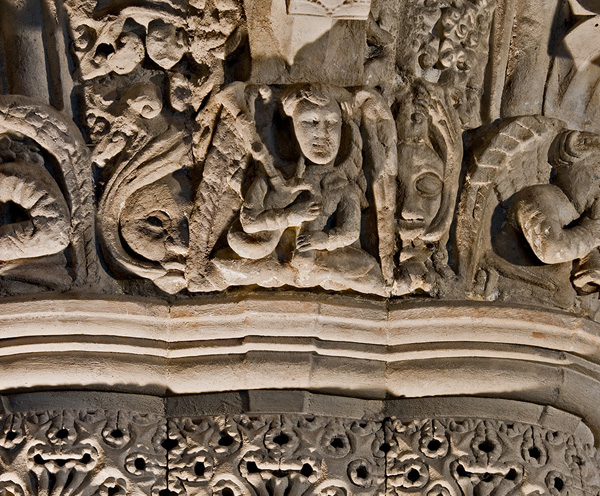
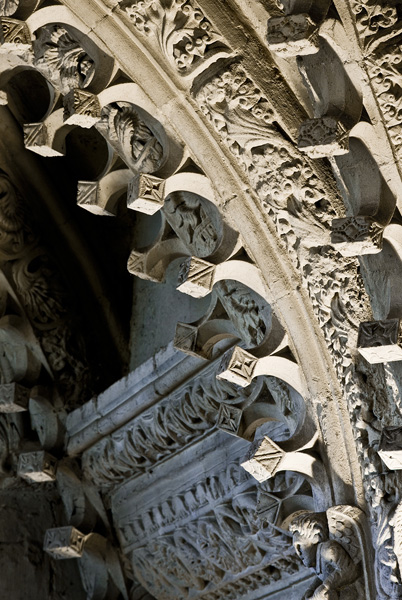
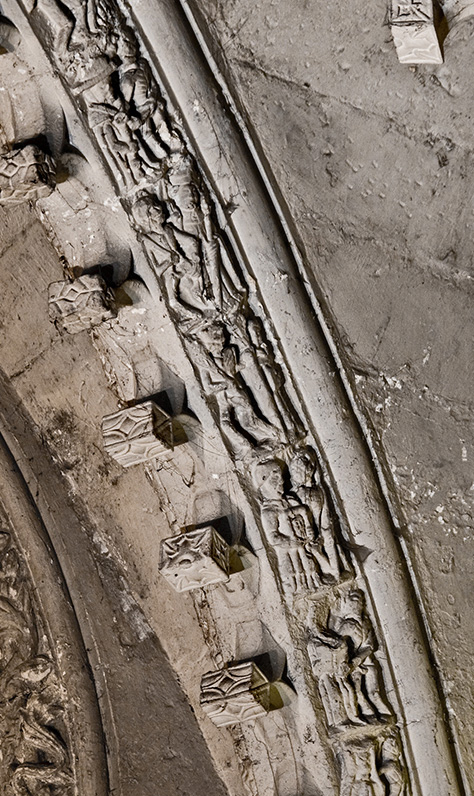
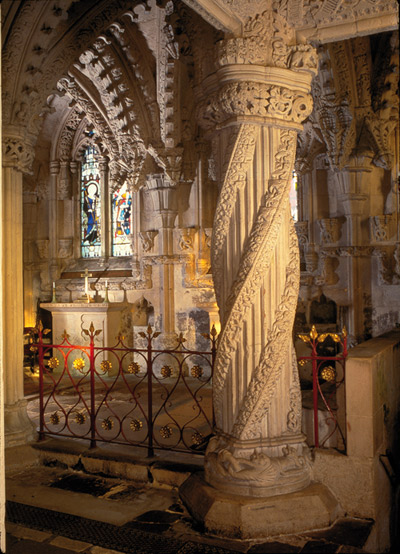
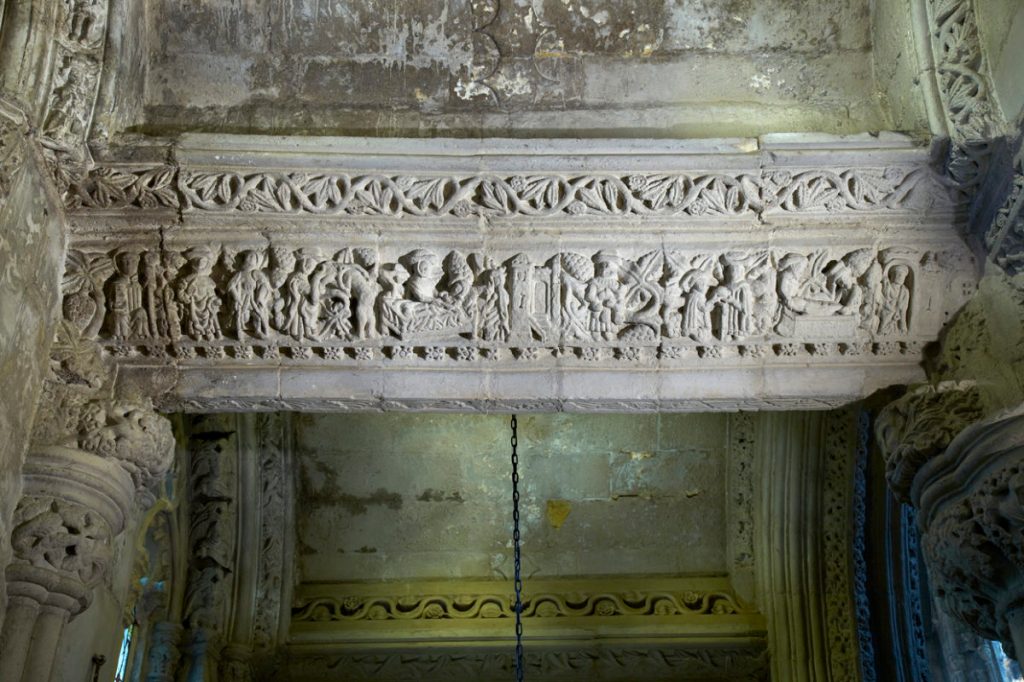
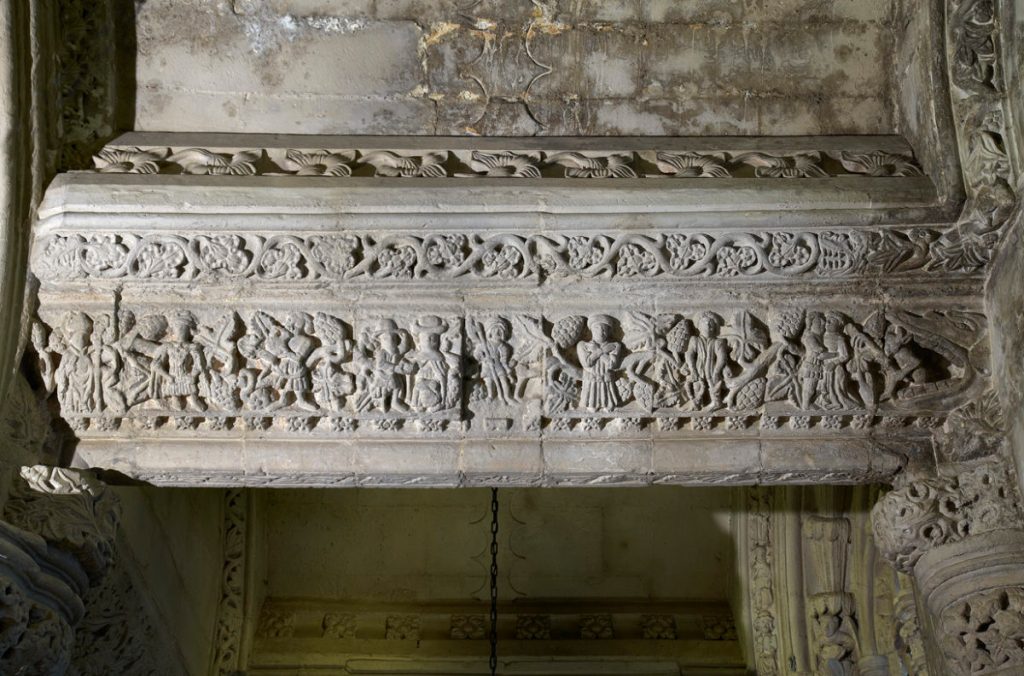
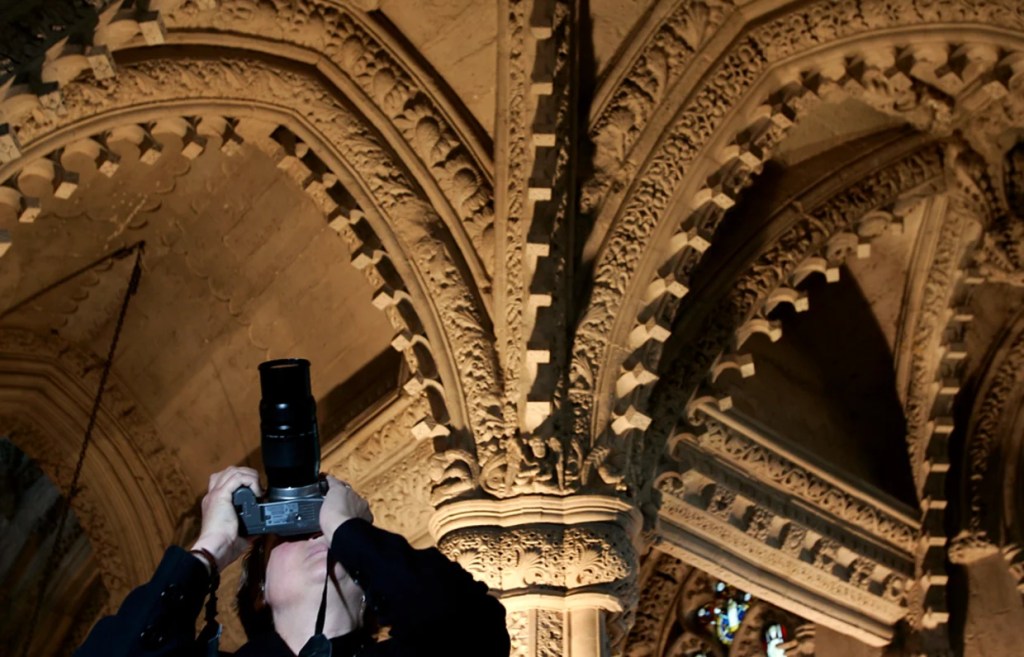
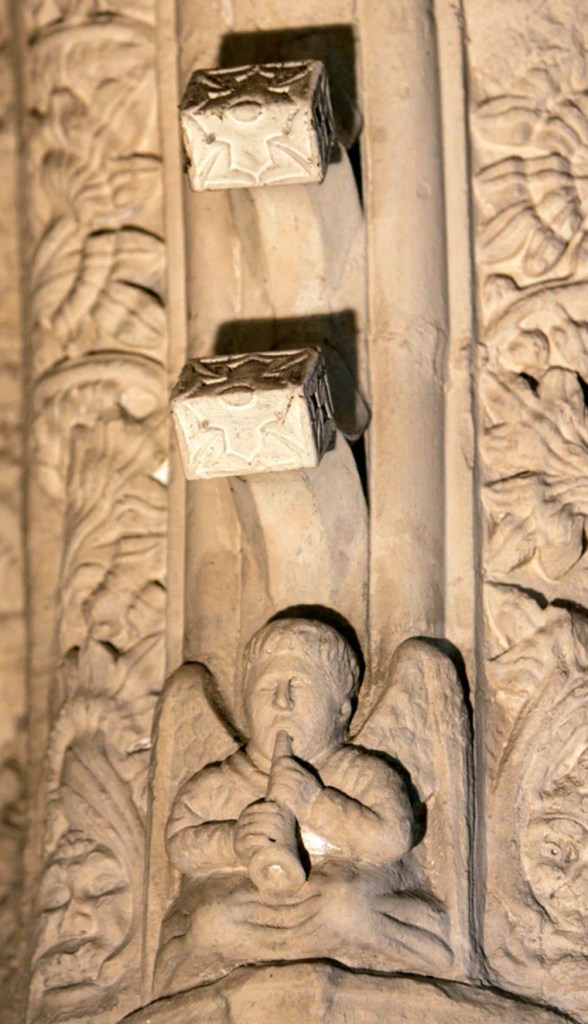
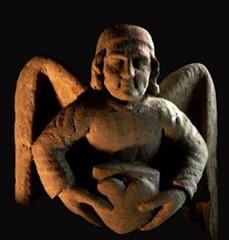
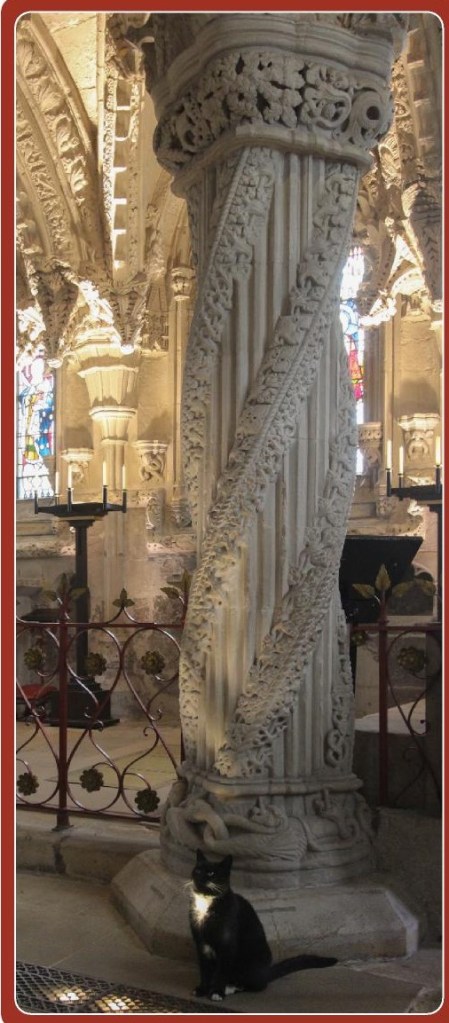
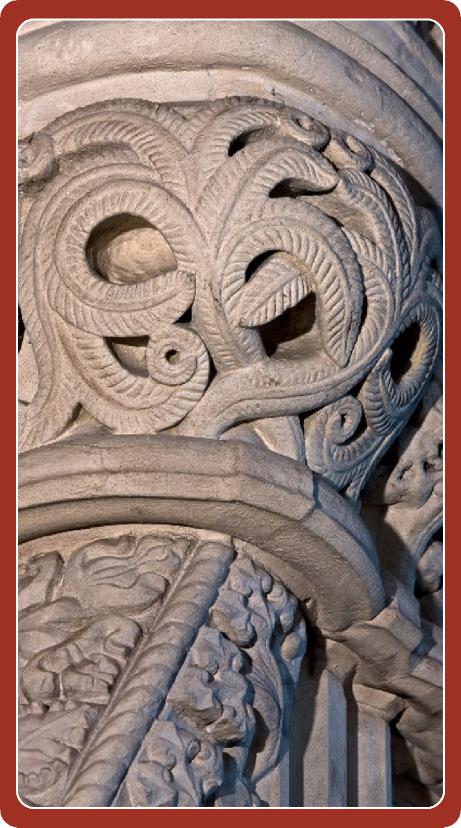
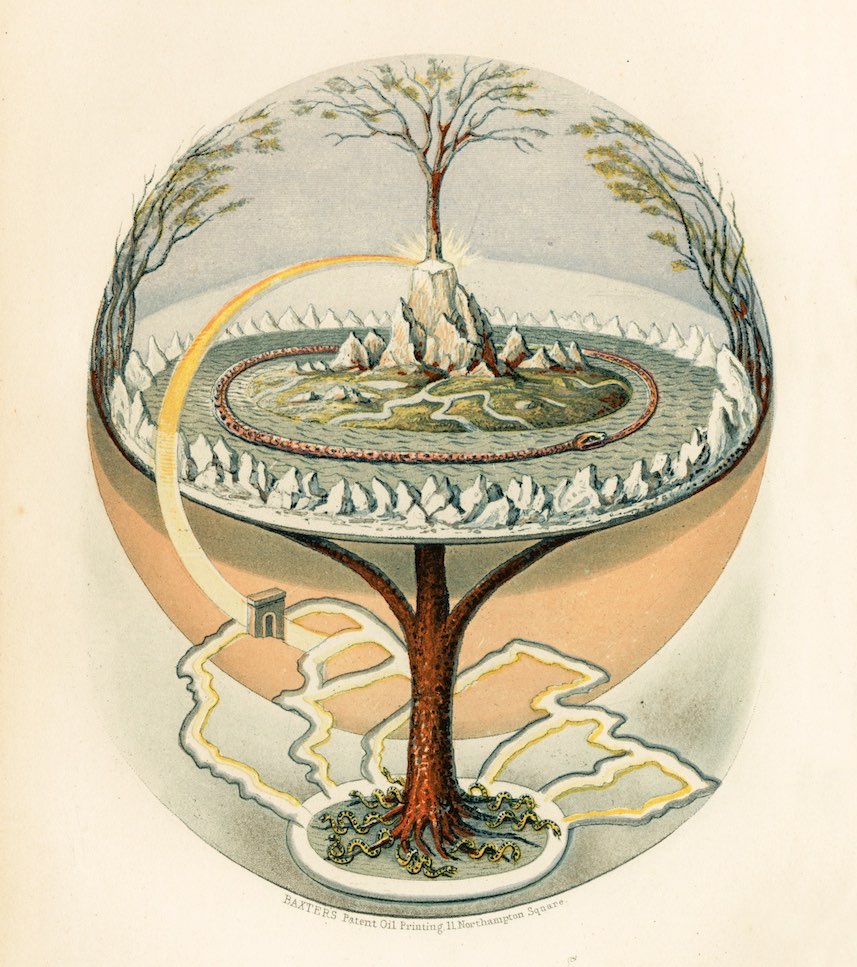
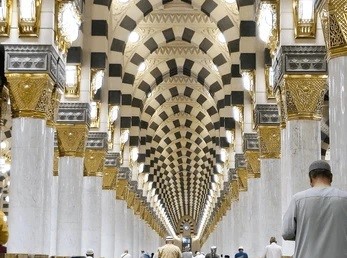
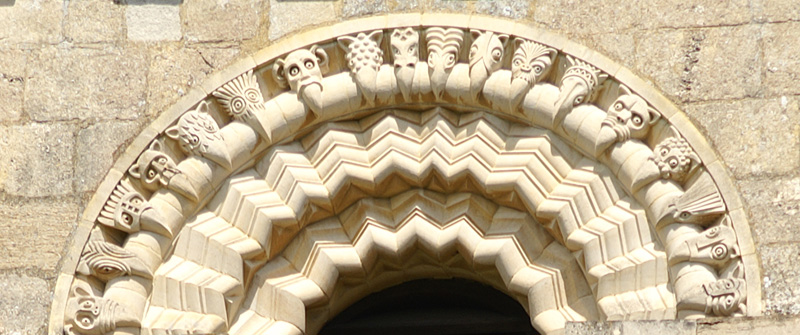
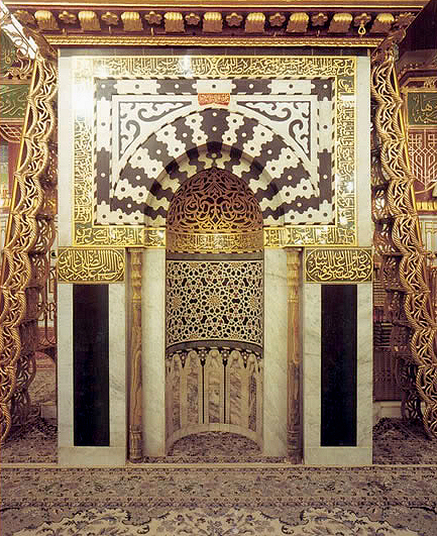
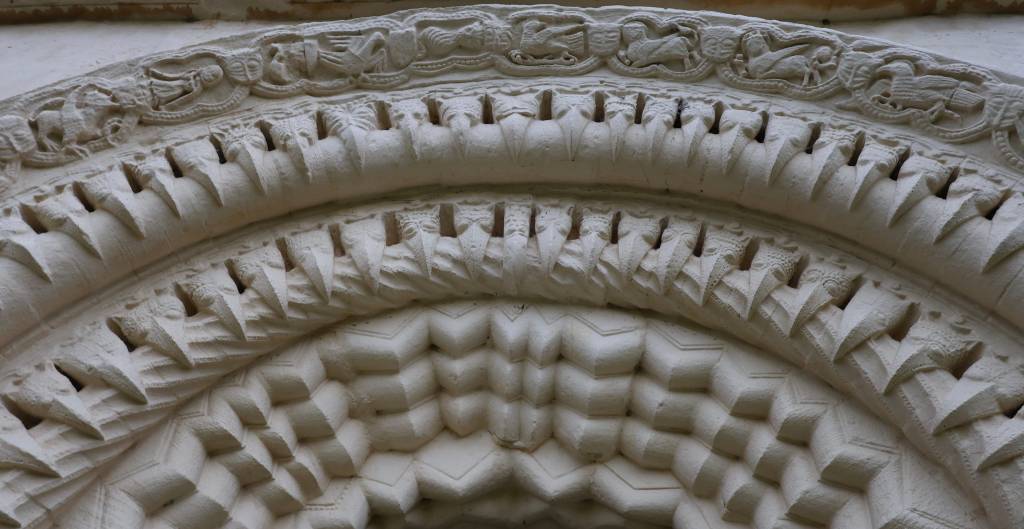


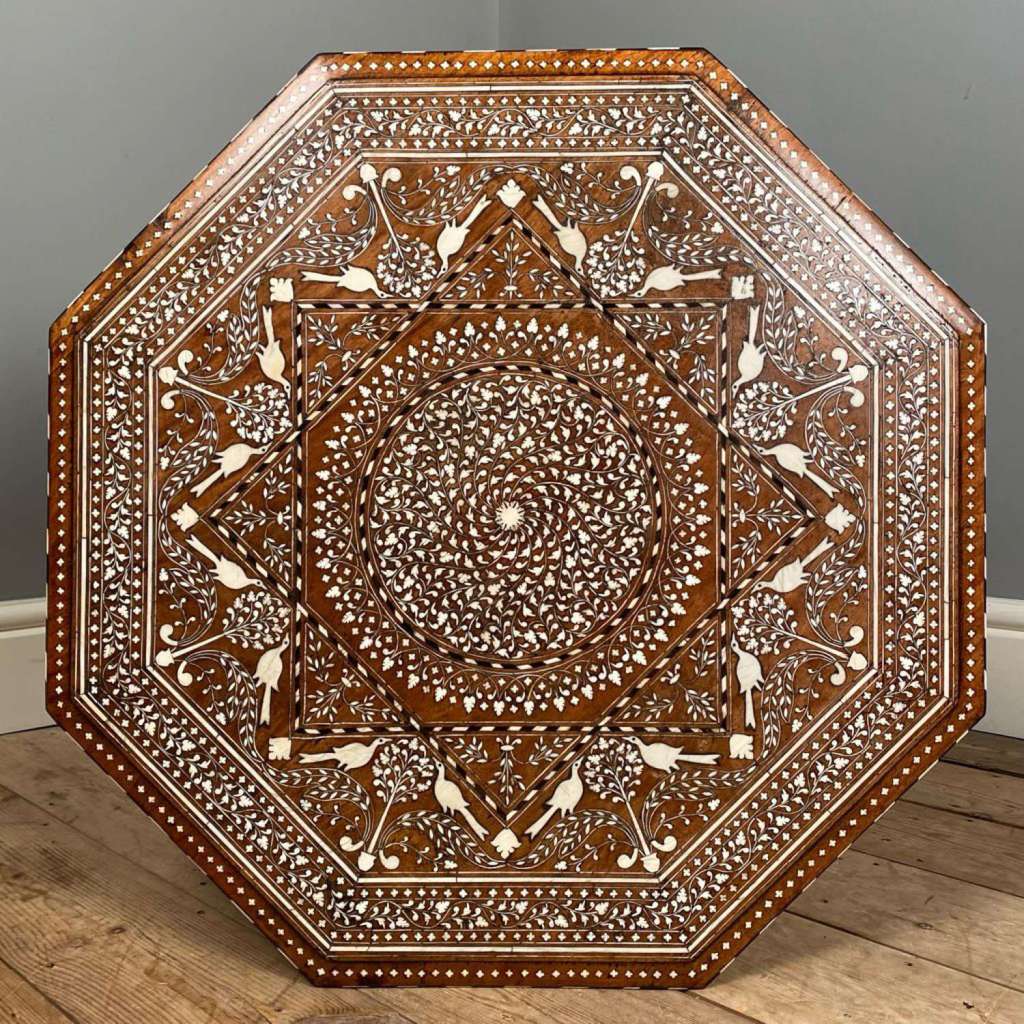
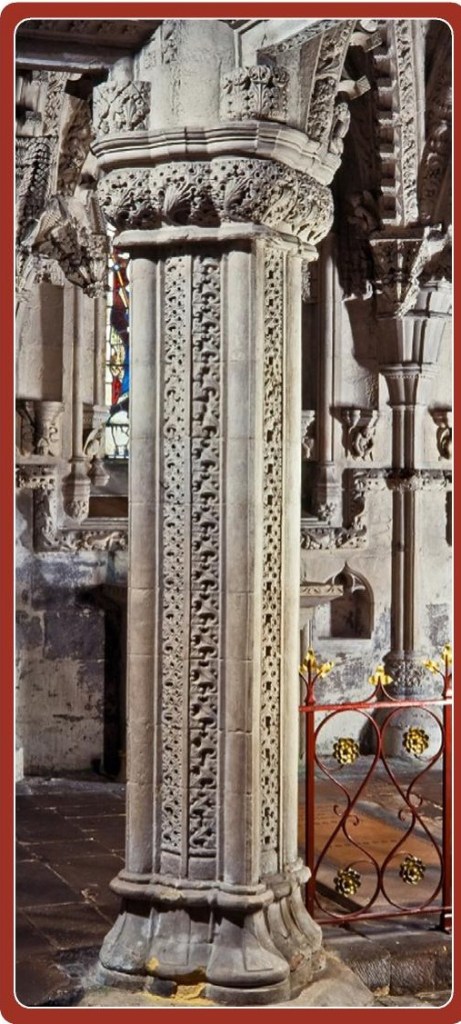
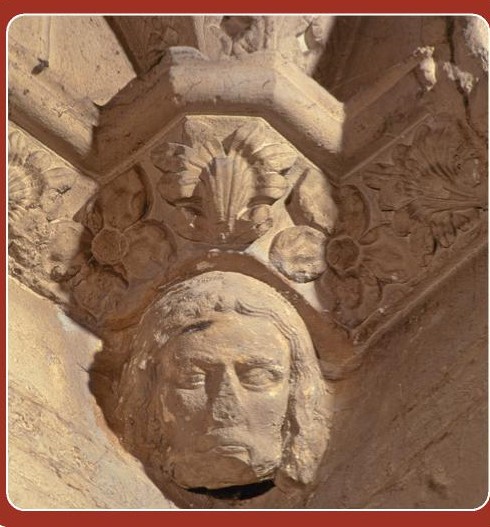
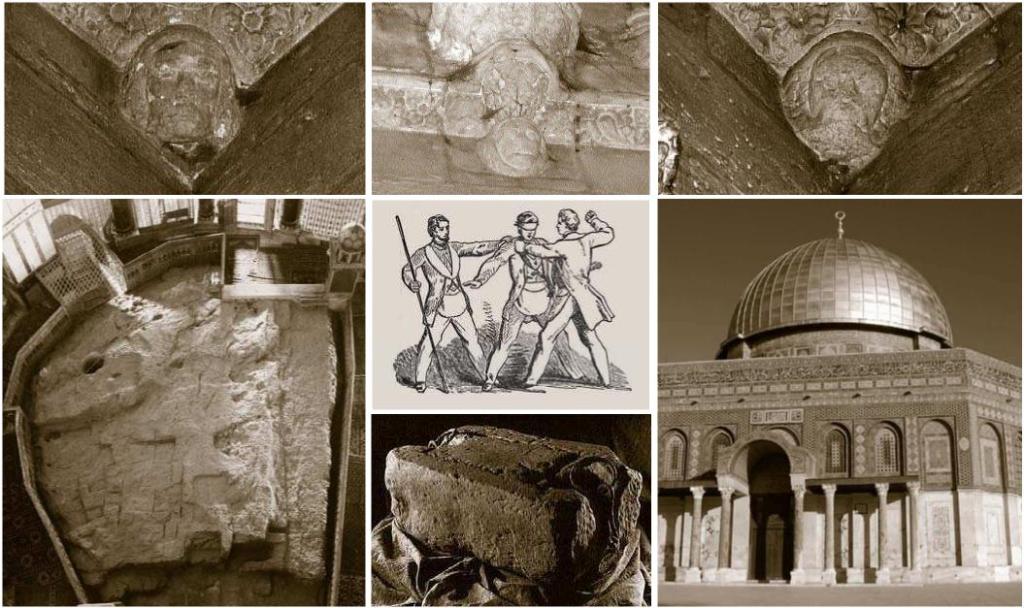
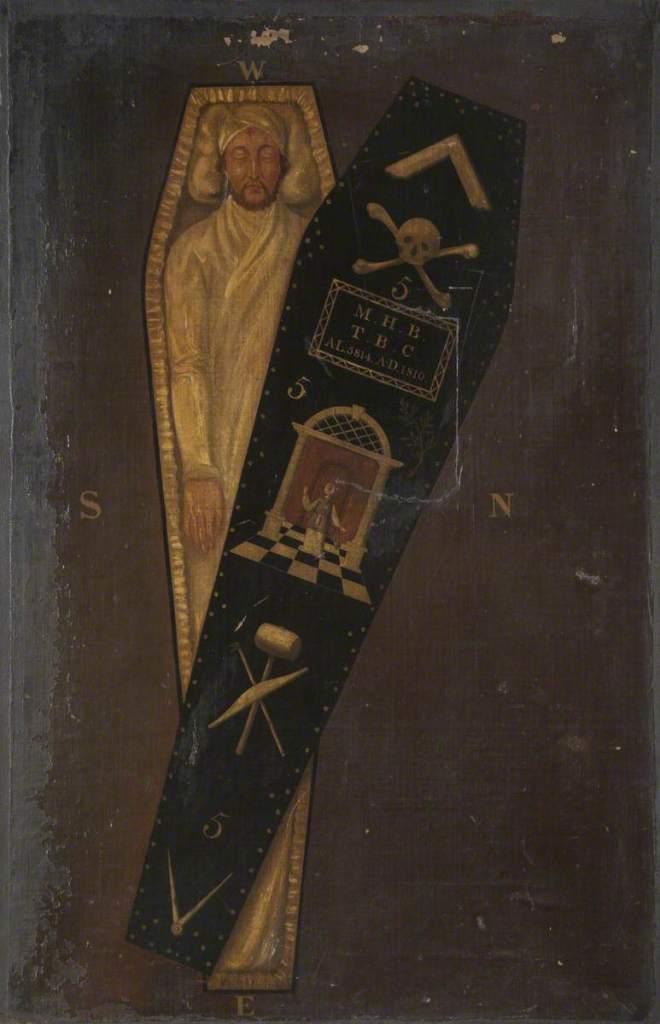
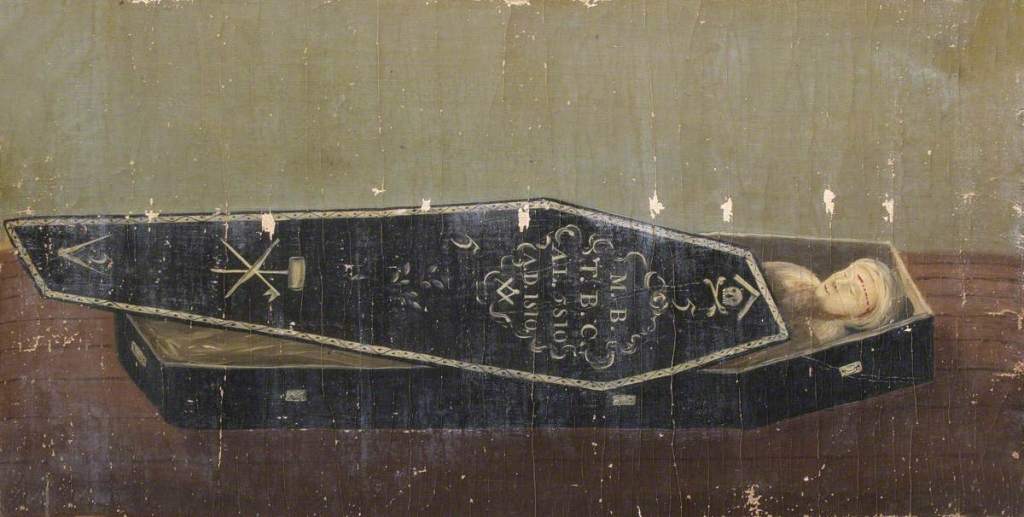
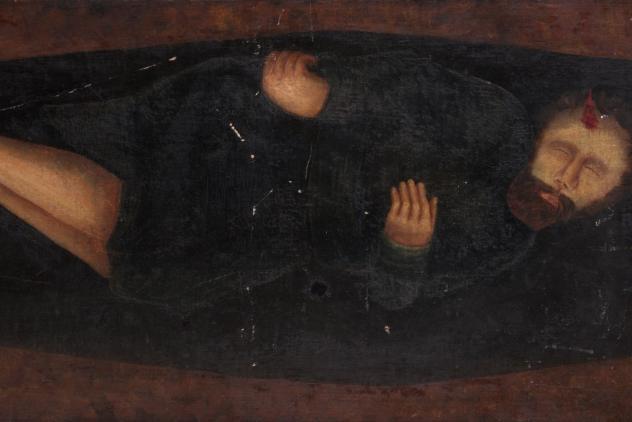
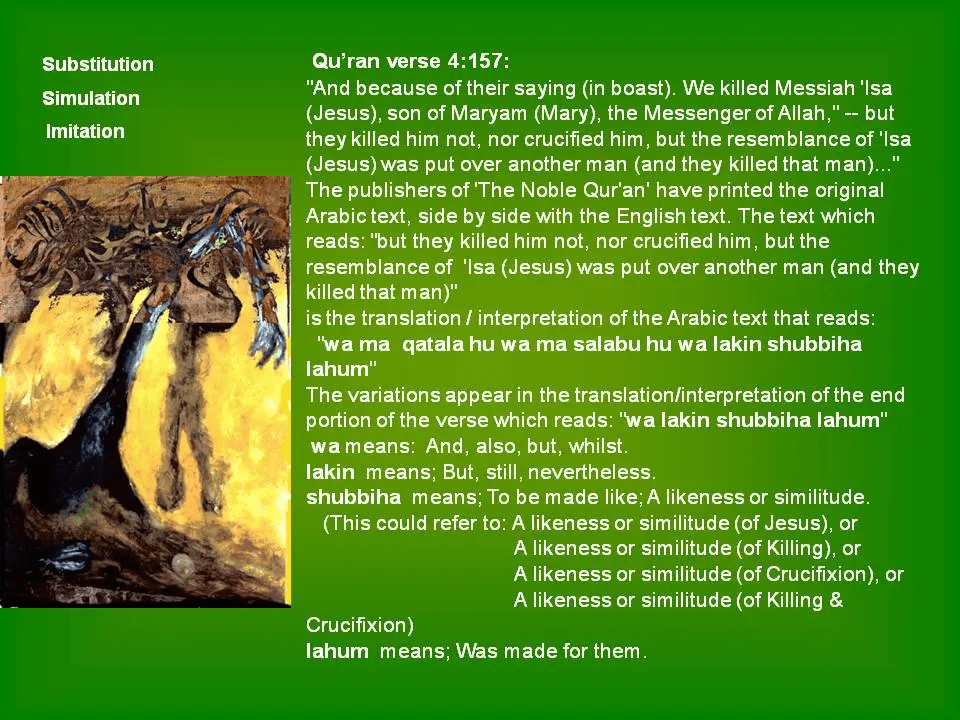
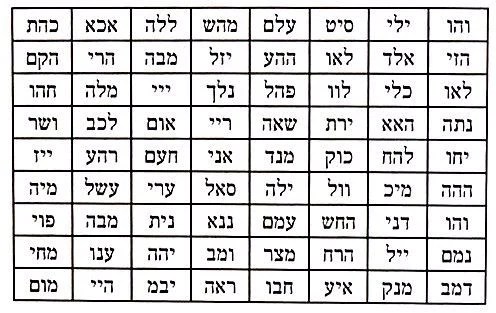
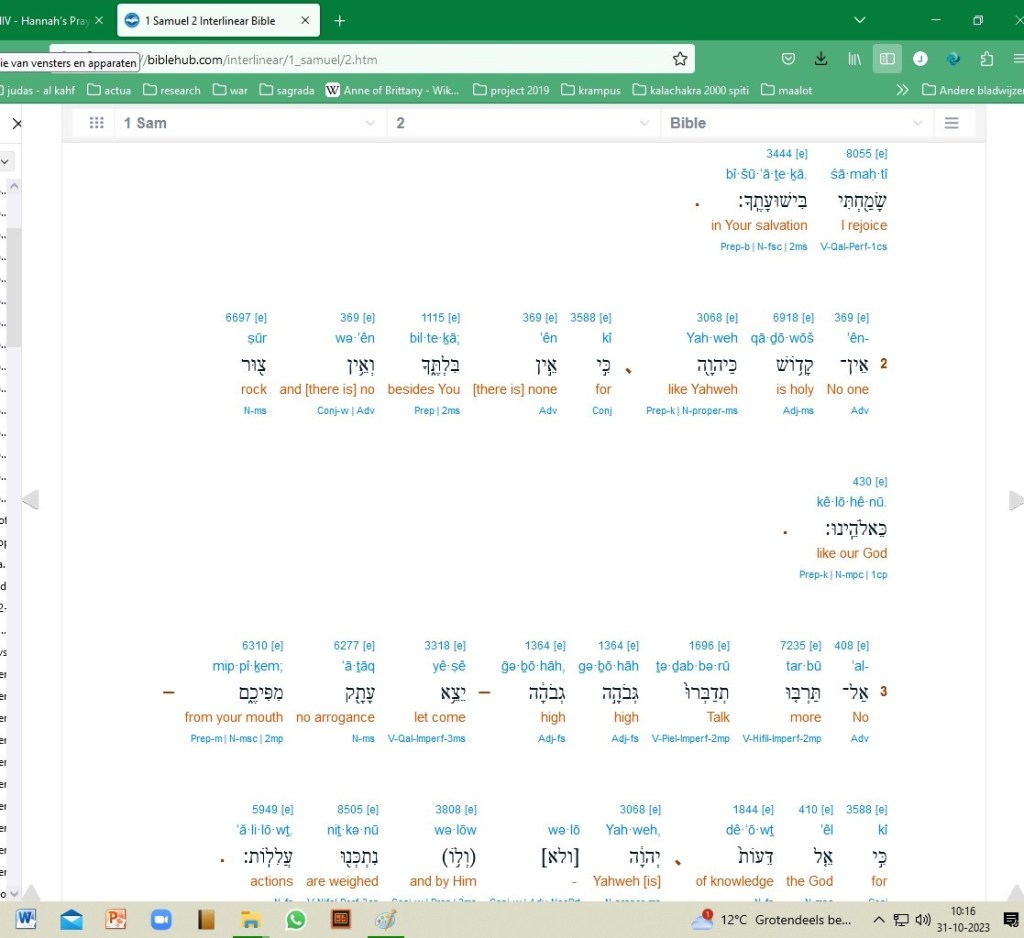
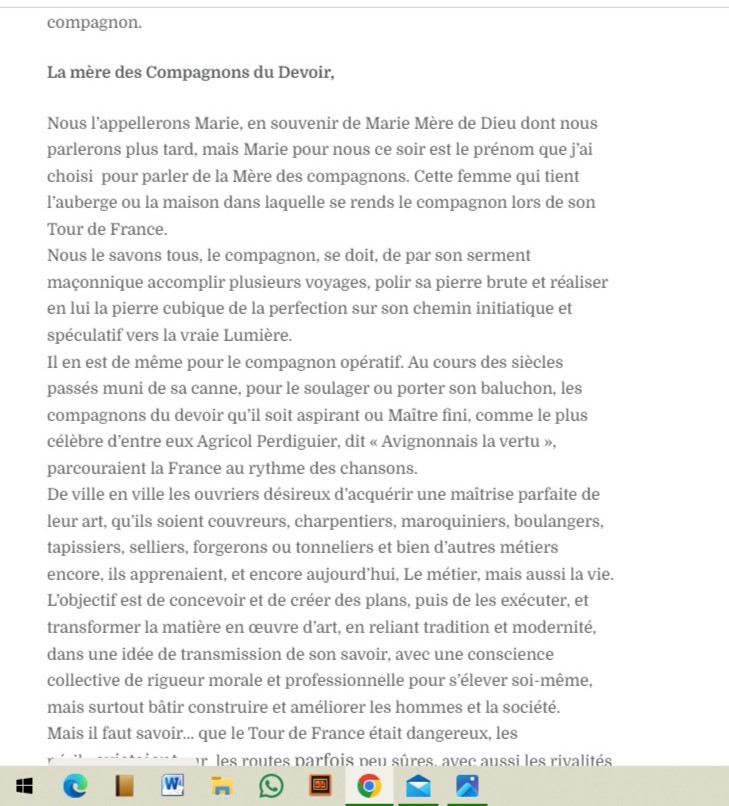
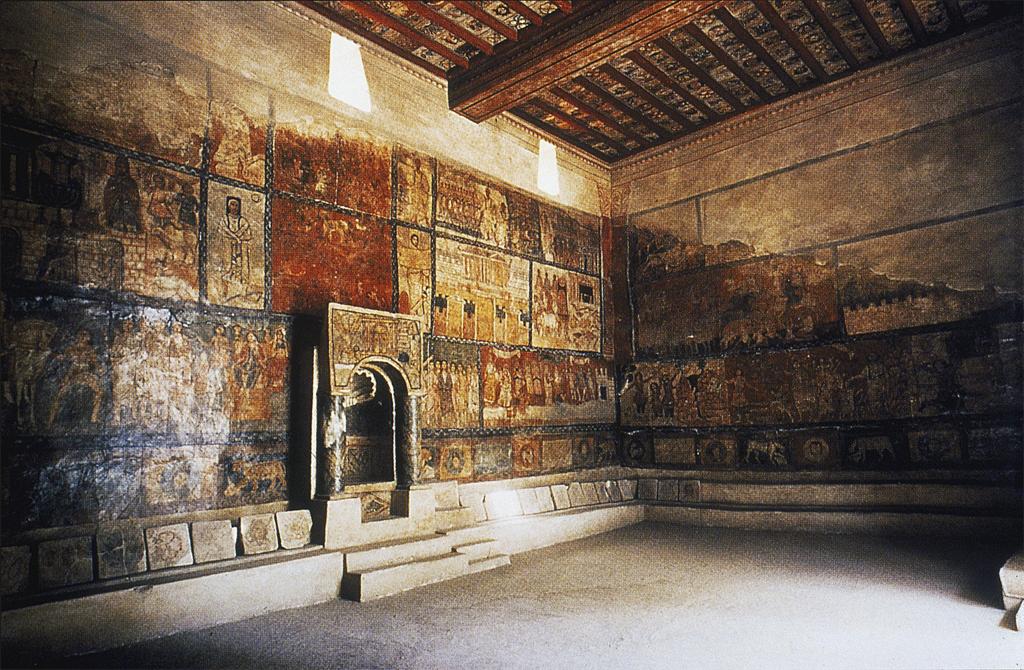
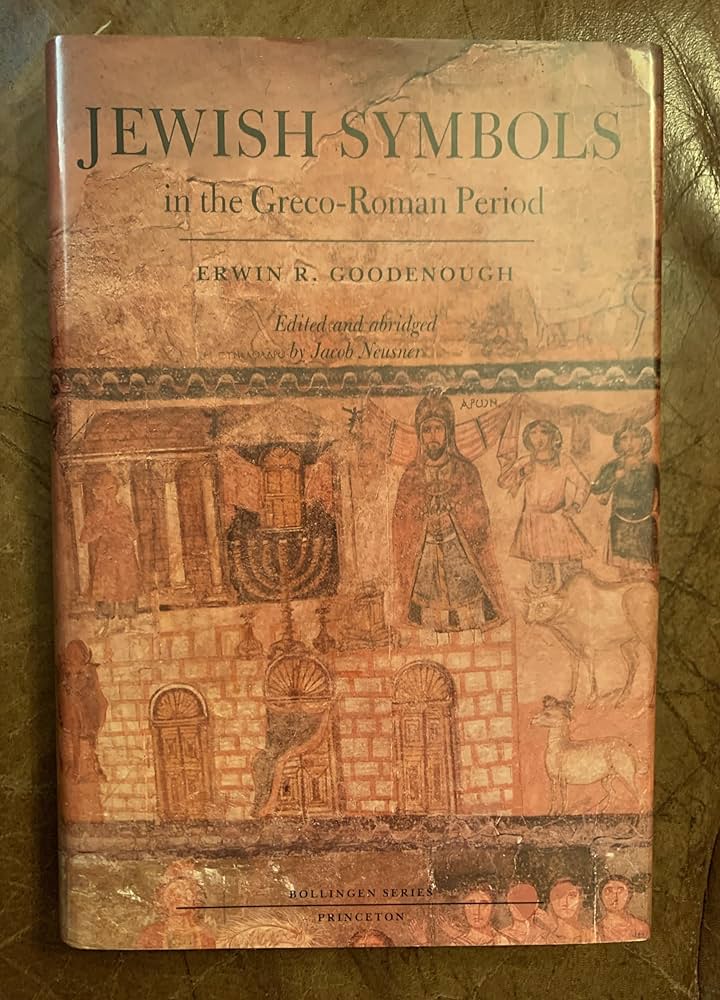
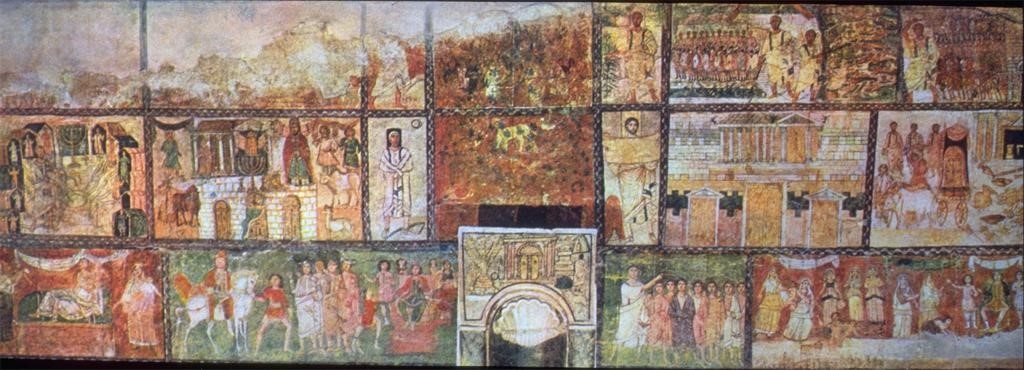
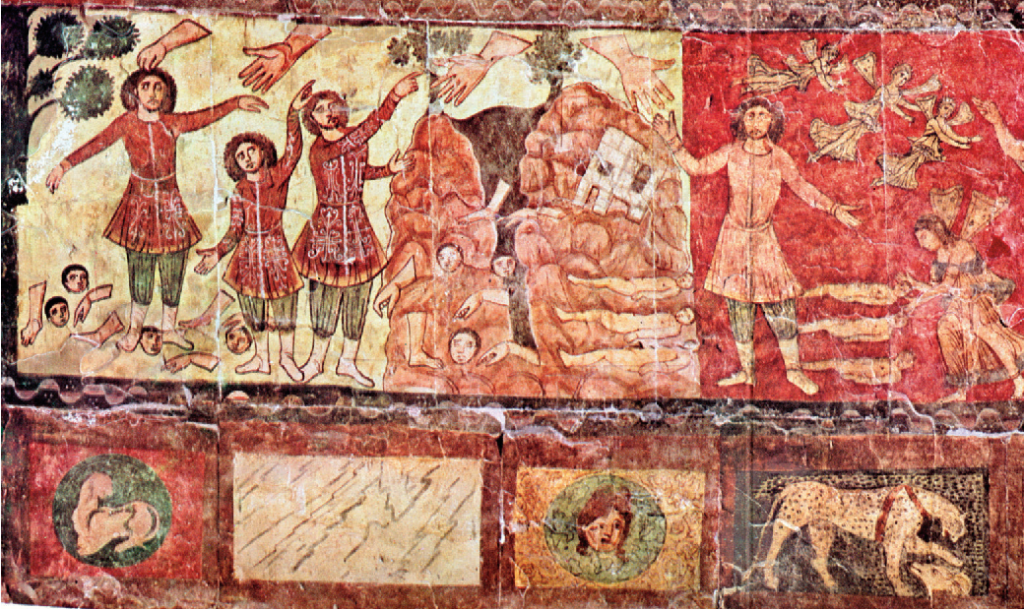
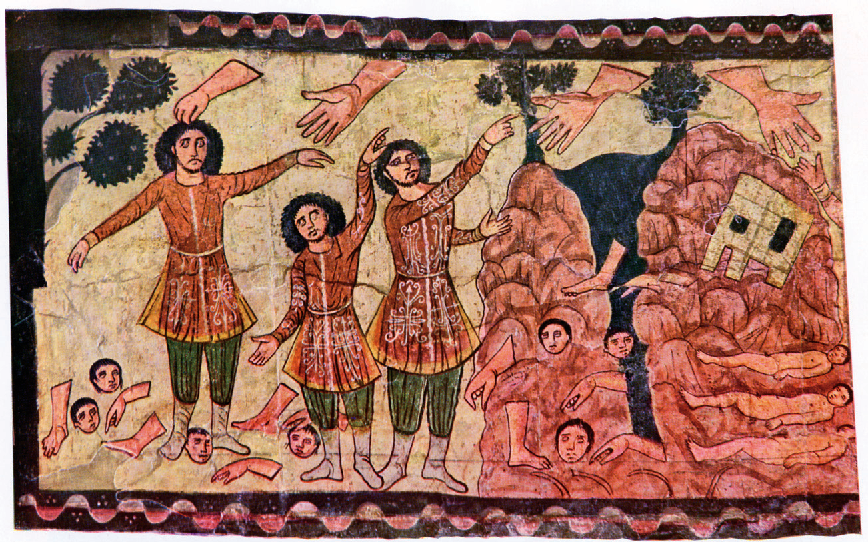
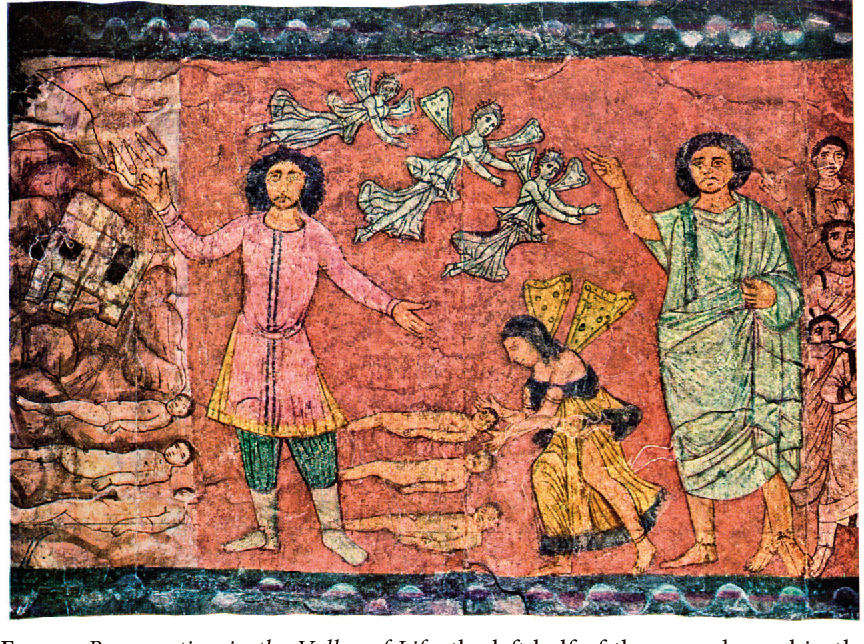
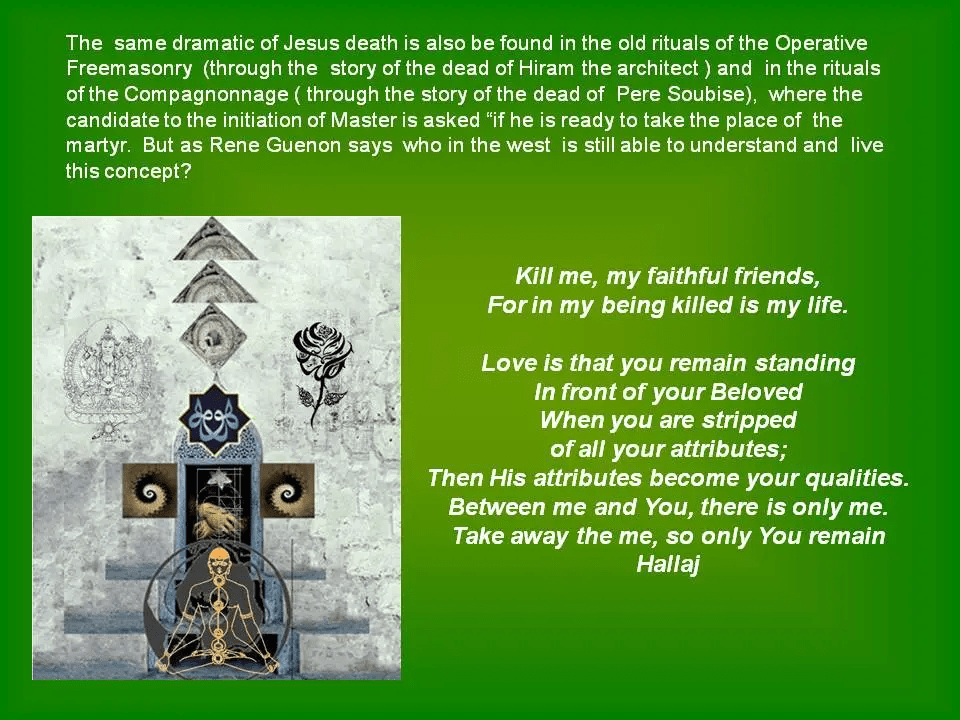
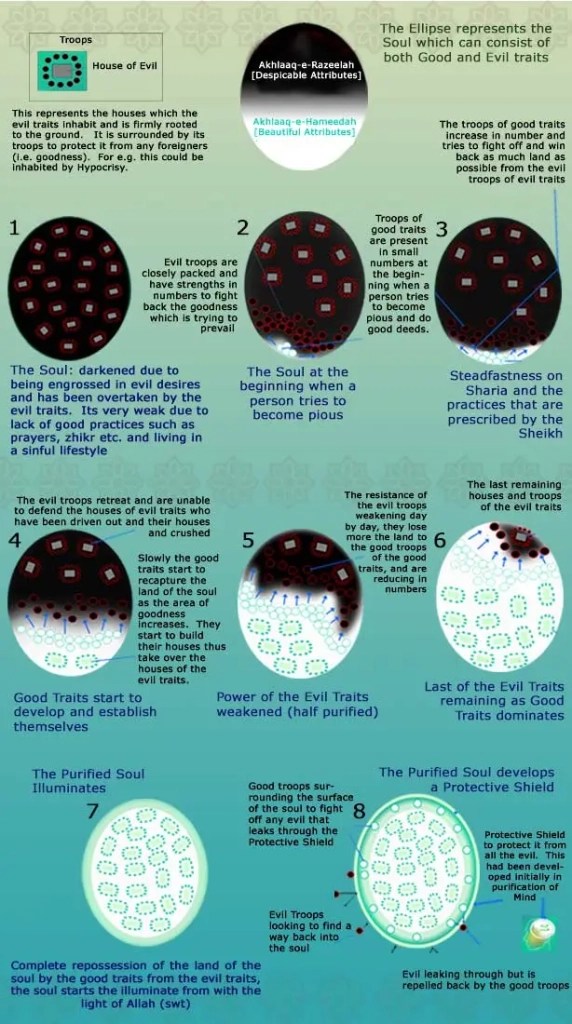
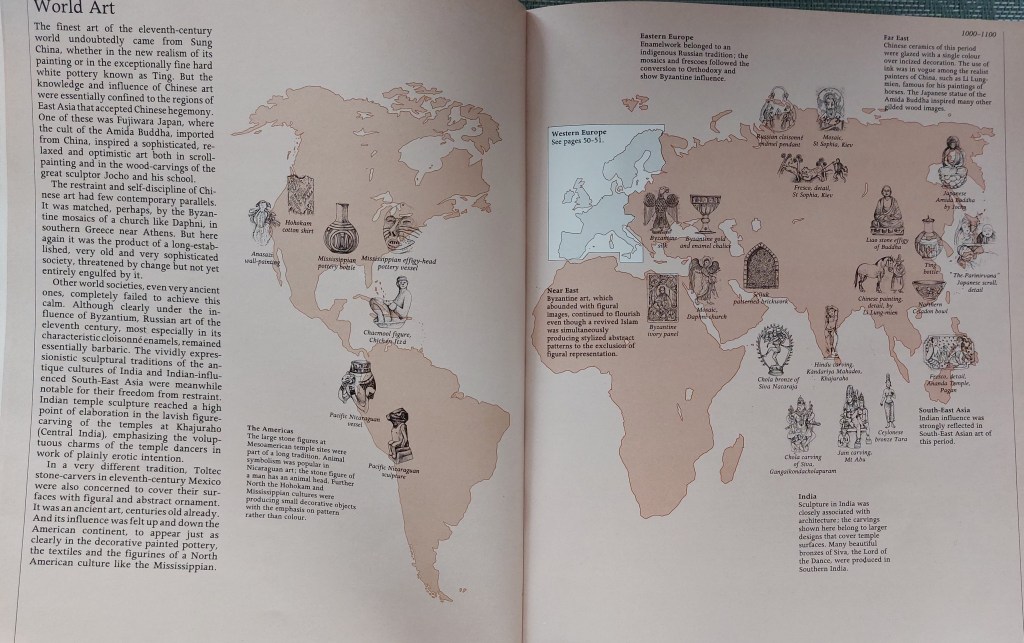
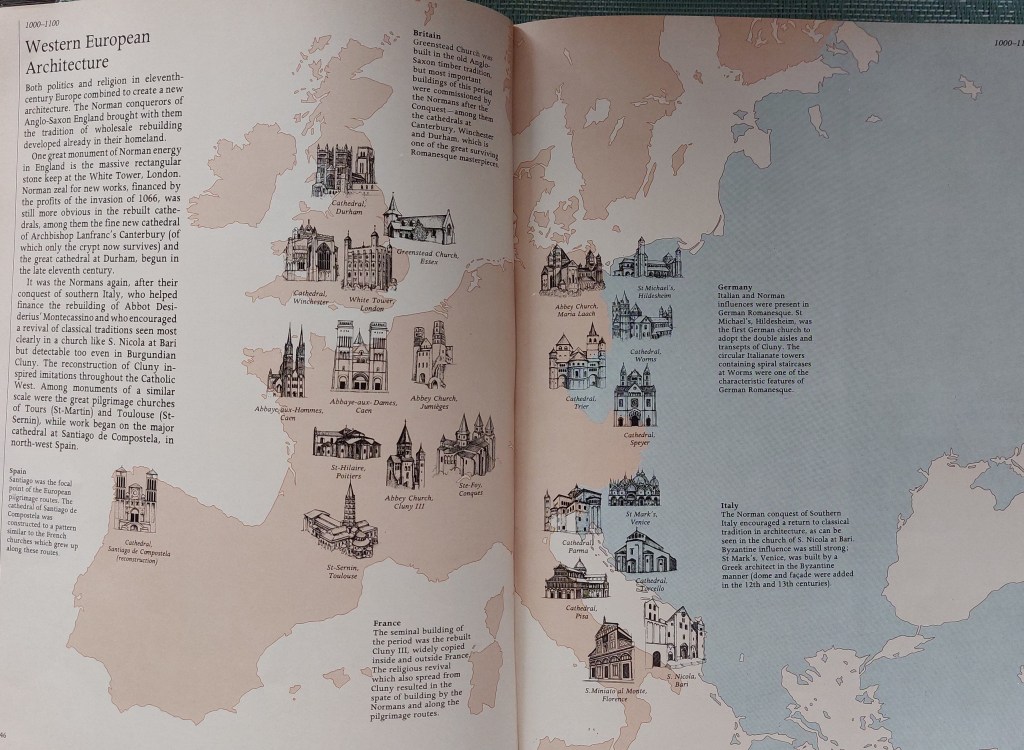
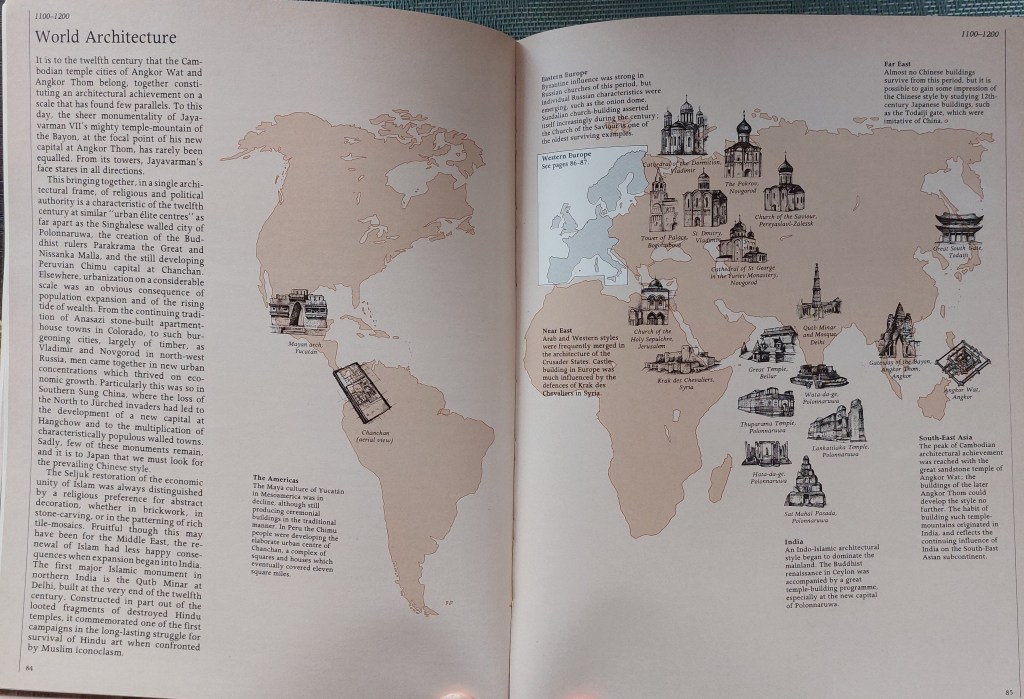
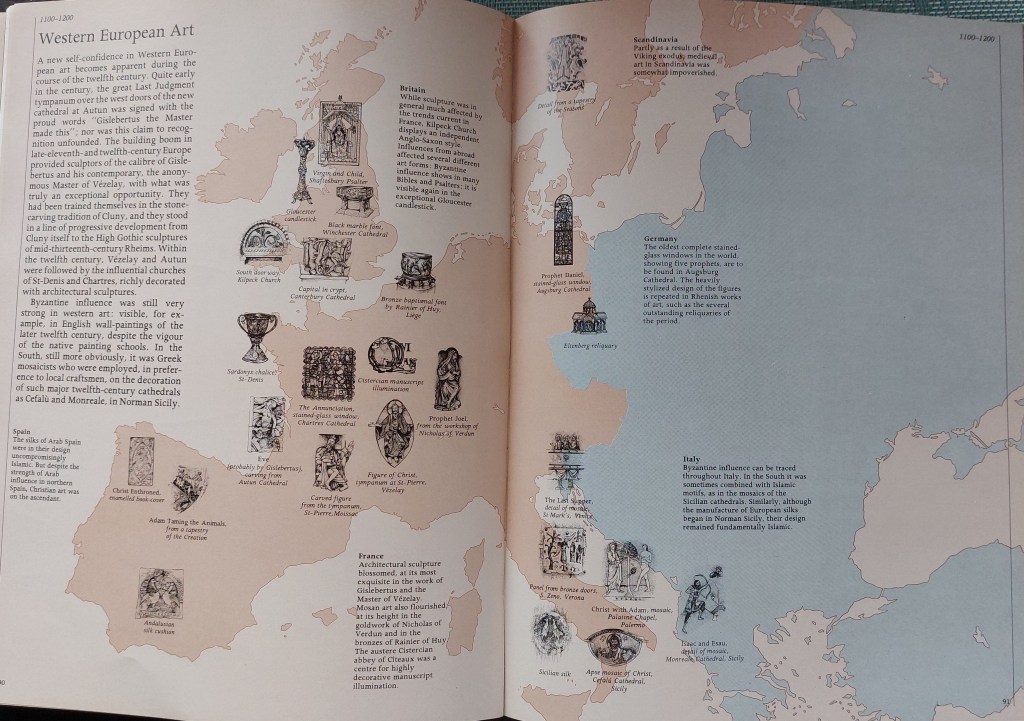
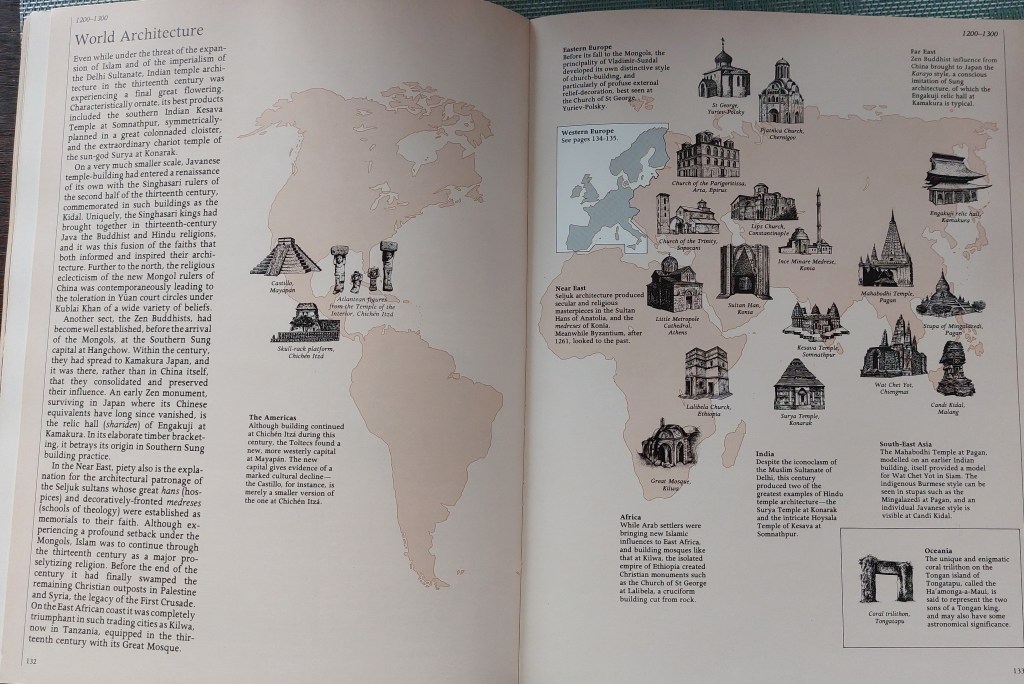
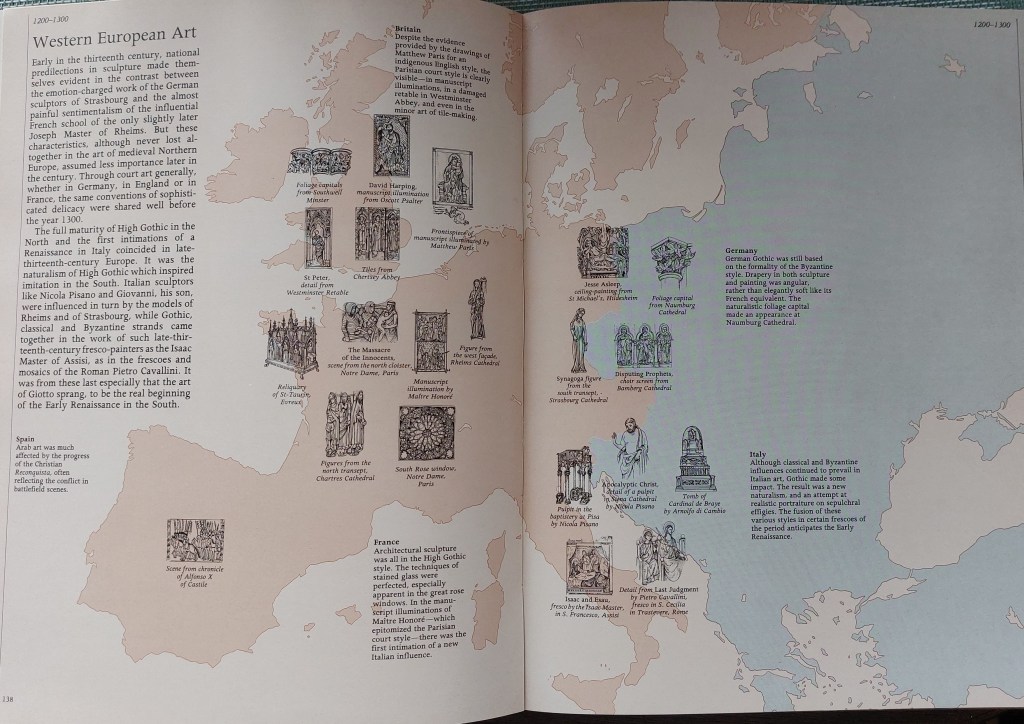
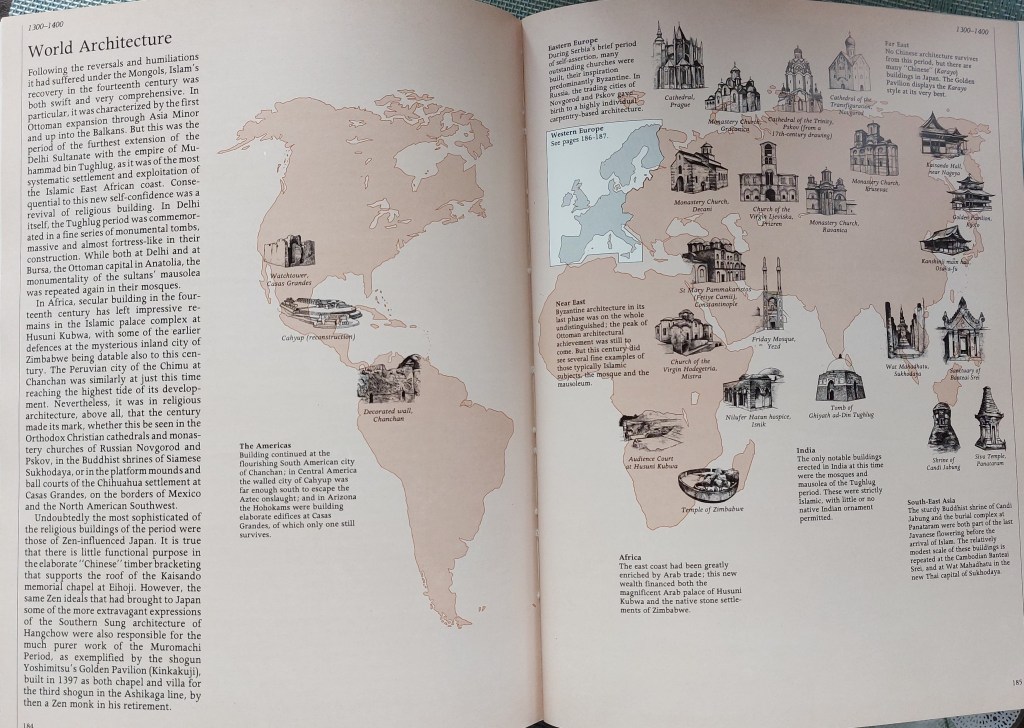
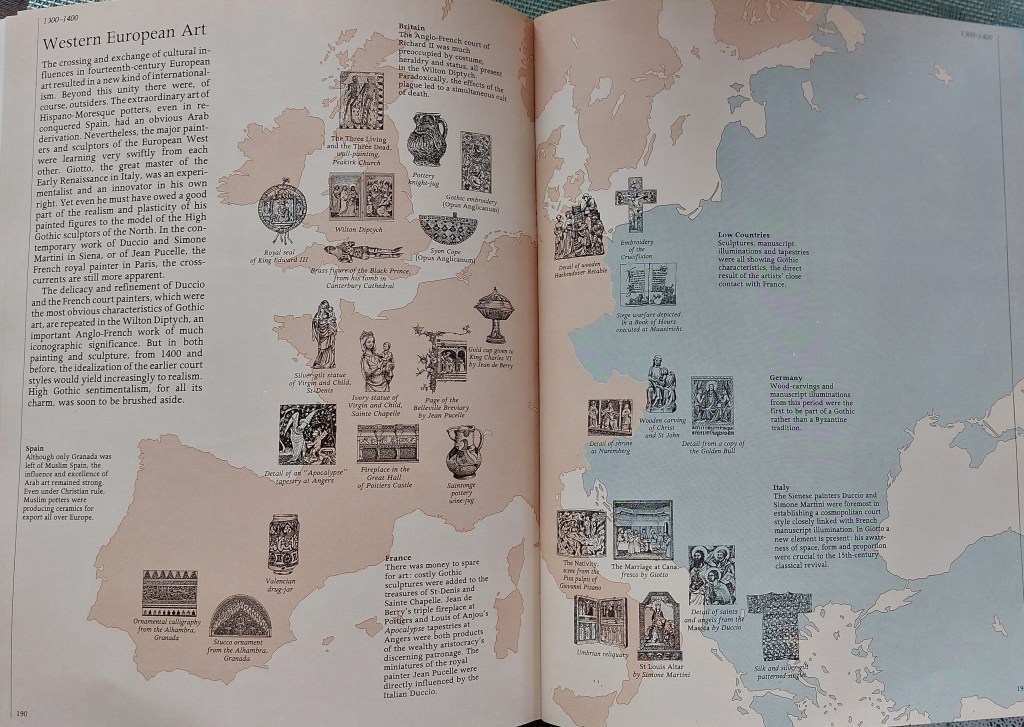
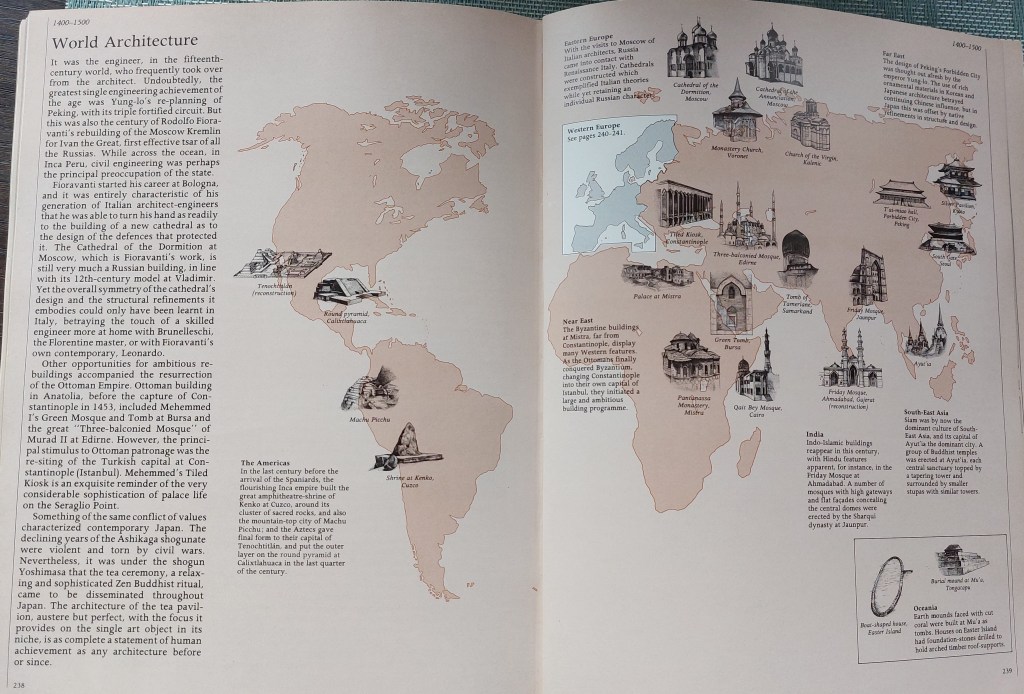
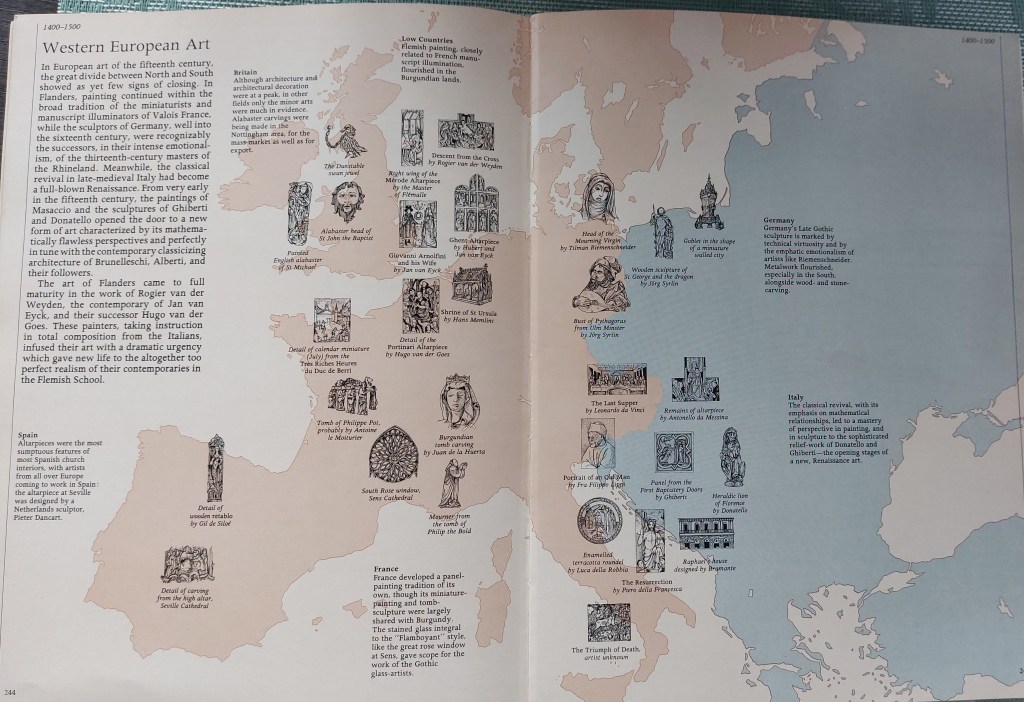
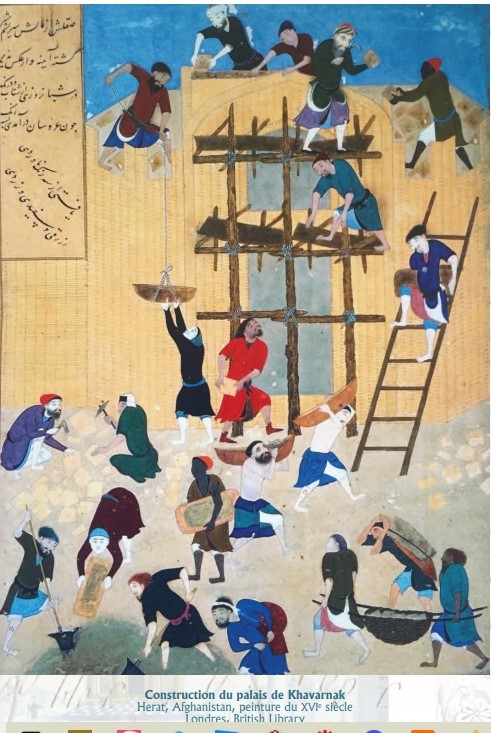
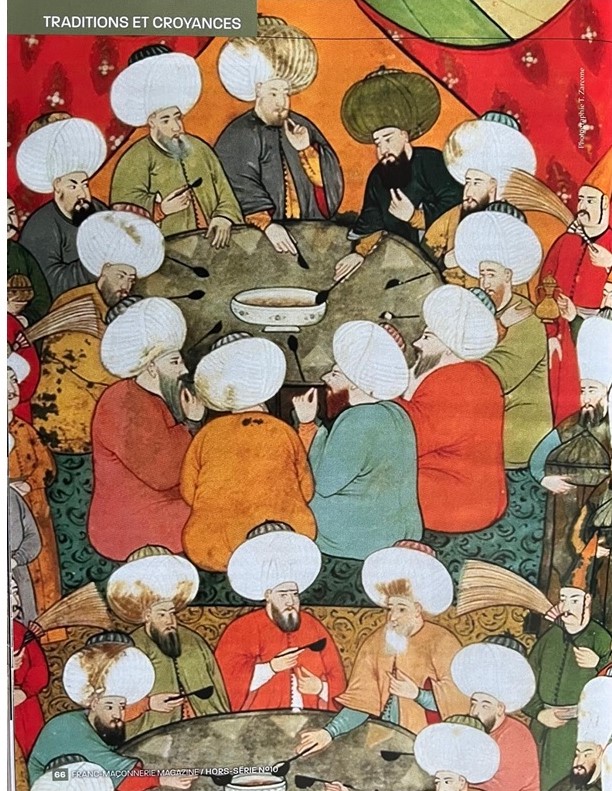
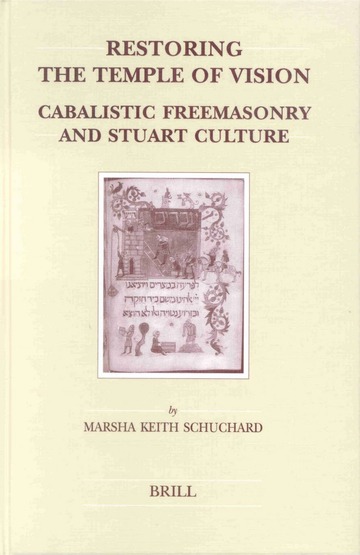
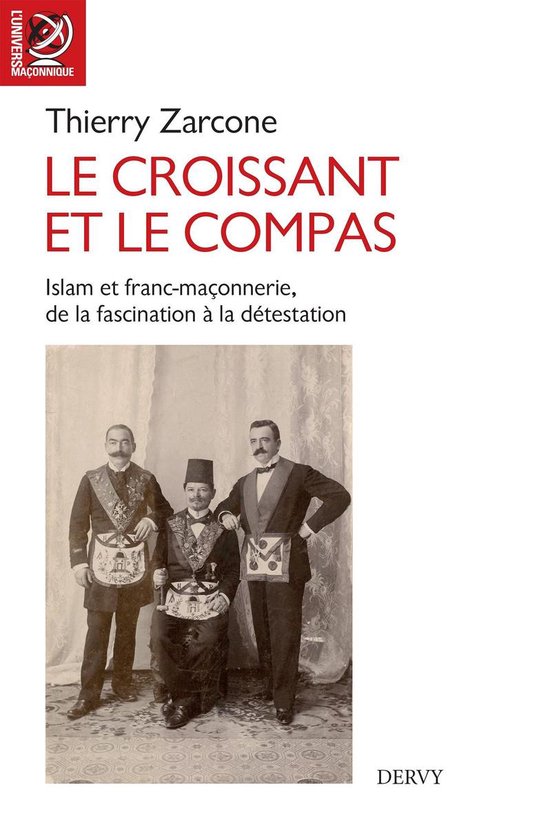
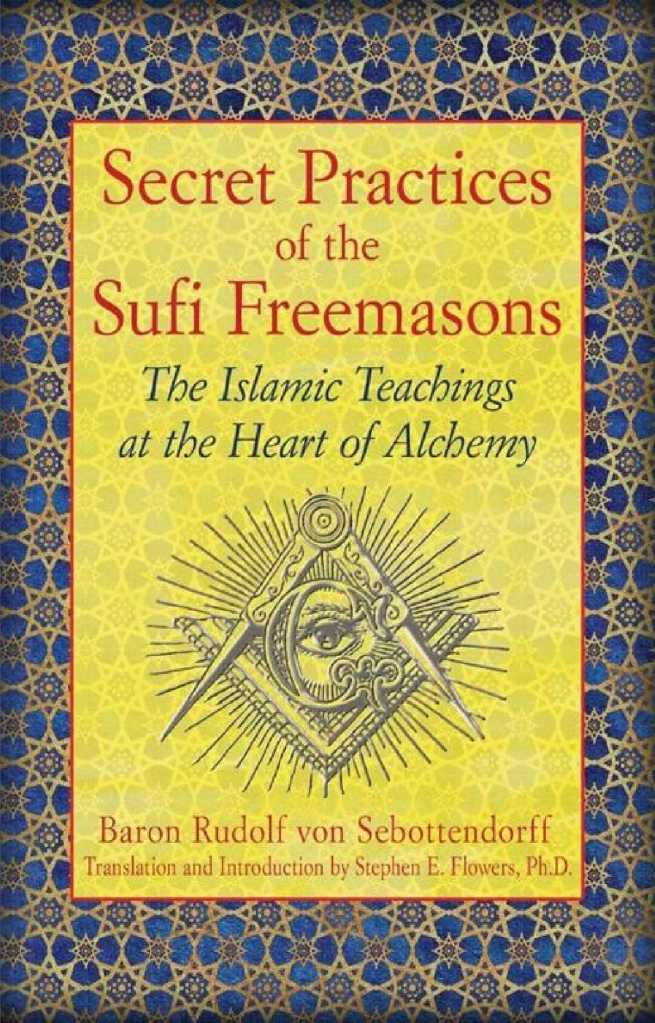
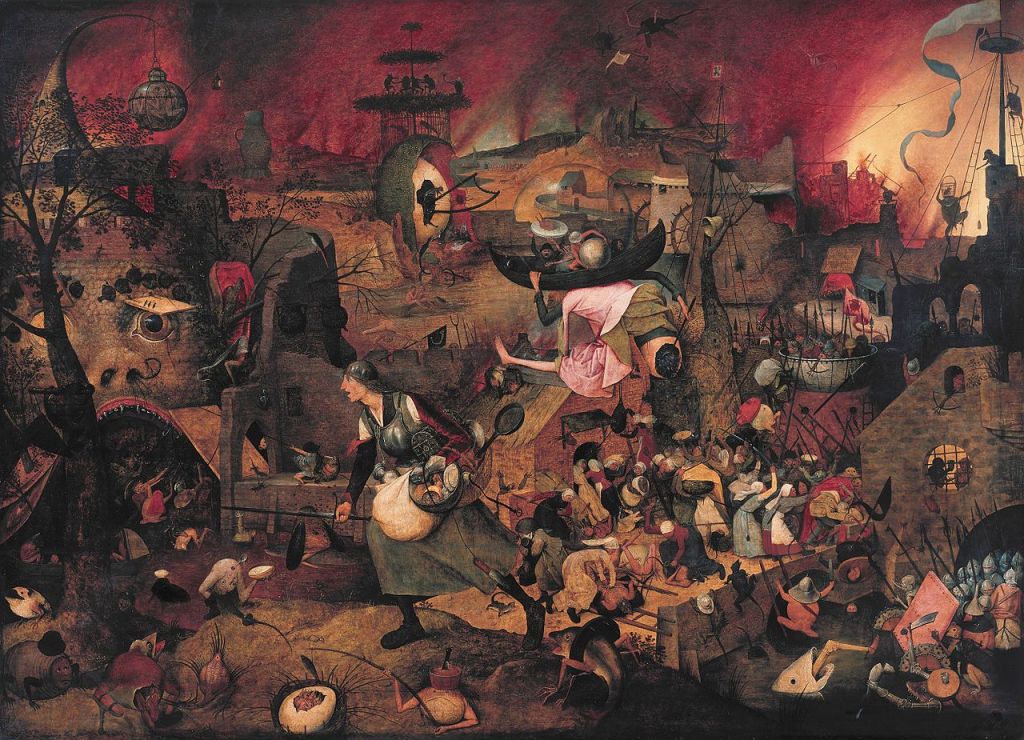

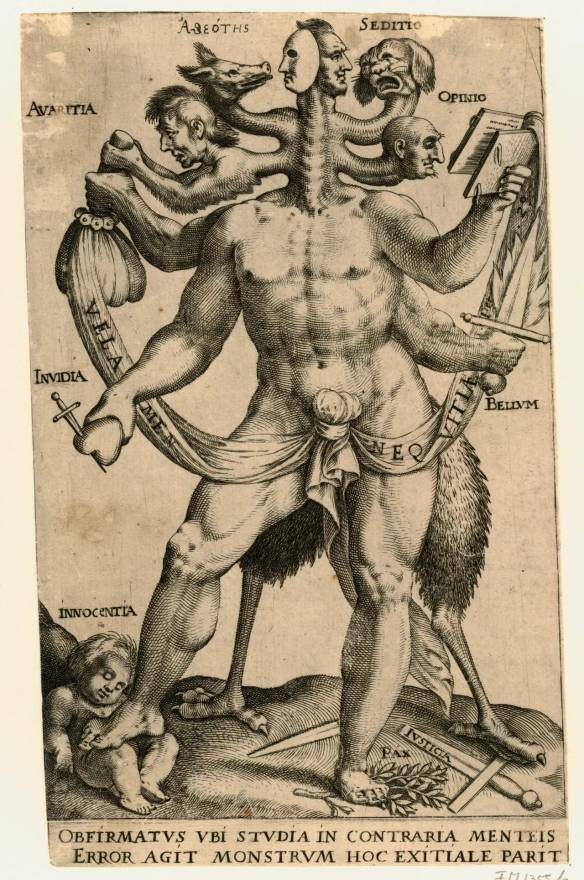
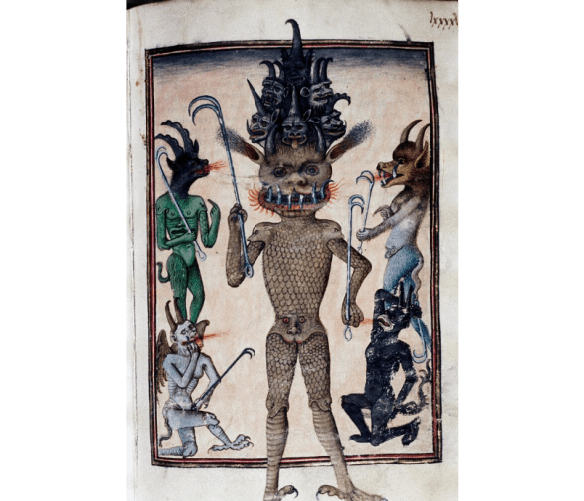
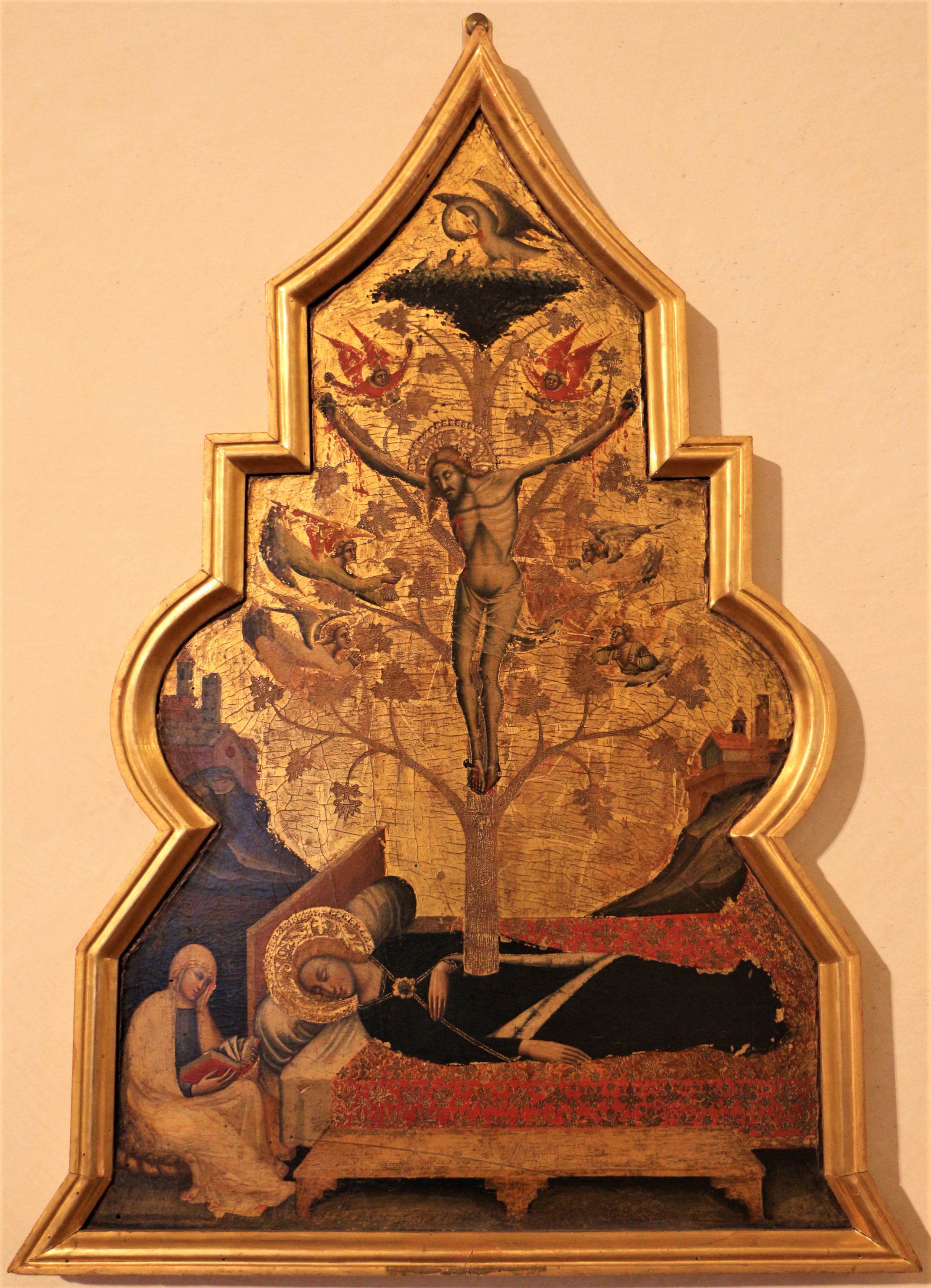
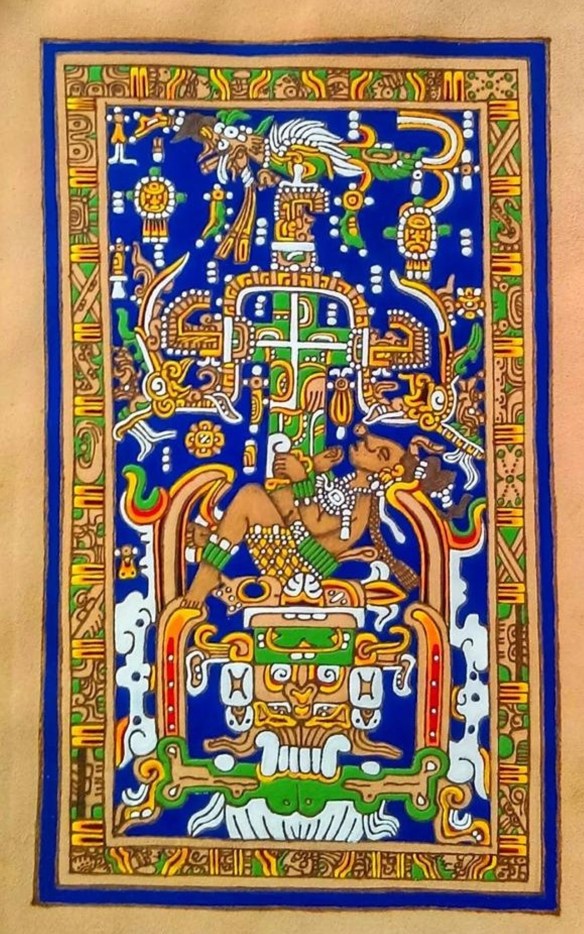
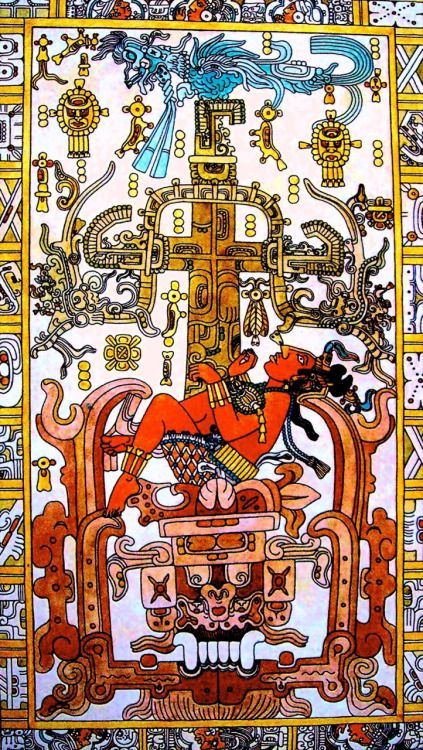
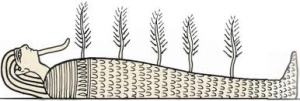
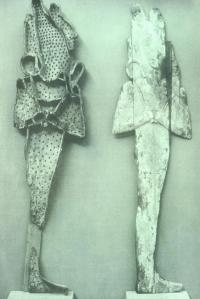
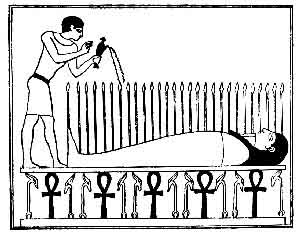
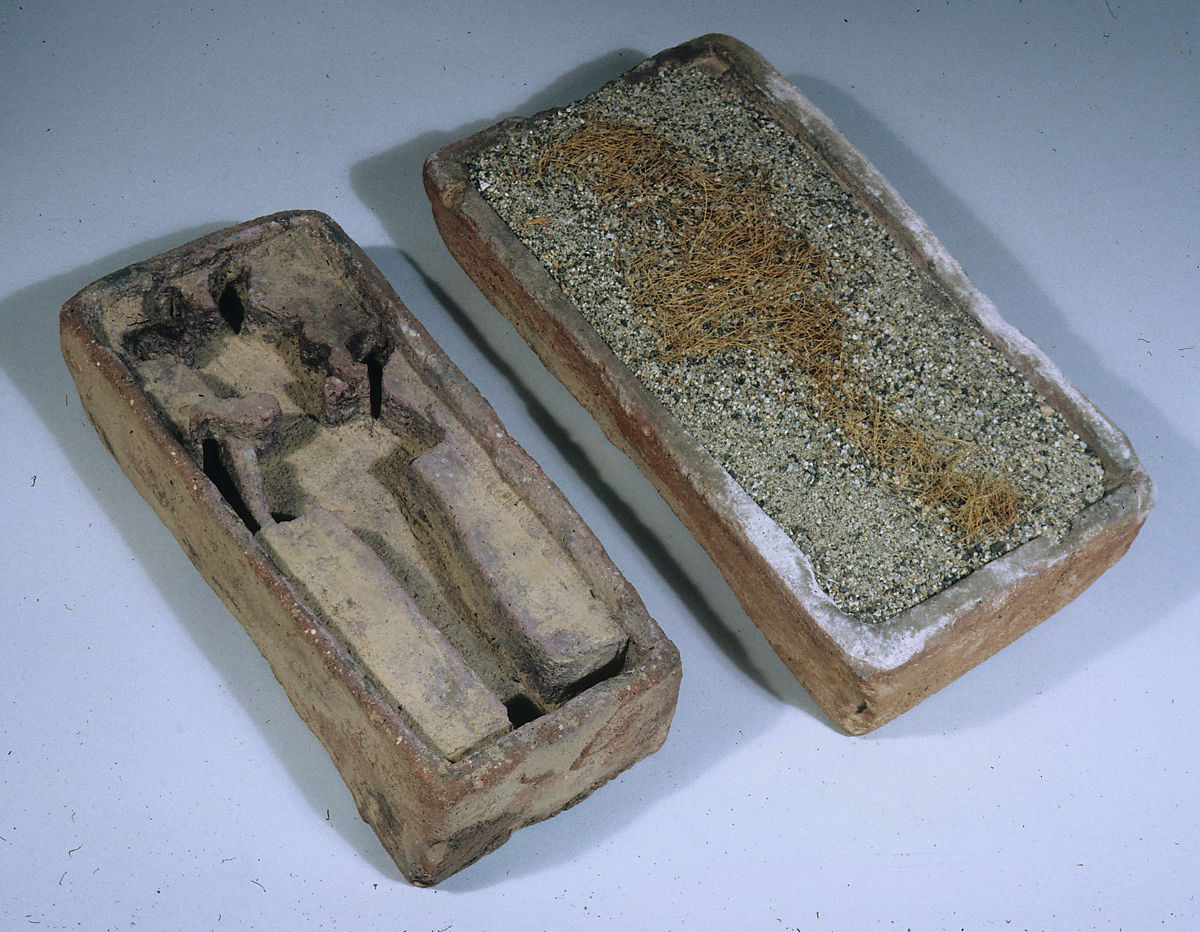
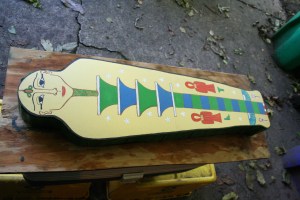
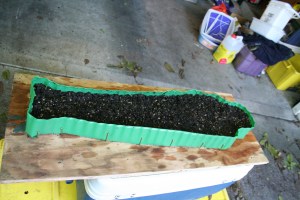
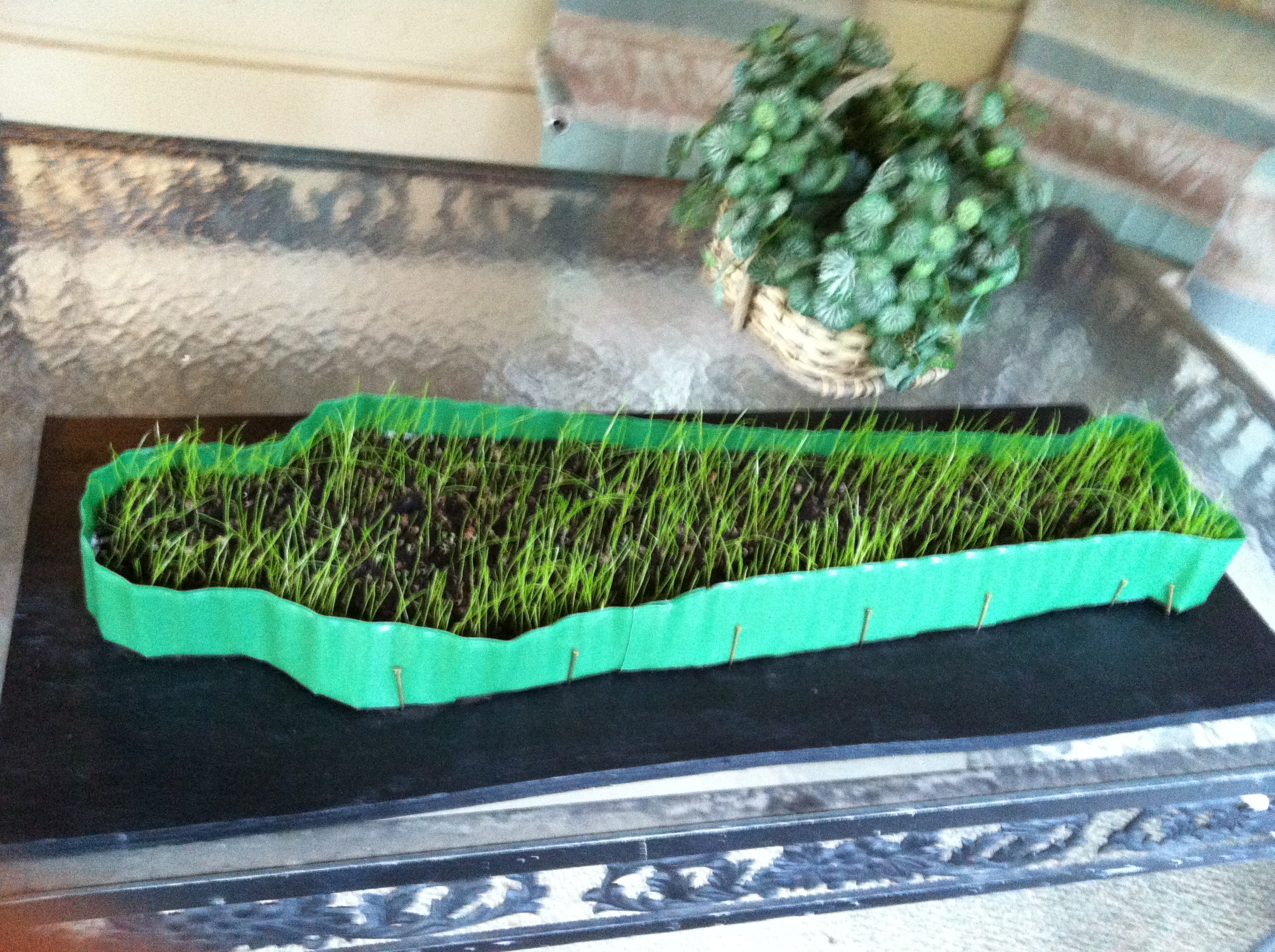
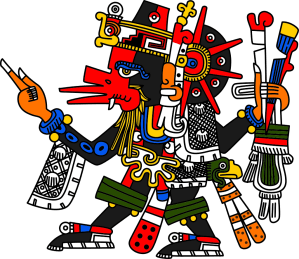
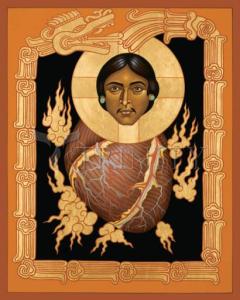
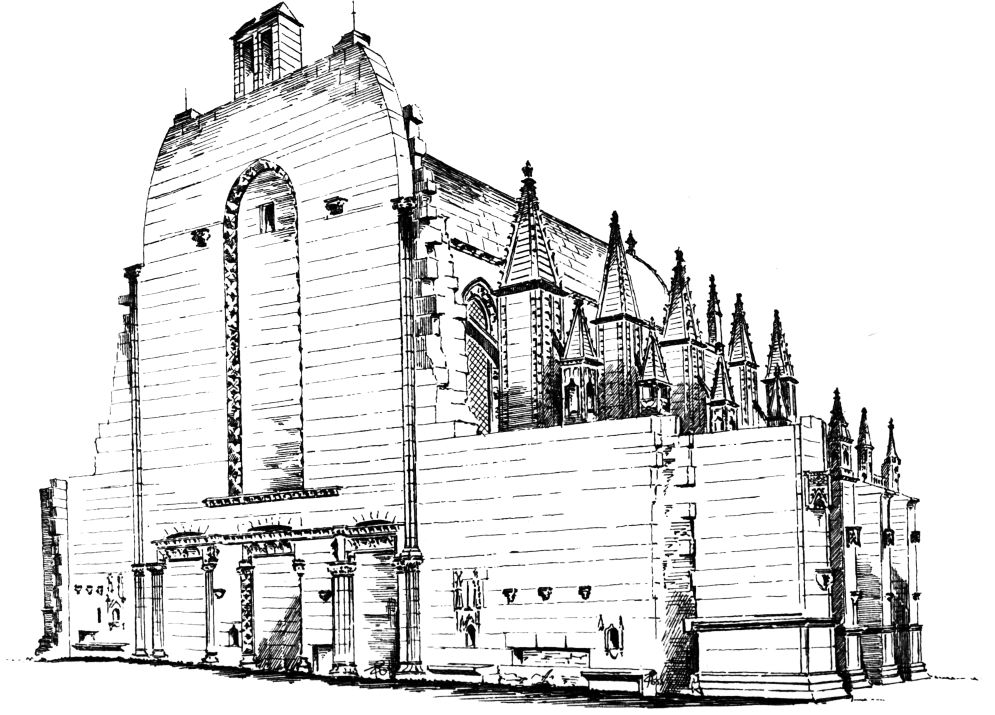
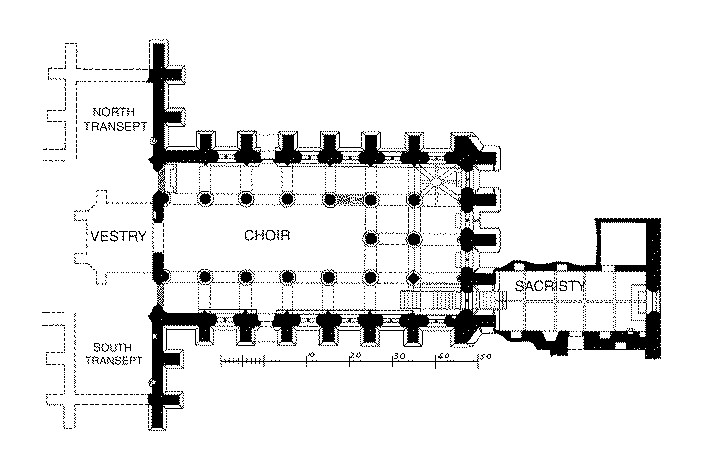
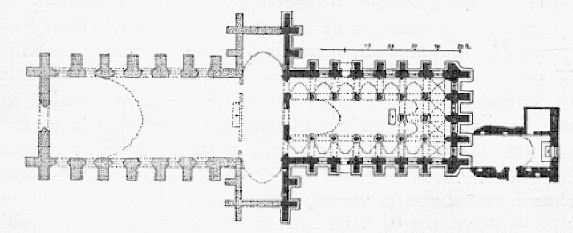
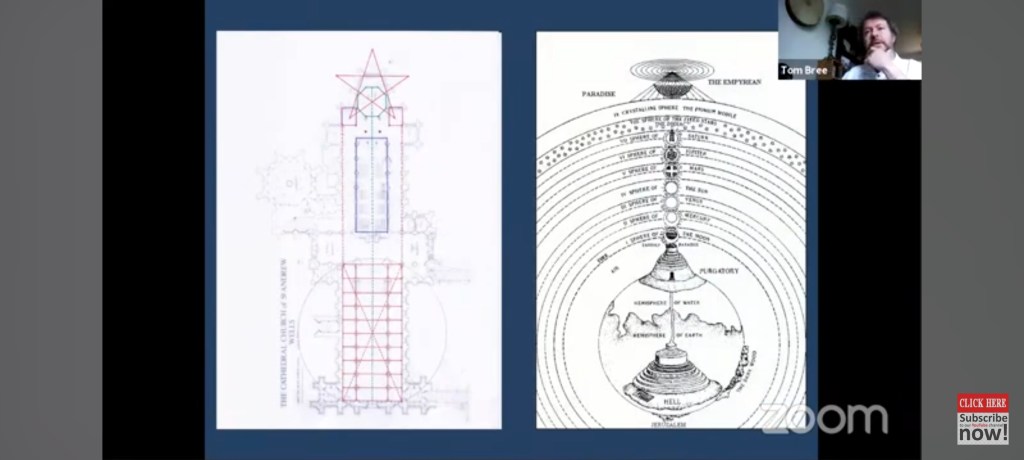
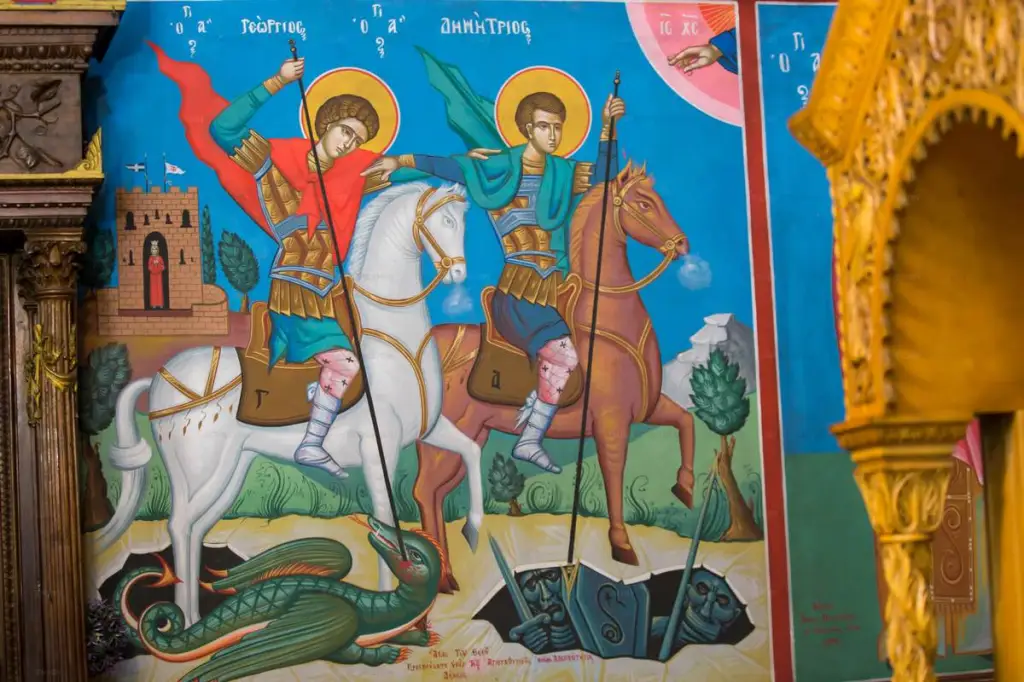
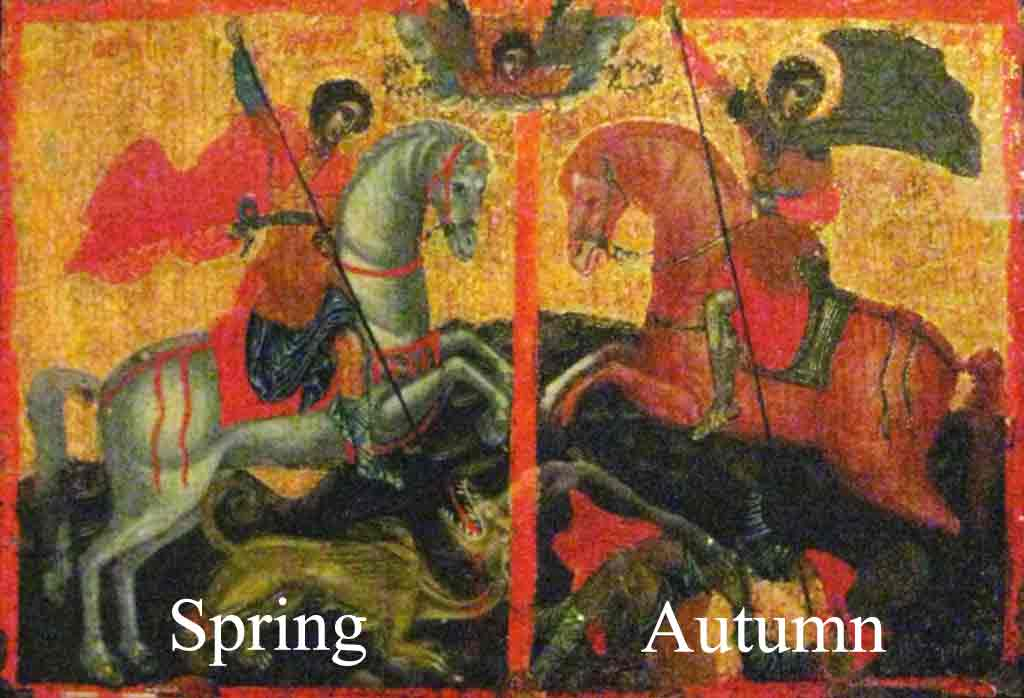
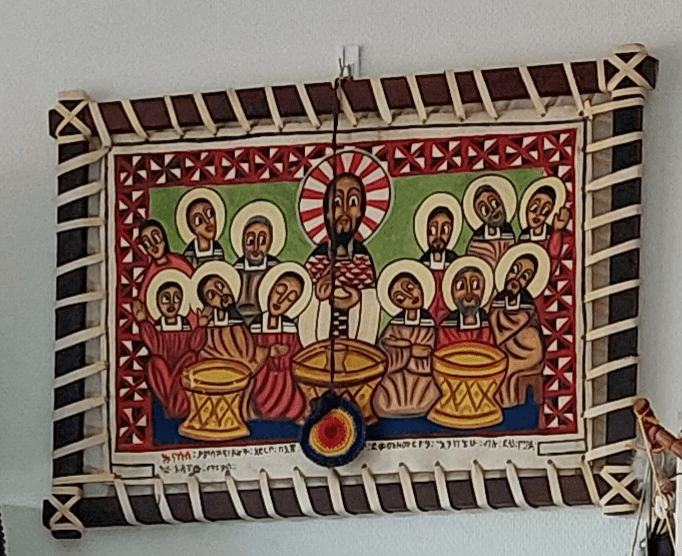

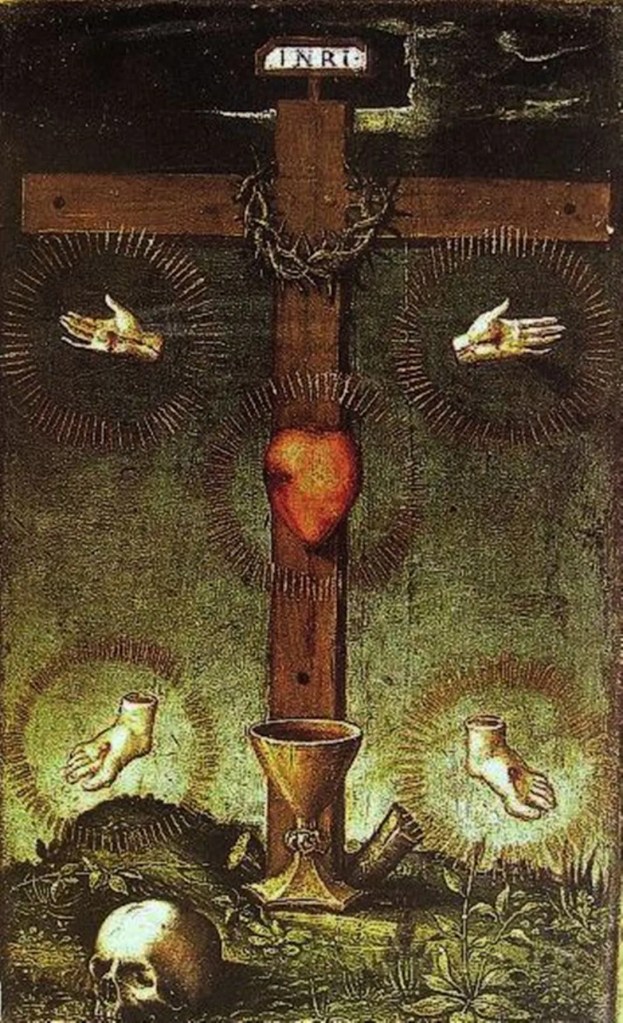
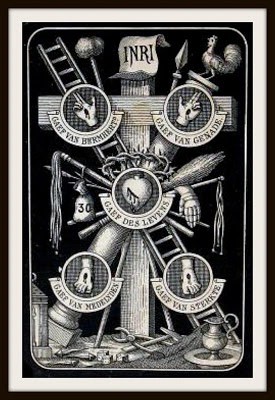
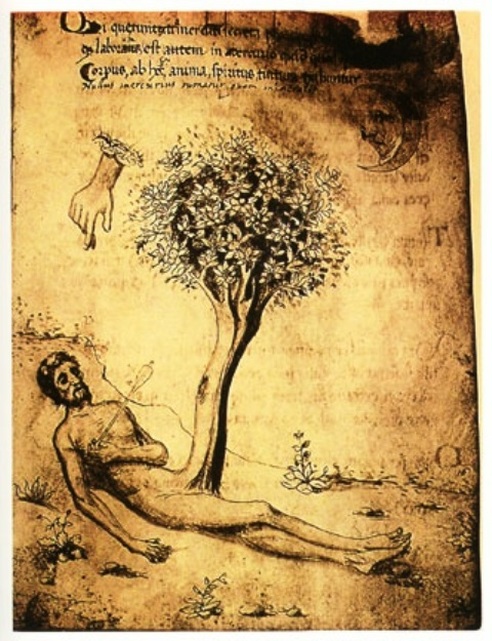
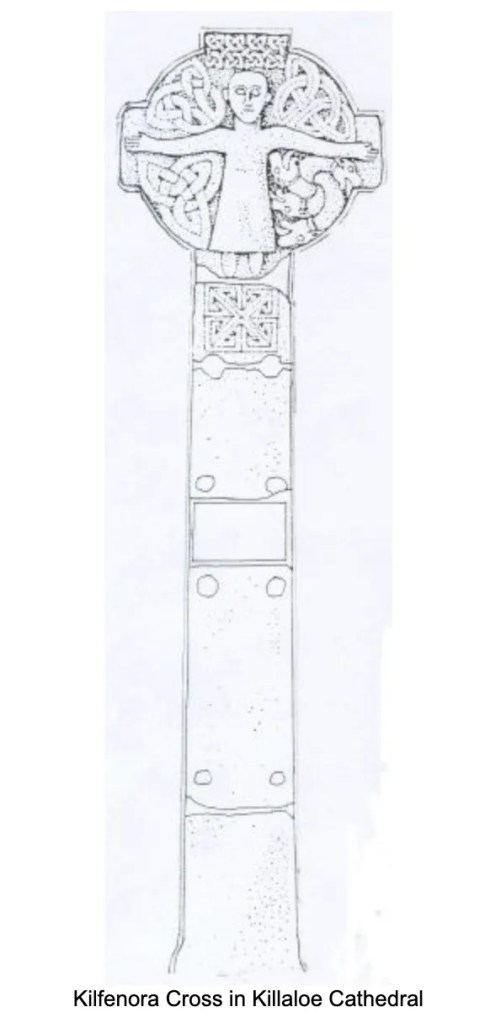
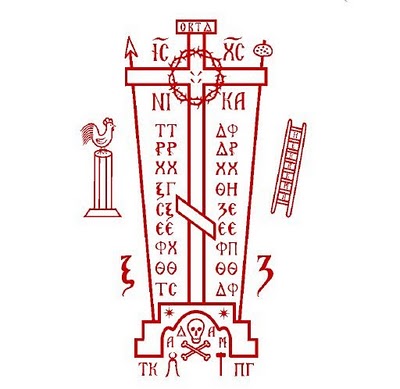
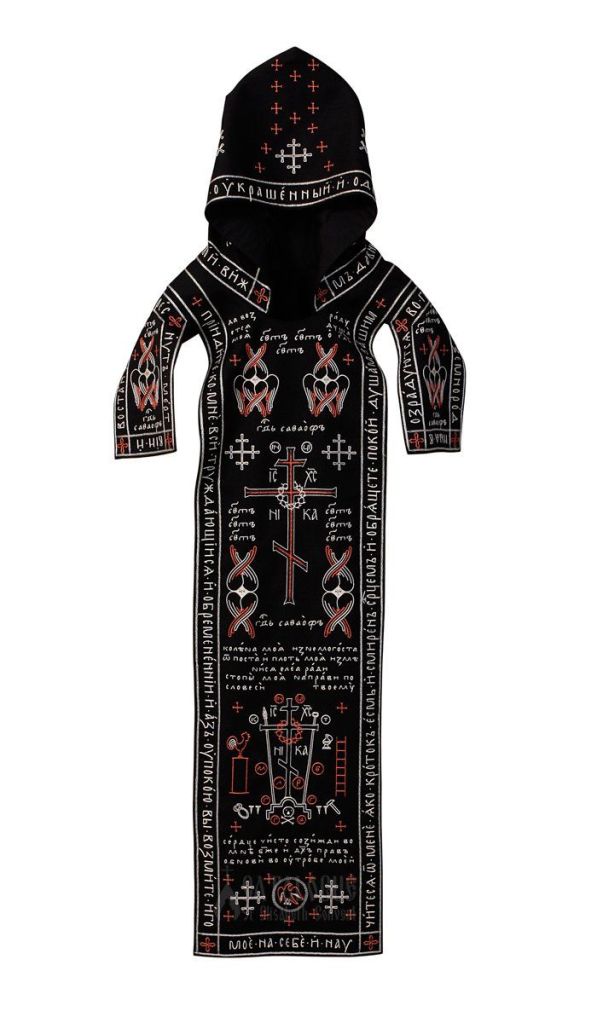

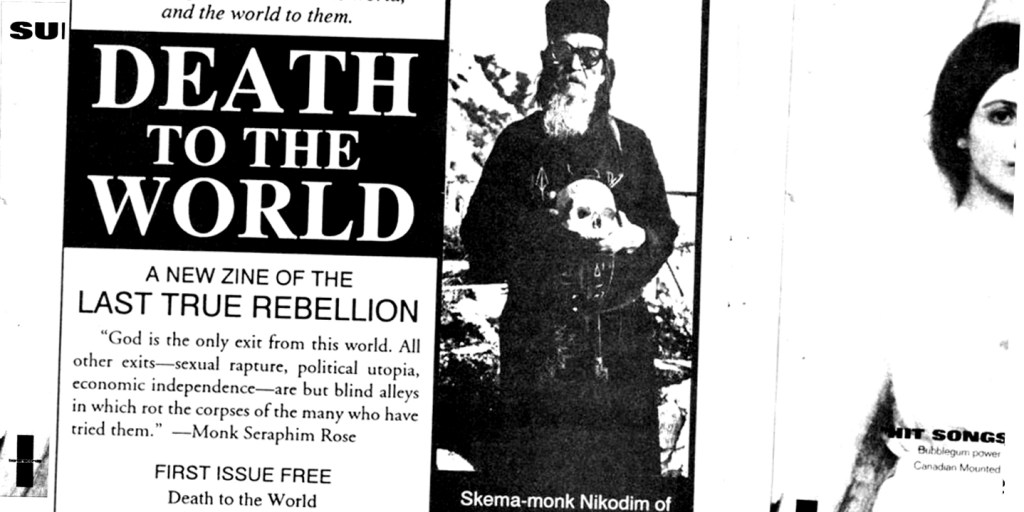
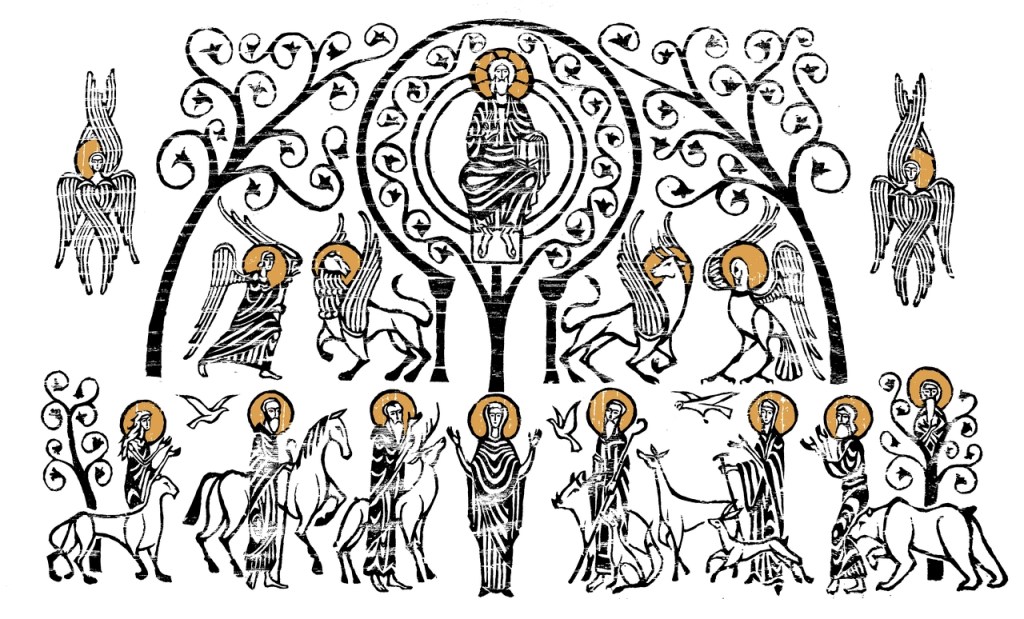
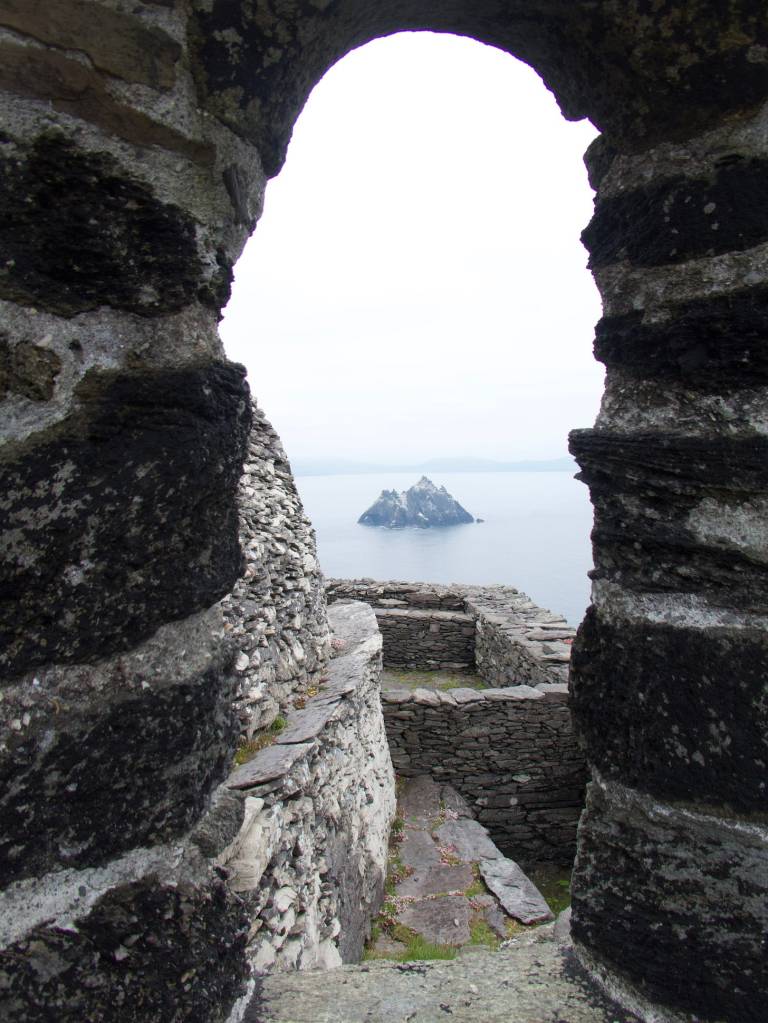
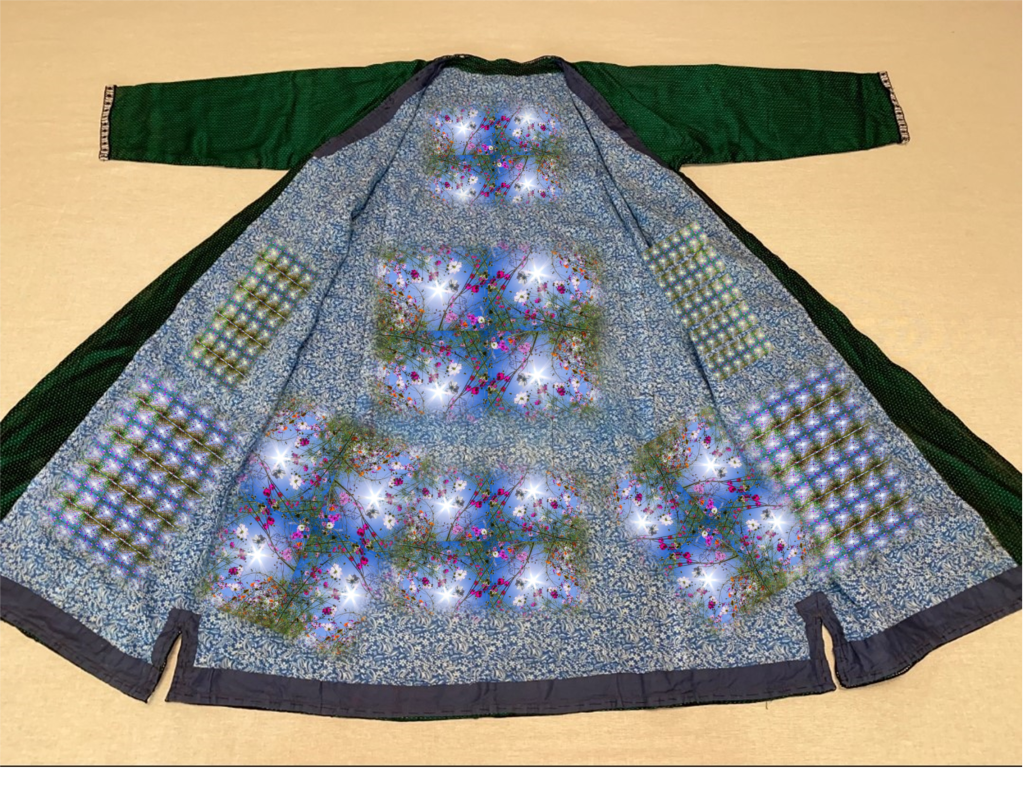
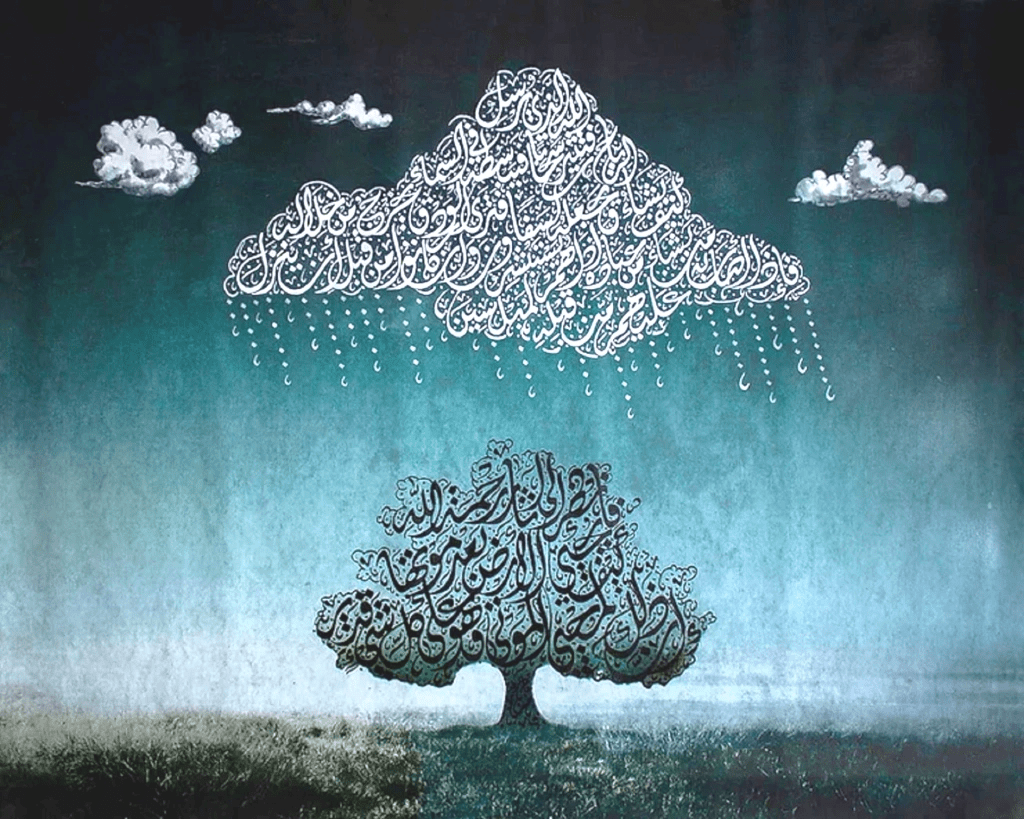
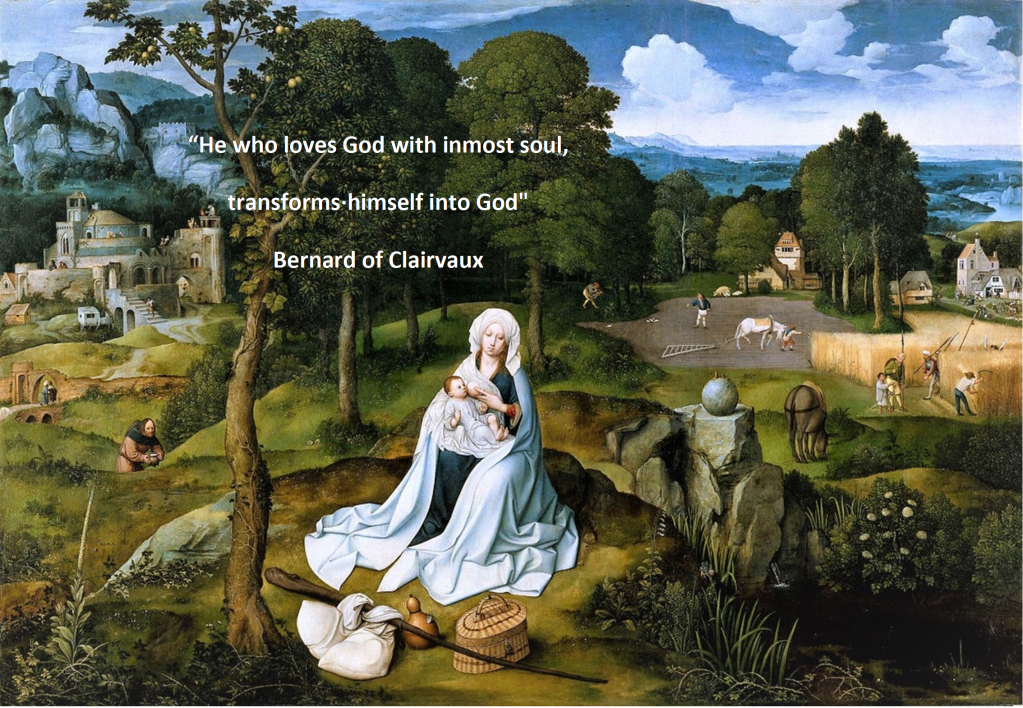


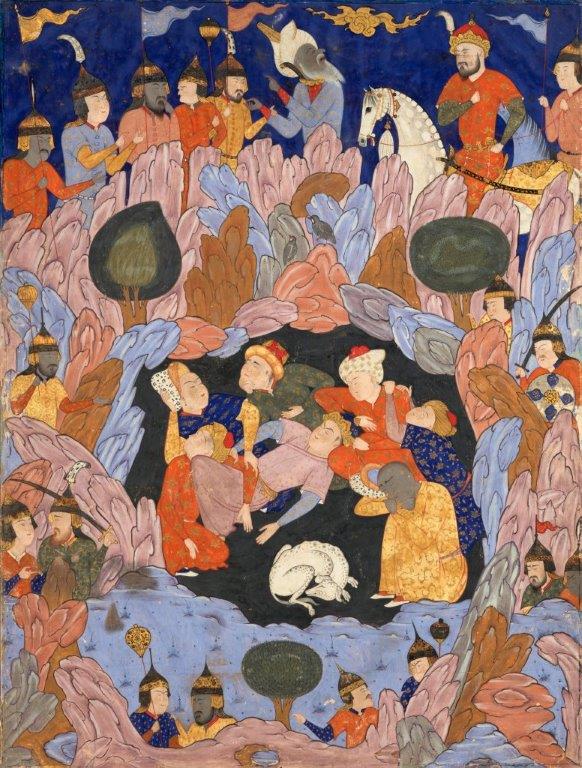
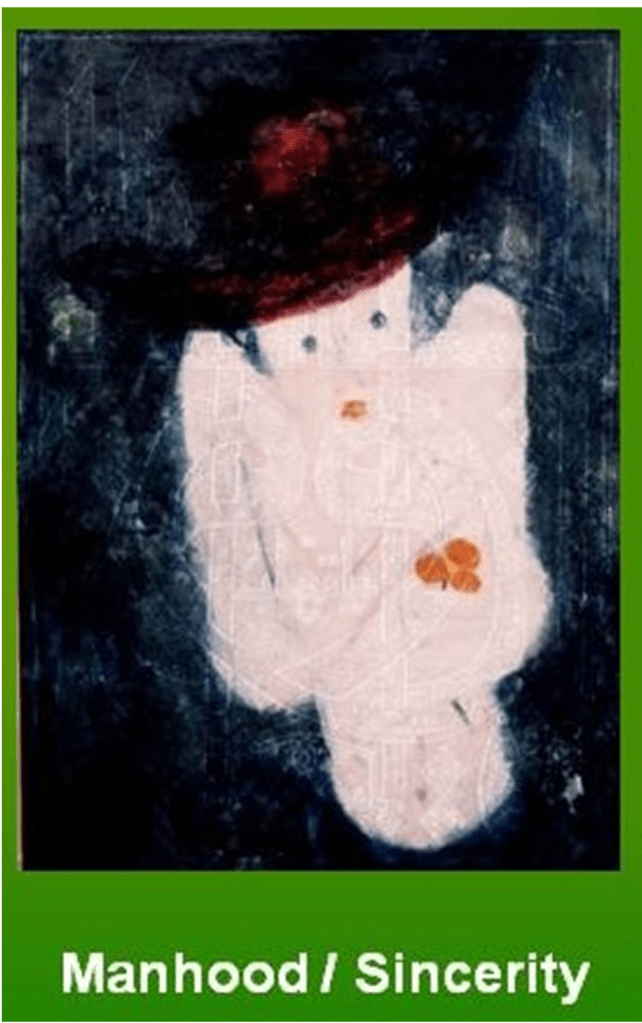
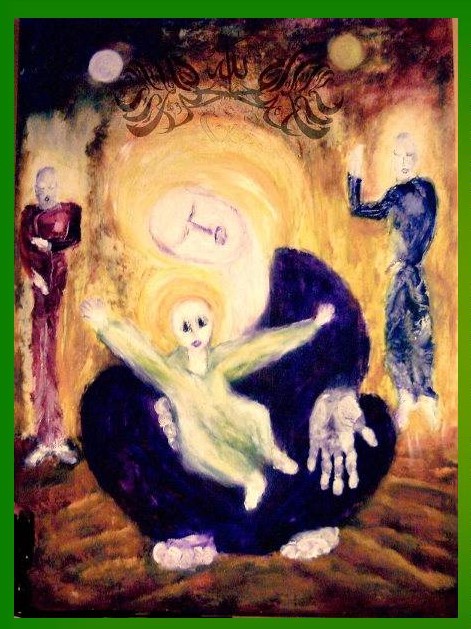
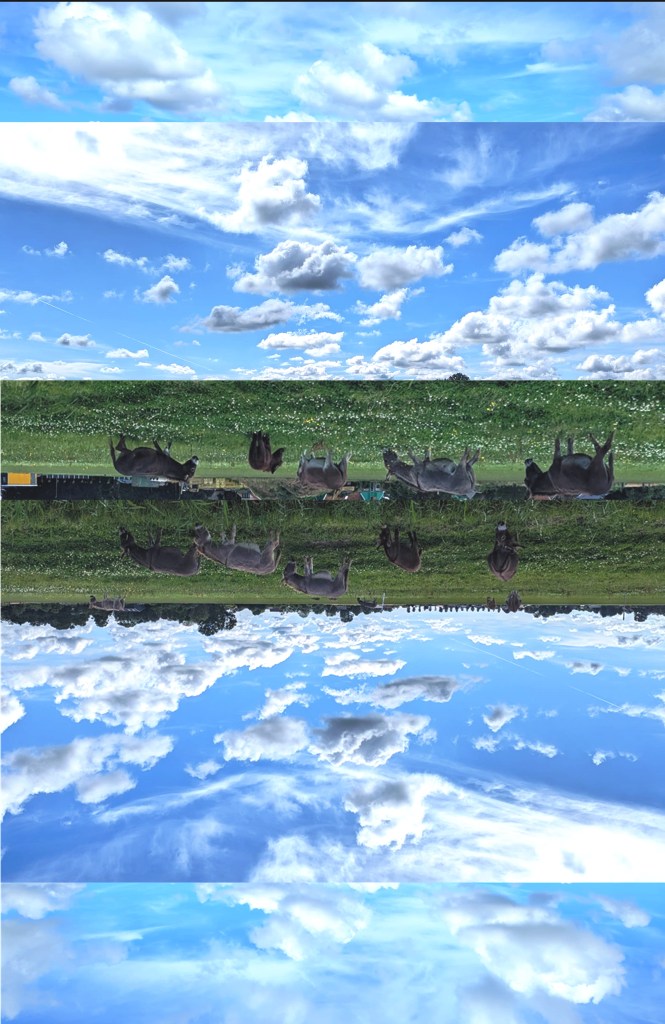
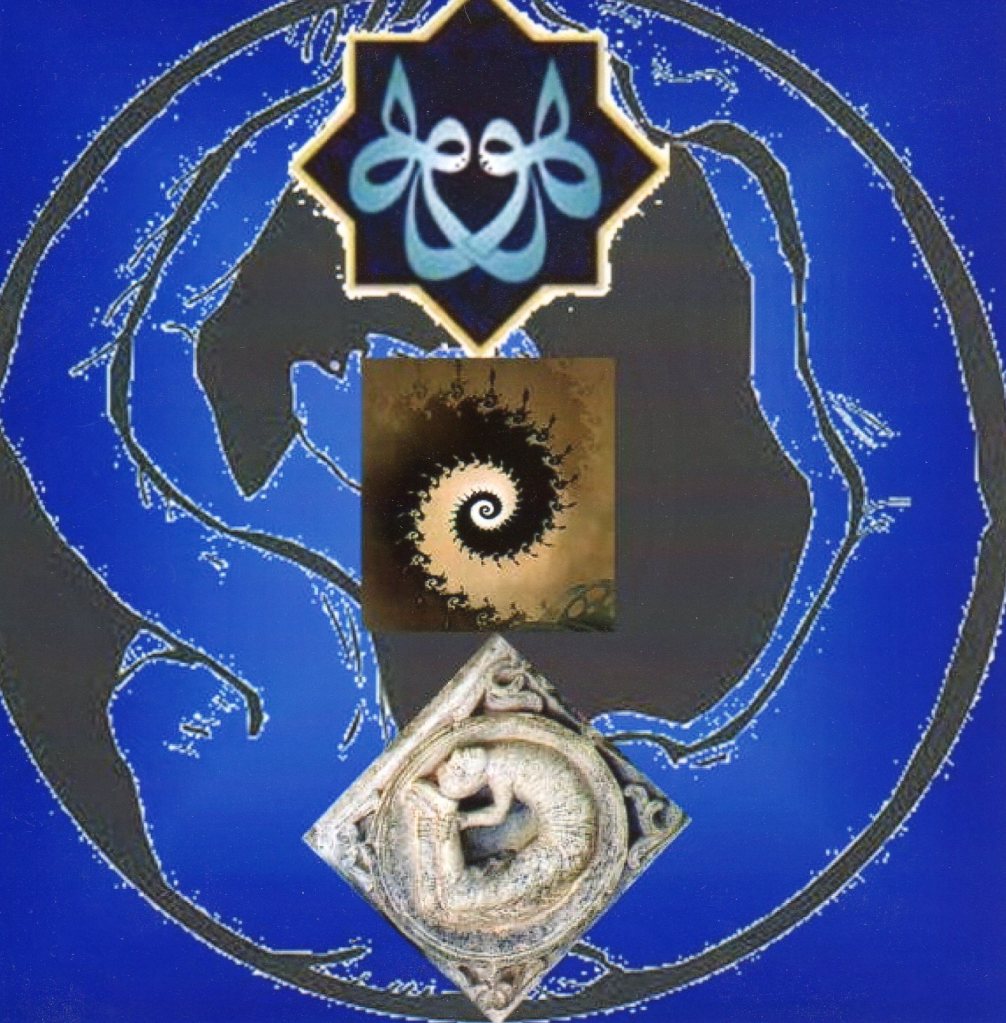
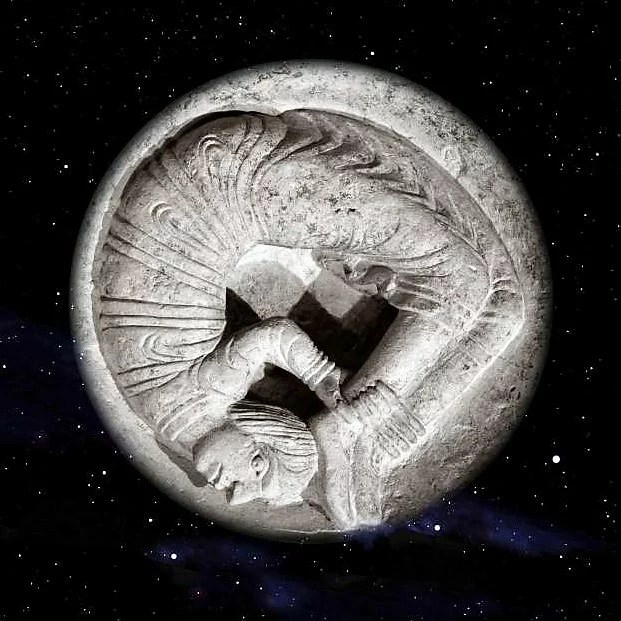
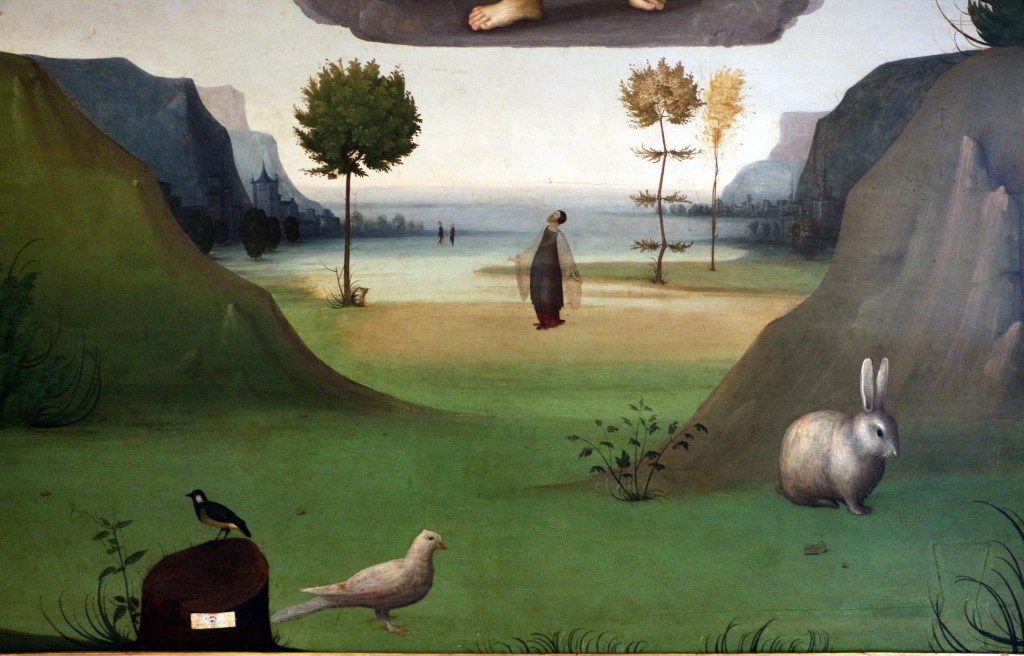
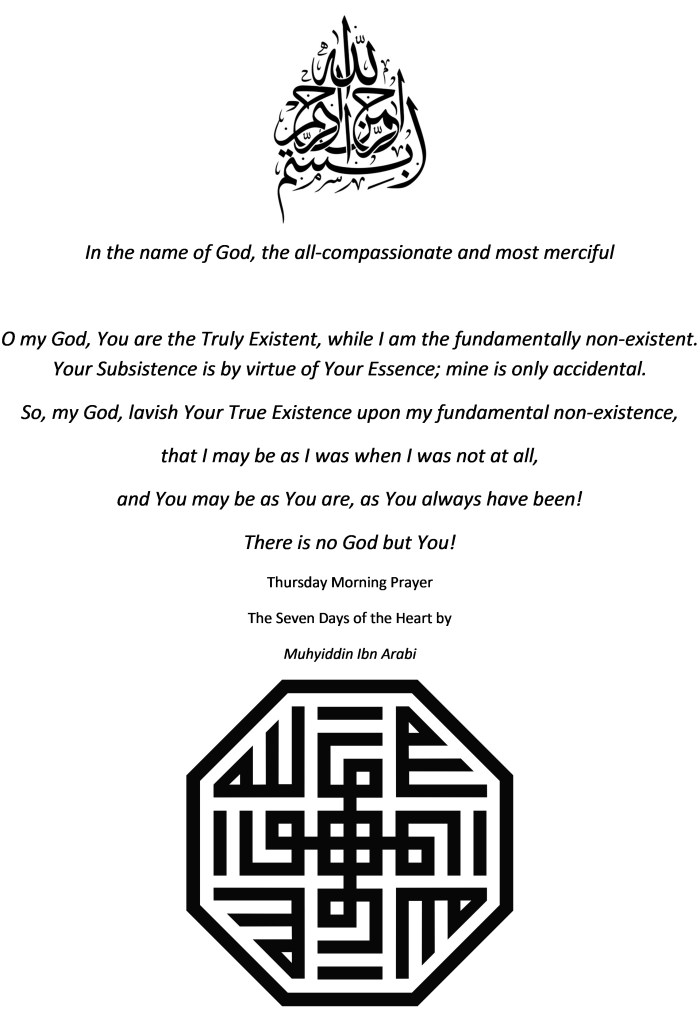
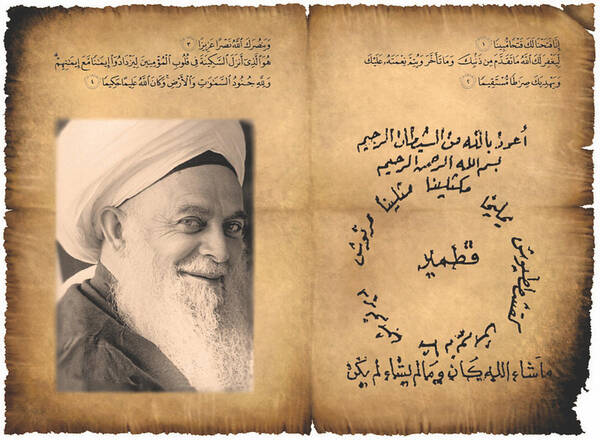

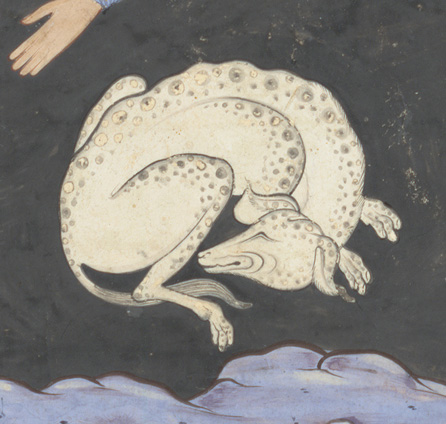
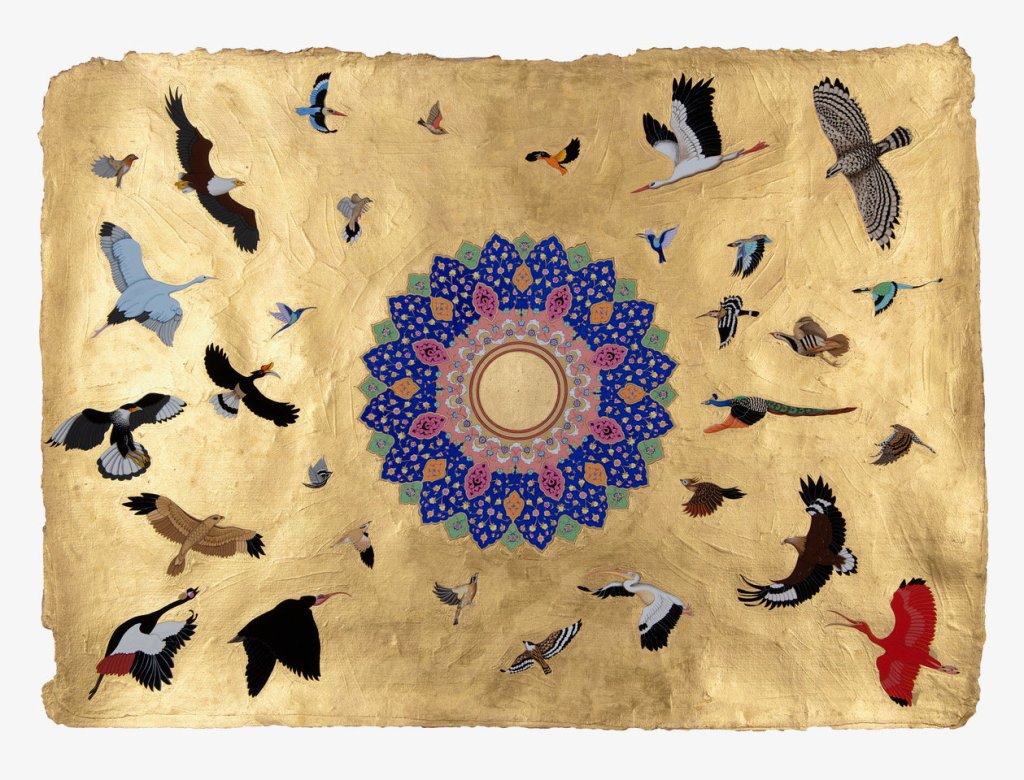

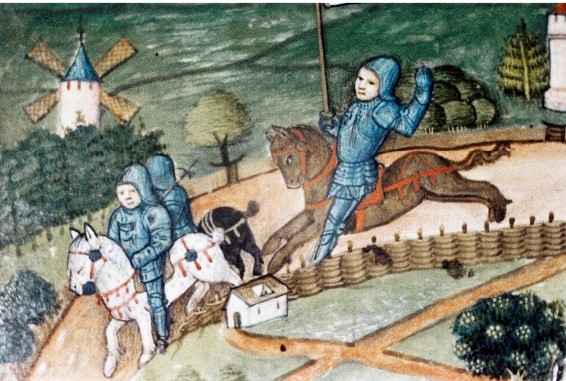
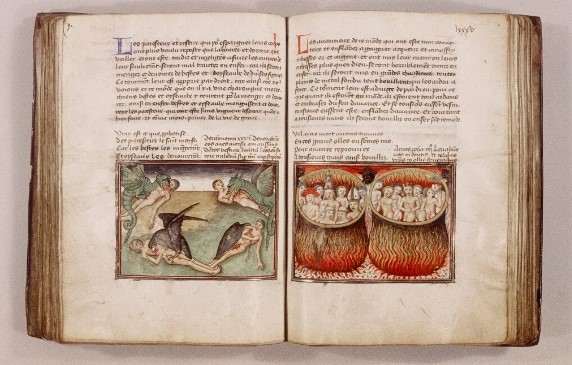
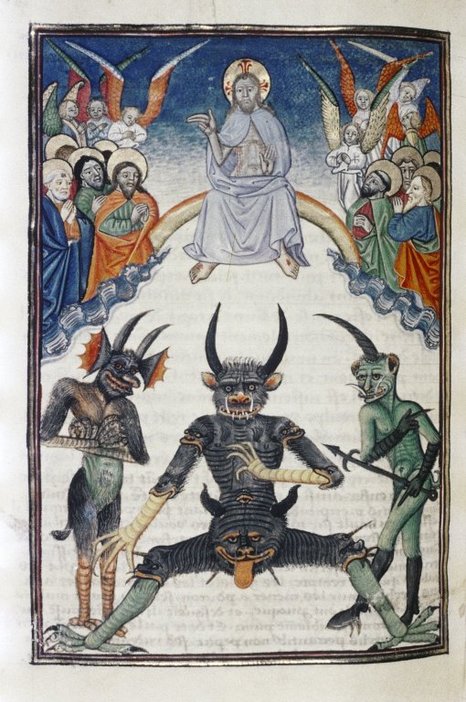
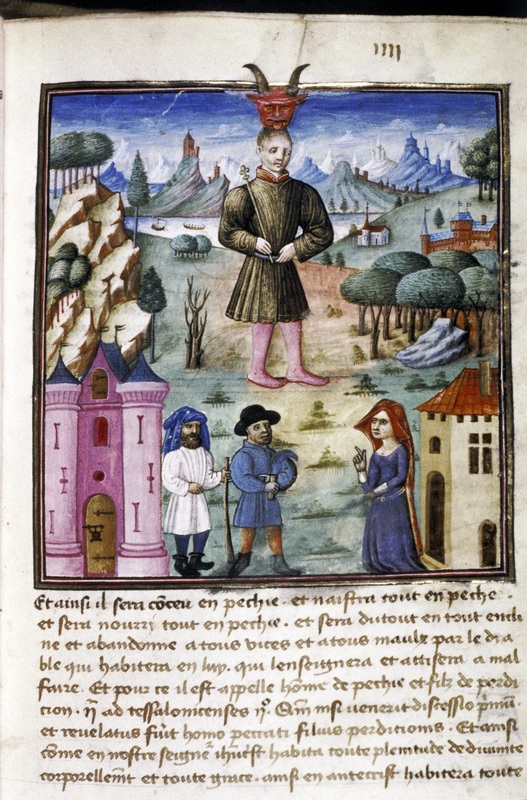
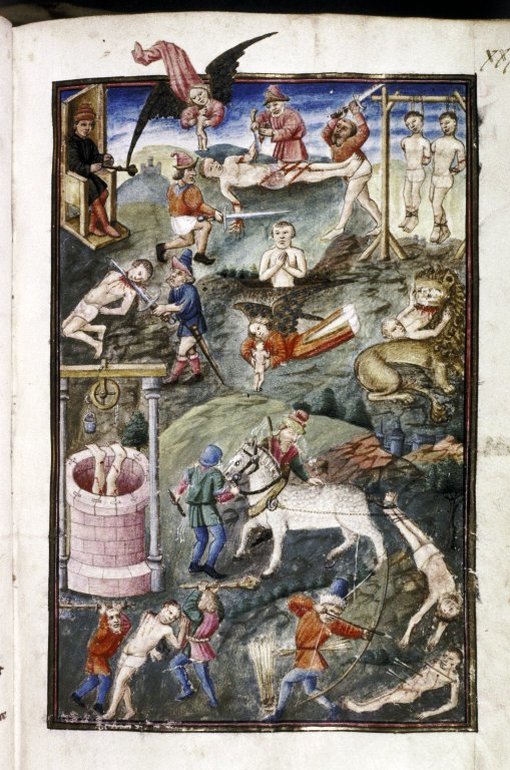
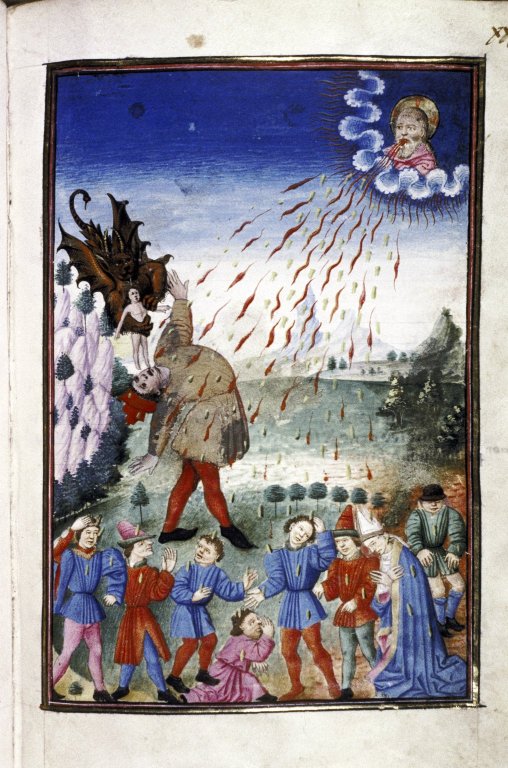
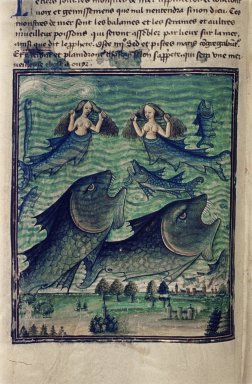
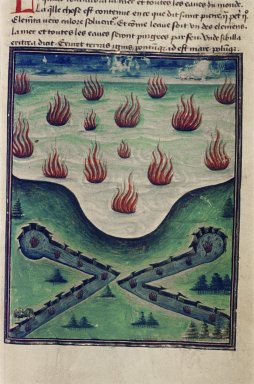
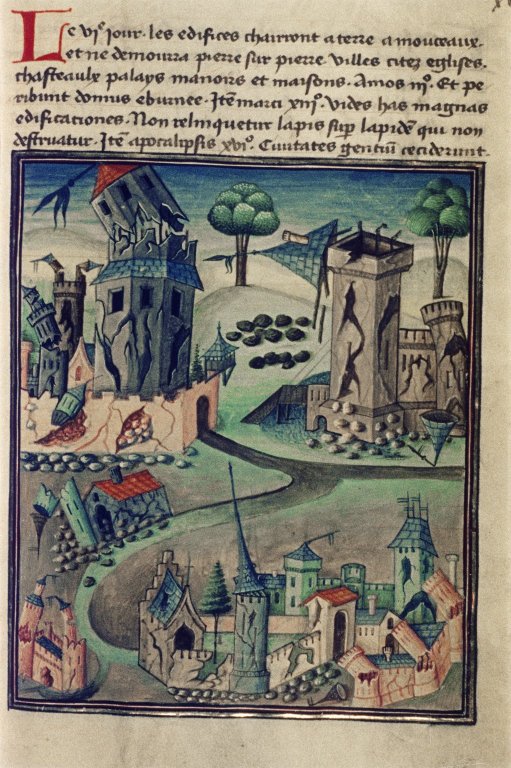
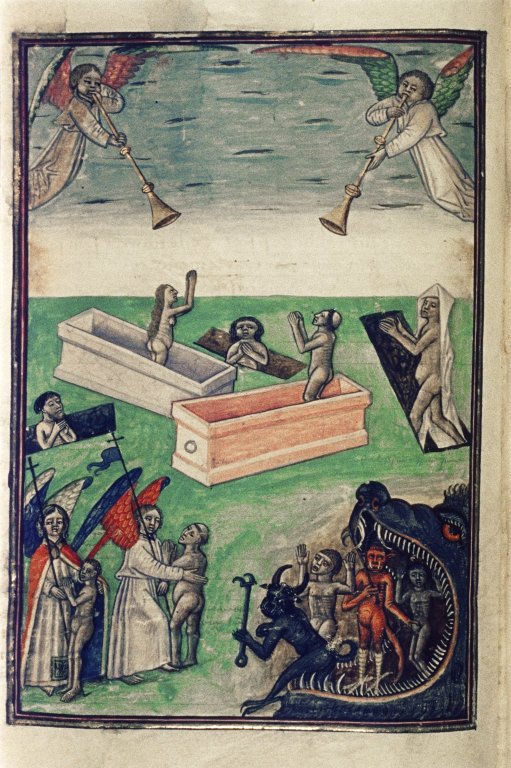
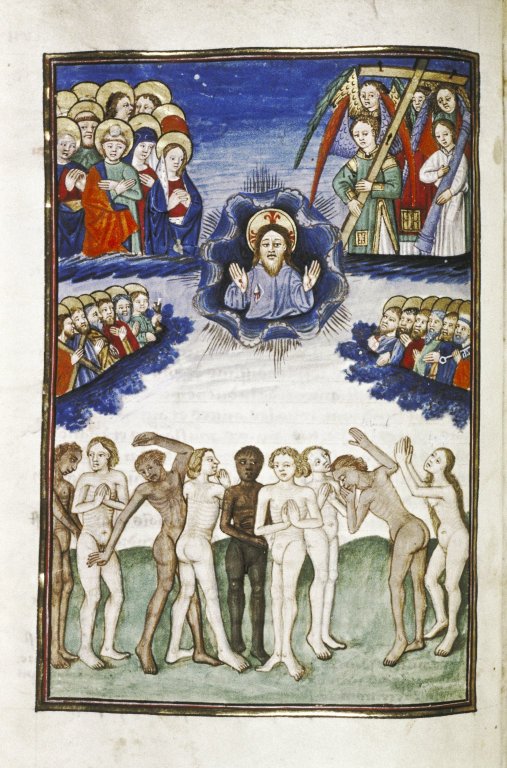
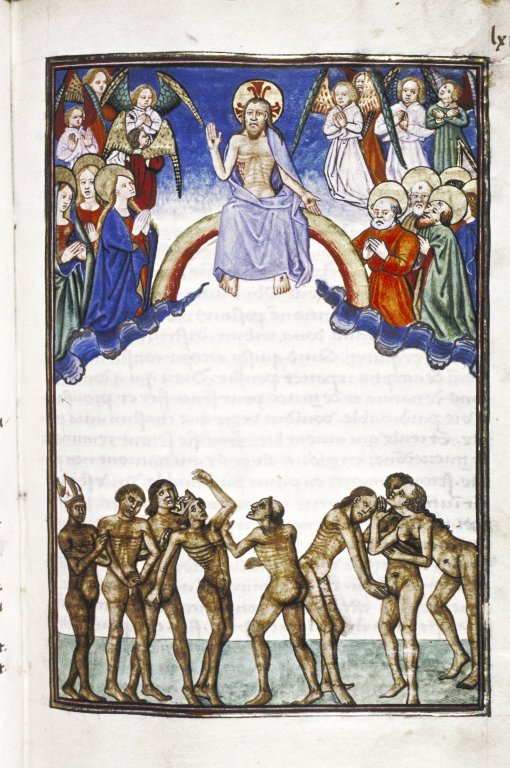
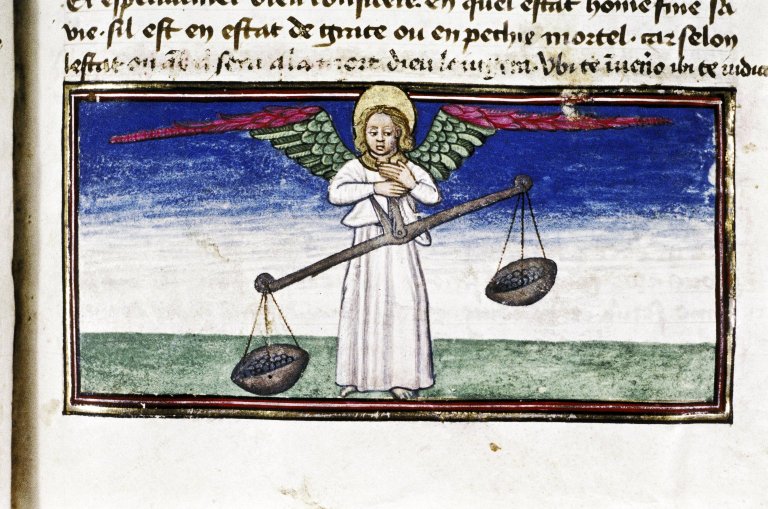
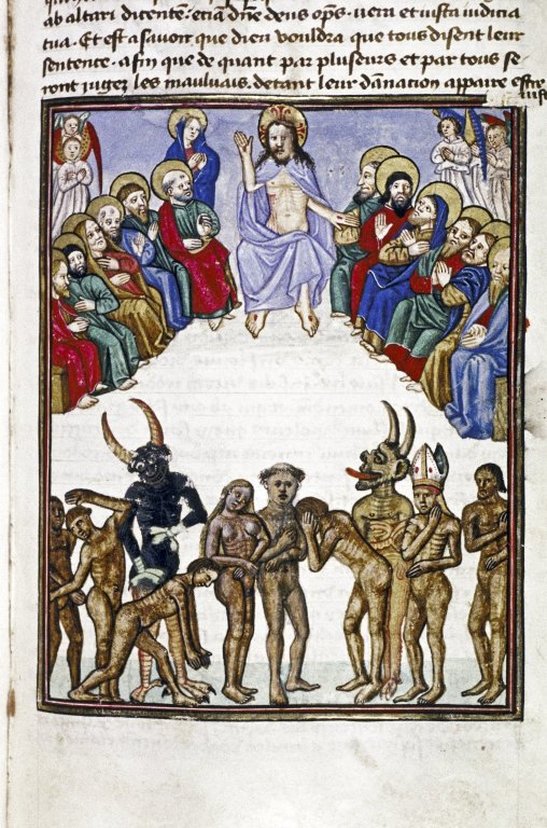
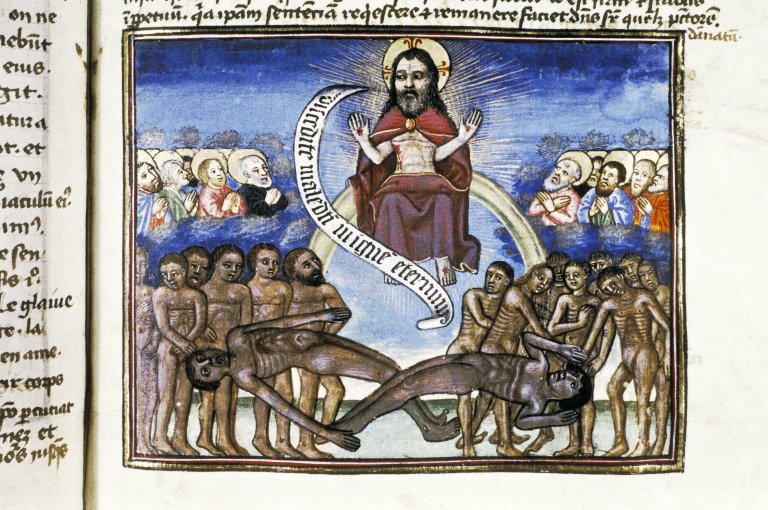
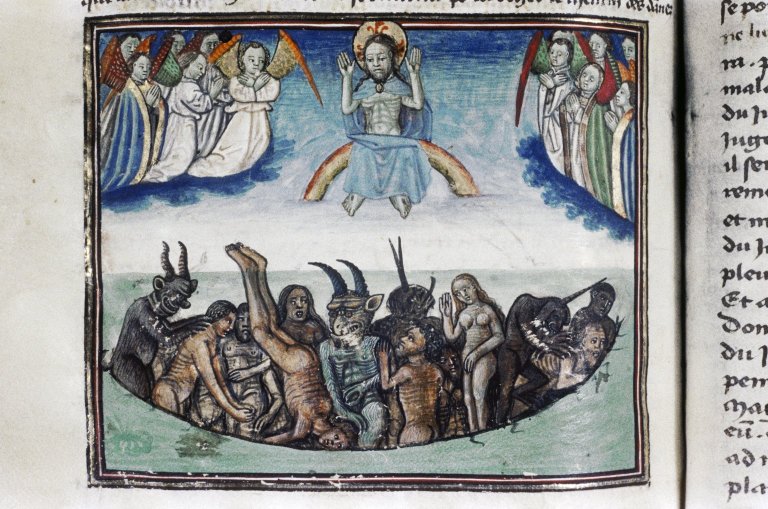
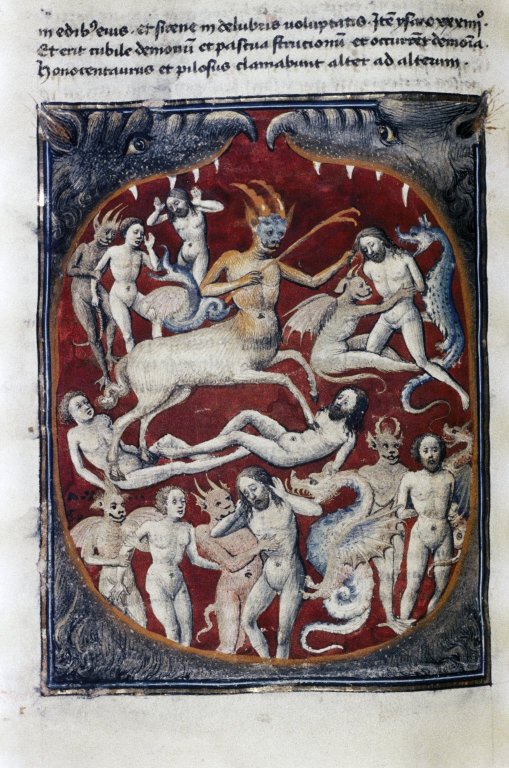
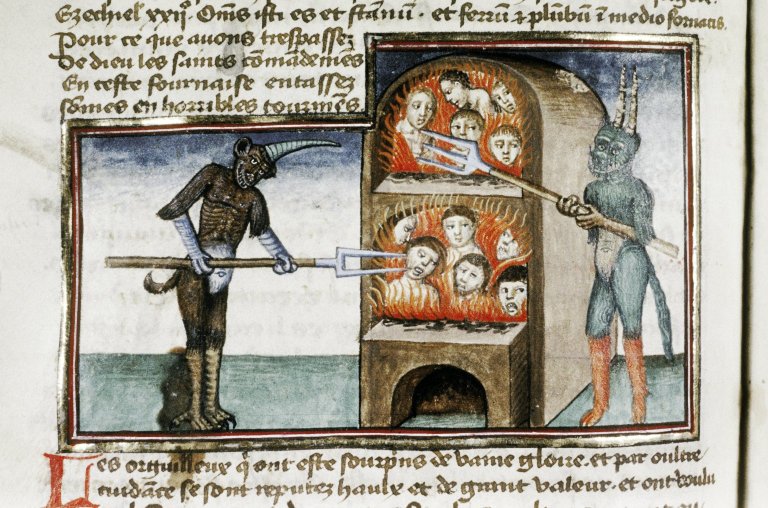
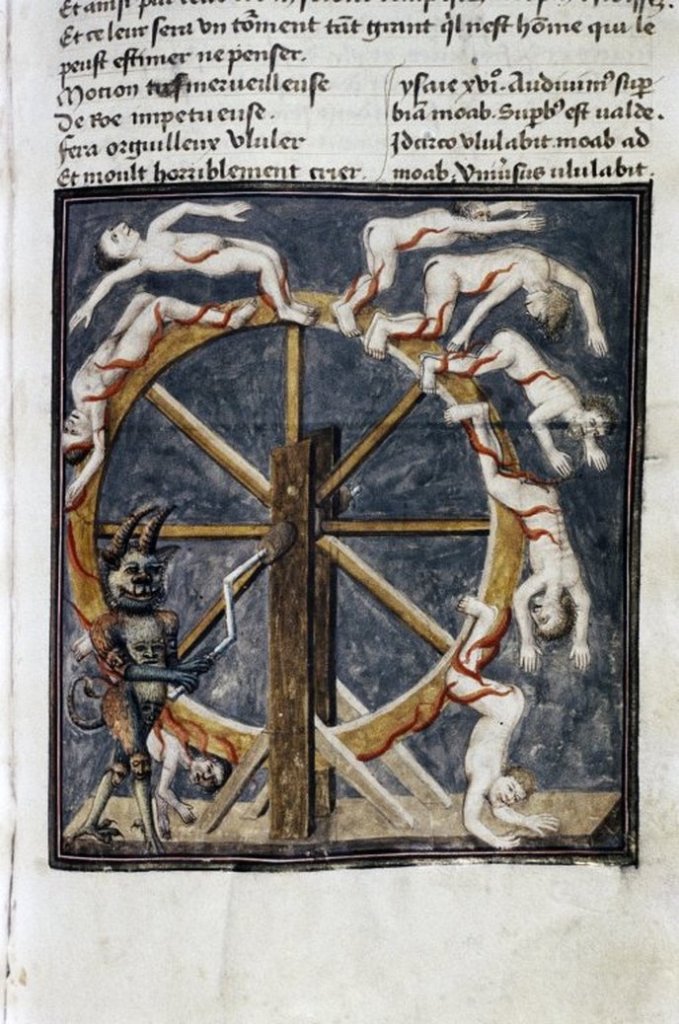
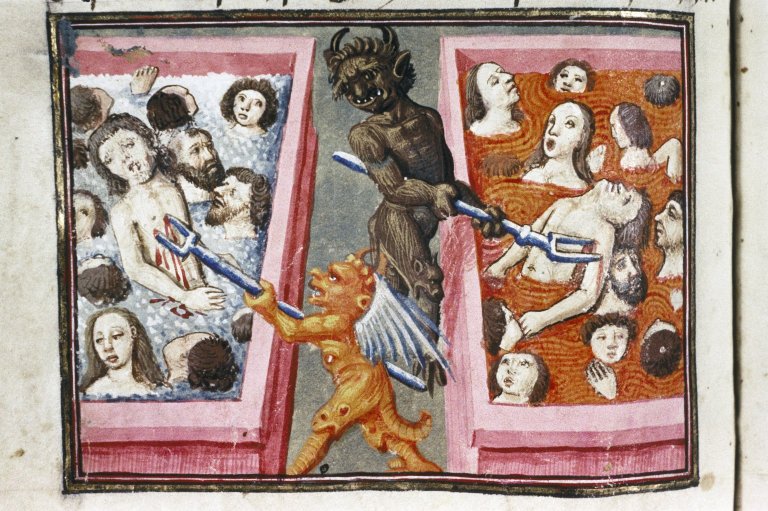
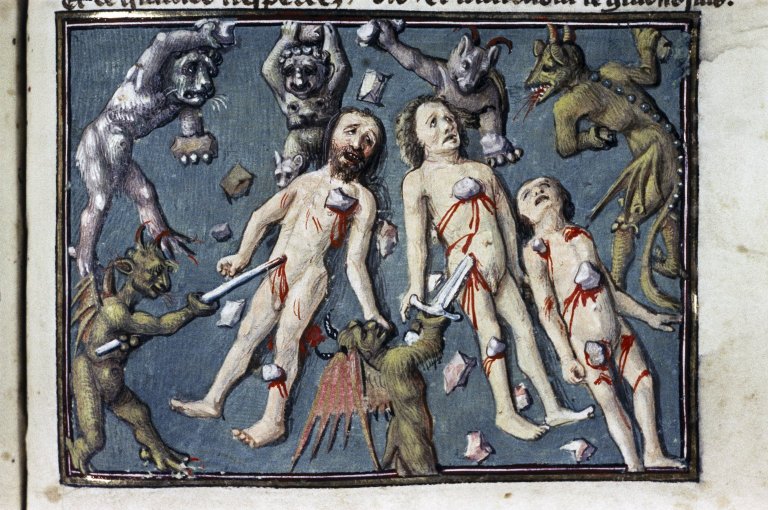
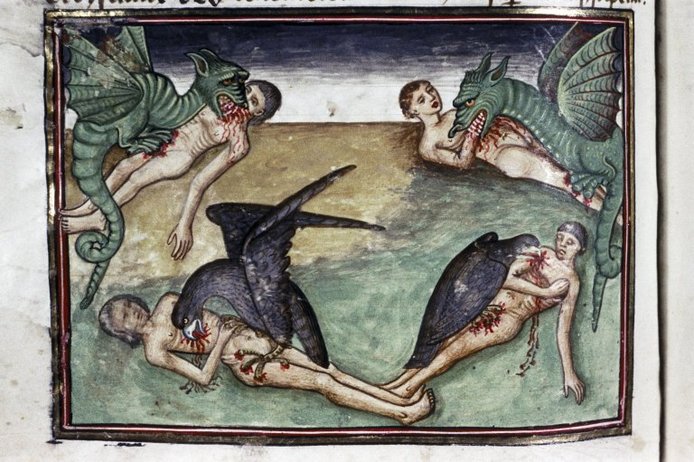
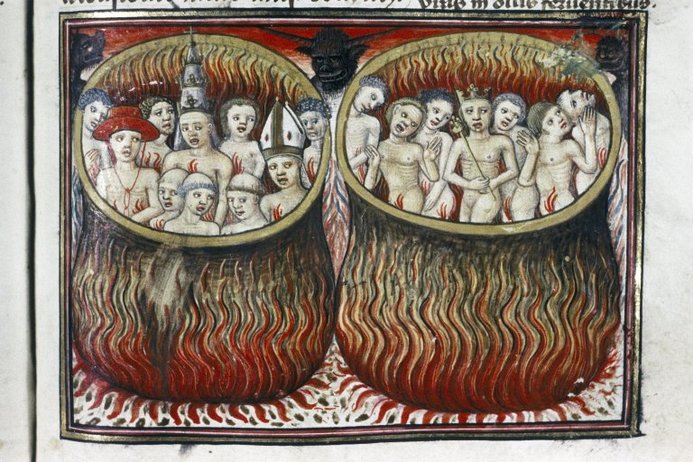
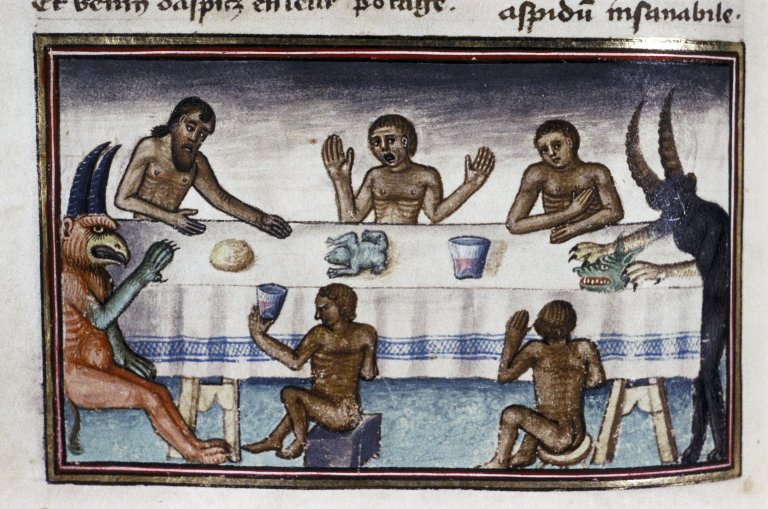
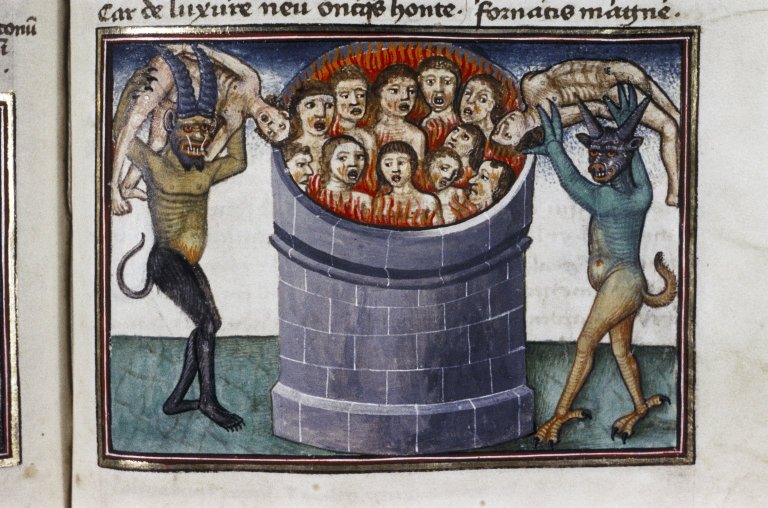
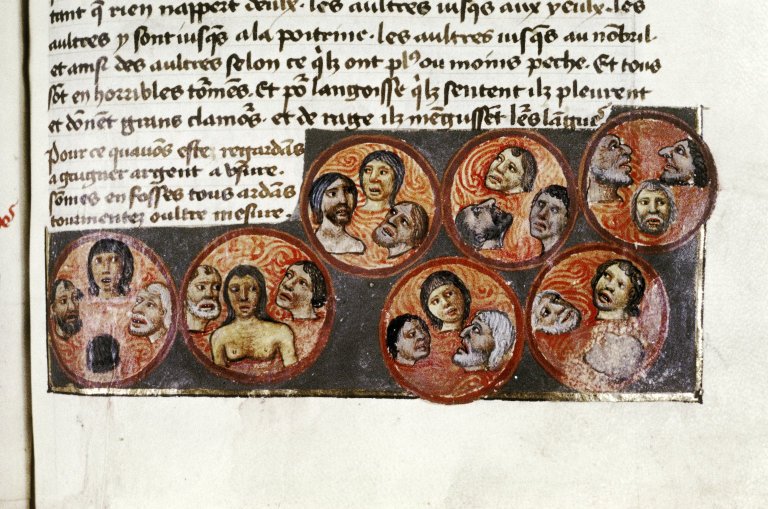
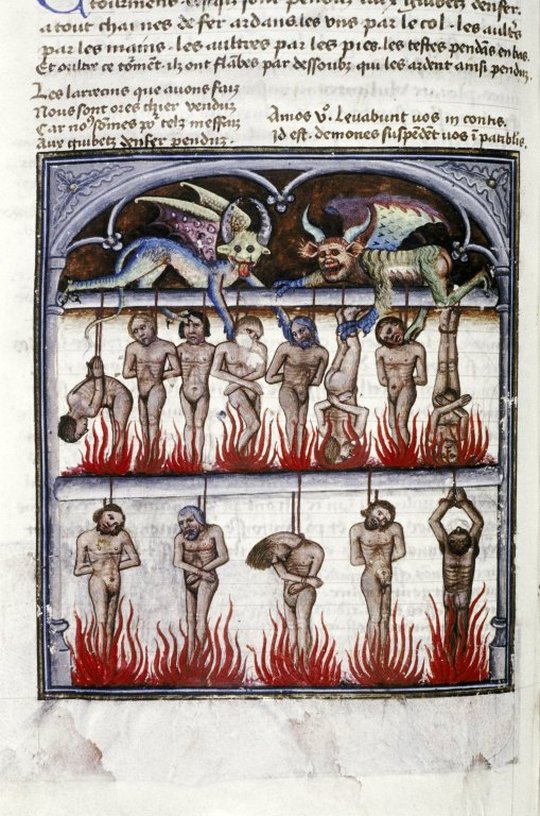
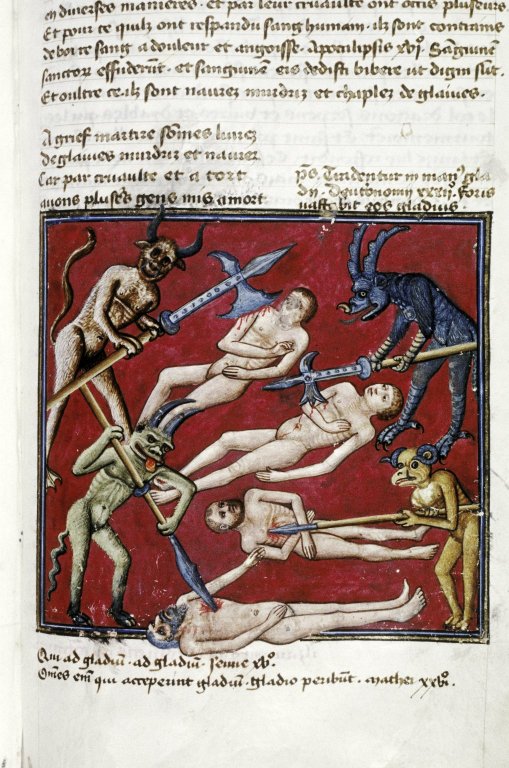
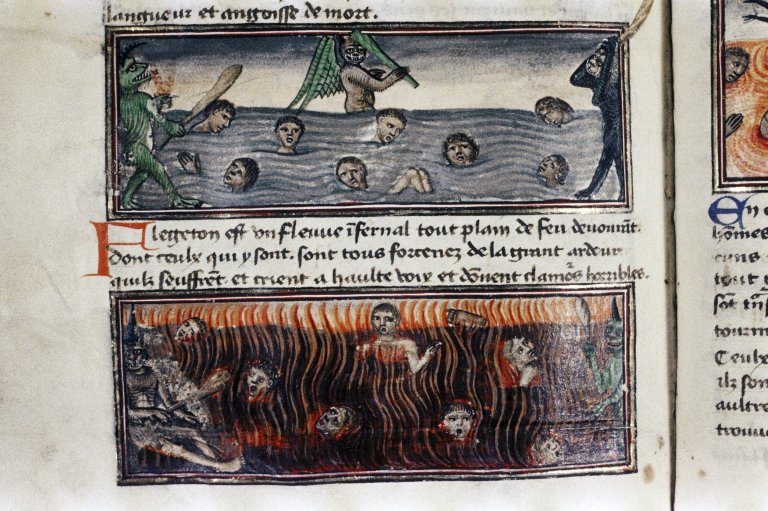
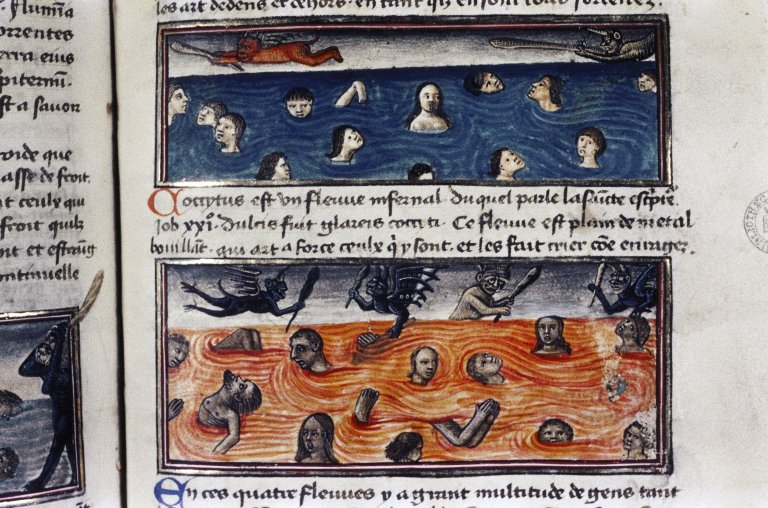
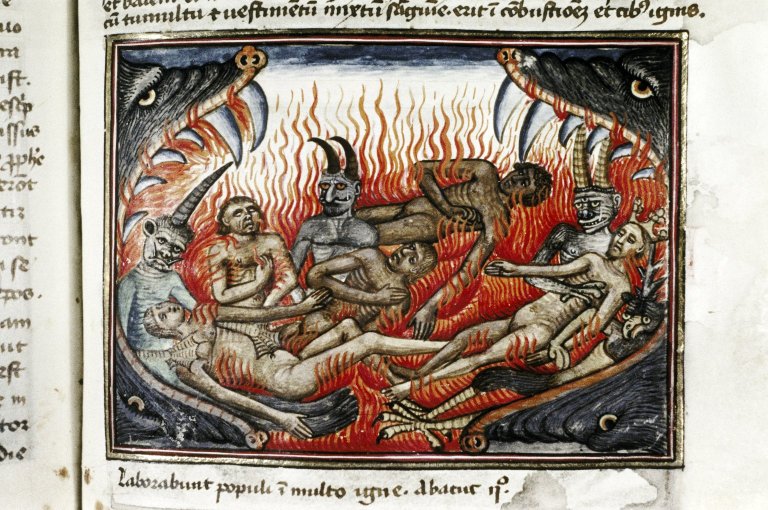
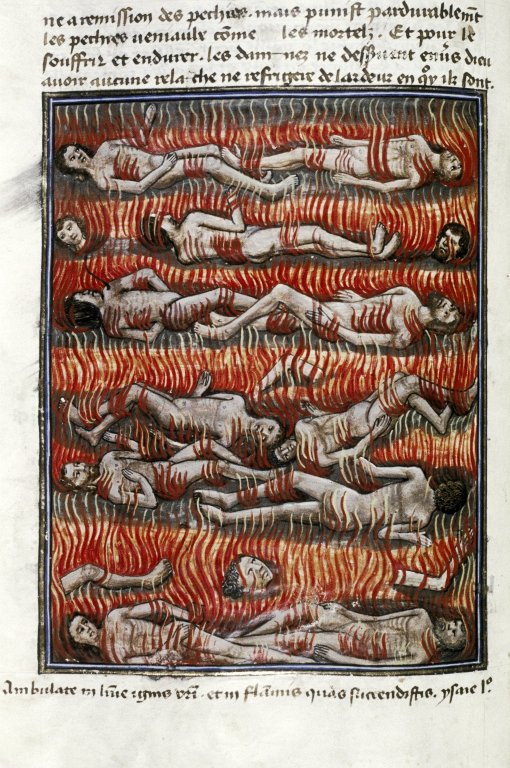
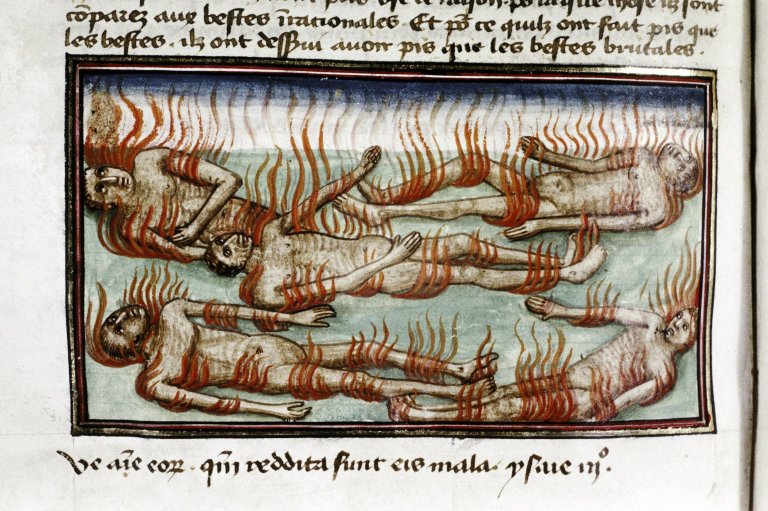
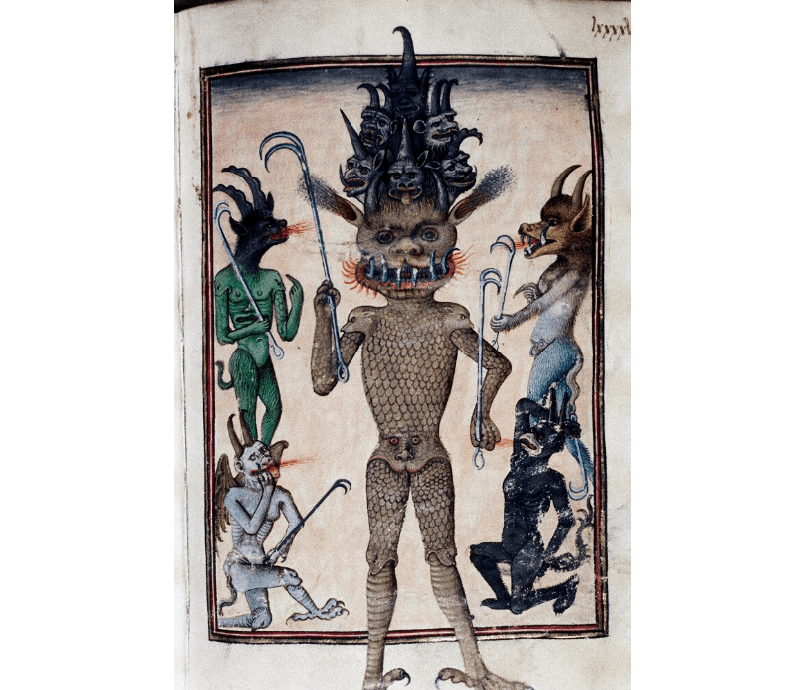
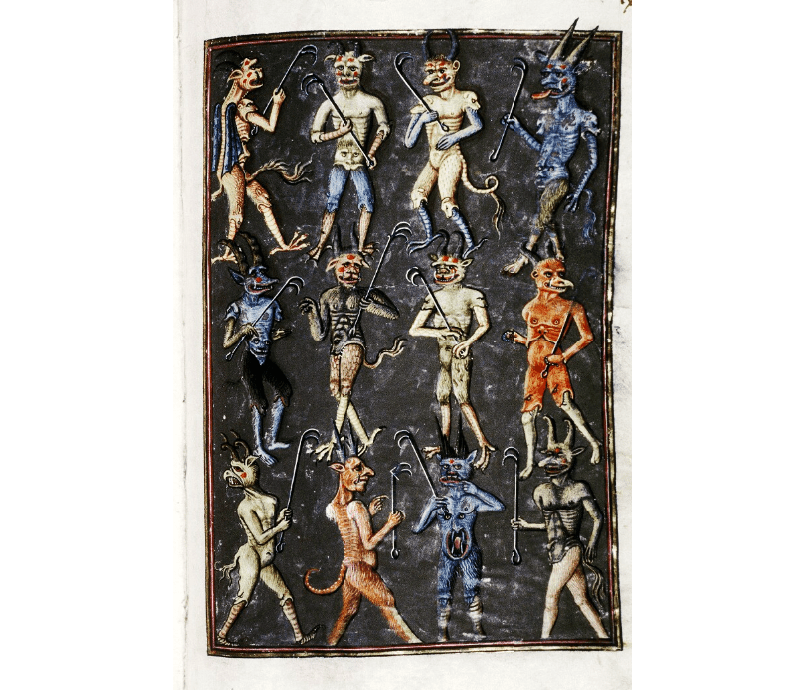
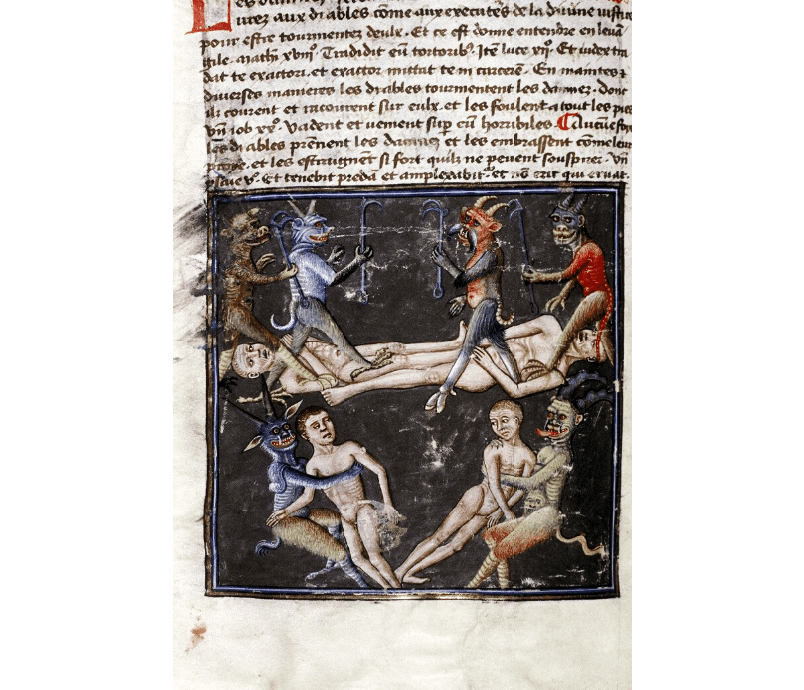
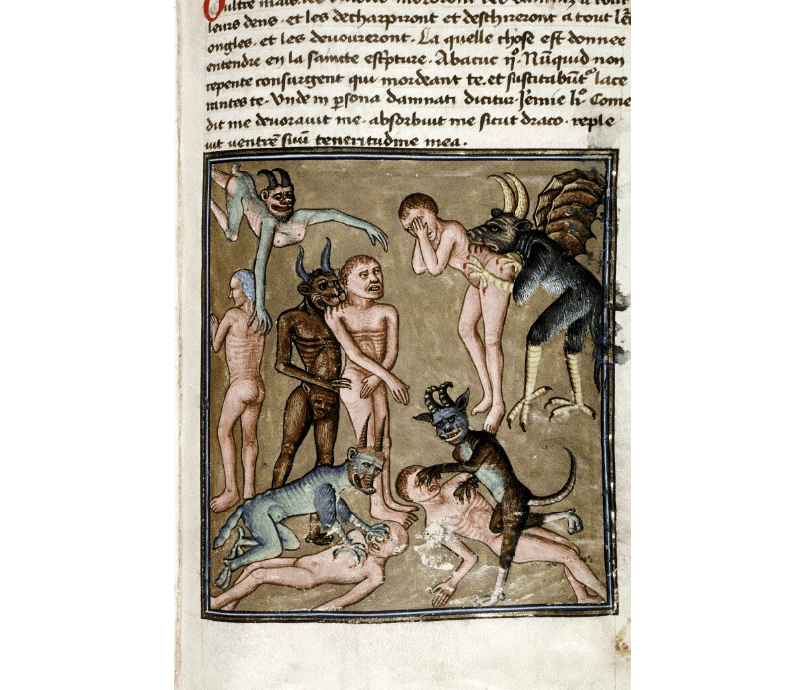
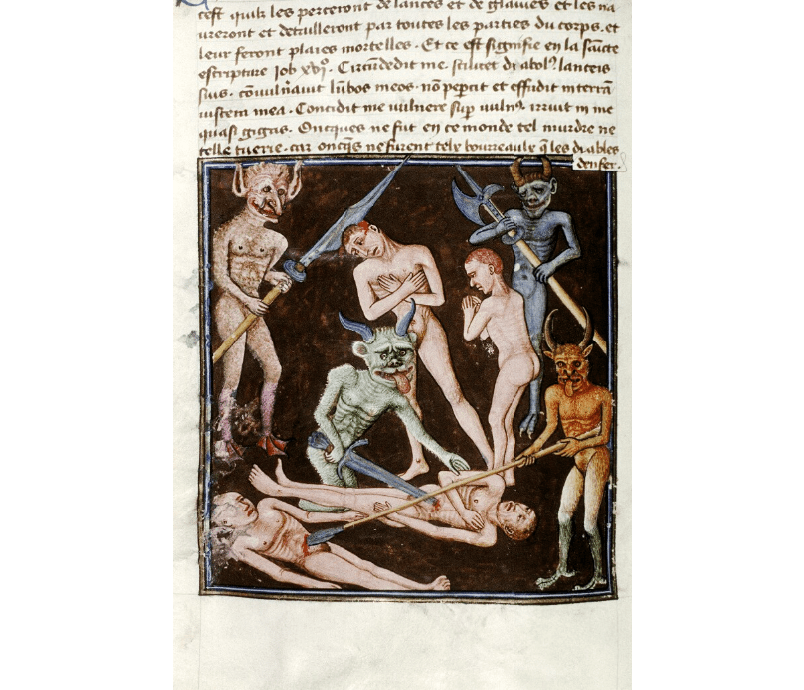
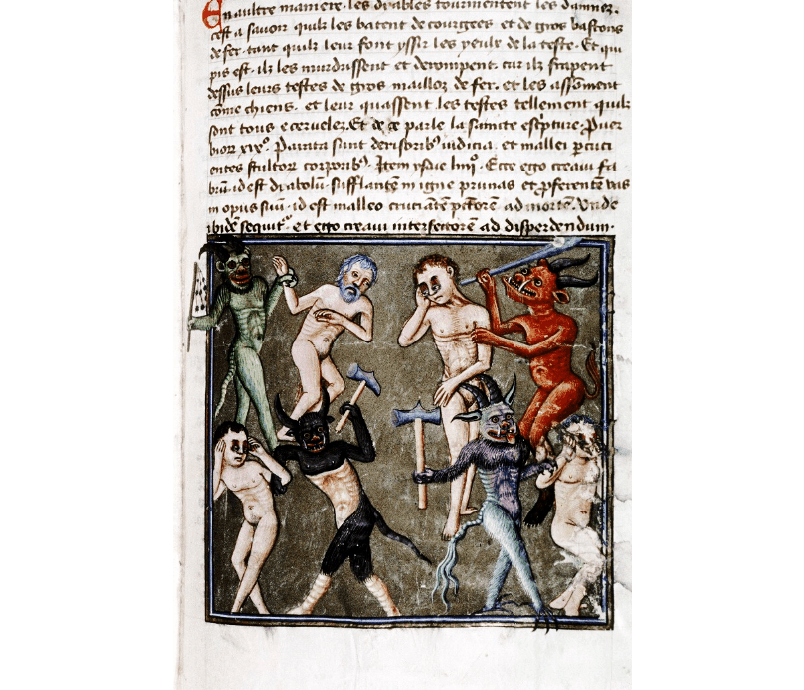
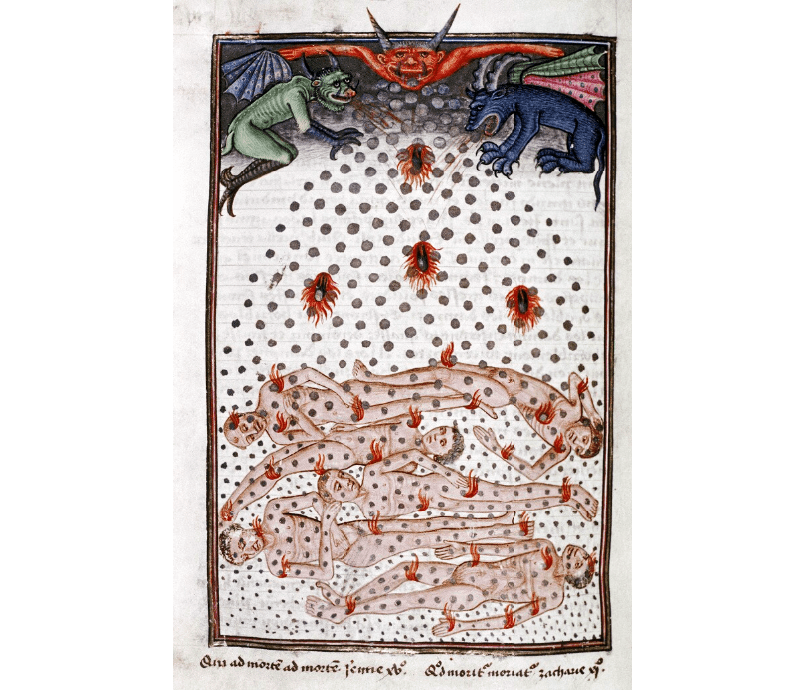
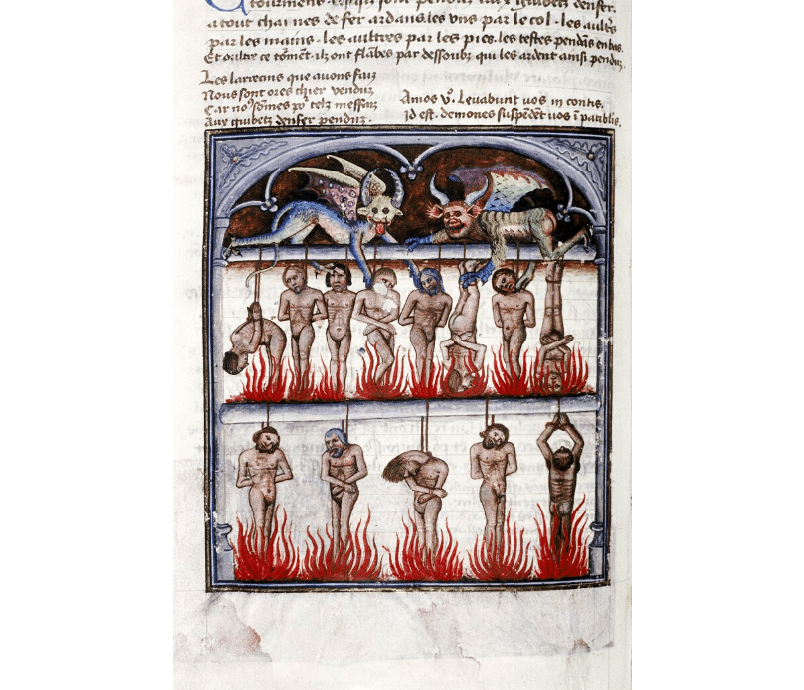
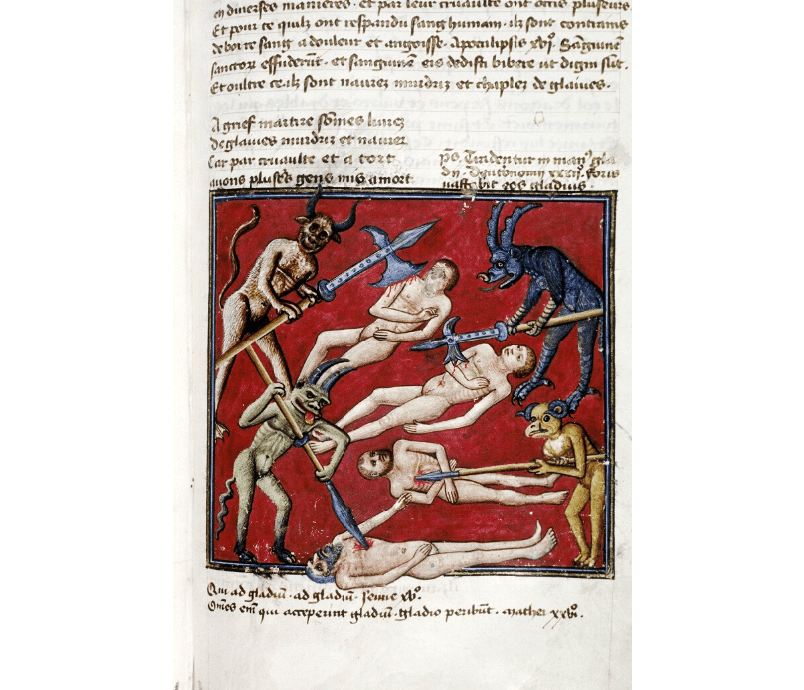


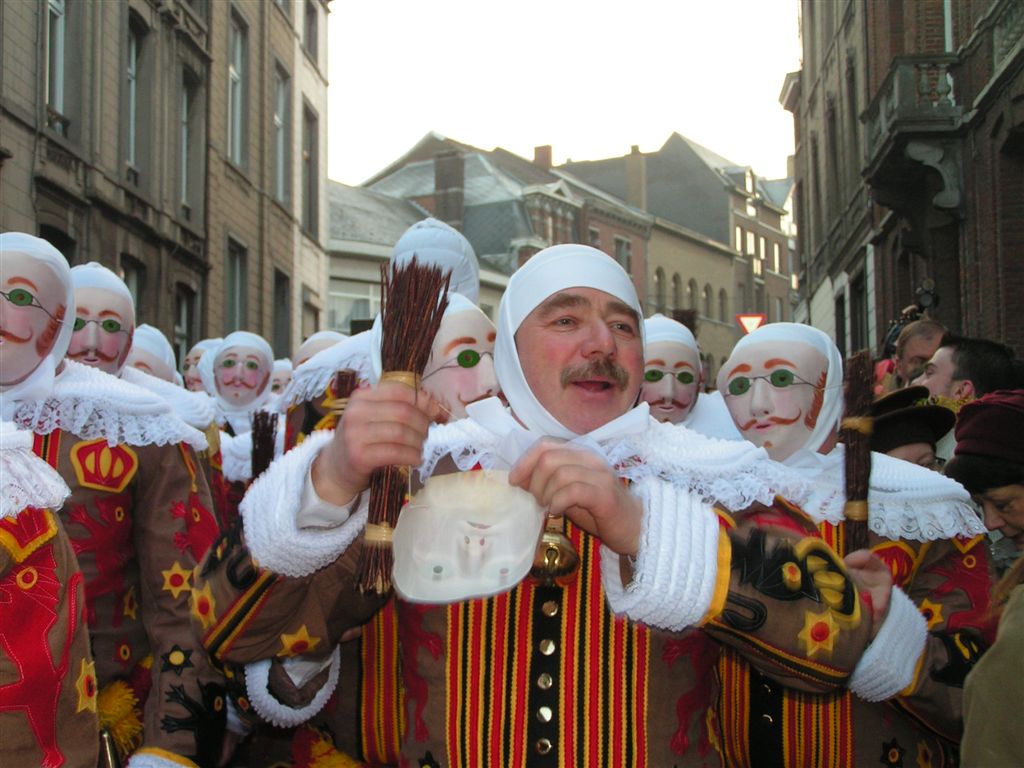
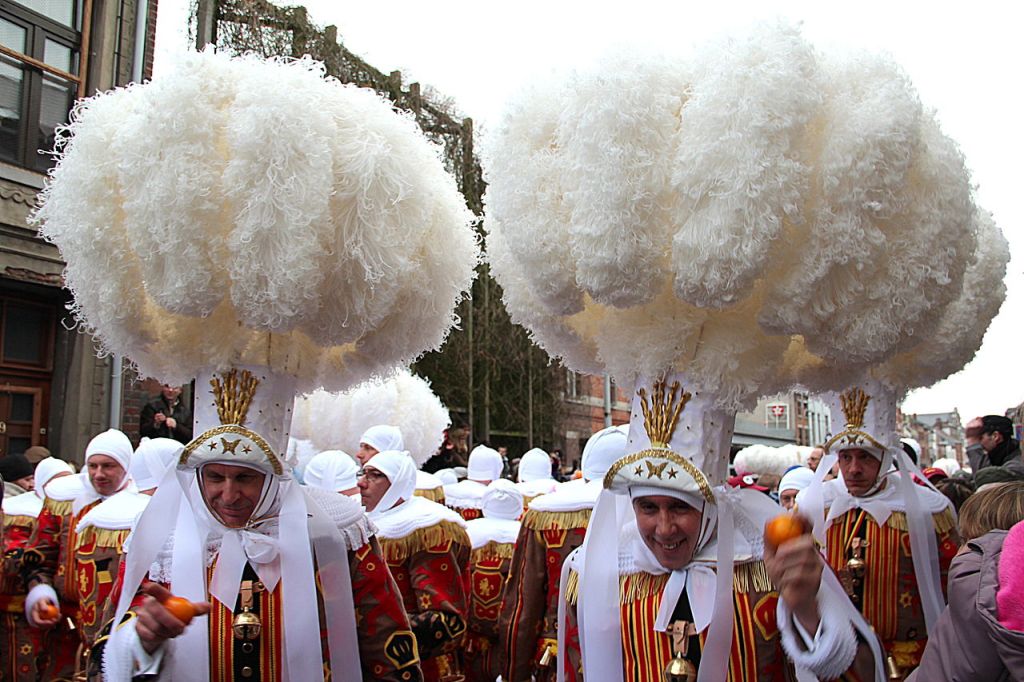

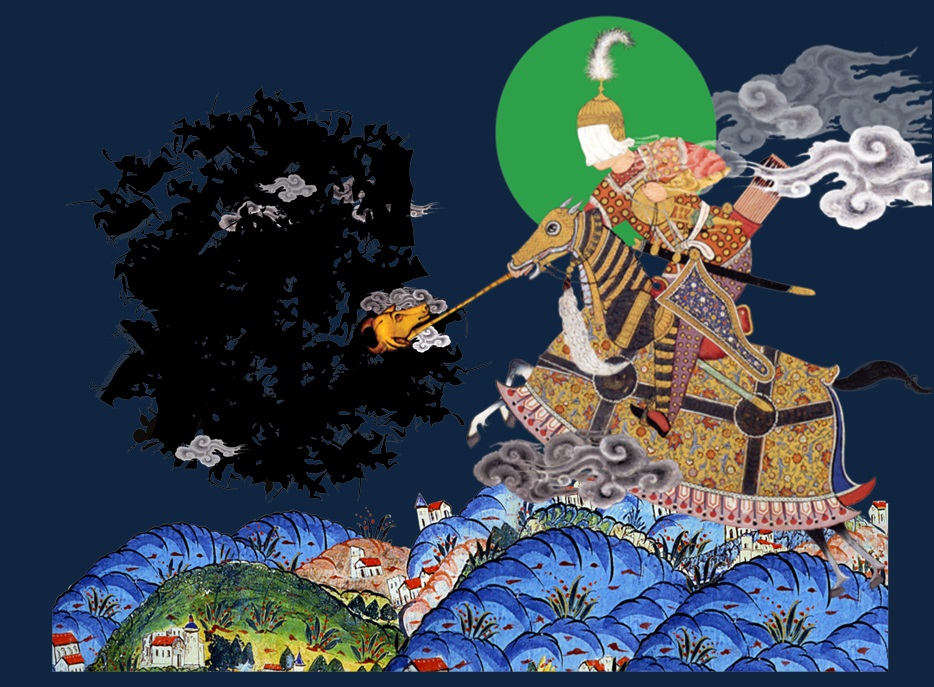
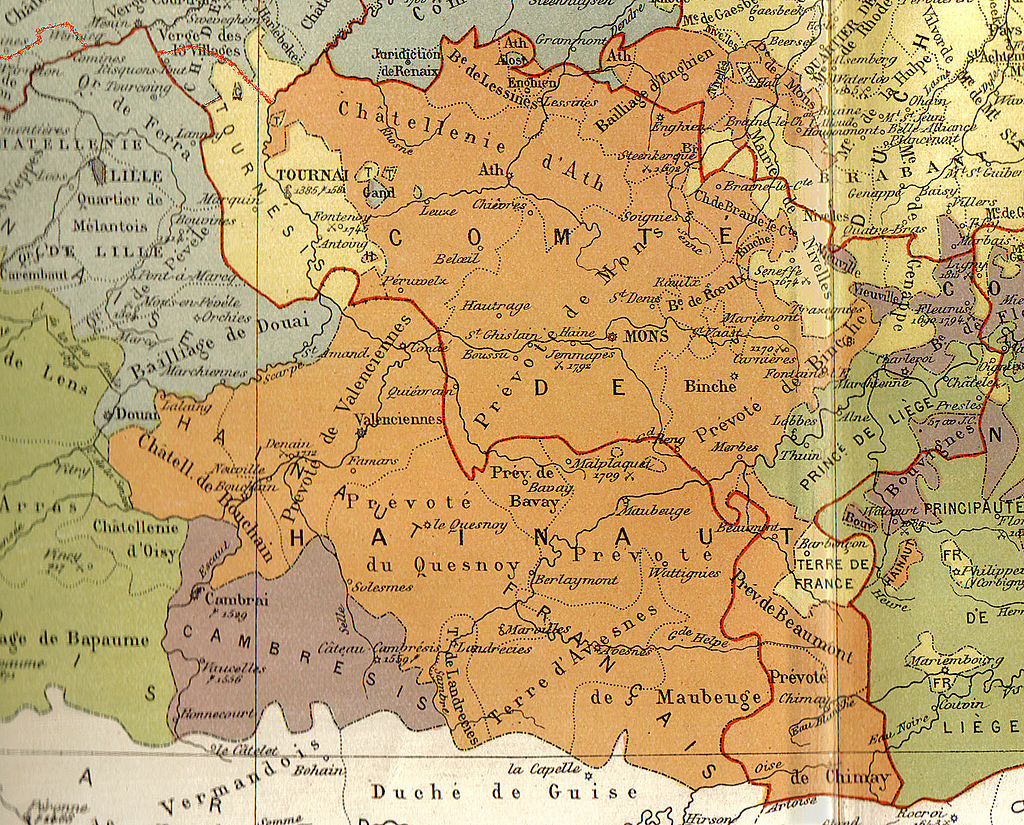
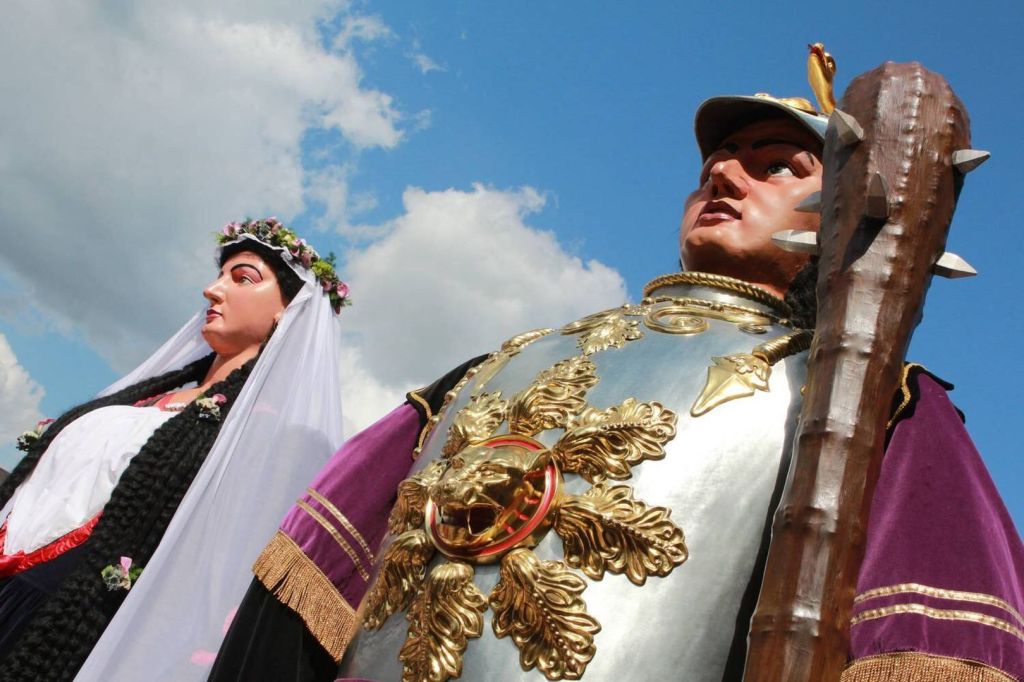
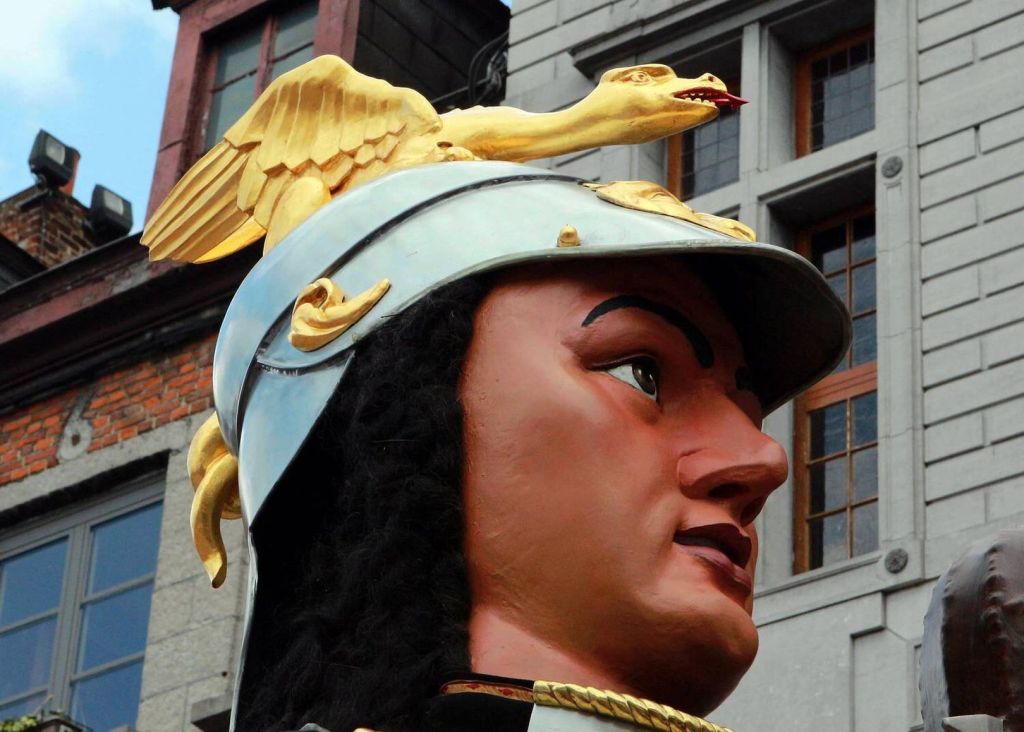
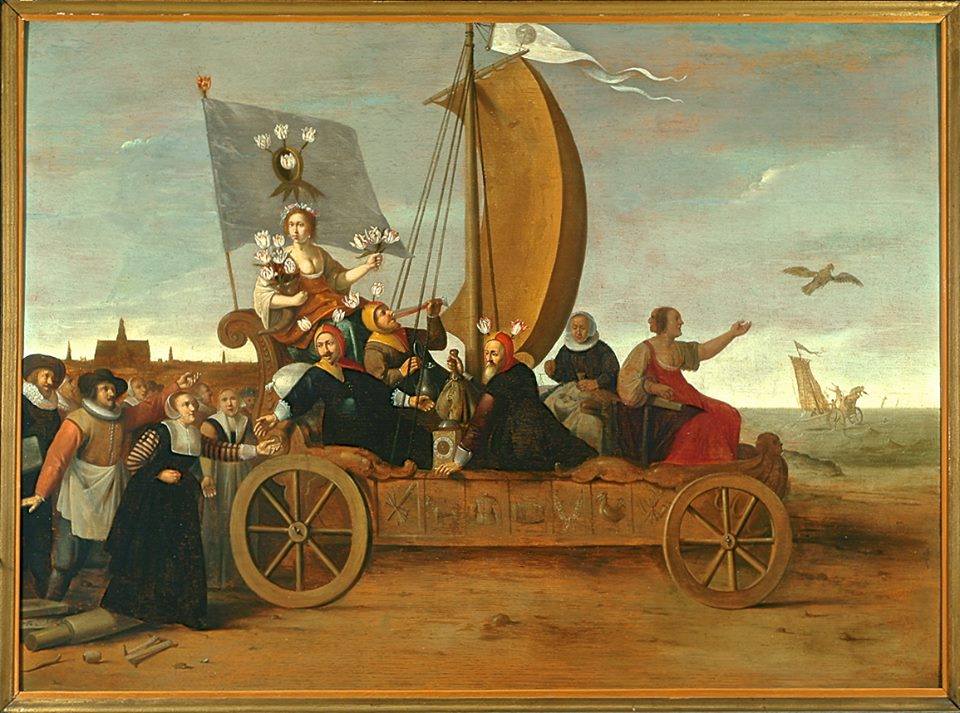
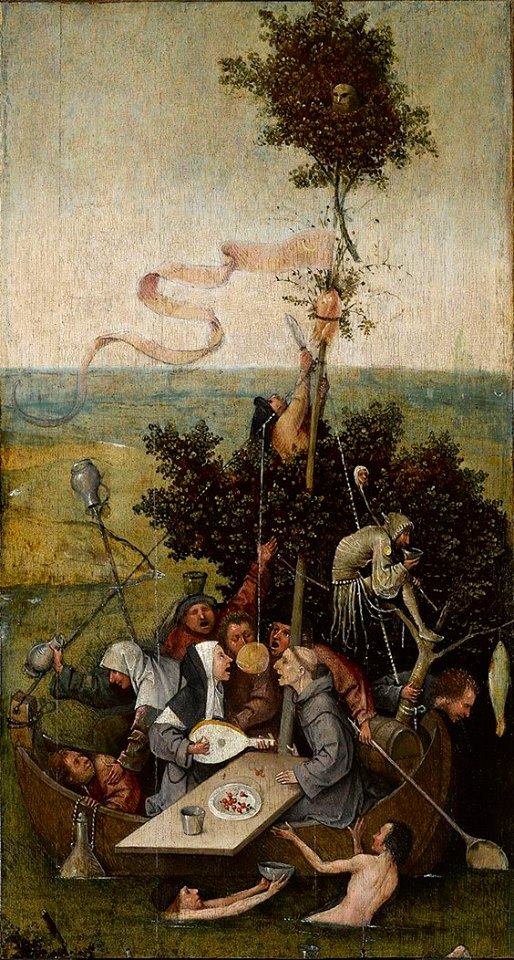
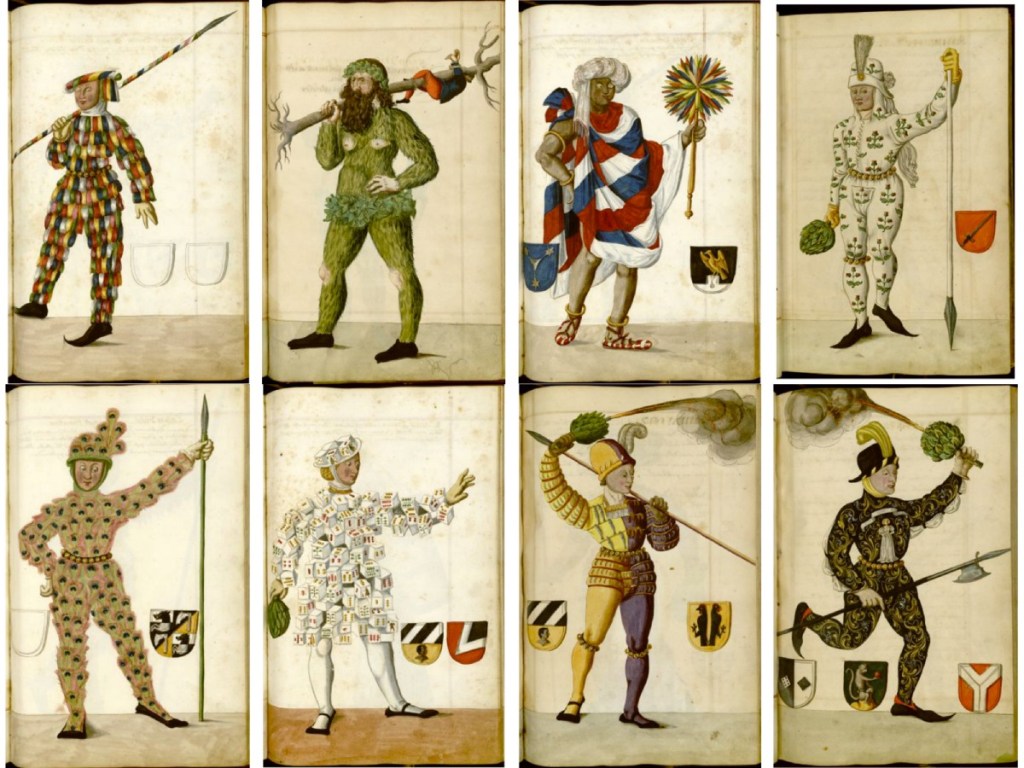
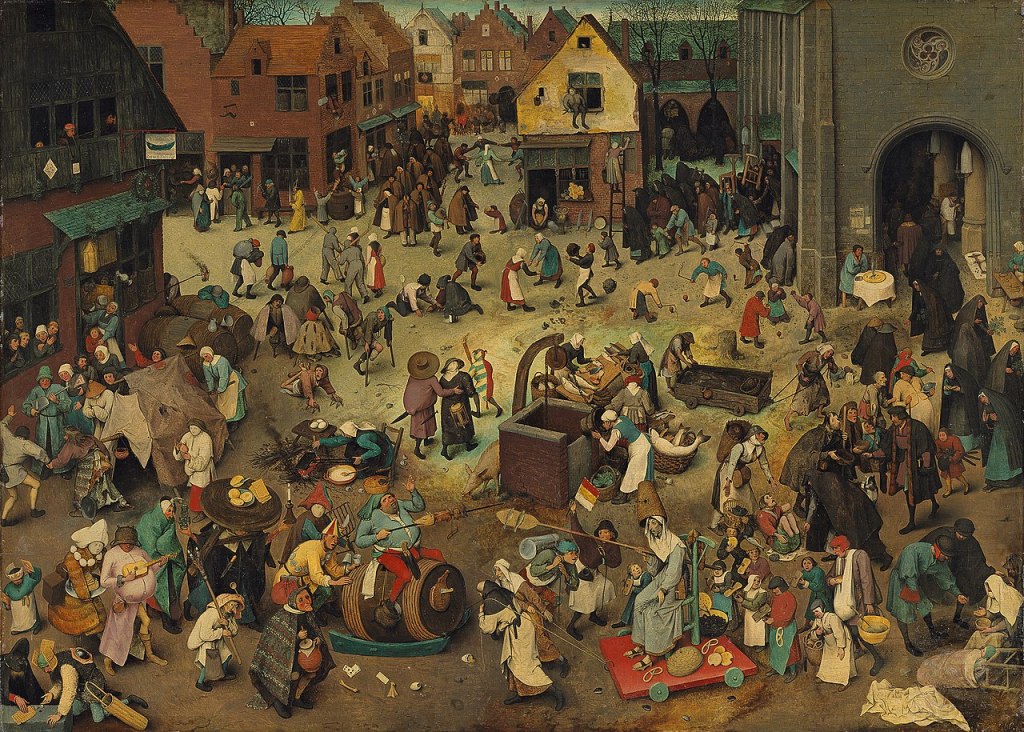
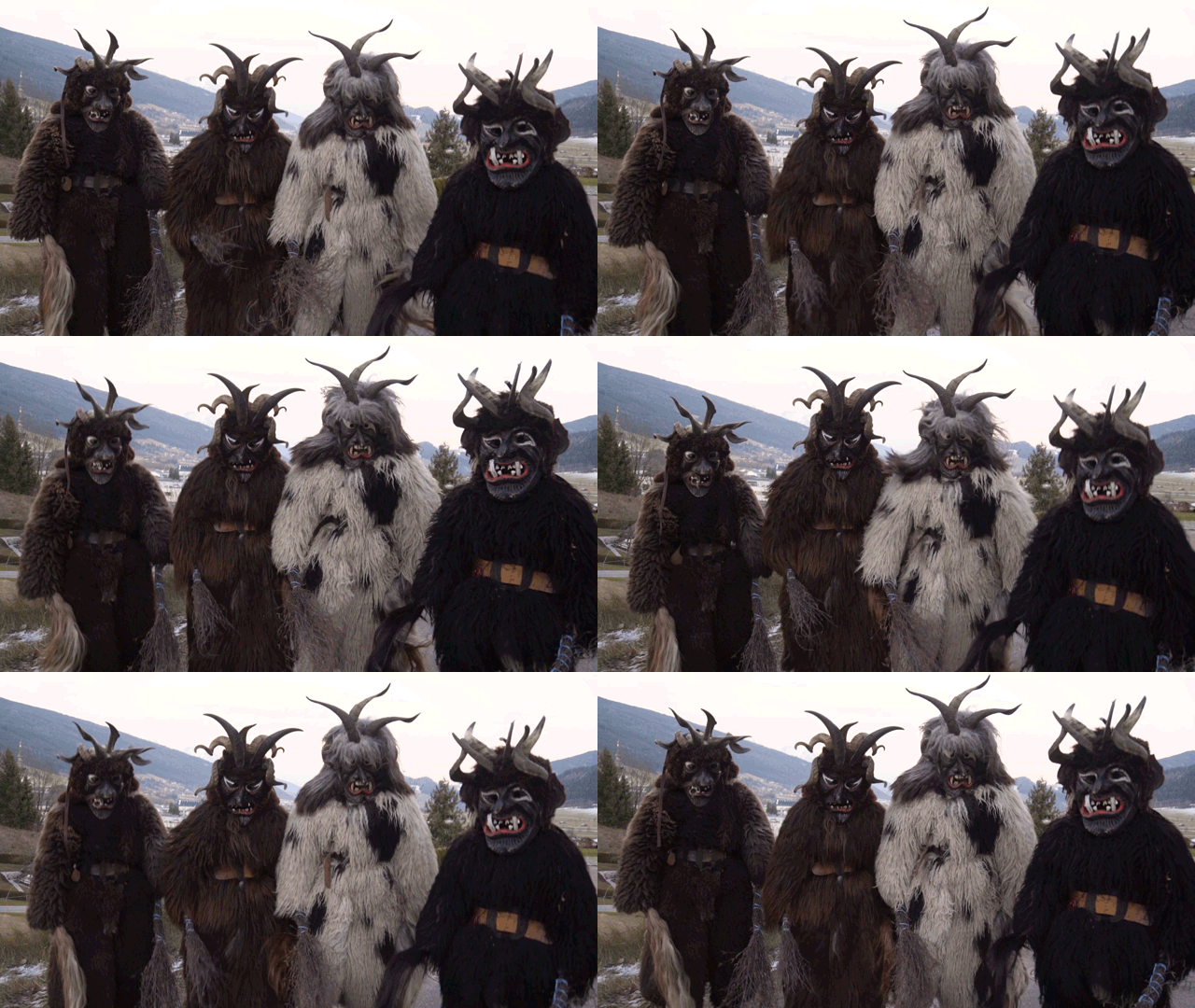

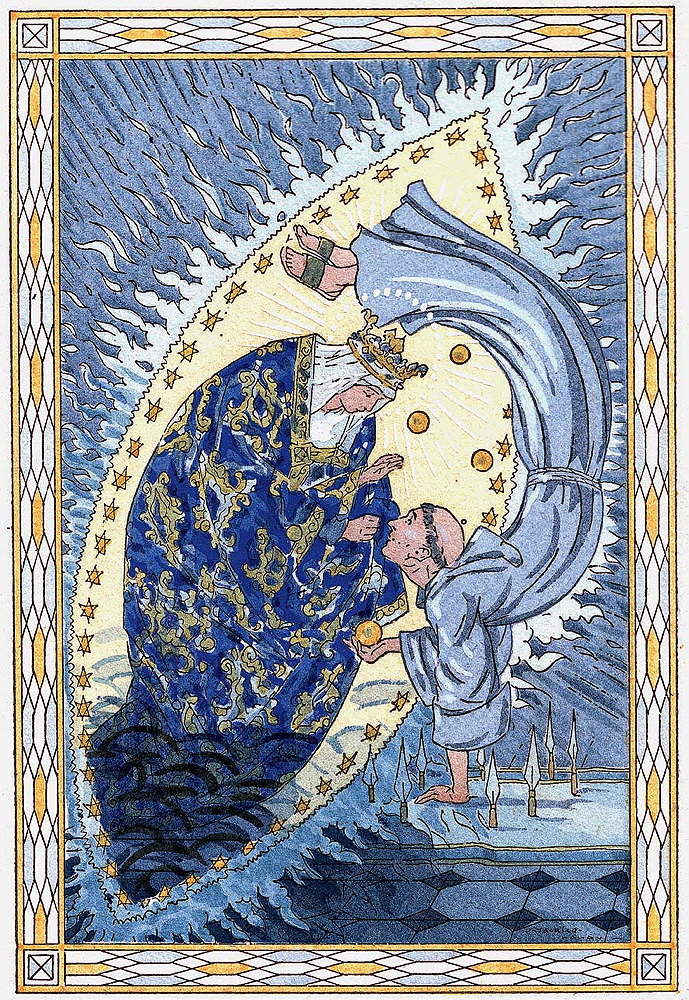
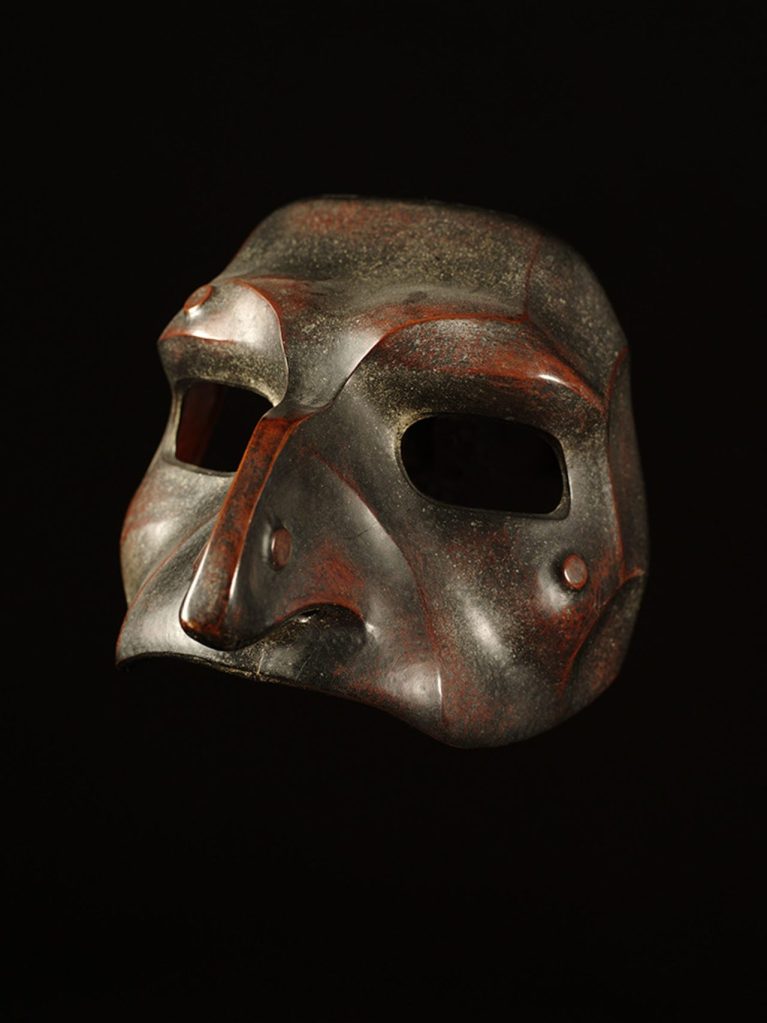
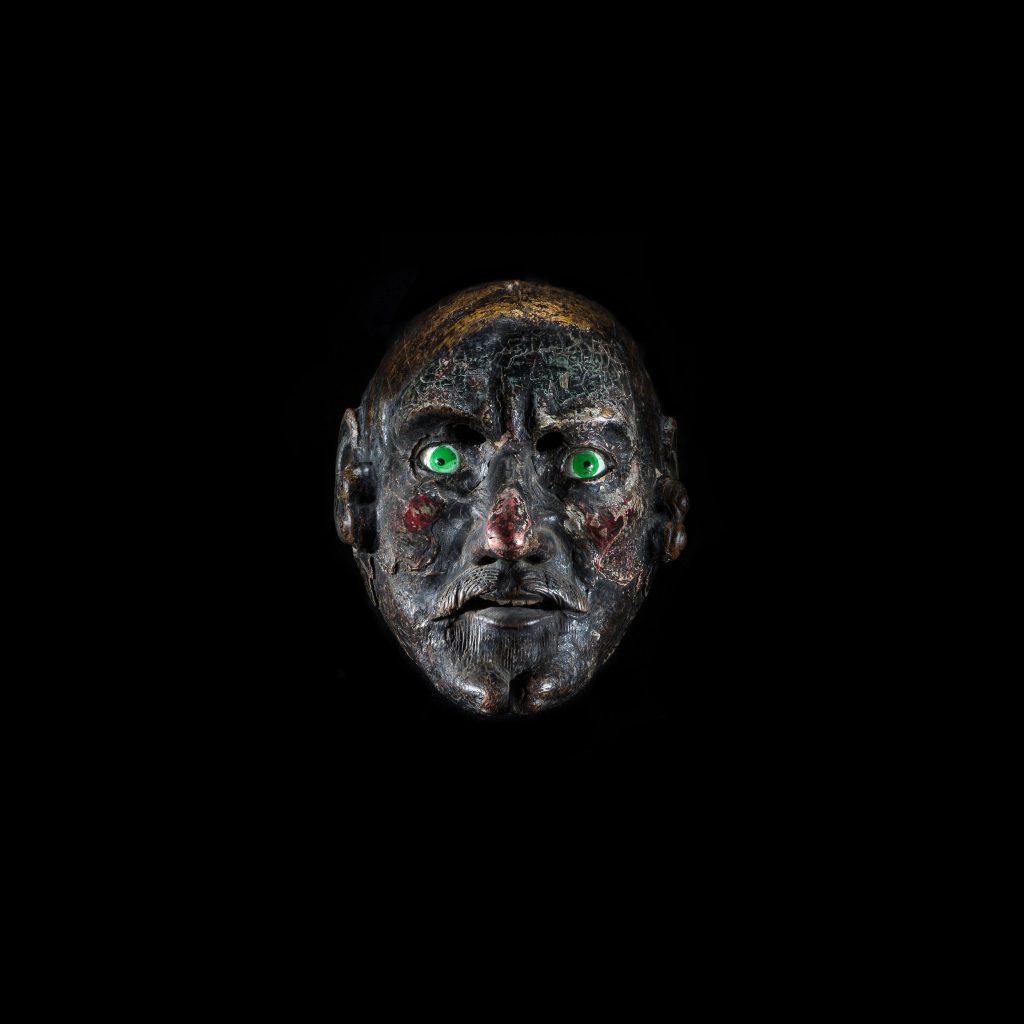

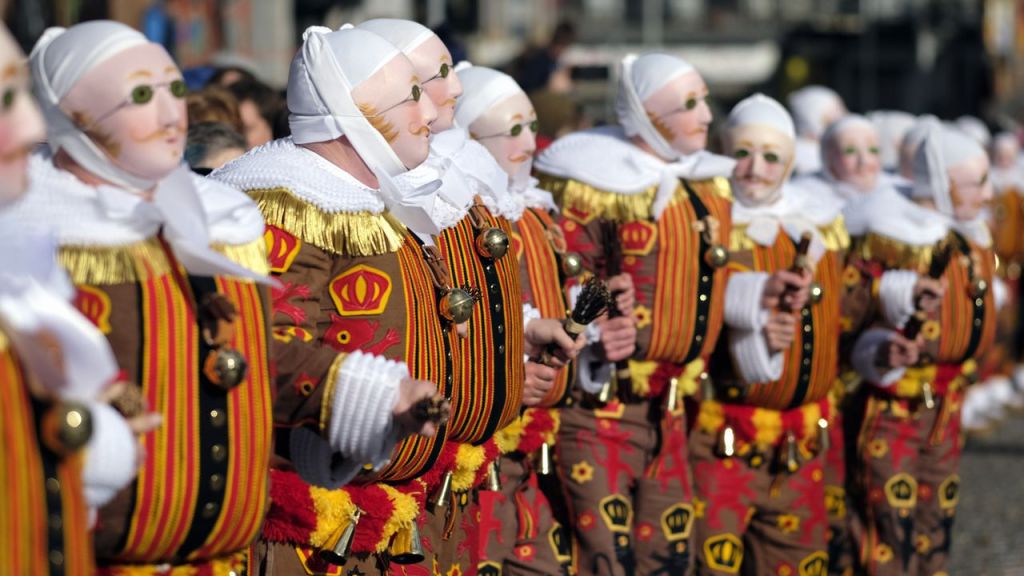
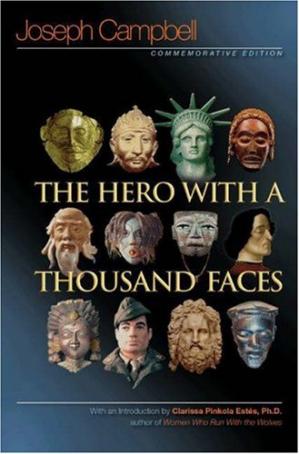
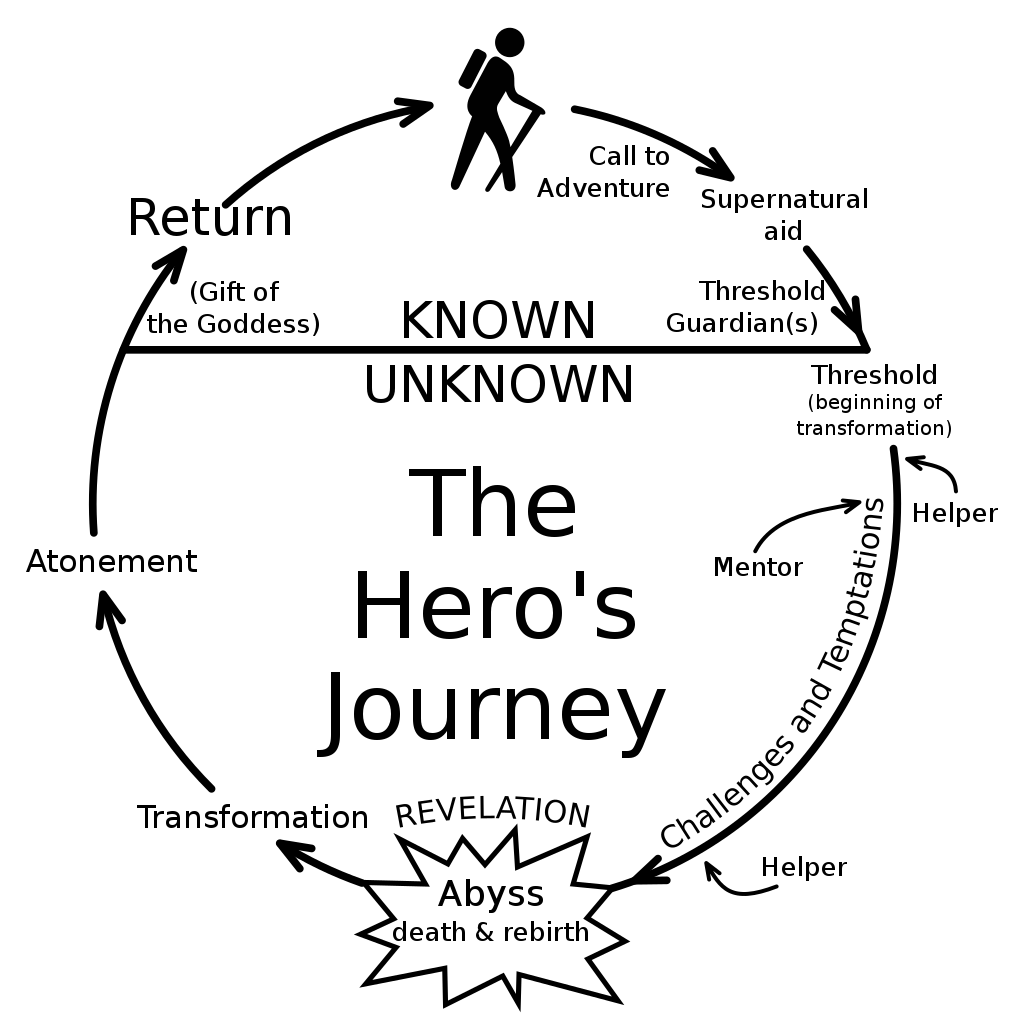
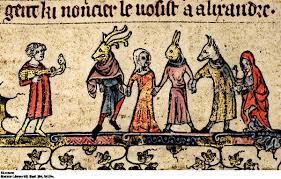
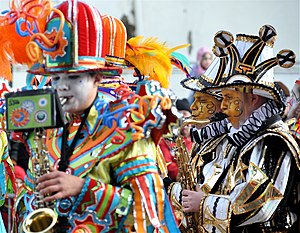
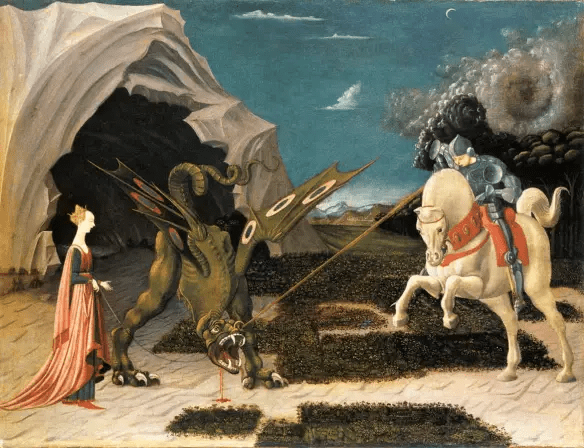
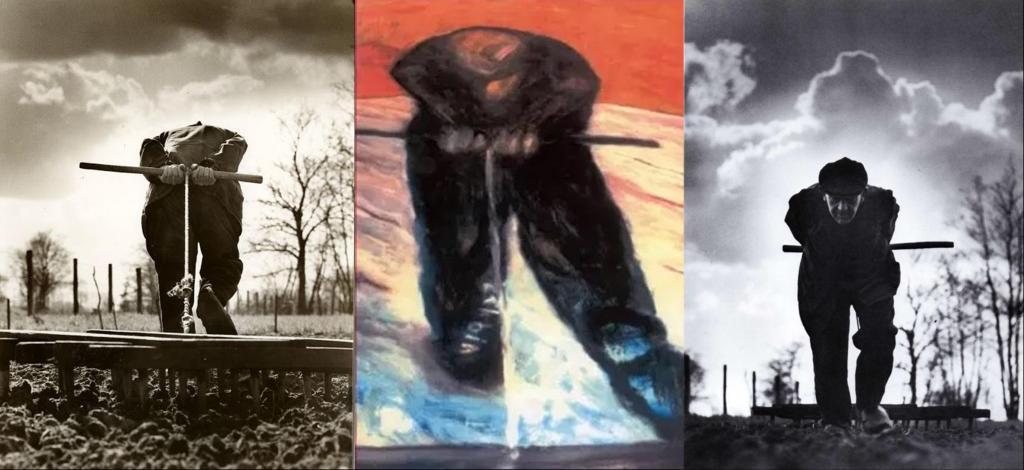
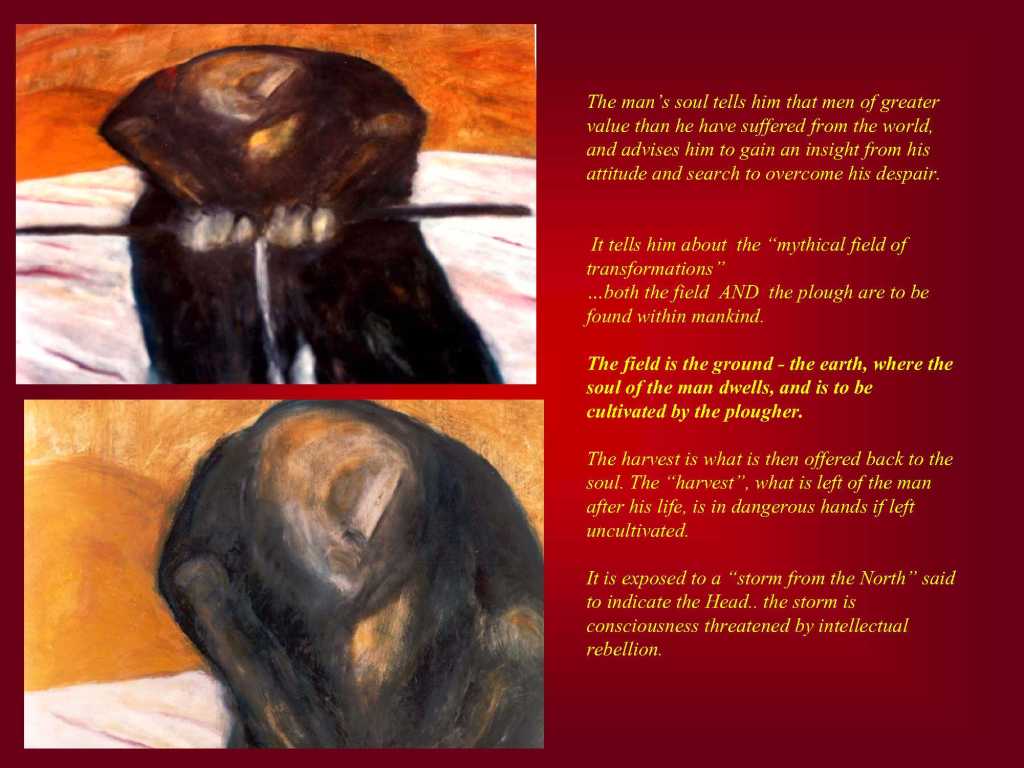
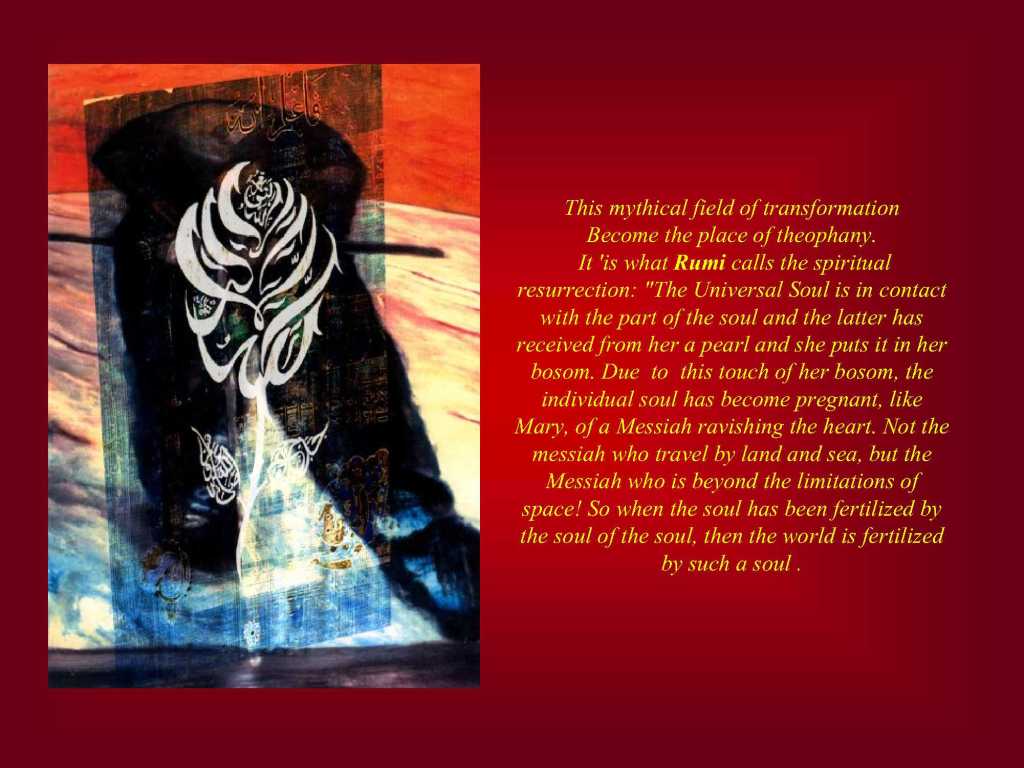
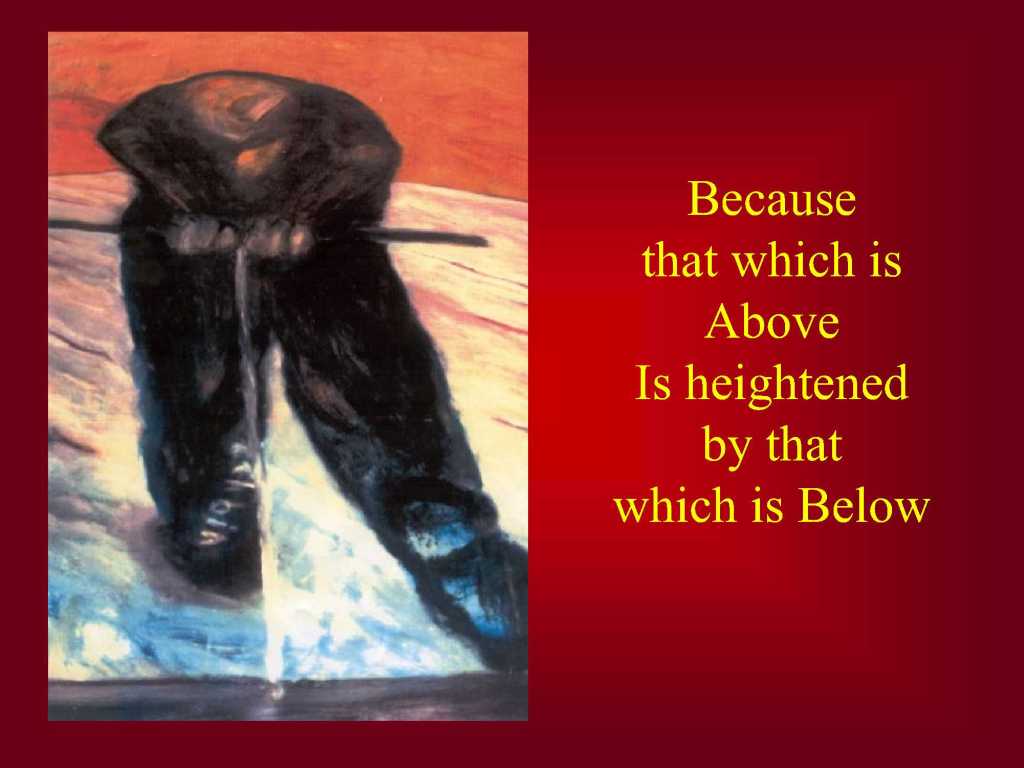
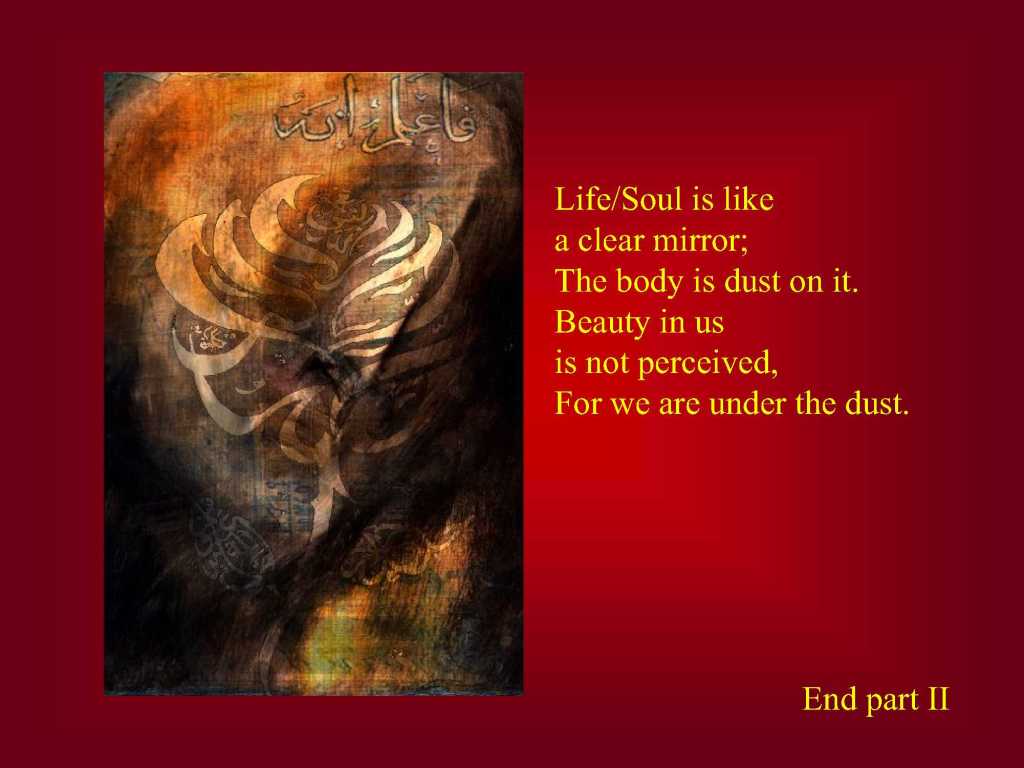
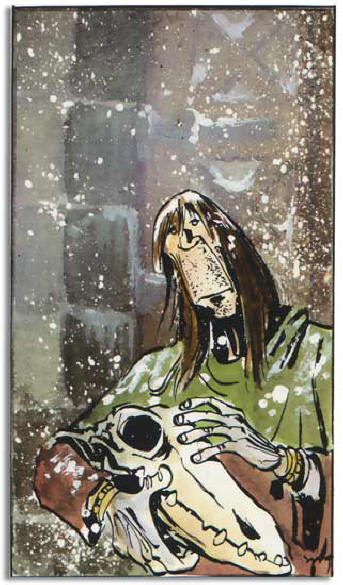
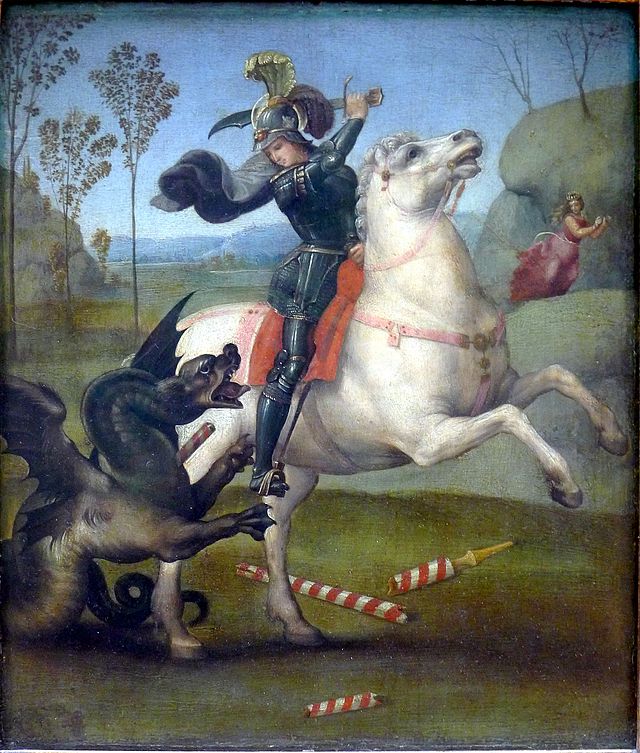
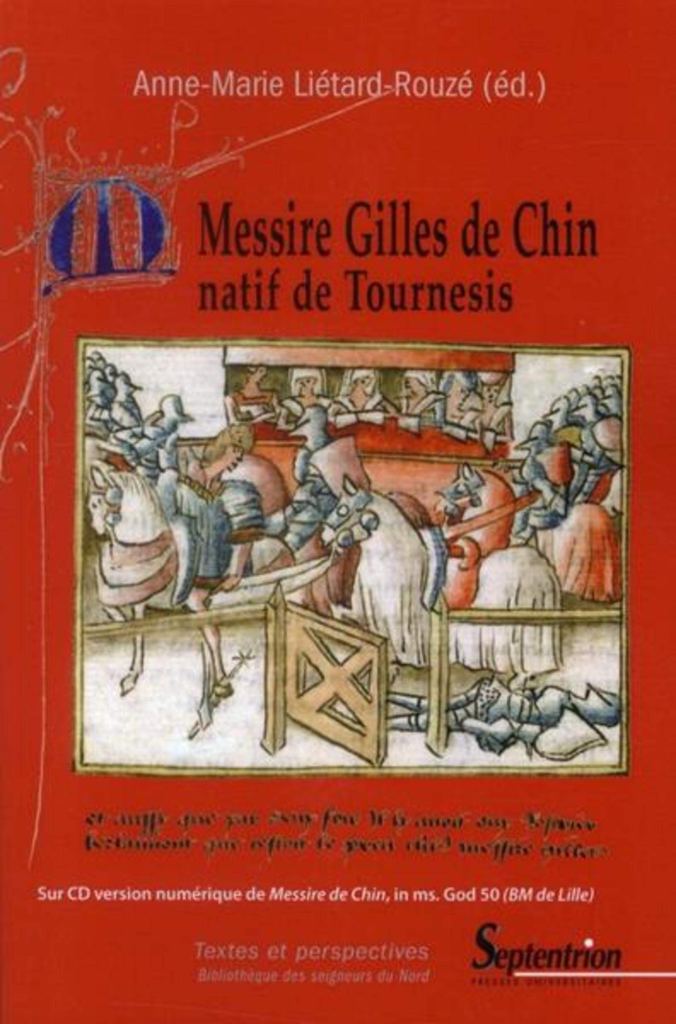
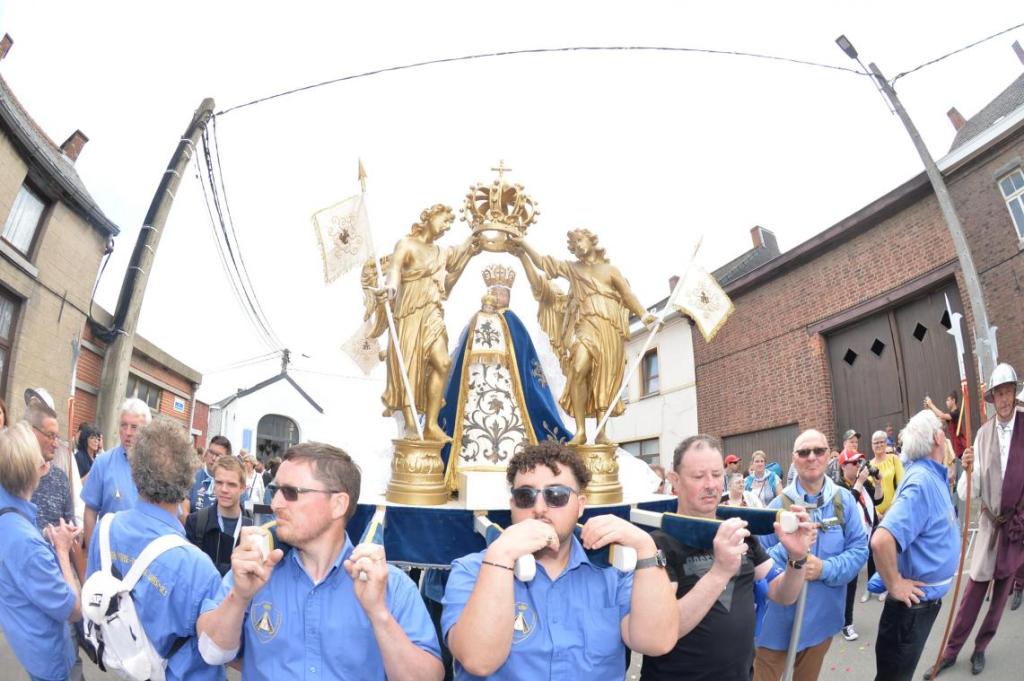
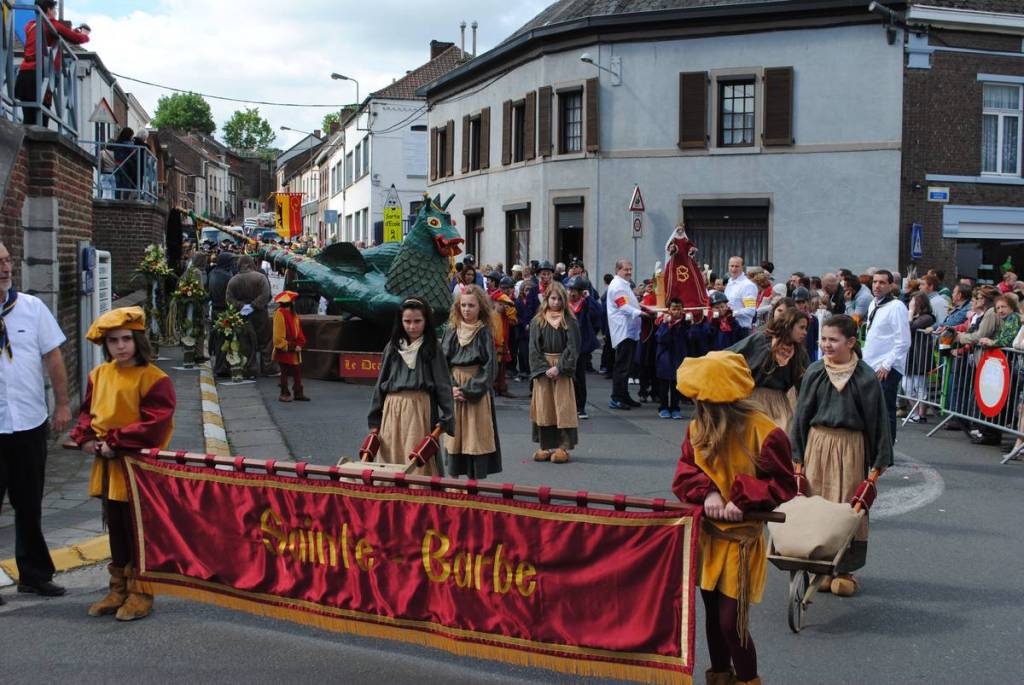
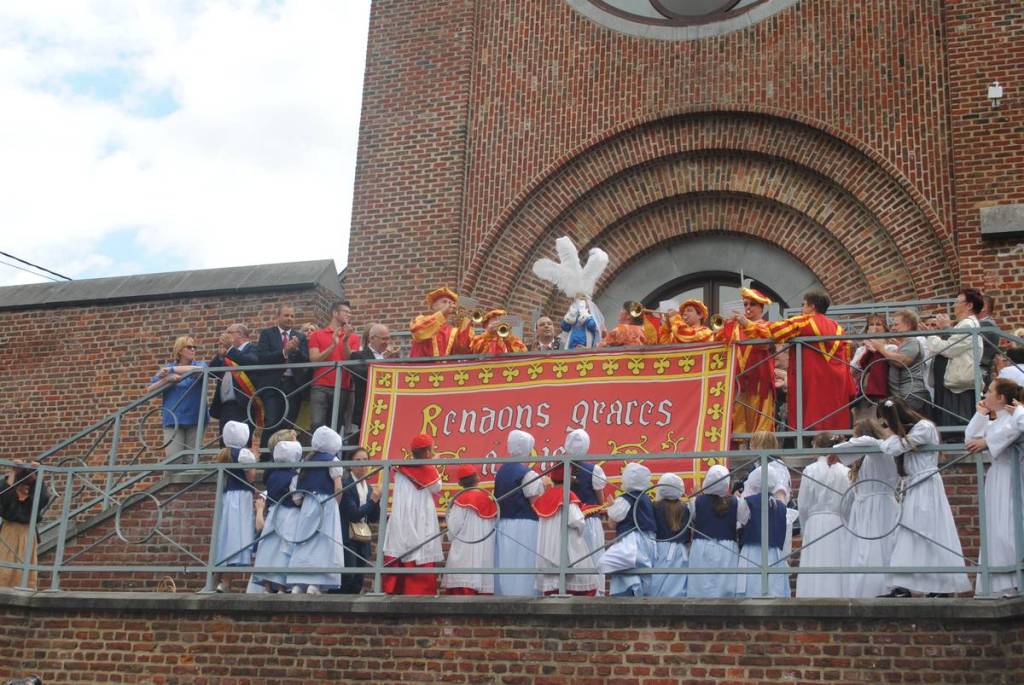
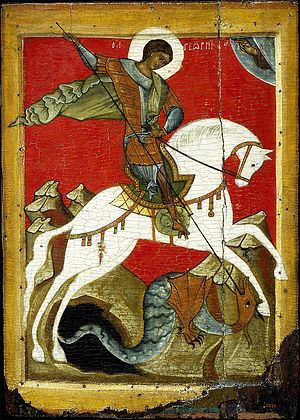
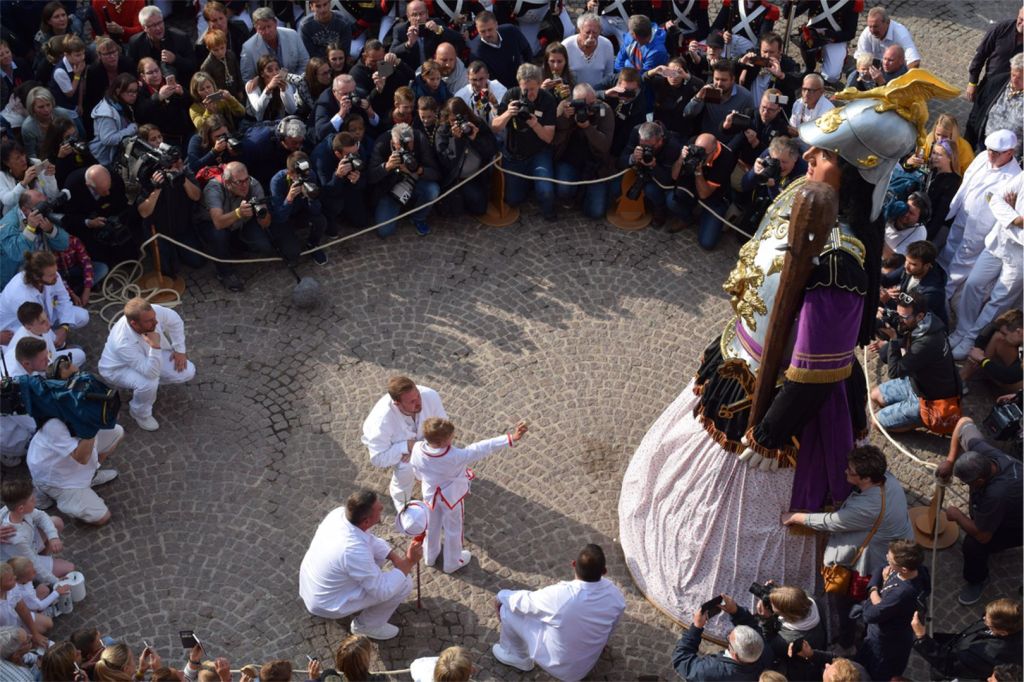

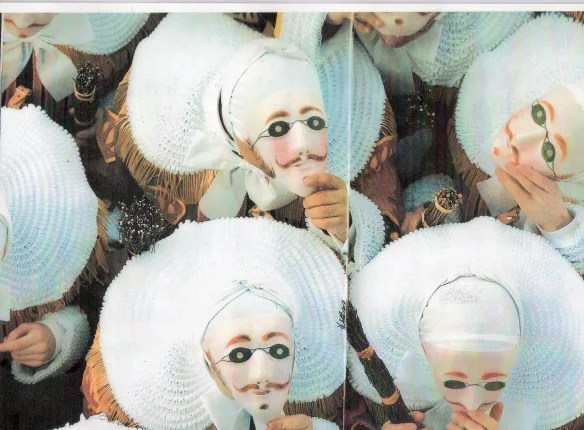
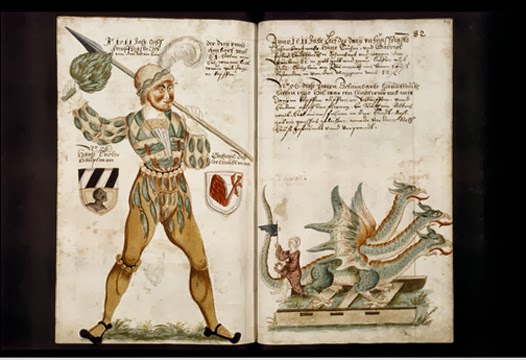
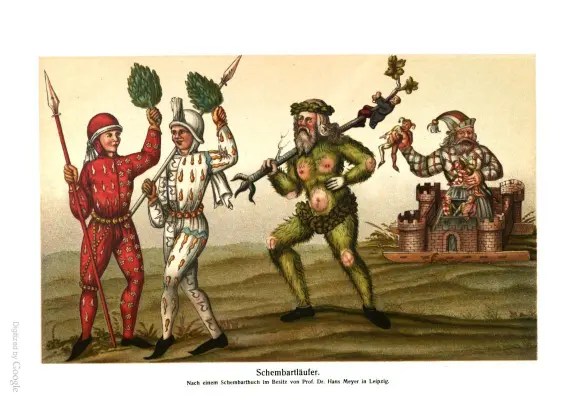
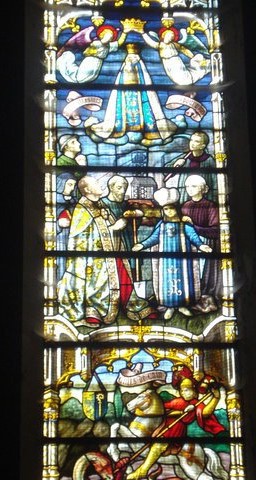
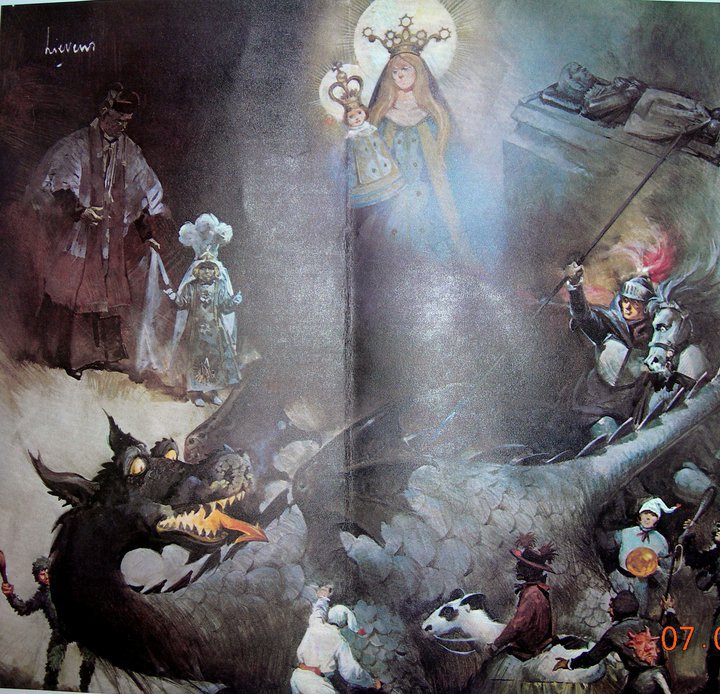
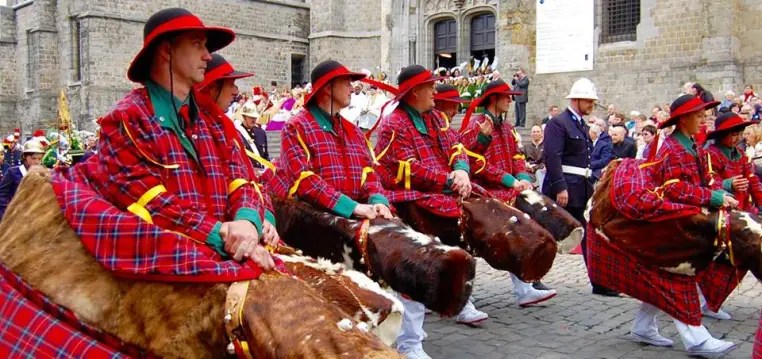
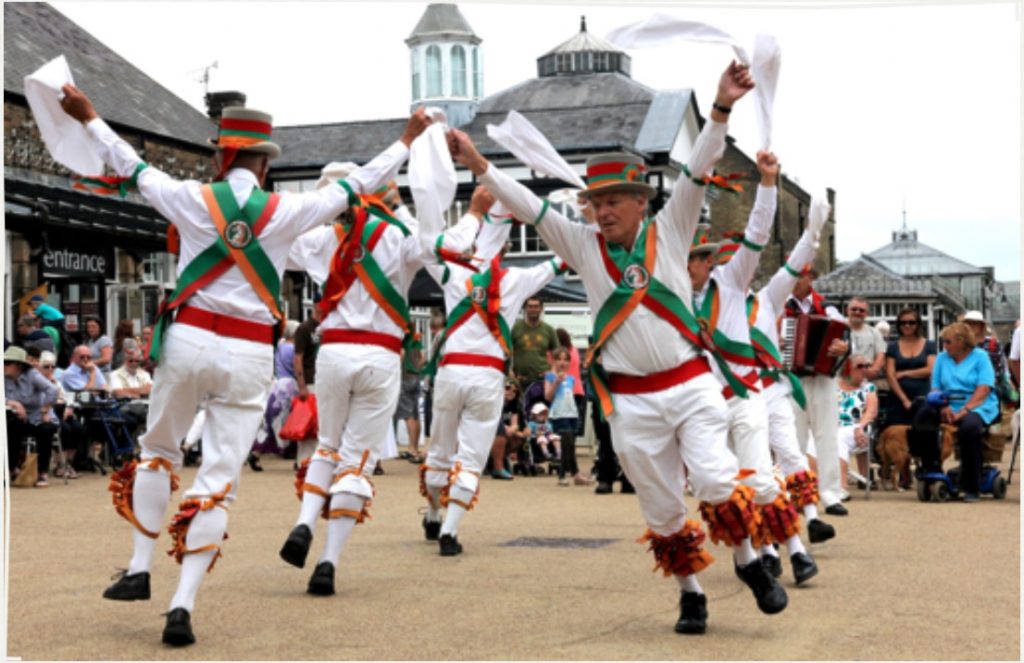
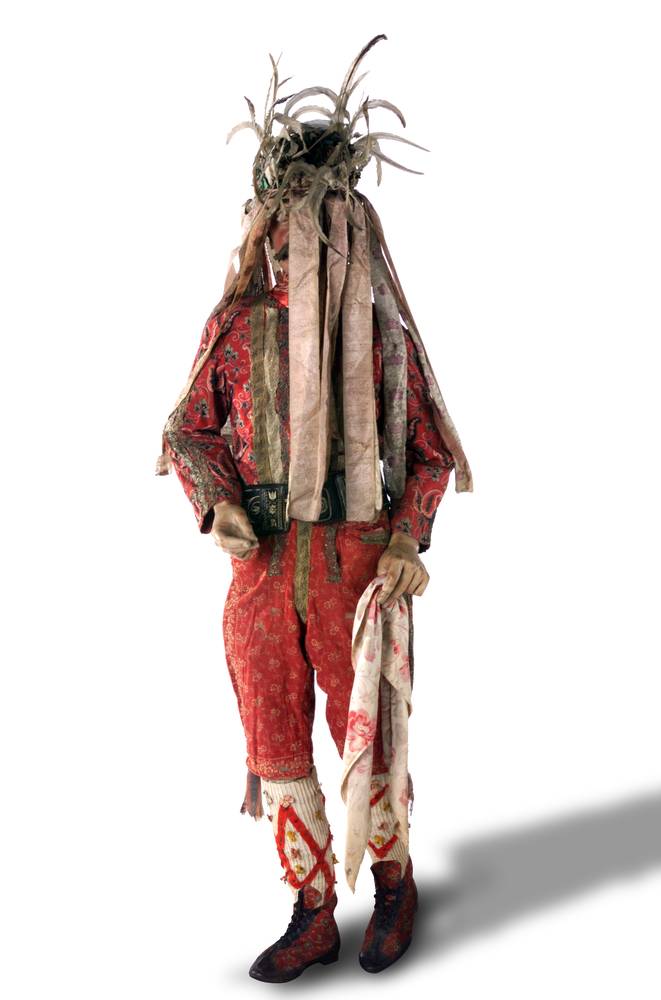
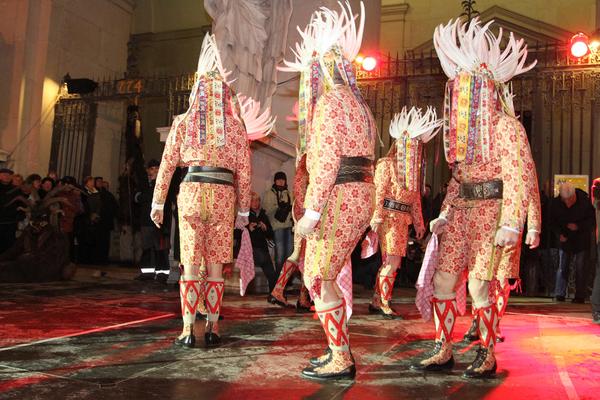
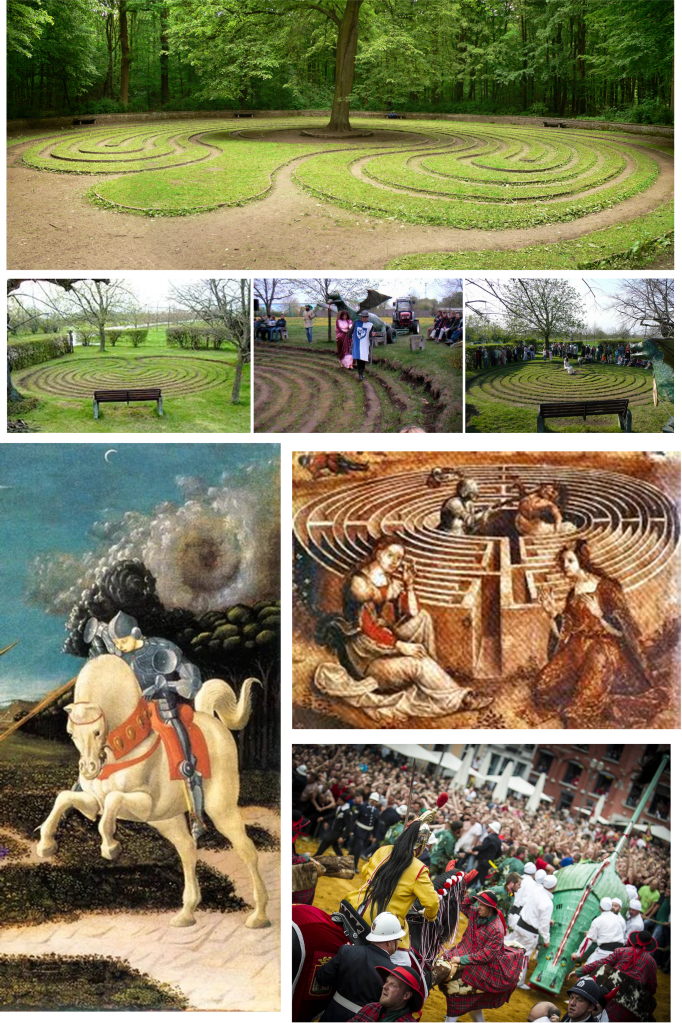
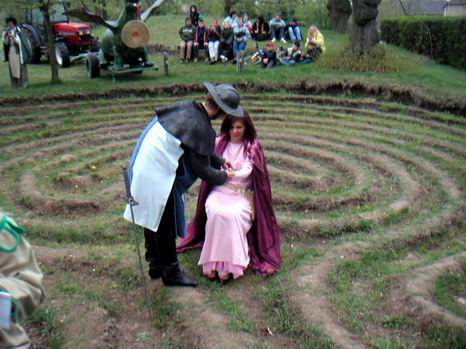
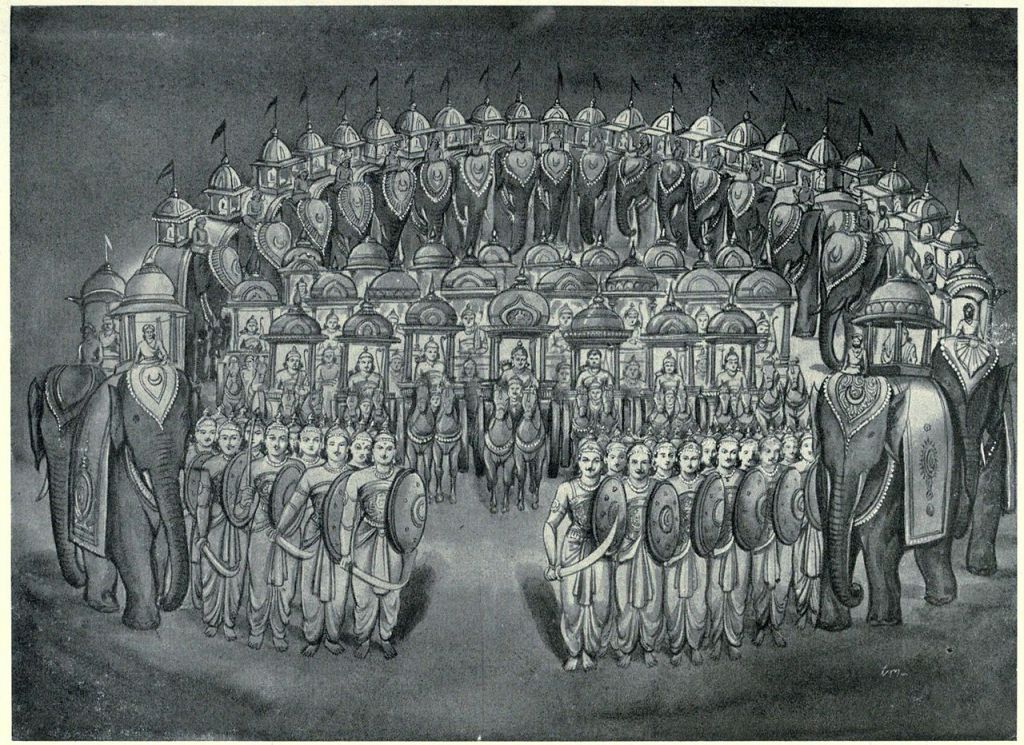

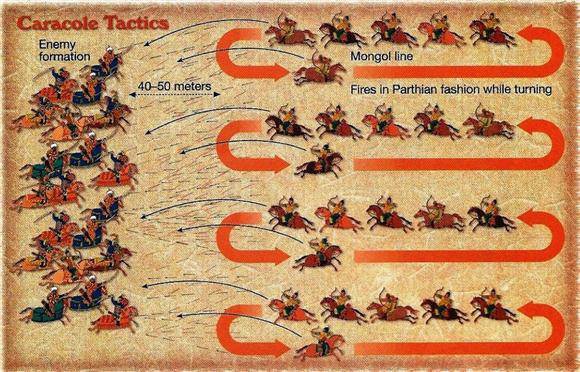
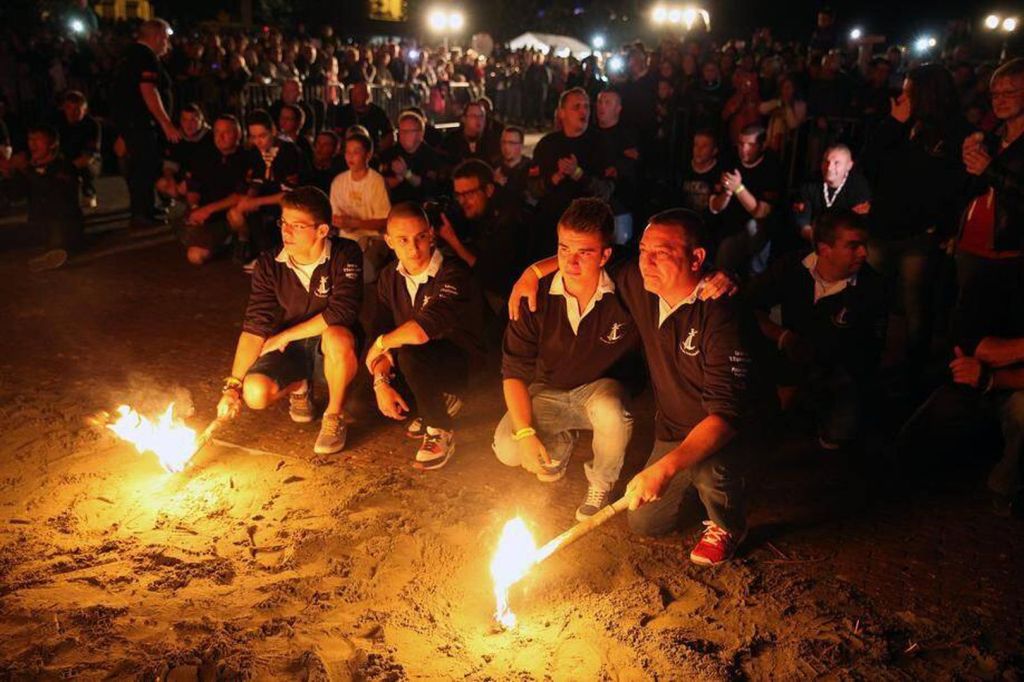
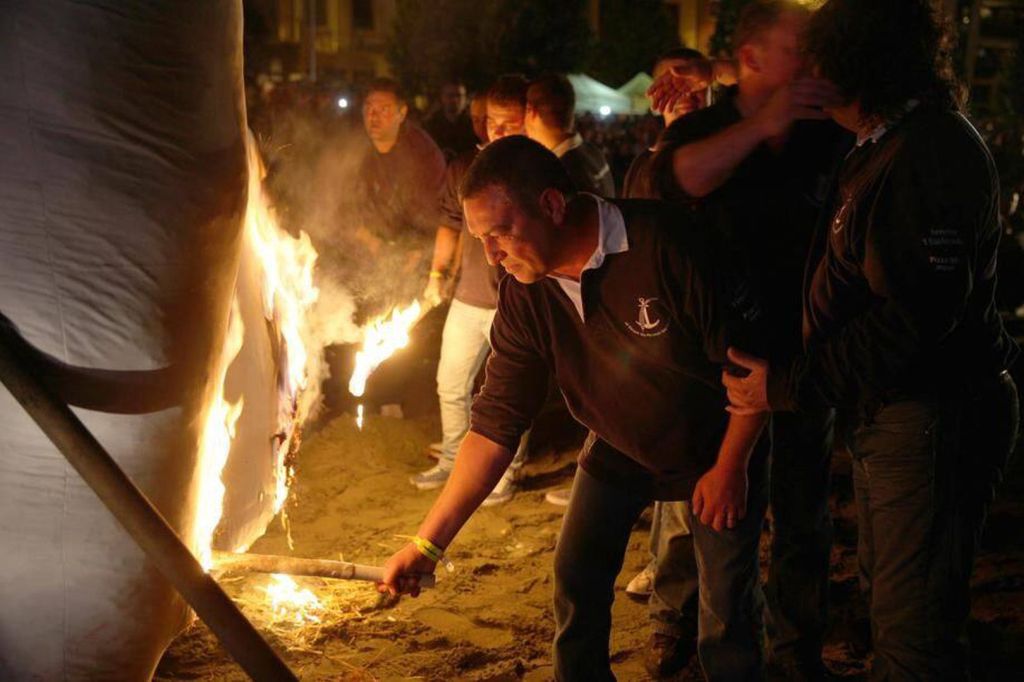
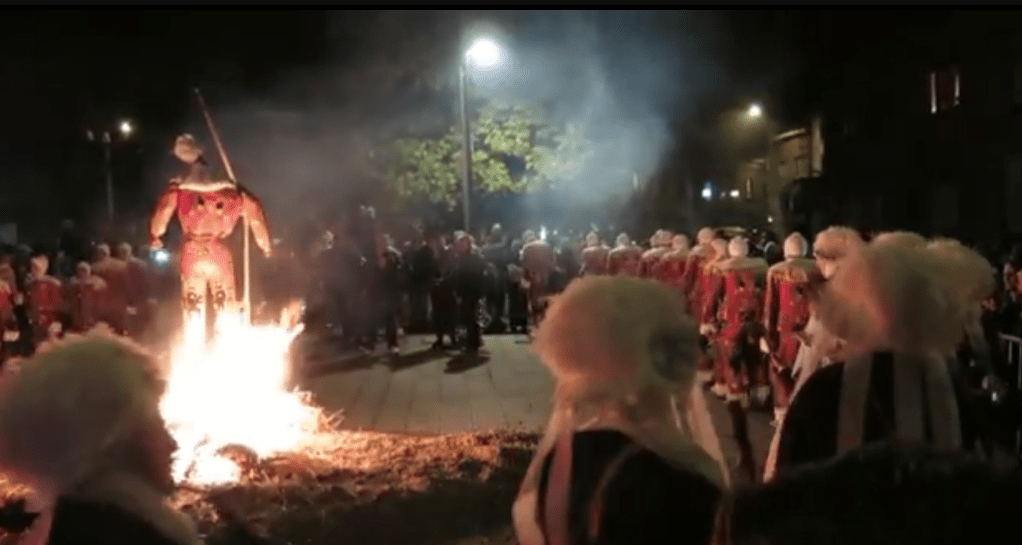
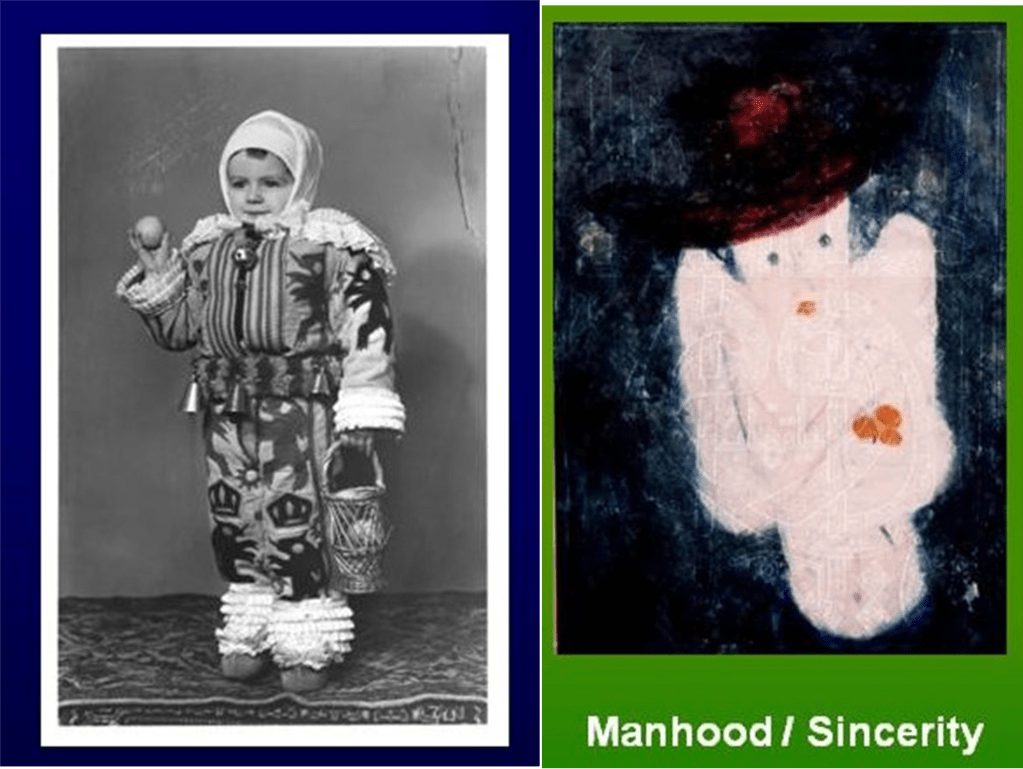
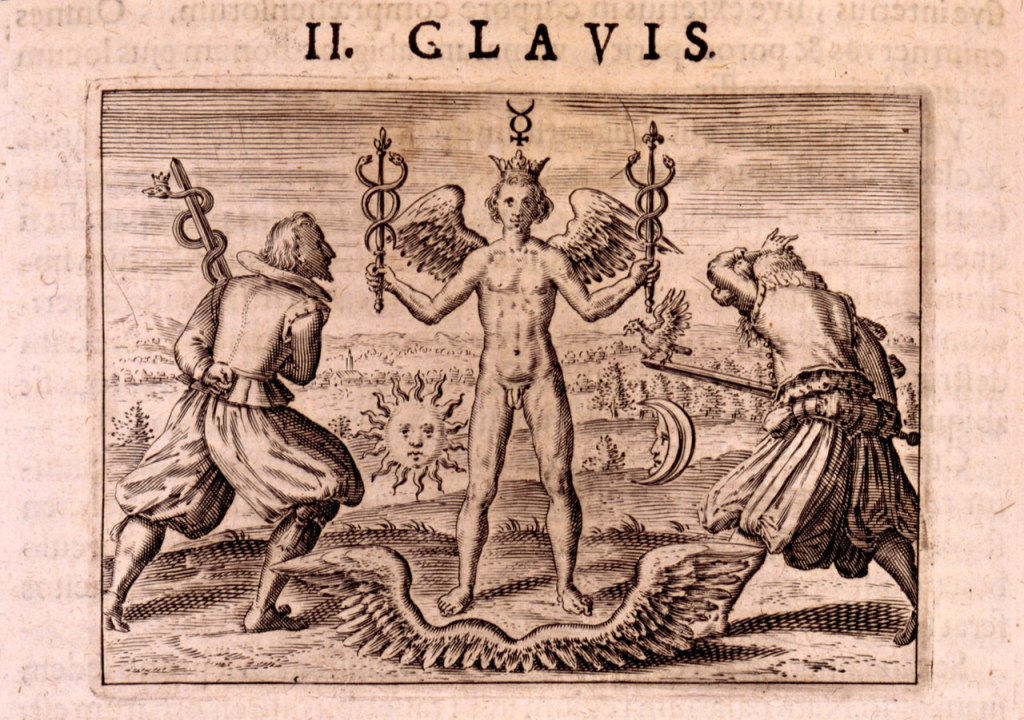
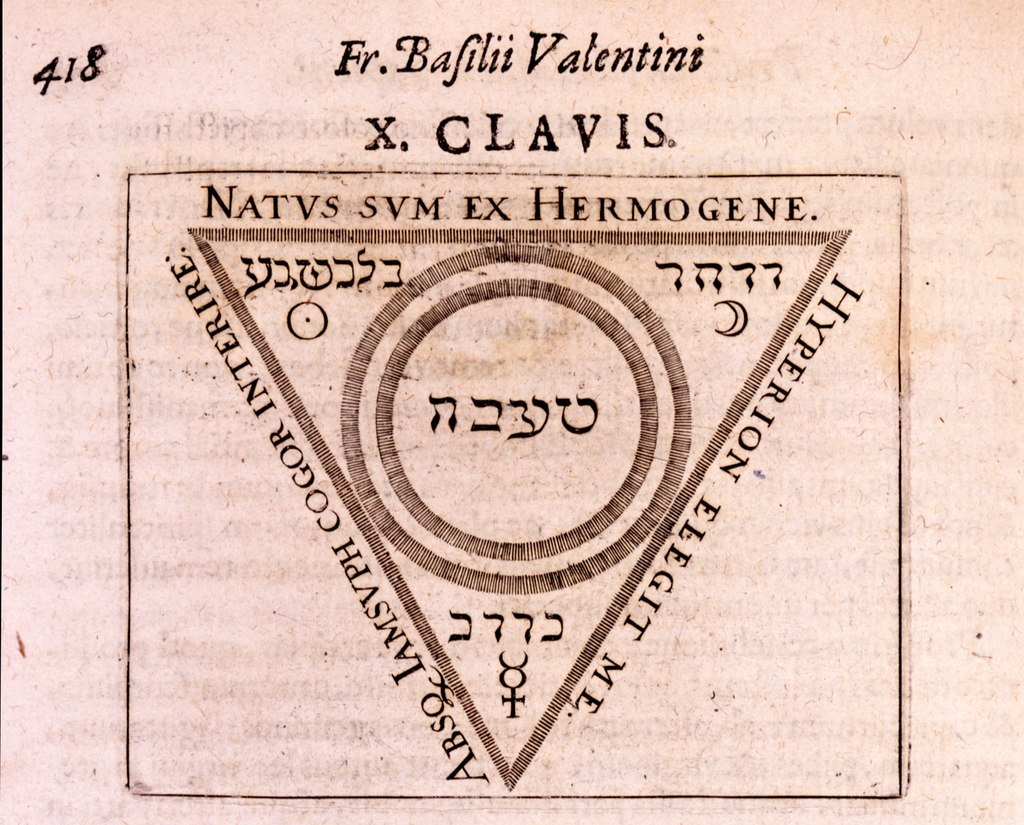
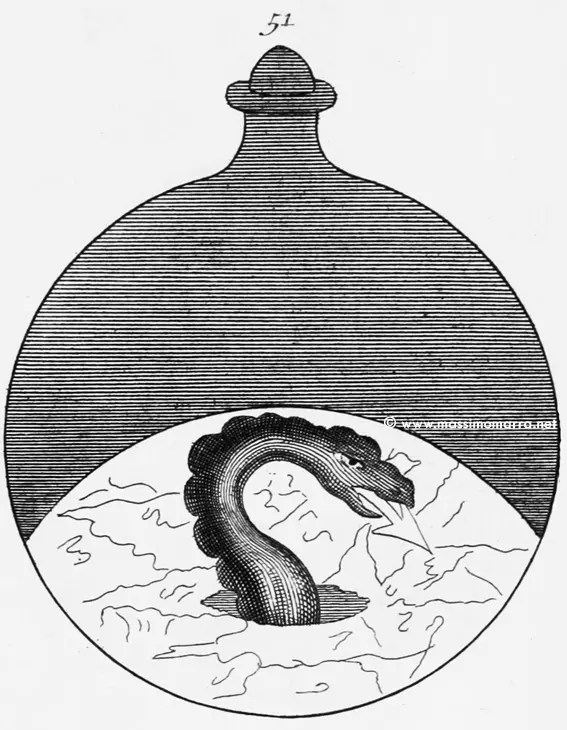
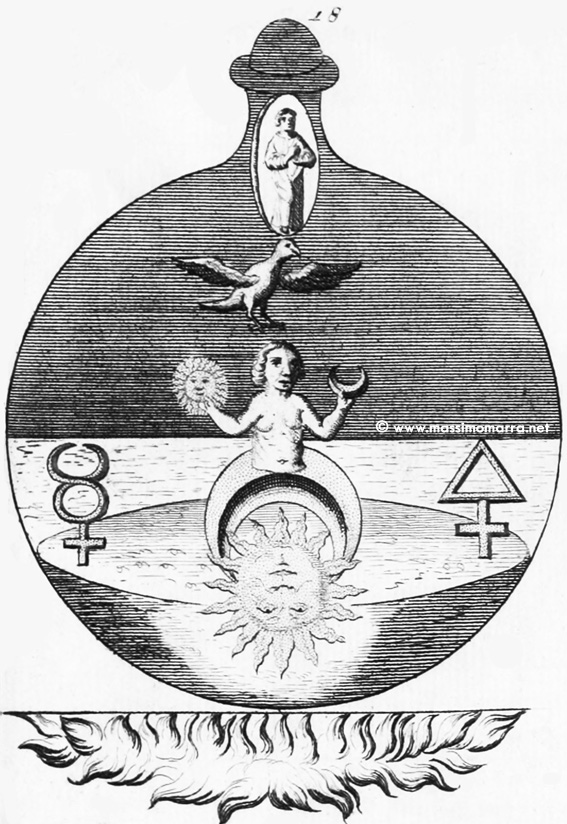
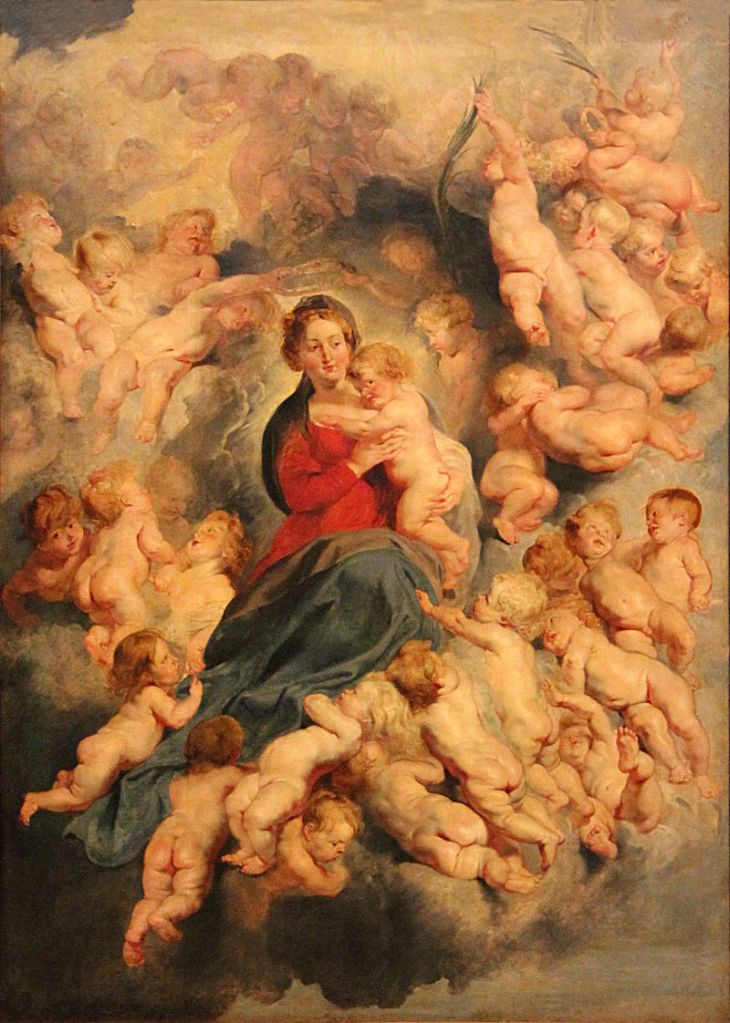
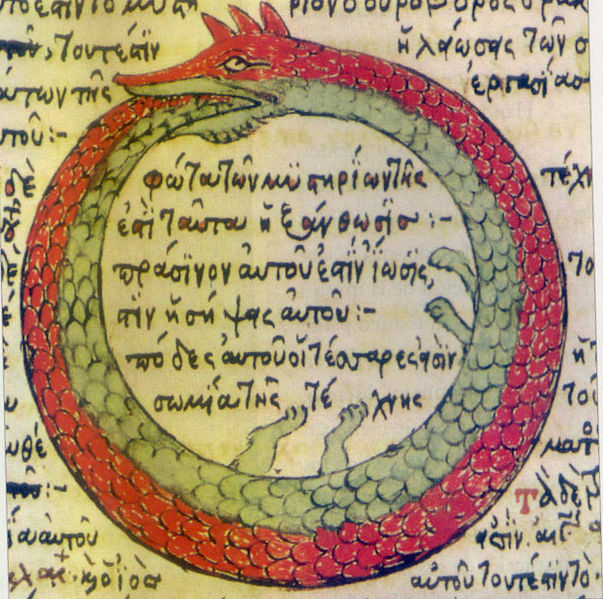
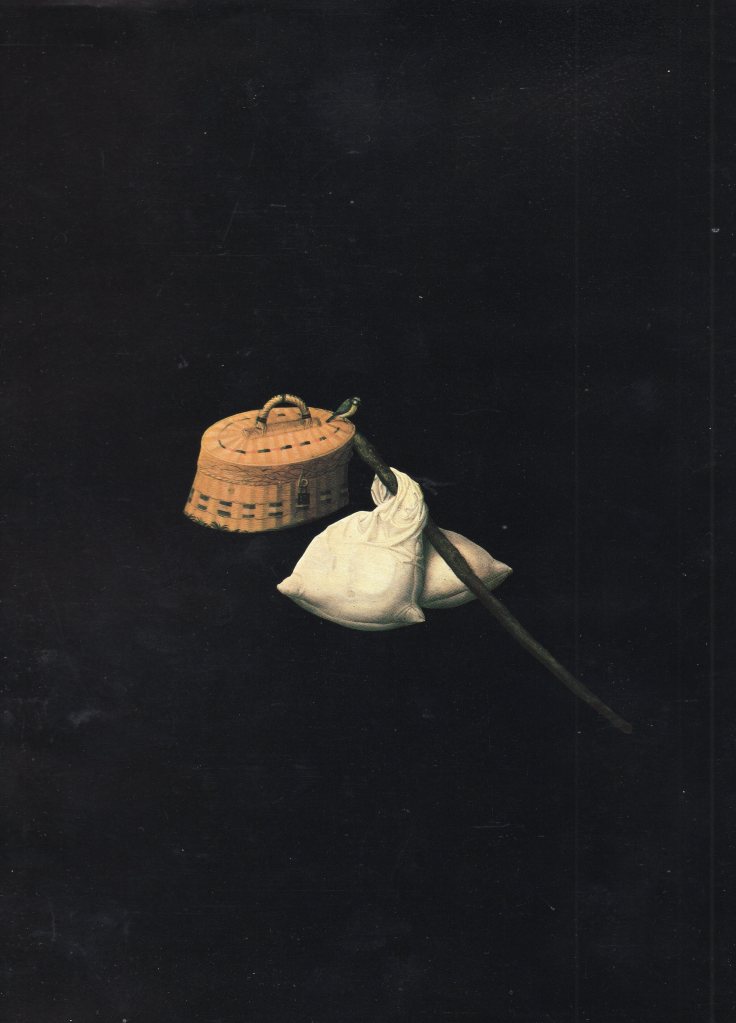

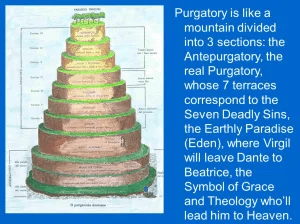
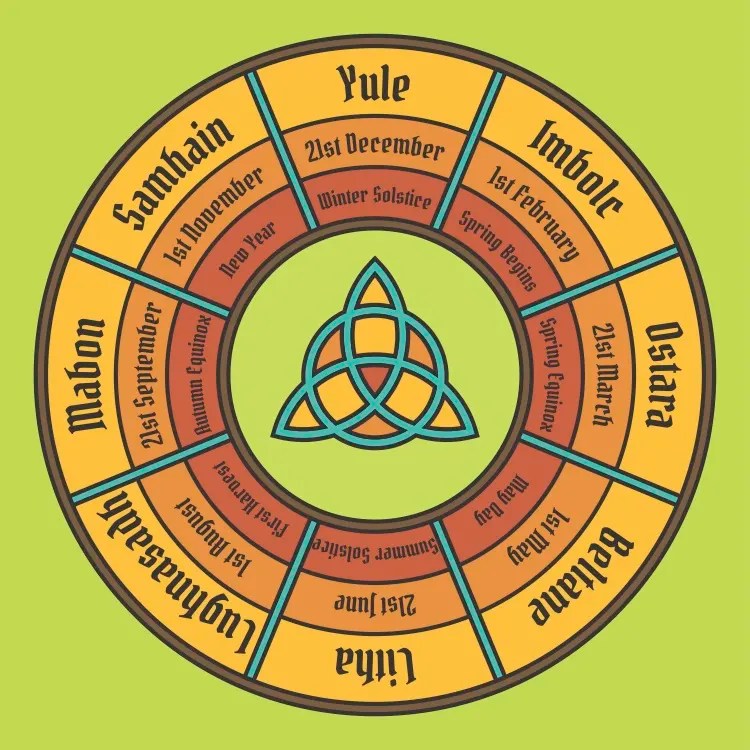
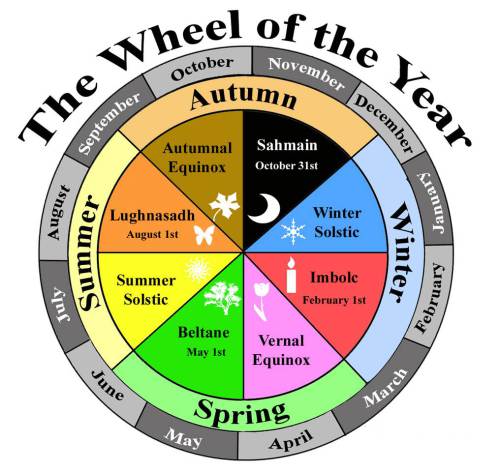
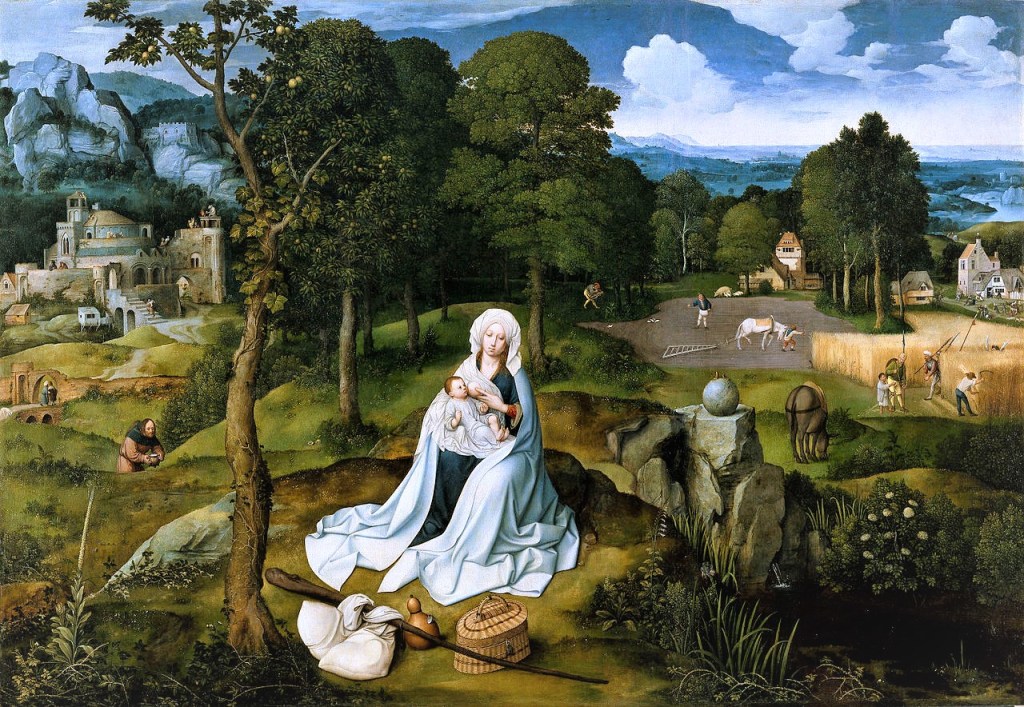
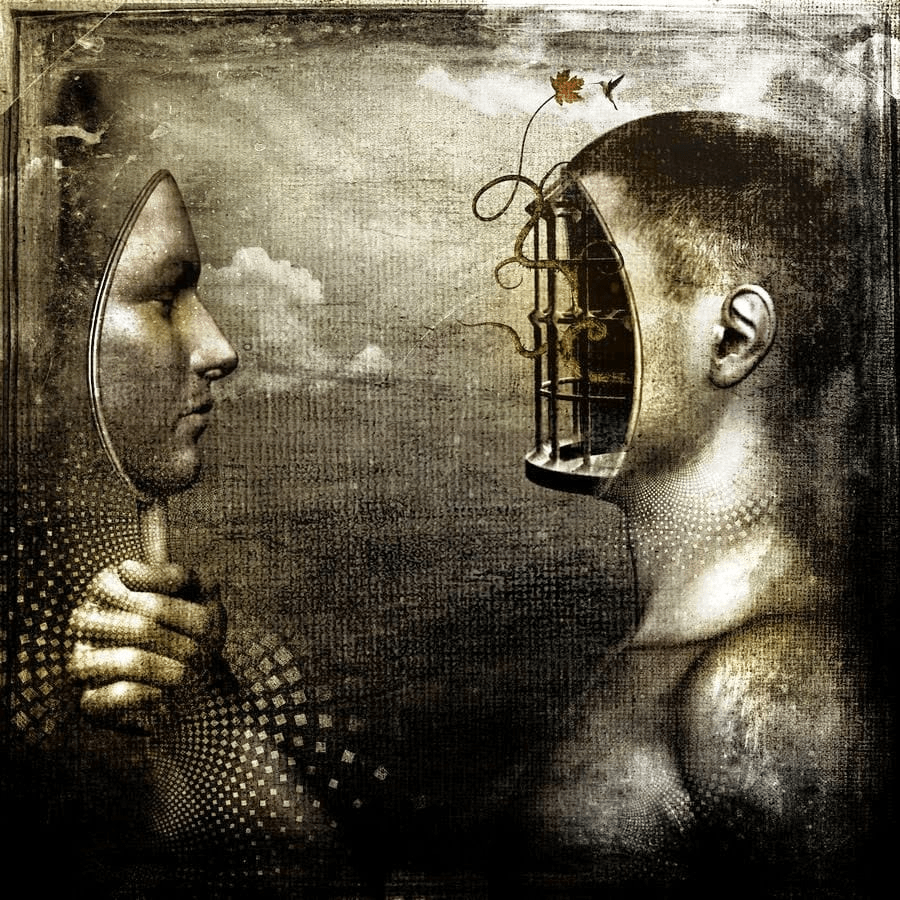
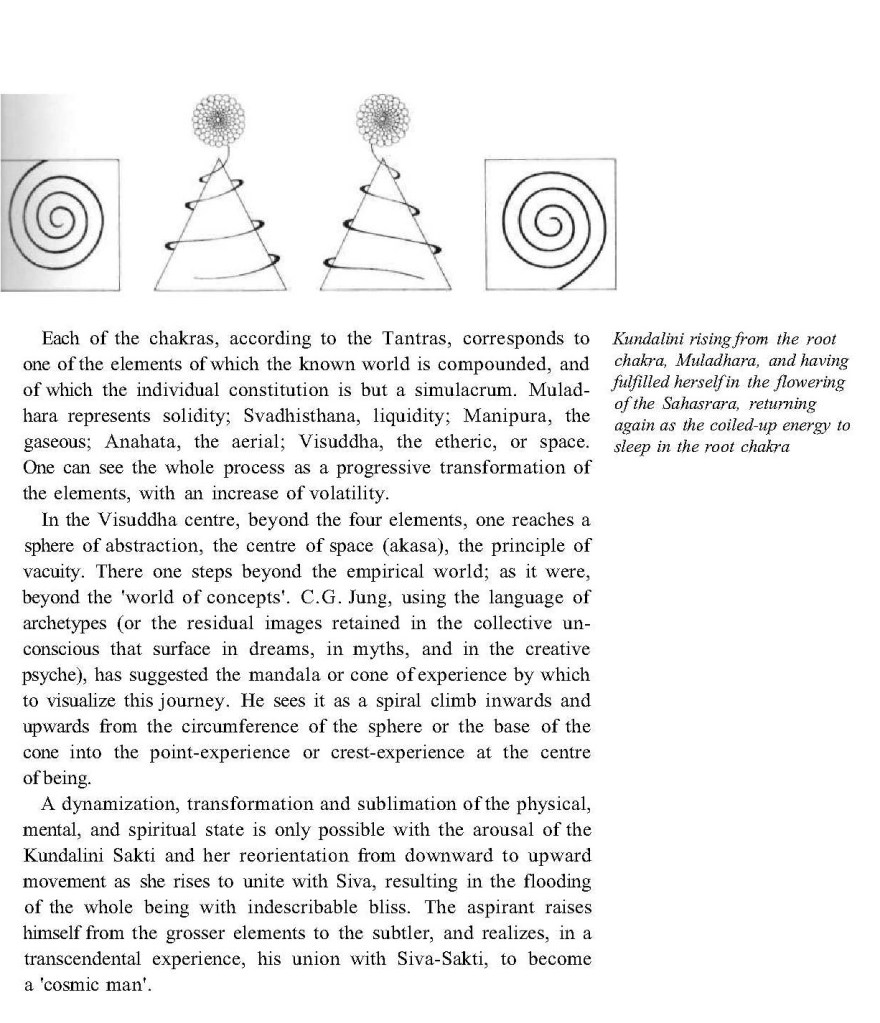
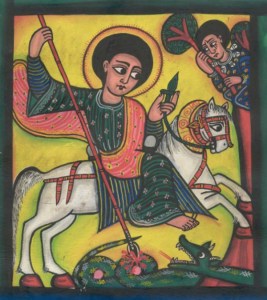
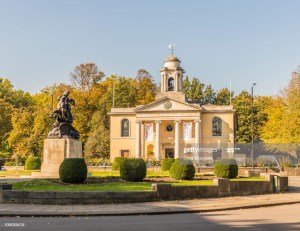
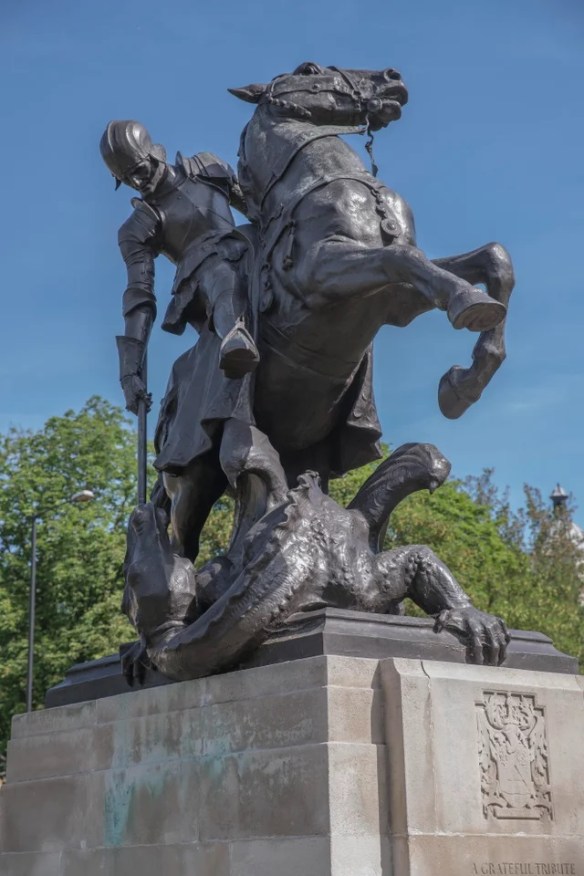
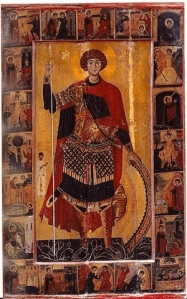

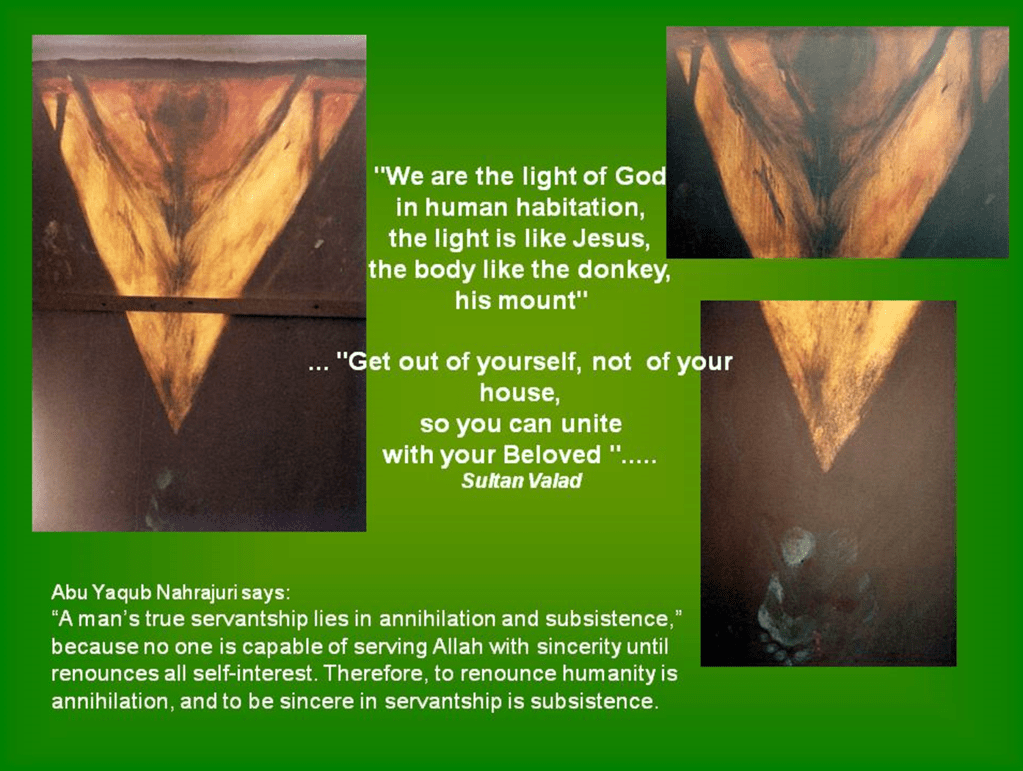
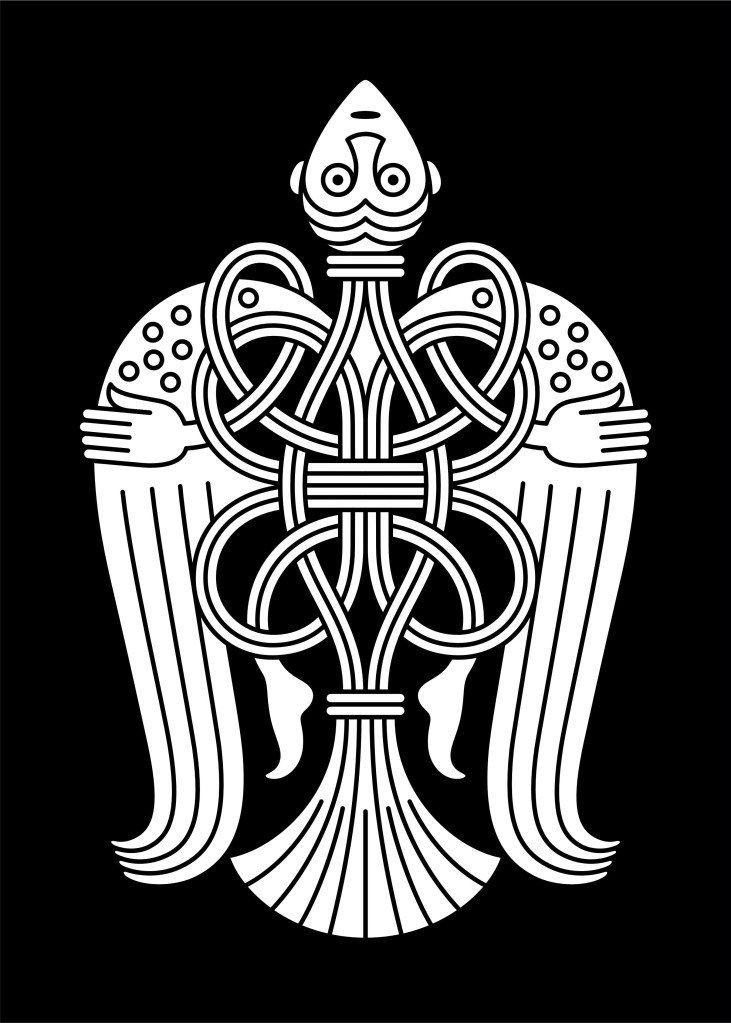


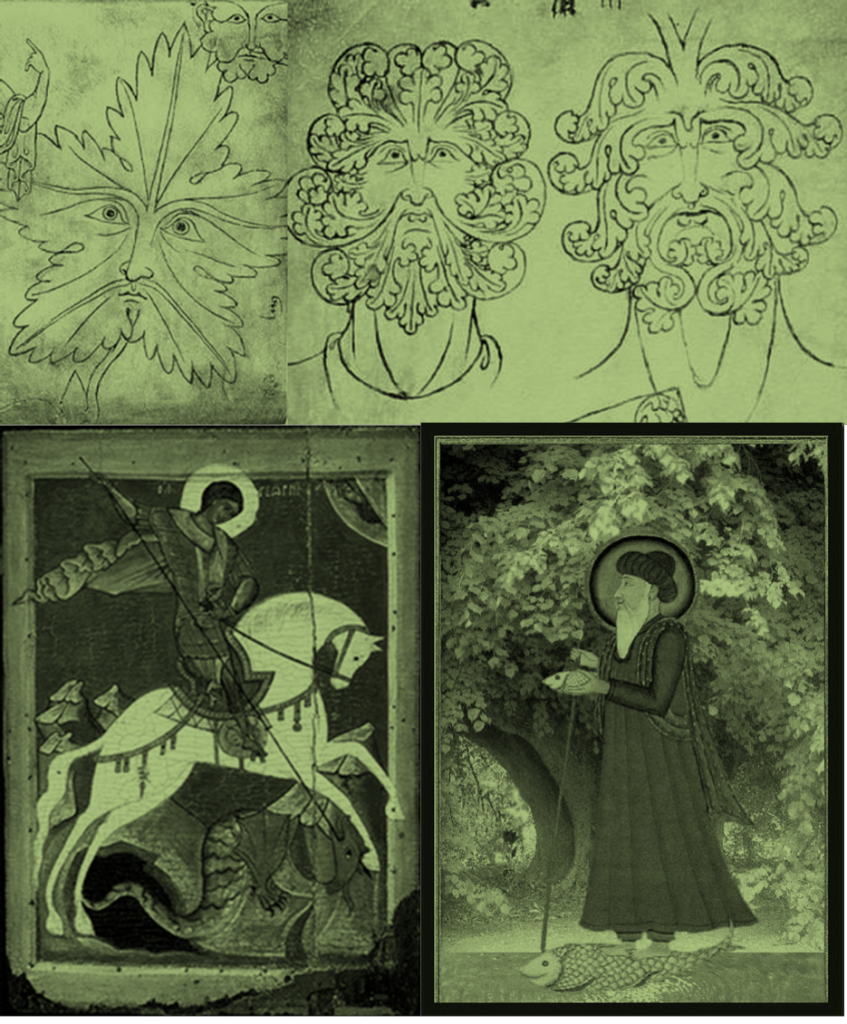



 Book Excerpt
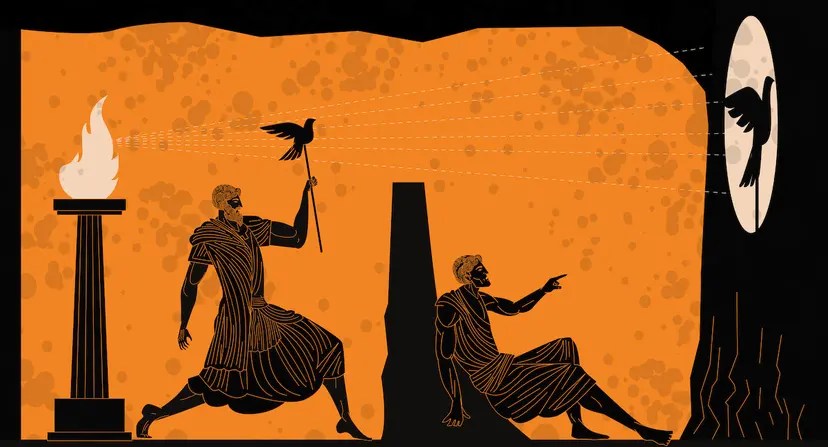


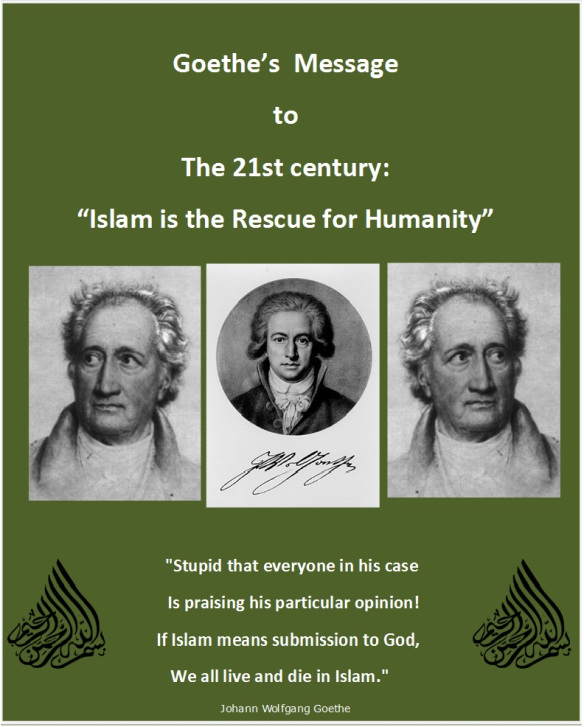
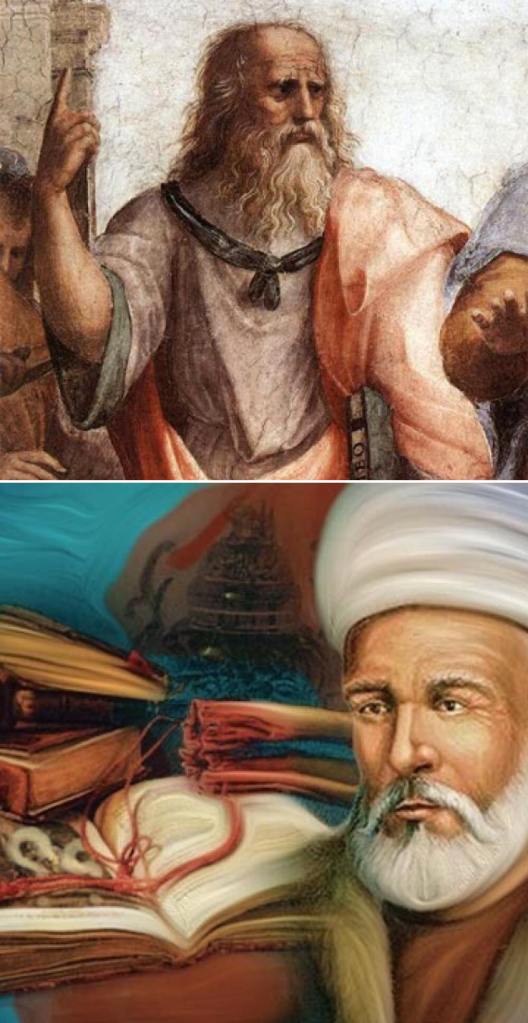
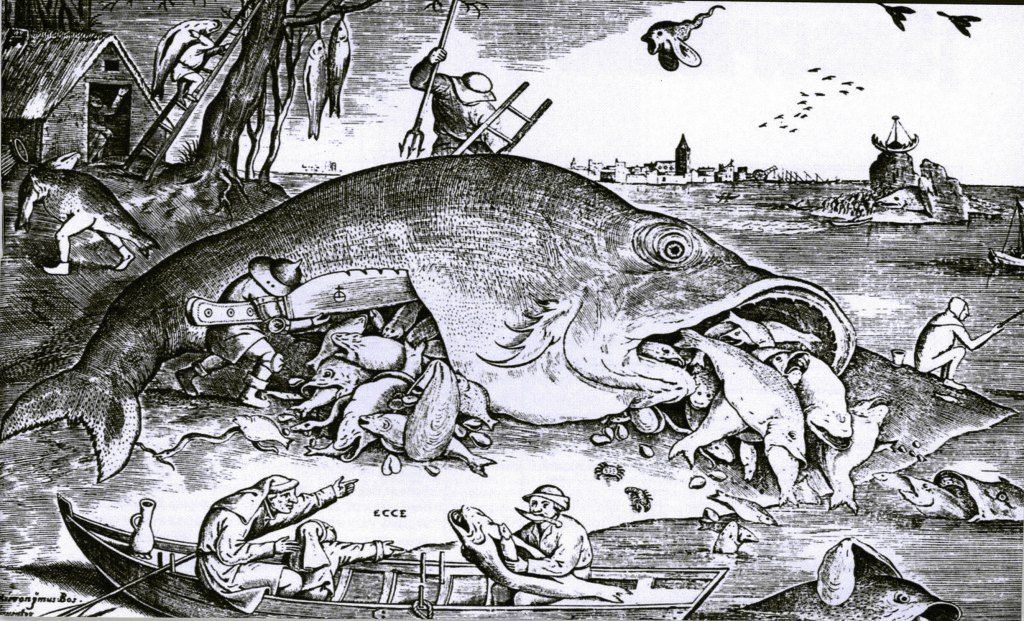
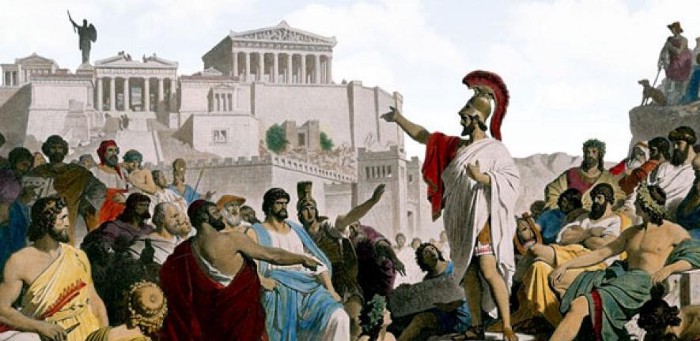
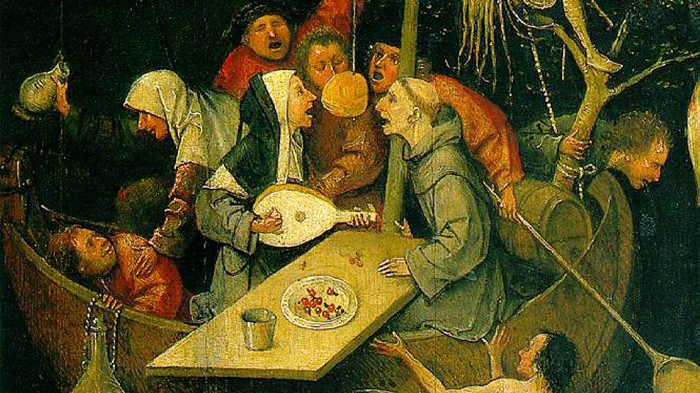
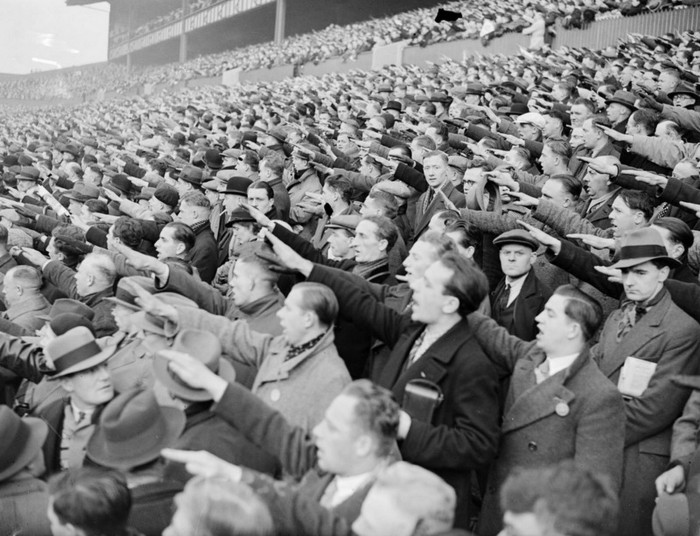
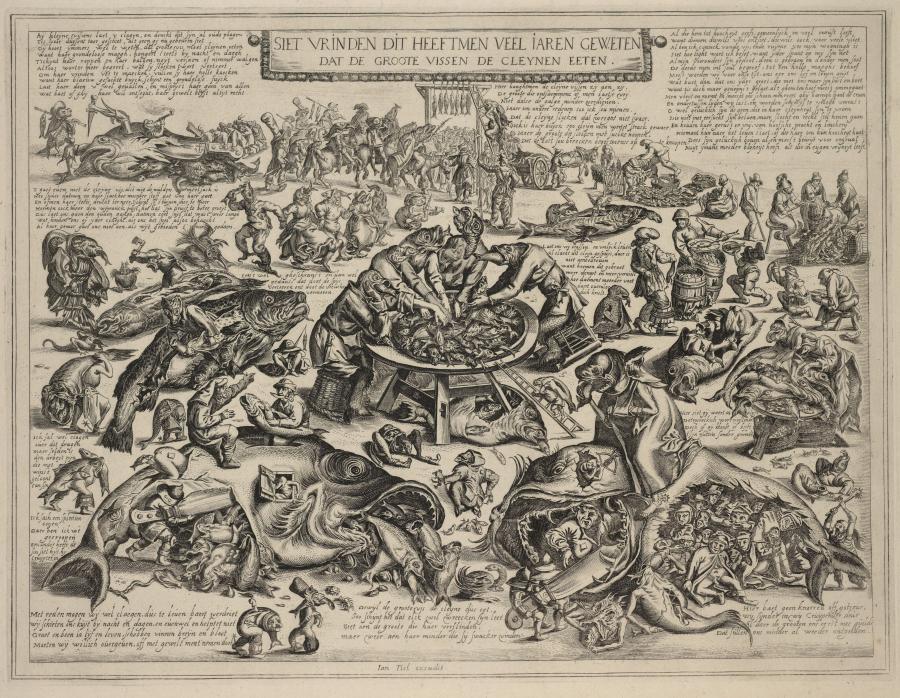



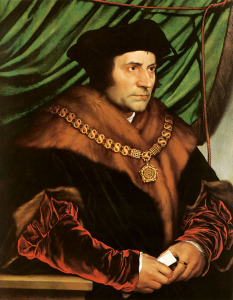
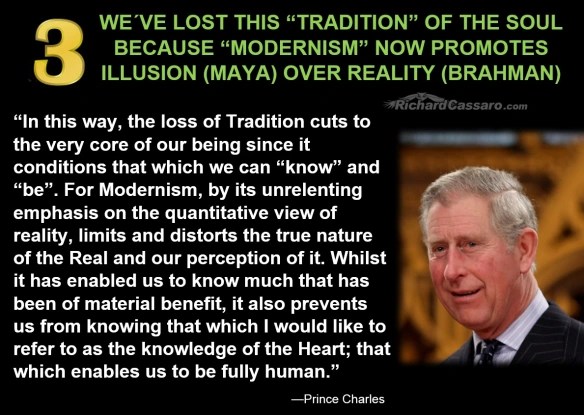
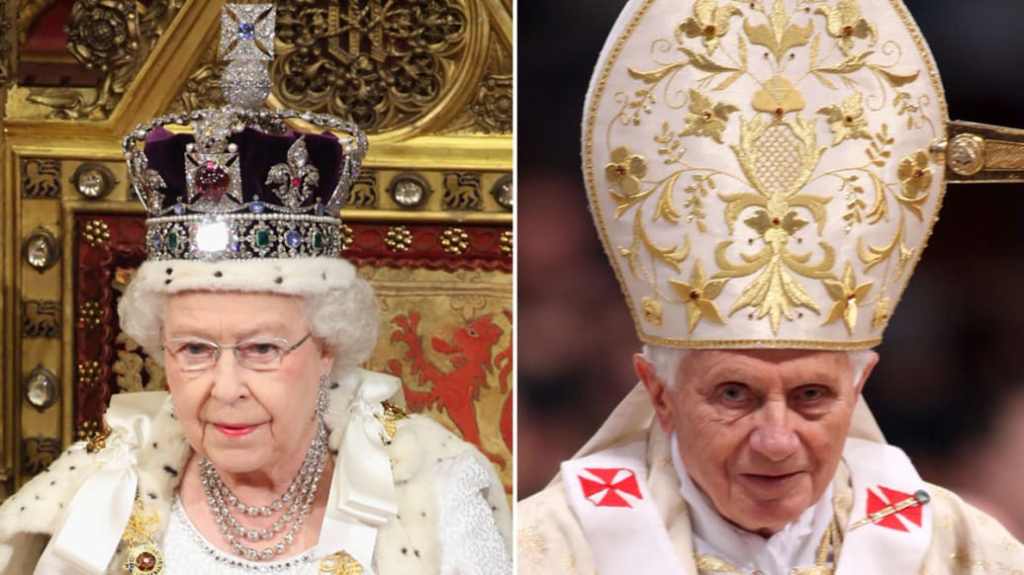
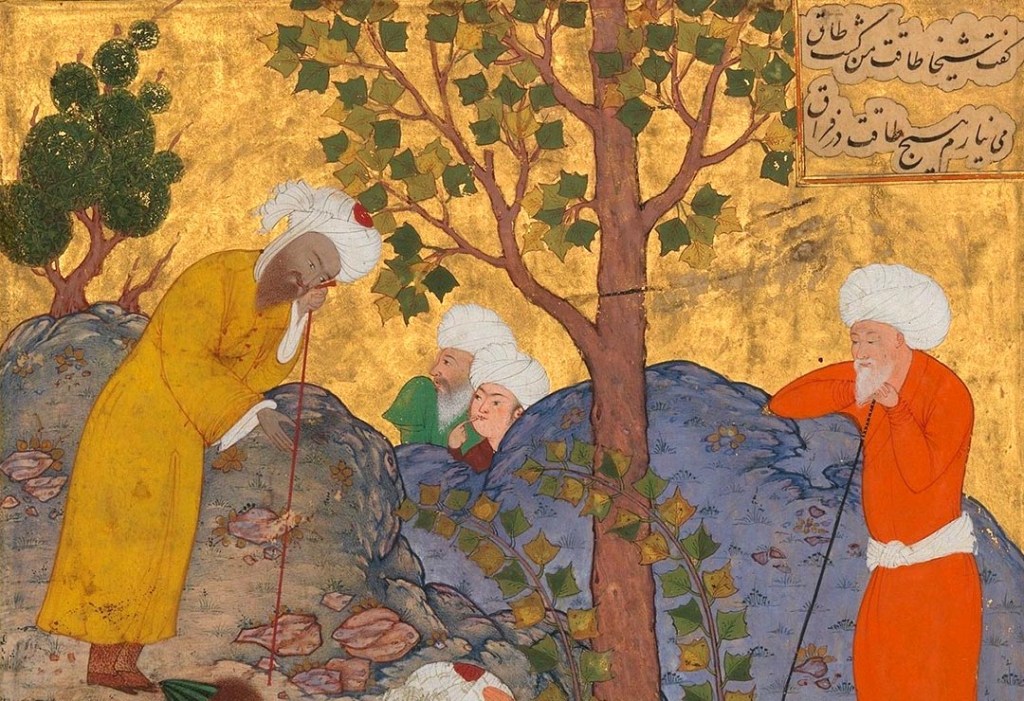
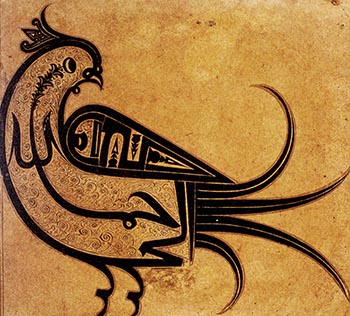
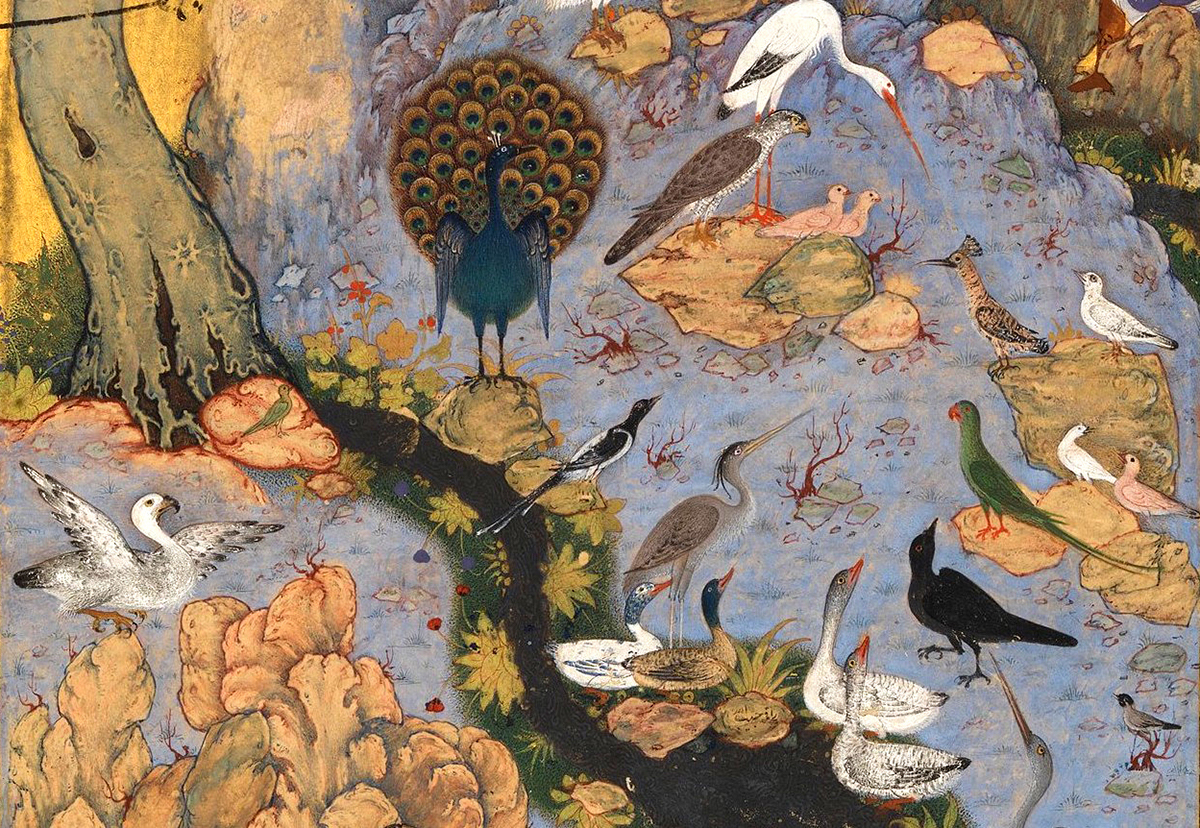

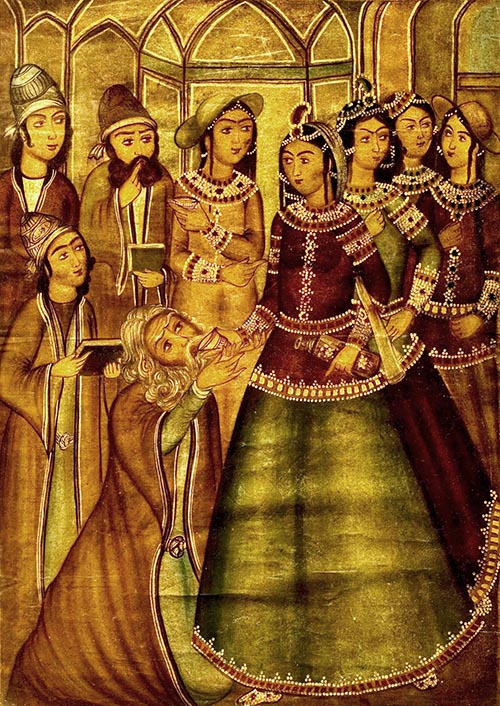






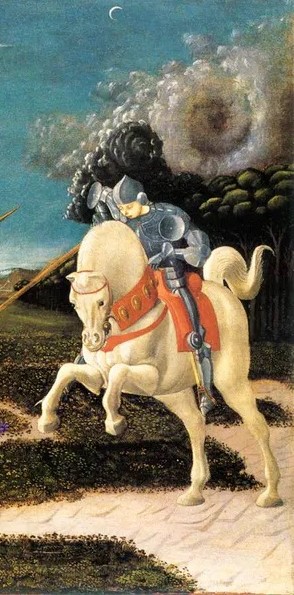
 Path to the Maypole of Wisdom
