The Acedia virus is spreading rapidly among people
Many people have a feeling of stress and overload, of lethargy and a lack of motivation, of fear and uncertainty about the future. The word Acedia is used for that complex feeling. Acedia is not new. The Greek poet Homer already used the word to mean ‘neglect, lack of care’. Later on, acedia also came to mean ‘listlessness’, ‘sluggishness’ and ‘inertia’.
If you look at our life, you notice that you mainly end up in the 1D and 2D living level due to this Acedia virus. Your life becomes straightforward and superficial. Your self-made boundaries are coming at you more and more. Your inner freedom is getting smaller and smaller. This is because we are fighting against our own nature. Because we want to save people at all costs, we end up in an unnatural downward spiral. This is not the natural intent. The Corona virus is a message to people. It will not disappear and dissolve until we follow our own nature. By clinging to the unnatural thinking, doing and making system of humanity, we will have to deal with much more natural resistance. If we really listen to this resistance, we will find out that nature has what is best for us.
So many people are now stuck in their 1D and 2D lives, causing an extreme unnatural deformity and skewed growth. Only humans are capable of this on this planet, because we have the consciousness to deviate from the natural path. We have abused this gift enormously. Humanity has started to think, act and make in deviations. We do not use the deviations to create a new natural path, but to fight the natural path. Because we do not make use of a natural creation process in all our thinking, doing and making, we are becoming increasingly distant from ourselves and nature. We see and experience all the nasty consequences of this, but we also try to combat it by fighting even harder against nature and ourselves. All faith in natural existence has been broken by ourselves. You can fix this again by starting the natural creation process. It all has to do with our imagination. Our imagination determines the path we follow. It is necessary to direct this imagination with our consciousness. This does not require a 3D living level, but a natural 4D living level. At a 4D living level you live from the center of consciousness. Through everything who you are comes together. By disconnecting your consciousness from your imagination, a tension arises between the two. The first step towards natural shaping of yourself and your environment is to feel this field of tension. Only when you feel this can you ensure a natural balance.
The Acedia virus is the most contagious virus. The leaders of the unnatural deformed system make decisions that create even more deformities and chaos. They don’t know any better. The Acedia virus is a persistent virus, because it is invisible and unnoticeable to many. So it does not exist in the eyes of the masses who are in charge. It is only a matter of time before humanity realizes that things have to change completely. This is a natural need such as needing to breathe, eat and drink. If humanity is to win, it must defeat itself. Man has become his own worst enemy because of the Acedia virus. If we do not realize this, then the emptiness, nature will continue to force itself more and more violently until we give up this unnatural struggle and start shaping everything again and naturally.
The Acedia virus as Afternoon Devil
Not only St Antony, many desert fathers were busy fighting off demon attacks: bearded devils, venomous snakes with a human head, seductive women who turned into crocodiles or masturbating apostles. Presumably all those images were projections, and/or due to chemical reactions in the brain, caused by sleep deprivation and extreme fasting periods.
The most dangerous demon was the so-called midday devil, who tried to seduce the hermits into spiritual dullness and eventually abandon their way of life. Especially when they lived alone, the ascetics often became miserably stressed and fell into dejection, restlessness, and a psychotic aversion to their filthy dens and lonely caves. Their state of mind, which arose mainly around noon, in the heat of the day, was accurately described in the writing Praktikos , or The Monk, composed in the fourth century by the desert father Evagrius . For the malaise he uses the Greek word akèdeia , which means something like ‘indifference’ or ‘listlessness’ (in Latin: acedia ; in English the word accidie derived from it still exists , in Italian accidia ).
Melancholy
In later times the acedia breaks away from the midday devil and manifests itself under other names: melancholy, taedium vitae (aversion to life), nostalgia, apathy, Weltschmerz, ennui , frustration,” nausée” ( Sartre’s Nausea), boredom and finally depression, that modern container concept. In the Renaissance, the body replaces God. Melancholy means black bile, which is one of the four bodily fluids necessary for good, balanced health. Those who have too much black bile become sad and depressed. In the modern phase, the acedia becomes medicalized, giving rise to “a strange amalgam of depression and doubt of the benevolence of reality”). The same goes for drug use.
Boredom is the fundamental mood of contemporary society. The psychiatrists and psychotherapists are busy with the resulting depressions. The entire modern entertainment industry lives by man’s need for stimuli that (temporarily) relieve him from everyday boredom. A very special form of the phenomenon is the dromomania or morbid wanderlust. Dromomania literally means: mania for locomotion. It mainly affects wealthy elderly people who can afford to take a quick look at all the wonders of the planet just before saying goodbye. One cruise is not yet over or the suitcases for the other are already ready. Finally, the boredom of the nursing home also awaits them.
The salvation of yourself
The instability has to do with the fact that you are always looking for distraction. Even if that is in the form of a different education or hobby, you suffer from Acedia . Being too busy with your health is also less positive than we think. It can also mean that you are only disciplining your body and totally neglecting your mind. Poor compliance with rules means as much as not fulfilling your obligations. Not only cutting corners, but working too hard can be a sign of a general feeling of discouragement or desolation. Acedia eventually even makes you doubt your state of life or your calling. You feel like you’re never going to achieve what you need to achieve and that, in short, it’s all pointless. You have no inner strength left and so you flee into laziness, working too hard, or doing nothing. It takes some getting used to this. We’ve all learned to pathologize our gloomy feelings. We use phrases like “I’m depressed” or “I’m so autistic about that”. Would a broader definition of apathy give a more truthful picture of humanity? Not being able to push yourself to anything can be a signal that there’s more to it than you think. Apathy is actually the opposite of persistence.
Persistence when you’re despondent may sound tough, but it’s pretty simple. By staying true to your life as it is, the duties you now have to do, you can overcome your sense of malaise. By sticking to your daily tasks like a stairway to heaven and by climbing in faith, you can overcome even the most severe despondency and grow as a person.
So the next time you’re despondently putting things off, and you realize that your time on social media isn’t bringing you any live contacts, maybe read this quote from the desert monk Arsenius (4th century). “Go to your room, eat something, sleep and do no work for a while, but don’t leave your room under any circumstances!”
–The Noonday Devil: Acedia, The Unnamed Evil of Our Times a book by Jean-Charles Nault, OSB
The noonday devil is the demon of acedia, the vice also known as sloth. The word “sloth”, however, can be misleading, for acedia is not laziness; in fact it can manifest as busyness or activism. Rather, acedia is a gloomy combination of weariness, sadness, and a lack of purposefulness. It robs a person of his capacity for joy and leaves him feeling empty, or void of meaning
Abbot Nault says that acedia is the most oppressive of demons. Although its name harkens back to antiquity and the Middle Ages, and seems to have been largely forgotten, acedia is experienced by countless modern people who describe their condition as depression, melancholy, burn-out, or even mid-life crisis.
He begins his study of acedia by tracing the wisdom of the Church on the subject from the Desert Fathers to Saint Thomas Aquinas. He shows how acedia afflicts persons in all states of life— priests, religious, and married or single laymen. He details not only the symptoms and effects of acedia, but also remedies for it. Here a summary:
3 Definitions of Acedia
#1: “Spiritual lack of care.” – Evagrius of Pontus
Evagrius of Pontus (345-399), who was the first to present a coherent doctrine on acedia, adapted the original Greek understanding of acedia as a physical “lack of care” (specifically with regard to not arranging a funeral for your deceased family members) into a spiritual “lack of care” (with regard to your own spiritual life). Evagrius personified acedia, calling it “the noonday devil” (cf. Ps 90:6) and the “most oppressive of all the demons” because acedia is able to conceal itself from the one who experiences it.
“Acedia is the temptation to withdraw from the narrowness of the present so as to take refuge in what is imaginary; it is the temptation to quit the battle so as to become a simple spectator of the controversy that is unfolding in the world”
#2: “Sadness about spiritual good.” – St. Thomas Aquinas
Aquinas says that acedia is a negative reaction (sadness) about participating in God’s life (spiritual good) because we are unwilling to renounce a particular carnal, temporal, limited, apparent good that stands in the way of our true good.
With acedia, we are discouraged, spiritually depressed, and fall into despair. We choose to live in mediocrity, usually manifest through little everyday infidelities. “We are unable to believe in the greatness of the vocation to which God is calling us: to become sharers in the divine nature”
#3: “Disgust with activity.” – St. Thomas Aquinas
Since “our acts are like steps that either bring us closer to the vision of God or else distance us from it, depending on whether they are good or bad” 4), an interior, spiritual disgust (weariness, sloth, boredom) with activity is, therefore, an obstacle to beatitude.
This definition of acedia is rooted in John Cassian’s (360-433) presentation of acedia as a lack of impetus to work.
We feel a constant need to change, to move, an inability to accomplish any task, rooted in a self-sufficiency that presents itself as a false humility in not striving for greatness.
“I have discovered that all human misfortune comes from one thing, which is not knowing how to remain quietly in one room” (Blaise Pascal).
The Importance of Acedia
Acedia is both the most forgotten topic of modern morality nd perhaps the root cause of the greatest crisis in the Church today. Acedia is not only “the monastic sin par excellence” but also “the major obstacle to enthusiastic Christian witness”
Remedies for Acedia
#1: Joyful perseverance
“The strategy to be deployed against the devil of acedia can be summarized in the phrase: joyful perseverance” (
We must resist, stand fast, remain faithful to our routine and rule of life, and persevere in God’s sight.
“Restore to me the joy of your salvation, and uphold me with a willing spirit” (Ps 51:12). This is the prayer that must dwell in our hearts on days of acedia. It sums up perfectly our spiritual attitude when confronted by temptation. We are radically saved, restored to life with Christ: our sadness has definitively been changed into joy (Jn 16:20). This gaudium resulting from the Resurrection of Christ is something that we must show; we must witness to it. We are called to a marvellous work: to help others – to the merger extent that we can, in other words, by our excellent actions – to walk toward our perfect fulfillment in Christ. Now this requires magnanimity, greatness of soul” ).
#2: Be faithful in the little things
We must live the present moment in all its spiritual intensity, knowing that it is an opportunity to encounter the Lord.
We must be faithful in the very little things (Lk 16:10; 19:17; Mt 25:21), especially in ora et labora, that is, prayer and work.
#3: Use the Word of God
Use a verse from Scripture to confound the devil. We must “raise our eyes toward heaven, toward Him who waits to see us fight” (136): “O God, come to my assistance; O Lord, make haste to help me” (Ps 69).
St. Benedict (480-547) situated acedia within the context of lectio divina, prescribing praying with the Word of God as the true antidote against acedia: “When evil thoughts come into one’s heart, to dash them against Christ immediately” (St. Benedict).
#4: Meditate on death
This gives meaning to passing time and helps you fight against self-love: “keep death daily before one’s eyes” (St. Benedict).
“Make me know the shortness of my life, that I may gain wisdom of heart” (Ps 90).
“Someone asked an old man: “What do you do to avoid falling into acedia?” He replied: “Every day I wait for death.”
————————————————————-
Note: Mutiny of the Soul
Depression, anxiety, and fatigue are an essential part of a process of metamorphosis that is unfolding on the planet today, and highly significant for the light they shed on the transition from an old world to a new.
When a growing fatigue or depression becomes serious, and we get a diagnosis of Epstein-Barr or Chronic Fatigue Syndrome or hypothyroid or low serotonin, we typically feel relief and alarm. Alarm: something is wrong with me. Relief: at least I know I’m not imagining things; now that I have a diagnosis, I can be cured, and life can go back to normal. But of course, a cure for these conditions is elusive.
The notion of a cure starts with the question, “What has gone wrong?” But there is another, radically different way of seeing fatigue and depression that starts by asking, “What is the body, in its perfect wisdom, responding to?” When would it be the wisest choice for someone to be unable to summon the energy to fully participate in life?
The answer is staring us in the face. When our soul-body is saying No to life, through fatigue or depression, the first thing to ask is, “Is life as I am living it the right life for me right now?” When the soul-body is saying No to participation in the world, the first thing to ask is, “Does the world as it is presented me merit my full participation?” Read More Here
The “Dulle Griet” as “whore of Babylon” , in the land of Ignorance by Brueghel
Dulle griet is the representation of the Whore of Babylon living in a land of Ignorance.
The Whore of Babylon or Babylon the Great is a symbolic female figure and also place of evil mentioned in the Book of Revelation in the Bible. Her full title is stated in Revelation 17 (verse 5) as Mystery, Babylon the Great, the Mother of Prostitutes and Abominations of the Earth.
The word “Whore” can also be translated metaphorically as “Idolatress“.[1] The Whore’s apocalyptic downfall is prophesied to take place in the hands of the image of the beast with seven heads and ten horns. There is much speculation within Christian eschatology on what the Whore and beast symbolize as well as the possible implications for contemporary interpretation.
Dulle Griet is the model of modern man’s Rebellion against his soul and Anger against it. How can Dulle Griet find a way to calm her anger?
She can looks in the mirror and see herself,making more “selfies”, so seeing more anger as the portait of vanity of Hans Memling shows us:. The lady see only more vanity .
The Allegory of the Cave, or Plato’s Cave, is an allegory presented by the Greek philosopher Plato in his work Republic (514a–520a) to compare “the effect of education (παιδεία) and the lack of it on our nature“. It is written as a dialogue between Plato’s brother Glaucon and his mentor Socrates, narrated by the latter. The allegory is presented after the analogy of the sun (508b–509c) and the analogy of the divided line (509d–511e).
In the allegory “The Cave,” Plato describes a group of people who have lived chained to the wall of a cave all their lives, facing a blank wall. The people watch shadows projected on the wall from objects passing in front of a fire behind them and give names to these shadows. The shadows are the prisoners’ reality, but are not accurate representations of the real world. The shadows represent the fragment of reality that we can normally perceive through our senses, while the objects under the sun represent the true forms of objects that we can only perceive through reason. Three higher levels exist: the natural sciences; mathematics, geometry, and deductive logic; and the theory of forms.
Socrates explains how the philosopher is like a prisoner who is freed from the cave and comes to understand that the shadows on the wall are actually not the direct source of the images seen. A philosopher aims to understand and perceive the higher levels of reality. However, the other inmates of the cave do not even desire to leave their prison, for they know no better life.[1]
The principle of verticality, which is a fundamental principle of traditional wisdom, is based on the affirmation of transcendence as an aspect of a comprehensive and integrated reality that is Absolute.
According to this understanding, reality has both a transcendent Origin and an immanent Center, which are one, rather than being reduced to the merely horizontal dimension of its existential or quantitative elements.
Verticality implies both Heaven and Earth, a worldview in which meaning and purpose are defined principally by both height and depth,and secondarily by breadth – that is, principally by man’s relationship to God, who is simultaneously ‘above’ and ‘within’ creation, and who there-fore governs all creaturely relationships – rather than by breadth alone –that is, solely in terms of the relationship between the subject and the world.
It also implies that the horizontal is subordinate to the vertical,that is to say, the relationship between man and the world is premised on the primary relationship between God and man: to restate this in Christian terms, the love of one’s neighbor is premised on one’s love for God. According to the traditional worldview, existence is transcended by a supreme reality, which, whether expressed in theistic or non-theisticterms, is Absolute, and which, without derogating from its unity, is si-multaneously (at the level of the primary hypostasis) expressed by the horizontal ternary, Truth or the Solely Subsistent Reality, Goodness or the Perfection and Font of all Qualities, and Beauty or Abiding Serenity and the Source of its Radiant Effulgence: in Platonic terms, the True, the Good and the Beautiful.
All creation is prefigured in this supreme reality,which projects existence out of its own Substance into a world of form (hence etymologically, ex-stare, to stand out of, or to subsist from, as the formal world of existence stands out of, and subsists from, the Divine Substance) through a vertical ternary comprising, first, the Essential or Principial Absolute (which is Beyond-Being), second, the Relative-Absolute Source of Archetypes (which is the primary hypostasis of Being), and third, the realm of Manifestation (which is Existence).
The world itself,and its creatures, including man, as such, are therefore of derivative significance and are accidental in relation to the supreme reality, which alone is substantial.The world is transient, ephemeral and illusory.
The Divine Substance alone is permanent and real. This view of the transcendent, supreme and substantial reality of the Absolute (which, according to the principle of verticality, is described in terms of its elevation orperfection in relation to creation) finds its expression in all religious traditions.
The Sufi Master Sheikh Nazim al Haqqani al Rabbani says: We change Reality by changing our Perception of it.There is much to be learn about Eternity by living in Time and There is much to be learn about Time by living in Eternity
So it is time to look at eternity:
What is time and pre-eternity?
We change Reality By changing our perception of it
There is much to be learn about Eternity by living in Time
There is much to be learn about time by living in Eternerty
What is our Destiny:
Tthe sacred Tradition as Sufism an Islam explains the most important cause for misunderstanding the issue of qadar (destiny) is confusion about the concepts of “time” and “pre-eternity” and misinterpreting them.
People live in time and place and so they evaluate every event according to time and they make a mistake by assuming “pre-eternity” as the beginning of “time”. Misunderstanding qadar is the result of this wrong comparison.
Time is an abstract concept. It starts with the creation of the universe and many events happen in it. Time is divided into three parts: Past, present and future. This division is for creatures. Namely, the concepts such as century, year, month, day, yesterday, today, tomorrow are in question for creatures.
Pre-eternity does not mean before the beginning of the time. In pre-eternity, there is no past, present and future. Pre-eternity is a station where all times are seen and known at the same moment. Now, we will try to understand God’s attribute of pre-eternity through some examples from Sufism and Islam:
Suppose that this picture is our timeline. The middle is the present, that is, now; the left side is the past and the right side is the future. Now, we are holding a mirror on the time scheme. The mirror is close to the floor; so, only the present time is reflected on the mirror. The past and the future are not included. Now, we will lift the mirror a bit and in this position, the present time and a part of the past and the future are reflected on the mirror. When we lift the mirror a little more, the remaining part of the past and the future that are not seen in the previous position are also reflected on the mirror. That is, as we lift the mirror, the time period which appears on the mirror expands. Now, we will lift the mirror to the highest point.
At this point, the mirror encompasses the present, past and future as a whole. This point is called the point of pre-eternity, which sees all of the three times as a whole at the same moment. When we say, “Allah is pre-eternal”, we mean that Allah sees and knows all times and places at the same moment and that He is timeless.
The Metaphysics of Trauma
Trauma, which has become a hallmark of everyday life in the modern world, forms part of the broader mental health crisis that afflicts society today. It also, arguably, reflects a lost sense of the sacred. Throughout humanity’s diverse cultures, suffering is understood to be intrinsic to the larger fabric of life in this world; trauma, therefore, is a direct consequence of not being able to properly integrate suffering into one’s life. However, this is not to simply equate suffering with trauma, or trauma with illness. The prevalence of acute traumatic suffering has always been a major cause of disbelief in religion. Yet the increased weakening of faith in the modern world has provoked a particularly severe spiritual crisis, which could be dubbed the “trauma of secularism.” Through recourse to traditional metaphysics, we can begin to understand the transpersonal dimension of this phenomenon and thus accurately assess, diagnose and provide adequate treatment. It will be argued that healing and wholeness cannot take place outside the purview of a “sacred science,” the spiritual dimension of which transcends the limitations of mainstream psychology and its profusion of profane therapies. Read here
The Symbolism of the Cross
The Symbolism of the Cross is a major doctrinal study of the central symbol of Christianity from the standpoint of the universal metaphysical tradition, the ‘perennial philosophy’ as it is called in the West. As Guénon points out, the cross is one of the most universal of all symbols and is far from belonging to Christianity alone. Indeed, Christians have sometimes tended to lose sight of its symbolical significance and to regard it as no more than the sign of a historical event. By restoring to the cross its full spiritual value as a symbol, but without in any way detracting from its historical importance for Christianity, Guénon has performed a task of inestimable importance which perhaps only he, with his unrivalled knowledge of the symbolic languages of both East and West, was qualified to perform. Although The Symbolism of the Cross is one of Guénon’s core texts on traditional metaphysics, written in precise, nearly ‘geometrical’ language, vivid symbols are necessarily pressed into service as reference points-how else could the mind ascend the ladder of analogy to pure intellection? Guénon applies these doctrines more concretely elsewhere in critiquing modernity in such works as The Crisis of the Modern World and The Reign of Quantity and the Signs of the Times, and invokes them also to help explain the nature of initiation and of initiatic organizations in such works as Perspectives on Initiation and Initiation and Spiritual Realization. Read here
The Multiple States of the Being
The Multiple States of the Being is the companion to, and the completion of, The Symbolism of the Cross, which, together with Man and His Becoming according to the Vedanta, constitute René Guénon’s great trilogy of pure metaphysics. In this work, Guénon offers a masterful explication of the metaphysical order and its multiple manifestations-of the divine hierarchies and what has been called the Great Chain of Being-and in so doing demonstrates how jñana, intellective or intrinsic knowledge of what is, and of That which is Beyond what is, is a Way of Liberation. Guénon the metaphysical social critic, master of arcane symbolism, comparative religionist, researcher of ancient mysteries and secret histories, summoner to spiritual renewal, herald of the end days, disappears here. Reality remains. look here
“The secularity of the society in which we live must share considerable blame in the erosion of spiritual powers of all traditions, since our society has become a parody of social interaction lacking even an aspect of civility. Believing in nothing, we have preempted the role of the higher spiritual forces by acknowledging no greater good than what we can feel and touch.” Vine Deloria Jr
The perspective of modernity where Western Man as the egolatrous being is placed at the top of existence for all others to look towards for recognition.
The pyramidal construction of Man from an Islamic perspective shifts our understanding of the seriousness of placing the egolatrous Man above God in constructing reality, while simultaneously allowing us to imagine what would be necessary in creating a transmodern critique in constructing the Human.
Storytelling is an ancient practice known in all civilizations throughout history. Characters, tales, techniques, oral traditions, motifs, and tale types transcend individual cultures – elements and names change, but the stories are remarkably similar with each rendition, highlighting the values and concerns of the host culture. Examining the stories and the oral traditions associated with different cultures offers a unique view of practices and traditions.”Storytelling: An Encyclopedia of Mythology and Folklore” brings past and present cultures of the world to life through their stories, oral traditions, and performance styles. It combines folklore and mythology, traditional arts, history, literature, and festivals to present an overview of world cultures through their liveliest and most fascinating mode of expression. This appealing resource includes specific storytelling techniques as well as retellings of stories from various cultures and traditions.
The world of storytelling is a vast one. Itcovers the entire world and everything in it, and every century in which there is a record of storytelling having taken place. In the early days of putting this encyclopedia together, it was soon apparent that the central dilemma was not so much what to include, but what to exclude. After all, almost every subject can be used by an enterprising storyteller, and, if every potential subject was to be included, this would have turned into an endless series of volumes. It seemed important to include examples of world tale types, from which storytellers could spin off their own versions, basic world myths, and folktales.
Also included have been some of the major characters in mythology, folklore, and popular culture, and discussions of how they are related to one another. Another inclusion has been short biographies of major figures in the realm of storytelling, such as Hans Christian Andersen and J.R.R. Tolkien. Where data was available—wars, other major events, and cultural changes invariably got in the way—basic national storytelling styles have been included. Also included in this work are subjects more peripherally related to storytelling, such as role playing games and the connections of superheroes to folktales. The general format of this encyclopedia is a collection of informative entries, organized in alphabetical order. This section is followed by a carefully chosen selection of appropriate retellings of many of the stories discussed in the entries. Appendices include a list of educational programs and courses focused on storytelling and a list of storytelling festivals. A selected bibliography and a comprehensive index are also provided for more in-depth research. Taken as a whole, you will find this three volume reference set to be a most definitive and fascinating study of the wide world of storytelling. Read here
Jesus – The Paradigm of a Pilgrim in God according to Ibn Al Arabi
Jesus, the physical embodiment of the divine breath
For Ibn ʿArabī, Jesus is an exceptional being. As the Andalusian author relates, Jesus was his first master and was decisive in his entry into the way of Sufism. This personal relationship, similar to a first love, encouraged him to hope that he would be a witness to the day of Jesus’s coming, and perhaps this motivated him to live his final years in Damascus, the place of his descent.
A vision he had had in the Kaʿba was the principal cause of this identification. Muḥammad, the Seal of the Prophets, had revealed to him that he was his spiritual son, and so, like Jesus, could share the title of the Seal of Sainthood, and this confirmed the friendship he enjoyed with him.
However, Jesus was much more than someone with whom the Shaykh al-Akbar could have a personal relationship of help and mutual care. Jesus is a theophany. Certainly, each prophet is a paradigmatic manifestation of some divine attribute, of a ‘Lord’ as it is interpreted in the sacred hadith: ‘Who knows himself, knows the Lord’. And Muḥammad was superior to all of the prophets in his role as the terrestrial manifestation of the Absolute contained in the Reality of Muḥammad. The prophets, on the other hand, are only visible manifestations of aspects of divinity: for example, Adam is the perfect man, having received all the Names; Abraham is the friend of God (khalīl Allāh); Joseph is the epitome of Beauty; Moses represents the possibility of God speaking directly to man without intermediaries; and David is the one that embodies the Caliphate by bringing together in one person the inner caliphate and being the visible governor of a people. Although Jesus appears in the same way as the prophets theophanically, the reader of Ibn ʿArabī can only be astonished by the divine quality manifested by Jesus.
Jesus is the embodiment of the divine breath, of this spiritus that Gabriel has deposited in the womb of Mary. The human body of Christ was animated by a divine spirit, [2] creating a dual, half human and half divine, being, and thus neither perfectly human nor perfectly divine.
Jesus, therefore, reveals the spiritual quality of every human being since all who live have received the animating breath of the spirit. Whereas in the case of all other living beings the spirit enters after the formation of the physical body, in the akbarian view the spirit is active in the formation of the body of Christ. It was no surprise then for Ibn ʿArabī that Jesus appeared as a man because Gabriel had appeared to Mary in a perfect masculine form. As a result, Jesus is not said to have a spirit but in fact is spirit. As the Shaykh says, his being is identified with his spiritual being because the spiritual side of him is superior to his physical side.
His spiritual constitution – the fact of being the condensation of the divine breath, and therefore of the divine Word ( Logos) – determines all his life: his ability to cure, to give and transform life, as well as being the source of the knowledge that he possesses at the highest level, that is, the science of letters, of alchemy and of the spirits. The long list of sciences attributed to the saints who were considered to be the inheritors of Jesus, and the influence of the planet Mercury, all flow from these fundamental sciences.
Moreover, his being a spirit and being ‘the Word proceeding from God’ make him the paradigm of another quality: that of the pilgrim of God, of the spiritual traveller who comes from God and returns to God without ever having left the presence of God.
This spiritual journey is the reflection of a cosmic movement of a creation which is constantly leaving God and returning to Him. Jesus is the model of both movements because he realises in himself this cosmic journey by being the manifestation of the Word arising from the divine Breath, and by walking through the world in the constant presence of God. Read more here
The birth of Jesus in man
Faouzi Skali in his book Jesus and the Sufi Traditon explains in the 10 chapter,The birth of Jesus in man:
The soul of the mystic, Rûmi teaches us, is similar to Mary: “If your soul is pure enough and full of love enough, it becomes like Mary: it begets the Messiah”.
And al-Halláj also evokes this idea: “Our consciences are one Virgin where only the Spirit of Truth can penetrate”
In this context, Jesus then symbolizes the cutting edge of the Spirit present in the human soul:“Our body is like Mary: each of us has a Jesus in him, but as long as the pains of childbirth do not appear in us, our Jesus is not born” ( Rumi, The Book of the Inside, V).
This essential quest is comparable to suffering of Mary who led her under the palm tree (Koran XIX, 22-26): “ I said:” 0 my heart, seek the universal Mirror, go towards the Sea, because you will not reach your goal by the only river! ”
In this quest, Your servant finally arrived at the place of Your home as the pains of childbirth led Mary towards the palm tree “(RÛMi, Mathnawî, II, 93 sq.)
Just as the Breath of the Holy Spirit, breathed into Mary, made him conceive the Holy Spirit, as so when the Word of God(kalám al-haqq) enters someone’s heart and the divine Inspiration purifies and fills his heart (see Matthew V, 8 or Jesus in the Sermon of the Mountain exclaims: “Blessed are pure hearts, for they will see God! “) and his soul, his nature becomes such that then is produced in him a spiritual child (walad ma’nawî) having the breath of Jesus who raises the dead.
“Human beings,” it says in Walad-Nama ( French translation, Master and disciple, of Sultan Valad andKitab al-Ma’ârif the Skills of SoulRapture), must be born twice: once from their mother, another from their own body and their own existence. The body is like an egg: the essence of man must become in this egg a bird, thanks to the warmth of Love; then it will escape its body and fly into the eternal world of the soul, beyond space. ”
And Sultan Walad adds: “If the bird of faith (imán) is not born in Man during its existence, this earthly life is then comparable to a miscarriage.”
The soul, in the prison of the body, is ankylosed like the embryo in the maternal womb, and it awaits its deliverance. This will happen when the “germ” has matured, thanks to a descent into oneself, to a painful awareness: “The pain will arise from this look thrown inside oneself, and this suffering makes pass to beyond the veil. As long as the mothers do not take birth pains, the child does not have the possibility of being born (. Rumi, Mathnawî, II, 2516 sq.) (…) My mother, that is to say my nature [my body], by his agony pains, gives birth to the Spirit … If the pains during the coming of the child are painful for the pregnant woman, on the other hand, for the embryo, it is the opening of his prison ”(Ibid., 3555 sq)
Union with God, explains Rûmi, manifests itself when the divine Qualities come to cover the attributes of His servant:
“God’s call, whether veiled or not, grants what he gave to Maryam. 0 you who are corrupted by death inside your body, return from nonexistence to the Voice of the Friend! In truth, this Voice comes from God, although it comes from the servant of God! God said to the saint: “I am your tongue and your eyes, I am your senses, I am your contentment and your wrath. Go, for you are the one of whom God said: ‘By Me he hears and by Me he sees!’ You are the divine Consciousness, how should it be said that you have this divine Consciousness?Since you have become, by your wondering, ‘He who belongs to God’.
I am yours because ‘God will belong to him. Sometimes, I tell you: ‘It’s you!’, Sometimes, ‘It’s me!’ Whatever I say, I am the Sun illuminating all things. “(Mathnawî, I, 1934 sq).
Once the illusion of duality has been transcended, all that remains in the soul is the divine Presence:the soul then finds in the depths of its being the divine effigy.
It has become the place of theophany. This is what Rumi calls the spiritual resurrection: “The universal Soul came into contact with the partial soul and the latter received from her a pearl and put it in her womb. Thanks to this touch of her breast, the individual soul became pregnant, like Mary, with a Messiah ravishing the heart. Not the Messiah who travels on land and at sea, but the Messiah who is beyond the limitations of space! Also, when the soul has been fertilized by the Soul of the soul, then the world is fertilized by such a soul “( Ibid., II, 1184 sq.).
This birth of the spiritual Child occurs out of time, and therefore it occurs in each man who receives him with all his being through this “Be!” that Marie receives during the Annunciation: “From your body, like Maryam, give birth to an Issa without a father! You have to be born twice, once from your mother, another time from yourself. So beget yourself again! If the outpouring of the Holy Spirit dispenses again his help, others will in turn do what Christ himself did: the Father pronounces the Word in the universal Soul, and when the Son is born, each soul becomes Mary (Ibid., III, 3773.)
So Jesus can declare: “O son of Israel, I tell you the truth, no one enters the Kingdom of Heaven and earth unless he is born twice!By the Will of God, I am of those who were born twice: my first birth was according to nature, and the second according to the Spirit in the Sky of Knowledge! » (Sha’ranî, Tabaqat, II, 26; Sohrawardî, ‘Awarif, I, 1)
The second birth corresponds to what we also gain in Sufism as the “opening (fath) of the eye of the heart“: “When Your Eye became an eye for my heart, my blind heart drowned in vision ; I saw that You were the universal Mirror for all eternity and I saw in Your Eyes my own image. I said, “Finally, I found myself in His Eyes, I found the Way of Light!” (Rumi, Mathnawî, II, 93 sq.)
This opening is the promise made by God to all those who conclude a pact with the spiritual master, pole of his time, like the apostles with Jesus or the Companions when they pledged allegiance to Muhammad: “God was satisfied with believers when they swore an oath to you under the Tree, He knew perfectly the content of their hearts, He brought down on them deep peace (sakina), He rewarded them with a prompt opening ( fath) and by an abundant booty which they seized ”(Coran XLVIII, 18-19).(The abundant loot indicates Divine Knowledge (mari’fa)
Jesus, Mary and the Book, according to Ibn al-ʿArabi
by Denis Gril
This article first appeared in the Journal of the Muhyiddin Ibn ‘Arabi Society, Vol. 57, 2015.
What place do Jesus and Mary occupy in the Quranic revelation, or more precisely, how does the relationship between these two prophetic figures shed light on the very reality of universal revelation that the Quran calls the Book or the Scripture (al-kitāb)? To what extent does our Shaykh allow us to penetrate the meaning of this relationship?
In trying to respond to these questions we will begin by citing a passage from Chapter 5 of the Futūḥāt al-Makkiyya, a commentary on the basmala then on the whole of the Fātiḥa.The rather enigmatic character of the established parallel between the Fātiḥa and the Book on the one hand and between Mary and Jesus on the other, can only encourage us to search for a deeper significance within it. Let us begin therefore by quoting the opening lines of Chapter 5, which bring out the principle of the correspondence between the Book and the World:
We now wish to bring out the knowledge of existence and the beginnings of the universe which is for us the Great Exemplar (al-muṣḥaf al-kabīr). God has enabled us to read the universe as a state (tilāwat ḥāl), just as the Quran is for us a reading by word (tilāwat qawl). The universe is composed of written letters, inscribed on the unfurled parchment of existence. What is written thereon endures forever, without end. God having brought out His mighty Book by that which opens the Book (fātiḥat al-kitāb) – for the universe of which we speak is a book – we wish to open our remarks with the secrets of the Fātiḥa and the basmala, which is the opening (fātiḥa) of the Fātiḥa.[1]
The commentary on the Fātiḥa begins, then, after that of the basmala:
The Fātiḥa is that which opens the Book, for the Book itself alludes to the first being produced (al-mubdaʿ al-awwal). Thus the Book contains the Fātiḥa and other than it because it proceeds from it. It is thus rightfully named, for it is that through which the Book of existence was initially opened. It is the likeness without likeness (al-mithl al-munazzah) as in the verse ‘And there is nothing like His Likeness’ (Q. 42: 11), where the ‘like’ is the qualifier itself.[2] Having brought into existence the Likeness which is the Fātiḥa, God then brought into existence the Book and made the Fātiḥa its key.[3] Meditate upon that.
The Fātiḥa is also the ‘Mother’ of the Quran, for the mother is the place of the bringing into existence (maḥall al-ījād). The being which is found in her is the Quran, and the bringer into existence is that which has exercised its action on the mother (al-fāʿil fī l-umm). The mother is the universal collector (al-jāmiʿa al-kulliyya), and she is the Mother of the Book who is with Him in the verse: ‘And with Him is the Mother of the Book’ (Q. 13: 39). Consider Jesus and Mary – on them be peace – and the agent of the bringing into existence, and [there will emerge] the opposite of that which appears to your senses will emerge: the Mother is Jesus and the Son who is the Book that is with Him (al-kitāb al-ʿindī) or the Quran, is Mary – on her be peace. So understand!
Thus it is that the Spirit doubles itself with the Soul through the intermediary of the Intellect. The Soul becomes the place of the bringing into existence from a sensory point of view. Now the Spirit only came to her from the Soul itself. The latter is thus the Father. This Soul is the inscribed Book (al-kitāb al-marqūm)[4] due to the action of writing. There appeared in the Son that which the Pen traced as writing on the Mother, and that is the Quran as it appeared in the sensible world.
The Mother is equally an expression of the existence of the Likeness, the place of secrets. It is the ‘unfurled Parchment’ on which was set down ‘the inscribed Book’,[5] wherein these divine secrets are deposited. Here the Book is superior to the Fātiḥa, for the latter is the signifier, the Book is what is signified, and the dignity of the signifier is in proportion to that which it signifies.[6]
First of all, we shall attempt to get a sense of the consequences of this particularly allusive passage, and then secondly, to see to what extent it is possible to relate it to other passages concerning Jesus and Mary in the Futūḥāt and the Fuṣūṣ. Finally, we shall examine to what extent this text on the Fātiḥa helps us to better understand Jesus and Mary as figures of Quranic revelation, as well as their association, in this respect, with the Prophet and his heirs. Read More Here
Blessed Virgin Mary – Mystical Commentary
by Sheik Muzaffer Ozak Al-Jerrahi
To advance along the ascending way, one enters solitude and seclusion – not necessarily in a literal sense, but even while remaining within the context of family and social responsibility. These communal responsibilities are the sacred temple of human existence. However, solitude alone will not be sufficiënt.
One must remain oriented toward the mystic east, the direction of prayer. One must learn to gaze at the perpetual dawn of Divine Wisdom. This implies full participation in the science of prayer, as expressed within an authentic sacred tradition.
After entering that “solitary room facing east”, which is inwardness and simplicity of mind and heart, one can contemplate Divine Beauty manifest through the transparent creation – the universe in its pristine nature, untouched by conventional conceptuality but illumined instead by prophetic revelation.
Gradually, one’s being becomes more peaceful, harmonious, integrated. Divine Light begins to manifest directly.
Within this ineffable brightness, the conventional structures of society and our own habitual forms of perception are no longer visible. Within this dimension of sheer radiance, both waking visions and mystical dreams occur.
These subtle experiences are indications of progress along the evolutionary way, the steep path spoken of by Allah Most High in His Holy Quran. They can be accurately interpreted by a sheikh, or spiritual guide, who has received empowerment from a previous guide in the unbroken lineage of the Prophet Muhammad to carry on this sacred task of dream interpretation.
The combined inspiration and intention of disciple and guide, murid and murshid, sparks the alchemical process which is called inward. Read more here
Jesus in the Quran: an Akbari Perspective
by Reza Shah-Kazemi
part1
Ibn ‘Arabi refers to Jesus as” symbol of engendering” (mathalan bi-takwin). It is my intention in this paper to show that, in the metaphysical perspective of Ibn ‘Arabi’s school, one of the most important principles of which the “Qur’anic” Jesus stands forth as a “symbol”, sign, and concrete embodiment, is the following:mercy and compassion are the fruits of the realization of the true Self – or self of the Real, the Nafs al-Haqq, as Ibn ‘Arabi calls it.
Compassion, in turn, should be understood not only morally but also, and a priori, metaphysically, in terms of the bestowal of life:God gives life to the cosmos out of compassion for His own hidden qualities that long to be known; and man participates in this process both positively – through being compassionate towards his own self, as well as towards others – and inversely, by enlivening his own soul and that of others through the knowledge of God.
The Qur’anic narratives concerning Jesus, together with the esoteric interpretations thereof from the Akbari perspective, illuminate these intertwined realities of selfhood and compassion in a particularly fruitful manner. Jesus is described in the Qur’an “as a sign for mankind and a mercy from Us”. Ibn ‘Arabi draws out, in a most instructive way, how these two aspects of Jesus can be spiritually understood: what Jesus is a sign of, and how this relates to mercy or compassion.
I shall begin this paper by referring to the Qur’anic passages in the Sura Maryam that relate the stories of the births of John and Jesus. For it was reflection upon these passages that formed the starting-point for the series of observations that are the subject of this paper. One observes a number of remarkable similarities in these two passages.
There is in both cases – to Zakariah, the father of John, and Mary, mother of Jesus – the apparition of an angel to announce the news of the imminent birth of a son; the words addressed to them by the angel, and the responses given by them are similar; several of the phrases used to describe John and Jesus are identical; a vow of silence is observed by both Zakariah and Mary after their vision of the angel, etc.
But there are also notable differences between the two narratives, in particular the following one: whereas it is the angel who describes John, it is Jesus who describes himself, through the miraculous words uttered by him as a baby still in his cradle. Indeed, it is the degree of miraculousness that, in general, distinguishes the two narratives: the birth of Jesus to the Virgin was a more absolute kind of miracle as compared with the lesser prodigy of John’s being begotten by Zakariah, though “my wife is barren and I have reached infirm old age” (XIX:8). But one should pay particular attention to the words at the end of Jesus’ discourse: “Peace be upon me the day I was born, the day I die and the day I shall be raised up alive.”In the case of John, it is the angel who invokes peace upon him: “Peace be upon him the day he was born, the day he dies and the day he shall be raised up alive.”
The reader is struck by the contrast between the invocation of peace upon oneself and the invoking of peace on another.
Furthermore, it is peace with the definite article, al-salam, that Jesus invokes upon himself, whereas it is the indefinite form, salamun, that is invoked by the angel on John. It is as if there is a deliberate juxtaposition here between the the divine attribute of peace, in respect of Jesus, and the general quality of peace – ultimately divine, in its essence, but considered here at the level of its formal manifestation -in regard to John. This contrast might be interpreted as an allusion to the fullness of divine life, and the totality of supreme Self-consciousness that infused the human substance of Christ from his very inception, this substance itself being the very Word of God. Read more here
Jesus, son of Mary: The Pilgrim of Viriditas
Divine Healing Power of Green
During her lifetime, Hildegard of Bingen was famous for her visions that she had published in her mystical & theological works, Liber Scivias, Liber Vitae Meritorum and Liber Divinorum Operum. – Known as the German Prophetess (Prophetissa Teutonica), she perceived herself as the Trumpet of God called to denounce the social and political state of her time. Thus, she did not merely admonish nun and monks but also pope and emperor. – Hildegard was a seeing listener and a listening seeress. Her visions were at once auditions in which she perceived the voice of God, heard the music of the angels and gained insight into the secret of God (Vision of Trinity), the position of the human being in the cosmos and the history / herstory of God with humankind – from creation to incarnation up to the Last Judgement. ( Hildegard von Bingen 1098-117
Viriditas: the greening power of the Divine (or Divine Healing Power of Green)
Viriditas is one of the most recognizable contributions of Hildegard of Bingen.
For Hildegard, viriditas encapsulated the divine force of nature, the depth and breadth of which is reflected in the various translations. These words within the word are laden with meaning; with lively, powerful connotations that capture the essence Hildegard had conceptualized so long ago.
The origin of Viriditas,” Viridity” may be the union of two Latin words: Green and Truth. (Latin viridis (source of Spanish, Italian verde), related to virere “be green, and Old English triewð (West Saxon), treowð (Mercian) “faith, faithfulness, fidelity, loyalty; veracity, quality of being true; pledge, covenant,” from Germanic abstract noun *treuwitho, from Proto-Germanic treuwaz “having or characterized by good faith,” from PIE *drew-o-, a suffixed form of the root *deru- “be firm, solid, steadfast.also *dreu-, Proto-Indo-European root meaning “be firm, solid, steadfast,
But like most Latin words, Viriditas does not easily translate into convenient, straightforward English. While being difficult to translate may be frustrating to some, there is beauty in this complexity.
The Basic Definition and Origin
The definition is both literal, as in “green”, “greenness”, and “growth”, yet also metaphorical, as in “vigor”, “verdure”, “freshness” and “vitality.” For Hildegard, the spiritual aspects were just as essential as the physical meaning. In much of her work, viriditas was “the greening power of God.” It was in everything, including humans.
This “greenness” was an expression of heaven, the creative power of life, which can be witnessed in the gardens, forests, and farmland all around us. And like those lands, she saw viriditas as something to be cultivated in both our bodies and our souls.
What is it? Hildegard says it is God’s freshness that we receive as spiritual and physical life‐forces. This is vivid imagery that probably came to her simply as she looked around the countryside. The Rhine valley is lush and green and as we know today, a wonderful place, flourishing in fruit and vineyards. This greening power mysteriously is inherent in animals and fishes and birds, in all plants and flowers and trees, in all the beautiful things of this world.
Human flesh is green she says and our blood possesses this special greening power. The “life force of the body” (the soul) was green. Whenever sex was involved—she said there was a particular brightness in the green. This greening power was at the heart of salvation and the reality of the Word was verdant life. This greenness connects us all together as humanity and shines forth giving us common purpose. It is the strength within us that manifests as a strong and healthy life. This greenness originates in the four elements: earth and fire, water and air. It is sustained by the four qualities: by dry and moist, by cold and hot; not only the body—but greenness of soul as well.
Hildegard contrasts greening power or wetness with the sin of drying up (one of her visions.) A dried‐up person or a dried‐up culture loses the ability to create. Hildegard saw this as a grave sin and a tragedy. It also describes how she felt about herself during those years when she was refusing to write down her visions and voices. Her awakening did not occur until she embraced her own viriditas. From then on Hildegard was constantly creating.
This is in contrast to greening— dry straw, hay or chaff representing dried up Christians who are scattered and cut down by the just Divinity of the Trinity.
‘O most honored Greening Force, You who roots in the Sun; You who lights up, in shining serenity, within a wheel that earthly excellence fails to comprehend.
You are enfolded in the weaving of divine mysteries.
You redden like the dawn and you burn: flame of the Sun.” – Hildegard von Bingen, Causae et Curae
Hildegard gives an interesting image about greenness stating that it drenches all things in this world and then gives the tree as an example. The function of the tree’s sap [its life blood that we know as its essential oil] falls to the soul in the human body. Its powers or abilities enable us to unfold or develop form just as it does in the tree. In other words, the tree’s essential oil gives life and nourishment— moistness to humans. She goes on to make comparisons between the tree’s branches, leaves, blossoms, and fruit with various stages within human life. For Hildegard, viriditas is that natural driving force, the life force that is always directed toward healing and wholeness. Love, too, is the breath of the same vital green power that sustains all life’s greenness. She sees the Holy Spirit as that power that gives human beings the green and open space where they are capable of responding to the Word and joining in all of creation. The Spirit purifies the world, scours away all guilt, and heals all wounds and sadness. So, green is not a mere color for Hildegard—it is an attitude and purposeful intent. It is the permanent inflowing and outflowing of viriditas. Ultimately—we are talking about physical health from the inexhaustible fountain of life’s living light. It is the very joy of being alive.
Hildegard’s philosophy of healing centered around her view of the body‐soul relationship. She identified 35 vices and 35 virtues to offset the vices (see Appendix for a complete list ). The vices are like risk factors that can destroy humanity and life on earth while the virtues are healing forces counteracting this possible catastrophe. A virtue like love, compassion, trust, or hope positively affects wound healing, lowers blood pressure by decreasing the adrenaline blood level, calms the heart rate, and decreases life‐ hreatening abnormalities like poor digestion and migraine.
According to Hildegard’s writings, these Christian/ traditional virtues are the greatest healing powers when negative forces—depression, madness, anxiety, fear, rage, bitterness, arrogance, desperation—are blocking the healing light (energy). Negative thoughts, emotions, and feeling are health destroying.
Strehlow (Hildegard of Bingen’s Spiritual Remedies by Dr. Wighard Strehlow), lists these vices and virtues in an easy format for us—they can be used as a practical guide for meditation, fasting, and prayer. Hildegard even wrote a morality play—and presented it as an opera with her nuns taking the parts of the virtues and her monk secretary Volmar, playing the part of the devil. Strehlow asks why are there so many illnesses considered incurable today when Hildegard only considered two diseases to be incurable—migraine and asthma? Medical practice as we know it in the West treats disease on the organic level—neglecting to look at the psychosomatic [emotional] causes. He observes that diseases are a malfunction of the body and neither drugs nor surgery, nor radiation can restore the body’s deficiencies. We know that it is impossible to solve an emotional problem with concrete remedies. Not even cancer can escape the problems of a disturbed soul. It will just keep coming back until the negative psychic factors that caused the illness in the first place are eliminated. See more of Dr. Wighard Strehlow Here
According to Hildegard, behind every negative force stands a positive spiritual healing force, and each weakness can be balanced by a spiritual strength. Some interesting observations have been made about Hildegard’s beliefs about the head and the spine. We know that the skull and vertebrae hold the nervous system together and provide the location for nerve outlets.
These nerves follow the body segments to activate and stimulate the entire body and all its organs. According to anatomy—there are 34 vertebrae plus the skull makes 35.These vertebrae with their thirty five spinal nerves communicate with the thirty five virtues and vices in our soul. Strehlow says that this discovery of the soul‐nerve interplay in Hildegard’s psychotherapy is one of the most important findings in the field and enables us to detect the underlying risk factors for the soul‐causing sicknesses. What we call the autonomic nervous system was for Hildegard the language between the body and the soul. Hildegard revealed a thousand years ago that lifestyle affects this communication. Negative feelings like hate, anger, and fear as well as positive emotions like love, compassion, hope and joy exert a strong influence on the autonomic nervous system, causing either health or disease. Hildegard already knew this—she observed that health and well‐being of our bodies depends entirely on the energy status of our souls. In order to heal the body—we have to heal the soul. Healing of the soul requires activating the power of the divine energy represented by the thirty‐five virtues, or healing forces. All of the virtues are uplifting and energizing and lead us into an atmosphere of relaxation, peace, and healing. The corresponding vices are life‐destroying, bringing low energy, fatigue, and a loss of immune strength. Fasting (which I will address in the next chapter) is the universal remedy for twenty‐eight of these spiritual problems (vices). The other seven require spiritual healing exercises like prayer, living in isolation, and physical training.
We see in this cosmic wheel, humans cultivating the earth through the seasons of the year and the seasons of their lives. The tree stands for inexhaustible life. Hildegard celebrates in this vision the fertility of the earth. “I saw how moisture from the gentle layer of air flowed over the earth. This air revived the earth’s greening power and caused all fruits to put forth seeds and become fertile… From the gentle layer of air, moisture effervesces over the earth. This awakens the earth’s greenness and causes all fruits to appear through germination.” You can see from this why staying wet and moist are such important virtues to Hildegard— without the moisture there is no creativity, no fertility.
Living a Healed and Whole (Holistic) Life
Our health and well‐being of our bodies depends entirely on the energy status of our souls, writes Hildegard. In order to heal the body—we have to consider the health of both body and soul.
How does she suggest we heal our souls? By activating the power of the divine energy in the 35 virtues or healing forces. She’s basically saying that you cannot just look at a physical problem without seeing the connection with the emotional and spiritual issues that contributed to the physical one. The plants Hildegard used were generally those which she might have collected from the nearby woods and fields or grown in the monastery garden. She does use some more exotic ingredients, like ginger, pepper, frankincense, and sugar that would have been bought. The most important fact for Hildegard is whether a plant is considered “hot” or “cold” which follows ancient Greek thought. Every herb was either warm or cold. The warmth of herbs signifies the soul and the cold of herbs signifies the body. Certain herbs have the virtue of very strong aromas, others the harshness of the most pungent aromas. They can curb many evils, since evil spirits do not like them. [This actually was a very common belief and can be explained through vibrational frequencies. Plants carry a certain vibrational frequency whereas evil spirits manifest as a low frequency. Hence living plants can drive out evil spirits.]
Hildegard offers concrete, exact directions for gathering, processing, storing, and using medicinal herbs. She tells you where these herbs grow and the proper time of day and season to gather them. She shows how to prepare these herbs as soups, beverages, purgatives, little cakes, powders and salves; and she describes how to use them as poultices, compresses, applications, and inhalants. For Hildegard, life from God was transmitted into the plants, animals, and precious gems. People in turn ate the plants and animals and acquired some of the gems— thereby obtaining viriditas.People then gave out viriditas through the virtues. According to Hildegard, human beings were originally created to be healthy and whole. These are basic characteristics to which we are entitled. In her theology, after the fall, man and woman discovered that everything had to be carefully and expertly cultivated. Life needed to be ordered with a fixed set of rules in everyday life—part of a sensible lifestyle, she writes. For Hildegard, discretion (which includes the capacity of discrimination) is the mother of all the virtues, which can help you maintain the balance necessary for a healthy lifestyle. When balance is missing, illness and disease take over. She realized that healing and holiness are involved in planning even the most mundane and practical aspects of everyday living.
All things in moderation (discretion). This is the vital juice, as it were, the very breath of all training and education. She observes that discretion touches on a vast range of thoughts and actions. She advises to guard your viriditas with the utmost care through proper diet, proper lifestyle, that is one free from excess indulgences and cravings, and attention to spiritual matters. This is a very natural health regime that is very practical and it’s one based on classic Benedictine/ traditionas principle of moderation in life. Lifestyle should be sustained and supported by our choices in nutrition, food and drink, even our clothing and the houses we live in. Everything should be a reflection of God. But as we look at our lifestyles todayweI see that 80 percent of the population suffers and dies because of a stressful lifestyle and harmful nutrition. Only 10 percent of our illnesses are caused by environment or genes.
We have let technology manipulate our food, water, clothing, and our houses. We have sick house and sick building syndromes, food allergies, chemicals in everything we touch and smell.
Finding Harmony from Excess
Hildegard shows us that a fruitful life starts with finding personal harmony. The right measure comes through harmony among body, mind and soul.
Hildegard permitted no excuses for greed and excess. She spurned all matters of excess and pretention. She argued that the purpose for man’s reason was not just to distinguish between right and wrong, but also to discern between overabundance and deficiency.
The Lush Greenness of Nature
Viriditas was a guiding image for Hildegard, appearing regularly in her work. The translations of her work vary in their interpretations, but there is unity in how she viewed this greening power of nature as a metaphor for physical and spiritual health. Viriditas was, in part, the visible aspect of the lush, greenness of the divine in nature.
Many believe that her damp, green surroundings at Disibodenberg inspired her association of this greenness to the vitality of spirit mind body. She lived in the valley around the Rhine River in Germany her entire life. The greenness of this region likely had a significant impact on her, leading to much of her work on life energy, abundance, and the sustaining power of nature being rooted in the notions of lush, green, and moist.
Healing Power of Green
Viriditas was meant to reflect nature’s divine healing power, a constant force, but also a momentary condition in which God heals through the greening power of a living plant. When one consumes a healing plant, this divine power is transferred from the plant to the humans and it becomes a moment of viriditas. This experience is meant to be a daily occurrence as you eat, a means to stay vital with the greening power but also a reminder of our eternal interconnectedness with nature.
Modern Variations of Greening Power in Medicine
A modern medical practitioner, Dr. Victoria Sweet was inspired by Hildegard’s ancient wisdom, and her concept of viriditas in healing patients. After obtaining her MD, Dr. Sweet went back to get a PhD in history; both her masters and doctoral theses were on the subject of Hildegard medicine.
In Dr. Sweet’s TEDx talk at Middlebury College, (The Efficiency of Inefficieny) she describes Hildegard’s belief that human healing resembles the greening power and regenerating capabilities of plant life. In 2014, Dr. Sweet published a book on the subject called God’s Hotel. More recently, Dr. Sweet published a related book, Slow Medicine, also featuring viriditas as a central theme.
Within our Control and Within Reach
Hildegard believed viriditas was to not just be witnessed, but sought out. Hildegard spoke of this pursuit of viriditas through her metaphors of moistness, fruitfulness, and vigor of the soul. These attributes were how she saw life, signs of being alive, and of engaging in this living force of the creator.
Similar to her use of the humoral in her medicine, she saw viriditas as the living part of the duality with ariditas, the “dryness”, “drought”, “aridity”, and “infection” that can arise when the flow of viriditas is blocked.
She saw the tension between the life affirming and balance seeking attributes of viriditas and the barrenness and dryness of ariditas as motivation for constant inquiry into how to encourage the flow of greening power. Physical disease and spiritual decay were evidence of this lacking flow, a flow of greenness that penetrated every aspect of all life, and was a reflection of the Divine on Earth.
Oneness of the Universe
Living well required vigilance against this dryness overtaking our viriditas. The pursuit of greening power instructed much of Hildegard’s work on herbal healing and nutrition and was foundational in how she constructed her beliefs of the interconnectedness of the natural world, humanity, and the divine.
Regardless of how viriditas is translated, the word is full of life. It is entwined with Hildegard’s teachings and beliefs, in her music, art, writing, and her study of the natural world. Whether you are tilling your Hildegard healing medieval garden, or taking a walk in the woods, or just learning ways to invite health and wellness into your life, viriditas is a powerful reminder of the importance of our connectivity with nature and of acknowledging the life and beauty all around us.
The four bodily humors derive from the bodily fluids of blood, phlegm, black bile, and yellow bile. Like the theory of homeostasis, bodily humors seek balance. When bodily humors fall out of balance, our health and temperament suffer.
The four bodily humors represent the foundation of humoral theory (or, humorism), a medical doctrine practiced by ancient Greek and Roman physicians. Hippocrates, the father of modern medicine, is credited with first applying this theory to the practice of medicine.
Hildegard and Bodily Juices
Humoral medicine was a holistic and highly individualist approach to health and wellness. It represented holistic healing because bodily humors were believed to influence both physical and mental (or, spiritual) disposition. The practice of humoral medicine required an individual approach, since the ideal state – or balance, of the four bodily humors may vary for each individual.
Hildegard of Bingen believed the spirit determines the health of our body and mind. When the spirit, mind, and body possess equal strength, the four bodily juices arrive in balance, resulting in good health. Just as the four elements of air, fire, water, and earth interrelate in a balance seeking cycle, our bodies mirror this relationship.
Balancing Bodily Humors
Hildegard applied the humoral theory of ancient medicine in her beliefs and practices. In Causes and Curae, Hildegard discusses a relationship of the body’s significant fluids (bodily juices) that correspond with the four qualities of hot, cold, wet, and dry. She associated the bodily humors of the traditional four fluids of blood, phlegm, bile, and melancholia with those qualities.
Hildegard also believed that the essence or “juice” of anything, especially the medicinal juice of plants, followed a similar relationship based on the qualities of bodily humors as dry, wet, tepid, and foamy. She believed that disease emerged from the wrong proportion of the bodily juices.
William Shakespeare (1564–1616) created characters that are among the richest and most humanly recognizable in all of literature. Yet Shakespeare understood human personality in the terms available to his age—that of the now-discarded theory of the four bodily humors—blood, bile, melancholy, and phlegm. These four humors were thought to define peoples‘ physical and mental health, and determined their personalities, as well. Read more here
Humors Bring Harmony
Hildegard’s understanding of the bodily juices was a unifying perspective in which the four humors existed within the body, but also within the natural world. She saw the four bodily humors as a microcosm of the fundamental organizing system of the universe. In her view, each juice existed to temper the other – just as the universe is made of the four elements and four seasons operating in harmony.
When harmony exists in us, we are in accord with all that exists. Because of our connectivity with the universe, Hildegard believed the soul to be the source of everything and thus essential in achieving harmony. She held four basic rules in the pursuit of harmony.
Rule 1: Strengthen the spirit
Hildegard believed that all problems and ailments in the body are ultimately rooted in our spirit. She believed that by strengthening and healing the soul, the body and its systems would then follow. Hildegard’s path to harmony flows from the spirit, to the mind, and the body. The power of health and wellness is within us. It is our duty to strengthen our soul such that this power will manifest. How?
We strengthen our soul through meditation, encouraging and practicing talents and virtues, and working against vices and weakness. The key is to identify and prioritize your values and determine whether or not you are practicing your values in your day-to-day life.
The Sufi Master, Sultan ul Awliya Shaykh Muhammad Nazim Adil Al Haqqani Q.S explains The HEALING OF THE HEART WITH THE MEDICINE OF DHIKR ( meditation on the Holy Names of Allah: “Each and very human being has two hearts. One is a physical lump of flesh the size of a fist and the other is the spiritual heart of immeasurable size and depth, more immense than the universe!” Read more…
Rule 2: Cleanse the Body
Hildegard was a proponent of regular detoxification and spiritual fasting. Cleansing through fasting, wormwood wine cures, and herbal treatments and elixirs. Hildegard’s fasting guidelines show that fasting needn’t be suffering or absolute deprivation. Fasting can merely be a dedicated period of time to allow your body to purge toxins, rest, and rejuvenate.
Muslims believe that fasting is more than abstaining from food and drink. Fasting also includes abstaining from any falsehood in speech and action, abstaining from any ignorant and indecent speech, and from arguing, fighting, and having lustful thoughts. Therefore, fasting strengthens control of impulses and helps develop good behavior. During the sacred month of Ramadan, believers strive to purify body and soul and increase their taqwa (good deeds and God-consciousness). This purification of body and soul harmonizes the inner and outer spheres of an individual. Muslims aim to improve their body by reducing food intake and maintaining a healthier lifestyle. Overindulgence in food is discouraged and eating only enough to silence the pain of hunger is encouraged. Muslims believe they should be active, tending to all their commitments and never falling short of any duty. On a moral level, believers strive to attain the most virtuous characteristics and apply them to their daily situations. They try to show compassion, generosity and mercy to others, exercise patience, and control their anger. In essence, Muslims are trying to improve what they believe to be good moral character and habits.
Rule 3: Moderation
Moderation was a central theme of Hildegard’s beliefs and teachings. Hildegard believed that we should strive to bring moderation into our behaviors, thoughts, and actions. Her notion of moderation was about more than just eating and drinking nutritious foods. For Hildegard, moderation was closely tied to her beliefs that balance in spirit, mind, and body was essential in living a healthy life.
How?
Modern living often seems designed to keep us off-balance. The flow of our daily lives presents seemingly limitless opportunity to step out of balance in order to accomplish our goals. An awareness of balance and placing our desire for balance into practice helps lead to a healthier state of being.
Avoiding processed foods, awareness of what we eat and drink, while limiting our indulgences helps keep us on the right path.
Hildegard’s Medieval Diet, based on natural foods enjoyed in moderation and balance, serves as a reference for some specific tips.
Rule 4: Sharpen the Senses
Live your life on purpose; set healthy goals; don’t allow life to “happen to you”. Maintaining contentment means cultivating a positive demeanor; it’s a choice we make many times, every day. Live your values with optimism and personal responsibility. Love your life. If you can’t love your life in its current form, identify the shortcomings and work on changes. Some of the most profound developments begin with the smallest turns of the dial.
O men of sight—what a sight! Through mysteries you’ve passed with gaze of spirit’s eyes, to announce in shining shadow a living, piercing light that buds upon that single branch that flourished at the entrance of deep-rooted light:
You saints of old! You have foretold salvation of souls in exile plunged, in death immersed. You circled, spun like wheels as wondrously proclaimed the mountain’s mysteries whose top the heavens touched and passed through many waters with anointing— yet still among you arose a shining lamp that raced ahead, that mountain to reveal.
Scivias III.4: The Pillar of the Word of God. Rupertsberg MS, fol. 145v
Humours
The four humours and their corresponding qualities.
Humoral theory, also known as humorism or the theory of the four humours, was a model for the workings of the human body. It was systemised in Ancient Greece, although its origins may go back further still. The theory was central to the teachings of Hippocrates and Galen and it became the dominant theory in Europe for many centuries. It remained a major influence on medical practice and teaching until well into the 1800s.
In this theory, humours existed as liquids within the body and were identified as blood, phlegm, black bile and yellow bile. These were in turn associated with the fundamental elements of air, water, earth and fire. It was further proposed that each of the humours was associated with a particular season of the year, during which too much of the corresponding humour could exist in the body – blood, for example, was associated with spring. A good balance between the four humours was essential to retain a healthy body and mind, as imbalance could result in disease. Such notions of internal balance have parallels in other medical traditions, notably Ayurveda, Unani Tibb and Traditional Chinese Medicine.
The treatments for disease within humoral theory were concerned with restoring balance. These could be relatively benign and focused on changes in dietary habits, exercise and herbal medicines. But other treatments could involve more aggressive attempts to re-establish balance. As well as having the body purged with laxatives and emetics, or the skin blistered with hot iron, individuals already weakened by disease might be subjected to bloodletting because practitioners mistakenly believed that their bodies contained an excess of blood.
Hildegard’s Bodily Juices
Hildegard’s work in Causae et Curae, on the origin and treatment of diseases, offers a fascinating glimpse into Hildegard’s world view, and the theological underpinnings of her thinking around natural healing, naturopathy, and bodily juices. Even today, Hildegard’s descriptions provide a thought-provoking look at the causes of certain maladies and diseases.
The Rule of Fours in Hildegard Medicine
According to Hildegard, the Earth is composed of four primary elements and was given to man by God. In her book, Rooted in the Earth, Rooted in the Air, Victoria Sweet discusses the 4 elements as earth, fire, air and water. According to Hildegard, Fire strengthens, Earth provides life force, Air supports flexibility, and Water moisturizes and nourishes. Everything flows together, and no element can exist without the other elements.
Ideally, all creatures coexist and contribute to the interplay of the four elements, with every creature in relationship to one another. The elements benefit man; they nourish him, and provide him with a home. The basis of this orderly structure depends on the coexistence of man and elements, where everything has its place, meaning, and purpose. Driven by actions and faith, man occupies the center of this interrelationship.
Paradise Lost May be Found or Out of paradise every day
In Biblical lore, it was the fall of Adam and Eve that first compromised the intended structure of the universe, bringing disorder to all creation. When viewed through the lens of Hildegard’s microcosm-macrocosm, the fall from the Garden of Eden disrupted our relationship with nature, which lead to physical and spiritual changes in man, physical fragility, suffering and modern diseases.
As a result, the integrity of man’s original constitution (constitutio) was altered. Not all is lost, however, as the Creator has preserved a means for us to restore our unadulterated state. According to Hildegard, diligent work leads to a virtuous life, and thereby we may regain divine salvation (restitutio).
The Four Elements and Bodily Juices
According to Hildegard’s descriptions, the four elements interact in the human body as well as in nature to form the body and mind. Of the four basic elements, two possess heavenly qualities (air and fire), and the other two (earth and water) have earthly qualities. The two higher elements form the spirit, which is intangible in nature, whereas the body forms from the lower elements.
The four elements remain equally interconnected as much in people as they are on Earth. These elements moderate, support, and balance one-another. The resulting interplay forms our bodies and spirits, culminating in the human being to give him life.
Fire gives sight, the air gives hearing, water contributes motion and Earth creates the body and its gait. The soul is sent by God is further characterized by the deeds of men.
The Four Bodily Juices or Humours
Diseases arise from the imbalance of phlegmata or juices in the body; these are often referred to as bodily humours. These bodily juices, as Hildegard described them, formed after the fall of man, and they determine health and sickness, as well as character and temperament in the people.
Hildegard’s views on bodily juices or phlegmata were consistent with the common medical wisdom of premodern times. She incorporates several aspects of humoral pathology into her methodology, while also incorporating her own unique elements. One such element was in how Hildegard further subdivides her system of four bodily juice into two dominant and two secondary juices.
The nature of Hildegard’s four bodily juices relates to the composition of the four basic elements in the following manner: fire produces dry phlegm, whereas air produces moist phlegm; water produces frothy phlegm and earth produces a lukewarm condition. As with the element, our bodily juices attain their natural state through balance and harmony. Any disruption results in disease.
Man’s Character and Bodily Juices
These juices can occur in different combinations and thereby determine the character of the human being, as well as his physical condition.
“The man with the lukewarm phlegm is a sad and anxious. With him, the black bile is present in excess and compromises the brain and heart. This man is God-fearing and can also live quite long because his phlegm neither excessively harms him, nor makes him completely healthy.” – Hildegard of Bingen
In her writings about bodily juices, Hildegard describes people with certain characteristics. She identifies the dominant bodily juice, influencing the prevalent characteristic or behavior. In her analysis of these qualities and the corresponding bodily juice, Hildegard projects the life expectancy of those individuals.
In this way, Hildegard deals with most juices and the corresponding character such that the predominant phlegm and the arrangement of all other juices determine a person’s character.
Causae et Curae
In Causae et Curae, Hildegard describes a total of 16 possible character types. She describes why a person acts in a certain way and what juice causes that behavior. She also speculates on the influence such behavior has on a person’s life. Through this process, Hildegard attempts to explain why people act differently and how their lifestyle and temperament impact their lives and their life-expectancies.
The balance of juices determines our character and life span, and the composition (qualities) of those juices further defines our respective character.
Hildegard always traces disease to an imbalance of our juices. According to her understanding, a life of measure and Godliness is the best path toward maintaining a balance of the juices, and thus health and wellness of body and spirit.
Spirit Mind Body: Strength as a Skill
A skill must be learned, practiced, and tested. It is something one acquires through work, discipline, direction, and fortitude. Once acquired, it cannot be taken away, but it can atrophy if left idle. Consider the strength of our spirit mind body.
We hear a lot about a strong body, about how to build strength, what it takes to become “strong.” But these things are often limited by their own definitions, constrained by their transitory nature; fabricated solutions borne with expiration dates. And in a practical sense, most lack the simplicity and adaptability to accommodate the depth and breadth of a life being lived as a body, a mind, and spirit.
Spirit Mind Body: The Practice of Strength as a Skill
At Healthy Hildegard, we consider a holistic approach, evaluating strength as a skill that may occupy many different vectors of life. It is something that we build through our actions, something to be practiced, not a singular metric to be achieved.
There are countless books, blogs, web sites and gyms telling us how to live a healthy and fruitful life. Hildegard offered simple advice on bodily humors and strength of spirit mind body that have stood the test of time. Many suggestions can be incorporated into your life today, without joining a gym, buying a book, trying a new supplement, medication, or therapy.
The practice of building strength needn’t be heavy lifting. Skills can also come through small moves, through repetition of effort, through the accumulation of these practices tested against the challenges of everyday life.
It all starts with the spirit; the first of Hildegard’s four juices or bodily humors. Once we’ve committed to strengthening our souls through meditation, and faith in our inner wisdom, everything else can follow.
Begin your strength building practice with the wisdom of Hildegard and her simple ways to maintain the awareness of all that is you. Consider Hildegard’s Medieval Diet as a way to explore strength of spirit mind body.
Points of Intersection: Viriditas and Veritas
Hildegard’s understanding of viriditas is multi-dimensional. It straddles the boundaries of the physical, the moral and the spiritual. Viriditas is fecundity. It is fruitfulness. It is greening power. A key facet of viriditas is its absence, ariditas. Dryness. The current state of the earth is an example of ariditas while the preferred situation of the earth within the universe is seen in viriditas. Obviously, at a purely physical level, this is the case. The earth is drying up and the seas are warming up. MacGillis’ discussion of the oceans, their composition, and the effects of lethal waste upon marine and human life leave no one in doubt. At a deeper level the crisis of unenlightened consciousness exemplifies another form of ariditas. It is a type of sinful mindset caused by deluded thinking based on rationalist and materialist philosophies. It is a type of sinful mindset that sees mankind [sic] at the top of the ladder of creation devouring natural resources and exploiting peoples. It is the type of sinful mindset that has created the current credit crunch—irresponsible, self-aggrandizing behaviour indicative of profound ariditas, of profound need for conversion. Where there is no ethical understanding, scientific knowledge leads to a diseased consciousness, to ultimate dryness and death. Says MacGillis: If the planet dies the only cause of it will have been consciousness, because without consciousness, the whole thing [earth’s cycles] was coded toward life…there are dynamics happening at the most profound level 7which are altering the capacity of the earth to do what the universe has mandated it to do. This is to continue to live and to continue to heal and nourish and regenerate itself. Consciousness is violating this mandate. And that’s us. Hildegard’s recognition of the interconnection between ariditas and sin is significant as is her conviction that viriditas is the way of justice and “fountain-fullness.” Is not viriditas also a heightened consciousness of connection, of consequences, of inter-relatedness, Is it not an embracing of creaturehood accompanied by a large dose of humility? The Earth, indeed the universe, is not a collection of objects, as Berry states, but a communion of subjects. Human beings are only one, lately emerged development in this communion. Understanding the principles of the new cosmology means imagining another kind of earth, perhaps like Hildegard’s, with viriditas at its core, an earth in full fruit. And in another kind of consciousness, veritas and reverence will enable people to see that the Earth is our body and God’s—something that Hildegard herself saw in her vision of the earth, embraced by the Cosmic Christ and resting in the womb of God (1998:41) read more
The Green Man offers us a new understanding of the relationship between the macrocosm – the universal world – and the microcosm in ourselves.
On the macrocosmic scale he symbolizes the point at which the creative power in eternity is made manifest in space and time. Hildegard of Bingen gave a special name to the manifestation of cosmic energies: viriditas, greenness. On the scale of the human individual, viriditas is the operation of the Divine Word penetrating the soul and the whole body. Her idea has a modern parallel in the conception, much discussed by physicists, of the Anthropic Principle, the theory that intelligence is built into the form of the universe and that the reality of the universe is tied to us and depends on us as observers. It is a theory that may help us to conceive the new scale on which to think of the Green Man. Read more: NATURE, THEOPHANY AND THE REHABILITATION OF CONSCIOUSNESS
Just as, for example, the body of a human being exceeds the heart in size, so also are the powers of the soul more powerful than those of the body . The powers of the soul extend over the entire globe. We look constantly at other creatures, Hildegard observes, yet “it is God whom human beings know in every creature. For they know that God is the Crentor of the whole world,” How beautifully, how freely, how rnagnificently Hildegard invites us to let go of human chauvinism. God is in every creature—not just the two-legged ones, much less the baptized ones of our race. The cosmos is truly a temple.
Hildegard considers the animal figures in this mandala to stand for “powers of virtue” that keep humanity going and working in the universe. Thus, for example, the stag stands for faith and holiness_ VVhen humans experience suffering we are like a bear in bodily pain” which cannot get rid of its pain but teaches us an “inner meekness, causing us to walk along the right path by exercising patience like a lam and to avoid evil by behaving as cleverly as a serpent. For through the distress of the body we often attain spiritual treasures through which we come into possessian of a higher kingdom.” Virtues for Hildegard are powers that humans exert on the cosrnos. They are as diverse as the various species that people the universe.
From the four directions of the universe Hildegard sees the heads of twelve animals breathing onto the human figure: 2 crabs„ a leopard, 2 stags, 2 larnbs, 2 bears, a serpent, a wolf. and a lion. As they are in Native American beliefs, these animais are the spirit keepers standing ror the “power of virtues.” that keep humaniry working in the universe and on earth: patient like a lamb, strong as a bear, clever like a serpent.
Note: About Native American beliefs:
The Spiritual Legacy of the American Indian
You have noticed that everything an Indian does is in a circle, and that is because the Power of the World always works in circles, and everything tries to be round. In the old days when we were a strong and happy people, all our power came to us from the sacred hoop of the nation, and so long as the hoop was unbroken, the people flourished. The flowering tree was the living center of the hoop, and the circle of the four quarters nourished it. The east gave peace and light, the south gave warmth, the west gave rain, and the north with its cold and mighty wind gave strength and endurance. This knowledge came to us from the outer world with our religion. Everything the Power of the World does is done in a circle. The sky is round, and I have heard that the earth is round like a ball, and so are all the stars. The wind, in its greatest power, whirls. Birds make their nests in circles, for theirs is the same religion as ours. The sun comes forth and goes down again in a circle. The moon does the same, and both are round. Even the seasons form a great circle in their changing, and always come back again to where they were. The life of a man is a circle from childhood to childhood, and so it is in everything where power moves. Our teepees were round like the nests of birds, and these were always set in a circle, the nation’s hoop, a nest of many nests, where the Great Spirit meant for us to hatch our children’ Read more here
Tibetan and Navajo Cultures: Throughout history the circle has been consistently regarded both as an important metaphysical concept and symbol, as well as a practical object of aesthetic creation and shamanic, ritualistic, magical usage, often used to define an area that is special, that is sacred, that is protected. Accordingly numerous rituals using circles have evolved in the past throughout the world. Knowledge of these rituals is important for the shaman, for they offer a way to tap into the cumulated energy of all of these rituals carried out with focused consciousness in the past, through the performance of rituals in the present that have a multidimensional resonance, that is, which set up harmonically sympathetic vibrations bridging states of non-ordinary reality with ordinary reality to reveal states of extra-ordinary reality. This paper will focus on the use of the sacred circle in shamanic practices within two different cultures, the Amerindian Navajo culture and the Tibetan Buddhist culture, both of which have for many centuries and continue into the present day to create ritually efficacious magic circles using a technique known as sandpainting. The Navajo and Tibetans have both preserved their systems of psychophysical transformation, ritual, art and natural philosophy up to the present day. Read more
Hildegard writes: “The heads of the animals exhale forces of wind according to precise natural laws that spin the cosmic network throughout the world and create a corresponding moral relationship, All these animal’s breathe toward the wheel and these winds keep the universe in balance….. Neither the universe nor humanity could live without the blowing of the winds‘ LDO 2-17
Everybody who stays in tune with God and the universe receives an abundance of power. He who runs away lives in a spiritual blackout. Hildegárd foresees our time as a period of forgerfulness. Western civilization is without this spiritual power because it lives oblivious to God and nature. This is the greatest disease of our time. It is responsible for our loss of meaning and also for violence and addiction to such things as work, alcohol, drugs,and sex that keep us occupied and make us neurotic. Nevertheless, all nonsense contains sense and every disease has the chance to be healed. Read more Humanity and the Macrocosmos
Here the complete LIBER VITAE MERITORUM: In her second volume of visionary theology, composed between 1158 and 1163, after she had moved her community of nuns into independence at the Rupertsberg in Bingen, Hildegard tackled the moral life in the form of dramatic confrontations between the virtues and the vices. She had already explored this area in her musical morality play, Ordo Virtutum, and the “Book of the Rewards of Life” takes up that play’s characteristic themes. Each vice, although ultimately depicted as ugly and grotesque, nevertheless offers alluring, seductive speeches that attempt to entice the unwary soul into their clutches. Standing in our defence, however, are the sober voices of the Virtues, powerfully confronting every vicious deception.
Liber Divinorum Operum
“Universal Man” illumination from Hildegard’s Liber Divinorum Operum, I.2. Lucca, MS 1942, early 13th-century copy.
Hildegard’s last and grandest visionary work had its genesis in one of the few times she experienced something like an ecstatic loss of consciousness. As she described it in an autobiographical passage included in her Vita, sometime in about 1163, she received “an extraordinary mystical vision” in which was revealed the “sprinkling drops of sweet rain” that John the Evangelist experienced when he wrote, “In the beginning was the Word…” (John 1:1).
Hildegard perceived that this Word was the key to the “Work of God”, of which humankind is the pinnacle. The Book of Divine Works, therefore, became in many ways an extended explication of the Prologue to John’s Gospel.[51]
The ten visions of this work’s three parts are cosmic in scale, to illustrate various ways of understanding the relationship between God and his creation. Often, that relationship is established by grand allegorical female figures representing Divine Love (Caritas) or Wisdom (Sapientia). The first vision opens the work with a salvo of poetic and visionary images, swirling about to characterize God’s dynamic activity within the scope of his work within the history of salvation. The remaining three visions of the first part introduce the famous image of a human being standing astride the spheres that make up the universe and detail the intricate relationships between the human as microcosm and the universe as macrocosm. This culminates in the final chapter of Part One, Vision Four with Hildegard’s commentary on the Prologue to John’s Gospel (John 1:1–14), a direct rumination on the meaning of “In the beginning was the Word…” The single vision that constitutes the whole of Part Two stretches that rumination back to the opening of Genesis, and forms an extended commentary on the seven days of the creation of the world told in Genesis 1–2:3. This commentary interprets each day of creation in three ways: literal or cosmological; allegorical or ecclesiological (i.e. related to the Church’s history); and moral or tropological (i.e. related to the soul’s growth in virtue). Finally, the five visions of the third part take up again the building imagery of Scivias to describe the course of salvation history. The final vision (3.5) contains Hildegard’s longest and most detailed prophetic program of the life of the Church from her own days of “womanish weakness” through to the coming and ultimate downfall of the Antichrist. Read more here
I
The Beasts and the Symbolism of the Ropes
Each beast represents a brief historical period (see here for the background). You will notice that there is something coming out of each of the beast’s mouth. Hildegard describes these as ropes that are attached to the top of a mountain. The mountain, she tells us is meant to symbolize a specific social evil that is characteristic of the individual historical era.
She explains that the ropes represent the attachment of the people of that era to its particular social evil, and that this attachment would be evident from the beginning of the era to its end. This is very important in helping us to discern whether the era in question matches the symbolism of the beast. Lots of things happen during a given historical period, but not things that continue from the beginning to the end.
All the ropes are black except the one that comes from the mouth of the wolf, which is partly black and partly white. For the length of the ropes indicates how far people are willing to go in their stubborn pleasures; but though the one that symbolizes greed is partly black and puts forth many evils, yet some will come from that direction who are white with justice. And these latter will hasten to resist the son of perdition by ardent wanders, as My servant Job indicates about the righteous doer of justice, when he says:
Words of Job:
“The innocent shall be raised up against the hypocrite, and the just shall hold to his path; and to clean hands he shall add strength” [Job 17:8-9]. Which is to say: One who is innocent of bloody deeds, murder and fornication and the like, will be aroused like a burning coal against one who deceives in his works.How? This latter speaks of honey but deals in poison, and calls a man friend but stifles him like an enemy; he speaks sweet words but has malice within him, and talks blandly to his friend and then slays him from ambush. But one who has a rod with which to drive away vile brutes from himself walks in the light of the shining sun on the righteous path of his heart; he is raised up in the sight of God as a bright spark and a clear light and a flaming torch. And so, bearing in himself the strongest and purest works, he puts them on like a strong breastplate and a sharp sword, and drives away vice and wins virtue.
“For, from the time of the persecution the faithful will suffer from the son of the Devil until the testimony of the two witnesses, Enoch and Elijah ( Khidr in Islam), who spurned the earthly and worked toward heavenly desires, faith in the doctrines of the Church will be in doubt. People will say to each other with great sadness, “What is this they say about Jesus? Is it true or not?”
“The king shall rejoice in God; all they that swear by Him shall be praised; for the mouth of them that speak wicked things is stopped” [Psalm 62.:12.]. Which is to say: The profound knowledge of the beautiful human language that gives voice to the will and disposition of God is a great measure of human stature; and it makes music at the altar of God, for it knows Him. And when the hissing and gaping of the Devil, which taints human minds with shame, is forsaken in the time of desperation, the blessed will be praised in minds that sing, and they will make a flowing path of words to the pure fountain of the mighty Ruler.
Man in Sapphire Blue or The Trinity: A Study in Compassion.
The Man in Sapphire Blue is from the book Scivias (1151) Hildegard was 42 years old in 1142, when this, her first book of illuminations, was started.
Hildegard describes: “A most quiet light and in it burning with flashing fire the form of a man in sapphire blue.” The blue colors and the manner in which the man holds out his hands, extended toward the world, denote compassion and healing. Hildegard describes the Trinity as “One light, three persons, One God. The Father is brightness and the brightness has a flashing forth and in the flashing forth is fire and these three are one.” The Father is a living light, the Son, a flash of light and the Spirit is fire.. The fire of the Holy spirit binds all things together, illustrated as an energy field surrounding the man. Symbolized as the golden cord of the universe, the Holy Spirit streams through eternity creating a web of interconnectivity of all being and of divinity with creation and humanity (reminiscent of an East Indian cosmology using cord and thread imagery). see also The Thread of life: Wisdom for our Times
Hildegard’s theology of Trinity is about divine compassion entering the world. Jesus the Christ is the revelation of the compassion of God, the incarnation of divine compassion. The Hebrew word for Womb is compassion. But we do not merely look at a mandala (ancient circular image of the universe) – we are transformed by it.
Childhood of Jesus
Jesus as a Child
INTRODUCTION
The childhood of Jesus is mentioned in the following apocryphal writings: the Infancy Gospel of Thomas (originally from the second century with later additions as can be found in the Tischendorf edition), the Pseudo-Matthew (6th-7th century and close to the Latin version of the Protoevangelium), the Arabic Infancy Gospel (probably 6th century), and the Irish Versified Narrative (perhaps as early as 700 A.D.)
The scenes of Jesus boyhood have one single purpose; he is to be shown to the world as the one who has superhuman power. He gives life to the clay sparrows, is master of the Sabbath, and shows at an early age that His knowledge is that of the God-Man. Jesus is a healer and restores health and even life.
The portrait of Jesus is a mixture of transcendent and bountiful personality and, at the same time, he acts like an ornery and vengeful little brat. The combination is typical for a clear assessment of both his humanity and his divinity.
A. JESUS AND THE BIRDS
Events dealing with Jesus and the birds follow a similar pattern. Jesus gathers water, makes it clear, clean, and good. He then uses it with clay to make birds, usually twelve sparrows. He does it on a Sabbath. When chastised, he makes the sparrows chirp and fly away. He punishes his accusers.
1. Jesus was angry that the Son of Annas, the Scribe, was dispersing the water which Jesus had collected…And He commanded that he shall wither like a tree. The parents of the boy carried him to Joseph bemoaning their lost child. (Infancy Gospel of Thomas [A], 2-3)
2. Jesus, playing outside his home made pools of water, but another child of Annas came and broke up the pools. Jesus complained, “You shall not go on your way, and you shall dry up like a stick”… The father came and complained to Joseph about his dead child. Jesus made 12 sparrows. But it was the Sabbath and one child complained to Joseph. He asked Jesus why he did these things—profaning the Sabbath. Jesus did not answer but said to the sparrows: “Fly away” and they did so”. Joseph marveled. (Infancy Gospel of Thomas [B], 2-3)
3. One of the children moved with envy about the passages for water and overthrew what Jesus had built up. Jesus caused him to die. The parents came, complaining. Joseph asked Mary to speak to Jesus. Mary admonished Jesus. Jesus kicked the boy’s backside and he came back to life. Again Jesus made 12 sparrows. People complained to Jospeh about Jesus working on the Sabbath…Jesus clapped his hands and the sparrows flew away. People were filled with astonishment but some complained. The Son of Annas came and broke the dams Jesus had made. Jesus cursed the boy and he withered away and died. (Ps Matthew 26-28)
4. At age of 7, Jesus playing with his friends, made different animals from clay…, Jesus then told these figures to walk, some to fly, and some to eat from his hand. The other boys told this to their parents who told them not to play with Jesus because he is a wizard. (Arabic Infancy Gospel, 36)
5. Again on Sabbath , Jesus and some boys made fish ponds. The son of Hanan became angry at their working the Sabbath. Jesus had made 12 sparrows and arranged them around the pond. After Hanan reprimanded them, Jesus clapped his hands and the sparrows flew away. Hanan kicked the pond of Jesus and the water spilled away. But Jesus told him that as the water vanished away so shall his life. (Arabic Infancy Gospel, 46)
6. A certain Jen upbraided Jesus to his father Joseph for making twelve small birds…Jesus clapped his hands and the birds were scared away.
The son of Annas came and destroyed the work of Jesus…And Jesus said: “May you be as a little branch that falls before its fruit.” The boy collapsed like a withered twig. (N.B. The Koran also makes mention of similar traditions.) (Irish Versified narrative, 1-10)
B. JESUS CURSES A BOY
This series is based on the following recurring scenarios: Jesus is attacked or vilified by one or several boys; he curses the attacker who dies or is incapacitated. The conversation with Joseph or/and Mary leads to the restoration of the boy’s health or life. Almost like a refrain, the stories mention the wonderment of the people, the fact that Jesus’ every word becomes immediate deed, the rejection of Jesus and his parents, and the puzzlement of Joseph (and Mary).
1. “Since you have such a child, you cannot dwell with us…Every word he speaks whether good or evil, was a deed and became a miracle.” (Infancy Gospel of Thomas [A], 4-5)
2. They complained to Joseph. “Every word he says has an immediate effect…teach your child to bless and not to curse…” (Infancy Gospel of Thomas [A], 4-5)
3. …“at least teach him to bless and not to curse.” At the same hour, Jesus seized the dead boy by the ear and lifted him up… And they saw Jesus speaking to him like a father to his son… (Ps-Matthew, 29)
4. “As you have thrown me down, so you shall fall and not rise again… (Arabic Infancy Gospels, 47)
5. …a boy annoyed Jesus…the boy collapsed; he died on the instant… Jesus responded to Joseph: ‘Anyone who is innocent does not die from judgment…It is only the wicked that the curse pursues.’ (Irish Versified Narrative, 11-21)
C. JESUS AND THE ALPHABET
“Jesus and the Alphabet” introduces to the Lord’s wisdom and knowledge. He reveals himself, through the mouth of his teachers, as more learned than all the masters. He reads their minds, and declares that he is before all ages. He is not Joseph’s son. He alone knows the unknown mystery symbolized in a letter Alpha (see on this behalf Irenaeus, Adv. Haereses, I, B.1)
I With Zaccheus or Zacharias:
1. Zacchaeus, the teacher said after hearing Jesus…Woe is me…I desired to get a pupil, and I have found I have a teacher. (The child) said: I have come from above to curse them and then call them to things above… (Infancy Gospel of Thomas [A],6-8)
2. …Joseph led him to a certain teacher named Zacchaeus and said: “Take this child, and teach him letters…And when Jesus heard he laughs…You say what things you know, but I understand more things than you; for before the ages I am…Behold, you do not believe me now. When you see my cross than you will believe that I speak the truth!… (Infancy Gospel of Thomas [B], 6-7)
3. Zachyas, doctor of the law, said…after hearing Jesus, the boy, “I thought I had a scholar. I, not knowing him, have found my master…” …And Jesus said: ‘…that each may return to his original state, and abide in him who is the root of life and perpetual sweetness.’ (Ps-Matthew, 30-31)
4. Joseph brought Jesus to Zachaeus for instruction… But after listening to Jesus, the Master said to Joseph: “You have brought to me to be taught a boy more learned than all the masters.” To the Lady Mary also he said, “This son of yours has no need of instruction.” (Arabic Infancy Gospel, 48) The little boy Jesus answered, ‘Sage of the law of God, you think Joseph is my father. It is not he. ‘I was before your begetting, it is I who am the sage; I know every thought that has been in your heart.” …Jesus answered the sage Zacharias. “Thus did I see even you long ago through the mystery of the Holy Spirit; sage of the law, from all time before your begetting, I was.” (Irish Versified Narrative, 22-39)
II With Another Teacher:
1. Joseph took Jesus to another teacher… “First, I will teach him Greek and then Hebrew… Jesus said to him, “If you are indeed a teacher…tell me the power of the Alpha, and I will tell you that of the Beta.’ And the teacher was annoyed and struck him on the head. The child was hurt and cursed him. He immediately fainted and fell on his face. The child returned to Joseph’s house. He, grieved, commanded his mother, “Do not let him go outside, for all who provoke him die.” (Infancy Gospel of Thomas [A], 14)
2. And a second time, Joseph and Mary were told to send Jesus to school. They did so… But the master began to teach in an imperious tone…Jesus responded: ‘Tell me first what Beta is, and I will tell you what Alpha is.’ The master got angry and struck Jesus…but no sooner had he struck him, that he fell down dead…Joseph was sorrowful…and said ‘at some time someone will strike him in malice and he will die.’ But Mary answered, ‘Do not believe that is possible…he who sent him to be born will himself guard him from all mischief…’ (Ps-Matthew 38)
3. Another instance of the same… Then Joseph said to Mary: “From this time we shall not let him go out of the house, since everyone who opposes him is struck dead. (Arabic Infancy Gospel, 49)
III With a Third Teacher:
1. …to another teacher, a third teacher. Though he found the book on the lectern: instead he opened his mouth and spoke by the Holy Spirit… the crowd was amazed! Joseph, worried, went to the school but the teacher said: ‘I took the child as a disciple, but he is full of much grace and wisdom. Take him to your house. (Infancy Gospel of Thomas [A],15)
2. Again the Jews asked Mary and Joseph to go to another master to learn…They did so… And Jesus went to the school, took the book out of the hand of the master…and began to read not what was in the book. But he spoke in the Spirit of the Living God…with such power that the master himself fell to the ground and adored him. When Joseph came, the master said to him: “You have given me not a scholar, but a master…” (Ps-Matthew,39)
D. JESUS AND ZENOSome stories deal with Jesus’ relationship to a boy named Zeno. Zeno falls from the house-top where Jesus and other boys were playing, and is dead. The parents accuse Jesus of having pushed Zeno. He returns the dead boy to life for him to testify in favor of Jesus innocence. The attendance glorifies God for, as Zeno says, “I was dead, you brought me to life.”
1. They were playing in the upper story of the house. But one of the children fell down and died… The parents came and accused Jesus. But he leaped down from the roof and said to Zeno. “Arise and tell, did I throw you down?” And he said: “No, Lord, you did not throw me down, but raised me up.” And the parents glorified God. (Infancy Gospel of Thomas [A], 9)
2. Same story in different wording. (Infancy Gospel of Thomas [B},8)
3. Same story in different wording. (Ps-Matthew,32)
4. Same story in different wording. (Arabic Infancy Narrative, 44)
5. …his age, I know was seven. One of the boys fell over a cliff and died. They all fled, except Jesus who waited for the crowd…They accused Jesus of causing his death. But Jesus said: “Wait!” Jesus went to Zeno and asked him, “Is it true that I threw you down?” Zeno responded: Lord it is NOT TRUE…but as he was dead when he fell, he again died after answering Jesus. (Irish Versified Narrative, 40-44)
E. JESUS’ HEALING POWERS
The apocryphals tell a number of stories about the child
Jesus’ healing powers. He heals a man’s foot, heals from
viper bite, heals a sick child, a workman, and the poisoned boy. In one instance, Joseph heals in the name of Jesus.
I Jesus Heals a Man’s Foot
1. The axe a man uses to cleave wood walls and splits the sole of his foot. Jesus takes his injured foot in his hand and it is healed immediately. He asks the man to remember him. The crowd worships the child because they see the spirit of God at work in him. (Infancy Gospel of Thomas [A],10; [B], 9.)
II Jesus Heals James’ Viper Bite
1+2. Collecting sticks, James the son of Joseph, was bit in the hand by a viper. Jesus breathes upon the bite and James is healed. The creature bursts. (The Infancy Gospel of Thomas [A] 16: similar story in Arabic Infancy Narrative, 43)
3. The Ps-Matthew presents the same story but puts it into a different setting. James, the first born son of Joseph, gathers vegetables. A viper strikes his hand. Jesus runs up to him and blows on his hand to cool it. James is healed: and the viper dies. (Ps-Matthew. 41)
III Jesus Heals a Sick Child
1. Jesus runs up to a dead child (frequently he is mentioned as “running quickly” to where the incident happens!), touches his breast and commands him to live. The child looks up and laughs. He intimates the mother to remember him. The bystanders recognize in him God or an angel because his every word is an “accomplished deed”. Jesus continues to play with other children. (The Infancy Gospel of Thomas [A], 17)
IV Jesus Heals a Workman
1. An accident at a construction site provokes the death of a workman. Jesus goes to the site, takes the man’s hand and orders him to rise and do his work. The man worships him, and so do the people praising Him as a gift from heaven. (The Infancy Gospel of Thomas [A]18)
V The Poisoned Boy
1. A boy, taking eggs from a partridge’s nest, was bitten by a venomous serpent. They carry him to the place where Jesus was sitting like a king, and boys standing around him like servants. Seemingly insensitive to the agonizing boy, Jesus invites his entourage to go and kill the serpent. They find the serpent, who submits to Jesus. Jesus tells him to go and suck the poison from the boy. The serpent sucks out the poison. Jesus curses him, and the serpent bursts asunder. The boy is healed, and Jesus promised that he will be his disciple. He is Simon the Cananaean, mentioned in the Gospel. (Arabic Infancy Narrative, 42)
VI Joseph Heals in the Name of Jesus
1. Living with his family in Capernaum, Jesus invites his father, Joseph, to go and heal a rich man by the name of Joseph. The man had withered away under his infirmity, and was now dead. Seeing Joseph’s reluctance and lack of healing power, he tells him to take the kerchief on his head, to put it on the dead man’s face, and to say: “Christ save you”. Joseph did as ordered by his son, and life was restored in the rich man, Joseph. (Ps.-Matthew, 40)
F. JESUS’ DOMINION OVER NATURE
The childhood events are replete with miraculous deeds, not only with regard to the sick, dying, and dead, but also when the laws of nature are at stake. Jesus carries water in his garment, stretches beams of wood, produces a miraculous harvest, and tames the wild beasts. Again, the meaning of these stories is to show the supernatural powers of Jesus who, though a child, manifests his divine origin and nature.
I Jesus Fetches Water
1+2. His mother gives him a pitcher to draw water for the household. The pitcher is broken but Jesus spreads out his garment, fills it with water and brings it to his mother. Mary keeps to herself the miraculous deed. He was six years old. (The Infancy Gospel of Thomas, [A]13 and [B]10)
3. In the version of the Pseudo-Matthew a child strikes the pitcher and Jesus takes the water up in his cloak. Mary reflects on/and keeps these things in her heart. (Ps-Matthew, 33)
4. In the Arabic Infancy Narrative Mary is addressed as Lady. She preserves in her heart what she sees. Here, the cloak becomes a handkerchief. (Arabic Infancy Narratives, 45)
5. The Irish Versified Narrative, in general very short, tells the same story in two sentences. (Irish Versified Narrative, 45)
II Jesus Stretched a Beam
1. Jesus helps Joseph as carpenter. When he is commissioned to make a bed the two beams are of unequal length. Jesus takes hold of the shorter piece, and stretching, makes it equal to the other, the longer beam. His father is amazed and thanks God for his child. (The Infancy Gospel of Thomas, [A], 13)
2. In the version [B] 11 of the same story, Joseph tells Mary. She rejoices, and then glorifies Jesus “with the Father and the Holy Ghost, now and ever and unto the ages of the ages. Amen.”
3. In Pseudo-Matthew Joseph is commissioned to build “a couch six cubits long”. His servant blunders and cuts two uneven pieces of wood. In this and other stories it is implied that Joseph was used to making ox-yokes, ploughs, and implements of husbandry, but may have lacked the skills to build a couch. (Ps-Matthew, 37)
4. In the Arabic Infancy Narratives, Joseph and Jesus work as a team, and make it a habit that whenever Joseph had to make anything longer or shorter, the Lord Jesus (sic!) would stretch out his hand and comply with his father’s wish. (Arabic Infancy Narratives, 38)
5. In the Irish Versified Narrative, short as ever, Jesus simply says: “Take your part: I shall take mine”, and both beams are even. (Irish Versified Narrative, 47-48)
III Jesus Sows a Field
1. Joseph and Jesus sow corn. The child sows only one grain of corn, but he brings in a hundred measures. He then gives the corn to the poor of the village. Joseph takes the residue. (Infancy Gospel of Thomas, [A], 12)
2. Jesus goes into the field to sow “a little wheat”. It grows and “multiplies exceedingly”. In the end he gathers a produce of three kors which he distributes to acquaintances. (Ps-Matthew, 34)
3. A different, the Irish Version, uses leeks. Jesus has only a little field but harvests a hundred basketfuls of leeks. (Irish Versified Narrative, 46)
IVJesus and the Throne
1. Only mentioned in the Arabic Infancy Narratives, this story uses the same motif as the beamstretching account. Joseph builds a throne for the King, a labor which takes two years. In the end, the throne lacks “two spans of the prescribed measure.” Joseph confides in the Lord Jesus (sic!) who consoles him. Each having stretched his own side, the throne is brought to the exact mea sure of the place. The woods used were of many kinds, and celebrated in the time of Solomon. The bystanders are astonished and praise God. (Arabic Infancy Narratives, 3a)
V Jesus and the Dyer
1. Jesus passes the workshop of a dyer named Salem. He collects the clothes he finds in the workshop and puts them in a tub full of indigo. Salem calling Jesus Son of Mary, is devastated. “You spoiled everything and destroyed my reputation, for each one of the garments was to have a different color. Jesus goes and takes the clothes out of the tub, each of them in the color the dyer wished. The Jews praised God. (Arabic Infancy Narrative, 37)
VI Jesus and the Lions
1. Pseudo-Matthew tells the story of Jesus spending time in the company of the lions living near the bank of the Jordan, in the proximity of Jericho. It was not safe to approach the cave where a lioness nursed her whelps. Jesus, however, enters the cave. The lions worship him and play with him. The crowd sees in Jesus’ action a sure sign of grievous sins committed by his parents or himself. But Jesus exits the cave, and with him the lions. Jesus addresses the people: “How much better are the beasts than you, seeing that they recognize their Lord and glorify him; while you men, who have been made in the image and likeness of God, do not know him!” In sight of everybody, Jesus crosses the Jordan with the lions. The water is divided on the right and on the left. He sends the lions back intimating them not to hurt anybody, adding, “Neither let man injure you…” Then he returns to his mother. (Ps.-Matthew, 35-36)
G. JESUS’ AUTHORITY OVER PEOPLE
Whether sharing a meal with his family, playing with fellow kids, or conversing with the learned, his authority and the influence he has on people is unmistakable. He is the little king.
I Jesus the King
1. Jesus gathers the boys “after the manner of a king”. They spread their clothes, he sits on them, and is crowned with a crown. The boys drag people in front of him, and bid them to adore the king. (Arabic Infancy Narrative. 41)
II Jesus and the Kids
1. A group of boys, hiding from him, are punished. He changes the boys into goats, and orders them to leave the house where they were hiding. Women present at the scene ask for his mercy. He answers that the “sons of Israel are like the Ethiopians among the nations”, but eventually takes pity and restores the kids to their former condition, telling them: “Come, boys, let us go and play.” (Arabic Infancy Narratives, 40)
III Jesus Shares and Meal with His Family
1. This story, only in Pseudo-Matthew, tells of the utmost respect given to Jesus by his whole family, that is Joseph and Mary, her sister Mary, daughter of Cleophas and Anna, the parents of Jesus’ mother, as well as James, Joseph, Judah, and Simeon, the sons of Joseph, and his two daughters. Jesus blesses them, is the first to eat and drink, and when absent no one dares to take refreshments, not even Joseph or Mary. He is feared and observed. He was considered “a lamp before their eyes”. When Jesus sleeps the brightness of God shines upon him. (Ps-Matthew, 42)
IV Jesus in the Temple at the Age of Twelve
Luke’s perikope (2. 41-51) is rendered in the Infancy Gospel of Thomas and in the Arabic Infancy Narrative.
1. Following the gospel text, the Infancy Gospel of Thomas ([A], 1a) highlights the importance of Mary. The Scribes and Pharisees address her in these words: “Blessed are you among women, because God has blessed the fruit of your womb. For such glory and such excellence and wisdom we have never seen nor heard.” Jesus follows his mother, and was subject to his parents. The mother stores up what has happened. (Infancy Goepsl of Thomas, [A] 1a)
2. The Arabic Infancy Narrative goes into greater detail. Jesus questions the scribes about whose son is the Messiah? They answer, “The Son of David”. He connects his answer with the divine origin of the Messiah.
Asked by an astronomer whether he had studied astronomy, he explains the number of “spheres, and of heavenly bodies, their natures and operations, their opposition; their aspect, triangular, square, and sextile”.
He is asked whether he has studied medicine, and Jesus explains “physics, and metaphysics, hyperphysics and hypophysics, the powers likewise and humours of the body, and the effects of the same…” He teaches anatomy, psychology (the operations of the soul upon the body), and the interaction between psychology and morals. His exposition is qualified as being beyond “the reach of any created intellect”.
The scribes and scholars ask Mary whether Jesus were her son. When she confirms, they say in amazement: “Blessed are you, O Mary, who have brought forth such a son. (Arabic Infancy Narrative, 50-53)
Both versions follow closely the overall pattern of Luke’s perikope (Lk 2:41-51)
Jesus in Britain
The unknown years of Jesus (also called his silent years, lost years, or missing years) generally refers to the period of Jesus’s life between his childhood and the beginning of his ministry, a period not described in the New Testament.
The “lost years of Jesus” concept is usually encountered in esoteric literature (where it at times also refers to his possible post-crucifixion activities) but is not commonly used in scholarly literature since it is assumed that Jesus was probably working as a carpenter in Galilee, at least some of the time with Joseph, from the age of 12 to 29.
In the 19th and 20th centuries theories began to emerge that between the ages of 12 and 29 Jesus had visited India and Nepal for Spiritual enlightenment inspiring from Hinduism, or had studied with the Essenes in the Judaean Desert. Modern mainstream Christian scholarship has generally rejected these theories and holds that nothing is known about this time period in the life of Jesus.
The use of the “lost years” in the “swoon hypothesis“, suggests that Jesus survived his crucifixion and continued his life, instead of what was stated in the New Testament that he ascended into Heaven with two angels.[9] This, and the related view that he avoided crucifixion altogether, has given rise to several speculations about what happened to him in the supposed remaining years of his life, but these are not accepted by mainstream scholars either. read more about The 18 unknown years
Jesus the Master Builder: Druid Mysteries and the Dawn of Christianity
The activities of Jesus before the start of his ministry at the age of thirty have been the subject of much speculation. Did he travel beyond the bounds of Palestine in his search for wisdom knowledge? Where did he acquire the great learning which amazed those who heard him preaching and enabled him to cross swords in debate with Scribes and Pharisees?
A number of legends suggest that Jesus traveled to the British Isles with Joseph of Arimathea, who worked in the tin trade. With these legends as his starting point, Gordon Strachan uncovers a fascinating network of connections between the Celtic world and Mediterranean culture and philosophy.
Taking the biblical image of Wisdom as the ‘master craftsman’, Strachan explores the deep layers of Mystery knowledge shared between the Judaic-Hellenic world and the northern Druids — from the secret geometry of masons and builders, which Jesus would have encountered in his work as a craftsman in Palestine, to the Gematria or number coding of the Old and New Testaments. Read here
This book is the basis of the film documentary ‘And Did Those Feet’ which screened at the BFI in London in 2010.
Ancient knowledge: The Sacred Geometry Behind British Stone Circles
– Stone Circles Explained: How Maypoles and Lintels lead to Stone Houses
The following essay is extracted from “Stone Circles Explained” by Stephen Childs. This book offers some alternative and less explored theories of the purpose of stone circles. Not all stone circles fit neatly into the explanations outlined in this essay, but some fit quite well! Stonehenge and Gobekli Tepe, for example, served other purposes which are detailed in the author’s book. But considering the sheer number of stone circles that exist, especially in northern Europe, this theory could explain the purpose of some.
The Maypole dance, believe or not, also has connections to the explanation of stone circles. This colour drawing of a traditional Maypole dance is from 1882. (Archivist / Adobe Stock)
“Stone Circles Explained”: The Maypole Dance
As the icecap receded from northern Europe ten thousand years ago vegetation returned first, then animals, and finally human beings.
Because of the need to follow seasonally mobile prey the houses of hunting peoples tended to be temporary or portable. The tepee of North American Indians, constructed of poles and skins, comes immediately to mind. Siberian hunters such as the Yukghir used similar accommodation until recently and the earliest hunting inhabitants of the British Isles surely did likewise.
It was not uncommon for the lower edges of the hide walls of such temporary homes to be pinned to the ground by a circle of boulders which were rolled back and left in situ when the hunters moved on. Some of these “tent rings” were reoccupied annually and stayed in place for centuries. They can still be seen in lands occupied by the American Indians and Inuit peoples, and in Lapland and Siberia. There is also sometimes a small central circle of hearth stones.
The Sami People: Reindeer Herding and Cultural Survival in the Far North
Surprising Stone Age Knowledge Revealed on a Mammoth Bone Bracelet
One folk custom which originated in the construction of the temporary summer homes of these nomadic ancestors is that tradition of dance associated since time immemorial with springtime: the Maypole dance. It seems impossible that such a peculiar dance with such strange accessories would have been invented unless it had served originally some practical purpose. A little thought suggests what that purpose must have been.
The twisted ribbons from a Maypole “weave dance.” (pauws99 / Adobe Stock)
As the dancers weave in and out of each other the variegated ribbons which they hold are woven into a cat’s cradle which radiates from the tall central pole. The ribbons tend to end up wrapped around the pole but if the weaving is done on top of a number of taut guy ropes anchored to a circle of boulders and if the dancers change direction frequently, as is traditional, it is possible to weave a framework which resembles a tent in shape.
Imagine, instead of ribbons, long thongs of rawhide, and assume that at the end of the dance the ends of the thongs are securely anchored to pegs or boulders. This provided a framework to support a covering of skins, thatch or turf. The traditional gathering of greenery and flowers to decorate homes on May Day also testifies to this practical activity. A house of this sort could easily be completed in a day by a dozen people.
The folk tradition that some stone circles are petrified dancing girls preserves a memory of the time when tribal tents were roofed by means of the Maypole dance. The connection between stone circles and the Maypole dance is also clear at Avebury where the spring dance continued until the nineteenth century. read more here
The Sun Dance is the most sacred ritual of Plains Indians, a ceremony of renewal and cleansing for the tribe and the earth. Primarily male dancers—but on rare occasions women too—perform this ritual of regeneration, healing and self-sacrifice for the good of one’s family and tribe. But, in some tribes, such as the Blackfeet, the ceremony is led by a medicine woman. It has been practiced primarily by tribes in the Upper Plains and Rocky Mountain, especially the Arapaho, Arikara, Assiniboine, Cheyenne, Crow, Gros Ventre, Hidatsa, Sioux, Plains Cree, Plains Ojibway, Omaha, Ponca, Ute, Shoshone, Kiowa, and Blackfoot tribes. See here
Stone crosses in Cornwall
Wayside crosses and Celtic inscribed stones are found in Cornwall in large numbers; the inscribed stones (about 40 in number) are thought to be earlier in date than the crosses and are a product of Celtic Christian society. It is likely that the crosses represent a development from the inscribed stones but nothing is certain about the dating of them. In the late Middle Ages it is likely that their erection was very common and they occur in locations of various types, e.g. by the wayside, in churchyards, and in moorlands. Those by roadsides and on moorlands were doubtless intended as route markings. A few may have served as boundary stones, and others like the wayside shrines found in Catholic European countries. Crosses to which inscriptions have been added must have been memorial stones. According to W. G. V. Balchin “The crosses are either plain or ornamented, invariably carved in granite, and the great majority are of the wheel-headed Celtic type.” Their distribution shows a greater concentration in west Cornwall and a gradual diminution further east and further north. In the extreme northeast none are found because it had been settled by West Saxons. The cross in Perran Sands has been dated by Charles Henderson as before 960 AD; that in Morrab Gardens, Penzance, has been dated by R. A. S. Macalister as before 924 AD; and the Doniert Stone is thought to be a memorial to King Dumgarth (died 878). see here more
There show often Jesus as infant and not crucified:
Cornwall abounds with springs which provide water throughout the year, even during the driest spells. Many of these have been ‘captured’ and turned into wells. Cornwall abounds with springs which provide water throughout the year, even during the driest spells. Many of these have been ‘captured’ and turned into wells. Not all these wells were necessarily holy, many having simply served their local communities, but they have become so through tradition. It is a good question as to why some of these were venerated more than others.
The best are set around with hawthorn or blackthorn.
People would make pilgrimages to these wells, leaving offerings and praying for divine intervention, and over time, they became vibrant social hubs where people would gather and catch up with their community. As for their discovery, the exact origins are a bit of a mystery, with some suggesting that the wells were created by early Christian missionaries, while others believe that they predate Christianity and served as places of worship for ancient pagan cultures. Regardless of their origins, it’s clear that Holy Wells have played a vital role in the lives of the people of the UK for many centuries and continue to do so to this day.
So, if you’re ever in need of a little peace and quiet or a dash of local folklore, seeking out a Holy Well should be right at the top of your list.
Whether you’re a believer or a sceptic, the scenery alone is worth the journey, so do pop along, fill up a bottle, and drink in the mystery of these delightful wells! Read here
The bullaun of Ireland
A bullaun (Irish: bullán; from a word cognate with “bowl” and French bol) is the term used for the depression in a stone which is often water filled. Natural rounded boulders or pebbles may sit in the bullaun.[1] The size of the bullaun is highly variable and these hemispherical cups hollowed out of a rock may come as singles or multiples with the same rock.[2][3]
Bullaun at St John’s Point Church, County Down, Ulster, October 2009
Local folklore often attaches religious or magical significance to bullaun stones, such as the belief that the rainwater collecting in a stone’s hollow has healing properties.[4] Ritual use of some bullaun stones continued well into the Christian period and many are found in association with early churches, such as the ‘Deer’ Stone at Glendalough, County Wicklow.[5] The example at St Brigit’s Stone, County Cavan, still has its ‘cure’ or ‘curse’ stones. These would be used by turning them whilst praying for or cursing somebody.[1] In May 2012 the second cursing stone to be found in Scotland was discovered on Canna and drawn soon after by archaeological illustrator Thomas Small.[6] It has been dated to c. 800.[7] The first was found on the Shiant Islands.[8] It has been dated to c. 800.[7] The stones were latterly known as ‘Butterlumps’.[9]
St. Aid or Áed mac Bricc was Bishop of Killare in 6th-century. At Saint Aid’s birth his head had hit a stone, leaving a hole in which collected rainwater that cured all ailments, thus identifying it with the Irish tradition of Bullaun stones.[10] Rosewall Hill near St Ives in Cornwall UK has several bullaun which can be found on top, or near the tops of the granite outcrops or cairns on high points on the hill. It is open to question as to whether or not these are man-made or
formed by the natural erosion of the granite. Many of the granite boulders on this hill have what appear to be erosion formed concavities, usually pear shaped, which indicate bullaun in formation. However, the location of the larger forms on the tops of the outcrops does suggest that these sites have been chosen. Trevalgan Hill, just to the north of Rosewall Hill, has a round bullaun some 50 cm across as can be seen in the photograph. Read more here
The Imitation of Christ , by Thomas à Kempis, is a Christian devotional book first composed in Medieval Latin as De Imitatione Christi (c. 1418–1427).[1][2] The devotional text is divided into four books of detailed spiritual instructions: (i) “Helpful Counsels of the Spiritual Life”, (ii) “Directives for the Interior Life”, (iii) “On Interior Consolation”, and (iv) “On the Blessed Sacrament”. The devotional approach of The Imitation of Christ emphasises the interior life and withdrawal from the mundanities of the world, as opposed to the active imitation of Christ practised by other friars.[1] The devotions of the books emphasize devotion to the Eucharist as the key element of spiritual life.[Read here
What does love look like? It has the hands to help others. It has the feet to hasten to the poor and needy. It has eyes to see misery and want. It has the ears to hear the sighs and sorrows of men. That is what love looks like.
Saint Augustine
In the 5 circles is written: “Gave van Barmhartigheid“: Gift of Mercy , “Gave van Genade’: Gift of Grace, “Gave des Levens” ( in the heart): Gift of Life, ” Gave van Medelijden”: Gift of Compassion, “Gave van sterkte“: Gift of strength.
William Blake’s dramatic poem ‘Jerusalem’, familiar nowadays as an inspirational hymn, draws on the myth that Christ himself may have visited Glastonbury with Joseph of Arimathea and ‘walked on England’s mountains green’.
The Gospels record that Joseph of Arimathea was a wealthy follower of Christ who buried Christ’s body in his own tomb after the Crucifixion.
In the Middle Ages Joseph became connected with the Arthurian romances of Britain. He first features in Robert de Boron’s Joseph d’Arimathie, written in the twelfth century, as the Keeper of the Holy Grail. He receives the Grail (the cup used by Christ at the Last Supper) from an apparition of Jesus and sends it with his followers to Britain.
Later Arthurian legends elaborated on this story and introduced the idea that Joseph himself travelled to Britain, bringing the Holy Grail with him and then burying it in a secret place, said to have been just below the Tor at the entrance to the underworld. The spring at what is known as Chalice Well is believed to flow from there. In their quests King Arthur and the Knights of the Round Table searched for the Grail.
Various strands of the myth are set around Glastonbury Abbey. When Joseph arrived in Britain he is said to have landed on the island of Avalon and climbed up to Wearyall Hill (sometimes called Wirral Hill). Exhausted, he thrust his staff into the ground and rested. By morning his staff had taken root (see the Holy Thorn below). With his twelve followers he established the first monastery at Glastonbury and built the first wattle church; in one version of the story Christ himself travelled with Joseph from the Holy Land and helped in the building work. Finally it was believed that Joseph had been buried somewhere at the abbey.
In the later Middle Ages the story of the abbey’s foundation by Joseph was of great significance as this was the basis of its claim to be the oldest religious community and abbey in the country. Abbot Chinnock (1375-1420) did much to promote the cult and from his time Joseph seems to have become a major object of pilgrimage.
To accommodate the growing numbers of pilgrims, a great crypt was excavated below the Lady Chapel and Galilee in the time of Abbot Bere (abbot from 1495-1525). This incorporated the older well which stood on the south side of the Lady Chapel and provided an entire new church below the old Lady Chapel where pilgrims could worship and where prestigious people could be buried. In the vault ribs of the crypt can still be seen numerous holes which probably held the votive offerings made by the pilgrims to the altar of St Joseph.
Glastonbury, like Tintagel in Cornwall, South Cadbury in Somerset and Caerleon in South Wales, is linked by tradition to King Arthur. Glastonbury Abbey is said to have been his final resting place.
Very little reliable evidence survives from the fifth and sixth centuries when the historical Arthur lived. This period is known as the Dark Ages or Post-Roman period which followed the departure of the Romans from Britain. Some historians doubt whether Arthur really existed; others see him as a warrior king who led the Britons in their resistance against the Anglo-Saxon conquest of England.
From the 12th century Arthur became the central figure of one of the great cycles of medieval European literature – the Arthurian romances. These have their origin in Geoffrey of Monmouth’s imaginative History of the Kings of Britain, completed in 1138. Geoffrey’s account provided many of the elements of the story, from Arthur’s conception at Tintagel to his last battle against Mordred at Camlann and final rest in Avalon, and featured his father Uther Pendragon, his wife Guinevere, his sword Excalibur and the wizard Merlin. Later writers added further characters and many variations on Geoffrey’s tale, depicting Arthur as a great warrior defending Britain from human and supernatural enemies, with related themes of the Holy Grail and the Knights of the Round Table.
Many believe that the Holy Thorn tree that can be seen in the grounds originated from the staff of Joseph of Arimathea.
By the 1530s, not long before the Dissolution of the Monasteries, three thorn trees grew on Wearyall Hill (sometimes known as Wirral Hill) about 1km south-west of Glastonbury. The trees were very unusual because they flowered twice – once in the spring around Easter, and a second time at Christmas.
Not surprisingly, they were seen as holy thorns. In the Civil Wars of the 17th century Puritan soldiers cut down the only remaining thorn because they saw it as an object of superstition. However, local people had kept cuttings, and it is from these that the thorn now growing in the abbey grounds is believed to descend. It continues to flower around Easter and again at Christmas.
The custom of sending a budded branch of a Glastonbury thorn to the Queen at Christmas seems to have begun in the early 17th century, when a branch was sent to Queen Anne, King James I’s consort. A spray is still cut from the thorn in St John’s Church yard and sent to the sovereign each Christmas by the Vicar and Mayor of Glastonbury.
Traditions of Glastonbury: The Biblical Missing Years of Christ – Answered
The silent years of Jesus between 12 and 30 and an examination of the historical records concerning Joseph of Arimathea the great uncle of Jesus as a provincial Roman Senator and metal merchant. It was rumored that he owned many of the merchant ships that came to England from Rome and Phoenicia to barter for metal and other goods. Did Jesus accompany his uncle to this isle of the west? Mr. Capt reveals that there is substantial evidence to support that he did. EXCERPT: One day a small boat from one of the large merchant ships anchored in the Bristol Channel tied up at the causeway of the Lake Village. A bearded man and a slim young boy in his early teens stepped ashore. They were no strangers to the villagers who crowded around to welcome them. The merchant had been coming by their village for many years on his way to the lead mines of the Mendip Hills. It was known that he held a very important position in the powerful Roman government and carried the title “Nobilus Decurio”. It was rumored that he owned many of the merchant ships that came to these Isle of the West from Rome and Phoenicia to barter for metal and other goods.
The auburn haired lad was also known. He had accompanied His uncle on a prior visit staying at the village and exploring the surrounding territory while His uncle conducted his business at the nearby Mendip lead mines. But this time a woman perhaps in her early thirties was with them. As the boy helped the woman ashore the crew proceeded to unload various sized chests and sacks obviously belonging to them. Accommodations were soon found and the baggage was carried to one of the tiny huts facing the estaury.
In the weeks that followed the merchant and the boy constructed a wattle hut similar to those of the village on a nearby island. The site they chose was at the base of a hill from which ran a spring of fresh water. Hawthorne and oak trees dotted the landscape. Small game and fish were in abundance and the marshy fertile shores promised bountiful crops. When the hut was finished the woman and the boy moved from the village to their new home. The merchant and his men sailed away.
The Geometry of Nature and Cosmos – Divine Mind Made Manifest – Tom Bree
Plotinus’s views on the self, existence, love, virtue, gentleness, and solitude. He shows that Plotinus, like other philosophers of his day, believed that Plato and Aristotle had already articulated the essential truths; for him, the purpose of practicing philosophy was not to profess new truths but to engage in spiritual exercises so as to live philosophically. Seen in this light, Plotinus’s counsel against fixation on the body and all earthly matters stemmed not from disgust or fear, but rather from his awareness of the negative effect that bodily preoccupation and material concern could have on spiritual exercises. Read here
Herakleitos : Logos Made Manifest
Herakleitos lived circa 545BC to 485BC – exactly at the time Greek civilisation began to rise towards its Golden Age. But Herakleitos was not a great statesman or soldier or sculptor; he looked at the world without wanting to change it or bring it under his control or make beautiful stone images of it. He simply wanted to understand it. So he thought about it: how things come to be and how things pass away…and he saw that nothing is really separate at all – all matter, everywhere, simply changes form, in an endless cycle of transformation. What we experience as individual forms are but fleeting interlocking brush strokes in a picture too big for our normal human vision to grasp. Herakleitos, though, did grasp this mystic vision of unity. And he intuitively understood that every brush stroke in the picture can only occur if there is an underlying unseen pattern. This pattern he called the Logos. Observing that human problems and failures are caused by living separately, and thus out of harmony with Logos to the attention of all. The methods he chose were the methods anyone might resort to when describing something previously unknown: similes, riddles, metaphors, aphorisms, allegories and…when those failed, browbeating and exasperated criticism! This book tried again. Herakleitos’ own words are the starting place as the reader is taken on a voyage of discovery through philosophy and physics, through time and space, through human behaviour and consciousness – to arrive at a new vision of the nature of reality Read here
The Omphalos in Glastonbury
When the work of excavation on the site of the east alley of the cloister had reached its limit, a cut was made eastward along the line of a stone water-channel, now to be seen running from the south-east angle of the cloister. A short distance along this a huge boulder stone of the sort locally known as the “Tor Burr” was encountered. This was lying in the bank on the south side of the drain, in an irregular position, on its side. It appeared to be roughly egg-shaped, but flattened, the measurements being approximately 3ft. by 2ft. 4ins. by 1ft. 4ins. One of the flat sides was exposed, and this was found to be artificially levelled over a considerable area. In the centre was a cavity, roughly hollowed. Read more here
The Sufi Master Sheikh Nazim al Haqqqni confirmed the footprint was of Jesus. Read here and Here
As early as 1899 Bligh Bond had expressed his belief that the dimensions of the buildings at Glastonbury Abbey were based on gematria,] and in 1917 he published, with Thomas Simcox Lea, Gematria, A Preliminary Investigation of the Cabala contained in the Coptic Gnostic Books and of a similar Gematria in the Greek text of the New Testament, which incorporated his own previously published paper, The Geometric Cubit as a Basis of Proportion in the Plans of Mediaeval Buildings.Read here
The temple is claimed by some to depict a colossal landscape zodiac, a map of the stars on a gigantic scale, formed by features in the landscape (roads, streams, field boundaries, etc.). The theory was first put forward in 1934 by Katherine Maltwood, an artist who “discovered” the zodiac in a vision, and held that the “temple” was created by Sumerians in about 2700 BC.[1] The idea was revived in 1969 by Mary Caine in an article in the magazine Gandalf’s Garden (number 4).[2] Compared to Maltwood’s version, she turned Scorpio upside down, added a monk to Gemini, and altered the outlines of Capricorn, Libra, and Leo. read here more info and the Land of the Sun by Guenon
Cosmic egg
The world egg, cosmic egg or mundane egg is a mythological motif found in the cosmogonies of many cultures that is present in Proto-Indo-European culture[1] and other cultures and civilizations. Typically, the world egg is a beginning of some sort, and the universe or some primordial being comes into existence by “hatching” from the egg, sometimes lain on the primordial waters of the Earth.
One Chinese creation myth describes a huge primordial egg containing the primal being, the giant Pangu. The egg broke and Pangu then separated chaos into the many opposites of the yin and the yang, that is, into creation itself.
The Satapatha Brahmana of India contains the story of the desire of the original maternal waters’ desire to reproduce. Through a series of prolonged rituals, the waters became so hot that they gave birth to a golden egg. Eventually, after about the time it takes for a woman or a cow to give birth, the creator, Prajapati, emerged from the egg and creation took place.
In 1925, Nicholas Roerich recorded his travels through Ladakh in India. This portion of his journal was published in 1933 as part of Altai Himalaya. He recounts legends of Issa shared with him by the Ladakhi people and lamas, including that Issa (Jesus) traveled from Palestine to India with merchants and taught the people. An extended section of this text parallels sections of Notovitch’s book, and Roerich comments on the remarkable similarity of the accounts of the Ladakhis to these passages, despite the Ladakhis having no knowledge of Notovitch’s book. He also recounts that the stories of others on his travel refer to various manuscripts and legends regarding Jesus (Issa) and that he personally visited the “abbot” of Hemis. Read here and ANCIENT TRADE ROUTES AND THE MISSION OF THE APOSTLE THOMAS IN INDIA and the Unknown Life of Jesus
Essene roots of Christianity
t the time of Jesus of Nazareth there were two major currents or sects within Judaism: the Pharisees and the Sadducees. The Pharisees were extremely concerned with strict external observance of their interpretation of the Mosaic Law, ritual worship, and theology. The Sadducees, on the other hand, were very little concerned with any of these and tended toward a kind of genteel agnosticism. Today these two groups might be compared with the Orthodox and the Reformed branches of Judaism respectively.
Upon his return to Nazareth preparations were begun for his journeying into India to formally become a disciple of those masters who had come to him nine years before. The necessary preliminaries being completed, Jesus of Nazareth set forth on a spiritual pilgrimage that would end at the feet of the three masters who would transform Jesus the Nazarene into Isha the Lord, the Teacher of Dharma and Messiah of Israel. Nicholas Roerich, in his book Himalaya: A Monograph, said that according to the Tibetan scrolls he found in 1925, Isha was thirteen when he left for India. The Nathanamavali of the Nath Yogis, which we will be considering later on, says that Isha reached India when he was fourteen.
Thomas, the apostle of India
In India it is often said that “the father is born again in the son.” This ancient adage applies also to the worthy disciple–in him the master continues his work. This being so, the character and mission of Jesus, the Christ of India, can be traced in that of his apostle Thomas. Thomas is a nickname derived from the Syrian (Aramaic) word t’omo, which means twin. The apostle’s true name was Judas, as is recorded in the ancient Syriac gospel texts, but it was not used in later gospel texts so he would neither bear the name of the Betrayer nor be mistakenly identified with him by those who would read or hear them read.
In the life of Saint Thomas written by the Christian Gnostic Bardaisan (154-222), based on letters written by Saint Thomas, perhaps to his Persian disciples, he is referred to as: “Twin brother of Christ, apostle of the Highest who shares in the knowledge of the hidden word of Christ, recipient of his secret pronouncements.” Regarding the records of Jesus’ life that he found in the Himis monastery, Nicholoas Notovitch wrote this interesting remark in relation to Saint Thomas: “[The scrolls] may have actually been spoken by St. Thomas, historical sketches having been traced by his own hand or under his direction.”
Avalokiteśvara is an important deity in Tibetan Buddhism. He is regarded in the Vajrayana teachings as a Buddha.[
In Tibetan Buddhism, Tãrã came into existence from a single tear shed by Avalokiteśvara.[3] When the tear fell to the ground it created a lake, and a lotus opening in the lake revealed Tara. In another version of this story, Tara emerges from the heart of Avalokiteśvara. In either version, it is Avalokiteśvara’s outpouring of compassion which manifests Tãrã as a being.
Certain living tulku lineages, including the Dalai Lamas and the Karmapas, are considered by many Tibetan Buddhists to also be manifestations of Avalokiteśvara.
The Thousand Armed Avalokiteshvara is one of many manifestations of the Bodhisattva of Great Compassion. According to legend, the Bodhisattva Avalokiteshvara made a vow to liberate all beings in all the realms of suffering, and would not rest until this task is done. After working for countless eons, the Bodhisattva realized that there were still innumerable beings yet to be saved. Having received the blessing from the Buddha Amitabha, Avalokiteshvara manifested into the bodhisattva of eleven heads, and a thousand arms. In this form, the Bodhisattva of loving- kindness is able to see in all directions to continue his work to save all beings. The image of Avalokiteshvara, depicted with a thousand arms and eleven heads has the following meanings:
The head on top portrays the Buddha Amitabha, symbolizing the dharmakaya nature of Avalokiteshvara. The second head from the top represents Mahakala, the wrathful aspect of Avalokiteshvara, who helps practitioners to fight against negative forces and to overcome obstacles on their path. The nine remaining heads being set in three rows represent the directions: one being the center and the remaining eight represent the cardinal directions.
Avalokiteshvara’s first two hands are at his heart, holding a wish-fulfilling gem to grant wishes to all beings. On his right, the second hand holds a rosary composed of 108 beads; the third right hand at the lowest row is in the gesture of giving; the fourth hand, in the middle holds a Dharma wheel, symbolizing the teachings. On his left, the second hand holds a lotus, symbolizing bodhicitta and purity; the third hand on the first row holds a vase of nectar of compassion and wisdom; the fourth holds a bow and arrow to defeat negative forces. The remaining 992 hands with one eye in each of the palms exhibit Avalokiteshvara’s pervasiveness.With the thousand arms in his sambhogakaya form, Avalokiteshvara as a shining wish-fulfilling gem represents the supreme Bodhicitta and the awakened mind, the enlightened thought wishing to benefit all sentient beings. Many Buddhists believe that the Dalai Lama is a reincarnation of Avalokiteshvara in his nirmanakaya form, visible to human beings. The Dalai Lama embodies virtuosity through his principles of peace and compassion.
In India the masters initiated Jesus into yoga and the highest spiritual life, giving him the spiritual name “Isha,” which means Lord, Master, or Ruler, a descriptive title often applied to God. It is also a title of Shiva.
Unwittingly, because of the dark, Jacob used a Shiva Linga for a pillow and consequently had a vision of Shiva standing above the Linga which was symbolically seen as a ladder to heaven by means of which devas (shining ones) were coming and going. Recalling the devotion of Abraham and Isaac, Shiva spoke to Jacob and blessed him to be an ancestor of the Messiah. Upon awakening, Jacob declared that God was in that place though he had not realized it. The light of dawn revealed to him that his pillow had been a Shiva Linga, so he set it upright and worshipped it with an oil bath, as is traditional in the worship of Shiva, naming it (not the place) Bethel: the Dwelling of God. (In another account in the thirty-fifth chapter, it is said that Jacob “poured a drink offering thereon, and he poured oil thereon.” This, too, is a traditional form of worship and offering.) From thenceforth that place became a place of pilgrimage and worship of Shiva in the form of the Linga stone. Later Jacob had another vision of Shiva, Who told him: “I am the God of Bethel, where thou anointedst the pillar, and where thou vowedst a vow unto me” (Genesis 31:13). A perusal of the Old Testament will reveal that Bethel was the spiritual center for the descendants of Jacob, even above Jerusalem.
Although this tradition of Shiva [Linga] worship has faded from the memory of the Jews and Christians, in the nineteenth century it was evidenced in the life of the stigmatic Anna Catherine Emmerich, an Augustinian Roman Catholic nun. On several occasions when she was deathly ill, angelic beings brought her crystal Shiva Lingas which they had her worship by pouring water over them. When she drank that water she would be perfectly cured. Furthermore, on major Christian holy days she would have out-of-body experience in which she would be taken to Hardwar, a city sacred to Shiva in the foothills of the Himalayas, and from there to Mount Kailash, the traditional abode of Shiva, which she said was the spiritual heart of the world.
Benares, the spiritual heart of India, was the major center of Vedic learning. During his time in the Himalayas, Jesus’ endeavors had been centered almost exclusively on the practice of yoga. In Benares Jesus engaged in intense study of the spiritual texts of Sanatana Dharma, especially the upanishads and the Bhagavad Gita–which he later quoted in his discourses in Israel.
When Jesus had come to the point where the acharyas of Benares were satisfied with his level of scriptural and philosophical knowledge, he was sent to the sacred city of Jagannath Puri, which at that time was a great center of the worship of Shiva, second only to Benares. In Puri Jesus lived some time in the famous Govardhan Math, today a major center of the monastic order of the foremost philosopher-saint of India known as Adi Shankaracharya. There he perfected the synthesis of yoga, philosophy and renunciation, and began to publicly teach the Eternal Dharma. In the nineteen-fifties, the former head of the Govardhan Math, and head of the entire monastic Swami Order of Shankaracharya, Jagadguru Bharat Krishna Tirtha, claimed that he had discovered “incontrovertible historical evidence” that Jesus had lived in the Govardhan Math as well as in other places of India. He was writing a book on the subject, but died before it could be finished. Unfortunately the fate of his manuscript and research is presently unknown.
As a teacher Jesus was as popular as he was proficient in teaching, and gained great notoriety among all levels of society. However, those who were making religion into a business became intensely jealous and even began to plot his death. Therefore he left Puri and returned to the Himalayan regions. There final instructions were given him regarding his mission in the West and the way messages could be sent between Jesus and his Indian teachers. Jesus also lived in various Buddhist monasteries in the Himalayan region at this time.
Return to the West
Jesus was aware of the form and purpose of his death from his very birth. But it was the Indian masters who made everything clear to him regarding them. They promised Jesus that he would be sent a container of Himalayan Balsam to be poured upon his head by a close disciple as a sign that his death was imminent, even “at the door.” When Saint Mary Magdalene performed this action in Bethany, Jesus understood the unspoken message, saying: “She is come aforehand to anoint my body to the burying” (Mark 14:8).
Arriving in Israel, Jesus went directly to the Jordan where his cousin John, the Master of the Essenes, was baptizing. There his Christhood was revealed to John and those who had “the eyes to see and the ears to hear” (Deuteronomy 29:4). In this way His brief mission to Israel was begun. Its progress and conclusion are well known, so we need not recount it here except to rectify one point.
Misunderstanding becomes a religion
Throughout the Gospels we see that the disciples of Jesus consistently misunderstood his speaking of higher spiritual matters. When he spoke of the sword of wisdom they showed him swords of metal to assure him they were well equipped (Luke 22:36-38). When he warned them against the “leaven” of the Scribes and Pharisees they thought he was complaining that they did not have any bread (Mark 8:15,16). Is it any wonder, then that he said to them: “Perceive ye not yet, neither understand? have ye your heart yet hardened? Having eyes, see ye not? and having ears, hear ye not? How is it that ye do not understand?” (Mark 8:17, 18, 21). Even in the moment of his final departure from them, their words showed that they still believed the kingdom of God was an earthly political entity and not the realm of spirit (Acts 1:6).
This being so, the Gospels themselves must be approached with grave caution and with the awareness that Jesus was not the creator of a new religion, but a messenger of the Eternal Religion he had learned in India. As a priest of the Saint Thomas Christian Church of South India once commented to me: “You cannot understand the teachings of Jesus if you do not know the scriptures of India.” And if you do know the scriptures of India you can see where–however well-intentioned they may have been–the authors of the Gospels often completely missed the point and garbled the words and ideas they heard from Jesus, even attributing to him incidents from the life of Buddha (such as the Widow’s Mite) and mistaking his quotations from the Upanishads, the Bhagavad Gita and the Dhammapada for doctrines original to him. For example, the opening verse of the Gospel of John, which has been cited through the centuries as proof of the unique character and mission of Jesus, is really a paraphrase of the Vedic verse: “In the beginning was Prajapati, and with Him was the Word.” (Prajapati vai idam agra asit. Tasya vak dvitiya asit. Krishna Yajurveda, Kathaka Samhita, 12.5, 27.1; Krishna Yajurveda, Kathakapisthala Samhita, 42.1; Jaiminiya Brahmana II, Samaveda, 2244).
Having confused Christ with Jesus, things could only go downhill for them and their followers until the true Gospel of Christ was buried beneath two millennia of confusion and theological debris.
It is generally supposed that at the end of his ministry in Israel Jesus ascended into heaven. But Saint Matthew and Saint John, the two Evangelists that were eye-witnesses of his departure, do not even mention such a thing, for they knew that he returned to India after departing from them. Saint Mark and Saint Luke, who were not there, simply speak of Jesus being taken up into the heavens. The truth is that he departed to India, though it is not unlikely that he did rise up and “fly” there. This form of travel is not unknown to the Indian yogis.
That Jesus did not leave the world at the age of thirty-three was written about by Saint Irenaeus of Lyon in the second century. He claimed that Jesus lived to be fifty or more years old before leaving the earth, though he also said that Jesus was crucified at the age of thirty-three. This would mean that Jesus lived twenty years after the crucifixion. This assertion of Saint Irenaeus has puzzled Christian scholars for centuries, but if we put it together with other traditions it becomes comprehensible. Basilides of Alexandria, Mani of Persia, and Julian the Emperor said that Jesus had gone to India after His crucifixion.
Why did Jesus return to India? Anna Catharine Emmerich said that in her visions of Jesus’ life she clearly saw that in India Jesus loved the people and was wholeheartedly loved in return. Even more, everyone there understood everything Jesus had to say and teach. In contrast, he was little liked in Israel and virtually no one knew what he was talking about. This would certainly be an inducement to return. There may be another reason. Some contemporary anthropologists and historians believe that Abraham was a member of the Yadava clan of Western India, the family of Krishna, who disappeared from India after Krishna’s departure from this world. Swami Bhaktivedanta, founder of the Hare Krishna movement said the same. If this is so, then Jesus was really returning to the homeland of his ancestors.
And finally, Jesus may have realized that his teachings could only be preserved in the context of Eastern religion and philosophy. An ancient Chinese text on the history of religions and their doctrines, known as The Glass Mirror, had this to say about Lord Isha (Jesus) and His teachings: “Yesu, the teacher and founder of the religion, was born miraculously.…His doctrines did not spread extensively, but survived only in Asia.” read more here
Jesus the Shapeshifter in Early Christian Tradition
What did Jesus look like? That’s a question that no book in the New Testament seems interested in answering. Growing up around illustrated Bibles and Sunday school flannelgraphs that depicted the Saviour as a tall, handsome, bearded Caucasian figure with wavy, chestnut locks, it never occurred to me that the Gospels were devoid of any physical description.
It was in March 2013 when reports flooded the headlines about a newly deciphered Egyptian text, dating back almost 1,200 years, which controversially described Jesus as having the ability to change shape. But just as quickly as the story made its way through major news sites around the world, it disappeared and has hardly been mentioned since. Why has the study and research surrounding this text faded into oblivion? Why has there been virtually no scholarly debate on the subject of Jesus as a shapeshifter?
Church father Origen concurred with the polymorphic traits of Jesus described in the apocryphal Acts above. In Contra Celsum , he wrote:
Although Jesus was one, he had several aspects; and to those who saw him he did not appear alike to all. … Moreover, that his appearance was not just the same to those who saw him, but varied according to their individual capacity, will be clear to people who carefully consider why, when about to be transfigured on the high mountain, he did not take all his disciples, but only Peter, James, and John. For they alone had the capacity to see his glory at that time, and were able also to perceive Moses and Elias when they appeared in glory, and to hear them conversing together, and the voice from heaven out of the cloud. (Cels. 2.64. Translation by Henry Chadwick, 1965.)
In the same passage, Origen marshals the arrest story as further evidence of Jesus’ changing appearance:
And it is clear that he did not always appear the same from the remark of Judas when about to betray him. For he said to the crowd that came with him, as though they did not know him, ‘Whomsoever I kiss, it is he’.
A little further on in the same passage, Origen uses Christ’s polymorphic character to defend the fact that Jesus in the Gospels has no public appearances after his resurrection. Jesus’ post-resurrection body was apparently invisible to most people: “All those who formerly saw him could not look upon him, as he no longer had anything about him that could be seen by the multitude.” For Origen, only the apostles had the capacity to see Jesus in his resurrected body, and even then only intermittently.
This is just a small example of texts describing the polymorphism of Jesus in various ways, spanning the first several centuries of Christianity. Other Christian documents with polymorphic christology include the Shepherd of Hermas, the Physiologus, the Apocalypse of Elijah, the Apocryphon of John, the Acts of Peter and the Twelve Apostles, the Acts of Paul, the Acts of Andrew, the Acts of Thomas,the Gospel of Judas, the Gospel of Philip, the Pseudo-Clementine Homilies, the Revelation of the Magi, the Armenian Infancy Gospel, and Pseudo-Cyril’s On the Life and the Passion of Christ. These writings encompass a wide range of dates (from possibly the first century to the ninth century), locations, and Christian sects. We read of a Jesus who could alter not only his facial appearance, but his stature, his age, and his corporeality — and could do differently for different observers at the same time.
Written in the Coptic language, the ancient text tells of Pontius Pilate, the judge who authorized Jesus’ crucifixion, having dinner with Jesus before his crucifixion and offering to sacrifice his own son in the place of Jesus. It also explains why Judas used a kiss, specifically, to betray Jesus — because Jesus had the ability to change shape, according to the text — and it puts the day of the arrest of Jesus on Tuesday evening rather than Thursday evening, something that contravenes the Easter timeline.
The discovery of the text doesn’t mean these events happened, but rather that some people living at the time appear to have believed in them, said Roelof van den Broek, of Utrecht University in the Netherlands, who published the translation in the book “Pseudo-Cyril of Jerusalem on the Life and the Passion of Christ”(Brill, 2013).
While apocryphal stories about Pilate are known from ancient times, van den Broek wrote, with Pilate offering to sacrifice his own son in the place of Jesus.
“Without further ado, Pilate prepared a table and he ate with Jesus on the fifth day of the week. And Jesus blessed Pilate and his whole house,” reads part of the text in translation. Pilate later tells Jesus, “well then, behold, the night has come, rise and withdraw, and when the morning comes and they accuse me because of you, I shall give them the only son I have so that they can kill him in your place
In the text, Jesus comforts him, saying, “Oh Pilate, you have been deemed worthy of a great grace because you have shown a good disposition to me.” Jesus also showed Pilate that he can escape if he chose to. “Pilate, then, looked at Jesus and, behold, he became incorporeal: He did not see him for a long time …” the text read.
Pilate and his wife both have visions that night that show an eagle (representing Jesus) being killed. In the Coptic and Ethiopian churches, Pilate is regarded as a saint, which explains the sympathetic portrayal in the text, van den Broek writes.
The reason for Judas using a kiss
In the canonical bible the apostle Judas betrays Jesus in exchange for money by using a kiss to identify him leading to Jesus’ arrest. This apocryphal tale explains that the reason Judas used a kiss, specifically, is because Jesus had the ability to change shape.
“Then the Jews said to Judas: How shall we arrest him [Jesus], for he does not have a single shape but his appearance changes. Sometimes he is ruddy, sometimes he is white, sometimes he is red, sometimes he is wheat coloured, sometimes he is pallid like ascetics, sometimes he is a youth, sometimes an old man …” This leads Judas to suggest using a kiss as a means to identify him. If Judas had given the arresters a description of Jesus he could have changed shape. By kissing Jesus Judas tells the people exactly who he is. [Religious Mysteries: 8 Alleged Relics of Jesus]
This understanding of Judas’ kiss goes way back. “This explanation of Judas’ kiss is first found in Origen [a theologian who lived A.D. 185-254],” van den Broek writes. In his work, Contra Celsum the ancient writerOrigen, stated that “to those who saw him [Jesus] he did not appear alike to all.”
St. Cyril impersonation
The text is written in the name of St. Cyril of Jerusalem who lived during the fourth century. In the story Cyril tells the Easter story as part of a homily (a type of sermon). A number of texts in ancient times claim to be homilies by St. Cyril and they were probably not given by the saint in real life, van den Broek explained in his book.
this study discusses spiritual and mystical death under three rubrics: the first is entitled,
“`If you wish to live then die’: Aspects of Death and Desire in Jewish Spirituality”; the second is “‘For Your sake we are killed all day long’: The Sanctification of God in Love”; and the third is entitled
“‘As if he sacrificed a soul’: Forms of Ritual Simulation and Substitution.” Read here
According to some Gnostic traditions, Simon of Cyrene, by mistaken identity, suffered the events leading up to the crucifixion. This is the story presented in the Second Treatise of the Great Seth, although it is unclear whether Simon or another actually died on the cross.[12] This is part of a belief held by some Gnostics that Jesus was not of flesh, but only took on the appearance of flesh (see also Basilides, and Swoon hypothesis).
Basilides, in his gospel of Basilides, is reported by Irenaeus as having taught a docetic doctrine of Christ’s passion. He states the teaching that Christ, in Jesus, as a wholly divine being, could not suffer bodily pain and did not die on the cross; but that the person crucified was, in fact, Simon of Cyrene.[13][14] Irenaeus quotes Basiledes:
He appeared on earth as a man and performed miracles. Thus he himself did not suffer. Rather, a certain Simon of Cyrene was compelled to carry his cross for him. It was he who was ignorantly and erroneously crucified, being transfigured by him, so that he might be thought to be Jesus. Moreover, Jesus assumed the form of Simon, and stood by laughing at them.[15] — Irenaeus, Against Heresies[16]
Account of the Crucifixion
Basilides is reported as having taught a docetic doctrine of Christ’s passion. Although Irenaeus’s makes no mention of Basilides having written a gospel, he does record him as teaching that Christ in Jesus, as a wholly divine being, could not suffer bodily pain and did not die on the cross; but that the person crucified was, in fact, Simon of Cyrene.[28][29]
He appeared on earth as a man and performed miracles. Thus he himself did not suffer. Rather, a certain Simon of Cyrene was compelled to carry his cross for him. It was he who was ignorantly and erroneously crucified, being transfigured by him, so that he might be thought to be Jesus. Moreover, Jesus assumed the form of Simon, and stood by laughing at them.[30][31] Irenaeus, Against Heresies[32]
Epiphanius of Salamis reports the same episode as being taught by Basilides,[33] although he may in this be relying solely on Irenaeus.[34] Accounts of the living Christ being seen laughing alongside, or above, the crucifixion are also found in two second/third century Gnostic texts in the Nag Hammadi Library; the Apocalypse of Peter[35][36] and the Second Treatise of the Great Seth;[37][38] and in the latter text, Simon of Cyrene is also identified as being one of a succession of bodily substitutes for the spiritual Christ. Winrich Löhr infers that a common mid-2nd century gospel tradition (which he nevertheless doubts as originating with Basilides himself) must underlie both the Irenaeus notice and the two Nag Hammadi texts.[39]
The name Maccabee[4] is often used as a synonym for the entire Hasmonean dynasty, but the Maccabees proper were Judas Maccabeus and his four brothers. The name Maccabee was a personal epithet of Judah,[5] and the later generations were not his direct descendants. One explanation of the name’s origins is that it derives from the Aramaicmaqqəḇa, “the hammer”, in recognition of Judah’s ferocity in battle.[6] The traditional Jewish explanation is that Maccabee (Hebrew: מכבים Machabi) is an acronym for the Torah verse that was the battle-cry of the Maccabees, “Mi chamochaba’elim YHWH“,
Who is like You among the heavenly powers, Lord!”,] as well as an acronym for “MatityahuhaKohenben Yochanan” (Matthias the priest, son of John). The correlating Torah verse Exodus 15:11, The song of Moses and the Children of Israel by the Sea,[7] makes a reference to elim, with a mundane notion of natural forces, heavenly might, war and governmental powers. The scholar and poet Aaron Kaminka argues that the name is a corruption of Machbanai, a leading commando in the army of King David.[9]
Note: In Freemason ritual of the Master Grade the concept of the lost Word which it is always difficult to understand , Rene guenon says it a question and an answer:
question:(MKBI:Who is like You among the heavenly powers, Lord! from the song of the sea and the answer : AIN BLTK( Nobody but YOU) it is the same meaning asThe meaning of ‘La ilaha illa Allah’ in Islam :“there is no God but God
( MKBI was bastarded in a corrupted and totally without meaning “mac bebenac”” and AIN BLTK became … “bltk ain” also nonsens for ignorant of Hebrew so it became “Tubalcain””
The Compagnons du Devoir, full name Compagnons du Devoir et du Tour de France, is a French organization of craftsmen and artisans dating from the Middle Ages. Their traditional, technical education includes taking a tour, the Tour de France, around France and doing apprenticeships with masters. For a young man or young woman today, the Compagnonnage is a traditional mentoring network through which to learn a trade while developing character by experiencing community life and traveling.[1] The community lives in a Compagnon house known as a cayenne and managed by a mère (mother) or maîtresse (mistress), a woman who looks after the well-being of the residents,[1] of which there are more than 80 in France. The houses vary in size from a small house for five people to a larger one with more than 100 people living together.
It is relate with the Woman and the seven sons who was a Jewish martyr described in 2 Maccabees 7 as the mother of seven sons who, like her, were arrested by Antiochus IV Epiphanes and forced to prove their respect to him by consuming pork. When they refused, Antiochus tortured and killed the sons one by one in front of the unflinching and stout-hearted mother.
The Ballad of Hannah and her Seven Sons tells a story well known from the Apocrypha II Maccabees 6:12-17. During the persecution of the Jews in Syria at the time of Antiochus Epiphanes (d. 163 B.C.E.), the seven sons of Hannah were commanded to worship an idol. Each refused, and each in turn was slaughtered. The Babylonian Talmud Gittin 57b sets the story in the time of “Caesar,” that is, at the time of the destruction of the second temple in 70 C.E. The ballad follows the medieval version of Jossipon in its account of the mother’s death. The Judeo-Arabic ballad based on this story appears to have been very popular, and like so many of its type, is “known only in its variants.” It is found throughout the eastern dialect area extending from Libya to Iraq, and the western dialect area has a different ballad on the same theme. In the past century or so, the eastern ballad has been printed in such far-flung spots as Calcutta, Bagdad, Aden, Tiberias, Leghorn, Tripoli and Tunis. The version translated here is that printed in Tunis in 1910 by Mardochée Uzan and brother, and sold by him at his “modern bookstore” in Rue Sidi Mardoum, Tunis. At that time Tunis had a large Jewish population, perhaps as much as one third of the inhabitants of the city. Occasionally, I have preferred a reading from a different edition to which reference is made in the notes.
The Essene movement likely originated as a distinct group among Jews during Jonathan Apphus‘ time, driven by disputes over Jewish law and the belief that Jonathan’s high priesthood was illegitimate.[3] Most scholars think the Essenes seceded from the Zadokite priests.[4] They saw themselves as the genuine remnant of Israel, upholding the true covenant with God, and attributed their interpretation of the Torah to their early leader, the Teacher of Righteousness, possibly a legitimate high priest. Embracing a conservative approach to Jewish law, they observed a strict hierarchy favoring priests (the Sons of Zadok) over laypeople, emphasized ritual purity, and held a dualistic worldview . Read more here
The seven Sleepers
In both Christian and Islamic tradition, the Seven Sleepers(Greek: επτά κοιμώμενοι, romanized: hepta koimōmenoi,[2] Latin: Septem dormientes), otherwise known as Aṣḥāb al-kahf, Sleepers of Ephesus and Companions of the Cave,[3] are said to be a group of youths who hid inside a cave[4] outside the city of Ephesus (modern-day Selçuk, Turkey) around AD 250 to escape persecution and emerged many years later. In the Christian version they are seeking to escape one of the Roman persecutions of Christians and awake some 300 years later. Another version of the story appears in the Quran (18:9–26).[3] It was also translated into Persian, Kyrgyz, and Tatar.[5]
As regards the Christian version, the earliest known version of this story is found in the writings of the Syriac bishop Jacob of Serugh (c. 450–521), who relies on an earlier Greek source, now lost.[6] An outline of this tale appears in the writings of Gregory of Tours (538–594) and in History of the Lombards of Paul the Deacon (720–799).[7] The best-known Western version of the story appears in Jacobus de Voragine‘s Golden Legend (1259–1266). See BHO (Pueri septem) ##1012-1022;[8]BHG (Pueri VII) ##1593–1599;[9]BHLDormientes (Septem) Ephesi ##2313–2319.[10]
Accounts are found in at least nine medieval languages and preserved in over 200 manuscripts, mainly dating to between the 9th and 13th centuries. These include 104 Latin manuscripts, 40 Greek, 33 Arabic, 17 Syriac, six Ethiopic, five Coptic, two Armenian, one Middle Irish, and one Old English.[It was also translated into Sogdian. In the 13th century, the poet Chardri composed an Old French version. The ninth-century Irish calendar Félire Óengusso commemorates the Seven Sleepers on 7 August.[13]
Early versions do not all agree on or even specify the number of sleepers. Some Jewish circles and the Christians of Najran believed in only three brothers; the East Syriac, five.[11] Most Syriac accounts have eight, including a nameless watcher which God sets over the sleepers.[5][15] A 6th century latin text titled Pilgrimage of Theodosius featured the sleepers as seven people in number, with a dog named Viricanus.[16][17] However, in Islam no specific number is mentioned. Qur’an 18:22 discusses the disputes regarding their numbers. The verse says:
Some will say, “They were three, their dog was the fourth,” while others will say, “They were five, their dog was the sixth,” only guessing blindly. And others will say, “They were seven and their dog was the eighth.” Say, O Prophet, “My Lord knows best their exact number. Only a few people know as well.” So do not argue about them except with sure knowledge, nor consult any of those who debate about them.[18]
The number of years the sleepers slept also varies between accounts. The highest number, given by Gregory of Tours, was 373 years. Some accounts have 372. Jacobus de Voragine calculated it at 196 (from the year 252 until 448).[11] Other calculations suggest 195.[5] Islamic accounts, including the Qur’an, give a sleep of 309 years. These are presumably lunar years, which would make it 300 solar years. Qur’an 18:25 says, “And they remained in their cave for three hundred years and exceeded by nine.”[19]
Names for the sleepers:;Maximian, Martinian, Dionisius, John, Constantine, Malchus, Serapion
This Surah was sent down in answer to the three questions which the mushriks of Makkah, in consultation with the people of the Book, had put to the Holy Prophet in order to test him. These were: (1) Who were “the Sleepers of the Cave”? (2) What is the soul/or made with (3) What do you know about Zul-Qarnain?]
The story of the Companions of the Cave (Arabic: أصحاب الکهف, romanized: ‘aṣḥāb al-kahf) is referred to in Quran 18:9-26.[3] The precise number of the sleepers is not stated. The Quran furthermore points to the fact that people, shortly after the incident emerged, started to make “idle guesses” as to how many people were in the cave. To this the Quran asserts that: “My Sustainer knows best how many they were”.[22] Similarly, regarding the exact period of time the people stayed in the cave, the Quran, after asserting the guesswork of the people that “they remained in the cave for 300 years and nine added”, resolves that “God knows best how long they remained [there].” According to the 25th verse of Al-Kahf, the Companions of the Cave have slept for 300 years in the solar calendar and slept 309 in the lunar calendar since the lunar calendar is 11 days shorter than the solar, which explains the inclusion of the additional nine years.[23] The Quran says that the sleepers included a dog, Qitmir, who guarded the entrance of the cave (verse 18).[3][24]
Here the play of the Sun in Vezelay on the Summer solstice 21 June St John the Baptist
and on Winter solstice 21 december St John the Evangelist
Also on the cave where the 7 sleepers were was a church builded and it is the normal construction with a cript: First known in the early Christian period, in particular North Africa at Chlef and Djemila in Algeria, and Byzantium at Saint John Studio in Constantinople where Christian churches have been built over mithraea, the mithraeum has often been adapted to serve as a crypt.
The famous crypt at Old St. Peter’s Basilica, Rome, developed about the year 600, as a means of affording pilgrims a view of Saint Peter’s tomb, which lay according to the Roman fashion, directly below the high altar. The tomb was made accessible through an underground passageway beneath the sanctuary from where pilgrims could enter at one stair, pass by the tomb and exit without interrupting the clerical community’s service at the altar directly above.[1]
Here the Cript of St Mary Magdalena in Vezelay
And the cript of the Chapter House of Cathedral of Wells
The Mithraeum was either an adapted natural cave or cavern, or a building imitating a cave. Where possible, the Mithraeum was constructed within or below an existing building, such as the Mithraeum found beneath the Basilica of San Clemente in Rome. While most Mithraea are underground, some feature openings in the ceiling to allow light to enter, a reminder of the connection to the universe and the passage of time. The site of a Mithraeum may also be identified by its singular entrance or vestibule, which stands across from an apse at the back of which stands an altar on a pedestal, often in a recess, and its “cave”, called the Spelaeum or Spelunca, with raised benches along the side walls for the ritual meal. Many mithraea that follow this basic plan are scattered over much of the Roman Empire’s former territory, particularly where the legions were stationed along the frontiers (such as Britain). Others may be recognized by their characteristic layout, even though converted into crypts beneath Christian churches.
The Mithraeum primarily functioned as an area for initiation, into which the soul descends and exits. The Mithraeum itself was arranged as an “image of the universe”. It is noticed by s
The Mithraeum primarily functioned as an area for initiation, into which the soul descends and exits. The Mithraeum itself was arranged as an “image of the universe”. It is noticed by some researchers that this movement, especially in the context of mithraic iconography seems to stem from the neoplatonic concept that the “running” of the sun from solstice to solstice is a parallel for the movement of the soul through the universe , from pre-existence, into the body, and then beyond the physical body into an afterlife. here more info about Mithraism
Janus, under the aspect now in question, is properly the janitor who opens and closes the doors (januae) of the annual cycle with the keys which are one of his principle attributes; and we recall in this connection that the key is an “axial” symbol. This relates naturally to the “temporal” side of the symbolism of Janus, his two faces considered as representing the past and the future, according to the usual interpretation. Now, this consideration of the past and future is obviously to be found again for any cycle, such as the annual cycle, when it is envisaged from one of the other of its extremities. From this point of view, moreover, it is worth adding, in order to complete the notion of “triple time”, that between the past, which is no more, and the future, which is not as yet, the true face of Janus, that which looks upon the present, is, as id said, neither of the two are visible. The third face indeed is invisible because in temporal manifestation the present is only an imperceptible instant; but when one is elevated above the conditions of this transitory and contingent manifestation, the present, on the contrary, contains all reality. In Hindu symbolism the third face of Janus corresponds to the frontal eye of Shiva, also invisible since it is not represented by any corporeal organ and which represents the “sense of eternity”; a glance from this third eye reduces everything to ashes, that is, destroys all manifestation; but when succession is transmuted into simultaneity, the temporal into the in-temporal, all things are found again and remain in the “eternal present”, so that the apparent destruction is really only a transformation.
But let us return to what more particularly concerns the annual cycle: its doors, which Janus has the function of opening and shutting, are none other than the solstice doors discussed above. No doubt is possible about this; in fact, Janus has given his name to January (januarius), the first month of the year, and that which opens the year when the latter begins, as is normal, at the winter solstice. Moreover – and this makes it even clearer – the feast of Janus at Rome was celebrated at the two solstices by the Collegia Fabrorum, and we shall shortly have to dwell on this point at greater length. Since, as we said previously, the solstitial doors give access to the ascending and descending halves of the zodiacal cycle which are their respective starting-points, Janus, who has already been mentioned as “Master of Triple Time” (a designation applied likewise to Shiva by the Hindu tradition) is also thereby “Master of the Two Ways” of the right and of the left, which the Pythagoreans represented by the letter Y, and which are fundamentally identical to the deva-yana and the pitri-yana. In light of this it can be readily seen that the keys of Janus are in reality the same as those which, according to Christian tradition, open and close the “Kingdom of Heaven” (the path by which this is reached corresponding in the sense to the deva-yana), and all the more so since, in another connection, these same two keys, one of hold and the other of silver, were also those of the “greater mysteries” and the “lesser mysteries.” Read also The door in the Sky and the symbolism of the Two St John
The Long Man of Wilmington or Wilmington Giant is a hill figure on the steep slopes of Windover Hill near Wilmington, East Sussex, England. It is 6 miles (9.7 km) northwest of Eastbourne and 1⁄3 mile (540 m) south of Wilmington. Locally, the figure was once often called the “Green Man”.[1] The Long Man is 235 feet (72 m) tall,[2] holds two “staves”, and is designed to look in proportion when viewed from below.
The Dog Qitmir as the Faithfull Rightheous ( tsadiq Katamar)
The righteous shall flourish like the palm tree and grow like a cedar in Lebanon.Planted in the house of the Lord, they shall flourish in the courts of our God.They shall still bring forth fruit even in old age; they shall be fresh and full of sap;To declare that the Lord is upright; He is my Rock, in whom there is no unrighteousness. from Psalm 92 see here
Qitmir =Tsadik ktmar = Righteous as a palmtree ( = tamar = Temerity)
Narrated by Ibn ‘Umar (may Allah be pleased with him): The Prophet (may the peace and blessings of Allah be upon him) said, “There is a tree among the trees which is similar to a Muslim (in goodness), and that is the date palm tree.” (Bukhari, Vol.7 (65): 359)
The date palm Tree and the Nativity Scene:
The Bible canon does not contain the episode of Mary, Jesus and the palm tree, which first appears in the apocrypha and later in the Qur’an. 19: 22-26
Then she conceived him; and withdrew with him to a remote place. And the throes of childbirth drove her to the trunk of a palm-tree. She said: Oh, would that I had died before this, and had been a thing quite forgotten! So a voice came to her from beneath her: Grieve not, surely thy Lord has provided a stream beneath thee. And shake towards thee the trunk of the palm-tree, it will drop on thee fresh ripe dates. So eat and drink and cool the eye. Then if thou seest any mortal, say: Surely I have vowed a fast to the Beneficent, so I will not speak to any man to-day.
Gospel of Pseudo-Mathew
Quranic verse 19:22-26 is a clear parallel of the account found in the Gospel of Pseudo-Matthew. In this account Jesus has already been born, but he is still a baby during the flight to Egypt. The family are hungry and thirsty, resting under a palm tree. As in the Quran, Jesus performs the miracles of making the palm tree drop fruit and a stream appear beneath it.
‘And it came to pass on the third day of their journey, while they were walking, that the blessed Mary was fatigued by the excessive heat of the sun in the desert; and seeing a palm tree, she said to Joseph: Let me rest a little under the shade of this tree. Joseph therefore made haste, and led her to the palm, and made her come down from her beast. And as the blessed Mary was sitting there, she looked up to the foliage of the palm, and saw it full of fruit, and said to Joseph: I wish it were possible to get some of the fruit of this palm. And Joseph said to her: I wonder that thou sayest this, when thou seest how high the palm tree is; and that thou thinkest of eating of its fruit. I am thinking more of the want of water, because the skins are now empty, and we have none wherewith to refresh ourselves and our cattle. Then the child Jesus, with a joyful countenance, reposing in the bosom of His mother, said to the palm: O tree, bend thy branches, and refresh my mother with thy fruit. And immediately at these words the palm bent its top down to the very feet of the blessed Mary; and they gathered from it fruit, with which they were all refreshed. And after they had gathered all its fruit, it remained bent down, waiting the order to rise from Him who bad commanded it to stoop. Then Jesus said to it: Raise thyself, O palm tree, and be strong, and be the companion of my trees, which are in the paradise of my Father; and open from thy roots a vein of water which has been hid in the earth, and let the waters flow, so that we may be satisfied from thee. And it rose up immediately, and at its root there began to come forth a spring of water exceedingly clear and cool and sparkling. And when they saw the spring of water, they rejoiced with great joy, and were satisfied, themselves and all their cattle and their beasts. Wherefore they gave thanks to God.”
The Essence of Passoverer: Passover has a message for the conscience and the heart of all people. It commemorates the deliverance of a people from degrading slavery, from cruel and inhuman tyranny.Although we, who mouth the words and perform the ritual, are reliving an epoch which is peculiar to Jewish history, the drama that is Passover is no longer ours alone. Its enactment is not confined to the dining rooms of our homes alone; it has been embraced by the world at large, and is continually being reenacted by all who seek avenues to assert their condemnation of oppression and tyranny, by all who labor in the vineyard of our Sovereign, searching for freedom and peace.
Although it is Pharaoh of old who is the tyrant of the Haggadah, it is not he alone of who we speak of tonight. We speak this evening of other tyrants and other tyrannies as well.
We speak of the tyranny of poverty, and the tyranny of privation, of the tyranny of wealth, and the tyranny of war, of the tyranny of power, and the tyranny of despair, of the tyranny of disease, and the tyranny of time, of the tyranny of ignorance, and the tyranny of color. To all these tyrannies do we address ourselves. Passover brands them all as abominations in the sight of God.
Jewish Symbols in the Greco-Roman Period: Abridged , his volume presents the most important portions of Erwin Goodenough’s classic thirteen-volume work, a magisterial attempt to encompass human spiritual history in general through the study of Jewish symbols in particular. Revealing that the Jewish religion of the period was much more varied and complex than the extant Talmudic literature would lead us to believe, Goodenough offered evidence for the existence of a Hellenistic-Jewish mystic mythology far closer to the Qabbalah than to rabbinical Judaism.
To Goodenough, the art and layout of the synagogue suggested a group with a “mystical” orientation to worship, specifically involving the liturgical experience of heavenly ascent.10 Eminent Jewish scholar Jacob Neusner sees such a development at Dura as no surprise, given that in this region around AD 220–50 other significant religious movements with strong mystical components were also taking form.11 It should be remembered, however, that detailed descriptions of corresponding ideas relating to “Jewish mysteries” were already to be found centuries earlier in the writings of Philo—writings whose core elements may go back to the First Temple period and arguably relate to its distinctive rites and theology .Read
The Seven Sleepers between Christianity and Islam: from Portraits to Talismans
This article deals with the particular role played by the “Compagnons of the Cave” (Ashāb al-Kahf ) in saint veneration, considering that they were among the first figures in Islam to be regarded as “friends of God” (walī, awliyā). Particularly interesting is the case of the dog Qitmīr who protects them and was regarded by some authors as a manifestation of some great figures, such as the Prophet Khidr, ‘Alī ibn Abū Tālib, or Salmān. This study also explains why the portraits (drawings, paintings, miniatures) of these saints were so attractive, to the extent that they became protective objects or talismans. Though these talismans are geometrical figures (with a focus on circle and/or hexagon), and more precisely “geometric portraits,” they take shape in a variety of ways, especially in the form of ships or trees, all being explained by the Qurʾānic story of the Companions or by the Muslim tradition about them. No wonder that Qitmīr is given a key position in this talismanic art. Read Here
The point represents an individual Brother. The circle represents the boundary line of a man’s duty to God and his fellow men. A man should not stray beyond this circle. He should not let his selfish interests, passions and other things make him stray.
Don’t be hard, be Lateef/gentle with them. Speak to them with latifa/lightness,….. “Wal yatalattaf” (18:19) This Holy Verse is the exact mid point of the Holy Quran. What is it “yatalattaf “? Be Lateef/gentle, subtle, light. Say Latifa/jokes, speak with easy stories… I have proof in my hand: Holy Quran, it says, “don’t be hard, be gentle.” Read here
About the Youths of the cave and their Temerity , read the Futuwwa:
Futuwwa (Arabic: فتوة, “young-manliness” or “chivalry”) was a conception of adolescent moral behavior around which myriad institutions of Medieval confraternity developed. With characteristics similar to chivalry and virtue, these communal associations of Arab men gained significant influence as stable social units that exerted religious, military, and political influence in much of the Islamic world.
Mirrors for princes (Latin: specula principum), or mirrors of princes, form a literary genre, in a loose sense of the word, of political writing during the Early Middle Ages, Middle Ages and the Renaissance, and are part of the broader speculum or mirror literature genre. They occur most frequently in the form of textbooks which directly instruct kings or lesser rulers on certain aspects of rule and behaviour, but in a broader sense the term is also used to cover histories or literary works aimed at creating images of kings for imitation or avoidance. Authors often composed such “mirrors” at the accession of a new king, when a young and inexperienced ruler was about to come to power. One could view them as a species of self-help book – a sort of proto-study of leadership before the concept of a “leader” became more generalised than the concept of a monarchicalhead-of-state. see more here
To day, these self-help book can be used by any young man to form his heart and mind.
This book explores the Islamic roots of the Western values of tolerance and religious pluralism, and considers Dante from the perspective of the Arab-Islamic philosophical tradition. It examines the relations between Islamic and Western thought, the historical origins of Western values, and the tradition of tolerance in classical Islamic thought.
Under the appearance of a simple nun, Anne Catherine Emmerich (Coesfeld, 1774 – Dullmen, 1824) hides one of the great catholic mistycs of the last centuries. Since her earliest childhood, she was a soul of exceptional kindness, devotion and purity. Her life and her legacy will enlighten for centuries Christianity and all mankind. French writer Léon Bloy said: “If the book “Life of Anne Catherine Emmerich”, written by Father Schmoeger, was read by twenty people in each diocese, God would change the face of the world”. The potential of the legacy of this extraordinary Augustinian nun could not be described any better.
Catherine Emmerich describe the journey of Jesus visiting the places where He stopped during the Flight of the Holy Family in Egypt. See 25 stops of the Holy Family
A contemporary of Jesus, Philo of Alexandria has had enormous influence on the development of religious thought not only among his fellow Jews, but in Christianity and Islam as well. Yet he is little known, except among specialists.
Philo came from one of the wealthiest families in Alexandria, the richest city in the Hellenistic world. As a result, Philo was extremely well connected, not only in Alexandria but beyond. He made time for his many literary and intellectual pursuits. His mental frame of reference was formed by Plato, student of Socrates and teacher to Aristotle, the supreme writer and thinker in Greek. Platonic metaphysical ideas suffuse Philo’s writings. Philo was compelled especially by Plato’s idealism: the idea that everything we experience in the world is a reflection of, and generated by, a more perfect realm of the Forms. The Forms were eternal and changeless for Plato but not quite for Philo.
He writes about the therapeutae:
The Therapeutae were a Jewish sect which existed in Alexandria and other parts of the ancient Greek world. The primary source concerning the Therapeutae is the De vita contemplativa (“The Contemplative Life”), traditionally ascribed to the Jewish philosopher Philo of Alexandria (c. 20 BCE – 50 CE).[1][2] The author appears to have been personally acquainted with them. The author describes the Therapeutae as “philosophers” (cf. I.2) and mentions a group that lived on a low hill by the Lake Mareotis close to Alexandria in circumstances resembling lavrite life (cf. III.22). They were “the best” of a kind given to “perfect goodness” that “exists in many places in the inhabited world” (cf. III.21). The author was unsure of the origin of the name and derives the name Therapeutae/Therapeutides from Greek θεραπεύω in the sense of “cure” or “worship” (cf. I.2).
Philo’s description of the doctrines and practices of the Therapeutae leaves great ambiguity about what religion they are associated with.
The term Therapeutae (plural) is Latin, from Philo’s Greek plural Therapeutai (Θεραπευταί). The term therapeutes means one who is attendant to the gods[3] although the term, and the related adjective therapeutikos[4] carry in later texts the meaning of attending to heal, or treating in a spiritual or medical sense. The Greek feminine plural Therapeutrides (Θεραπευτρίδες) is sometimes encountered for their female members.[5][6][7] The term therapeutae may occur in relation to followers of Asclepius at Pergamon, and therapeutai may also occur in relation to worshippers of Sarapis in inscriptions, such as on Delos.[8]
Philo described the Therapeutae in De vita contemplativa (“On the contemplative life”), written in the first century CE. The origins of the Therapeutae were unclear, and Philo was even unsure about the etymology of their name, which he explained as meaning either physicians of souls or servants of God. The opening phrases of his essay establish that it followed one that has been lost, on the active life. Philo was employing the familiar polarity in Hellenic philosophy between the active and the contemplative life, exemplifying the active life by the Essenes, another severely ascetic sect, and the contemplative life by the desert-dwelling Therapeutae.
According to De Vita Contemplativa, the Therapeutae were widely distributed in the Ancient world, among the Greeks and beyond in the non-Greek world of the “barbarians“, with one of their major gathering points being in Alexandria, in the area of the Lake Mareotis:
Now this class of persons may be met with in many places, for it was fitting that both Greece and the country of the barbarians should partake of whatever is perfectly good; and there is the greatest number of such men in Egypt, in every one of the districts, or nomes, as they are called, and especially around Alexandria; and from all quarters those who are the best of these therapeutae proceed on their pilgrimage to some most suitable place as if it were their country, which is beyond the Maereotic lake.
The only event in Philo’s life that can be decisively dated is his representation of the Alexandrian Jews in a delegation to the Roman emperor Caligula in 40 CE following civil strife between the Jewish and Greek communities of Alexandria.[
Philo’s deployment of allegory to harmonize Jewish scripture, mainly the Torah, with Greek philosophy was the first documented of its kind, and thereby often misunderstood. Many critics of Philo assumed his allegorical perspective would lend credibility to the notion of legend over historicity. Philo often advocated a literal understanding of the Torah and the historicity of such described events, while at other times favoring allegorical readings.
Jesus is the embodiment of the divine breath, of this spiritus that Gabriel has deposited in the womb of Mary. The human body of Christ was animated by a divine spirit, creating a dual, half human and half divine, being, and thus neither perfectly human nor perfectly divine.
Jesus, therefore, reveals the spiritual quality of every human being since all who live have received the animating breath of the spirit. Whereas in the case of all other living beings the spirit enters after the formation of the physical body, in the akbarian view the spirit is active in the formation of the body of Christ. It was no surprise then for Ibn ʿArabī that Jesus appeared as a man because Gabriel had appeared to Mary in a perfect masculine form. As a result, Jesus is not said to have a spirit but in fact is spirit. As the Shaykh says, his being is identified with his spiritual being because the spiritual side of him is superior to his physical side.
His spiritual constitution – the fact of being the condensation of the divine breath, and therefore of the divine Word ( Logos) – determines all his life: his ability to cure, to give and transform life, as well as being the source of the knowledge that he possesses at the highest level, that is, the science of letters, of alchemy and of the spirits. The long list of sciences attributed to the saints who were considered to be the inheritors of Jesus, and the influence of the planet Mercury, all flow from these fundamental sciences.
Moreover, his being a spirit and being ‘the Word proceeding from God’ make him the paradigm of another quality: that of the pilgrim of God, of the spiritual traveller who comes from God and returns to God without ever having left the presence of God.
This spiritual journey is the reflection of a cosmic movement of a creation which is constantly leaving God and returning to Him. Jesus is the model of both movements because he realises in himself this cosmic journey by being the manifestation of the Word arising from the divine Breath, and by walking through the world in the constant presence of God.
From the time of the Maccabees (+/- 152 Bc) a period of 300 years serve to settle the formation of Christianity, with a great inspiration for the stories of all martyrs culminating in the story of the & Seven Sleepers inspiring many secrets societies . Tarsus , the place where the Cave of the 7 Sleepers is, was the center where the diffusion of many movements spread all over the Middel East and Europe. See Early Christianity
The Pilgrim Prophet Jesus travelled to many countries telling the Greenness of the soul, Longing for the kiss of God .
“Dear children! I am carrying my Son Jesus to you to fill your hearts with peace, because He is peace. Little children, seek Jesus in the silence of your heart that He be born anew. The world needs Jesus, therefore seek Him through prayer, because He gives Himself daily to each of you.”
Today Our Lady came solemnly dressed with little Jesus in her arms. Jesus extended His hand in a sign of blessing as Our Lady prayed over us in Aramaic.
“Dear children, today with my Son in my arms, I desire to call all of you to pray to the little Jesus for the healing of your heart. Children, often in your hearts sin rules which destroys your life and you can not feel God’s presence. That is why, on this day of grace, when grace is spreading throughout the whole world, surrender your life and your heart to the Lord, so that the Lord may heal them with His grace. Only with pure hearts will you be able to experience the birth of Jesus anew in you, and the light of His birth will illuminate your life. I bless you with my motherly blessing. Thank you for having responded to my call.”
Pieter Aertsen’s well-known Meat Stall iņ the collection of the University of Uppsala is often considered a landmark in the development of European art. Bearing the date ‘March 10, 1551‘, it is one of the earliest and most remarkable examples of market painting, that distinctive combination of still life and low life that enjoyed a considerable vogue throughout Europe into the eighteenth century.
Guénon published his fundamental doctrinal work, Man and His Becoming according to the Vedanta, in 1925. After asserting that the Vedanta represents the purest metaphysics in Hindu doctrine, he acknowledges the impossibility of ever expounding it exhaustively and states that the specific object of his study will be the nature and constitution of the human being. Nonetheless, taking the human being as point of departure, he goes on to outline the fundamental principles of all traditional metaphysics. He leads the reader gradually to the doctrine of the Supreme Identity and its logical corollary-the possibility that the being in the human state might in this very life attain liberation, the unconditioned state where all separateness and risk of reversion to manifested existence ceases. Although Guénon chose the doctrine of the Advaita school (and in particular that of Shankara) as his basis, Man and His Becoming should not be considered exclusively an exposition of this school and of this master. It is, rather, a synthetic account drawing not only upon other orthodox branches of Hinduism, but not infrequently also upon the teachings of other traditional forms. Neither is it a work of erudition in the sense of the orientalists and historians of religion who study doctrines from the ‘outside’, but represents knowledge of the traditionally transmitted and effective ‘sacred science’. Guénon treats other aspects of Hinduism in his Introduction to the Study of the Hindu Doctrines and Studies in Hinduism.- - Man and His Becoming According to the Vedanta — read here and The Multiple States of Being ,And : the Symbolism of the Cross and finally An Hermeneutic Exploration of René Guénon’s ‘The Symbolism of the Cross’ Applied to Sacred Architecture
Anti-Tradition—secularism and materialism—opposes religion; Counter-Tradition inverts it; and the esoteric essence of Counter-Tradition is the Counter-Initiation. Read here
Kill your dragon
Our only purpose is to give our love, respect and service to Allah but if given the opportunity every person would be a pharaoh. His ego would declare itself the highest lord. We must kill the dragon that is our ego and then we will find Allah with us and around us and within us.
By Sufi Master Mawlana Shaykh Nazim Adil al-Haqqani 01.01.1996
People in this century are so worried about their physical death, they don’t take any precautions for their spiritual life. They don’t care whether they are alive spiritually, or not, and they do not care whether their children are. This is the case in all western societies, not only in England, and our foolish Muslim countries are trying to copy it.
It is the source of every problem, crisis, war and evil. People are letting the satanic kingdom prosper( the dragon)and they are encouraging everyone to join in. At the same time they claim to have reached the top of civilisation.
What a lie! From the animalistic point of view we are all alive. Prophets and holy people came to revive the spiritual part of us and make us able to enter Heavens.
The Power of Repentance
Verily, Allah has placed a gate for repentance in the west, the width of which is like seventy years of travel. It will not close until the sun rises in its direction.
We may stumble and experience trials and tribulations, but what matters is that we persistently strive to learn from our past, repent for our wrongdoings, and genuinely try to better ourselves.
There is immense hope and mercy, for we are assured that our past does not define our future. These stories remind us about the limitless power of change and redemption at our faith’s core. They assure us that we all have the potential to turn a new leaf, irrespective of our past, as long as we harbor the conviction to do so.
Repentance is a powerful process.
Talisman Of the names of the 7 Sleepers with the name Qitmir, the dog, in the center- Naqshbandi Tariqat – Sheikh Nazim al Haqqani.
In the early sixteenth century when Quentin Matsys painted his Allegory of Folly, likely around 1510, fools were still commonly found at court or carnivals, performing in morality plays. Sometimes a fool would be mentally handicapped, to be mocked for the amusement of the general public. Matsys has chosen to represent his fool with a wen, a lump on the forehead, which was believed to contain a “stone of folly” responsible for stupidity or mental handicap. In other instances, however, the fool would be a clever and astute observer of human nature, a comedian who used the fool’s robes as a pretext for satire and ridicule. Matsys’s fool was nearly an exact contemporary of Erasmus’ Praise of Folly, in which the character of Folly is in fact a wise and astute commentator on folly in others. Fools were a popular subject in both the art and literature of this era and Erasmus’ work was particularly important to the sixteenth-century Humanist circles in Antwerp.
The traditional costume of the fool includes a hooded cape with the head of a cock and the ears of an ass, as well as bells, here attached to a red belt. The fool holds a staff known as a marotte, or bauble, topped with a small carved figure of another fool – himself wearing the identifying cap. This staff would have been used as a puppet for satirical skits or plays, and the figure’s obscene gesture of dropping his trousers, symbolic of the insults associated with fools, was once overpainted by a previous owner who found it overly shocking.
The gesture of silence, with the fool holding a finger to his lips, refers to the Greek god of silence, Harpocrates, who was generally depicted in this manner. Silence was considered a virtue associated with wise men such as philosophers, scholars, or monks. Here, however, Matsys turns the gesture into a parody by juxtaposing it with the inscription ‘Mondeken toe’, meaning ‘keep your mouth shut’, beneath the crowing cock’s head. Matsys is drawing our attention to the Fool’s indiscretion. A later hand has added the word ‘Mot’ above, likely a later sixteenth or seventeenth century reference to a prostitute – this may have been an attempt to turn the present allegory into the figure of a procuress.
Matsys’ fool is made even more grotesque by his hideous deformities – an exaggerated, beaked nose and hunched back – and thin-lipped, toothless smirk. Grotesque figures were a favourite theme of the artist, making regular appearances in his paintings as tormenters of Christ or in allegories of Unequal Lovers. This reflects an awareness of the grotesque head studies of Leonardo da Vinci, whose drawings had made their way northward from Italy. Indeed, of all Matsys’s other works, the fool in the present painting is perhaps closest in type to the tormenter directly behind and to the right of Christ in the Saint John Altarpiece – which is, itself, a direct quotation from Leonardo’s own drawing of Five Grotesque Heads.
Quinten Matsys’ early training is a matter of speculation, with scholars suggesting variously that he may have been apprenticed in Antwerp to Dieric Bouts; trained as a miniaturist in his mother’s native town of Grobbendonk; or possibly worked for Hans Memling’s studio in Bruges. We do know for certain that in 1494, Matsys was admitted to the Antwerp Guild of Saint Luke as a master painter, and by the end of the century he was operating his own studio with several apprentices, among them his sons Cornelis and Jan. Matsys is known for both religious and secular works, and his style became increasingly Italianate in his later career; in turn he is recognized as an influence on such painters as Joos van Cleve, Joachim Patinir and Lucas Cranach the Elder.
Folly ’s ‘keep your mouth shut’, Anno 2023
Based on economic growth, financial hegemony of the “happy few”” and abuse or rape of cheapest labor workers in Low-cost country or homeland, the democracy of Modern man shall never succeed to recover his soul with fake “sincere political change” or with fake “concern”.
Folly ’s ‘keep your mouth shut’ about all the abuses of the systems and is silent about Ethics, Virtues and uprightness… Silence about spiritual grow, honesty and respect of differents communities…
Prophets of doom now abound and “green parties” have mushroomed everywhere. The moving force for those movements remains, however, by and large purely external. For a humanity turned towards outwardness by the very processes of modernization, it is not so easy to see that the blight wrought upon the environment is in reality an externalization of the destitution of the inner state of the soul of that humanity whose actions are responsible for the ecological crisis.
Many claim, for example, that if we could only change our means of transportation and diminish the use of fossil fuels as a source of energy, the problem would be solved or at least ameliorated. Few ask, however, why it is that modern man feels the need to travel so much?
The wisdom of the 21th century or the Foffy of our times say: ‘keep your mouth shut’,
But can we ask Why?
Ship of Fools
-Why is the domicile of much of humanity so ugly and life so boring that the type of man most responsible for the environmental crisis has to escape the areas he has helped to vilify and take his pollution with him to the few still well-preserved areas of the earth in order to continue to function?
-Why must modern man consume so much and satiate his so-called needs only outwardly?
-Why is he unable to draw from any inward sustenance?
We are, needless to say, not opposed to better care of the planet through the use of wiser means of production, transportation, etc. than those which exist today. Alternative forms of technology are to be welcomed . But such feats of science and engineering alone will not solve the problem.
There is no choice but to answer these and similar questions and to bring to the fore the spiritual dimension and the historical roots of the ecological crisis which many refuse to take into consideration to this day.
Democracy:
Oligarchy then degenerates into a democracy where freedom is the supreme good but freedom is also slavery. In democracy, the lower class grows bigger and bigger. The poor become the winners. People are free to do what they want and live how they want. People can even break the law if they so choose. This appears to be very similar to anarchy.
Plato uses the “democratic man” to represent democracy. The democratic man is the son of the oligarchic man. Unlike his father, the democratic man is consumed with unnecessary desires. Plato describes necessary desires as desires that we have out of instinct or desires that we have to survive. Unnecessary desires are desires we can teach ourselves to resist such as the desire for riches. The democratic man takes great interest in all the things he can buy with his money. Plato believes that the democratic man is more concerned with his money over how he can help the people. He does whatever he wants when ever he wants to do it. His life has no order or priority. So can a happy few ( 1% of the world population) try to dictate the rest of the human and using them as robotic slaves and wanting them to live without a soul.
Vandana Shiva On the Real Cause of World Hunger
Oneness vs. The 1%: #VandanaShiva at the United Nations Office at Geneva.
Technocracy: Amazon, Google, and Apple have moved past monopoly status to competing directly with governments… and winning
Amazon’s cloud servers host the CIA, the Department of Homeland Security, the Defense Department, and other US agencies, for example..US Senator Josh Hawley is demanding a criminal antitrust probe of Amazon as the e-commerce behemoth’s powers grow to rival the government’s own. Google and Apple, too, are now ordering governments around.
Data centers can be thought of as the “brains” of the internet. Their role is to process, store, and communicate the data behind the myriad information services we rely upon every day, whether it be streaming video, email, social media, online collaboration, or scientific computing.
Data centers utilize different information technology (IT) devices to provide these services, all of which are powered by electricity. Servers provide computations and logic in response to information requests, while storage drives house the files and data needed to meet those requests. Network devices connect the data center to the internet, enabling incoming and outgoing data flows. The electricity used by these IT devices is ultimately converted into heat, which must be removed from the data center by cooling equipment that also runs on electricity.
On average, servers and cooling systems account for the greatest shares of direct electricity use in data centers, followed by storage drives and network devices (Figure 1). Some of the world’s largest data centers can each contain many tens of thousands of IT devices and require more than 100 megawatts (MW) of power capacity—enough to power around 80,000 U.S. households (U.S. DOE 2020).
As the number of global internet users has grown, so too has demand for data center services, giving rise to concerns about growing data center energy use. Between 2010 and 2018, global IP traffic—the quantity of data traversing the internet—increased more than ten-fold, while global data center storage capacity increased by a factor of 25 in parallel (Masanet et al. 2020). Over the same time period, the number of compute instances running on the world’s servers—a measure of total applications hosted—increased more than six-fold (see Figure 3) (Masanet et al. 2020).
These strong growth trends are expected to continue as the world consumes more and more data. And new forms of information services such as artificial intelligence (AI), which are particularly computationally-intensive, may accelerate demand growth further. Therefore, the ability to quantify and project data center energy use is a key energy and climate policy priority.
The Reign of Quantity and the Signs of the Times
The Reign of Quantity gives a concise but comprehensive view of the present state of affairs in the world, as it appears from the point of view of the ‘ancient wisdom’, formerly common both to the East and to the West, but now almost entirely lost sight of. The author indicates with his fabled clarity and directness the precise nature of the modern deviation, and devotes special attention to the development of modern philosophy and science, and to the part played by them, with their accompanying notions of progress and evolution, in the formation of the industrial and democratic society which we now regard as ‘normal’. Read more here
In Praise of Folly by Erasmus
In Praise of Folly, also translated as The Praise of Folly (Latin: Stultitiae Laus or Moriae Encomium; Greek title: Μωρίας ἐγκώμιον (Morias enkomion); Dutch title: Lof der Zotheid), is an essay written in Latin in 1509 by Desiderius Erasmus of Rotterdam and first printed in June 1511. Inspired by previous works of the Italian humanistFaustino Perisauli [it]De Triumpho Stultitiae, it is a satirical attack on superstitions and other traditions of European society as well as on the Western Church.
Erasmus revised and extended his work, which was originally written in the space of a week while sojourning with Sir Thomas More at More’s house in Bucklersbury in the City of London.[1] The title Moriae Encomium had a punning second meaning as In Praise of More.
The Sufi Master say by desiring to exist we pass into nonexistence. He speaks on the meaning of “Die before you die.” Mawlana Shaykh Nazim Adil Al-Haqqani
The Sun Dance is the most sacred ritual of Plains Indians, a ceremony of renewal and cleansing for the tribe and the earth. Primarily male dancers—but on rare occasions women too—perform this ritual of regeneration, healing and self-sacrifice for the good of one’s family and tribe. But, in some tribes, such as the Blackfeet, the ceremony is led by a medicine woman. It has been practiced primarily by tribes in the Upper Plains and Rocky Mountain, especially the Arapaho, Arikara, Assiniboine, Cheyenne, Crow, Gros Ventre, Hidatsa, Sioux, Plains Cree, Plains Ojibway, Omaha, Ponca, Ute, Shoshone, Kiowa, and Blackfoot tribes.
Usually the ceremony was practiced at the summer solstice, the time of longest daylight and lasts for four to eight days. Typically, the Sun Dance is a grueling ordeal, that includes a spiritual and physical test of pain and sacrifice. This ritual usually—but not always—involves piercing rawhide thongs through the skin and flesh of a dancer’s chest with wooden or bone skewers. The thongs are tied to the skewers then connected to the central pole of the lodge. The Sun Dancers dance around the pole leaning back to allow the thongs to pull their pierced flesh. The dancers do this for hours until the skewered flesh finally rips. The Sun Dance is also a rite of passage to manhood.
Sundance – preparation:
The dance is practiced differently by each tribe, but basic similarities are shared by most rituals. In some instances, the Sun Dance was a private experience involving just one or a few individuals. But many tribes adopted larger rituals that involved the whole tribes or sometimes many tribes gathered to celebrate the Sun Dance together. Lodges or open frames built of trees, rawhide or brush are prepared with a central pole at the center.
Though the dance is practiced differently by different tribes, the Eagle serves as a central symbol in the dance, helping bring body and spirit together in harmony, as does the buffalo, for its essential role in Plains Indian food, clothing, and shelter. Sometimes an eagle’s nest or eagle would be mounted at the top of the center pole. Holy men might also place a dried buffalo penis at the top of the pole to give the dancers virility. And buffalo skulls were placed at the perimeter of the lodge to honor their power and courage. (Some dancers choose to have their flesh pierced through their backs and the rawhide ropes from the skewers are attached to the heavy buffalo skulls. Then the dancers dance on rocks and brush as they drag the heavy skulls. This usually takes longer to rip their flesh.
Buffalo–Tatanka Tatanka are held in high regard by Native Americans. The tatanka gave up its own flesh and life to provide everything for the people. For Native Americans, the tatanka is a true relative, making life possible for them. Because of their importance, a buffalo symbol or skull is present in all sacred Lakóta rituals. The tatanka represent generosity and self-sacrifice. According to the Lakóta, to give what you have to others is one of the most highly respected way of behaving.
Dancers also blow a whistle made from the wing bone of an eagle that makes the sound of an eagle cry. The whistle is painted with colored dots and lines to represent the keen and precise perception of the eagle. There is also a beautiful eagle feather attached to the end of the whistle that blows back and forth to represent the breath of life.
In Native culture, the wanblí is considered the strongest and bravest of all birds. For this reason, its feathers symbolize what is highest, bravest, strongest, and holiest. When a feather falls to the earth, it is believed to carry all of the bird’s energy, and it is perceived as a gift from the sky, the sea, and the trees. Feathers may arrive unexpectedly but not without a purpose.
Each type of feather represents something different. The wanblí’s feather, however, is one of the most esteemed. An wanblí’s feathers are given to another in honor, and the feathers are displayed with dignity and pride.
Many tribes smoke sage and burn smudge pots of sage, which is believed to conjure spirits and help the dancers. Some tribes also wear wreaths of sage on their heads and wrists. Ancient dances and songs passed down through many generations are offered accompanied by traditional drums, smudge pots of sage are burned over a sacred fire.
The entire tribe prepares for a year before the ceremony and the dancers fast for many days in the open before the dance. The Sun Dance ceremony involves all the tribe. Family members and friends (only Native people are allowed to attend) gather in the surrounding camp to chant, sing and pray in support of the dancers.
If sun dancers have not released themselves from their bloody tethers by sundown, holy men remove the skewers and reverse the piercings to help rip the flesh. In the 1918 definitive book, “The Sundance of the Blackfoot People,” by leading American anthropologist Clark Wissler, he states: “When all thongs are torn out, the lacerated flesh is cut off as an offering to the sun… The author has seen some men extremely scarred from repeated Sun Dance ceremonies…The offering of flesh is called the Blood Sun Dance.” Exhausted dancers would be cared for afterward in a medicine lodge, where holy men and women sung and prayed above them.
The ceremony was extremely arduous and not without its risks. Clark Wissler also wrote: “It is said that all who take this ceremony die in a few years, because it is equivalent to giving one’s self to the sun. Hence, the sun takes them for its own.”
In 1883, the U.S. Secretary of the Interior and the Bureau of Indian Affairs criminalized the Sun Dance and other sacred religious ceremonies in an effort to discourage indigenous practices and enculturate Native Americans into white society. The prohibition was renewed in 1904 and remained illegal until 1934 when Franklin Delano Roosevelt’s new administration reversed the decision. During the fifty years the Sun Dance was prohibited, many native tribes defied the law and continued to perform their most sacred dance, usually as part of Fourth of July celebrations!
A golden eagle was often used on the banner of the Achaemenid Empire of Persia. Eagle (or the related royal bird vareghna) symbolized khvarenah (the God-given glory), and the Achaemenid family was associated with eagle (according to legend, Achaemenes was raised by an eagle). The local rulers of Persis in the Seleucid and Parthian eras (3rd-2nd centuries BC) sometimes used an eagle as the finial of their banner. Parthians and Armenians used eagle banners, too.[1]
Falconry as a Transmutative Art: Dante, Frederick II, and Islam
The imperial eagle – notably, in the form handed down by the Romans to later generations of European rulers – is the hypostasis of an absolute power conceived as “naturally” divine in origin. In contrast, the tamed falcon, at rest on the emperor’s fist or being offered to him by his falconers, became for Frederick II the emblem of an acquired form of wisdom – of a nobility, that is, which must be educated so that its inborn aggressiveness may be restrained and redeployed under the superior command of reason. The falconer thereby becomes the image of the ideal sovereign, he who succeeds in controlling the instinctual aggressiveness of humankind by way of his “taming power.” He is at one and the same time the self-aware and responsible repository of natural law and the guar- antor of positive law, that is, of justice. The study and practice of falconry were therefore for Frederick II the best and noblest ways for the sovereign to deepen his understanding of the laws of the natural and of the human realm; to him they were indispensable tools in his honorably dispatching his mission as universal sovereign….
….If the objective of the Commedia is to save humankind from itself and principally from its self-imposed rapaciousness, then we can usefully ask ourselves which figurative means Dante could call upon to evoke a process of taming and conversion that by its very nature aims at transmuting the individual’s instinctive ego-grasping into an artfully acquired – but nevertheless also gracefully received – form of absolute surrender and self-sacrificeto the highest manifestation of selflessness and boundless love.
How are we to visualize the very nature of a learning process that must be experiential if it is to become effective? Such is, after all, the goal of the Commedia as a whole – in direct opposition, that is, to the treacherous attempts at rational grappling with reality, which leave human pride misleadingly in charge of transcendent affairs. While in our postmodern world of con- cept-based existence there seems to be little or nothing to call upon in order to suggest such a salvific becoming, I hope to have shown persuasively that Dante saw in falconry the art most apt to express that process of surrender and taming of an individual’s own nature, in the form of a return to that very “hand” on whose universal fist the whole world is unknowingly perched. For Dante, no art better than falconry could convey the sense of that sacrificial inner transmutation necessary for human consciousness to awaken to the vision of itself as a pure reflection of the transcendental source of all-encompassing love.
No other art could as powerfully express the potential for universal salvation inscribed within a process meant to make human consciousness cognizant of its own divine origin – of its own participation in, and belonging to the very substance offered by the falconer to the falcon as its only rightful meal, as that “bread of angels” already evoked in the Convivio: purely celestial food, on which life itself unsuspectingly keeps feeding. …. Read the complete paper Falconry as a Transmutative Art: Dante, Frederick II, and Islam
The Warlis are an aboriginal tribe living at the foothills of the Sahyadris in western India. Warlis were hunters and gatherers living in the forest. With time, they were forced to settle down at the base of the hills, and so, they adopted an agro-pastoral lifestyle. Waral is brushwood which the original settlers had to clear in order to settle down. Warul also refers to the brushwood used to burn on the fields as Rab. This could be the origin of the name of their tribe- Warli
n the book The Painted World of the WarlisYashodhara Dalmia claimed that the Warli carry on a tradition stretching back to 2500 or 3000 BCE. Their mural paintings are similar to those done between 500 and 10,000 BCE in the Rock Shelters of Bhimbetka, in Madhya Pradesh.
Their extremely rudimentary wall paintings use a very basic graphic vocabulary: a circle, a triangle and a square. Their paintings were monosyllabic. The circle and triangle come from their observation of nature, the circle representing the sun and the moon, the triangle derived from mountains and pointed trees. Only the square seems to obey a different logic and seems to be a human invention, indicating a sacred enclosure or a piece of land. So the central motive in each ritual painting is the square, known as the “chauk” or “chaukat”, mostly of two types: Devchauk and Lagnachauk. Inside a Devchauk, we find Palaghata, the mother goddess, symbolizing fertility.[3] Significantly, male gods are unusual among the Warli and are frequently related to spirits which have taken human shape. The central motive in these ritual paintings is surrounded by scenes portraying hunting, fishing and farming, festivals and dances, trees and animals. Human and animal bodies are represented by two triangles joined at the tip; the upper triangle depicts the trunk and the lower triangle the pelvis. Their precarious equilibrium symbolizes the balance of the universe, and of the couple, and has the practical and amusing advantage of animating the bodies.
The pared down pictorial language is matched by a rudimentary technique. The ritual paintings are usually done inside the huts. The walls are made of a mixture of branches, earth and cow dung, making a Red Ochre background for the wall paintings. The Warli use only white for their paintings. Their white pigment is a mixture of rice paste and water with gum as a binding. They use a bamboo stick chewed at the end to make it as supple as a paintbrush. The wall paintings are done only for special occasions such as weddings or harvests. The lack of regular artistic activity explains the very crude style of their paintings, which were the preserve of the womenfolk until the late 1970s. But in the 1970s this ritual art took a radical turn, when Jivya Soma Mashe and his son Balu Mashe started to paint, not for any special ritual, but because of his artistic pursuits. Warli painting also featured in Coca-Cola’s ‘Come home on Diwali’ ad campaign in 2010 was a tribute to the spirit of India’s youth and a recognition of the distinct lifestyle of the Warli tribe of Western India.[4]
Tribal Cultural Intellectual Property
Warli Painting is the cultural intellectual property of the tribal community. Today, there is an urgent need for preserving this traditional knowledge in tribal communities across the globe. Understanding the need for intellectual property rights, the tribal non-profit Organisation “Adivasi Yuva Seva Sangh” initiated efforts to start a registration process in 2011. Now, Warli Painting is registered with a Geographical Indication under the intellectual property rights act. With the use of technology and the concept of social entrepreneurship, Tribals established the Warli Art Foundation, a non-profit company dedicated to Warli art and related activities.
Culture
Warli legends say that the Gods went to the potter fly or Gungheri Raja to ask for balls of mud to make the earth which was flooded with water. Read here the Mystical World of Warli
Tradition
The Warli Painting tradition in Maharashtra are among the finest examples of the folk style of paintings. The Warli tribe is one of the largest in India, located outside of Mumbai. Despite being close to one of the largest cities in India, the Warli reject much of contemporary culture. Warli paintings of Maharashtra revolve around the marriage of God Palghat.The style of Warli painting was not recognised until the 1970s, even though the tribal style of art is thought to date back as early as 10th century A.D.[1] The Warli culture is centered on the concept of Mother Nature and elements of nature are often focal points depicted in Warli painting. Farming is their main way of life and a large source of food for the tribe. They greatly respect nature and wildlife for the resources that they provide for life.[2] Warli artists use their clay huts as the backdrop for their paintings, similar to how ancient people used cave walls as their canvases.
Jivya Soma Mashe, the artist in Thane district has played a great role in making the Warli paintings more popular. He has been honoured with a number of national and central level awards for his paintings. In the year 2011, he was awarded Padmashree.
A tarpa player c.1885
These rudimentary wall paintings use a set of basic geometric shapes: a circle, a triangle, and a square. These shapes are symbolic of different elements of nature. The circle and the triangle come from their observation of nature. The circle represents the sun and the moon, while the triangle depicts mountains and conical trees. In contrast, the square renders to be a human invention, indicating a sacred enclosure or a piece of land. The central motif in each ritual painting is the square, known as the “chauk” or “chaukat”, mostly of two types known as Devchauk and Lagnachauk. Inside a Devchauk is usually a depiction of palaghat, the mother goddess, symbolizing fraternity.[3]
Male gods are unusual among the Warli and are frequently related to spirits which have taken human shape. The central motif in the ritual painting is surrounded by scenes portraying hunting, fishing, and farming, and trees and animals. Festivals and dances are common scenes depicted in the ritual paintings. People and animals are represented by two inverse triangles joined at their tips: the upper triangle depicts the torso and the lower triangle the pelvis. Their precarious equilibrium symbolizes the balance of the universe. The representation also has the practical and amusing advantage of animating the bodies. Another main theme of Warli art is the denotation of a triangle that is larger at the top, representing a man; and a triangle which is wider at the bottom, representing a woman.[4][better source needed] Apart from ritualistic paintings, other Warli paintings covered day-to-day activities of the village people.
One of the central aspects depicted in many Warli paintings is the tarpa dance. The tarpa, a trumpet-like instrument, is played in turns by different village men. Men and women entwine their hands and move in a circle around the tarpa player. The dancers then follow him, turning and moving as he turns, never turning their backs to the tarpa. The musician plays two different notes, which direct the head dancer to either move clockwise or counterclockwise. The tarpa player assumes a role similar to that of a snake charmer, and the dancers become the figurative snake. The dancers take a long turn in the audience and try to encircle them for entertainment. The circle formation of the dancers is also said to resemble the circle of life.
The simple pictorial language of Warli painting is matched by a rudimentary technique. The ritual paintings are usually created on the inside walls of village huts. The walls are made of a mixture of branches, earth and red brick that make a red ochre background for the paintings. The Warli only paint with a white pigment made from a mixture of rice flour and water, with gum as a binder. A bamboo stick is chewed at the end to give it the texture of a paintbrush. Walls are painted only to mark special occasions such as weddings, festivals or harvests. They make it with a sense that it can be seen by future generations.
In contemporary culture
The lack of regular artistic activity explains the traditional tribal sense of style for their paintings. In the 1970s, this ritual art took a radical turn when Jivya Soma Mashe and his son Balu Mashe started to paint. They painted not for ritual purposes, but because of their artistic pursuits. Jivya is known as the modern father of Warli painting. Since the 1970s, Warli painting has moved onto paper and canvas.[5]
Coca-Cola India launched a campaign featuring Warli painting in order to highlight the ancient culture and represent a sense of togetherness. The campaign was called “Come Home on Deepawali” and specifically targeted the modern youth.[6] The campaign included advertising on traditional mass media, combined with radio, the Internet, and out-of-home media.
Traditional knowledge and intellectual property
Warli Painting is traditional knowledge and cultural intellectual property preserved across generations. Understanding the urgent need for intellectual property rights, the tribal non-governmental organization Adivasi Yuva Seva Sangh[7][8] helped to register Warli painting with a geographical indication under the intellectual property rights act.[9] Various efforts are in progress for strengthening sustainable economy of the Warli with social entrepreneurship.[10]
=========================
Oh Mary standing there You are good and i am evil will You remember my poor soul I will bestow You an Ave Maria Ave, Ave Maria, Ave Ave maria
Kill your Dragon
“Our only purpose is to give our love, respect and service to God but if given the opportunity every person would be a pharaoh. His ego would declare itself the highest lord. We must kill the dragon that is our ego and then we will find Allah with us and around us and within us” Sheikh Nazim al Haqqani
Looking to the Spiritual vertical way, as the Maypole do, gives us an opportunity of discerning an understanding between Non-Virtues and Virtues, developing Spiritual values needed in our times :. Read here: Maypole the Principle of verticality
Ash-Shams (Arabic: الشمس, “The Sun”) is the 91st surah of the Qur’an, with 15 ayat or verses.
BY the Sun, and its rising brightness[18] by the moon when she followeth himby the day, when it showeth its splendorby the night, when it covereth him with darknessby the heaven, and him who built itby the earth, and him who spread it forthby the soul, and him who completely formed itand inspired into the same its faculty of distinguishing, and power of choosing, wickedness and piety: now is he who hath purified the same, happybut he who hath corrupted the same, is miserable.
1-That just as the sun and the moon, the day and the night, the earth and the sky, are different from each other and contradictory in their effects and results, so are the good and the evil different front each other and contradictory in their effects and results; they are neither alike in their outward appearance nor can they be alike in their results.
2-That God after giving the human self powers of the body, sense and mind has not left it uninformed in the world, but has instilled into his unconscious by means of a natural inspiration the distinction between good and evil, right and wrong, and the sense of the good to be good and of the evil to be evil.
3-That the future of man depends on how by using the powers of discrimination, will and judgement that Allah has endowed him with, he develops the good and suppresses the evil tendencies of the self. If he develops the good inclination and frees his self of the evil inclinations, he will attain to eternal success, and if, on the contrary, he suppresses the good and promotes the evil, he will meet with disappointment and failure. Sahl al-Tustari (d. 896), a Sufi and scholar of the Qur’an, mentions, “By the day when it reveals her [the sun],He said:This means: the light of faith removes the darkness of ignorance and extinguishes the flames of the Fire.[20][21]
Among the Xhosa speaking people children undergo different rituals through the process of enculturation during the rites of passage from infancy to adulthood as these rituals define them as a people.
The rituals include: i) efukwini (behind the door – birth rites); ii) tonjane (female puberty rites); and iii) ulwaluko(traditional male circumcision).
Each rite follows one another in a sequence in three phases. This sequence is characterised by “leave and cleave” phenomenon, meaning that a person leaves the old life behind and is “re-incorporated,” into society – which signifies embracing new life, and new ways of doing things
Xhosa Siedlung an der Wild Coast, Mbotyi, Ostkap, Suedafrika
Efukwini (behind the door – birth rites) ritual Separation phase: Efukwini is a sacred space for giving birth among the Xhosa peoples. It is characterised by the separation phase, where the expectant woman enters a secluded place (hut) to give birth. She remains in separation with the infant while umdlezane (a nursing mother) for the first 10 days to protect the child from evil forces. Umdlezane is attended by older family women who serve as assistants. The hut becomes a sacred space and no man is allowed to enter that space.
Transition phase: Within the period of the 10 days the baby undergoes ukuwisa (the falling of the baby’s umbilical stump) and is given a name. The falling of the stump becomes an important event as it must be buried by umdlezane alone within the sacred space of birth for anchoring the child to its roots. This ritual signifies transitioning the foetus from birth to babyhood. When the mother returns with the baby after 10 days, women welcome them back, arrange food and people are now permitted to see the baby, while ensuring that there is fire always burning at the fireplace to maintain warmth for the nursing mother and infant.
Incorporation phase: When the nursing mother returns with the child to the people after 10 days, a white goat is slaughtered, and the ceremony is called imbeleko (carry on your back). The ceremony characterises the incorporation phase. The purpose of this ritual is to introduce the child to the ancestors . Because the health of the child is dependent upon protection by ancestors from evil spirits, this ritual brings stability on the health of the child and failure to observe this ritual is believed to bring misfortune.
Intonjane (female rites) ritual Separation phase: Intonjane Is the Xhosa term for a girl’s rites of passage to womanhood performed between a girl’s first menstruation and her wedding. The ritual involves separation for a period of a week to three weeks, depending on the family wishes and culminates an event associated with girl’s developmental stages. The girl is placed in ejakeni (a special hut), which is built for this special purpose and has a curtain made with grass mats to create a partition for privacy. New utensils to be used by the initiate are purchased by the parents beforehand. An announcement is made to the village about the entering of their daughter into this ritual. The family looks out for virgin girls that can voluntarily serve as assistants to the initiate during the period spent in separation. These assistants may or may not be related to the family of the initiate. Transition phase: The initiate’s lifestyle changes, as she transitions into a new space, and is now placed behind the curtain, attended to by the assistants. The slaughtering of a goat takes place on the on first or second day of entering intonjane with the initiate given isiphika (the right shoulder of the slaughtered animal) as umshwamo (meat roasted on fire) to eat using a stick as she is not allowed to use her hands. She is taught about mannerisms and to conduct herself in a respectful manner. The initiate also learns about how to preserve virginity to avoid pregnancy and other sexually transmitted diseases, as well as her role in looking after her family later in life.
Incorporation phase: The final phase of the ritual includes incorporation of the initiate into the same community from which she was removed temporarily, during the transitional phase. She is now ready to apply the teachings learned during the separation and transition phases which includes her role in family matters. She comes back as neither a child nor an adolescent, but as an adult, a new person. The incorporation phase is characterised by the initiate being more receptive on teachings than in previous phases.
Ulwaluko (traditional male circumcision rites) ritual Separation phase: Ulwaluko Is the traditional male circumcision rites to manhood, in which boys learn about acquiring their identity. Among the Xhosa speaking people, there is a saying that a boy is not a person and that he emerges from this state to become a man, after he had been through ulwaluko. This initiation ritual involves great excitement among AmaXhosa and consists of umngeno(the entering, which includes separation of the initiate to the bush). He is still a boy until circumcision takes place at the bush. Umngeno is characterised by the separation phase, which is the first part of the ritual – the boy is temporarily removed to the bush where he remains for about a month or 6 weeks, depending on the family. Before the separation, a goat is slaughtered for the boy to eat isiphika (the right shoulder) excised from the goat and roasted on fire. Festivities as part of his send-off ceremony are observed, and the parents identify an Ingcibi (Traditional circumcision surgeon) to perform circumcision.
One of the most iconic images of the Xhosa people is the initiation, Abakhwetha blanket, a white felted blanket with stark red bands which run along the length edges of the cloth. The use of red in this blanket is symbolic of the blood associated with the initiation ritual through which the boys pass into manhood.
Transition phase: The transitional phase is comprised of ubukhwetha (being an initiate) which occurs at the bush. The boy has undergone transition from boyhood into an initiate. The initiates are provided with Amakhankatha (assistants), who care for their healing and ensure that they are nourished. In this phase the initiate learns about being an adult as the process of becoming a man is not yet fully accomplished. The person is in-between, for he is neither a child nor an adult and learning to be an appropriate adult is continuous at this stage. The aim is to make the person forget about the previous behaviour and to embrace the acceptable life that lies ahead. Incorporation phase: The incorporation phase is characterised by “leave and cleave” phenomenon, i.e., the initiate leaves the old life behind and is “re-incorporated,” into society – which signifies embracing new life, and new ways of doing things. The incorporation phase ischaracterised by different ceremonies that occur in stages but for only one purpose, i.e., “incorporation “of the new man called ikrwala, (graduate) back into the community. The ceremony for the occasion is calledumphumo (the coming out). The new man is now expected to conduct himself as a responsible adult, attending to social issues that were not part of his life before circumcision. It is at this phase that older men show amakrwala (graduates) or new men, how to be ‘real men’ and it is commonly shared that men who have been through initiation are distinguishable by their social behaviour.
A MONTH WITH THREE INITIATES DURING THE XHOSA CIRCUMCISION RITUAL by Richard Bullock
The male initiation ceremony of the Xhosa people of South Africa, Ulwaluko, is an age-old tradition. It’s a mystical, secretive ritual that occurs far away from the eyes of the public. The only information non-participants and non-family members ever have about it is the disturbing death toll from what the newspapers call botched circumcisions. As a result, there is pressure from some quarters to ban the custom altogether. And, as winter approaches and a new crop of abakwetha are preparing to ‘go to the mountain’ to earn the right to call themselves men, the controversy is bound to resurface. But, having spent the 2014 winter season filming a documentary with three abakwetha, I can testify that the ceremony is a test of courage and is much more than a circumcision ritual.
Banning it is a ridiculous notion. Ulwaluko is fundamental to Xhosa lifeI think banning it is a ridiculous notion. Ulwaluko is fundamental to Xhosa life, but it’s not a rigid, inflexible ritual. It changes with the times. For example, the abakwetha no longer actually go to the mountains, but somewhere close by yet cut off from the village. And the seclusion period is much shorter. When 63-year-old Bangile Pakamile went through initiation he was away for six months, and his younger brothers, who are in their forties, spent three months in seclusion. Now their sons Sandile and Anathi, and their close friend Lulama, will spend one month in the bush. There are two seasons for the Ulwaluko – winter and summer. Despite village elders murmuring, ‘we had it harder’, the month in the bush is not easy, particularly in winter. Every boy knows the inherent dangers – the number of deaths mounts up on the front pages like a recurring nightmare. Indeed, by the time Sandile, Nathi and Lulama had safely stepped out as new men, 39 initiates had died in the Eastern Cape, and more than 300 had been hospitalised.
The number of deaths mount up on the front pages like a recurring nightmare The initiates, known collectively as abakwetha or individually as umkwetha, surrender their names. Their clothes are shredded in the days leading up to their exclusion, and they carry a short stick with a white cloth tied to one end. Women cut dry grass for thatching while men chop down flexible saplings. Dressed in traditional clothing, the adults construct a domed dwelling called iboma that will serve as the home for the abakwetha. Each of the customs is intricate and detailed, but there is no instruction booklet, so the men constantly remind each other of the many important details as the preparation continues. The structure is surrounded by a symbolic barrier of thorn branches with a single entry and exit point. One member of the construction crew accidentally stepped across the thorn branches and was scolded by one of the elders. His indiscretion was probably due to ceremonial brandy rather than a failure to adhere to traditional guidelines. Alcohol has woven its way into every stage of the ceremony. Where traditional beer known as umqombothi might have once served a role, brandy and Castle Lager have been added. I find myself included in this custom, and a bottle of brandy is requested from me. All those present contribute in one way or another. The greatest contribution comes from the parents of the initiate. By my calculations, it costs somewhere in the region of ZAR10,000 (US$900) to put a boy through the initiation. There are cows and at least two goats to slaughter, traditional blankets, a month’s worth of food, traditional surgeon fees, overseer fees and food and drinks for parties. And the brand new smart clothes worn at the end of the month can cost in excess of ZAR2,000 alone. It’s a significant burden on already financially stretched families.
Buttons with no holes
John Pakamile, a 20-year veteran overseer of the initiates, tells me that the early white settlers brought two things to the Xhosa people. Alcohol and buttons with no holes. I sat dumbfounded, pondering ‘buttons with no holes’. John laughed at me and said: ‘We had everything we needed. Fresh water from the rivers, wild animals to hunt, livestock and gardens – what use did we have for money?’ For rural people far away from industrial and commercial centres, making ‘buttons with no holes’ is a constant struggle. But despite the economic hardships, many live full and dynamic lives filled with humour, warmth, love and generosity. It is a close community, and participation in the Ulwaluko involves every member of the wider family group and friends. While elders ensure practices are correctly adhered to, five or six younger boys will be in constant attendance at the abakwetha. Delighting in their role as inqalathi, the young boys chop wood from the nearby forest and begin making a pile of firewood outside the entrance to the iboma.
To comply with regulations governing traditional circumcision initiates must be at least 18 years of age and must present written parental or guardian consent to the central office of records for initiates. The initiates, the traditional surgeon, and the overseer must all be registered and have the necessary permits. There are actually traditional police who visit during the season demanding the official papers, which are kept in a plastic sleeve and tucked up into the thatching of the iboma. Failure to comply may result in fines and/or prison. At the office of records, we met with the traditional surgeon. Although the circumcision is still done with an assegai (spear), I am assured by John that hygiene standards are rigorous. For two initiates, the spear has two sharp blades, one on each end. For three initiates, the surgeon brings two spears. The surgeon is an outsider who only appears for the removal of foreskins. He attends to all the initiates in the area and, thankfully, is not a participant in alcohol-related rituals at any time.
When the big day arrives for Sandile, Anathi and Lulama there is a huge gathering at the family homestead. The abakwetha are stripped naked and ushered inside the family kraal (traditionally a collection of huts within an enclosure). They sit on the bare ground draped in grey blankets while a cow and goat are slaughtered. There is a great deal of alcohol consumed by those in attendance, especially the old men who sit looking on from a semi-circle of chairs. Axes and knives flash in the winter sun as the animals are butchered, cooked in big pots, and then rapidly consumed by all. All the while, in the swirl of dust, blood and noise, the abakwetha sit quietly with heads bowed in submission while attending men explain what is to come and what is expected of them. Their heads and pubic hair are shaved. They are offered choice cuts of goat and cow and encouraged to fill up.
They find the surgeon waiting for them in the bush with spear in hand At dusk, all the men rise and encircle the abakwetha, singing an immensely powerful song. They slowly shuffle and dance along the road while the entire village ululates and shouts. The energy in the group feels edgy and somewhat dangerous. The men carry an assortment of sticks, and small scuffles break out as they near the edge of the village. Suddenly the three abakwetha drop their blankets and run for their lives as the men tear after them, shouting and wielding their sticks. It must have their teenage hearts beating out of their chests. Having escaped one terror, they find the surgeon waiting for them in the bush with a spear in
hand. They sit down with legs apart, and a rapid single cut from the assegai removes the foreskin. The boys make no sound; they don’t flinch, stoic bravery being an important part of this and the hurdles to come. Their wounds are dressed with a medicinal plant called izichwe and tied with a leather thong around their waists. There is only a small group in attendance, and in the fading light, I can just see one of the boys’ shoulders rise as the thong is pulled taut, but he makes no sound. The white cloth tied to the stick that they carried is thrown high into the air, a signal that it is done. A collective cry from the village follows – it is the last time the women will see or hear anything of the abakwetha for a month.
The abakwetha are understandably in great pain and discomfort for the first few days. They eat only half-boiled maize and no water for seven days. They have a blanket and a little straw between them and the cold earth. The little inqalathi are their lifesavers keeping the fire burning through the night. It’s freezing cold, and the abakwetha lie with their knees raised, progressively weakening as the days go by. Their overseer John Pakamile shows them how to dress the wounds with ischwe leaves, visiting them up to four times a day during this critical time. After five days, John covers their faces, arms and legs in the white clay of the initiate. It is supposed to keep them warm and protect their skin from the sun, but no deeper meaning is forthcoming. The initiates must keep up this application of white clay or be punished. They are also given beautiful white blankets with red stripes and sit silently in the sun as John delivers the next set of instructions.
It will be two days before they are allowed water. They appear thin and weak. They tell each other stories to avoid boredom and talk about food often. Their jaws hurt from grinding half-cooked maize. They must show vigilance in their actions. After dressing the wounds, John makes them hold the water bottle for him to wash his hands. Even though they are dying of thirst, they never complain. They are so weak on the morning of the seventh day they can barely stand. What were once three vigorous teenagers now appear like old men, hunched over their sticks. They hardly talk as they slowly apply white clay to their bodies before leaving the iboma. A goat is slaughtered outside, and the men in attendance drink ceremonial brandy in the warm winter sun. The abakwetha are given great spoonfuls of maize meal and sour milk followed by hunks of broiled goat. Their personalities and vigour return; they begin to laugh, tell jokes and even dance. In the following days, they go for walks to collect leaves for dressing their wounds. The big stiff leaves are rolled between two bottles to soften them for comfort. I tried to help by collecting leaves and, on offering some to Sandile, he looked at them and said, ‘Not big enough, Rich.’ I don’t think he meant to joke; he just needed bigger leaves than I would.
The seclusion, suffering and pain represent the trials of life
There are two other iboma built across the hills where six more abakwetha are undergoing the Ulwaluko. We went for a long walk to see how they were doing. Their iboma is very impressive. I later find out one of the boy’s fathers works for a thatching company and that he used old thatch and poles. These initiates are attended by a gaggle of their inqalathi. These micro-lumberjacks scale the thorn trees and work their machetes to keep firewood coming. As the days pass slowly, the abakwetha walk in the hills chopping wood, teasing the inqalati and following their strict regimen. By day 20, their spirits are high. They dance, stick fight and hunt for rabbits in the bush. Their little helpers continue to devastate the thorn tree population. The inqalathi are learning all the time. They watch all the ceremonies and learn the ‘language’ of the abakwetha, taking in with some trepidation what their rite of passage will require when it is upon them. The verbal transfer of knowledge seems secondary to the symbolism. The seclusion, suffering and pain represent the trials of life; it is the process that matters, not what is said. It is a test of personal character and fortitude. Of course, no boy should needlessly die, but I wonder if the Xhosa people would place such a high value on the ceremony if there were zero chance of fatalities.
The abakwetha sing a beautiful song about their ordeal. Patrick, one of the inqalathi, translates it for me. While the backing singers repeat the phrase ‘It’s hard to be a man’, Lulama, who has a higher voice, sings the guidelines of the abakwetha. In particular, one verse is repeated: ‘I won’t go to Makiwane, no, no, no, it is not the time for Makiwane. Be quiet little boy; it’s hard to be a man.’ Cecilia Makiwane Hospital is a public hospital on the outskirts of East London. I asked them what it would take for one of them to go to the hospital. Sandile points his finger at the ground of the iboma and says, ‘We will never go. We would rather die here than go to the hospital.’
‘We will rather die here than go to hospital’
Meanwhile, the death toll for initiates stands at 35 in the Eastern Cape for this winter season, and there is still a week to go. This reluctance to seek outside help is one of the key reasons so many initiates die, but some overseers act responsibly. Last year pneumonia spread amongst initiates nearby. The supervisor blamed bad spirits in the iboma, and got all the boys proper medical attention. When they were well again, they returned to another iboma, away from the previous site. A smart application of spiritual beliefs saved the boys’ lives – and upheld tradition.
I have often filmed the abakwetha carrying out the morning ritual of applying white river clay. Today, perhaps through boredom, they adorn Anathi’s back with a giant NIKE logo – another strange clash of the traditional and the new. Lulama gets Zebra stripes on his back, and Sandile gets his girlfriend’s name. It seems rebellious. I dread to think how many whacks of the cane John might give them if he sees the NIKE logo. Maybe he won’t mind. Understanding the taboos is a minefield, and perhaps that’s the idea – to keep the abakwetha on their toes. Their mood is high at this stage, and they count the days towards the 12th of July. I have taken to showing them videos of my children in Sydney. We all laugh; they see Charlie’s fourth birthday cake and are stunned as if they have never seen anything so amazing.
John and his youngest son cut palm leaves that they bend into three crowns for the initiates as a symbol that their homecoming is near. Their heads are freshly shaved, and John instructs them to shave the head of one of the inqalathi, ten-year-old Athiti. It is an honour for him, as he will serve as a mascot over the coming two days. He will lead the procession back to the village and participate as if he were an umkwetha himself. On their final day in the bush, the abakwetha and inqalathi work hard, chopping a huge stockpile of wood. Men build a bonfire outside the iboma and play a traditional initiation game called ceya through the night. It’s played with short and long twigs concealed in each hand, accompanied by what seem to be impersonations of animals, and spirits with strange clicks and squeals. In the firelight, the wild gesticulations, explosive laughter and warmth between the men of all ages is magical. How long have men played ceya by the fire under the spectacular African night sky?
At dawn, John leads the abakwetha to the river. Before entering the water, they pay homage to the ancestors by daubing river clay on their foreheads, then they stand knee-deep and carefully wash all remnants of white clay from their bodies. In the cold morning light, they head back to camp naked. Bangile, the eldest of the Pakamile family, covers their bodies in butter. He then covers them in coloured blankets, leaving them just a tiny peephole through which they hold their black sticks. Forming a single line behind young Athiti, they shuffle away from the iboma, where the men break into song and set the hut alight. Within minutes it is a fireball; all the trappings of the last month incinerated. The abakwetha do not look back as they walk on, followed by dozens of men, young and old. As they move through the village, women ululate, and small children join the group. When they reach the Pakamile homestead, the women beat sticks onto a corrugated iron sheet.
The boys sit outside the kraal, the little mascot Athiti at one end and an older man at the other, representing the generations. Seated around the boys are more than a dozen old men. Each of them stands to impart words of wisdom to the abakwetha. After each speech, a symbolic offering of one or two Rand coins represents the first step on a much larger journey. All I can think about is buttons with no holes. After the speeches, the initiates are moved inside, surrounded by friends and siblings. Two girls enter and transform the boys by painting their faces with red ochre and wrapping their heads with black and white cloth. From being amakhwetha the initiates have become amakrwala. Finally, they begin to relax their stoic demeanour. The following day, after a hearty breakfast of soup, vegetables and meat, the three amakrwala are escorted to Lulama’s rural home, a beautiful spot overlooking a pristine valley.
As a thank you to the overseer and the people of Chintsa village, the family slaughter a pig for their guests and mark the occasion with more brandy and beer. While family members sit in the morning sun, men butcher the pig and cook it on the open fire. The amakrwala sit in the grass, and Lulama sees his siblings for the first time in a month. At a certain point, John ushers him into a hut. Lulama washes and bathes his whole body while standing in a large enamel dish. He finally reappears in brand-new Western clothes. Lulama’s face is then smeared with a brownish paste to mark the final stage of the transition. The entire group then travels back to Chintsa village. Sandile and Nathi wash and dress in smart flat caps, jackets, pressed trousers and leather-soled shoes. Bangile, the oldest man, embraces them and warmly slaps them on the back. There are brief speeches and ceremonial brandy shots, and it is finally over. They walk out of the hut and take their first steps on the long journey of life as men.
Not once did I witness fighting, drinking or disobedience from the abakwetha. Likewise, the adults in direct supervisory roles performed their duties skillfully and responsibly. Because the tradition isn’t written down or uniform across the Xhosa nation, I am sure the ceremony has many variations. I suspect the deaths and mutilations may result from badly run initiation schools. Perhaps because I have witnessed a school run well, I am biased, but people from my culture circumcise babies and voluntarily risk their lives with breast augmentation and nose jobs. We are quick to judge traditional cultures and even quicker to forget our similarities. I loved the warmth and comfort shown by the community of men. I have never sat in communion around so many fires and seen children and adults work together so effortlessly for a common cause. All had their role, and all had respect for each other. I was shown incredible kindness and understanding and was never questioned about my presence or purpose. They trusted me. The long ceremony gave me the time to ponder my own role as a man, something Westerners like me blunder into via alcohol-fuelled 21st birthday parties. When I asked the abakwetha why they had to go through all this, they replied: It’s hard to be a man. You can’t buy or be given it; you must be it. You have to endure pain, hunger and hardship. When times get tough in your life, you know you got through your initiation, so you can get through whatever challenge you face.
Richard Bullock with the Xhosa initiates he filmed and wrote about.
Rolihlahla: This was Mr Mandela’s birth name: it is an isiXhosa name that means “pulling the branch of a tree”, but colloquially it means “troublemaker”. His father gave him this name.
Mr Mandela wrote in his autobiography that he went through the circumcision ceremony aged 16.
‘I felt as if fire was shooting through my veins. The pain was so intense that I buried my chin in my chest’
Dalibhunga:This is the name Mr Mandela was given at the age of 16 once he had undergone initiation, the traditional Xhosa rite of passage into manhood. It means “creator or founder of the council” or “convenor of the dialogue”.
He said: ‘Without a word, he took my foreskin, pulled it forward, and then, in a single motion, brought down his assegai [spear]. I felt as if fire was shooting through my veins.
‘The pain was so intense that I buried my chin in my chest. Many seconds seemed to pass before I remembered the cry, and then I recovered and called out, ‘Ndiyindoda!’ [I am a man!]’
Nelson Mandela wears a traditional Xhosa outfit to the first day of his trial for leaving the country without permission and inciting workers to strike
When Mandela is buried in Qunu on Sunday, many of the Xhosa rituals may seem foreign to you. We asked Nelisa Ngqulana to explain some of the culture’s burial traditions to help you understand what is happening.
Mandela is being buried in his birthplace Xunu, because Xhosa people believe you must be returned to the earth in the place you were born. The elders of his tribe would have gathered at his home in Johannesburg, where he died, and spoken to his spirit: telling him that they’ve come to take him home. This is done to ensure the person’s spirit doesn’t wander around.
When Mandela’s body arrives in Qunu, it will be greeted by the elders who will shout “Aaah, Dalibhunga!” (the name given to him by the elders when he reached adulthood) three times. This will be repeated during the funeral ceremony as people bid him farewell and pay their respects.
Mandela’s family has royal connections: his great-grandfather was a Thembu king and his father was a respected counselor to the Thembu royal family. Mandela spent 10 years as the ‘adopted’ son of the Thembu royal family when his father died in 1927. At his funeral, the royal Thembu family will be dressed in traditional animal skins (leopards for chiefs and a lion skin for the king).
The South African flag that has been draped over Mandela’s coffin will be replaced by a leopard skin or blanket, symbolising that he has returned home. The skin marks Mandela’s connection to the royal family. A special stick, known as “umquma” will be placed on top of the coffin among the flowers. It will have travelled from this tiny village to Mandela’s home in Johannesburg to collect his spirit. The Thembu people [AbaThembu] believe that the dead cannot rest unless their spirit is reunited in this way with their final resting place.
Xhosa people believe the departed continue to live in the beyond. Early on the day of the funeral, an ox (or a smaller animal, depending on the importance of the person) is slaughtered in preparation for the umkhapho ritual (“ukukhapha” means “to accompany”). The men cook the meat with no spices, outside in boiling water. The meat must then be eaten outside the house. The ritual is intended to help the spirit to the beyond so the deceased can return as an ancestoral spirit later.
During the days leading up to the funeral, elders will have been in constant communication with ancestoral spirits, preparing the way for the deceased to be accepted into the beyond when his spirit arrives there.
Mandela is guaranteed to live on as an ancestral spirit, because is the head of a family. This means he will become an important protector. The ancestors are treated with great respect, and believed to have a special relationship with the living.
While death is a highly sacred occurrence in Xhosa culture, it is also considered impure because the elders have been summoning spirits throughout the mourning. Any bad spirits will be cleansed during a ceremony the day after the funeral. The elders will instruct the family on the appropriate period of mourning to honour and what they will be expected to do during that period.
About a week after the funeral, the family will perform ukuhlanjwa kwemihlakulo (washing of spades). His family will have to prepare umqombothi (a traditional beer made of maize) as part of the ritual. At this ceremony, Mandela’s clothes may be distributed among his family.
‘Elck’ or ‘Everyman’, study for a print; five figures labelled ‘Elck’ are rummaging through a pile of bales and objects, a bearded old man at centre wearing spectacles and examining a lamp, another figure searching in a sack in left background, another in a barrel in right foreground, and another at left in a basket, behind at right two ‘Elcks’ are having a tug-of-war, an army and tents in the distance.
Elck in Dutch means ‘each’ or ‘everyone’ and the scenes in this drawing illustrate proverbs or sayings. The central proverb concerns Elck who vainly seeks himself in the objects of this world as he stands over a broken globe. With a lantern he searches through a pile of barrels and bales, a game board, cards and objects which signify the distractions of life. To the right, two more Elck figuren play tug af war with a roper illustrating the saying, ‘each tugs for the Iongest end’. In the background on a mail hangs a picture which continues the moral theme_ It shows a fool sitting among a pile of broken household objects gazing at himself in a mirror.
He is Nemo or Nobody, as the inscription below him inforrns us: ‘Nobody knows hirnself”.
This is one of many moral drawings (and paintings) by Pieter Bruegel. Here, he condemns the selfish pursuit of worldly goods but he allso shows, through the picture of the fool, a way af conquering this vice. Only through self-knowledge can Elck free himself from the world’s vanities.
Discerning an understanding between Non-Virtues and Virtues is needed in our times. And the works of Pieter Bruegel the Elder can help us to find an answer.
Five hundred years ago, there were a number of artists in The Netherlands who saw the beauty in daily life. And more than that: these artists were so talented that their depictions of the commonplace succeeded in making others receptive to it. There and then, in the 53 years between the death of Hieronymus Bosch (1516) and that of Pieter Bruegel the Elder (1569) lies the origins of our unquenchable interest for ourselves, the devious and the other. Read more here
In praise of Folly: Erasmus’ alleged main point or thesis is that foolishness brings people happiness and keeps people productive, whereas too much wisdom and prudence bring pain, depression, doubt, and lower levels of productivity.
To See Yourself within It: Bruegel’s Festival of Fools
The topics of blindness and self-awareness for our time. Read more here
Bruegel : Discerning Wisdom from Folly
Discerning an understanding between Non-Virtues and Virtues is needed in our times. And the works of Pieter Bruegel the Elder can help us to find an answer.
Five hundred years ago, there were a number of artists in The Netherlands who saw the beauty in daily life. And more than that: these artists were so talented that their depictions of the commonplace succeeded in making others receptive to it. There and then, in the 53 years between the death of Hieronymus Bosch (1516) and that of Pieter Bruegel the Elder (1569) lies the origins of our unquenchable interest for ourselves, the devious and the other.
One of the most haunting of Bruegel’s images, Big Fish Eat Little Fish is among the first of the artist’s many treatments of proverbs in paintings or prints. The image reveals many small and large fish tumbling out of the mouth of an enormous beached fish. A small, helmeted figure with an oversized knife slices open the big fish’s belly, revealing even more marine creatures. Land, air, and water seem to be overrun by an odd assortment of real and fantastic fish, while in the foreground a man, accompanied by his son, gestures toward the scene. The meaning of his gesture is conveyed in the Flemish inscription below, which translates: “Look son, I have long known that the big fish eat the small.” This vernacular form of the ancient Latin proverb, which appears in majuscule lettering just above, relates to the theme of a senseless world in which the powerful instinctively and consistently prey on the weak. That the son understands the lesson is apparent from his gesture toward the other man in the boat, who has extracted a small fish from a larger one. Bruegel’s brilliant visualization of the proverb was first conceived as a drawing (Vienna, Graphische Sammlung Albertina) that is signed by the artist and dated 1556. This engraving by Pieter van der Heyden, however, is signed in the lower left corner with the name Hieronymus Bosch, who had died in 1516. The print’s publisher, Hieronymus Cock, was probably responsible for replacing Bruegel’s name with that of the more famous and salable Bosch, who had, not coincidentally, a major influence on Bruegel.
The unprecedented, and somewhat enigmatic, iconography of this image derives from the fertile imagination of Pieter Bruegel the Elder, who executed the original drawing after which this was engraved. Strongboxes, piggy banks, money bags, barrels of coins, and treasure chests—most of them heavily armed with swords, knives, and lances—attack each other in a ferocious display of chaotic, all-out warfare. The Dutch verses inscribed in the lower margin inform us that “It’s all for money and goods, this fighting and quarreling.” According to the Latin portion of the inscription, the banner with the “savage grappling hook” in the right background exemplifies greed, the vice at the root of all this trouble. The image seems to suggest that humanity’s lust for money is responsible for armed conflict. The concerns for the dangers of acquisitiveness and avarice expressed here had deep resonance in Antwerp, the bustling mercantile capital of Northern Europe where Bruegel was active for most of his career. Though inscribed “P. Bruegel” in the lower right corner, the engraving was probably not published until several years after the artist’s death in 1569. The accompanying inscription “Aux quatre Vents,” referring to the house At the Four Winds, through which many of Bruegel’s images were published, is found only on prints issued after 1570.
500 years later we see the same greed and folly or even worse:
Russian oligarch Roman Abramovich has made payments for over 1.3 billion dollars via his bank accounts at ING Amsterdam. Deutsche Bank’s anti-money laundering department reported these payments as suspicious. In 2016, Abramovich sent almost a fifth of his then estimated assets from Cyprus to the British Virgin Islands via ING using round-trip payments…see : Abramovich made 1.3 billion in suspicious transactions through ING-Amsterdam
The Spiritual Message of Bruegel for our Times:
The Way of Self-Knowledge
A basic tenet of the Perennial Philosophy is that the world – the cosmos – has its counterpart in man. Man is the miniature of the universe; man is the microcosm: ‘As above, so below’,( Hermes Trismegistus, The Emerald Tablets) ‘in earth as it is in heaven’. (Matt. vi, 10)
But Man, according to traditional ideas, is excluded from his proper place in the cosmic scheme because of what allegory calls ‘Adam’s sin’ which condemns him to lead a false life,a life away from his rightful inheritance.
This is the central difficulty of the human condition, a riddle that calls man to awaken to the reality of his situation and become a seeker of truth.
If he hears this call he will learn that he must undergo an inner transition or transformation and that this has to take place before he can once again participate in real life.Read more here
News media frame all news items by emphasizing specific values, facts, and other considerations, and endowing them with greater apparent applicability for making related judgments. News media promotes particular definitions, interpretations, evaluations and recommendations. As to present Bruegel only as a Family business, and not to speak about his engagement on social and spiritual matters still of actual importance for our times:
“For many years, those who wanted to admire the world-famous works of the Brueghel family of painters had no choice but to travel to the world’s greatest museums in Paris, Berlin, Milan, and Boston. Now, for the first time in history, the Het Noordbrabants Museum is bringing together the best of five generations of Brueghel in a unique, ambitious, and game-changing collection of eighty paintings and prints – all under one roof. It’s a family reunion in ‘s-Hertogenbosch!“
“Enterprising, innovative, and world-famous, the Brueghels are the apex family in Western art history. The Brueghels produced paintings that are admired for their humorous compositions, universal messages, and exceptional skill. The subjects range from wedding celebrations, famous proverbs, and Biblical stories to awe-inspiring landscapes and studies of animals, insects, and flowers.“
“From generation to generation, the family business remained an international success. In the exhibition you get a look behind the scenes at three creative family businesses. The questions we cannot ask the Brueghels anymore, we ask them. Because what is it like to live and work together as a family?“…. It shall not help to disguise the truth….
Crisis of Modern man
Our civilization is in decay. And we know it…. Because we have blown-up our ego. Cosmic Balance has been disturbed. The painting “Dulle Griet”of the great painter Bruegel express very clearly the Crisis of Modern man: Modern Man with all his “economical grow- energy” and scientifical research based on his rebellion against his Soul, is landed in an apocalyptic “theather” prophesying the complete destruction of the world.
Dulle Griet is the model of modern man’s Rebellion against his soul and Anger against it. How can Dulle Griet find a way to calm her anger?
She can looks in the mirror and see herself,making more “selfies”, so seeing more anger as the portait of vanity of Hans Memling shows us. The lady see only more vanity The message of Memling is in his Triptych of Earthly Vanity and Divine Salvation focuses on the idea of “Memento mori,” a Latin phrase that translates to “Remember your mortality.” Memling’s triptych shockingly contrasts the beauty, luxury and vanity of the mortal earth with images of death and hell. In the time of Breughel and in our times the message is that Vanity is not the solution. see: Nothing Good without Pain: Hans Memling”s earthly Vanity and Divine Salation
Don’t change the world in hopes of changing yourself,
change yourself so the world changes because of you.
In 1150 St. Hildegard completed her first major work, Scivias (“Know the Ways of God”), a description of 26 highly symbolized visions that manifest the history of salvation. Soon after her death, inexplicably, Scivias and Hildegard fell into obscurity. It wasn’t until the late 20th-century that the work was rediscovered by Latin scholars looking for material for their students. The first complete English translation appeared in the 1990s.
In Book Three, Vision 11, Hildegard describes five symbolic animals as the forerunners of the Antichrist: a Fiery-Red Dog, Yellow Lion, Pale Horse, Black Pig, and Grey Wolf.
it is known as : Pentachronon sive speculum futurorum temporum (The Book of Five Times or Mirror of Future Times), an anthology of her prophecies compiled c.1220.
She explains that each one represents individual and brief historical periods that follow each other in succession. She also reveals how each animal symbolizes a particular evil that afflicts society during the corresponding period.
In thebook The Five Beasts of St. Hildegard: Prophetic Symbols of Modern Society,it starts with an examination the 20th-century with the intention of seeing how historians divided it up and then how they characterized the individual eras that the divisions would unveil. It turned out that there is general agreement among them; certain years marked major social and geopolitical changes in Western society: 1914, 1945, and 1991.
Five distinct future epochs of Hildegard of Bingen:
Hildegard is more explicit in the final vision of the Book of Divine Works than in Scivias about distinct historical phases. She begins by recapitulating the final hymn of the Ordo Virtutum, which in itself presents a vision of history: In the beginning all creatures were strong; in the midst of it flowers blossomed, then viridity slipped away. That fighting man [Christ] saw this and said: “I know this, but the golden number is not yet full. Look at my father’s mirror. I bear weakness in my body, my small ones tire. Now remember that the fullness which was there at the beginning ought not dry up. You resolved in yourself that your eye would never fail until you see my body full of jewels. For it tires me that all my limbs are object of derision. See Father, I show you my wounds. Therefore, people, bend your knees to your father so that he may stretch out his hand to you. As if identifying herself with a wounded Christ, Hildegard urges humankind to return to that fullness of health or viridity with which creation was once endowed. Hildegard unravels what this means by explaining that she sees history not as a march of unstinted progress since the incarnation, but as one of a new burst of vitality immediately after the incarnation, followed by a period of long decay, “in which viridity fell away from its strength and turned into womanly weakness.” The renewal of the papal schism in 1159 probably reinforced her pessimism about the future of the Church. She may be alluding here to either Paschal III (1164–8), the cardinal placed on the see of Rome by Rainald of Dassel, archbishop of Cologne (1159–67), imperial chancellor and vicar for all Italy, or his successor as Antipope, Calixtus III (1168–78). Hildegard then examines various historical periods, first describing the major apostles: the mild-mannered Matthew, the sceptical Thomas, the zealous Paul, the gentle James, brother of the Lord, the wise and strong Peter, and the virtuous and chaste John. There had been a gradual growth in iustitia and honesty of behaviour since the time of the Flood until the incarnation and the time of the apostles.After the time of the apostles, however, the sun became darkened and iustitia has weakened. She blames in particular “a judge of royal name” as bad as Nero and other tyrants. From a quite separate text, we know that she is referring here to the Emperor Henry IV. Hildegard assumes the voice of Christ in crying out about the loss of viridity in Christ’s body as if it were her own. She does not include any image of ecclesia as the Bride of Christ, as in Scivias. Perhaps out of disillusion with the formal structure of the Church, she now transferred her attention to the suffering of Christ himself. In the Liber Divinorum Operum, she concentrates on the theme that iustitia had fallen away from what it was in the past. The age of the dog began with the judge she mentions (Henry IV) and continued until God struck down another ruler “of a spiritual name, with the wisdom and cunning of a serpent,” perhaps Rainald of Dassel (d. 1167). She excoriates the ravaging wolves, dressed in ecclesiastical robes who carry arms, rob the poor, and plunder what does not belong to them. Then follows the age of the lion, a time of war, when armies will kill each other and many cities will be destroyed, although this will be followed by a time of justice and peace before final judgment, presumably the time of the millennium. Her metaphors are those of natural health, the earth abounding with the “viridity of fruitfulness.”
The age of the horse, however, symbolizes the onset of changeability. The armies of the heathen will attack Christendom. She anticipates a radical fragmentation of the Roman imperium that can never be repaired. People will follow other teachers and other archbishops.Picking up the claims of Scripture, she anticipates that both sons and daughters shall prophesy (Joel 2:28; Acts 2:17), while there will also be many heresies before the emergence of the Antichrist in the time of the pig.
By identifying these wild animals with specific periods in history, Hildegard encourages her readers to think much more clearly than in Scivias that these present times are part of an order that must pass away before ultimate judgment. She was no longer afraid of speaking out about the wrong directions that had been taken in the history of the Church. She is also more specific than in Scivias about what the Antichrist is teaching: his arguments against the precepts of chastity, which she says will deceive mankind.
Only through the sending of Enoch and Elijah will the trickery of the evil one be overcome and people will be won back to God. All of these prophecies serve to warn humanity that it must return to the moral righteousness, the iustitia revealed by Christ.Hildegard sees the wounds in Christ’s body as manifestations of the injustice which still endures in society. In Scivias, she had preserved a more traditional image of the Church as a Virgin Bride that had been soiled by vice and corruption. Her emphasis on the suffering of Christ in the Book of Divine Works reflects her broader interest in that work with the need to restore the health of the human body. She is convinced that injustice will eventually be exposed and the son of perdition defeated. Hildegard concludes the Book of Divine Works by referring back to the frailty of her own body, which she sees as weak and frail, animated only by the Holy Spirit to give instruction to the Church.Her hope for human history is that it moves towards a restoration of that vitality in her own body for which she longed. The Book of Divine Works is one of the great texts of the twelfth century, a vision of the working of the world and the human person. It may be misleading to describe it as a vision of history. Hildegard saw her mission as one of promoting moral reform rather than of arguing for social revolution. Nonetheless she did become much more articulate than she had been in Scivias about the extent of corruption within the Church after she had established herself at Rupertsberg. By the time she finished the Book of Divine Works in 1174, when she was seventy-six years old, she had lost none of her imaginative powers, but she was more pessimistic about the future than when she had started on her prophetic career.
Five distinct future epochs between her own time in the twelfth century and the Eschaton, or End Times: all labelled, in veiled metaphors, under animal signs:
(1) The Age of the Fiery Hound (2) The Age of the Yellow Lion (3) The Age of the Pale Horse (4) The Age of the Black Pig and (5) The Age of the Grey Wolf.
first, she avoided identifying “the day or the hour,” which is good because only false prophets do that. It might Seem like her timeline can be exactly fixed on the historical timeline and thus come up with a date…but we actually can’t do that without speculating.
Second: speaking of speculating, specifically about how to fix her timeline to the historical one, I’m about to try to do that very thing. But keep in mind that this is just fun speculation.
Third: the Church never says that private revelations are definitely true. So don’t take St. Hildegard’s vision as gospel truth, nor speculative attempts (like mine below) to fix it to certain points on a timeline. This is all theory…not necessarily true.
Now for my attempt to Speculatively affix this Not-infallible vision to a timeline:
The Fiery Hound age might be the 1100s. The Albigensians were forerunners of the antichrist and could be the perverse mercenaries of whom St. Hildegard speaks. The corrupt secular leaders could include Emperor Henry V, who persecuted the Church over the investiture controversy, King Henry II, who wanted to make the Church an arm of the State and martyred St. Thomas Becket in the process, and Emperor Frederick I, who persecuted Pope Alexander III. The corrupt spiritual leaders and pope could include the many English clergy who cooperated with King Henry II, the many other European clergy who cooperated with Emperors Henry V and Frederick I, Pope Paschal II, who compromised with Henry V over the issue of lay investiture, and Pope Celestine II, who compromised with France when the king there tried to illegally appoint a bishop.
The Yellow Lion age might be the 1500-1600s. The “time of chastisement and disendowment of Church” could be the Protestant Revolt. In England, Northern Germany, and the Netherlands, the Church was disendowed and its buildings were transferred to protestants. Catholics were persecuted in these territories and forced underground. “Tempus utile” and “tempus virile” seem to mean “time of usefulness” and “time of manliness,” and there were many great saints during these ages who made great use of the time to convert the protestants back to the Faith, institute the Catholic counter-reformation, and oversee the Council of Trent. This could be the “renewal of spiritual strength” St. Hildegard mentions. The “conversion of pagans” could be from the missionaries to South America who converted the continent to Christ, to North America where Mexico and Florida were converted, and Asia where Catholic missionaries such as St. Francis Xavier had great success in Japan and India.
The Pale Horse age might be the 1700-1800s. “Church polluted” could be a reference to the time right before the French Revolution, when France had many atheist bishops and almost the whole clergy subscribed to the anti-papal demands of the French. The 1800s also saw the heresies of Americanism and its child Modernism threaten the Church in America and some of its poison has continued to this day. “Persecution of Christians by heathens” could be a reference to the Revolution in France, the No Nothing party in America, the Kulturkampf in Germany, the Unification of Italy, and the Boxer Rebellion in China. “Christians saved by miracle and conversion of heathens” could be a reference to Lourdes and the restoration of Catholicism in France with Napoleon (who was a persecutor overall, but did re-legalize Catholicism…his successors in France were a bit better and restored Catholicism more fully). “Papacy and Empire dispersed” could refer to the dissolution of Holy Roman Empire, the kidnapping of the pope by Napoleon, and the annexation of the Papal States by Italy. “Church returns to pristine discipline” could refer to the reigns of Blessed Pius IX and Leo XIII, who also brought back the pope’s “spiritual strength” in part through their widely-read and influential encyclicals. The Church in Europe began to reattain dominance under them.
The Black Pig age could be the 1900-2000s. “Reign of heretics and forerunners of Antichrist” could refer to rampant atheism, modernism, and protestantism. “many Christians desert orthodoxy” could refer to the gains evangelicalism has made and cafeteria Catholicism within the Church. “moral decay and spiritual decline” could refer to sexual revolution with its fruits, rampant abortion, contraception, sexual deviance, and triumphalist hedonism. We are still in the 2000s, so we might be waiting for the “signs of the End.”
The Five Beasts of St. Hildegard: Prophetic Symbols of Modern Society
An another cycle is described by Reid TurnerThe Five Beasts of St. Hildegard: Prophetic Symbols of Modern Society. The cycle is as a mirror of the great one but on a shorter time ( see Timeline of Cycles by René Guénon and Gaston Georgel)In 1929 René Guénon made the breakthrough in decoding the correct duration of the Manvantara and the duration of the 4 Yugas. That work can be found in his book “Traditional Forms and Cosmic Cycles”. René Guénon explained in the aforementioned book how he arrived at the decoding of the real duration of the Yugas and of the Manvantara. He did not claim some secret source or divine inspiration, but rather he exposes his logical deduction based on elements of several different Traditions, and with that process demonstrates the complementary nature of the teachings of those Traditions. The end result of the breakthrough decoding, whose argumentation is too long to be duplicated here, is that:…Read More
In 1150 St. Hildegard completed her first major work, Scivias (“Know the Ways of God”), a description of 26 highly symbolized visions that manifest the history of salvation. Soon after her death, inexplicably, Scivias and Hildegard fell into obscurity. It wasn’t until the late 20th-century that the work was rediscovered by Latin scholars looking for material for their students. The first complete English translation appeared in the 1990s.In Book Three, Vision 11, Hildegard describes five symbolic animals as the forerunners of the Antichrist: a Fiery-Red Dog, Yellow Lion, Pale Horse, Black Pig, and Grey Wolf. She explains that each one represents individual and brief historical periods that follow each other in succession. She also reveals how each animal symbolizes a particular evil that afflicts society during the corresponding period.
In the book The Five Beasts of St. Hildegard: Prophetic Symbols of Modern Society, it starts with an examination the 20th-century with the intention of seeing how historians divided it up and then how they characterized the individual eras that the divisions would unveil. It turned out that there is general agreement among them; certain years marked major social and geopolitical changes in Western society: 1914, 1945, and 1991.
Thus the century can be divided into four eras: 1870-1914; 1914-1945; 1945-1991 ; 1991-present. (1870 was the Franco-Prussian War which changed the map of Europe and inaugurated the secularization of western Europe). Consulting a wide range of historians, some of whom were friendly to religion and others not, the characterizations of those historical periods that emerged actually matched Hildegard’s description of the specific social evils that were represented by the first four of her five beasts.
The following is a very condensed presentation of those correlations. The first one was difficult to figure out; Hildegard’s description of the era was brief and somewhat vague. The others, as you will discover, are quite obvious.
The Fiery Red Dog (1870-1914)
Historians like to call this the “Age of Imperialism”; the empires of Europe were at their zenith. From a sociological perspective, however, the theme of the era was the exploitation of the working poor, a problem Karl Marx was determined to fix. His ideology was spreading like wildfire of which the popes of the era would issue many warnings and condemnations. Pope Leo XIII, in his famous encyclical, Rerum Novarum, declared of the problem of social injustice “…there is no question which has taken a deeper hold on the public mind.” If you read the encyclical, you’ll notice that it is primarily a condemnation of communism.Here’s how Hildegard described the era:
“One is like a dog, fiery but not burning; for that era will produce people with a biting temperament, who seem fiery in their own estimation, but do not burn with the justice of God.”*
The key to understanding this is to focus on the word “justice”. “Fiery” is to be understood as passionate, similar to a common English usage of the word. We are told that during this era characters will emerge who are passionate for justice, but not really “on fire” because it is not the justice of God, but their own form of justice. It is not difficult to make a case that she was referring to injustice toward the working poor by the upper classes and the consequent rise of communism. The history and literature of the era testify to the centrality of social injustice for understanding what was happening during the period. (Zola, Hardy, etc.)
The Yellow Lion (1914-1945)
Most historians connect the two wars and call it something like “The Age of Catastrophe”, or “The Age of Total War”, an era dominated by wars, genocides, military dictatorships, political prisons, religious persecutions, etc. Historians struggle to understand how the Christian nations of Europe permitted it to happen.Hildegard describes the era as follows:
“Another is like a yellow lion; for this era will endure martial people, who instigate many wars but do not think of the righteousness of God in them; for those kingdoms will begin to weaken and tire, as the yellow color shows.”
“Martial” or “war mongering” does not overstate what kind of people dominated much of this era; nationalism and communism were two sides of the same coin. As the era came to a close, the fall of the Nazis and their allies proved to be a spectacular exhibition of self-delusion and cowardice.
The Pale Horse (1945-1991)
To historians these years are known as the “Cold War” era. Most focus their attention on the many conflicts, proxy wars, intrigue, etc. between the two superpowers. Others with more sociological interests will examine the student riots and unrest, assassinations, and the changing perspectives on human sexuality. In regard to the latter, one can think of two influential documents produced during the era that reveal the dramatic changes that took place with regard to sex, The Kinsey Reports (1948), and Humanae Vitae (1968).Hildegard describes the era as follows:
“Another is like a pale horse; for those times will produce people who drown themselves in sin, and in their licentious and swift moving pleasures neglect all virtuous activities. And then these kingdoms will lose their ruddy strength and grow pale with the fear of ruin, and their hearts will be broken.”
The key word is “licentious”, meaning sexual debauchery. Thanks to artificial birth-control the purpose of sex changed from procreation to pleasure. Like a healthy horse turning sickly pale, the damaging consequences of the sexual revolution on western society began to reveal themselves in the 1980s. Statistics on abortion, divorce, single-parent families, suicide, STDs (including AIDS), etc., all exploded as the era came to an end.
The Black Pig (1991-present)
It is an open question as to how future historians will view the West since 1991 and what sort of titles will be used to characterize the period. From the experience of the last quarter century one might be tempted to call it “The Age of Globalization”. The dominant themes have been free trade, elimination of borders and for much of Europe, a common market, passport, and currency. This title also suits the continuing migrations of millions to Europe from the Middle East and Africa.
Note that Hildegard states clearly that she is referring only to the era’s “leaders” in her description. The generation of leaders since the 1990s have not been, in general, the same type of people as their predecessors. Today’s leaders tend to be pro-abortion and pro-homosexual marriage, imposing many laws, like Obergefell vs. Hodges, that are contrary to Christian teaching.
Hildegard writes:
“…[T]his epoch will have leaders who blacken themselves in misery and wallow in the mud of impurity. They will infringe the divine law by fornication and other like evils and will plot to diverge from the holiness of God’s commands”
As the agenda of political correctness, gender theory, homosexuality, race, etc., gradually became more radicalized in the higher educational system through the 70s and 80s, naturally so have our leaders who were educated in those times. Think of Clinton, Blair, Obama, Trudeau, Cameron, Holland, Merkel, etc.; think also of the thousands of their political appointees, including judges, that further the cause of political correctness, the goals of which “infringe the divine law”. Historian Paul Johnson has described it in terms of social engineering and referred to it as “the salient evil of our time”.
The Grey Wolf
The arrival of the era of the Grey Wolf will ultimately prove whether it was coincidental that the preceding four historical eras matched Hildegard’s descriptions of them. But it is important to acknowledge, however, that Hildegard’s descriptions are not interchangeable with these eras. Historians may vary on the importance of the sexual revolution, but they would not place it in the other eras, it belongs to the Cold War years. Likewise, outside of the era of the Yellow Lion, the other three eras were relatively peaceful. Social engineering was being practiced by the Soviet Union and the Fascists, but it does not define the period of 1914-1945, malice and militarism do. Moreover, since the four follow in the proper order; it strikes me as unlikely that these correlations were accidental.
It is interesting that Hildegard goes into far more detail regarding the Grey Wolf then the other eras. Essentially, three main things will define the era:
Civil unrest and revolutions with their cause being economic inequality.
Physical persecution of the Church by a specific group of people.
A powerful spiritual revival in the Church.
She also adds that it is when the Church will be “…replete with the full number of her children.” The Church’s mission to evangelize will have been completed.
The Beasts and the Symbolism of the Ropes
Each beast represents a brief historical period (see here for the background). You will notice that there is something coming out of each of the beast’s mouth. Hildegard describes these as ropes that are attached to the top of a mountain. The mountain, she tells us is meant to symbolize a specific social evil that is characteristic of the individual historical era.
She explains that the ropes represent the attachment of the people of that era to its particular social evil, and that this attachment would be evident from the beginning of the era to its end. This is very important in helping us to discern whether the era in question matches the symbolism of the beast. Lots of things happen during a given historical period, but not things that continue from the beginning to the end.
All the ropes are black except the one that comes from the mouth of the wolf, which is partly black and partly white. For the length of the ropes indicates how far people are willing to go in their stubborn pleasures; but though the one that symbolizes greed is partly black and puts forth many evils, yet some will come from that direction who are white with justice. And these latter will hasten to resist the son of perdition by ardent wanders, as My servant Job indicates about the righteous doer of justice, when he says:
Words of Job:
“The innocent shall be raised up against the hypocrite, and the just shall hold to his path; and to clean hands he shall add strength” [Job 17:8-9]. Which is to say: One who is innocent of bloody deeds, murder and fornication and the like, will be aroused like a burning coal against one who deceives in his works.How? This latter speaks of honey but deals in poison, and calls a man friend but stifles him like an enemy; he speaks sweet words but has malice within him, and talks blandly to his friend and then slays him from ambush. But one who has a rod with which to drive away vile brutes from himself walks in the light of the shining sun on the righteous path of his heart; he is raised up in the sight of God as a bright spark and a clear light and a flaming torch. And so, bearing in himself the strongest and purest works, he puts them on like a strong breastplate and a sharp sword, and drives away vice and wins virtue.
“For, from the time of the persecution the faithful will suffer from the son of the Devil until the testimony of the two witnesses, Enoch and Elijah ( Khidr in Islam), who spurned the earthly and worked toward heavenly desires, faith in the doctrines of the Church will be in doubt. People will say to each other with great sadness, “What is this they say about Jesus? Is it true or not?”
“The king shall rejoice in God; all they that swear by Him shall be praised; for the mouth of them that speak wicked things is stopped” [Psalm 62.:12.]. Which is to say: The profound knowledge of the beautiful human language that gives voice to the will and disposition of God is a great measure of human stature; and it makes music at the altar of God, for it knows Him. And when the hissing and gaping of the Devil, which taints human minds with shame, is forsaken in the time of desperation, the blessed will be praised in minds that sing, and they will make a flowing path of words to the pure fountain of the mighty Ruler.
The Five Beasts of St. Hildegard and Revelation 17: The Beast with Seven Heads
St Hildegard’s vision of the last days is a description of five symbolic beasts that represent five unique historical periods that immediately precede the time of the Antichrist. The book, The Five Beasts of St. Hildegard: Prophetic Symbols of Modern Society, argues that four of the five periods have already occurred in our recent history. If the book’s theories are convincing, then we can look for references to that same future period of time in the prophetic literature of the Bible and compare.
One such reference is the well-known apocalyptic passage in the Book of Revelation which includes a description of the infamous “Whore of Babylon”. Unfortunately, the book of Revelation is very difficult to interpret, and Revelation 17:1-14, which references the Whore of Babylon and the beast with seven heads, is especially difficult to understand. But it can be interpreted, and often is among Catholic theologians, as referencing the time leading up to the Antichrist. To do so requires the premise that the book of Revelation relates to the future and has specific information about the end times.
BIBLICAL TYPOLOGY
A common method of interpreting Revelation among Catholic theologians is typological. Biblical typology is the study of words, events, symbols, etc. that have a broader meaning then their immediate biblical context. Numbers connected to events are the most common “types” found in the Bible; there were forty days of rain, forty years in the Sinai wilderness, forty days fasting in the desert etc. It tells us that these events are connected or somehow foreshadow each other. When a passage in Revelation can be connected to an event or series of events which happened in the first century, they’re also intended to be viewed as foreshadowing events into the future. Catholic biblical scholar Peter Williamson, STD., in his popular commentary on Revelation prefers the typological approach to interpreting the book’s message:
“…[U]nderstanding the book’s first-century historical context is essential for interpreting it correctly. However, it is also clear that Revelation claims to depict the Church’s trials leading up to the return of Christ. …In John’s view, the spiritual dynamics of the final trial are already present in the temptations and persecutions that confront the Church in his day. From our vantage point centuries later, we can see that the prophet John saw the end of history through the lens of the trial facing the first-century churches of Asia in the Roman Empire. Like other eschatological [end-time] biblical prophecies, those in Revelation seem not to distinguish the author’s day from that of history’s end.”
Utilizing this approach in interpreting Revelation 17, we have a clear biblical reference to the time leading up to the Antichrist that parallels Hildegard’s vision:
Revelation 17:1-6
Then one of the seven angels who were holding the seven bowls came and said to me, “Come here. I will show you the judgment on the great harlot who lives near the many waters. The kings of the earth have had intercourse with her, and the inhabitants of the earth became drunk on the wine of her harlotry.” Then he carried me away in spirit to a deserted place where I saw a woman seated on a scarlet beast that was covered with blasphemous names, with seven heads and ten horns. The woman was wearing purple and scarlet and adorned with gold, precious stones, and pearls. She held in her hand a gold cup that was filled with the abominable and sordid deeds of her harlotry. On her forehead was written a name, which is a mystery, “Babylon the great, the mother of harlots and of the abominations of the earth I saw that the woman was drunk on the blood of the holy ones and on the blood of the witnesses to Jesus.
Revelation 17:7-14
When I saw her I was greatly amazed. The angel said to me, “Why are you amazed? I will explain to you the mystery of the woman and of the beast that carries her, the beast with the seven heads and the ten horns. The beast that you saw existed once but now exists no longer. It will come up from the abyss and is headed for destruction. The inhabitants of the earth whose names have not been written in the book of life from the foundation of the world shall be amazed when they see the beast, because it existed once but exists no longer, and yet it will come again. Here is a clue for one who has wisdom. The seven heads represent seven hills upon which the woman sits. They also represent seven kings: five have already fallen, one still lives, and the last has not yet come, and when he comes he must remain only a short while. The beast that existed once but exists no longer is an eighth king, but really belongs to the seven and is headed for destruction. The ten horns that you saw represent ten kings who have not yet been crowned; they will receive royal authority along with the beast for one hour. They are of one mind and will give their power and authority to the beast. They will fight with the Lamb, but the Lamb will conquer them, for he is Lord of lords and king of kings, and those with him are called, chosen, and faithful.”
In the first passage the angel introduces John to specific apocalyptic images and characters. In the second, the angel explains who and what they represent. The explanation, however is complex and contains what seem like riddles. While there is no clear consensus among Catholic interpreters of these passages, it seems evident that the beast with the seven heads refers to the Antichrist, or at least the “eighth king” does. He is referred to “The beast that existed once but exists no longer is an eighth king, but really belongs to the seven and is headed for destruction“. This is the same beast that was introduced in Rev. 13:1-18 and will be destroyed by Christ (“the Lamb“).
The reference to the seven kings representing the “seven hills” would clearly have been understood by St. John as Rome, since it was commonly known as the city on seven hills, the angel explained that each hill represents a king, connecting it to the seven-headed beast. A coin minted by Emperor Vespasian depicts the goddess Roma resting on seven hills just as the image of the harlot did. So we have the rise of the Antichrist, who will deceive the nations in the last days and be destroyed by Christ, being presented in connection with the Roman Empire during St. John’s day. From a biblical typological viewpoint, the angel is describing the last days using the analogous history of early imperial Rome.
THE SEVEN KINGS
Augustus
The seven kings represent the first seven Roman Emperors, beginning with Augustus (27 BC-14 AD) (Julius Caesar was not considered emperor). Five of which, the angel tells John, have “fallen”. Following Augustus, they would have included Emperors Tiberius (14-37), Gaius (“Caligula”) (37-41), Claudius (31-54), and Nero (54-68). The next one, the “one who still is”,would have been Emperor Vespasian (69-79), who seized the throne during “the year of four emperors”. The seventh, Titus (79-81), whose reign lasted only two years, is the one who, “when he comes he must remain only a short while“.
The angel further helps John understand the beast’s connection to the Roman empire by referring repeatedly to an eighth king but who is really one of the seven who apparently dies and then comes back to life: “it existed once but exists no longer, and yet it will come again“. John would have understood this to be a reference to a much-believed popular myth in the first century that the much-hated Emperor Nero, after being declared and enemy of the people by the senate and committing suicide by stabbing himself, nevertheless survived and went into hiding in Parthia with the intention of returning and re-establishing himself on the throne. Historians of this period are familiar with this and refer to it as the “Nero Redivivus” legend.
EMPEROR NERO
“Count the numerical values of the letters in Nero’s name, and in ‘murdered his own mother’: you will find their sum is the same.”
Nero
This is a typical piece of Roman graffiti during Nero’s reign as reported by Roman historian Suetonius in his book, The Twelve Caesars. It refers to Greek numerology. In Hebrew numerology (gematria), however, his name adds up to a different number — 666. He did indeed murder his mother, as well as kick his pregnant wife to death when she complained about him coming home late.`He also may have invented homosexual marriage, as on two occasions he publicly married his male lover (Nero dressed as the bride). What would be most significant is that he was the first Roman emperor to systematically persecute Christians, including the murder of John’s brother disciples, Saints Peter and Paul. This makes Nero a “type” of the Antichrist.
In The Annals of Imperial Rome, the Roman historian Tacitus reports that Nero, who was widely suspected of instigating the burning of Rome and performing songs on his private stage while fire engulfed the city, looked around for scapegoats; this is when the persecutions began. The emperor chose to blame the “notoriously depraved Christians” (Tacitus notes that this is what Christians were popularly referred to as). Tacitus did not like Christians, who he said were followers of a “deadly superstition”, and who engaged in “degraded and shameful practices”, claiming also that “…the human race detested them.” His personal lack of sympathy is striking:
Their deaths were made farcical. Dressed in wild animals’ skins, they were torn to pieces by dogs, or crucified, or made into torches to be ignited after dark as substitutes for daylight. …Despite their guilt as Christians, and the ruthless punishment it deserved, the victims were pitied. For it was felt that they were being sacrificed to one man’s brutality rather than to the national interest.”
The persecutions ended after Nero’s death but resumed in the latter part of the reign of Domitian.
EMPEROR DOMITIAN, THE EIGHTH KING
Domitian
After the brief reign of Titus, identified by the angel as the seventh king, his brother, Domitian took his place. Most of the information about his persecution of Christians comes from early Christian sources. Note the reference to Nero in this quote from Eusebius of Cesarea’s History of the Church:
“Many were the victims of Domitian’s appalling cruelty. At Rome great numbers of men distinguished by birth and attainments were for no reason at all banished from the country and their prosperity confiscated. Finally, he showed himself the successor of Nero in enmity and hostility to God. He was, in fact, the second to organize persecution against us.” (Book 3; Sec.17)
Suetonius explains that in the later part of Domitian’s reign his treasury had run short of money. This was when the extreme persecution began; he even passed a death sentence on anybody descended from the Davidic line. Tertullian, in his most famous work, Apolologeticus, also compares Domitian to Nero:
“Nero was the first emperor who wreaked his fury on the blood of Christians, when our religion was just springing up in Rome. But we even glory in being first dedicated to destruction by such a monster. …Domitian too had tried the same experiment as Nero, with a large share of Nero’s cruelty.” (Chap. 5)
Identifying Domitian with Nero was not uncommon at the time, but it does not exactly fit with the words of the angel who identified the eighth king as the same person as one of the seven (Nero). But this is typical of the biblical typologies in Revelation. Professor Williamson, who we quoted earlier, stated that apocalyptic literature in the bible is “…the future addressed through parallels with the present”. But notes that those parallels will not and can not be perfect. We know that the Antichrist will try and mock the death and resurrection of Christ through a deception, after which, the Church will endure its final persecution. This is reflected in the Nero-like, but more expanded, persecutions of Domitian, the last and most brutal of the kings represented by the seven headed beast. Yet it is reported by Eusebius that he relented and stopped the persecutions; again, he was a “type”, a foreshadowing of the Antichrist.
THE FIVE BEASTS OF ST. HILDEGARD
It was revealed to St. John that the last days would resemble the first days of the Roman Empire, its first eight emperors, all of whom are part of the same apocalyptic beast that represents the person of the Antichrist. St. Hildegard’s vision of five beasts appears to correspond to the first five heads of the seven-headed beast, the …”five who have fallen”, in three ways:
They both represent five successive and unique (as well as brief) historical periods that precede the Antichrist and in some way prepare his way. Chroniclers of Rome report how the five emperors ruled in distinct ways.
Both periods of rule (the five beasts and the seven kings) were heavily influenced by evil and under the influence of the spirit of the Antichrist.
In the fifth period of each series (the reign of Nero and the era of the Grey Wolf) a period of physical persecution of Christians occurs that would end, but then later resume in a more determined way.
There is dissimilarity, and it is in the numbers: In Revelation there’s one beast with seven heads, one of which is the person of the Antichrist, versus Hildegard’s five separate beasts that precede the person of the Antichrist. However, because biblical typology is not always meant as an exact blueprint, but to only foreshadow future events, the difference may not be relevant. Just as past history can be organized and divided in different ways by different historians, those with the prophetic gift might report the same series of events in the future in different ways as well. Also, and this is an important distinction, Hildegard’s visions are not typological. She does not see historical events that foreshadow future events, but, using symbolic imagery which she carefully explains the meaning of, she sees aspects the future exactly as they will happen.
In addition, in later chapters of Scivias, (book 3, vision 11), Hildegard provides quite a lot of detail about the rise to power of the Antichrist, how he works his deceptions on “…those whose names were not written from the foundation of the world in the book of life” (Rev. 13:8), and apparently convinces the ten kings of the world to cede him their authority. It is evident that this will take an unspecified amount of time and will occur after the end of the era of the Grey Wolf. It is worth noting here that as Roman Emperor, Vespasian formally changed the laws regarding succession, thus allowing his son Domitian to become emperor. The Antichrist will likely have those that also pave the way for him to rise to power. There will undoubtedly be a period of time that elapses between the Grey Wolf and the rise of the Antichrist.
CONCLUSION
This represents the results of a typological interpretation of the passage in Revelation 17; yet there are other possible interpretations. I would highly recommend Peter Williamson’s Commentary, Revelation (Grand Rapids: Baker Academic, 2015) in which he discusses them. While there is not a perfect correspondence between the period leading up to the Antichrist in both Revelation and St. Hildegard, there are no material inconsistencies. The first of the two periods of persecutions revealed by St. John as envisioned by St. Hildegard begin sometime during the era of the Grey Wolf. In my analysis of her vision, this era is not very far off. Nero’s finally coming back.
Patinir, Pieter Aertsen, Brueghel were living in the same period and try to find a way to show us what was wrong in their society: Vanity of earthly knowledge see landscape of the soul
In Revelation Vanity is represented by the Whore of Babylon. On earth this woman here represents all the pride of the world, all the temptations that we are constantly confronted with in our daily lives and to which we often succumb or the woman with the venom of the earthly senses (the serpent), but nature’s love (the earth) comes to her assistance.
In Chapter 13 the beast from the sea is depraved evil come to kill all virtues in the human heart. It derives its strength from the dragon, the poison of earthly wisdom, while the beast with two horns like a lamb and speaking like a dragon is hypocritical earthly holiness in the flesh which prevents the simple soul from’praying to God (the mark on the right hand or the forehead). The number of the beast is the whole of humanity.
Babylón is interpreted as the confusion of earthly senses; the Whore is false earthly wisdom, her golden jewels hypocritical holiness and the cup fuIl of abominations the carnal appetites.
The beast with seven heads is the evil caused by earthly knowledge and wisdom and its rule on earth; its seven heads are the doctrines of earthly wisdom and the seven kings are personal vindictiveness under the guise of holiness.
Dulle Griet is the model of the Rebellion of modern man against his soul, a model of his Anger. How can she find a way to calm her anger?
She can looks in the mirror and see herself, making more “selfies”, so seeing more anger as the portait of vanity of Hans Memling shows us. The lady see only more vanity. The message of Memling is in his Triptych of Earthly Vanity and Divine Salvation focuses on the idea of “Memento mori,” a Latin phrase that translates to “Remember your mortality.” Memling’s triptych shockingly contrasts the beauty, luxury and vanity of the mortal earth with images of death and hell.
The scene of “Babylon, the Great Prostitute”: symbol of all abominations, From the tapisseries of the Apocalypse of Angers;She is seen styling her long hair,which in the Middle Ages is a sign of prostitution . This prostitute has a pretty face and she is looking in a mirror … but the mirror reflects another face, a great ugliness! This is the reality of the soul of this prostitute because the mirror is a symbol of truth and it is also the sign of the heart.She is represented sitting on a hill watered by four rivers: “These waters are peoples, crowds, nations, languages”. She looks at herself in a mirror but the reflection that it sends back to her is that of a very ugly face (image of her soul).“On her forehead was written a name, a mystery: Babylon the great, the mother of immorality and abominations of the earth. And I saw this woman drunk with the blood of the saints and the blood of the witnesses of Jesus … “”And the woman you saw is the great city that has kingship over the kings of the earth. »Having seen these details, we are now informed: She is the great prostitute of Babylon. Babylon means “the door of the Gods”. It is said in the Bible that Babylon was previously a golden cup in the hands of Yahweh but it fell and became the sign of pride. This woman here represents all the pride of the world, all the temptations that we are constantly confronted with in our daily lives and to which we often succumb. In the days of John, the seven hills watered by four rivers obviously refer to the city of Rome and the pride of this imperial Rome which imposes its yoke everywhere in the world.There is a sign of hope anyway in the tapestry with this angel with orange wings, the color of light and pointed towards the sky. He leads Jean by taking him by the hand … indicating that we are never alone. In the background, Hennequin of Bruges has also, once again, placed the bivium of Pythagoras, this sign which leaves us free to choose the path of good or the path of evil.
“The letter” y “represents the symbol of moral life. The question of good and evil arises before the free will of man: two roads open before him: the left, the thick branch of the “y”, is wide and easy to access, but leads to the chasm from shame, that of the right, the thin branch, is a steep and painful path, but at the summit of which one finds repose in honor and glory. “
— Man in Sapphire Blue or The Trinity: A Study in Compassion.
The Man in Sapphire Blue is from the book Scivias (1151) Hildegard was 42 years old in 1142, when this, her first book of illuminations, was started.
Hildegard describes: “A most quiet light and in it burning with flashing fire the form of a man in sapphire blue.” The blue colors and the manner in which the man holds out his hands, extended toward the world, denote compassion and healing. Hildegard describes the Trinity as “One light, three persons, One God. The Father is brightness and the brightness has a flashing forth and in the flashing forth is fire and these three are one.” The Father is a living light, the Son, a flash of light and the Spirit is fire.. The fire of the Holy spirit binds all things together, illustrated as an energy field surrounding the man. Symbolized as the golden cord of the universe, the Holy Spirit streams through eternity creating a web of interconnectivity of all being and of divinity with creation and humanity (reminiscent of an East Indian cosmology using cord and thread imagery).
Hildegard’s theology of Trinity is about divine compassion entering the world. Jesus the Christ is the revelation of the compassion of God, the incarnation of divine compassion. The Hebrew word for Womb is compassion. But we do not merely look at a mandala (ancient circular image of the universe) – we are transformed by it. This mandala draws us into the energy of divine compassion, it connects us with the Christ, the Blue Man, such that we realize our own identity in Him who is the compassion for the universe. If we don’t hold our healing capacity in unity, the entire rope (universe) unravels.
May the words and visions of Hildegard speak to your sense of divine receptivity. And may you wonder with reverence at the precious gift of this amazing, sacred cosmos and our Oneness with all of Life.
Giotto – last judgment Padua Arena
Panic
By Eden Prime
I have chosen to look at the word ‘Panic’ through the subject of The Last Judgement, during which the Second Coming of Christ occurs, where God judges humanity for the final time. The subject is found in all Canonical gospels, particularly the apocalyptic sections of the Bible. Traditionally, The Last Judgement will occur after the dead are resurrected and a person’s soul is reunited with its own body. Christ will then come, along with all the angels, and each person’s relationship with God will be judged. Read here
Legends of the End;prophecies of the End Times, Antichrist, Apocalypse, & Messiah From Eight Religious Traditions
Ever since the advent of nuclear weapons, biological warfare and irreversible degradation of the environment, we have all been facing the End of Days. Whether the world ends tomorrow or lasts for centuries, this is the ‘climate’ of our times. We are all more or less familiar with the Christian apocalypse—but what do the other world religions have to say about the Last Days? This book persents eight Legends of the End: Hindu, Buddhist, Zoroastrian, Jewish, Christian, Muslim, Hopi and Lakota. When these stories are placed side-by-side, great differences and amazing similarities appear—similarities both in broad outlines and in minute details. Every spiritual tradition must include both a story of the first Beginning and a myth of the final End—the end of the earth, of the universe, of time itself. In relation to this End, the secular worldview limits us to the perspective of Fear: the fear of the end of life, the dissolution of matter. But in the Spiritual worldview, the fear of material disaster is swallowed up in the unveiling of eternal Truth. Apocalypse means ‘revelation’. Read here
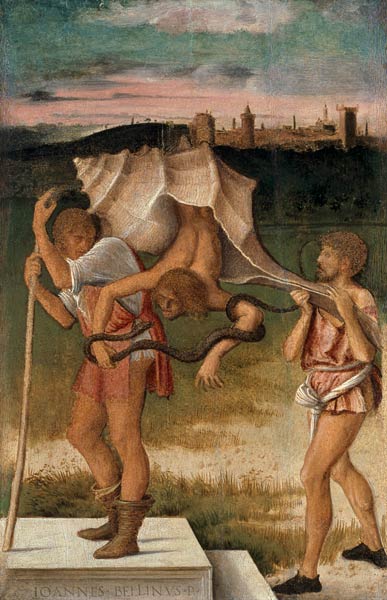
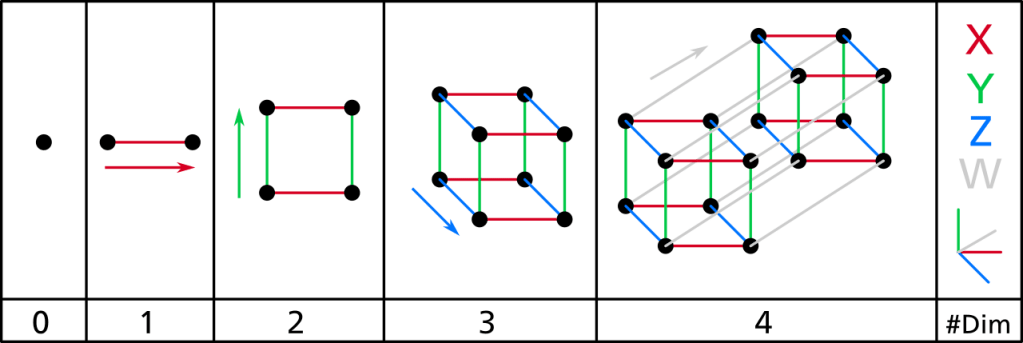
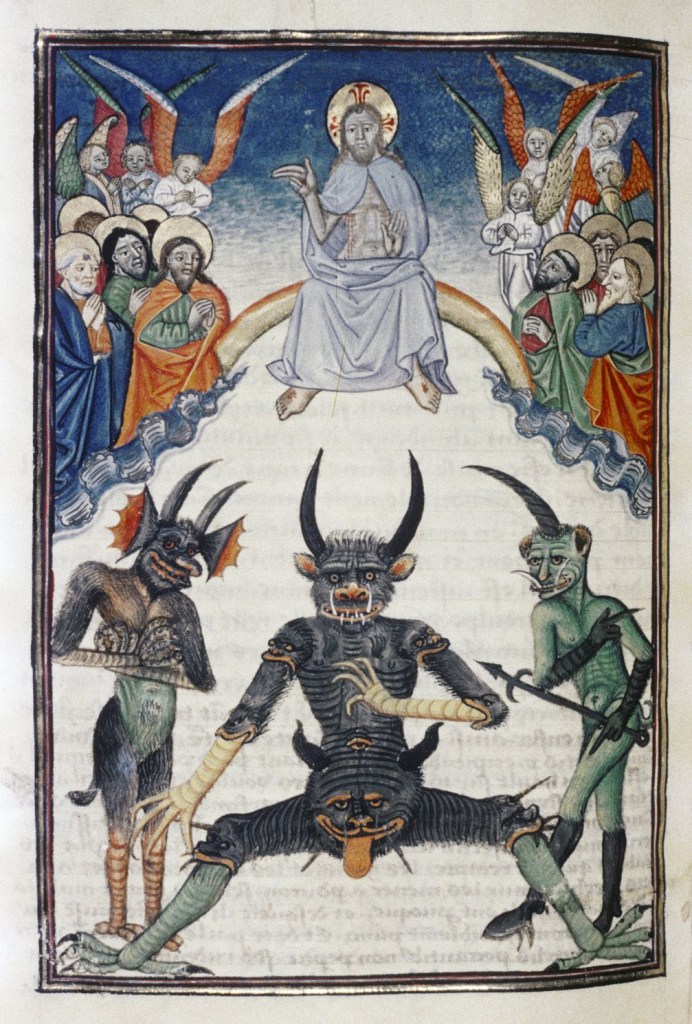
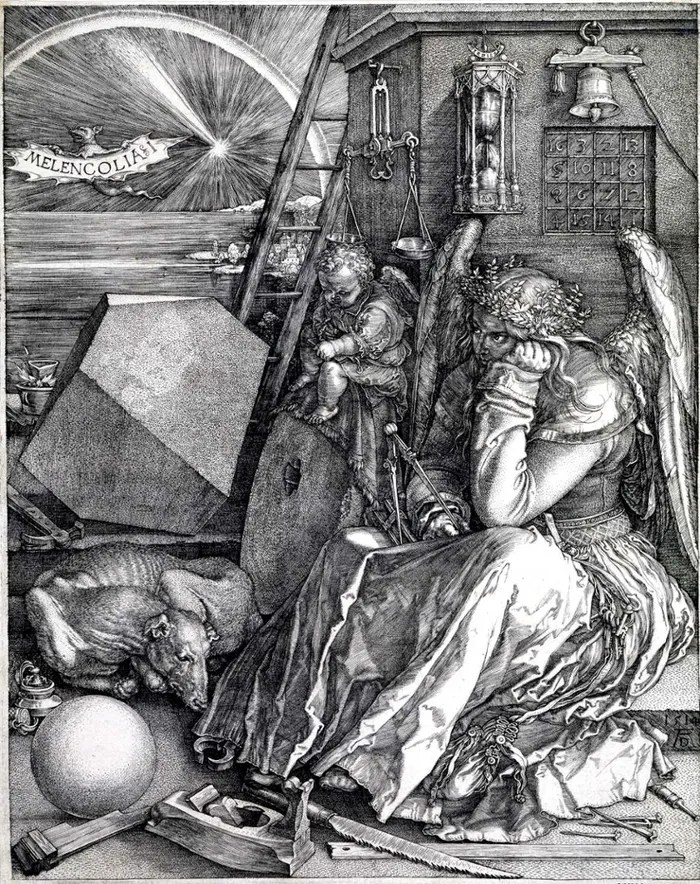
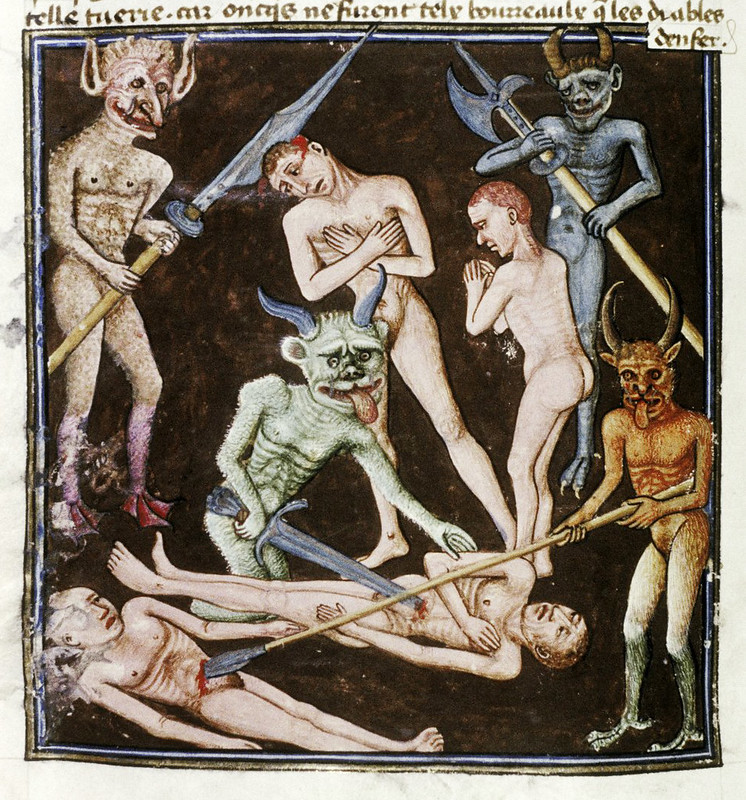
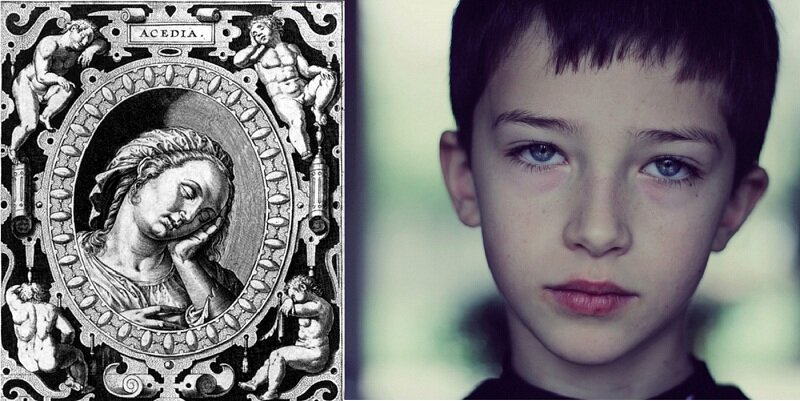
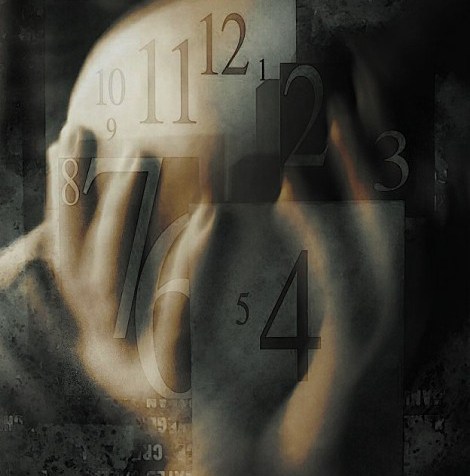
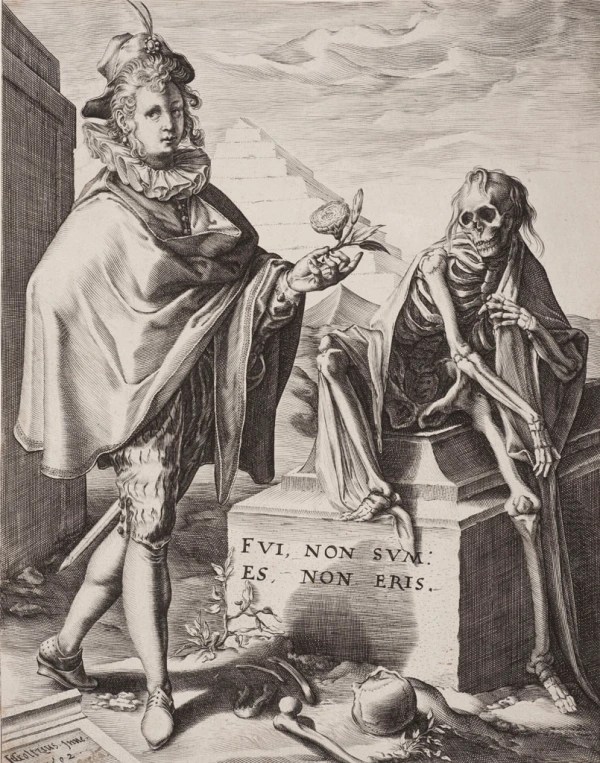
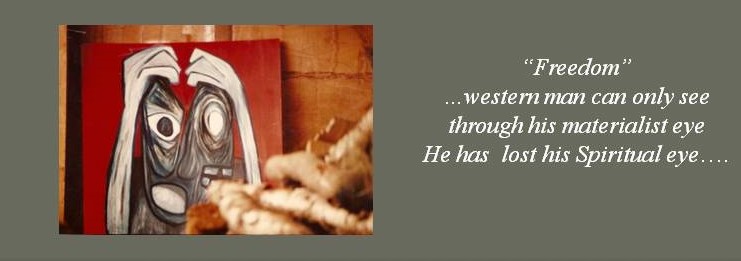
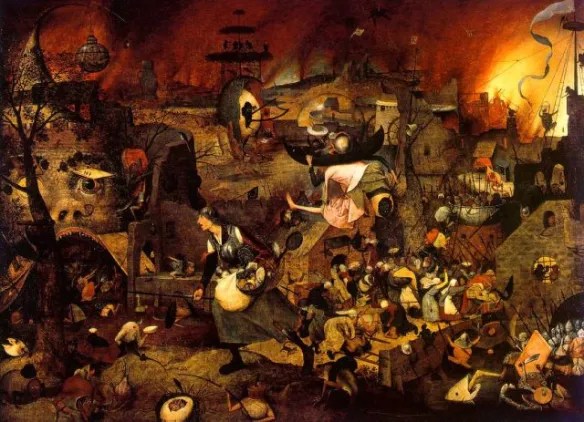
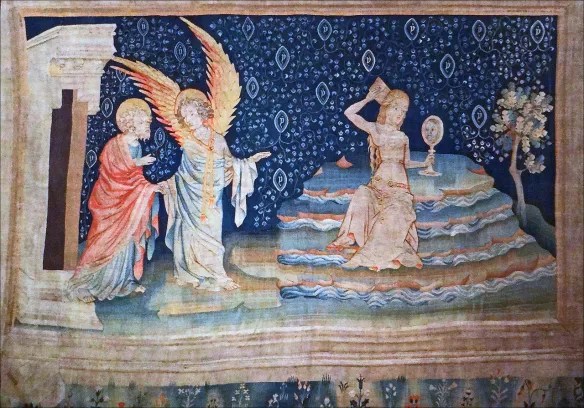


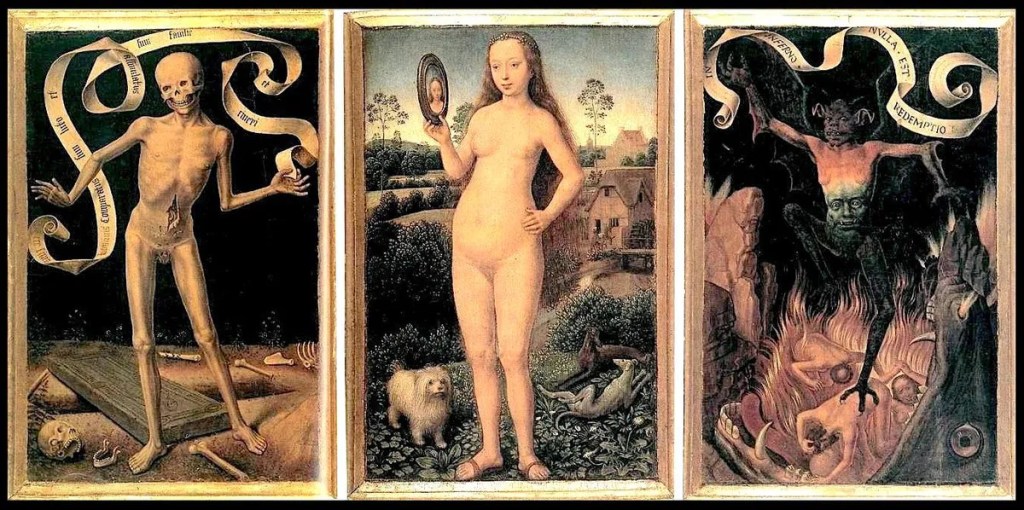
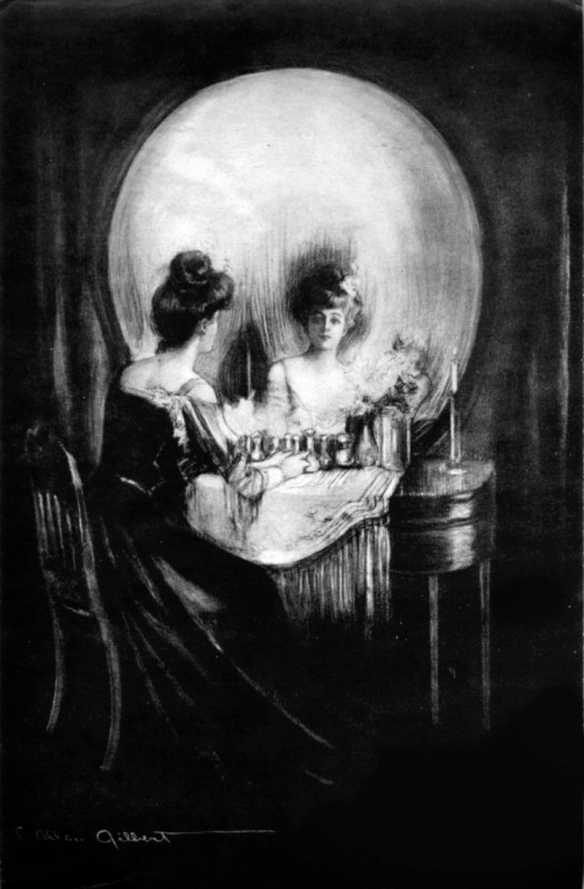
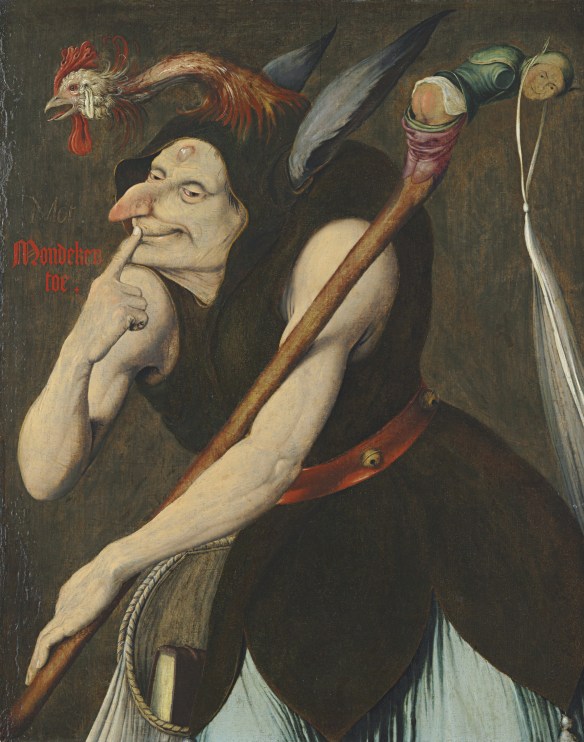
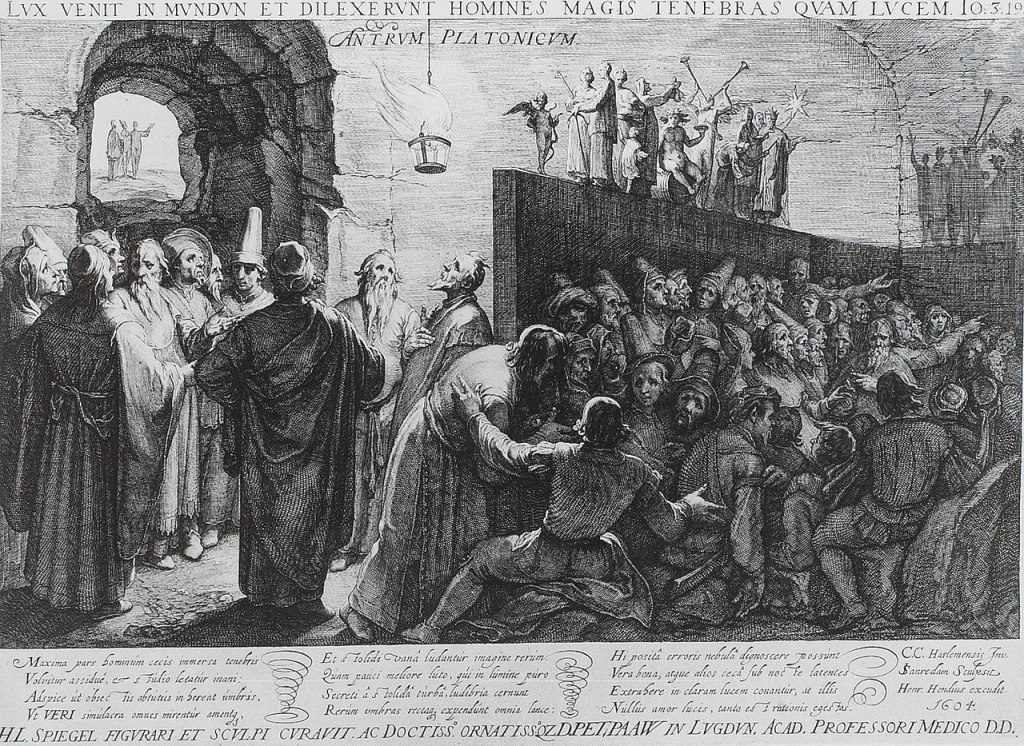
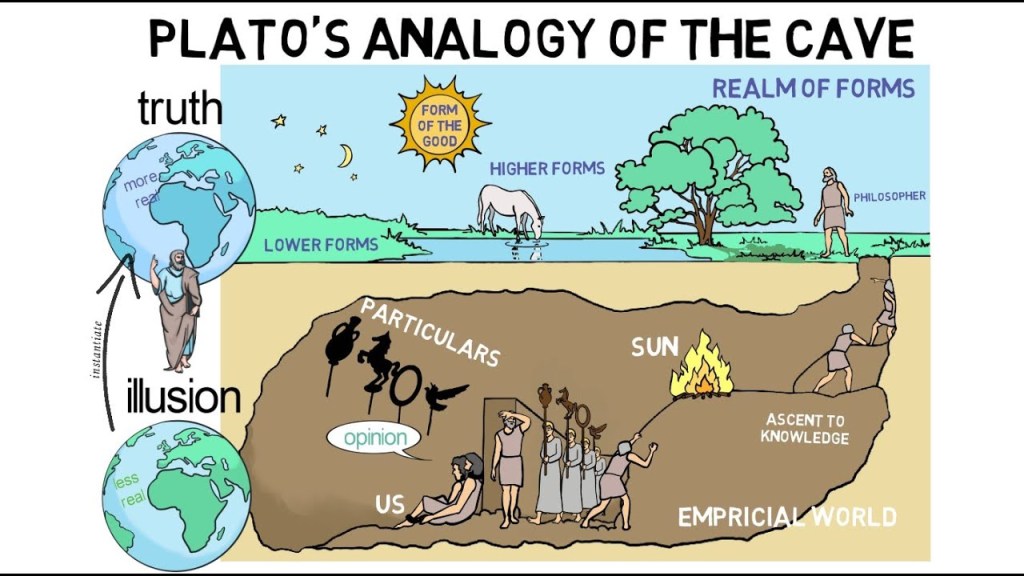
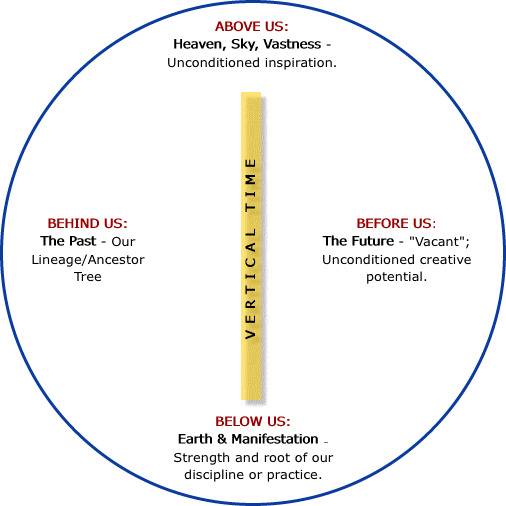
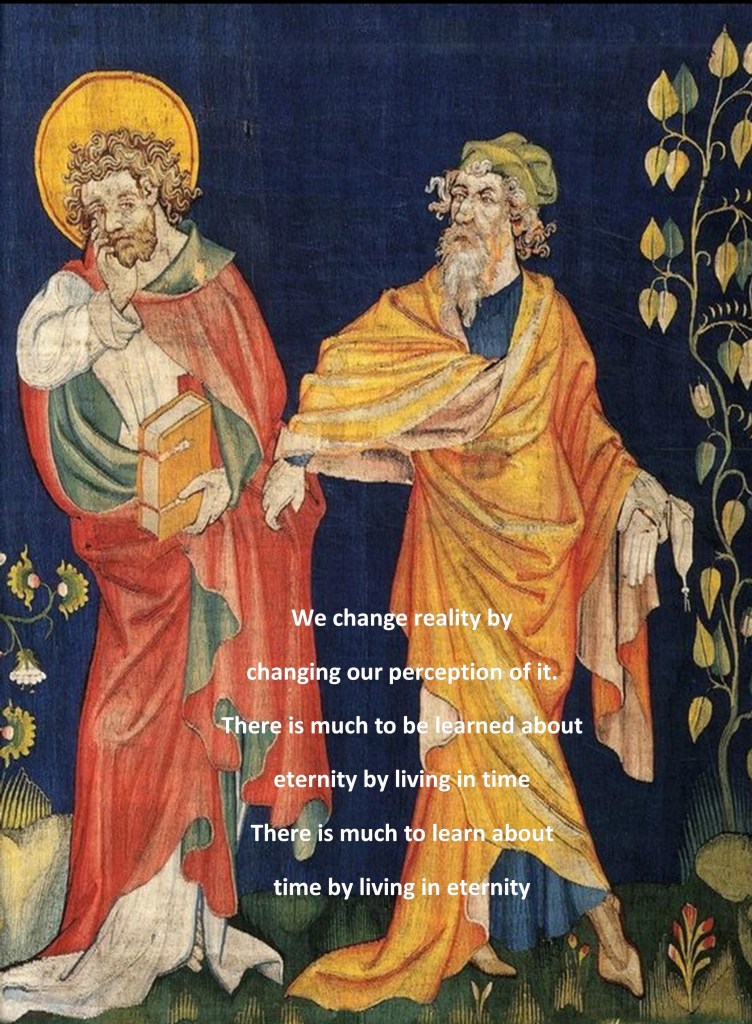
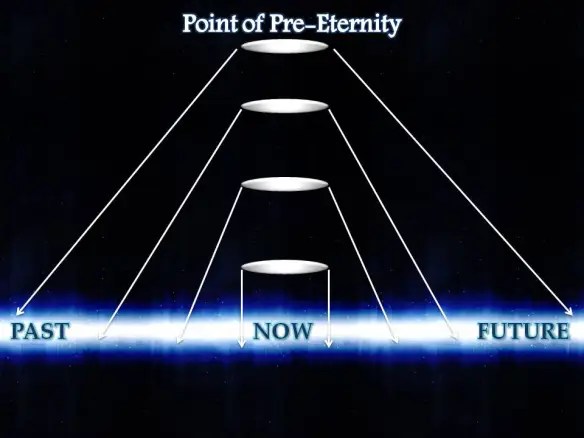
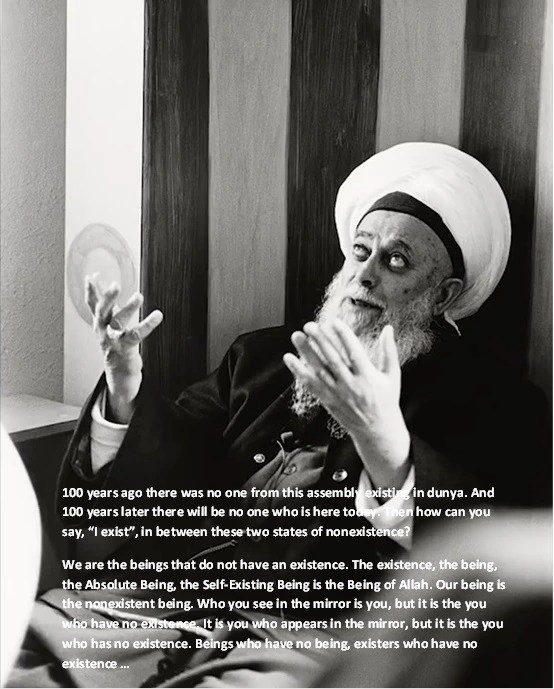
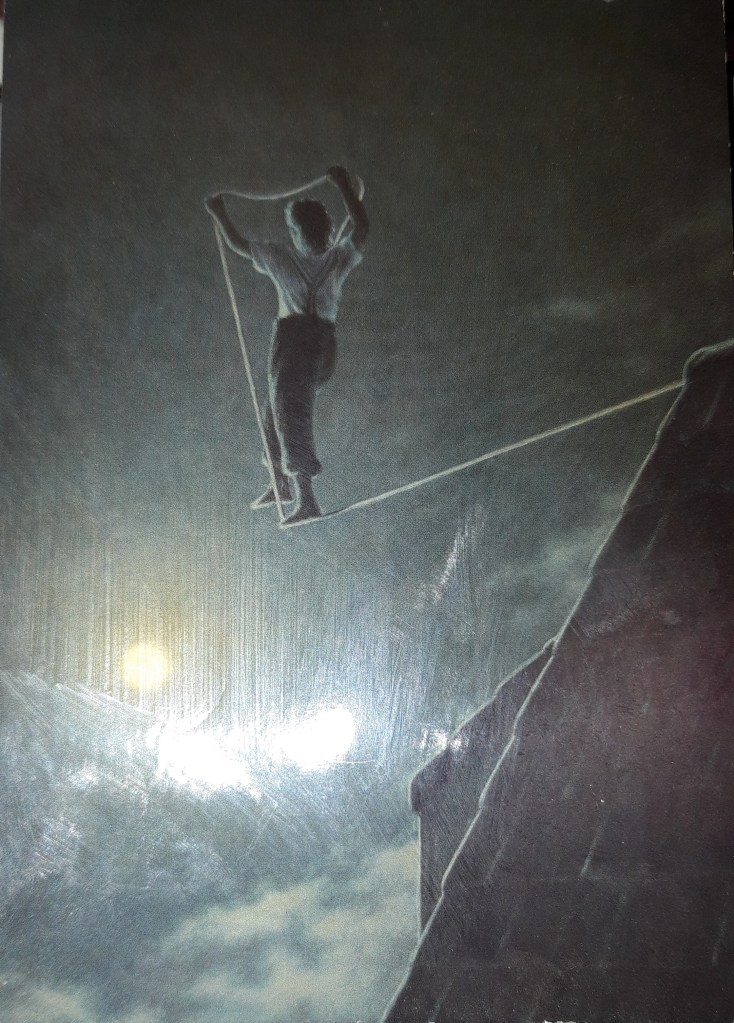
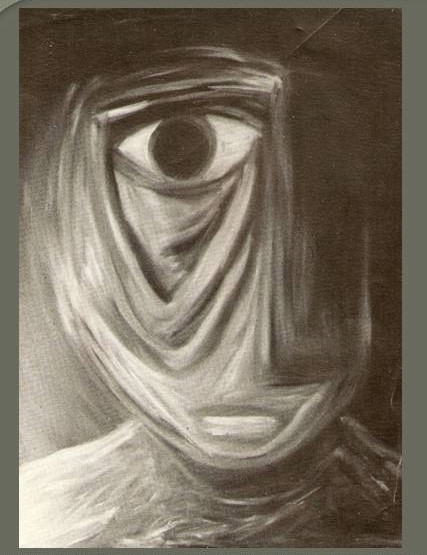
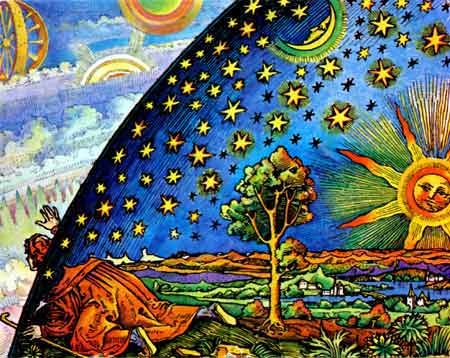
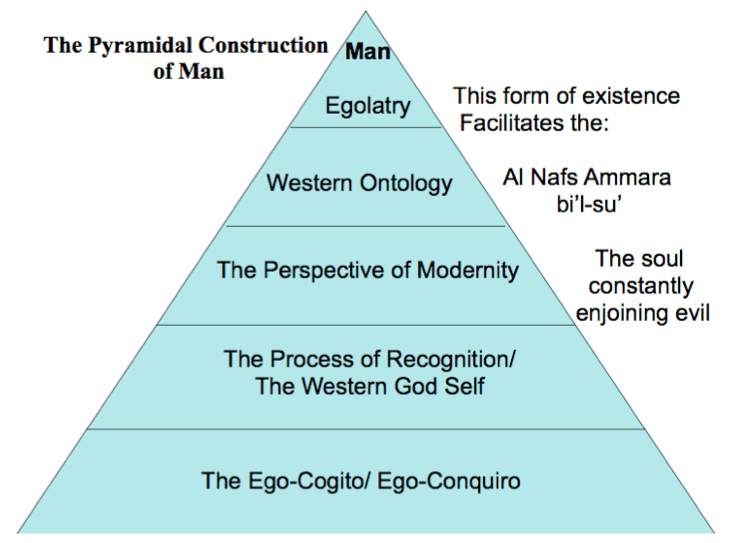
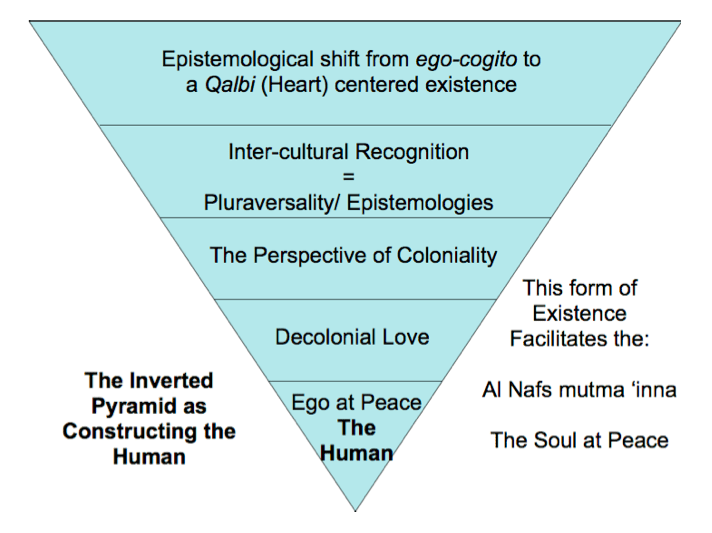
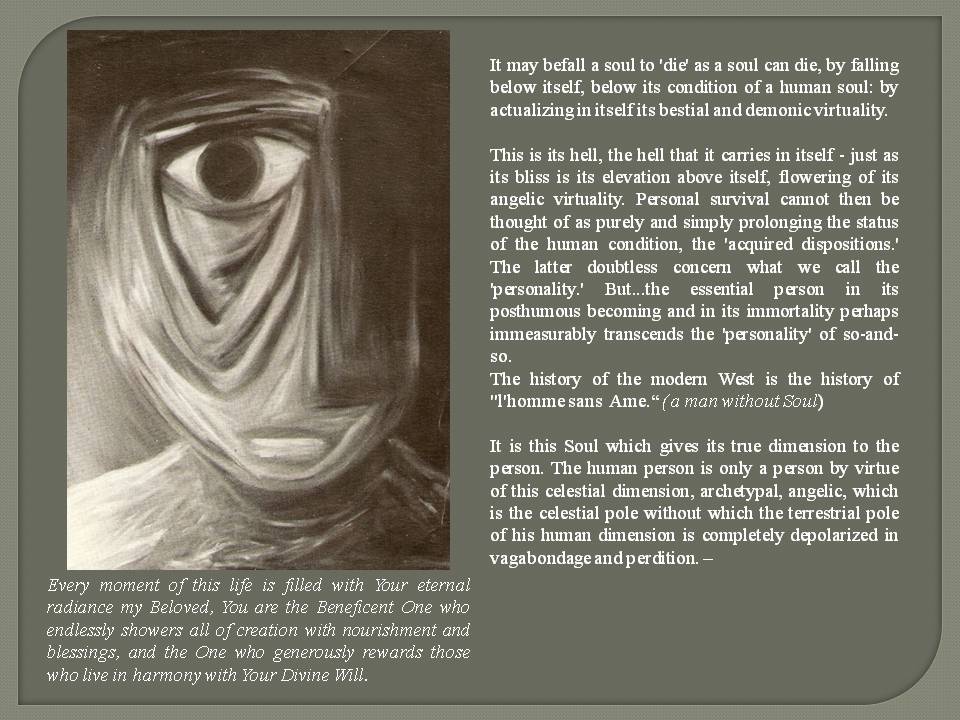
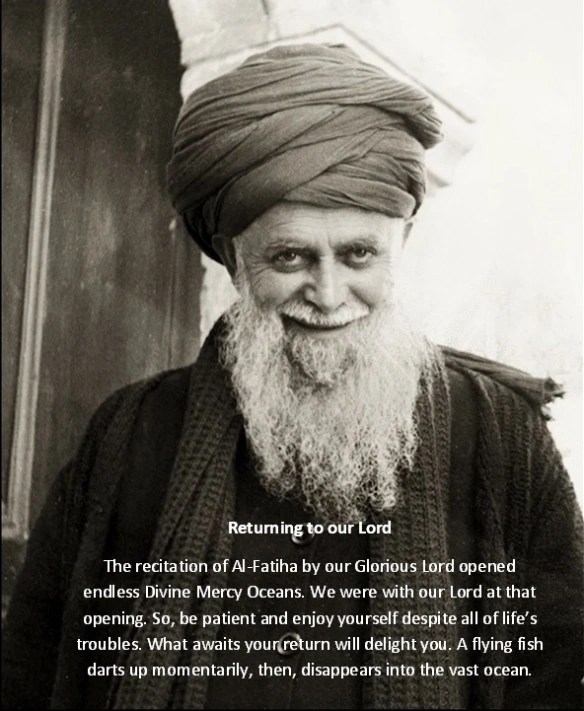



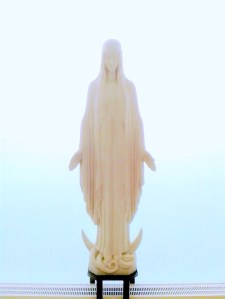





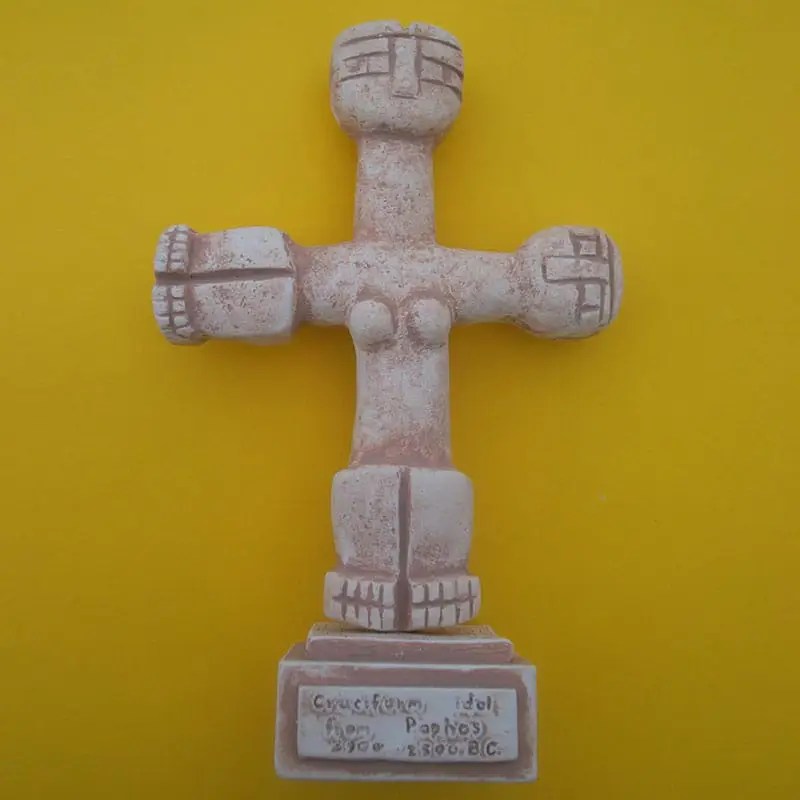
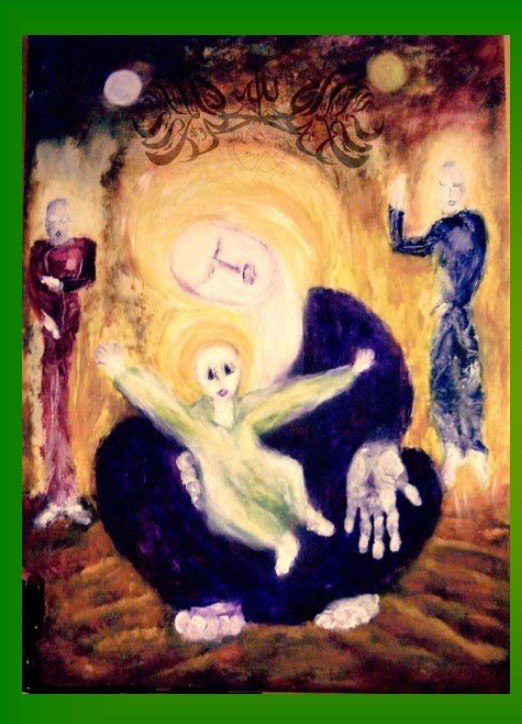
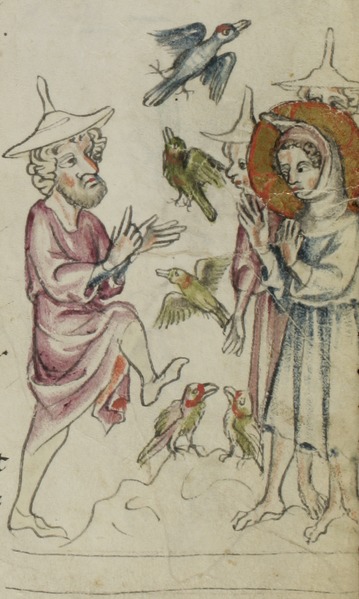

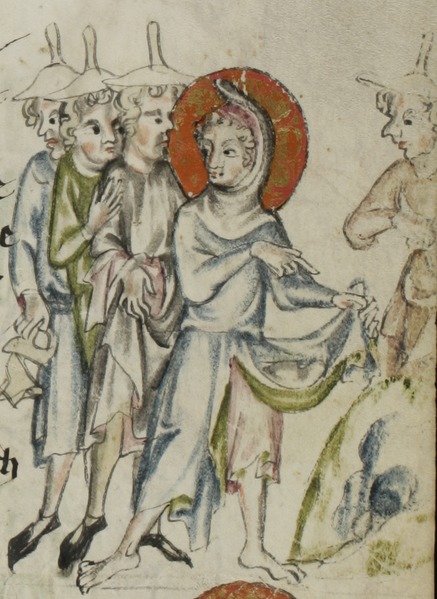
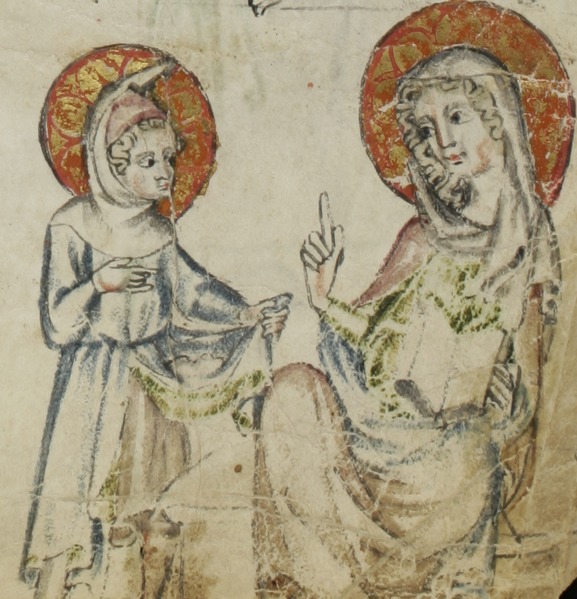
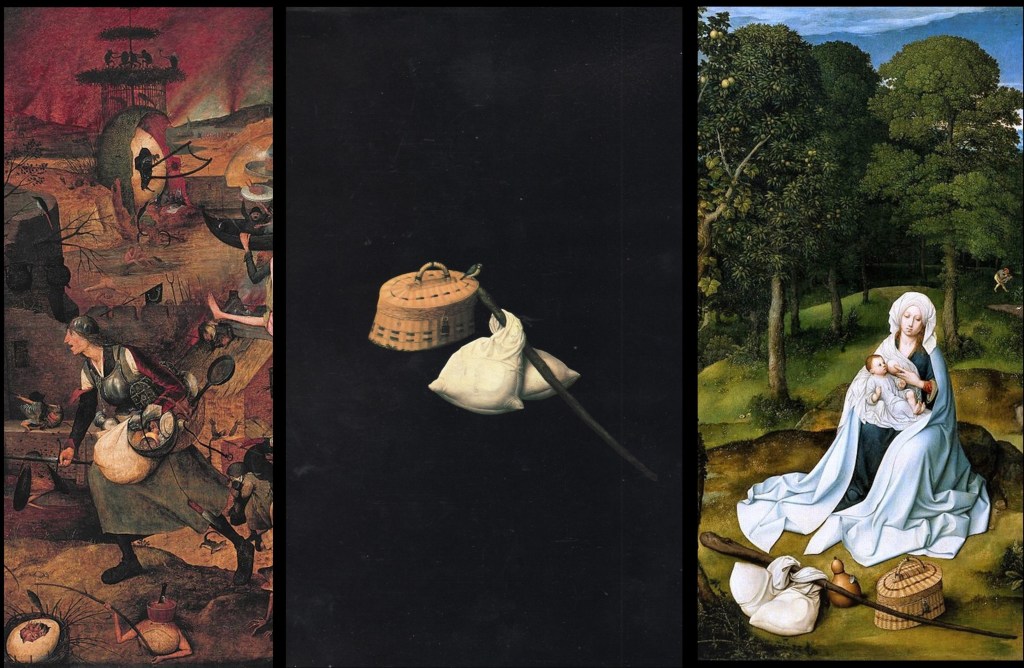
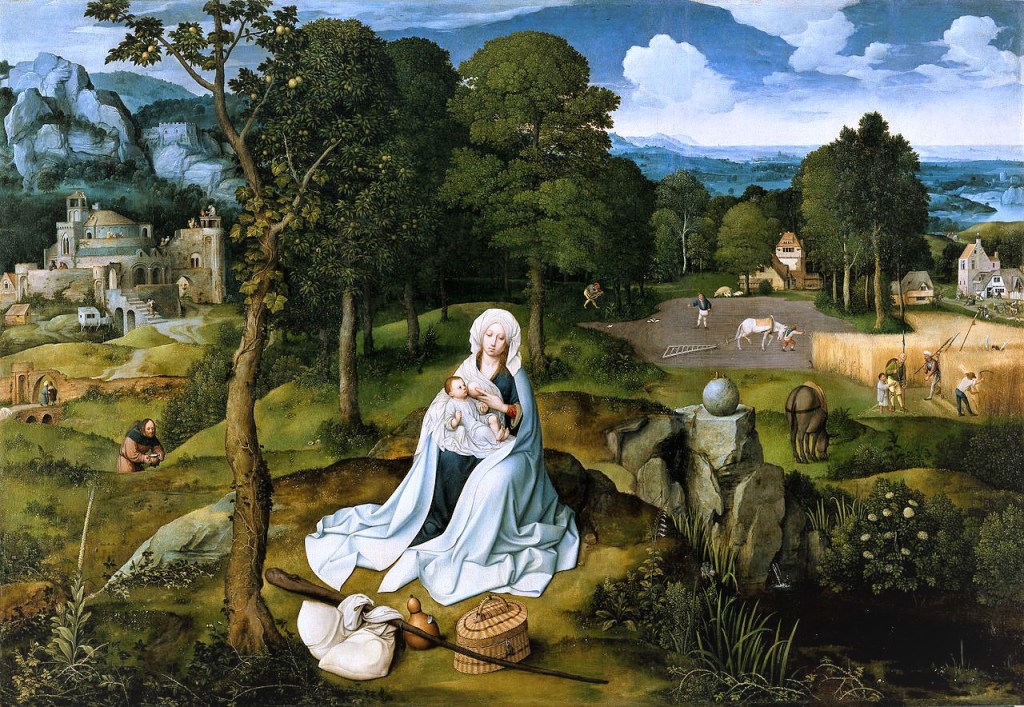

_-_James_Tissot.jpg)
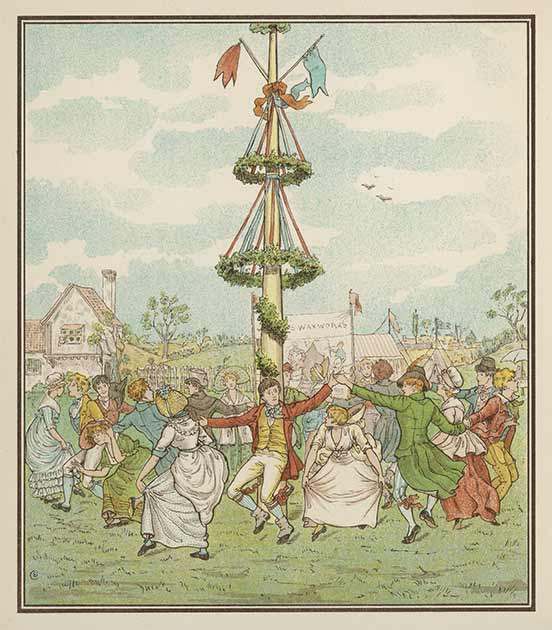
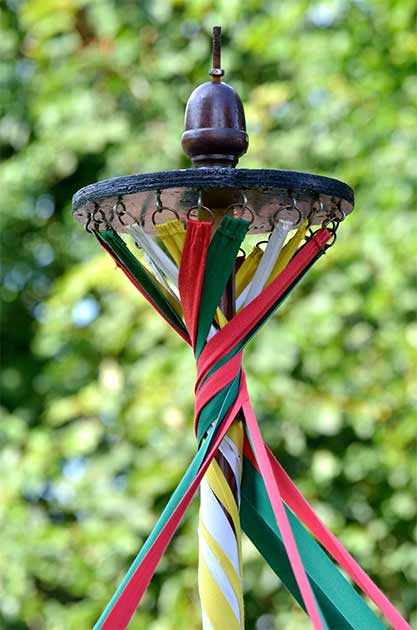

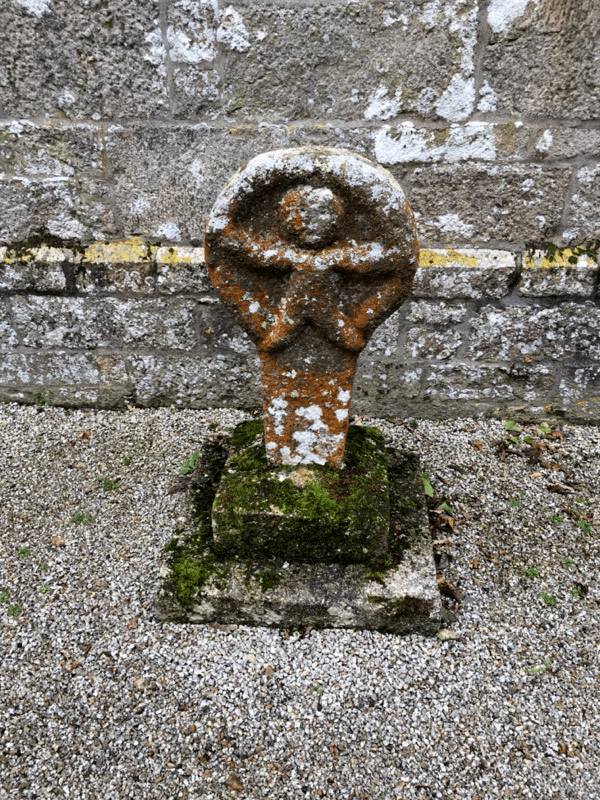

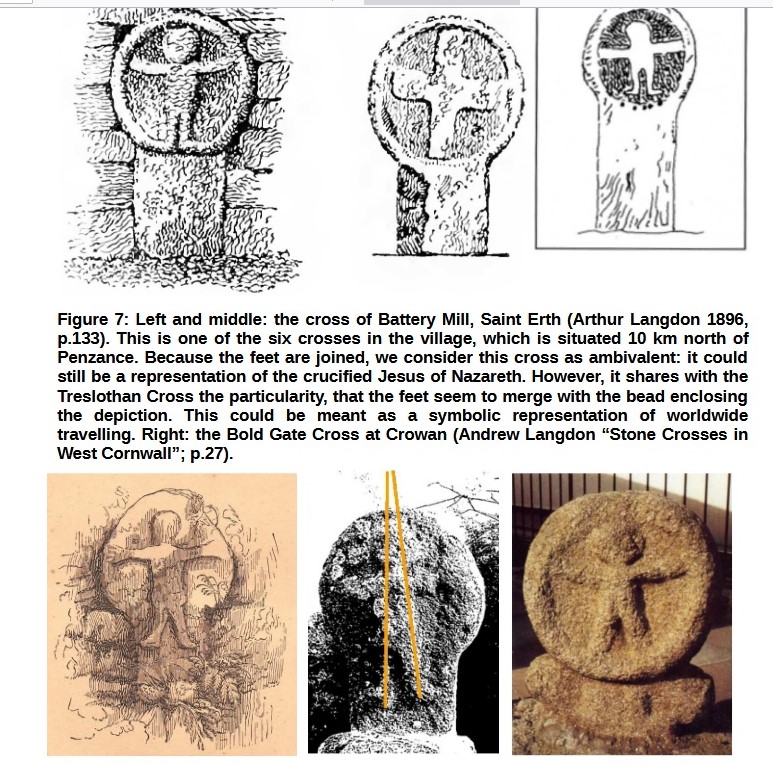
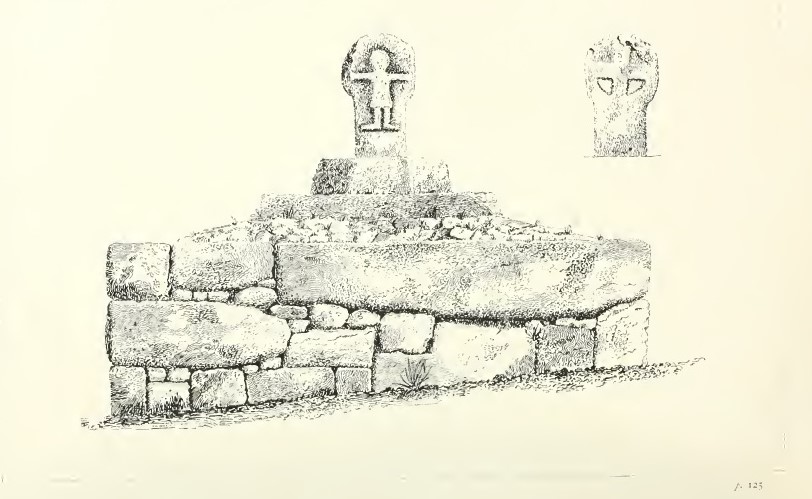
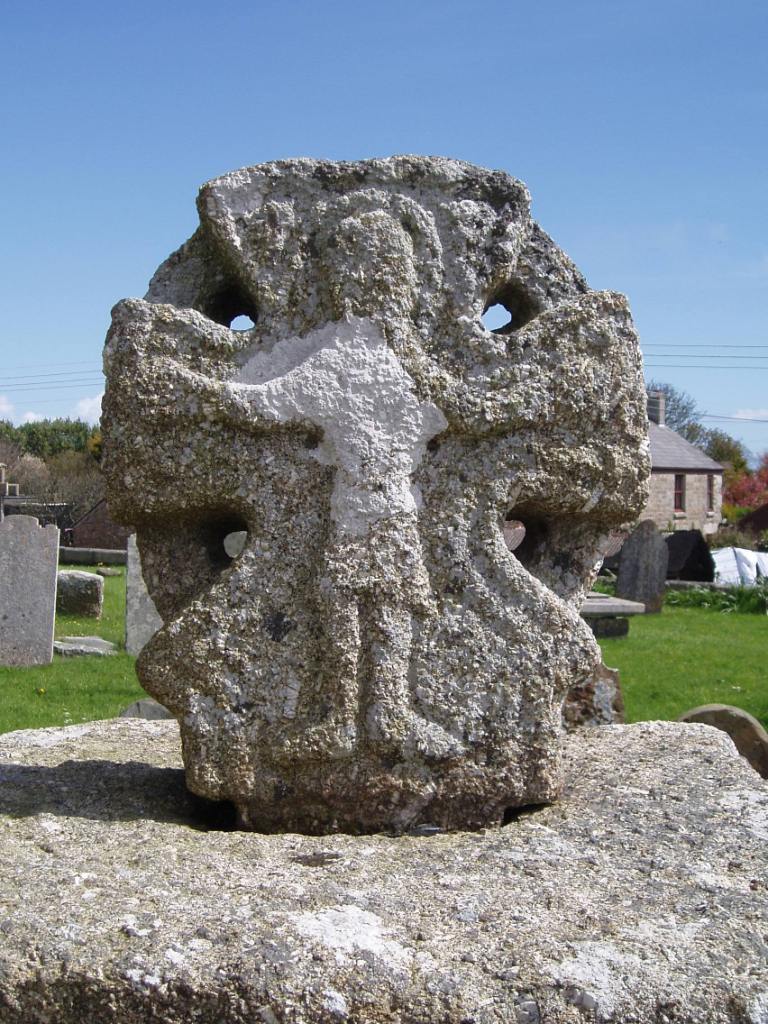
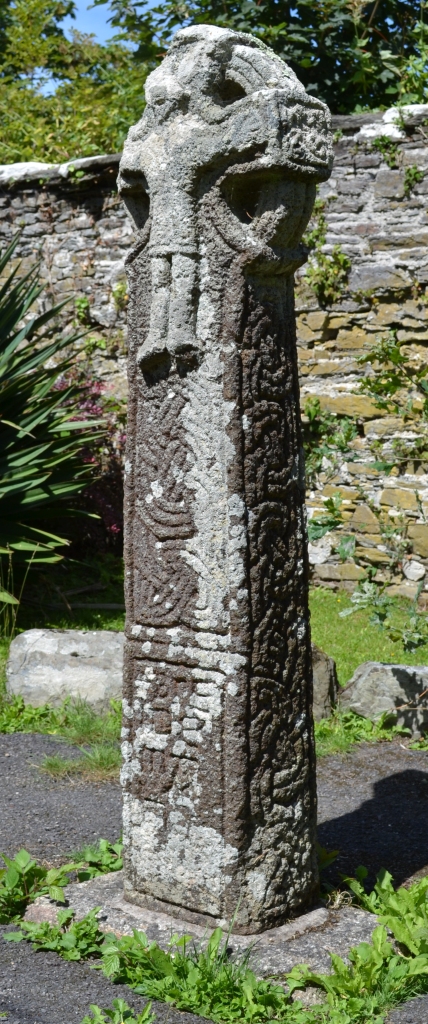


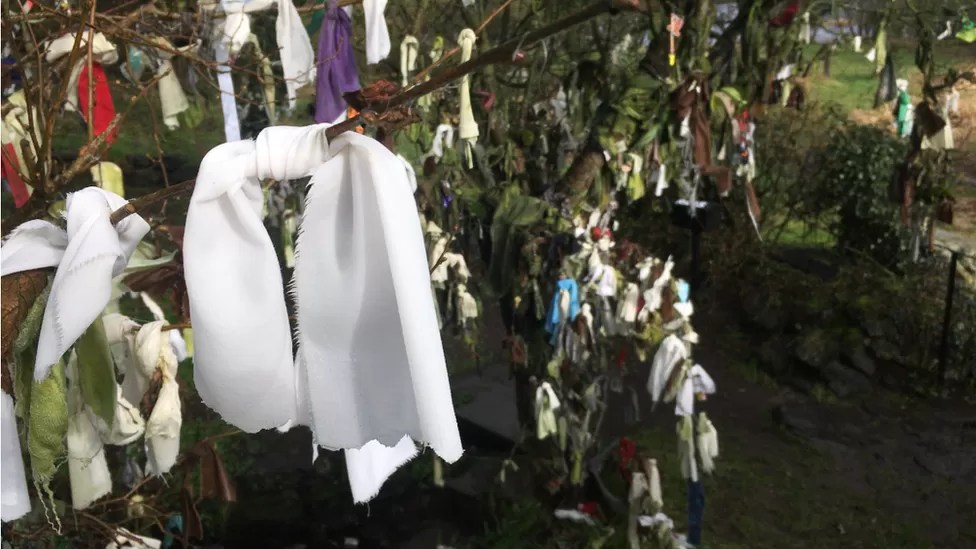


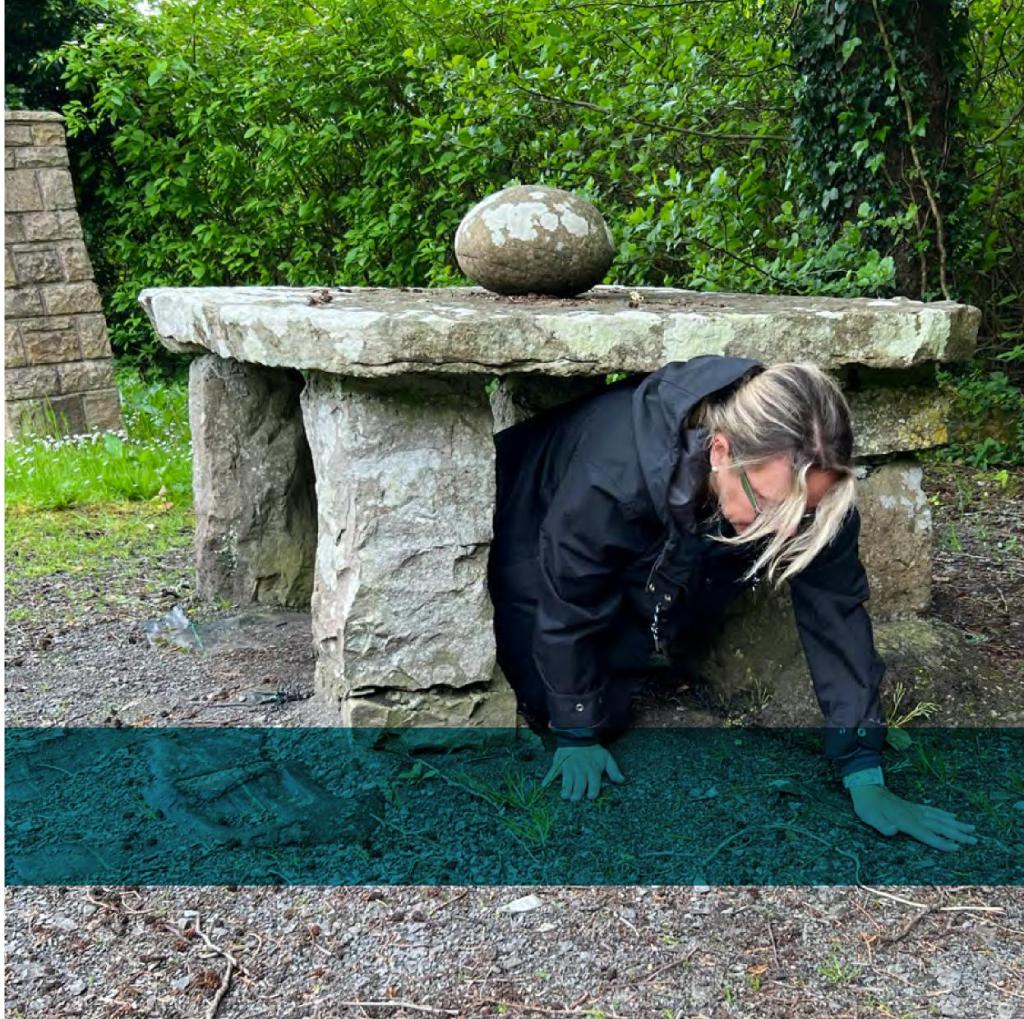
,_October_2009.JPG)

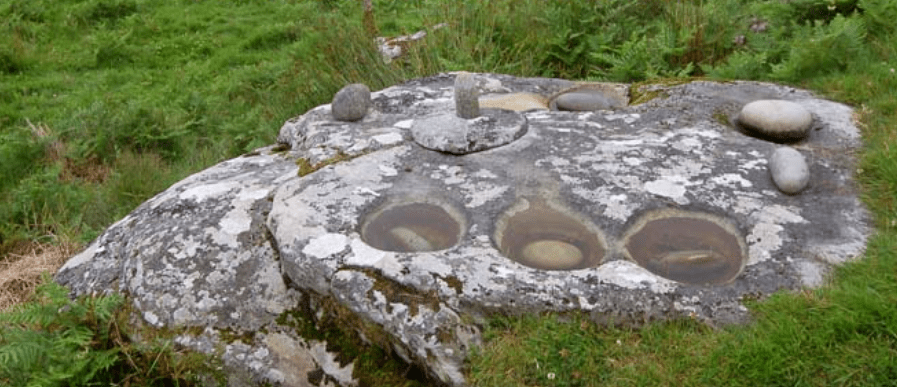
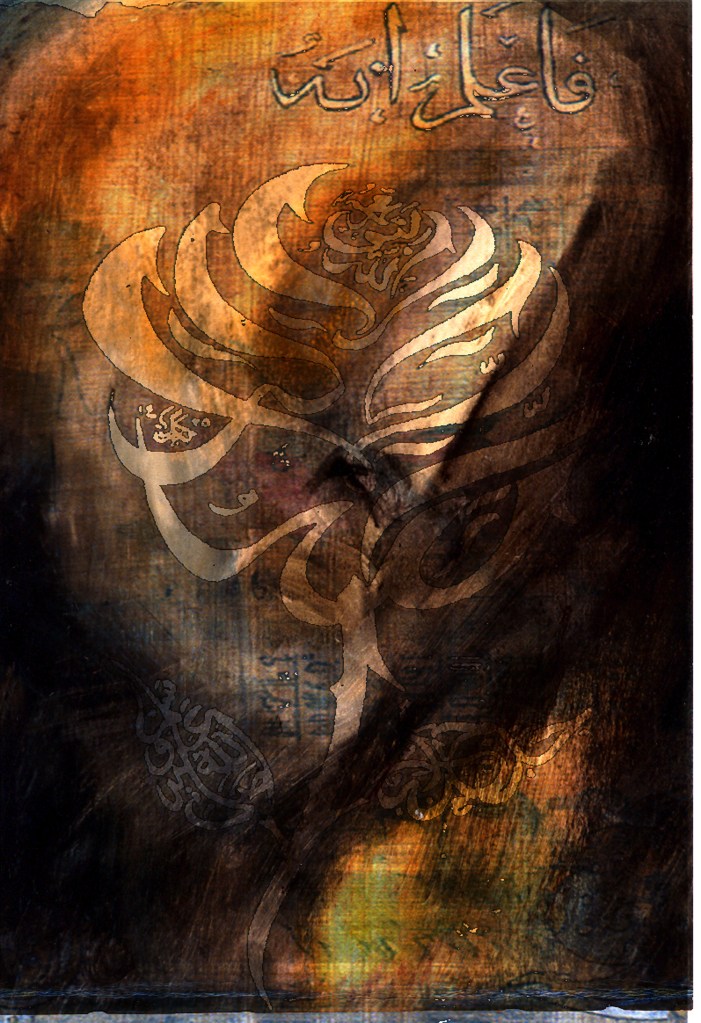
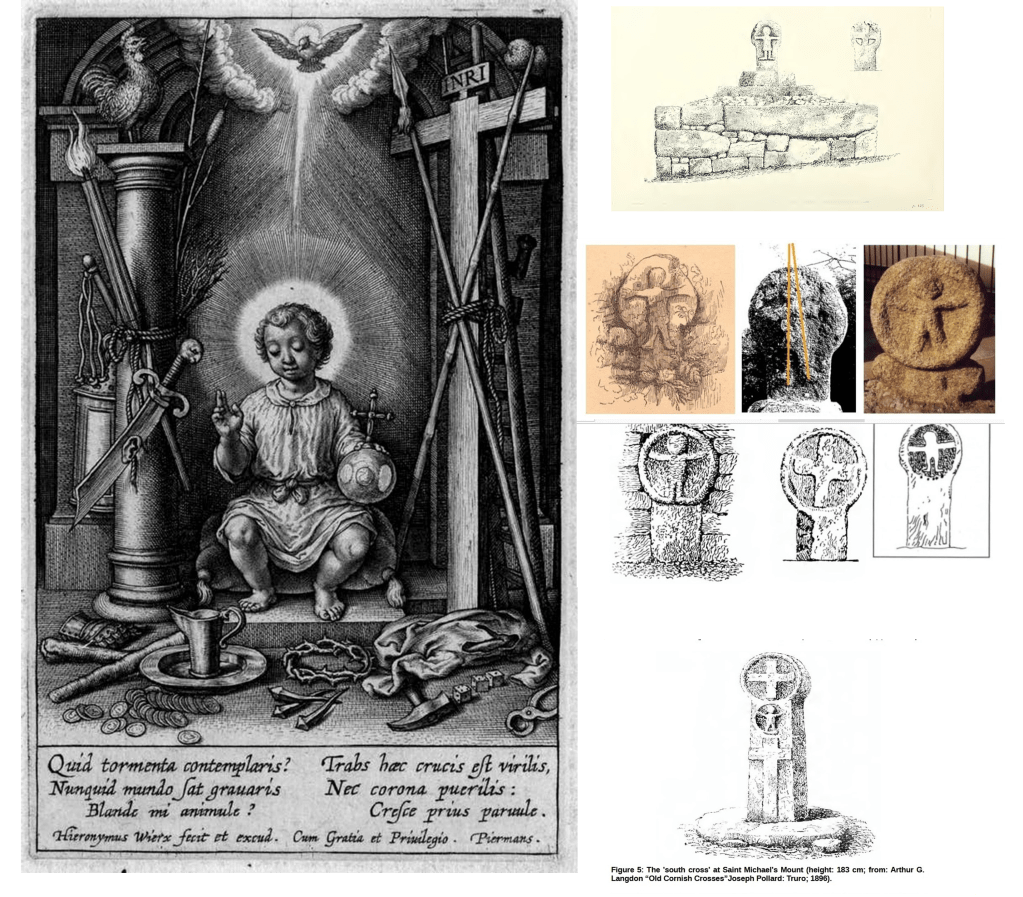
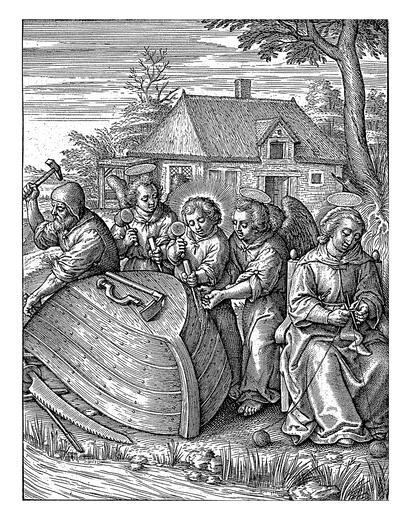
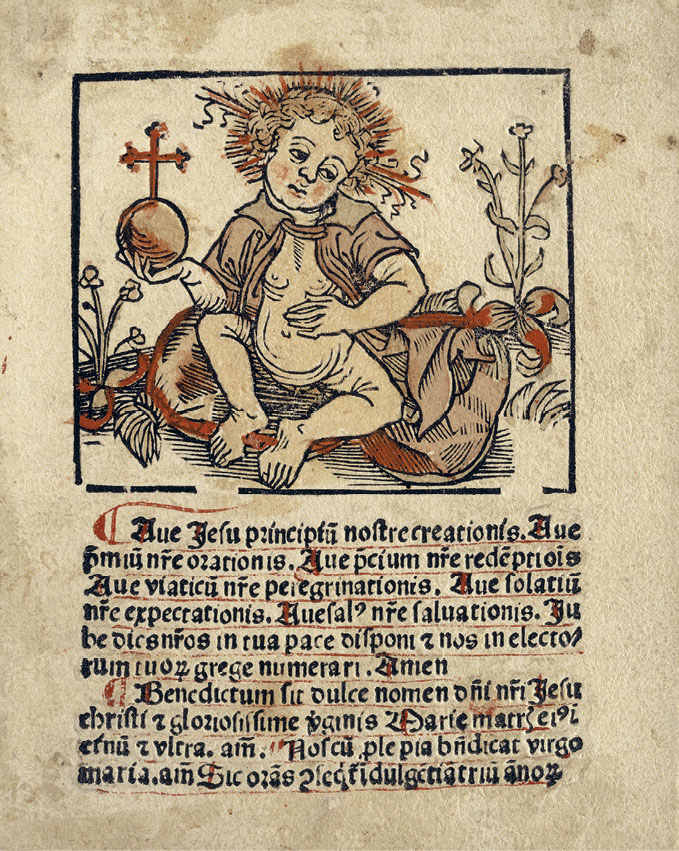
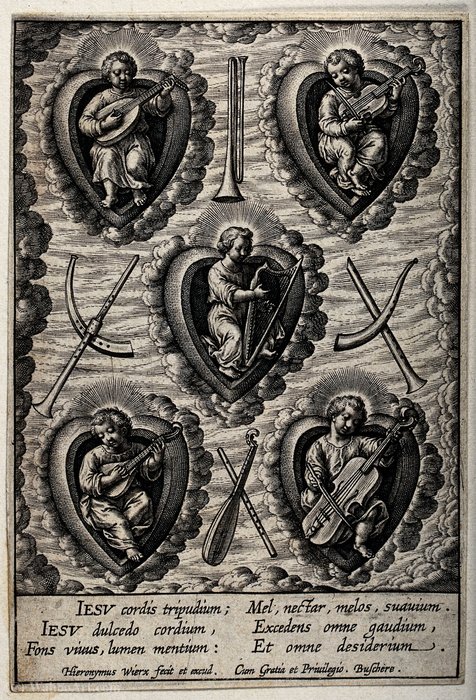
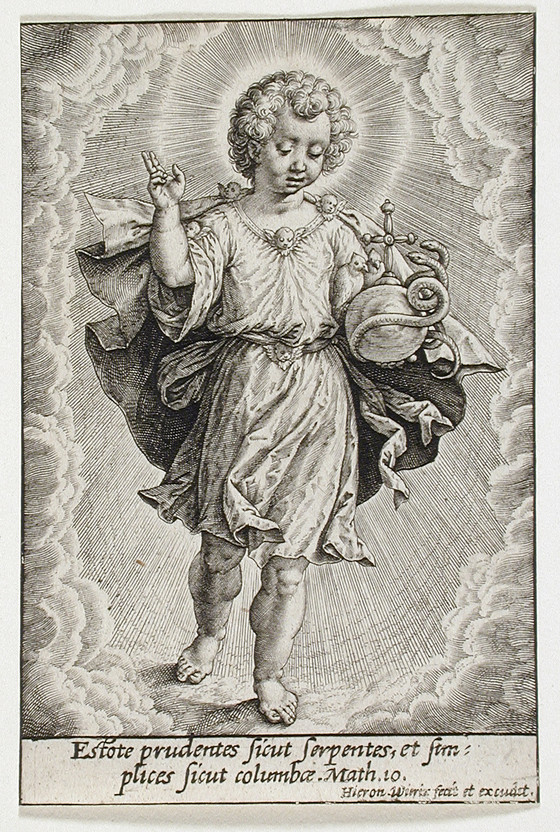
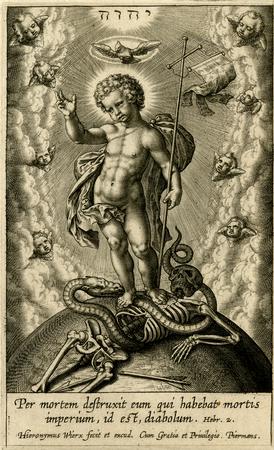
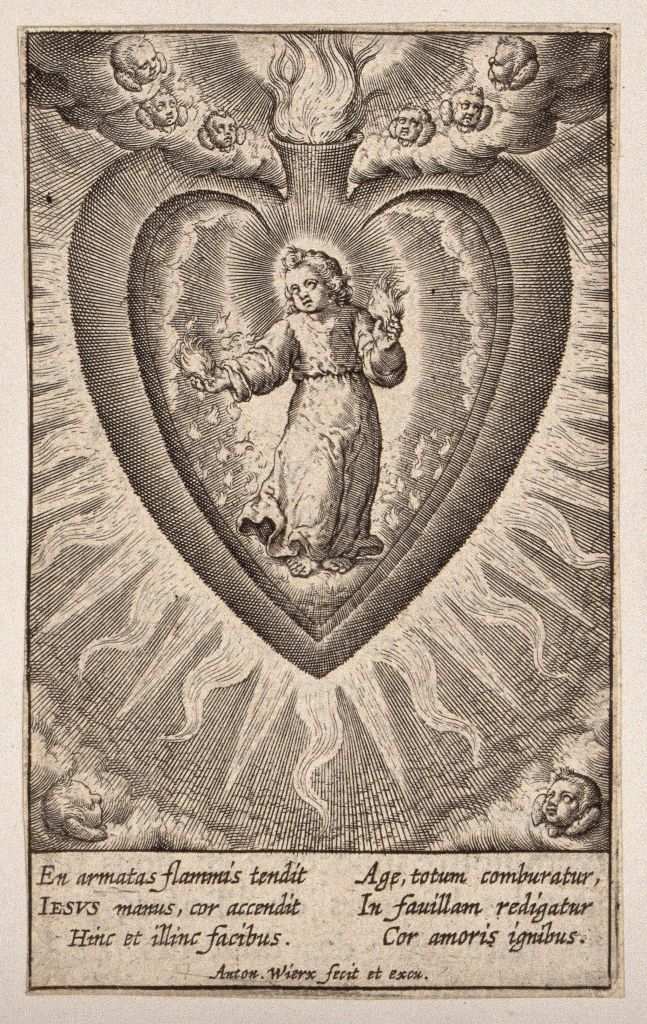
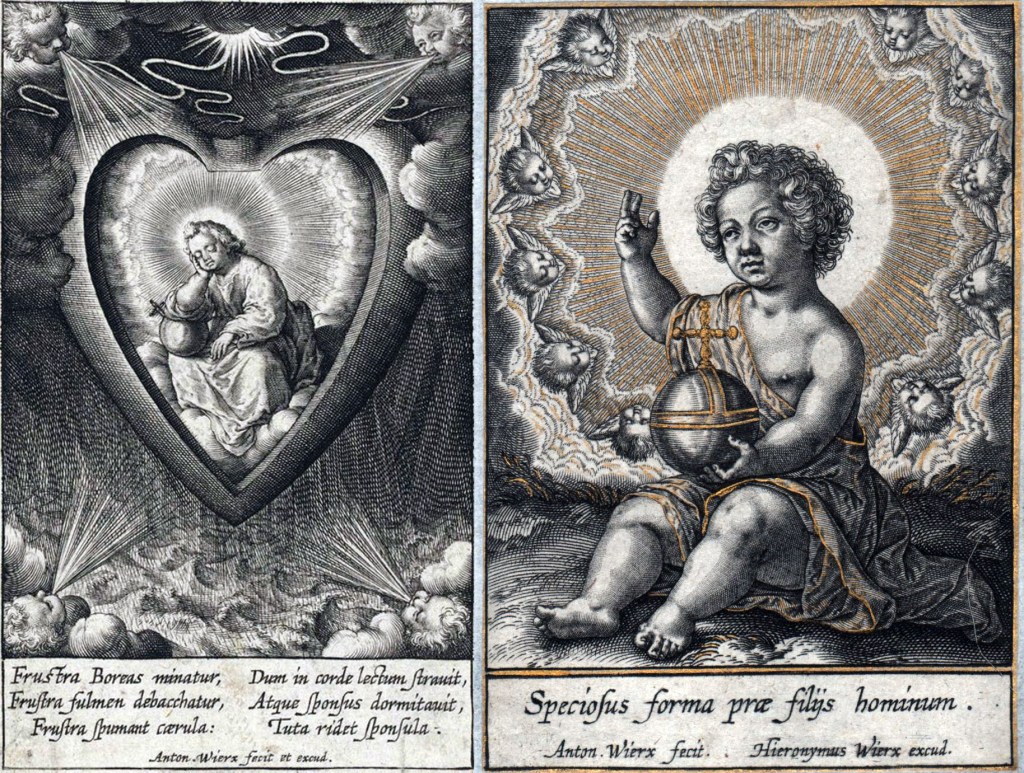
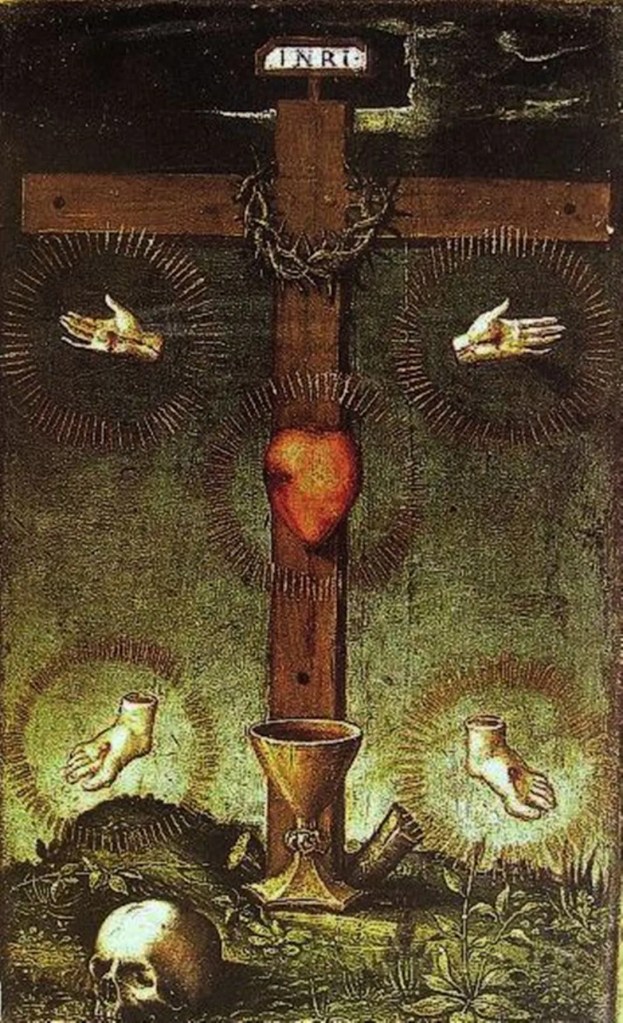
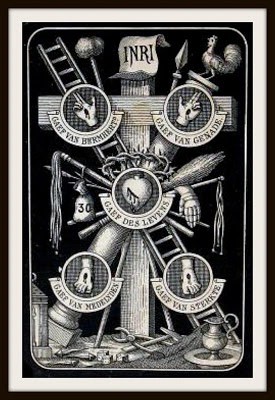
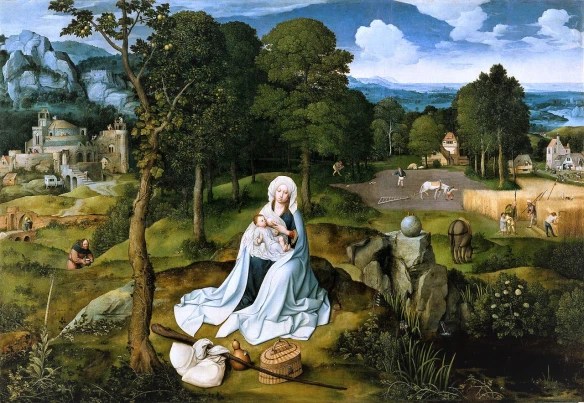
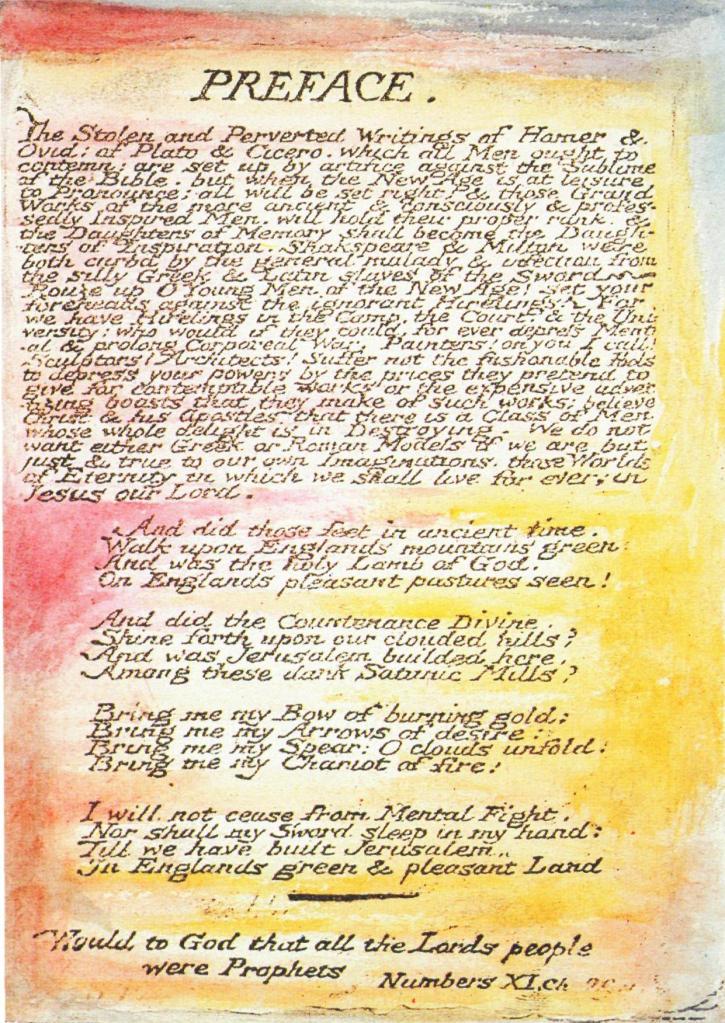
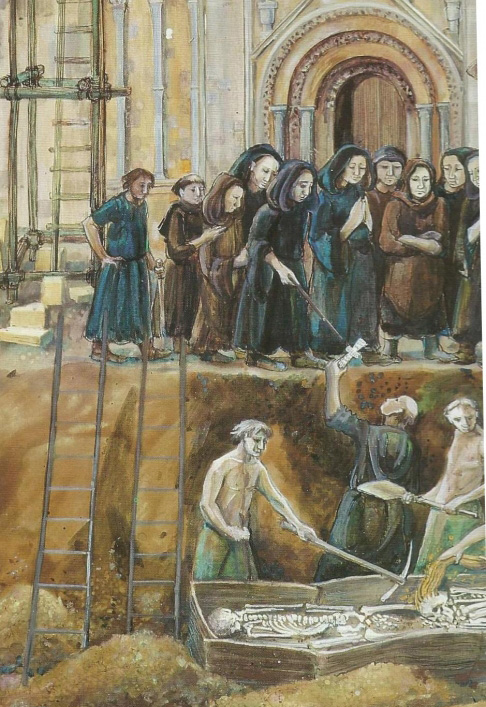
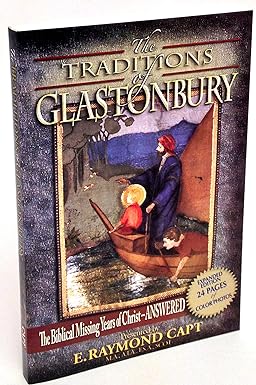
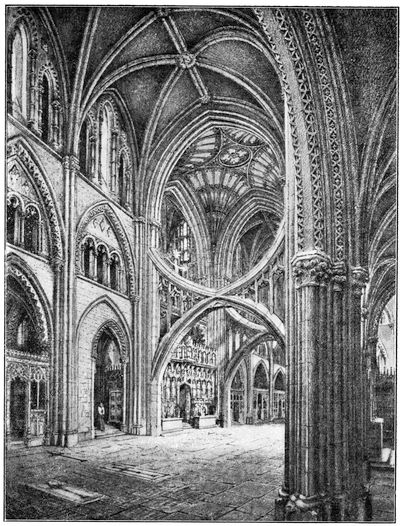

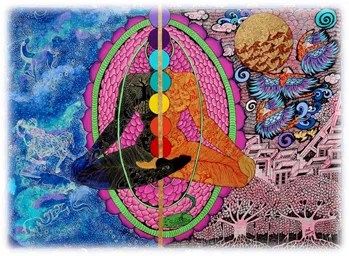
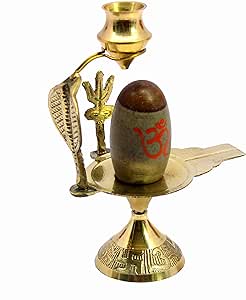
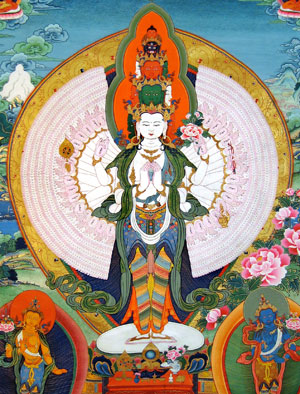
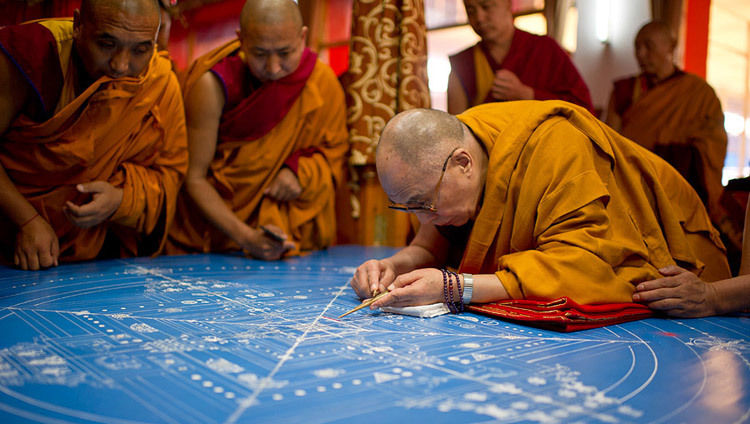
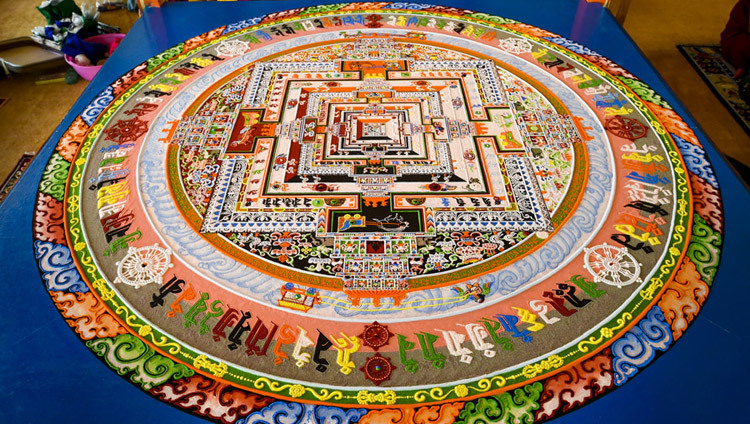
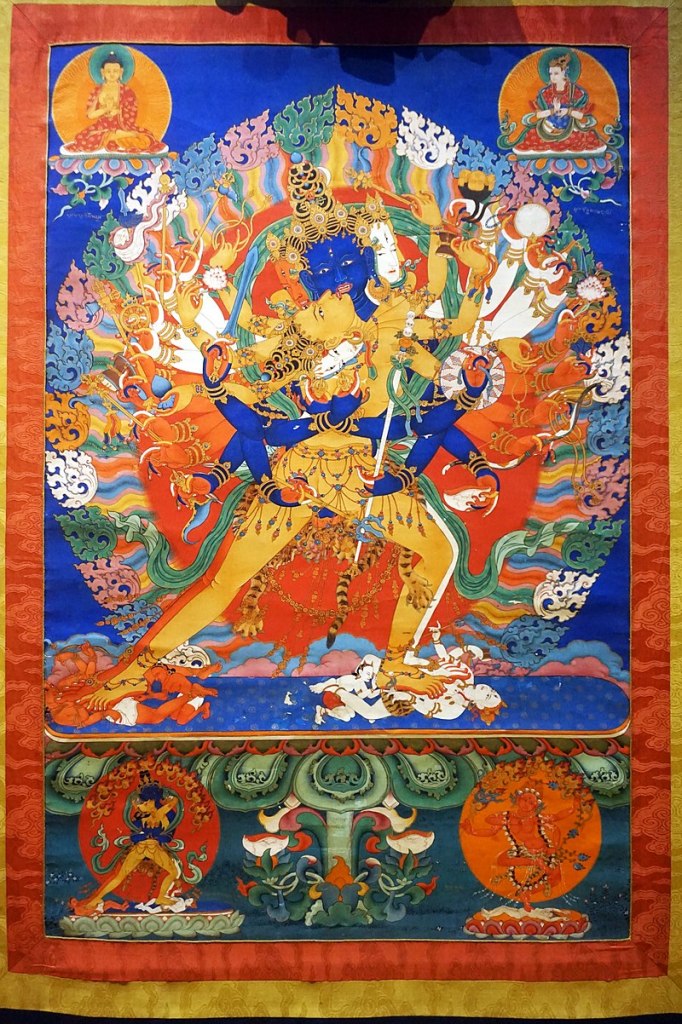
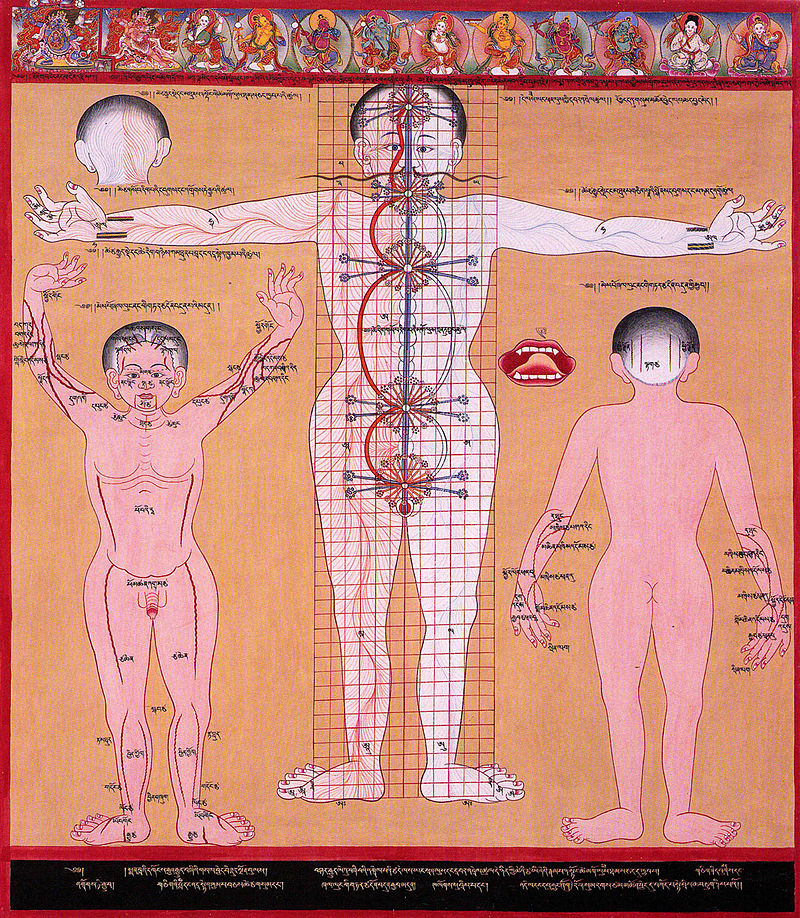
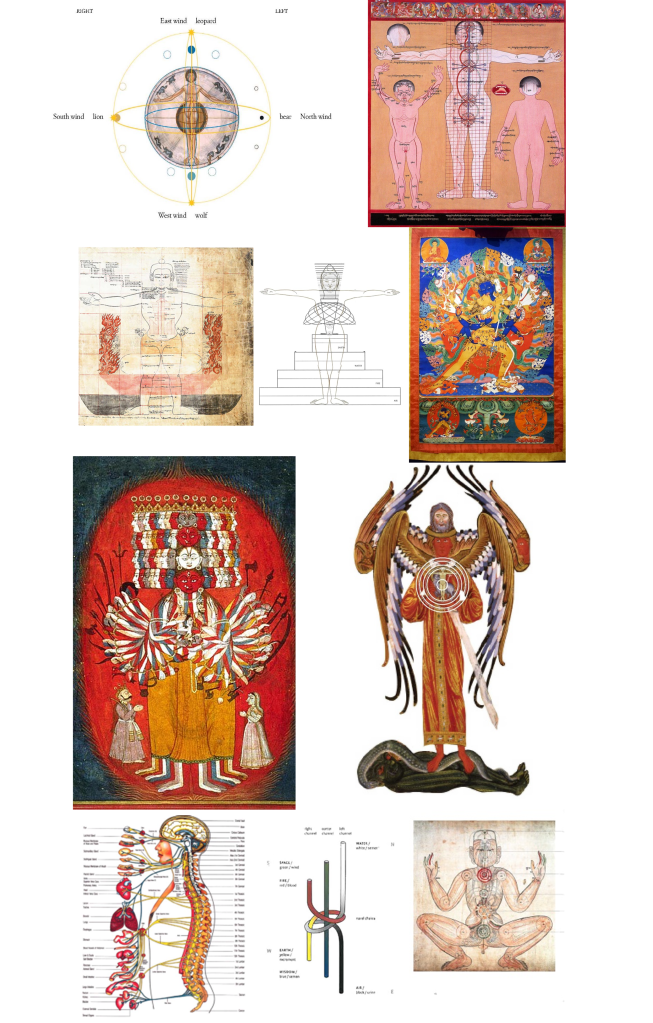

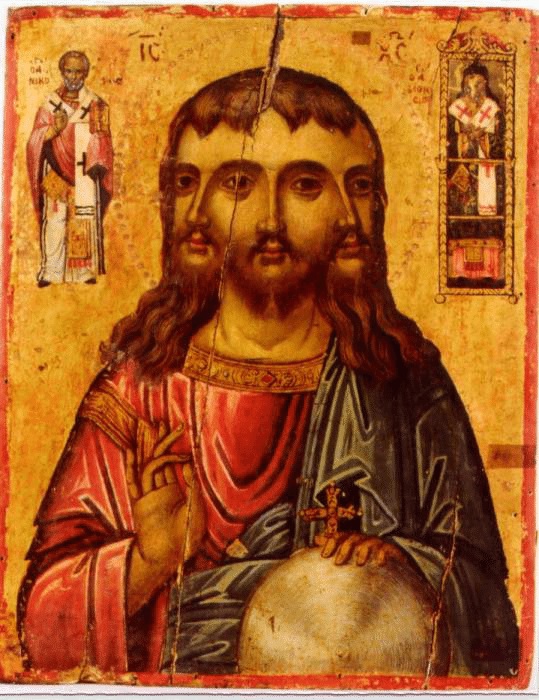
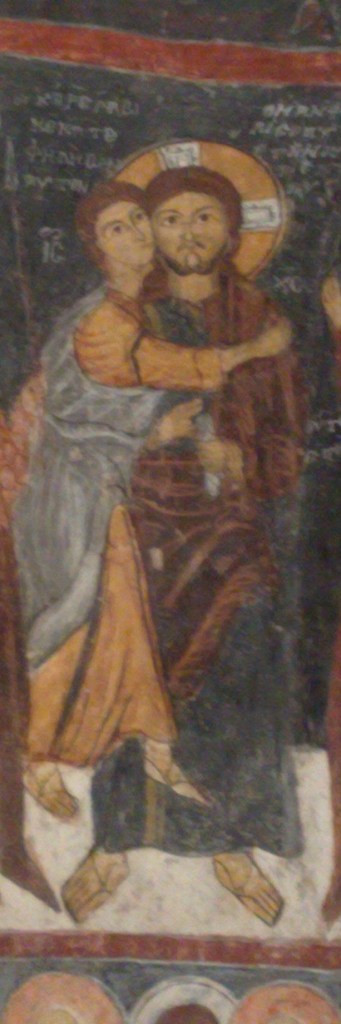
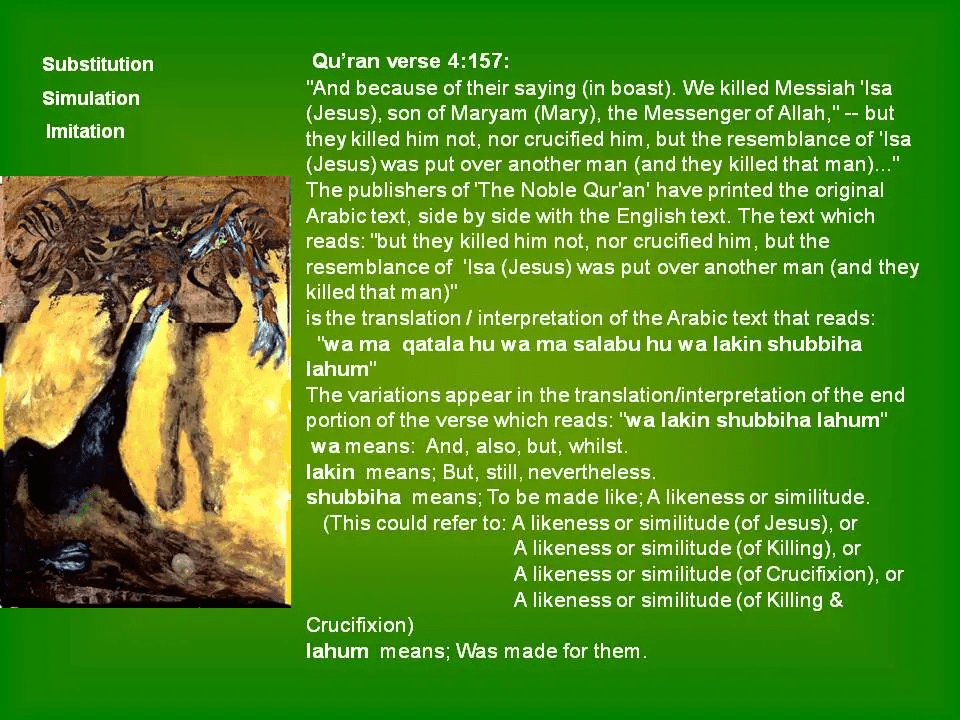
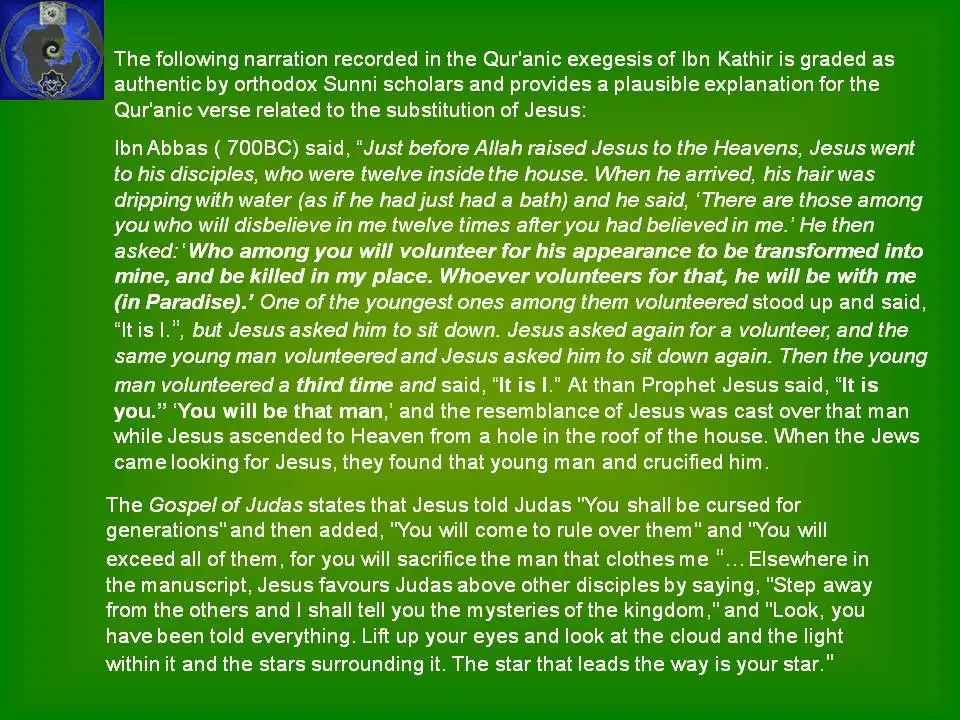
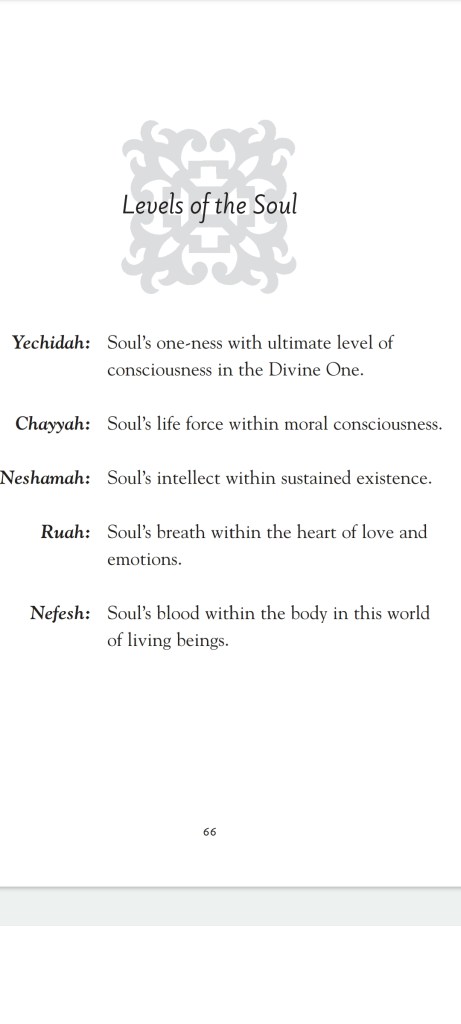
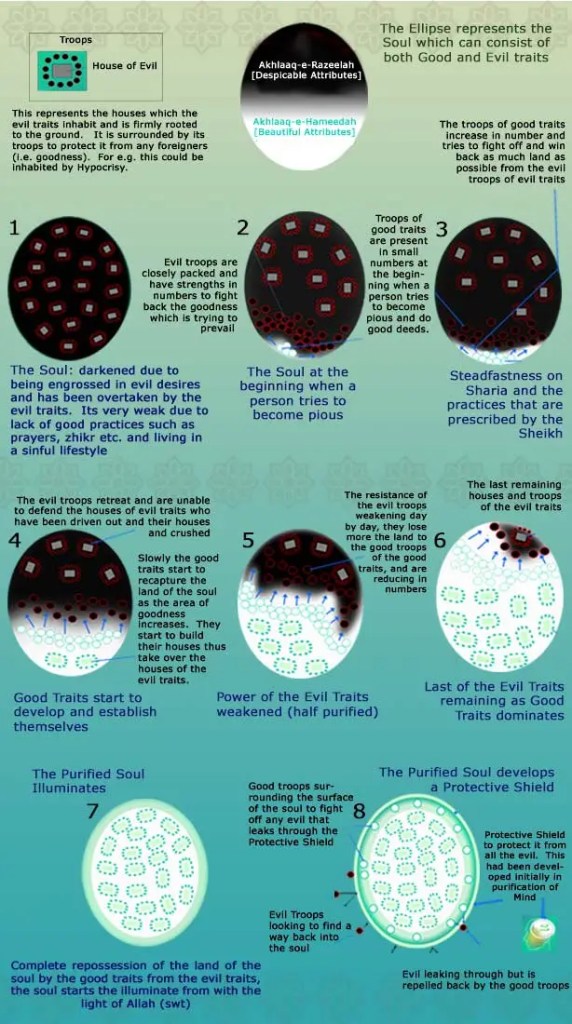
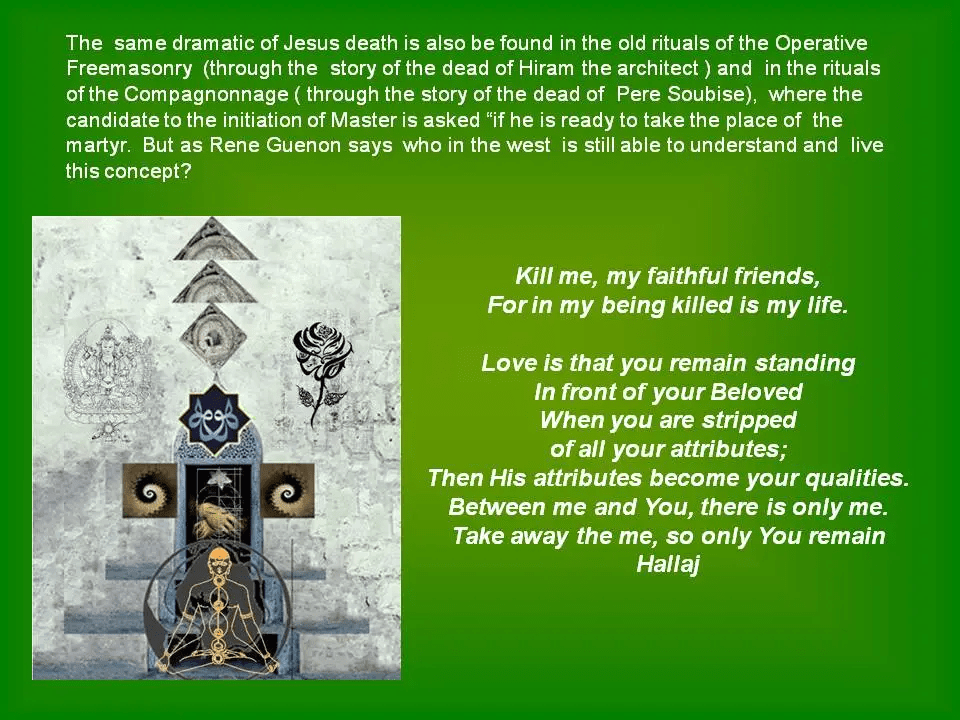
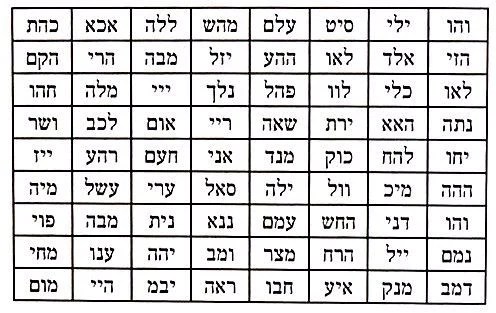
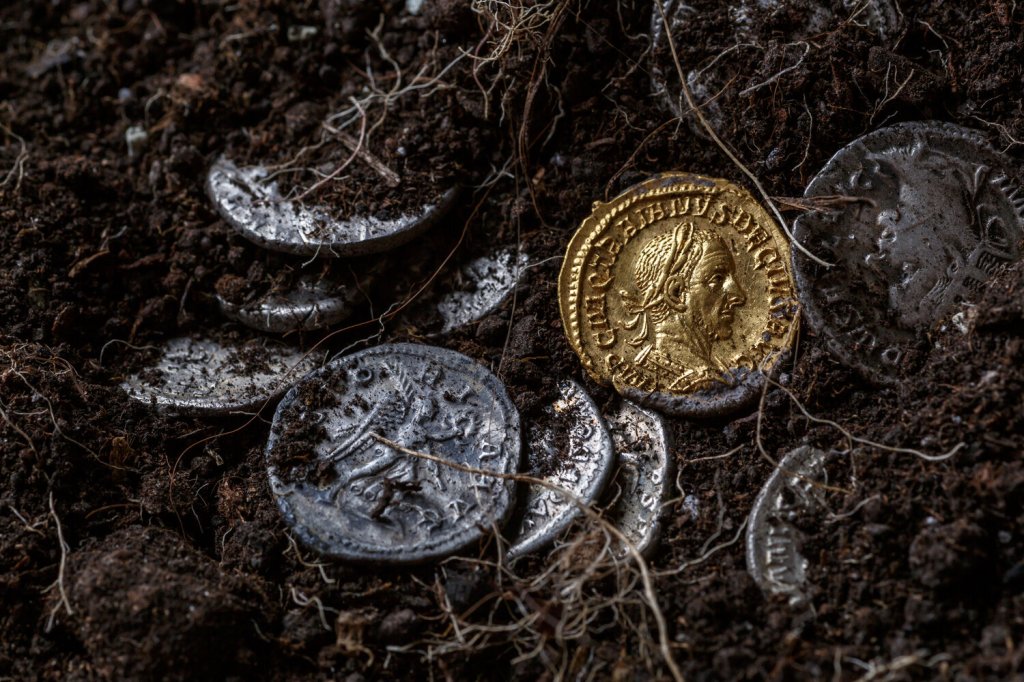
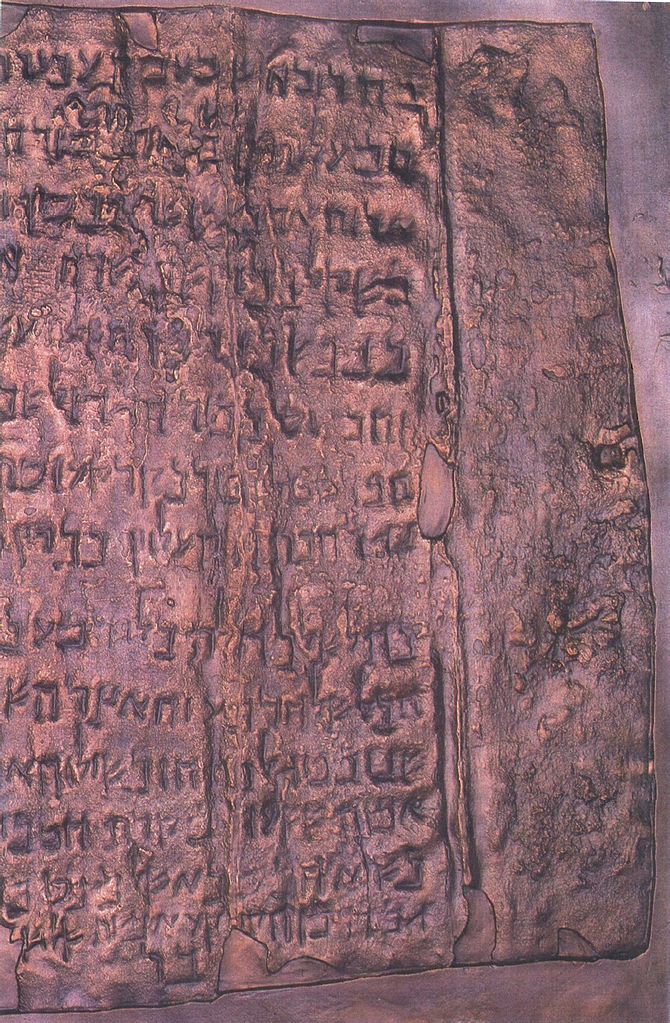

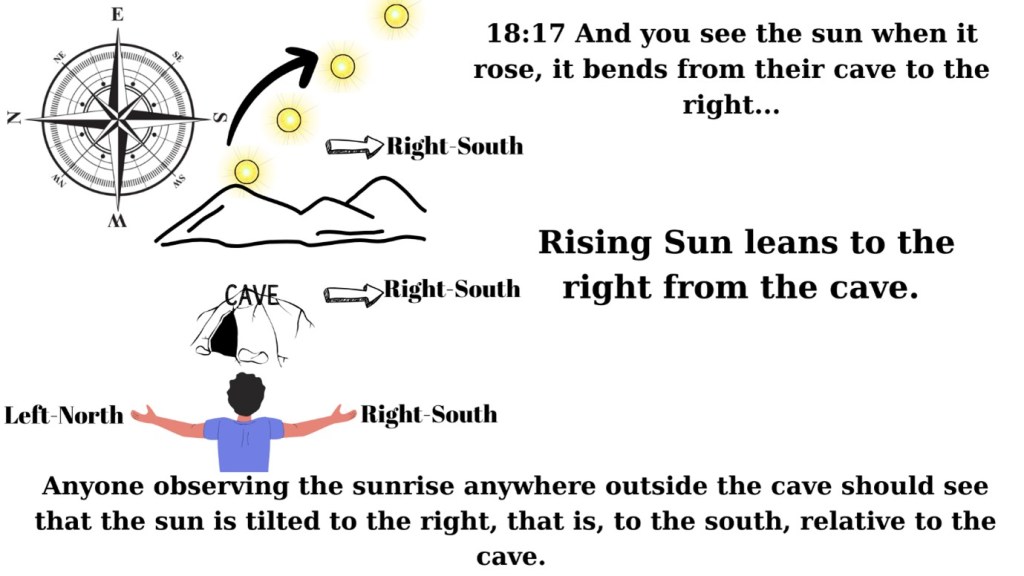
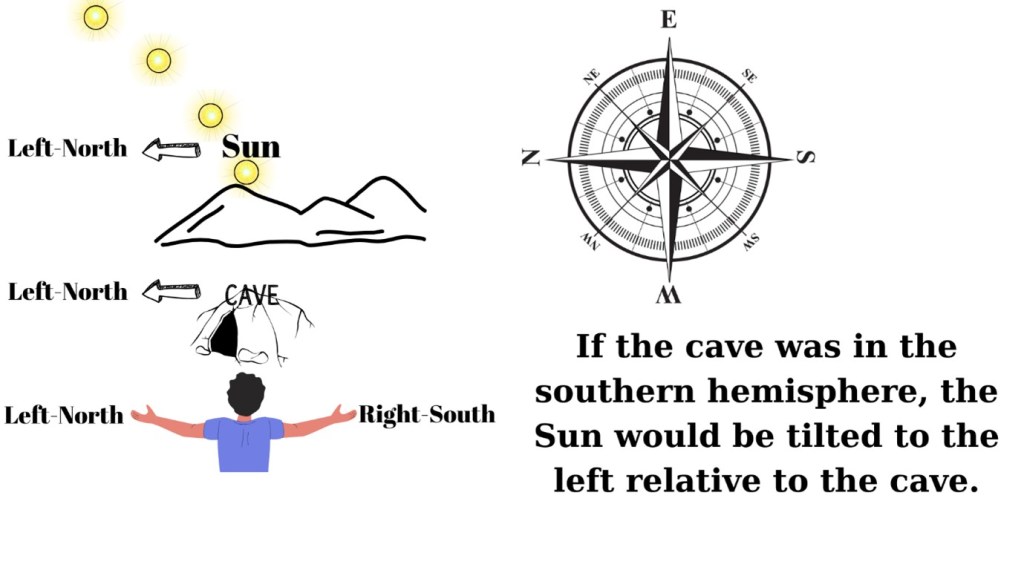
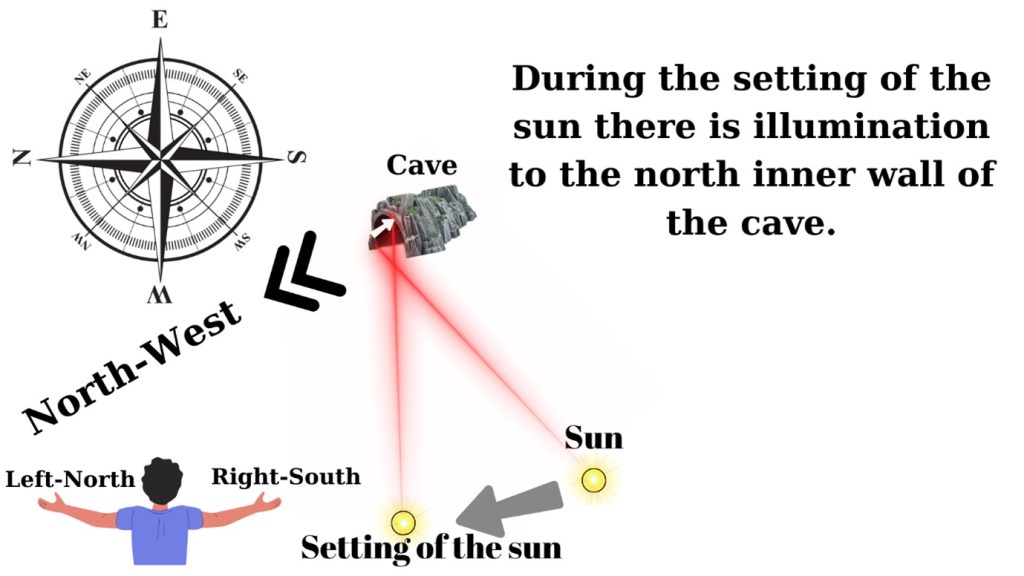

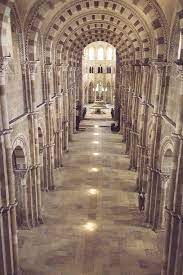
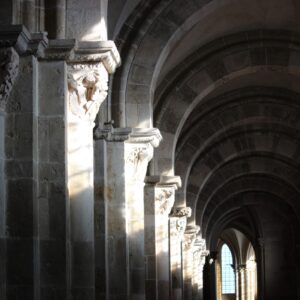
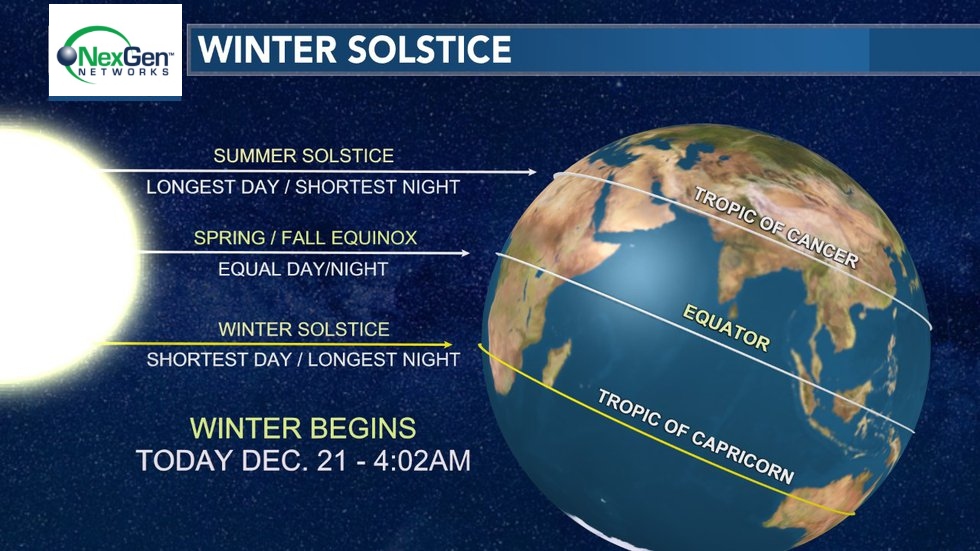
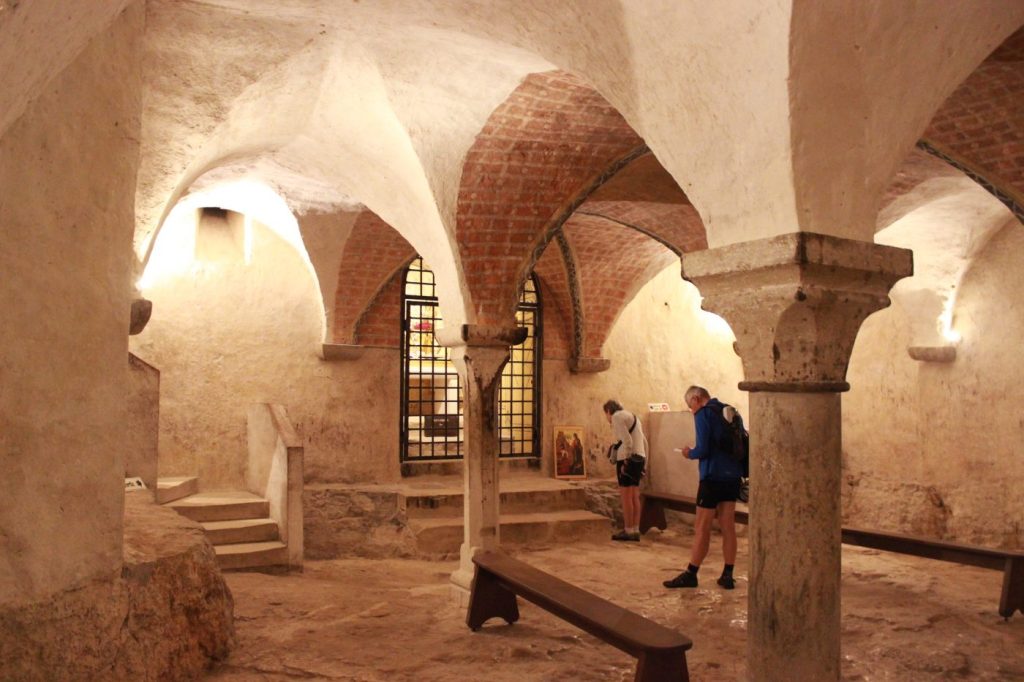
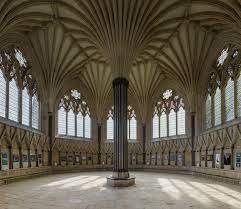
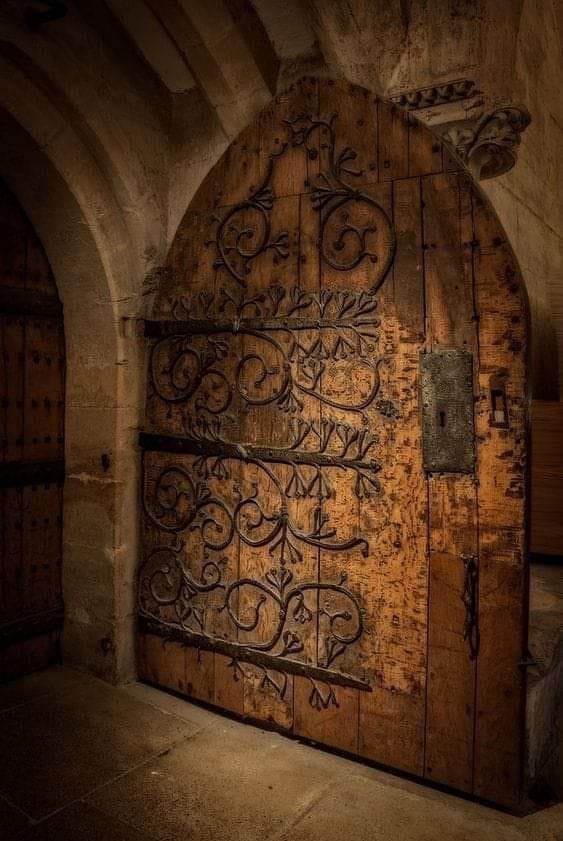
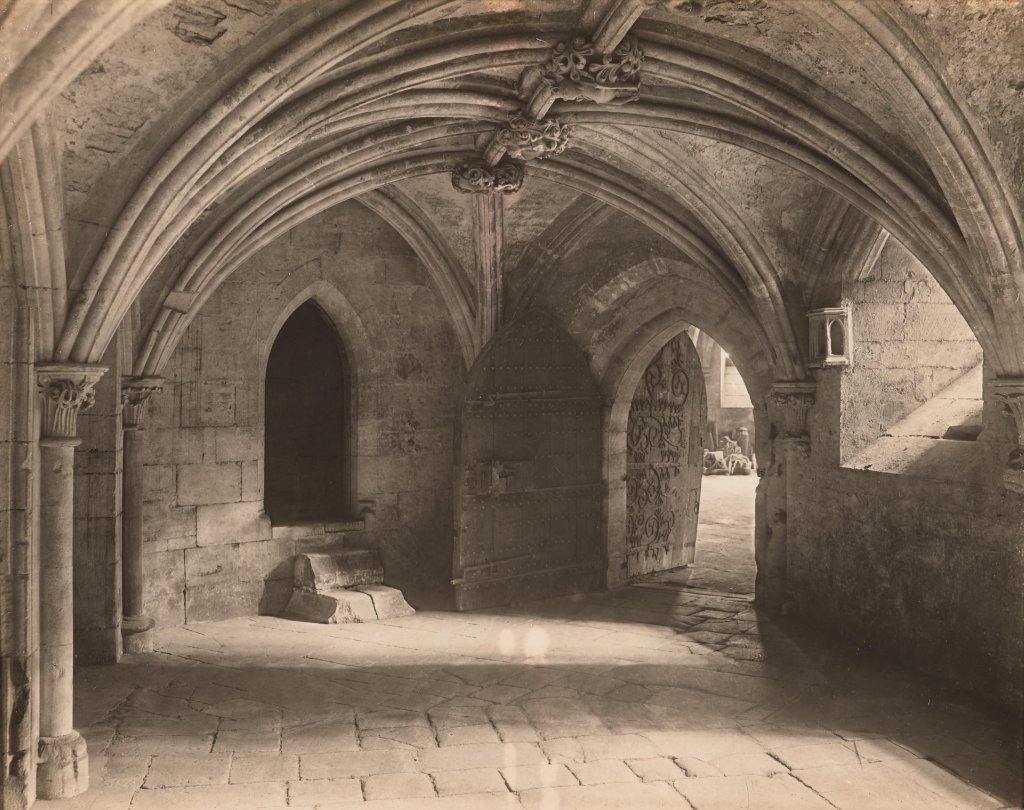
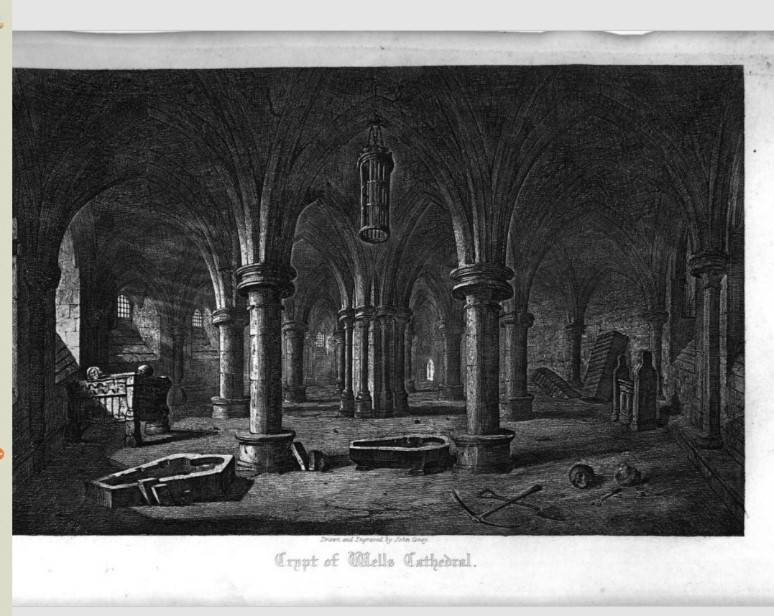
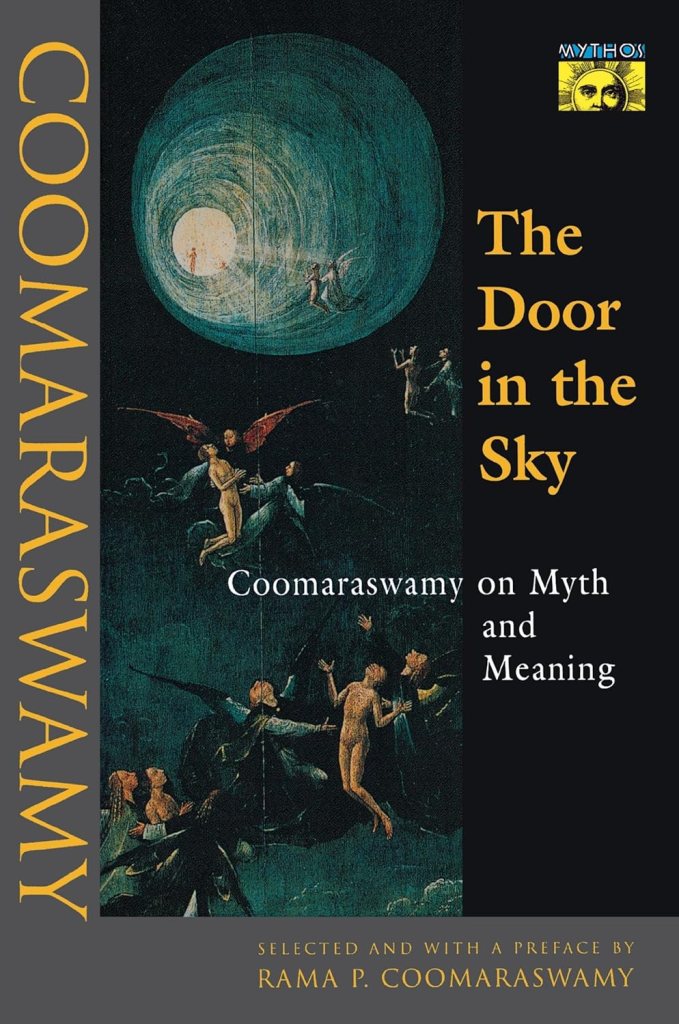
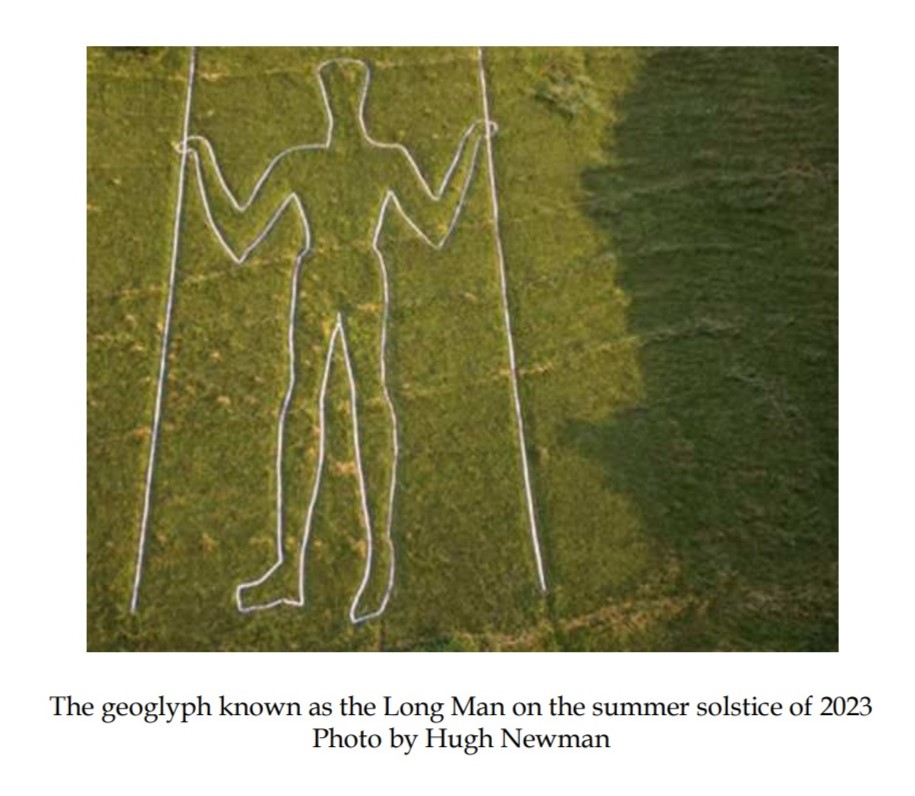
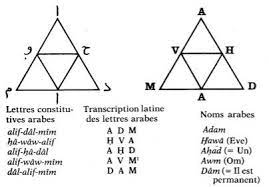
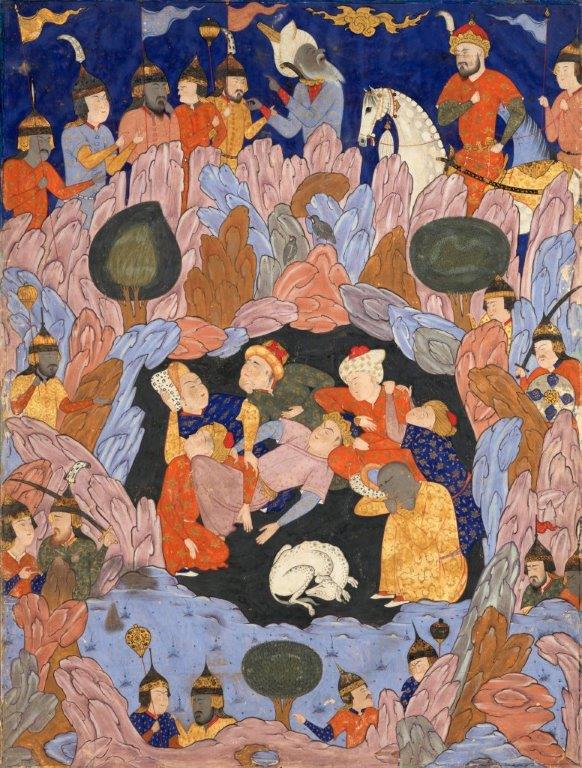
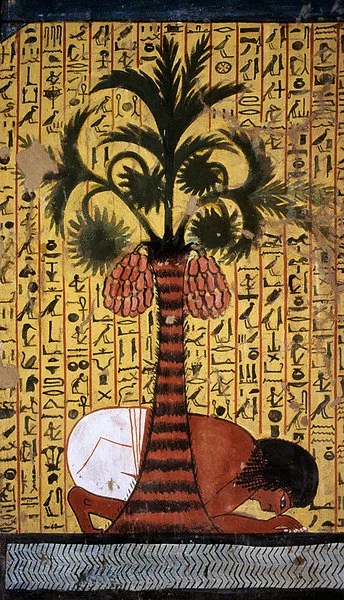

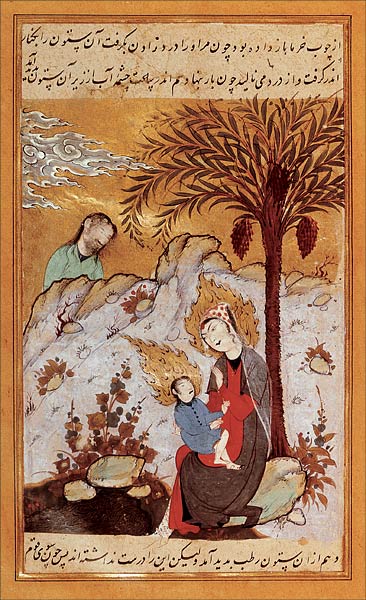
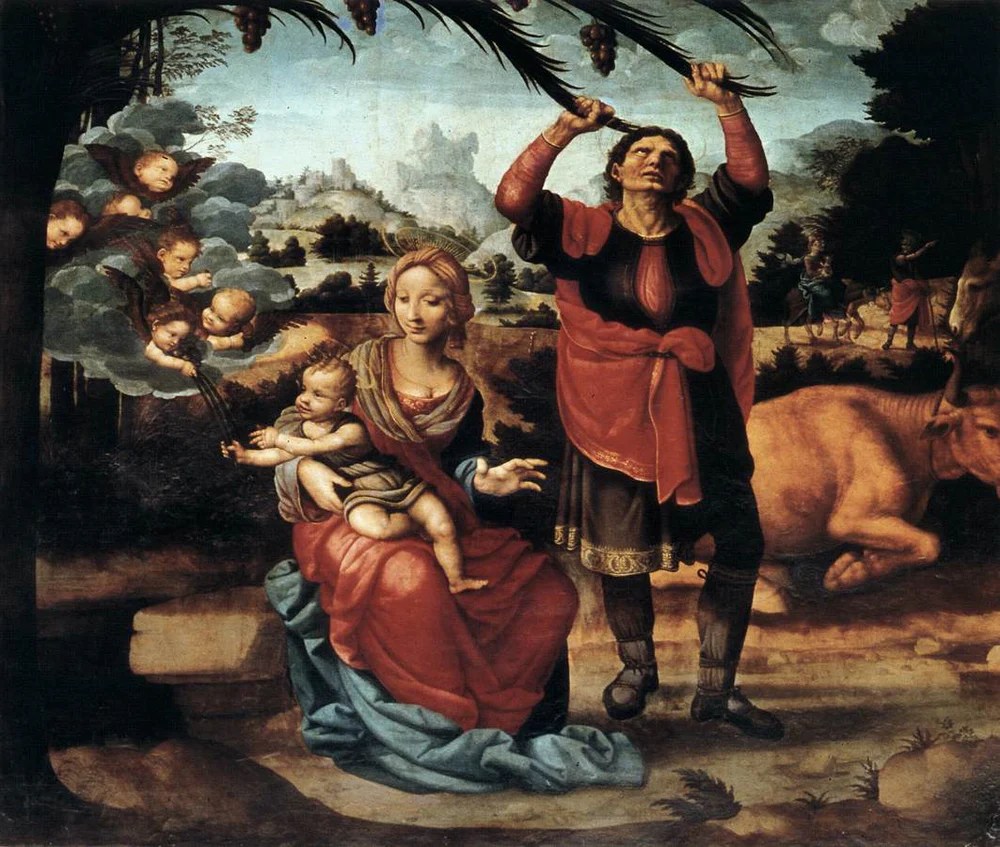
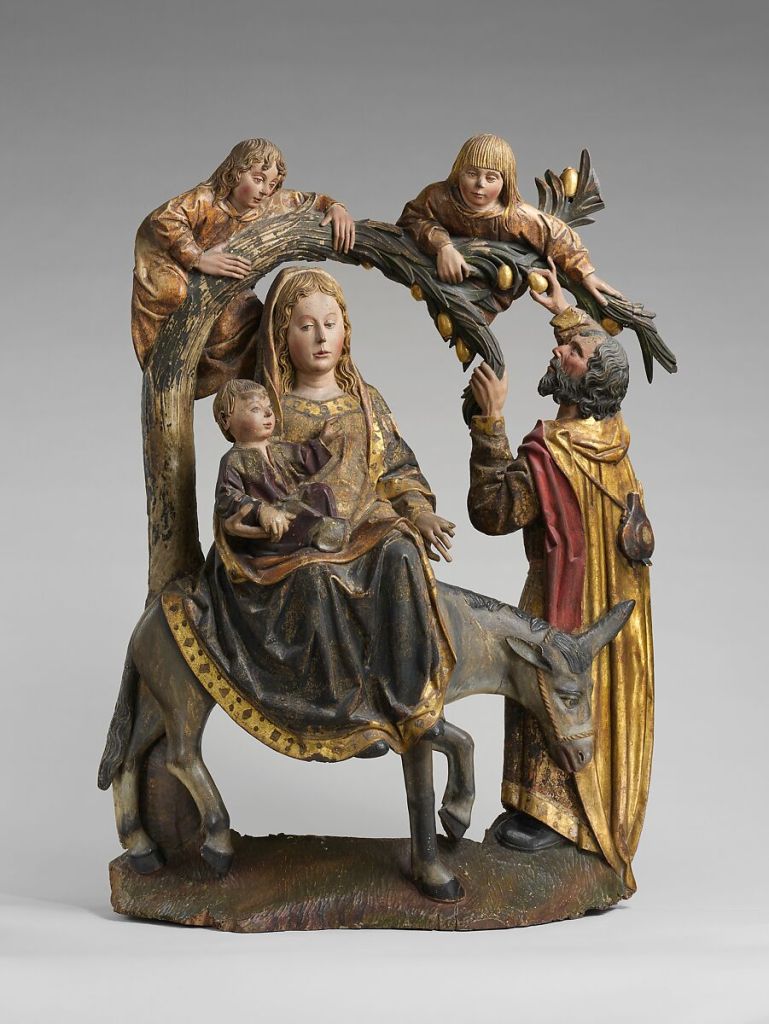
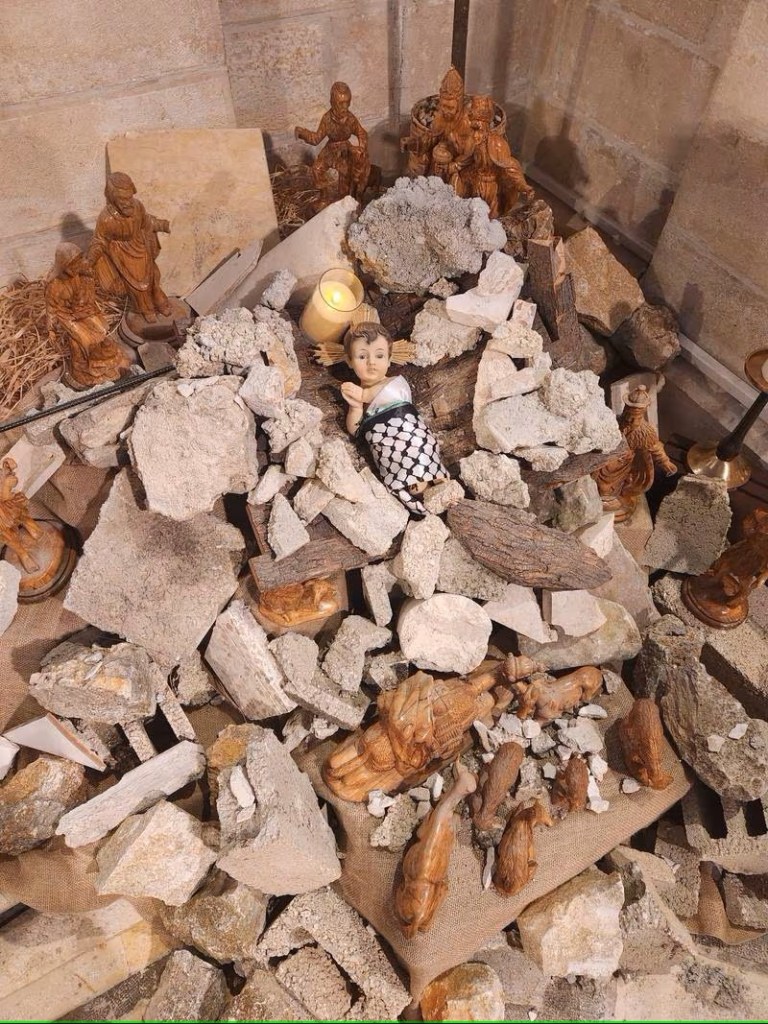
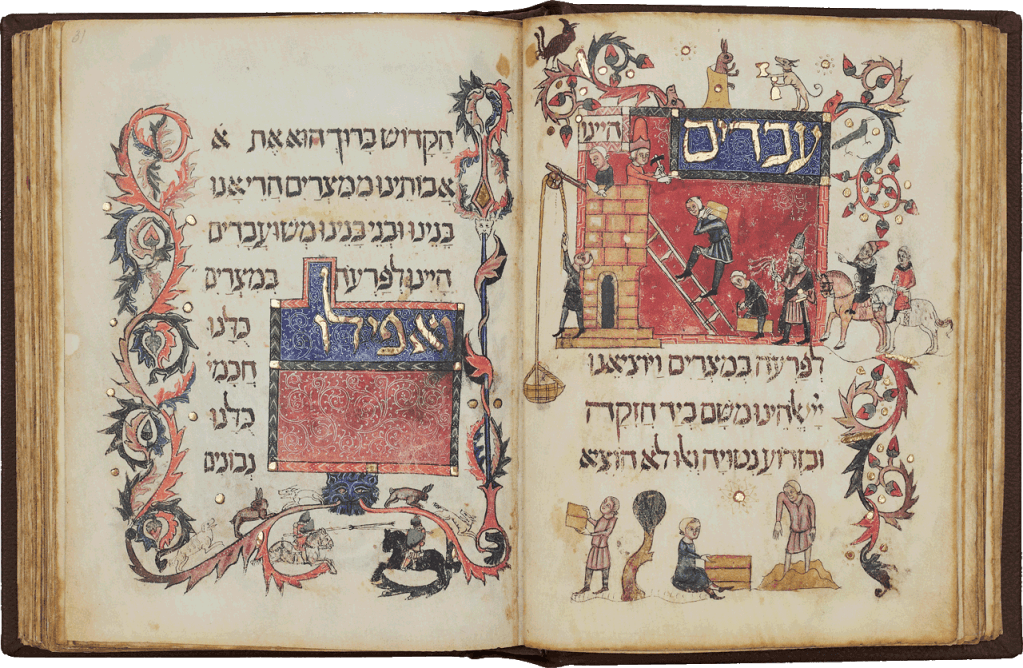
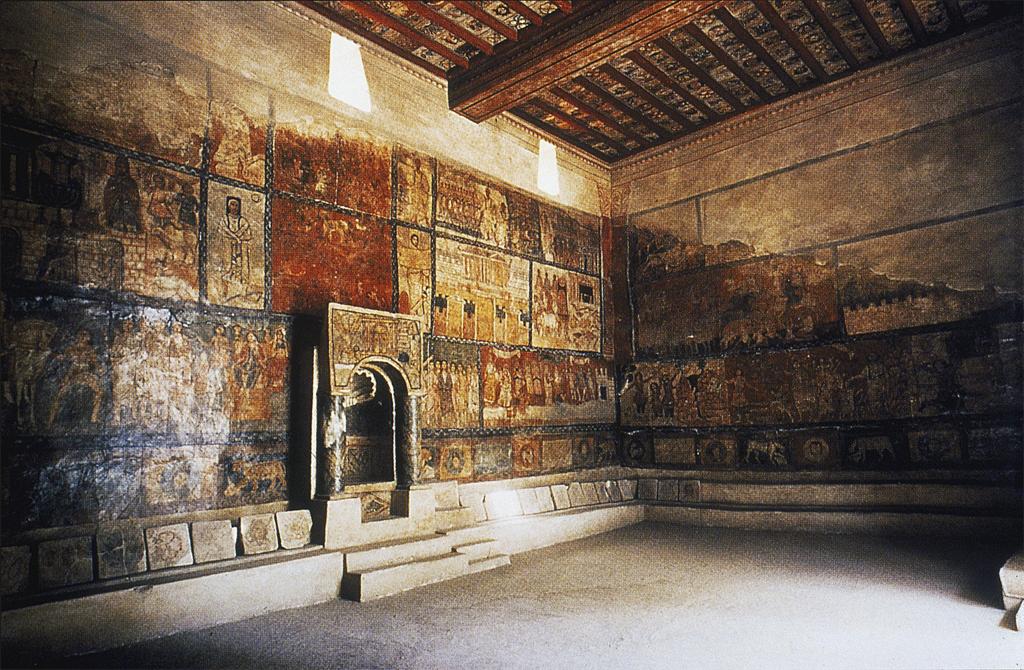
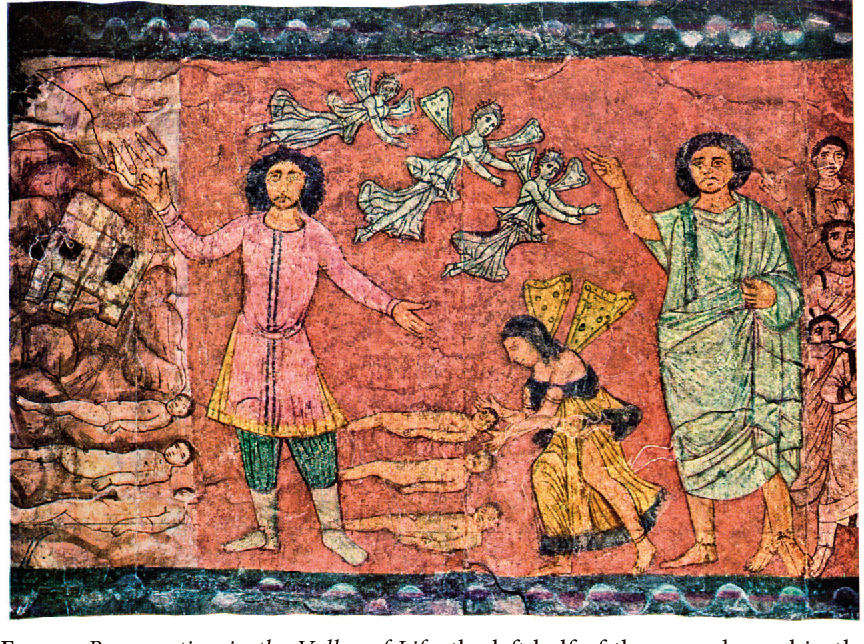
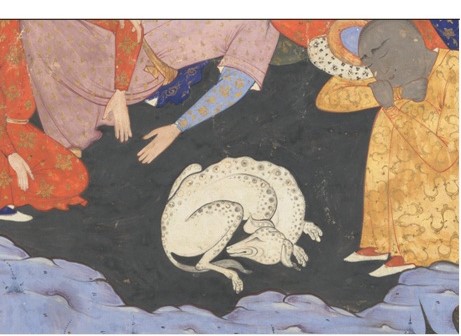

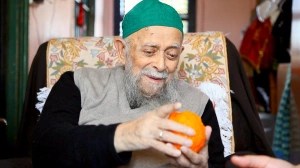
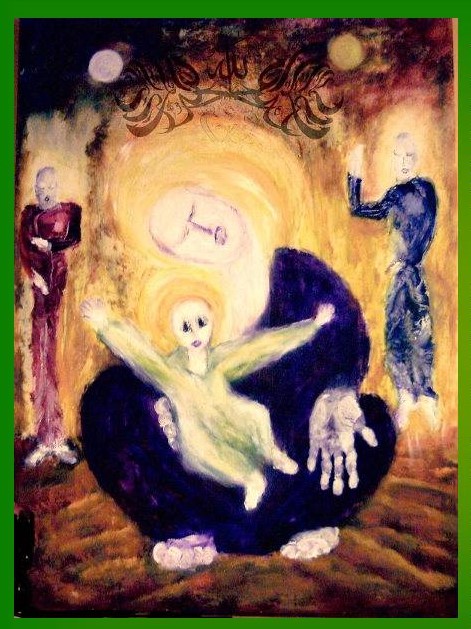
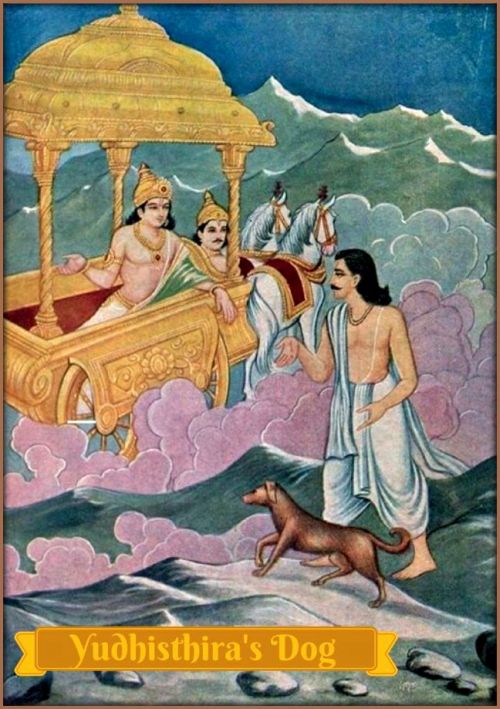
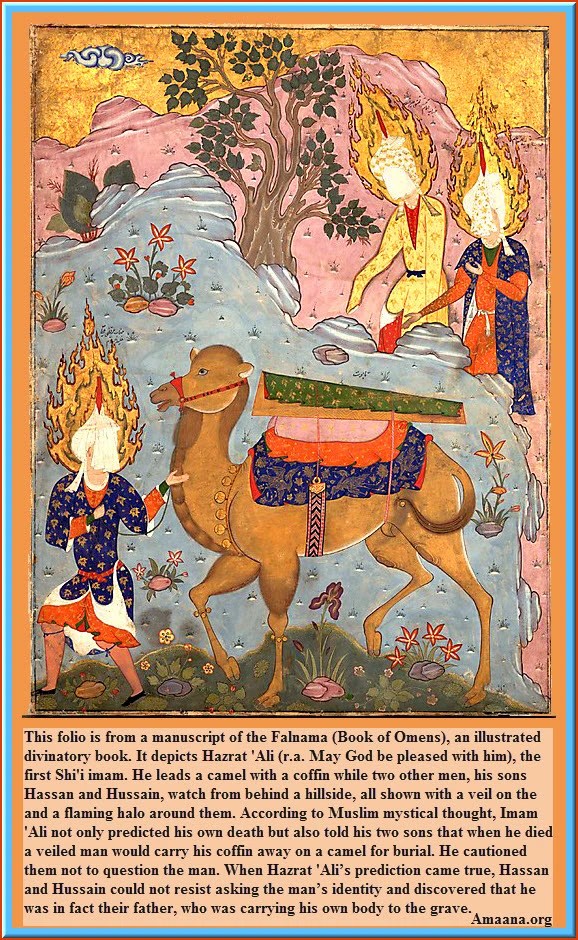
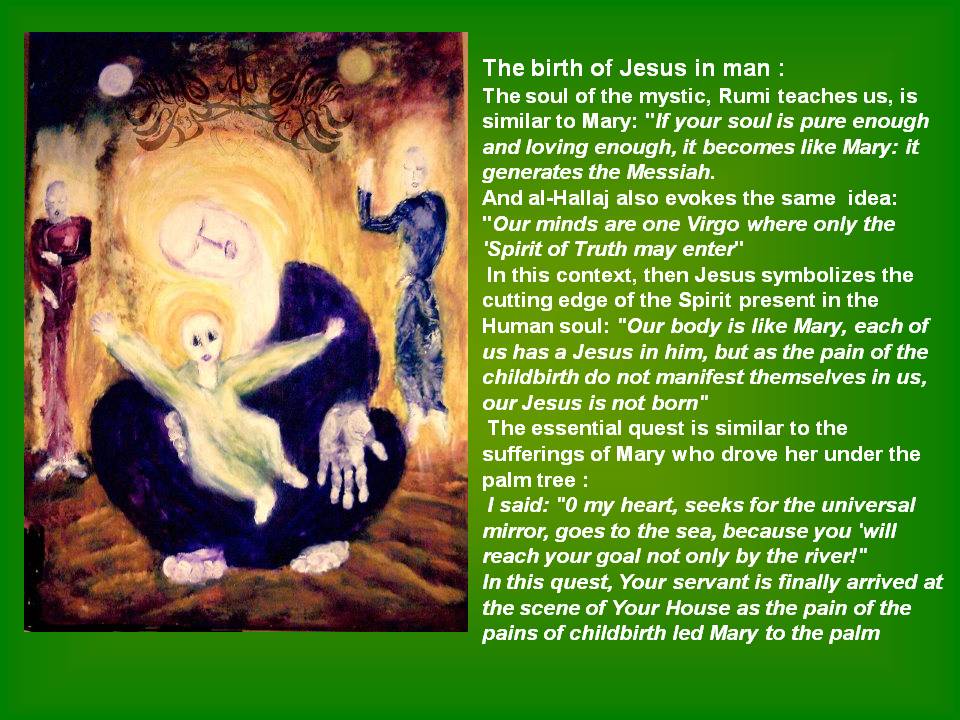
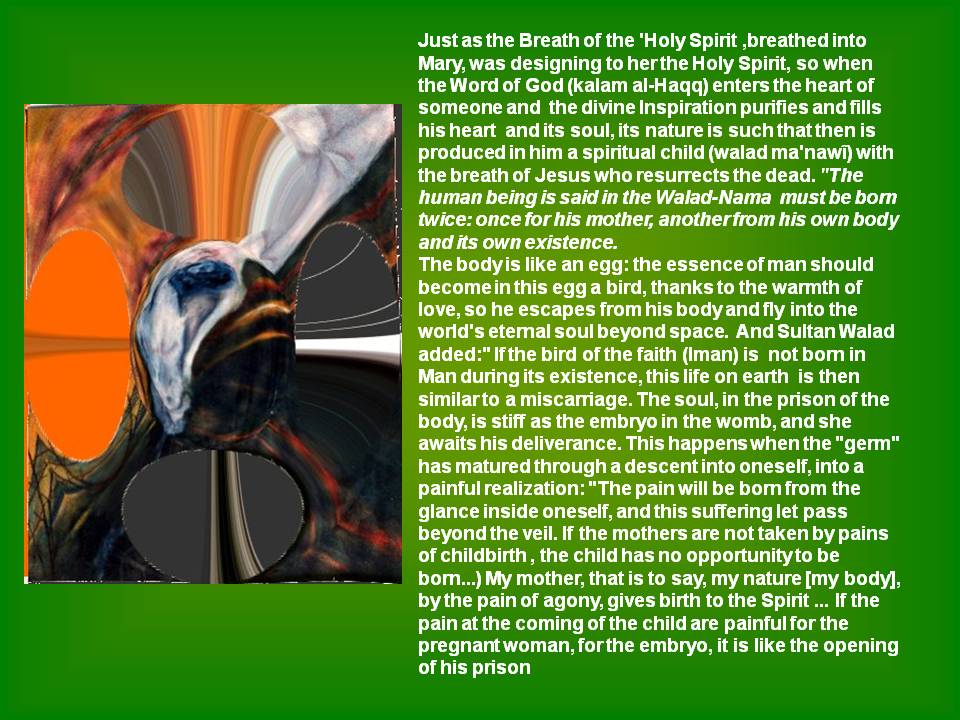
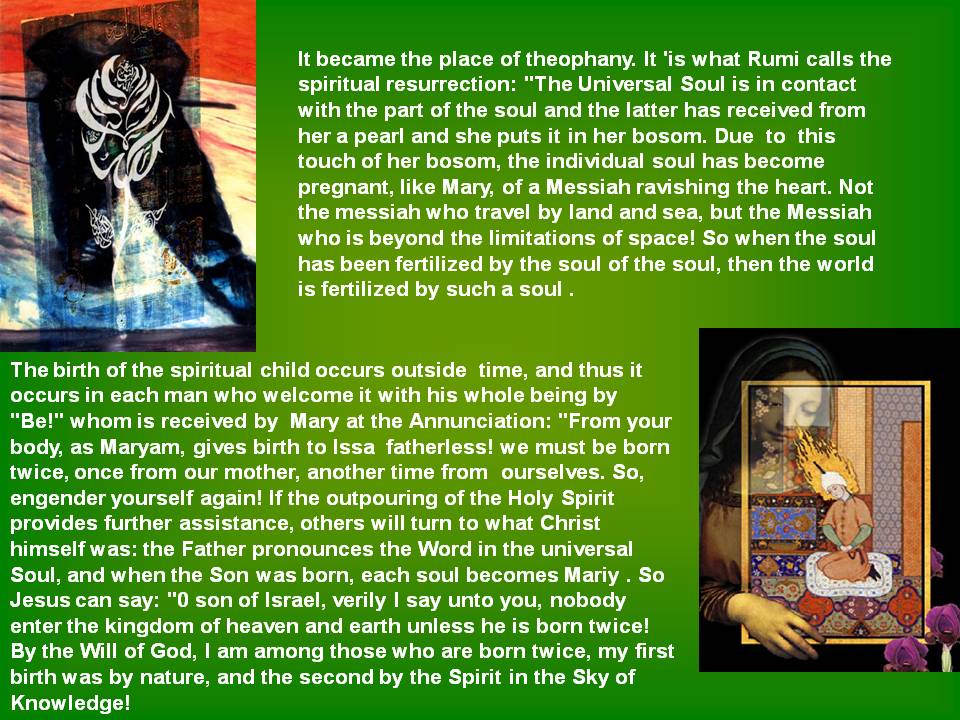
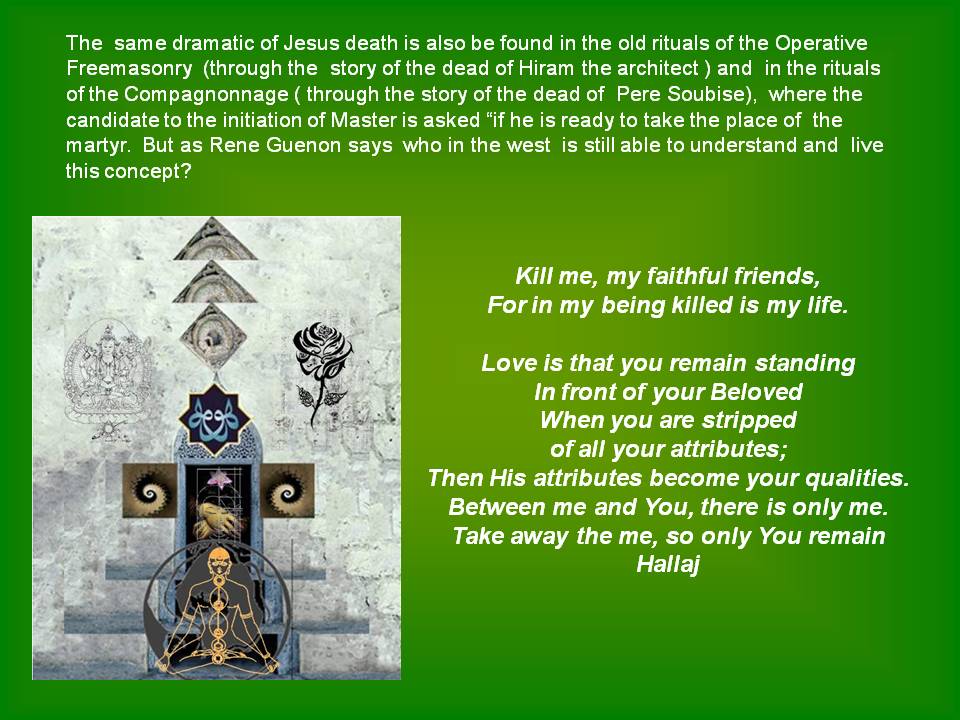
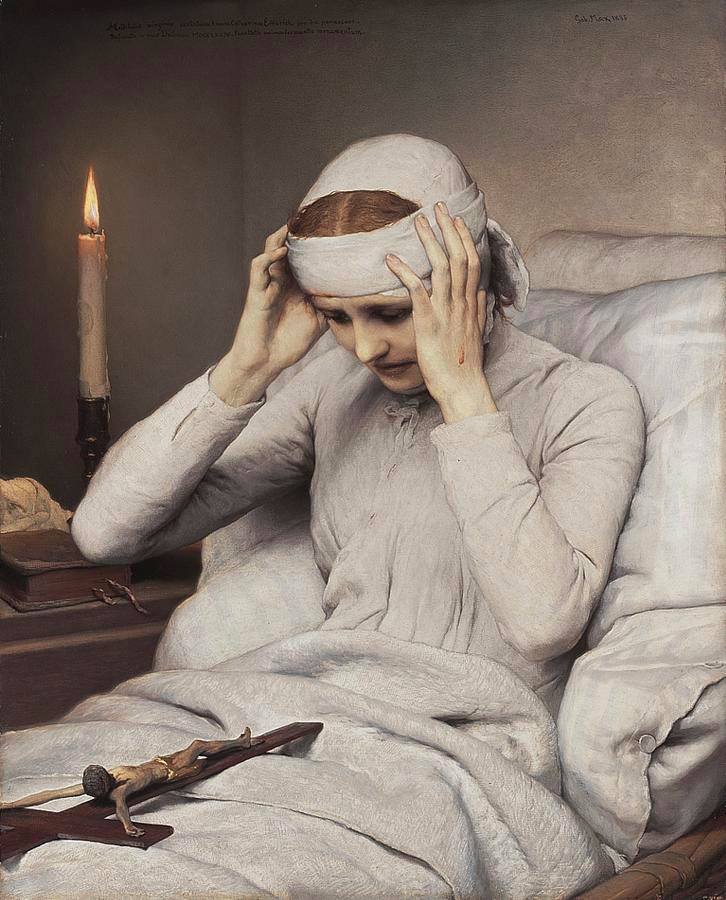
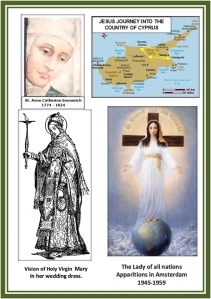
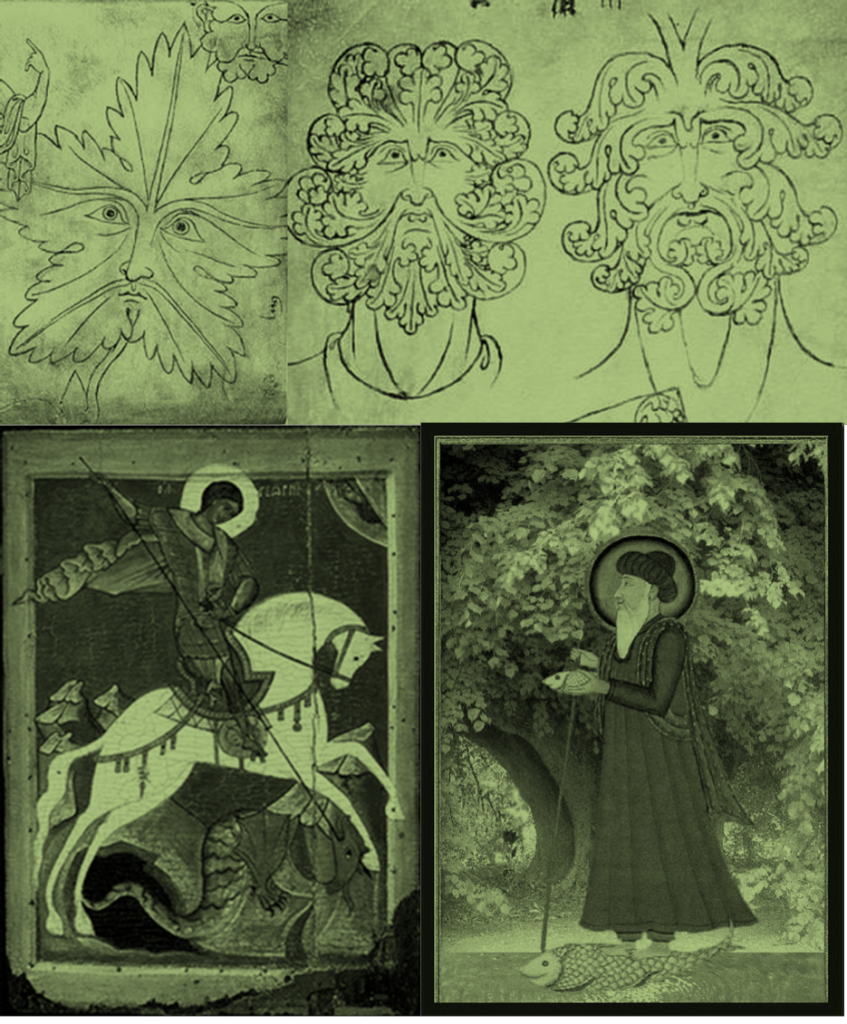
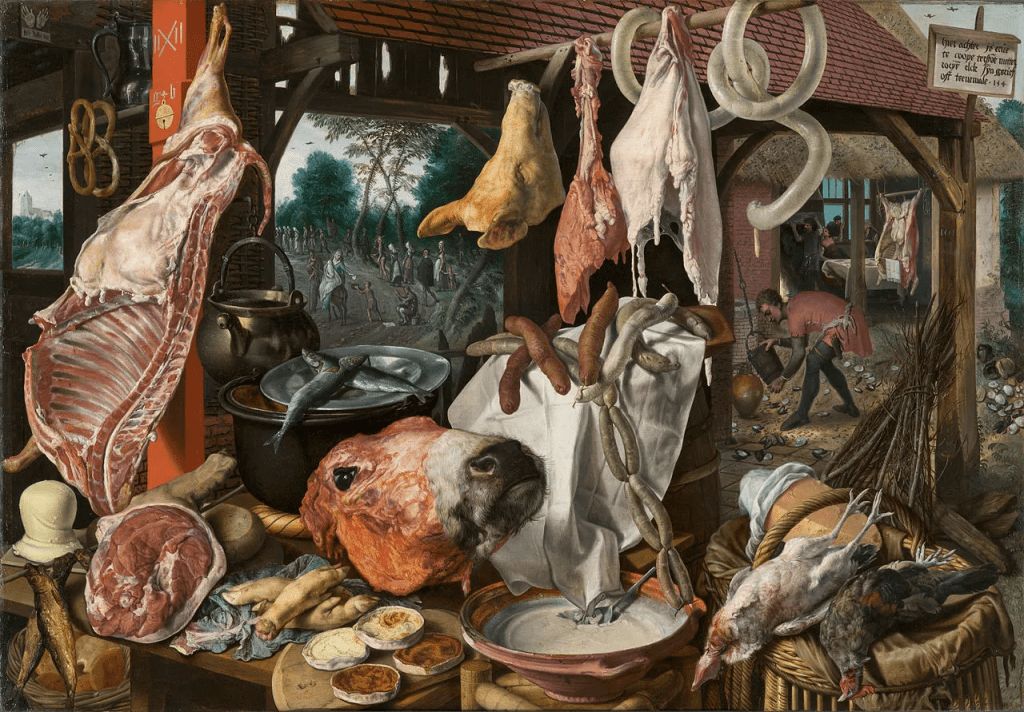
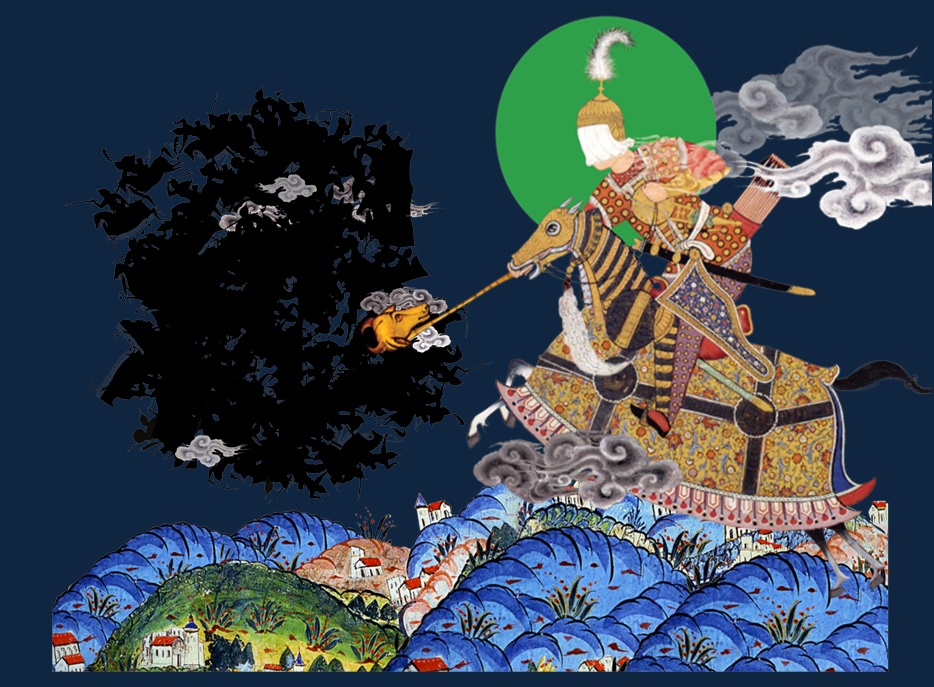
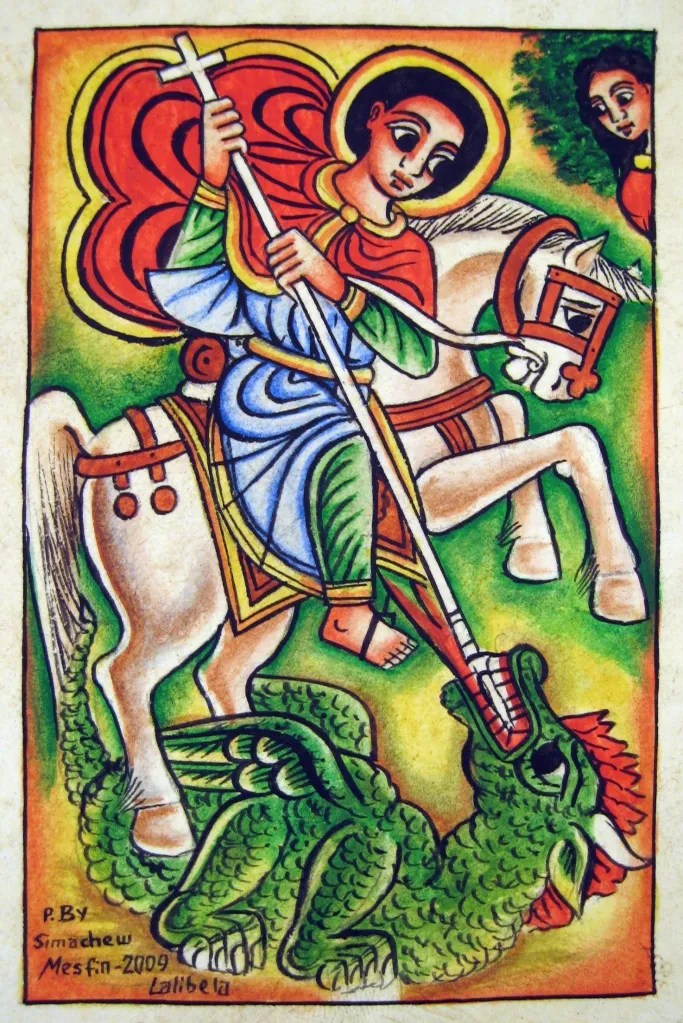

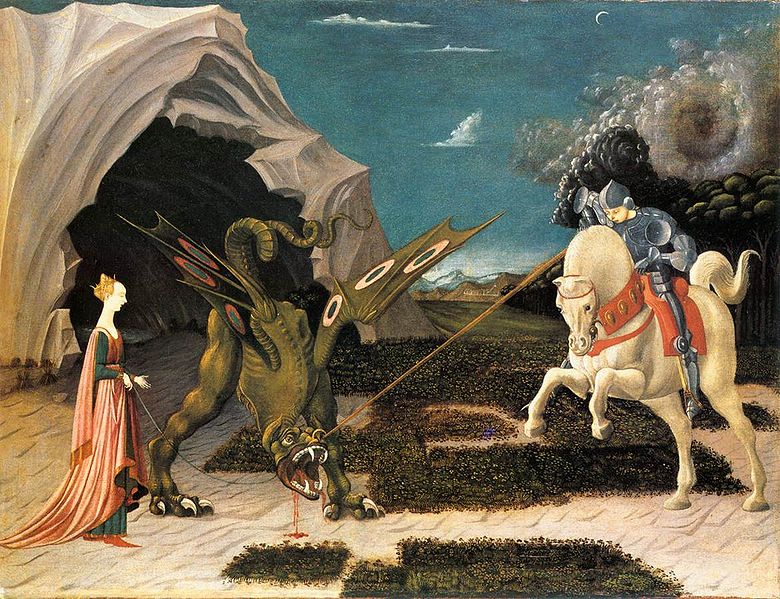
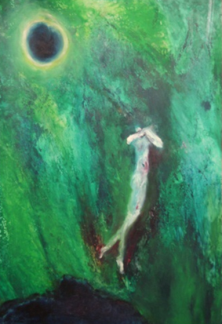
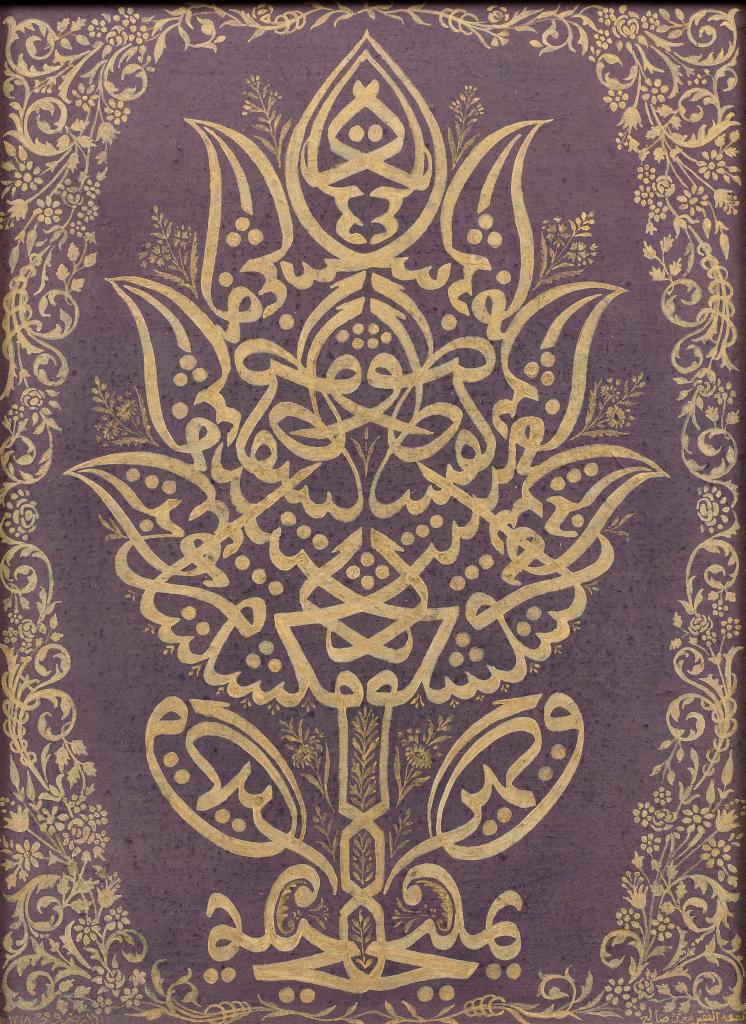
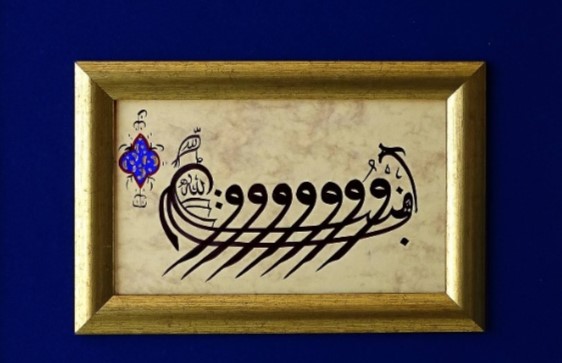


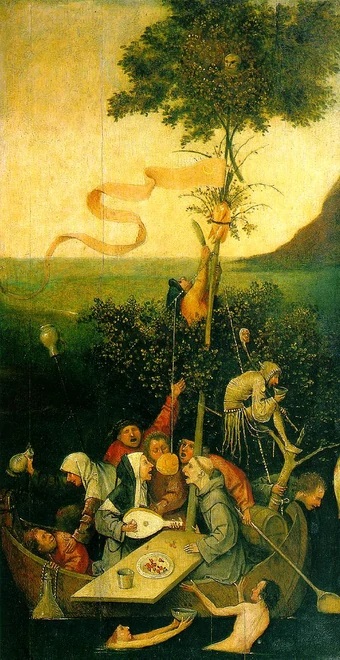
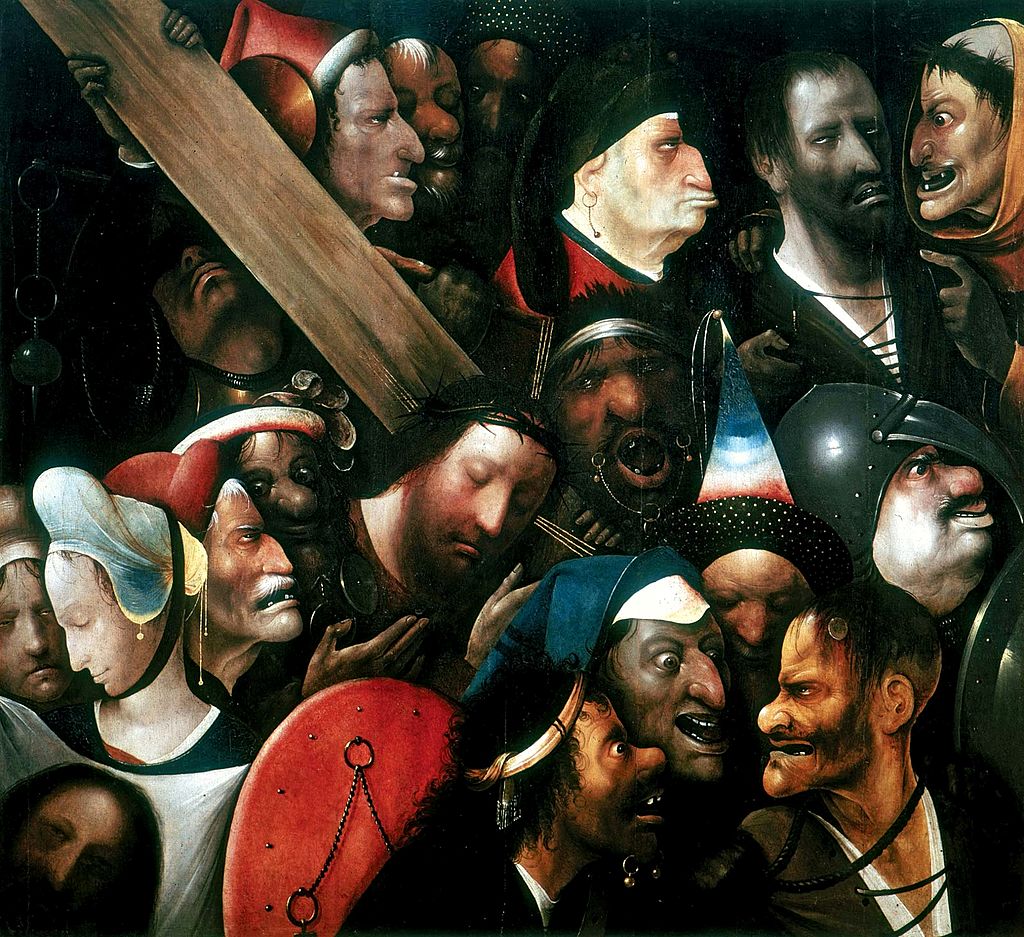






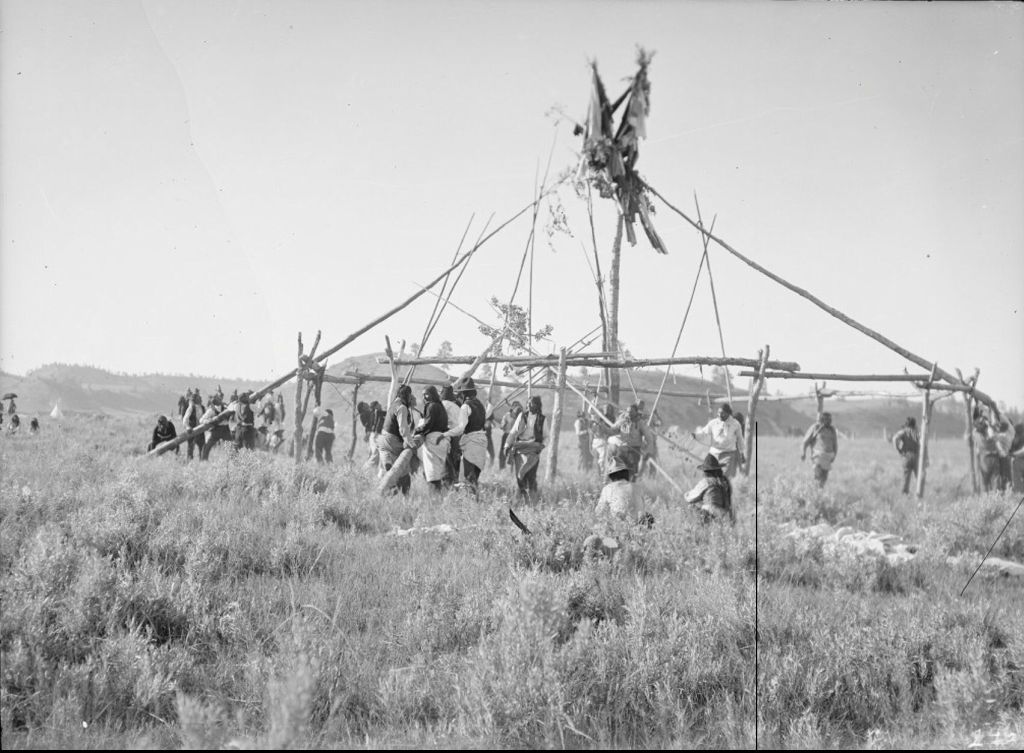
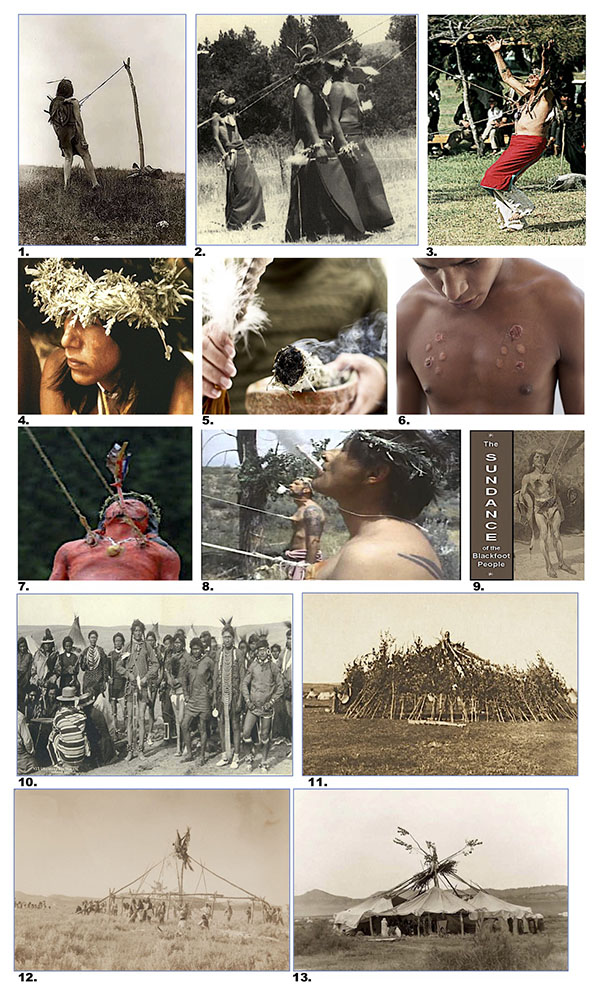
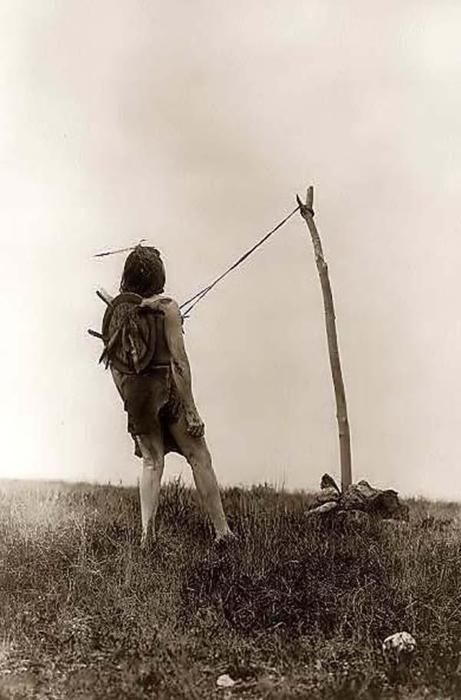
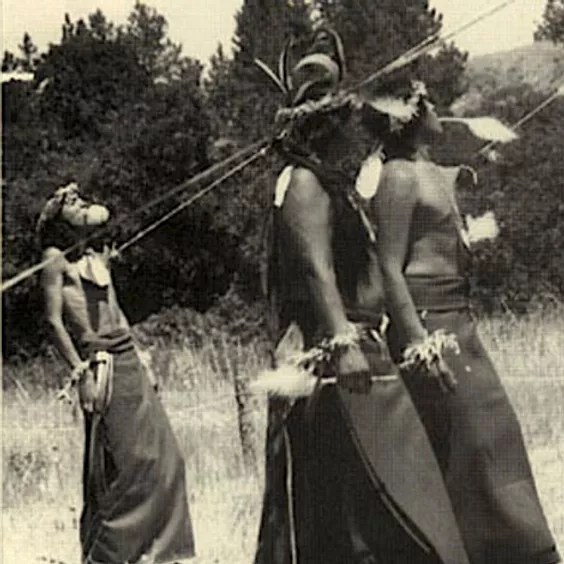

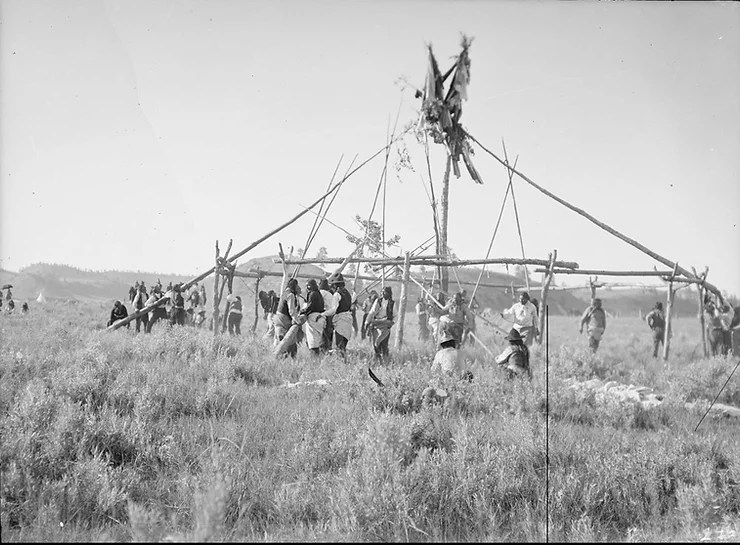




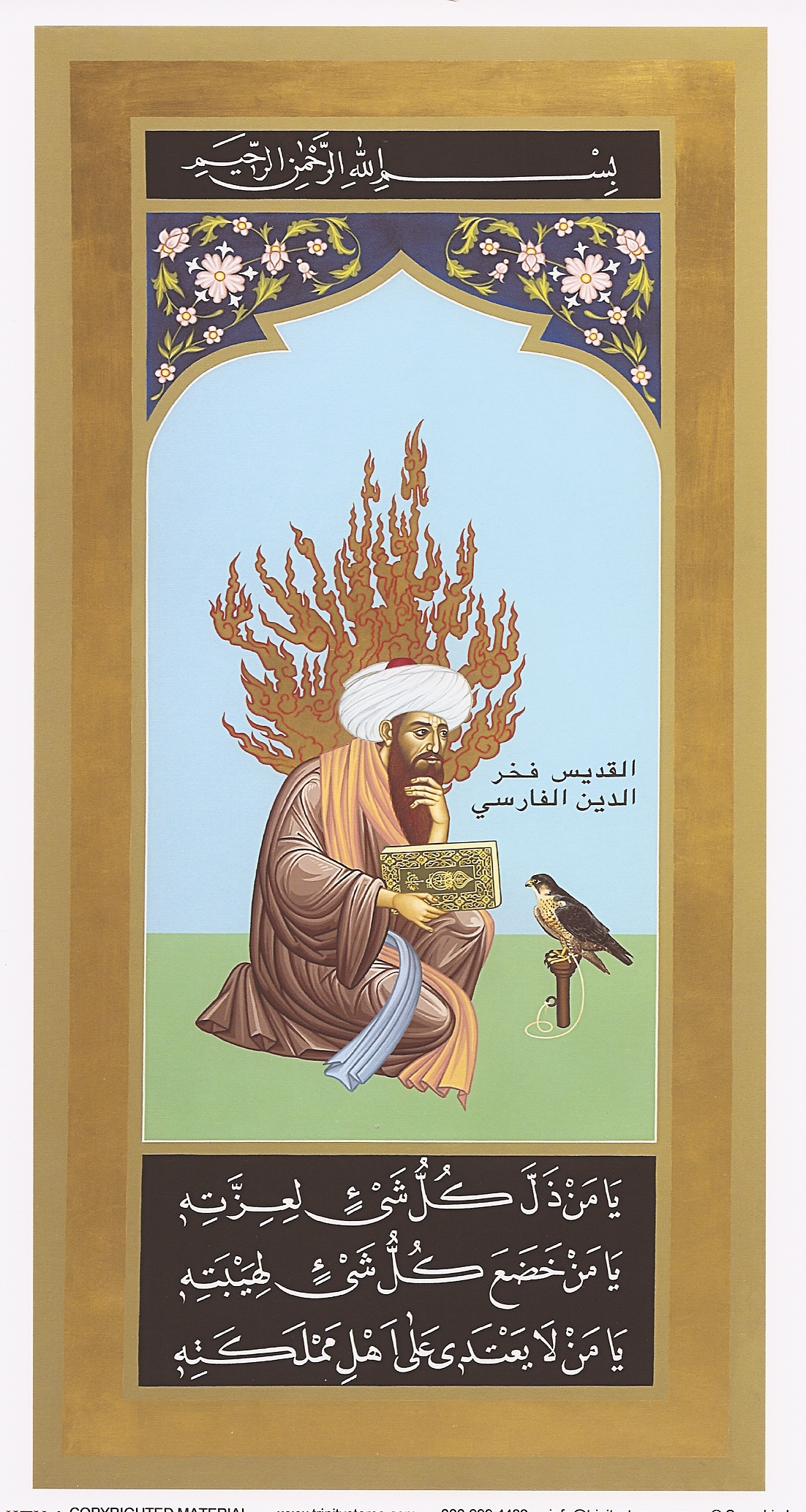

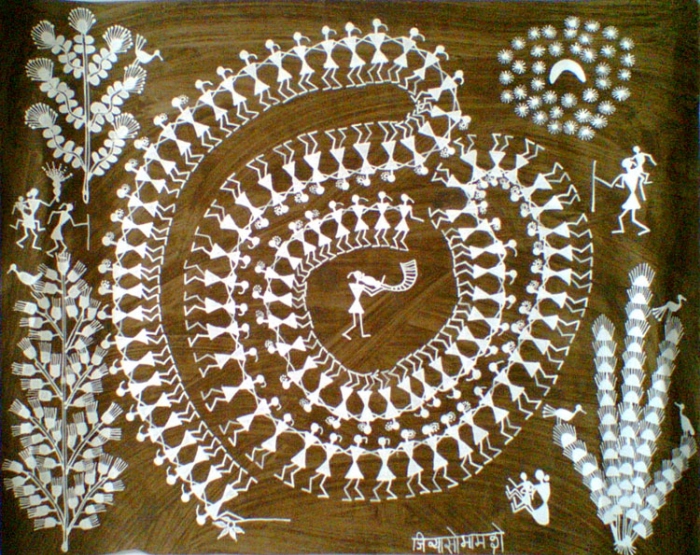
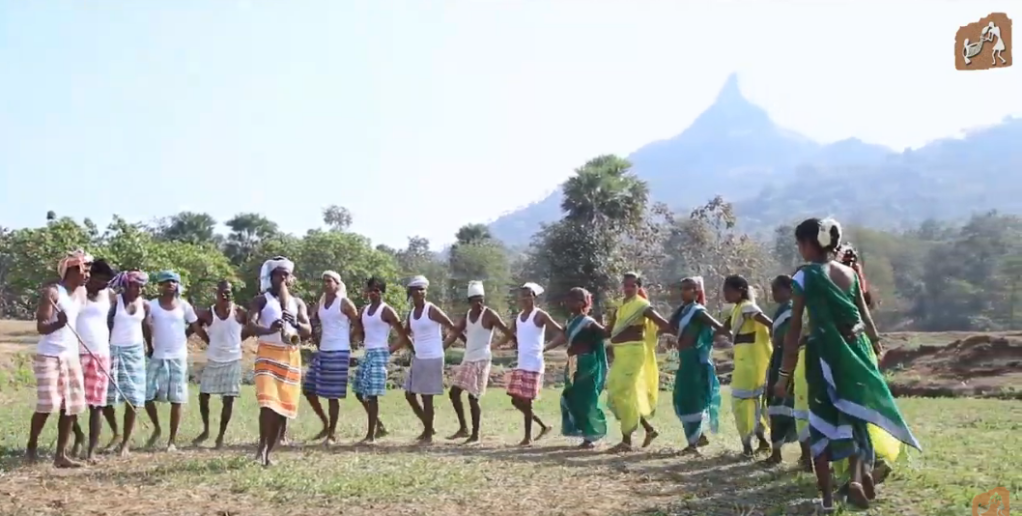
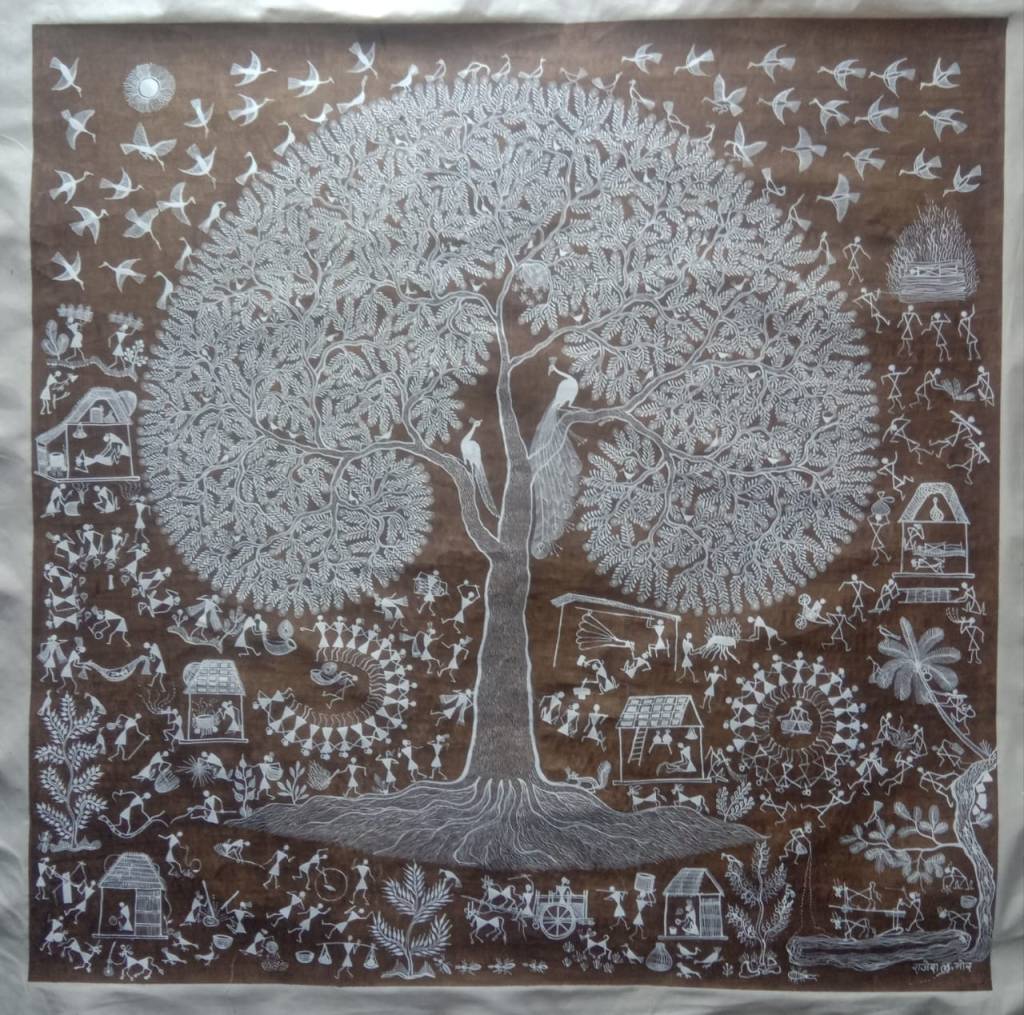


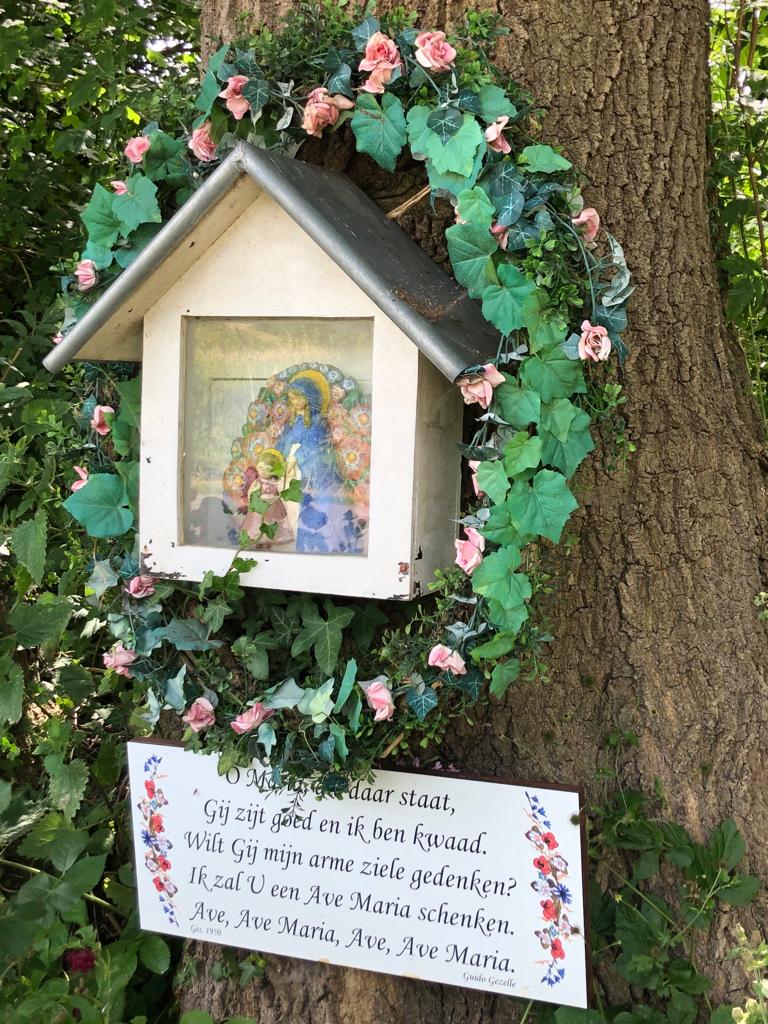
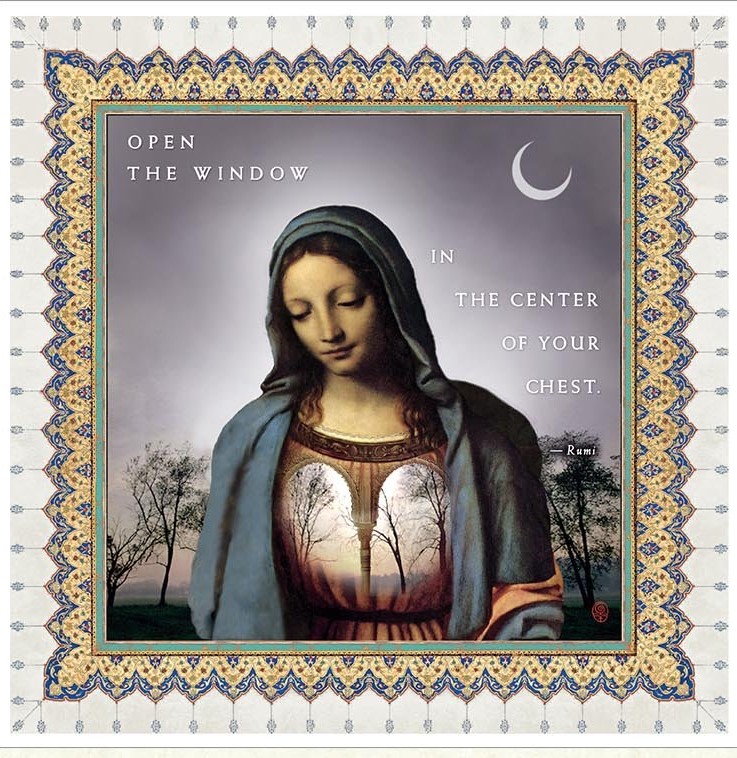
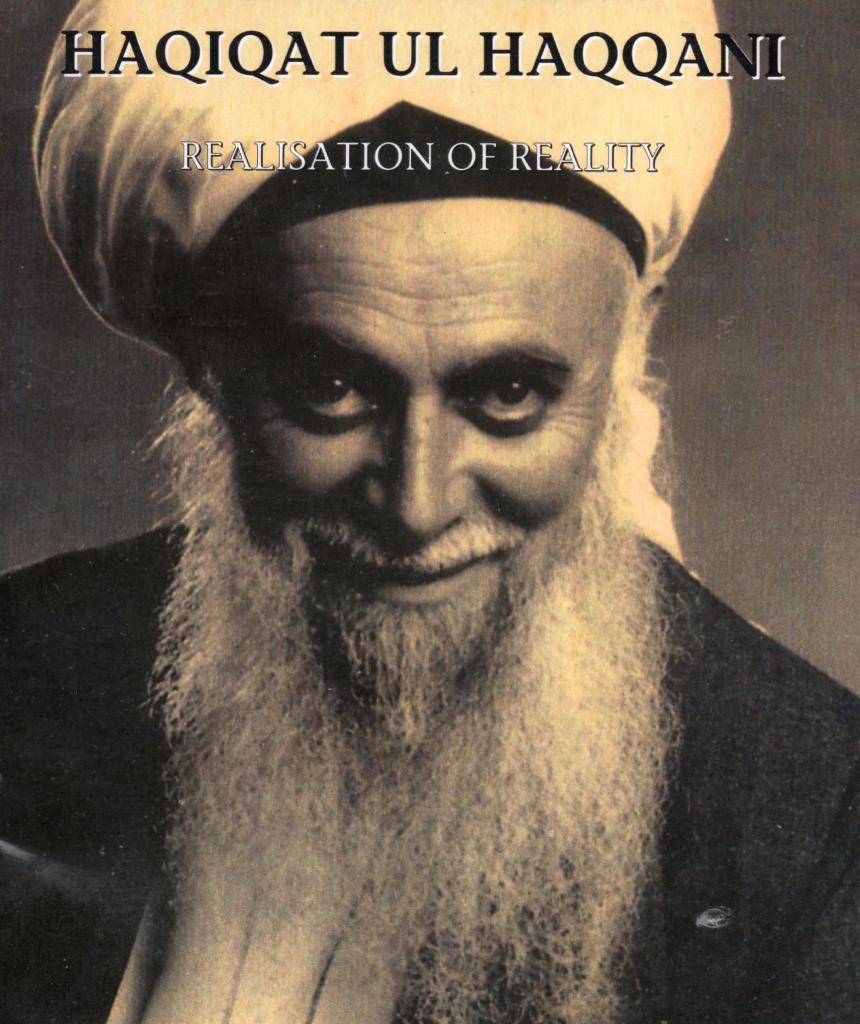
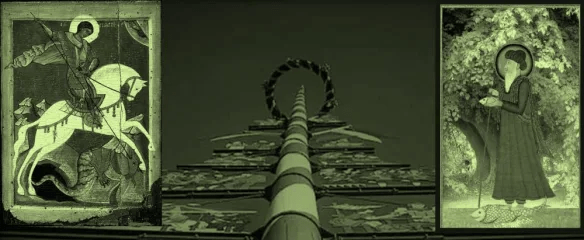
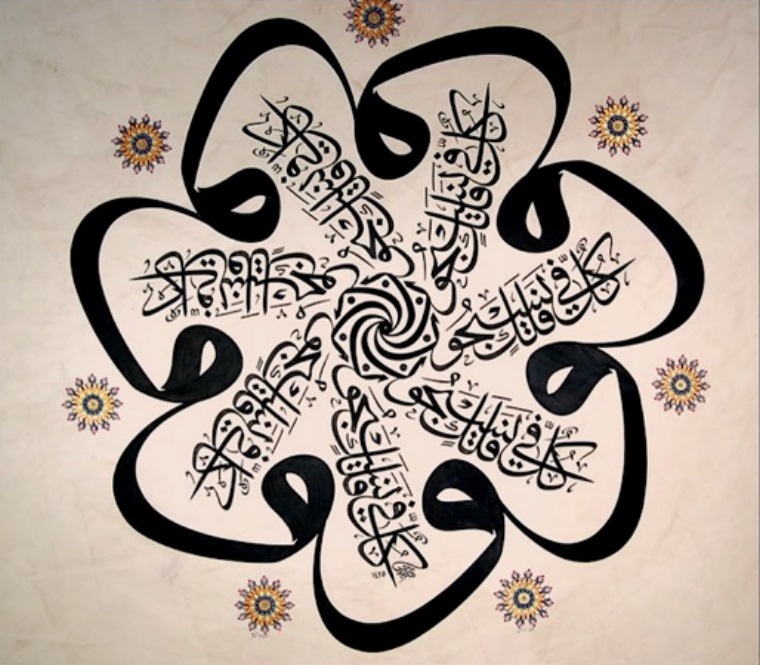
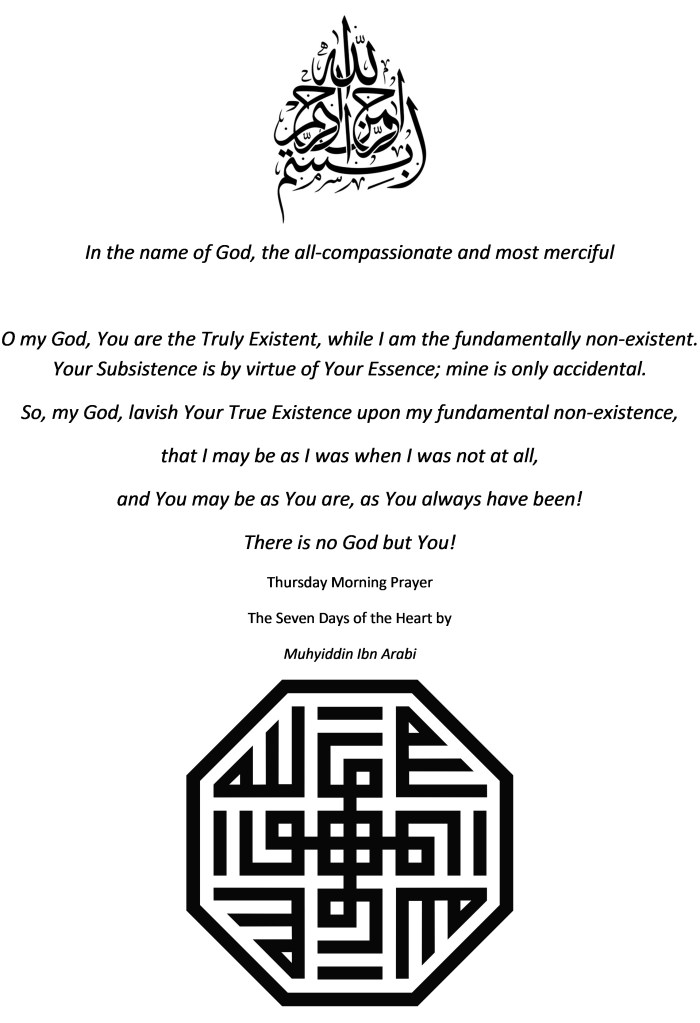



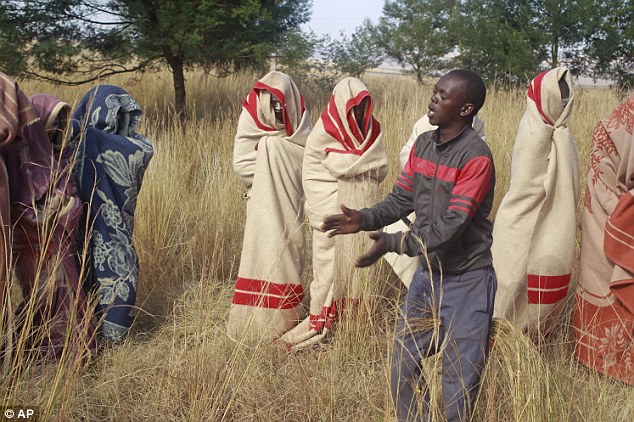
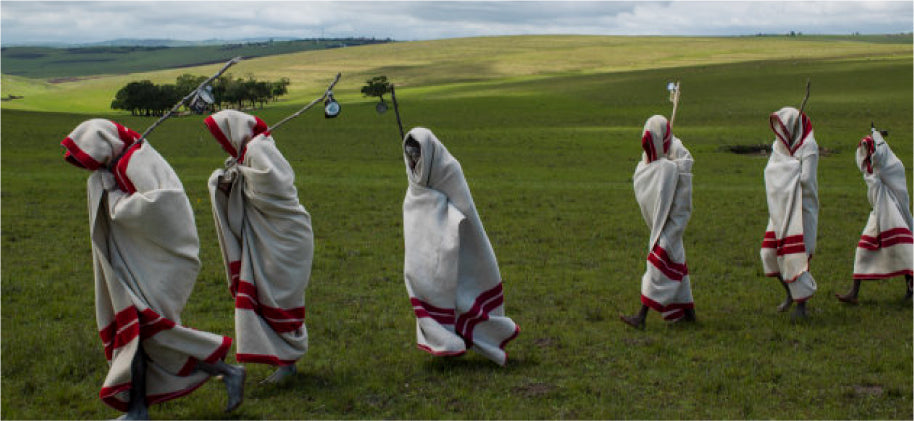
 The adults of the community build the hut in which the initiates will live for the month of the ceremony. ©Richard Bullock


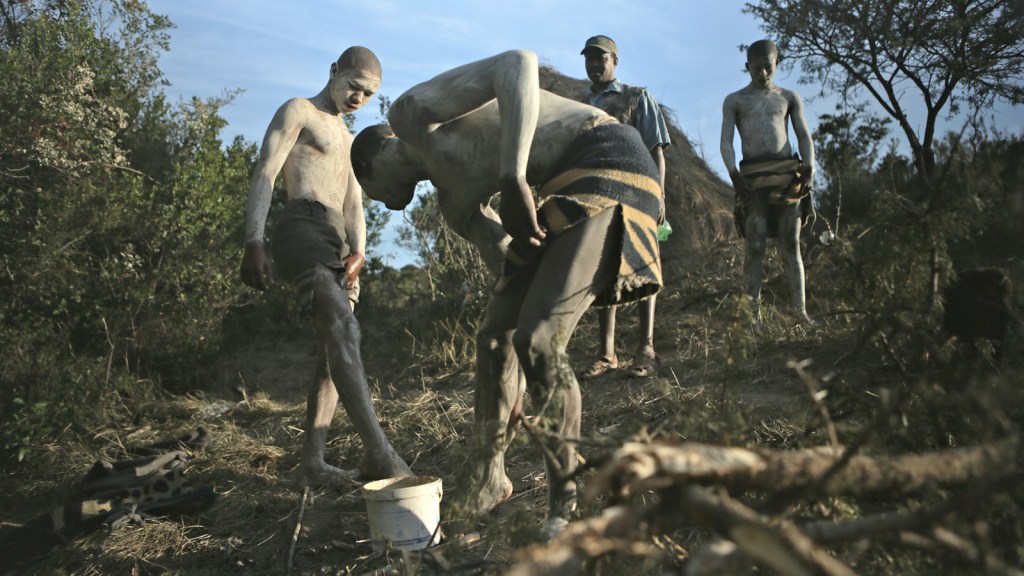












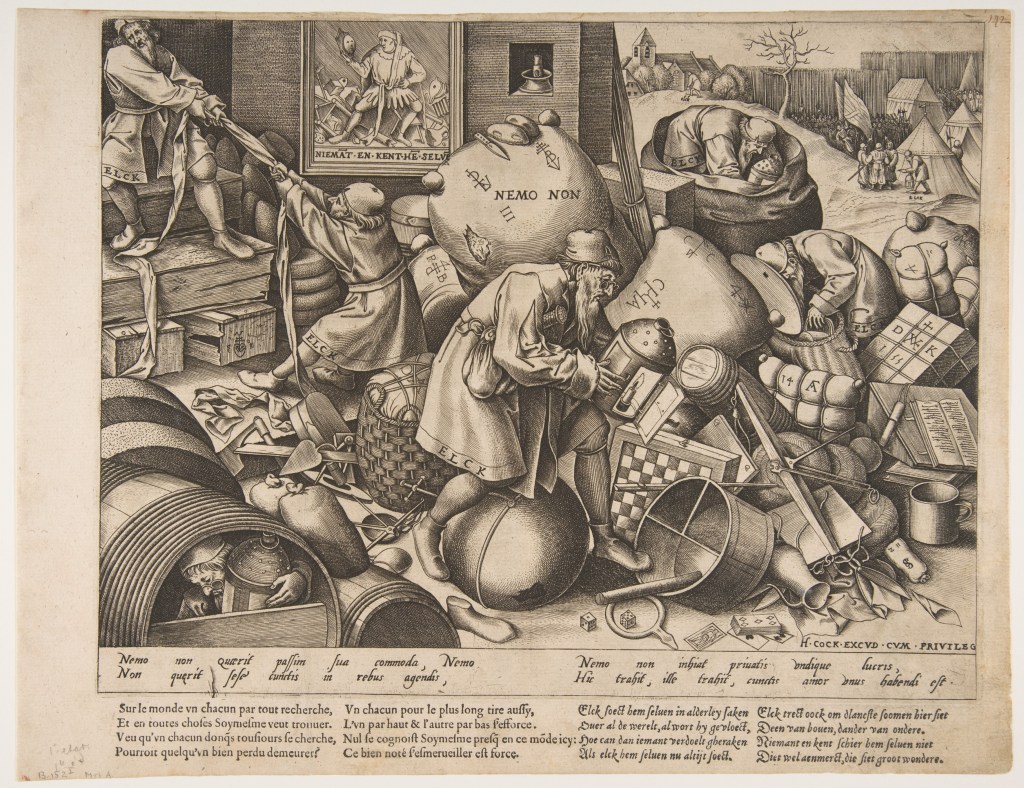



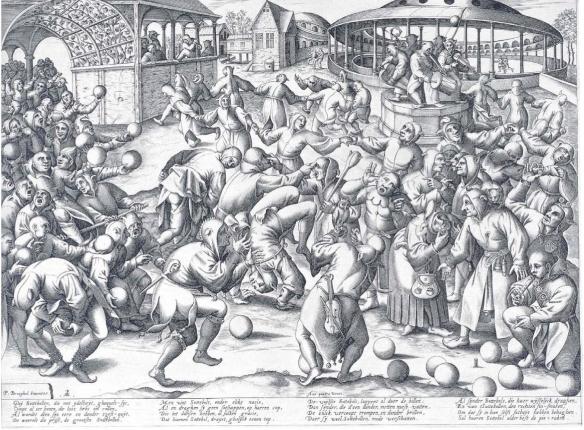
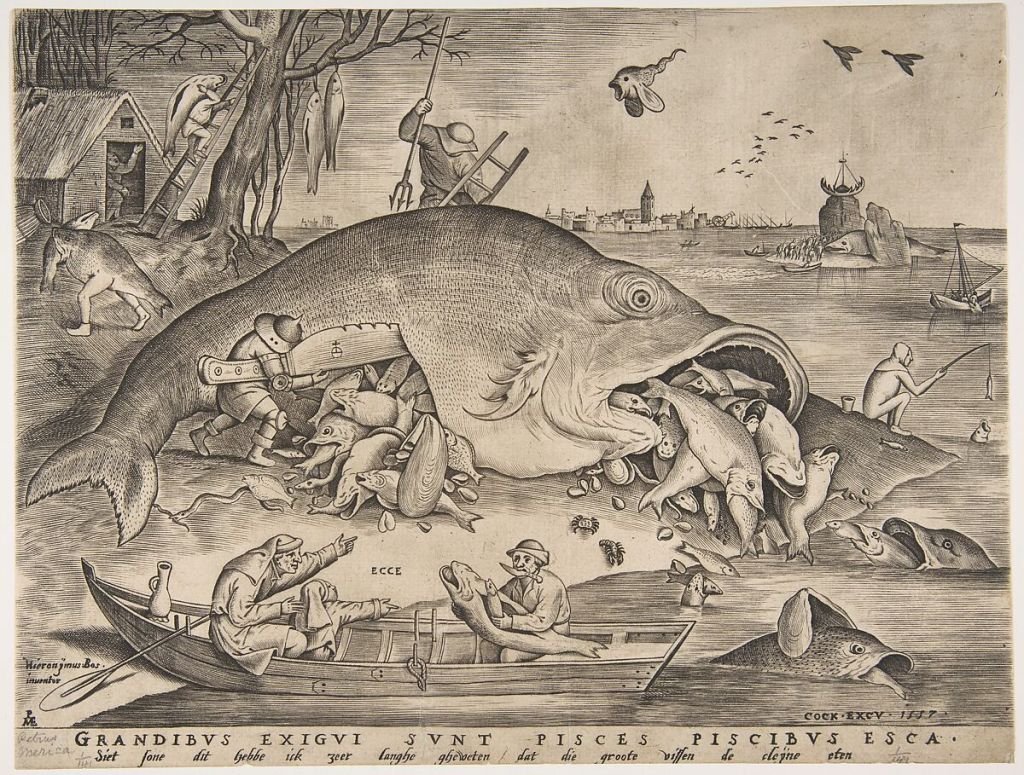


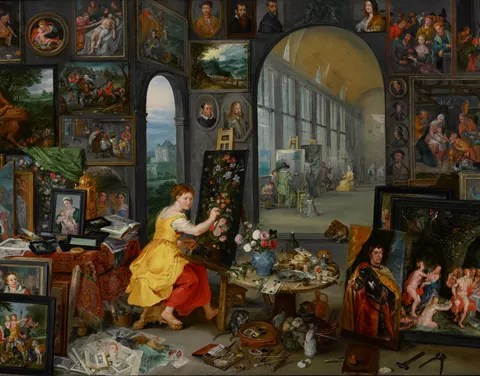


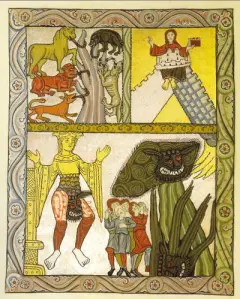
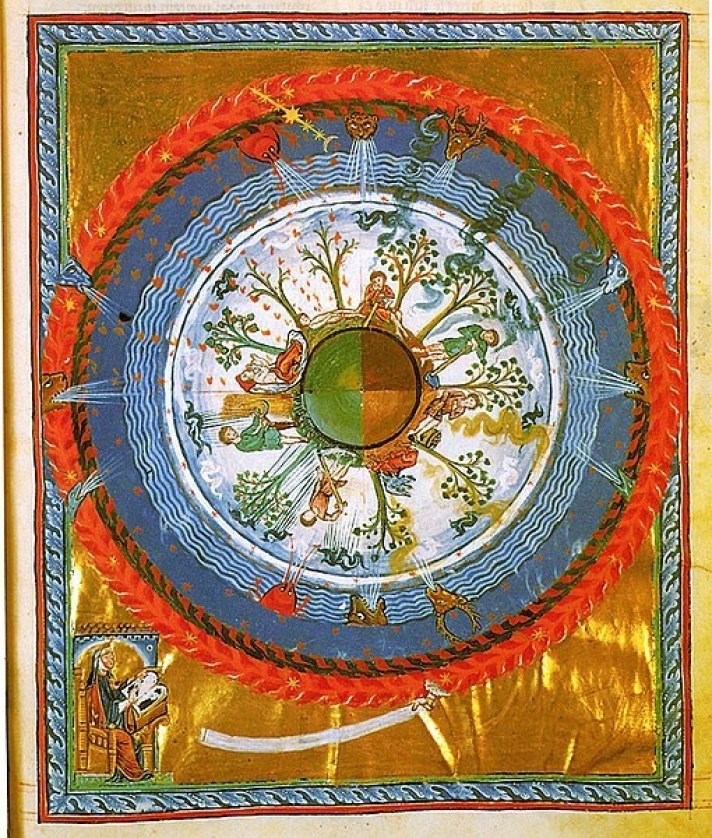


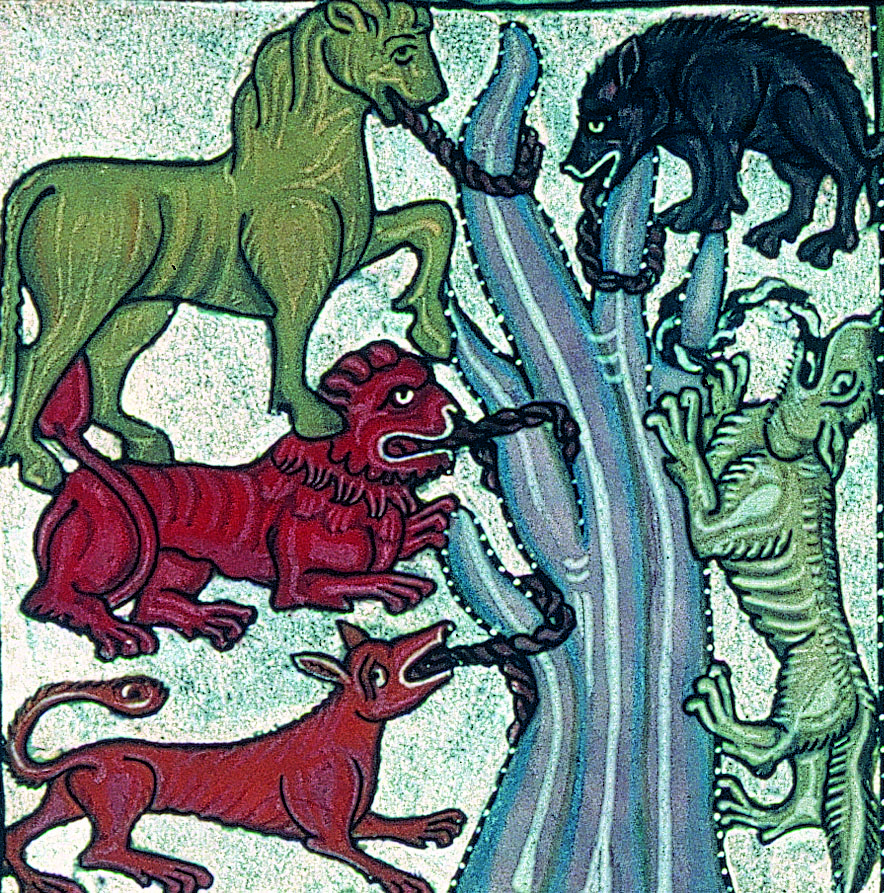

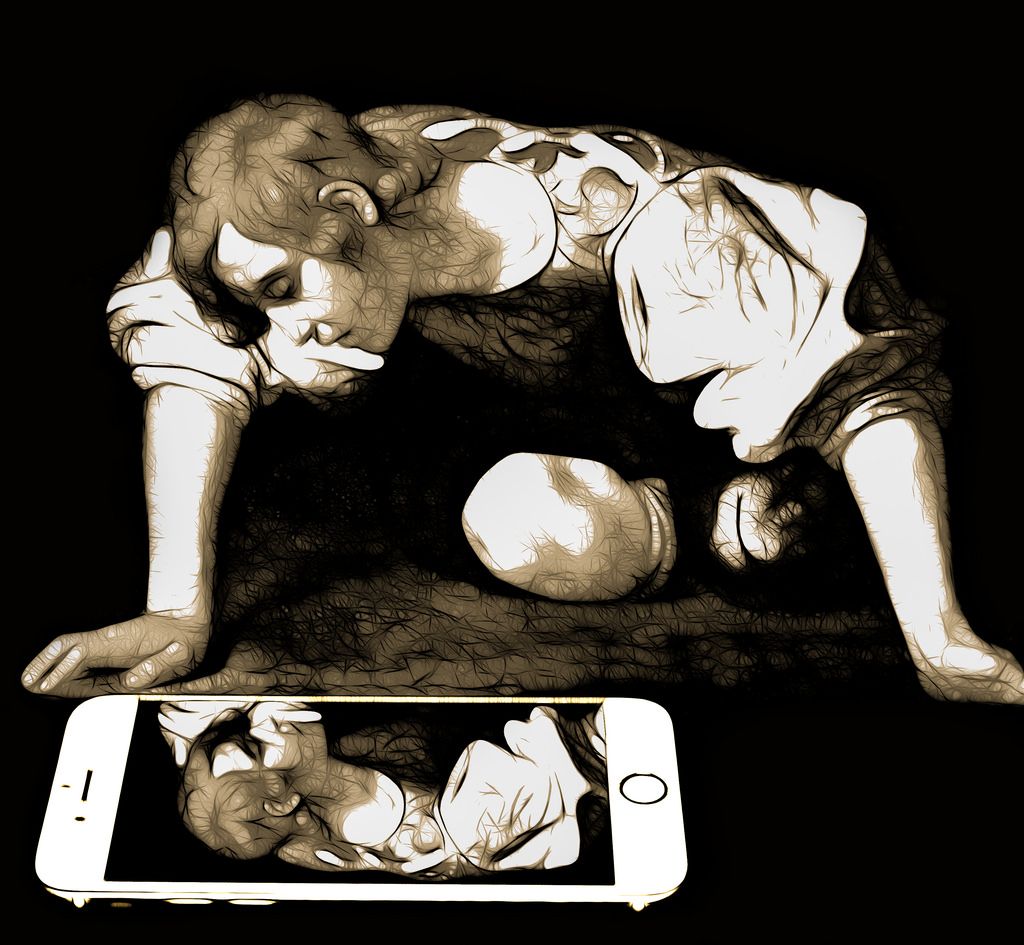
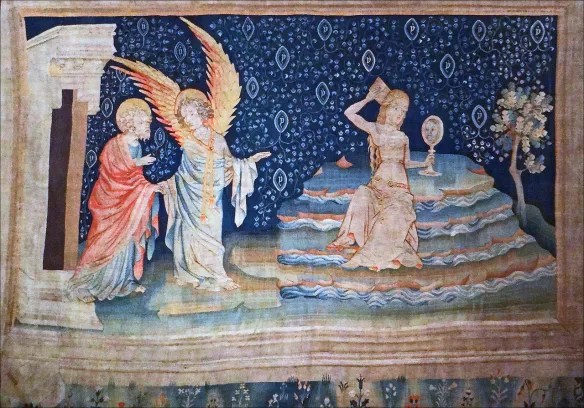


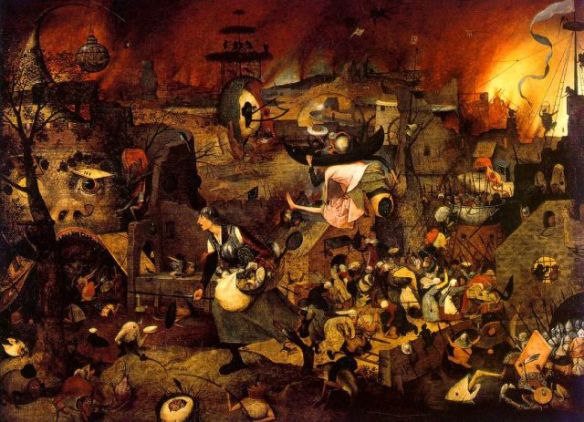
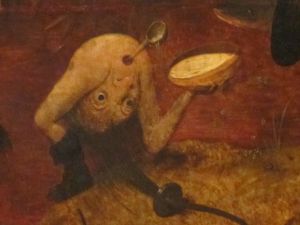
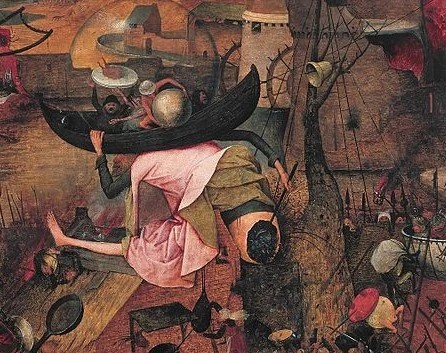
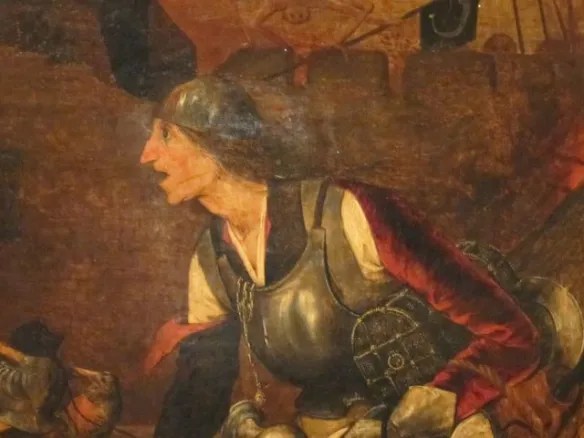

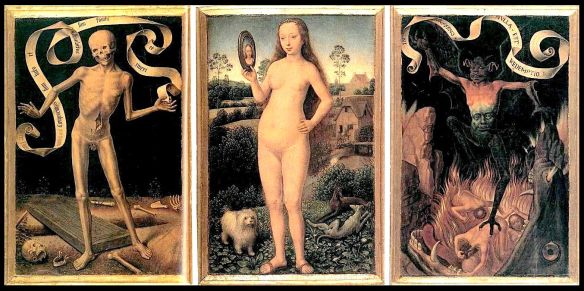
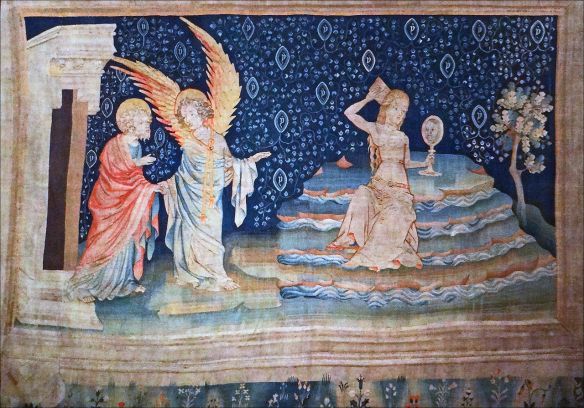
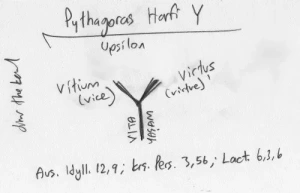
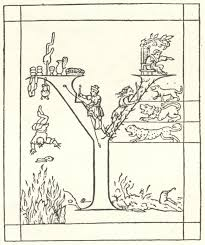
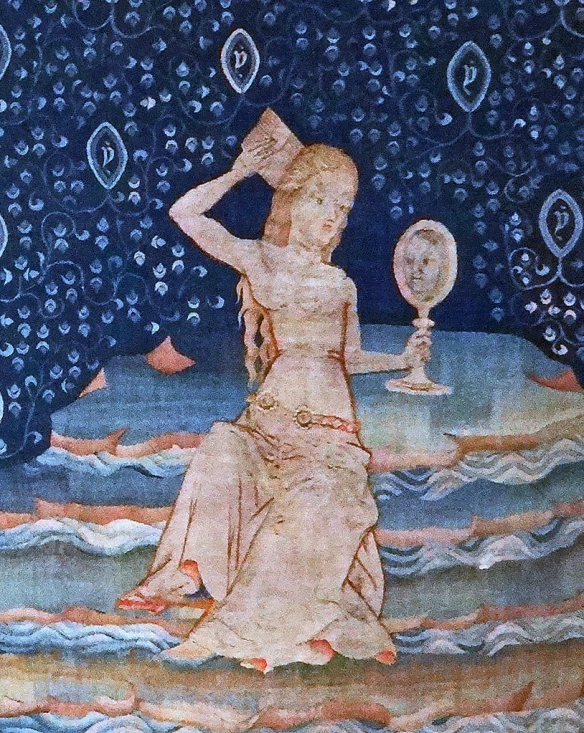
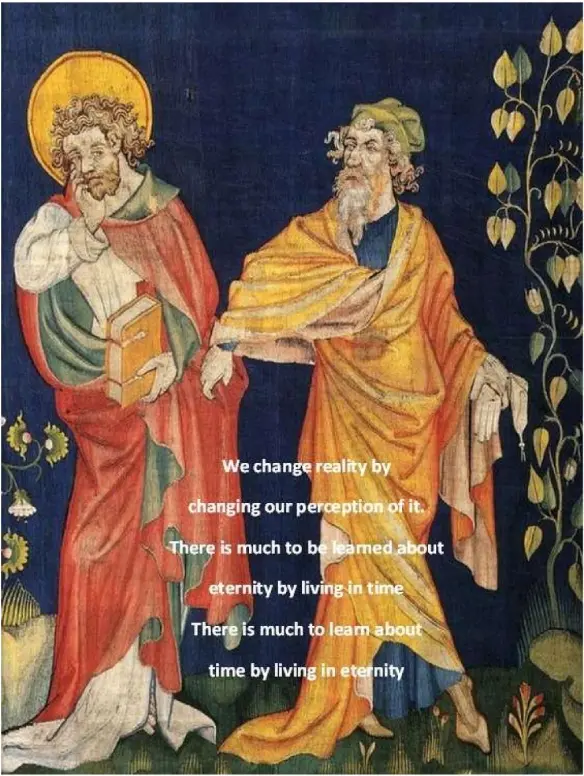
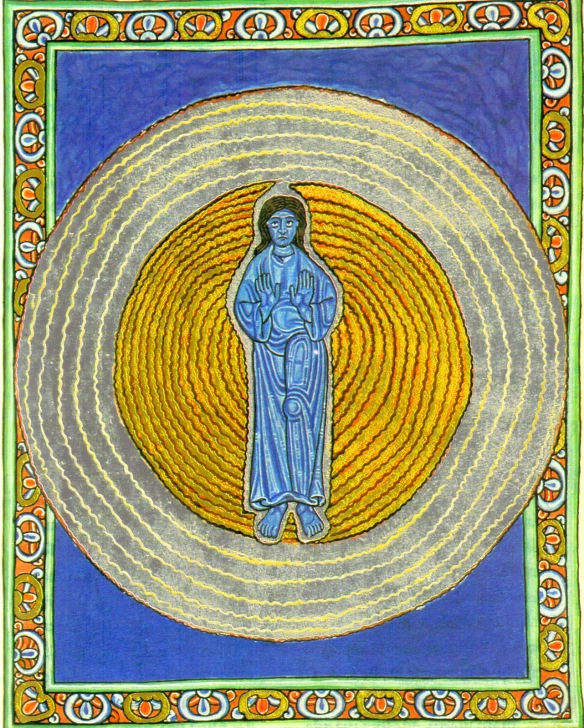
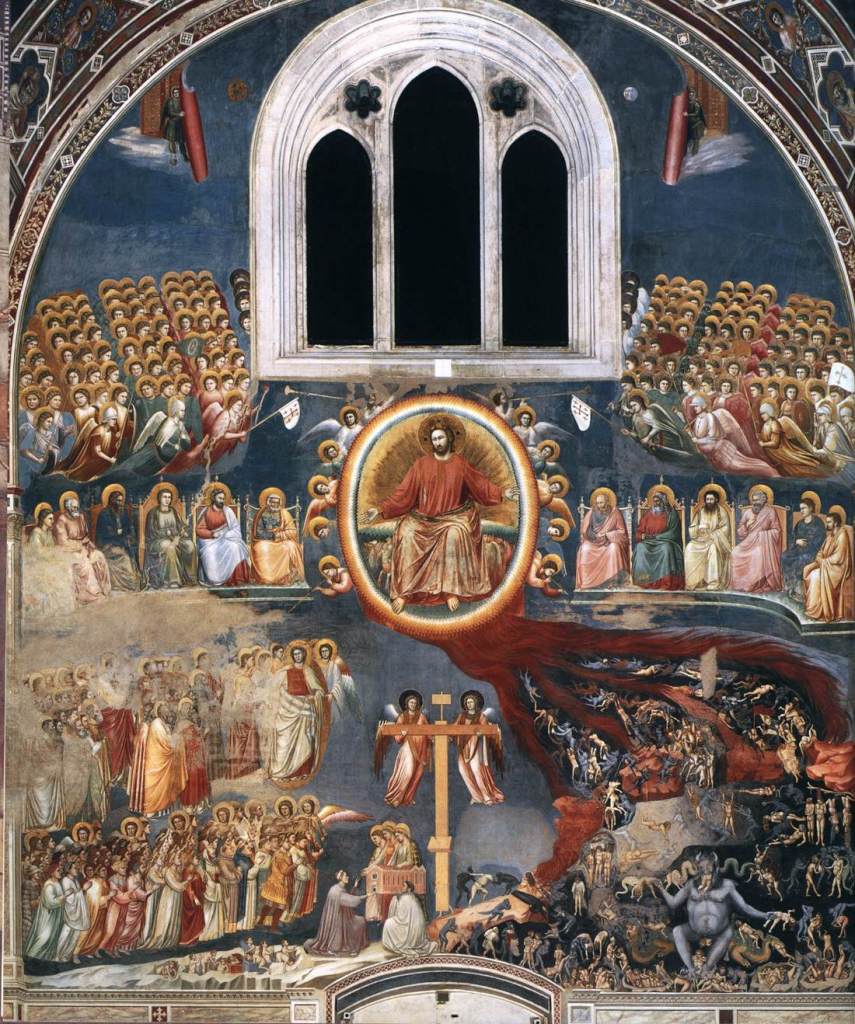
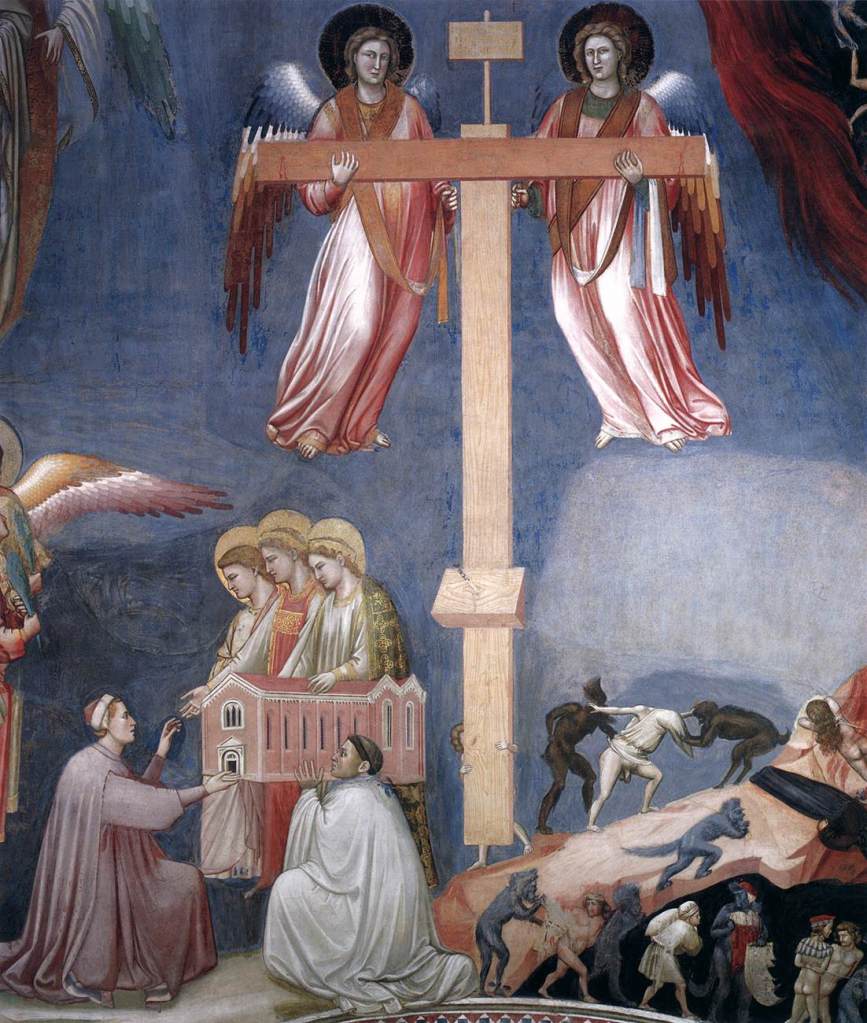
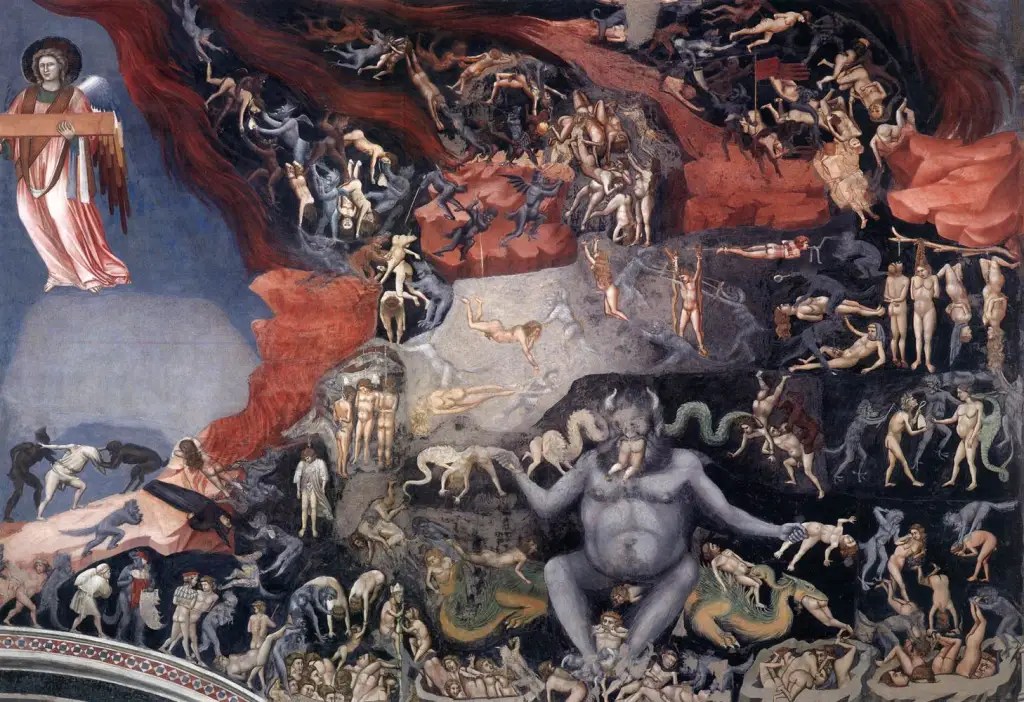
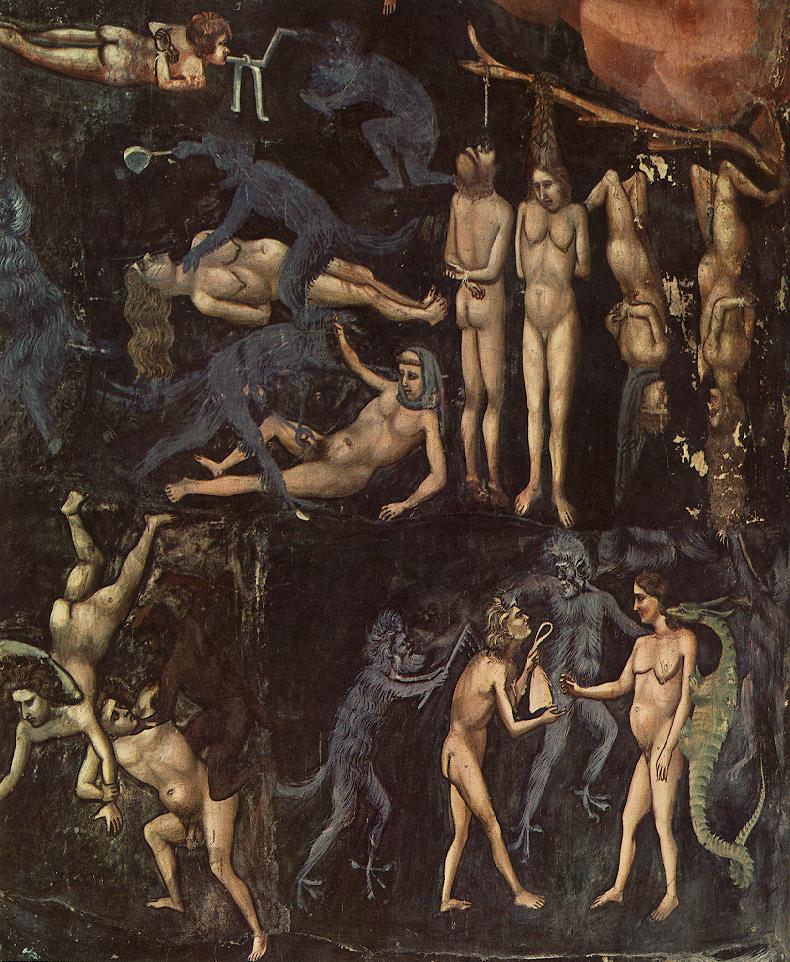


 Path to the Maypole of Wisdom


