For the first time, His Royal Highness King Charles III, shares his views on how mankind’s most pressing modern challenges are rooted in our disharmony with nature. In the vein of Al Gore’s An Inconvenient Truth and Van Jones’ Green Collar Economy, Prince Charles presents the compelling case that solutions to our most dire crises—from climate change to poverty—lie in regaining a balance with the world around us. Here download
Sacred Web Conference 2006
The theme of the Conference was introduced by HRH The Prince of Wales in a 16-minute long, specially-videotaped address for the Conference. The video and text of the address are found here: Prince Charles’ speech and Prince Charles’ video
King Charles on his relation with Martin Lings (courtesy of a facebook friend):
“One of the great privileges of my life has been to know Dr. Martin Lings, whom I first met through my Patronage of the Temenos Academy which, in turn, came about through an introduction to Dr. Kathleen Raine by Sir Laurens Van der Post. See SAN PEOPLE: THE WORLD MOST ANCIENT RACE.
All three of these remarkable people have provided untold inspiration and support not only to myself, but to many others besides. Thus their absence from the scene makes the world a poorer place – poorer for the fact that they constantly reminded us of that invisible dimension in our existence which forms the underlying pattern of all manifestation and which has been so cruelly and brutally abused in our age.
In Dr Lings’ case, he saw beneath the surface of things and helped us to penetrate the veil behind which lies the sacred meaning to so many of life’s mysteries. He helped us to look beyond the literal and to comprehend that there are many layers of meaning within the hidden universe – something which science is now at last beginning to recognize through the acknowledgement of an inherent order and harmony to the world about us and within us.
I used to look forward so much to what became an annual visit from Martin Lings when I had a chance to explore with him some of his inner discoveries, whether in the world of Shakespeare or of Sufism. One of Martin Lings’ greatest legacies – apart from his insights into the true significance of many of Shakespeare’s plays and his remarkable biography of the Prophet Muhammad – must surely be his timely reminder to us that Sufism, of which he was such a distinguished proponent, has always been at the spiritual heart of Islam, constantly reiterating the unshakable and sacred truths of love, compassion and forgiveness which seem to lie at the very sources of the light that lightens our darkness and which, if it illuminates our hearts, can engender that peace we all seek. It is an illuminated peace which I pray is now enfolding the departed spirit of dear Martin Lings.”
Martin Lings gives us from the outset powerful reasons for believing that we have now reached a point in time from which the end — whatever that may mean — is already in sight without being immediately imminent. In other words, we are now at an hour which is neither the tenth nor the twelfth. He argues that what Judaism, Christianity and Islam call the end of the world can be understood in the same non-absolute way. The concept of the Millenium, which is clearly the equivalent of the new Golden Age of the next cycle of time, is to be found in all three monotheistic religions, bringing them into line, in this respect, with Hinduism, Greco-Roman antiquity, and Buddhism.
Monarchies are Supported by Heavens, By Mevlāna Shaykh Nazim, discourse on January 1st, 1997
Respect Her Majesty the Queen. We are happy to be here in England. It is a blessed place. Every kingdom is blessed, a republic never can be. This is why I am happy to be here. I ask Allāh the Almighty to bless the Queen and her Royal Family, especially His Royal Highness Prince Charles. We support everyone who is trustworthy and asks for the Truth.
All curses come from those who run after devils and give their support to them. Respect and support the true ones. Find them and support them. When the elections come look for the honest and true ones who are supporting Her Majesty. Whoever is against Her Majesty will not be supported by Heavens. Don’t think that those who have bad intentions concerning Her Royal Majesty will be successful in the long run. Never! They will never be able to get rid of the monarchy because the monarchy is supported by Heavens.
“My birthday (1922) and her birthday (The Queen of England, 1926) are on the same day, April 21st. She became a queen and I became nothing!”
– Mawlana Shaykh Muhammad Nazim Adil Al-Haqqani ق
In 1953 Mawlana Shaykh Nazim ق was 31 years old. He was invited to attend the coronation of H.M. Queen Elizabeth II. He accepted and he attended. On June 2nd, 2003, on the occasion of the 50th anniversary of the coronation Mawlana was narrating the story.
Only God knows what kind of blessings were bestowed upon Queen Elizabeth II and what kind of responsibility was assigned to the monarchy.
Who better than Sultan Valad could explain to us the teachings of his father? Rumi’s eldest son was his intimate friend and confidant. For seventy years, says Aflaki, he illuminated the words of his father and master, miraculous, eloquent, in deciphering the mysteries and interpretation. The Master awakens the sleepy soul of the student and allows him to climb the ascending steps to Paradise. He describes us the Skills of Soul Rapture. Mawlana Rumi himself says: “I have studied a lot of science and have worked hard to offer rare and valuable things to researchers and scientists who come to me, it is God the Supreme who has decided so”. He said also to his son: “O Bahâ-ud-Din, my coming into this world has come to prepare yours, for all the words that I say are speeches, but you, you are my action.” It is a message for all times, a revelation of wisdom for our time. free download
Introduction
Sultan Valad (1226-1312) was the son of Jalal ad-Din Rumi. Jalal ad-Din Rumi was born in Balkh in Khorasan in 1207. Rumi was himself the son of an eminent teacher, Baha-ud-Din Valad, who was also called “the Sultan of the scholars”. It is in his memory that his grandson, Sultan Valad, was also called Baha-ud-Din.
In 1219, Rumi’s father had to flee from Khorasan because of the Mongol invasion. The family ended up settling down in Anatolia, at Konya, capital of the Seljuk Empire. This is where Jalal ad-Din Rumi succeeded to his father as the head of a theology college. He taught there until his death in 1273.
Jalāl ad-Dīn Rumi composed a considerable work, which includes the Mathnawi, the Diwan of Shams of Tabriz, Ruba’iyat, and Fihi-ma-fihi. Fihi-ma-fihi is a series of conversations of Rumi with his disciples and friends that was collected by Sultan Valad.
This book was originally called Maarif, which literally translates as Gnosis of better The Skill of Soul’s Rapture. It is a Persian prose work in a style approaching the spoken language and containing accounts of Sulṭān Walad’s thoughts and words. It is composed of lectures given to his students explaining and reflecting his father’s material. The tone and material is very much like his father’s material collected in Fihi-ma-fihi, but Maarif is less spontaneous, more elaborate, more explicit and less dense. Its form is less diversified as it includes only a few interlocutors, discussions and questions. It is obvious that, in Kitab al-Maarif, Sultan Valad reflected on his father’s teaching and expanded on what he thought to be especially important. It is also interesting to note that Maarif was also the title of the book by Sultan Valad’s grandfather – who was his namesake. This book was recently translated into English under the title The Drowned Book: Ecstatic and Earthy Reflections of Bahauddin, the Father of Rumi by Coleman Barks and John Moyne.
Nobody was able to transmit the essence of Rumi’s teaching better than Sultan Valad. He was not only Rumi’s elder son; he was also his dearest confidant. From six years old he would attend Rumi’s meetings with disciples. When people desired a favor from Rumi, they would ask Sultan Valad to be their intercessor. In his various writings and lectures, Valad ciphered many of cryptic symbols of his father’s behavior, actions, hints and indications. He also explained many of his father’s mysteries. This was carried out throughout his life in the forms of prose, poetry and discourses for his disciples. Valad was also familiar with Shams Tabrizi (Rumi’s beloved mentor) and used to associate with him regularly.
It is said that one day Rumi was speaking to his visitors about Moses’ stick. According to the Koran, the stick swallowed up the creations of the Pharaoh’s magicians, while the length of the stick neither augmented nor decreased by a single atom. Rumi asked, “How could I explain this incomparable parable so people can understand it?” And, turning toward Sultan Valad, he asked him to comment on the verse. Sultan Valad bowed and said, “This parable is like a man who has an extremely big palace that is in complete darkness. Suddenly, someone brings a torch and its presence lights up the palace. The torch neither diminishes nor augments, but the darkness disappears.” Rumi congratulated him and said he was delighted with the answer.
Once Rumi told his son, “O Bahâ-ud-Dîn, my coming into this world happened to prepare yours; for all the words I say are discourses, but you, you are my action.”
The text of the original Maarif is taken from the Persian collection by Najib Mayel Heravi, who compared, collected, and compiled five different editions of the book. The version that we used is the smallest in size of the 5 editions, and has the most in common with all of the other versions. The French and Spanish translations have also been used in the preparation of the present edition. Every effort has been made to preserve, in its unattainable form, the teaching that it contains.
In Sufism, ma’rifa describes the mystical intuitive knowledge of spiritual truth, or better the skill of soul “rapture”achieved through ecstatic experiences, rather than revealed or rationally acquired.
A seeker of ma’rifa is called ‘arif’, the one who “knows”.
In one of the earliest accounts of the Maqamat-l arba’in (“forty stations”) in Sufism, sufi master Abu Said ibn Abi’l-Khayr ma’rifa lists as the 25th station: “By all creatures of the two worlds, and through all people, they see Allah, and there is no accusation of their perception. “
A metaphor for explaining the meaning of ma’rifa is to collect the pearl. Shari’a is the boat; tariqa is represented by the rowing of the pearlman; haqiqa is the pearl; and ma’rifa is the ability to see the difference between real and false pearls.
Introduction of Sultan Valad
Bismillah ir Rahman ir Rahim
In the name of God, the Most Gracious, the Most Merciful.
All the Prophets and Saints are known and distinguished by virtue of the miracles and prodigies that they perform. The Sages and the Seekers of Truth say that God has bestowed a specific grace upon each one of them. What He has granted to one, He has not granted to another. He has given to each a different dominion, a separate world. My grandfather used to say that each Prophet was capable of performing any miracle, and that they possessed all powers. But God conceded to each one an Attribute according to the needs of the moment to satisfy a specific need or desire. For instance, a sage may know medicine, astronomy and other sciences: but when he treats a patient, we cannot affirm that he only knows the art of medicine. According to the circumstances he will show one aspect of his knowledge that he has mastered. Or, if a person who is concurrently an expert goldsmith, cobbler and tailor is sewing garments, we cannot say that he only knows that specific craft. Or still, if a river powers a water-mill, a sensible person would not say that it is the only function of the river; it is capable of many other things such as washing clothes, refreshing, turning gardens green again, and contributing to the growth of plants and flowers. But in that specific instance, it is necessary to move the wheel of the mill; and in a garden or field it could be seen to provide other services.
Therefore, each Prophet is capable of accomplishing any miracle, but he performs miracles and prodigies according to the needs of his people.
The prophets are manifestations and instruments of God. They are extinguished and annihilated in Him. Through them God shows everything. Therefore, how is it possible to assert that God is not capable of doing everything? God is the active principle; the Prophets are like a pen in the hand of the writer. Each mark that the pen draws is, in fact, written by the writer. They are like the bow and the arrow. It is not the bow that shoots the arrow, but the archer. That is why God, the Most High, has said: “When you slew, it was not you who slew, but God.”
God is literally saying: “Mohammad, that arrow that you shot, it is Us who shot it not you. Everything you do is by the commandment and mandate of God. What then is your role? Since it is Us who Act and everything is done through Our Desire and Will, he who fights and struggles against you, fights and struggles against Us; he who follows you and acts upon your commands and manifests friendship and love for you, has done those things toward Us.”
Action
Someone said, “The most important is action; words are not important.” I said, “I too would like to find someone who knows what action is and can see, so that I can show him action.” Now, you like words. One can converse with you since you are not a man of action. How could you comprehend what action is? As action you only understand prayers, fasting, reading spiritual texts, pilgrimage, alms, meditation, and devotion. But all these are not action. These are the means to reach true Action. It is possible that when you perform these activities they exert some influence over you and transform you in relation to what you were before. For example, prayer allows one to distance oneself from sin and error. Action, on the other hand, purifies your faults. When you are in a state of impurity you have not accomplished the prayer.
So all these different forms and modes do not constitute Action. Action is the transmutation of the heart, passing from one state to another. Like the seminal liquid and the embryo passing from one state to another in the mother’s womb; first a clot of blood, then a fetus, then the face of a man who is endowed with life, enters the world and grows up. This transformation and growth is action and ascension.
The meaning of Miraj (Mohammad’s journey to heaven) is the same as we have just mentioned. The seeker passes from one internal state to another. The second state is higher than the first; the third is higher than the second, ad infinitum.
Anyone who, in the bazaar of this world – because “This world is the field which is reaped in the other world” – remains two days in the same state suffers a loss. Day by day, second by second, it is necessary to rise and advance. This is the reality of action. Who perceives such action? With the exception of God, no one knows it or can see it. “My saints are under my dome; except I, no one knows them.”
In a word, knowledge is closer to real action than personal effort and corporal practices such as prayer, fasting, and the rest. Since it is possible for knowledge to be separated from action and be rendered useless, it is even more possible that personal effort and corporal practices, since they are further away from real action, are rendered even more useless. Hypocrites perform external practices such as prayer and fasting, but cannot traverse the path of faith and declare the existence of God. If they possessed the knowledge and ability they would not be miscreants. Therefore, everything that was said and indicated concerning the different modes and ways, gestures and devotions that are practiced and recognized are the means of real action, but not action itself.
Iblis (The primary name of Satan in Islam) performed practices of devotion in heaven for thousands of years. If his external practices had been real, he would have behaved differently when God ordered him to prostrate himself before Adam.
Jesus did not perform external acts, but practiced true action in such a way that he was able to evolve from a state of spiritual infancy to spiritual maturity. What Jesus declared in the cradle( “Truly I am the servant of God; He has given me the Book and has made me a prophet.” (Sura 19, verse 30, Mohammad achieved it when he was forty years old
Thus, the reality of action resides in your transformation and progress at each instant. When the philosopher’s stone grazes copper, it is the transmutation of copper into gold that constitutes real action. A piece of copper may be hammered, boiled or extended, but it will still remain copper. Those who are not capable of recognizing gold and perceive the external form of practices say, “If gold exists in the world, it is that which has been hammered and has become wide and long.” But he who knows gold examines the metal with the touchstone and will not buy it, even for half a cent, if it is not pure gold.
I, who am God, do not look at your faces, or your behavior or your words, but I set my eyes upon your hearts in order to know the degree of love you have for me.
For a wise man, one indication is sufficient. Or put in other words, “if there is someone home, only one word will suffice.”
Friends of God
The Friends of God are the Attributes of God and His chosen ones (These Attributes are such things as All-Seeing, All-Hearing, All-Powerful. All together there are 99 of them, commonly referred to as the 99 Names of God) ; not God himself, but they are the Secrets of God. Knowledge and awareness of God is easier than the knowledge of his Secrets. Likewise, if you wish to know someone, you get acquainted and spend some time with him. This desire to know him can be accomplished with little effort. But if you desire to gain the inner secrets of his heart, greater efforts would be needed. We may conclude that it is easier to learn appearances than to obtain inner secrets.
If someone wishes to visit a Master and be received by him, after a few attempts and with some effort, he may succeed. But if he wishes to have access to the knowledge of the Master, then he must dedicate many years and much effort to gain a piece of this treasure.
In a city, there are one hundred thousand God-believing people. All of them crave that God grant them their desires. They consider God to be the Unique, the Almighty, the Generous, the Teacher, the Guide, He who forgives and He who punishes. They submit to Him with sincere heart and soul and worship Him. In general, they are like this: some are strong in action, some are weak; some have little knowledge of God and some have much. But among these hundred thousand people, only a small community incline toward a true Saint. Among that small community, only one or two truly know that Saint.
After this discussion, it is clear that worship and knowledge of God is common. In general, everyone, without exception, can follow the Path of Knowledge. Even the heedless worship God.
Impiety and faith, both travel His Way saying, “He is Unique, the One without associates.”
Men worship God in various forms, practices and languages. But worship is not exclusive to man. Even the heavens, the sun, the stars, the moon, the earth, minerals, mountains, stones, dust, air and fire – everything worships and praises Him in a language that you do not know or understand.
To ensure that not everyone will pray to God or return to Him, all created beings are the screens and courtiers of God. The exquisite delicacies, silk garments, beautiful women, and other riches of this world prevent the elect from serving and seeing God. These things are like highwaymen to the seekers and those who are on the path – until by means of lamentation, prayers and remembrance – some of them escape from the brigands, and successfully bring the loads and garments of the seeker to acceptance and submission to God. But it is God who guards the Saints of God, and makes it impossible for everyone to find or recognize them, because it has been said that “my Saints are under my dome; Except I, no one knows them.” That is, my Saints and my friends are concealed under the dome of My Jealousy, in order that no one, other than I, can see them or know them. As in this world, when the great kings sit on the throne of justice, receiving both noblemen and commoners in their courts; hearing each desire and granting requests according to rank. Still, these people never see the sons and daughters of the king. And the man who asks to become the confidant and companion of the king risks his head – unless the king, by his own volition and knowing the loyalty and faith of the person, makes him his confidant.
Ungodly obstacles or brigand-like demons and devils can be chased away by means of recitation and remembrance. But with which recitation or which remembrance could we chase God away? Therefore it is obvious that finding Friends of God and knowing them is much harder than knowing God. Whoever knows a Friend of God knows God, but the reverse is not true. Knowledge of God does not necessarily lead to knowledge of the Friends of God, since there are many people who recognize and submit to God but cannot know and understand the Truth. Even when they see a Friend of God, they make enemies of him and reject him.
Some sages, like Junaid(Junaid of Bagdad -d. 9107) and Shibli (Junaid’s disciple -d. 945), rejected Mansur el-Hallaj because of his seemingly blasphemous outcry “I am the Truth” – and decided to spill his blood . They unanimously released an edict allowing the hanging of this unique and precious man. After his body was taken down from the gallows, it was burnt and his ashes dispersed on the river so that no trace of him would remain in this world. It is told that, regardless of what was tried, the ashes would arrange themselves on the surface of the river to form the words “I am the Truth”. They were all filled with rue after witnessing this wonder.
Likewise for Moses, who was one of the Prophets and Messengers of God. Despite his knowledge and greatness, Moses sought to know Khidr (a mysterious character in the Islamic tradition who was the guide of Moses, and often called ”The Green One” Also thought to be the Prophet Elijah) and implored God to be able to meet him. After many prayers and lamentations, his supplication was granted. God said, “Start a journey and seek Our pure servant so that you may find him.” He found Khidr at the seashore. His eyes and his heart were enlightened by this encounter, and he achieved many goals from this single meeting. For, “God, the Most High, has servants. When they gaze upon the other servants, they cover them with the mantle of prosperity.” One glance of Khidr invested Moses with such robes of honor and so much blessing that, “the eye has not seen, the ear has not heard, and nothing has passed through the heart.” (Hadith of the Prophet).
Desire for the friendship and company of Khidr sprung in Moses, without ever seeing him or experiencing his presence:
You have not been visible to us, So we are in this state.
Woe to us, if You became visible.
Khidr said, “O Moses, be satisfied with everything you have seen in us and leave, for sharing the road with us is dangerous. It would be better that you did not take the risk, because there are many dangers.” But Moses complained with sincerity and love. After they were together for some time on their route, they found a ship on the seashore. The ship had no equal in its beauty and craftsmanship. However, Khidr made a hole in it so that it became unusable. Moses said, “What you have done is not right, since it is contrary to wisdom and to the law. If the touchstone of justice was applied, this act would not be found of good value, and on the scale of fairness and the law it would reveal itself as wrongful.”
Khidr answered, “Did I not warn you that you should not disagree with me?”
Moses apologized, “I have forgotten our pact. It is my first fault, but forgiveness is better.” And he wept much until Khidr forgave him.
After some time had passed, they arrived on an island. Among the children of that island there was a beautiful, graceful and sweet child. Khidr gently took the child’s hand and walked away with him. Moses was puzzled and followed Khidr and the child. When they arrived at a solitary place and out of the sight of people, Khidr put the child under his foot and slit his throat. Moses protested vehemently and cried out, “Where is the fairness in ending the life of a pure and innocent child?”
Khidr answered, “Did I not tell you to turn away and not come with me because you would not have endurance to witness or understand my actions?”
Moses came back to his senses and said, “I committed a fault; forgetfulness overcame me.”
Khidr said, “You are so impertinent! Each time you question my acts, then you say that you have made a mistake, and that forgetfulness has overcome you.”
Moses said, “For Love of God, forgive me once again, for it is customary to forgive three times. If I argue again, do not accept my excuses.”
If a fault again you see in me, Do not aid in my adversity.
Khidr excused Moses a second time under the condition that, if he should commit a third fault, they would part regardless of any pretext or excuse. They traveled together for some time. By chance it happened that they did not find any food for several days and were close to dying of starvation. In this state of deprivation, they came upon a vast island where they saw a large city and a large crowd of people. They noticed a wall on the verge of collapse due to a hole in it. Khidr repaired and rebuilt the wall.
When Moses saw what had happened, he was sure that finally, after so much misery and hunger, food, gifts and money would soon come to them in great quantities. But Khidr took Moses by the hand and walked away. Moses lost his patience and cried out, “O, Khidr! We are hunger-stricken. You raised a wall that nobody could repair, and the owner of this house is extremely rich. At least you could have asked for a wage which would have allowed us to eat for a few days. Even if you had renounced everything you could have asked for a piece of bread so that we could eat. Your action is contrary to law and justice and none could agree with it.”
Khidr said, “O Moses! You have committed three faults. However, I will explain to you the three cases that provoked your protests so you may know that these actions were worthy of approval rather than condemnation. Otherwise, I would not have done them.”
“The reason I made a hole in the ship, even though it belonged to poor and decent people, was that I saw with my inner eye that tyrants had the intention of taking the ship and using it to attack good men. Therefore, I destroyed the ship and rendered it unusable.”
“The reason for the murder of the child was that in later life, the boy, who was ill natured, would have behaved in such a way that his parents would have failed in the way of God. I wanted his parents to be able to attain the perfect end and not go astray because of their son. It is like a gardener who prunes the diseased branches so that the other branches may acquire strength.”
“I restored and straightened the wall that was ruined to the point of collapse. The wall belonged to rich orphans. I did not ask for money or recompense because their father was a Servant of God.” The commentators of this story note that in the seventh generation of those orphans there was a righteous man. Others assert that there was a good man in the seventieth generation. Thus, a man like Khidr – to whom belongs not only the treasure of the other World, but who is himself a source of generosity – acts to benefit the ancestor of the seventh or the seventieth generation. Out of respect for the descendants, he performed an extraordinary service that no one else could have done. Although he himself was in great need and difficulty, he did not accept any compensation.
Khidr explained the essence of the wisdom of these three secrets to Moses – and they parted.
A descendant of Ali (Ali was the cousin and son-in-law of the Prophet) fell drunk in the bazaar in the city of Tabriz. His head, face and beard were soiled with vomit and dust. A devout dervish, who saw him in this state, insulted him and spat on him. That same night, the Prophet appeared to the dervish in a dream, “You allege to be at my service, following and submitting to my tradition, hoping to be among those who will enter paradise. But when you saw me covered with vomit in the middle of the bazaar, why did you not wash my filth and lay me down as expected from the servants who attend their master? Not only did you not serve me, but your heart allowed you to spit upon me.”
At this moment, the dervish said to himself, “When did I do these things to the Prophet?” The Prophet immediately answered, “Do you not know that our children are our most precious possessions? If it was not so, how could they inherit the possessions of their father?” The dervish awoke with a start and set out to search for the man. He brought him to his home and gave him his house and half of his possessions. While he lived, he remained at his service and attended him with great respect.
In emphasis of the preceding, it is told that one sufi said to another, “Each day, God the Most High, manifests Himself to me seventy times.” The other answered him, “If you feel so much bravery, go and see Bayazid.” After some time passed, the sufi said again, “I see God seventy times a day.” And the other repeated, “If you have so much bravery, go and see Bayazid.”
Since this affair lasted for a long time, the sufi at last decided to visit Bayazid, who was living in a forest. Bayazid intuitively knew that the dervish was coming to visit him, and came out of the forest to meet him, and next to the forest their meeting took place. At the moment the dervish perceived Bayazid and saw his blessed face, he could not bear it; at once, he gave up his soul and left this world.
Let us consider the profound meaning of the forest. The forest represents the interior of Bayazid, and the trees in the forest are the thoughts, knowledge and spiritual rank that he held in his heart. When the Sufi arrived at the place of Bayazid, how could he have entered the forest and then walked back out? Bayazid had to come out of the forest so the Sufi could see him.
Likewise, when an intelligent man speaks to a child, he must come out from the “forest” of his own intelligence and knowledge, and speak to the child accordingly. In this way the child may understand. “Speak to people according to the degree of their understanding.”( Hadith of the Prophet)
The sufi perceived God according to his own capacity. But when the Light and Splendor of God shone upon him through the dimension of Bayazid, he could not bear it and was annihilated.
Gabriel received the Light of Divine Radiance and obtained his sustenance from it. He was, like a fish, eternally immersed in the ocean of Divine Union. When he escorted Mohammad toward God during the Mi’raj, he went together with him as high as his own rank would allow. When they arrived at this superior place, he stopped and remained immobile. The Prophet said, “Come, why do you remain there?” Gabriel answered, “I cannot go further for I am not permitted. If I advance a single step more I will be burnt.”
The Prophet continued alone and contemplated Divine Beauty with the inner eye.
Anyone who sees God, from an ant to Solomon, sees Him according to his own capacity. All things are nurtured by God, and all life and existence derive from the Manifestations of God. But where are the manifestations of Solomon or the ant?
A master has ten slaves. One of the slaves is five years old, another is ten, another is thirty, another is fifty, and yet another is sixty years old. All of them are at the service of the master and show him submission. However, the service of some is superior to the service of others. The master talks to each of them, but in accordance with their capacity he maintains a different relationship with each of them. If he would behave in the same way with the youngest as with the oldest, the youngest could not endure it.
The garment is tailored to fit the man.
Equally, God manifests himself to the believers and the Saints in accordance with their spiritual rank. The Light of God descends upon them in a manner that they are able to endure. When a man wants to unite with fire, he heats up water in a bath. He unites himself with the fire through the intermediary of the water. If he were to walk directly into the fire, he would be burned. However, the Perfect Man finds himself in the fire like a fish in the water. The other seekers and believers lack the necessary strength to benefit from the fire without the intermediary.
What we are saying here is that it is easier to recognize and know the Friends of God than to know God without their intermediation. It does not mean that the Friends of God are different from God; such an allegation would be erroneous. But you cannot see God with the same power as that with which the Friend of God contemplates Him. Therefore, go and seek the Friend of God, so that through his intermediary, you may see what he sees – and God knows best.
Who better than Sultan Valad could explain to us the teachings of his father? Rumi’s eldest son was his intimate friend and confidant. For seventy years, says Aflaki, he illuminated the words of his father and master, miraculous, eloquent, in deciphering the mysteries and interpretation. The Master awakens the sleepy soul of the student and allows him to climb the ascending steps to Paradise. He describes us the Skills of Soul Rapture. Mawlana Rumi himself says: “I have studied a lot of science and have worked hard to offer rare and valuable things to researchers and scientists who come to me, it is God the Supreme who has decided so”. He said also to his son: “O Bahâ-ud-Din, my coming into this world has come to prepare yours, for all the words that I say are speeches, but you, you are my action.” It is a message for all times, a revelation of wisdom for our time. free download
Habileté du Ravissement de l’Âme
Qui mieux que Sultan Valad pouvait nous transmettre l’enseignement de son père? Fils ainé de Rumi, il fut son intime et confident. Pendant soixante-dix ans, nous dit Afláki, il éclaira les paroles de son père et Maitre, miraculeux, éloquent, dans le déchiffrement des mystères et l’interprétation scripturaire. Le Maitre éveille l’âme endormie du disciple et lui fait gravir les degrés ascendants du Paradis. Il nous décrit l’Habileté du Ravissement de l’Âme. Mawlana Rumi, déclare lui-même : « J’ai étudié bien des sciences et me suis livré bien des efforts afin de pouvoir offrir aux chercheurs et savants qui viennent moi des choses rares et précieuses. C’est le Dieu Très-Haut qui en a décidé ainsi ». Un jour Rumi a dit son fils, “O Bahâ-ud-Dîn, mon arrivée dans ce monde est arrivé pour préparer le tien; car tous les mots que je dis sont des discours, mais toi, tu es mon action”. C’est un message pour tous les temps, une révélation de Sagesse pour notre Temps. Free Dowload
Het boek De kunde van Ziel’s vervoering (Kitab al-Ma’ârif) is geschreven door Sultan Valad. Sultan Valad was de zoon van Jalal ad-Din Rumi. Jalal ad-Din Rumi werd geboren in Balkh in Khorasan in 1207. Rumi was zelf de zoon van een eminente leraar, Baha-ud-Din Valad, die ook “de sultan van de geleerden” werd genoemd. Het is in zijn nagedachtenis dat zijn kleinzoon, Sultan Valad, ook Baha-ud-Din werd genoemd. Ooit vertelde Rumi zijn zoon: “O Bahâ-ud-Dîn, mijn komst naar deze wereld gebeurde toevallig om de uwe voor te bereiden; want alle woorden die ik zeg, zijn preken, maar jij, jij bent mijn daad. ” free download
The court of Kyumars, first mythical king of Iran, reigning on an Edenic land in an eternal spring.
Illustration of the Book of Ferdowsi Kings. Shâhnâmeh of Shah Tahmasp (Shahnameh of Shah Tahmasp: A Book of Illustrated Kings of the 16th Century), Tabriz, c. 1537
The spiritual man is one who transcends himself and loves to transcend himself;the worldly man remains horizontal and detests the vertical dimension.
Frithjof Schuon
The principle of verticality, which is a fundamental principle of traditional wisdom, is based on the affirmation of transcendence as an aspect of a comprehensive and integrated reality that is Absolute.
According to this understanding, reality has both a transcendent Origin and an immanent Center, which are one, rather than being reduced to the merely horizontal dimension of its existential or quantitative elements.
Verticality implies both Heaven and Earth, a worldview in which meaning and purpose are defined principally by both height and depth,and secondarily by breadth – that is, principally by man’s relationship to God, who is simultaneously ‘above’ and ‘within’ creation, and who there-fore governs all creaturely relationships – rather than by breadth alone –that is, solely in terms of the relationship between the subject and the world.
It also implies that the horizontal is subordinate to the vertical,that is to say, the relationship between man and the world is premised on the primary relationship between God and man: to restate this in Christian terms, the love of one’s neighbor is premised on one’s love for God. According to the traditional worldview, existence is transcended by a supreme reality, which, whether expressed in theistic or non-theisticterms, is Absolute, and which, without derogating from its unity, is si-multaneously (at the level of the primary hypostasis) expressed by the horizontal ternary, Truth or the Solely Subsistent Reality, Goodness or the Perfection and Font of all Qualities, and Beauty or Abiding Serenity and the Source of its Radiant Effulgence: in Platonic terms, the True, the Good and the Beautiful.
All creation is prefigured in this supreme reality,which projects existence out of its own Substance into a world of form (hence etymologically, ex-stare, to stand out of, or to subsist from, as the formal world of existence stands out of, and subsists from, the Divine Substance) through a vertical ternary comprising, first, the Essential or Principial Absolute (which is Beyond-Being), second, the Relative-Absolute Source of Archetypes (which is the primary hypostasis of Being), and third, the realm of Manifestation (which is Existence).
Looking to the Spiritual vertical way, as the Maypole do, gives us an opportunity of discerning an understanding between Non-Virtues and Virtues, developing Spiritual values needed in our times.
History of eight natural celebrations
The eight traditional celebrations, most of which exist today in somewhat different form, date from time immemorial. Many European festivals date back to earliest times, pre-dating even Indo-European influences. The celebrations of different cultures often share many common points. This is because their myths and mythologies are linked to the same sources: the sky, the sun, the stars, the earth, and the rhythm of the seasons. In ancient European traditions – and in particular the Nordic and Celtic traditions – the course of the sun occupies a very important position. Our ancestors were well aware of the relationship between the sun and the rhythm of the seasons. The calendar of yearly celebrations was based on these rhythms and has continued to this day, although some name and date changes occurred as Europe was Christianised. The calendar of celebrations revolves around the Eight Nature Festivals, which have existed throughout Europe for many hundreds of years.The calendar is based on the sun’s position at various moments of the year, and on corresponding seasonal activities.This link between the sun’s course, the seasons, and the community made our ancestors feel that they were part of a long chain of living things including the earth, humankind and the heavens, which formed a coherent whole. The dance lime tree, with its three-tiered structure, forms a link between the earth and the heavens, and serves as a symbol for the order of things.
The Sun Dance is the most sacred ritual of Plains Indians, a ceremony of renewal and cleansing for the tribe and the earth. Primarily male dancers—but on rare occasions women too—perform this ritual of regeneration, healing and self-sacrifice for the good of one’s family and tribe. But, in some tribes, such as the Blackfeet, the ceremony is led by a medicine woman. It has been practiced primarily by tribes in the Upper Plains and Rocky Mountain, especially the Arapaho, Arikara, Assiniboine, Cheyenne, Crow, Gros Ventre, Hidatsa, Sioux, Plains Cree, Plains Ojibway, Omaha, Ponca, Ute, Shoshone, Kiowa, and Blackfoot tribes.
Usually the ceremony was practiced at the summer solstice, the time of longest daylight and lasts for four to eight days. Typically, the Sun Dance is a grueling ordeal, that includes a spiritual and physical test of pain and sacrifice. This ritual usually—but not always—involves piercing rawhide thongs through the skin and flesh of a dancer’s chest with wooden or bone skewers. The thongs are tied to the skewers then connected to the central pole of the lodge. The Sun Dancers dance around the pole leaning back to allow the thongs to pull their pierced flesh. The dancers do this for hours until the skewered flesh finally rips. The Sun Dance is also a rite of passage to manhood.
The dance is practiced differently by each tribe, but basic similarities are shared by most rituals. In some instances, the Sun Dance was a private experience involving just one or a few individuals. But many tribes adopted larger rituals that involved the whole tribes or sometimes many tribes gathered to celebrate the Sun Dance together. Lodges or open frames built of trees, rawhide or brush are prepared with a central pole at the center.
Though the dance is practiced differently by different tribes, the Eagle serves as a central symbol in the dance, helping bring body and spirit together in harmony, as does the buffalo, for its essential role in Plains Indian food, clothing, and shelter. Sometimes an eagle’s nest or eagle would be mounted at the top of the center pole. Holy men might also place a dried buffalo penis at the top of the pole to give the dancers virility. And buffalo skulls were placed at the perimeter of the lodge to honor their power and courage. (Some dancers choose to have their flesh pierced through their backs and the rawhide ropes from the skewers are attached to the heavy buffalo skulls. Then the dancers dance on rocks and brush as they drag the heavy skulls. This usually takes longer to rip their flesh.
Buffalo–Tatanka Tatanka are held in high regard by Native Americans. The tatanka gave up its own flesh and life to provide everything for the people. For Native Americans, the tatanka is a true relative, making life possible for them. Because of their importance, a buffalo symbol or skull is present in all sacred Lakóta rituals. The tatanka represent generosity and self-sacrifice. According to the Lakóta, to give what you have to others is one of the most highly respected way of behaving.
Dancers also blow a whistle made from the wing bone of an eagle that makes the sound of an eagle cry. The whistle is painted with colored dots and lines to represent the keen and precise perception of the eagle. There is also a beautiful eagle feather attached to the end of the whistle that blows back and forth to represent the breath of life.
In Native culture, the wanblí is considered the strongest and bravest of all birds. For this reason, its feathers symbolize what is highest, bravest, strongest, and holiest. When a feather falls to the earth, it is believed to carry all of the bird’s energy, and it is perceived as a gift from the sky, the sea, and the trees. Feathers may arrive unexpectedly but not without a purpose.
Each type of feather represents something different. The wanblí’s feather, however, is one of the most esteemed. An wanblí’s feathers are given to another in honor, and the feathers are displayed with dignity and pride.
Many tribes smoke sage and burn smudge pots of sage, which is believed to conjure spirits and help the dancers. Some tribes also wear wreaths of sage on their heads and wrists. Ancient dances and songs passed down through many generations are offered accompanied by traditional drums, smudge pots of sage are burned over a sacred fire.
The entire tribe prepares for a year before the ceremony and the dancers fast for many days in the open before the dance. The Sun Dance ceremony involves all the tribe. Family members and friends (only Native people are allowed to attend) gather in the surrounding camp to chant, sing and pray in support of the dancers.
If sun dancers have not released themselves from their bloody tethers by sundown, holy men remove the skewers and reverse the piercings to help rip the flesh. In the 1918 definitive book, “The Sundance of the Blackfoot People,” by leading American anthropologist Clark Wissler, he states: “When all thongs are torn out, the lacerated flesh is cut off as an offering to the sun… The author has seen some men extremely scarred from repeated Sun Dance ceremonies…The offering of flesh is called the Blood Sun Dance.” Exhausted dancers would be cared for afterward in a medicine lodge, where holy men and women sung and prayed above them.
The ceremony was extremely arduous and not without its risks. Clark Wissler also wrote: “It is said that all who take this ceremony die in a few years, because it is equivalent to giving one’s self to the sun. Hence, the sun takes them for its own.”
In 1883, the U.S. Secretary of the Interior and the Bureau of Indian Affairs criminalized the Sun Dance and other sacred religious ceremonies in an effort to discourage indigenous practices and enculturate Native Americans into white society. The prohibition was renewed in 1904 and remained illegal until 1934 when Franklin Delano Roosevelt’s new administration reversed the decision. During the fifty years the Sun Dance was prohibited, many native tribes defied the law and continued to perform their most sacred dance, usually as part of Fourth of July celebrations!
A golden eagle was often used on the banner of the Achaemenid Empire of Persia. Eagle (or the related royal bird vareghna) symbolized khvarenah (the God-given glory), and the Achaemenid family was associated with eagle (according to legend, Achaemenes was raised by an eagle). The local rulers of Persis in the Seleucid and Parthian eras (3rd-2nd centuries BC) sometimes used an eagle as the finial of their banner. Parthians and Armenians used eagle banners, too.[1]
Falconry as a Transmutative Art: Dante, Frederick II, and Islam
The imperial eagle – notably, in the form handed down by the Romans to later generations of European rulers – is the hypostasis of an absolute power conceived as “naturally” divine in origin. In contrast, the tamed falcon, at rest on the emperor’s fist or being offered to him by his falconers, became for Frederick II the emblem of an acquired form of wisdom – of a nobility, that is, which must be educated so that its inborn aggressiveness may be restrained and redeployed under the superior command of reason. The falconer thereby becomes the image of the ideal sovereign, he who succeeds in controlling the instinctual aggressiveness of humankind by way of his “taming power.” He is at one and the same time the self-aware and responsible repository of natural law and the guar- antor of positive law, that is, of justice. The study and practice of falconry were therefore for Frederick II the best and noblest ways for the sovereign to deepen his understanding of the laws of the natural and of the human realm; to him they were indispensable tools in his honorably dispatching his mission as universal sovereign….
….If the objective of the Commedia is to save humankind from itself and principally from its self-imposed rapaciousness, then we can usefully ask ourselves which figurative means Dante could call upon to evoke a process of taming and conversion that by its very nature aims at transmuting the individual’s instinctive ego-grasping into an artfully acquired – but nevertheless also gracefully received – form of absolute surrender and self-sacrificeto the highest manifestation of selflessness and boundless love.
How are we to visualize the very nature of a learning process that must be experiential if it is to become effective? Such is, after all, the goal of the Commedia as a whole – in direct opposition, that is, to the treacherous attempts at rational grappling with reality, which leave human pride misleadingly in charge of transcendent affairs. While in our postmodern world of con- cept-based existence there seems to be little or nothing to call upon in order to suggest such a salvific becoming, I hope to have shown persuasively that Dante saw in falconry the art most apt to express that process of surrender and taming of an individual’s own nature, in the form of a return to that very “hand” on whose universal fist the whole world is unknowingly perched. For Dante, no art better than falconry could convey the sense of that sacrificial inner transmutation necessary for human consciousness to awaken to the vision of itself as a pure reflection of the transcendental source of all-encompassing love.
No other art could as powerfully express the potential for universal salvation inscribed within a process meant to make human consciousness cognizant of its own divine origin – of its own participation in, and belonging to the very substance offered by the falconer to the falcon as its only rightful meal, as that “bread of angels” already evoked in the Convivio: purely celestial food, on which life itself unsuspectingly keeps feeding. …. Read the complete paper Falconry as a Transmutative Art: Dante, Frederick II, and Islam
The Warlis are an aboriginal tribe living at the foothills of the Sahyadris in western India. Warlis were hunters and gatherers living in the forest. With time, they were forced to settle down at the base of the hills, and so, they adopted an agro-pastoral lifestyle. Waral is brushwood which the original settlers had to clear in order to settle down. Warul also refers to the brushwood used to burn on the fields as Rab. This could be the origin of the name of their tribe- Warli
n the book The Painted World of the WarlisYashodhara Dalmia claimed that the Warli carry on a tradition stretching back to 2500 or 3000 BCE. Their mural paintings are similar to those done between 500 and 10,000 BCE in the Rock Shelters of Bhimbetka, in Madhya Pradesh.
Their extremely rudimentary wall paintings use a very basic graphic vocabulary: a circle, a triangle and a square. Their paintings were monosyllabic. The circle and triangle come from their observation of nature, the circle representing the sun and the moon, the triangle derived from mountains and pointed trees. Only the square seems to obey a different logic and seems to be a human invention, indicating a sacred enclosure or a piece of land. So the central motive in each ritual painting is the square, known as the “chauk” or “chaukat”, mostly of two types: Devchauk and Lagnachauk. Inside a Devchauk, we find Palaghata, the mother goddess, symbolizing fertility.[3] Significantly, male gods are unusual among the Warli and are frequently related to spirits which have taken human shape. The central motive in these ritual paintings is surrounded by scenes portraying hunting, fishing and farming, festivals and dances, trees and animals. Human and animal bodies are represented by two triangles joined at the tip; the upper triangle depicts the trunk and the lower triangle the pelvis. Their precarious equilibrium symbolizes the balance of the universe, and of the couple, and has the practical and amusing advantage of animating the bodies.
The pared down pictorial language is matched by a rudimentary technique. The ritual paintings are usually done inside the huts. The walls are made of a mixture of branches, earth and cow dung, making a Red Ochre background for the wall paintings. The Warli use only white for their paintings. Their white pigment is a mixture of rice paste and water with gum as a binding. They use a bamboo stick chewed at the end to make it as supple as a paintbrush. The wall paintings are done only for special occasions such as weddings or harvests. The lack of regular artistic activity explains the very crude style of their paintings, which were the preserve of the womenfolk until the late 1970s. But in the 1970s this ritual art took a radical turn, when Jivya Soma Mashe and his son Balu Mashe started to paint, not for any special ritual, but because of his artistic pursuits. Warli painting also featured in Coca-Cola’s ‘Come home on Diwali’ ad campaign in 2010 was a tribute to the spirit of India’s youth and a recognition of the distinct lifestyle of the Warli tribe of Western India.[4]
Tribal Cultural Intellectual Property
Warli Painting is the cultural intellectual property of the tribal community. Today, there is an urgent need for preserving this traditional knowledge in tribal communities across the globe. Understanding the need for intellectual property rights, the tribal non-profit Organisation “Adivasi Yuva Seva Sangh” initiated efforts to start a registration process in 2011. Now, Warli Painting is registered with a Geographical Indication under the intellectual property rights act. With the use of technology and the concept of social entrepreneurship, Tribals established the Warli Art Foundation, a non-profit company dedicated to Warli art and related activities.
Culture
Warli legends say that the Gods went to the potter fly or Gungheri Raja to ask for balls of mud to make the earth which was flooded with water. Read here the Mystical World of Warli
Tradition
The Warli Painting tradition in Maharashtra are among the finest examples of the folk style of paintings. The Warli tribe is one of the largest in India, located outside of Mumbai. Despite being close to one of the largest cities in India, the Warli reject much of contemporary culture. Warli paintings of Maharashtra revolve around the marriage of God Palghat.The style of Warli painting was not recognised until the 1970s, even though the tribal style of art is thought to date back as early as 10th century A.D.[1] The Warli culture is centered on the concept of Mother Nature and elements of nature are often focal points depicted in Warli painting. Farming is their main way of life and a large source of food for the tribe. They greatly respect nature and wildlife for the resources that they provide for life.[2] Warli artists use their clay huts as the backdrop for their paintings, similar to how ancient people used cave walls as their canvases.
Jivya Soma Mashe, the artist in Thane district has played a great role in making the Warli paintings more popular. He has been honoured with a number of national and central level awards for his paintings. In the year 2011, he was awarded Padmashree.
A tarpa player c.1885
These rudimentary wall paintings use a set of basic geometric shapes: a circle, a triangle, and a square. These shapes are symbolic of different elements of nature. The circle and the triangle come from their observation of nature. The circle represents the sun and the moon, while the triangle depicts mountains and conical trees. In contrast, the square renders to be a human invention, indicating a sacred enclosure or a piece of land. The central motif in each ritual painting is the square, known as the “chauk” or “chaukat”, mostly of two types known as Devchauk and Lagnachauk. Inside a Devchauk is usually a depiction of palaghat, the mother goddess, symbolizing fraternity.[3]
Male gods are unusual among the Warli and are frequently related to spirits which have taken human shape. The central motif in the ritual painting is surrounded by scenes portraying hunting, fishing, and farming, and trees and animals. Festivals and dances are common scenes depicted in the ritual paintings. People and animals are represented by two inverse triangles joined at their tips: the upper triangle depicts the torso and the lower triangle the pelvis. Their precarious equilibrium symbolizes the balance of the universe. The representation also has the practical and amusing advantage of animating the bodies. Another main theme of Warli art is the denotation of a triangle that is larger at the top, representing a man; and a triangle which is wider at the bottom, representing a woman.[4][better source needed] Apart from ritualistic paintings, other Warli paintings covered day-to-day activities of the village people.
One of the central aspects depicted in many Warli paintings is the tarpa dance. The tarpa, a trumpet-like instrument, is played in turns by different village men. Men and women entwine their hands and move in a circle around the tarpa player. The dancers then follow him, turning and moving as he turns, never turning their backs to the tarpa. The musician plays two different notes, which direct the head dancer to either move clockwise or counterclockwise. The tarpa player assumes a role similar to that of a snake charmer, and the dancers become the figurative snake. The dancers take a long turn in the audience and try to encircle them for entertainment. The circle formation of the dancers is also said to resemble the circle of life.
The simple pictorial language of Warli painting is matched by a rudimentary technique. The ritual paintings are usually created on the inside walls of village huts. The walls are made of a mixture of branches, earth and red brick that make a red ochre background for the paintings. The Warli only paint with a white pigment made from a mixture of rice flour and water, with gum as a binder. A bamboo stick is chewed at the end to give it the texture of a paintbrush. Walls are painted only to mark special occasions such as weddings, festivals or harvests. They make it with a sense that it can be seen by future generations.
In contemporary culture
The lack of regular artistic activity explains the traditional tribal sense of style for their paintings. In the 1970s, this ritual art took a radical turn when Jivya Soma Mashe and his son Balu Mashe started to paint. They painted not for ritual purposes, but because of their artistic pursuits. Jivya is known as the modern father of Warli painting. Since the 1970s, Warli painting has moved onto paper and canvas.[5]
Coca-Cola India launched a campaign featuring Warli painting in order to highlight the ancient culture and represent a sense of togetherness. The campaign was called “Come Home on Deepawali” and specifically targeted the modern youth.[6] The campaign included advertising on traditional mass media, combined with radio, the Internet, and out-of-home media.
Traditional knowledge and intellectual property
Warli Painting is traditional knowledge and cultural intellectual property preserved across generations. Understanding the urgent need for intellectual property rights, the tribal non-governmental organization Adivasi Yuva Seva Sangh[7][8] helped to register Warli painting with a geographical indication under the intellectual property rights act.[9] Various efforts are in progress for strengthening sustainable economy of the Warli with social entrepreneurship.[10]
Oh Mary standing there You are good and i am evil will You remember my poor soul I will bestow You an Ave Maria Ave, Ave Maria, Ave Ave maria
Kill your Dragon
“Our only purpose is to give our love, respect and service to God but if given the opportunity every person would be a pharaoh. His ego would declare itself the highest lord. We must kill the dragon that is our ego and then we will find Allah with us and around us and within us” Sheikh Nazim al Haqqani
Looking to the Spiritual vertical way, as the Maypole do, gives us an opportunity of discerning an understanding between Non-Virtues and Virtues, developing Spiritual values needed in our times :. Read here: Maypole the Principle of verticality
Ash-Shams (Arabic: الشمس, “The Sun”) is the 91st surah of the Qur’an, with 15 ayat or verses.
BY the Sun, and its rising brightness[18] by the moon when she followeth himby the day, when it showeth its splendorby the night, when it covereth him with darknessby the heaven, and him who built itby the earth, and him who spread it forthby the soul, and him who completely formed itand inspired into the same its faculty of distinguishing, and power of choosing, wickedness and piety: now is he who hath purified the same, happybut he who hath corrupted the same, is miserable.
1-That just as the sun and the moon, the day and the night, the earth and the sky, are different from each other and contradictory in their effects and results, so are the good and the evil different front each other and contradictory in their effects and results; they are neither alike in their outward appearance nor can they be alike in their results.
2-That God after giving the human self powers of the body, sense and mind has not left it uninformed in the world, but has instilled into his unconscious by means of a natural inspiration the distinction between good and evil, right and wrong, and the sense of the good to be good and of the evil to be evil.
3-That the future of man depends on how by using the powers of discrimination, will and judgement that Allah has endowed him with, he develops the good and suppresses the evil tendencies of the self. If he develops the good inclination and frees his self of the evil inclinations, he will attain to eternal success, and if, on the contrary, he suppresses the good and promotes the evil, he will meet with disappointment and failure. Sahl al-Tustari (d. 896), a Sufi and scholar of the Qur’an, mentions, “By the day when it reveals her [the sun],He said:This means: the light of faith removes the darkness of ignorance and extinguishes the flames of the Fire.[20][21]
More than four others – Frisian Folkstale
At that time there lived in the Grinzer Pein (Friesland) a young man who was called out that he was not afraid of anything. When a ferry had to be dug, he got a job there. He joined the team with twenty westerners. Those twenty westerners were as lazy as duckweed. They wanted him to do the work, so he got into trouble with them. Then they said, “If you don’t work, we’ll cut you in pieces.” But the young man laughed and said, “You should try that first.” And then those twenty westerners came up to him with open knives , but he knocked them down one by one, for he was not afraid. And that same evening, near the new ferry, one of the Westerners was found cut into strips. But that joung man had not done that, his own comrades wanted to get rid of that westerner. And because the young servant had fought with him, they thought, he will be blamed.
That turned out to be the case, because the nineteen westerners testified that he must have been the murderer of their comrade. He went to court, and because he would not confess, he was put on the rack, but he maintained his innocence, for he was not afraid of anything, not even the pain. Desesperate, they called a wizard, a real wizard. He had to scare him so he confessed. The wizard had him tied on a chair; then he was powerless. But they had tortured him so much that he could hardly speak.
And then he was given a cup of warm milk to drink. The magician looked straight at him and said, ‘Look at the ground in front of you!’ And then the young man noticed that his ten toes had turned into ten snakes. They grew out of his toes, they grew bigger and bigger and came closer and closer to his head. But he made those snakes drink one by one from the hot milk from the cup he had in his hands. The snakes writhed together again and fell asleep at his feet.
The wizard asked, “Aren’t you scared yet?” But he replied, “You haven’t got any of those beasts yet, because my cup isn’t empty yet.” Then the wizard turned the boy’s hair into flames and said that he would be consumed by these flames. But the young man asked: ‘Do you have tobacco in your pocket? I don’t have any tobacco with me, but my pipe does. Stop it in front of me for a moment, so I can at least light it on the flames and don’t have to use a match’.
And the third was that the sorcerer sat before him and said: If you will not confess, you will be sent to hell. ‘But the young servant laughed, for he was not afraid. The wizard looked straight at him and then the young man noticed that his body was turning into a skeleton. The magician said:
“Aren’t you scared yet? Remember – this is how you go to hell and stay there!” “Oh,” he said, “why should I be afraid? Such an old charnel house as I am now – there is no one in hell who knows me.” And he did not bow the neck.
However, he was sentenced to death. The executioner appeared and he was to be cut into four. He was already on the block to be chopped in four, then they asked him if he wasn’t scared yet. “No,” he said, “why should I be afraid? Our father always said I was worth more than four others. And if you cut me in four here, you’ll be dealing with not one, but four men in a minute.’ And he was not quartered, but they took him back to the cell.
That same night the devil came to him and left nothing to frighten him. He told him the most horrible stories and transformed himself into the most horrible forms. The devil became an old woman, with teeth as large and as sharp as razors, and threatened to bite his throat. The devil became a dragon with seven heads that spewed fire at him. He became a very large snake, with a mouth so wide that it could eat it in one sitting. But the young servant was not afraid. Only when the devil finally asked him if he felt any fear at all did he say, “No, I don’t, but you do!
And he began to tease him so furiously, he made such hideous noises, and he drew such crooked faces, that even the devil became frightened and threw himself to the ground and blew the retreat.
The judges came to the conclusion that a person that even the devil fears can never be a murderer. And he was acquitted…
Ash-Shams (Arabic: الشمس, “The Sun”) is the 91st surah of the Qur’an, with 15 ayat or verses.
BY the Sun, and its rising brightness[18] by the moon when she followeth himby the day, when it showeth its splendorby the night, when it covereth him with darknessby the heaven, and him who built itby the earth, and him who spread it forthby the soul, and him who completely formed itand inspired into the same its faculty of distinguishing, and power of choosing, wickedness and piety: now is he who hath purified the same, happybut he who hath corrupted the same, is miserable.
1-That just as the sun and the moon, the day and the night, the earth and the sky, are different from each other and contradictory in their effects and results, so are the good and the evil different front each other and contradictory in their effects and results; they are neither alike in their outward appearance nor can they be alike in their results.
2-That God after giving the human self powers of the body, sense and mind has not left it uninformed in the world, but has instilled into his unconscious by means of a natural inspiration the distinction between good and evil, right and wrong, and the sense of the good to be good and of the evil to be evil.
3-That the future of man depends on how by using the powers of discrimination, will and judgement that Allah has endowed him with, he develops the good and suppresses the evil tendencies of the self. If he develops the good inclination and frees his self of the evil inclinations, he will attain to eternal success, and if, on the contrary, he suppresses the good and promotes the evil, he will meet with disappointment and failure. Sahl al-Tustari (d. 896), a Sufi and scholar of the Qur’an, mentions, “By the day when it reveals her [the sun],He said:This means: the light of faith removes the darkness of ignorance and extinguishes the flames of the Fire.[20][21]
A hundred years after the abolition of the Ottoman sultanate on November 1, 1922, enough time has passed to reexamine the Ottomans and reassess their legacy.
This illustrated volume, by critically acclaimed author Diana Darke, explores their unique achievements in architecture, cuisine, music, science, and medicine, as well as the political challenges they met. The Ottoman Empire faced issues shared by modern European and Middle Eastern countries: how to maintain a balance between religious ideology and secular politics and how to promote fairness and equality among citizens in a multicultural society.
While many still equate the Ottomans with the decadence of Istanbul–extravagant architecture, harems, and hookahs–they are unaware that the secrets of Ottoman success lay in a disciplined bureaucracy and a standing army that both awed and seduced its opponents. The Ottomans harnessed the talents of their diverse populations and quickly buttressed the crumbling edifice of Byzantine Christianity. Their dynamism and resilience helped fuse the cultures of Asia, Europe, and Africa, from the Himalayas to the Sahara, absorbing whatever impressed them, from Mongol armor to Persian tile work. Alongside their essential rigor, they enjoyed the finer aspects of life: in music, cuisine, and art, unafraid, even as rugged fighters, to display their love of flowers and gardens, especially tulips and roses. Behind the fine robes, carpets, and ceramics on display today in their great architectural monuments, Istanbul’s Topkapi Palace and Hagia Sophia, lie centuries of migration, trade, and struggle. In this original and beautifully illustrated book, Darke reveals a radically new picture of the Ottoman Empire
The Ottoman Empire: The Classical Age 1300-1600
A preeminent scholar of Turkish history vividly portrays 300 years of this distinctively Eastern culture as it grew from a military principality to the world’s most powerful Islamic state. He paints a striking picture of the prominence of religion and warfare in everyday life, as well as the traditions of statecraft, administration, social values, financial, and land policies. Free download
Daily Life in the Ottoman Empire
The Ottoman Empire was an Islamic imperial monarchy that existed for over 600 years. At the height of its power in the 16th and 17th centuries, it encompassed three continents and served as the core of global interactions between the east and the west. And while the Empire was defeated after World War I and dissolved in 1920, the far-reaching effects and influences of the Ottoman Empire are still clearly visible in today’s world cultures.
Daily Life in the Ottoman Empire allows readers to gain critical insight into the pluralistic social and cultural history of an empire that ruled a vast region extending from Budapest in Hungary to Mecca in Arabia. Each chapter presents an in-depth analysis of a particular aspect of daily life in the Ottoman Empire. Free Download
The Janissaries
From the fifteenth to the sixteenth century, the janissaries were the scourge of Europe. Their ferocious spirit allowed their masters to extend their conquests from the Danube to the Euphrates. Their power was such that even sultans trembled.
But by the end of the eighteenth century, they were more interested in trade than war. Ill-disciplined and arrogant, both rulers and ruled turned against them. Yet their political power was so extensive it took years before they could be suppressed. Here Download
Useful Enemies: Islam and The Ottoman Empire in Western Political Thought, 1450-1750
From the fall of Constantinople in 1453 until the eighteenth century, many Western European writers viewed the Ottoman Empire with almost obsessive interest. Typically they reacted to it with fear and distrust; and such feelings were reinforced by the deep hostility of Western Christendom towards Islam. Yet there was also much curiosity about the social and political system on which the huge power of the sultans was based. In the sixteenth century, especially, when Ottoman territorial expansion was rapid and Ottoman institutions seemed particularly robust, there was even open admiration.
In this path-breaking book Noel Malcolm ranges through these vital centuries of East-West interaction, studying all the ways in which thinkers in the West interpreted the Ottoman Empire as a political phenomenon – and Islam as a political religion. Useful Enemies shows how the concept of ‘oriental despotism’ began as an attempt to turn the tables on a very positive analysis of Ottoman state power, and how, as it developed, it interacted with Western debates about monarchy and government. Noel Malcolm also shows how a negative portrayal of Islam as a religion devised for political purposes was assimilated by radical writers, who extended the criticism to all religions, including Christianity itself.
Examining the works of many famous thinkers (including Machiavelli, Bodin, and Montesquieu) and many less well-known ones, Useful Enemies illuminates the long-term development of Western ideas about the Ottomans, and about Islam. Noel Malcolm shows how these ideas became intertwined with internal Western debates about power, religion, society, and war. Discussions of Islam and the Ottoman Empire were thus bound up with mainstream thinking in the West on a wide range of important topics. These Eastern enemies were not just there to be denounced. They were there to be made use of, in arguments which contributed significantly to the development of Western political thought. Free Download
Now reprinted, this book is an elaboration and defense of “traditional” Islam, as opposed to the modernist and fundamentalist forms, by one of the best-informed, most articulate Muslims of our time. FREE download here
This work from one of the world’s leading Islamic thinkers,Seyyed Hossein Nasr, is a spiritual tour de force which explores the relationship between the human being and nature as found in many religious traditions, particularly its Sufi dimension. The author stresses the importance of a greater awareness of the origins of both the human being and nature as a means of righting the imbalance that exists in our deepest selves and in our environment. Free download here
The underlying religion: An introduction to the perennial philosophy.
‘‘There is…one sole religion and one sole worship for all beings endowed with understanding, and this is presupposed through a variety of rites’’ – Nicholas of Cusa
Due to the pivotal function of the perennial philosophy within both transpersonal and humanistic psychology this volume will be of paramount interest to researchers and practitioners and belongs in every library of transpersonal and humanistic psychology. This recent anthology was compiled by Clinton Minnaar and the late Dr. Martin Lings (1909–2005), one of the leading perennialist authors of the XXth century, who was the Keeper of Oriental Manuscripts and Printed Books at the British Museum. This anthology is organized into seven themes, each theme having its corresponding essays:
I. ‘TRADITION AND MODERNITY’, describes the hiatus that divides the sacred orientation of the traditional world from that of the secular and progress driven modern and post-modern world. Nothing and nobody is any longer in the right place; men no longer recognize any effective authority in the spiritual order or any legitimate power in the temporal; the ‘‘profane’’ presume to discuss what is sacred, and to contest its character and even its existence; the inferior judges the superior, ignorance sets bounds to wisdom, error prevails over truth, the human supersedes the divine, earth overtops heaven, the individual sets the measure for all things and claims to dictate to the universe laws drawn entirely from his own relative and fallible reason. ‘‘Woe unto you, ye blind guides,’’ the Gospel says; and indeed everywhere today one sees nothing but blind leaders of the blind, who, unless restrained by some timely check, will inevitably lead them into the abyss, there to perish with them. (pp. 317–318)
II. ‘TRADITIONAL COSMOLOGY AND MODERN SCIENCE’ underscores the implicit limitations of modern science, its failures and destructive tendencies for not receiving its directives from divine principles utilized since time immemorial in both East and West. At the heart of the traditional sciences of the cosmos, as well as traditional anthropology, psychology, and aesthetics stands the scientia sacra which contains the principles of these sciences while being primarily concerned with the knowledge of the Principle which is both sacred knowledge and knowledge of the sacred par excellence, since the Sacred as such is none other than the Principle. (p. 117) III. ‘METAPHYSICS’ gives a clear exposition on what is and what is not integral metaphysics according to the perennial philosophy which has nothing to do with ‘‘New Age’’ spiritualities. [I]n truth, pure metaphysics being essentially above and beyond all form and all contingency is neither Eastern nor Western but universal. The exterior forms with which it is covered only serve the necessities of exposition, to express whatever is expressible. These forms may be Eastern or Western; but under the appearance of diversity there is always a basis of unity, at least, wherever true metaphysics exists, for the simple reason that truth is one. (p. 95) IV. ‘SYMBOLISM’ contextualizes symbols outside the pale of modern psychology or that of the ‘‘unconscious’’ which they are commonly thought to originate rather than that of their true origin in divinis as are ‘‘archetypes’’. The answer to the question ‘What is Symbolism?’, if deeply understood, has been known to change altogether a man’s life; and it could indeed be said that most of the problems of the modern world result from ignorance of that answer. As to the past however, there is no traditional doctrine which does not teach that this world is the world of symbols, inasmuch as it contains nothing which is not a symbol. (Lings, 1991, p. vii) V. ‘THE PERENNIAL PHILOSOPHY’ provides a revision and an expansion, mutatis mutandis of what has been commonly attributed and often wrongly so as the perennial philosophy or the ‘transcendent unity of religions’. It is through the perennial philosophy that true and authentic interfaith dialogue can precede for both the differences and similarities are taken into account without compromising the integrity of each tradition. Ibn ‘Arabi writes:
My heart is capable of every form: it is a pasture for gazelles and a convent for Christian Monks, And idol-temple and the pilgrim’s Ka’ba [Mecca], And the tables of the Torah and the book of the Koran:
I follow the religion of Love, whichever way his camels take; my religion and my faith is the true religion. (Ibn ‘Arabi, quoted in Lings & Minnaar, p. 224
VI. ‘BEAUTY’ makes it clear that it is incumbent upon anyone on a spiritual path to live within a context of beauty for spiritual support vis-a` -vis highlighting the inherent the dangers and pitfalls of not having such an integral milieu. ‘‘It is told that once Ananda, the beloved disciple of the Buddha, saluted his master and said: ‘‘Half of the holy life, O master, is friendship with the beautiful, association with the beautiful, communion with the beautiful.’’ ‘‘Say not so, Ananda, say not so!’’ the master replied. ‘‘It is not half the holy life; it is the whole of the holy life.’’ (p. 249). VII. ‘VIRTUE AND PRAYER’ provides important notes on spiritual guidance, complementing the previous chapters dealing predominantly with that of traditional doctrine. All great spiritual experiences agree in this: there is no common measure between the means put into operation and the result. ‘‘With men this is impossible, but with God all things are possible,’’ says the Gospel. In fact, what separates man from divine Reality is but a thin partition: God is infinitely close to man, but man is infinitely far from God. This partition, for man, is a mountain; man stands in front of a mountain which he must remove with his own hands. He digs away the earth, but in vain, the mountain remains; man however goes on digging, in the name of God. And the mountain vanishes. It was never there. (p. 308) The Afterword entitled ‘The Revival of Interest in Tradition’ written by the late perennialist Whitall N. Perry (1920–2005), provides a condensed overview of the formative figures of the perennialist or traditionalist school and their unique contributions.
The underlying religion: An introduction to the perennial philosophy. Here free download
On the Dutch Wadden Islands: Texel, Vlieland, Terschelling, Ameland and Schiermonnikoog, many ancient customs can still be found, corresponding to those of the Scandinavian countries, belonging to the ancient cultural heritage of the North Sea peoples.
Texel is the island, where the tex (text) of the laws in Runes was written on the walls. These laws were given by the first folk mother: Frya (Freya), the primeval mother of the Frisians.
Afterwards, ideas and agreements that had been circulating for a century with the Kroder/ Krodo (the Time) and his Yule (wheel, rad) were allowed to be written on the walls of the castle by common agreement. Then they had to be honored.
wheel: Like the cycle of the sun and the infinity of the Universe in time and space wind the breath or breath of this world, everything here keeps alive Basket with red roses the symbol for fertility, nature and the environment worth fish: The element of water, food and the later Christian values of our society
Frya was white as snow in the dawn, and the blue of her eyes was fairer than that of the rainbow, Like the rays of the noonday sun, her hair, fine as cobwebs, shone. Her food was honey, and her drink was the dew of flowers.
The first thing she taught her children was self-discipline. The next was love to virtue – Once they were adults, she taught them the value of freedom. For, said she, without liberty all virtues are only good to enslave you, your descent to eternal shame.
When she had raised her children to the seventh generation, she called them all to Flyland (Vlieland). There she poured their hair tex. Then she ascended to heaven and became the evening and morning star. (venus) .
——————————————————-
Note:
The Goddess in Prehistory “As far back as the Paleolithic Age,” writes Maarten J. Varmaseren, “one finds in the countries around the Mediterranean a goddess who is universally worshiped as the Mighty Mother” . From 30,000 to 10,000 BCE, adds Joseph Campbell, “the [Goddess] is represented in those now well-known little ‘Venus’ figurines” . A limestone relief found in southwestern France in the Pyrenees is illustrative in this regard. Dating to 25,000 BCE, an engraved Venus image is shown holding a bison horn inscribed with thirteen vertical strokes. This is the number of nights between the first crescent and the full moon .
The Goddess figure is holding her swollen belly with her other hand, suggesting that at this early date, the lunar and menstrual cycles were connected, and that the Goddess figure was symbolic of the whole archetypal complex of the feminine divine: life, birth, and death.
According to Joseph Campbell, the goddess has three functions:
“one, to give us life; two, to be the one who receives us in death; and three, to inspire our spiritual, poetic realization”
All three of these functions can be seen in the prehistoric art of Çatal Hüyük.
On a green schist stone dating to about 6000 BCE, the goddess is portrayed “back-to-back with herself, on the left embracing an adult male, and on the right holding a child in her arms”.
The powers of the Mighty Mother are the transformations of life: “She is the transforming medium that transforms semen into life. She receives the seed of the past and, through the miracle of her body, transmutes it into the life of the future” . Her womb is the ultimate matrix of metamorphosis, a cosmic umbilicus whose power derives from the heavenly antipodes between which all material creation was forged: “The Goddess is the axis mundi, the world axis, the pillar of the universe. She represents the energy that supports the whole cycle of the universe” . Perhaps for this reason the Mother Goddess was most often worshiped in caves . The subterranean chamber was the anagogical medium that connected the wombs of heaven and earth.
This heaven-earth correspondence is a very important point to make. By the second millennium BCE the Mother Goddess was a nature deity represented as Mother Earth. Her womb was the land that produced the seed of bounty, and she was associated with the fertilization and growth of life from the dark soil. Her shrines were in groves and caves representative of this chthonic source of life. Yet the chthonic feature of the Goddess was only half of the symbolic heritage. The Goddess was, above all, the Heavenly Mother, the Queen of Heaven, and Cosmocrator of the World. Her chthonic womb was only the root of the heavenly tree.
In Sumerian, the glyph for heaven, An, also meant “crown of tree” . The female date palm grew numerous branches holding massive clusters of dates. This image was analogous to the whole of creation, where the tree was symbolic of the universe, both in form and function. The roots, trunk, branches, and fruit were images of the underworld, material world, and heavenly world where life originated. The date laden branches of the palm tree were an image of the stars in the sky that produced light and life. The glyph An meant heaven and crown of tree because, analogically, they were the exact same thing.
In religions and myths throughout the Near East and Mediterranean, the Goddess was analogized with the Heavenly Tree. While the roots of this cosmic tree were the chthonic womb of the Mother Goddess, the “crown of tree” represented her seat of power. It was her heavenly womb that was the lapis occultus, the heavenly vault of the mysteries from which all life descended. So it is that “the date palm represents the celestial mother goddess nurturing her abundant harvest of children in the high heavens” , and that “the seed of mankind is the light of the stars. This is the seed that the mother of humanity gestates in her heavenly womb” .
The Scythian diviners take also the leaf of the lime-tree (linden), which, dividing into three parts, they twine round their fingers; they then unbind it and exercise the art to which they pretend. Herodotus
In mythology, the linden tree is a symbol of peace, truth and justice. This connection is from Germanic mythology where the linden tree is associated with Freyja, the motherly goddess of truth and love.
According to German folklore, it was not possible to lie while standing under a linden tree. Consequently, Germans often met under linden trees not only to dance and celebrate, but also to hold their judicial proceedings. Christianity later replaced Freyja with the Madonna and rededicated the trees to Mary, the mother of God.
When she ascended to heaven and became the evening and morning star. (venus) With it came a great tidal wave, which overflowed Flyland, but Frya’s descendants had built a high wharf, on which they built the fortress, upon the walls of which they wrote the tex. They called that land Texland. It will remain as long as Irtha is Irtha! (Irtha is the name of the earth). Whenever a new castle could be built somewhere, its lamp had to be lit at Texland’s.
The Mother on Texland chooses her successor and may have twenty-one girls and seven spindle girls, so that seven always keep watch at the lamp . The supreme being Wralda (read ‘Uralda’, that is ‘Overoude’ after the Frisian wráld, ‘world’, and did, ‘old’) created three primeval mothers who in turn produced three races.
This WAS INSCRIBED UPON THE WALLS OF FRYASBURG IN TEXLAND, AS WELL AS AT STAVIA AND MEDEASBLIK. It was Frya’s day, and seven times seven years had lapsed since Festa was appointed Volksmoeder by the desire of Frya. The citadel of Medeasblik was ready, and a Burgtmaagd was chosen. Festa was about to light her new lamp, and when she had done so in the presence of all the people, Frya called from her watch-star, so that every one could hear it: “Festa, take your style and write the things, that I may not speak.” Festa did as she was bid, and thus we became Frya’s children, and our earliest history began. This is our earliest history
Wr-alda, who alone is eternal and good, made the beginning. Then commenced time. Time wrought all things, even the earth. The earth bore grass, herbs, and trees, all useful and all noxious animals. All that is good and useful she brought forth by day, and all that is bad and injurious by night. After the twelfth Juulfeest she brought forth three maidens:— Lyda out of fierce heat. Finda out of strong heat. Frya out of moderate heat. When the last came into existence, Wr-alda breathed his spirit upon her in order that men might be bound to him. As soon as they were full grown they took pleasure and delight in the visions of Wr-alda. Hatred found its way among them
They each bore twelve sons and twelve daughters—at ery Juul-time a couple. Thence come all mankind.
Lyda was black, with hair curled like a lamb’s; her eyes shone like stars, and shot out glances like those of a bird of prey.
Finda was yellow, and her hair was like the mane of a horse. She could not bend a tree, but where Lyda killed one lion she killed ten.
Frya was white like the snow at sunrise, and the blue of her eyes vied with the rainbow. Beautiful Frya! Like the rays of the sun shone the locks of her hair, which were as fine as spiders’ webs. Clever Frya! When she opened her lips the birds ceased to sing and the leaves to quiver. Powerful Frya! At the glance of her eye the lion lay down at her feet and the adder withheld his poison. Pure Frya! Her food was honey, and her beverage was dew gathered from the cups of the flowers. Sensible Frya! The first lesson that she taught her children was self-control, and the second was the love of virtue; and when they were grown she taught them the value of iberty; for she said, “Without liberty all other virtues erve to make you slaves, and to disgrace your origin.” Generous Frya! She never allowed metal to be dug from the earth for her own benefit, but when she did it it was for the general use. Most happy Frya! Like the starry host in the firmament, her children clustered around her.
FRYA’S TEX. Prosperity awaits the free. At last they shall see me again. Though him only can I recognise as free who is neither a slave to another nor to himself. This is my counsel:—
When in dire distress, and when mental and physical energy avail nothing, then have recourse to the spirit of Wr-alda; but do not appeal to him before you have tried all other means, for I tell you beforehand, and time will prove its truth, that those who give way to discouragement sink under their burdens.
To Wr-alda’s spirit only shall you bend the knee in gratitude—thricefold—for what you have received, for what you do receive, and for the hope of aid in time of need.
You have seen how speedily I have come to your assistance. Do likewise to your neighbour, but wait not for his entreaties. The suffering would curse you, my maidens would erase your name from the book, and I would regard you as a stranger.
Let not your neighbour express his thanks to you on bended knee, which is only due to Wr-alda’s spirit. Envy would assail you, Wisdom would ridicule you, and my maidens would accuse you of irreverence.
Four things are given for your enjoyment —air, water, land, and fire—but Wr-alda is the sole possessor of them. Therefore my counsel to you is, choose upright men who w ll fairly divide the labour and the fruits, so that no man shall be exempt from work or from the duty of defence.
The supreme being Wralda (read ‘Uralda’, that is ‘Overoude’ after the Frisian wráld, ‘world’, and did, ‘old’) created three primeval mothers who in turn produced three races.
Lyda’s children lived in Africa and had neither reason nor morals.
Finda’s children lived in Asia and Aldland or Atland (‘Oudland’, Atlantis) and possessed intellect but no morals.
Frya’s children, after all, inhabited Europe and, you guessed it, had both good sense and high morals.
The Lydas and Findas waged endless wars and were ruled despotically. The devising and enforcing of religious doctrines and the appointment of priests effectively suppressed any desire for spiritual freedom.
How different it was with the Frya’s. These lived in peace and had a high civilization without priests and churches. The Fryas excelled in self-control and love of virtue and realized that life without freedom is meaningless. This good state of affairs was guarded by ‘mothers of the people’ who kept the lamp of wisdom burning in special fortresses.
The most important people’s mother, the ‘Mother of Honor’, resided in the main castle on Texland (Texel), named after ‘Frya’s ter’, a kind of constitution, which was chiseled onto the walls there. Frya controlled the whole of Friesland (Friesland, East and West) and as grandmother a large part of the mainland of Western Europe, including the Rhine banks, but beyond that the whole with dense forests of Twiskland (Germany) extended. By morning (the East) her empire bordered on the Baltic Sea, with settlements in Denmark, yielding tar, pitch, and copper. Britain yielded tin, but was otherwise the domain of the exiles, who had left with their folk-mother to preserve their lives, after being marked on the forehead with a red B, and of the criminals, who received a green B. To the south, Frya’s ships sailed as far as Libya to trade with the descendants of the black Lyda. At first there were no warriors, for peace and prosperity reigned throughout Frya’s realm when the remaining inhabitants of Aldland fled south. They were descendants of the yellow Finda, in which we recognize the Turanians, who also inhabited Siberia. They robbed and were regarded as unreliable, no Fryas (Frisian) was allowed to mix with them. To repel them, warriors were trained, and leaders, including a king, were chosen. This king was not allowed to reign for more than three consecutive years. At that time, solemn recruitments of warriors took place, with vows being made as the drinking horn was passed around.
There was once a monastery of near (grey) monks on Schiermonnikoog.
Perhaps on the foundations of a troja fortress of a popular mother. We are already close to the holy land: Heligoland. Every year on Pentecost, an ancient ritual is celebrated here: the Kallemooi.
A live rooster as a solar symbol is hoisted high in a basket on a maypole. It is the midsummer rite of a grateful veneration of the Sun Maiden. However bastardized and misunderstood, man acts out of his unconscious sympathetic to the Great Rhythm and thereby the customs maintain themselves through thick and thin, against ridicule and prohibition. See maypole Tradition en Green Man, May Day and May Pole and The Green Man, St George and the Dragon Power of Nature
It is clear that the population of the Wadden Islands belongs, and already belonged during Atlantis, to the Northern or thinking pole of that empire, to the people group of white skin color and strong I-consciousness, that independence, helping oneself and letting each other go above all else. stated, The ‘Oera Linda Book’ tells how much they disliked the ‘Finda peoples’ from the East, who did not come into direct personal contact with god, but lived slavishly under the influence of sorcerers and priests. The primordial history of Dutch Atlantis, which was written in runes on the walls of the troja fortresses, begins thus:
“Wralda is the most ancient, for it created all things. Wralda is all in all, eternal and infinite, present everywhere, but invisible. What we see. are the forms which come forth from his life and perish therein. From Wralda come beginning and end. Wralda is the One and Almighty being, from which all power comes and into which it vanishes. Wralda lays the eternal laws in all created things. Wralda not all things and for It all is open. Wralda created both men and women. Wralda alone is good and unchanging. Our stature, qualities and soul change, but within us is part of Wralda’s immutability. We, Fryar’s children, are apparitions through Wralda’s life, ever becoming and approaching perfection’.
UNIVERSAL LAW:
1. All free-born men are equal, wherefore they must all have equal rights on sea and land, and on all that Wr-alda has given. 2. Every man may seek the wife of his choice, and every woman may bestow her hand on him whom she loves. 3. When a man takes a wife, a house and yard must be given to him. If there is none, one must be built for him. 4. If he has taken a wife in another village, and wishes to remain, they must give him a house there, and likewise the free use of the common. 5. To every man must be given a piece of land behind his house. No man shall have land in front of his house, still less an enclosure, unless he has performed some public service. In such a case it may be given, and the youngest son may inherit it, but after him it returns to the community. 6. Every village shall possess a common for the general good, and the chief of the village shall take care that it is kept in good order, so that posterity shall find it uninjured. 7. Every village shall have a market-place. All the rest of the land shall be for tillage and forest. No one shall fell trees without the consent of the community, or without the knowledge of the forester; for the forests are general property, and no man can appropriate them. 8. The market charges shall not exceed one-twelfth of the value of the goods either to natives or strangers. The portion taken for the charges shall not be sold before the other goods. 9. All the market receipts must be divided yearly into a hundred parts three days before the Juul-day. 10. The Grevetman and his council shall take twenty parts; the keeper of the market ten, and his assistants five; the Volksmoeder one, the midwife four, the village ten, and the poor and infirm shall have fifty parts. 11. There shall be no usurers in the market. If any should come, it will be the duty of the maidens to make it known through the whole land, in order that such people may not be chosen for any office, because they are hard-hearted. For the sake of money they would betray everybody—the people, the mother, their nearest relations, and even their own selves. 12. If any man should attempt to sell diseased cattle or damaged goods for sound, the market-keeper shall expel him, and the maidens shall proclaim him through the country. In early times almost all the Finns lived together in their native land, which was called Aldland, and is now submerged. They were thus far away, and we had no wars. When they were driven hitherwards, and appeared as robbers, then arose the necessity of defending ourselves, and we had armies, kings, and wars. For all this there were established regulations, and out of the regulations came fixed laws.
This was the wisdom of the white part of the Atlantean nations, who remained faithful to it even in the time when the black sorcerers entangled the king in their doctrine, and by their perilous arts intervened in Wr-alda’s laws, by which at last Atlantis was submerged, In these survivors and their descendants now return the souls of those who experienced the time just before the great flood. They remember, They find outwardly their holy places and inwardly the holy law of Wr-alda, which nothing and no one can take from them.
Aerial image of Heligoland
Heligoland
In the current century, during deep-sea bottom research, remains of a fortress next to Heligoland have been found; a cobbled courtyard or square. and of a building, which may have been a temple. This agrees with the Greek messages, that on the older, greater Heligoland, the fairest temple in all of Atlantis, whose walls and pillars were clad in amber, through which the sunlight sparkled. It is remarkable that Hans Christiaan Andersen, familiar with Danish folk lore, tells in his fairy tale The Little Mermaid that the sea king lives in a palace of coral and amber at the bottom of the sea. Perhaps there are still remains of that temple.
Amber is a fossilized resin of pine and is only found on the Danish, East German and Polish coasts, where it washes ashore. The Greeks called it Oreichalkos, the Egyptians Ana. The Greek explorer Pytheas of Massilia (later Marseille) sailed in the year 350 BC. up the North Sea in search of the amber larids and found present-day Heligoland, which he named Basileia. It was located off the coast, at the mouth of the river Eridanos: today’s Elbe or Eider. Behind the protected rock of Basileia, which juts up ah cut straight with a knife, he remarked: “A stretch of sea, which seems to consist of air, earth, and water, and is impenetrable as well as unnavigable.” That is the Wadden Sea. Today’s mudflat walkers and those who sail from the mainland to the Eastern Wadden Islands at high tide may remember that they are crossing the Atlantic bottom and the sunken remains of a large sanctuary. In old stories in Northern Germany, there is also talk of the Glasburg, which is said to have sunk near Heligoland. Glass or glaesum was the old name for amber. Barn means to burn.
The amber was melted or dissolved in oil for use as a varnish. Plato relates (according to the information of Egyptian high priests) that the royal palace was situated in the center of the island, 5 furlongs from the coast, in each direction. the island must have been approximately 18.4 km long. The inhabitants extracted white, red and black minerals and copper from the soil and collected the oreichalkos. They made all kinds of copper objects, which were traded to the South. At that time: 2400 years before our era, there was a lively exchange of culture and commodities around the North Sea. At that time, according to the Egyptians, lived there. three tribes: the Pheres, the Saksar and the Danes, so: Frisians, Saxons and Danes. The clay was obtained from a quarry north of present-day Aalborg. the tiles of which were baked, which covered the square between temple and fortress at ancient Basileia and which have now been brought up by frogmen. They are dated to the Bronze Age. In the language of then and there Basileia was called neter-aa, that is, holy earth. Plato translated this as: hiera chora. The ten viceroys of Atlantis had to go to the king’s temple on Heligoland every five or six years for accountability and discussions. The kingdom consisted of ten settlements and many districts. Six districts had to supply a chariot and ten men for the army, four for the navy. This has remained so for a long time, because in the time of the Vikings the army still consisted of units of ten men, which had to be supplied from three, four or six districts. Approximately in 1200 B.E. – but about the time of the scholars disagree – there must have been a huge earthquake, which destroyed both in the north Basileia and in the Mediterranean by a volcanic eruption the island of Thera (Santorini). A huge meteor may have landed in the North Sea south of Atland, where there is a trough .59 m deep. In the Edda it is said that the mythical wolf
Fenrir crashed there. The ancient Greeks mentioned that, when Phaeton was allowed by his father Helios (the sun god) for one day to drive the sun chariot in the sky, deviating from the correct orbit (attracted by the stars of Scorpio, square to Leo, the Sun sign) “the car crashed. where the earth caught fire. His sisters’ tears turned to amber. Apparently this was the report of the natural disaster at the Wadden Islands.
The Nordic Sea Peoples then suffered a heat wave and great drought, which brought famine, after which they partly moved south. These Atlanteans, to which the Frisians, Saxons, and Danes belonged, settled partly in the Alps near the lakes, partly between the Danube and Theiss, and partly in Greece, where they were called Dorians. They occupied the Peloponnese (the Spartans), Crete, Cyprus and Rhodes. Other groups reached Libya, via Sicily and Sardinia, and approached Egypt. These Atlanteans threatened Egypt during the reign of Pharaoh Ratrises III (1200-1168 BC). They were defeated, but also heard about them. country of origin and what they said is recorded in an Egyptian temple (at 2vIedinet Habu).
Not long after the sea peoples had moved southward. the broken world sea flooded the islands of Atlantis, including the royal temple island of Basileia.
The Egyptian tradition records that the Frisians settled on the coast of Palestine (Phoenicians, Philistines), the Saxons on the west coast of Syria, the Danes on Cyprus and the Dori on the Peloponnese, Crete and Rhodes, The Umbrians, Kimbris and Teutons, those defeated in Libya settled in Italy.
All these North Sea peoples of the Ninth Curvature were tall and pale, with blond hair and blue eyes. Now this explains why ancient Greek civilization was actually spawned by Northerners in a Southern country, and has always attracted the Atlanteans who remained in the North so strongly that Greek is taught to this day in all the gymnasia of Europe “without any direct useful’. It also clarifies that Homer described the journey of Odysseus to his old homeland, including our province of Zeeland, and not a journey through the Mediterranean, which was later intended to be seen in it.
Source: The Solar Year – Mellie Uyidert.
Troja Castles
Troja castles can be found in many European countries and in India. These effigies are a form of mazes. These are formed by hedges or simply by stones that are placed on the ground next to each other. Images on rocks and stones as well as (Greek) coins also occur. These mazes can be classified by their sometimes minimal difference: In the real maze you have to make choices between corridors of which only one is the correct one and where one ends up in a dead end on the other.; circles surrounding each other, the so-called concentric circles.; two-dimensional spirals; three-dimensional spirals ending at the top of a hill.; spirals that lead to the center of the maze, but also a spiral in the opposite direction that leads to the exit; the labyrinth where one walks in ever-reversing smaller circles where one eventually reaches the center, the actual Troja fortress.
The Troja Castle was also the site of initiation rituals. One had to die a ritual death, following the Troja fortress to its core (the world of the dead), om. to come back again as an initiate., the return from the Troja fortress. If one considers a Troja fortress as a sun wheel and its center the underworld, then one can say that it represents the wheel of the year. The Sun that dies (Midwinter) to be born again (Midsummer).
In the middle of the Troja fortress one sometimes finds a tree or a large stone. Here you can recognize the veneration by the Germans on trees and stones. Usually it was a lime tree, dedicated to Freya. Freya was, among other things, goddess of death and rebirth. Here again the connection with the ritual death experience.
There were also Trojaburcht in the Netherlands, especially in West Friesland – in Medenblik and Frvasburcht on Texel – and in Friesland near Stavoren. These Troja fortresses were women’s fortresses or monasteries ¬the term monastery dates back to he term monastery dates back to the term monastery dates back to all Frisians.
King Friso, the mythical ancestor of the Frisians
Over the centuries, many stories have appeared about the mythical king Friso. He is considered the ancestor of the Frisian people. Both the country ‘Friesland’ and the people ‘the Frisians’ are said to have derived their names from this king. Around the year 320 BC he would have been crowned the first king of Friesland.
The Myth of King Friso
Exodus
In distant India, by the river Ganges, was once the realm of King Adel. He was a descendant of the Biblical character Shem (the eldest son of Noah). At one point, King Adel’s empire became overpopulated. Famine and conflict broke out. It was then decided that part of the population had to move elsewhere. A lottery was used to determine which families had to leave the kingdom. They left with a large group of boats, looking for a new country to live in. This fleet was led by three of the king’s sons, the princes Friso, Saxo and Bruno.
The Indus Valley Civilisation (IVC), also known as the Harappan civilisation or Indus civilisation,[1] was a Bronze Agecivilisation in the northwestern regions of South Asia, lasting from 3300 BCE to 1300 BCE, and in its mature form from 2600 BCE to 1900 BCE.[2][a] Together with ancient Egypt and Mesopotamia, it was one of three early civilisations of the Near East and South Asia, and of the three, the most widespread, its sites spanning an area stretching from today’s northeast Afghanistan, through much of Pakistan, and into western and northwestern India.[3][b] It flourished in the basins of the Indus River, which flows through the length of Pakistan, and along a system of perennial, mostly monsoon-fed, rivers that once coursed in the vicinity of the seasonal Ghaggar-Hakra river in northwest India and eastern Pakistan.[2][4] see more here
Dholavira is a Harappan site located in the Rann of Kutch, Gujarat. This 47 hectares (120 acres) quadrangular city is one of the largest mature Harappan sites. The site was occupied from ca. 2650 BCE, declining slowly after about 2100 BCE. It was briefly abandoned then reoccupied until c.1450 BCE. The site has been systematically recorded over thirteen field excavations between 1990 and 2005 led by by R.S. Bisht. See more here
Alexander the Great
After various wanderings, they ended up in the kingdom of the Macedonian king Philip II. Prince Saxo became very interested in Greek philosophy. He was for some time a student of Plato and later of Aristotle. His brothers Friso and Bruno, along with many other exiles from the land of Adel, joined the army of the Macedonian king. Friso became friends with the crown prince, later Alexander the Great. When he succeeded his father, Friso became an important general in the army. Friso also played a major role in Alexander’s many great military successes. However, his success caused resentment from other generals. In the year 323 BC, Alexander the Great died. A group of generals took control of the empire, but major conflicts soon arose between them. A civil war broke out. Friso and the other exiles from the kingdom of Adel were designated as scapegoats by various agitators.
A new exodus
The brothers Friso, Saxo and Bruno decided it was time to evacuate their people and start looking for a new land. The fleet of Friso and his associates traveled west first. They pass between the ‘Pillars of Hercules’ on the far western side of the Mediterranean (this was the nickname of the strait in earlier times that later became the Strait of Gibraltar). On the Atlantic Ocean they sailed north for some time, before sailing along with a Gulf Stream a little more to the northeast, towards the North Sea. After many wanderings, they finally arrived in a wooded country on the coast, where no people lived
“Mauri,” from which “Mauretania” is derived, was the Roman term for the Berber kingdoms of North Africa. But this is also where the Atlas mountains are located. In fact ádrār in Berber means “mountain.” The Atlantic Ocean was named after Atlas and so was the lost island of Atlantis. Moroccans seem to have been great geographers. Ibn-Batuta was from Morocco too.
This landing of Friso and his associates in the low countries would have taken place in the year 320 BC. After exploring the area around that place, they decided to stay there. They built a temple there for a deity they knew from their Indian youth and whom they had fervently worshiped during all their wanderings: Stavo ( Thor). They believed it was thanks to that god that they had found this new land. They also named the settlement near the temple after him: Stavoren.
Friso became king of the new land. He built his palace near the temple of Stavo. In practice, Stavoren became the capital of the new empire. From his residence, Friso ruled his country for 68 years. The names of his people and his country are derived from the name Friso: Frisians and Friesland.
Saxony, Brunswijk and Groningen
Initially Saxo and Bruno also lived in Stavoren for some years and they also played an important role in the government of the early Friesland. Later, however, those brothers went their own way. Saxo set out east, with a large group of pioneers in tow, to found another new country. The people named after him ‘the Saxons’ arose from the followers of Saxo. Bruno also left east at one point. There he founded a city that was named after him: Brunswijk. In the 21st century, this place still exists: the German city of Braunschweig. According to various Frisian legends, a grandson of Friso also founded a famous city. Gruno was the grandson’s name and he is the alleged founder of Groningen.
King Friso stayed in the country that was named Friesland after him. He had a daughter who married the king of the Cauchen, and seven sons, each of whom he gave his own shire. Thus arose the seven Sealands, which stretched from Bruges in Flanders to Widau in Schleswig. As a weapon he chose seven floppy leaves, divided by three streams, on a blue field.
After the year 1900 the flag became more and more famous. To this day, however, many people do not know what ‘those red leaves’ actually do on the Frisian flag.
Why are there pompeblêden on the Frisian flag? An old Frisian legend tells the story of the brothers Friso, Saxo and Bruno. They sailed long ago from India to the Far North. The brothers set foot here and divided the land. Friso named his area Fryslân. At the time, according to legend, Friso carried a weapon with seven red leaves on it. These leaves came from the yellow clump, a plant that was common in Friesland. That’s where the pompeblêden come from!
Why are there seven pompeblêden on the Frisian flag? Friso had seven sons and each son was given a piece of land. The seven pompeblêden on the Frisian flag refer to those seven countries. Why do we speak of pompeblêden and not of plumeblêden? Today we speak of pompeblêden instead of plompeblêden, because the sounds ‘pl’ and ‘bl’ are more difficult to pronounce right after each other, The colors of the Frisian flag The mystery surrounding the Frisian flag and the pompeblêden has almost been unraveled. The question that remains is: what do the colors red, white and blue stand for? The flower petals are red, because they have that color when the plant shoots up from the water in the spring. The white on the flag refers to the reflective water surface and the blue refers to the sky!
Symbolism of Lotus
The lotus plant grows in water. lts leaves float on the surface of the water. The Lotus flowers open above the water. Though the lotus leaves float on the surface of the water, water does not star on them. The lotus cannot exist without water, yet its leaves will not retain water on them. The leaves suck the water through the stalks for their sustenance.
In the same manner, man lives in the sea of Illusion (Maya/ Dunya), i.e., the physica[ body full of craving composed of Earth, Fire, Water, Air and Ether.
This sea of illusion (Maya/ Dunya), i.e,, the body, shows itself in innumerable forms of varying degrees of beauty, conduct and action. This sea of Illusion smothers the growth of Divine Wisdom. It makes man boast that he will do the irnpossibler that he will make ropes out of sand, etc. The physical body is the sea of Illusion, the seat of sensual pleasures. This sea of ilIusion is full of water arising from the springs of egoism, attended evils and Illusion.
In this sea the light of Soul (Atma or Ruh) grows like the lotus. Like the lotus leaves, Divine Wisdom lies spread on the surface of this sea of Illusion
.
Just as the lotus leaves reject the water of the pond that may fall on them, Divine Wisdom will, without getting soaked in the sea of the fiere senses of Illusion, stand out showing the Truth, rejecting the false and the evanescent which thrive on the pover of Illusion. Like the lotus flower which raises its head out of the pond, opens and shows its beauty, the Flower of the Resplendence of Divine Luminous Wisdom comes out of the Truth in the body or the sea of Illusion and spreads its Rays.
The Resplendence of Divine Luminous Wisdom arising from Gods Grace, the Bliss par excellence, spreads its Rays and shows its real nature. If the Soul rejects the attractions of the body of Illusion and merges with Divine Wisdom and manifests its real form full of Resplendence, God will come to pluck that Lotus Flower of Divine Luminous Wisdom from within the Heart ( alb),
That Flower is His property, It does not belong to anyone else. If you understand these two aspects properly, you will get True Divine Luminous Wisdom,
Bawa Muhaiyaddeen —
Frisian Craftmanship
More than four others – Frisian Folkstale
At that time there lived in the Grinzer Pein (Friesland) a young man who was called out that he was not afraid of anything. When a ferry had to be dug, he got a job there. He joined the team with twenty westerners. Those twenty westerners were as lazy as duckweed. They wanted him to do the work, so he got into trouble with them. Then they said, “If you don’t work, we’ll cut you in pieces.” But the young man laughed and said, “You should try that first.” And then those twenty westerners came up to him with open knives , but he knocked them down one by one, for he was not afraid. And that same evening, near the new ferry, one of the Westerners was found cut into strips. But that joung man had not done that, his own comrades wanted to get rid of that westerner. And because the young servant had fought with him, they thought, he will be blamed.
That turned out to be the case, because the nineteen westerners testified that he must have been the murderer of their comrade. He went to court, and because he would not confess, he was put on the rack, but he maintained his innocence, for he was not afraid of anything, not even the pain. Desesperate, they called a wizard, a real wizard. He had to scare him so he confessed. The wizard had him tied on a chair; then he was powerless. But they had tortured him so much that he could hardly speak.
And then he was given a cup of warm milk to drink. The magician looked straight at him and said, ‘Look at the ground in front of you!’ And then the young man noticed that his ten toes had turned into ten snakes. They grew out of his toes, they grew bigger and bigger and came closer and closer to his head. But he made those snakes drink one by one from the hot milk from the cup he had in his hands. The snakes writhed together again and fell asleep at his feet.
The wizard asked, “Aren’t you scared yet?” But he replied, “You haven’t got any of those beasts yet, because my cup isn’t empty yet.” Then the wizard turned the boy’s hair into flames and said that he would be consumed by these flames. But the young man asked: ‘Do you have tobacco in your pocket? I don’t have any tobacco with me, but my pipe does. Stop it in front of me for a moment, so I can at least light it on the flames and don’t have to use a match’.
And the third was that the sorcerer sat before him and said: If you will not confess, you will be sent to hell. ‘But the young servant laughed, for he was not afraid. The wizard looked straight at him and then the young man noticed that his body was turning into a skeleton. The magician said:
“Aren’t you scared yet? Remember – this is how you go to hell and stay there!” “Oh,” he said, “why should I be afraid? Such an old charnel house as I am now – there is no one in hell who knows me.” And he did not bow the neck.
However, he was sentenced to death. The executioner appeared and he was to be cut into four. He was already on the block to be chopped in four, then they asked him if he wasn’t scared yet. “No,” he said, “why should I be afraid? Our father always said I was worth more than four others. And if you cut me in four here, you’ll be dealing with not one, but four men in a minute.’ And he was not quartered, but they took him back to the cell.
That same night the devil came to him and left nothing to frighten him. He told him the most horrible stories and transformed himself into the most horrible forms. The devil became an old woman, with teeth as large and as sharp as razors, and threatened to bite his throat. The devil became a dragon with seven heads that spewed fire at him. He became a very large snake, with a mouth so wide that it could eat it in one sitting. But the young servant was not afraid. Only when the devil finally asked him if he felt any fear at all did he say, “No, I don’t, but you do!
And he began to tease him so furiously, he made such hideous noises, and he drew such crooked faces, that even the devil became frightened and threw himself to the ground and blew the retreat.
The judges came to the conclusion that a person that even the devil fears can never be a murderer. And he was acquitted…
Dit delen:
Ash-Shams (Arabic: الشمس, “The Sun”) is the 91st surah of the Qur’an, with 15 ayat or verses.
BY the Sun, and its rising brightness[18] by the moon when she followeth himby the day, when it showeth its splendorby the night, when it covereth him with darknessby the heaven, and him who built itby the earth, and him who spread it forthby the soul, and him who completely formed itand inspired into the same its faculty of distinguishing, and power of choosing, wickedness and piety: now is he who hath purified the same, happybut he who hath corrupted the same, is miserable.
1-That just as the sun and the moon, the day and the night, the earth and the sky, are different from each other and contradictory in their effects and results, so are the good and the evil different front each other and contradictory in their effects and results; they are neither alike in their outward appearance nor can they be alike in their results.
2-That God after giving the human self powers of the body, sense and mind has not left it uninformed in the world, but has instilled into his unconscious by means of a natural inspiration the distinction between good and evil, right and wrong, and the sense of the good to be good and of the evil to be evil.
3-That the future of man depends on how by using the powers of discrimination, will and judgement that Allah has endowed him with, he develops the good and suppresses the evil tendencies of the self. If he develops the good inclination and frees his self of the evil inclinations, he will attain to eternal success, and if, on the contrary, he suppresses the good and promotes the evil, he will meet with disappointment and failure. Sahl al-Tustari (d. 896), a Sufi and scholar of the Qur’an, mentions, “By the day when it reveals her [the sun],He said:This means: the light of faith removes the darkness of ignorance and extinguishes the flames of the Fire.[20][21]
“Whosoever implores my aid shall receive it’.—St. George
The purpose of this paper will be to examine the pattern of the eternal return (anakuklêsis) in relation to a particular archetypal entity—in the present case, St. George; and then to see, both how it happens that, and what the consequences are when, “myth” declines into desuetude.
….. Christianity’s conflict with the various paganisms it encountered can thus in part at least be explained as a rivalry between the classic spatial or periodic perspective and the newly revealed temporal or historical one, which—independently of other considerations—being more “timely” was precisely bound to prevail. Yet the bane of historicity is secularization, and man being what he is, it suffices but a subtle shift in focus for “the measureless and perilous world of forms and of change,” hitherto regarded as something negative to be rejected, now to be seen as something positive to be espoused. The outer world becomes reality, matter assumes an increased importance, and man experiences a Renaissance marked by humanism with its concept of indefinite progress and human or worldly perfectibility. This entails in consequence a loss of contact with higher states of being, mythology is relegated to a realm equatable with the incredible, while sacred history itself in turn becomes “myth.” Islam, the last of the historical religions, actually seizes hold of time itself as a sword with which to destroy all time: the Shahâdah or Witness “Lâ ilâha illa ‘Llâh—There is no divinity if not the Divinity” destroys through a transformation that refers and ultimately renders everything back to its Origin; the Event or Final Day or Judgment is not only ceaselessly proclaimed as immanent, Islam itself is in a way already that Event or Judgment. The past and the future are more geometric than temporal; Allah “is the First and the Last, and the Outward and the Inward”; there is purely the desertic fatality of the omnipresent Now, and this Now belongs to God
For the Muslim believer, the world is thus in part illusion and in part theophany, but at all events never more than a veil (hijâb) covering Reality.
It goes without saying that the Christian believer (wherever he still exists) is likewise no secularist: he is the first to “let the dead bury their dead” and is more predisposed than not to turn his back on the world itself as the personification of evil. He is a man who only endures history while awaiting the glory of the Kingdom to come. Read more here
At that time there lived in the Grinzer Pein (Friesland) a young man who was called out that he was not afraid of anything. When a ferry had to be dug, he got a job there. He joined the team with twenty westerners. Those twenty westerners were as lazy as duckweed. They wanted him to do the work, so he got into trouble with them. Then they said, “If you don’t work, we’ll cut you in pieces.” But the young man laughed and said, “You should try that first.” And then those twenty westerners came up to him with open knives , but he knocked them down one by one, for he was not afraid. And that same evening, near the new ferry, one of the Westerners was found cut into strips. But that joung man had not done that, his own comrades wanted to get rid of that westerner. And because the young servant had fought with him, they thought, he will be blamed.
That turned out to be the case, because the nineteen westerners testified that he must have been the murderer of their comrade. He went to court, and because he would not confess, he was put on the rack, but he maintained his innocence, for he was not afraid of anything, not even the pain. Desesperate, they called a wizard, a real wizard. He had to scare him so he confessed. The wizard had him tied on a chair; then he was powerless. But they had tortured him so much that he could hardly speak.
And then he was given a cup of warm milk to drink. The magician looked straight at him and said, ‘Look at the ground in front of you!’ And then the young man noticed that his ten toes had turned into ten snakes. They grew out of his toes, they grew bigger and bigger and came closer and closer to his head. But he made those snakes drink one by one from the hot milk from the cup he had in his hands. The snakes writhed together again and fell asleep at his feet.
The wizard asked, “Aren’t you scared yet?” But he replied, “You haven’t got any of those beasts yet, because my cup isn’t empty yet.” Then the wizard turned the boy’s hair into flames and said that he would be consumed by these flames. But the young man asked: ‘Do you have tobacco in your pocket? I don’t have any tobacco with me, but my pipe does. Stop it in front of me for a moment, so I can at least light it on the flames and don’t have to use a match’.
And the third was that the sorcerer sat before him and said: If you will not confess, you will be sent to hell. ‘But the young servant laughed, for he was not afraid. The wizard looked straight at him and then the young man noticed that his body was turning into a skeleton. The magician said:
“Aren’t you scared yet? Remember – this is how you go to hell and stay there!” “Oh,” he said, “why should I be afraid? Such an old charnel house as I am now – there is no one in hell who knows me.” And he did not bow the neck.
However, he was sentenced to death. The executioner appeared and he was to be cut into four. He was already on the block to be chopped in four, then they asked him if he wasn’t scared yet. “No,” he said, “why should I be afraid? Our father always said I was worth more than four others. And if you cut me in four here, you’ll be dealing with not one, but four men in a minute.’ And he was not quartered, but they took him back to the cell.
That same night the devil came to him and left nothing to frighten him. He told him the most horrible stories and transformed himself into the most horrible forms. The devil became an old woman, with teeth as large and as sharp as razors, and threatened to bite his throat. The devil became a dragon with seven heads that spewed fire at him. He became a very large snake, with a mouth so wide that it could eat it in one sitting. But the young servant was not afraid. Only when the devil finally asked him if he felt any fear at all did he say, “No, I don’t, but you do!
And he began to tease him so furiously, he made such hideous noises, and he drew such crooked faces, that even the devil became frightened and threw himself to the ground and blew the retreat.
The judges came to the conclusion that a person that even the devil fears can never be a murderer. And he was acquitted…
Back in the day, I was rooting for the dragon. It was a thing that some of us did back in the prehistoric nineties. Among the young, crusty eco-activists of yore, the myth of St George, patron saint of England, was another old story that needed to be turned on its head. As we battled to stop yet another square mile of English soil being concreted over for a motorway extension, superstore, housing estate, airport runway or whatever other embodiment of Progress was ‘necessary’ this week, we would hold up the dragon, not the saint, as our guiding light. This armoured human dealing out death to this innocent, wild creature: wasn’t it so appropriate that he would be the patron saint of this most modern and destructive of nations? The dragon, on the other hand was the icon of wildness, of untamed nature resisting the onslaught. Why couldn’t he be our saint instead?
As it happens, the dragon was once the symbol of England, back when St George was nowhere to be found. On Senlac Hill in 1066, Harold Godwinson, the last English king, was said to have fought William the Bastard’s Norman invaders under two banners: the dragon of Wessex, and the ‘fighting man’. The latter is still a mystery, and an intriguing one (I’ve often idly wondered if it looked anything like this.) But the dragon – or wyrm, to use the Old English – still flies on the official flag of Wessex today.
The king was defeated that day, of course – a story I wrote once – and the England which once flew the banner of the dragon now flies the banner of its slayer. But it always seemed to me, even when I was writing books about the state of England, that the English don’t care much for their patron saint. Perhaps we don’t care for any saints, and maybe that’s what haunts us. We wrecked most of their shrines during the Reformation, after all, and what did our national church replace them with? Ah yes: Helter Skelters.
But St George, in recent decades at least, has never attracted much popular loyalty. His national day only recently became a Bank Holiday (holidays used to be named after saints or heroes: now they’re named for global finance houses), and St George’s Day events in England have always been a bit lacklustre. Mostly a man in a dodgy dragon costume will get knocked about a bit by a crusader with a Pound Shop plastic sword, before everyone goes to the pub. In the background, a chorus of Guardian journalists can be heard piously chanting that ‘St George was Turkish anyway’, thus proving that England never really existed, or something. The new ritual year in our culture of inversion requires that England’s patron saint must be routinely denigrated on this day by the country’s chattering classes, all of whom remain Normans at heart.
But I’ve always found this line of attack on our patron saint a curiously self-defeating one. After all, if you’re championing a lovely new multicultural Britain, rather than a parochial, past-it old England, then St George is a highly appropriate saint. Originally from the Middle East (not Turkey, which didn’t exist at the time), he became England’s patron after Richard the Lionheart – once a symbol of English martial valour but actually a French king who barely came near the place – had a vision of George during the crusades, and was led by him to victory.
George himself was a Roman soldier martyred by Emperor Diocletian for his Christian faith, and he is one of the most popular saints in the world. He even has a country named after him. I remember, many years ago, walking down the street in the Italian port city of Genoa and wondering why I kept seeing English flags everywhere. I found out later that St George was the city’s patron, which made me feel stupid. And George is not only significant for Christians. Being much more popular in the middle east than he is in England, many Muslims also consider him an important figure; some of them even seem to think he was a proto-Jihadi.
All of this symbolises not the sinister, Brexity English patriotism which causes New Statesman types to shake as they sip their almond-milk Americanos, but the very international nature of Christianity, which is, after all, the world’s most globalised and multicultural religion. George seems an appropriate saint for an age like this: even more appropriate, perhaps, than he did back in the middle ages.
Yet he remains unloved in England, and perhaps for the same reason: because he belongs to so many in general, he belongs to nobody in particular. There is nothing actually English about him, and so he doesn’t speak to the country or its history. Call me old-fashioned (I’d take it as a compliment), but I believe that a nation’s patron saint should come from the nation: England, after all, is a land which has generated many great saints of its own. Before the middle ages, the country had several native holy men as its patrons, one of whom, St Edmund the Martyr, has always been a favourite of mine. I’ll write more about him when his own day comes around, but I regard him as the true, unofficial patron saint of England, just as I regard Jerusalem as its true, unofficial anthem. If I had my way, Edmund would replace George as the patron saint of my homeland tomorrow, and we’d get his shrine rebuilt in his hometown as a matter of national priority. Who knows what might start to happen then?
But this kind of wistfulness, like most other kinds, is unproductively redundant these days. Maybe the days of patron saints are gone, at least in the West. Maybe the days of nations are gone too: certainly a lot of people would like that to be true. The vortex of globalisation, of modernity itself, is widening and deepening daily, and into it all distinctions and differences are sucked, to emerge bleached, efficient and unloved on the far shore. Can countries as we have known them survive this? Can there be such a thing as a ‘national identity’ in the age of smartphones, shipping containers, mass media and mass migration, and do many people even care? Is England real, or did the Machine eat it long ago? Is it, like George and Edmund and all of their kind, only something we can access now through icon and memory?
I don’t know. What I do know is that nostalgia won’t get you far these days, if it ever did. When I look forward I can’t see anything much that is fixed or holy or pegged down. All I can see, somehow, is that dragon. I think that we are entering a dragon time. I don’t know what that means: those words just appeared this moment, unplanned. I’m going to leave them here, and see what they become.
There have always been dragons: across cultures, across time. They haunt the human mind, they invade our stories, and what they tell us can be as distinct as the English legend of the Lambton Wyrm or the Chinese tale of the Four Dragons. Sometimes they defend the kingdom, sometimes they ravage it. Sometimes they eat maidens, sometimes they eat their own tails. I would like to offer some deep, Jungian wisdom about the meaning of slaying our internal dragons, but I can’t pretend to have slain mine, and who am I to give advice? I just have a feeling, today, that the dragon might have more to say to us than the saint.
If this is a dragon time, what is our age’s serpent saying? What has it come for? Perhaps our dragon is the beast rising from the sea. Perhaps it is the return of the wild nature we have crushed outside and inside of us for so long: what D. H. Lawrence called the ‘inward revolt of the native creatures of the soul.’ Is it the consuming passion of the Machine, which will end up consuming us all? Is it some rescuer from beyond our small understanding? Does it come to destroy us or to redeem us – or are they both the same thing?
Today is St George’s Day, but it is also the culmination of Lent in the Orthodox Church. Tonight is Pascha – Easter. Later, we will gather in a darkened church just before midnight. When the hour strikes, a single light – a candle – will emerge from behind the iconostasis, and all of us, each holding an unlit candle, will light our own wick from its flame. Light will flood the darkness. Everything will look different. Everything will be changed. It will happen quickly, though we have been waiting so long.
This is how it works, it seems, always and everywhere. This is the cycle. Destruction leads to resurrection, for nations, people, ages, families, hearts. Dragons are needed as much as saints. Don’t ask me to explain any of it. Perhaps just light a candle tonight, and see what is revealed.
“….and you will certainly find the nearest in friendship to those who believe (to be) those who say: We are Christians; this is because there are priests and monks among them and because they do not behave proudly” [1]
In the UK today is St George’s Day. England’s flag is also named after St George bearing what is referred to as the “St George’s Cross”. But who exactly is St George?
Who is St George?
Not much accurate information is known about George. Historians believe he was born in Cappadocia, a part of modern Turkey, into a noble Christian family in the third century around 270AD, some 300 years before the advent of the final Prophet, Muḥammad (sall Allāhu ʿalayhi wa sallam).[2]
Bovenkant formulier
His father was of Turkish descent whilst his mother was a Palestinian from the city of Lud. Lud of course is the city where we know that ʿĪsā (ʿalayhi al-Salām) (Jesus) will kill the Dajjāl (anti-Christ) as the Messenger of Allāh (sall Allāhu ʿalayhi wa sallam) said:
“….Then, the son of Mary will go in pursuit of the Dajjāl, and will overtake him at the gate of Lud , and will kill him.”[3]
George is said to have joined the Roman army, following in his father’s footsteps. When his father died, he and his mother returned to Palestine, and he became an officer in the retinue of Diocletian, the Roman Emperor at the time. It is unclear whether George would have openly declared his faith at this time, however, what we know is that Emperor Diocletian embarked on a systematic terror against all Christian believers.
Before we continue with this story further, let us pause for a moment and consider what the Christians were like at the time of George.
Christianity Pre-Council of Nicea: The Islām of that time?
In order to understand what Christianity was like at that time, it would assist to understanding how we understand Christian beliefs and practices to be today. It must be remembered of course that George lived before the Council of Nicea, which took place in or around 325AD (George is reported to have died in 303AD). This is important because we know that it was at this Council that many aspects of how we come to understand Christianity today came from that period.
We know that Constantine was the Emperor at the time. In Constantine’s day, Rome’s official religion was pagan sun-worship — the cult of Sol Invictus, or the Invincible Sun—and Constantine was its head priest. Unfortunately for him, a growing religious turmoil was gripping Rome. Three centuries after ʿĪsā’s (ʿalayhi al-Salām) messengership, his followers had multiplied exponentially. Among the ‘Christians’ of that time were followers who were very similar to the original disciples of ʿĪsā (ʿalayhi al-Salām) i.e. Muslims (worshipping God alone and following the teachings of ʿĪsā as a prophet); alongside a variety of other types of Hellenised Christians with innovated ideas and beliefs about ʿĪsā, including those who began to worship him instead of or in addition to God. The various Christians and pagans began warring, and the conflict grew to such proportions that it threatened to render Rome in two. Constantine decided something had to be done. He decided to unify Rome under a single religion, a Roman Christianity.
Perhaps one of the most important matters to be settled at the Council was the status of ʿĪsā (ʿalayhi al-Salām) who was viewed by many of his early followers as a mortal Prophet. Around this period, the Christian world had many different competing Christological formulae and among them was Nontrinitarianism which rejected the doctrine of the Trinity, namely, the teaching that God is three distinct hypostases or persons who are co-eternal, co-equal, and indivisibly united in one being and believed in the oneness of God.[4]
Constantine of course favoured the view that existed of ʿĪsā (ʿalayhi al-Salām) being the Son of God and tied this in with his beliefs. Historians still marvel at the brilliance with which Constantine converted the sun-worshipping pagans to Christianity. By fusing pagan symbols, dates, and rituals into the growing Christian tradition, he created a kind of hybrid religion that was acceptable to both parties. The vestiges of pagan religion in Christian symbology are undeniable. Constantine’s favoured pagan deity was Sol, the sun god, which he and many other pagan converts identified with ʿĪsā (ʿalayhi al-Salām). Thus, he officially fused Christian celebrations, and pagan celebrations of the sun. The pagan god Mithras—called the ‘Son of God’ – was born on December 25, died, was buried in a rock tomb, and then resurrected in three days. By the way, December 25 is also the birthday of Osiris, Adonis, and Dionysus. Even Christianity’s weekly holy day was borrowed from the pagans. Christianity honoured the Jewish Sabbath of Saturday, but Constantine shifted it to coincide with the pagan’s veneration day of the sun.
Constantine also commissioned and compiled the Bible, which omitted those gospels that spoke of ʿĪsā’s (ʿalayhi al-Salām) human traits and embellished those gospels that made him godlike. The other gospels were outlawed, gathered up, and burned. Anyone who chose the forbidden gospels over Constantine’s version was deemed a heretic. The word heretic derives from that moment in history. The Latin word ‘haereticus’ means ‘choice.’ Those who ‘chose’ the original history of ʿĪsā (ʿalayhi al-Salām) were the world’s first heretics.[5]
What we know therefore is that the Christian community that was in existence at the time of George was virtually unrecognisable from the Christian community that followed later until this present day.
George and the Companions of the Cave
The story of the Asḥabul Kahf, ‘Companion of the Cave’ is told in Sūrah (Chapter) 18 of the Qur’ān which takes its name from their story, ‘The Cave’. In it, Allāh tells us about a story where we learn that the believers at that time were a persecuted people and, as a result, a group of youth left their town with their dog and hid and sheltered themselves in a cave in a mountain fleeing from the persecution; much like how the Messenger of Allāh (sall Allāhu ʿalayhi wa sallam) and Abū Bakr (raḍiy Allāhu ʿanhu) sought refuge in the Cave of Thawr fleeing from the persecution of the Quraish. The youth said:
“Our Lord is the Lord of the heavens and the earth, never shall we call upon any ilāh (god) other than Him; if we did, we should indeed have uttered an enormity in disbelief. These our people have taken for worship āliha (gods) other than Him (Allāh). Why do they not bring for them a clear authority? And who does more wrong than he who invents a lie against Allāh”.[6]
They withdrew to the cave, fell asleep and remained asleep for some generations or centuries. When they awoke from their long sleep, they still thought of the world in which they had previously lived when they had slept. They had no idea of the duration of time. But when one of them went to the town to purchase provisions, he found that the whole world had changed. The religion was no longer persecuted, His dress and speech, and the money which he brought, seemed to belong to another world. This attracted attention and thus, their story and miracle was made known to all by Allāh.
It is well known in Islām that the youth were followers of ʿĪsā (ʿalayhi al-Salām), who were Muslims (i.e. those who submitted their will to Allāh). In fact, the Sūrah starts with a message to the Christians in the opening verses wherein we find:
“And warn those who say Allāh has taken a son, they have no knowledge of it, nor had their fathers, a grievous word it is that comes out of their mouths, they speak nothing but a lie” [7]
Now there is a similar story in Christianity about the sleepers of Ephesus where it is taught that a number of youths went into hiding during the tyrant rule of none other than Diocletian. We can read this account in Edward Gibbon’s monumental “The rise and fall of the Roman Empire” and in other western works. If this is correct, then it places St George and the Companions of the Cave in the same period and given that this was known as the Great Persecution, it adds credence to the possibility that the Companions of the Cave were fleeing from the same persecution, and Allāh knows best.
It is well known that Emperor Diocletian issued a decree requiring public sacrifice which meant that Christians were compelled to sacrifice to Roman gods or face imprisonment and execution. Diocletian’s campaign has come to be known as the “Great Persecution”, which has been noted as the most severe persecution of Christians in Roman history. And whilst some, such as perhaps the Companions of the Cave escaped, others such as George did not.[8]
When the persecution of the monotheistic Christians began, George openly declared that he was a Christian and that he would not persecute his co-religionists.[9] Despite being cruelly tortured at the order of the emperor, George refused to denounce his faith in the oneness of God and venerate the Roman idols. His actions saw him dragged through the streets of Palestine and beheaded in 303 AD.[10]
So he was a religious fundamentalist immigrant who refused to accept his country’s ‘values’, that racists love?
Not only was St George a Turkish-Arab, but likely a believer in tawḥīd, of the One true God and who refused to associate partners with Him like the Companions of the Cave who were Muslims.
St George shunned and refused to believe in paganism and idolatry, which is unfortunately, associated much with modern day Christianity and it is for this reason that, if St George was alive today, he would most likely find idolising ʿĪsā (ʿalayhi al-Salām) a strange practice indeed, and would, conversely, find familiarity with the teachings of Islām.
Being of Turkish and Palestinian Arab descent, he would have been the perfect captain for the Gaza Flotilla, the Mavi Marmara (the Turkish ship which sought to break the siege of Gaza in 2010) and he would no doubt champion the cause of his fellow natives against their tyrannical and oppressive rulers, the Zionist entity of Israel.
There is a particularly delightful irony of far right groups in the UK venerating him as a saint. Sometimes the extent of racists’ stupidity is nothing short of hilarious to onlookers. They erroneously claim to be the true heirs of St George, but it is clear that if St George was alive today, they would reject him, call him a foreigner, and tell him to go back to his own country. In fact, if they saw him drowning in the Mediterranean Sea like 800+ poor souls recently, then they would have probably also called him a ‘cockroach’ and refused to rescue him.[11]
Z.A Rahman is a community activist and a member of a large Mosque in the UK. He has a keen interest in politics and history, particularly Islamic history. He also enjoys traveling and has visited numerous countries in the Middle East and North Africa.
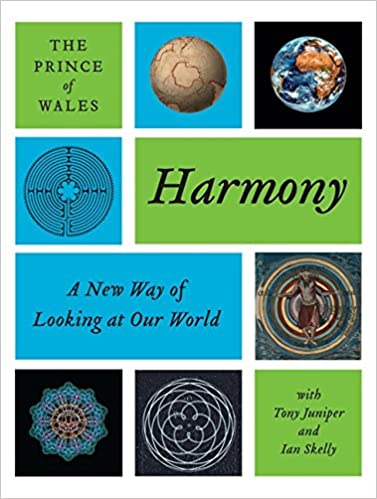



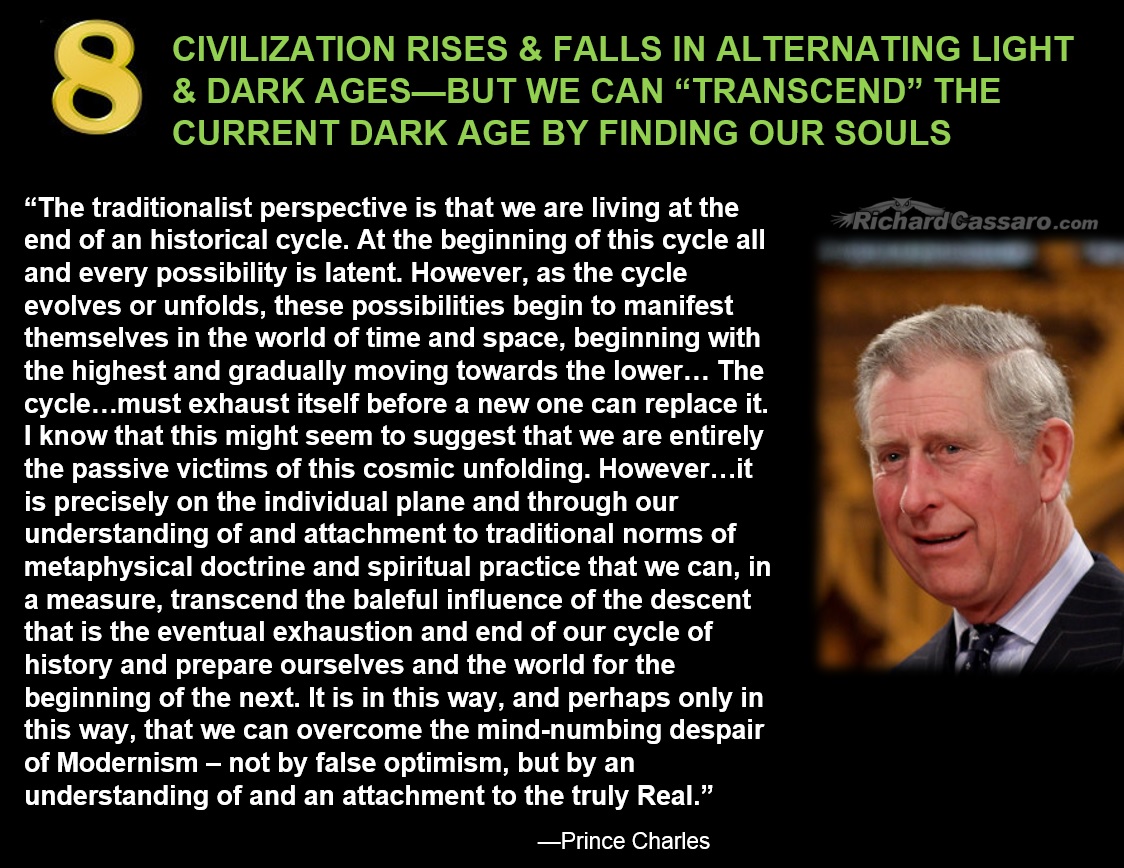
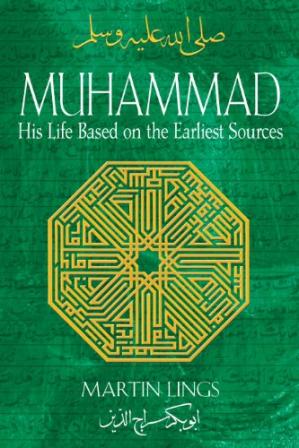
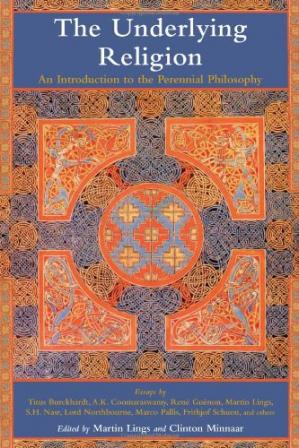
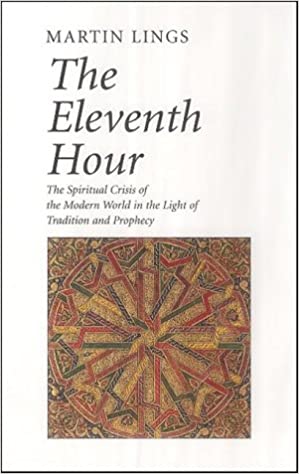



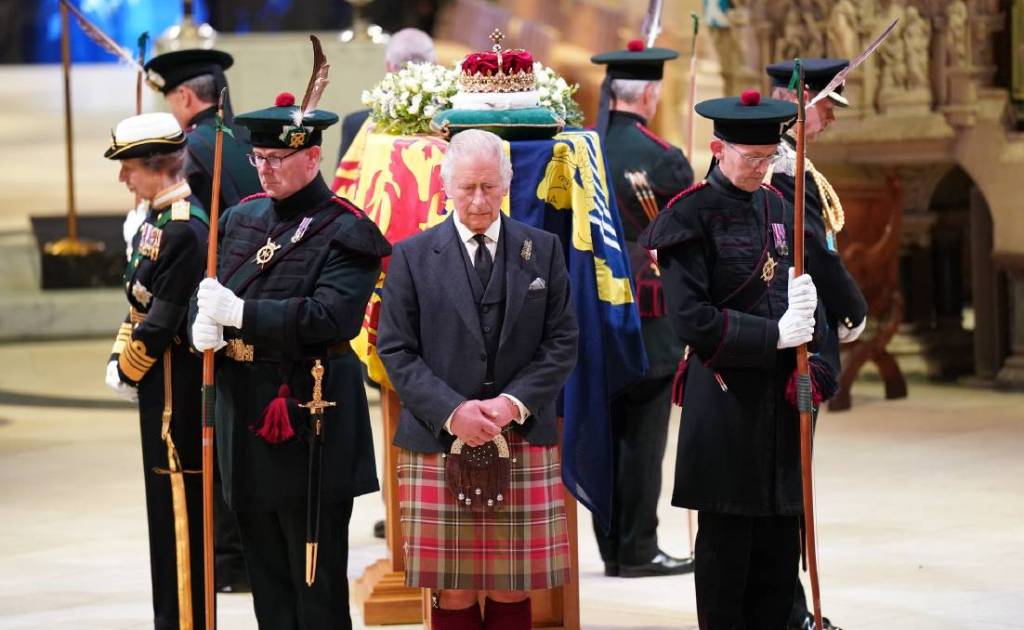

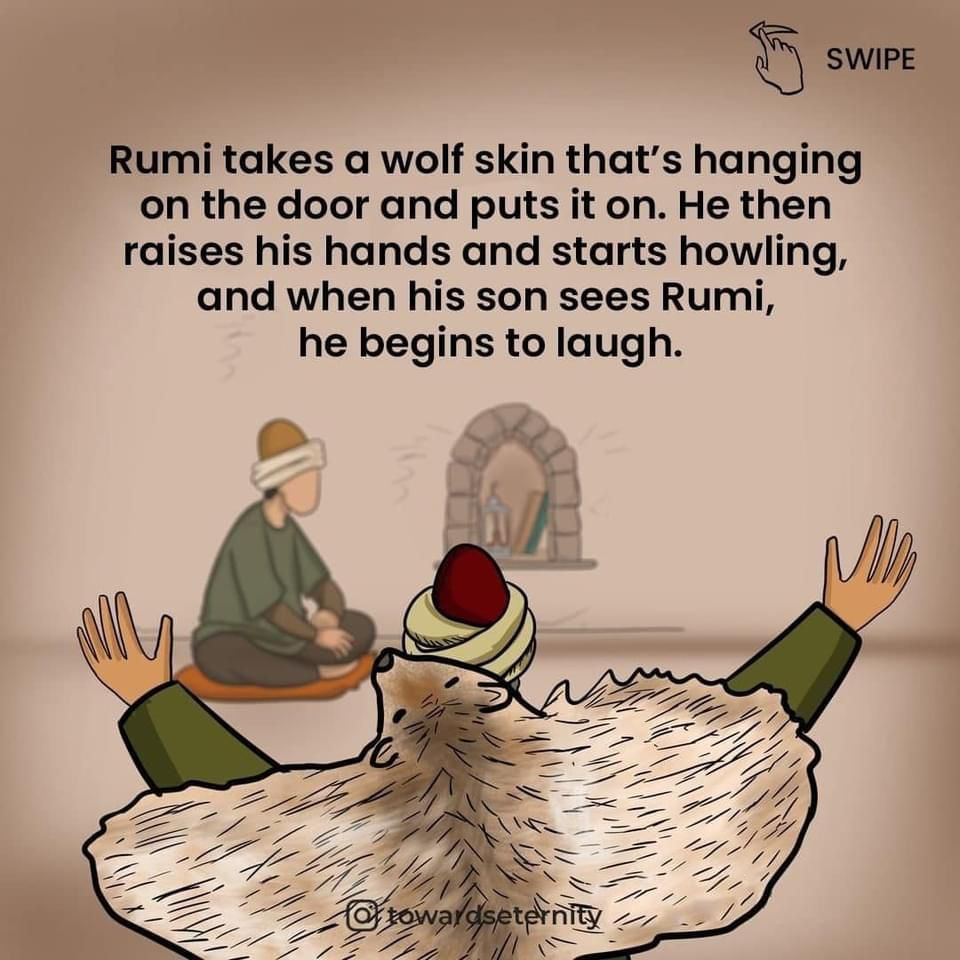
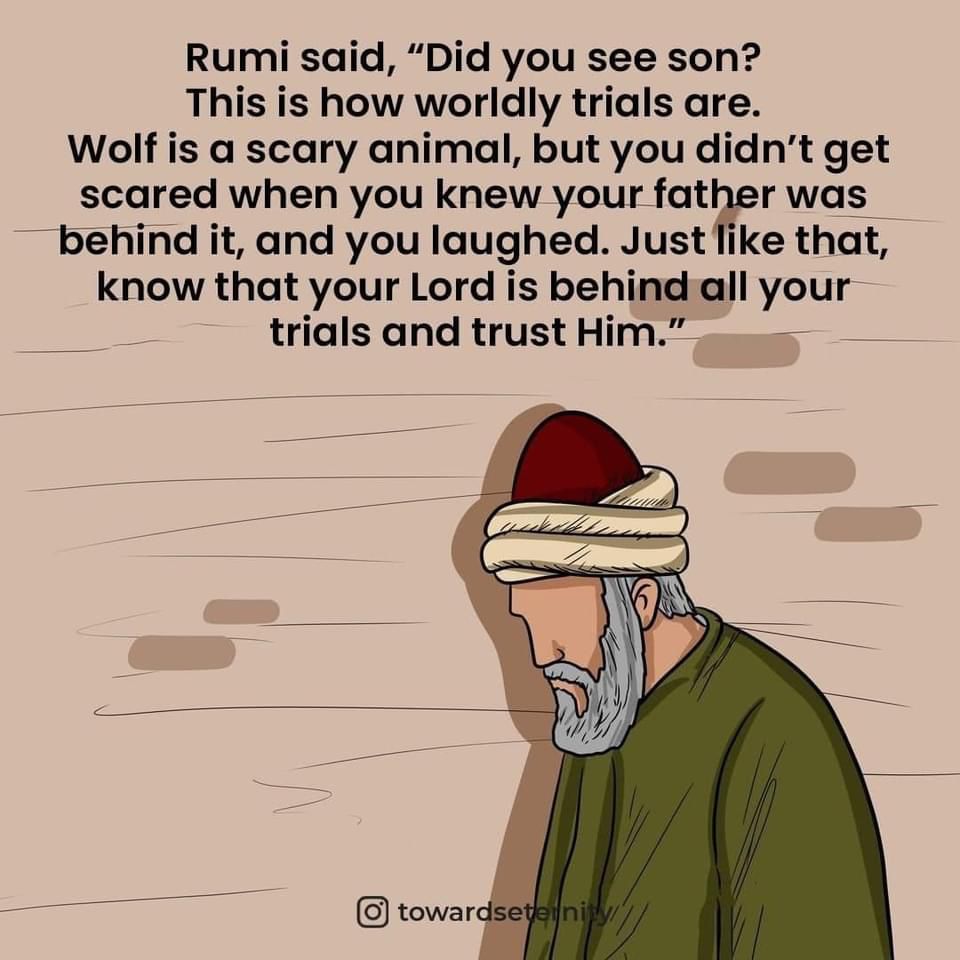
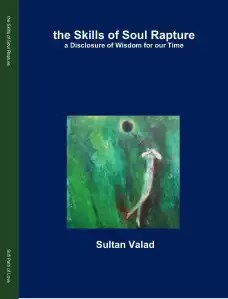



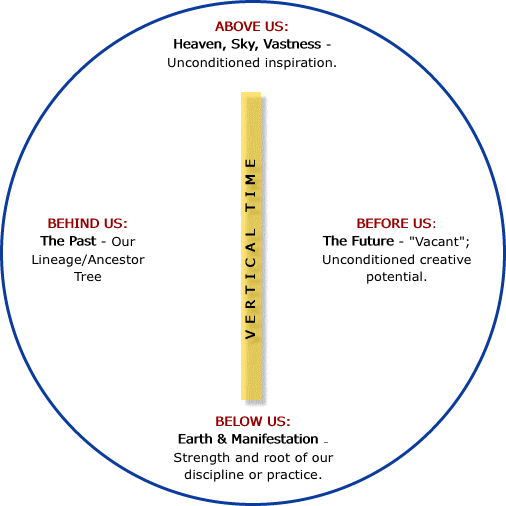

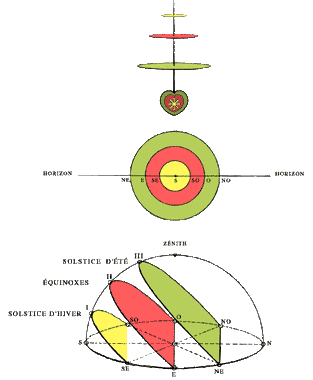
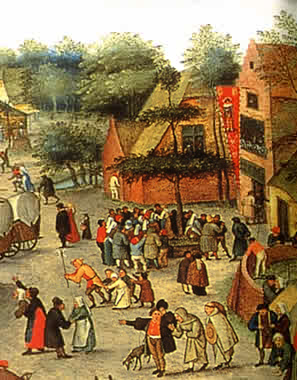

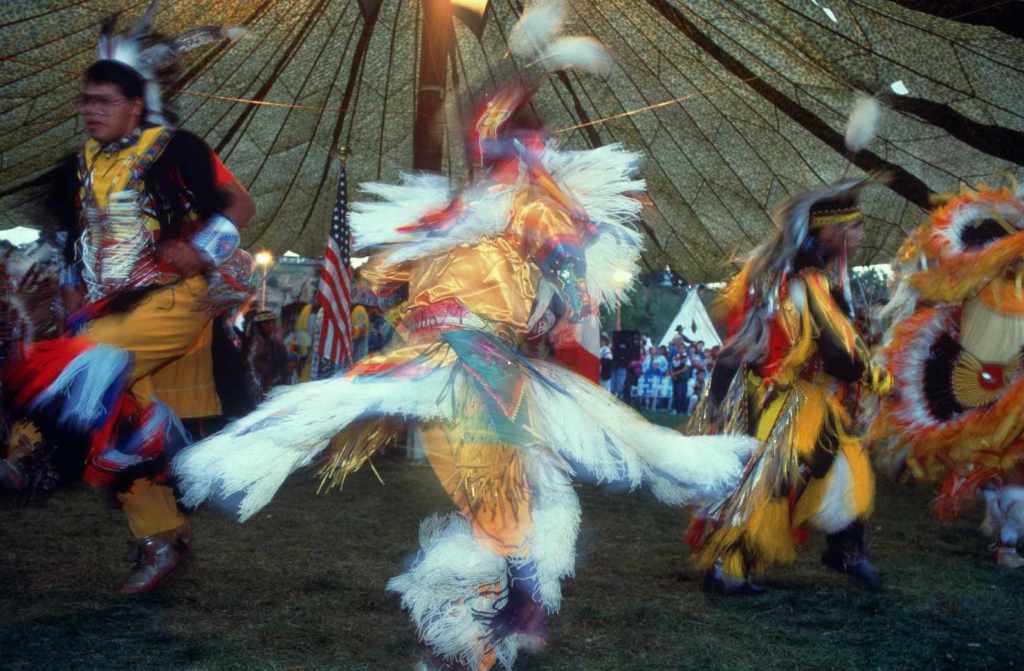
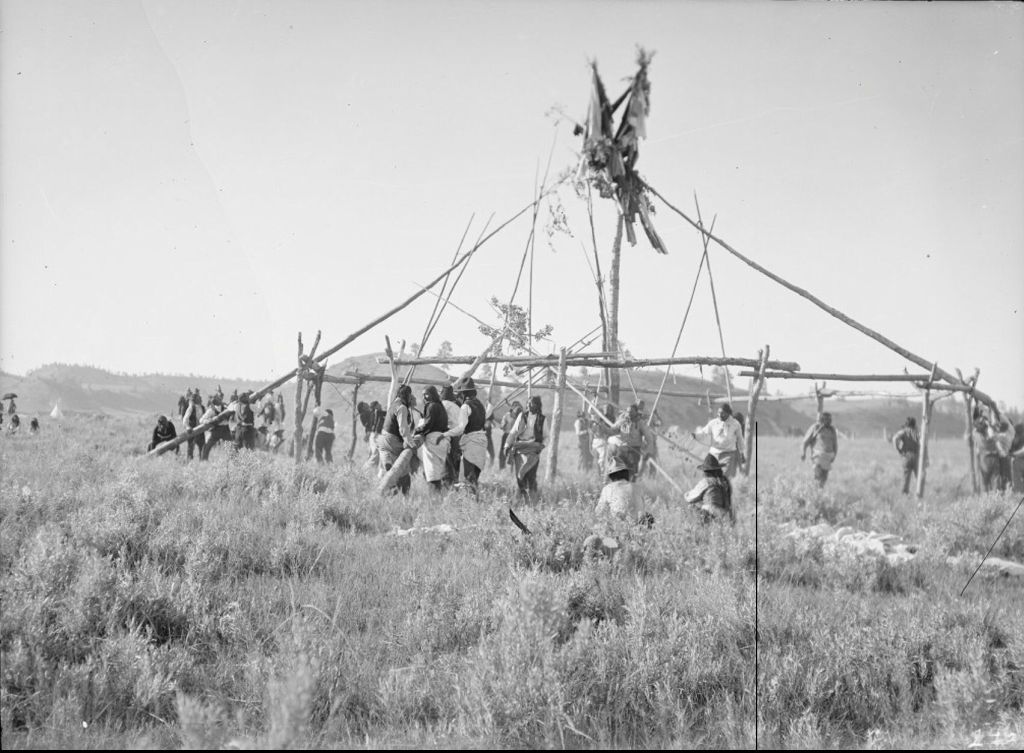
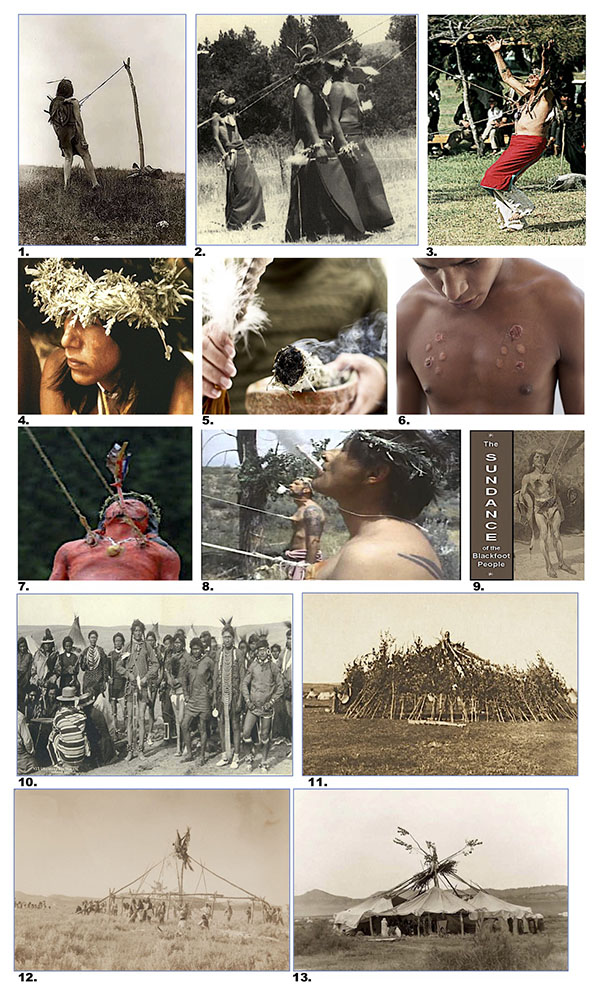
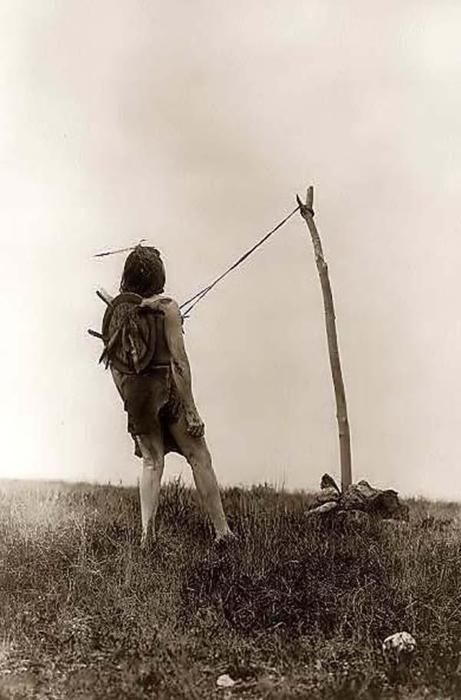
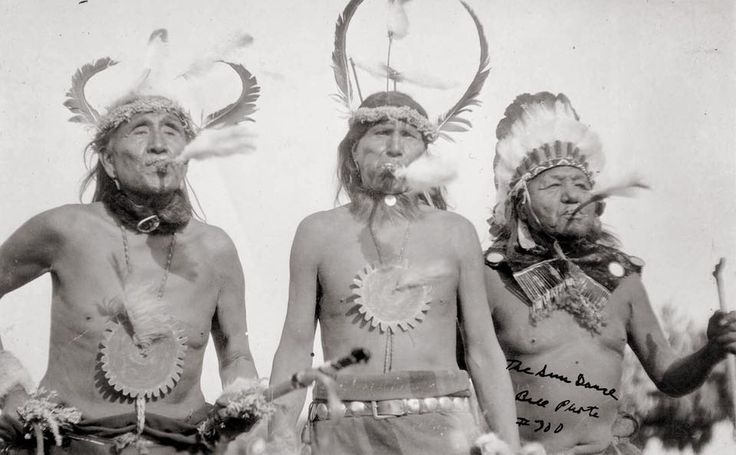

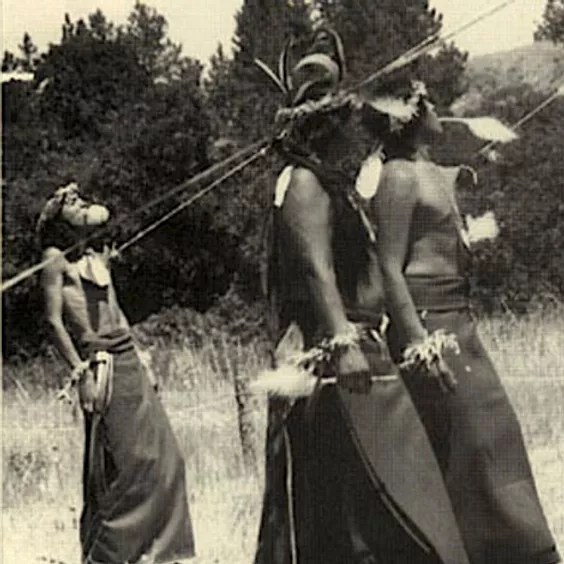

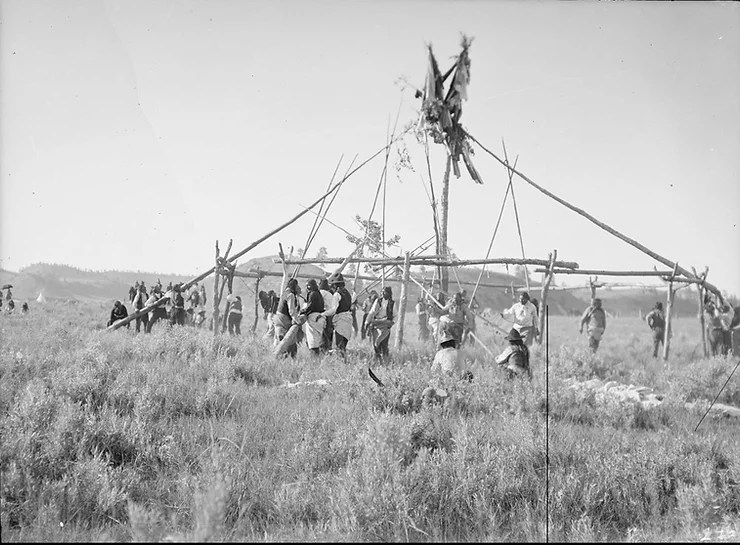
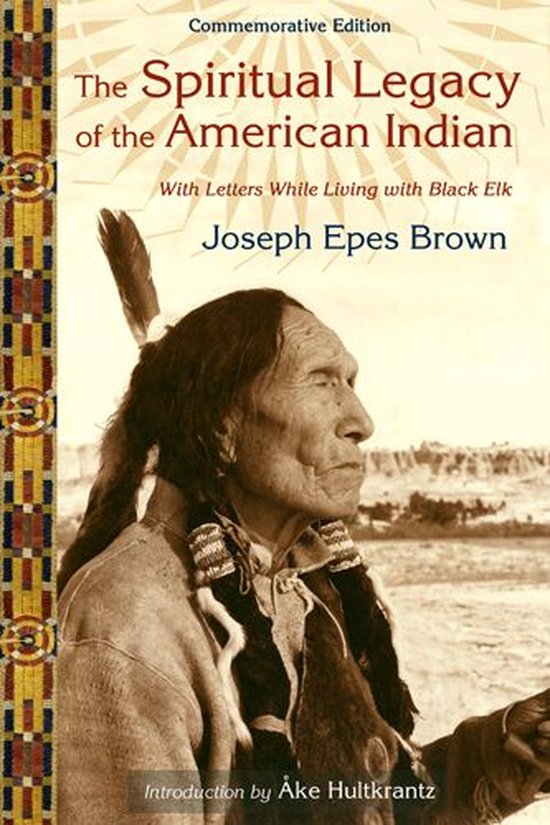

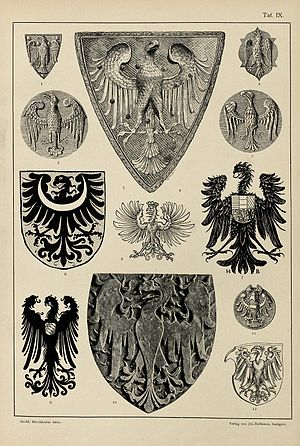
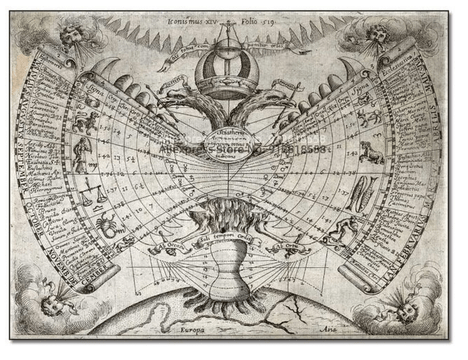


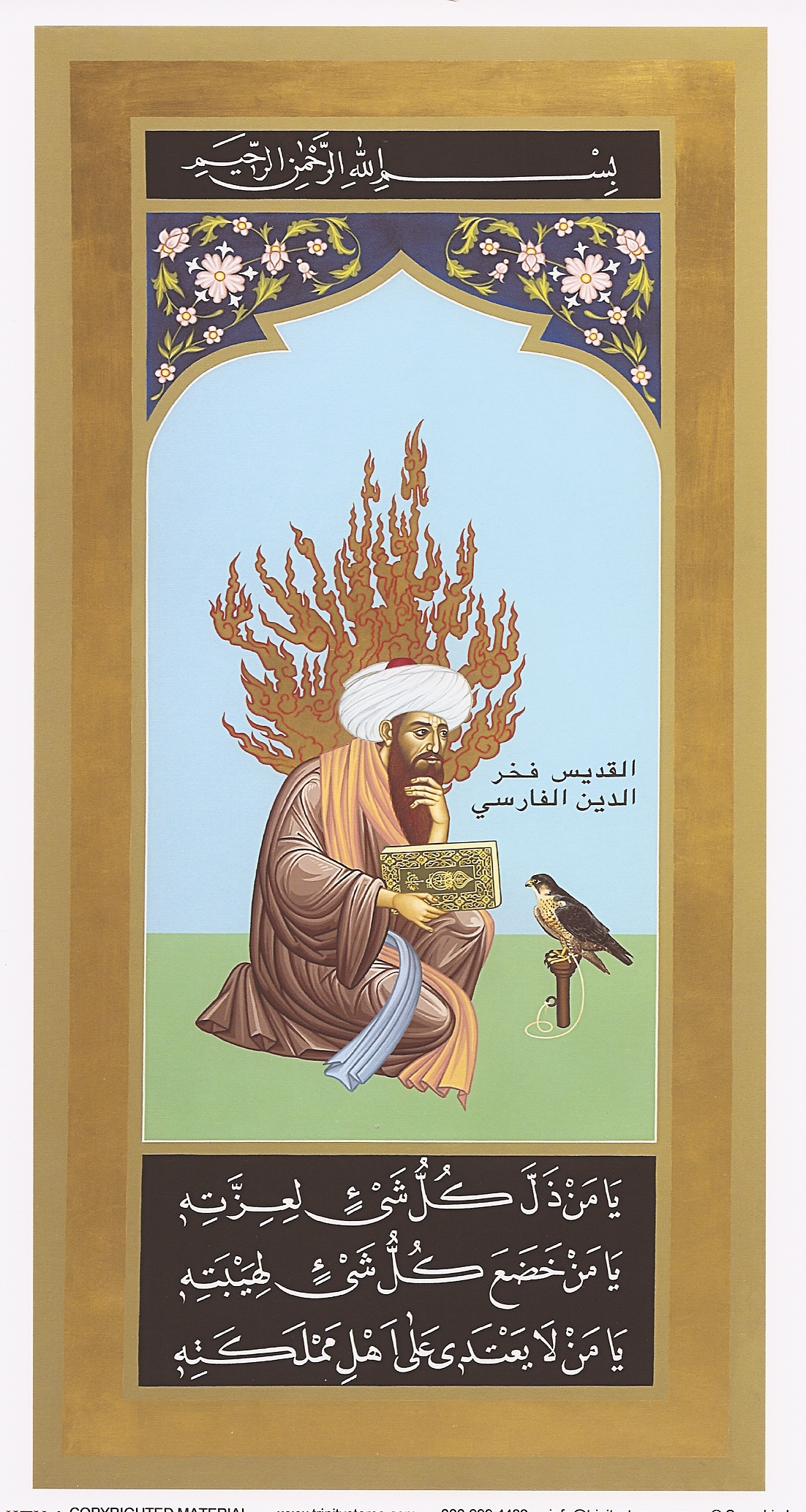

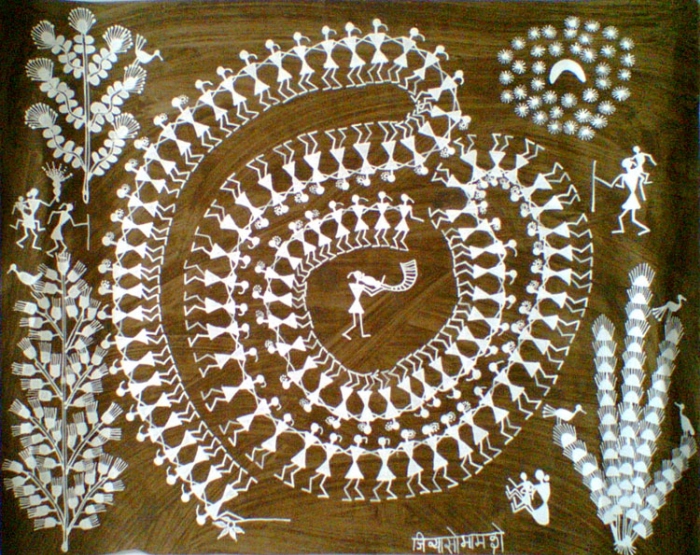
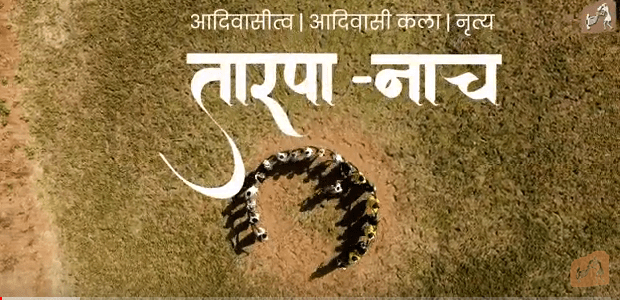

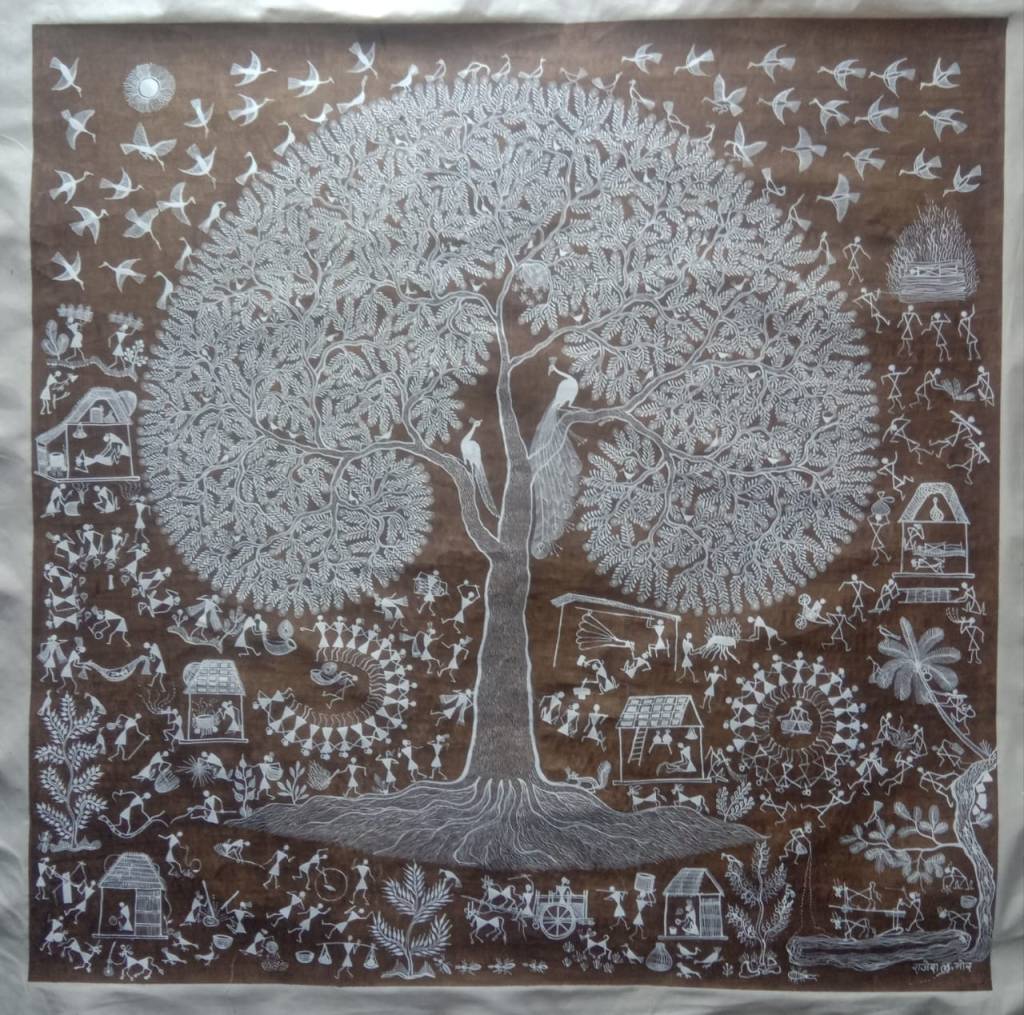


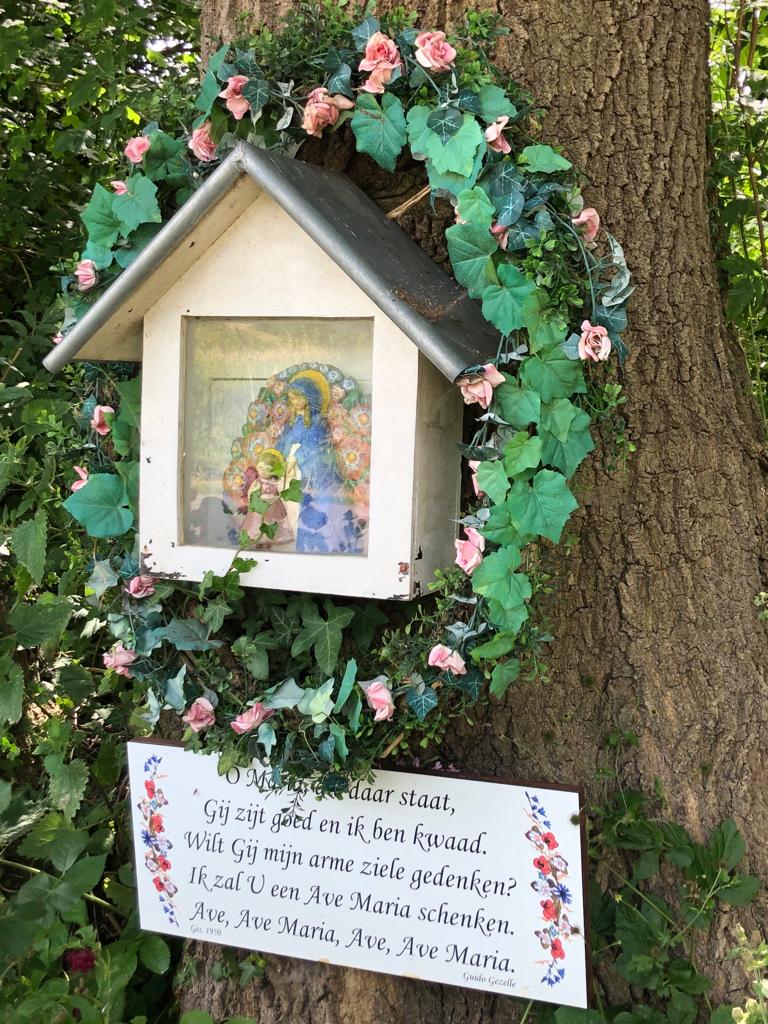
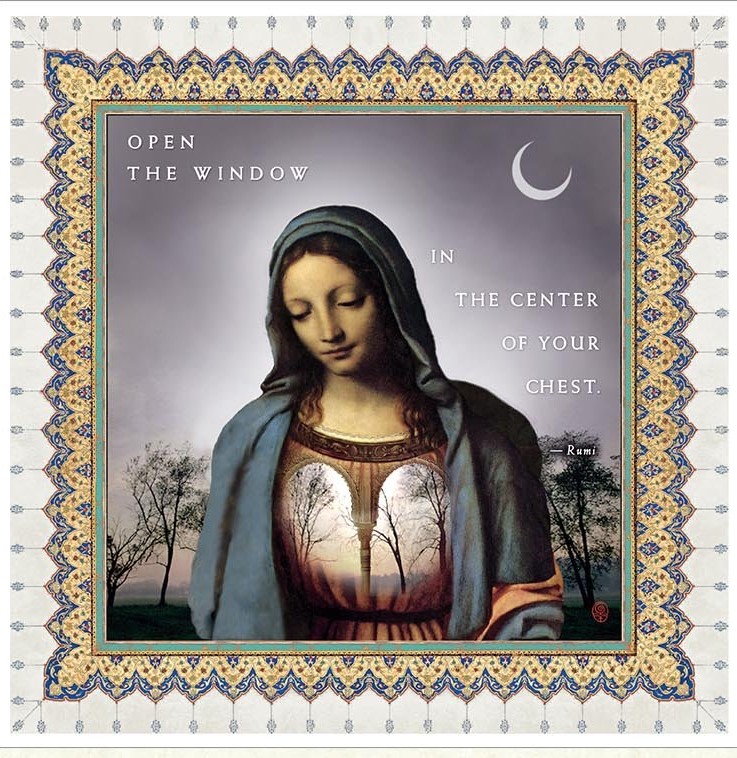
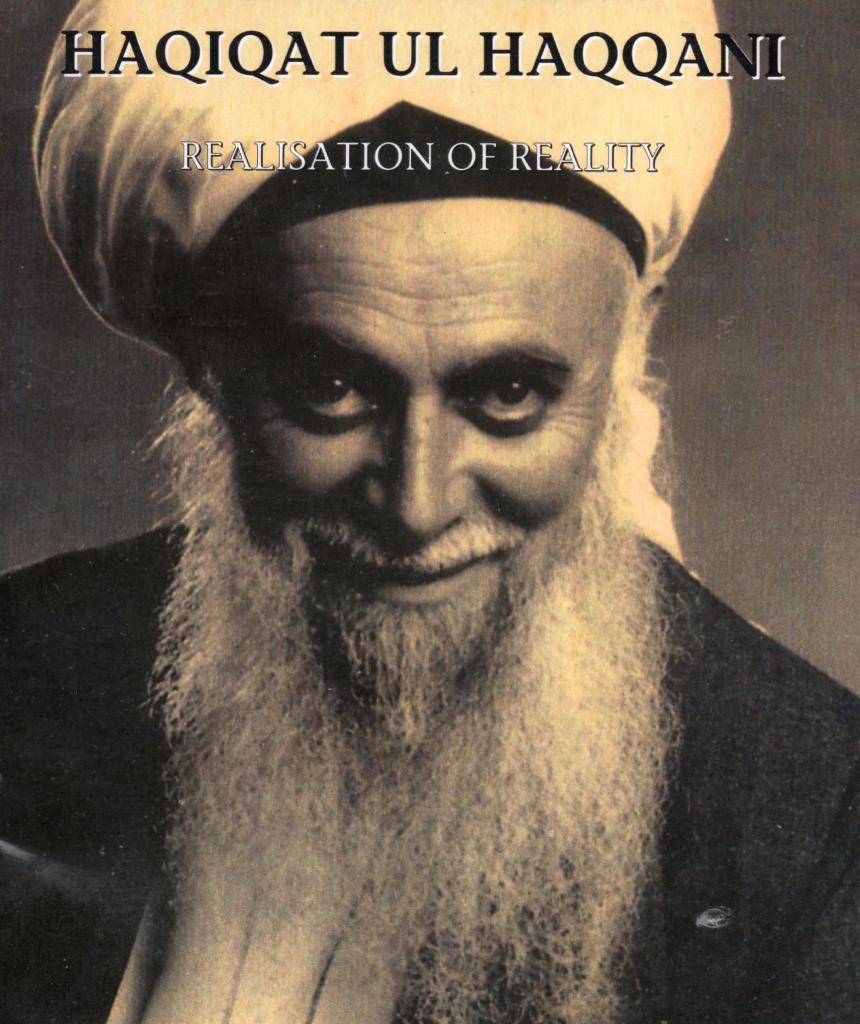
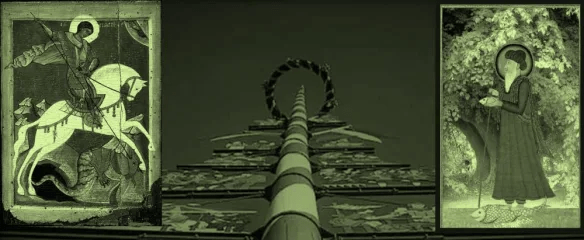
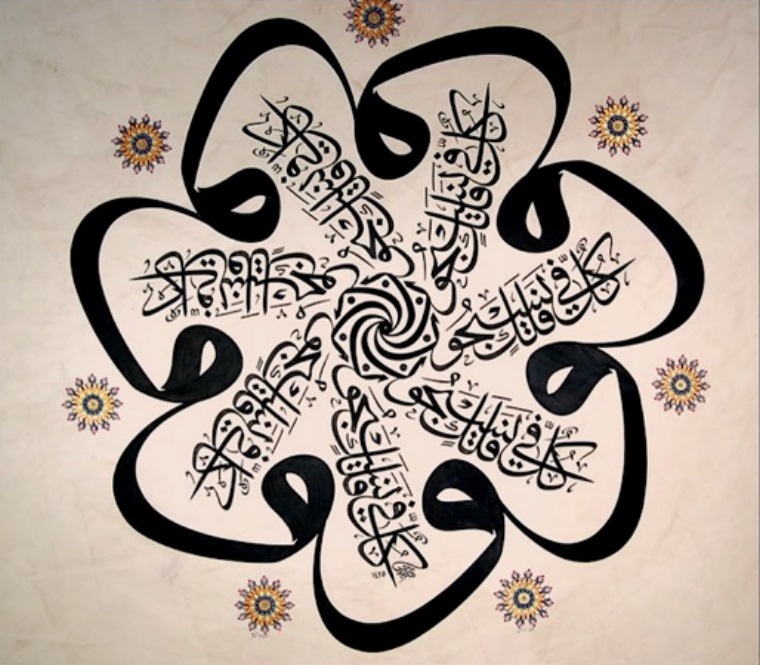
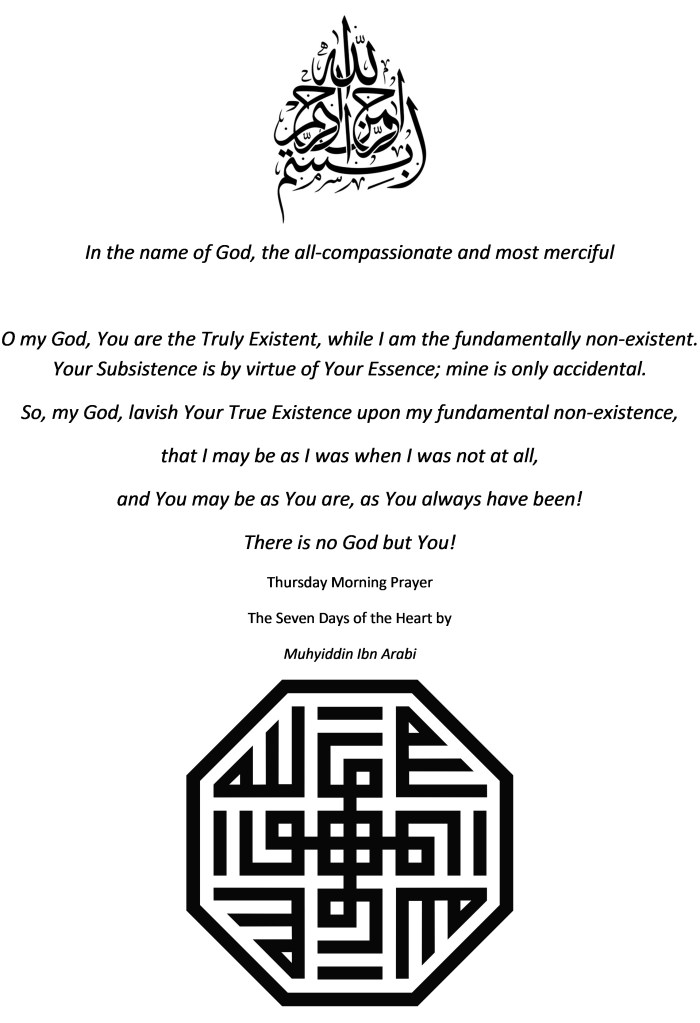
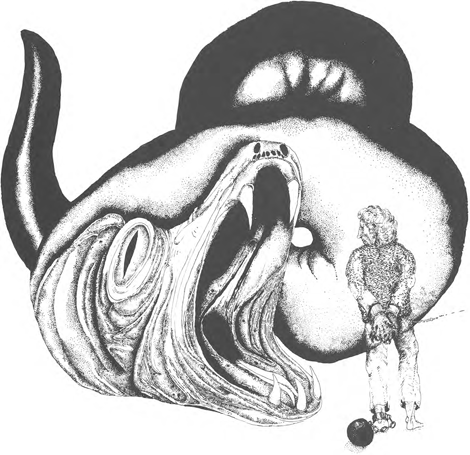
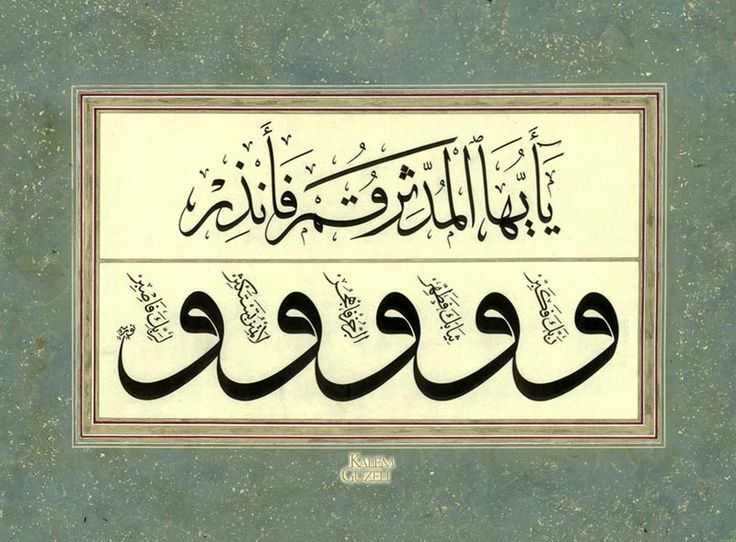


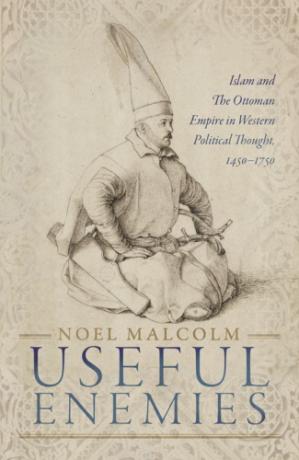



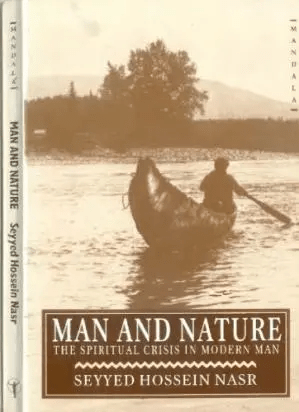


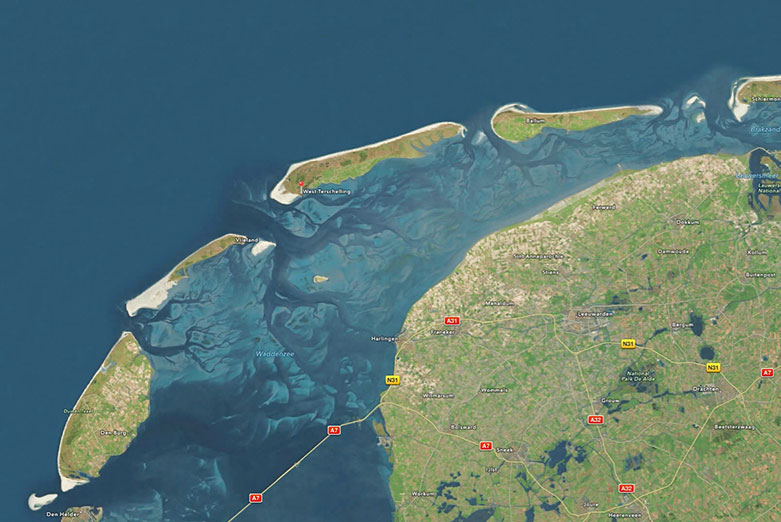
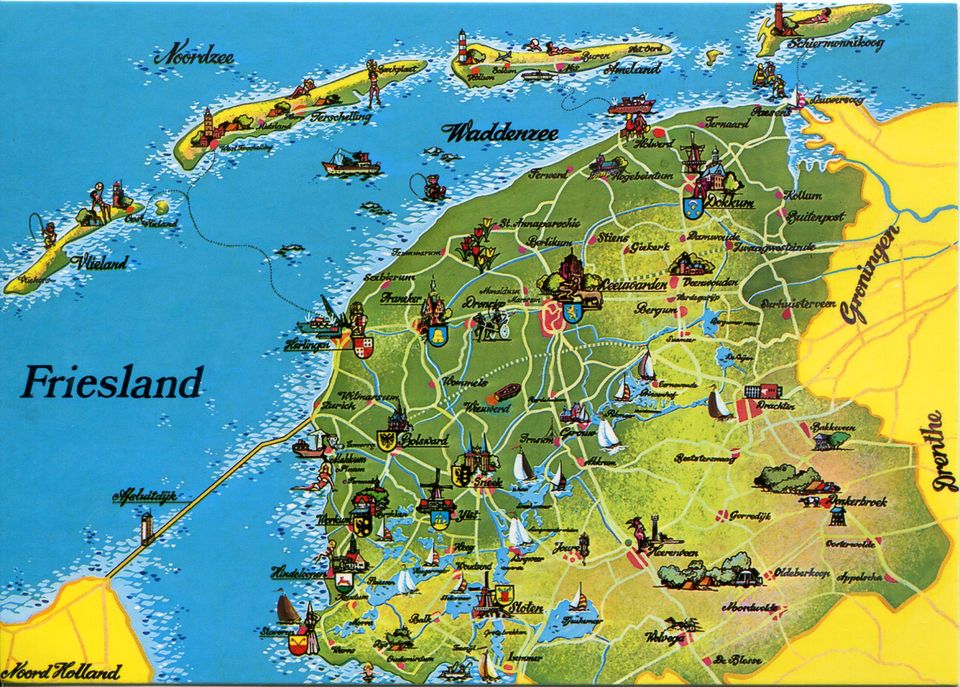
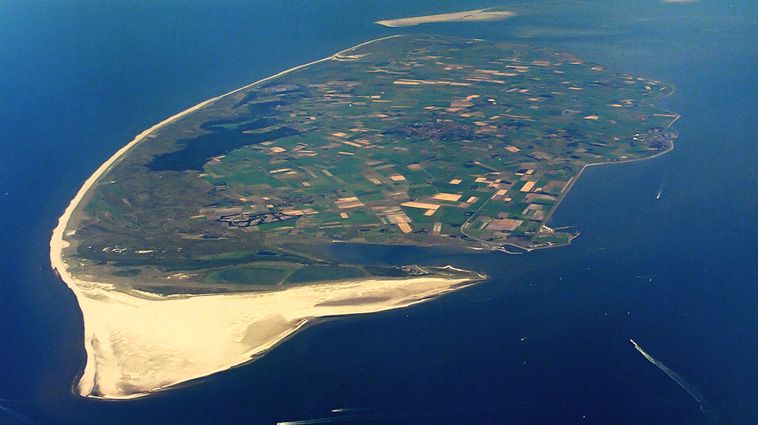
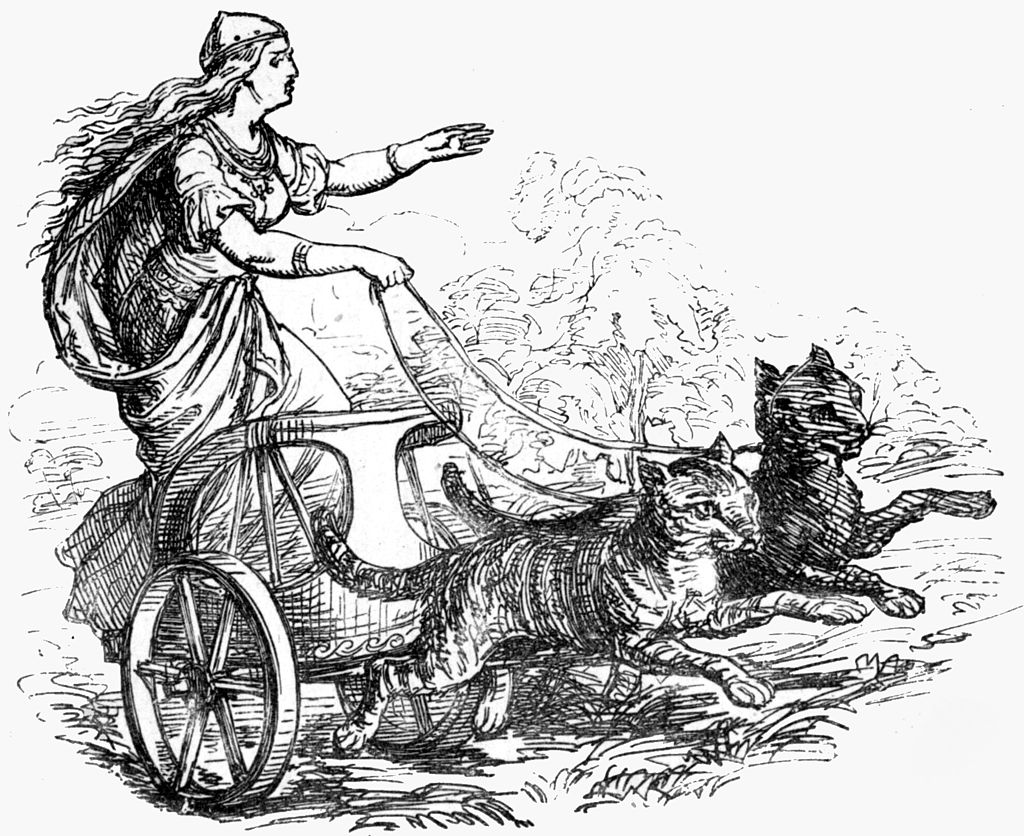
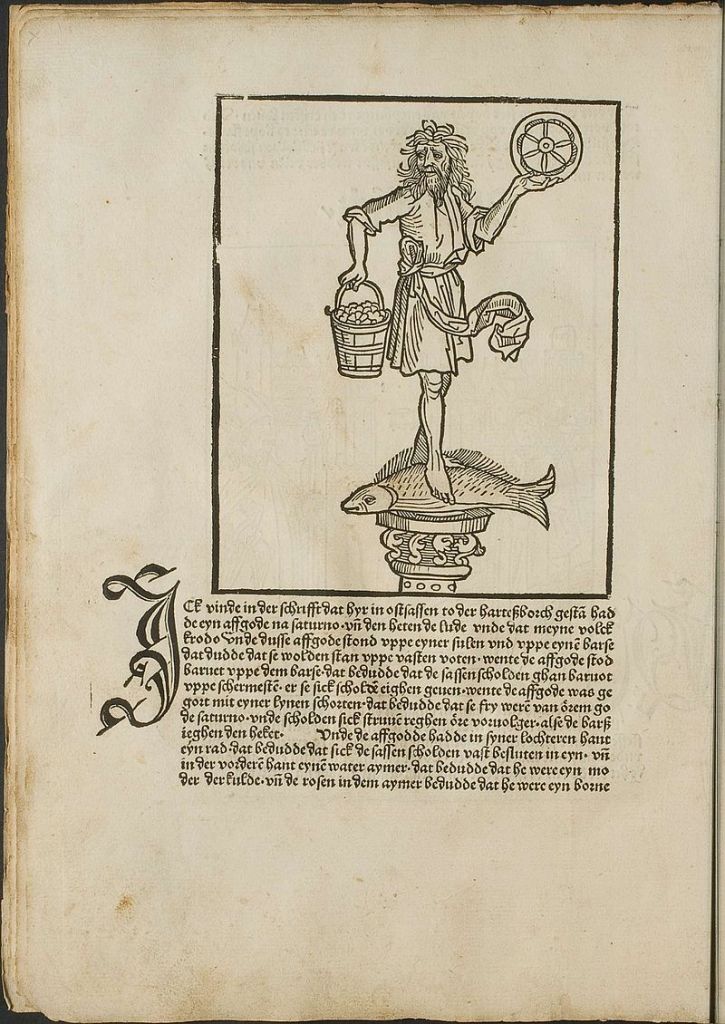
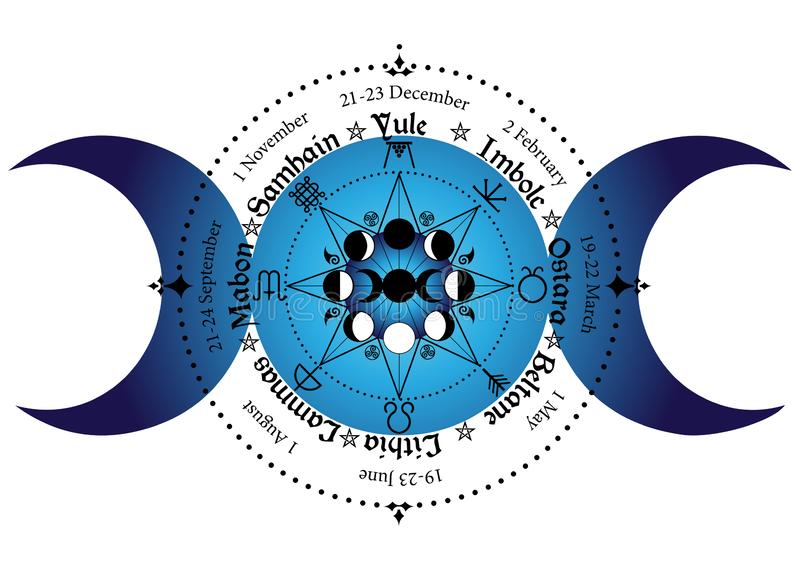

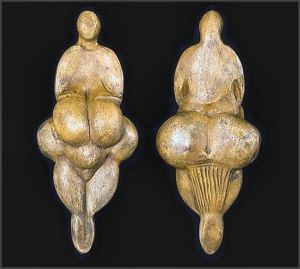
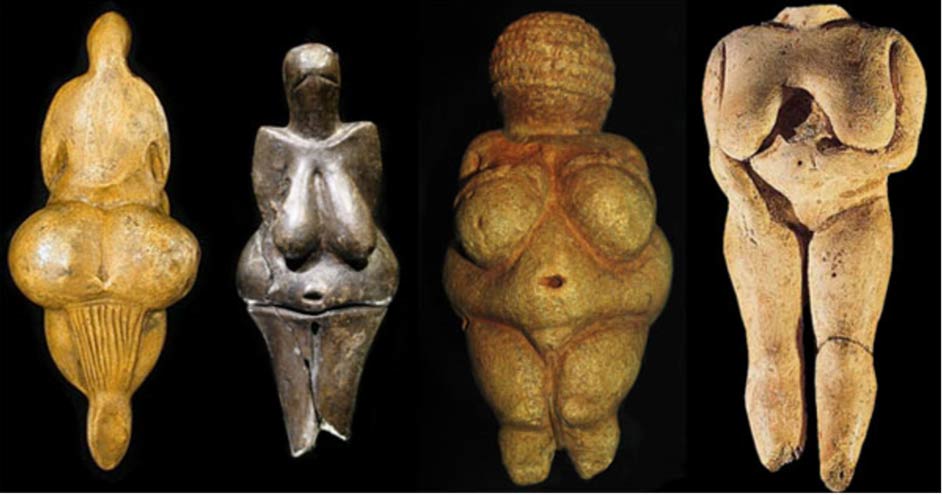
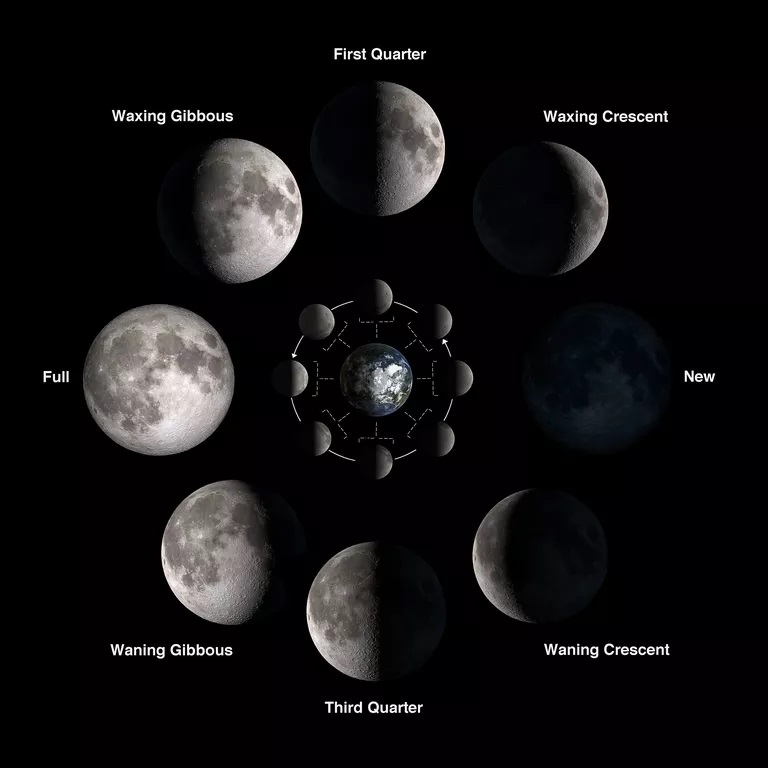
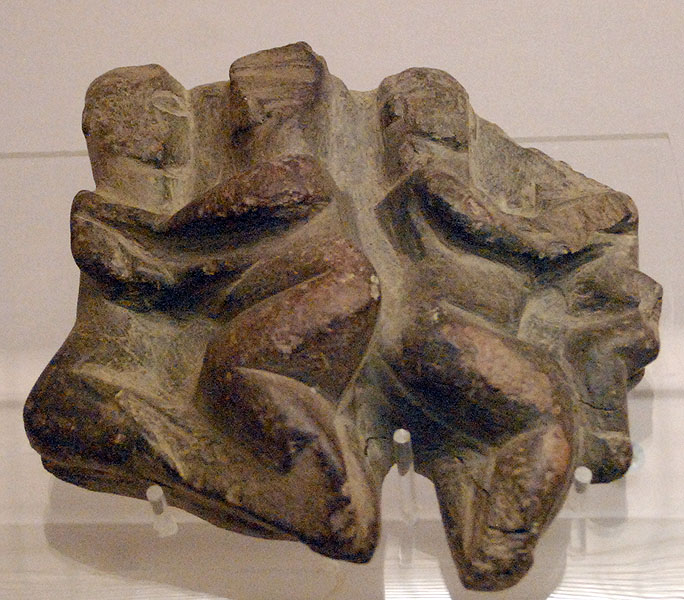
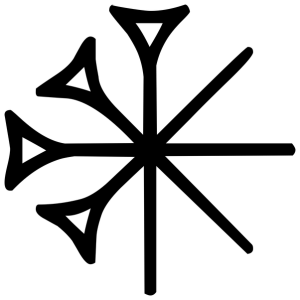
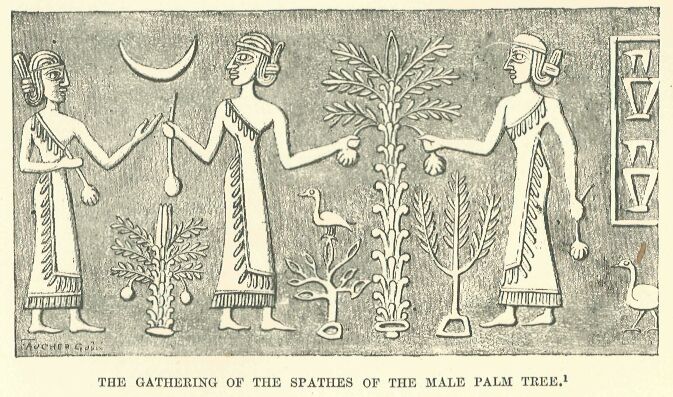

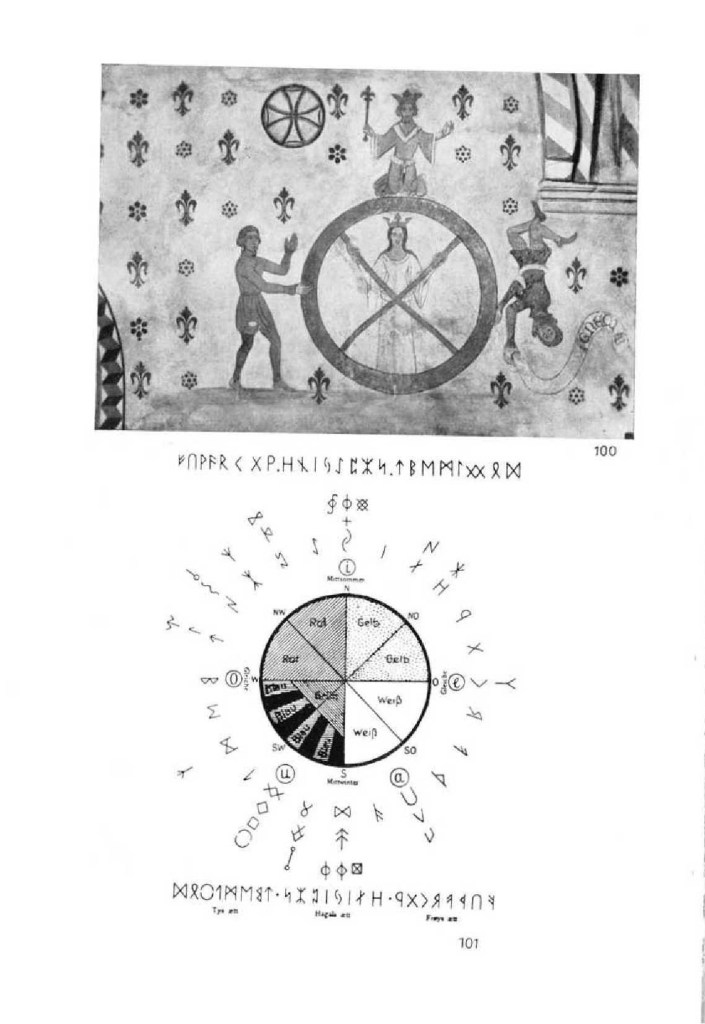
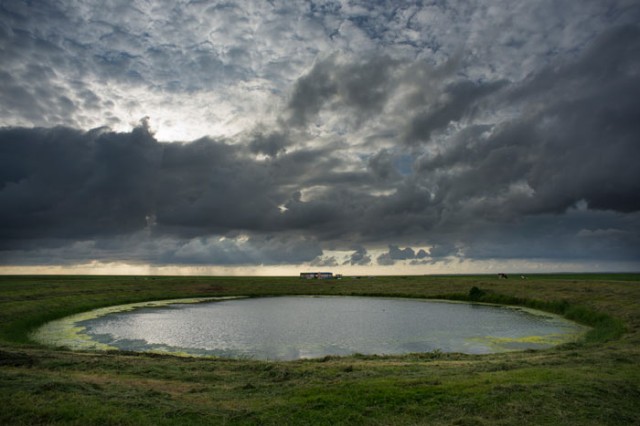
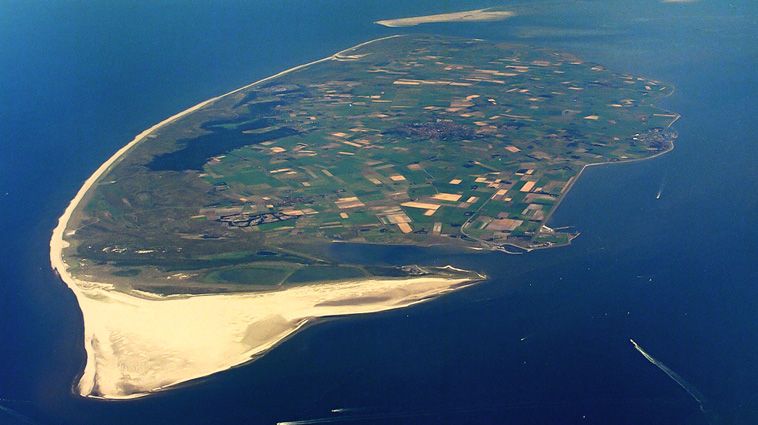
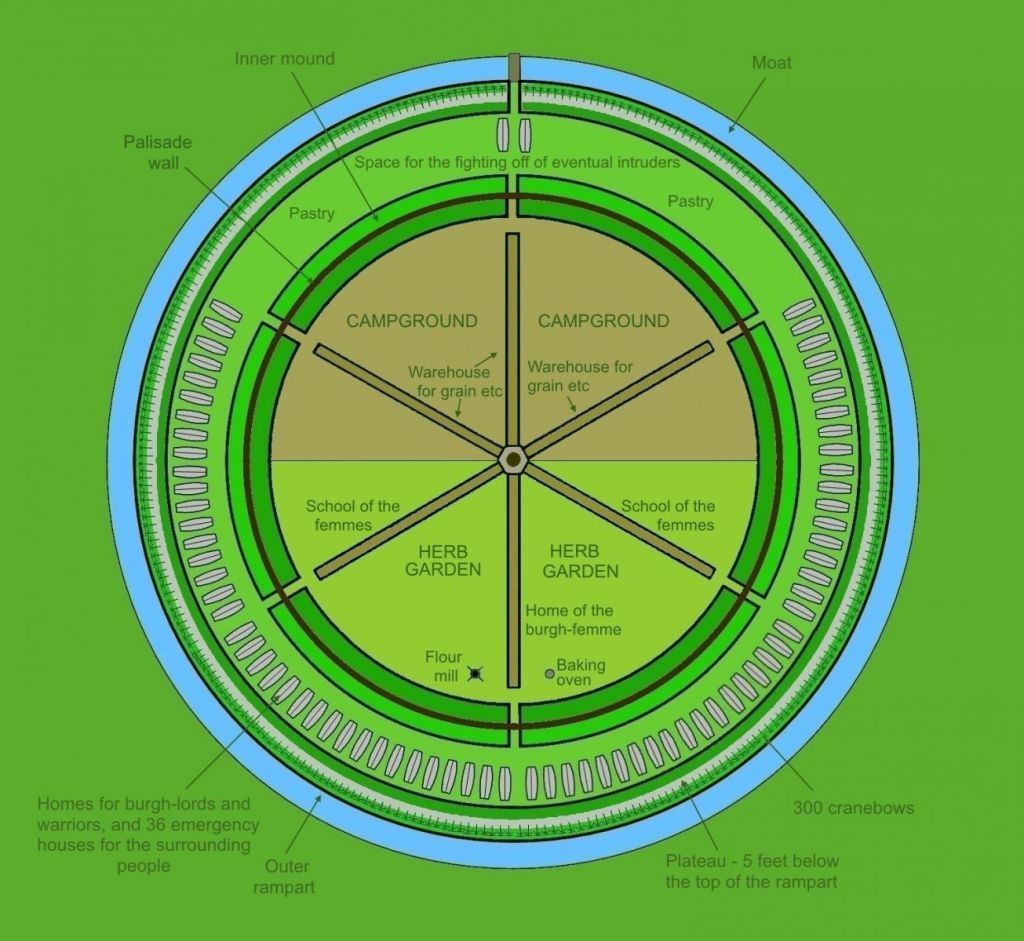
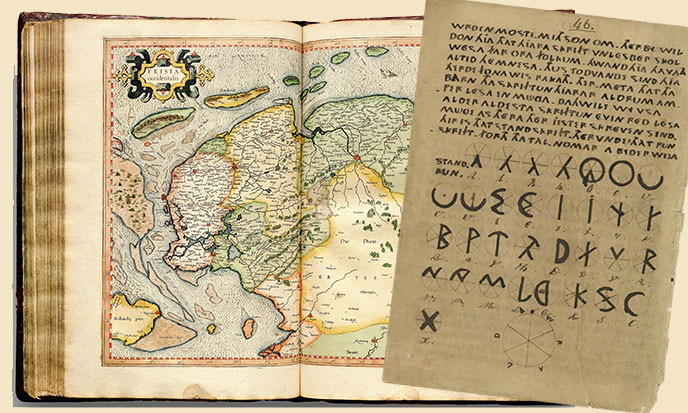


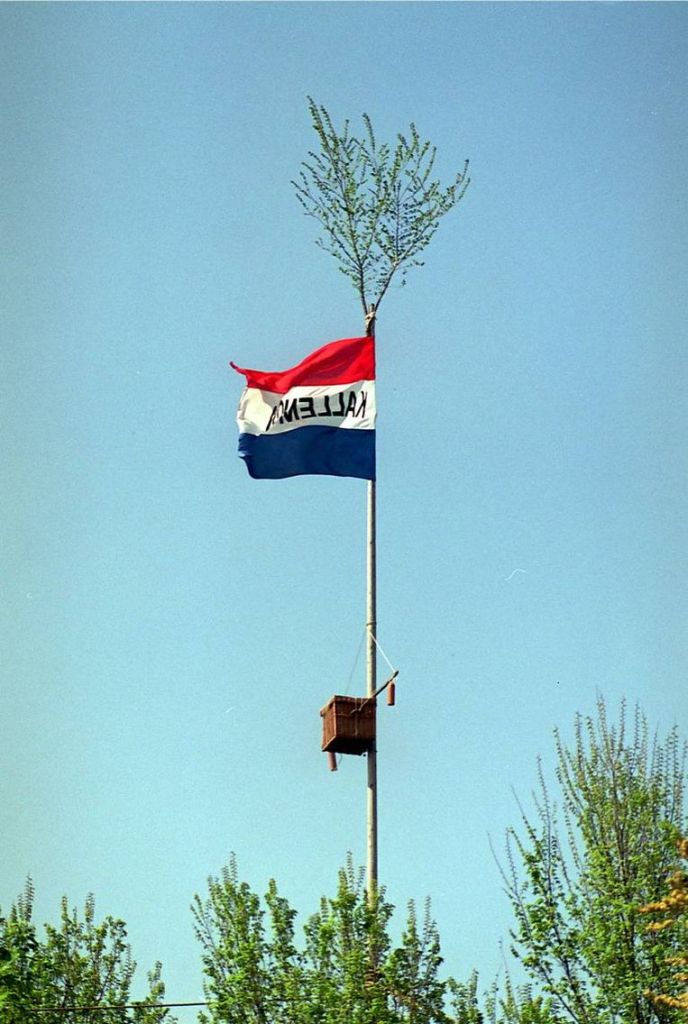
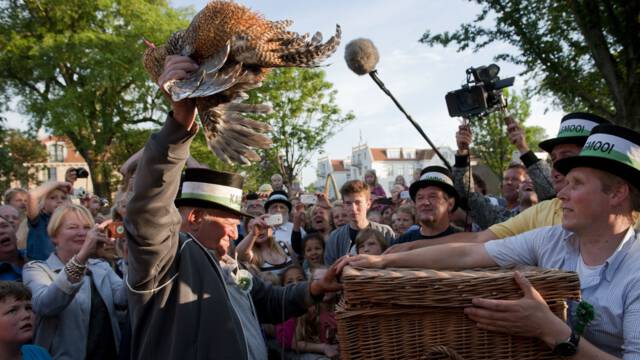
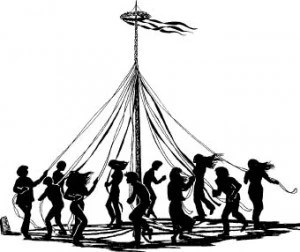
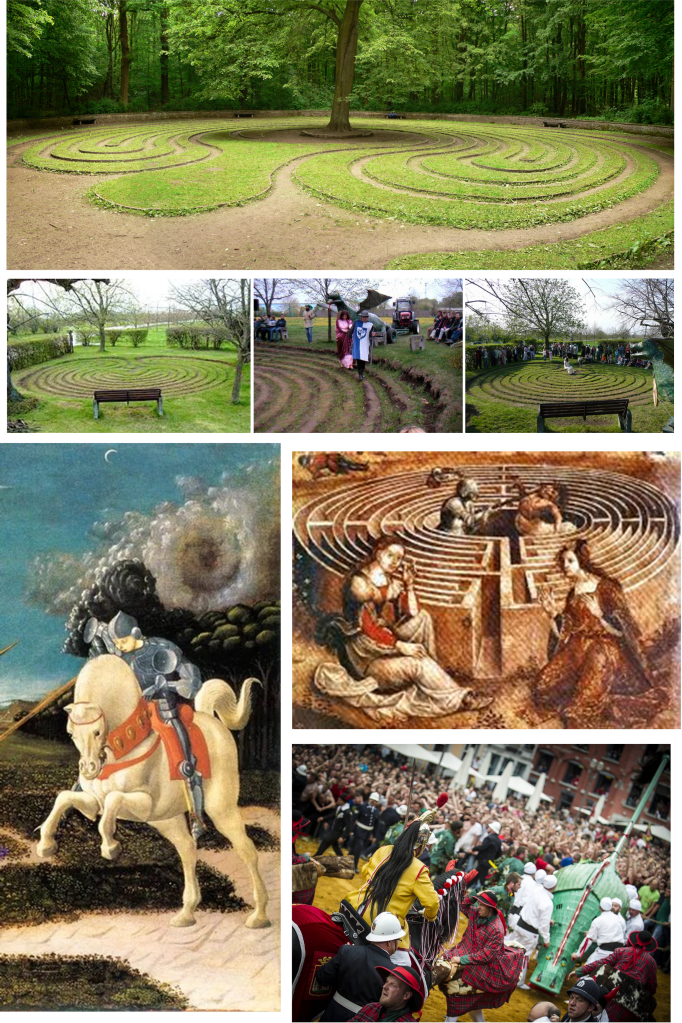

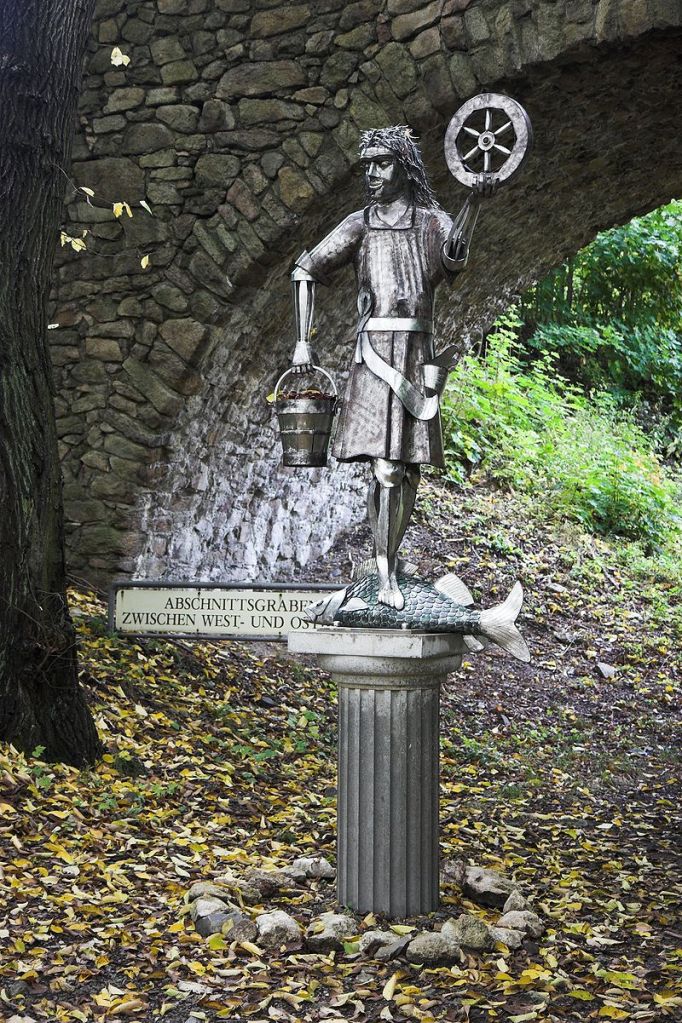
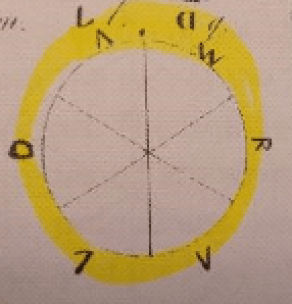
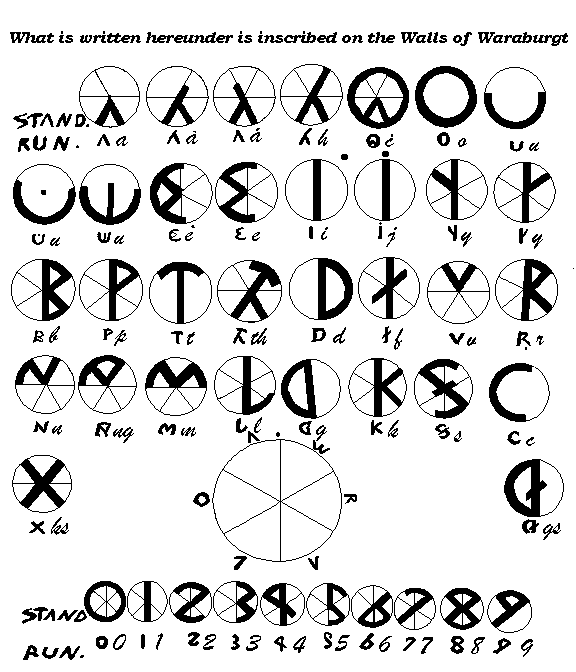
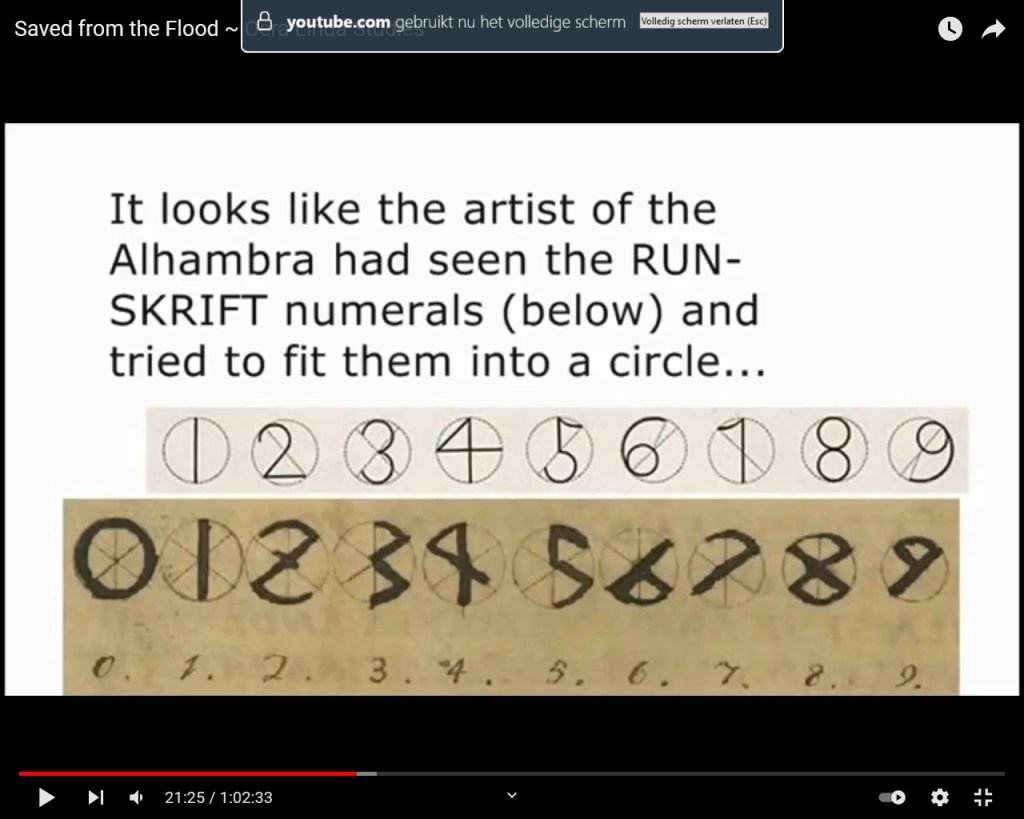
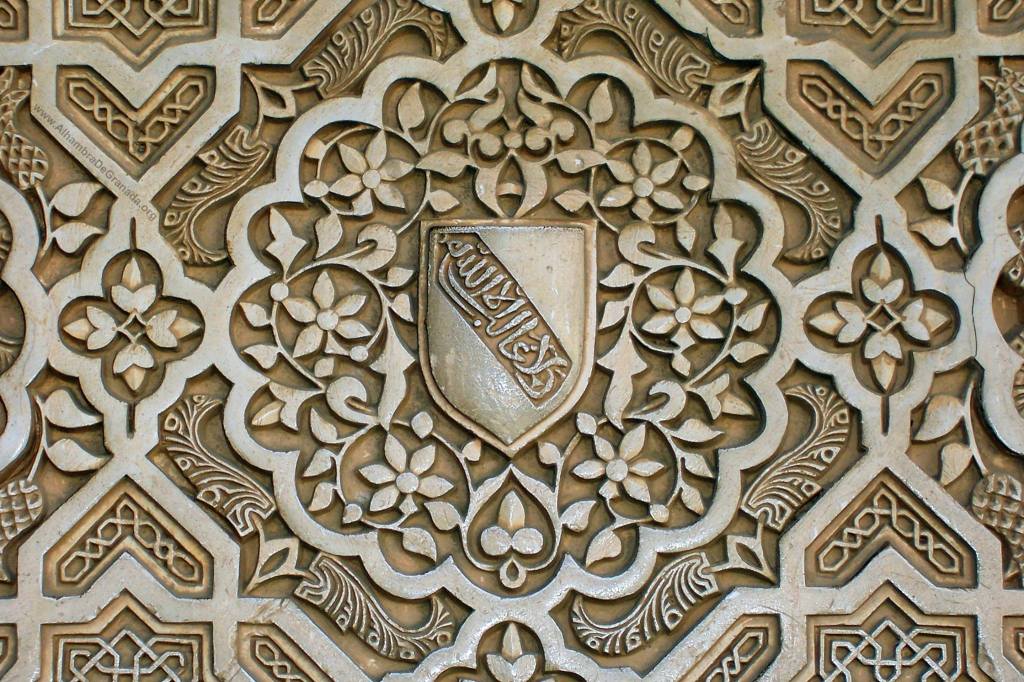
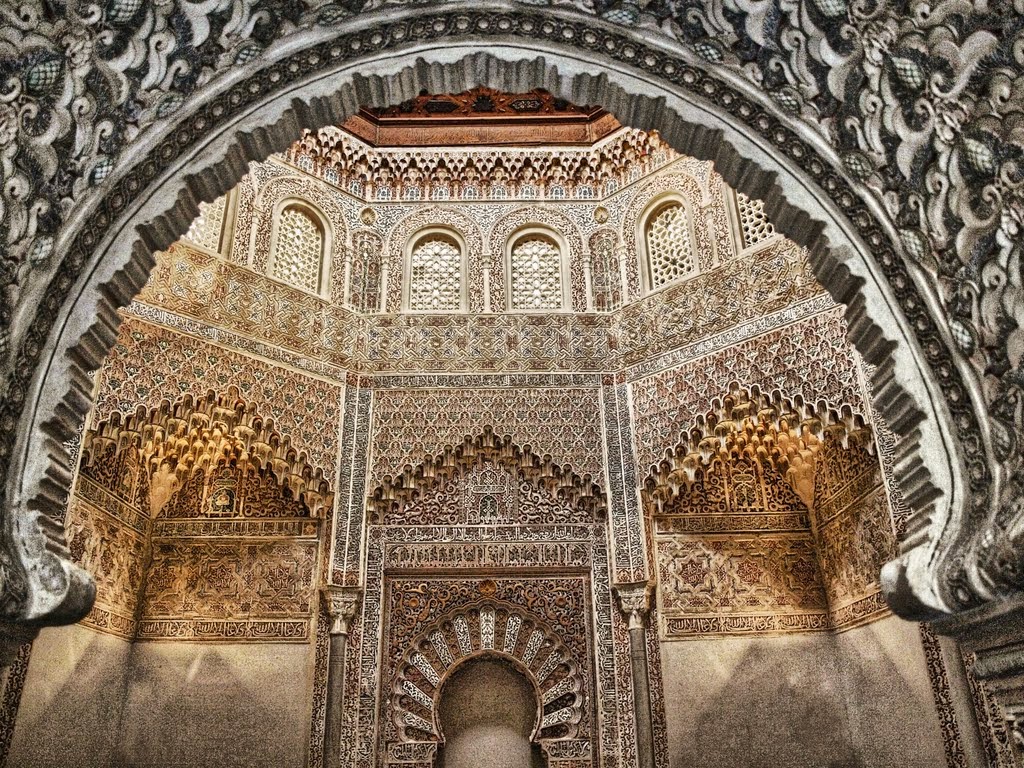
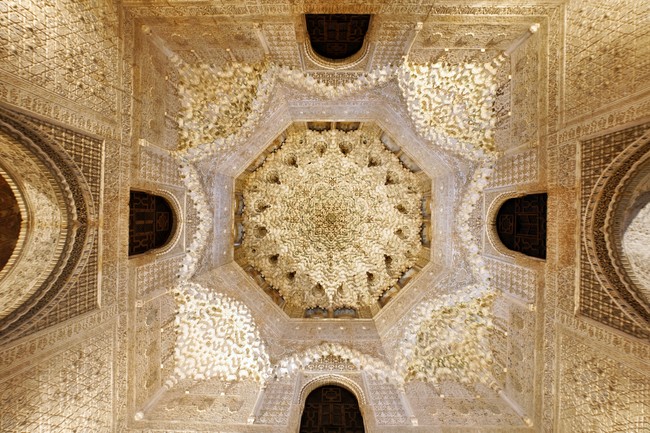
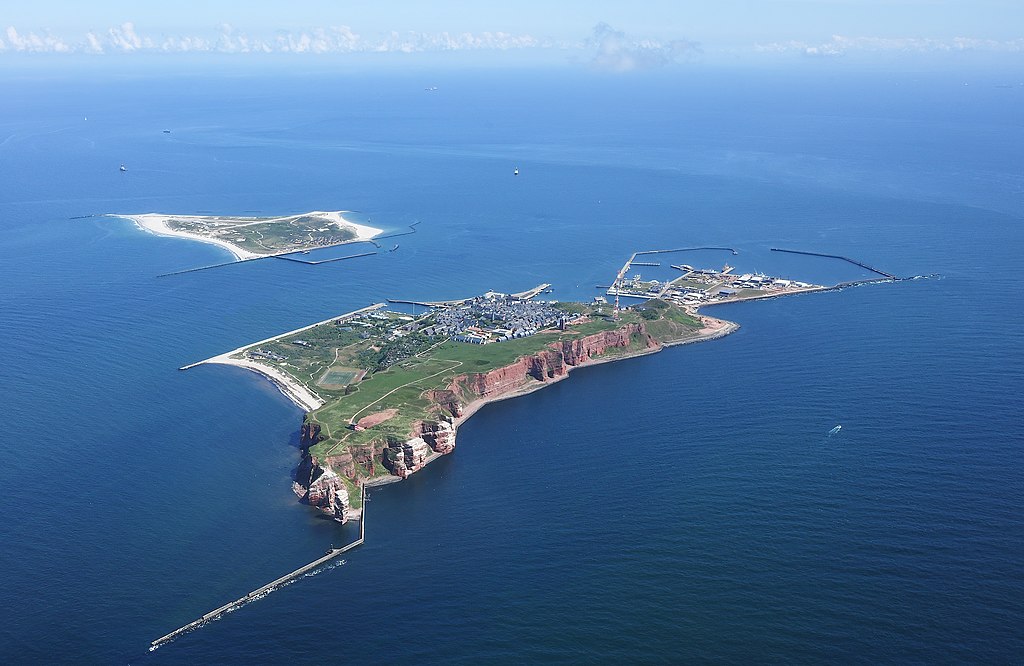
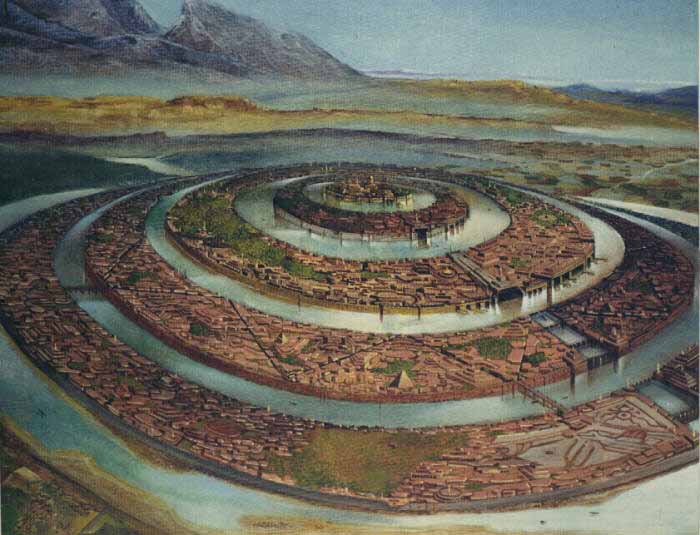
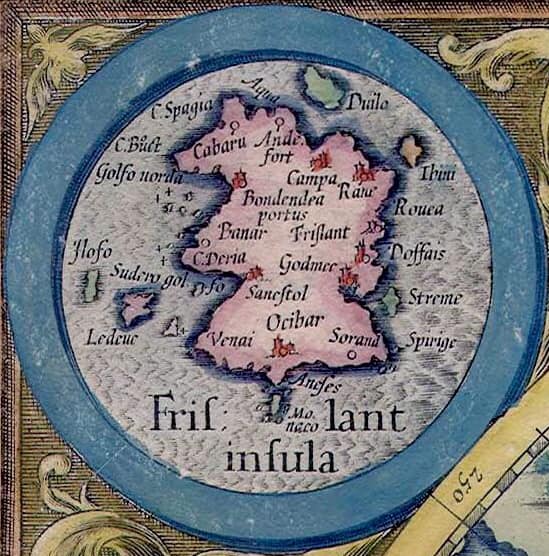
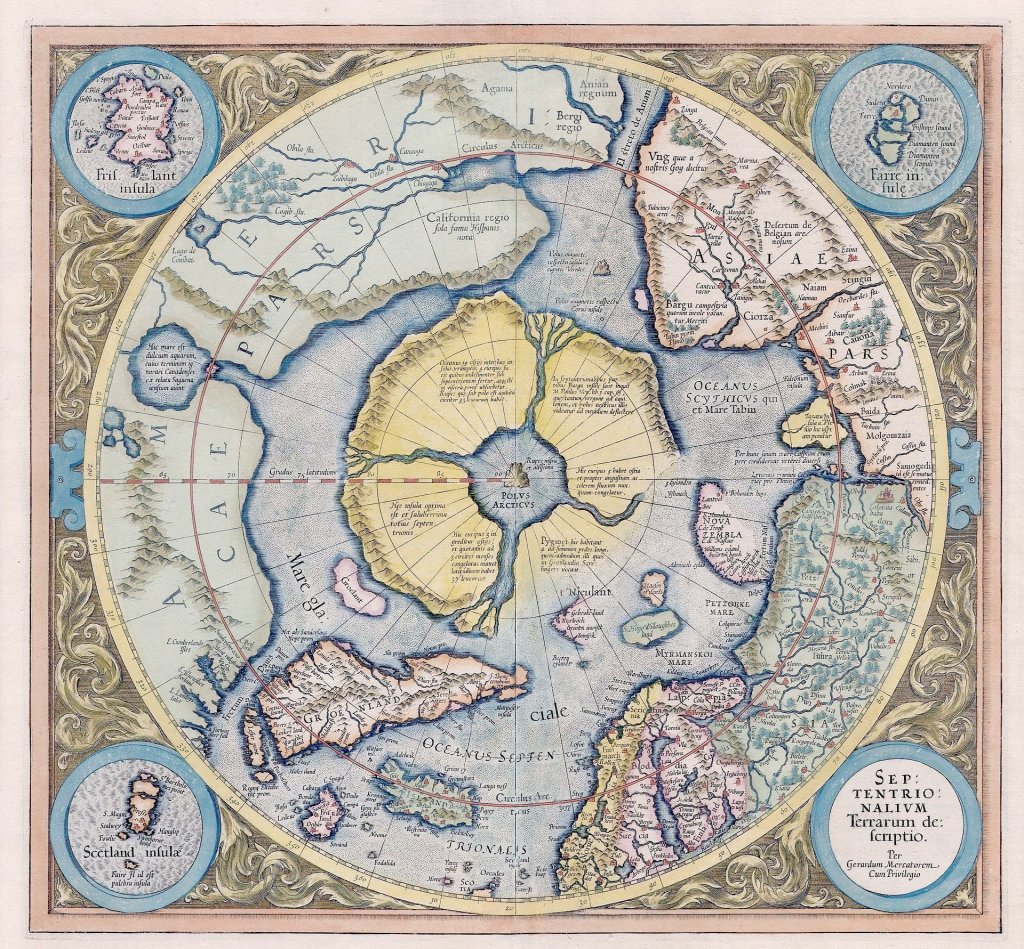
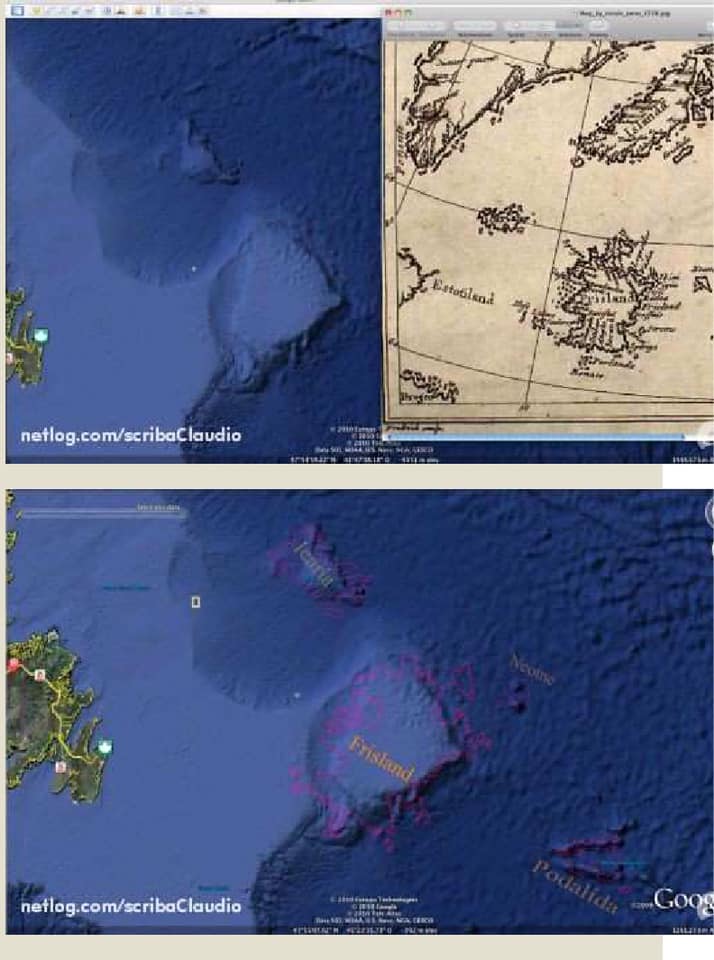
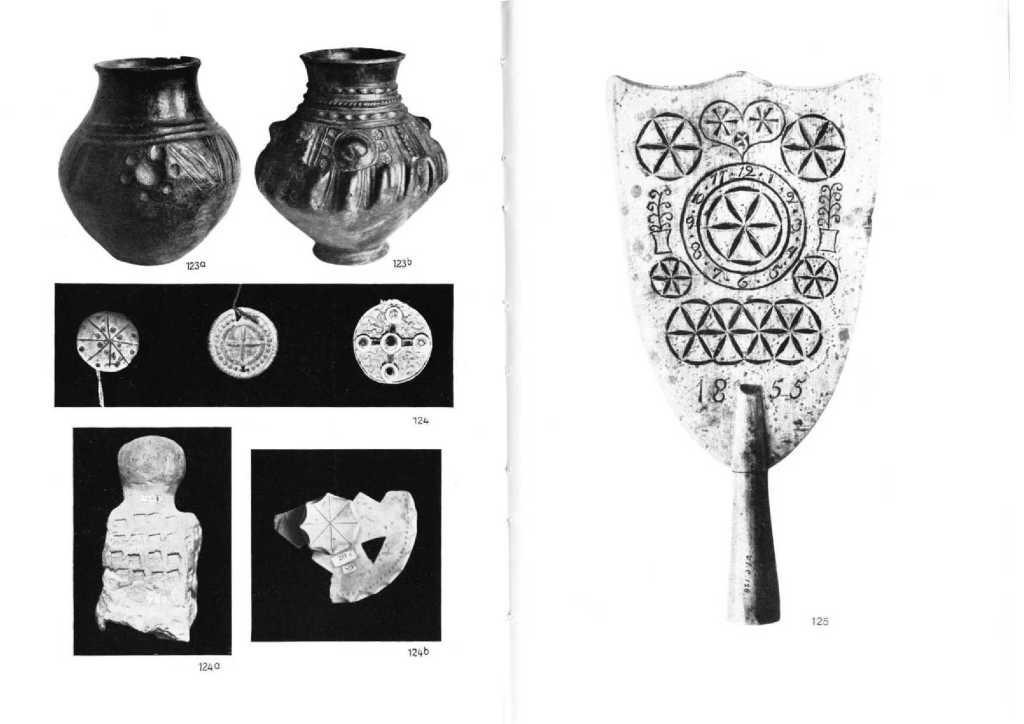
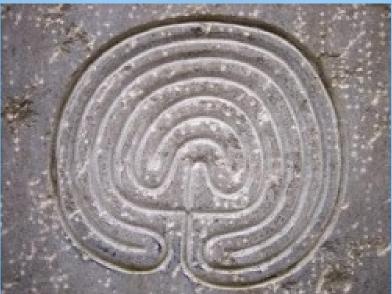
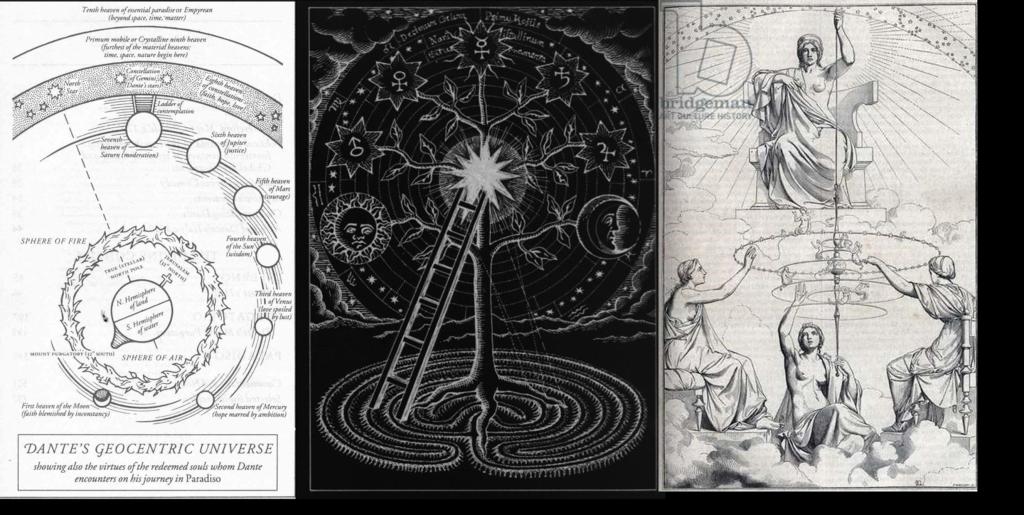
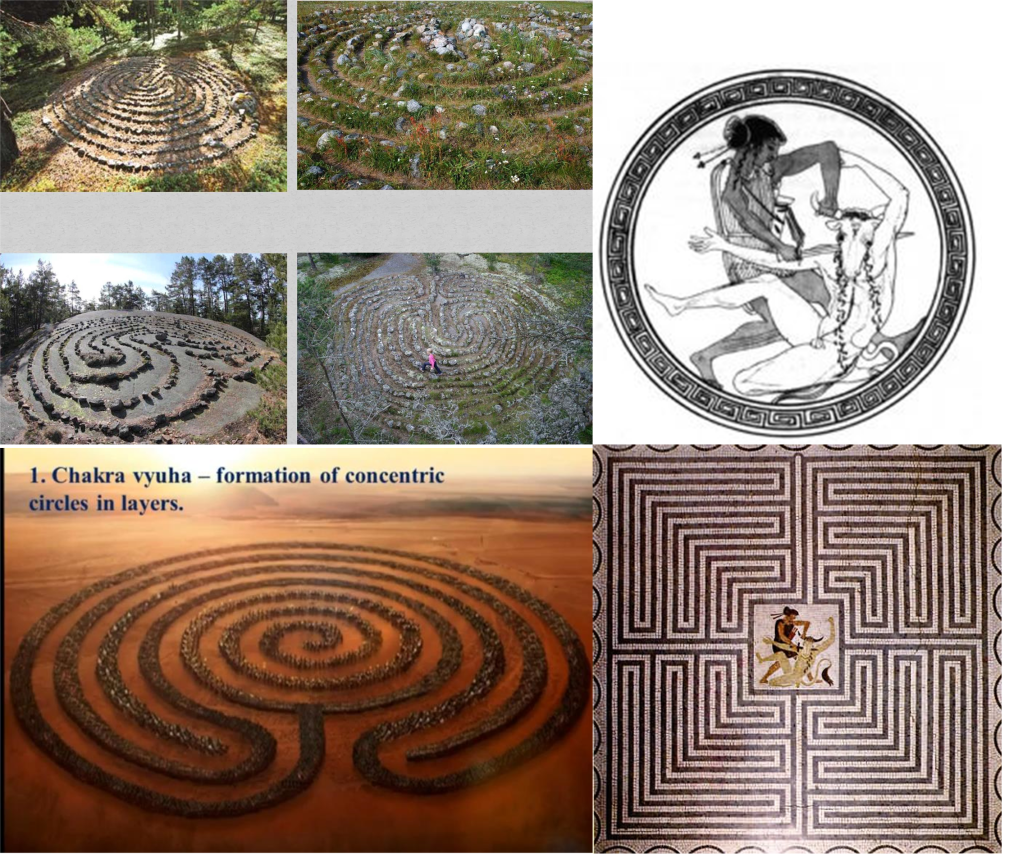
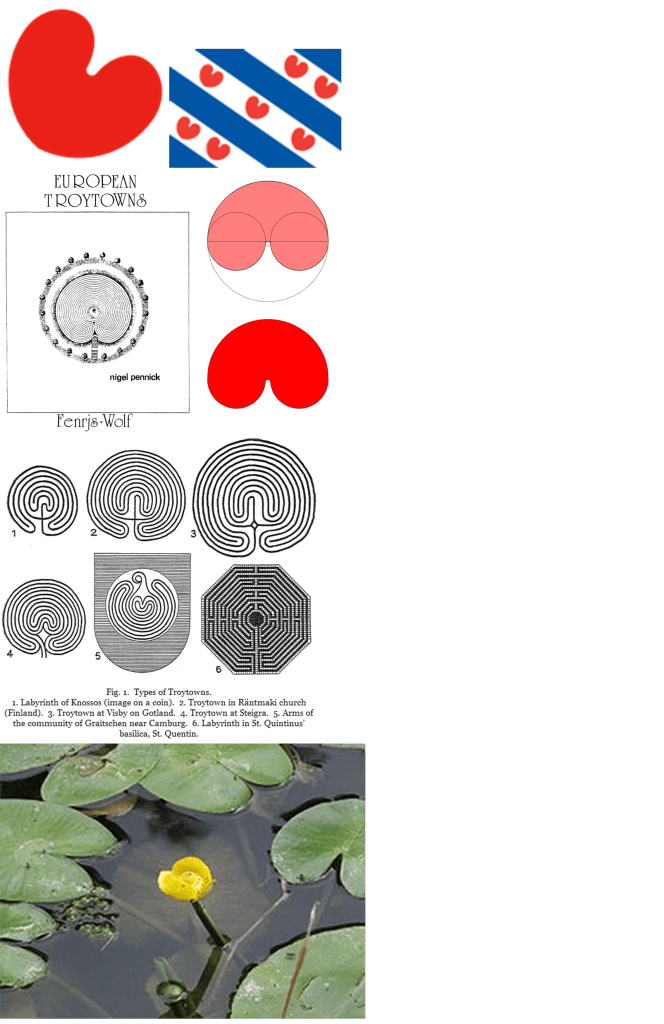
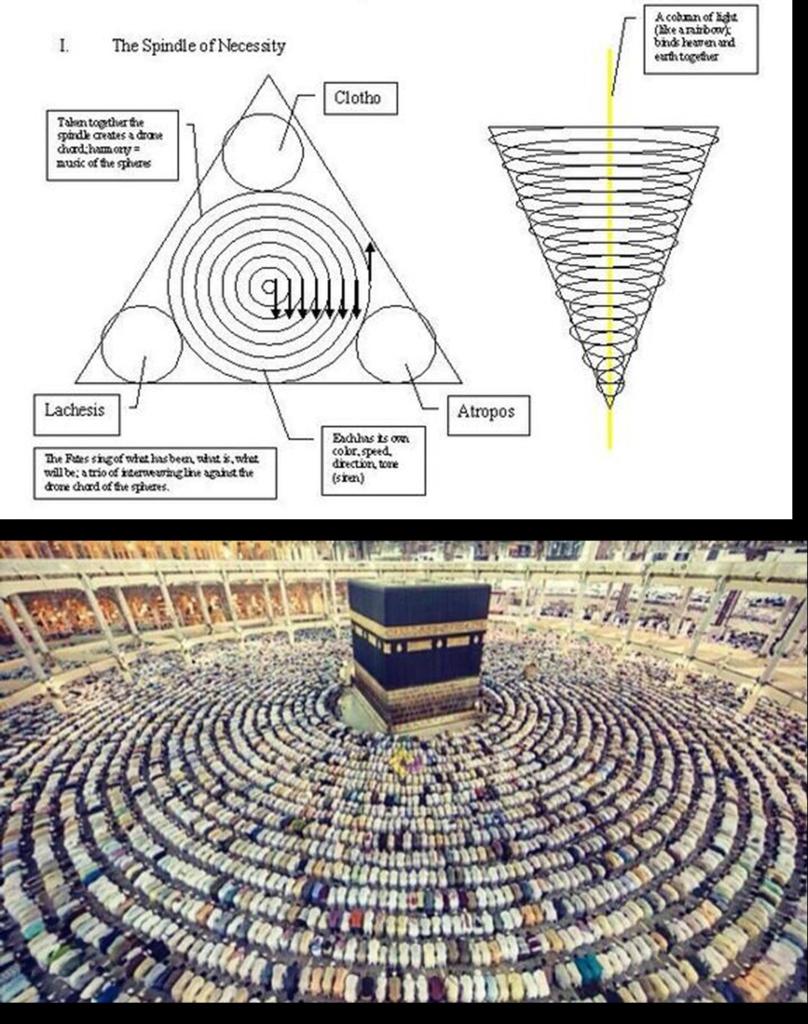
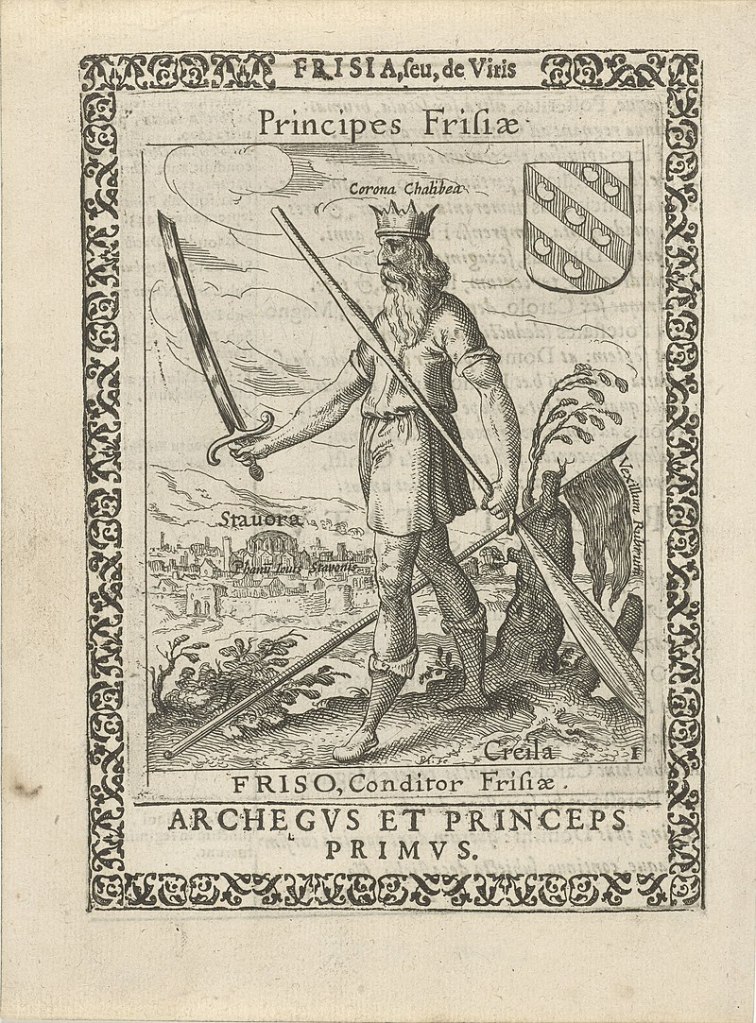
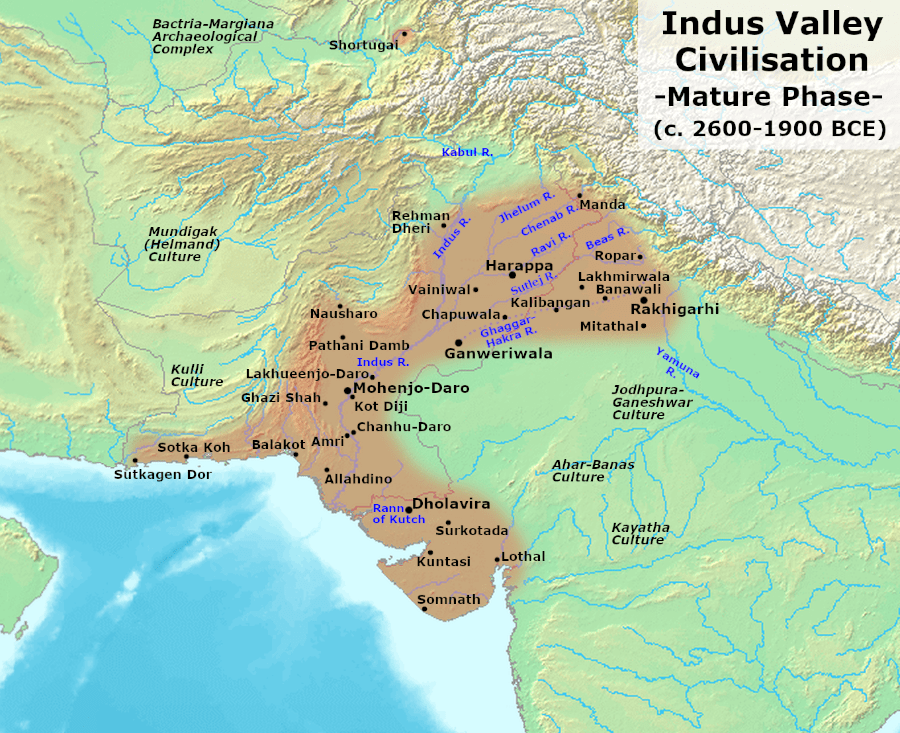
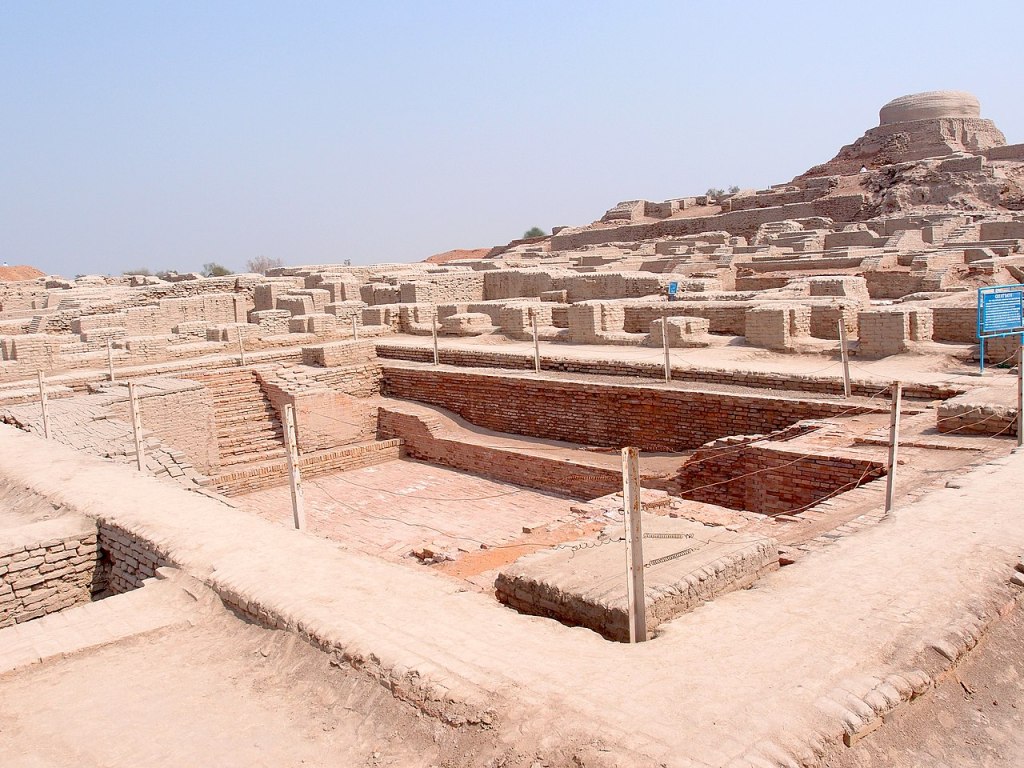
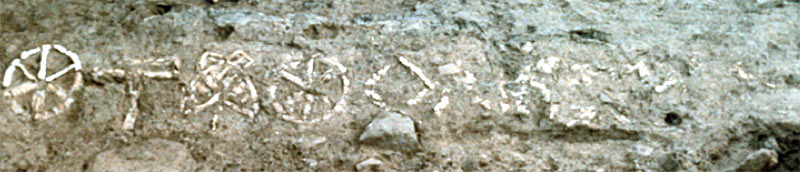
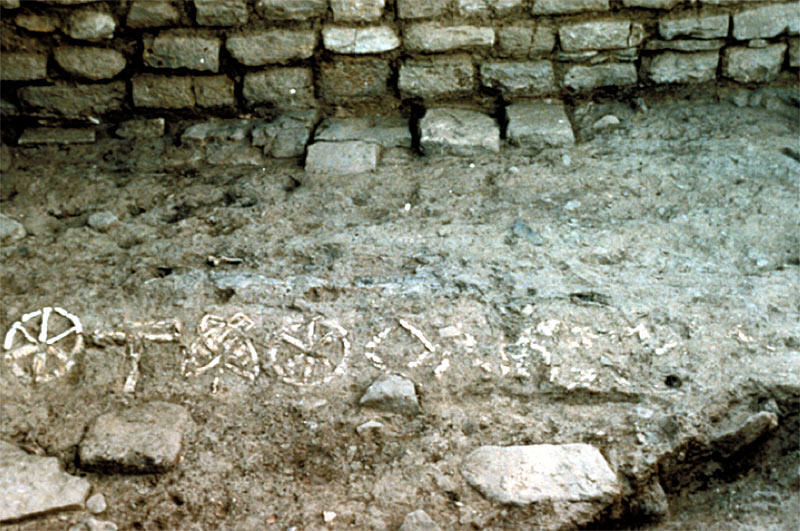
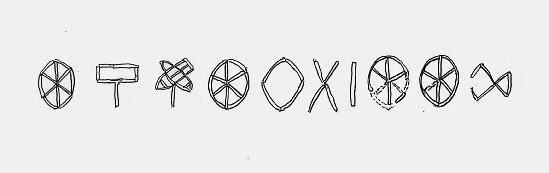
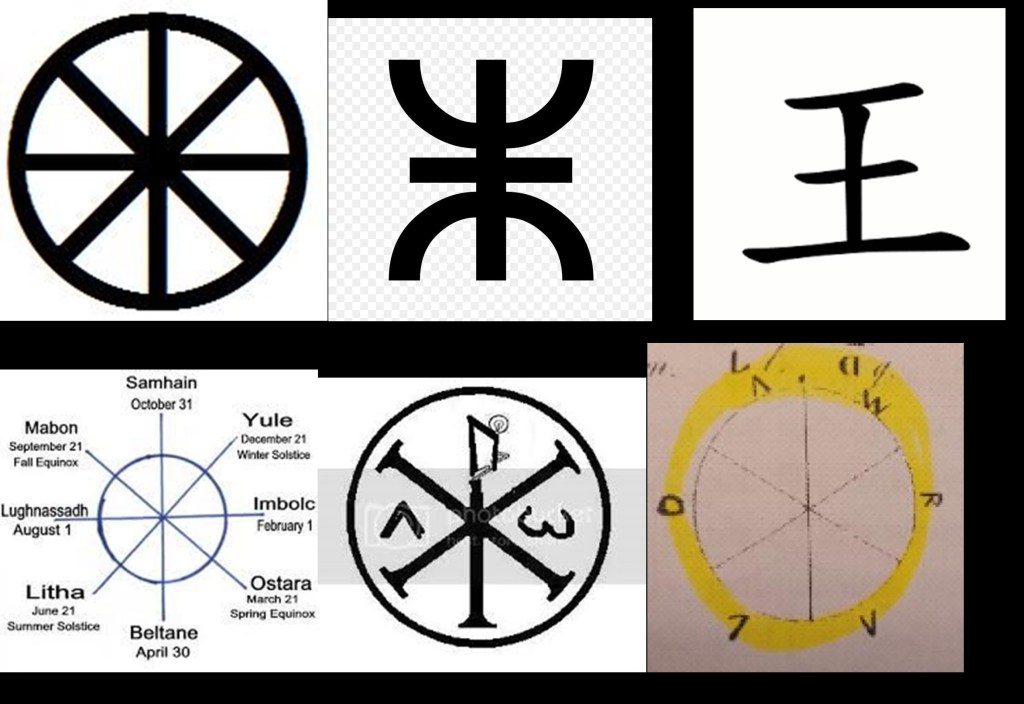
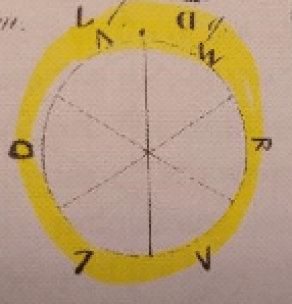
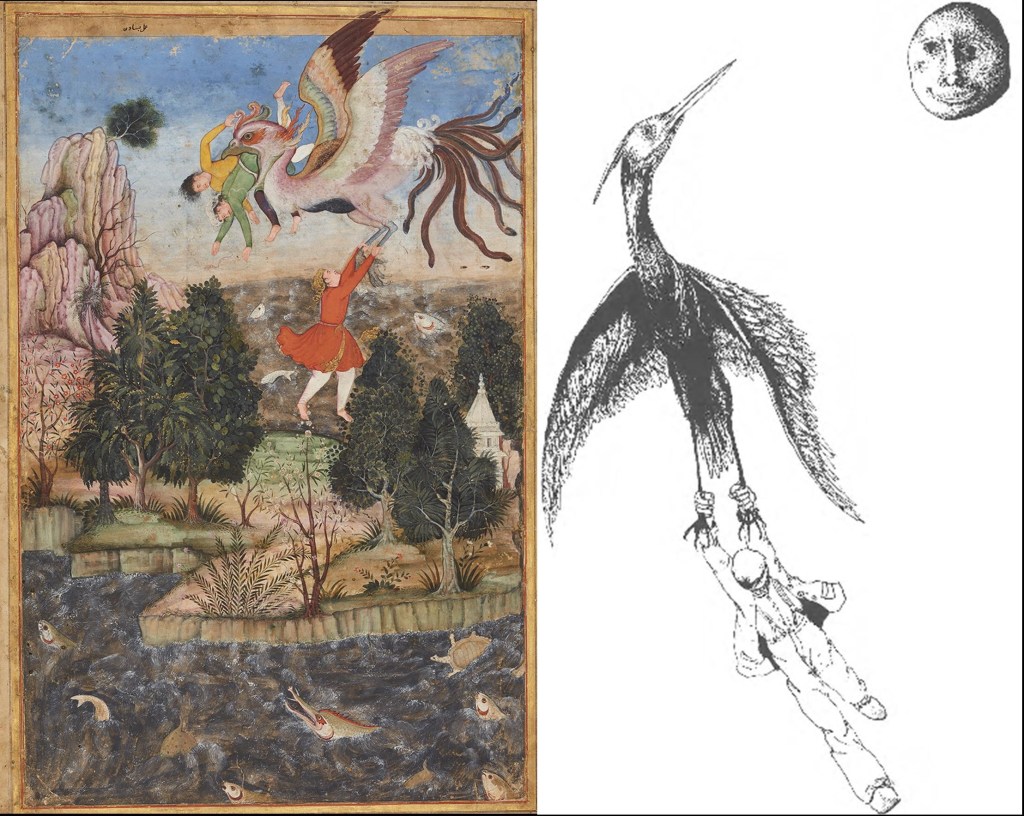
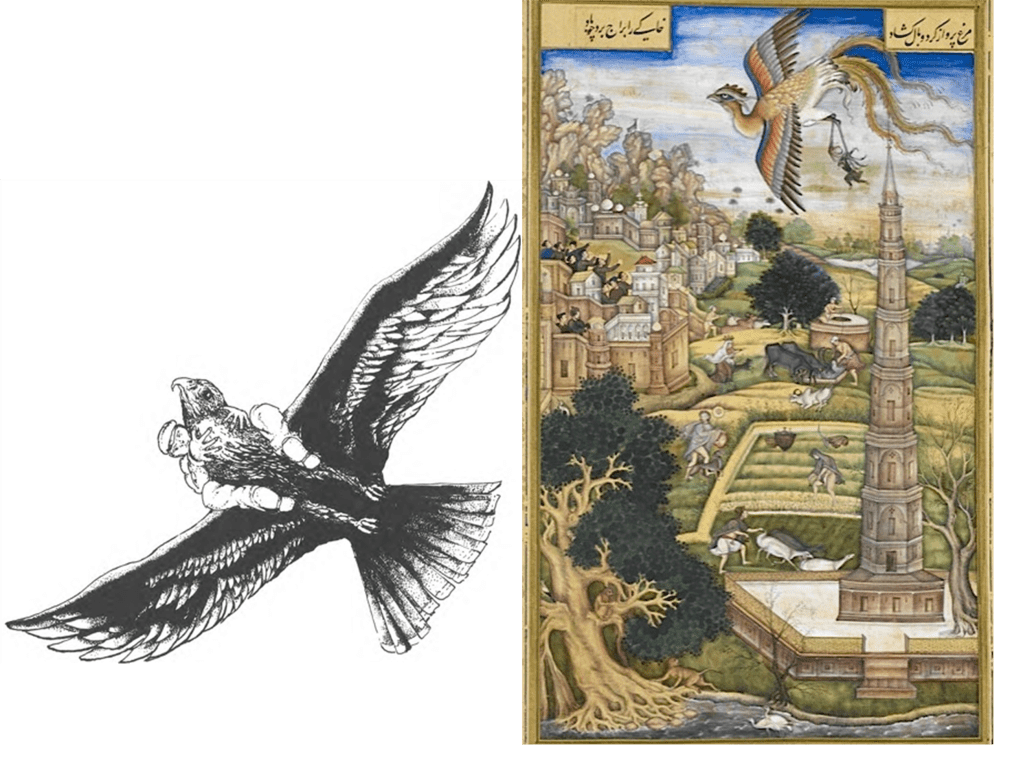
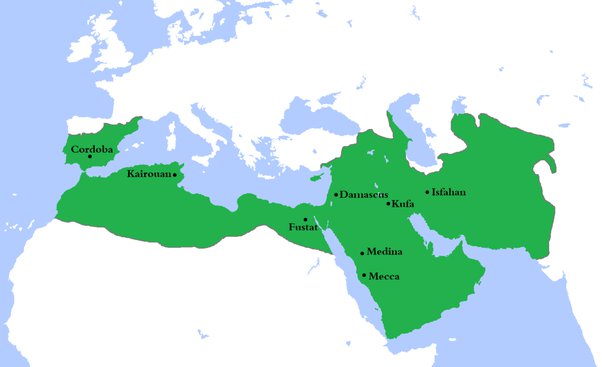
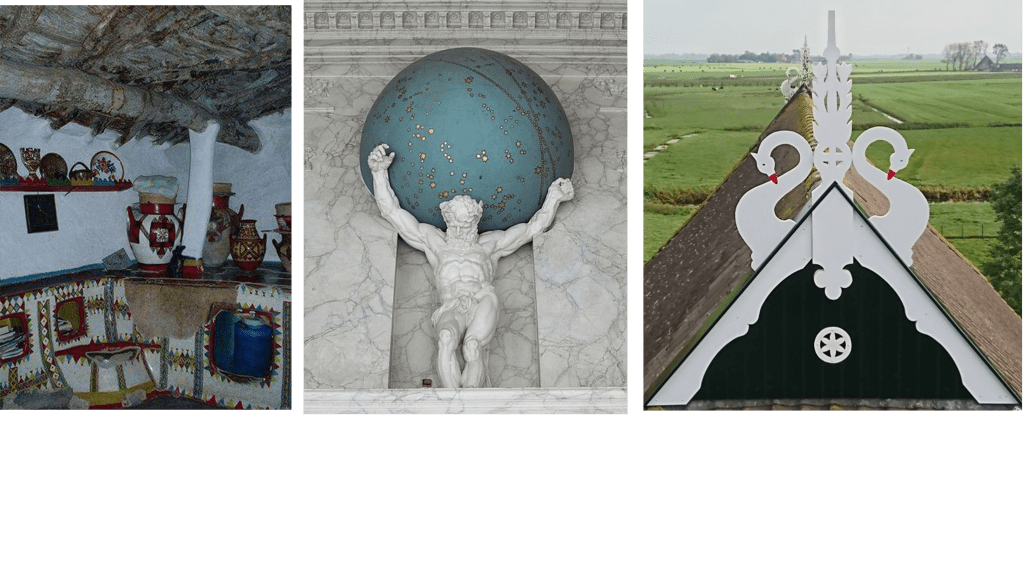
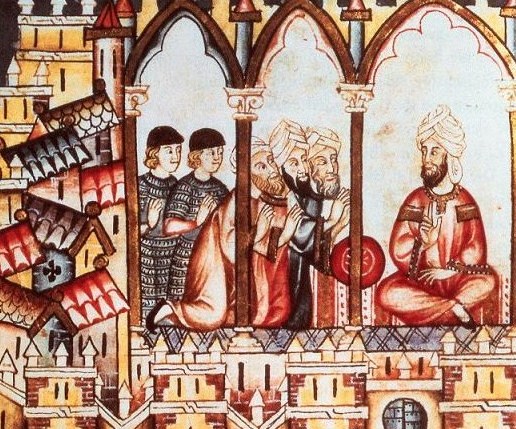
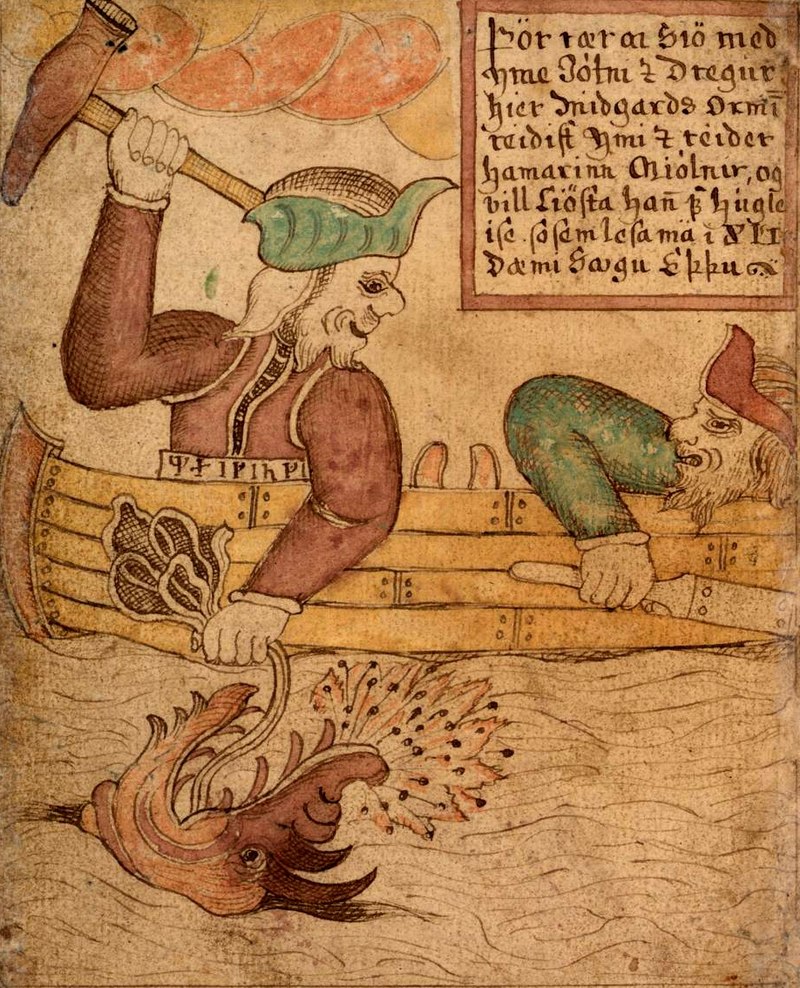


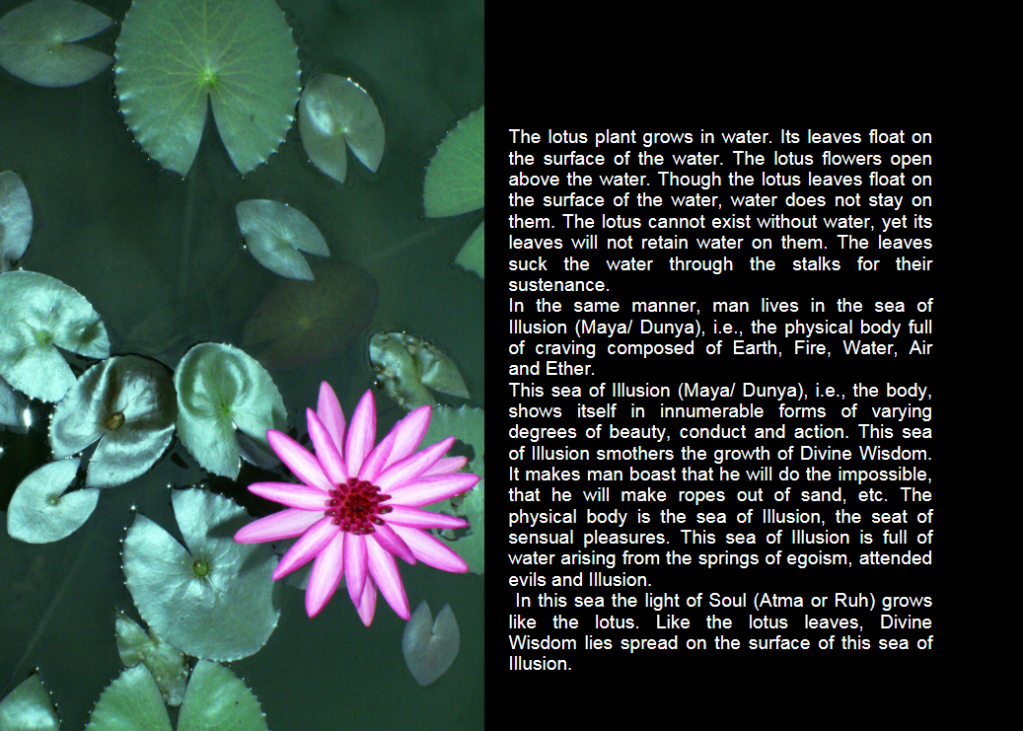

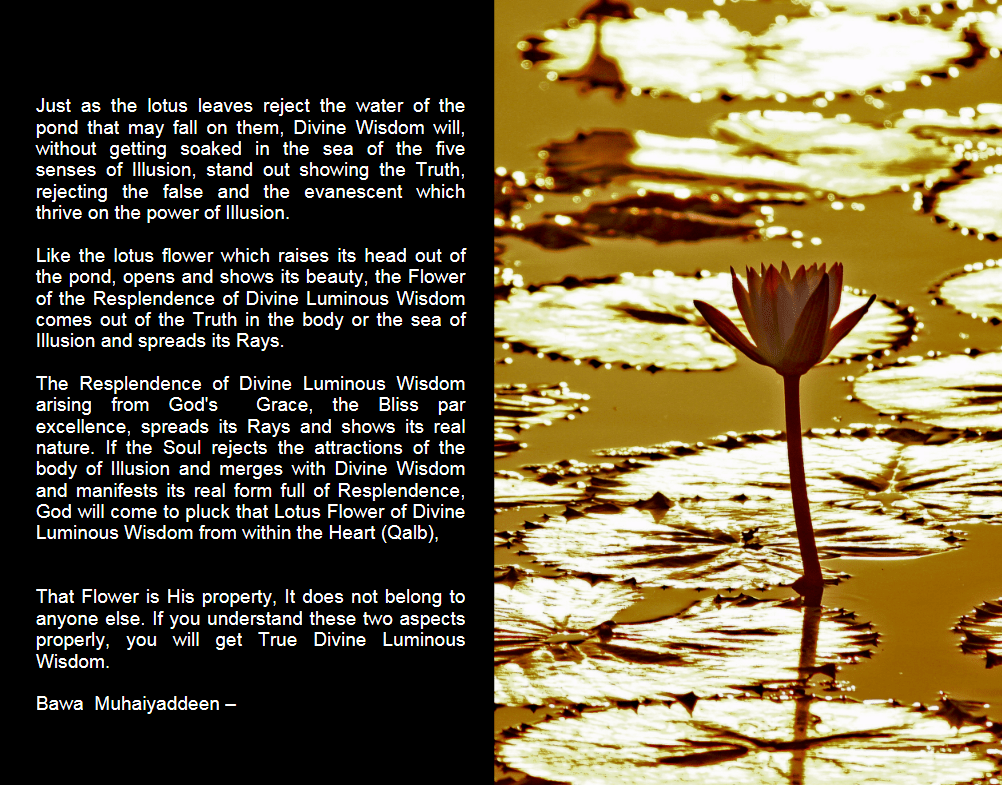

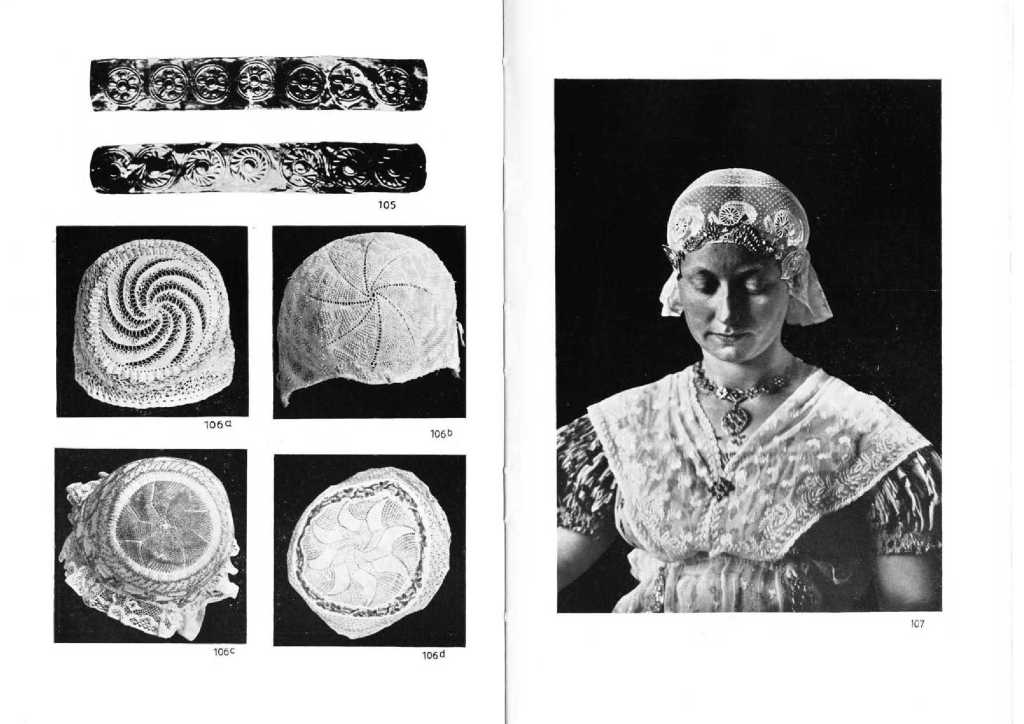
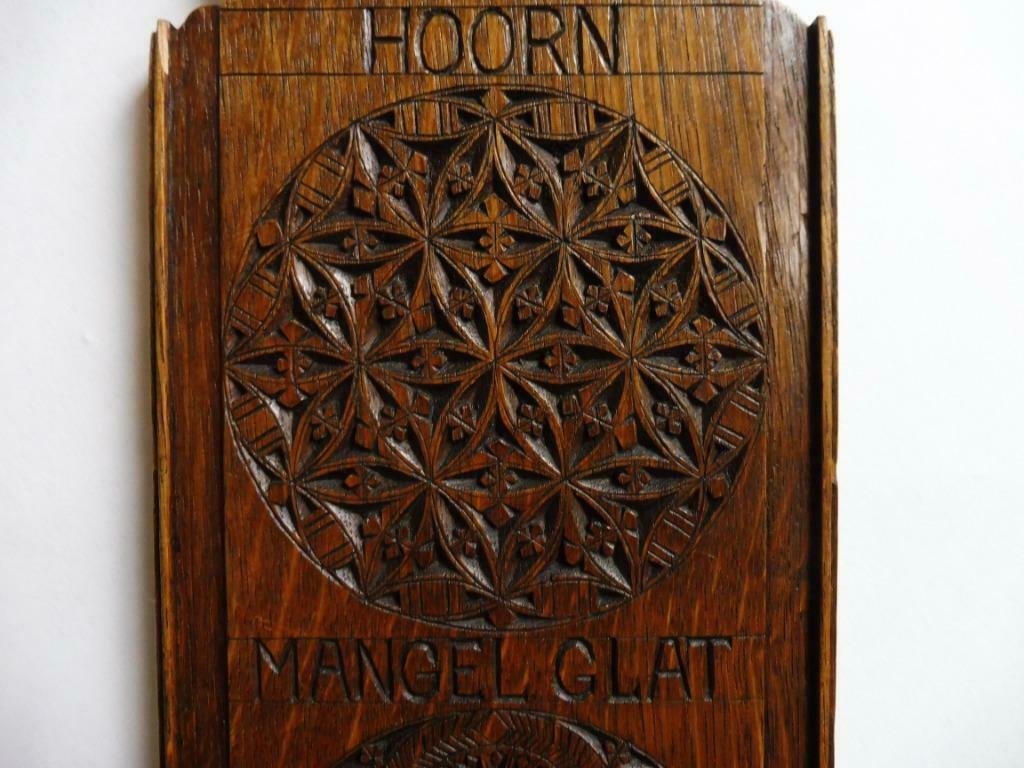
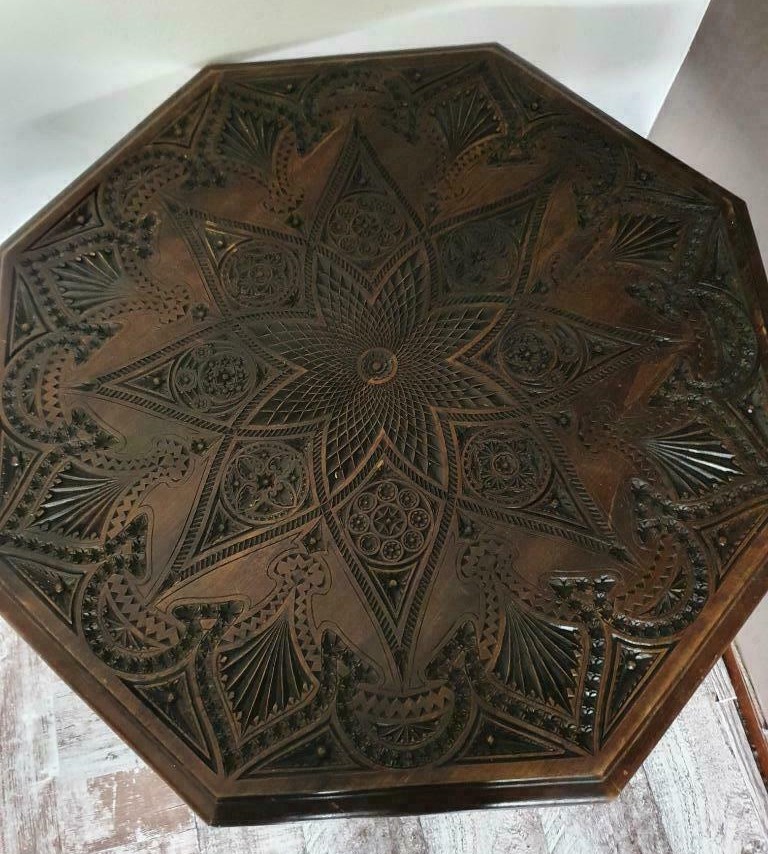
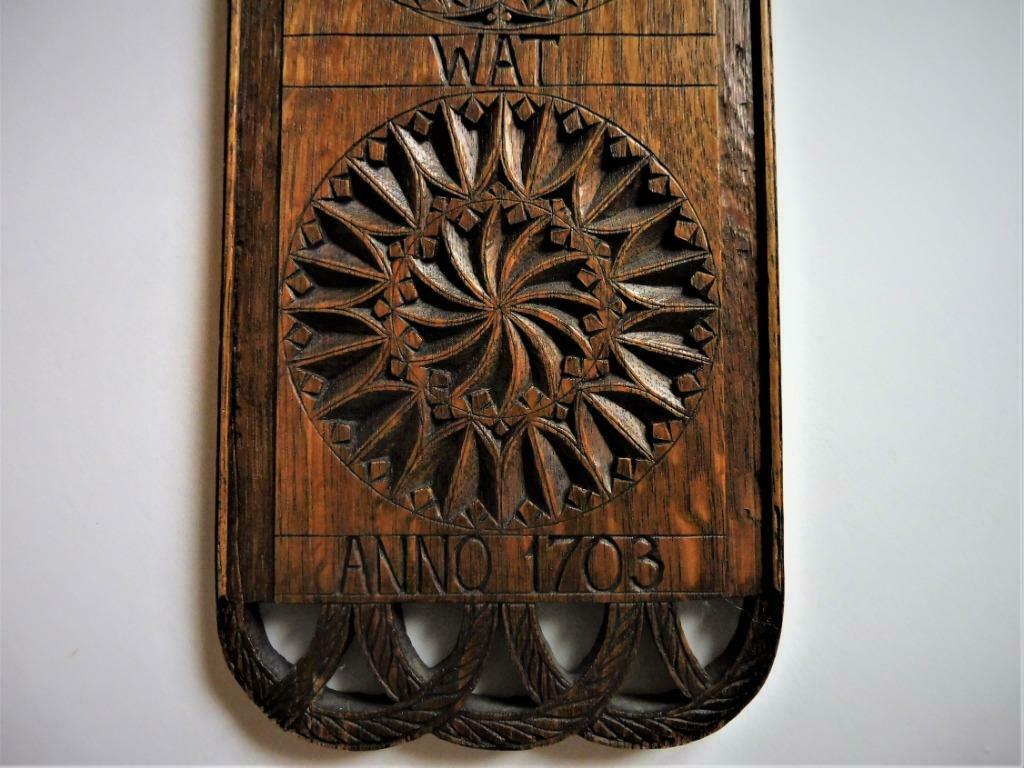
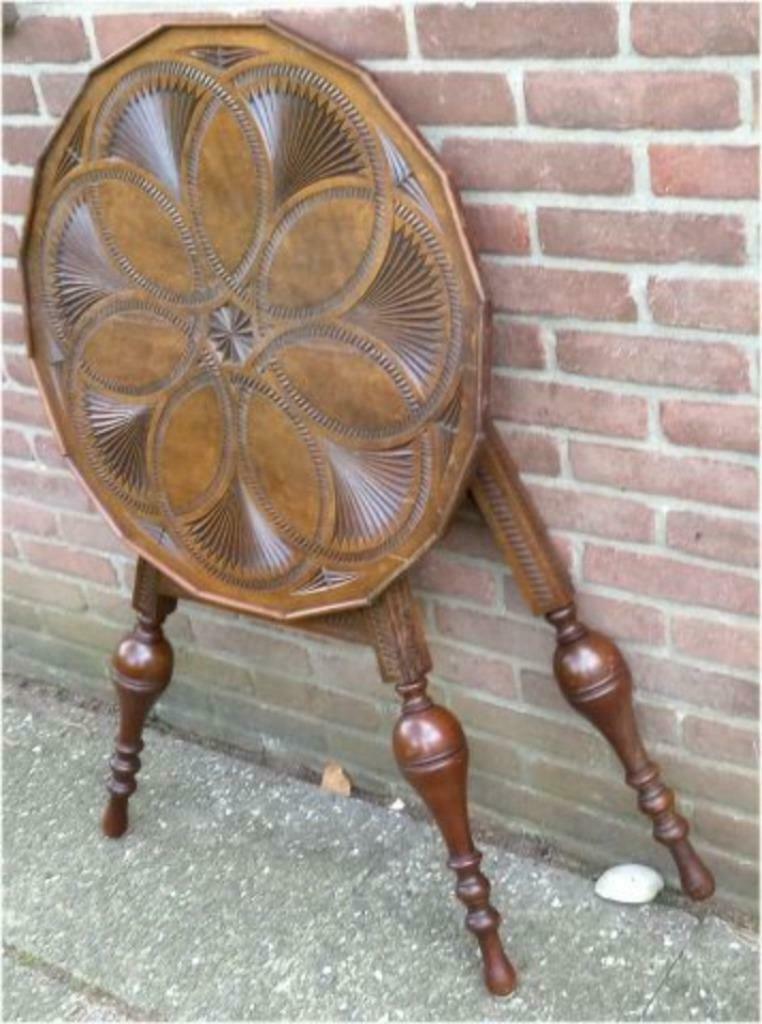
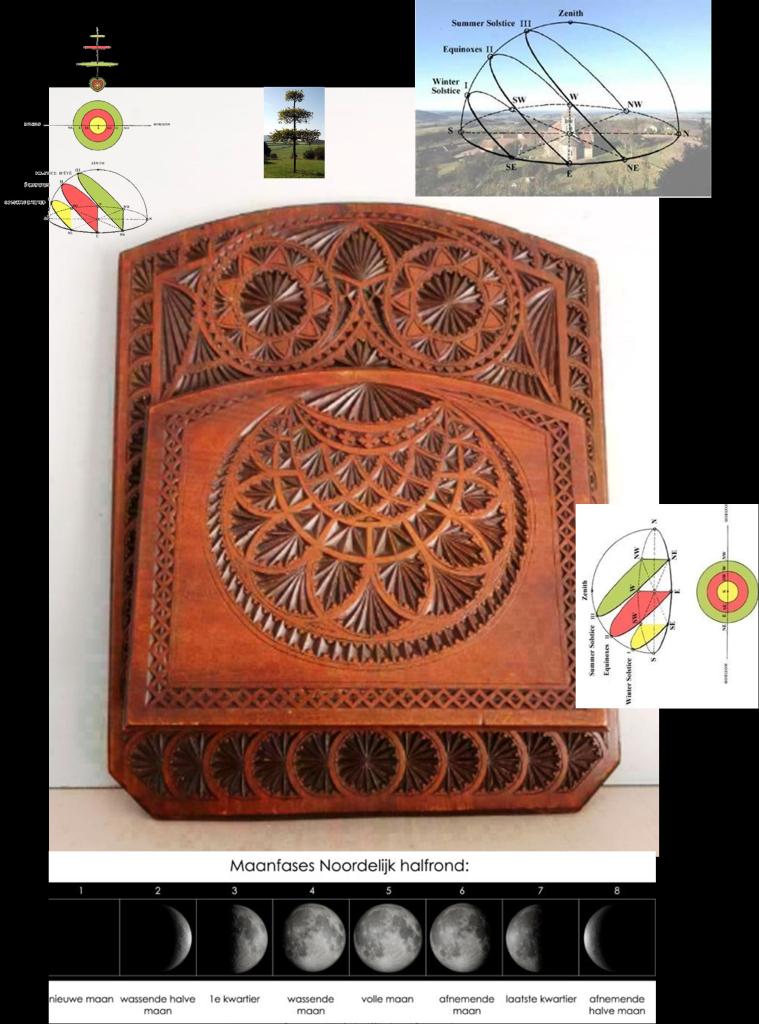
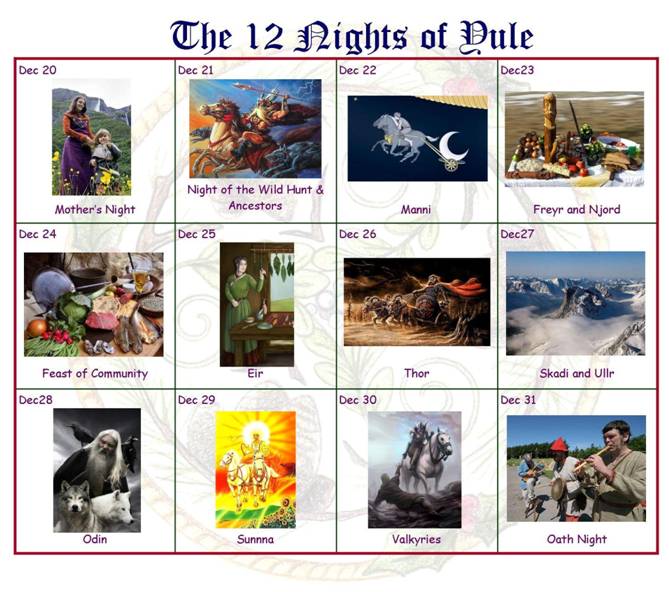
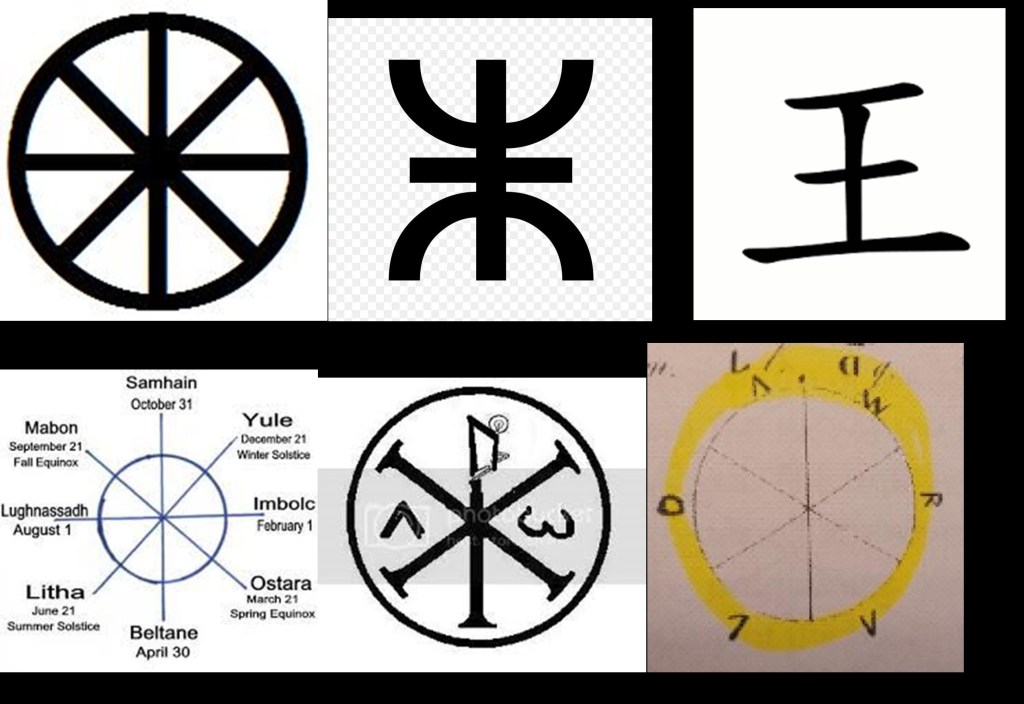
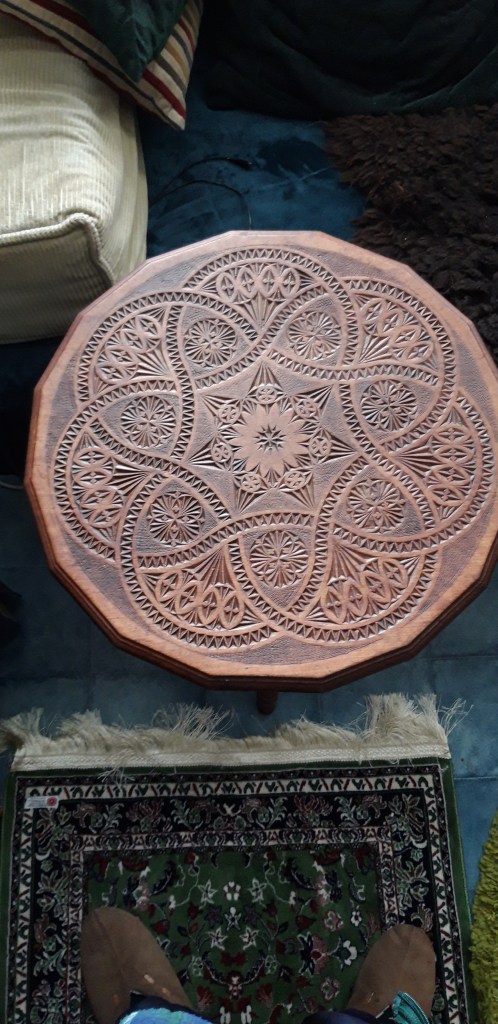
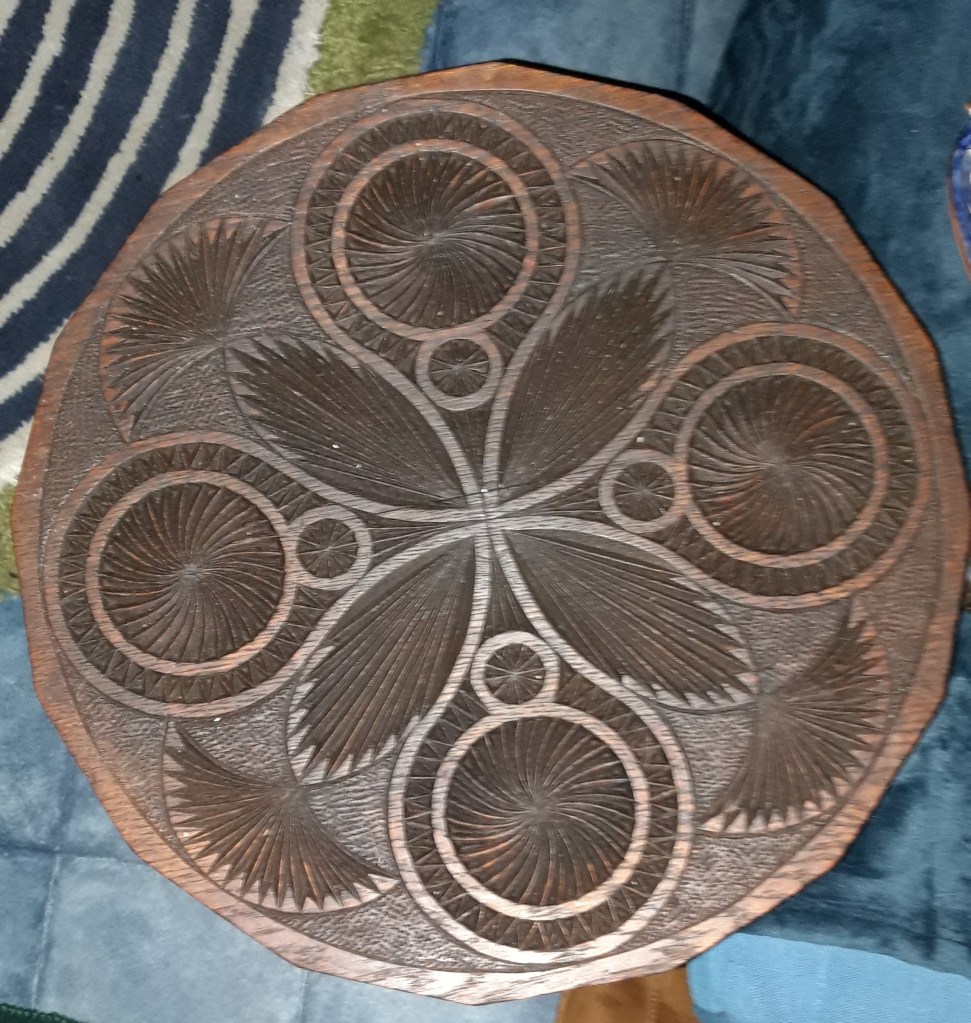
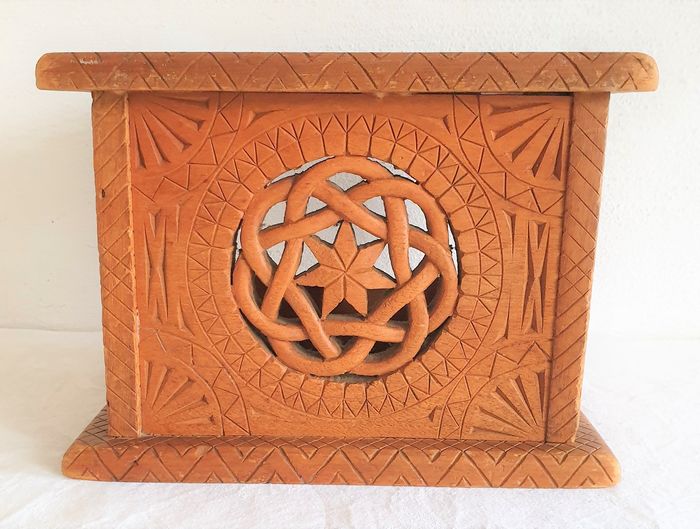
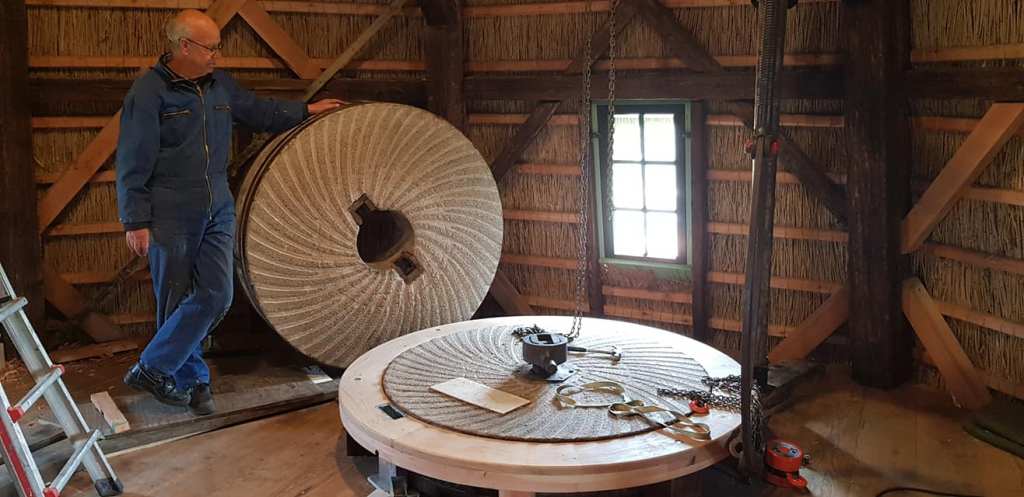
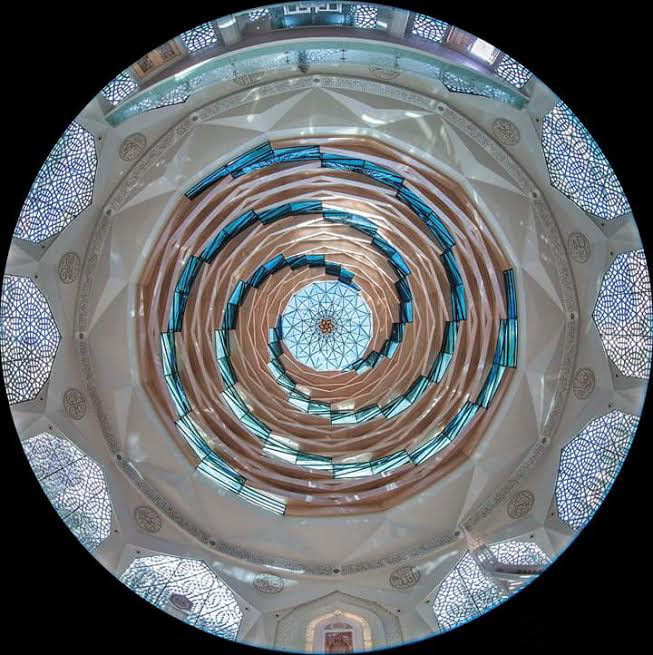
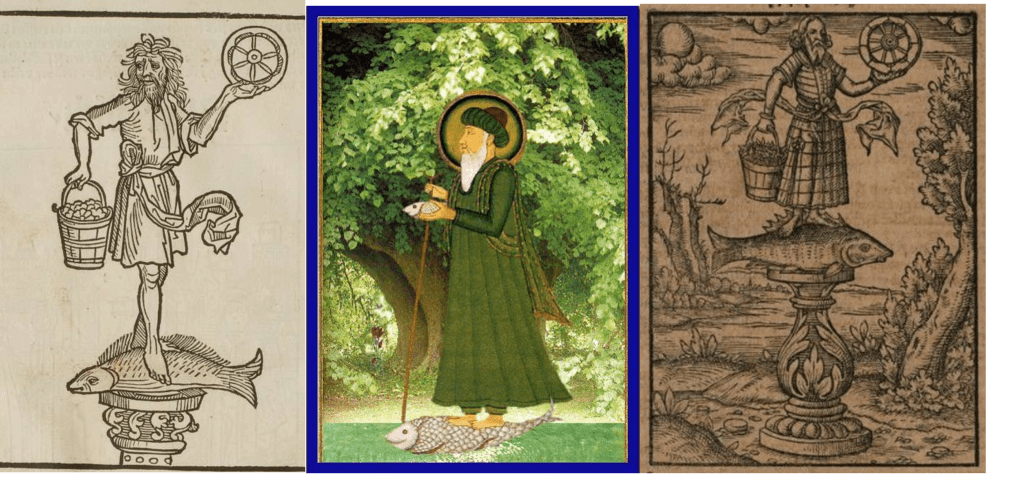
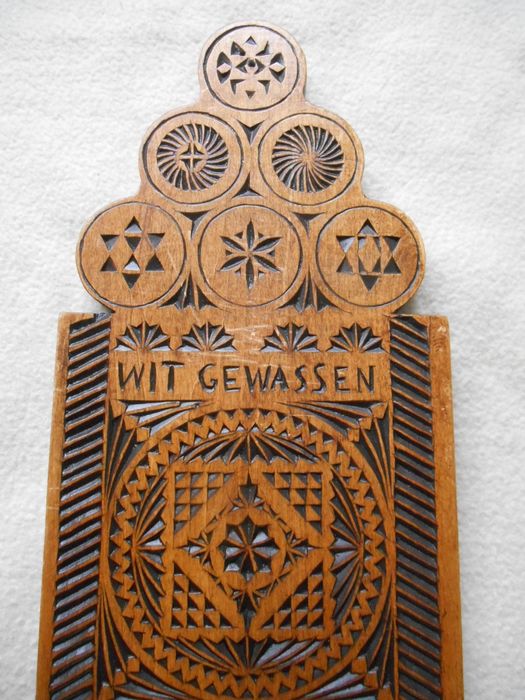
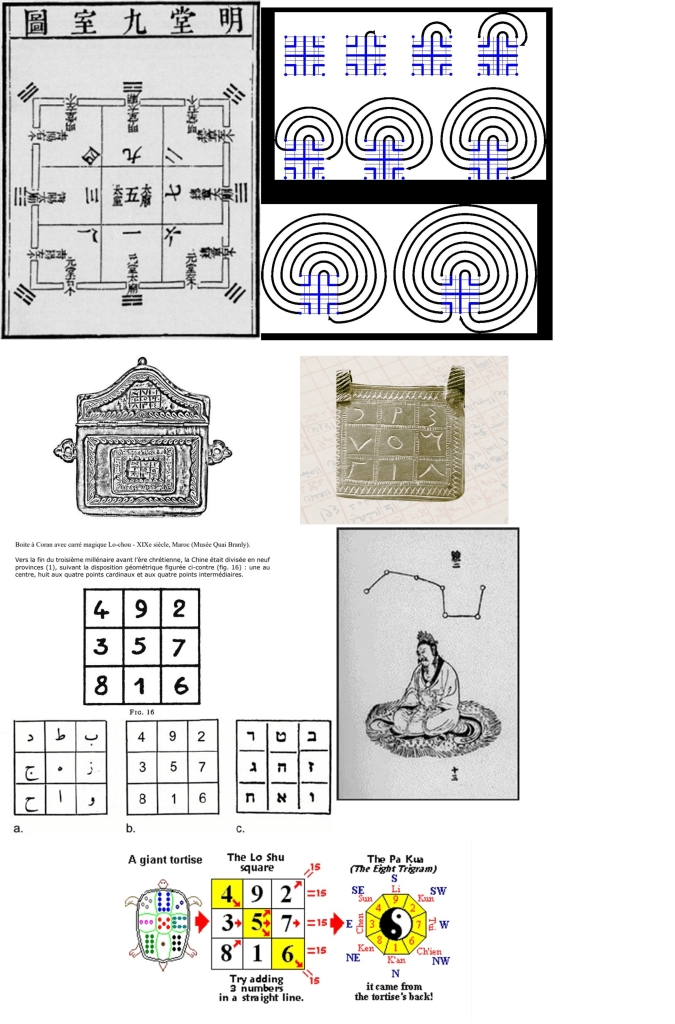
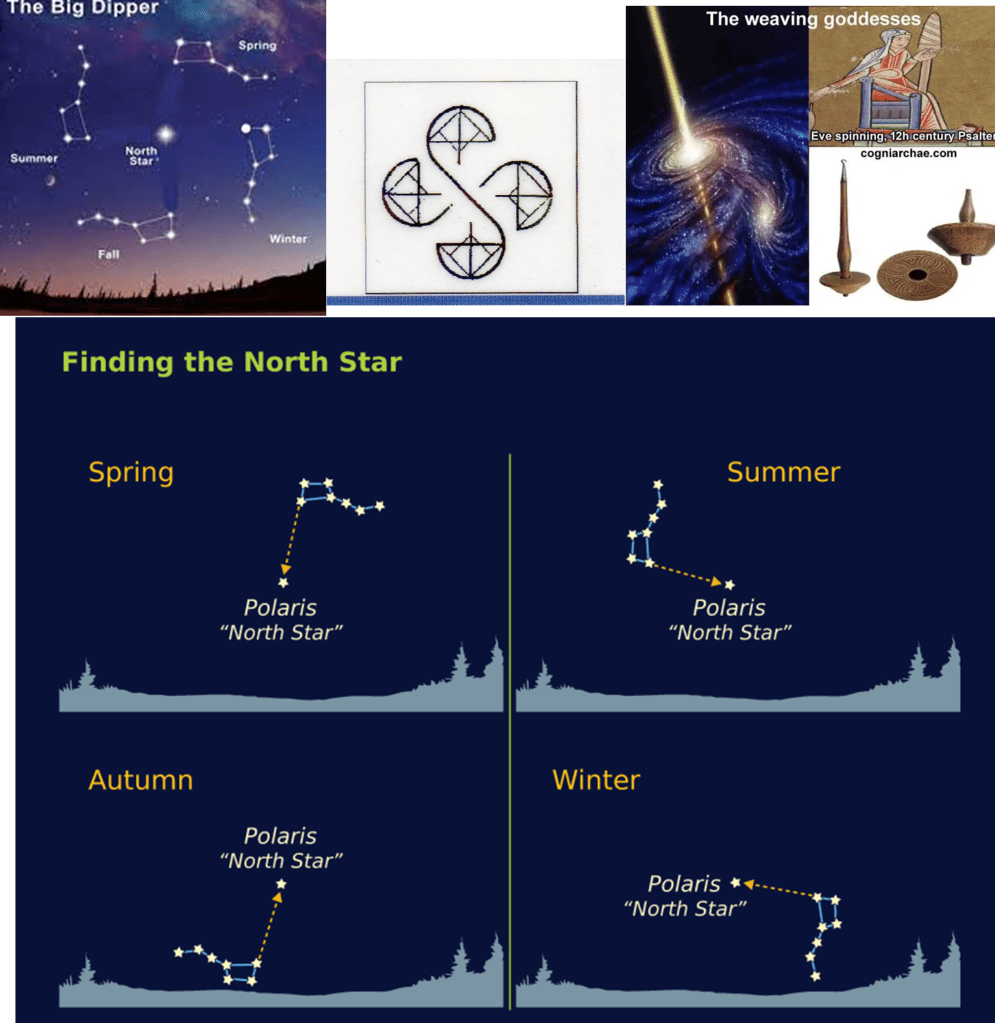

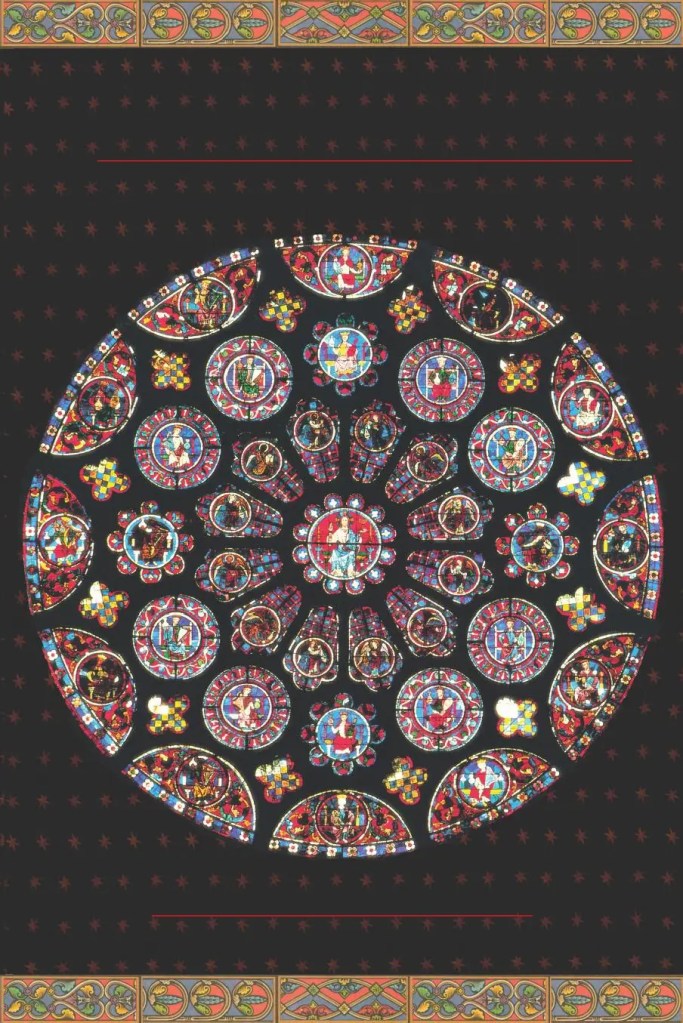

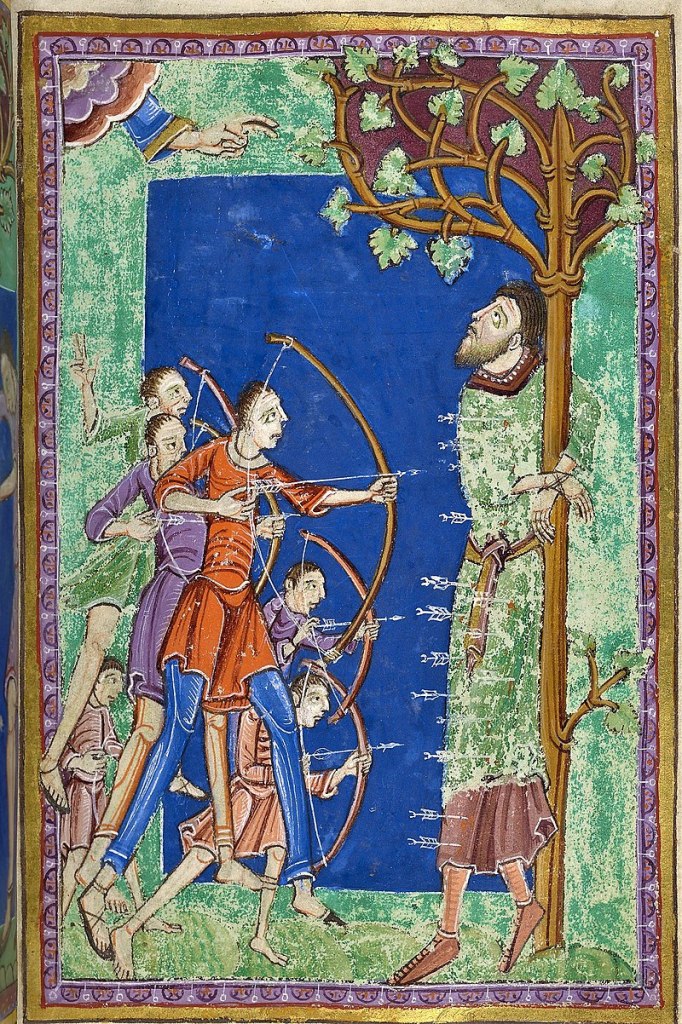
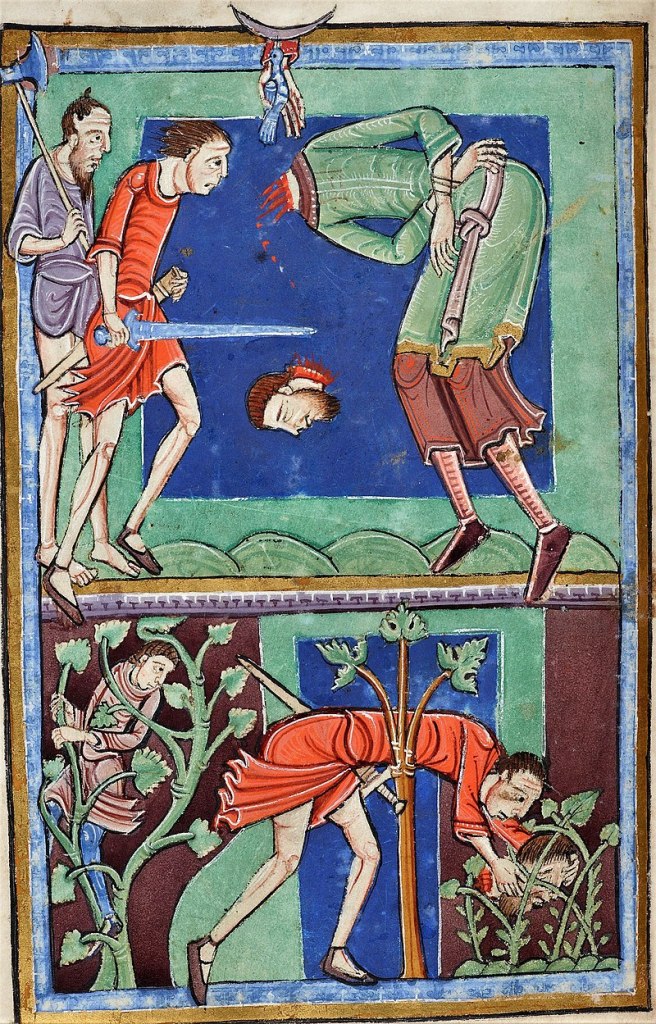

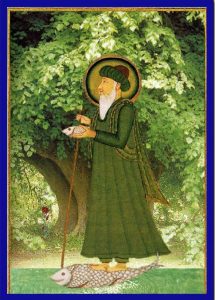
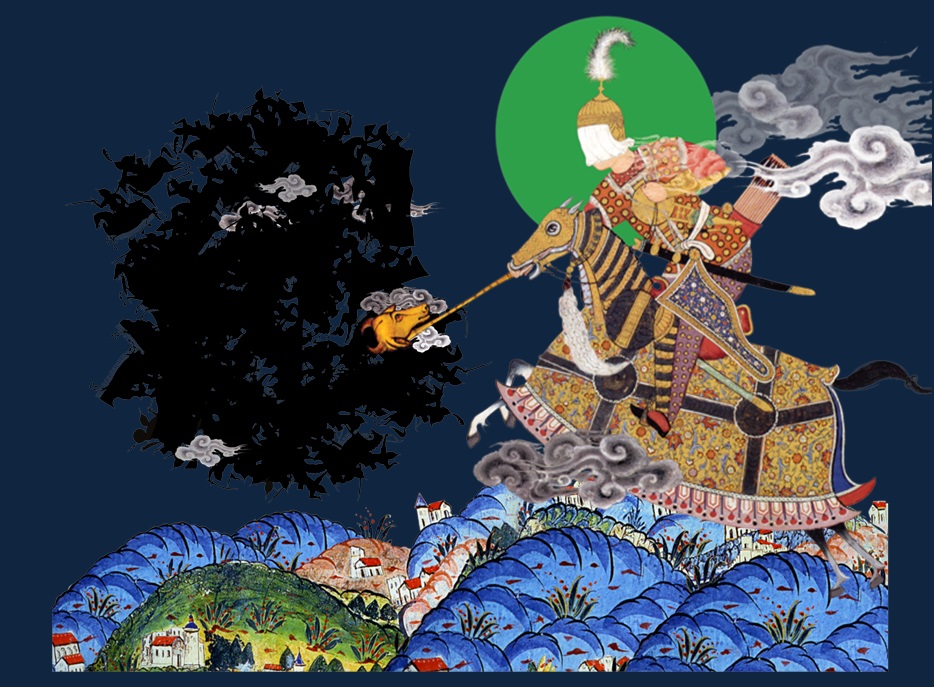
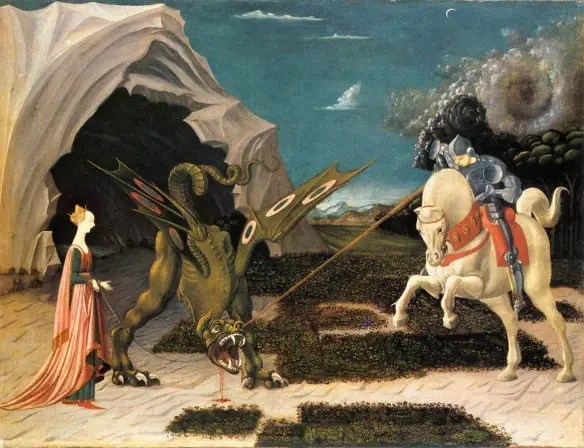

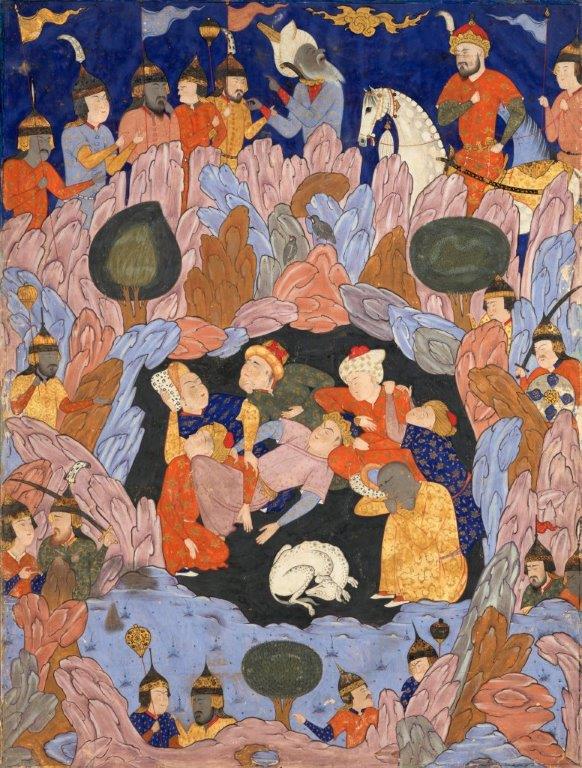
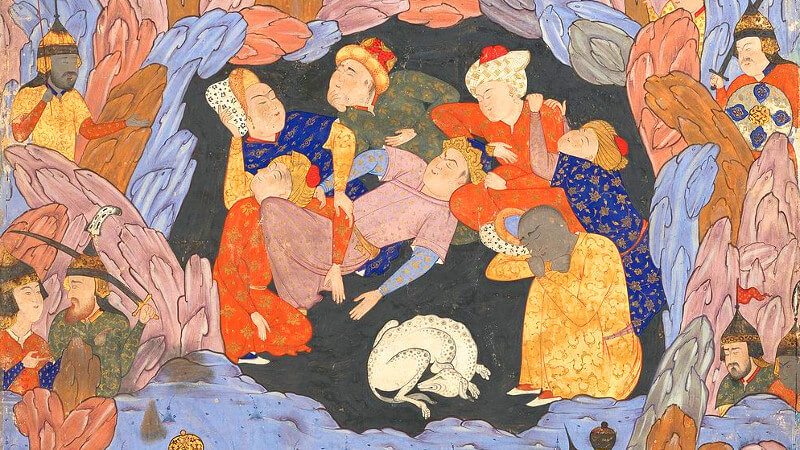
 Path to the Maypole of Wisdom