The XV BRICS Summit: A Multipolar World Established
The XV BRICS summit made a historic decision to admit 6 more countries into the organisation – Argentina, Egypt, Ethiopia, Iran, Saudi Arabia and the United Arab Emirates. This effectively completed the formation of the core of a multipolar world.
Although BRICS, formerly BRIC, was a conditional association of semi-peripheral (according to Wallerstein) or “second world” countries, the dialogue between these countries, which are not part of the structure of the collective West (NATO and other rigidly unipolar organizations dominated by the United States), gradually outlined the contours of an alternative world order. If Western civilisation considers itself to be the only one, and this is the essence of globalism and unipolarity, the BRICS countries represented sovereign and independent civilisations, different from the West, with a long history and a completely original system of traditional values.
Initially, the BRIC association, created in 2006 at the initiative of Russian President Vladimir Putin, included four countries – Brazil, Russia, India and China. Brazil, the largest power in South America, represented the Latin American continent. Russia, China and India are in themselves of sufficient scale to be considered full scale civilisations. They are more than just Nation-States.
Russia is the vanguard of Eurasia, the Eurasian “Greater Space.”
China is responsible for a significant area of the neighbouring powers of Indochina and many other (the project One Belt One Road initiative is the concrete way to establish this Chinese “Greater Space” based on peaceful cooperation). India also extends its influence beyond its borders – at least to Bangladesh and Nepal.
When South Africa joined the BRIC countries in 2011 (hence the BRICS acronym – the “C” on the end of South Africa), symbolically the largest African country was also represented.
7 civilisations (1 against 6)
But at the XV summit, held from 22 to 24 August 2023 in Johannesburg, the final formation of the multipolar club took place. The entry of three Islamic powers – Shiite Iran and Sunni Saudi Arabia and the UAE – was fundamental. Thus, the direct participation in the multipolar world of the entire Islamic civilisation, represented by both branches – Sunnism and Shiism – was assured.
In addition, along with Portuguese-speaking Brazil, Spanish-speaking Argentina, another strong and independent power, joined the BRICS. Even in the mid-twentieth century, theorists of South American unification into a consolidated “Greater Space” – primarily Argentine general Juan Perón and Brazilian president Getúlio Vargas – considered a decisive rapprochement between Brazil and Argentina to be the first principle of this process. If this is achieved, the process of integration of the Latin American ecumene (term of A.Buela) will be irreversible. And that is exactly what is happening now in the context of the accession of the two major powers of South America, Brazil and Argentina, to the multipolar club.
The admission of Ethiopia is also highly symbolic. It is the only African country that remained independent throughout the colonial era, preserving its sovereignty, its independence and its unique culture (Ethiopians are the oldest Christian people). Combined with South Africa, Ethiopia strengthens by its presence in the multipolar club the African continent as a whole.
In fact, the new composition of the BRICS gives us a complete model of uniting all poles – civilisations, “Greater Spaces”, with the exception of the West, which desperately seeks to preserve its hegemony and unipolar structure. But now it faces not disparate and fragmented countries, full of internal and external contradictions, but a united force of the majority of humanity, determined to build a multipolar world.
This multipolar world consists of the following civilisations:
The West (the USA+EU and their vassals, which includes, alas, the once proud and sovereign Japan now degraded to passive puppet of the Western conquerors);
China (+Taiwan) with its satellites;
Russia (as an integrator of the entire Eurasian space);
India and its zone of influence;
Latin America (with the core of Brazil+Argentina);
Africa (South Africa+Ethiopia, with Mali, Burkina Faso, Niger, etc., liberated from French colonial influence).
Islamic world (in both versions – Shiite Iran, Sunni Saudi Arabia and UAE).
At the same time, one civilisation – the Western one – claims hegemony, while the other six deny it, accepting only a multipolar system and recognising the West as only one of the civilisations, along with others. May be still strongest (relatively and not for too long) but not unique.
So the rightness of Samuel Huntington, who saw the future in the return of civilisations, has been confirmed in practice, while the fallacy of Fukuyama’s thesis, who believed that the global hegemony of the liberal West (the end of history) has already been achieved, has become obvious. Therefore, Fukuyama is left only doomed to lecture the Ukrainian neo-Nazis, the last hope of globalists to stop the onset of multipolarity, for which Russia in Ukraine is fighting today.
August 2023 can be considered the birthday of the multipolar world.
Multipolarity is established and somehow institutionalized. It is time to take a closer look at how the civilisational poles themselves interpret the situation in which they find themselves. And here we should take into account that virtually every sovereign civilisation has its own idea of the structure of history, the nature of historical time, its direction, the goal and the end. Contrary to Fukuyama, who ambitiously proclaimed a single end of history (in his liberal version), each sovereign civilisation operates with its own understanding, interpretation and description of the end of history. Let us briefly examine this situation.
Each civilisation has its own idea of the end of the world
Each pole of the multipolar world, that is, each civilisation has its own version of eschatology, somewhere more and somewhere less explicit.
“Eschatology” is the doctrine of the end of the world or the end of history. Eschatologies form an essential part of religious doctrines, but have secular versions as well. Any idea about the linear direction of the historical process and its supposed finality can be considered “eschatology”.
The multipolar world consists of several civilisations or “Greater Spaces”, with a completely unique and original system of traditional values. This is the pole (not the individual State). A pole is precisely a civilisation. Each civilisation has its own idea of the nature of the historical process, its direction and its goal, and thus its own eschatology.
In some “Greater Spaces” there are even several versions of eschatology, and a number of relatively small political formations, which can in no way claim to be a pole, nevertheless sometimes have a special and even developed eschatology.
Let us outline the different types in the most general terms.
Eschatologies of the West
Eschatology in Western Christianity
Western Christianity originally had the same eschatological doctrine as Eastern Christianity, being one civilization. In Christianity – in both Catholicism and Orthodoxy (and even Protestantism) – the end of the world is considered inevitable, since the world and its history are finite and God is infinite. After the coming of Christ, the world moves toward its end, and the return of Christ itself is seen as taking place “in the last days.” The entire history of the Christian Church is a preparation for the end times, the Last Judgement and the Second Coming of Christ. Christianity teaches that before the Second Coming there will be a general apostasy in mankind, Nations will turn away from Christ and his Church and rely only on their own strength (humanism). Later mankind will degenerate completely and the Antichrist, the messenger of the devil, the “son of perdition”, will seize power.
The Antichrist will rule for a short time – 3.5 years, “a time, two times and half a time”), the saints and the prophets Elijah and Enoch, who will return to earth, will denounce him, and then the Second Coming, the resurrection of the dead and the Last Judgement will take place. This is what every Christian is obliged to believe in.
At the same time, Catholicism, which gradually separated from the united Orthodox trunk, believed that the stronghold of Christians should be the Catholic Church under the Pope, the “City of God”, and the retreat would affect only earthly political entities, the “City of Earth”.
There is a spiritual battle between the heavenly policy of the Vatican and the earthly policy of secular monarchs. In Orthodoxy, unlike Catholicism, the main obstacle in the path of the Antichrist is the Holy Empire, the eternal Rome.
Traditional Christian eschatology and exactly this – partly pessimistic – view of the vector of history prevailed in Europe until the beginning of the Modernity. And this is how real traditional Catholics, unaffected by the spirit of Enlightenment, who are becoming fewer and fewer in the West, continue to think about the end of the world.
Protestant eschatologies are more bizarre. In the Anabaptists of Münster or the Czech Hussites, the Second Coming was preceded by the establishment of universal equality (eschatological communism), the abolition of class hierarchies and private property.
Recently, under the influence of modernisation and political correctness, many Protestant denominations and the Anglican Church have revised their view of eschatology, finally breaking with the ancient Christian tradition.
Masonic eschatology: the theory of progress
At the origins of the Western European civilisation of Modernity is European Freemasonry, in the midst of which the bizarre and incoherent idea of “social progress” was born. The idea of progress is the direct antithesis of the Christian understanding of history. It rejects apostasy, Antichrist, the Last Judgement, the resurrection of the dead and the very existence of the soul.
Masons believed that mankind develops progressively: in the beginning savagery (not earthly paradise), then barbarism (not traditional society), then civilisation (culminating in the European Modernity and the Enlightenment, i.e. secular atheistic societies based on a materialistic scientific worldview). “Civilisation” (in singular!) in its formation passes a number of stages from traditional confessions to the humanistic cult of the Great Architect of the Universe and further to liberal democracy, where science, atheism and materialism fully triumph. And conservative Freemasonry (Scottish Rite) usually stopped at the cult of the Great Architect of the Universe (i.e. on deism – the recognition of an undefined non-denominational “god”), and the more revolutionary “Grand Orient” Lodges called to go further – to the complete abolition of religion and social hierarchy. The Scottish Rite stands for classical liberalism (big capital), the Grand Orient and other revolutionary lodges stand for liberal democracy (intensive growth of the middle class and redistribution of capital from the big bourgeoisie to the middle and petty bourgeoisie).
But in Freemasonry in both versions we see a clearly directed vector to the end of history, that is, to the construction of modern progressive global civilisation. This is the ideology of globalism in two versions – conservative (gradual) and offensive (revolutionary-democratic).
England: The Fifth Monarchy
During Cromwell’s English Revolution, the theory of the Fifth Monarchy developed in Protestant circles under the influence of Jewish circles and Sabbataism (particularly the Dutch Rabbi Manasseh ben-Israel). The doctrine of the Four World Kingdoms (Babylonian, Persian, Greek and Roman), traditional for Christianity, was declared insufficient, and after the fall of Rome (which for Protestants meant the refusal to recognise the authority of the Pope and the overthrow of the monarchy, regicide) the Fifth Kingdom was to come.
Earlier, a similar idea emerged in Portugal in relation to the maritime Portuguese Empire and the special mission of the “disappeared king” Sebastian. The Portuguese and Portuguese-centred (mystical-monarchical) version was transmitted to the Portuguese Jewish converts (Marranos) and Jews exiled to Holland and Brazil. One of them was Manasseh ben-Israel, from whom this theory passed on to English Protestants and Cromwell’s inner circle (T. Harisson).
The proponents of this theory regarded Cromwell himself as the future world Monarch of the Fifth Empire. The Fifth Monarchy was to be characterised by the abolition of Catholicism, hereditary monarchical power, Estates and represented the triumph of bourgeois democracy and capitalism.
This was continued by the current of “British Israelism” (British Israelism), which declared the English to be “the ten lost tribes of Israel” and spread the belief in the coming world domination of England and the Anglo-Saxon race. The world rule of the “New Israelites” (Anglo-Saxons) was seen beyond the Four Kingdoms and broke with traditional Christian eschatology, as the Fifth Monarchy meant the destruction of traditional Christian kingdoms and the rule of the “chosen people” (this time not the Jews, but the English).
From England, extreme Protestant sects transferred these ideas to the USA, which was created as a historical embodiment of the Fifth Monarchy. Hence the American eschatology in the mythologies of W. Blake (in “The Prophecy of America” the USA is represented by the giant Orcus freeing himself from the chains of the “old god”), who was also an adherent of the theory of “British Israelism”. Blake embodied these ideas in his poem “Jerusalem”, which became the unofficial anthem of England.
USA: dispensationalism
In the United States, the ideas of “British Israelism” and the Fifth Monarchy were developed in some Protestant denominations and became the basis for a special current of dispensationalism based on the ideas of the Plymouth Brethren (preacher John Darby) and the Scofield edition of the Referenced Bible, where the eschatological interpretation in a dispensationalist way is incorporated into the biblical text in such a way that to ordinary people it seems to be a single narrative.
Dispensationalism considers Anglo-Saxons and Protestants (“born-again”) to be the chosen people, and applies all the prophecies about the Jews to them. According to this doctrine, mankind lives at the end of the last “dispensation” of the cycle, and the Second Coming of Christ will soon take place, and all the faithful will be taken into heaven (rapture). But this will be preceded by a final battle (Armageddon) with the “king of Rosh, Meshech and Tubal”, by which from the 19th century to the present day Russia is meant. Before this, Russia must invade Palestine and there fight the ” born-again ” (Anglo-Saxons) and then be defeated by them. After that, there should be a mass conversion of Jews to Protestantism and an ascent to heaven (by means of miracles or spacecraft).
In recent decades, this current has fused with political Zionism and has become the basis of the ideology and geopolitics of the American neocons.
France: The Great Monarch
In France, as far back as the late Middle Ages and the dawn of the Modern Age, an eschatological theory of the Great Monarch developed, which claimed that at the end of time a secret French king, chosen by God, would appear and save humanity – from decadence, Protestantism and materialism. This version of eschatology is Francocentric and conservative, and circulated in mystically orientated circles of the aristocracy. It differs from traditional Catholic eschatology in that it is the French king, not the Vatican See, who acts as a barrier to the Antichrist.
The secular and simplified geopolitical version of the eschatology of the Great Monarch is considered by some researchers to be Gaullism. General De Gaulle was in favour of uniting the peoples of Europe (primarily French, Germans and Russians) and against NATO and Anglo-Saxon hegemony. The French writer J. Parvulesco (following R. Abellio) called it “the mystical dimension of Gaullism”.
But the vast majority of the French ruling class is dominated by Masonic eschatology – with the exact opposite meaning.
Italy: the Ghibellines and the Hound
In the Middle Ages, the confrontation between the Roman throne and imperial power – after Charlemagne proclaimed himself “Emperor” – was at times extremely aggravated. This led to the creation of two parties – the Guelphs, supporters of the Pope, and the Ghibellines, supporters of the Emperor. They were most widespread in Italy, the possession of which was the basis for German kings to be recognised as Emperors of the (Western) Roman Empire after coronation in Rome.
The poet Dante was a supporter of the Ghibellines and encoded in his poem “The Divine Comedy” the eschatological teaching of the Ghibellines that after the temporary rule of the Guelphs and the complete degradation of the Catholic Church, a true Ghibelline monarch would come to Europe who would revive the morals and spirituality of Western civilisation. He is symbolically represented in the figure of the hound (il Veltro) and the mystical number DXV (515), giving after rearranging the letters/digits the word DVX, “leader”. Dante expounded the ideas of the World Monarchy in a separate treatise. Here again, the eschatological theme is linked to monarchical power – and to a greater extent than to the Catholic Church. For Dante, the French monarchy was seen on the side of the Antichrist, as was the Roman throne that had risen against the Emperor.
Germany: Hegel and the end of history
The original version of eschatology is given in Hegel’s philosophy. He sees history as a dialectical process of the scattering of the Spirit through Nature, and then a new gathering of the particles of the Spirit in an enlightened society. The culmination of this process according to Hegel should be the creation of a unified German state on the basis of the Prussian monarchy (during his lifetime it did not exist). In this enlightened monarchy the cycle of the history of the Spirit would be completed. These ideas influenced the Second Reich and Bismarck, and later in a distorted form Hitler’s Third Reich. It was Hegel who put forward the thesis of the “end of history” in a philosophical context, combining in a peculiar combination Christian eschatology (including the figure of the Christian ruler) and a particular mystical-monarchical interpretation of social progress (as a preliminary stage before the creation of the world empire of philosophers).
The German philosopher (Catholic) Carl Schmitt related the idea of the Reich to the function of the katehon, the retainer, the keeper, which was the meaning of imperial power in Byzantium and which was usurped (according to the orthodox Church) in the eighth century by the Frankish Emperor Charlemagne. This line was partly in line with the Ghibelline tradition.
The German Jew Karl Marx built a theory of communism (the end of history) on an inverted materialist version of Hegelianism, and the Russian philosopher Alexander Kojev tried to identify the end of history with globalism and the planetary triumph of liberalism. But it is significant that Hegel himself, unlike his sectarian interpreters, was an eschatological Germanocentric monarchist.
Iberia: the Habsburgs and planetary evangelisation
Eschatology in the Spanish version was linked to the colonisation of the Americas and the mission of Charles V Habsburg and his dynastic successors. Since in the prophecies about the end of the world (Ps. Methodius of Patara), the sign of the end of the world was the spread of the Gospel to all mankind and the establishment of a worldwide Christian empire under a Catholic world King, the geographical discoveries and the establishment of vast colonies by Spain gave reason to consider the Spanish Habsburgs – above all Charles V and Philip II – as contenders for the role of world monarch. This Catholic-monarchical version, partly consonant with the French version, but in contrast centred on the Austrian Emperors, the traditional opponents of the French dynasty. Christopher Columbus was a proponent of an eschatological world Empire during the reign of the Catholic kings Isabella and Ferdinando, and reflected his eschatological views in The Book of Prophecies, compiled on the eve of his fourth voyage to the Americas and completed immediately after his return.
After the Bourbon reign in Spain, this eschatological line faded away. Partly its echoes can be found in Catholic circles in Latin America and especially in the Jesuits.
The Fifth Empire in the Portuguese version and its Brazilian offshoot are generally close in type to this version of eschatology.
Israel: the territory of Mashiach
The State of Israel was established in 1948 in Palestine as a fulfilment of the eschatological aspirations of the Jewish diaspora, which had been waiting for two millennia for a return to the Promised Land. Jewish eschatology is based on the belief in the election of the Jews and their special role in the end times, when the Jewish Mashiach will come and Jews will rule the world. It is best studied version of eschatology. In many ways, it is Jewish eschatology that has shaped the main scenarios of end-of-the-world visions in monotheistic traditions.
Modern Israel was created as a State prepared for the coming of Mashiach, and if this function is taken out of brackets, its very existence will completely lose its meaning – first of all, in the eyes of the Jews themselves.
Geopolitically, Israel cannot claim to be an independent civilisation, an Empire, whose scale is necessary for full participation in global eschatological processes. However, if we take into account the rapprochement of political Zionists in the United States with neocons and Protestant dispensationalists, the role of Jews in the last century in the Masonic lodges, the influence of the diaspora in the ruling and especially economic elites of the West, the whole picture changes, and for serious eschatological events the base turns out to be significant.
The Kabbalistic interpretation of the migration route of the bulk of the Jewish iaspora describes it as a movement following the Shekhina (God’s Presence) in exile (according to Rabbi Alon Anava).
At the beginning of the galut (dispersion), the main mass of Jews was concentrated in the Middle East (Mizrahi). Then it began to shift to the north and the Caucasus (Khazar Kaganate). From there the path of the Shekhina led to Western Russia, to the Baltics and to Eastern Europe (Ashkenazi). Then her Ashkenazi movement began to go deeper into Western Europe, and the Sephardim from the Iberian Peninsula moved to Holland and the American colonies. Finally, the bulk of Jews concentrated in the United States, where they still represent a majority compared to Jewish communities in other countries. So the Shekhina remains in the United States. The second largest community of Jews is in Israel. When the proportions change in Israel’s favour, it will mean that the Shekhina, after a two thousand year circle, has returned to Palestine.
Then we should expect the building of the Third Temple and the coming of Mashiach. This is the logic of Jewish eschatology, clearly traceable in the political processes unfolding around Israel. This idea is adhered to by the majority of religious Zionists, who make up a significant percentage of Jews both in Israel and in the diaspora. But any Jew, wherever he or she may be and whatever ideology he or she may share, cannot but be aware of the eschatological nature of the modern State of Israel and, consequently, of the far-reaching aims of its government.
Orthodox eschatology
Greeks: The Marble Emperor
In the Orthodox population of Greece, after the fall of Byzantium and the seizure of power by the Ottomans, an eschatological theory developed about the coming of an Orthodox liberator king, the Marble Emperor. His figure was sometimes interpreted as the return of Constantine XII Paleologos, who according to legend, did not die when the Turks took Constantinople, but was carried away by an angel to the Marble Gate and there awaits his hour to free the Orthodox (Greeks) from the oppression of foreigners.
In some versions of the eschatological legend this mission was entrusted to the “red-haired king of the north”, by whom in the 18th century many Athonite monks understood the Russian Emperor.
These are echoes of the classical Byzantine doctrine of the katehon, the retainer, the keeper, who is destined to become the main obstacle in the way of the “son of perdition” (Second Epistle of St. Apostle Paul to the Thessalonians) and of the King-Saviour from the book of Ps. Methodius of Patara. Greek political-religious thought retained this eschatological component during the Ottoman period, although after liberation from the Turks, Greek statehood began to be built on Masonic liberal-democratic moulds (despite the brief period of rule by a number of European dynasties), breaking completely with the Byzantine heritage.
Russia: King of the Third Rome, Saviour of the Sects, Communism
In Russia, eschatology took a stable form by the end of the 15th century, which was reflected in the Moscow-Third Rome theory. It asserted that the mission of the katehon, the retainer, after the fall of Constantinople passed to Moscovite Russia, which became the nucleus of the only Orthodox Empire – that is, Rome. Grand Duke of Moscow changed the status and became Tsar, Basileus, Emperor, katehon.
Henceforth, the mission of Russia and the Russian people was to slow down the coming of the “son of perdition”, the Antichrist, and to resist him in every possible way. This formed the core of Russian eschatology, formalised the status of the Russian people as “God-bearers”.
Forgotten in the era of the Western reforms of Peter and his followers, the idea of Moscow as the Third Rome revived again in the nineteenth century under the influence of the Slavophiles, and then became a central theme in the Russian Orthodox Church in emigration.
After the schism, eschatology became widespread among the Old Believers and sectarians. The Old Believers generally believed that the fall of the Third Rome had already irreversibly taken place, while the sectarians (khlysty or skopcy, castrates), on the contrary, believed in the imminent coming of the “Russian Christ”.
The secular version of sectarian “optimistic” eschatology was taken up by the Bolsheviks, hiding it under the Marxist version of Hegel’s end of history. In the last period of the USSR, the eschatological belief in communism faded, and the regime and the country collapsed.
The theme of Russian eschatology became relevant again in Russia after the beginning of the SWO, when the topic of confrontation with the Masonic-liberal and materialist-atheist civilisation of the West became extremely acute. Logically, as Russia establishes itself as a separate civilisation, the role of eschatology and the central importance of the function of the catechumen will only increase.
Islamic world
Sunnism: the Sunni Mahdi
In Sunnism, the end of the world is not described in detail, and the visions of the coming leader of the Islamic community, the Mahdi, pale before the description of the Last Judgement that God (Allah) will administer at the end of time. Nevertheless, this figure is there and is described in some detail in the hadiths. It is about the emergence of a military and political leader of the Islamic world who will restore justice, order and piety that had fallen into decay by the end of time.
The authoritative Sufi Ibn Arabi specifies that the Mahdi will be assisted in ruling by “viziers”, forming the basis of the eschatological government, and according to him, all the viziers of this “metaphysical government”, as assistants and projections of the unified pole (qutb) will come from non-Arabic Islamic communities.
The Mahdi will defeat Dajjal (the Liar) and establish Islamic rule. A peculiar version of Islamic eschatology is also professed by supporters of the ISIS.
Various figures in Islam have claimed the role of Mahdi. Most recently, the head of the Turkish PMC SADAT Adnan Tanriverdi proclaimed Erdogan the Mahdi.
Iran: the 12th Imam
In Shi’ism, the Mahdi theme is much more fully developed, and eschatology underlies the very political-religious teachings of the Shi’ites. Shi’ites consider only the followers of Ali, the Imams, to be the legitimate rulers of the Islamic community. They believe that the last 12th Imam did not die, but withdrew into concealment. He will appear to people again at the end of time. This will be the beginning of the rise of the Shia world.
Then Christ will appear, who together with the Mahdi will fight with Dajjal and defeat him, establishing a just spiritual order for a short period of time – just before the end of the world.
Probably, it was the ancient Iranian doctrine of the struggle between light (Ormuzd) and dark (Ahriman) that started through history as a key to its meaning and about the final victory of the warriors of light that became the basis for the eschatological part of monotheistic teachings. But in any case the influence of Zoroastrianism on Shi’ism is evident, and this is what gives Iranian eschatology such poignancy and clear political expression.
This is the view of the majority of Shiites, and in Iran it is the official ideology that largely determines the entire political strategy of the country.
Shiite eschatology in many respects continues the Iranian pre-Islamic tradition of Zoroastrianism, which had a developed theory of the change of cycles and their culmination in the Great Restoration (frashokart). The image of the coming King-Saviour – Saoshyant, who is destined to be magically born of a pure Virgin and defeat the army of the dark beginning (Ahriman) in the last battle, plays an important role there.
South-East Asia
India: Kalki
In Hinduism, the end of the world has little significance, although a number of sacred texts associated with the Kalachakra cycle tell of kings of the mystical land of Shambhala, where the conditions of a golden age still prevail. At the ultimate moment in history, one of these kings, Kalki, believed to be the tenth avatar of Vishnu, will appear in the human world and fight the demon Kali-yuga. Kalki’s victory will end the dark age and signify a new beginning (Satya-yuga).
Kali-yuga is described as an era of decline in morals, traditional values and the spiritual foundations of Indian civilisation. Although Indian tradition is rather detached from history and its cycles, believing that spiritual realisation can be achieved under any conditions, eschatological motifs are quite present in culture and politics.
In contemporary India, the popular conservative politician and Prime Minister Narendra Modi is recognised by some traditionalist circles as a divine avatar – either of Kalki himself or his harbinger.
Buddhism: the buddha of times to come
Eschatological motifs are also developed in the Buddhist tradition. The end of time is seen in it as the coming of the coming Buddha, Maitreya. His mission is to renew the spiritual life of the sangha, the Buddhist community, and to turn humanity to the salvific path of awakening.
On Buddhism were based some political systems of the countries of South-East Asia – Japan, combined with the autochthonous cult of Shinto, in the centre of which stands the figure of the divine Emperor, a number of states of Indo-China. In some cases, the appeal to the figure of the coming Buddha Maitreya became the basis for political movements and popular uprisings.
Sometimes eschatological Buddhism found support in communist ideology, giving rise to syncretic forms – Cambodia, Vietnam, etc.
China: the heavenly mandate
Eschatology is virtually absent in Confucianism, which is the dominant political-ethical mainstream of Chinese tradition. But at the same time it is developed in some detail in the religion of the Chinese Taoists and in Taoist-Buddhist syncretistic currents. According to Taoist ideas about cycles, the history of the world is reflected in the change of ruling dynasties in China. This change is the result of the loss of what the Taoists call the “Mandate of Heaven”, which every legitimate ruler of China is obliged to receive and retain. When this Mandate runs out, China is in turmoil, civil wars and unrest. The situation is saved only by obtaining a new Mandate of Heaven and the enthronement of a new dynasty.
The Chinese Middle Empire is perceived by the Chinese themselves as an image of cosmic hierarchy, as the Universe. In the Empire, culture and nature merge to the point of being indistinguishable. That is why dynastic cycles are cosmic cycles by which epochs are measured.
The Chinese tradition does not know the absolute end of the world, but believes that any deviation of the world order in any direction requires symmetrical restoration. This theory implicitly contributed to the Chinese revolution and retains its significance to the present day.
In fact, the figure of the current chairman of the CPC Central Committee, Xing Jinping, is seen as a new appearance of a legitimate Emperor who has received a heavenly mandate.
Africa
Garvey: Black Freemasonry
One of the founders of the movement to restore dignity to African peoples was Jamaican-born Freemason Marcus Garvey, who applied Masonic progressivism to blacks and called for rebellion against whites.
Garvey took a series of actions to bring American blacks back to the African continent, continuing a process that began in 1820 with the creation of an artificial state on the west coast of Africa, Liberia. Liberia’s government copied the U.S. and so too was composed predominantly of Freemasons.
Garvey interpreted the struggle for the rights of blacks not just as a means of gaining equality, but actively promoted the theory of the election of Africans as a special people, which after centuries of slavery was called to establish its dominance – at least in the space of the African continent, but also to claim claim the rights to power in the U.S. and other colonial countries. And in the centre of this world movement should stand the Masonic lodges, where only black people are allowed.
The extreme representatives of this current were the organisations Black Power, Black Panthers and later BLM.
Great Ethiopia
In Africa, among the melanodermatic (black) population, their own original versions of eschatology have developed. All of them (as in Garvey’s eschatology) regard African peoples as endowed with a special historical mission (blacks = New Israel) and foretell the rebirth of themselves and the African continent as a whole. The general scheme of African eschatology considers the era of colonisation and slavery as a great spiritual trial for the black race, to be followed by a period of reward, a new golden age.
In one version of such eschatology, the core of African identity is Ethiopia. Its population (Kushites and Semites with dark skin) is seen as the paradigm of African civilisation – Ethiopia is the only African political entity that has not been colonised, either by European powers or by Muslims.
In this version, all African peoples are considered to be related to Ethiopians, and the Ethiopian monarch – the Negus – is perceived as a prototype of the ruler of the great African Empire. This line was the basis of Rastafarianism, which became popular among the blacks of Jamaica and then spread to the black population of Africa and America.
This version is predominant for Christian and Christianised nations. The Christian eschatology of the Ethiopians (Monophysites) themselves acquires original features associated with the special mission of Ethiopia, which is considered to be the chosen country and the chosen people (hence the legends that the ancestor of the Ethiopians was biblical Melchisedek, the King of Peace). In Rastafarianism, this Ethiopian eschatology acquires additional – sometimes quite grotesque – features.
Black Islam
Another version of African eschatology is the “Black Muslims” (Nation of Islam), which emerged in the USA. This doctrine claims that both Moses and Muhammad were black, and that God is incarnated in black politico-religious leaders from cycle to cycle. The founder of this current, Wali Fard Muhammad, considered himself to be such an incarnation (this is consonant with the Russian khlysty sect). After death of Wali Fard Mohammed believers expect his return on a spaceship.
In parallel, it proclaims the need for black to struggle in the United States and around the world – not just for their rights, but for recognition of their spiritual and racial leadership in civilisation.
Under the contemporary leader of the Nation of Islam, Louis Farrakhan, this current has achieved great influence in the US and has had a significant impact on the ideological formation of black Muslims in Africa.
Black Egypt
Another version of African political eschatology is the KMT current (from the ancient Egyptian name for Egypt itself), which developed the ideas of the African philosopher Sheikh Anta Diop. He and his followers developed the theory that ancient Egypt was a State of black people, which is evident from its name “KMT”, in Egyptian language meaning “Black Earth” or “Land of Blacks”. Anta Diop believes that all African religious systems are echoes of Egyptian religion, which must be reconstructed in its entirety.
His follower Kemi Seba develops the thesis of African monotheism, which is the basis of a religious-political system where power should be vested in a Metaphysical Government expressing the will of God (like the Mahdi viziers in Ibn Arabi’s version). Life should be based on the principle of closed black communities — quilombo.
In doing so, Africans should return to the traditions of their own peoples, take full control of the African continent, restore as dark a skin colour as possible (through melano-oriented marriages) and bring about a spiritual revolution in the world.
The single sacred pan-African language should be the restored ancient Egyptian (medu netjer), and Swahili should be used for practical needs. According to the proponents of the KMT theory, black people are the bearers of sacredness, Tradition and the people of the Golden Age. White civilisation is a perversion, pathology and anti-civilisation where matter, money, capital are above spirit.
The main enemy of Africans and black people all over the world is whites, who are considered the bearers of modernisation, colonialism, materialism and spiritual degeneration. Victory over whites is the guarantee of blacks’ fulfilment of their world mission and the crowning achievement of the decolonisation process.
Latin America
Ethno-eschatology: Indéchinisme
In Latin American countries, a number of aboriginal Amerindian peoples see the logical end of colonisation as the restoration of ethnic societies (indigenismo). These tendencies are developed to varying degrees depending on the country.
Many consider the rebellion of Tupac Amaru II, a descendant of the last Inca ruler, who led an Indian revolt against the Spanish presence in Peru in 1780, as the symbolic beginning of resistance of natives to colonisation.
In Bolivia in 2006, Evo Morales, the first ever representative of the Aymara Indian people, was elected president. Increasingly, voices are being heard – especially in Peru and Bolivia – in favour of declaring the ancient Indian cult of the earth goddess Pachamama as an official religion.
As a rule, the ethnic eschatology of Latin American Indians is combined with leftist socialist or anarchist currents to create syncretic teachings.
Brazilian Sebastianism
A particular version of eschatology, linked to Portuguese ideas about the Fifth Empire, developed in Brazil. After the capital of the Portuguese Empire was moved to Brazil because of a republican coup d’état in Portugal, the doctrine arose that this transfer of the capital was not accidental and that Brazil itself had a special political-religious mission. If European Portugal has forgotten the doctrine of King Sebastian and followed the path of European bourgeois democracy, then Brazil must now assume this mission and become the territory where, in the critical conditions of the historical cycle, the missing but not dead King Sebastian would find himself.
Under the banner of such a doctrine the conservative Catholic-eschatological and imperial revolts against the Masonic liberal government – Canudos, Contestado, etc. – took place in Brazil.
Eschatological map of civilisations
Thus, in a multipolar world, different eschatologies clash or enter into alliance with each other.
In the West, the secular model (progressivism and liberalism) clearly prevails, with a significant addition in the form of extreme Protestant dispensationalism. This is the “end of history,” according to Fukuyama. If we take into account the liberal elite of European countries under full American control, we can speak of a special eschatology that unites almost all NATO countries. We should also add the theory of radical individualism, common to liberals, which demands to liberate the man from all forms of collective identity – up to freedom from sex (gender politics) and even from belonging to the human species (transhumanism, AI). Thus the new elements of Masonic progressivist eschatology, along with the “open society”, are the imperatives of gender reassignment, support for LGBTQ principles, posthumanism, and deep ecology (which rejects the centrality of the human being in the world that all traditional religions and philosophical systems have insisted upon).
Although Zionism is not a direct extension of this version of eschatology, in some of its forms – most notably through its alliance with American neocons – it partly fits into this strategy, and given the influence of Jews on the ruling elites of the West, these proportions may even be reversed.
In the path of this end of history, Russia and its katehonic function, combining the eschatology of the Third Rome and the communist horizon as a legacy of the USSR, stands most blatantly in the way.
In China, Western Marxism, already substantially reworked in Maoism, is increasingly openly displayed in Confucian culture, and the head of the CCP as traditional Emperor is given a celestial mandate to rule “All that is under Heaven” (tianxia – 天下).
Eschatological sentiments are constantly growing in the Islamic world – both in the Sunni zone and especially in Shiism (primarily in Iran), and it is modern Western civilisation – the same that is now fighting Russia – that is almost unanimously being portrayed as the Dajjal for all Muslims.
In India, Hindutva-inspired sentiments are gradually growing (the doctrine of the independent identity of Hindus as a special and superior civilisation), proclaiming a return to the roots of the Hindu tradition and its values (which do not coincide at all with those of the West), and from here the contours of a special eschatology associated with the Kalki phenomenon and the overcoming of the Kali-yuga are outlined.
Pan-Africanism develops towards the strengthening of radical doctrines about the return of Africans to their identity and a new round of anti-colonial struggle against the “white world” (understood primarily as colonial countries belonging to Western civilisation). This describes a new vector of black eschatology.
In Latin America, the desire to strengthen its geopolitical sovereignty is underpinned by both left-wing (socialist) eschatology and the defence of Catholic identity, which is particularly evident in Brazil, where both left and right are increasingly distancing themselves from globalism and US policy (hence early Brazil’s participation in the BRICS bloc). The ethno-eschatologies of indigenismo, although relatively weak, generally add an important dimension to the whole eschatological project.
At the same time, the French aristocratic eschatology (and its secular projection in Gaullism), the German version of the end of history in the person of the German Empire, as well as the Buddhist and Shinto line of the special mission of Japan and the Japanese Emperors – (for now, at least) do not play any significant role, being completely eclipsed by the dominant progressive globalist elite and the strategies of the Anglo-Saxons.
Thus we have a world map of eschatology, corresponding to the contours of a multipolar world.
From this we can now draw whatever conclusions we want.
Note:Dugin argues that the assassination of the Hezbollah leader is the beginning of the End of the World.( 29/09/20240)
The confirmed death of Hezbollah leader Sheikh Sayyed Hassan Nasrallah is a colossal blow to the entire structure of the Axis of Resistance.
The term “Resistance” is used to refer to the most radically anti-Israeli forces in the Middle East. These include, primarily, the Yemeni Houthis (the Ansar Allah movement, which controls the northern part of Yemen), the Syrian forces led by Bashar al-Assad, the Palestinian movement as a whole (primarily Hamas), and the most radical, predominantly Shia, forces in Iraq.
The Axis of Resistance developed under the significant influence of the Islamic Republic of Iran, which was its main pillar. The deceased Hassan Nasrallah, as the leader of Hezbollah, represented the vanguard of anti-Israeli resistance for the entire Islamic (primarily Shia) world. Therefore, the blows that Israel has dealt to Hezbollah in recent weeks, ultimately killing its leader, represent a powerful strike against the entire Axis of Resistance.
Taking into account the relatively recent strange helicopter crash that resulted in the death of Iranian President Ebrahim Raisi, who actively supported the Axis of Resistance, the picture of Israel’s attack on its regional opponents appears truly epic.
Israel, thanks to the support of the collective West and using its latest technological tools (and they have been and remain pioneers in the field of digital technologies), operates very effectively, precisely, and cohesively. And it is very difficult to imagine how one could respond to this, especially considering that many people from various countries, who are at the forefront of high-tech processes, could at any moment turn out to be Israeli citizens and, together with their codes and technologies, head to Israel.
In other words, Israel relies on a vast network of supporters, people who share the principles of political and religious Zionism in all countries of the world. This gives Israel a major advantage as a networked structure, not just a state.
It is precisely this Zionist structure that subjected the population of Gaza to mass genocide. And now it has carried out a similar terrorist attack on Lebanon, achieving the death of Hezbollah’s leader, the charismatic spiritual and political leader of the Shia vanguard of the Axis of Resistance.
Let me remind you that earlier, in January 2020, the Iranian General Qasem Soleimani, also one of the leaders of the Axis of Resistance, was similarly eliminated. But the assassination of Sheikh Sayyed Hassan Nasrallah, whom Shias worldwide now consider a martyr and shahid, is truly an unprecedented event.
By acting in this manner, Israel is setting goals to create a great state. This is being done in anticipation of the coming and enthronement of the Messiah, who will subject all countries and peoples of the world to Israel (in the Christian and Muslim understanding, this figure is the false messiah, the Antichrist, or Dajjal). One can imagine what is happening now in the minds of far-right Zionists who see their successes. They can only interpret this as the nearness of the Messiah, and the current actions of Israel’s far-right government under Prime Minister Benjamin Netanyahu are seen as paving the way for his reign.
As of today, practically all obstacles to the destruction of the Al-Aqsa Mosque in Jerusalem have been removed. In the very near future, Israeli far-right forces, buoyed by their triumphant mood, may act on this, after which they will begin the construction of the Third Temple on the Temple Mount in Jerusalem. The collective West supports all of this, allowing for the mass extermination of innocent people who stand in the way of “Greater Israel.” This includes attacking them using any technical means.
This is a serious matter. It is no longer just a war in the Middle East. In fact, the very existence of the Axis of Resistance is now in question. The leaders of the Shia world are bewildered, but even more confused are the Sunnis, who cannot remain silent on what has happened.
On the one hand, the Sunnis cannot side with Israel, as this would be a complete betrayal of even the most basic notions of Islamic solidarity. On the other hand, the military efficiency and harshness of Israel’s far-right Zionist policy places them in an extremely difficult position, as it is unclear how to counter Israel. Especially considering that Israel’s missiles can strike wherever they want, while the missiles and drones of its opponents are effectively intercepted by the Iron Dome missile defense system at Israel’s borders.
It is possible that Israel will now follow up with a ground invasion of Lebanon and beyond, with the aim of creating a “Greater Israel” from sea to sea. No matter how utopian or extremist the projects of Netanyahu and his even more far-right ministers, Smotrich and Ben-Gvir, may appear, they are being carried out right before our eyes.
Only a force that is comparable in strength, equipment, and determination to violate all possible laws and cross any red lines can fight such an iron enemy. And whether such a force exists, we will soon find out.
(Translated from the Russian)
The System of Antichrist:Truth and Falsehood in Postmodernism and the New Age
The System of Antichrist, published in 2001, remains in some ways Charles Upton’s magnum opus, since it announced many of the themes he picked up in later books during his prolific 2001-2015 publishing drive (which may not be over yet). It is essentially two books intertwined: First, a detailed analysis and refutation of many (not all) of the doctrines of the New Age movement from the standpoint of the Perennial Philosophy; secondly, a tour-de-force in comparative eschatology, presenting and comparing end-time prophesies from eight different religious traditions, viewed primarily through the lens of the “esoteric eschatology” of René Guénon’s The Reign of Quantity and the Signs of the Times. The following Table of Contents describes it best:
PART I: Tradition vs. the New Age
Chapter One: Postmodernism, Globalism and the New Age Chapter Two: Who are the Traditionalists? Chapter Three: What is the New Age? 1) A Short History of the ‘Spiritual Revolution’ and the New Age Movement 2) The Dangers of the Occult 3) New Age Doctrines Refuted
Chapter Four: New Age Authorities: A Divided House 1) The Fallacy of the Psychic Absolute: Truth and Deception in the Seth Material 2) The Postmodern Traveler: Don Carlos Castaneda 3) Transcendence without Immanence: The Neo-Gnosticism of A Course in Miracles 4) The Celestine Prophesy: A Pre-Columbian Singles Culture 5) Having It vs. Eating It: The Entrepreneurial Hinduism of Deepak Chopra
PART II: Spiritual Warfare
Chapter Five: The Shadows of God Chapter Six: The War against Love Chapter Seven: The UFO Phenomenon: A Postmodern Demonology Chapter Eight: Vigilance at the Eleventh Hour: A Critique of The Only Tradition by William W. Quinn Chapter Nine: Comparative Eschatology Chapter Ten: Facing Apocalypse
Legends of the End;prophecies of the End Times, Antichrist, Apocalypse, & Messiah From Eight Religious Traditions
Ever since the advent of nuclear weapons, biological warfare and irreversible degradation of the environment, we have all been facing the End of Days. Whether the world ends tomorrow or lasts for centuries, this is the ‘climate’ of our times. We are all more or less familiar with the Christian apocalypse—but what do the other world religions have to say about the Last Days? This book persents eight Legends of the End: Hindu, Buddhist, Zoroastrian, Jewish, Christian, Muslim, Hopi and Lakota. When these stories are placed side-by-side, great differences and amazing similarities appear—similarities both in broad outlines and in minute details. Every spiritual tradition must include both a story of the first Beginning and a myth of the final End—the end of the earth, of the universe, of time itself. In relation to this End, the secular worldview limits us to the perspective of Fear: the fear of the end of life, the dissolution of matter. But in the Spiritual worldview, the fear of material disaster is swallowed up in the unveiling of eternal Truth. Apocalypse means ‘revelation’. Read here
As René Guénon says in The Reign of Quantity (pp275, 279): The end now under consideration is undeniably of considerably greater importance than many others, for it is the end of a whole Manvantara, and so of the temporal existence of what may rightly be called a humanity, but this, it must be said once more, in no way implies the end of the terrestrial world itself, because, through the ‘rectification’ that takes place at the final instant, this end will itself immediately become the beginning of another Manvantara . . . it can be said in all truth that ‘the end of a world’ never is and never can be anything but the end of an illusion .
It does not appear to be strictly doctrinal, then, that all life, or even all human life, must necessarily be destroyed—or necessarily preserved—at the end of this cycle. From the material standpoint, a few species or a number of human individuals may survive, through which life could begin again. From the spiritual standpoint, all will be destroyed and burnt up, after which the Creator will renew all things. But in order to save our souls— which is the only reason we’re here on earth in the first place—we must adopt the spiritual standpoint and let the material level (which is a subset of, and subordinate to, the spiritual) take care of itself according to God’s design. To be willing to face the eschatological event as the end of this cycle of manifestation, to stand ready to allow oneself and all living things to die and be reborn at the touch of the Almighty, is the door to the New Heaven and the New Earth. But to plan for one’s own physical survival beyond Apocalypse, or to imagine how the race could survive in material terms, through the stockpiling of computer-tended human genetic material in secret underground caves, or whatever other dehumanizing high-tech survivalist fantasies may presently be hatching in the brains of those who don’t know what a human being is because they don’t believe in God, is to become a servant of the Antichrist. God will save, destroy, and re-create life as He will; whoever places his hopes in something other than that Will has reserved his place in the Fire
12 Rabi Awal 1446 – month of Spring and day of Birth of the Holy Prophet Mohammed a.s,- Mawlid al Nabi / 15 September 2024
For Greenman
The Green Man
In principle, the Green Man has existed since the beginning of human history. The oldest depictions can be found in cave paintings. Since then, he has been found in almost a l cultures around the world, especia ly in the mythologies of Europe, Asia and North America. It seems to be a primal symbol, an archetype, and represents the soul and intelligence of nature.
From the Stone Age, it was depicted as a kind of mythical creature – a human figure with leaves, branches, often with antlers or horns. An ancient symbol for the connection with nature. Some believe that the representation of the devil can also be derived from the “horned one”, but this – like many other derivations – has not been proven and has been mixed up over many centuries and cultures. Above all, through Christianization, the pagan customs, such as the witch hunts, acquired a bad aftertaste that wrongly clings to it to this day.
It is also no longer possible to know with any certainty how the Green Man was worshipped in Celtic culture. Celtic legend describes the Green Man as a vegetation god and lover of the earth goddess.
Middle Ages and Gothic The symbolism of the Green Man has been used again and again over the centuries. Since the Middle Ages, he has been depicted in churches and old buildings. Often as capitals or keystones under arches. In the Gothic period, he was also used as a grotesque, similar to gargoyles, who were ugly but loyal protectors who were supposed to keep evil away.
Art Styles In Germany, it is known more as a decorative or architectural stylistic device under the term leaf mask. It can be found, for example, under the Bamberg Rider or in the Dresden Zwinger.
It found its way into many art styles, such as the Renaissance: Michelangelo, Mantegna and Donatelo depicted it. With Art Nouveau and the preoccupation with flora and fauna, the Green Man became a current theme again. It can sti l be found today throughout Europe as a decorative element on houses from this era up to the early 1930s. Cultural history In addition to architecture, design and art, the Green Man also exists in cultural figures such as Jack the Green, and some also see him in the figure of Robin Hood. In general, the Green Man has survived longer as a cultural asset in England, Scotland and Ireland than on the European mainland – although traces of the Green Man can stil be found there in the cultural heritage of the Germanic and Gaulish tribes
Fantasy He appears in fantasy culture a l over the world in a wide variety of forms, for example in “The Lord of the Rings” or “Harry Potter.” In neo-paganism, attempts are being made to give the Green Man a symbolic meaning again. Tree horoscopes are created and with them certain types of trees that have a certain meaning. There is no explanation for this, but that is just how it is with beliefs and mythical creatures. Nature and tree spirits, tree people and the tree of life are also related to him. One thing is clear: The Green Man remains an ancient mystery that is constantly being reinterpreted. He remains timeless and at the same time highly topical. Because it is always about the connection between man and nature. About man’s longing for paradise, for the undisturbed symbiosis of man, flora and fauna. About the diverse possibilities of living with and in nature, breathing deeply, learning from it.
Explore Green Men is the first detailed study of the history of this motif for 25 years. Dr MacDermott’s research follows the Green Man back from the previous earliest known examples into its hitherto unrecognised origins in India more than two thousand years ago. Read here
The Green Man Unmasked: A New Interpretation of an Ancient Riddle
A relic from our pagan past; a fertility symbol; the spirit of vegetation; Jack-in-the-Green, Herne the Hunter or Robin Hood-all of these descriptions and many more have been advanced to explain the identity of the strange and often outlandish image which glares so balefully from rood screen and roof boss in so many places of Christian worship throughout Western Europe. Invariably depicting a male human head, it is by any reckoning a most unusual image and while exhibiting countless variations, the predominant feature common to all is the vegetation issuing in luxuriant profusion from the mouth and coiling around the head in fantastic shapes and patterns; a feature which has no known counterpart in nature. It is the ‘Green Man’ so-called by generations of environmentalists and folklore enthusiasts. But such interpretations beg the question-why does the image occur predominantly within a Christian context with a frequency second only to that of Christ Himself. . Who is the ‘Green Man’ and what does his widespread presence signify? The author believes that the answer to this age-old riddle may be found in a number of medieval works such as the apocryphal gospels, the Bestiary and the Legend of the Rood all of which would have been familiar to scholars and teachers of the period. Although never part of the official canon, these nevertheless had a considerable influence on the teaching of the medieval Church and the imagery which it employed to illustrate it for the benefit of illiterate or semi-literate congregations. The present study represents a radical departure from the previously received wisdom on the subject and advances the hypothesis that far from being a pagan fertility symbol, the ‘Green Man’ is a lead player in the great scriptural drama of the Creation, the Fall of Man and his ultimate redemption.Read here
Many early Christians felt dissatisfied by the lack of personal detail in accounts of the life of Jesus contained in the canonical works of the New Testament and longed for something more intimate, personal and fulfilling. The words of St John were taken in a literal sense – ‘There are also many other works which Jesus did which if they could be written every one, I suppose that even the world itself could not contain the books that should be written’. (John 21 v 25). This desire gave rise, in the first centuries to a great body of ‘gospels’ in graphic and often rhapsodic and fanciful detail, of the life and times of Jesus and the Holy Family and the apostles. They are described as apocryphal on account that they were regarded by the early Church Fathers as not being sufficiently authentic to be included in the body of canonical works comprising the New Testament which was virtually complete by the end of the second century. Foremost in the corpus of apocryphal works at this time were the Gospels, Acts, Epistles and Revelations emerging during the first five centuries of Christianity. These are grouped into Agrapha, or unrecorded sayings of Jesus, Infancy Gospels, dealing with the childhood of Jesus, Passion Gospels, Acts of the Apostles and Apocalypses which have been collected and translated by M.R. James as The Apocryphal New Testament.
While the range thus covered is broadly similar to the New Testament they nevertheless contain many departures from it both in narrative style and detail. They are associated with a considerable body of apocryphal myths and legends which further amplify and dramatise many of the events in the apocryphal gospels. Their main interest today is the way they are perceived to reflect the imaginations, hopes and fears of both those who composed but also those who read and preached about them. While in no way can they be regarded as reliable sources of history or religious dogma, they nevertheless had an influence out of all proportion to their intrinsic merit on medieval art and imagery and Christian traditions, some of which have survived to the resent day. For example the adoration by the ox and the ass of the Christ child in the manger is nowhere mentioned in the canonical gospels but comes from the apocryphal gospel known as Pseudo Matthew written some eight or nine centuries later.
Likewise, the birth, life, death and Assumption of the Virgin is nowhere to be found in the New Testament but is covered in considerable detail in the Infancy Gospels.
In essence, the story begins with the dying words of Jesus on the cross when he committed His mother Mary, to the care of John who lodged her in the house of his parents. Nearing the end of her days, Mary beheld in a vision an angel of the Lord who greeted her and told her that, through his crucifixion, her Son who had triumphed over death now awaited her arrival in Paradise. The angel handed her a palm frond which he enjoined was to be carried before her bier after the third day when she would be taken up out of the body. Commanded by God, St. John and the other apostles were thereupon transported on a cloud to the place where Mary dwelt and there they kept watch in prayer and comforted her for three days until she gave up the ghost when her earthly body was placed on her bier for burial. John was elected to carry the palm given to Mary by the angel heralding her death and with it he led the procession over which a host of angels appeared in a cloud. The Jews were very angry at this reverence paid to the mother of one whom they regarded as an impostor and one of them, surging forward, tried to upset the bier whereupon his hand became withered and adhered to the bier causing him very great suffering.
The scene, including the procession, hovering angels, the faithless Jew and St John bearing the palm, is portrayed on a grave cover in the church of Wirksworth (Derbys.) and in glass in a window in the Church of St John the Baptist in Stanton St John, Oxon. This scene is one of many examples which can be cited to illustrate the way in which the apocryphal writings have directly influenced medieval art and imagery. Arising from this legend, St John is usually depicted in church imagery carrying a palm branch which, since he died a natural death, is incorrectly described as the palm of martyrdom. This probably arises from the account in the apocryphal Acts of John in which John, who was ministering to the Ephesians came to the unfavourable notice of Aristodemus the high priest who challenged him to drink a lethal poison to prove the superior power of his God. Having drunk the poison and suffered no harm, John is often depicted holding a chalice from which a serpent can be seen arising.
During the Middle Ages, one of the most enduring and widely circulated writings was the Legend of the Rood or Holy Cross concerning the origins and history of the wood used to make the wood of the cross on which Christ was crucified. There are two distinct legends connected with the Holy Rood —one concerning the growth of the wood and the other with the history of the cross after the crucifixion. The essence of the Legend is contained in the ninth century poems of Cynwulf. The oldest English version of the growth of the wood is in a twelfth century manuscript in the Bodleian Library (No. 343). The theme ultimately derives from the Jewish legends contained in the Book of Adam and the Book of Enoch which originally had no connection with Christianity. Unfortunately the earlier part of the legend, in its Latin form, concerning the history of the Rood to the time of Moses, is missing in the English text. Look here Geschiedenis van het heylighe cruys; or, History of the holy cross and The legend of the Holy Rood by Richard Morris
One of the earliest sources of the Legend lies in a fourth century apocryphal work known as The Gospel of Nicodemus or Acts of Pilate .. This is not the same Nicodemus mentioned in the canonical gospels and his exact identity is unknown beyond that he is thought to have been of Jewish blood and familiar with the bible.
Divided into two parts the gospel contains (1) the story of the Passion which broadly follows the canonical gospel version and (2) the Descent of Jesus into Hell following his death on the cross which contains many details not found in the canonical gospels. The date of the first part is uncertain but M.R.James believed it to be not earlier than the fourth century. More important to our present story is the Descent into Hell, parts of which date from the second and fourth centuries.
Often described as the Harrowing of Hell, the story purports to have been told by two men by name, Karinus and Leucius, who were numbered among the many dead who, immediately following the death of Jesus on the cross, had risen from their tombs and were seen and recognised by many of their former friends and acquaintances in Jerusalem. (Matt. 27.53). Brought before the high priests Annas and Caiaphas, they were each given rolls of paper and enjoined to write an account of the wonders they had experienced and having written identical accounts, they returned to their sepulchres. This is their story.
In company with Adam and all his descendants, including the prophets and patriarchs who had died since the Fall, Karinus and Leucius languished in Hell on account of Adam’s Original Sin. At the moment of Christ’s death on the cross, a great light shone throughout Hell causing the prophet Isaiah to proclaim again his prophesy of old, ‘the people that walked in darkness have seen a great light’ (Is 9.2). Amidst widespread rejoicing, Simeon, who had received the child Jesus when he was presented in the temple recalled his words,’ now mine eyes have seen your salvation which you have prepared in the sight of all people.’ (Luke 2.31). These were followed by a wild looking figure who had all the appearance of one who dwelt in the wilderness and answering to the name of John, the voice and prophet of the most High who had been sent to prepare the way for Him who was to come. When eventually he encountered Him, John exclaimed, ‘behold the Lamb of God’.(John 1.29). He recounted how, when he had baptised Jesus in Jordan, he saw a vision of the Holy Ghost in the likeness of a dove descending upon Him.
When Adam, the first created man also languishing in Hell, heard the words of John that Jesus had been baptised in Jordan, he was overjoyed and cried out to his youngest son, Seth to declare to the prophets and patriarchs and all the company of Hell, the promise made to him by Michael the archangel when he had journeyed to the gates of paradise to request the oil of the tree of mercy with which to heal his father’s body as he lay sick and dying. The archangel had told Seth that Adam his father would not receive the oil of mercy till five thousand five hundred years had passed when the beloved Son of God would come upon the earth to anoint with the oil of mercy both Adam and all that believed in Him and to raise them up from the dead and lead them to paradise.
Then follows a lengthy dialogue between Satan and Hell with Satan gloating that having orchestrated the events of the Passion and masterminded the death of Jesus on the cross, he has at last triumphed over his old adversary who would shortly join the company of Hell. Their dialogue is interrupted by a mighty voice as of thunder crying: ‘Remove, O princes, your gates, and be ye lift up ye everlasting doors, and the King of glory shall come in’, echoing the words of David, the psalmist, when he had been alive. (Ps, 24.7). The King of glory enters Hell, Satan is cast out and Adam and all the saints are transported to paradise.
This somewhat sketchy account of Adam’s redemption described in the Gospel of Nicodemus appears to have greatly caught the popular imagination and in the course of time became greatly expanded and dramatised with much supplementary detail into what eventually became known as the Legend of the Holy Rood which from the twelfth century at least, became the subject of a great body of contemporary writings. The story had wide currency throughout Western Christendom in most of the main European languages and would have been as familiar to churchgoing congregations as the canonical works and the liturgy. From the middle of the twelfth century, in both Latin and early English manuscripts, it was recorded in prose and poetic forms, many of which survive and while variations occur between the various sources, the main thrust of the story is common to all. The synopsis of several sources from the eleventh, fourteenth and fifteenth centuries translated and edited by Richard Morris in rhyming couplets admirably illustrates the general theme. This then is the Legend of the Holy Rood paraphrased into modern English
When Adam was nine hundred and thirty years old in great sickness and pain and feeling he was nearing his end, he called his wife Eve and all his sons to be near him to receive his dying blessing. Seth, his youngest son told his father that his sickness came from a longing for the fruits of Paradise and offered, if he could find the way to go and find some to ease his pain. Adam replied that he desired no fruit and recounted to his sons the story of their parents’ sin. On a day when Adam and Eve’s good angels were absent to honour God, the devil took advantage of their absence and tempted them to eat the forbidden fruit of the tree which stood in the centre of the garden. This disobedience of His command was greatly displeasing to God who, in His anger, caused sixty and seven wounds to be inflicted on Adam’s body but promised that before the world’s end he would be healed through receiving the oil of mercy. Now in great pain, Adam appealed to Seth to travel to the gates of Paradise and pray to God to fulfil His promise and give the oil of mercy to his father. Seth asks his father for direction to Paradise and is told to look for a green path which turning eastwards many footsteps would be seen. These were the footsteps made by his parents when they were driven out of Eden and he would know them for wherever their feet had touched the grass it had withered and remained barren. Seth sets out for Paradise and following the withered footsteps he finds his way to the gates of Eden where, falling on his face and casting dust upon his head, he cries out to God to let him have the oil of mercy to heal his father. While he is praying, the archangel Michael appears before him and bids him rise and announcing that he is God’s messenger he tells Seth that his father could not receive the oil of mercy until five thousand two hundred and twenty eight years had passed. Only then would God send His Son to die for the sins of mankind and it would be He who would give the oil of mercy to all repentant sinners. The archangel bade Seth go to the gates of Paradise and looking through them report to him what wonders he might see. Looking through the gates Seth beheld there many beautiful trees and songbirds and in their midst a well from which flowed four streams which watered all the world. Above the well he perceived a tree with many branches but totally bare of bark or leaves and knew in his heart that this was the tree of his father and mother’s sin. Looking again, the tree now, covered in bark and leaves, appeared to reach up to heaven and in the topmost branches Seth could see a little child wrapped in swaddling clothes. Looking to the ground, the roots of the tree seemed to reach to the uttermost depths of Hell where he thought he could see the soul of his brother Abel.
Returning to the archangel, Seth told him all that he had seen and asked to know the meaning of it. The little child you have seen, said the archangel, is the Son of God who will be sent from heaven to redeem Adam thy father and all mankind. He is the oil of mercy which will fulfil God’s promise. The archangel then took three kernels from the tree in the centre of the garden and addressing Seth, said to him, ‘Within three days following your return, Adam thy father will die and be buried. When he is laid in the earth, place these three kernels in his mouth for from them three wands symbolising the Trinity will spring from them.
Returning home, Seth reported to his father Adam all that he had seen and heard and how, before the world’s end, the oil of mercy would be sent by God to save all mankind. On hearing these words Adam rejoiced and thanking God for His grace and mercy, he gave up the ghost and was buried in the Vale of Hebron. Remembering the archangel’s instructions, Seth placed the three kernels he had been given under his father’s tongue and from these three wands sprang up which were to be the centre of many wondrous marvels to come.
In the fourth century the idea arose that the Cross on which Christ was crucified had been found by Helena, mother of Emperor Constantine. Thus began a legend that would grow and flourish throughout the Middle Ages and cause the diffusion of countless splinters of holy wood. And where there is wood, there was once a tree. Could it be that the Cross was made from that most noble species, the Tree of Life? So, gathering characters along the way, the legend evolved into a tale that stretches from the Creation to the End of Time. A Heritage of Holy Wood is the first reconstruction of the iconographic and literary tradition of the Legend of the True Cross. Its broad scope encompasses relic cults, pilgrimages, travellers’ tales and the Tree of Life and involves Church Fathers, crusader kings, Teutonic Knights and mendicant orders, all of which influenced the legend’s depiction from its earliest representation in manuscripts, reliquaries and altarpieces, to the great monumental cycles of the high Middle Ages. If the holy wood was the medium of medieval memory, A Heritage of Holy Wood reveals the growth rings of fifteen centuries of imagery. Read here
They were still growing in place when Moses led the Israelites across the Red Sea on the journey to the Promised Land. Coming to the Vale of Hebron, Moses espied the wands and greeted them with great honour and perceiving that they represented the Trinity, drew them from the earth from whence they were carried onwards to the Promised Land and through which Moses wrought many miracles.
But God had decreed that Moses would not reach the Promised Land and knowing that his end was near he went to Mount Tabor where he planted the three wands beside a stream under the hill where they remained in the same state for a thousand years until the time when David became king of the Jews. Inspired by the Holy Ghost, David went to Mount Tabor where he found the three wands and brought them to Jerusalem and planted them there where for thirty years they grew together and became a single great tree. But David had been a sinful man and knowing he had to make amends with God he composed the whole of the psalms sitting under the holy tree and in further remission of his sins resolved to build a great temple to the glory of God. For twenty-four years the work went on until God bade him build no more on account of his sins and because his son Solomon would complete it in his stead. King David died, Solomon was crowned king and in thirty-two years the temple was completed. As the work was nearing completion, the workmen found they needed a large beam of a particular size and searched far and wide to find one. The only suitable one they could find was the tree planted by David whereupon they hewed it down and found it to be exactly the right length. After trimming and polishing it was measured again and found to be too long so they shortened it but when it was measured again it was now found to be too short. Three times they tried to make it the right length but three times it was found to be the wrong length so they sent for Solomon to decide what should be done. Realising this must be a holy tree, Solomon had it placed in the Temple where it rested for many years becoming an object of veneration. Among the many faithful visiting the temple was a certain woman of little faith named Maximilla who mocked the veneration of the tree whereupon her clothes caught fire and so terrorised her she cried out the name of Jesus to have mercy upon her. The orthodox Jews who heard this were so enraged that she should call on one who was not their god that they had her stoned to death and had the tree thrown out of the temple where it was eventually used as a bridge over the brook Kidron which the people used on their way to and from Jerusalem. When the Queen of Sheba came to visit Solomon, she was about to cross over the bridge when in a vision she saw that the Saviour of the world would one day hang upon this self same wood and instead of walking on it she knelt and worshipped it.
The story in all its main elements is included in several other contemporary works notably The Northern Passion,11and the Cursor Mundi, a Northumberland poem from the fourteenth century. One of the best known and widely works on the subject was The Golden Legend or Lives of the Saints compiled by Jacobus de Voragine, a Dominican friar who became Archbishop of Genoa around 1275. The work itself dates from around 1260 and its popularity was such that some thousand or so manuscripts have survived. One of the earliest books to be translated into English and printed by William Caxton (1420 – 91) it was said that next to the Bible no other book was more frequently reprinted and widely circulated between the latter years of the fifteenth century and the sixteenth century Reformation.
This in essence is the Legend of the Rood which mystically and timelessly linked Adam’s original sin with the wood of the Cross of Christ on Calvary.
The story moves towards its climax when following His trial before Pilate, Jesus was condemned to be crucified and the carpenters were sent forth to find a suitable piece of wood to make a cross. Finding the tree over the brook to be exactly right for their purpose, they took it up but finding they had no nails they went to the smith to have him make them. He, believing Jesus to be the true Christ, refused on the pretext of having burnt his hand but his wife, who hated Jesus, came out and offered to make the nails instead. An illustration of this virago at her work appears in the Holkham Bible Picture Book in the British Museum
The smith’s wife
Thus it came to pass as foretold by the Archangel, that the Son of God—the oil of mercy promised to Adam, died on the cross at Calvary—a cross fashioned from the tree with its origins in Adam’s Temptation and sin in Eden. Many events and personages in the Old Testament were perceived through the metaphors ‘type’ in the Old Testament foreshadowing in the New Testament ‘antitype’ the life and Passion of Christ. In this context Adam was widely recognised as the precursor ‘type’ for Christ who is often described as the second Adam. In his monumental work on religious art in France in the 13th century, Emile Mâle avers that arguably the most significant Old Testament ‘type’ was Adam as the ‘anti-type’ of Christ. Quoting Isidore of Seville he writes:
Adam is the first and most significant type for Christ, for Christ is the second Adam. The first Adam was formed on the sixth day and the second Adam was incarnate in the sixth age of the world. Even as the one ruined Man by his sin, so the other saved Man by His death, and in dying restored him once more to the image of God. One can readily understand why the Middle Ages often placed Adam at the foot of the cross and why too they imagined that the tree of the Garden of Eden, miraculously preserved through the centuries, had provided the woodfrom which it was made………… The idea of Christ as the second Adam was so familiar to medieval men that they presented it under every possible form, pushing it to its utmost limits that love of symmetry which with them was a passion.
Reference to Adam the first man, whose disobedience resulted in the alienation of Man from God is contained in Romans 5. v.14 where he is described as a pattern of the one to come. Also St Paul says in 1 Cor. 15.v.45. The first man Adam became a living being, the last Adam, a life-giving spirit.
The Legend of the Rood with its dramatic sequence of events provided much colourful form and substance to the doctrine of the Fall and Redemption, a theme so central to the Church’s teaching. In it, Adam emerges as the central character in the drama and in the archangel’s instruction to Seth to place the three kernels from the tree of disobedience in his dead father’s mouth, we have at last a rationale and explanation of the strange phenomenon of that ubiquitous human visage spewing vegetation from the mouth—a visage we have come to know as the Green Man. Adam is the Green Man and the Green Man is Adam. We can also begin to understand the widespread proliferation of the image seen as—a pattern of the one to come, for he is the precursor and forerunner of the Redeemer Himself .
The subject of the Legend was a natural subject for presentation in the form of dramatic art which from the tenth century became an important adjunct to the liturgy to which we must now turn our attention.
St Michael’s Church in Hildesheim
One of the best preserved examples, however, is not in England but in Germany. St. Michael’s Church in Hildesheim is an early Romanesque church. It was completed in the late 12th century. The central nave features a ceiling made up of 1300 oak planks and sometime around the year 1230, the ceiling was painted with a monumental representation of the tree of Jesse, showing the lineage of Christ.
In 1650 the eastern tower of the church collapsed and destroyed the extreme eastern section of the ceiling which would have shown Christ. The ceiling was restored and painted to match the style of the rest of the work.
During World War II the ceiling was dismantled and hidden away. The church itself was destroyed in air raid in 1945 and was rebuilt between 1950-1960. At the time the ceiling was cleaned and returned to the nave.
The painting is so well preserved you might think it has undergone a major restoration but in truth, apart from the eastern panel, the only work that has been done was to scrub away eight centuries of grime. The majority of the ceiling is original to the 13th century.
The Tree of Jesse
The ceiling is divided into eight main panels and follows the genealogy of Christ as recorded in the Gospel of Luke, 3:23-38. At the Western end is the fall of man in the Garden of Eden. It is flanked by representations of the evangelists Saint Mark and Saint Luke as well as personifications of the four rivers flowing from paradise.
Seth
Traveling eastward we next come to the sleeping figure of Jesse, the father of King David. From the side of Jesse a tree sprouts, its branches swirl and entwine their way throughout the rest of the ceiling, encompassing the earthly ancestors of Jesus.
The next four panels feature kings of Israel. David, Solomon, Hezekiah, and Josiah are painted in separate panels and each is surrounded by four lesser kings.
The seventh panel is reserved for Mary, surrounded by allegories of the four cardinal virtues, Prudence, Fortitude, Temperance, and Justice. Mary holds a spindle of thread, referring to a tradition that she was one of seven temple virgins who wove the veil of the temple. This aspect of the Blessed Virgin is also common in the iconographic prototype and is frequently present in icons of the Annunciation.
The eighth frame is the eastern edge of the ceiling. It is part of ceiling that was restored after the collapse of the tower and shows Christ enthroned as the Just Judge.
Symbolically as we travel the nave from west to east we are traveling through salvation history to arrive at Christ, the Sun of Justice who rises from the east to establish a new covenant with the people of God. He is accompanied by the archangels, Michael, Gabriel, and Raphael. When this portion of the ceiling was restored in 1650 the church would have been occupied by the followers of Martin Luther which may account for the inclusion of the un-biblical addition of Uriel. The evangelists Saint Matthew and Saint John also hold places surrounding Our Lord.
Surrounding these eight main panels is a decorative border with the images of other figures from scripture. Each is identified either by name or a phrase associated with them. For example Mary is flanked by images of the angel of the Annunciation, Isaiah, John the Baptist, and a figure that has not been positively identified but is most likely Aaron or Zacharias. In the four corners of the work overall are the symbols of the four evangelists, the man for Saint Matthew, the eagle of Saint John, the bull of Saint Luke and the lion of Saint Mark.
The Book of Isaiah tells us “And there shall come forth a rod out of the root of Jesse, and a flower shall rise up out of his root.” Isaiah 11:1. This is the basis of the iconography of the Tree of Jesse. According to the 12th century monk Hervaeus as documented by art historian Émile Mâle, “The patriarch Jesse belonged to the royal family, that is why the root of Jesse signifies the lineage of kings. As to the rod, it symbolizes Mary as the flower symbolizes Jesus Christ.”
The Tree of Jesse was a common theme in churches and manuscripts as a visual proof that Jesus is the long awaited Messiah. It has been rendered in paint, tile, mosaics, and stained glass windows. This beautiful example dating to about A.D. 1230 should serve as a point of inspiration for the modern artist seeking to build on the Gothic style. For description see Die Bilderdecke der Hildesheimer Michaeliskirche
In the Legend of the hoy Rood :
“While he is praying, the archangel Michael appears before him and bids him rise and announcing that he is God’s messenger he tells Seth that his father could not receive the oil of mercy until five thousand two hundred and twenty eight years had passed. Only then would God send His Son to die for the sins of mankind and it would be He who would give the oil of mercy to all repentant sinners. The archangel bade Seth go to the gates of Paradise and looking through them report to him what wonders he might see. Looking through the gates Seth beheld there many beautiful trees and songbirds and in their midst a well from which flowed four streams which watered all the world. Above the well he perceived a tree with many branches but totally bare of bark or leaves and knew in his heart that this was the tree of his father and mother’s sin. Looking again, the tree now, covered in bark and leaves, appeared to reach up to heaven and in the topmost branches Seth could see a little child wrapped in swaddling clothes. Looking to the ground, the roots of the tree seemed to reach to the uttermost depths of Hell where he thought he could see the soul of his brother Abel.
Returning to the archangel, Seth told him all that he had seen and asked to know the meaning of it. The little child you have seen, said the archangel, is the Son of God who will be sent from heaven to redeem Adam thy father and all mankind. He is the oil of mercy which will fulfil God’s promise. The archangel then took three kernels from the tree in the centre of the garden and addressing Seth, said to him, ‘Within three days following your return, Adam thy father will die and be buried. When he is laid in the earth, place these three kernels in his mouth for from them three wands symbolising the Trinity will spring from them.
Here you have the three seeds illustratred by 3 trees:
the Tree of Jesus – the tree of Adam and Eva and the tree of the 5 most trustworthy ones:David, Solomon, Hezekiah,Josiah and Marythe tree of the 5 most trust worthy ones:David, Solomon, Hezekiah, Josiah and MaryEnosch Seth Cain
The Plays and the Players
In an age when few of the laity could read or write the Church was induced to resort to visual methods to convey the teachings of Holy Scripture thus giving rise to a wide range of didactic imagery. Closely related to these were the dramatic compositions known as Miracle or Mystery plays which became such an important feature of religious life from the thirteenth century onwards. An important literary development in their own right, they created the basis of a dramatic tradition and an appreciative audience following in which the later secular dramatists such as Shakespeare and Marlowe were able to flourish. Its origins lay in the classical theatre of the late Roman Empire which by the fourth century had degenerated from its former glories to a state of coarse vulgarity when mimes and pantomimes became the popular form of entertainment which during the persecution of Christians under Emperors Nero and Domitian, were used to ridicule the Christian faith on stage. The early Church Fathers came to regard such forms of entertainment as an abomination and following the triumph of Christianity under Emperor Theodosius in the fourth century, theatrical performances were actually abolished. The only survivors of the Roman tradition were wandering acrobats, jugglers, dancers and singers until the ninth century when there developed a new initiative to enhance the musical parts of the Church liturgy.
The use of drama developed somewhat naturally from the liturgy used in Christian worship which from the fourth century was strong in dramatic elements. The central and most solemn rite in the liturgy was the mass which, with its mystical transubstantiation of the bread and wine into the very body and blood of Christ, was an essentially dramatic commemoration of one of the defining episodes in His ministry. Likewise, the ritual employed in the dedication of a church was another piece of pure theatre. Followed by his procession, the bishop, arriving at the closed door of the church, would strike it three times with his staff as the choir broke into the anthem based on the words of the twenty- fourth Psalm: Lift up your heads O ye gates, and be ye lift up ye everlasting doors: and the King of Glory shall come in. From a participant in the drama hidden within comes the question: Who is the King of Glory to which comes the thundering response: It is the Lord strong and mighty, even the Lord mighty in battle.He is the King of glory. The doors being opened, the procession would sweep through the church expelling the forces of evil from it.
Liturgical rituals of this nature would usually have employed the antiphon, a form of sung dialogue either between one half of the choir and the other or alternatively between the priest and the whole choir. First adopted from Hebrew worship by the early Christian churches in Syria, it was introduced into the western Church in the fourth century by St. Ambrose of Milan and by the sixth century had become the widely established mode for the choral portions of the Mass and other parts of the liturgy. It was from the elements of dialogue inherent in the antiphon that the liturgical drama actually developed. From around the eleventh century it became the practice to embellish the liturgy of some of the more important celebrations in the Church’s calendar by short dialogues called tropes, sung antiphonally between priest and choir. One of the earliest descriptions of these is found in the Concordia Regularis compiled in the tenth century by Bishop Ethelwolde of Winchester setting out detailed directions for the staging of the trope to be performed at the Easter morning service in the form of a sung antiphonal dialogue between the three Holy Women and the Angel at the sepulchre. In the detailed stage directions, the Angel enters quietly and bearing a palm seats himself at the sepulchre. Presently the figures of the three Holy Women enter, ‘stepping delicately as those who seek something’, and approach the sepulchre bearing spices with which to anoint the body of Jesus. On seeing their approach the seated angel sings (in a dulcet voice of medium pitch) the question Quem quaeritis (whom do you seek?) whereupon the women reply, Ihesu Nazarenum. (Jesus of Nazareth). The Angel then pronounces, Non est hic, surrexit sicut praedixerat. Ite, nuntiate quia surrexit a mortuis. (He is not here: He has arisen as He had foretold. Go and tell that He has arisen from the dead). Upon receiving this bidding the women turn to the choir and sing, Alleluia! Resurrexit Dominus! (Halleluia! The Lord is risen!).
The drama reaches its climax as the Angel calls to the women, Venite et videte locum (come and see the place) and lifting the veil displays to their wondering gaze the empty tomb.1 Here we have all the elements of a mini playlet which became known simply as the Quem quaeritis from the Latin words of the opening line. It became an established feature of the Easter celebrations and in the course of time the story was expanded with a more elaborate set and additional characters to cover events from the setting of the watch at the sepulchre to the Incredulity of Thomas. The addition of guards, winged and costumed angels and the figure of the risen Christ stepping from the sepulchre greatly enhanced the reality and it was in fact from the Easter trope, Quem quaeritis that the medieval liturgical drama was born. In the course of time the idea was extended to include the Christmas and other festivals to become established adjuncts to the liturgy.
The Old Testament stories were also dramatised with the Genesis account of the Creation, the Temptation of Eve and the Fall and Expulsion from Eden as popular themes. A vivid picture of how such dramas were presented is contained in the very detailed stage directions for a twelfth or thirteenth century German play entitled Adam which are reminiscent of Hamlet’s injunctions to the players. (Hamlet Act III Sc.II)
A Paradise is to be made in a raised spot, with curtains and cloths of silk hung round it at such a height that persons in the Paradise may be visible from the shoulders upwards. Fragrant flowers and leaves are to be set round about, and divers trees put therein with hanging fruit, so as to give the likeness of a most delicate spot. Then must come the Saviour clothed in a dalmatic, and Adam and Eve be brought before Him. Adam is to wear a red tunic and Eve a woman’s robe of white, with a white silkcloak; and they are both to stand before the Figure, Adam the nearer with composed countenance, while Eve appears somewhat more modest. And the Adam must be well trained when to reply and to be neither too quick nor too slow in his replies. And not only he, but all the personages must be trained to speak composedly, and to fit convenient gesture to the matter of their speech. Nor must they foist in a syllable or clip one of the verses, but must enounce firmly and repeat what is set down for them in due order. Whosoever names Paradise is to look and point towards it.
As dramas became more elaborate they eventually outgrew the capacity of the church interior to house them they passed literally from nave and chancel to market place and Guildhall becoming distinctly more secularised along the way. The quem quaeritis and other liturgical plays were the precursors of the great play cycles which were to become such an important feature of the medieval Church. Illiterate congregations being highly susceptible to dramatic presentations of this sort, they proved extremely effective in familiarising their audiences with the Old and New Testament stories, albeit frequently in a manner which departed significantly from the canonical scriptures by incorporating scenes from the apocryphal gospels and other sources of mythology. Eventually, as the plays became more secularised with their direction more in the control of the laity they became less distinctly ecclesiastical and the original bonds with religious worship were loosened as they developed into popular entertainment. This plus the replacement of Latin by vernacular English greatly broadened the appeal to the populace at large and permitted the introduction of knockabout rustic good humour and comic episodes such the alleged bibulous proclivities of Noah and his troublesome wife. Beelzebub seems to have the principal comic actor, assisted by his merry troop of under-devils. From the mid-thirteenth century till the sixteenth century Reformation, there is reason to believe that literally hundreds of plays were written embracing themes from both the Old and New Testaments and the apocryphal writings with performances of these being widespread even in the smaller country parishes. Some of the play cycles were of great length and might occupy several days as John Stowe (1525-1605) recounts in his Survey of London. ‘This yeare was a great play at the Skinners well near unto Clarkenwell, besides London, which lasted eight days, and was of matter from the creation of the world: there were (there) to behold the same the most part of the Nobles and Gentles in England.’ Those plays which dramatised the life of a saint were generally known as Miracle Plays while plays which dramatised episodes from the Old or New Testaments were known as Mystery Plays. The religious upheavals of the sixteenth century spelt the end of religious drama as part of the Church’s teaching. Puritan Protestantism was inclined to see both profanity and superstition in the Miracle Plays and while some efforts were made to mould some of these into a more Protestant genre, most of the great play cycles which had been so much a characteristic feature of the medieval Church came to an end except for the few which lingered on until the seventeenth century in such distant parts as Cumbria and Cornwall. Of the hundreds of plays which must have existed from the thirteenth to sixteenth centuries, only five complete texts and some fragments survive—York, Chester, Townley, Coventry and Cornwall. It must be presumed that in the reforming zeal of the time many texts were destroyed while time, decay and neglect completed the process.
In their heyday, the most characteristic type of play was the long cycle divided into a number of distinctly separate scenes or episodes, each of which might become the special responsibility of one or more local crafts or guilds. By the fourteenth century, the majority of crafts in the towns and cities were organised into guilds for the purpose of trade and as such possessed the resources and organisational structure for presenting plays. As far as possible, efforts were made to relate the subject of a play episode to the type of craft guild performing it thus, Noah and the Flood (shipwrights, fishermen or mariners), the Magi (goldsmiths) and the Last Supper (bakers and pastry cooks). Presumably because they had to give up time from their normal work, players often received payment for heir services. Graduated in proportion of the importance of the character portrayed, records reveal that minor character might receive four pence while the actor playing the part of God received a shilling.
The presentation of the play cycles was usually processional in character especially in the larger towns. Divided as they were into a sequence of separate scenes, each of these would be performed by individual groups of players at different points or stations along the processional way. Naturally such outdoor events tended to be confined to the warmer summer months although, in Chaucer’s Canterbury Tales, in the prologue to the Wife of Bath’s tale, she mentions attending Miracle Plays in Lent. With the institution of the Corpus Christi festival in 1311 which, being processional in nature, it became natural for the Miracle plays to become attached to it especially as the organisation of both was largely the responsibility of the guilds. The feast of Corpus Christi was celebrated on the Thursday after Trinity Sunday in honour of the Eucharist and the transubstantiated sacrament which was borne in procession through the streets to be displayed at selected ‘stations’ along the way. The earliest known mention of such processional Corpus Christie play cycles is at Beverley (1377), York (1378) and Coventry (1392).
Unlike other parts of the country where miracle plays were either performed within church or in some processional form, in Cornwall they were performed in outdoor amphitheatres especially constructed for the purpose. One of the most interesting survivals of the medieval dramas is the Cornish play cycle entitled the Ordinalia which is believed to date from the latter part of the thirteenth century.
Based on the use of many local place names in the dramas, it is thought to have been composed by clerics attached to the collegiate church of Glasney near Penryn founded in 1264. The play cycle consists of three parts—Origo Mundi (The Creation of the World), Passio Domini Nostri (The Passion of our Lord) and Resurrexio Domini Nostri (The Resurrection of our Lord). There is a delightful description of the performance of this drama by Richard Carew in his Survey of Cornwall first published in1602.
In Cornwall the miracle plays were differently represented: they were not presented in churches, nor under any kind of cover, but in theopen air….
For representing it, they raise an earthen amphitheatre in some open field, having the diameter of his enclosed plain some forty or fifty feet. The country people flock from all sides many miles off, to hear and see it, for they have therein devils and devices to delight as well the eye as the ear. The players conne not their parts without booke, but are prompted by one called the ordinary, who followeth at their backs with the book in his hand and telleth them softly why they must pronounce aloud .
These dramatic presentations were not without humour and Carew continues with the story of a pleasant conceyted gentleman who raised laughter by repeating aloud all the Ordinary’s asides to himself. St. Just and Perranzabulo have been identified as locations where the outdoor plays were performed.. These open air performances were evidently very well attended with people, attracted by the spectacles, coming from far and near and pitching their tents somewhat in the fashion of the modern rock festivals at Glastonbury. Writing some century and a half later, William Borlase gave a detailed description of two of these amphitheatres or ‘rounds’ as they were known in Cornwall for the presentation of plays, the purpose of which he states was ‘for begetting in the common people a right notion of the scriptures.’ One of the ‘rounds’ was at St. Just which he describes as:
an exact circle 126 feet in diameter. The perpendicular height of the bank from the area within (is) 7 feet but the height from the bottom of the ditch without (is) 10 feet at present – formerly more. The seats consist of six steps 14 inches wide and one foot high with one on the top of all where the rampart is about 7 feet wide……The same ‘rounds’ were used for athletic events.
An even larger ‘round’ is described at Perranzabulo:
…a perfectly level area of 130 feet in diameter; this was surrounded by a continued earthen mound, 8 feet high having seven turf benches on the inside; the top of the mound or rampart was seven feet in width. A peculiar feature of this Round was a pit in the area, described as a ‘circular pit, in diameter 13 feet, deep 3 feet, the sides sloping. and half way down a bench of turf, so formed as to reduce the area at the bottom to an ellipse. This hollow was connected with the circular benches by a shallow trench four feet six inches wide and one foot in depth…the scale shows it to have been forty feet in length. Where it reaches the side, a semicircular breach about ten feet in diameter is made in the benches.
Fig. 1 Plan of Amphitheatre at Perranzabulo, Cornwall ( after Borlase)
Borlase suggests that the hollow pit might have been used as a representation of Hell in the Harrowing of Hell, or as the grave or sepulchre in the Resurrection scene.
The Ordinalia has been edited and translated from the middle Cornish original by Edwin Norris from the principal surviving manuscript now residing in the Bodleian Library (Ms 791) which dates from the end of the 14th century. Norris states in the Preface, ‘There is nothing in these dramas that may not be found in such as have been printed in English, French and Latin under the designation of Mysteries or Miracle- plays’. For the purposes of our present story, the part which is of particular interest is the Creation of the World which includes a dramatisation of the Legend of the Rood and it is remarkable how closely it follows this account.
The drama opens with God’s creation of the world including the creation of Adam and Eve, the temptation by the serpent and the expulsion Adam and Eve from Eden condemned to labour. As he departs from the garden, Adam offers a prayer to God the Father:
Adam
O Father, God in thy light,
Grant to my workmanship, I pray thee, Some of the oil of mercy.
God the Father
Adam, in the end of the world
I will grant the oil of mercy to thee,
And to Eve thy wife
The story moves on with the labours of Adam and Eve, the birth of their two sons, Cain and Abel, the murder of Abel by his brother and the birth of their third son, Seth. Adam is now well stricken with years and weary with much toil and again he prays to God:
O dear God, I am weary Gladly I would see once
The time to depart.
Strong are the roots of the briars,
That my arms are broken Tearing up many of them.
Seth, my son I will send
To the gate of Paradise forthwith,
To the Cherub, the guardian. Ask of him if there will be for me Oil of mercy at the last,
From the Father, the God of grace
Seth
O father dear, at thy command,
I will go to him immediately.
But what shall I ask?
I do not know the way to my errand.
Adam
Say, I being near
To my life’s end, I pray him To say the truth
`To thee of the oil of mercy, Which was promised to me
By the Father, of his pity,
When I was driven
By the angel in very earnest, I and my wife for doing folly, Driven together we were,
Quickly out of Paradise
Follow the prints of my feet, burnt;
No grass nor flower in the world grows In that same road, where I went,
And we coming from that place,
I and thy mother surely also;
Thou wilt see the tokens.
Though thou see much light,
Fear not, it will not be other than good.
Seth
I will do very joyfully
Thy errand even to the end
O father, dear heart,
I will not stop longer;
I pray thee bless me
Before I go without fail.
Adam
Go thy way my son,
And ever be my blessing on thee.
Do thy errand surely,
Before thou come back, I pray thee.
O father, have no fear, Forthwith I will go.
The God of heaven, through his mercy,
I pray to help us.
Seth goes to paradise and sees there the cherub with the flaming sword guarding the gate who says
Cherub
Seth, what is thy errand,
That thou wouldst come so long a way?
Tell me soon.
Seth
O angel, I will tell thee:
My father is old and weary,
He would not wish to live longer;
And through me he prayed thee To tell the truth
Of the oil promised to him
Of mercy in the last day.
Cherub
Within the gate put thy head,
And behold it all, nor fear,
Whatever thou seest.
And look on all sides;
Examine well every particular;
Search out every thing diligently.
Seth
Very joyfully I will do it;
I am glad to have permission
To know what is there,
To tell it to my father.
Seth looks and turns round saying:—
Fair field this;
Unhappy he who lost the country:
But the tree, it is to me
A great wonder that it is dry.
But I believe that it is dry,
And all made bare, for the sin
Which my father and mother sinned.
Like the prints of their feet,
They are all dry, like herbs,
Alas, that the morsel was eaten.
Cherub
O, Seth, thou art come
Within the gates of Paradise; Tell me what thou sawest.
Seth
All the beauty that I saw
The tongue of no man in the world can
Tell it ever.
Of good fruit, and fair flowers,
Minstrels and sweet song,
A fountain bright as silver;
And four springs, large indeed,
Flowing from it,
That there is no desire to look at them.
In it there is a tree,
High with many boughs;
But they are all bare, without leaves. And around it, bark
There was none, from the stem to the head. All its boughs are bare.
And at the bottom, when I looked, I saw its roots
Even into hell descending,
In midst of great darkness, And its branches growing up,
Even to heaven high in light; And it was without bark altogether,
Seht Both the head and the boughs.
Cherub
Look again within,
And all else thou shalt see
Before that thou come from it.
Seth
I am happy that I have permission; I will go to the gate immediately, That I may see further good
Seth goes, and looks and returns:—
Cherub
Dost thou see more now
Than what there was just now?
Seth
There is a serpent in the tree; An ugly beast, without fail.
Cherub
Go yet the third time to it
And look better at the tree. Look, what you can see in it, Besides roots and branches.
Again, Seth goes up:—
Seth
Cherub, the angel of the God of grace,
In the tree I saw,
High up on the branches,
A little child newly born;
And he was swathed in cloths,
And bound fast with napkins.
Cherub
The Son of God it was whom thou sawest,
Like a little child swathed.
He will redeem Adam, thy father,
With his flesh and blood too,
When the time is come,
And thy mother, and all the good people.
He is the oil of mercy
Which was promised to thy father; Through his death clearly,
All the world will be saved.
Cherub
Take three kernels of the apple,
Which Adam, thy father, ate. When he dies, put hem, without fail,
Between his teeth and his tongue. From them thou wilt see
Three trees will grow presently;
For he will nor live more than three days
After thou reachest home.
Seth
Blessed be thou every day;
I honour thee very truly: My father will be very joyful,
If he soon passes from life.
Seth then returns to his father Adam and says to him:—
O father dear, I have seen
In Paradise the fountain of grace; And by it a tree,
Tall, with many boughs;
And in the middle of the branches A child swathed with napkins, That is the oil of mercy
Which was promised to thee
By the Father God of heaven. And the angel told me,
When three days are gone, Thou will give up thy soul.
Adam
Dear Lord, much worship to thee, For long enough is my life: Take my soul to thee.
Joyful that for me is vanquished
The labour and sorrow of the world: Very long I have served him.
O son, concealment avails nought,
The thing which is coming shall be seen.
I am become old and wondrous weak;
My end is arrived:
The Father God, Lord above,
May he put me to rest;
My soul, and my body to the ground.
Amen, I pray, all quiet.
Adam dies and Seth says:—
Sad, woe, alas! alas!
That Adam, my father, is dead.
With his body he produced me;
Like as he was a just man,
In the earth I will dig
A hole, that he may be covered in it;
And make it long and deep for him:
Very evil sorrow it is for me,
To bury him so immediately.
Seth makes a gave for Adam and placing the three kernels of the apple in his mouth says:—
The three gains into his mouth I will put them without fail, When this life be passed away, The father of heaven surely Made him like himself:
When he plucked the apple The Lord was angry.
The continuing story contains the main particulars of the Legend of the Rood from Moses finding the three trees which grew from Adam’s mouth to the Building of Solomon’s temple and the finding of the wood for the Crucifixation.
The beautiful old parish church of St Neot in Cornwall contains some of the finest medieval stained glass in the country, most of which dates from early sixteenth century. Inevitably, some of this has been restored but some of the least restored is in the Creation Window at the east end of the south aisle. An excellent example of a narrative ‘storybook’ window, it portrays the Genesis account of the Creation, the Fall and expulsion from Eden and the death of Adam with Seth in the act of placing the apple kernels in his father’s mouth.
Fig 2. The death of Adam . Church of St Neot. Cornwall
The sequence concludes with Noah politely doffing his cap as he receives his instructions from God to build the ark. The sequence follows very closely the dramatic account in the Ordinalia and as M.D.Anderson has so convincingly demonstrated, it was quite usual for such visual representations to be based on dramatic presentations. It is fairly evident that the craftsmen making the Creation Window were familiar with the play which is known to have been performed throughout the county. Although according the play directions, Seth places the kernels in Adam’s mouth in his grave, the window illustration showing Adam in his bedroom conveniently complete with close stool—probably more practical than a grave to represent on stage. Familiarity with the Rood story including Seth’s journey to Paradise is further evidenced by the representation in the background of the tree with the infant child in the upper branches.
In August 2004, the Ordinalia Company, a Cornish community based theatre group, staged the full trilogy of the Ordinalia in the Plen-an-Gwary (place of the play) in St. Just—one of the two remaining medieval amphitheatres in the county. The plays were adapted from the middle Cornish of the 15th century into modern English by Penwith Playwright Pauline Shepherd. This was the first time for 500 years that a community had come together to stage the full cycle as they were intended to be seen— as a single, uninterrupted performance which attracted an audience of 4000 people from many parts of the world.
(The internet web site www.ordinalia.com contains Edwin Norris’s translation and edition of Bodleian Ms 791 and Keith Syed’s Kernewek Kemmyn adaptation edited by Ray Edwards).
The legendary placing by Seth in his dead father’s mouth of the three kernels given to him by the archangel Michael gives us at last the answer to the great riddle—who is the Green Man. The tortured visage with the strands of leafy foliage issuing from his mouth is a lead player in the great drama, the Legend of the Rood—so familiar to Christian worshippers throughout the Middle Ages. He is none other than the Old Adam bearing the burden of his ‘original sin’. The fact that the kernels came from the very tree of his disobedience in Eden and that these in time provided the actual wood for the cross on which the New Adam was crucified was exactly the sort of poetic symmetry so beloved of the times. The wood from the tree of the Fall became in time the wood of the tree of Redemption and the Old Adam, the father of all mankind, was redeemed by the New. He is than Adam with theSpiritual Greenness of VIRIDITAS, with the spiritual ethic, virtues and uprightness as gift for all the saints till the last Prophet Mohammed a.s, the image of the Perfect Man see: THE ISLAMIC CONCEPT OF HUMAN PERFECTION
In early depictions of the Crucifixion it was not unusual to show Christ nailed to an actual tree a theme echoed on the 14th century coffin lid in the Church of St Giles, Bredon, (Worcs) where the cross is fashioned from the roughly lopped branches of a tree. Here we have the Rood of Legend and here also the Green Man, the Old Adam, can be seen on the upright between the heads of the gentleman and lady who are presumably commemorated.
There is considerable evidence for the existence of a close association of the Green Man with Christ and the gospels as can be seen in the church of St Peter at Tawstock south of Barnstaple. In a window in the north transept are displayed some fragments of fourteenth century stained glass from an earlier window arranged in six mouchettes across the top. The centre four depict the four evangelists while the two outermost represent the Green Man disgorging a fruiting vine, symbol of Christ the Word, which appears to have originally formed a continuous vignette enveloping the gospel evangelists.
One of the most beautiful illustrations linking the Old Adam with the New is on a corbel in the choir of Exeter Cathedral. According to Emile Mâle, the image often found at the base of such architectural features has a thematic relationship to the principal image above. Here we have the Old Adam with the foliage issuing from his mouth rising up to envelop the Virgin and Child Jesus above.
Tradition and Folklore
Among the Traditionalists, Ananda Coomaraswamy and René Guénon touched upon folklore, but never made an extensive study of it. And Martin Lings, in the anthology Sword of Gnosis, did a metaphysical exegesis of a Lithuanian folk song. That’s about the extent of the Traditionalist treatment of folklore, though Rama Coomaraswamy told me that his father Ananda had made a collection of folk songs with a view toward a metaphysical treatment of them, but never finished the project. Among Sophia Perennis titles, Cinderella’s Gold Slipper: Spiritual Symbolism in the Grimms’ Tales by Samuel Fohr deals with this neglected area, as does Tales of Nasrudin: Keys to Fulfillment by Ali Jamnia, as well as Mining, Metalurgy and the Meaning of Life: A Book of Stories by Roger Sworder.
Ananda K. Coomaraswamy had this to say about the metaphysical dimension of folklore:
[By] “folklore” we mean that whole and consistent body of culture which has been handed down, not in books but by word of mouth and in practice, from time beyond the reach of historical research, in the form of legends, fairy tales, ballads, games, toys,crafts, medicine, agriculture, and other rites, and forms of organization, especially those we call tribal.
This is a cultural complex independent of national and even racial boundaries, and of remarkable similarity throughout the world. . . . The content of folklore is metaphysical.
Our failure to recognize this is primarily due to our own abysmal ignorance of metaphysics and of doctrines are received by the people and transmitted by them.
In its popular form, a given doctrine may not always have been understood, but so long as the formula is faithfully transmitted it remains understandable:
superstitions,” for the most part, are no mere delusions, but formulae of which the meaning has been forgotten. . . . We are dealing with the relics of an ancient folk metaphysics its technical terms. . . . Folklore ideas are the form in which metaphysical wisdom, as valid now as it ever was. . . . We shall only be able to understand the astounding uniformity of the folklore motifs all over the world, and the devoted care that has everywhere been taken to ensure their correct transmission, if we approach these mysteries (for they are nothing less) in the spirit in which they have been transmitted (“from the Stone Age until now”) with the confidence of little children, indeed, but not the childish self-confidence of those who hold that wisdom was born with themselves.
The ritual Sacrifice in Mexico:The ritual ceremony of the Voladores (‘flying men’) is a fertility dance performed by several ethnic groups in Mexico and Central America, especially the Totonac people in the eastern state of Veracruz, to express respect for and harmony with the natural and spiritual world. During the ceremony, four young men climb a wooden pole eighteen to forty metres high, freshly cut from the forest with the forgiveness of the mountain god. A fifth man, the Caporal, stands on a platform atop the pole, takes up his flute and small drum and plays songs dedicated to the sun, the four winds and each of the cardinal directions. After this invocation, the others fling themselves off the platform into the void. Tied to the platform with long ropes, they hang from it as it spins, twirling to mimic the motions of flight and gradually lowering themselves to the ground. Every variant of the dance brings to life the myth of the birth of the universe, so that the ritual ceremony of the Voladores expresses the worldview and values of the community, facilitates communication with the gods and invites prosperity. For the dancers themselves and the many others who participate in the spirituality of the ritual as observers, it encourages pride in and respect for ones cultural heritage and identity
The remnant of the ritual Sacrifice in Hollland: In 1634 our ancestors promised Saint Brigid that they would fetch and plant a pine tree every year, if the cattle disease that plagued Noorbeek and the surrounding area would disappear. The cattle disease disappears and the cattle are spared and so the inhabitants of Noorbeek have faithfully fulfilled this promise for almost 400 years. In honor of their patroness, the patroness of cattle and the parish, in honor of Saint Briej. see website
Modern educational programe to try to keep the tradition
According to Totonac myth, the gods told men, “Dance, and we shall observe.” Today, pleasing the gods of old is still a part of the most traditional version of the ritual. The Totonac dress for this ritual consists of red pants with a white shirt, a cloth across the chest and a cap. The pants, hat and chest cloth are heavily embroidered and otherwise decorated. The cloth across the chest symbolized blood. The hat is adorned with flowers for fertility; mirrors represent the sun and from the top stream multicolored ribbons representing the rainbow The Indian Village at the NM State Fair came alive for 11 days with an exposition of Native American Art, Culture , Food, Community and Pow Wow.
Theater Show Evening for tourists of the same ritual for Survival
The true folklorist must be not so much a psychologist as a theologian and metaphysician, if he is to “understand his material”. . . . Nor can anything be called a science of folklore, but only a collection of data, that considers only the formulae and not their doctrine. . . .
René Guénon, who died in 1951, also dealt with the folklore as the transmission of the Primordial Tradition, in his book Symbols of the Sacred Science:
The very conception of folklore, in the generally accepted sense of the term, is based on an idea that is radically false, the idea that there are “popular creations” spontaneously created by the mass of the people….As has been rightly said [by Luc Benoist], “the profound interest of all so-called popular traditions lies in the fact that they are not popular in origin”; and we will add that where, as is almost always the case, there is a question of elements that are traditional in the true sense of the word, however deformed, diminished and fragmentary they may be sometimes, and of things that have a real symbolic value, their origin is not even human, let alone popular.
What may be popular is solely the fact of “survival,” when these elements belong to vanished traditional forms…. The people preserve, without understanding them, the relics of former traditions which go back sometimes to a past too remote to be dated, so that it has to be relegated to the obscure domain of the “prehistoric”; they thereby fulfill the function of a more or less subconscious collective memory, the contents of which have clearly come from elsewhere.
What may seem most surprising is that the things so preserved are found to contain, above all, abundant information of an esoteric order, which is, in its essence, precisely what is least popular, and this fact suggests in itself an explanation, which may be summed up as follows: When a traditional form is on the point of becoming extinct, its last representatives may very well deliberately entrust to this aforesaid collective memory the things that otherwise would be lost beyond recall;that is in fact the sole means of saving what can in a certain measure be saved.
At the same time, that lack of understanding that is one of the natural characteristics of the masses is a sure enough guarantee that what is esoteric will be nonetheless undivulged, remaining merely as a sort of witness of the past for such as, in later times, shall be capable of understanding It. Read more here
The technology of traditional societies is based on the application of metaphysical principles to practical ends. This is particularly clear in the case of the fiber arts— knotting, weaving, spinning, basketry, and the like—where a worldwide symbolism exists which appears to have its origins in Paleolithic times.
There is an underlying historical continuity to this symbolism that survives, but has been forced underground with the rise of rationalism. These traditions survived into the 20th century in more remote parts of the world, but they were generally no longer understood. The Thread-Spirit attempts to examine the traditions, as they existed and continue to exist, and reunite them with their ancient meanings.
The technology of traditional societies is based on the application of metaphysical principles to practical ends. This is particularly clear in the case of the fiber arts— knotting, weaving, spinning, basketry, and the like—where a worldwide symbolism exists which appears to have its origins in Paleolithic times. Dr. A. K. Coomaraswamy referred to this symbolic complex as the sutratman (thread-spirit) doctrine and it is well documented by the literary, artistic and archeological remains.
Using a consistent set of symbols, our ancient ancestors sought to explain the relations governing the social order, the workings of the cosmos, and the mysteries surrounding birth and rebirth. The eye of the needle, for example, was understood as the entrance to heaven while the thread was the Spirit that sought to return to its Source. Creation is a kind of sewing in this version of the story as God wields his solar, pneumatic needle. Man is conceived as a jointed creature similar to a marionette or puppet but held together by an invisible thread-spirit. When this thread is cut, a man dies, comes “unstrung,” and his bones separate at the joints.
It was the American art historian, Carl Schuster who first discovered the significance of body joints in this symbolism and he believed that it was based on an analogy with the plant world where regeneration is possible from a shoot or sprout. Body joints play a role in such diverse matters as labyrinths, continuous-line drawings, cat’s cradles, dismemberment and cannibalism, and various rituals meant to ensure rebirth and the continuity of the social order.
Joints were also conceived as the knots of the body. It was originally believed that the spirit of a specific ancestor inhabited each body joint. The body as a whole served as a map of the social order, and by extension, the cosmic order. Joints were later used for counting, an extension of their original role in identifying social relations. Joints were replaced or supplemented by bones or knots and by Neolithic times we find a widespread distribution of knot technologies for counting and record keeping. The Inca quipu is the best-known example. These technologies preceded and supported the growth of numbers. Knotted cords were also used for measurement and for teaching music.
Cosmologically, it was believed that the earth turned around a pole (axis mundi) and this provided a model that was applied to all devices or natural phenomena that rotated (spindle whorls, drills, mills, wheels, whirlpools, whirlwinds, etc.). Because the seasons were brought on by this rotation, these devices became models of birth and death, time and Eternity.
Interlacing and knotting were meant to signify marriage bonds within the group and an especially elaborate symbolism was worked out to specify these relations. It was Carl Schuster’s belief that this symbolism was derived from the use of tailored fur garments, man’s first clothing.
There is much more to this story but what is clear is that there is an underlying historical continuity to this symbolism that survived from the earliest times until it was weakened by writing and finally forced underground with the rise of rationalism, at least in the West. These traditions survived longer in the East and into the 20th century in more remote parts of the world, but they were generally no longer understood. see The Thread-Spirit Doctrine : An Ancient Metaphor in Religion and Metaphysics with Prehistoric Roots by Mark Siegeltuch
The symbolism connected with the fiber arts is remarkably consistent throughout the world and contains a number of common themes of which the most important is the “Thread-Spirit” doctrine. The great expositor and interpreter of these matters was the art historian, folklorist, and metaphysician, Ananda K. Coomaraswamy (1877-1947) who first identified the doctrine and who applied the Sanskrit term sutratman to the entire tradition. Despite its name, which is derived from the Sanskrit words sutra (thread) and Atman (Spirit), the Thread-Spirit doctrine is found in many cultures—Hindu, Islamic, European, Chinese, Amer- Indian—suggesting great antiquity. The doctrine, once understood, gives meaning to the varied symbolism derived from the related arts of knotting, sewing, spinning and weaving. The doctrine is expressed both in language and art and appears in various forms in the folktales of the world as well as in the sacred writings of the world’s major religions.
In Sufi literature, spring enjoys a privileged meaning, with multiple and interdependent connections.
Rumi writes that “outside the spring of the world, it is a hidden spring“. This secret season, of which the earthly spring is a fleeting reflection, is none other than the divine time of the soul, its eternal rebirth in God.
Sultan Valad recommended to his disciples to imagine “the Essence of God like spring”. Ansari (1006-1089) says of God’s vision that it is a spring regeneration of the soul: “The spring of my heart is in the meadow of Your encounter. It is at the spring equinox, writes Sohravardi, that King Key Khosrow held the Grail “facing the sun,” and in the light of the star “the lines and imprints of the worlds were manifested there.” .
Nezâmî associates with the spring awakening of nature the idea of spiritual immortality (the Source of life) and of an unchanging esotericism (always green), represented by Khidr, mysterious character mentioned by the Qur’an and sometimes identified to Biblical Elijah: “Then, like Khidr Verdoyant, Immortal Prophet, The grass regained youth! Then the water recovered Source of life! “Daqiqi, a poet of the 10th century, exposed in a few verses the symbolic corollaries of spring, woman and paradise:” A paradise cloud, O my idol, has thrown an April parure on the earth. The rose garden in the Garden of Eden is the same, the tree is a hedge covered with ornaments. ”
The meaning of spring is deduced from its characteristics: after the “sour face” of winter, before the burning of summer and the opposite of autumnal nostalgia, it is a renovation and a transfiguration. More than the cyclical return of a bloom, it is the miracle of the existence arisen from the “winter nothingness”, just as the oasis is the drunkenness of a desert touched by a gift of God. His explosions of colors and scents embody the movement of joy, the expansiveness of Love, the expressive sap of God and the alchemy of a revelation. Spring is also the fulfillment of a promise: that of paradise after the “winter” ordeals of earthly life or after the autumnal sadness of the separation between the soul and God. look here : Time of Spring in Sufism, Traditions and Folklores
The infancy of Jesus
The child Jesus in the tree of Life the theme of many of the crosses in England and Cornwall, There show often Jesus as infant and not crucified:
Arma Christi
A tradition of Imitation of Christus using the Arma Christi florish in Britain and the Netherlands in 12th -13th century:
The Imitation of Christ , by Thomas à Kempis, is a Christian devotional book first composed in Medieval Latin as De Imitatione Christi (c. 1418–1427).[1][2] The devotional text is divided into four books of detailed spiritual instructions: (i) “Helpful Counsels of the Spiritual Life”, (ii) “Directives for the Interior Life”, (iii) “On Interior Consolation”, and (iv) “On the Blessed Sacrament”. The devotional approach of The Imitation of Christ emphasises the interior life and withdrawal from the mundanities of the world, as opposed to the active imitation of Christ practised by other friars.[1] The devotions of the books emphasize devotion to the Eucharist as the key element of spiritual life.[Read here
What does love look like? It has the hands to help others. It has the feet to hasten to the poor and needy. It has eyes to see misery and want. It has the ears to hear the sighs and sorrows of men. That is what love looks like.
Saint Augustine
In the 5 circles is written: “Gave van Barmhartigheid“: Gift of Mercy , “Gave van Genade’: Gift of Grace, “Gave des Levens” ( in the heart): Gift of Life, ” Gave van Medelijden”: Gift of Compassion, “Gave van sterkte“: Gift of strength.
The Great Schema in the Orthodox Church requires the traditional monastic vows, plus special spiritual feats. According to Archpriest G. S. Debolsky: “In the understanding of the Church, the Great Schema is nothing less than the supreme vow of the Cross and death; it is the image of complete isolation from the earth, the image of transformation and transfiguration of life, the image of death and the beginning of another, higher, existence.” As a monastic dignity, the Great Schema has been known since the 4th century. According to an ancient legend, this dignity was inaugurated by St. Pachomios the Great. However, as a form of monastic life, the Great Schema goes back to the origin of Christianity. Those who followed Christ’s teachings on supreme spiritual perfection by voluntarily taking the vows of chastity, obedience and poverty were called ascetics to distinguish them from other Christians. They led a harsh and secluded hermit’s life like St. John the Baptist, or like our Lord Jesus Christ Himself during his forty days in the desert.
According to the Rule of St. Pachomios, the act of acceptance into a monastery had three steps and consisted of (a) “temptation” (trial), (b) clothing, and (c) presentation to the starets for spiritual guidance. Each of the three steps undoubtedly had its own significance. They marked the beginning of the three stages in monasticism which have become deeply embedded in the life of the Eastern Church: first, the novice (or rasoforos); the second, the monk (known as a monk of the Lesser Schema); and the third, the monk of the Great Schema. Read more here
IN THE WILDERNESS of Northern California, Monks John and Damascene searched in hopes of finding a way to reach out to the Punk scene, which John had escaped. Seeing that the scene was full of kids that were sick of themselves and crippled by nihilism and despair, the Monks set out to give them the same hope that they found in Ancient Christianity. To do this, they decided to submit an article about Father Seraphim Rose in the popular magazine, Maximum Rock and Roll. When Father Damascene read over the magazine, he knew that they would never publish something like it. Struggling to show truth to the darkened subcultures, they tried again, but this time only placing an ad for Saint Hermans Brotherhood. They got a response from the editor, saying “What the @#*% is a Brotherhood?” and the Monks were told “We only run ads for music and ‘zines*.” A light bulb went on and thus, Death to the World was born. The first issue was printed in the December of ’94 featuring a Monk holding a skull on cover. The hand-drawn bold letters across the top read “DEATH TO THE WORLD, The Last True Rebellion” and the back cover held the caption: “they hated me without a cause.”
“The world” is the general name for all the passions. When we wish to call the passions by a common name, we call them the world. But when we wish to distinguish them by their special names, we call them passions. The passions are the following: love of riches, desire for possessions, bodily pleasure from which comes sexual passion, love of honor which gives rise to envy, lust for power, arrogance and pride of position, the craving to adorn oneself with luxurious clothes and vain ornaments, the itch for human glory which is a source of rancor and resentment, and physical fear. Where these passions cease to be active, there the world is dead…. Someone has said of the Saints that while alive they were dead; for though living in the flesh, they did not live for the flesh. See for which of these passions you are alive. Then you will know how far you are alive to the world, and how far you are dead to it.”
In Sufism, the four traditional forms (white, black, red and green) of this initiatory death represent the practices which aim to extinguish spiritual lusts as well as carnal concupiscences read here in French
The Green death: Death to the universe. Death thus understood, death with regard to the universe, becomes, with the desire to enter the path, the first step of the itinerants towards God. In Sufi thought, it has four aspects: a white death, a black death, a red death and a green death. The white death is hunger, which is akin to enlightenment. The black death is realized when the Sufi practices and succeeds in enduring the evils caused by men or even all evil in an absolute way, which is likely to sadden the self/ego which becomes darkened. The Red Death consists of subduing him, which ends up killing him.
Finally, the green death consists of wearing the dress which becomes, by dint of being patched, variegated like the earth in spring. Spiritual death here below is therefore the supreme privation. But, for Sufism, there exists, here below also, another death, this one eminently positive: death with regard to the universe, which is rebirth and which is access to the first home of the other. -of the. Such death results in life, it is itself life. The words of Hallâj are eloquent in this regard: “Kill me, my comrades, it is in my murder that my life lies! My death, it is to (over)live; and my life is to die!”
Eternal Spring
Faouzi Skali in his book Jesus and the Sufi Traditon explains in the 10 chapter,The birth of Jesus in man:
The soul of the mystic, Rûmi teaches us, is similar to Mary: “If your soul is pure enough and full of love enough, it becomes like Mary: it begets the Messiah”.
And al-Halláj also evokes this idea: “Our consciences are one Virgin where only the Spirit of Truth can penetrate”
In this context, Jesus then symbolizes the cutting edge of the Spirit present in the human soul:“Our body is like Mary: each of us has a Jesus in him, but as long as the pains of childbirth do not appear in us, our Jesus is not born” ( Rumi, The Book of the Inside, V).
This essential quest is comparable to suffering of Mary who led her under the palm tree (Koran XIX, 22-26): “ I said:” 0 my heart, seek the universal Mirror, go towards the Sea, because you will not reach your goal by the only river! ”
In this quest, Your servant finally arrived at the place of Your home as the pains of childbirth led Mary towards the palm tree “(RÛMi, Mathnawî, II, 93 sq.)
Just as the Breath of the Holy Spirit, breathed into Mary, made him conceive the Holy Spirit, as so when the Word of God(kalám al-haqq) enters someone’s heart and the divine Inspiration purifies and fills his heart (see Matthew V, 8 or Jesus in the Sermon of the Mountain exclaims: “Blessed are pure hearts, for they will see God! “) and his soul, his nature becomes such that then is produced in him a spiritual child (walad ma’nawî) having the breath of Jesus who raises the dead.
“Human beings,” it says in Walad-Nama ( French translation, Master and disciple, of Sultan Valad andKitab al-Ma’ârif the Skills of SoulRapture), must be born twice: once from their mother, another from their own body and their own existence. The body is like an egg: the essence of man must become in this egg a bird, thanks to the warmth of Love; then it will escape its body and fly into the eternal world of the soul, beyond space. ”
And Sultan Walad adds: “If the bird of faith (imán) is not born in Man during its existence, this earthly life is then comparable to a miscarriage.”
The soul, in the prison of the body, is ankylosed like the embryo in the maternal womb, and it awaits its deliverance. This will happen when the “germ” has matured, thanks to a descent into oneself, to a painful awareness: “The pain will arise from this look thrown inside oneself, and this suffering makes pass to beyond the veil. As long as the mothers do not take birth pains, the child does not have the possibility of being born (. Rumi, Mathnawî, II, 2516 sq.) (…) My mother, that is to say my nature [my body], by his agony pains, gives birth to the Spirit … If the pains during the coming of the child are painful for the pregnant woman, on the other hand, for the embryo, it is the opening of his prison ”(Ibid., 3555 sq)
Union with God, explains Rûmi, manifests itself when the divine Qualities come to cover the attributes of His servant:
“God’s call, whether veiled or not, grants what he gave to Maryam. 0 you who are corrupted by death inside your body, return from nonexistence to the Voice of the Friend! In truth, this Voice comes from God, although it comes from the servant of God! God said to the saint: “I am your tongue and your eyes, I am your senses, I am your contentment and your wrath. Go, for you are the one of whom God said: ‘By Me he hears and by Me he sees!’ You are the divine Consciousness, how should it be said that you have this divine Consciousness?Since you have become, by your wondering, ‘He who belongs to God’.
I am yours because ‘God will belong to him. Sometimes, I tell you: ‘It’s you!’, Sometimes, ‘It’s me!’ Whatever I say, I am the Sun illuminating all things. “(Mathnawî, I, 1934 sq).
Once the illusion of duality has been transcended, all that remains in the soul is the divine Presence:the soul then finds in the depths of its being the divine effigy.
It has become the place of theophany. This is what Rumi calls the spiritual resurrection: “The universal Soul came into contact with the partial soul and the latter received from her a pearl and put it in her womb. Thanks to this touch of her breast, the individual soul became pregnant, like Mary, with a Messiah ravishing the heart. Not the Messiah who travels on land and at sea, but the Messiah who is beyond the limitations of space! Also, when the soul has been fertilized by the Soul of the soul, then the world is fertilized by such a soul “( Ibid., II, 1184 sq.).
This birth of the spiritual Child occurs out of time, and therefore it occurs in each man who receives him with all his being through this “Be!” that Marie receives during the Annunciation: “From your body, like Maryam, give birth to an Issa without a father! You have to be born twice, once from your mother, another time from yourself. So beget yourself again! If the outpouring of the Holy Spirit dispenses again his help, others will in turn do what Christ himself did: the Father pronounces the Word in the universal Soul, and when the Son is born, each soul becomes Mary (Ibid., III, 3773.)
So Jesus can declare: “O son of Israel, I tell you the truth, no one enters the Kingdom of Heaven and earth unless he is born twice!By the Will of God, I am of those who were born twice: my first birth was according to nature, and the second according to the Spirit in the Sky of Knowledge! » (Sha’ranî, Tabaqat, II, 26; Sohrawardî, ‘Awarif, I, 1)
The second birth corresponds to what we also gain in Sufism as the “opening (fath) of the eye of the heart“: “When Your Eye became an eye for my heart, my blind heart drowned in vision ; I saw that You were the universal Mirror for all eternity and I saw in Your Eyes my own image. I said, “Finally, I found myself in His Eyes, I found the Way of Light!” (Rumi, Mathnawî, II, 93 sq.)
This opening is the promise made by God to all those who conclude a pact with the spiritual master, pole of his time, like the apostles with Jesus or the Companions when they pledged allegiance to Muhammad: “God was satisfied with believers when they swore an oath to you under the Tree, He knew perfectly the content of their hearts, He brought down on them deep peace (sakina), He rewarded them with a prompt opening ( fath) and by an abundant booty which they seized ”(Coran XLVIII, 18-19).(The abundant loot indicates Divine Knowledge (mari’fa).Read more here
Meskel: The Finding of the True Cross
Ethiopian New Year
For most of the western world, September represents the end of summer, and the beginning of long bleak winters spent behind closed windows and locked doors. However, in Ethiopia, this time of year represents much more than the changing of seasons. September ushers in a new year and fresh beginnings
Ethiopians follow a 13-month calendar similar to that used in many Eastern Orthodox churches, trailing the western calendar by seven years and eight months. On the Gregorian calendar, Ethiopian New year falls on the 11th September.
According to the bible, God created the earth in the month of September, and legend has it that King Solomon gave the Ethiopian Queen of Sheba jewels during a state visit over 3,000 years ago. Upon her return, at the end of the dry summer season, yellow flowers began to bloom in the foothills surrounding Addis Ababa, signifying the end of a long drought and the start of new life within the country. In honour of their former empress, the festival was named Enkutatash, meaning the ‘gift of the jewels’, a name it still bears to this day. In September, the number of daylight and nighttime hours are the same, and this another reason why September is considered spiritually significant in the eyes of early Ethiopian Christians.
The Ethiopian New Year comes up with various religious and cultural celebrations which are marked indoors among families and outdoors with the entire public in mammoth paraphernalia Meskel, the holiday celebrated in commemoration of the Finding of the True Cross.
Meskel, meaning the Cross in Amharic is an annual religious Ethiopian holiday among Orthodox Christian believers and the first outdoor feast in the Church calendar. Meskel takes place on the 27th of September, or 28th during a leap year, Gregorian calendar.
In addition to its religious values, Meskel coincides with the end of the main rainy season (June to September) and the onset of Ethiopian spring in which fields and meadows in the country are carpeted with mesmerizing endemic daisies, locally known as adey abeba, with their captivating yellow colors which majestically envelop the Ethiopian fields. The daisies prevail for only two months and disappear over the next ten months to reappear at the same rainy season the next year.
Meskel is also a time when many urbanites return to villages. Neighborhoods and villages celebrate Demera . In the morning, the faithful paint their foreheads with the ash from the burned bone fire as a gesture of good will.
The feast of Meskel started on the 26th of September with the celebration of the Demera, a ceremonial burning of a large bonfire. It is a special event that is conducted on the eve of Meskel to recall the smoke that supposedly led Empress Helena to the site of the True Cross.
The True Cross, upon which Christ had been crucified, was thrown in a ditch or well, and then covered with litters, until Empress Helena, mother of Constantine, the first Christian Emperor of Rome, discovered the place where three crosses that were believed to be used at the crucifixion of Jesus and two of the crosses where the two thieves were executed with Him.
Empress Helena had a revelation in a dream to make a bonfire and that the smoke would show her where the true cross was buried. So she ordered the people of Jerusalem to bring wood and make a huge pile. After adding frankincense to it the bonfire was lit and the smoke raised high up to the sky and returned to the ground, exactly to the spot where the True Cross had been buried.
The Ethiopian New Year comes up with various religious and cultural celebrations which are marked indoors among families and outdoors with the entire public in mammoth paraphernalia Meskel, the holiday celebrated in commemoration of the Finding of the True Cross.
Meskel, meaning the Cross in Amharic is an annual religious Ethiopian holiday among Orthodox Christian believers and the first outdoor feast in the Church calendar. Meskel takes place on the 27th of September, or 28th during a leap year, Gregorian calendar.
In addition to its religious values, Meskel coincides with the end of the main rainy season (June to September) and the onset of Ethiopian spring in which fields and meadows in the country are carpeted with mesmerizing endemic daisies, locally known as adey abeba, with their captivating yellow colors which majestically envelop the Ethiopian fields. The daisies prevail for only two months and disappear over the next ten months to reappear at the same rainy season the next year.
Meskel is also a time when many urbanites return to villages. Neighborhoods and villages celebrate Demera . In the morning, the faithful paint their foreheads with the ash from the burned bone fire as a gesture of good will.
The feast of Meskel started on the 26th of September with the celebration of the Demera, a ceremonial burning of a large bonfire. It is a special event that is conducted on the eve of Meskel to recall the smoke that supposedly led Empress Helena to the site of the True Cross.
The True Cross, upon which Christ had been crucified, was thrown in a ditch or well, and then covered with litters, until Empress Helena, mother of Constantine, the first Christian Emperor of Rome, discovered the place where three crosses that were believed to be used at the crucifixion of Jesus and two of the crosses where the two thieves were executed with Him.
Empress Helena had a revelation in a dream to make a bonfire and that the smoke would show her where the true cross was buried. So she ordered the people of Jerusalem to bring wood and make a huge pile. After adding frankincense to it the bonfire was lit and the smoke raised high up to the sky and returned to the ground, exactly to the spot where the True Cross had been buried.
The national feast of Demera is held at Meskel Square, a huge square in Addis Ababa, on September 26, in commemoration the Finding of the True Cross. At the Meskel Square, in the afternoon, dozens of Sunday school students and members of the clergy move through the square singing spiritual songs that last for hours. As darkness begins to set in, the demera is set ablaze. The following day, the official day of the feast of the finding of the True Cross, Ethiopians attend liturgy and a feast and celebrate with family and friends. Many use the ashes from the demera mark a shape of cross on their foreheads.
During Meskel festival, a special species of birds known as ‘YeMeskel Wof –Meskel’s Bird’ also appears to be visible. Generally, the word ‘YeMeskel Wof’ is used to call the four bird species, namely the northern red bishops, indigo-birds, whydah and widow birds, and yet it has more than ten species under it. These birds are also enjoyed by bird watchers during Meskel.
These birds are endemic to Ethiopia, and do not migrate from one place to another as other birds do. As September, Ethiopia’s first month, is their reproduction season, the colors of their feathers gets changed in order to attract opposite sexes. Due to this change, it looks that they are new birds that appear only at this time of the year.
Meskel is celebrated as a grand religious occasion among the Ethiopian Orthodox believers because it is believed that a part of the True Cross has been brought to Ethiopia. It is said to be kept at Amba Gishen, which itself has a shape of a cross.
Lalibela Cross
Above the Cross are 2 groups of 6 Knots representing the 12 apostels and Jesus as in the Last Supper.
The cross has a special meaning for Ethiopian Orthodox Christians. Christians of the Ethiopian Orthodox Church dangle the symbol of the cross on their neck.
Priests carry various types of cross with their ceremonial staff in conducting mass and other forms of prayers including a ceremonial blessings and sanctification of holy waters meant for healing the sick and casting out evil spirits from persons suspected of being possessed by demons.
Mario De Salvo says that “There is no country in the world that matches Ethiopia in the number of forms and types of its crosses. Ever since Ethiopia’s conversion to Christianity, the cross has appeared almost universally, not only as a liturgical instrument in churches and monasteries, but also in common devotion and in daily life.”
There are various types of crosses that are used on various religious and cultural occasions. The most popular ones are the crosses of Lalibela, Axum and Gondar. Tourists from various countries visiting Ethiopia make sure that they purchase various types of Ethiopian crosses that are made from silver and bronze, as well as carved from wood and marble.
The lalibella Cross
The central cross spreads its arms side-wards, towards an ornate encircling band, slowly flaring as it reaches out. Like many Ethiopian crosses, the Lalibela cross is supported by a motif meant to portray Adam’s arms, affectionately known as ‘Adams arms’.
The Legend of the Holy Rood is very present in all the designs of the Cross:
THE CROSS AND THE TREE OF LIFE
Various motifs added on the basic matrix of Ethiopian crosses further enrich the meaning of this quintessential Christian symbol through references to the history of the world and to human salva-tion. For examples, fruits and birds transform the cross into a tree (Figs. 78–79, 122), with connections to the Trees of Knowledge and Life that mark the beginning of human existence, offer wood for the True Cross, and reappear at the end of time to mark hu-manity’s return to paradise.
Mary and Christ in the center, birds in the four arms around them and several anthropomorphic heads in the periphery (possibly meant to represent angelic figures). The whole design looks like a tree with rich fol-liage, alluding the the relationship between the Tree of Life and the True Cross.
Note:For the connection of the cross to the Tree of Life in Christian tradition see, for example, Guéno, Symbolism of the Cross, 46–53, Cooper, Symbolism, 42–47. For a study with emphasis on visual representations, see G. Dufour-Kowalska, L’arbre de vie et la croix. Essai sur l’imagination vision-naire (Geneva 1985). For more detailed studies of the relationship between cross and tree in Christian tradition, and extensive references to further literature, see Casier Quinn, Quest of Seth and Baert, Holy Wood.
In Ethiopian Orthodox Christian culture, the sign of the cross and the symbol of the tree have a very prominent place in narratives about the beginning and the end of time. (For example, the fifteenth-century Ethiopian text The Book of the Mysteries of the Heaven and the Earth mentions that on the fourth day of Creation God created ‘the Cross of light, and the Censers of light, and the Trees of light. And all these things are in the Fourth Heaven, which is Jerusalem’. In addition, the Tree of Life is the Body of Christ, which would suffer on the Cross. See Budge, The Book of Mysteries)
In addition, stories about the Ethiopian queen of Sheba relate how she venerated the miraculous wood from the Tree of Life that was destined to produce the True Cross, when she saw it in Solomon’s city. In Ethiopian stories, the interrelation between Tree and Cross bears a special significance for the identity of the people who see their lineage going back to that Biblical queen and the son she bore from Solomon’s seed.
In addition, the life of trees is strongly linked to the service of the Church and the protective power of the cross in contemporary Ethiopian culture. Various traditions abound about miraculous trees in the land of Ethiopia: some of them God planted specifically in the service of his people; others became active characters in the life of saints, accompanying and assisting the holy figures in their struggles. One specific tree that is still believed to survive to-day was said to have protected Mary and Christ by hiding inside its trunk the mother and her son who were fleeing Herod’s persecution. Trees are also strongly connected with the Church in the daily experience of people.
Today, the land of Ethiopia faces an extreme ecological crisis because of extensive deforestation, so much so that in many parts of the country the only areas with healthy sustainable flora are the grounds of churches and monasteries, which function as natural preserves. The protection of trees and of the natural environment reflects not only the practical but also the spiritual concerns of the Ethiopian Church, which considers respect towards creation as a form of veneration addressed to the Creator.216
The extent to which trees are related to the service of the Church and the power of the cross in the consciousness of contemporary Ethiopians is strongly visualized by a recent incident regarding efforts of reforestation in the North Wollo administrative region.
The local communities objected to the enclosure of protected land when it was enforced by armed government guards. They accepted the measure only when the armed forces withdrew and the people were free to mark the perimeter of the land with crosses, referred to as ‘wooden trees’ that stood as signs of protection and commitment to the preservation of the environment. The ceremony was concluded with the singing of the Song of the Cross. (Merahi, in Saints and Monasteries, , reports the song as follows: ‘The cross is our power, the cross is our strength, the cross is our ransom, the cross is the salvation of our soul. The Jews denied but we believed. We who believed are saved by the power of the cross’)
The extensive and varied links between trees and Church traditions in Ethiopia creates a rich cultural context for the interpretation of Ethiopian crosses.
Tree symbolism is often mentioned in scholarly discussions of Ethiopian crosses, but remains rather unexplored. The standard comments are that the open-work body of the cross might look like the foliage of a tree, alluding to the Tree of Life and its connec-tion with the wood of the True Cross. At times, reference is also made to the birds inhabiting the cross, considered heralds of Christ’s Resurrection.
For example, Godet, ‘La croix dans l’Église éthiopienne’, 63, 65. Ethiopian Art, 78, 82. It is worthy of notice that the Ethiopian word used to identify weave-like decorative patterns in manuscript headpieces (very similar to the ones used on crosses) is ‘harag’, after the Ge’ez word for the tendril of a climbing plant (Ethiopian Art, 104; African Zion, 63). This lin-guistic evidence provides one more indication that Ethiopian Orthodox Christians see an allusion to the thriving forms of vegetation in the intricate interlocking motifs that are so prominent in their visual culture, including crosses.
A closer look at Ethiopian Orthodox traditions may yield a much richer harvest of tree-related interpretations concerning the cross. The first point we would like to emphasize is that not only the Passion of the Crucifixion but also the victory of Christ over death through the Resurrection are referenced through the image of the tree-like cross. In accordance with Ethiopian spirituality, the triumph of life is highlighted over the suffering of death in the design of crosses, both through the vitality of the open-work ‘foliage’ and the usual absenceof the Crucifixion narrative .
Instead, images of Mary and the Christ Child, or angels and saints who are powerful servants of Christ, often appear on the matrix of the cross. They are all emblematic of life, as they bring the light of God to the human realm and offer protection against the death and darkness of sin, temptation, and the forces of evil. In Ethiopian tradition, the cross is a symbol of life from the beginning of time and its protective powers are later reinforced as a result of its relation to Christ’s body, sacrificed on the Cross and on the Eucharistic altar of Christian churches in order to offer life everlasting.
His sacrificial body is the fruit of the Cross-Tree of Life, destined to reverse the deadly effects of the Tree of Knowledge of Good and Evil, the fruit of which introduced death to the world.222 As the fruit of the Tree of Knowledge condemned humankind through taste, so the fruit of the Tree of Life, Christ’s Eucharistic body, saves humankind through taste as well.223 The frequent appearance of Christ as a Child in his mother’s arms on the body of Ethiopian crosses can indeed be seen to have this Eucharistic and salvific significance. He is the fruit of her womb and the fruit of the Tree, God incarnated so that his Passion and Resurrection would be possible as historical, liturgical, and spiritual realities. In this context, Mary is perceived as the Tree, as well as the Cross and the altar bearing the sacrificial fruit-lamb. All these typological images are well-known in Ethiopian and other Christian traditions about the Mother of God.They exemplify the polysemy of Christian symbols and emphasize the close connection between Mother and Son, since both Mary and Christ are related to the Tree and the Cross.
Christ’s sacrifice on the Cross and in the Eucharist serve the reunification of God and humanity, so that the faithful can re-enter paradise and see themselves as followers of the Crucified Christ and as fruits of the Tree of Life. This reading can amplify that the small crosses embedded in the body of the overall cross matrix can be seen as references to individual believers encompassed in interlocking sacred communities that offer union with God .
These small repeated crosses are in a sense fruits of the Tree of Life and symbolize the union between Christ and his followers. Indeed, both the cross and the Tree of Life have a prominent role at the end of time, when the faithful will re-enter paradise thanks to their fruitful deeds of faith and virtue. It is well-known that Biblical scripture contains numerous plant references in relation to human morality: the virtuous are fruitful and verdant plants, while the sinful are fruitless and barren. Such references could inform the interpretation of tree-like Ethiopian crosses, in which the faithful might see reflections of themselves or of what they should strive to become, either in the image of the cross-fruits, or in that of the entire fruitful cross-tree. The comparison of virtuous Christians with flourishing and fruitful trees is a common motif in Ethiopian Orthodox Christian culture. For example, it is referenced in the daily prayers of Ethiopi-ans who attend church school: one of their invocations in the standard prayer they address to God at the end of every school day asks for life equal to that of an ever-green tree.
In addition, prayers recited by the deacons in front of a cross during religious processions include emphatic references to the fruitfulness of both people and nature, in combined spiritual and material terms, while the cross is perceived as the instrument through which divine blessing will bestow such grace.
In fact, there is a formal element appearing in many Ethiopian crosses that reinforces the above references. Often, one side of the cross is plainer, while the other bears additional incisions that better define the thread-like parts of the matrix and make it look like a more vibrant foliage, full of vitality, at times also comprising dots or small circles that could allude to flowers or fruits sprouting forth. Without these elements, the other side of the cross appears more like a barren tree that becomes flourishing and fruitful when turned around. Figs. below are just two of many examples. Often this difference between a ‘verdant’ and a ‘barren’ appearance is the only prominent feature that distinguishes the two sides of the cross
Two contemporary Ethiopian staff crosses that have richer incisions on side b (right). As a result, side a (left) looks like a barren tree and side b (right) like a verdant and flourishing tree. this impression seems accentuated by the decoration of the wedge that links the shaft with the cross-body: on the ‘barren’ side (a/left) the wedge is decorated with flowing water designs, while on the ‘verdant’ side (b/right) with a palm branch or leaf.
At times, the ‘verdant’ side of the cross bears saintly figures in the center of the matrix, while the other side might bear a symbol, like Solomon’s Knot. Alternatively, the ‘verdant’ side bears Mary and Christ, as opposed to an angel or a saint depicted on the other side , or it bears Christ, while Mary holding her Child is delegated on the other side . The visual succession from one to the other (from left to right) creates the impression of a tree that transitions into its blooming season.
Scholarly publications usually illustrate only one side of the cross, especially if it bears only linear motifs and no human figures. This lack of documentation is also accompanied by a problematic use of terms when the publications include descriptions of both sides. The author often differentiates between the ‘front’ and the ‘back’, or the ‘ob-verse’ and ‘reverse’, implying a distinction between ‘more’ and ‘less’ important, or ‘primary’ and ‘secondary’. Such terms are used both when the decoration of the cross is only linear (and might be briefly described as similar on the front and the back, without further analysis); and when it includes holy figures, in which case a list of saints and scenes is provided for the front and the back, rarely with photos of both sides. Such descriptions, which are often accompanied by photos of unequal size (larger for the ‘front’ and smaller for the ‘back’), seem to imply that the subjects on the ‘obverse’ are more significant than the ones on the ‘reverse’. We would like to suggest that such evaluations might be entirely arbitrary and misleading.
Firstly, they ignore the identity of the cross as a whole, its salvific role expressed through the visual elements of both sides .
Secondly, they might be based on culturally biased (Eurocentric) assumptions about the importance of human figures versus geometric motifs.
And thirdly, they obscure the possible symbolic significance of all decorative motifs applied on the cross, assuming instead a problematic quantitative and qualitative approach in which more complex designs are supposed to be more significant than less so—following the constructed binarism of opposing categories such as ‘elaborate’ versus ‘undeveloped’, ‘ornate’ versus ‘simple’.
Instead, we would like to suggest that both sides are equally important in articulating the meaning of the cross as a powerful symbol and an instrument of salvation.
For example, when one side depicts Mary holding Christ and the other St. George riding a horse and killing the dragon with a cross-surmounted spear, one might initially assume that the former is the front and the latter is the back of the cross, because of the relevant hierarchy of saintly figures. Indeed this is how the two sides are described in a catalogue that illustrates only the ‘obverse’ with Mary and Christ
In reality, all figures enact, embody, and visualize protection and salvation, mutually complementing and enhancing the apotropaic function of the cross and of each other.
Indeed, in Ethiopian tradition, Mary and St. George are often depicted together, because the saint is considered the messenger of the Virgin, intervening on her behalf in order to help her favorite people. She herself explains (in a miracle recorded during the fifteenth century): ‘George follows me always. He never parts from me wherever I go. I send him all places for help’. Likewise, when a processional cross carries images of Mary with Christ, St. George, St. Tekle Haymanot, and the prostrate donor on one side, and the Crucifixion, Entombment, and Resurrection of Christ on the other side, it is nonsensical to describe the former as the ‘front’ and the latter as the ‘back’. Clearly, both sides contribute equally to the overall message of salvation and protection and it would be more appropriate to refer to them as simply the one and the other side.
How do these observations relate to the two sides of the tree-cross, the one ‘verdant’ with more incisions and the other ‘barren’ with less vibrant foliage? In their complementary function, the two sides articulate the history, process, possibility, and promise of salvation, from Tree of Knowledge to Tree of Life, from the cause of barren death and sinfulness to the remedy of fruitful life and virtue. ( For the distinction between the Tree of Knowledge that dried up after the Fall and the Tree of Life that heals through its fruit, see Casier Quinn, Quest of Seth, chapter six, ‘The green tree and the dry’, 103–30; M. R. Bennett, ‘The Legend of the Green Tree and the Dry’, Archaeological Journal 83 (1926), 21–32; R. J. Peebles, ‘The Dry Tree: Symbol of Death’, in Vassar Mediaeval Studies, ed. C. Forsythe Fiske (New Haven 1923), 59– 79.)
One side with God on Top with Mary – Archangel Michael- St George
the Other side with St George on top
The holy symbols or figures that appear on the ‘fruitless’ side actually refer to the forces of light that make fruitfulness possible, under the leadership of Christ and his mother who might appear on the ‘verdant’ side. After all, both the Tree of Knowledge and the Tree of Life are needed for the exaltation of human nature: without the Fall brought about by the first tree, there would be no Incarnation that brought into the world Christ, the fruit of the second tree. Without Eve there would be no Mary, the woman who became not just God’s creation but his mother as well, honoring human nature as never before through her miraculous motherhood and through the divine child she brought into the world. The religious message of Ethiopian crosses that combine a ‘barren’ and a ‘verdant’ side depends on the integral contribution of both, in the same way that double-sided icons reveal their complete message when both sides are taken into consideration. Individualized inter-pretations can be applied to such crosses on a case-by-case basis.
For example, the contemporary staff cross is painted with Mary and Christ on one side and with St. George on the other. In this case, the detailed incisions of ‘verdant’ foliage appear not on Mary’s but on George’s side. Perhaps in this way the creator of the cross intended to depict the fruition of Mary’s and Christ’s orders, fulfilled in the actions of St. George who kills the dragon in their name: this defeat of evil is symbolically visualized through the ‘verdant’ rendering of the tree-like cross around him. It is also worthy of notice that the throne of Mary and Christ has a cross-like appearance, which could have been chosen in order to allude to the sacrifice of the Child on the Cross.
Notice the four angelic figures at the intersections of the cross arms and the motif of ‘running water’ on the arms themselves. The center is painted with the figure of Mary enthroned, holding Christ and flanked by two angels who spread their wings above her like a canopy
Other side of the same staff cross (, with more detailed incisions on its body and the image of St. George killing the dragon with a spear that has a cross at its top and its bottom part.
This could be another reason their side of the staff cross is ‘barren’, lacking the incisions of St. George’s side, as if to allude to the price of death that Christ had to pay for the salvation of the world. One might wonder if the creator of this cross put so much thought into a relatively simple element that is visible only through close inspection—namely the incised lines that enrich the thread-like motifs of the cross on George’s side. Yet it is important to remember that this simple element increased the creator’s labor, and therefore it is reasonable to consider that some thinking might have informed his choice. Read more here
One of the best-selling books of all time was The Golden Legend, written by the Bishop of Genoa Jacobus de Voragine. In it he provided the medieval world with a definitive account of the lives of the saints, which everyone at the time believed to be historical facts gleaned by his scholarship from ancient records. In reality, like so many others that were to follow down the centuries, it was a motley mix of fact and, where there were no facts, a liberal dose of fiction. There was also an agenda.But it was a formula that gripped the attention of its readers, who preferred to believe in the fabulous and miraculous exploits of their heroes, just as in Celtic times when people loved to hear of the wondrous world of giants, gods and the Land of Faery. The saints were all these, and more, for they did the work of the one true God. Printed in English in 1230 it contained a detail of St George’s career that had strangely hitherto gone unmentioned in the voluminous annals of the saint’s life. Almost a thousand years after his supposed death George was to become famous all over the world for what was his most fabulous exploit of all—the slaying of a dragon.Tree of life of the Warli people. Look at Sun Dance of the Native Spirits of Plains Indians and Warli People of India
Seth , the Sethians and the Gnostics
Seth in the Book of Genesis of the Hebrew Bible, is the third listed son of Adam and Eve and brother of Cain and Abel, who are the only other of their children mentioned by name. According to Genesis 4:25, Seth was bom after the slaying of Abel by Cain, and Eve believed God had appointed him as a replacement for Abel.
In the Hebrew BibleAccording to Genesis, Seth was bom when Adam was 130 years old “a son in his likeness and image.”] The genealogy is repeated at 1 Chronicles 1:1-3. Genesis 5:4-5 states that Adam fathered “sons and daughters” before his death, aged 930 years. In Genesis 4:25, there is a folk etymology for Seth’s name, which derives it from the Hebrew word for “plant” as in “plant a seed” (syt). Eve says, “God has planted another seed, under/replacing Abel’s”. Seth lived to the age of 912.
The Book of Jubilees also dates his birth to 130 AM. According to the Book of Jubilees, in 231 AM Seth married his sister, Azura, who was 4 years younger than he was. In the year 235 AM, Azura gave birth to Enos.
In Jewish traditionRashi (Rabbi Shlomo Yitzhaqi) refers to Seth as the ancestor of Noah and hence the father of all mankind, all other humans having perished in the Great Flood.
In gnosticism, Seth is seen as a replacement given by God for Abel, whom Cain had slain. It is said that late in life, Adam gave Seth secret teachings that would become the kabbalah. The Zohar refers to Seth as “ancestor of all the generations of the tzaddikim” (Hebrew: righteous ones).
According to Seder Olam Rabbah, based on Jewish reckoning, he was bom in 130 AM. According to Aggadah, he had 33 sons and 23 daughters. According to the Seder Olam Rabbah, he died in 1042 AM.
In IslamIslamic tradition reveres Seth as the gift bestowed upon Adam after the death of Abel. Muslims usually see Seth as a prophet like his father, and the one who continued teaching mankind after the death of Adam. Seth is thus revered as both a prophet and patriarch of Islam. Some Muslims believe that Seth’s tomb is located in the village of Al-Nabi Shayth (literally meaning The Prophet Seth) where a mosque is named Al-Nabi Sheet.
ln the Antiquities of the Jews, Josephus refers to Seth as virtuous and of excellent character, and reports that his descendants invented the wisdom of the heavenly bodies, and built the “pillars of the sons of Seth”, two pillars inscribed with many scientific discoveries and inventions, notably in astronomy. They were built by Seth’s descendants based on Adam’s prediction that the world would be destroyed at one time by fire and another time by global flood, in order to protect the discoveries and be remembered after the destruction. One was composed of brick, and the other of stone, so that if the pillar of brick should be destroyed, the pillar of stone would remain, both reporting the ancient discoveries, and informing men that a pillar of brick was also erected. Josephus reports that the pillar of stone remained in the land of Siriad in his day.
William Whiston, a 17/18th century translator of the Antiquities, stated in a footnote that he believed Josephus mistook Seth for Sesostris, king of Egypt, the erector of the referenced pillar in Siriad (being a contemporary name for the territories in which Sirius was venerated (i.e., Egypt). He stated that there was no way for any pillars of Seth to survive the deluge, because the deluge buried all such pillars and edifices far underground in the sediment of its waters.
In Christian traditionThe 2nd century BC Book of Jubilees, regarded as non-canonical except by Coptic Christianity, says that in 231 AM Seth married his sister, Azura, who was 4 years younger than he was. In the year 235 AM, Azura gave birth to Enos.
Seth is commemorated as one of the Holy Forefathers in the Calendar of Saints of the Armenian Apostolic Church, along with Adam, Abel, and others, with a feast day on July 26. He is also included in the Genealogy of Jesus, according to Luke 3:23-28.
The Classic Gnostics (“Sethians”)
A modern Russian icon of Seth
As the term “classic Gnostics” implies, the classic Gnostics were the original group of Gnostics in antiquity. Back then, they were known as simply “Gnostics,” and almost certainly referred to themselves as such.[1] Today, they’re sometimes called the “classic Gnostics” to differentiate them from the other theologically Gnostic group of early Christians, the Valentinians.[2] They arose sometime in the late first or early second century AD, and by the year 180, they were spread throughout the Roman Empire. (See The Origins of Gnosticism for a discussion of when, how, and from what they arose.)
Terminology: “Classic Gnostics” vs. “Sethians”
Ever since a 1974 publication by Hans-Martin Schenke, modern scholars have sometimes nicknamed the classic Gnostics “Sethians” due to the importance they placed on the Old Testament figure of Seth, the third son of Adam and Eve.[3] This usage of “Sethian” is somewhat unfortunate, since the term originated with the unscrupulous third-century heresiologist (“heresy hunter”) Hippolytus of Rome. Hippolytus used “Sethian” to denote what he imagined to have been a sect within the group of early Christians that his more careful predecessor Irenaeus of Lyons had called simply “Gnostics.” As with Hippolytus’s other imagined “Gnostic sects,” it’s virtually certain that no sect called the “Sethians” ever existed in antiquity.[4]
Although modern scholars who use the term “Sethian” do so as a nickname for the classic Gnostics as a whole, it’s easy for readers to confuse this recent use of the word “Sethian” with Hippolytus’s use of it. “Classic Gnostics” (a term coined by Bentley Layton in 1995, but based on Irenaeus’s usage of “Gnostics”[5]) is clearer and more straightforward, so that’s the term that we’ll use throughout this website when referring to the original group of Gnostics and their texts.
The “Race of Seth”
Despite the unnecessary confusion introduced by the term “Sethian,” it’s rather easy to see why Schenke and others after him have liked to use that word to refer to the classic Gnostics. The classic Gnostics’ scriptures don’t explicitly refer to them as “Gnostics;” instead, they call them an “immovable” or “unshakeable” race that had been founded by Seth in time immemorial.[6]
Seth is mentioned in the fourth and fifth chapters of Genesis. After one of Adam and Eve’s sons, Abel, was murdered by their other son, Cain, Eve became pregnant once more. In the words of Genesis 4:25, “Adam knew his wife again, and she bore a son and named him Seth, ‘For God has appointed another seed for me instead of Abel, whom Cain killed.’”[7] Genesis 5:3 says much the same in a different way: “When Adam had lived one hundred thirty years, he became the father of a son in his likeness, according to his image, and named him Seth.”[8]
For the classic Gnostics, these two brief passages contained a great wealth of meaning. The classic Gnostics pointed to and emphasized the particular images used by Genesis: Seth was of “another seed,” “in the likeness” of Adam, and “appointed by God.” This is how they interpreted those images in the context of the rest of their theology and mythology:
For the classic Gnostics – as for the New Testament writers Paul and John before them – the world was ruled by demonic beings called “archons.” The classic Gnostics held that the lecherous archons had raped Eve shortly after she was created, but Eve’s spirit left her body before the horrible deed began. This purely fleshly intercourse produced two purely fleshly sons: Abel and Cain.
But Eve later had voluntary, loving sex with Adam, and their spirits (their spiritual “likenesses” that had been placed in them by God) were fully intact and present. Seth was conceived as “another seed” – that is, a spiritual seed, as opposed to the merely physical “seed” of Cain and Abel. (See The Gnostic Creation Myth for the full story.)
The sons of Adam and Eve founded “races” of people according to whether or not they possessed spirit. Since no spirit had been imparted to Abel or Cain, their “races” cared only for sensory pleasure and earthly well-being, with no capacity for serious spirituality. But the “race” of Seth, the one “appointed by God,” possessed spirit like its progenitor, and was capable of achieving salvation, which the Gnostics called “gnosis.” The classic Gnostics identified themselves with the “race” of Seth, and the rest of humankind with the “races” of Cain and Abel.
The archons did everything in their power to prevent Seth’s insightful descendants from achieving their true potential, ruling them through astrological fate and placing all kinds of worldly temptations in their path. But one day a savior would come who would give the spiritual descendants of Seth the upper hand in this struggle – a retrospective literary prophecy that had already been fulfilled by Christ.[9][10]
These “races” were spiritual ones, not biological ones. In the ancient Mediterranean world, people spoke of race and religion as if they were one and the same; each race had its own religion and vice versa. This way of speaking largely made sense back then, because each people tended to have its own ethnic religion with its own god or gods. But even for religions like Christianity, in which membership was in principle open to anyone from any people, racial language was still used to mark off religious identity. Various non-Gnostic early Christian writings refer to Christians as a “new race,” a “third race” other than Jews and Greeks, and the “God-loving and God-fearing race,” among other such designations.[11]
So when the classic Gnostics called themselves the “race of Seth,” they were marking themselves off as a group of people with a distinct spiritual/religious identity and destiny – a narrower version of the wider ancient Christian usage of racial language.
But the idea of belonging to the “race of Seth” had an additional meaning for the classic Gnostics. Everyone else in society around them belonged to the races of Cain and Abel, which made the classic Gnostics strangers in a foreign land no matter where they went. Indeed, since the “other seed” from which Seth had come was from an incorporeal and incorruptible world that was starkly different from this world, the “race of Seth” wasn’t only foreign to the societies in which it lived; it was foreign to the material world altogether.[12] Seth, the father of the race, was the prototype of the Gnostic who had transcended the material world and become alien to it.[13]
Just as the classic Gnostics’ use of racial language didn’t imply genetic determinism, it also didn’t imply spiritual determinism (or “predestination,” if you like), the idea that some people are born saved and some aren’t, and that nothing that anyone does can change the category to which he or she belongs. The heresiologists sometimes claimed that the classic Gnostics did believe in spiritual determinism,[14] but the heresiologists made that claim because it furthered their polemical interests. They were trying to convince people to join their brand of Christianity (which is often called “proto-orthodox Christianity” today) rather than that of their rivals, the Gnostics. If only the Gnostics were saved, the heresiologists argued, then anyone who wasn’t already a Gnostic must not be one of the fortunate souls, and therefore wouldn’t gain anything by trying to join the Gnostics.
But when we look at the Gnostic texts themselves, we see quite clearly that that wasn’t what the classic Gnostics (or the Valentinians) believed. Instead, when one was baptized as a classic Gnostic, one was reborn or adopted into the race of Seth, and apostasy meant leaving the race.[15][16] Thus, one chose whether or not to be part of the race of Seth by choosing whether or not to be a classic Gnostic
Community Life
Some scholars have argued that the classic Gnostics were a loose-knit confederation of mostly solitary mystics who seldom got together for any kind of fellowship.[17] But the picture painted by the classic Gnostic texts themselves is one of a religious community with an organized and vibrant social life.
As we’ve just seen, the classic Gnostics defined themselves as spiritual kin and placed great importance on the “us vs. them” distinction between their own group and everyone else. Some classic Gnostic texts explicitly criticize other Christian groups for their shortcomings from a Gnostic point of view. The texts also contain formulas for baptisms, liturgies, hymns, and other communal rituals, many of which are written in the first-person plural (“we”). The group evidently also shared a strenuous ascetic lifestyle that featured celibacy, fasting, and other techniques to detach themselves from earthly cares and draw closer to God.[18][19]
Unlike the Valentinians, who worshiped with other Christians but held additional meetings of their own, the classic Gnostics seem to have worshiped only with other classic Gnostics.
Classic Gnostic Texts
The question of which Gnostic texts come from the classic Gnostics is a difficult one to answer, and there’s no firm scholarly consensus on the matter. For my part, I suspect that most of the texts in the Nag Hammadi Library that aren’t Valentinian are classic Gnostic works. If it’s correct that there were no other “Gnostic” sects within early Christianity besides the classic Gnostics and the Valentinians, then it would follow that any text with distinctively “Gnostic” features must come from one of those two groups.
Nevertheless, the list of texts that scholars widely agree were authored by the classic Gnostics (or “Sethians,” as some scholars prefer to call them for the reasons noted above) is a relatively short one: the Secret Book of John, Zostrianos, Allogenes, Marsanes, the Book of Zoroaster, the Revelation of Adam, the Reality of the Rulers, Three Forms of First Thought, the Holy Book of the Great Invisible Spirit (also known as the Gospel of the Egyptians), the Three Steles of Seth, Melchizedek, and the Thought of Norea.[20]
Those texts all share readily identifiable features that seem to point to a distinct social identity behind them, such as an emphasis on the figure of Seth and the particulars of their cosmology.[21] (There’s a general framework or template of cosmology that the classic Gnostics and the Valentinians shared, but some of the details of the classic Gnostic version of that cosmology are different from the Valentinian version or versions.) The rest of the texts that could potentially be classic Gnostic texts are widely disputed.See Gnosticism Explained
Islam
The Quran makes no mention of Šīṯ ibn Ādam. He is respected within Islamic traditions as the third and righteous son of Adam and Eve and seen as the gift bestowed on Adam after the death of Abel. The Sunni scholar and historian ibn Kathir in his tarikh (book of history), Al-Bidāya wa-n-nihāya (البداية والنهاية), records that Seth, a prophet like his father Adam, transfers God’s Law to mankind after the death of Adam,[14] and places him among the exalted antediluvianpatriarchs of the Generations of Adam. Some sources say that Seth was the receiver of scriptures.These scriptures are said to be the “first scriptures” mentioned in the Quran 87:18. Medieval historian and exegete al-Tabari and other scholars say that Seth buried Adam and the secret texts in the tomb of Adam, i.e., the “Cave of Treasures”.
Islamic literature holds that Seth was born when Adam was past 100 and that Adam appointed Seth as guide to his people. The 11th-century Syrian historian and translator Al-Mubashshir ibn Fātik recorded the maxims and aphorisms of the ancient philosophers in his book Kitāb mukhtār al-ḥikam wa-maḥāsin al-kalim and included a chapter on Seth. Within Islamic tradition Seth holds wisdom of several kinds; knowledge of time, prophecy of the future Great Flood, and inspiration on the methods of night prayer. Islam, Judaism and Christianity trace the genealogy of mankind back to Seth since Abel left no heirs and Cain’s heirs, according to tradition, were destroyed by the Great Flood. Many traditional Islamic crafts are traced back to Seth, such as the making of horn combs.[19]
See: Islam and The Destiny of Man, Gai Eaton, Islamic Texts Society, 1994, pgs. 211–212: (on the traditional making of horn combs) “This craft can be traced back from apprentice to master until one reaches… Seth… It was he who first taught men and what a prophet brings – and Seth was a prophet – must clearly have a special purpose, both outwardly and inwardly”.
Read also:Withdrawal, Extinction and Creation Christ’s kenosis in light of the Judaic doctrine of tsimtsum and the Islamic doctrine of fanā.
Empty yourself, so that you may be filled. Learn not to love so that you may learn how to love. Draw back, so that you may be approached. St. Augustine, Enarration on Psalm 30:3 I was a hidden treasure; I wished to be known and I created the world. Hadīth qudsī I could pray that I myself might be accursed and cut off from Christ, if this could benefit the brothers who are my own flesh and blood. St. Paul, Romans 9:3 Blessed are the poor in spirit. Gospel of Matthew 5:3
The prose Quest as is found in medieval Icelandic manuscripts can be summarized as follows. After Adam and Eve’s expulsion from Paradise, Adam, who is now 932 years old and on his death bed, asks their youngest son, Seth, to go on a quest to Paradise to fetch the Oil of Life. (also called the Oil of Mercy) in order that he may live longer. Seth agrees to go as he asks and bids his father to tell him the way. Adam tells Seth to go eastward, where he will find a set of black and grassless footsteps (a result of their sin), which are tracks left from when he and Eve walked out of Paradise. Seth finds the way and comes to the gates of Paradise, where he meets an angel, who tells him to look inside and describe what he sees. He looks in and sees beautiful flowers and fruits and, in the middle of Paradise, their irrigative source, a spring from which four rivers flow: the Pishon, the Gihon, the Tigris, and the Euphrates. Next to the spring is an apple tree, which is black and without bark, reminding Seth of his parents’ footsteps out of Paradise.Seth tells the angel what he saw, and the angel asks him to look in a second time. This time Seth sees a snake twisted around the trunk of the same tree. Seth describes what he sees, and the angel asks Seth to look in a third time. This time, the apple tree is incredibly tall, reaching up to the heavens, and on top of it sits a baby in swaddling clothes. Seth looks down and sees the roots of the tree reach deep into hell, where he sees the soul of his brother Abel. He tells the angel a third time what he has seen. The angel explains to Seth that the baby he saw is Christ, who will be the Oil of Life for all humankind, indicating that he will not receive the oil that day for his father, for it will come later in the form of Christ. Before Seth leaves Paradise, the angel gives him three seeds from the apple of which Adam and Eve ate. The angel tells Seth to put them in the mouth of his father Adam after he dies, for from them will grow three great trees: one cypress, one pine, and one cedar, which represent the trinity, three unique species stemming from the same source. Adam dies, Seth does as he was asked, and three trees grow from Adam’s corpse. In some texts, the Cross follows after this portion of the legend. This material that has been amalgamated with the Quest tends to vary greatly. Generally, it tells of the finding of the three trees (sometimes one tree sometimes branches) by Moses and/or David, and how they were used up until the time of Christ, often including a story of Solomon, who attempts to use the wood to build his temple, albeit unsuccessfully. Lastly, the story tells of how the wood of the tree(s) was used to make the cross on which Christ was crucified. The Roots of the Quest This seemingly short story has a rather long history, one that is worthwhile reviewing in order to appreciate the complexity that has led to its appearance in Old Icelandic manuscripts. Tracing the precursors of the Quest, however, leads us through a tangled web of transmission. From the medieval period, stories of the protoplasts’ post-Eden exile and their children’s adventures are found in several vernaculars as well as in Latin. The Quest had a former life, considerably antedating Christianity, before it was integrated into the medieval True Cross material .Legends of Seth are found in Talmudic and Midrashic lore that can be traced back to Egypt because there was a Jewish sect in Egypt around the first to fourth centuries CE, the Sethians, whose Seth was an amalgamation of the biblical Seth and the Egyptian god Seth (Set).The Sethians authored several Gnostic texts and might have been responsible for the earliest forms of the Quest. The Sethians believed that Seth was the Christ; it follows that Christians would have wanted to amalgamate the story of the Quest into the orthodox Christian belief structure via the additions of the three glimpses into Paradise, culminating with the vision of Christ in the tree, who would be the savior. This,and of course the combination of the Quest with the Cross, would erase the heretical aspect of Sethianism and put the focus on Christ as the redeemer. While the roots of these legends can be traced to pre-Christian Judaic literature, the extant material evidence dates to the Christian period.The earliest extant version of the Quest (albeit quite different from the one summarized above) is found in the Jewish pseudepigraphal text The Apocalypse of Moses, written in Greek but thought to be a translation of an Aramaic text from the first century CE.20 The earliest Christian adaptation of the Quest is found in the Gospel of Nicodemus, which includes only a passing mention of Seth going to Paradise for the Oil of Life. This mention is also found in the Old Norse-Icelandic adaptation of the text, Niðrstigningarsaga. The Apocalypse is thought to have been adapted into Latin, with much modification, in the form of the Vita Adae et Evae, probably around the fourth century CE.22 In both the Apocalypse and the Vita,Seth and his mother, Eve, go to Paradise in search of the Oil of Life, whereas in the True Cross material, Seth goes alone. The legend of the True Cross first appears in Europe in the eleventh and twelfth centuries.The earliest extant text of the combined Quest and Cross is found in a manuscript from c. 1170 of the Rationale divinorum officiorum by Johannes Beleth, but in this version Seth brings back twigs instead of seeds. The twig version appears in several medieval church vault paintings in Denmark, most dating to the fourteenth century.The seed version, which appears in Old Icelandic literature, eventually becomes more popular than the twig version and in due course triumphs as the most common version found in vernacular offshoots. The pairing of Seth with the seeds had an allegorical underpinning: in Gnostic texts, Seth is seen as the “seed” of his great generation, with the Coptic word for “seed” and “Seth” looking very similar. Jerome and John Cassian recognized Seth as Abel’s replacement and thus a “new progenitor,” which allowed him to become the originator of the Holy Cross. In this sense, it is possible to see the story of Seth receiving seeds to be planted in his father’s corpse as a more orthodox version of the Gnostic idea, connecting Seth to Christ and again distancing the text from the heretical Sethian idea of Seth as the saviour. Another element to consider is Augustine’s interpretation of Seth’s name as “resurrection” (resurectio), which adds further allegorical meaning to Seth’s role in planting the seeds which are to become the cross on which Christ will die and thereafter be resurrected.
The Rosslyn Chapel : Refuge for more than 100 Green Men
Stretching 21 metres (69 feet) in length and standing nearly 13 metres (42 feet) high, practically every surface of Rosslyn Chapel is carved in an outstanding display of craftsmanship.
There are literally hundreds of individual figures and scenes carved around you. Here are just a few of our favourites.
Farmers wife rescuing a goose from the jaws of a fox
This carving appears on the outside wall of the Chapel, near the entrance door. It tells us of the farming community which was based around Rosslyn in the fifiteenth century.
Knight on horseback
A possible representation of William ‘the Seemly’ St Clair, the first of the St Clairs to settle in Scotland
William is said to have brought a portion of the True Cross or ‘Holy Rood’ to Scotland. An alternative theory is that the figure holding a cross behind the knight may represent Queen Margaret whom William escorted from Hungary to marry Malcolm Canmore, King of Scotland, in 1070.
Maize
Surrounding a window are carvings of maize or Indian Corn
The presence of this plant carving in the Chapel raises many questions: not only is it an exotic plant but it originates from North America, a country traditionally thought to have been discovered by Columbus in 1492, almost 50 years after Rosslyn Chapel was built.
Lucifer
One of the many Masonic carvings in the Chapel
Hanging upside down and bound with rope, this is the fallen angel Lucifer. It is one of the depictions of angels in unusual positions in the Chapel which are significant in the rites of Freemasonry.
The Star of Bethlehem and the Nativity
Representation of the birth of Christ
This hanging boss encompasses the eight-pointed Star of Bethlehem carved with figures of the nativity. Clockwise around its sides are the Virgin and child; the manger; the three wise men; and three shepherds.
Green man
One of the best examples of over 100 ‘Green Man’ carvings in the Chapel
Rosslyn is renowned for its many carvings of the Green Man, historically a pagan figure. The vines sprouting from his mouth represent nature’s growth and fertility, illustrating the unity between humankind and nature.
Angel playing the bagpipes
One of the many carvings of angels playing musical instruments
The carved angels in the Lady Chapel are celebrating Christ’s birth with music. Bagpipes first appeared in Scotland from the mid-1400s and this is thought to be one of the earliest depictions of the instrument.
Musical cubes
Carved cubes that protrude from the arches of the Lady Chapel
Each one of these cubes is unique, carved with individual symbols made up of lines and dots. Various theories suggest that these may represent keys to a secret code or be musical notes. The Rosslyn Motet has recently been composed as one ‘solution’ to the code
The Dance of Death :A string of figures caught in the ‘Dance of Death’
Characters from all walks of life are each accompanied by a skeleton, Death. The dance springs from the skeletons pushing and pulling the reluctant people off to meet their fate and symbolises death’s inevitable triumph over life. See also The Dance of Death: A warning for our Times
Apprentice Pillar The most elaborately decorated pillar in the Chapel
This pillar contains one of the most famous and fascinating riddles of the building. An apprentice mason is said to have carved the pillar, inspired by a dream, in his master’s absence. On seeing the magnificent achievement on his return, the master mason flew into a jealous rage and struck the apprentice, killing him outright.
Seven Virtues
On the south aisle, you will see the seven virtues. Starting from the left, there is a bishop then, left to right, helping the needy; clothing the naked; looking after the sick; visiting those in prison; avarice (misplaced from the seven deadly sins, see below); feeding the hungry; burying the dead, then the reward for virtue, St Peter waiting at the gates of heaven with a key in his hand.
Seven deadly sins
Also on the south aisle, opposite the seven virtues, you will find the seven deadly sins. Starting from the left, there is a bishop, then left to right, pride; gluttony; charity (misplaced from the seven virtues); anger; envy; sloth; lust, then the punishment for sin, the devil emerging from a monster’s mouth and stretching out a hook towards the whole group.
The Rosslyn Stave Angel – Music Cipher’
Melody deciphered in the chapel
Like a plot from “The Da Vinci Code,” a team of code breakers claims to have found music hidden for 500 years in intricate carvings at the church where author Dan Brown set the climax of the best-selling book.
Father and son team Thomas and Stuart Mitchell say they deciphered a musical code hewn into stone cubes on the ribs supporting the ceiling of Rosslyn Chapel in the village of Roslin, near Edinburgh.
“Breaking the code was a true eureka moment. It’s like we have been given a compact disc from the past,” said Stuart Mitchell, 41, a music teacher from Edinburgh. “But unlike the fiction of ’The Da Vinci Code,’ this is a tangible link to the past.”
The music has been recorded, and will get its official premiere in the chapel May 18.
Musical experts reserved judgment, but did not dismiss the Mitchells’ theory.
“We have 213 cubes (at Rosslyn), and the possibility that they have something to say is by no means implausible,” said Warwick Edwards, an expert on early Scottish music at Glasgow University. More research is needed, he said.
Cube carvings on the chapel’s arches believed to be a musical score are seen at Rosslyn Chapel near Edinburgh, Scotland May 1, 2007. A former Royal Air Force codebreaker and his composer son believe they have deciphered a musical score which has remained hidden for nearly 600 years in the carvings on the walls of Rosslyn Chapel which was a major feature in the book and film ‘The Da Vinci Code’
Gordon Munro, an expert on Scottish church music from the 1500s, 1600s and 1700s at the Royal Scottish Academy of Music and Drama in Glasgow, said, “I have heard the music and it is not impossible, but it can only be a reconstruction that is open to interpretation.”
Ground Zero for symbolism The elaborate decoration and the mysterious symbolism have inspired many legends, among them that the building is a replica of Solomon’s Temple and that it is the resting place of the Holy Grail, the Ark of the Covenant or even the mummified head of Jesus Christ.
Brown’s novel, based on the theory that Jesus married Mary Magdalene and founded a dynastic line which survives today, climaxes at Rosslyn Chapel. “Symbology heaven,” Brown called it.
The Mitchells’ research centered on the ribs of a ceiling in the Lady Chapel. Rows of carved angels play instruments above the columns of cubes.
The elder Mitchell, 75, who was a code breaker for the Royal Air Force during the Korean War, said he spent 25 years working at the puzzle.
“Many of the angels had musical instruments and some were arranged as a choir, but there was one angel we couldn’t work out,” he said. “Then we realized she was carrying a musical stave, the lined blueprint for musical composition, and therefore we were looking at a coded piece of music.”
The five-line stave that Mitchell believes the angel is holding came into general use in the 16th century in the West, music historians say.
the science of sound If the Mitchells are right about the meaning of the shapes, the people who built Rosslyn Chapel between 1446 and 1486 knew something about the science of sound that wasn’t generally known in the West until the 1700s.
The Mitchells believe the patterns on the cubes are Chladni patterns — created by vibrations of musical pitches.
The patterns are named for Ernest Chladni (1756-1827), a German musician who is also remembered as the inventor of the glass harmonica.
Chladni spread fine sand on metal or glass plates, then used a violin bow to make the plate vibrate. Sand gathered in parts of the plate which were not vibrating, creating patterns unique to each pitch. Although the patterns are associated with Chladni, the effect had been noted a few decades earlier, by the English scientist Robert Hooke in 1665.
The Mitchells assert the effect was also known by Gilbert Haye, one of the chapel’s builders, who died in 1513. “The Cymatics/Chladni patterns were inspired and found in the art of the ancient Chinese gong making which Sir Gilbert Haye would have discovered during his time in the Far East,” said Stuart Mitchell.
The Apprentice Pillar
The extraordinary ‘Apprentice Pillar’, as it is known today, is probably the most famous and unique feature at Rosslyn Chapel. It is a column of stone, ornately decorated with vines that climb up its trunk in a helix pattern. The top of the pillar is bursting with a profusion of different plants, and at the bottom are eight dragons encircled around the base, chewing on cords that come out from the pillar.
The pillar is made from sandstone, and was carved using simple tools such as a mallet and chisels. There is a famous story about how the pillar was made by an apprentice boy, hence its name ‘Apprentice Pillar’ The pillar is at the south east corner of the Chapel, partitioning the smaller Lady Chapel from the main part of the building.
The pillar dates from between the founding of the Chapel in 1446 and 1484, when building work stopped.
The precise meaning of the pillar is a puzzle that has teased many brains over the last 500 years. One theory is that the pillar represents the mythical Tree of Life, which connects and nourishes all forms of life. This tree is a widespread idea, found in many cultures and traditions around the world.
In Christianity and Judaism, the tree is the source of eternal and infinite life and it stood in the paradise that was God’s Garden of Eden. (Eternal and infinite mean outside the world of time and space as we know it, with no end or limit.) In Norse myth, the tree is called Yggdrasil, and there is a dragon underneath called Niðhöggr which is trying to destroy all life by gnawing through the tree’s roots.
The Apprentice Pillar seems to be honouring both traditions – the Chapel is a Christian church designed for Christian worship and the pillar is surrounded by carvings referencing the Bible – in fact, the Chapel has been described ‘A Bible in Stone’. As the Alhambra in Spain is called a “Quran in stone”:
Just as the Tree of Life was in God’s Garden of Eden, surrounded by all the life God created, so the pillar stands in the Chapel surrounded by Biblical carvings and depictions of flourishing plant life. However, the eight dragons gnawing the roots at the bottom suggest that the pillar is also the Norse tree Yggdrasil, and this may be because Sir William St Clair, the founder of the Chapel, had Norse ancestry and was very proud of it. He and his forebears were Princes of Orkney, which was Norse before it became part of Scotland, and the origins of the St Clair family itself were Scandinavian
On the other side of the Chapel is another ornately carved pillar, popularly called the ‘Mason’s Pillar’. Unlike the Apprentice Pillar however, the plants do not climb in energetic spirals, but in rigid vertical rows. While the Mason’s Pillar is a fine example of stone carving, the Apprentice Pillar is generally held to be a more beautiful and superior work of art.
In medieval times, a skilled craftsman was called a master. A Master was at the top of his profession, and respected for his work. This master would train up young boys in his trade, and in time they might become Masters too. This took a long time and a lot of hard work. When these boys were in training, they were called ‘apprentices’. An apprentice would start his training young, at the age of about thirteen, and he would be at the beck and call of his Master until he was twenty one years old.
The story goes . . . There was once a Master Mason in charge of building Rosslyn Chapel. This Master Mason had an idea of how marvellous the Chapel could be, and he planned to make a beautiful pillar decorated with all sorts of wondrous leaves and vines. But when his pillar was finished, he was dissatisfied. He knew it could have looked even better – more beautiful and more alive – but it was his own skill and craftsmanship that had fallen short. What he needed to do, he felt, was to travel abroad and see the amazing cathedrals of Europe. If he could study them, he would be able to come back with the knowledge needed to create the pillar of his dreams for Rosslyn Chapel. Sir William St Clair gave him permission to travel, and he left. He was gone a long time. Years, in fact. And while he was gone, a lowly apprentice boy had a vision, in which he realised how this amazing pillar could be made. He set to work, and created the feat of stone carving that you see today – the famous ‘Apprentice Pillar’. When Master Mason returned, he felt he finally had it in him to create the pillar he wanted. Into Rosslyn he came, full of ambition and plans. Imagine his feelings, when he saw the Apprentice Pillar, standing there already in all its glory! And then imagine his anger when he discovered that it was not even a craftsman of high status who had made it, but a lowly apprentice! He flew into a rage of jealousy, picked up his mason’s mallet, and struck the young apprentice on the head, killing him outright. His fellow craftsmen and Sir William were appalled. The Mason was taken to trial for the murder and was hanged according to the law of the time, but the other masons felt this unishment was not enough. They created an image of the young apprentice’s head, with the gash on his forehead, and placed it on the Chapel wall as a memorial. And they made an image of Master Mason as well, and placed it where his gaze would rest on the Apprentice Pillar for eternity
The murder story of a mason and apprentice exists in many medieval cathedrals and churches across Europe, not just at Rosslyn. Furthermore, the pillar was called the ‘Prince’s Pillar’ before it became known as the Apprentice Pillar. However this story has been told at Rosslyn since at least the 17th century, so it certainly has a long association with the building.
Of the many mysteries and legends which envelop Rosslyn Chapel few can be so well known as that surrounding the ‘Apprentice’ Pillar. The legend concerns the murdered apprentice with its overt references to the initiation rituals of ancient guilds of stonemasons which stretch back to the murder of Hiram Abif, the master mason, at the time of the building of King Solomon’s Temple in Jerusalem. Thus, the murder of the apprentice at Rosslyn is seen as a symbolic re-enactment of the murder of Hiram Abif which, today, has immense spiritual and emotional connotations for the world-wide fraternity of Freemasons.
Another robust legend that may connect Rosslyn with threshold sacrifice is the widespread belief that the chapel’s groundplan is based on that of Solomon’s Temple, although skeptics point out that Rosslyn’s is identical to that of Glasgow Cathedral, which, except for the enormous difference in scale, is true.
But what if the similarities between Rosslyn and Solomon’s Temple, at least for Freemasons, were meant to be more symbolic than actual, and that both skeptics and true believers have been looking at things the wrong way? In Albert Mackey’s Encyclopedia of Freemasonry is the following entry: “Over the Sacred Lodge presided Solomon, the greatest of kings, and the wisest of men; Hiram, the great and learned King of Tyre; and Hiram Abif, the widow’s son, of the tribe of Naphtali. It was held in the bowels of the sacred Mount Moriah, under the part whereon was erected the Holy of Holies. On this mount it was where Abraham confirmed his faith by his readiness to offer up his only son, Isaac.
Here it was where the Lord delivered to David, in a dream, the plan of the glorious Temple, afterward erected by our noble Grand Master, King Solomon. And lastly, here it was where he declared he would establish his sacred name and word, which should never pass away — and for these rea-sons this was justly styled the Sacred Lodge.”
Might not the floor of Rosslyn Chapel be symbolic, then, of a place that predates Solomon’s Temple – the threshing floor of Araunah and a place of great Biblical sacrifice, which in many ways it still is? Claimed as a holy place by Christians, Jews, and Muslims, the rock over which now stands Jerusalem’s Dome of the Rock has become, over millennia, a most costly piece of real estate.
Clockwise from upper-left: the apprentice, the apprentice’s mother, the master mason, the Dome of the Rock, the Stone of Destiny, the Foundation Stone. Center: The murder of Hiram Abiff, as reenacted in a Masonic ritual
Also revered as “The Foundation Stone,” the rock from which the world was made, it was the place where Biblical patriarch Jacob is said to have dreamt of a ladder reaching to Heaven, with angels ascending and descending – which brings us to Scotland’s unique connection with the place. Whether or not the block of stone now safely enshrined in Edinburgh Castle is Scotland’s fabled Stone of Destiny, one of its popular monikers is “Jacob’s Pillow.” And then there is the theory that the Scots are, in fact, a “lost tribe of Israel.” When historians, Biblical scholars and adherents to British Israelism debate that theory, things get noisy.
In the Rosslyn story The master mason was so inflamed with rage and passion, that he struck him with his mallet, killed him on the spot, and paid the penalty for his rash and cruel act.
The goal of a master mason is to control his passions and so to realize a death to the world: The world” is the general name for all the passions. When we wish to call the passions by a common name, we call them the world. But when we wish to distinguish them by their special names, we call them passions. The passions are the following: love of riches, desire for possessions, bodily pleasure from which comes sexual passion, love of honor which gives rise to envy, lust for power, arrogance and pride of position, the craving to adorn oneself with luxurious clothes and vain ornaments, the itch for human glory which is a source of rancor and resentment, and physical fear. Where these passions cease to be active, there the world is dead…. Someone has said of the Saints that while alive they were dead; for though living in the flesh, they did not live for the flesh. See for which of these passions you are alive. Then you will know how far you are alive to the world, and how far you are dead to it.”
Note: Pontius Pilate offering to sacrifice his own son in the place of Jesus
Written in the Coptic language, the ancient text tells of Pontius Pilate, the judge who authorized Jesus’ crucifixion, having dinner with Jesus before his crucifixion and offering to sacrifice his own son in the place of Jesus. It also explains why Judas used a kiss, specifically, to betray Jesus — because Jesus had the ability to change shape, according to the text — and it puts the day of the arrest of Jesus on Tuesday evening rather than Thursday evening, something that contravenes the Easter timeline.
The discovery of the text doesn’t mean these events happened, but rather that some people living at the time appear to have believed in them, said Roelof van den Broek, of Utrecht University in the Netherlands, who published the translation in the book “Pseudo-Cyril of Jerusalem on the Life and the Passion of Christ”(Brill, 2013).
While apocryphal stories about Pilate are known from ancient times, van den Broek wrote, with Pilate offering to sacrifice his own son in the place of Jesus.
“Without further ado, Pilate prepared a table and he ate with Jesus on the fifth day of the week. And Jesus blessed Pilate and his whole house,” reads part of the text in translation. Pilate later tells Jesus, “well then, behold, the night has come, rise and withdraw, and when the morning comes and they accuse me because of you, I shall give them the only son I have so that they can kill him in your place
In the text, Jesus comforts him, saying, “Oh Pilate, you have been deemed worthy of a great grace because you have shown a good disposition to me.” Jesus also showed Pilate that he can escape if he chose to. “Pilate, then, looked at Jesus and, behold, he became incorporeal: He did not see him for a long time…”
Pilate and his wife both have visions that night that show an eagle (representing Jesus) being killed.
In the Coptic and Ethiopian churches, Pilate is regarded as a saint, which explains the sympathetic portrayal in the text, van den Broek writes.
The reason for Judas using a kiss
In the canonical bible the apostle Judas betrays Jesus in exchange for money by using a kiss to identify him leading to Jesus’ arrest. This apocryphal tale explains that the reason Judas used a kiss, specifically, is because Jesus had the ability to change shape.
“Then the Jews said to Judas: How shall we arrest him [Jesus], for he does not have a single shape but his appearance changes. Sometimes he is ruddy, sometimes he is white, sometimes he is red, sometimes he is wheat coloured, sometimes he is pallid like ascetics, sometimes he is a youth, sometimes an old man …” This leads Judas to suggest using a kiss as a means to identify him. If Judas had given the arresters a description of Jesus he could have changed shape. By kissing Jesus Judas tells the people exactly who he is. [Religious Mysteries: 8 Alleged Relics of Jesus]
This understanding of Judas’ kiss goes way back. “This explanation of Judas’ kiss is first found in Origen [a theologian who lived A.D. 185-254],” van den Broek writes. In his work, Contra Celsum the ancient writerOrigen, stated that “to those who saw him [Jesus] he did not appear alike to all.”
Craft guilds were made up of craftsmen and artisans in the same occupation, such as hatters, carpenters, bakers, blacksmiths, weav ers and masons.Guilds are defined as associations of craftsmen and merchants formed to promote the economic interests of their members as well as to provide protection and mutual aid. As both business and social organizations, guilds were prolific throughout Europe between the eleventh and sixteenth centuries. A significant part of the skilled labor force in medieval cities was structured around the organization of guilds, which provided economic, educational, social and religious functions, based on the Christian tradition :Spiritual Ethics,Virtues and Uprightness, the seven heavenly virtues combine the four cardinal virtues of prudence, justice, temperance, and fortitude with the hree theological virtues of faith, hope, and charity. These seven capital virtues, also known as seven lively virtues, contrary or remedial virtues, are those opposite the seven deadly sins. They are often enumerated as chastity, temperance, charity, diligence, kindness, patience, and humility. These virtues were often explained in the admittance of the guild through a ritual of admission as the Operative Masonry rituals and the example of Rosslyn Chapel.
But these Craftmen shape for 500 years all the beautifull architectures and Art not only in Europe but over the all world:
all the maps are coming from the Atlas of Medieval Man – Covering the years between AD 1,000 to 1,500, an illustrated volume includes information on the Norman Conquest, the Crusades, the Black Death, the Hundred Years’ War, and the spread of Islam.
The decline of guilds after the sixteenth century took place for both economic and religious reasons. Industrialization and the existence of new markets greatly weakened the control of craft guilds. As societies moved from feudalism to emerging forms of capitalism, the monopolistic practices of guilds and the hereditary structure of many apprenticeships became outmoded. With industrialization, the structure and control of guilds were difficult to maintain. In addition, the Reformation resulted in the suppression of guilds in Protestant nations because of their religious functions.
In the mid-16th century, Bruegel’s paintings are coveted conversation pieces. That they still elicit conversations and admiration 450 years later is no coincidence, according to Manfred Sellink. “There are only a few artists in history whose oeuvre has such a scope that you can spend a lifetime working on it, without getting bored,” says Manfred Sellink (director of the KMSKA in Antwerp and Bruegel expert) , who devoted the lion’s share of his career to Pieter Bruegel the old. “When he died in 1569 in Brussels, he dominated like no other, the image ofthat pivotal period in the Southern Netherlands, the mid-16th century developed into one of the most creative regions of the known world.”
Much like the great humanist scholar Erasmus of Rotterdam, Bruegel questioned how well we really know ourselves and also how we know, or visually read, others. His work often represented mankind’s ignorance and insignificance, emphasizing the futility of ambition and the absurdity of pride. See Bruegel : Discerning Wisdom from Folly
In PETER BRUEGEL THE ELDER AND ESOTERIC TRADITION , we have explored the idea that traditional sacred art and literature are vehicles for transmitting knowledge of what philosophers associated with the Perennial Philosophy regarded as eternal truths. We have also examined the idea that such knowledge comes veiled in symbolism and allegory.
Bruegel: the Tower of Babel:The paintings depict the construction of the Tower of Babel, which, according to the Book of Genesis in the Bible, was built by a unified, monolingual humanity as a mark of their achievement and to prevent them from scattering: “Then they said, ‘Come, let us build ourselves a city, and a tower with its top in the heavens, and let us make a name for ourselves; otherwise we shall be scattered abroad upon the face of the whole earth.‘” (Genesis 11:4).
“Death is not the opposite of life. The opposite of death is birth. Life has no opposite.” — Eckhart Tolle
What if the story of Jesus isn’t about Jesus at all?
To re-cast a famous Joseph Campbell saying, what if each of us is the dying god of our own lives? What riches are uncovered if we read the dying god stories not as literal, historical events but as metaphors for our own evolution from material, biological beings bound by instinctual conditioning into spiritual beings of awakened consciousness? Is it any wonder then that the dying god is so often born of a virgin or through some other non-biological process? Horus was conceived as his mother Isis hovered in the form of a hawk over the dead body of her husband Osiris. Mithra was born spontaneously from a rock. Adonis, Attis, Dionysus, Jesus, Quetzalcoatl and many others were born of virgins. The hero, the gift-giver and the dying god live and have their being in higher consciousness, not in the lower realms of ego, competition and conflict. In the Gospel of John, when Nicodemus asks for Jesus’ advice, Jesus simply says, “you must be born from above.” In other words, each of us must shift from lower consciousness to the higher plane of God-consciousness within. The virgin birth signifies that each of us, at the level of our divine essence, was not born from the union of sperm and egg but are identical and unified with the eternally Real, what Krishna called “the unborn” and what Jesus called “everlasting life”. Shifting out of body and ego identification is the work of every spiritual tradition.
If the purpose of myth is to teach us how to live our own lives, then what have we learned?
In Buddhism the central metaphor is that of awakening from the sleep of ignorance, suffering and conditioning. In Christianity the central metaphor is death and rebirth, coming out of our animal nature with its instinctual drives of acquisition and conflict and rising into the unitive experience of God-consciousness, transcending all boundaries and limitations. Resurrection is transformation. Rebirth signifies death to the ego, to limitation, to space and time. Rising from the “grave” of our lower nature embodies the realization of awakening.
Beneath the crests and troughs of the ocean’s waves lies an immense stillness, a stillness that is both the source of the waves and their destination. Is it not true that we “die” every night? Were it not for sleep, this cyclical, recurring “death”, this immersion into the sea of unconsciousness, our life would cease. Just as the silence between notes makes music possible, so too the empty formlessness of the Void makes possible the vibrant fullness of our conscious, waking life. In the end, the inner and the outer are the same. The surface mirrors the depth. The tomb is a womb. Nirvana is samsara, and the kingdom of heaven is lying all around us, only we do not see it. Not only is there a correspondence, there is an identity. Life, in essence, is synonymous with the eternal Ground of Being, the Real, what we in the west call God, and as such it is ultimately untouched by death. “Death is not the opposite of life,” Eckhart Tolle writes in Stillness Speaks. “The opposite of death is birth. Life has no opposite.” Despite centuries of theological calcification it is still possible for us to exhume the universal spiritual wisdom of the Christian story, that each of us is the presence of God-consciousness in the field of forms. Only, as Buddha pointed out, we don’t know it. Like the sun breaking over the horizon at countless sunrise services throughout Christendom this Easter, we too are gradually dawning to the truth of our divine nature. Dare to say it out loud. Let your sun rise. Let the wisdom within you shape your thoughts and words and actions. Become, finally, who you really are. This is the hidden meaning of Easter.
The large carved stone sarcophagus lid in the Temple of Inscriptions is a unique piece of Classic Maya art. Iconographically, however, it is closely related to the large wall panels of the temples of the Cross and the Foliated Cross centered on world trees. Around the edges of the lid is a band with cosmological signs, including those for sun, moon, and star, as well as the heads of six named noblemen of varying rank.[18] The central image is that of a cruciform world tree. Beneath Pakal is one of the heads of a celestial two-headed serpent viewed frontally. Both the king and the serpent head on which he seems to rest are framed by the open jaws of a funerary serpent, a common iconographic device for signalling entrance into, or residence in, the realm(s) of the dead. The king himself wears the attributes of the Tonsured maize god – in particular a turtle ornament on the breast – and is shown in a peculiar posture that may denote rebirth.[19] Interpretation of the lid has raised controversy. Linda Schele saw Pakal falling down the Milky Way into the southern horizon.
Germinate osiris:
Beginning in Dynasty 18, beds were made on which soil was molded into the shape of the god of regeneration and ruler of the dead, Osiris. Thickly sown with grain and kept moist until the grain sprouted and grew, then left to dry again, these figures were created as part of a ritual carried out in association with the Osirian Festival of Khoiak. They magically expressed the concept of life springing from death, symbolizing the resurrection of Osiris. Some examples are also seen in tomb contexts, as the deceased was identified with this god.
In later periods, pottery Osiris bricks were most likely used during the Khoiak Festival as planters; this example was empty, but others contained soil mixed with cereal grains and linen. Here Osiris is shown in his typical form as a mummy, wearing the tall crown of Upper Egypt flanked by ostrich plumes. In his hands he In his hands he holds the crook and flail of kingship. See : The Corn Osiris of Isis Oasis
Many scholars suggest that Quetzalcoatl of Mesoamerica (also known as the Feathered Serpent), the Maya Maize God, and Jesus Christ could all be the same being. By looking at ancient Mayan writings such as the Popol Vuh, this theory is further explored and developed. These ancient writings include several stories that coincide with the stories of Jesus Christ in the Bible, such as the creation and the resurrection.
The symbol of the serpent has long been associated with deities of Mexico and Guatemala. In the Aztec language, the word “coatl” means serpent. By placing the Aztec word “quetzal” in front of the word “coatl” we have the word, “Quetzalcoatl”. The word “quetzal” means feathers. A beautiful bird, native to Guatemala, carries the name quetzal. Quetzalcoatl, therefore, means, “feathered serpent,” or serpent with precious feathers. (See our web site for illustration} The word quetzal is the name of the coin in Guatemala and also is the national symbol of the country.
Throughout pre-Columbian Mexican history, scores of individuals, both mythological and real, were given the name or title of Quetzalcoatl. Attempts also have been made to attribute the name Quetzalcoatl to only one person. The following quotations are indicative of what is said about Quetzalcoatl
The role that both Quetzalcoatl and the Maize God played in bringing maize to humankind is comparable to Christ’s role in bringing the bread of life to humankind. Furthermore, Quetzalcoatl is said to have descended to the Underworld to perform a sacrifice strikingly similar to the atonement of Jesus Christ. These congruencies and others like them suggest that these three gods are, in fact, three representations of the same being. Read more here: Quetzalcoatl the Maya Maize God and Jesus Christ
In the sacred history of Meso-America, a Christ-like figure dominates the spiritual horizon. His name is Quetzalcoatl, which means the Plumed Serpent. Quetzalcoatl is one of the most ancient concepts of God in this region. He reconciles in himself heaven and earth. He is the creator of humankind and the giver of agriculture and the fine arts.
In the tenth century, a Toltec priest named Quetzalcoatl acquired a large following in the Valley of Mexico. He opposed both human sacrifice and warfare, promoting instead the arts and self-discipline as a means for coming closer to God. This made him many enemies among the ruling classes. They brought about his downfall, but he confounded them by rising from the dead, after being consumed in a sacred fire. His heart became the morning star, and he himself became young once again. He promised to return one day to his people.
The stories of Quetzalcoatl and Christ are so similar that it is easy to see one in the other. In this icon, both Quetzalcoatl and Christ are depicted in the same guise. It is a resurrection icon, with their heart ascending from the flames of death and rebirth. Around the edge, in gold leaf, is an ancient Aztec depiction of the Plumed Serpent. Red and black are the colors the Aztecs associated with the morning star.
Quetzalcoatl and Christ bring us the same timeless message: God is closer to us than we are to ourselves. In both their lives, our human condition has been joined inseparably to the divine. Each proclaims to us a simple gospel of compassion, and invites us to dance with God in the divine fire burning in each of our hearts.
Symbolism of Holy Grail and Sir Gawain and the green Knight
The Symbolism of the Holy Grail by Rene Guenon
In connection with the Knights of the Round Table it is not irrelevant to show the meaning of the “Grail quest”, which, in legends of Celtic origin, is represented as their principal function. Every tradition contains such allusions to something which, at a certain time, became lost or hidden. There is, for example, the Hindu Soma—the Persian Haoma—the “draught of immortality” which has a most direct relationship with the Grail, for the latter is said to be the sacred vessel that contained the blood of Christ, which is also the “draught of immortality”. In other cases the symbolism is different: thus according to the Jews it is the pronunciation of the great divine Name which is lost; but the fundamental idea always remains the same, and it will shortly appear to what, exactly, it corresponds.
The Holy Grail is said to be the cup used at the Last Supper, wherein Joseph of Arimathea received the blood and water from the wound opened in Christ’s side by the lance of Longinus the Centurion. According to legend, this cup was carried to Britain by Joseph of Arimathea himself along with Nicodemus;2 and in this can be seen the indication of a link established between the Celtic tradition and Christianity. In fact, the cup plays a most important part in the majority of ancient traditions, and this, no doubt, applied particularly in the case of the Celts. The cup is also to be observed in frequent association with the lance, the two symbols then becoming in a certain way complementary; but it would take us far from our subject to enter into this.
ESTOILE INTERNELLE
Perhaps the clearest expression of the Grail’s essential significance is found in the account of its origin: it tells that this cup had been carved by the angels from an emerald which fell from Lucifer’s forehead at his downfall. That emerald strikingly recalls the urnā, the frontal pearl which, in Hindu (and hence in Buddhist) symbolism, frequently replaced the third eye of Shiva, representing what might be called the “sense of eterni ty”. It is then said that the Grail was given into Adam’s keeping in the Earthly Paradise, but that Adam, in his turn, lost it when he fell, for he could not bear it with him when he was driven out of Eden. Clearly, man being separated from his original center, thereafter found himself enclosed in the temporal sphere; he could no longer rejoin the unique point whence all things are contemplated under the aspect of eternity. In other words the possession of the “sense of eternity” is linked to what every tradition calls the “primordial state”, the res toring of which constitutes the first stage of true initiation, since it is the necessary preliminary to conquest of “supra-human” states. What follows might appear more enigmatic: Seth obtained re-entry into the Earthly Paradise and was thus able to recover the precious vessel; now the name Seth expresses the ideas of foundation and stability and, consequently, indicates, in a certain manner, the restoration of the primordial order destroyed by the fall of man. It can therefore be understood that Seth and those who possessed the Grail after him were by this very fact, able to establish a spiritual center destined to replace the lost Paradise, and to serve as an image of it; thus possession of the Grail represents integral preservation of the primordial tradition in a particular spiritual center. The legend tells neither where nor by whom the Grail was preserved until the time of Christ; but its recognizably Celtic origin leaves it to be understood that the Druids had a part therein and must be counted among the regular custodians of the primordial tradition. The loss of the Grail, or of one of its symbolic equivalents, is, in brief, the loss of tradition with all that the latter includes; nevertheless, the tradition is, in truth, hidden rather than lost; or at least it can only be lost as regards certain secondary centers, when they cease to be in direct relation with the supreme center.Read more here
St John the baptist
For The Legend of King Arthur: The Once and Future King and his Knights of the Round Table, the mysterious Grail – a legend which is wide spread over Europe and even beyond, makes people want to know even more. Look here
René Guénon and the Heart of the Grail:
Looking around him, describing and deploring the effects of modernity, René Guénon found an answer in the Grail. More than that, he believed that it could light our way back to the Terrestrial Paradise, to the kind of communion with the divine enjoyed by our primordial parents in Eden. It may even offer us deliverance from the world completely, carrying us beyond the cosmos until we are so utterly transfigured and transformed that we are no longer merely human. As Guénon is undoubtedly one of the most interesting thinkers of the twentieth century, we may find it fruitful to meditate on these ideas. They may not set us on the path to transformation (as Guénon would wish), but they may reveal a truth which is not generally appreciated: that at the very centre of Guénon’s challenging thinking, the place where the Grail is to be sought, is a heart overflowing with joy and love.Read here
Sir Gawain and the Green Knight :
During a New Year’s Eve feast at King Arthur’s court, a strange figure, referred to only as the Green Knight, pays the court an unexpected visit. He challenges the group’s leader or any other brave representative to a game. The Green Knight says that he will allow whomever accepts the challenge to strike him with his own axe, on the condition that the challenger find him in exactly one year to receive a blow in return.
Stunned, Arthur hesitates to respond, but when the Green Knight mocks Arthur’s silence, the king steps forward to take the challenge. As soon as Arthur grips the Green Knight’s axe, Sir Gawain leaps up and asks to take the challenge himself. He takes hold of the axe and, in one deadly blow, cuts off the knight’s head. To the amazement of the court, the now-headless Green Knight picks up his severed head. Before riding away, the head reiterates the terms of the pact, reminding the young Gawain to seek him in a year and a day at the Green Chapel. After the Green Knight leaves, the company goes back to its festival, but Gawain is uneasy.
Time passes, and autumn arrives. On the Day of All Saints, Gawain prepares to leave Camelot and find the Green Knight. He puts on his best armor, mounts his horse, Gringolet, and starts off toward North Wales, traveling through the wilderness of northwest Britain. Gawain encounters all sorts of beasts, suffers from hunger and cold, and grows more desperate as the days pass. On Christmas Day, he prays to find a place to hear Mass, then looks up to see a castle shimmering in the distance. The lord of the castle welcomes Gawain warmly, introducing him to his lady and to the old woman who sits beside her. For sport, the host (whose name is later revealed to be Bertilak) strikes a deal with Gawain: the host will go out hunting with his men every day, and when he returns in the evening, he will exchange his winnings for anything Gawain has managed to acquire by staying behind at the castle. Gawain happily agrees to the pact, and goes to bed.
St John the Baptist
The first day, the lord hunts a herd of does, while Gawain sleeps late in his bedchambers. On the morning of the first day, the lord’s wife sneaks into Gawain’s chambers and attempts to seduce him. Gawain puts her off, but before she leaves she steals one kiss from him. That evening, when the host gives Gawain the venison he has captured, Gawain kisses him, since he has won one kiss from the lady. The second day, the lord hunts a wild boar. The lady again enters Gawain’s chambers, and this time she kisses Gawain twice. That evening Gawain gives the host the two kisses in exchange for the boar’s head.
The third day, the lord hunts a fox, and the lady kisses Gawain three times. She also asks him for a love token, such as a ring or a glove. Gawain refuses to give her anything and refuses to take anything from her, until the lady mentions her girdle. The green silk girdle she wears around her waist is no ordinary piece of cloth, the lady claims, but possesses the magical ability to protect the person who wears it from death. Intrigued, Gawain accepts the cloth, but when it comes time to exchange his winnings with the host, Gawain gives the three kisses but does not mention the lady’s green girdle. The host gives Gawain the fox skin he won that day, and they all go to bed happy, but weighed down with the fact that Gawain must leave for the Green Chapel the following morning to find the Green Knight.
New Year’s Day arrives, and Gawain dons his armor, including the girdle, then sets off with Gringolet to seek the Green Knight. A guide accompanies him out of the estate grounds. When they reach the border of the forest, the guide promises not to tell anyone if Gawain decides to give up the quest. Gawain refuses, determined to meet his fate head-on. Eventually, he comes to a kind of crevice in a rock, visible through the tall grasses. He hears the whirring of a grindstone, confirming his suspicion that this strange cavern is in fact the Green Chapel. Gawain calls out, and the Green Knight emerges to greet him. Intent on fulfilling the terms of the contract, Gawain presents his neck to the Green Knight, who proceeds to feign two blows. On the third feint, the Green Knight nicks Gawain’s neck, barely drawing blood. Angered, Gawain shouts that their contract has been met, but the Green Knight merely laughs.
The Green Knight reveals his name, Bertilak, and explains that he is the lord of the castle where Gawain recently stayed. Because Gawain did not honestly exchange all of his winnings on the third day, Bertilak drew blood on his third blow. Nevertheless, Gawain has proven himself a worthy knight, without equal in all the land. When Gawain questions Bertilak further, Bertilak explains that the old woman at the castle is really Morgan le Faye, Gawain’s aunt and King Arthur’s half sister. She sent the Green Knight on his original errand and used her magic to change Bertilak’s appearance. Relieved to be alive but extremely guilty about his sinful failure to tell the whole truth, Gawain wears the girdle on his arm as a reminder of his own failure. He returns to Arthur’s court, where all the knights join Gawain, wearing girdles on their arms to show their support. See: The Journey to the Self: Stages of Trauma and Initiation in Sir Gawain and the Green Knight
” This is the vera sentenzia of ‘losing one’s head.’ It is called a ‘secret’ and a ‘mystery’ not because it cannot be stated in words, however enigmatically, but because it must remain incomprehensible to whoever has not taken even the first steps on the way of self-naughting, and never having sacrificed is still ‘unborn.”‘ Whoever, like Gawain, searches for the Master Surgeon, to pay his debt, and submits to this Headman’s axe, will find himself, not without a head, but with another head on his shoulders; just as Gawain, having lain down to die, assuredly stood up again a new man. That is what is enacted in the ritual, in which the sacrificer himself is always identified with the victim, – ‘and verily, no sacrifice whatever is offered that is not the Pravargya for the Comprehensor thereof. And, verily, whosoever teaches, or participates in (bhaksayati) this Pravargya enters into that Life and that Light. The observance of the rule thereof is the same as it was at the first outpouring”
We change Reality by changing our Perception of it
There is much to be learn about Eternity by living in Time
There is much to be learn about Time by living in Eternity
Before the modern-day obsession with social and political issues, the strand of learning often called Sufism played a major if not predominant role in all Muslim societies. What distinguishes Sufism from other approaches to the Islamic tradition is the fact that it considers the transformation of the soul the goal of human life, while looking at dogma, ritual, and law as means to this end, not ends in themselves. (Sufism is a problematic and controversial term, but probably more adequate than “mysticism” or “esotericism”, both of which carry too much baggage to apply in any more than superficial ways to the vastly diverse assortment of teachings and practices that are directed toward spiritual transformation in the Islamic tradition). In keeping with the worldview established by the Koran, Muslim scholars addressed three major issues: activity, understanding, and transformation.
Activity became the specialty of the jurists, the experts in the Shariah, who took it upon themselves to define right and wrong deeds. Understanding was the specialty of various schools of theology and philosophy, ranging from the dogmatic to the mystical and metaphysical. Transformation was the specialty of spiritual guides, many but not all of whom came to be called Sufis.
If we want to choose one word to designate the process and goal of transformation, we can not do better than “love.”
To explain why this is so, I will summarize the understanding of love as it was discussed from early times. Specifically, I want to look at two issues that run through all the discussions, namely the ontological and moral imperatives.
The ontological imperative means that all things love by nature.
The moral imperative means that human beings, by virtue of their own specific nature, must refine and perfect their love or suffer the consequences.
Any thinking that can be called Islamic grounds itself in tawhīd,the notion of unity. Briefly, tawhīd means that all reality is utterly contingent upon the one supreme reality, called God by theologians and the Necessary Being by philosophers. What imparts a specifically Islamic color to this universal notion is the idea that Muhammad was the last in a series of 124,000 prophets sent by God.
Strict attention to unity brings us face to face with the ontological imperative:
Everything is exactly what it must be, for all things are under the control of the One. Among the many Koranic proof texts cited in support of this imperative is the verse «His only command, when He desires a thing, is to say to it “Be!”, and it comes to be» (36: 82).
Theologians called this word “Be” the creative command (al-amr al-khalqī).It is eternal, which is to say that, from the human point of view, it is re-uttered at every moment. As a result, the universe and all things within it are constantly renewed. Read more here
Stupid that everyone in his case Is praising his particular opinion! If Islam means submission to God, We all live and die in Islam.” Goethe (West-East Divan)
As Paul Kingsnorth in 50 Holy Wells say: “Who knows what the future holds? Not me. But as the chaos of the Void accelerates, a parallel spiritual longing deepens. We need truth. We need God. People still come to the wells to speak to Him. I can see, if only in my dreams, a future in which more and more people come looking here. A future in which the wells are still tended and the prayers grow in numbers, the well rounds revive and the sacred landscape of ancient Ireland begins to awaken from its slumber. A future in which we remember that all things are soaked in God. A future in which the lessons of the modern hermit St Joseph the Hesychast are remembered by us worldly Christians today:
God is everywhere. There is no place where He cannot be found. Within and without, above and below, wherever you turn all things cry out: “God.” We live and move in Him. We breathe God, we eat God, we clothe ourselves in God. All things praise and bless God. The whole creation cries out. All things, living or inanimate, speak with wonder and glorify the Creator.
Verily He is the One Who will revive the dead…
SURAH 30- AR-RUM AYAT 48-50 48- Allah is He Who sends the winds, so they raise clouds, and spread them along the sky as He wills, and then break them into fragments, until you see rain drops come forth from their midst! Then when He has made them fall on whom of His slaves as He will, lo! they rejoice! 49- And verily before that (rain), just before it was sent down upon them, they were in despair! 50- See, then, the tokens of Allah’s Mercy: how He revives the earth after it is dead. Verily He is the One Who will revive the dead. He has power over everything. see hereThe seven SleepersSincerity
Carl Jung was a highly intuitive person. Over the course of his long life he had many flashes of insight, premonitions and instant knowings that related to both his personal life and his professional work. One of the most intriguing of Jung’s vision was his last, occurring just eight days before he died, when (in the words of his close friend and student, Barbara Hannah) he was “largely concerned with the future of the world after his death.” This vision, Jung felt, was of the time 50 years hence, i.e. in 2011, and it is intriguing for what it foretells, and what inducement it can offer us to work on ourselves and create more consciousness in the world. In this three-part essay we will examine Jung’s visions (Part I), his insights about the value and applicability of alchemy in understanding personal and collective change (Part II), and how these two—Jung’s visions and his use of alchemy—can help us re-perceive where we are now collectively and what the future might hold for us (Part III).
Part I: Jung’s Prophetic Visions
Carl Jung was known for many things: his work with dreams; his early work as a psychiatrist with association experiments leading to the concept of the “complex,” work that brought him to the attention of Sigmund Freud; his interest in archetypes, which became such a feature of his brand of psychology that it often is labeled “archetypal psychology.” What is not so well known is Jung’s very keen intuitive nature, which manifested in his quick assessment of his patients’ conditions and, outside the clinical arena, in both his personal life and his role as a public figure.
Intuition is that function that allows us to see around the corner of the future. Jung experienced this repeatedly in his personal life. In 1896, when he was 21 years old and living in Basel as a medical student, Jung was asked by his mother to pay a social call on an old family friend, Frau Rauschenbach. During this visit Jung had a fleeting glimpse of a young girl and he knew intuitively that he had seen his future wife. This was highly improbable, given that Emma Rauschenbach was then only 14, the daughter of a rich industrial family, and he was an impoverished medical student with many years of education ahead of him. But Jung never wavered and, once he achieved financial independence, he courted her persistently and married her in 1903.
Nineteen years later, in November of 1922, Jung had a dream in which his father (who had died in 1896) came to him with questions about marital psychology.] At the time Jung found the dream obscure. But two months later, he had a disturbing dream, which he recounted in his autobiography, Memories, Dream, Reflections:
I was in a dense, gloomy forest; fantastic, gigantic boulders lay about among huge jungle-like trees. It was a heroic, primeval landscape. Suddenly I heard a piercing whistle that seemed to resound through the whole universe. My knees shook. Then there were crashings in the underbrush, and a gigantic wolfhound with a fearful, gaping maw burst forth. At the sight of it, the blood froze in my veins. It tore past me, and I suddenly knew: the Wild Huntsman had commanded it to carry away a human soul. I awoke in deadly terror,…
The following morning Jung got news that his mother had suddenly died, and he then remembered the dream of two months earlier and understood that in that dream his father had sent him a warning.
Another example of Jung’s intuition arose from his habit of painting mandalas. When he did so, Jung operated in what can be referred to as “allow mode.”In this mode, one’s intuition emerges out of the end of the pen or brush, without intermediation by the conscious mind. One mandala Jung painted in 1928 developed a Chinese character and Jung was puzzled at this. Within a few weeks he was approached by a Sinologist, Richard Wilhelm, who asked Jung to write a psychological commentary on The Secret of the Golden Flower, a Taoist-alchemical treatise.
A final example of Jung’s intuition operating in his personal life was his initial meeting in 1933 with Marie-Louise von Franz, who was to become one of his most diligent students, analysands and co-workers. The meeting came about through Jung’s interest in getting to know more about the young people of the day. Von Franz was the only girl in a party of 8 that Jung hosted with lunch and supper and, as he spoke to them of his psychology, he felt certain that von Franz had something to do with alchemy. His intuition prefigured reality a year in the future: In 1934 von Franz became Jung’s analysand and translator for him of Greek and Latin alchemical texts. Many years later, she wrote Alchemy, one of the definitive texts on alchemy and Jungian psychology.]
Jung’s intuition was no less impressive about collective situations. In 1913, Jung sensed the “atmosphere” of Europe was “darkening,” and there was “something in the air,” something that felt oppressive in concrete reality, not just in his unconscious. In October of that year, Jung had a prophetic vision which he described in his memoir:
… I was suddenly seized by an overpowering vision: I saw a monstrous flood covering all the northern and low-lying lands between the North Sea and the Alps. When it came up to Switzerland I saw that the mountains grew higher and higher to protect our country. I realized that a frightful catastrophe was in progress. I saw the mighty yellow waves, the floating rubble of civilization, and the drowned bodies of uncounted thousands. Then the whole sea turned to blood. This vision lasted about an hour…. Two weeks passed; then the vision recurred, under the same conditions, even more vividly than before, and the blood was more emphasized. An inner voice spoke. “Look at it well; it is wholly real and it will be so. You cannot doubt it.”
When Jung was asked later in the year what he thought were the prospects for Europe’s future, he replied that he “had no thoughts on the matter,” but added that he had seen rivers of blood. In the Spring of 1914 he had three dreams in which Europe was covered with ice and all the vegetation was killed by frost. World War I broke out 2 months after the last of the three dreams.
During the 1920’s, while most people gave “the Roaring Twenties” its name with their partying and blithe lifestyles, Jung grew more and more aware that the “carefree optimism” was a “groundless illusion.” He began to warn his students to avoid living in fantasy: he intuitively sensed the tension building and, while he did not then know just where it would manifest, Jung was sure there would eventually be another war.This was more than a decade before World War II began.
In 1958 Jung warned people that “an archetype was stirring in a way that was characteristic for ‘the end of an era.’” He knew of the lore in mundane astrology that posits a shift from the Piscean to the Aquarian age and Jung spoke of the upheavals and great changes we can expect during such a major transition. Few people had listened to Jung previously, when he warned of the coming of the two world wars so he had no illusions that he would be heard in 1958, when Cold War concerns so preoccupied the collective mind. But he felt compelled to speak up.
Jung’s gravest warning came three years later, on his deathbed. Reflecting the concern for the well-being of the world that had been a constant feature of his life, Jung’s waning energies were focused not on his children, his psychology, the Institute he founded or his own reputation. Rather, he looked to the future of the world after his death. On May 30, 1961, eight days before he died, Jung dictated to his daughter his last visions, with instructions that the notes were to be given to Marie-Louise von Franz. The images were sobering:
“I see enormous stretches devastated, enormous stretches of the earth. But thank God, not the whole planet.” And Jung made a drawing, with a caption under it that said, “The last 50 years of humanity.”
That was in 1961. Fifty years hence would be 2011. The date is interesting, given the Mayan prophecy that speaks of the end of an era in 2012. We have no indication in the historical record that Jung knew of the Mayan prophecies. That he got the same timetable as an ancient people might be another reflection of his keen intuition.
Jung’s last vision—foretelling the destruction of a large part (but not all) of the world—might leave us feeling gloomy, if not despairing. But that was not Jung’s intention: he always worked to support healing, for people and planet and, as part of that intention, he offered us a road map for change. This road map can set his final visions in a larger context. An explication of his road map is the focus of Part II of this essay.
Part II: Alchemy and Its Phases—A Road Map for Individuals and Cultures
“Alchemy.” The word conjures up medieval men hunched over flasks and fires trying to turn lead into gold. Historians of science regard alchemy as the precursor of modern chemistry.The dictionary defines it as “a combination of chemistry and magic studied in the Middle Ages, especially the search for a process by which cheaper metals could be turned into gold and silver…” It was part of Jung’s genius, born out of his respect for ancient ways and wisdom traditions, to recognize that the medieval alchemists were about something much more profound than making gold out of lead. Rather than metallurgical transformation, alchemy is about the process of personal transformation. Lead is symbolic of the basic unconscious state that we’re in when we come into the world, and the gold is the achievement we reach when we have developed in ourselves what Jung called “individuation,” that is, when we have become fully and truly who we are meant to be. This process of change takes many forms, involves many processes and takes us through many phases as we work to individuate.
Jung and his followers (especially Marie-Louise von Franz) describe the phases of alchemical change using the terms developed by the early alchemists.These medieval researchers were fluent in the scholarly language of the day, Latin, hence the terms show up in forms that are foreign to the ears of most contemporary Americans. The alchemical change process occurs in four major phases: the nigredo, the albedo, the rubedo and the citrinitas. In this Part II we will define and describe each phase in terms of an individual’s experiences. Then we will apply the phase on the collective level, in a general way. In Part III we will relate the phases to our current reality, with reference to specific events and phenomena we are witnessing now, and then look into the future.
The Nigredo
The first of the phases is dark, dismal, a very black time, well-labeled the nigredo, which comes from a Latin word (niger) meaning “black” or “dark.” For the person in this phase, life is not pleasant, as it is full of confusion and bewilderment, disorientation, sickness of spirit and confrontations with the shadow. Jealousy, envy, irritability, anxiety, self-righteousness, greed, melancholy and inflation are just some of the panoply of feelings that show up during this most difficult of the phases.A variety of alchemical processes are part of this time, including:the putrefactio, when we come to recognize some component of our existence is putrid, or rotten, with little or no energy left to feed our life.the mortificatio, “death”—of people, things, parts of ourselves, in a metaphorical or (more rarely) literal sense—which leaves us with a sense of loss and grieving.the calcinatio, “burning” or the “refiner’s fire” spoken of in the Old Testament, the process in which we experience the frustration of our desire nature, with the purpose of purifying or “refining” our will.the solutio, or dissolution of one or more of the elements of our existence that give our life structure, a process during which we are flooded with affect.These are just a few of the more than dozen processes that alchemists recognized and described. Since each alchemist wrote from his/her own experience, each alchemical text describes the order, sequence and processes differently, making close comparison difficult. But Jung saw the close correlation between their varied descriptions and what he himself experienced in his own development and in that of his patients.
The nigredo is the phase when we are still operating mostly unconsciously. Our complexes are mostly autonomous in this beginning phase.As a result, we suffer more acutely than in the later phases.
The Albedo
The term albedo comes from the Latin albus, meaning “white” or “bright.” Things begin to feel lighter, “brighter” in this phase, compared to the previous misery of the nigredo. The work of this phase is to become aware of our “contrasexual side” and make the acquaintance of our “inner partner.”As we wrestle with our complexes and strive to domesticate them, we experience strong passions and bitter hostilities, within and without, in dealings with others (often those closest to us). The challenge is to balance the opposites and achieve an integration of the animus/anima. In the process of the sublimatio, we become more objective, able to rise above situations to see them from a transcendent perspective. In developing a conscious relation to the inner man (for a woman) or woman (for a man), we redeem the body and matter, and come to experience what the great 13th century abbess, Hildegard of Bingen, calledbenedicta viriditas, the blessedness of being alive.In the albedo phase we work to bring up from the unconscious (that is, we “redeem”) attitudes and feelings about ourselves, our bodies, our sexuality, the opposite sex and the host of feelings we have around embodiment itself. The purpose here? To come ultimately to a deeper level of wholeness and a greater appreciation of life on the physical plane.
The Rubedo
The third phase means “reddening” in Latin and just as our face reddens in the process of blushing, so we experience a surge of renewal in the rubedo phase. After confronting the shadow in the nigredo and wrestling with our inner opposite sex in the albedo, we come to the third phase more able to hold the tension of opposites (good and bad, male and female). The process of the sublimatio has led to the development of new attitudes, and the deus absconditus (the hidden god within) becomes known. Through long-term conscious suffering the ego now becomes conscious of the Self: we begin to recognize the wise source of inner guidance. After numerous experiences of “crucifixion” the ego begins, in this rubedo phase, to subordinate itself to an authority higher than it. The Self becomes actualized, rather than just a potential within. And we begin to be able to sustain the paradox of recognizing our divine nature without identifying with it.
By this point in the spiritual journey life is feeling very different from where we were, and what we were feeling, when we set out in the nigredo phase. By this penultimate phase, life seems to be working better, we feel better—as if we are “getting our act together.” Stay the course and we come to the final phase.
The Citrinitas
The source of our English word for the yellow-green gemstone “citrine,” citrinitas is the alchemical term for the final phase of transformation, the fulfillment of the opus, or work, the metaphorical “gold.” A new day dawns. A new way of being lies before us, as we recognize ourselves as filii macrocosmi (children of the Universe). Fertilized by spirit, illuminated by repeated transmutations of our inner dross into the “gold” of consciousness, we participate consciously in the process of creation in this final phase. We consciously take up our role as co-creators with the Divine.
These four phases—nigredo, albedo, rubedo, citrinitas—describe the stages of alchemical change not only on the individual level. Jung recognized that “the collective psyche shows the same pattern of change as the psyche of the individual.”
This being so, collective life would manifest the following:
In the nigredo phase: fires, floods, epidemics and natural disasters, plane crashes and other events that leave hundreds or thousands dead; inflation, in the economic sense of rising prices; the discovery of rot and corruption in the public sphere, in corporations and in government; greed, with the basic motivation being money, with people being “bought” in a variety of ways, and the political system held hostage by the plutocrats or moneyed interests; large segments of the population not understanding what’s going on in the world, experiencing confusion, disorientation, feelings of being “out of the loop,” shut out of public life; sickness of spirit, with many signs of spiritual malaise, e.g. widespread substance abuse, domestic violence, child abuse, sexual violence; anxiety and irritability, along with a rash of psychosomatic illnesses, a rise in mental illness and more minor forms of madness like “road rage.”
In the albedo phase: confrontations between the sexes; public debates about the role of women in the public sphere; protests and agitation for more equal rights for women and minorities; more push to integrate women and minorities into the mainstream of our collective life
In the rubedo phase: more discussion of unity, the interdependence of all beings (not just human beings), the preciousness of life, a growing reverence for life and Earth, our planet that sustains our life; and the appearance of new attitudes and concerns (e.g. the growing planetary awareness of global warming)
In the citrinitas phase: new ways of being and living that create a world that works for everyone, all beings, not just humans; the rise of a way of living and working that sustains natural systems, that provides spiritual fulfillment and economic justice to all.
Visionaries in indigenous cultures hundreds of years ago have provided descriptions of this phase as a time of: peace (all sources of conflict are gone); union (all recognize that we are one); life directed by the Creator, with everyone understanding the cosmic plan; everyone being able to communicate with everyone and everything else (i.e. telepathy is the usual way communication occurs); a single currency, with no governments; love and joy being experienced all the time.
In general terms, this is how we might expect the alchemical stages to show up on the collective level. In Part III we get specific. Was Jung right? Can we see actual events in our current reality that might suggest just where we are along the alchemical road map?
Part III: Our Current Situation in an Alchemical Context
In this part we will examine the 4 alchemical phases with reference to specific events in the daily newspapers that provide us with insights into the phases underway in this transitional time. Then we will consider what the next few years might hold for us, using alchemy as a guide to the future.
Pick up the daily newspaper and what do we read about? Major forest fires burning thousands of acres and leaving hundreds of people homeless. Massive hurricanes dissolving beaches, breaking down structures, flooding whole cities. Tens of thousands dying in large earthquakes , and terrorist attacks. Currencies losing their value.] The revelations of corruption at all levels of business and government, as Governors and Senators] are forced from office for malfeasance, bribery, or other “high crimes and misdemeanors;” heads of state castigating other heads of state as “the axis of evil” and refusing to engage them on the world stage; Wall Street tycoons getting huge paychecks, CEOs claiming big bonuses, “golden parachutes” and salaries hundreds of times larger than those of ordinary workers; hot shot “dealmakers” fancying themselves “Masters of the Universe;” confusion, bewilderment, disorientation and melancholy as tens of thousands of people lose their homes in the mortgage crisis; hundreds of young people becoming addicted to drugs or alcohol each year; major banks collapsing, ratcheting up the anxiety level throughout our society.
Do we need to wonder what is going on? Clearly we are now in the nigredo stage as a society, experiencing the calcinatio (fires), solutio (floods), mortificatio (dying), inflation (both economic and personal), the putrefactio (corruption), confrontation with the shadow (which George Bush projected out in seeing others as “evil”), greed, confusion, sickness of spirit, and anxiety. This is not a good time in our collective reality! Some elements of our society would have us believe it is the beginning of the end, that we will soon witness Armageddon or the Apocalypse.
But Jung reminds us that the nigredo is not meant to be the end. It is only a phase, the hardest phase, admittedly, but one that we are meant to grow through. Using alchemy as our road map, we can also see signs of the albedo, the phase after the nigredo.
We saw in 2011, the strong passions and bitter hostilities that are characteristic of the albedo phase in the Obama-Clinton exchanges during the Presidential primaries. Other examples of this were: the hostilities between Sunnis and Shi’ites in Iraq, between Tibetans and Chinese in Tibet, and between the Islamic jihadists and the U.S. military in Afghanistan. There is growing awareness of the need to balance opposites like home and work, work and play, in, for example, the studies of Anne Wilson Schaef and others on the dangers of addictions (e.g. workaholism). In the rise of feminism, gender studies on college campuses, and the women’s rights movement internationally we saw growing attempts, on the collective level, to integrate animus and anima. In the rising awareness of holistic health, eating disorders and the value of diet in health maintenance we see the redemption of body and matter. The popularity of the books by Marion Woodman speaks to the growing concern with the body and its connection to soul. Finally, the environmental movement is the modern form of Hildegard’s benedicta viriditas, the blessedness of “greenness” and life on this planet. But we see after that also the reluctance to change and more extreme right movements to reboot their ego’s, and egoistic view of the world, going back to a time of “Cold war” every where on the planet.
Signs of the rubedo phase are just emerging in our collective experience. Renewal seems to be showing up in the growing number of people who are now working on healing themselves, including becoming conscious of the unconscious. New attitudes are appearing: there is more respect now being given to indigenous peoples and what they can offer us; more people are waking up to how global capitalism is destroying the planet; reverence is being given to Mother Earth in more places and more ways; the push for peace is growing as more people wake up to the reality that violence never solves anything; we are seeing a more conscious holding of the tension of opposites, as more people recognize the “clash of universalisms” and realize that gravity—and the Source of gravity—truly does work for everyone (even those who profess a different religious belief). As more people “authorize their own lives” they look within for direction and recognize the wisdom that their inner Divinity offers. Finally, we are hearing messages (even in media like television that usually pander to the lowest common denominator) reminding us “we’re all in this together,” and in such venues we are seeing nascent visions of unity. “Nascent” because this phase is just beginning to emerge on the collective level.
The nigredo, by contrast, is well underway. What does it suggest the next few years are likely to hold for us?
Our Possible Future in an Alchemical Context
The years ahead are likely to see widespread confusion—times when people really aren’t clear as to what’s happening. Disintegration—where things fall apart—is also likely, in what George Land called the “breakdown” time (which makes possible the “breakthrough” later on). Another likely part of our future is aggression: anger against oneself, as well as with other people. All sorts of base passions are likely to rise up: rage and jealousy, resentment and frustration.
There is likely to be lots of death. In the mortificatio people experience the death of various aspects of themselves or the death of some important people in their lives, or the death of a phase of life, or the death of a job. Given the current round of layoffs reported daily in the news, we are witnessing lots of mortificatio now. Deaths from fires, earthquakes, typhoons, hurricanes and tornados show up on the evening news with distressing regularity. We also see widespread deaths from epidemics.
There are lots of dangers in the collective form of the nigredo, and these dangers are likely to continue until we have moved out of this phase. There are demonic energies at work, energies from our unreconstructed side, energies from those people in the collective who would cause disintegration and disharmony and who would try to break down whatever is whole and healing. This is part of our confronting the shadow in ourselves and in our culture.
There is, in this time, lots of projection of the shadow. All the talks of the “axis of evil” accusing each other. We are projecting the shadow out on to these people, rather than recognizing it in ourselves. Unless or until we, as a collective become more reflective and introspective, we are likely to continue to see the shadow outside.
Another quality of the nigredo phase is emotional outbursts, and it is very likely that we will see further expressions of anger and rage as more people become confused, disoriented and anxious. Many are likely to be highly emotional and volatile.
More and more people will recognize the old ways are inadequate . In the nigredo, on the individual level, it does eventually dawn on the person that the old way in which s/he has been living probably isn’t working very well anymore. In many cases people at this point fall into psychological depression. On the collective level it is very likely that we will fall into economic depression.
So, for those very much identified with their stuff, there is likely to be a sickness of spirit, manifested perhaps in acute despair. Many people will feel all is lost, all is gone, there is no hope etc. There may be suicides and homicides.
Illusions are likely to be shattered. People looking to government for solutions will be disappointed and this may lead to uprisings and riots, perhaps even rebellion and revolution. Around the world people are likely to be forced by events to recognize that government does not have the solution. In general, governments are not going to be able to solve our problems. National governments are actually atavisms, that is, at a certain period of history they were appropriate but, as we have evolved collectively, as a global civilization, national governments are no longer appropriate. Over the next 3 or 4 decades there will be growing recognition that national governments are yet another source of divisiveness and problems, being too big to solve local problems and too small to solve global problems.
There will be other illusions that have to be shattered as well. For example, Americans tend to think that we have the best country in the world, the best systems and all the answers. That illusion definitely has to be dispelled. We’re likely to see the breakdown of the systems that run a country: glitches in the electric grid, problems with transportation—subway systems, roads etc. This (and the enormous rise in the price of petroleum and gas) will lead to widespread disruption in distribution systems and in the transportation of vital resources. In some locales there may be empty food shelves. If you live in an area very near farms and places where people can grow food this may not be as much of a problem. But in many of the major cities there will be problems from disrupted distribution chains.
The nigredo is a time when there is very little reflection or introspection, because the old mode of orientation to the outer world is still so entrenched. It’s only toward the end of this phase that the individual begins to make a habit of looking within. Then s/he becomes far more reflective and starts to wonder what’s going on at deeper levels. Prior to this the tendency is to try to figure out who can be blamed for the misery the person is experiencing.
On the collective level the early stage of the nigredo is likely to show up in accusations, of pointing the finger, of fixing blame on somebody or some group or agency of government.
The nigredo is not a pleasant time and prophecies from many sources warn us that it’s going to get worse before it gets better. In Part I, the last of Jung’s prophetic visions foretold the destruction of most, but not all, of the world. He felt this was 50 years in the future, which means he anticipated some sort of cataclysm in 2011. This date coincided with ancient Mayan prophecies that identify 2012 as the time of a major shift of perception. Some spoke of this as “the end of time,” which might refer to the point at which human beings switch from living mostly out of the left brain (which is time-bound) to right-brain dominance (the right brain operates outside of linear time).
It will be very important in this nigredo phase, when things are going from bad to worse, that we remember this phase is not the end. It is merely a clearing-out phase. Although there may be mass destruction and global catastrophe, this is not meant to be the end. It is a transitional phase, just one phase (difficult, to be sure) but the necessary breakdown phase. It will clear away what has to be removed so that we can break through to a much better reality.
The nigredo prepares us for the albedo phase. The albedo is easier than the nigredo. In the individual it is the time when a person begins to confront and deal very consciously with his or her contrasexual side. On the collective level this is likely to take the form of a re-evaluation and a re-appreciation of the feminine. The feminine, and women, will move much more into positions of equality, true equality with the masculine, with men. The feminine perspective will be integrated into all aspects of life. In doing this we will begin to differentiate our capacity to relate to our fellow human beings. We will resist falling into the herd phenomenon, and we will also have to work at transcending “bi-polar thinking,” i.e. seeing things in dichotomies, or the “us-them” way of thinking. In bi-polar thinking, it’s man versus woman. Rather than this “either-or” mode, we will have to learn to think more inclusively, with a “both-and” approach. As we learn to hold the tension of opposites we will see the emergence of what Jung called “the transcendent function,” the function that reconciles these opposites into the “mystic marriage,” where the animus and anima, the masculine and feminine, are integrated.
Given our thousands of years of history of bi-polar thinking, this new way will not be easy. It thwarts the will of the ego, which isn’t used to thinking like this. It isn’t used to treating the opposite gender in this way so there will be some struggle (especially for men),but it’s not going to be as difficult as the nigredo phase was. We can also anticipate that with the re-appreciation of the feminine will come a revering of Mother Nature, of planet Earth, and all things associated with The Mother. A real ecological consciousness will arise in people as part of the albedo phase on the collective level.
The albedo will eventually lead to the rubedo. This will be a breakthrough time. On the individual level it is a time when all the scattered pieces of life are accepted and integrated and we come to sense within the archetype of wholeness that, in the ancient world, was called the Anthropos. This is also the time when the body and matter are spiritualized. In other words, this is the phase when the individual recognizes that matter is not primary.
In our materialistic culture now we definitely operate under the assumption that matter is what’s real. This is an error, and people will begin to recognize this error in the next few years, during the nigredo phase, as their identification with matter and money and outer things falls away. The point of all the destruction in the nigredo phase is to get us to recognize that it is not matter that is primary: spirit is primary. We are fundamentally spiritual beings. While we are on earth we are having a physical experience. But we are not essentially matter. So, on the collective level in the rubedo phase, spirit will become recognized as primary and we will relinquish possessive attitudes. We won’t be so focused on “our” stuff; we won’t feel things have to be our “own.” Eventually there is likely to be complete sharing.
During the rubedo phase people will come more and more to recognize their inner divinity, the divine spark within them. In this stage of enlightenment matter will come to be sanctified. The Earth will be seen as sacred and we will begin to give respect to indigenous peoples’ sacred places and spaces. There will much more of a push for global peace and unity—the recognition that all peoples are in this world together.
In the final phase, the citrinitas, there will be no conflict. Peace will be the norm. The Hopi prophesy that everyone will be able to communicate telepathically, with animals as well as other humans. All limiting thought will be gone. Everyone will understand the cosmic plan and everyone will recognize our divinity as human beings. We will not believe in separation between humans and the world, or between people and their Creator. In other words, the current idea in Western civilization that humans are somehow separate from and superior to Nature—that they have “dominion” over Nature—will be recognized as an extremely destructive way of thinking and will be gone. Life will be directed by the Self (with a capital S). Life will not be ego-driven. The technologies that we use will serve the cosmos and the living Earth, and will not be driven by greedy corporations that have to constantly push stuff on to us to continue to expand their bottom line. Technologies will be very Earth-friendly. Love and joy will be experienced all the time. There will be no governments because there will be no need for governments. As Locke and Hobbes remind us, governments derive from a certain attitude or vision about the nature of human nature, and that, of course, will be seen in a very different way in the citrinitas phase, when the adaptation to a cosmic consciousness will be complete.
Conclusion
Why should we be hopeful as we look ahead? For several reasons: first, we must recognize that despair is disempowering, and the only thing that despair produces is more despair. The nigredo is likely to be a difficult time, but we must not fall into despair. The nigredo is just one phase and the others will be easier.
We should also remember that we have choices. John Perkins, the author of The World Is As You Dream It, reminds us that by the visions we set for reality we determine the kind of reality we have. We can choose to dream a positive dream or a positive vision for the future and the dream will make it so. If we choose to dream a negative dream, or if we choose to fall into despair, it’s going to worsen the conditions around us, and we could possibly put an end to the planet. This is a choice and it’s our choice to make. Each person counts here.
In The Undiscovered Self, which is one of the books Jung wrote for a lay audience, he said that each individual has to recognize that he or she could very well be the “makeweight,” that is, the crucial figure that tips us into a whole new mindset. None of us knows who this crucial figure might be: it could very well be any one of us. If you are reading this blog posting, you are hereby put on notice that you count and you could be the crucial figure who tips us into a new reality.
“How do you think we’re going to get there?” In response go back to 1989. There are a lot of people that don’t remember that period. But in 1989 there was a massive transformation of Europe and not a single shot was fired. There was no violence at all, but at some point the countries of Eastern Europe recognized that they were no longer under subjugation. They could leave the Soviet bloc and the Soviet Union fell apart. Now how did that happen? It happened because there was a fundamental shift of attitude on the part of most of the people. In time, people are going to wake up—they will make a major shift in attitude—and will recognize that the reality we have now is fundamentally unsustainable, extremely unjust and ecologically destructive. And in this recognition, our current reality will loose its legitimacy.
There are a whole series of indigenous cultures, in addition to medieval alchemy, that provide us with descriptions of what we are going through now. They describe the lay of the land in this phase of our journey. These cultures and alchemy, like ancient maps, note “Here be dragons.” “This is a danger spot.” “This is going to be a difficult interval.”
They lay out forks in the road. These forks are choice that we must make. As Yogi Berra said, “When you get to the fork in the road, take it!” But there are a lot of people in our culture now, and certainly in the years ahead, who will take that fork but then they’ll wander around looking for the knife and the spoon as well. In other words, they’re not going to make a choice. They’re going to be dithering. They will be very reluctant to move on to a new, more viable reality.
Native cultures and alchemy describe the destination that Nature intends us to reach. In other words, the fork that we are meant to choose is toward a better world, a world of peace, a world of environmental reclamation, a world of harmony, a world of wholeness. This is the fork that we’re meant to choose. As Jung would remind us, our role as individuals is to become more conscious of our responsibility, to come to recognize who we are, what we are meant to be, how we are meant to serve, and how we individually can work for a world that works for everyone.
The culture today would keep us disempowered. It wants you to be locked down into fear—fear of terrorists, fear of illegal aliens, fear of losing your job, fear of losing your house—all sorts of fears. You can choose to go down that path but your reality and your future will not be nice. You can also choose to recognize what the authorities are trying to do: people that are fearful are very much easier to control. Then you can say to yourself, “I’m not going to buy that! I’m not going to allow the powers that be to disempower me! I am going to claim my choice, as an individual, to begin to serve the new, better reality which is coming.” Armed with the road map of alchemy and Jung’s prophetic visions, you can be prepared for the challenges and exciting future that is in store for us.
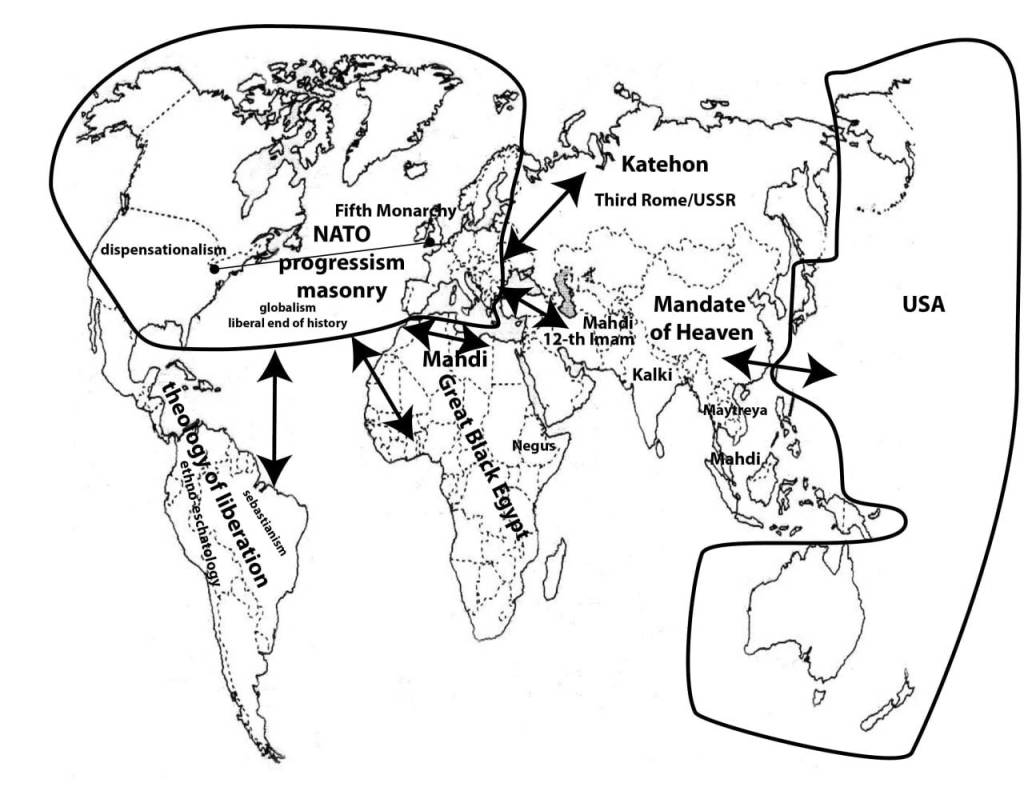
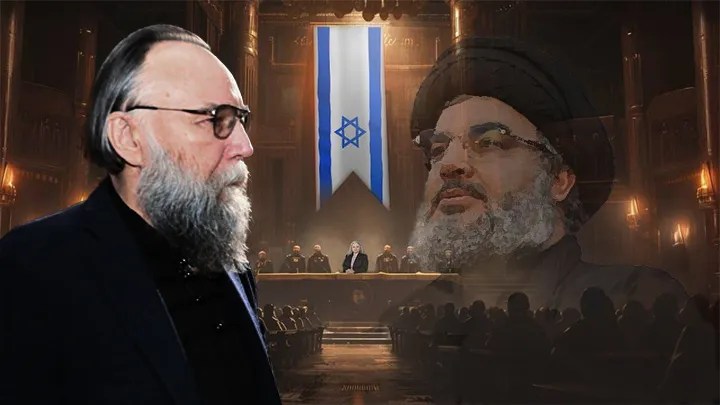
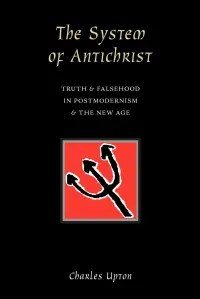
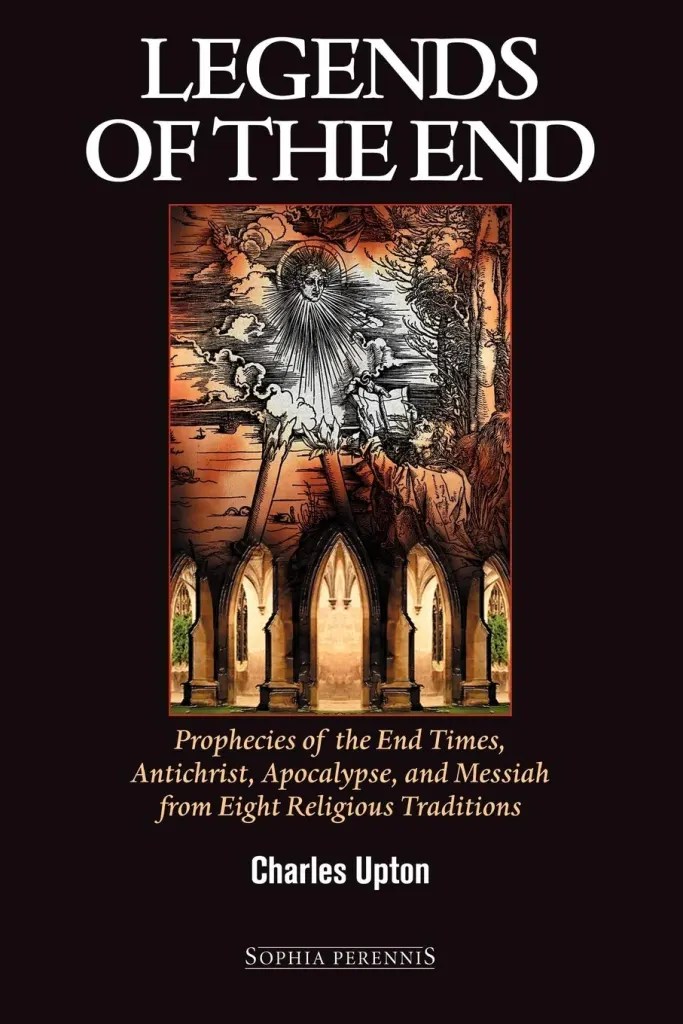
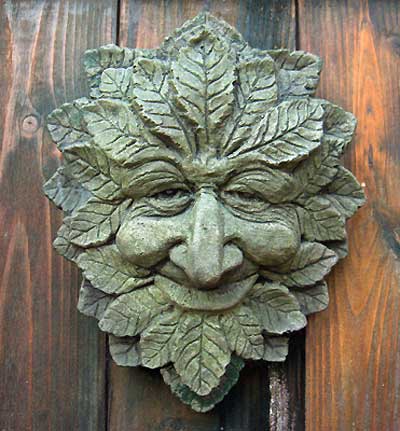
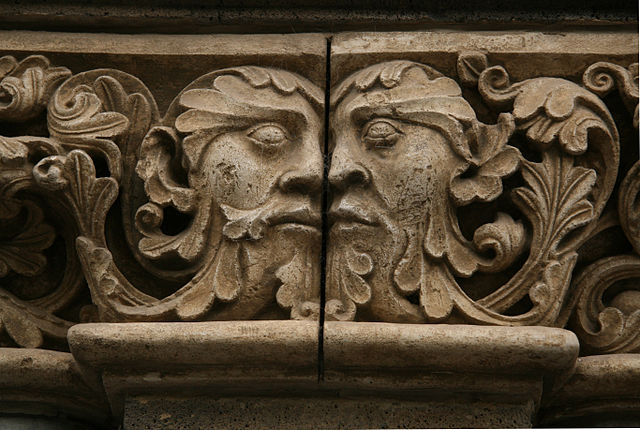
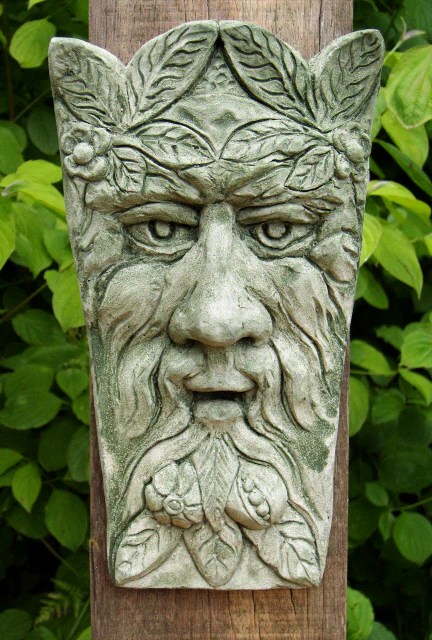
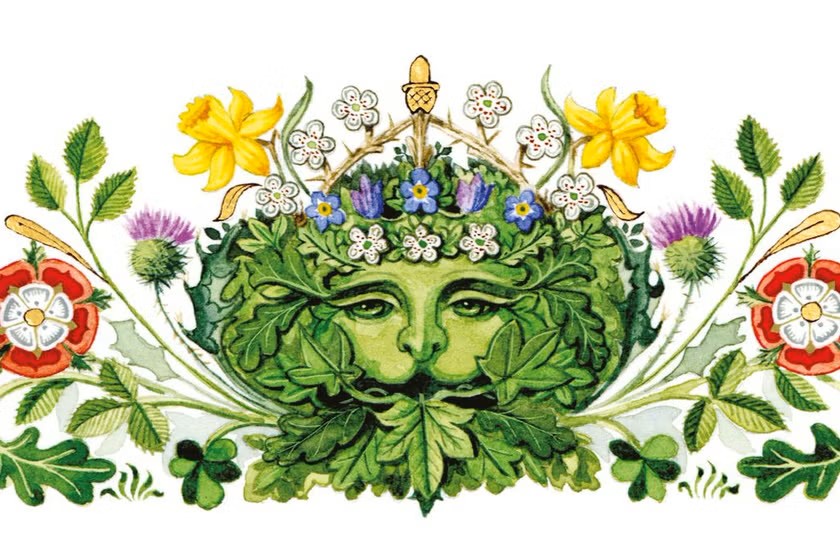
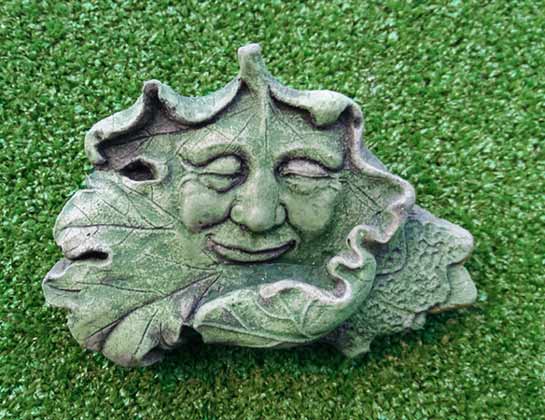
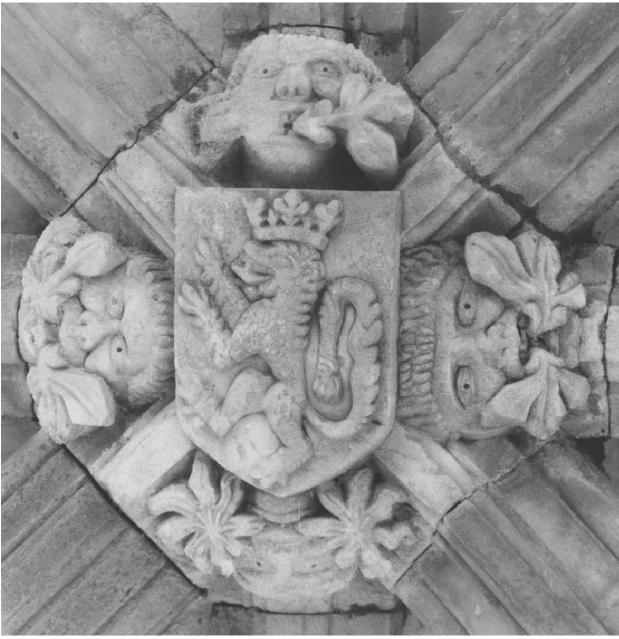
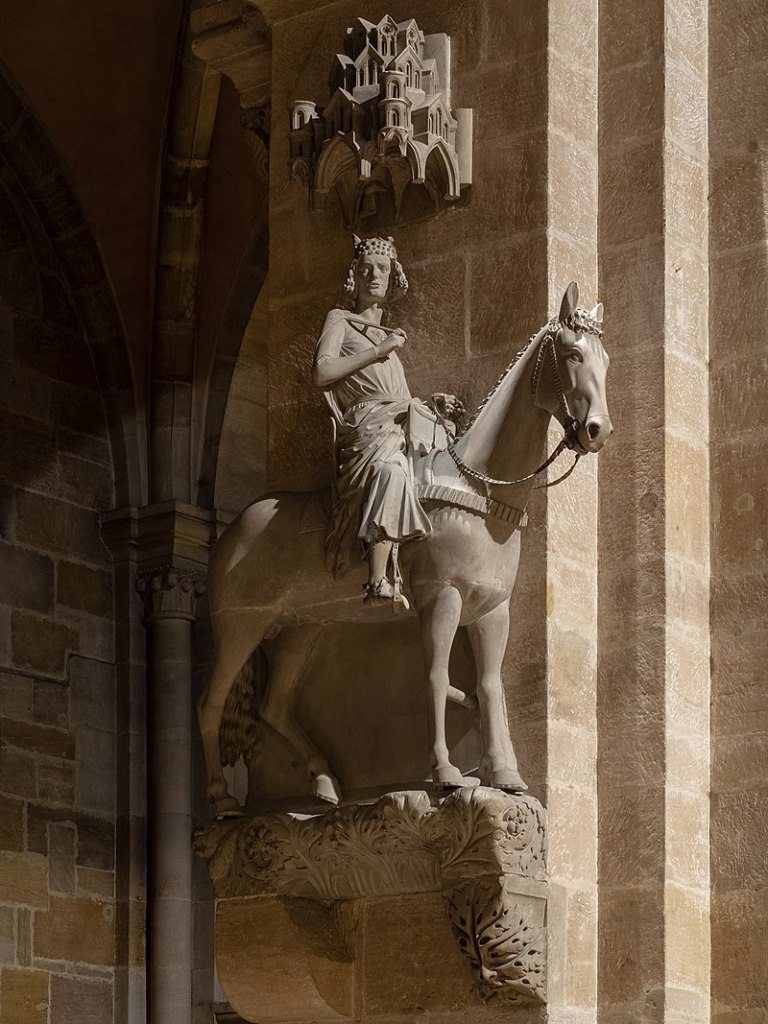
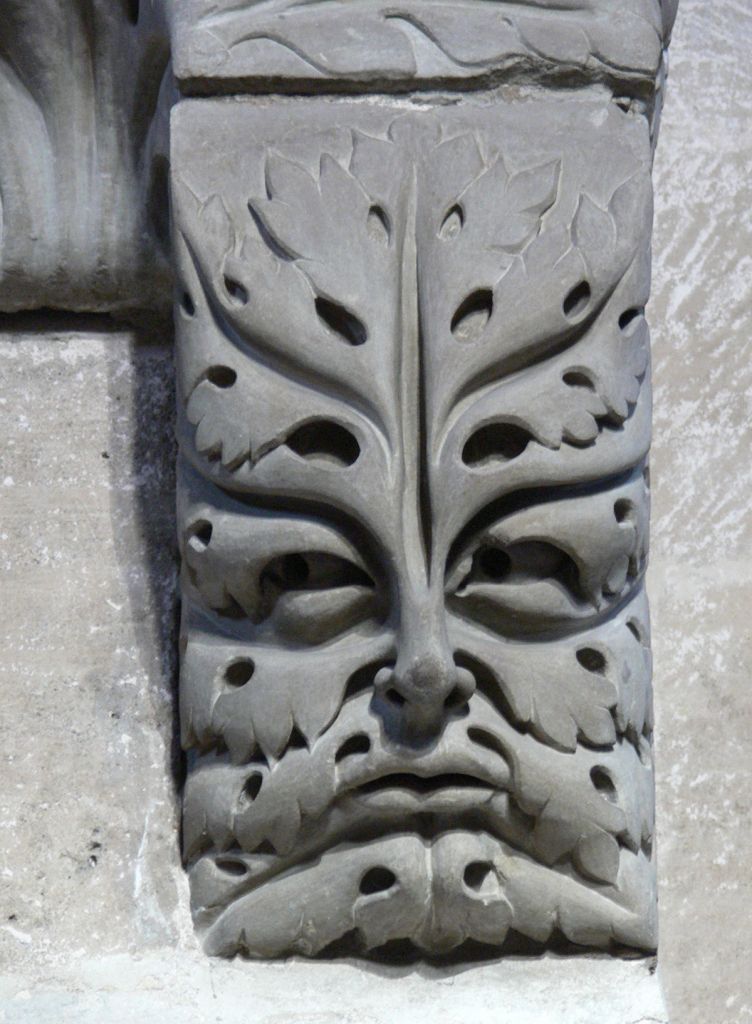
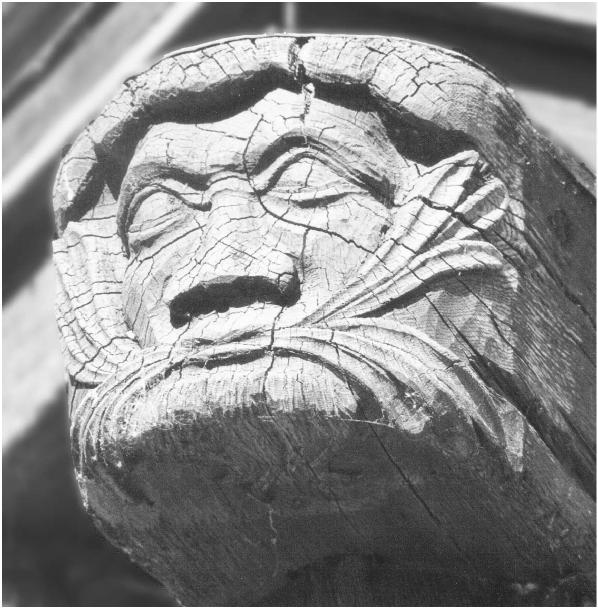
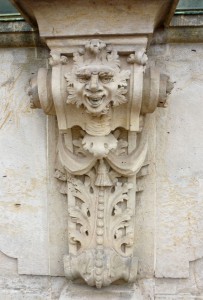
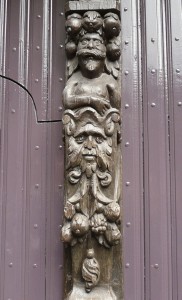
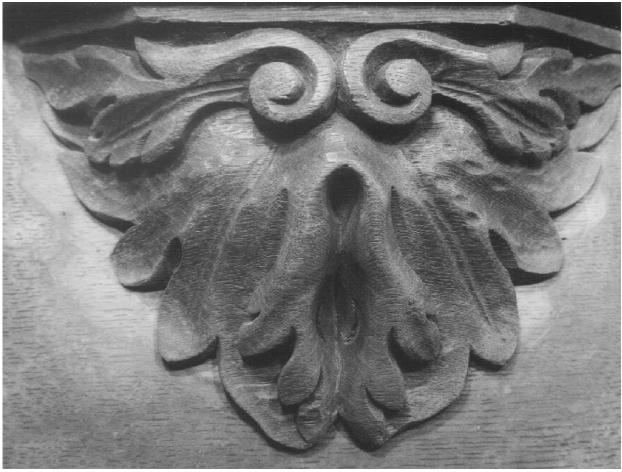
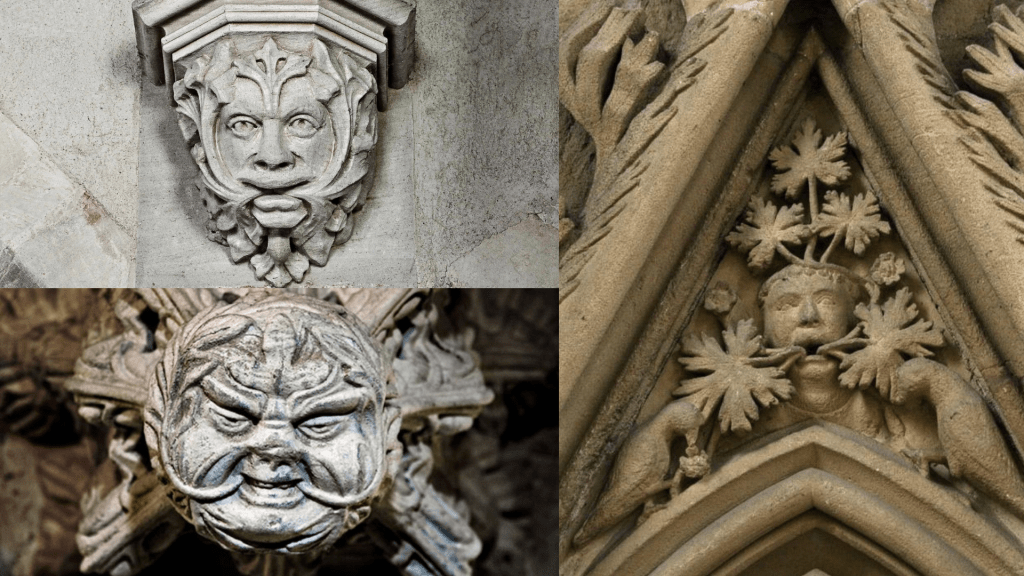
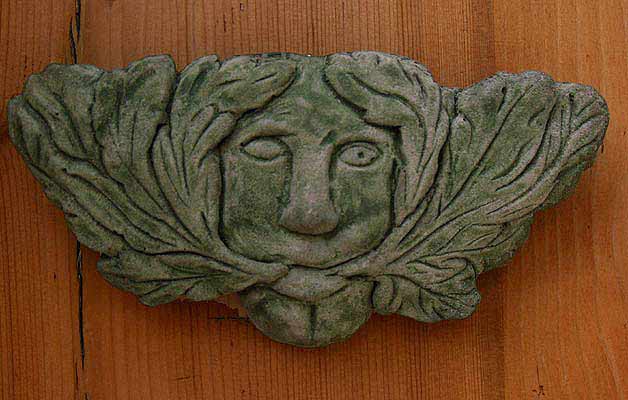
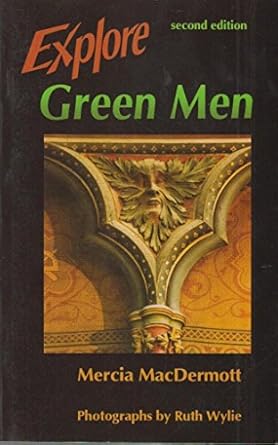
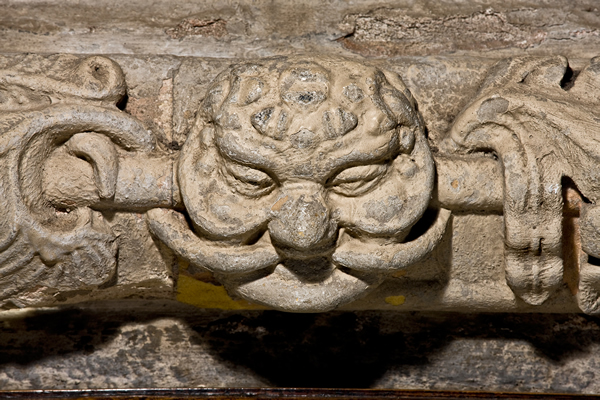
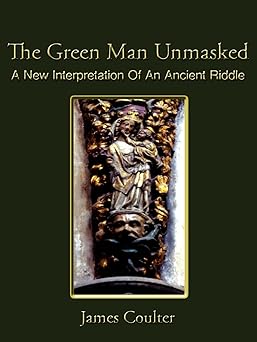
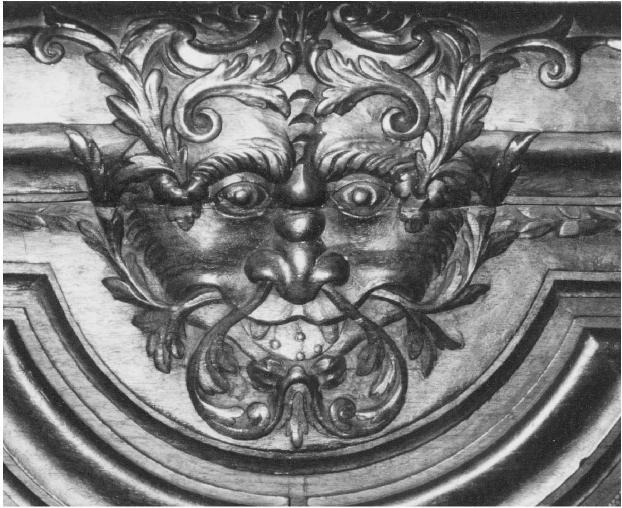
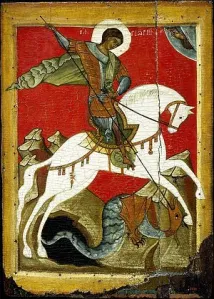
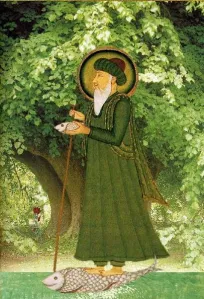
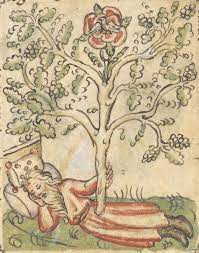
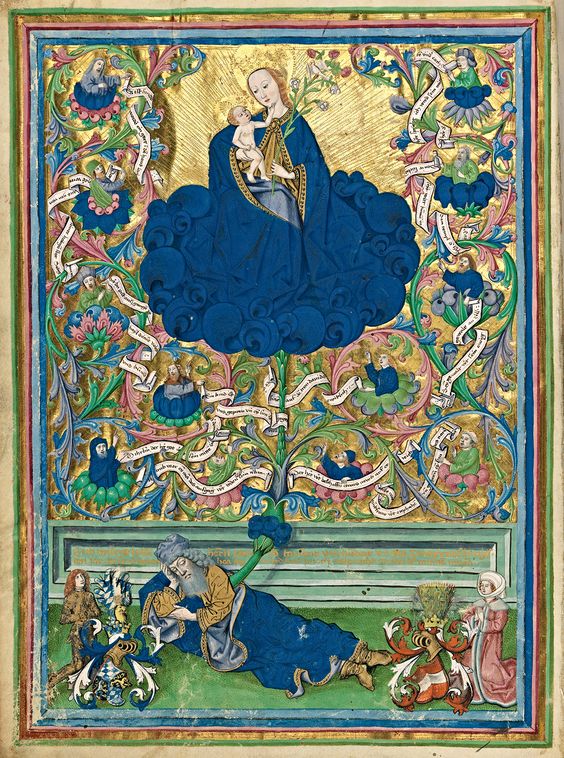
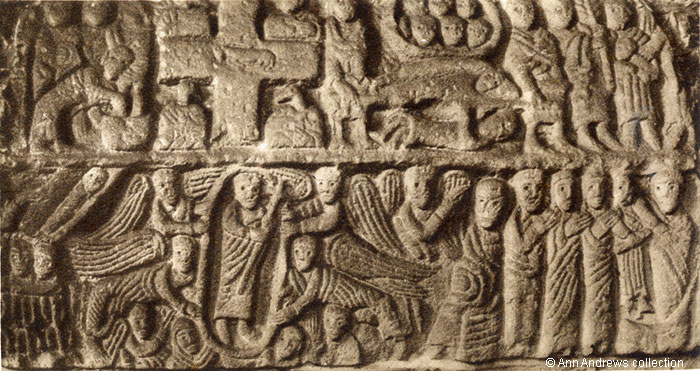
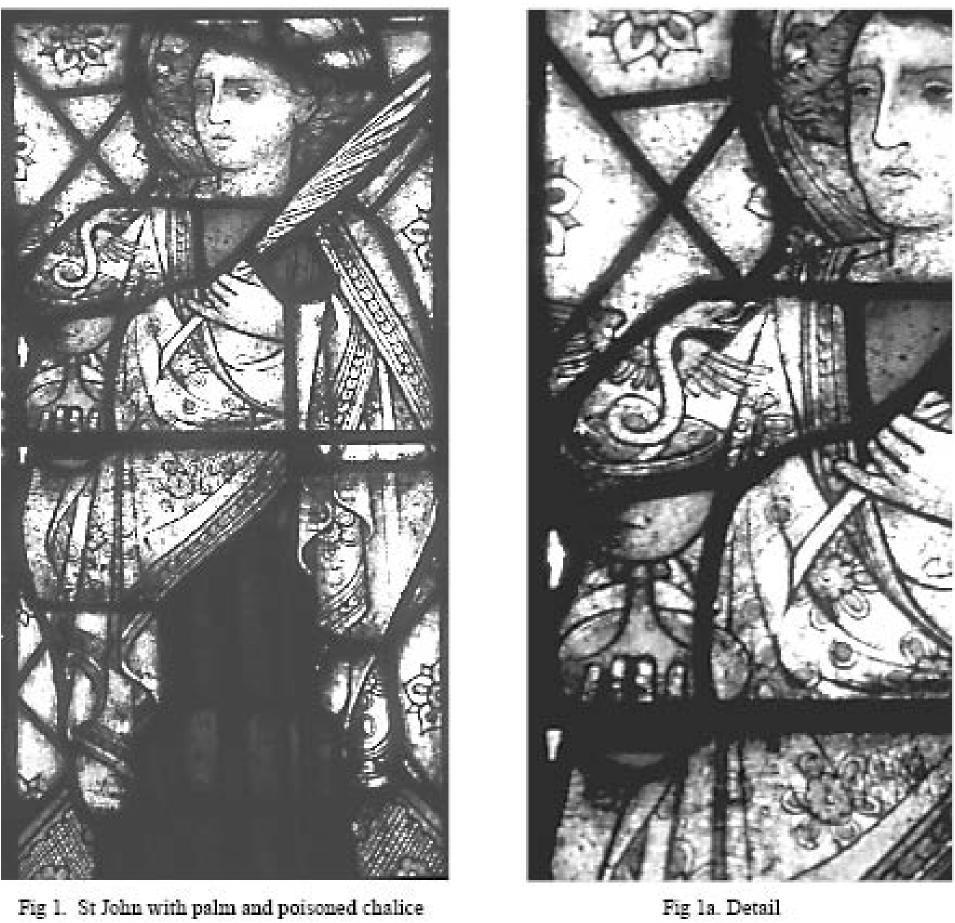
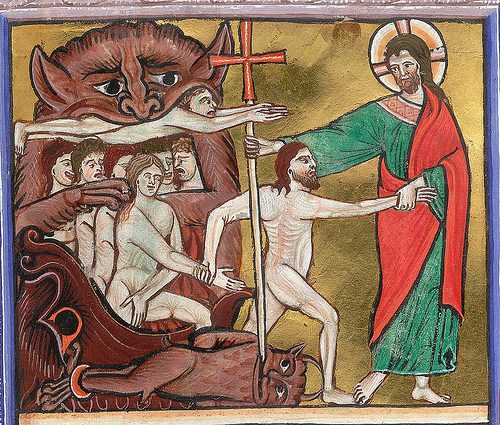
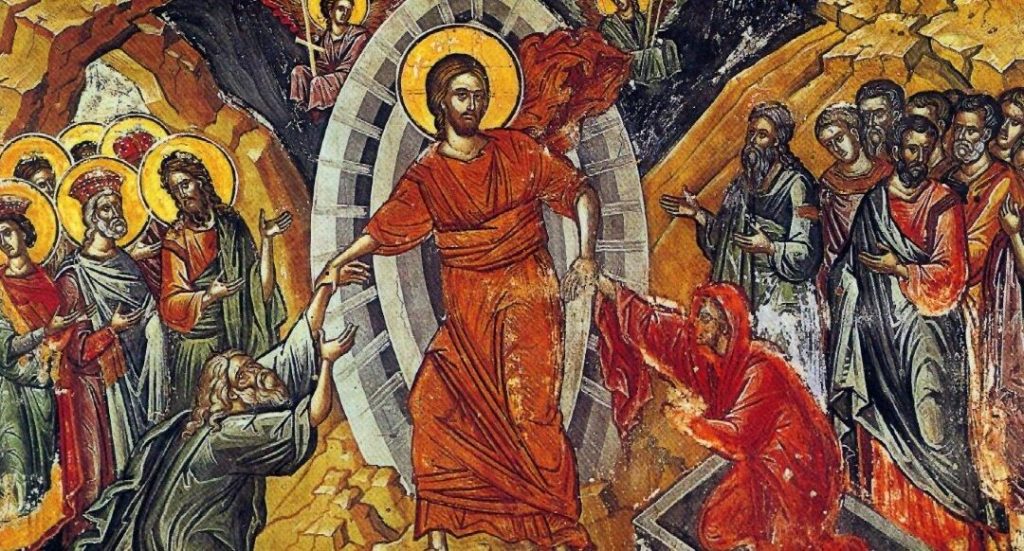
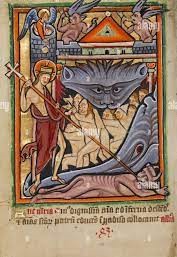
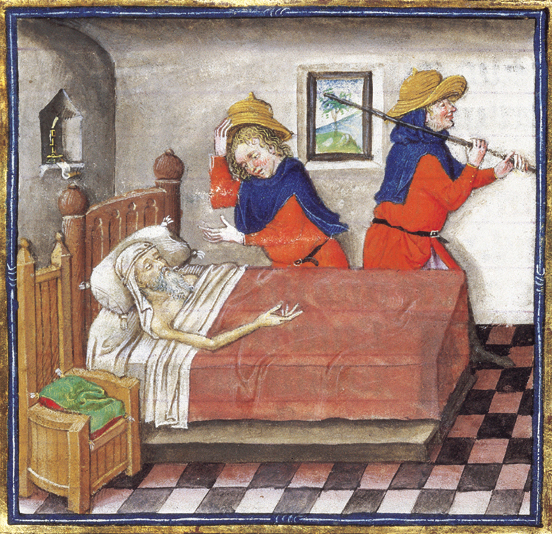
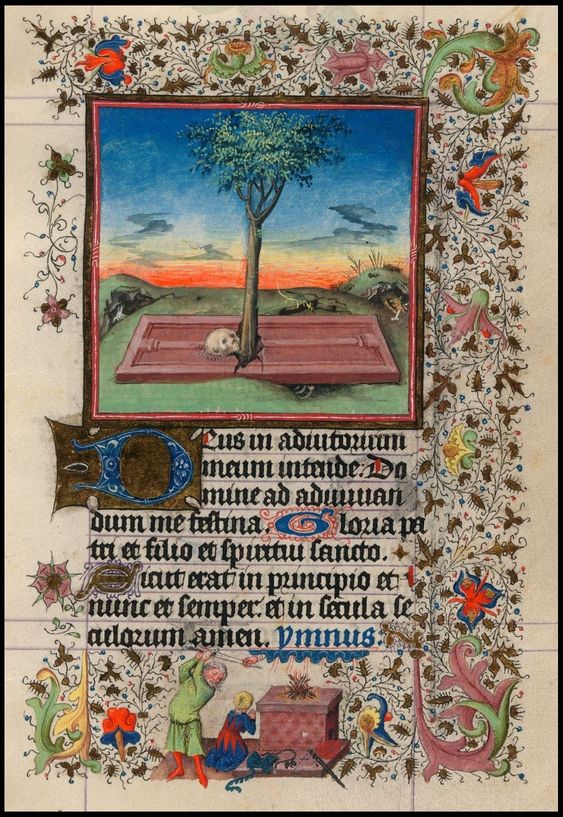
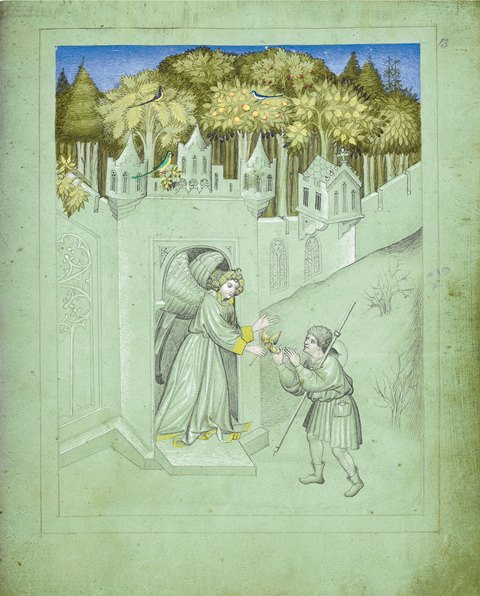
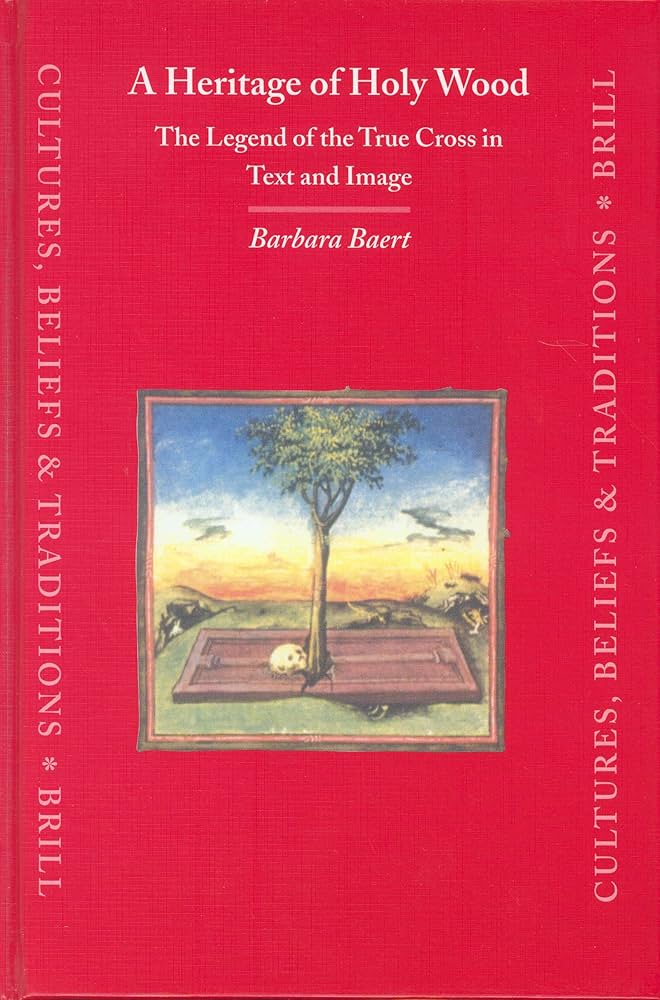
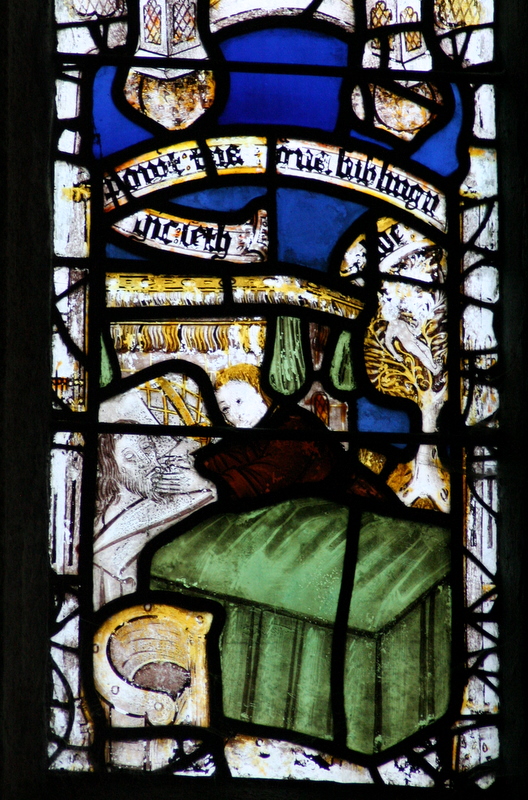
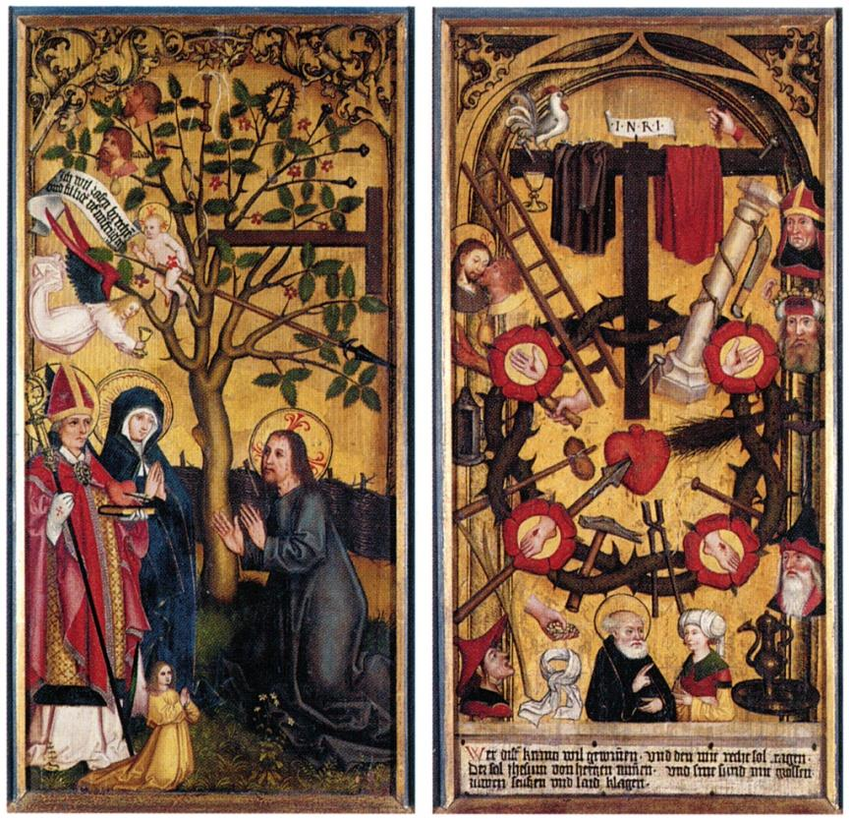
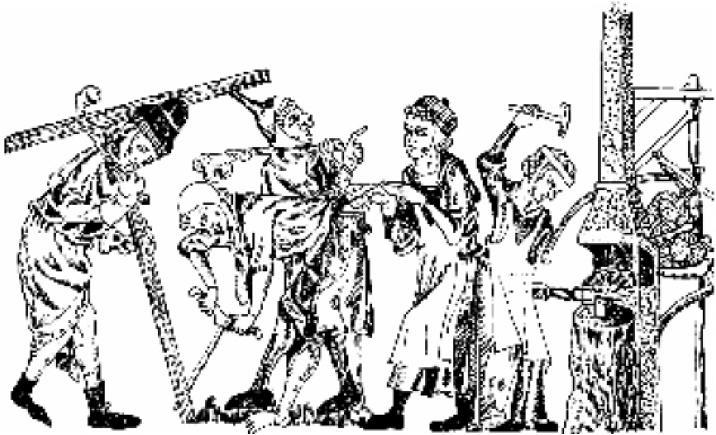
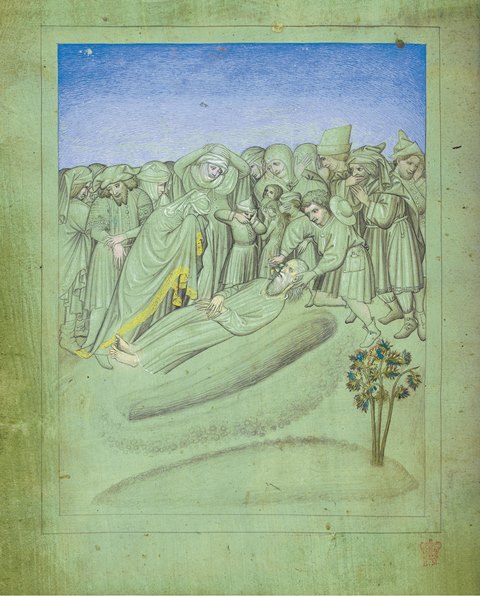
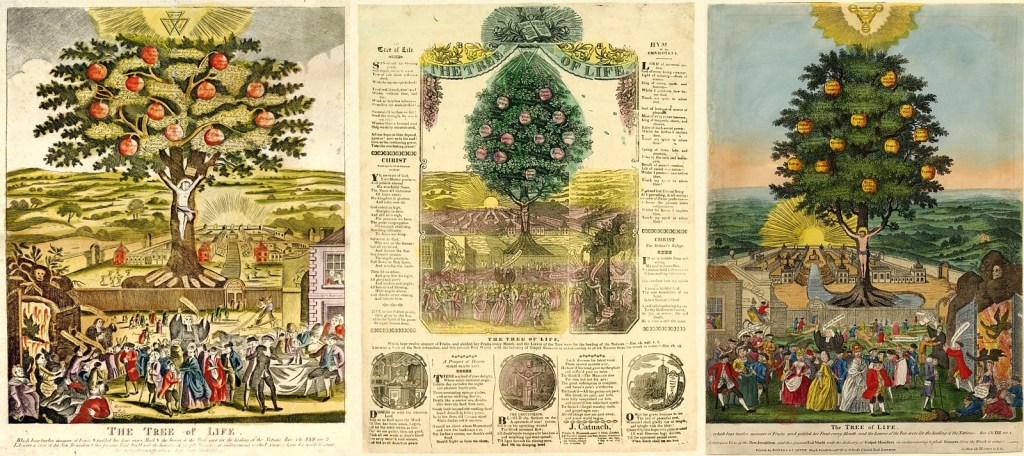
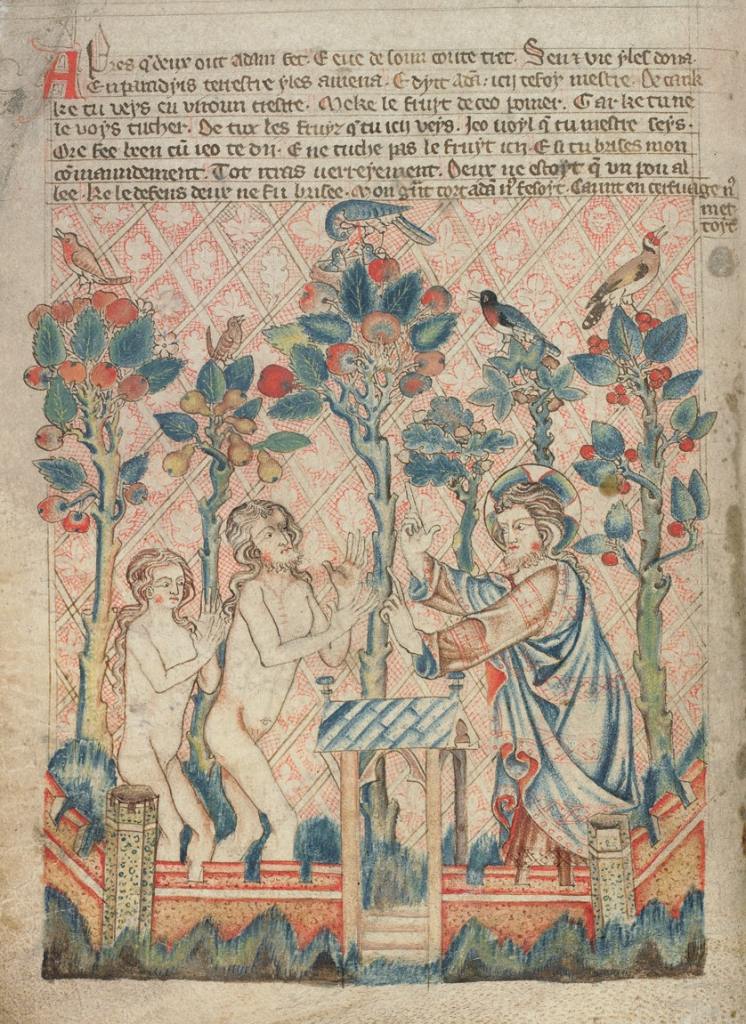
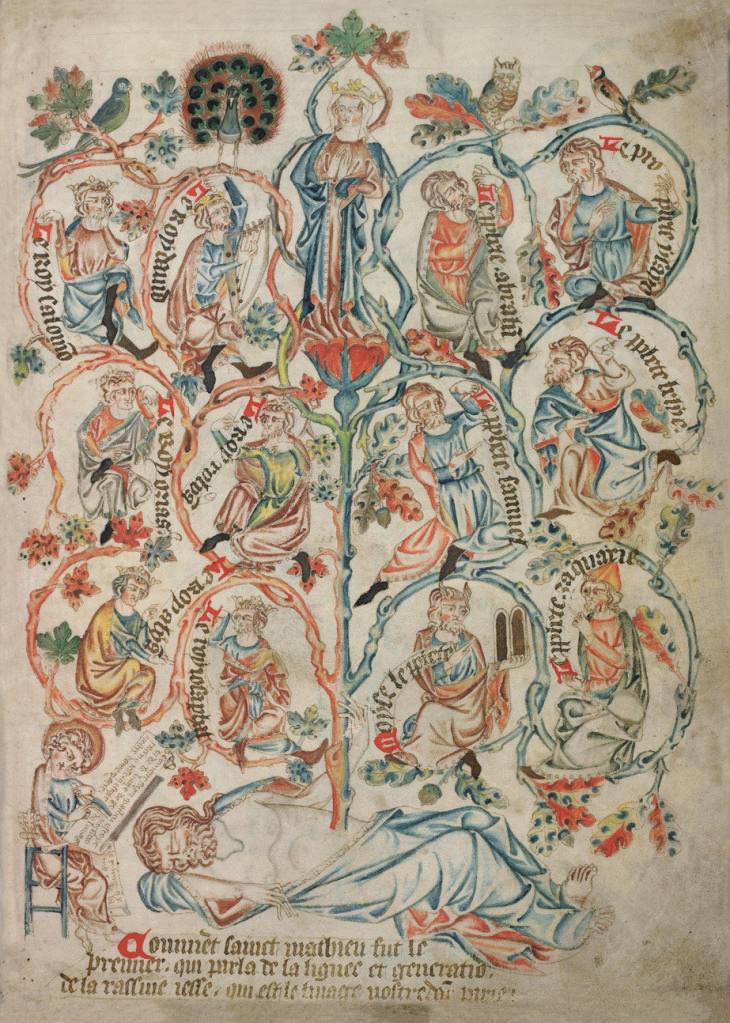
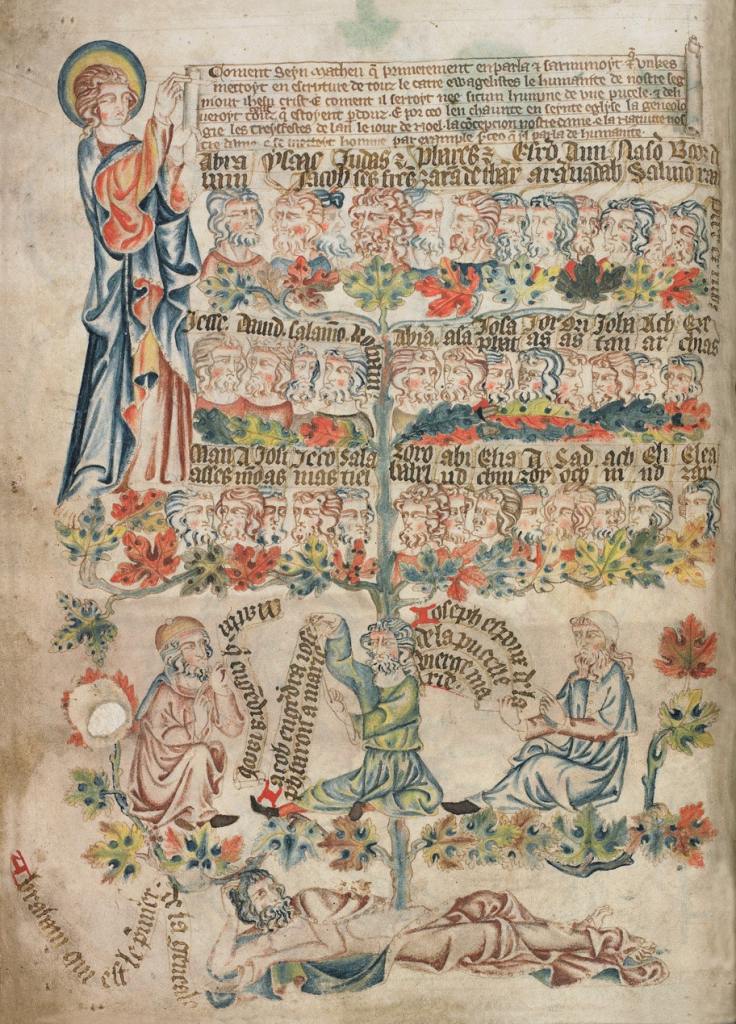
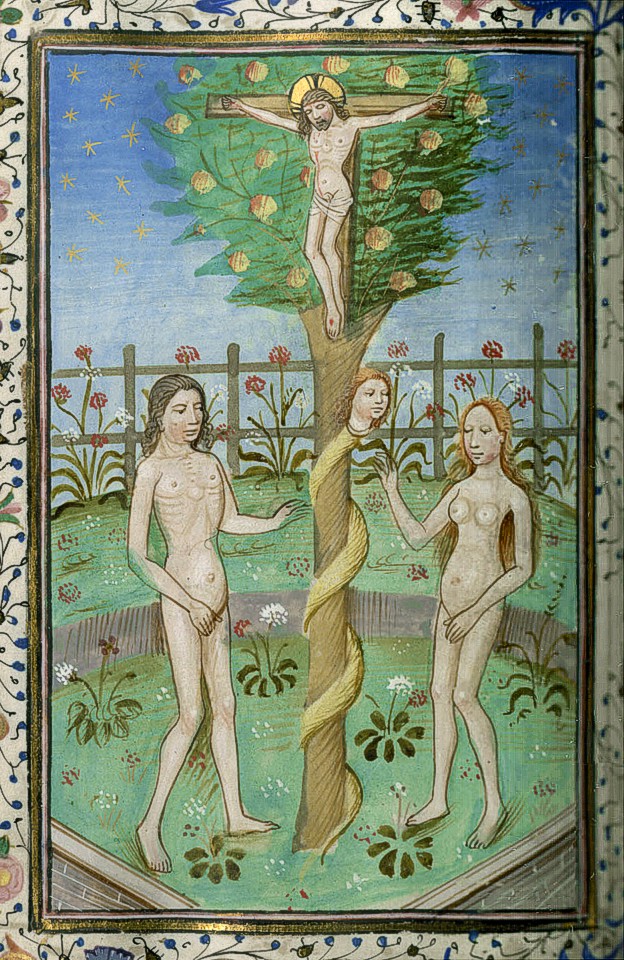
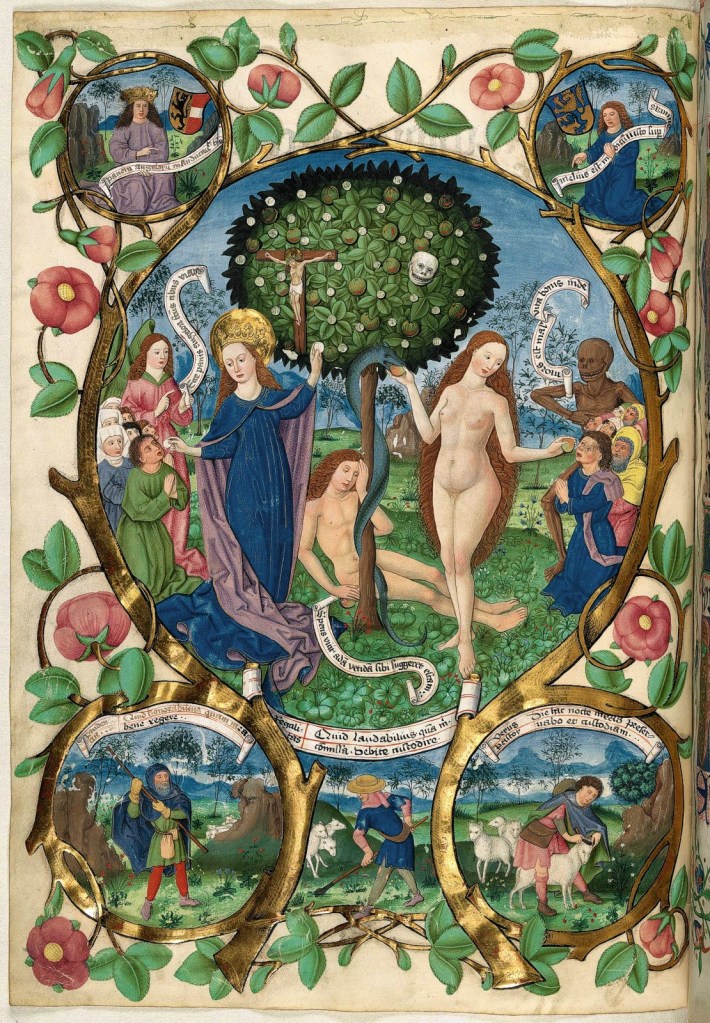
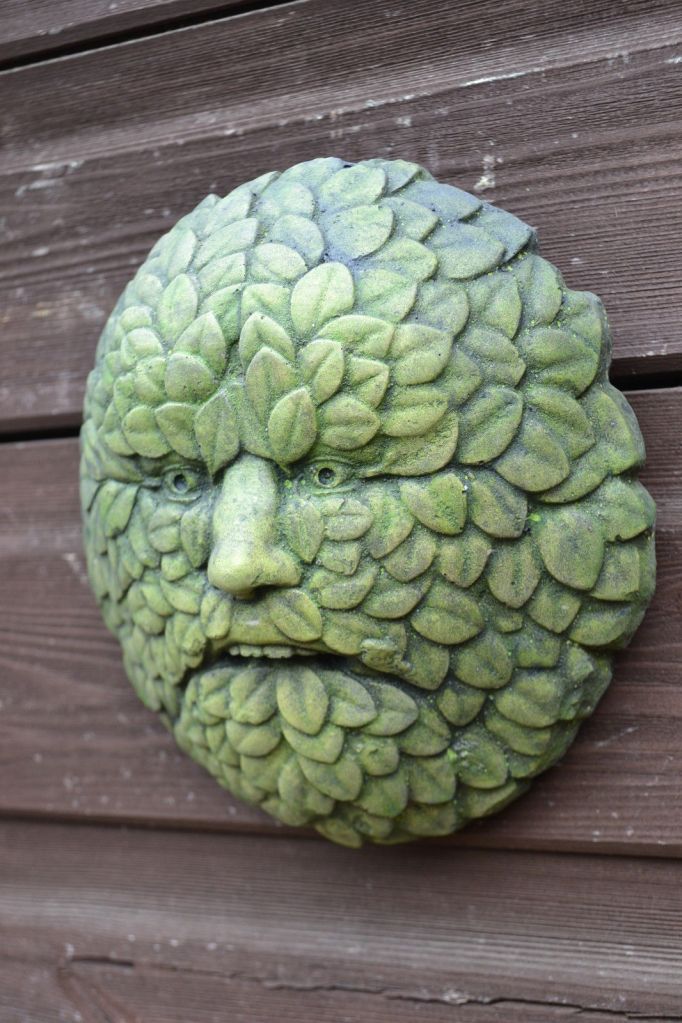
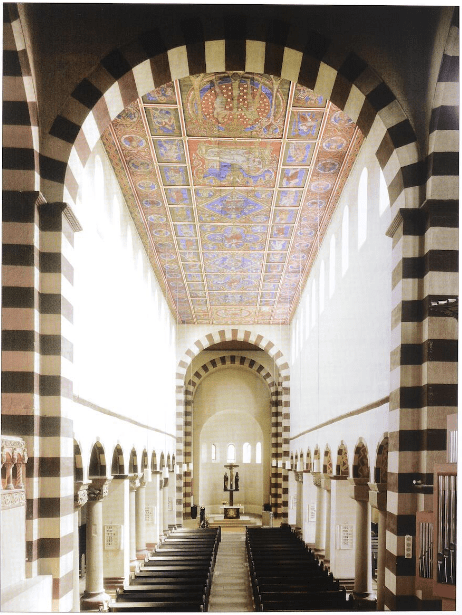
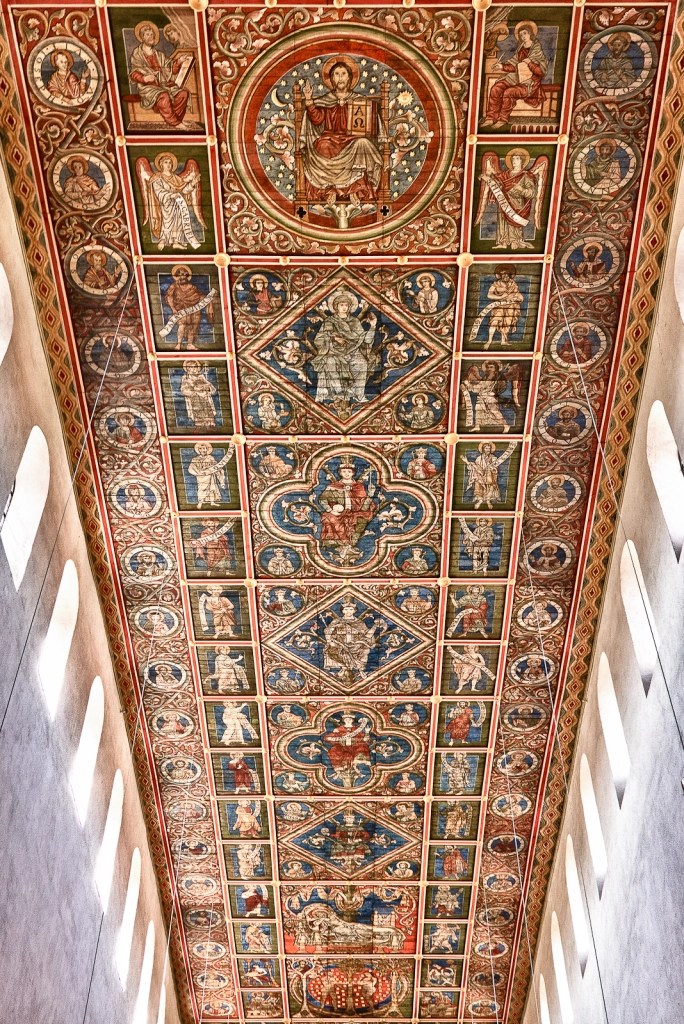
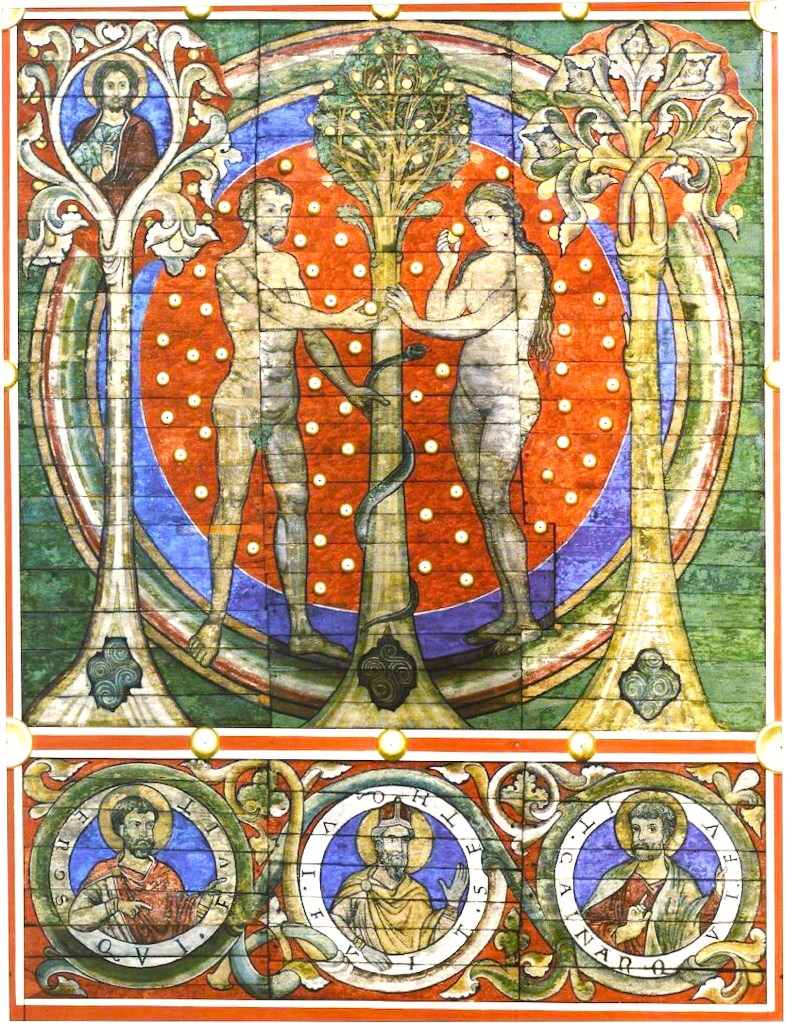
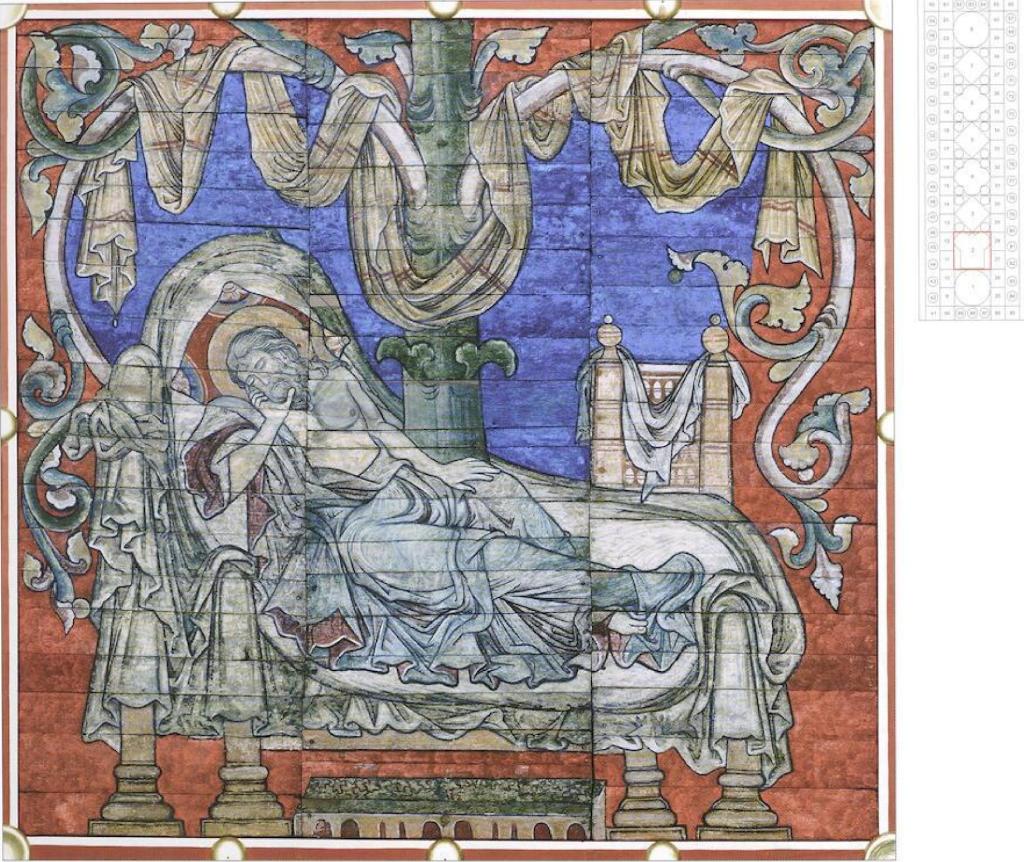
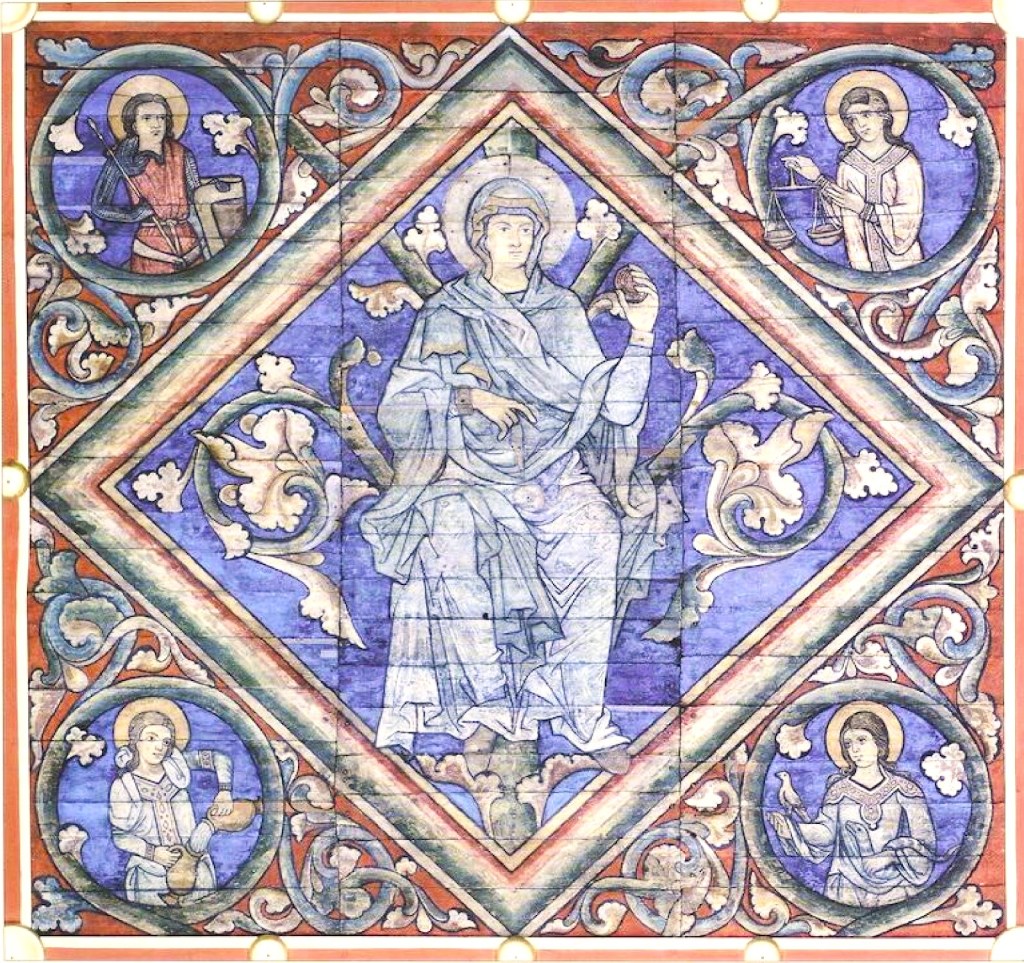
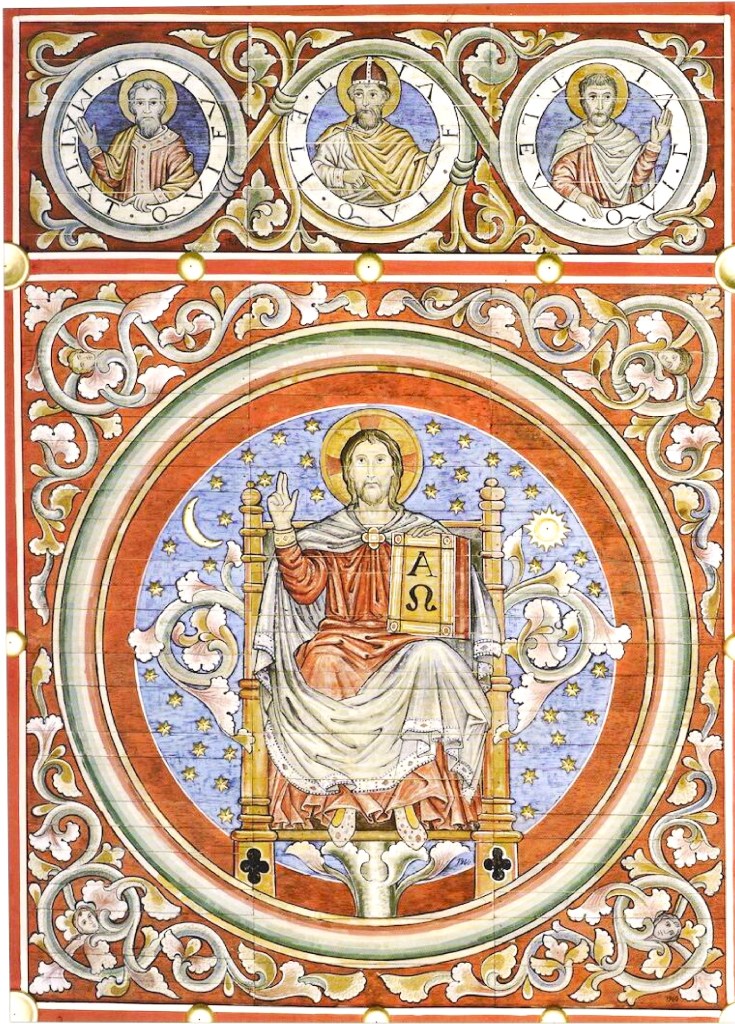
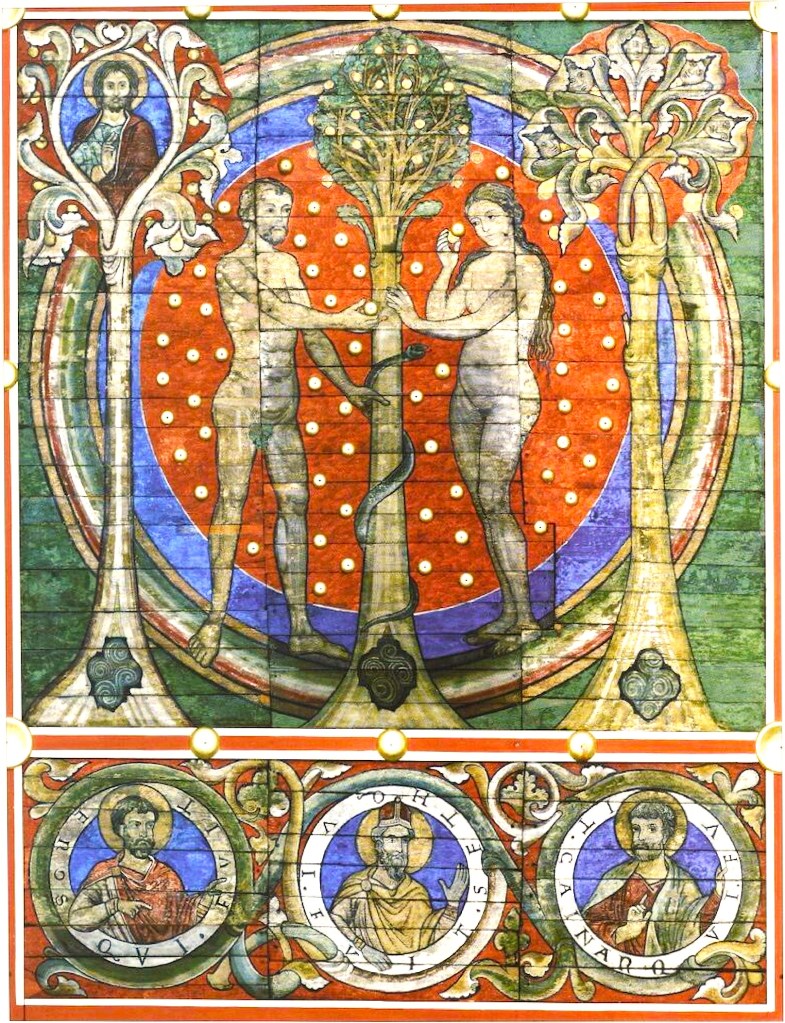
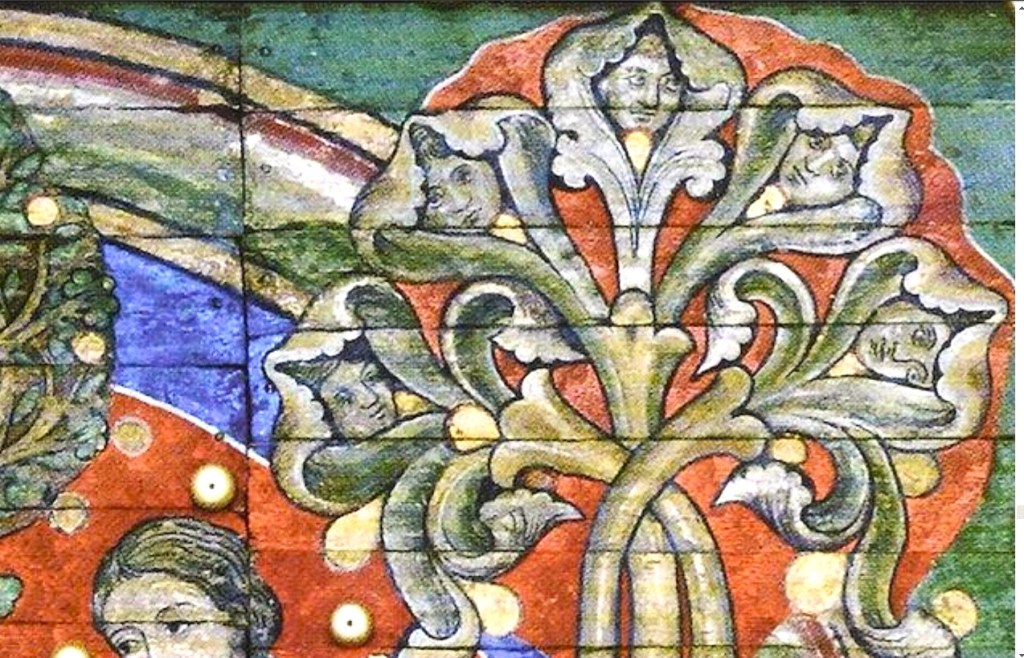
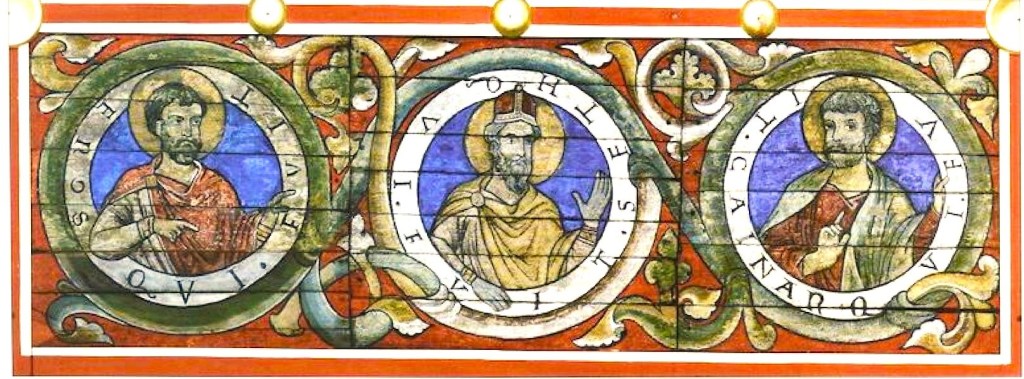
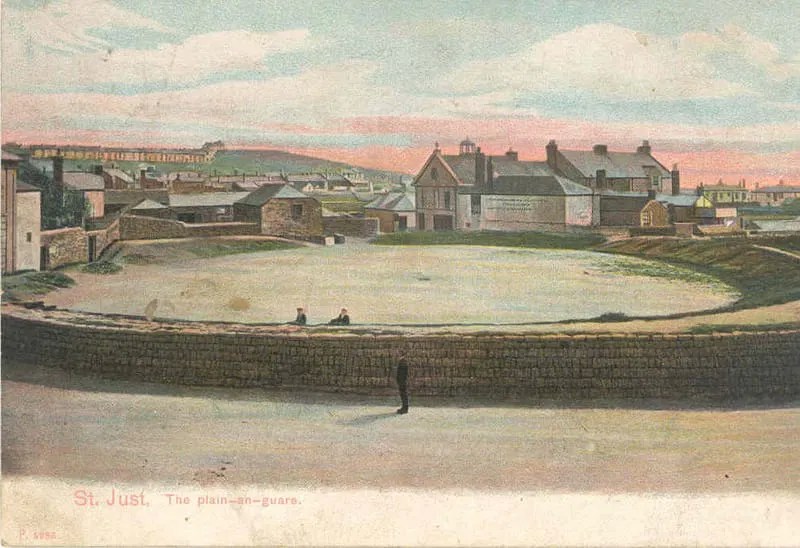
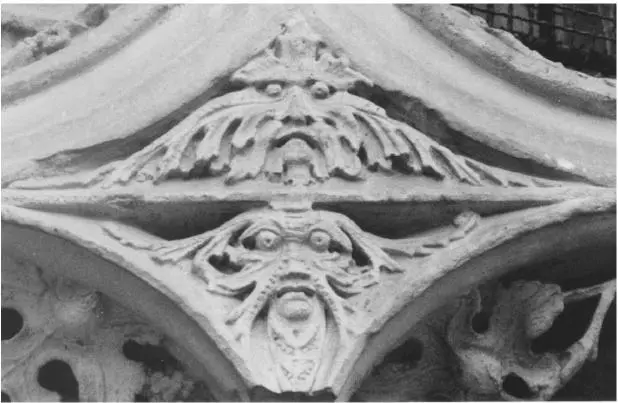
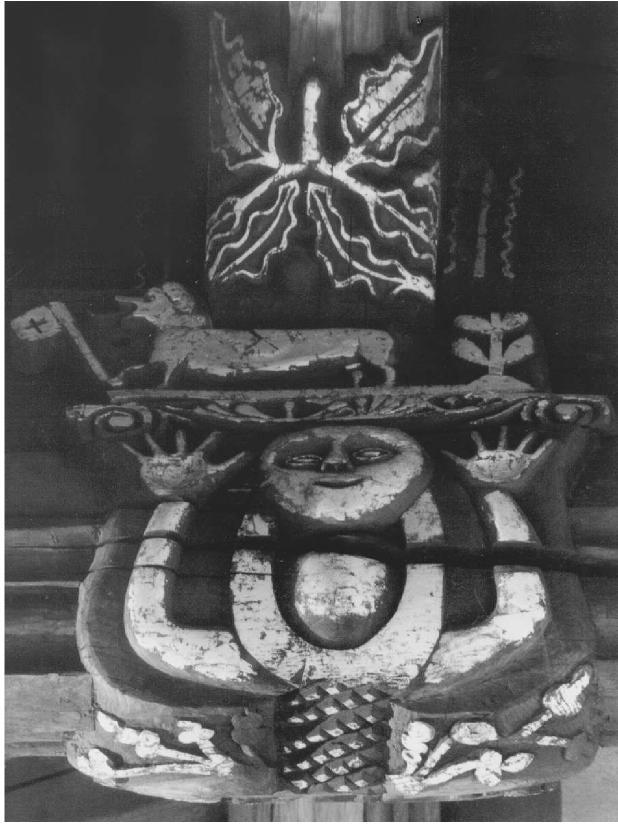
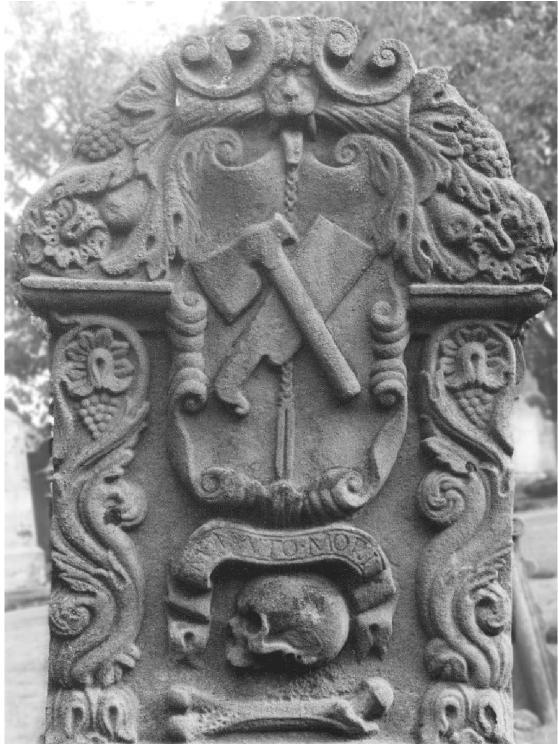
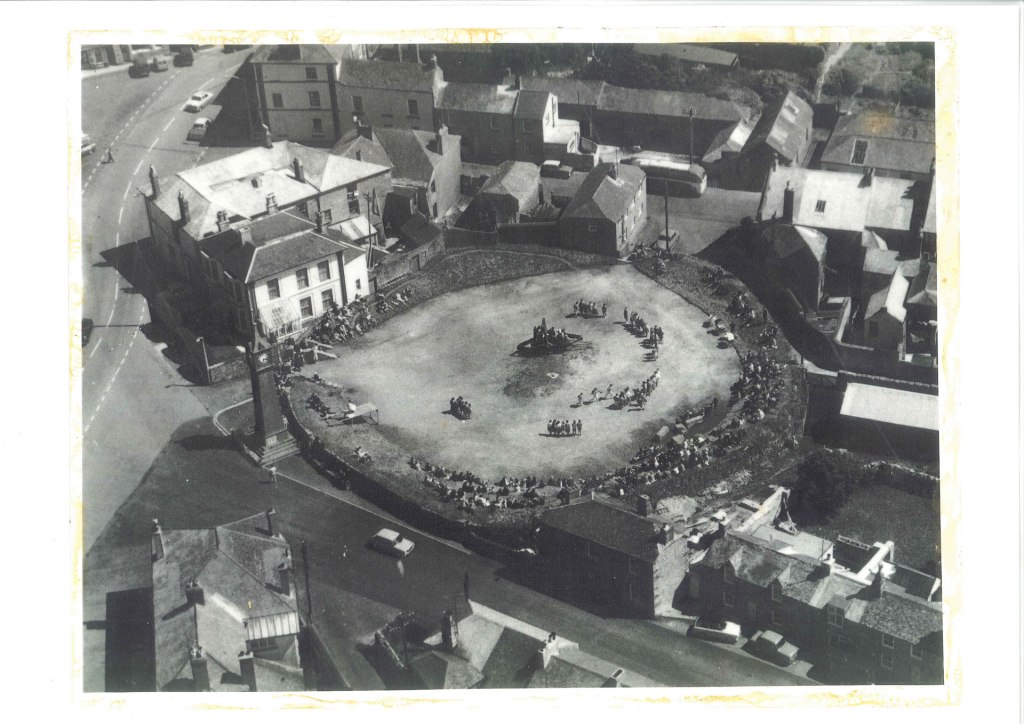
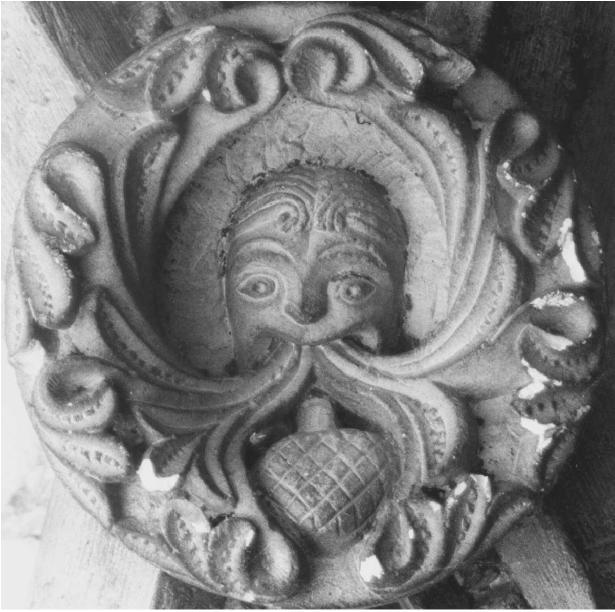
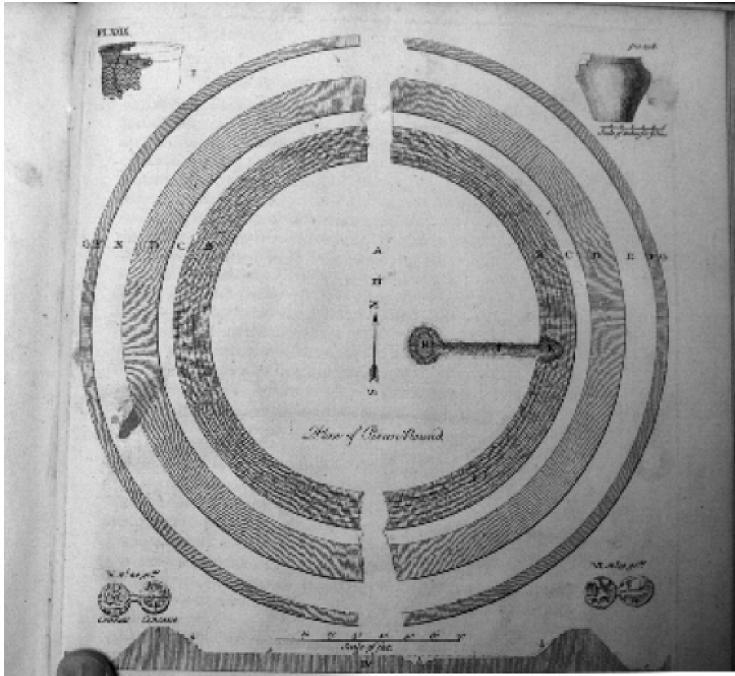
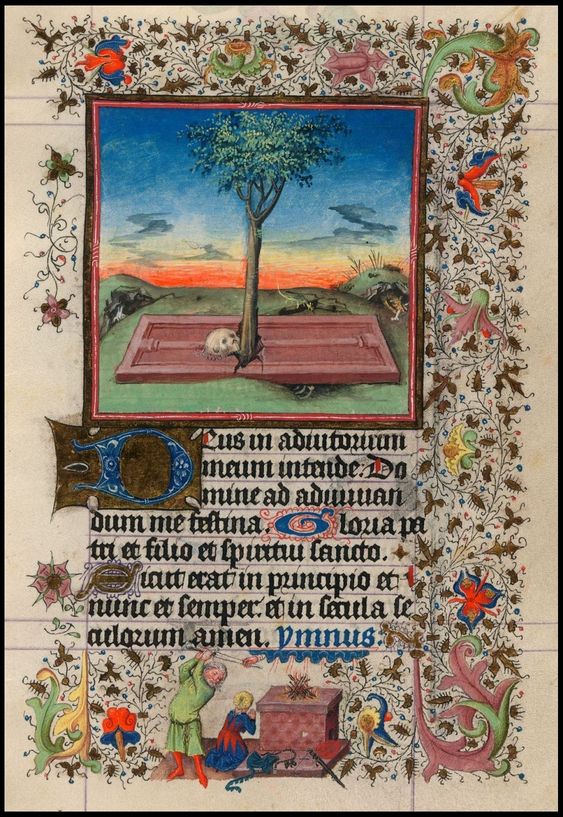
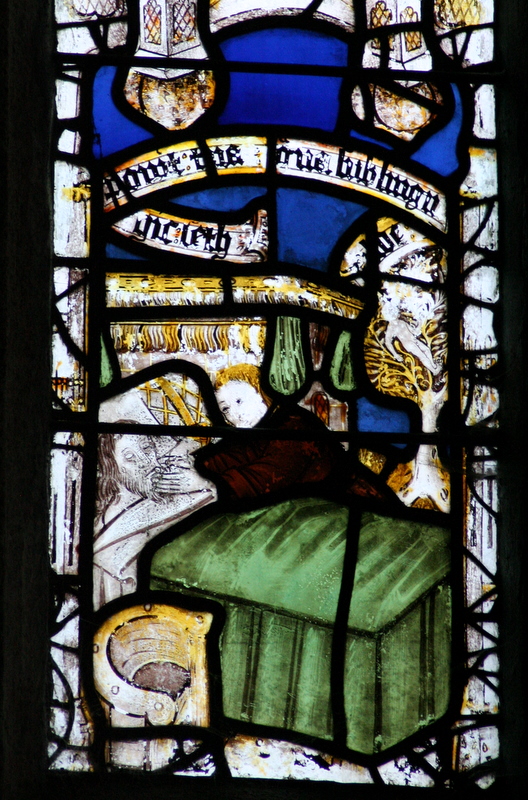
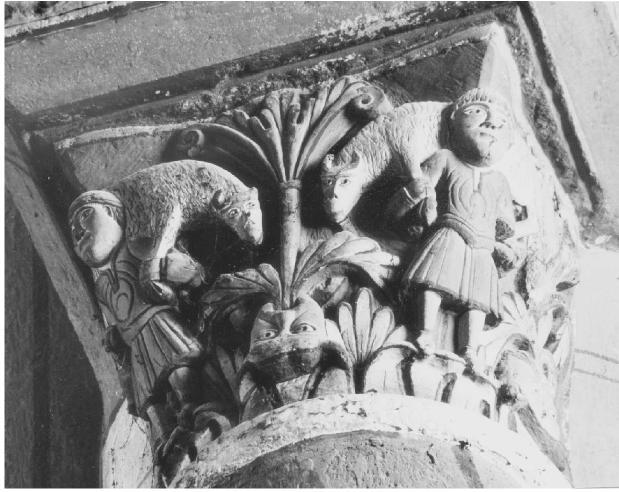
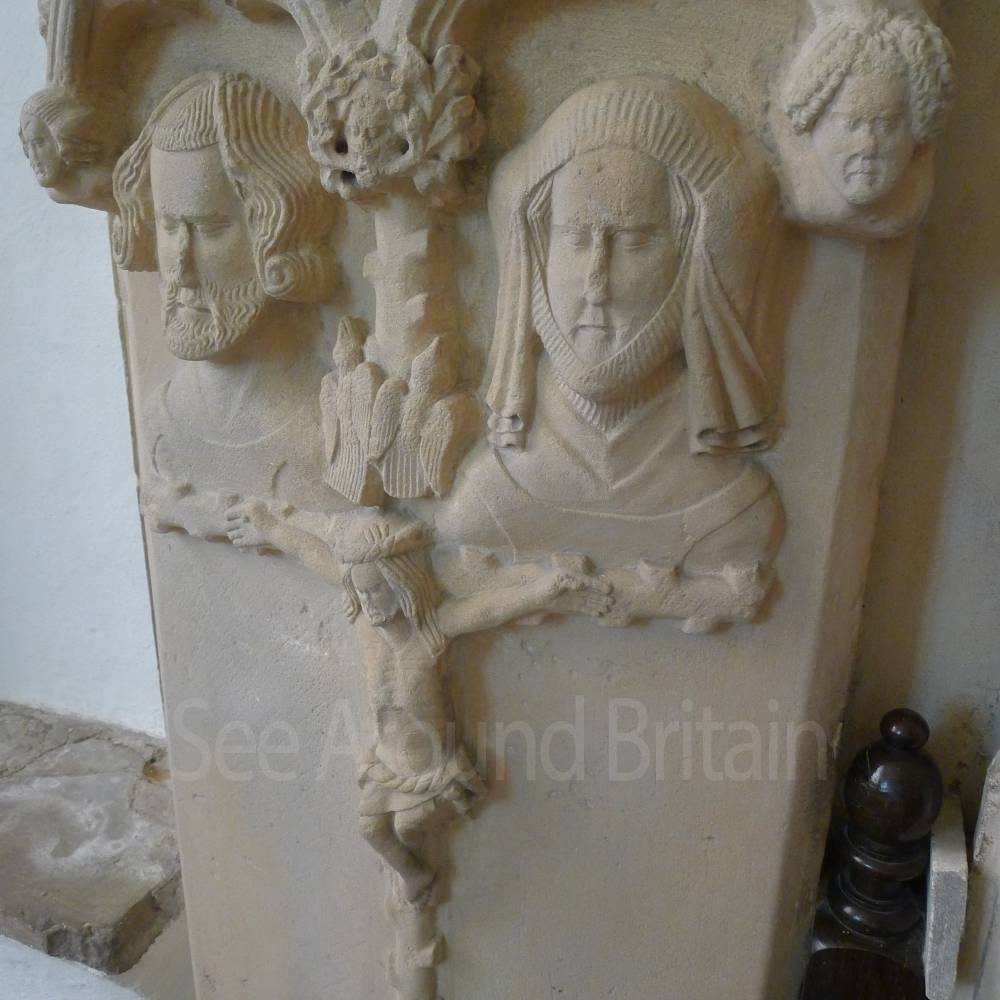

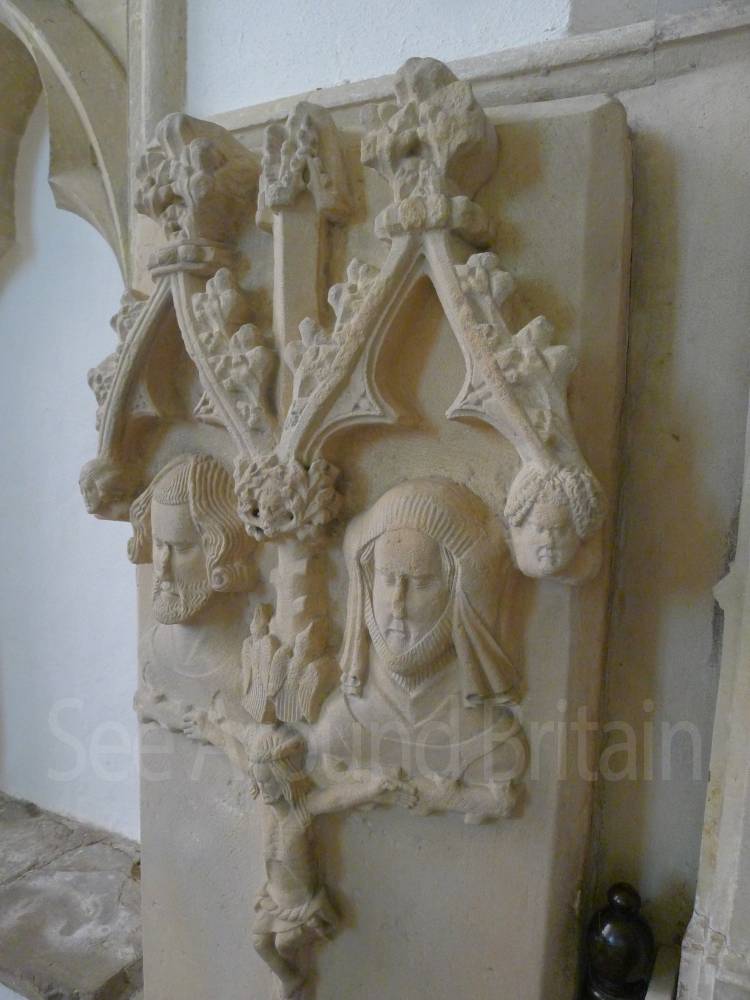
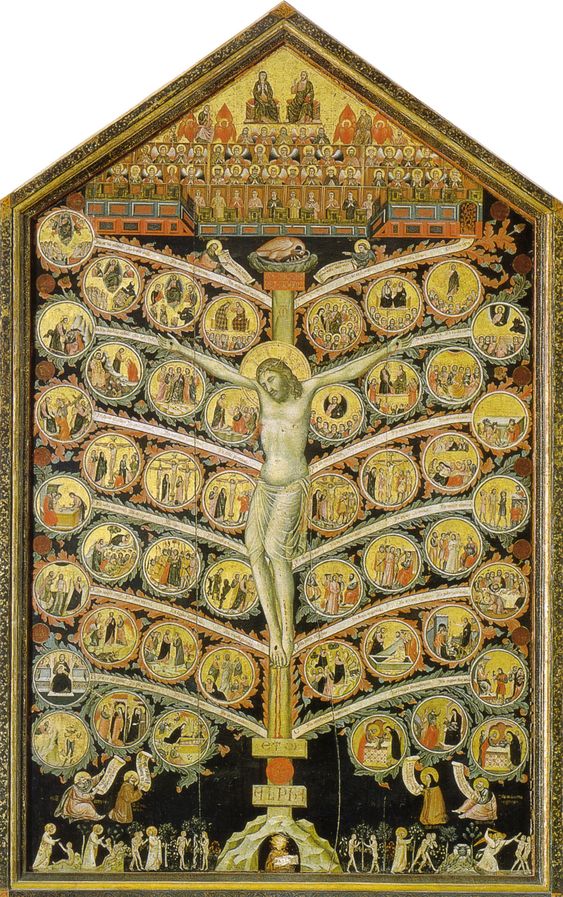
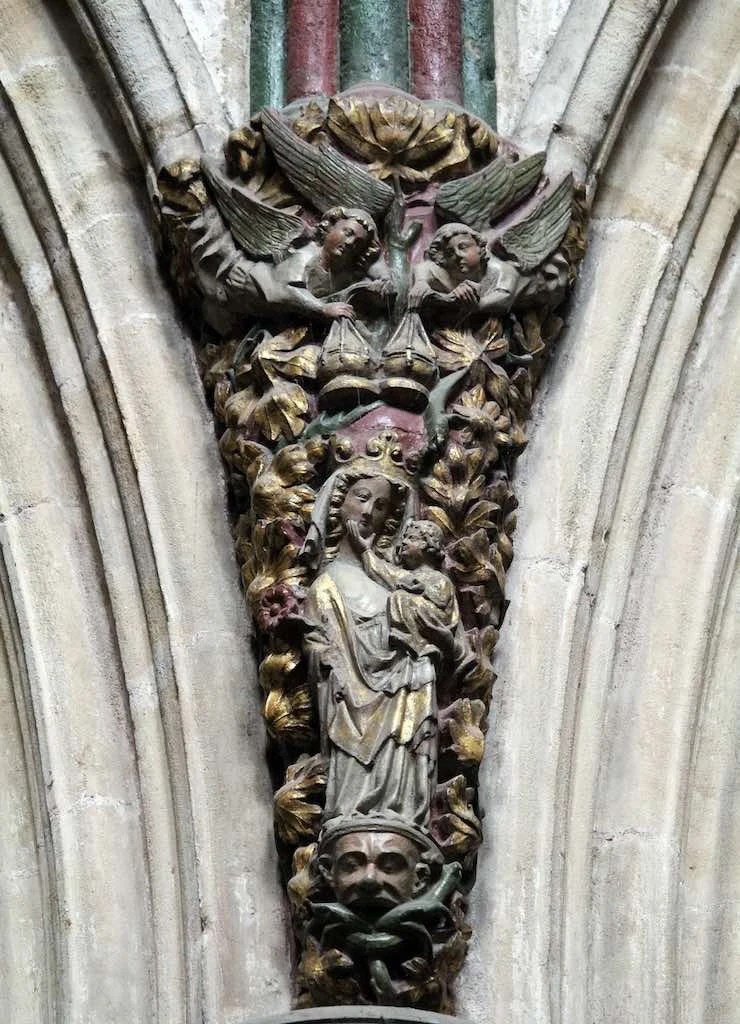
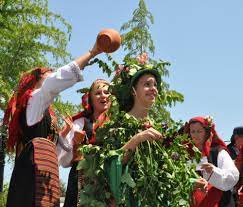
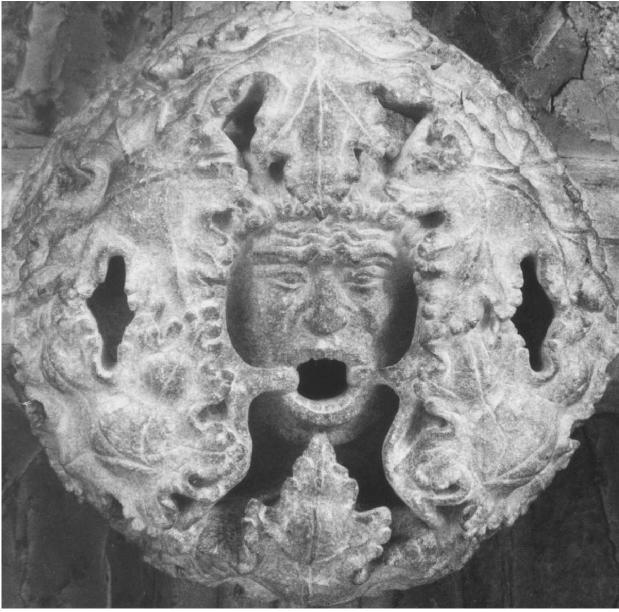
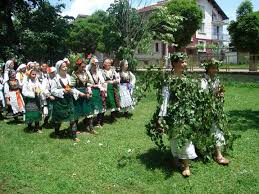
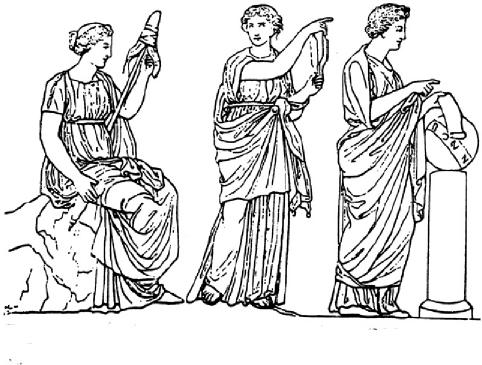


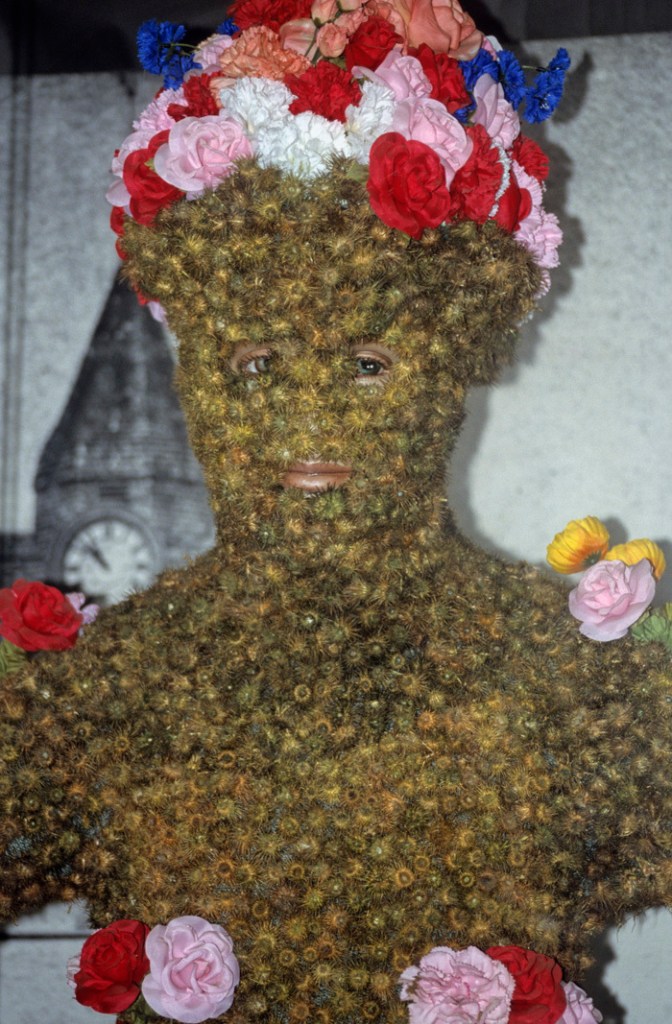
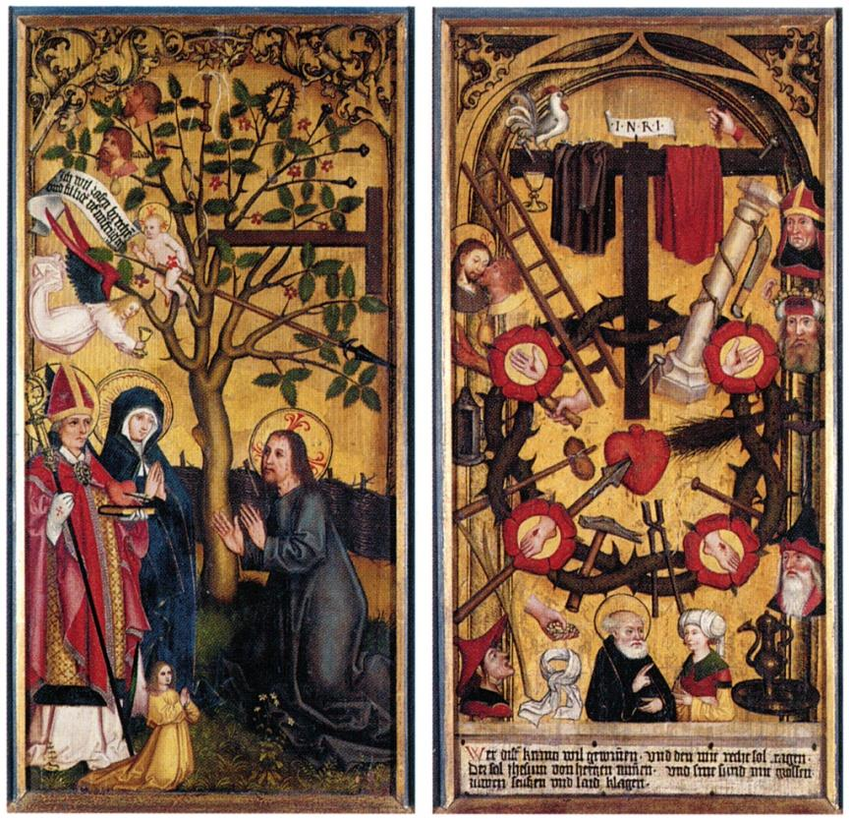
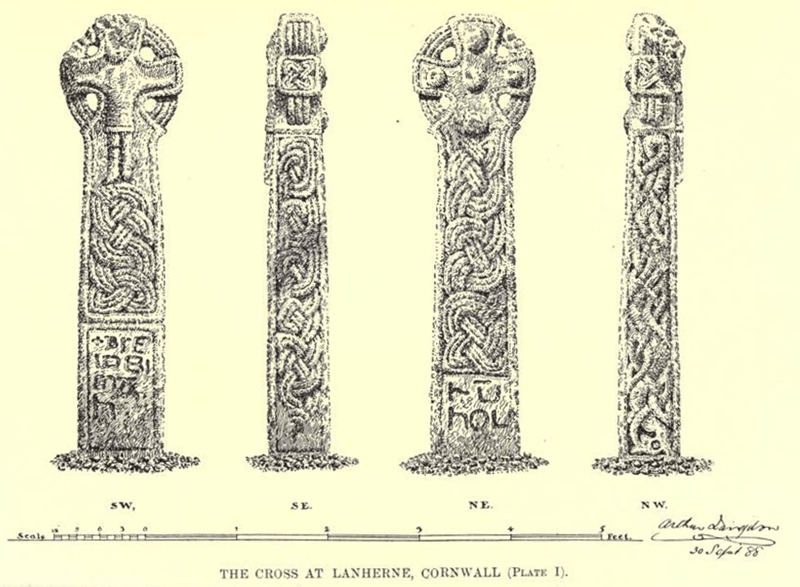
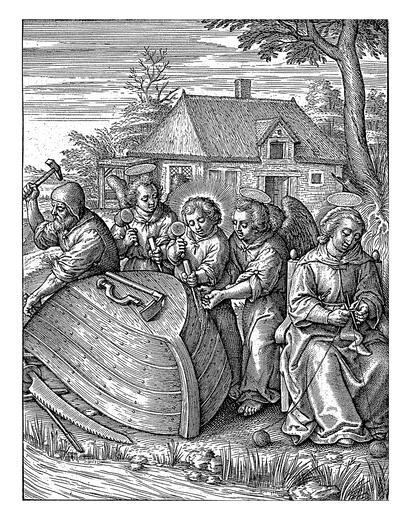
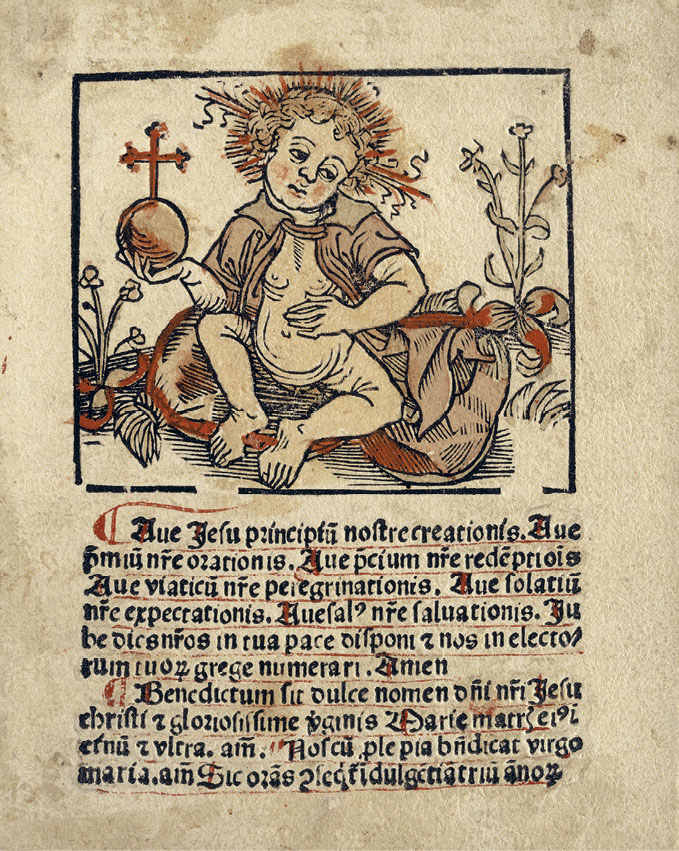
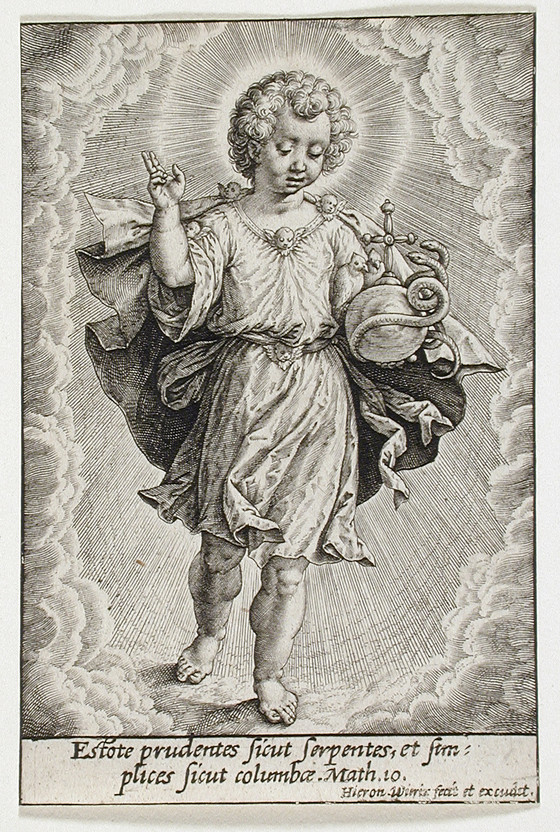
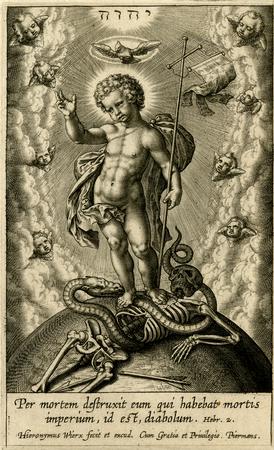
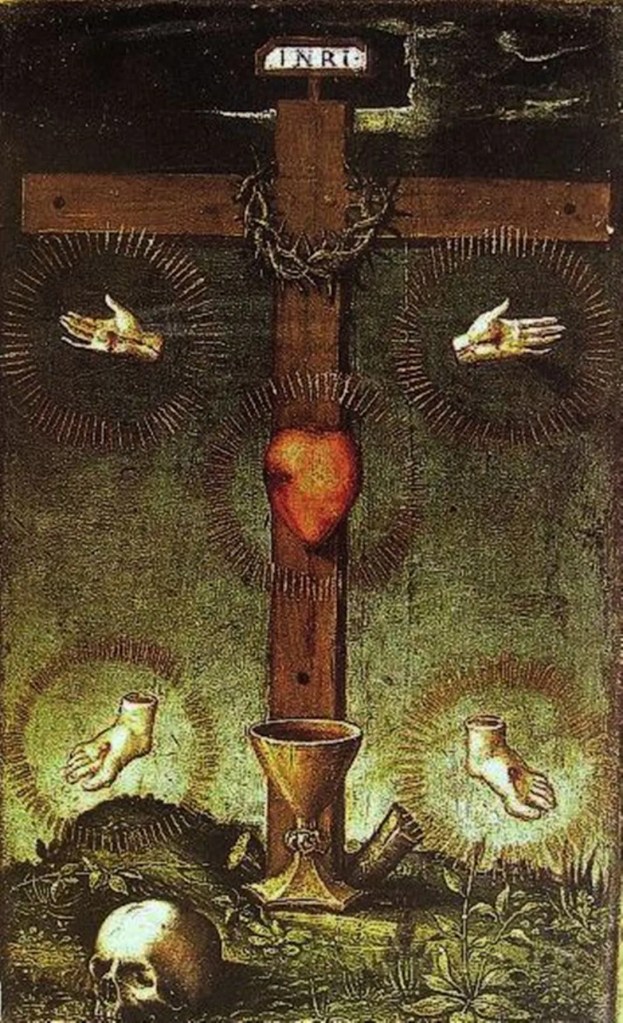
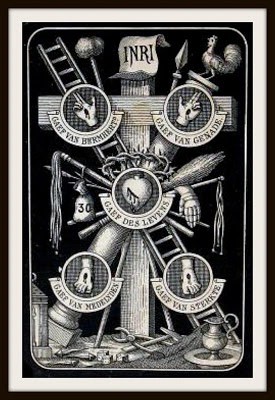
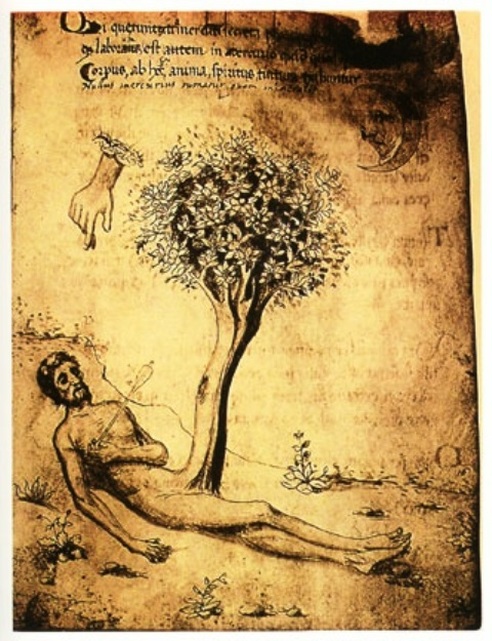
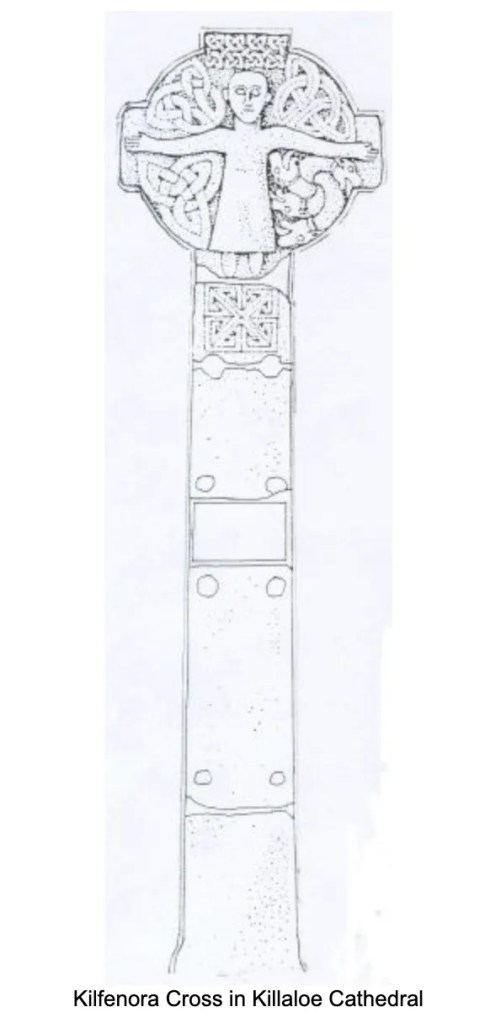
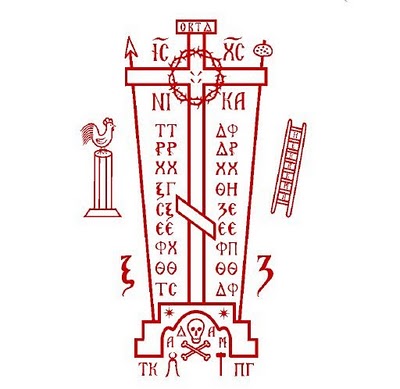
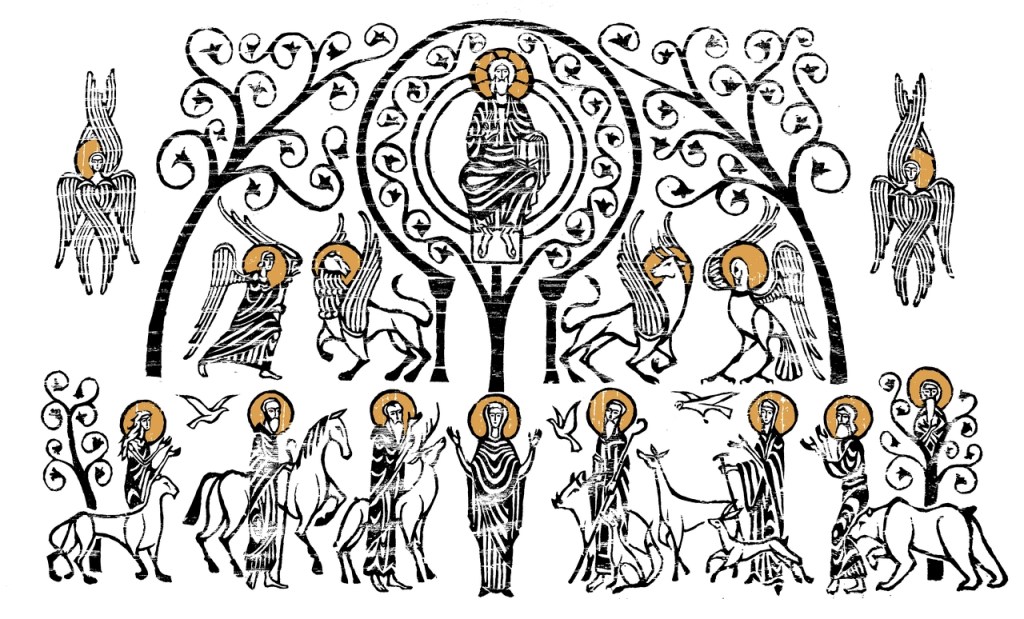
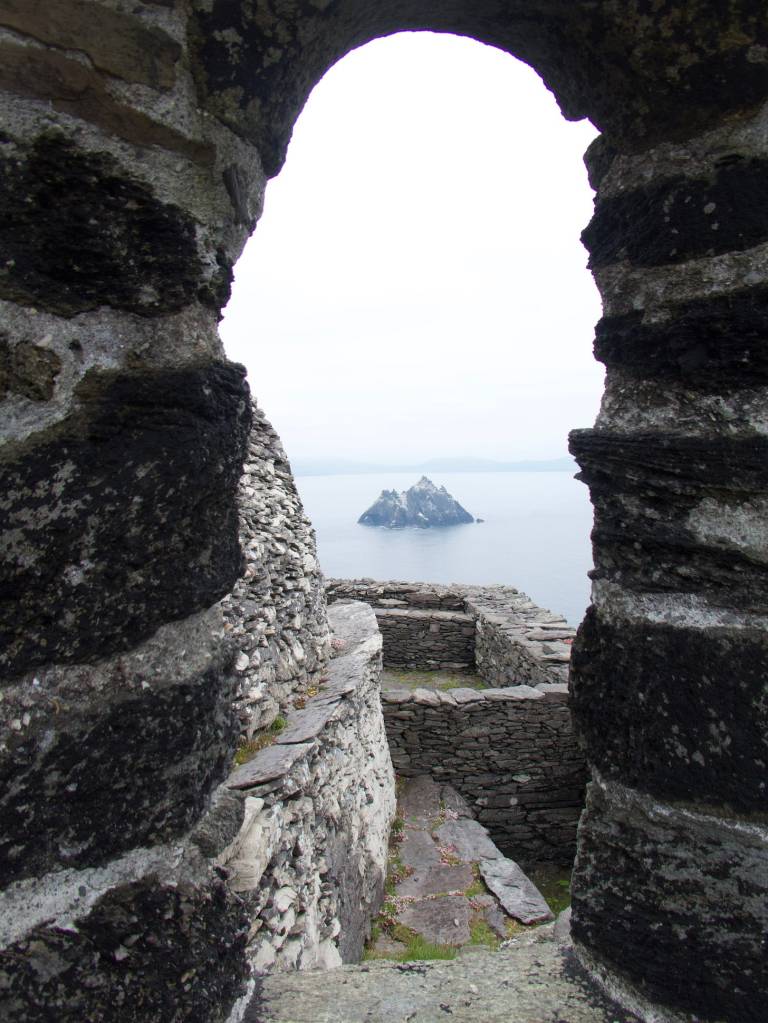
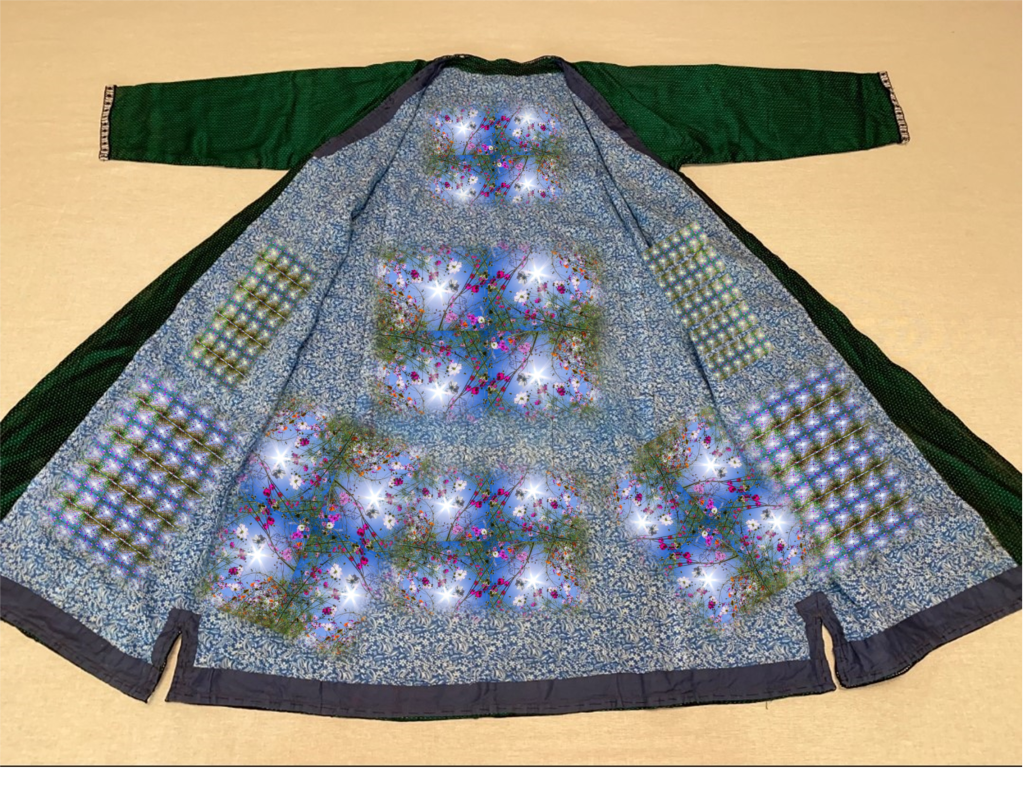


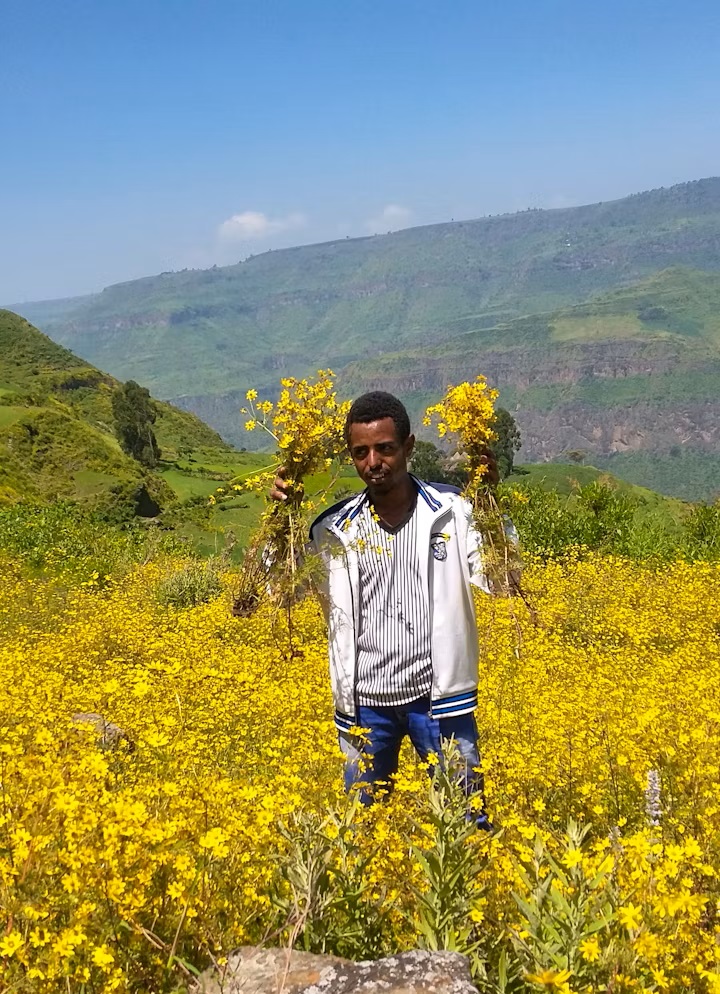
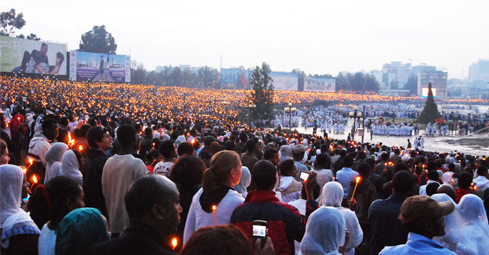
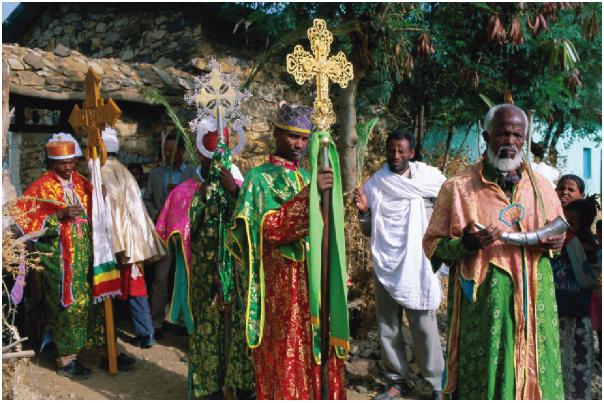
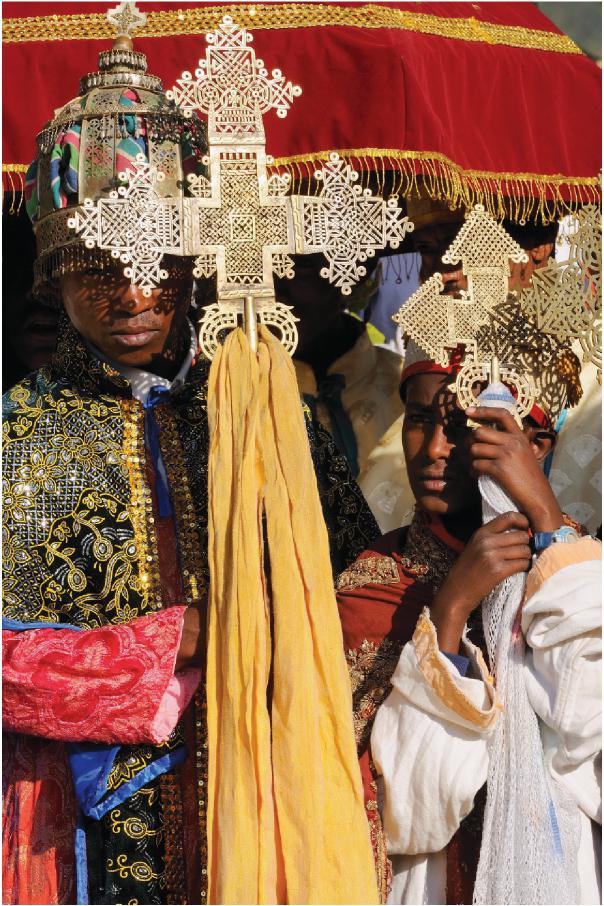
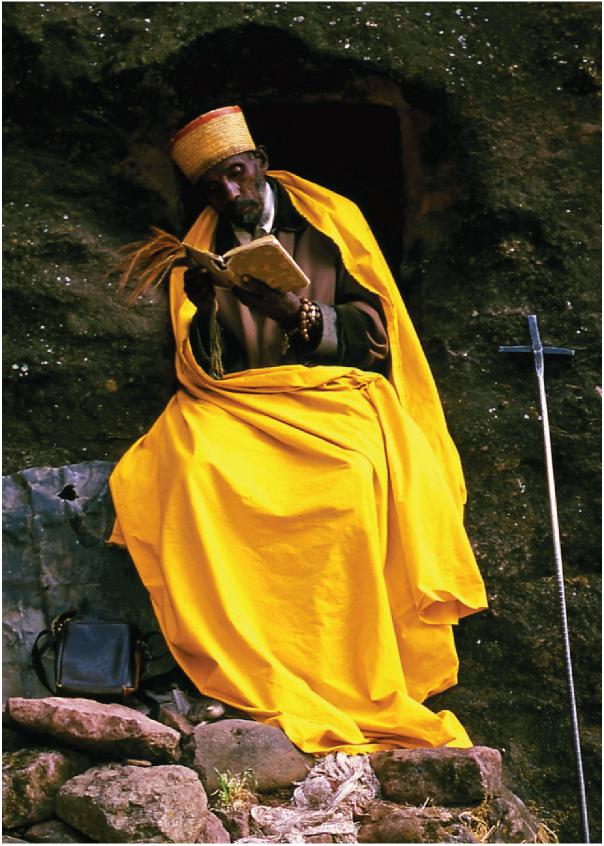
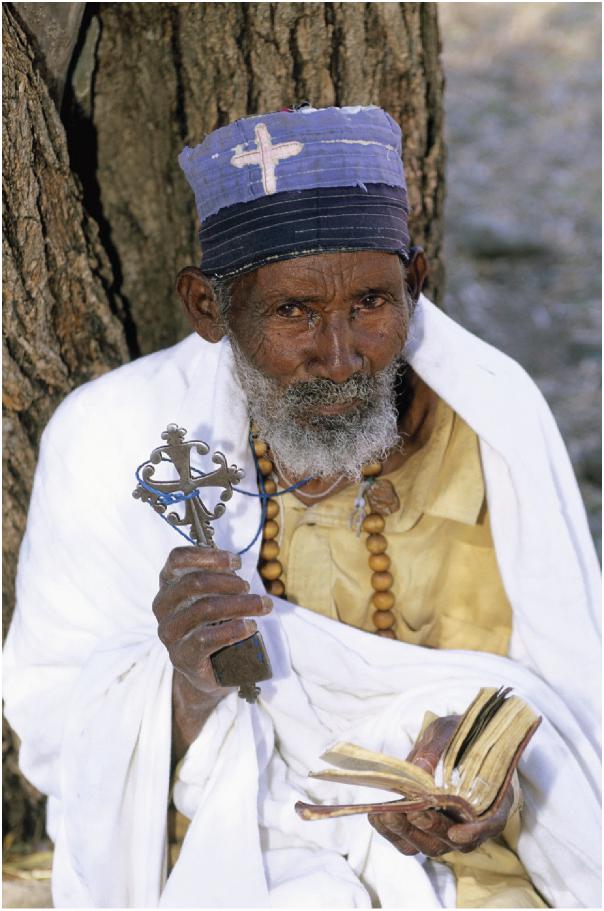
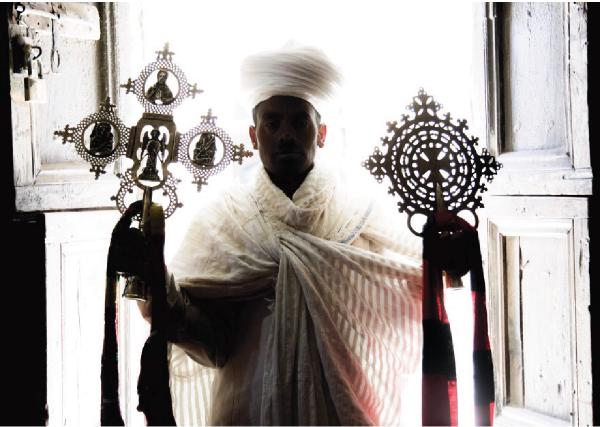
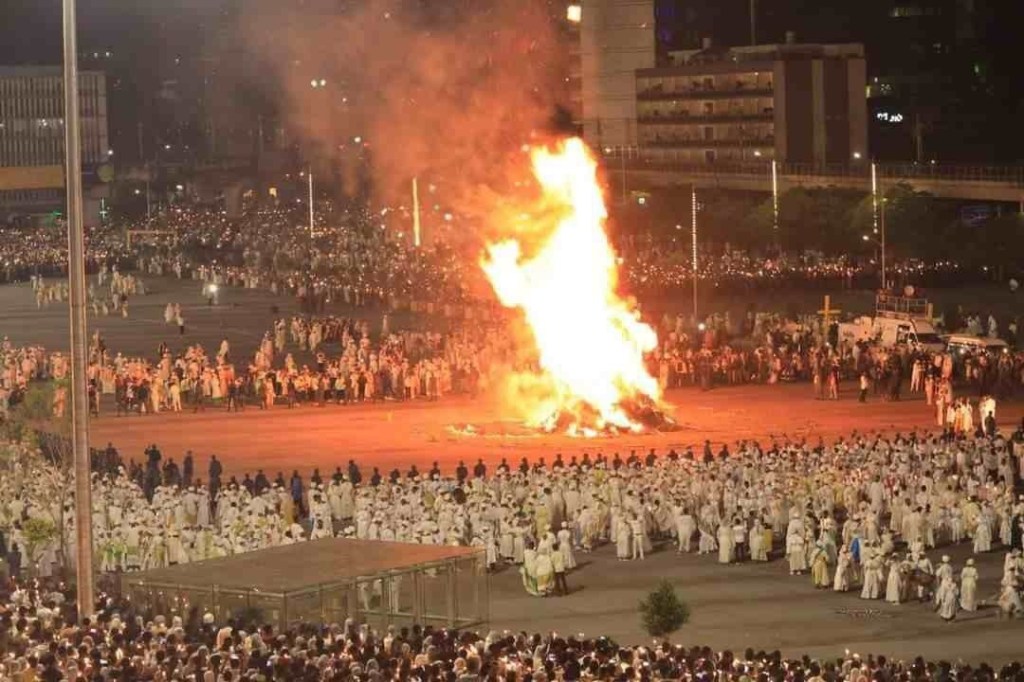


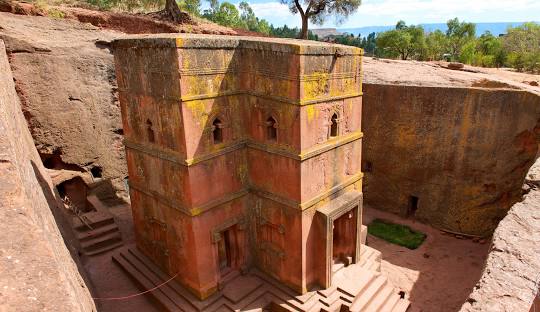
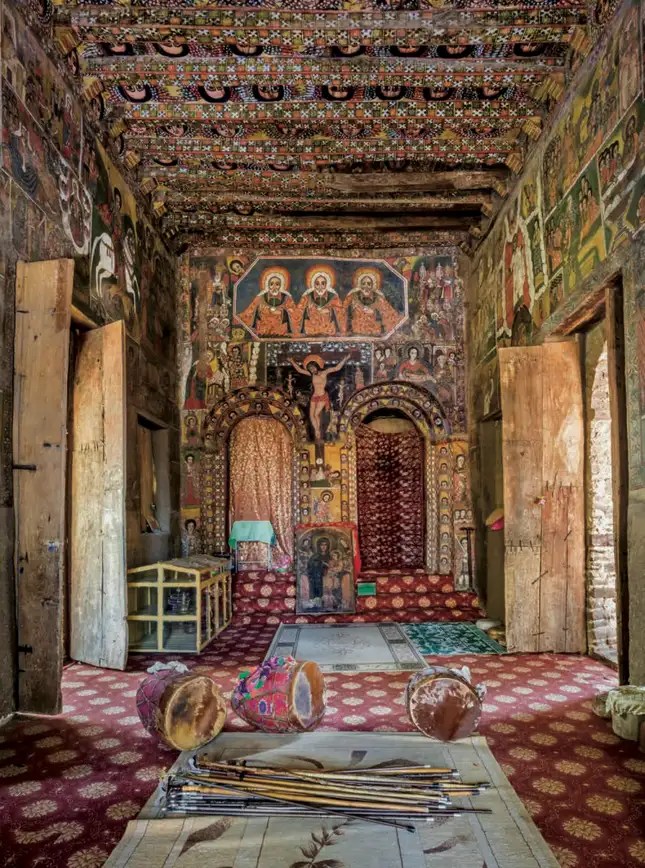
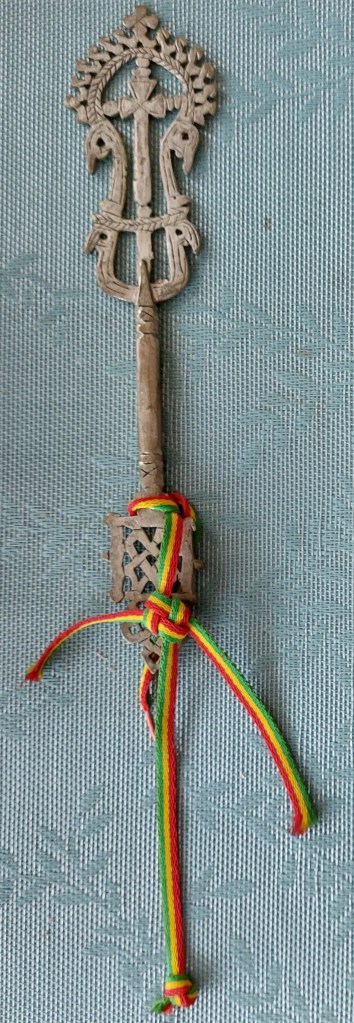
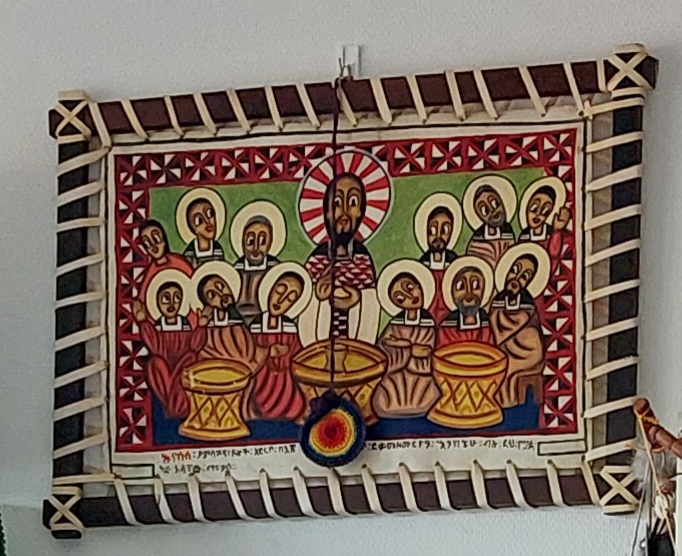
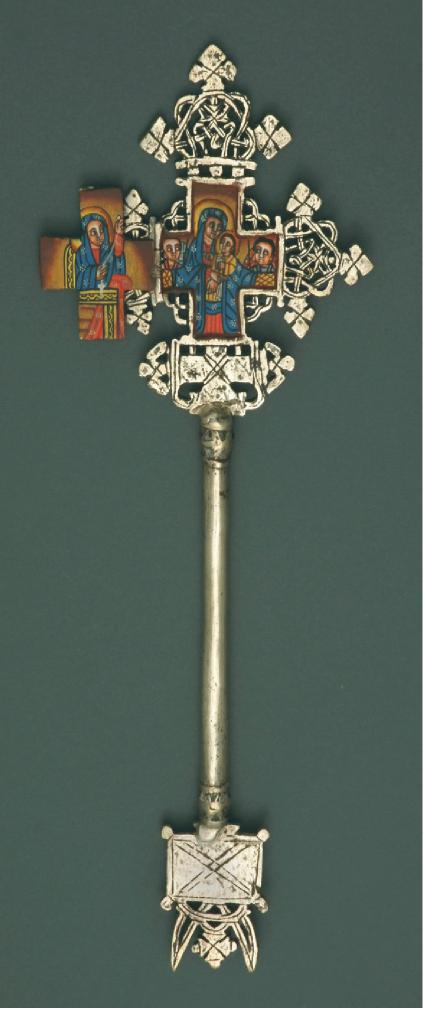
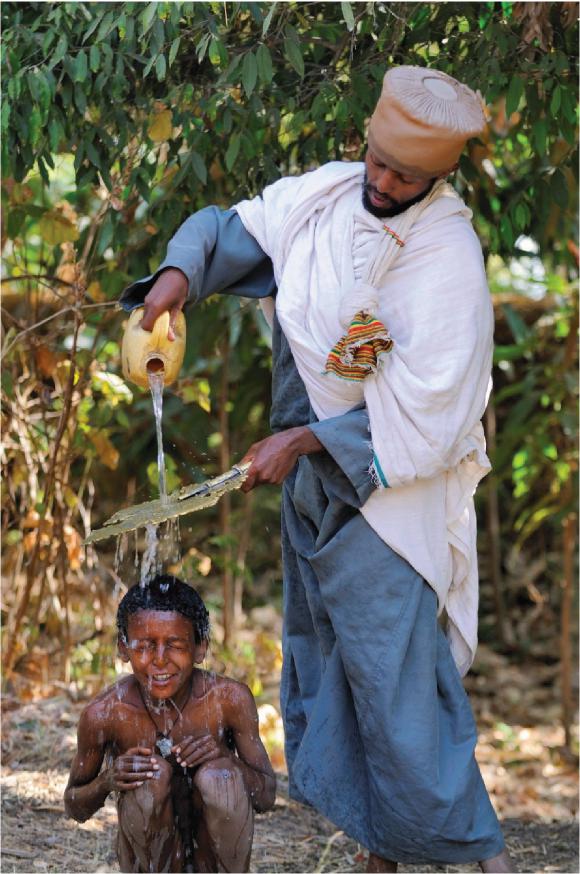
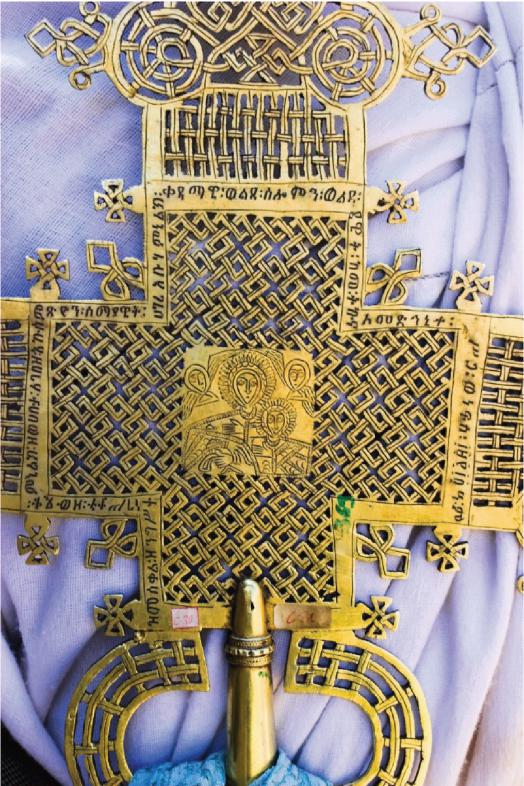
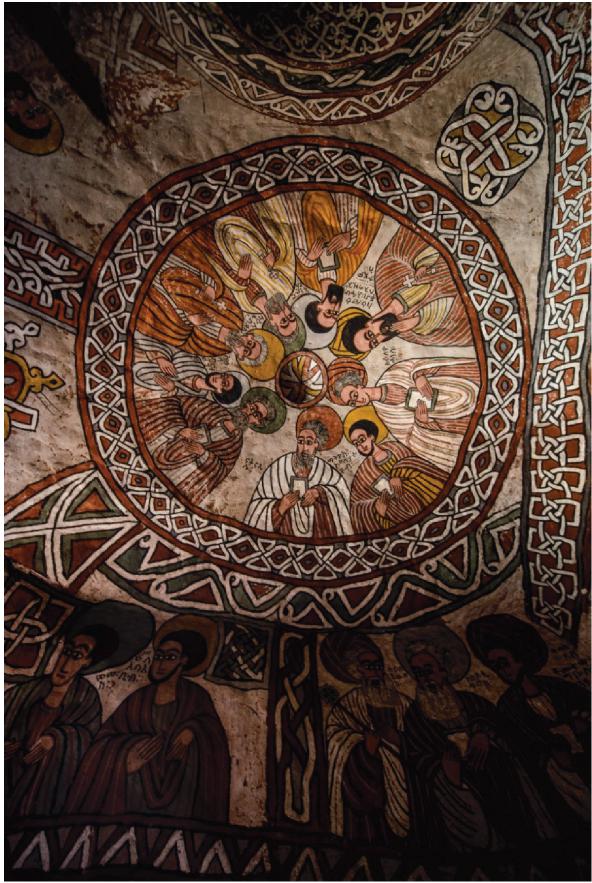
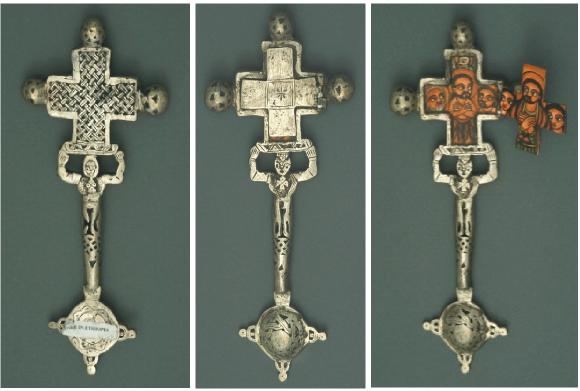
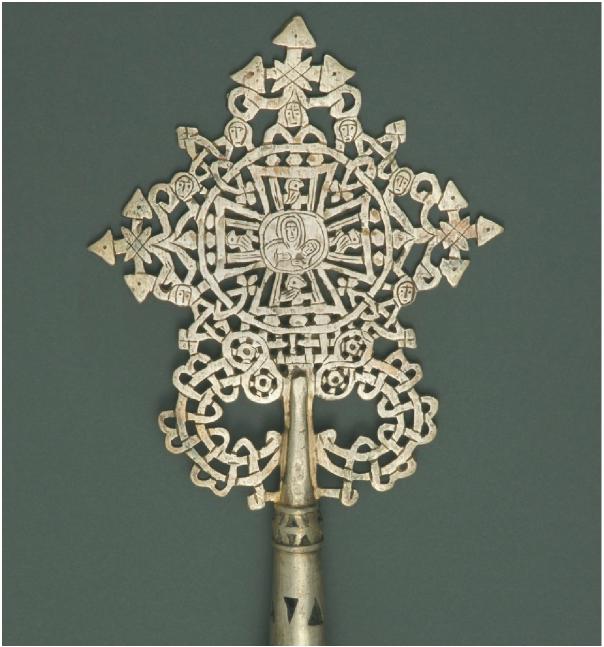
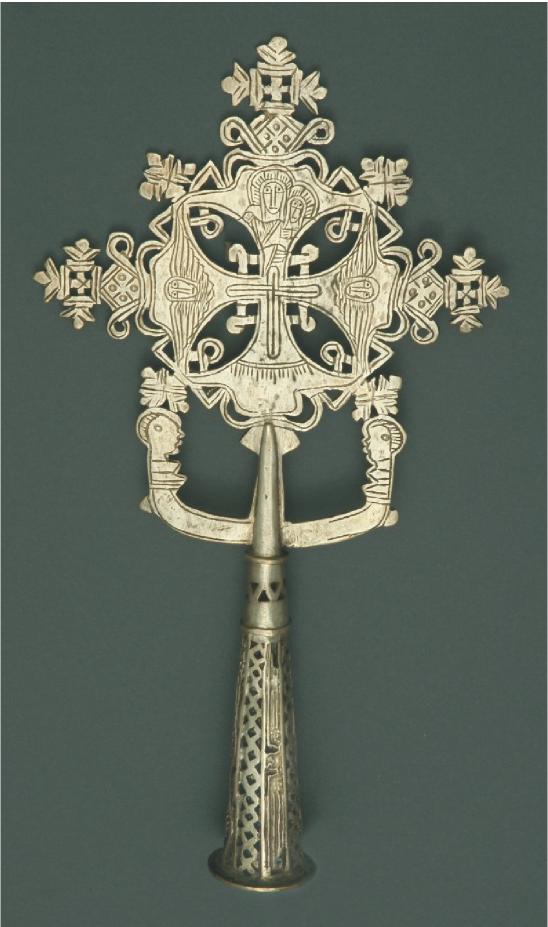
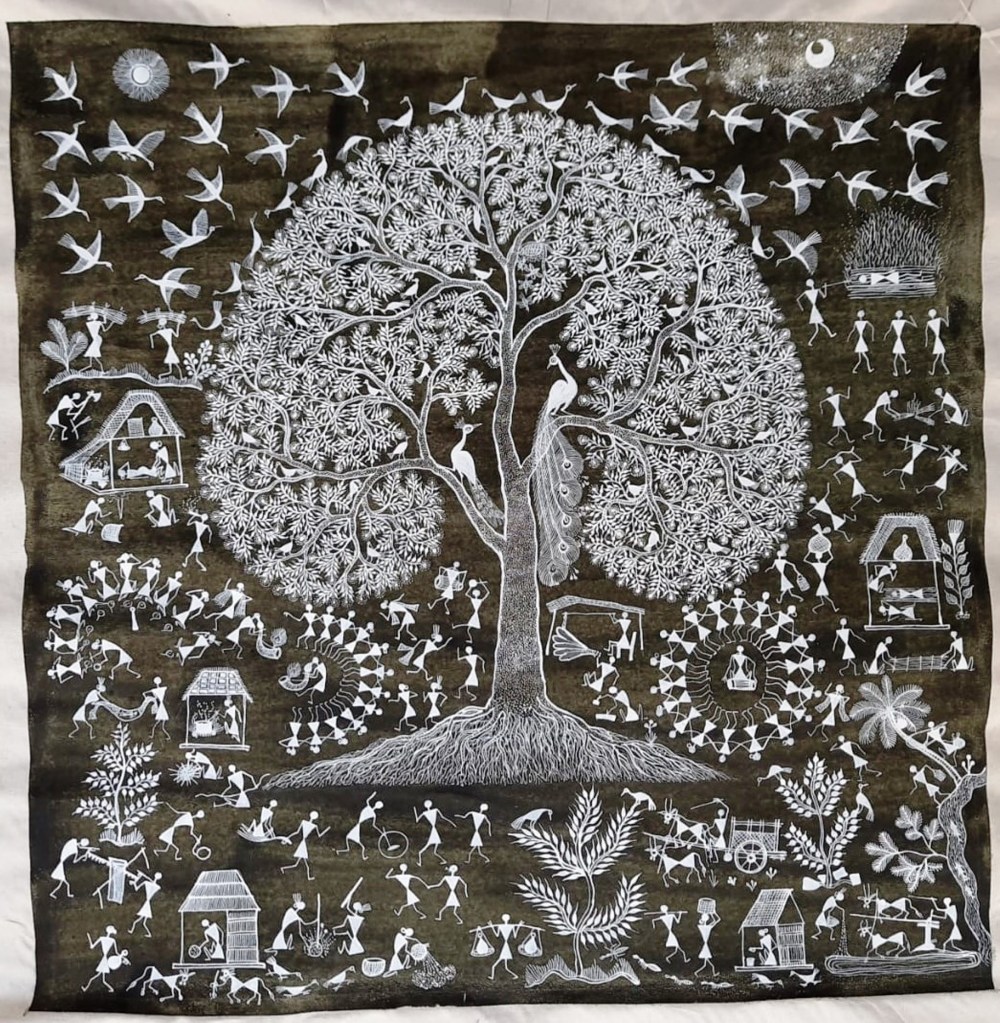
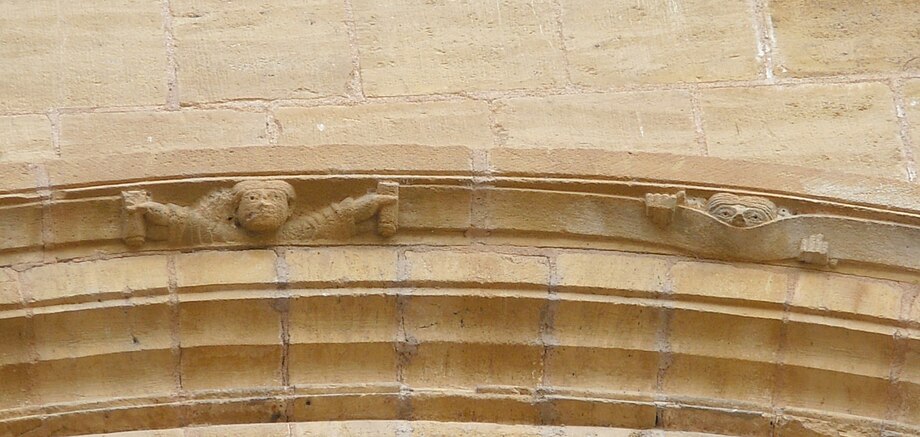
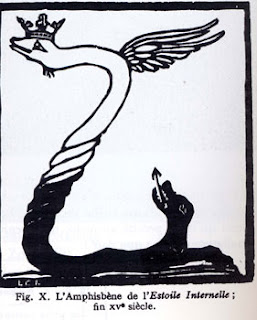
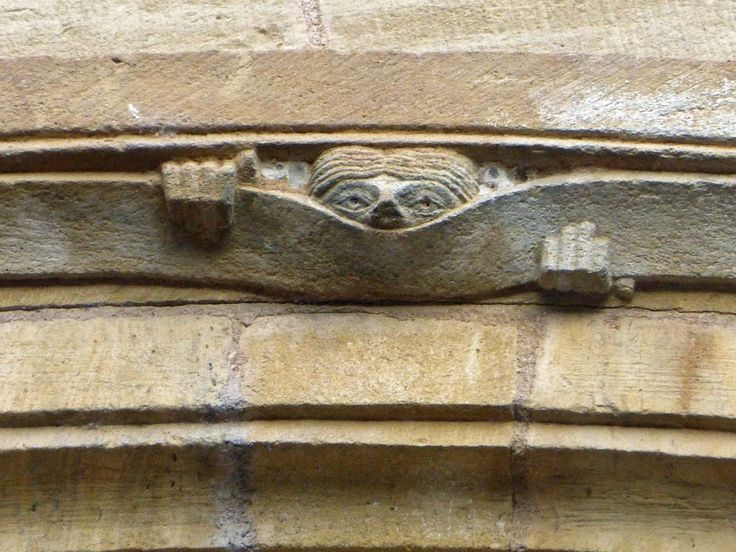
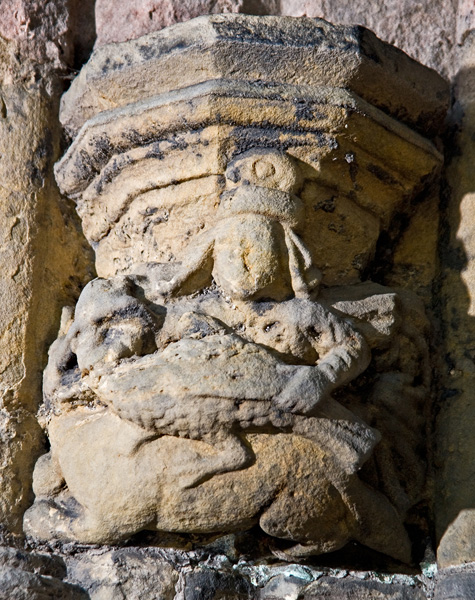
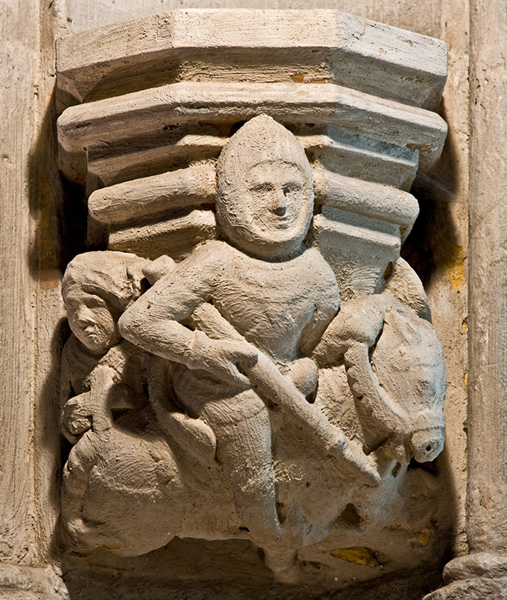
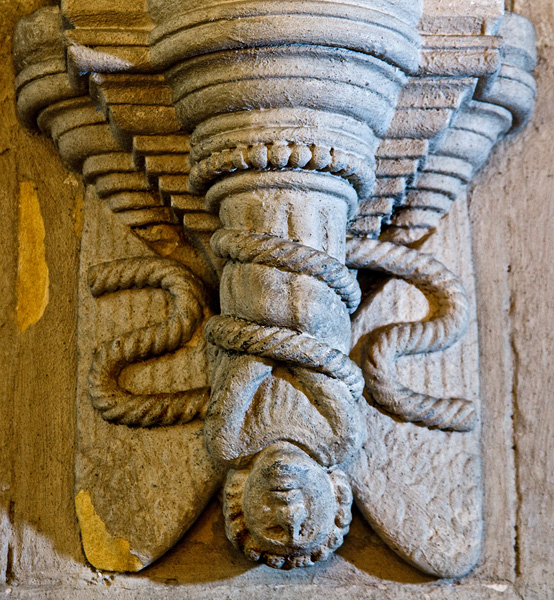
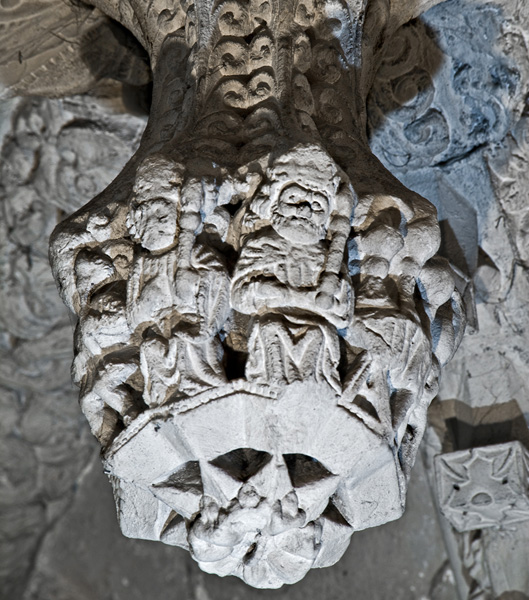
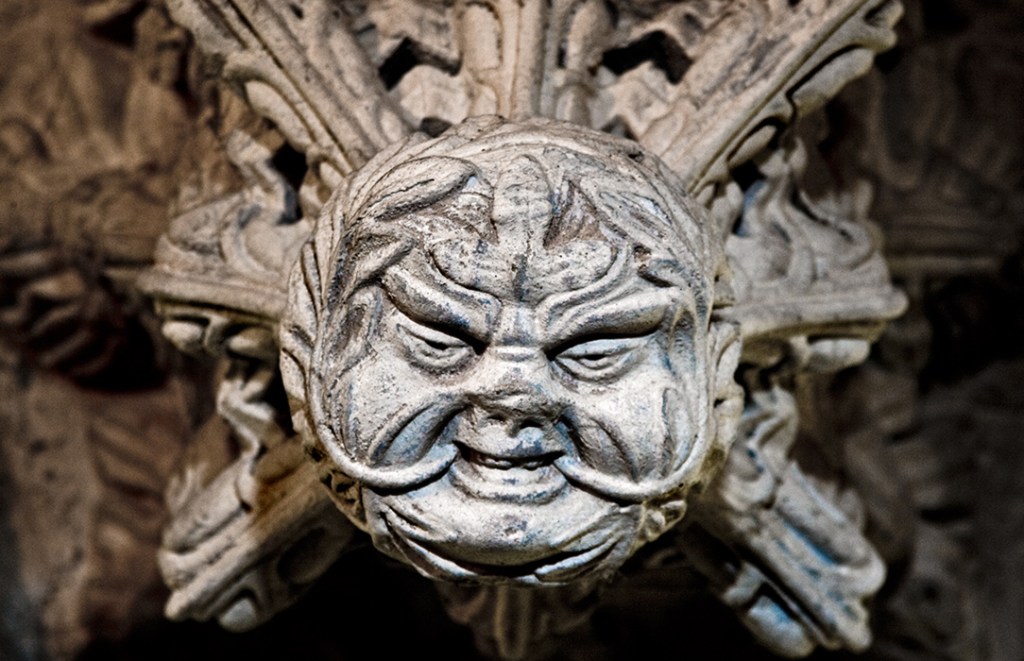
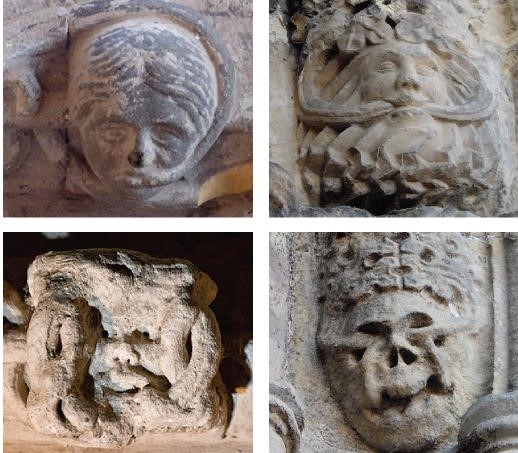
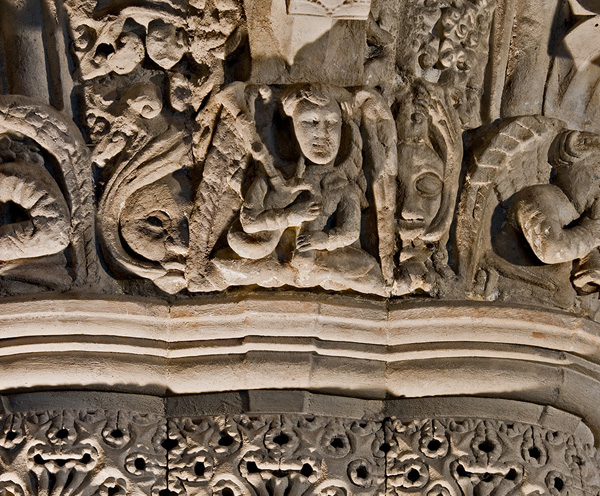
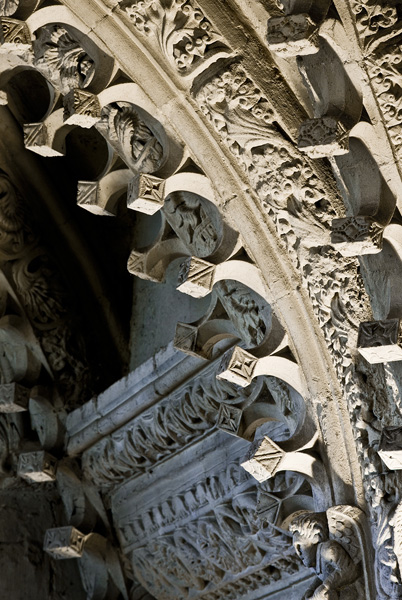
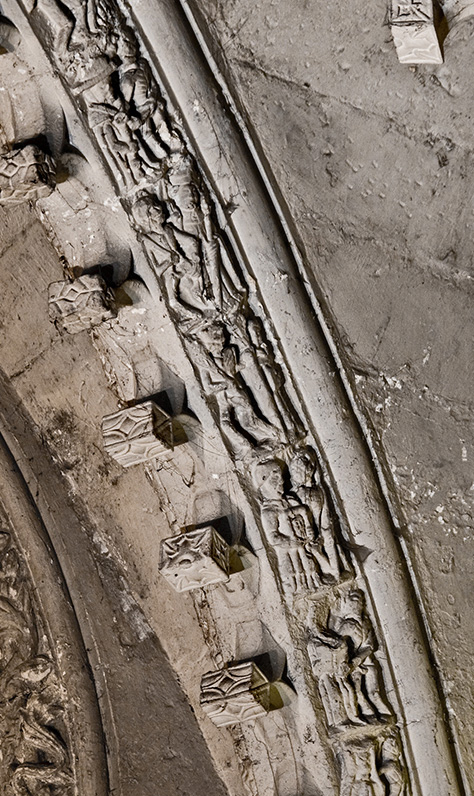
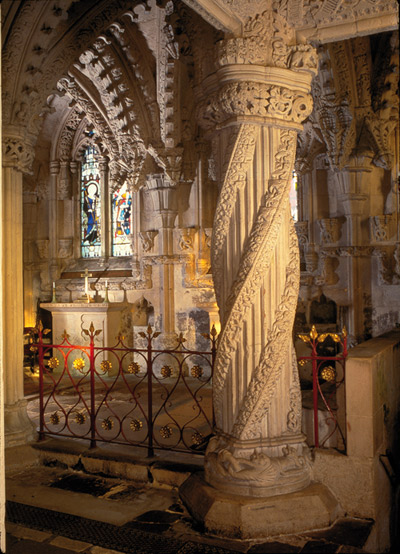
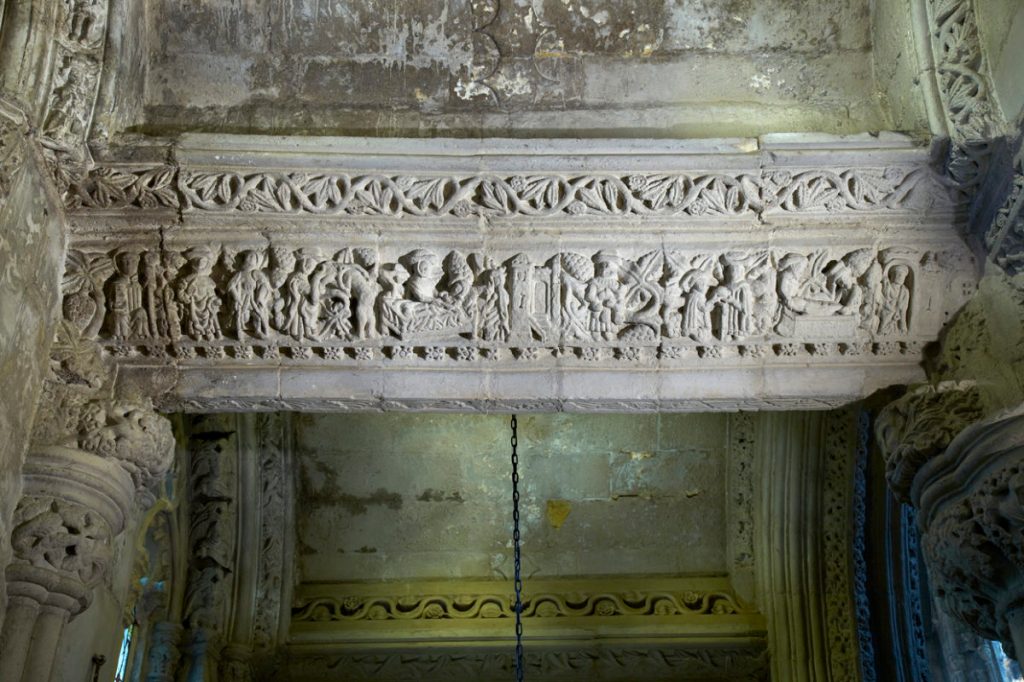
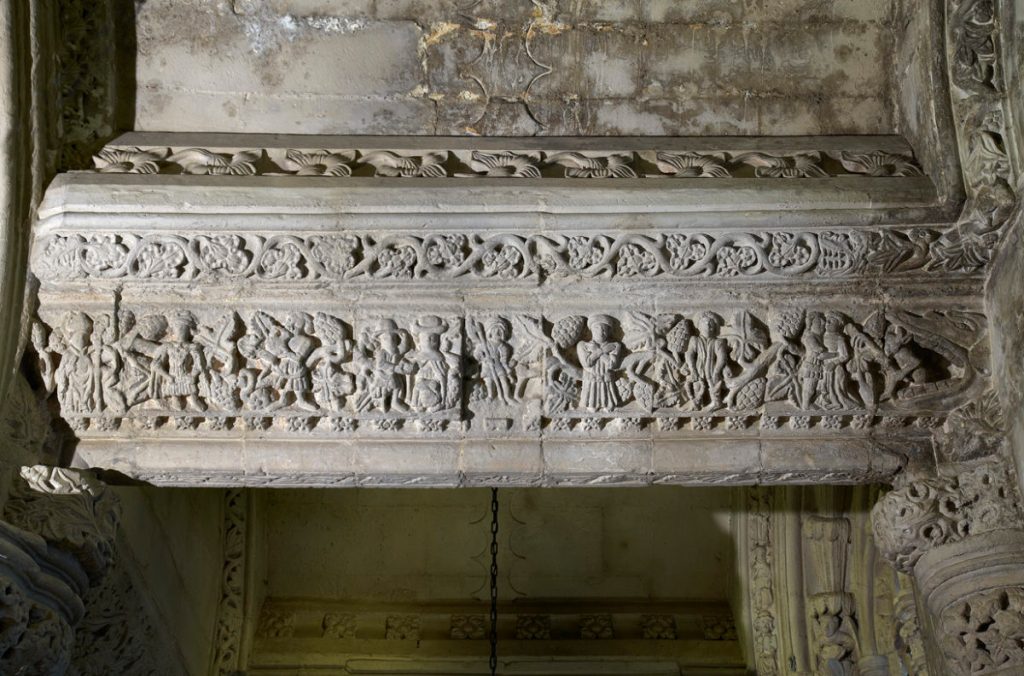
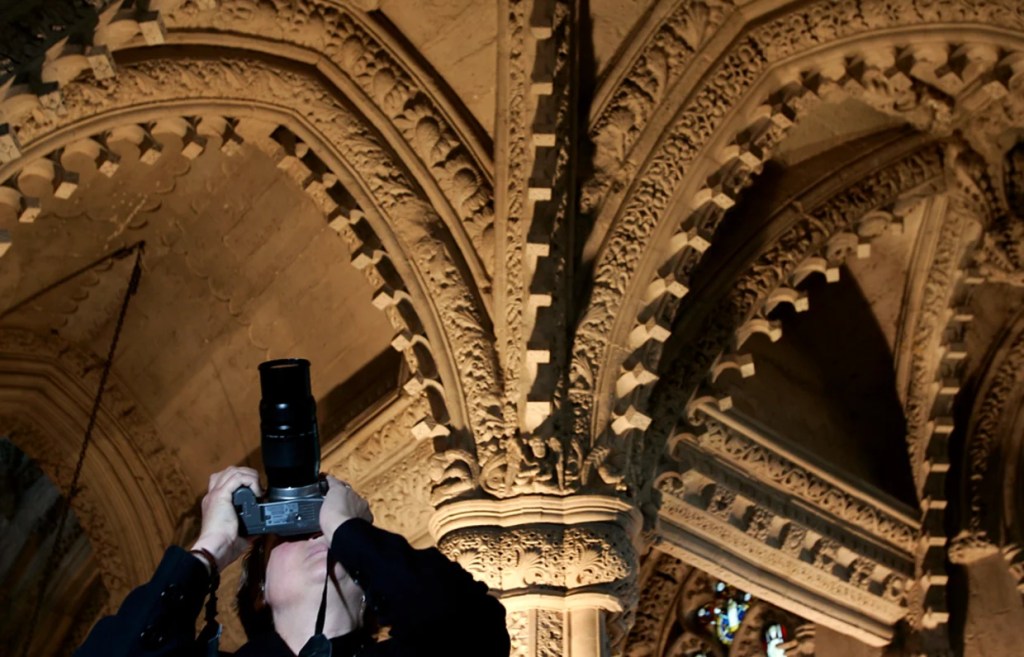
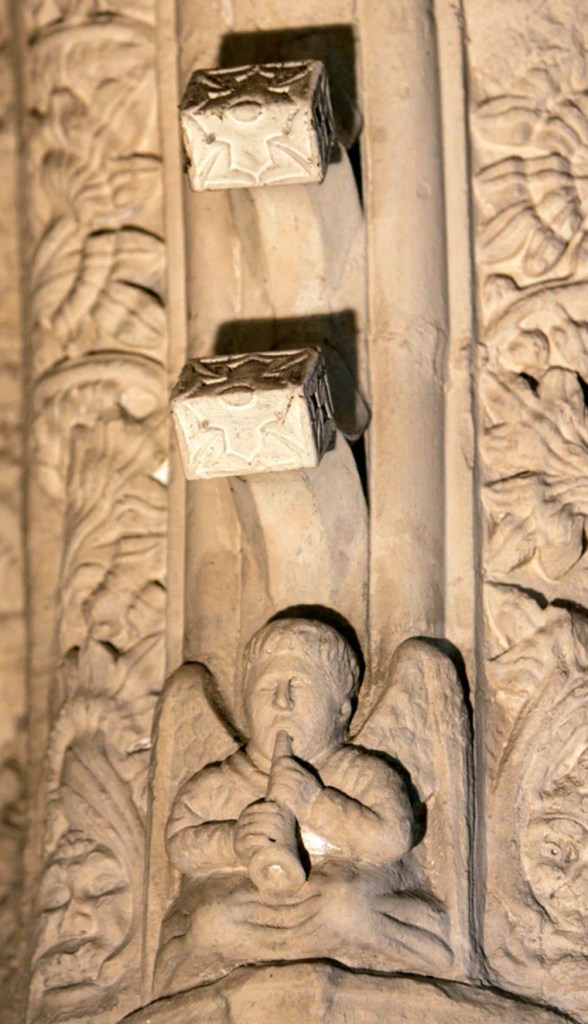
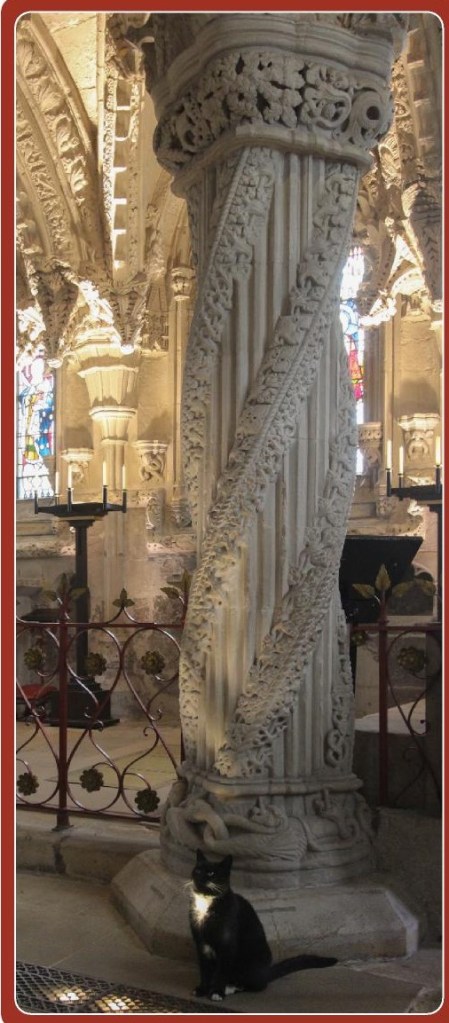
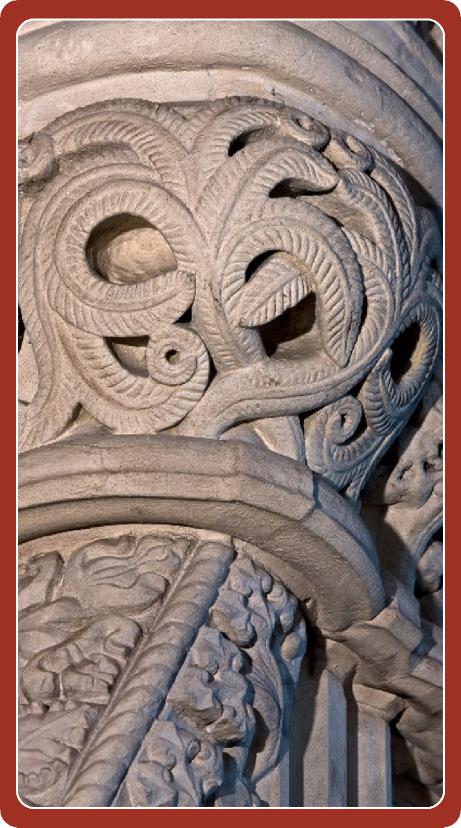
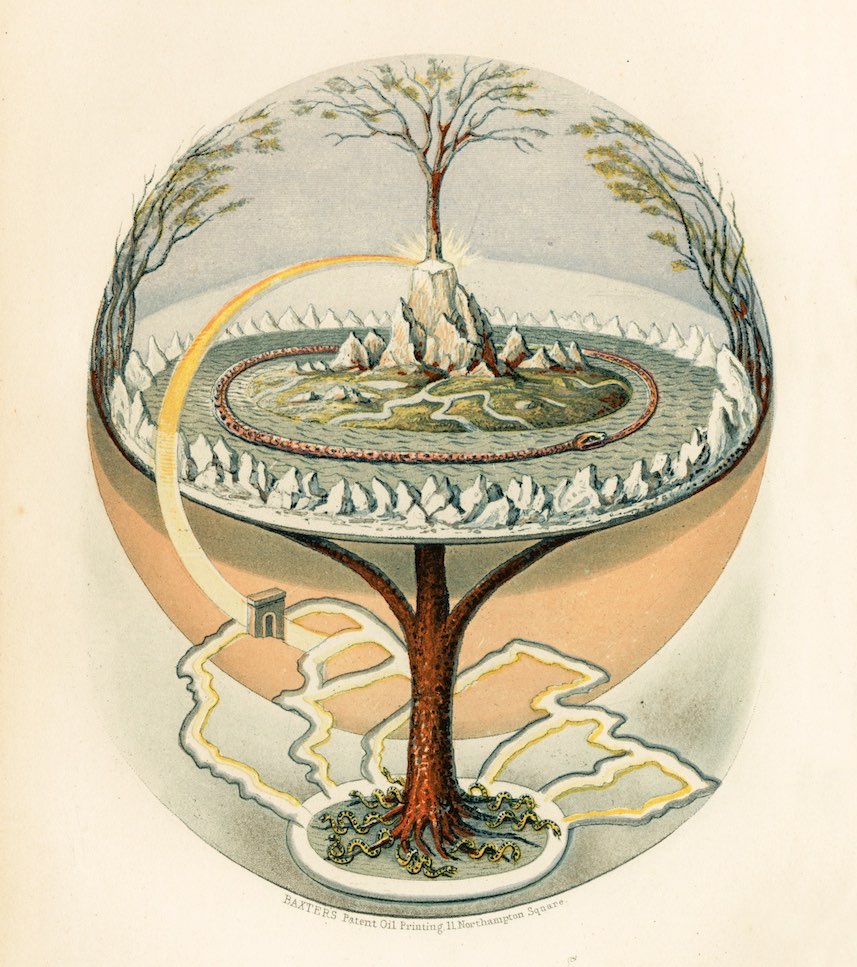
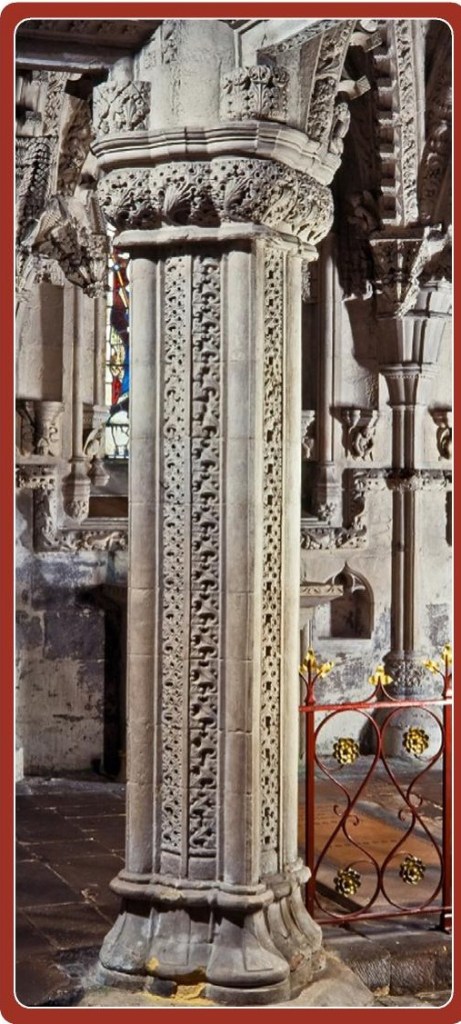
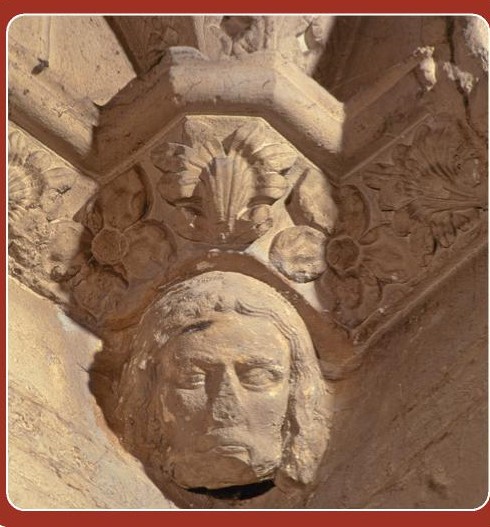
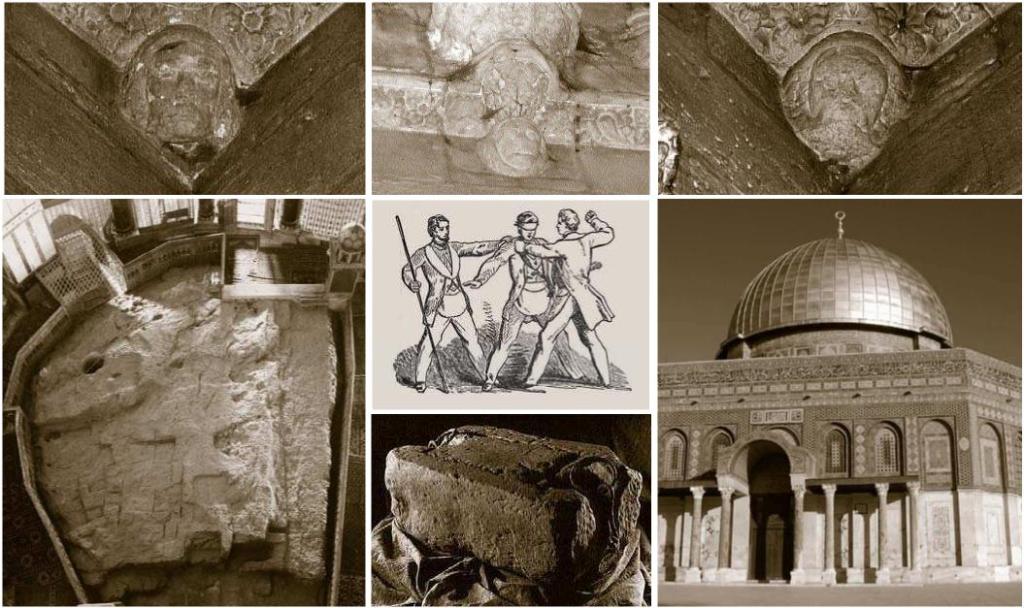
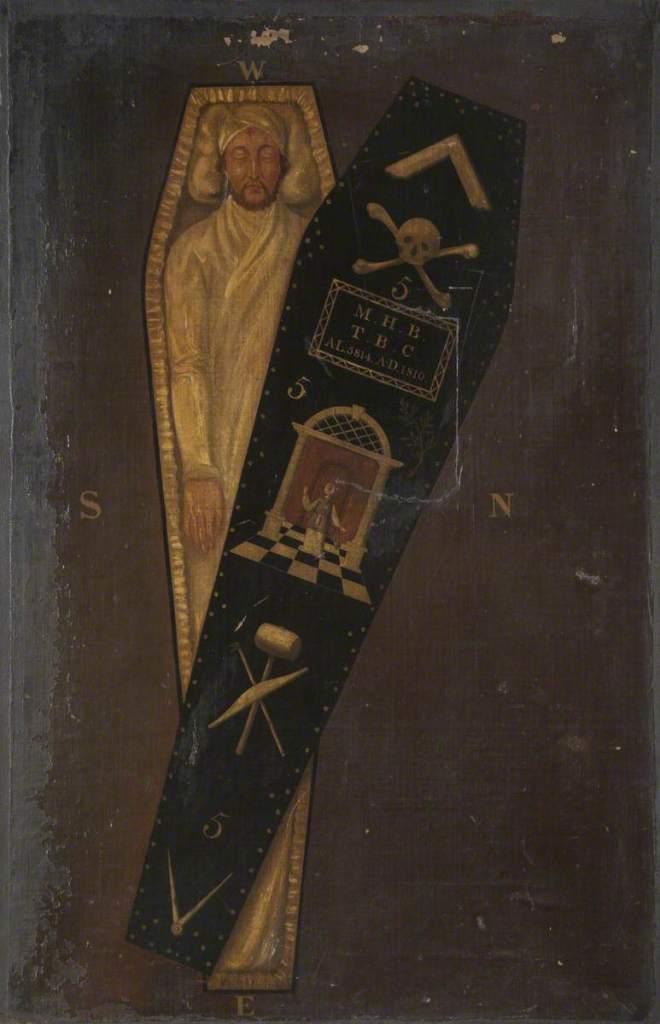
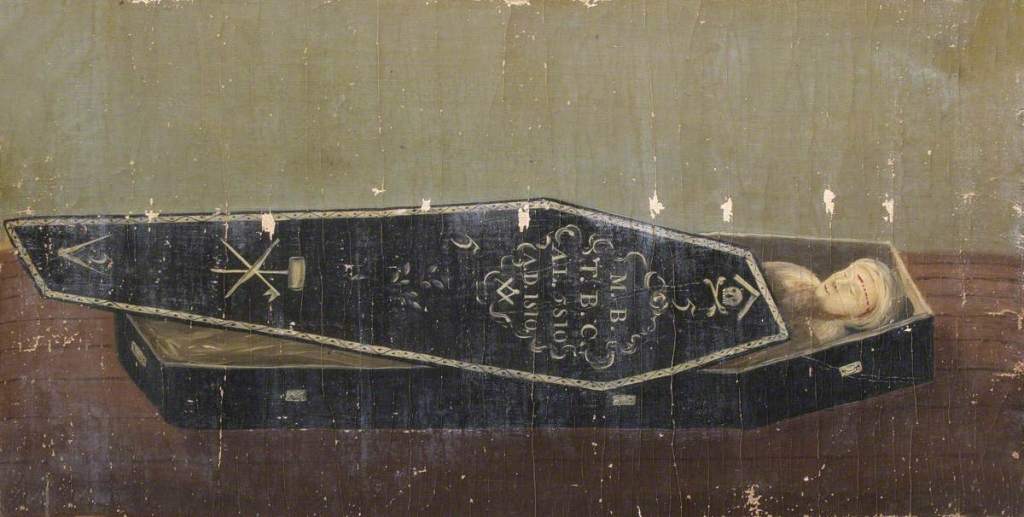
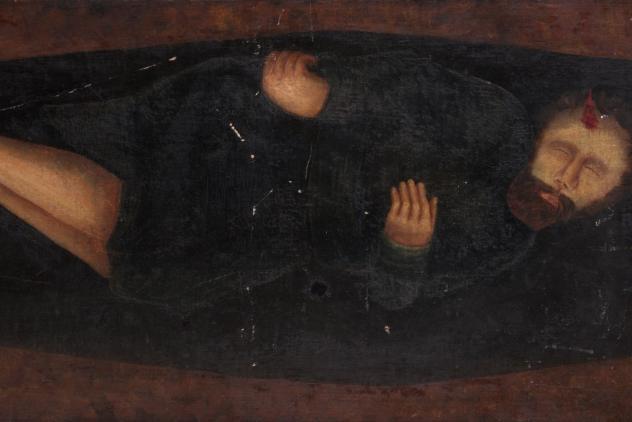
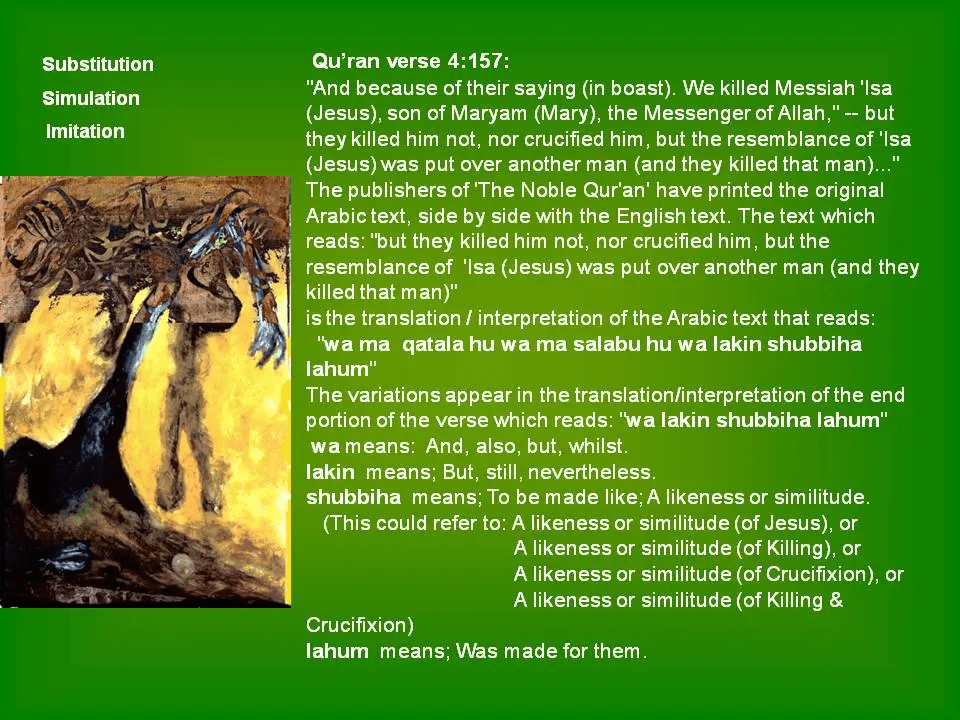
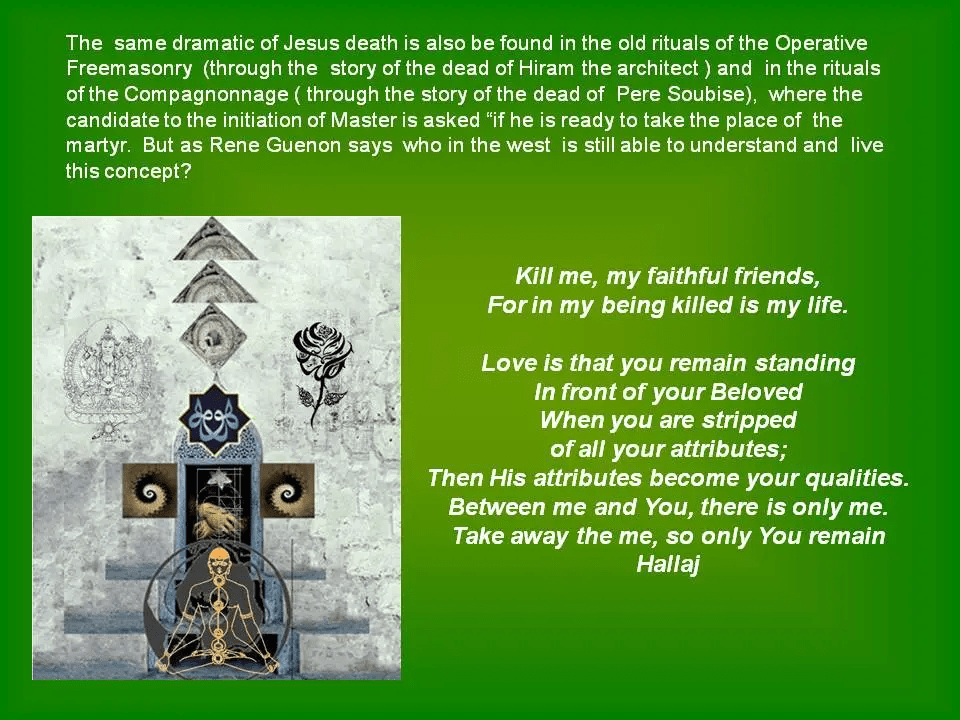
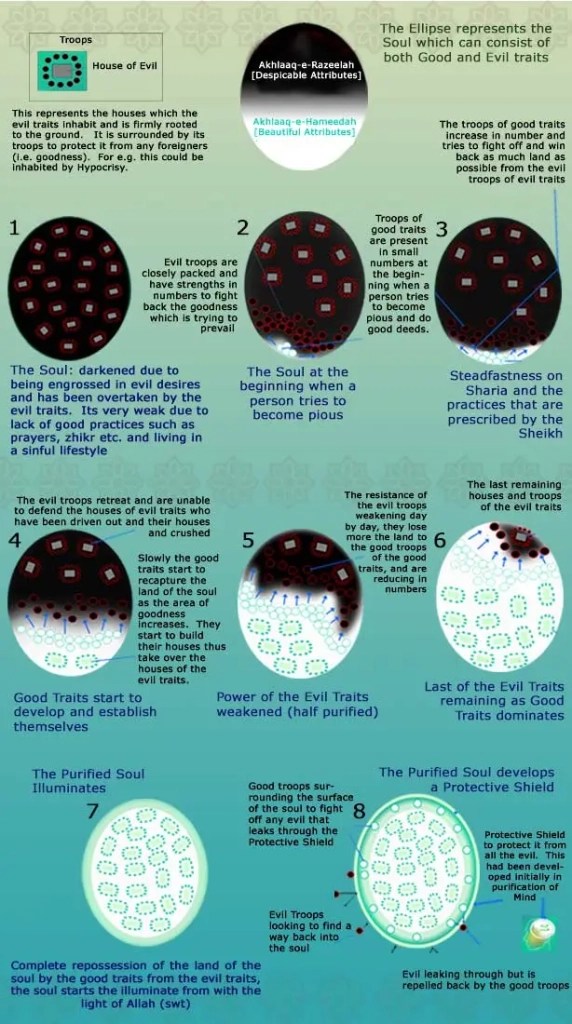
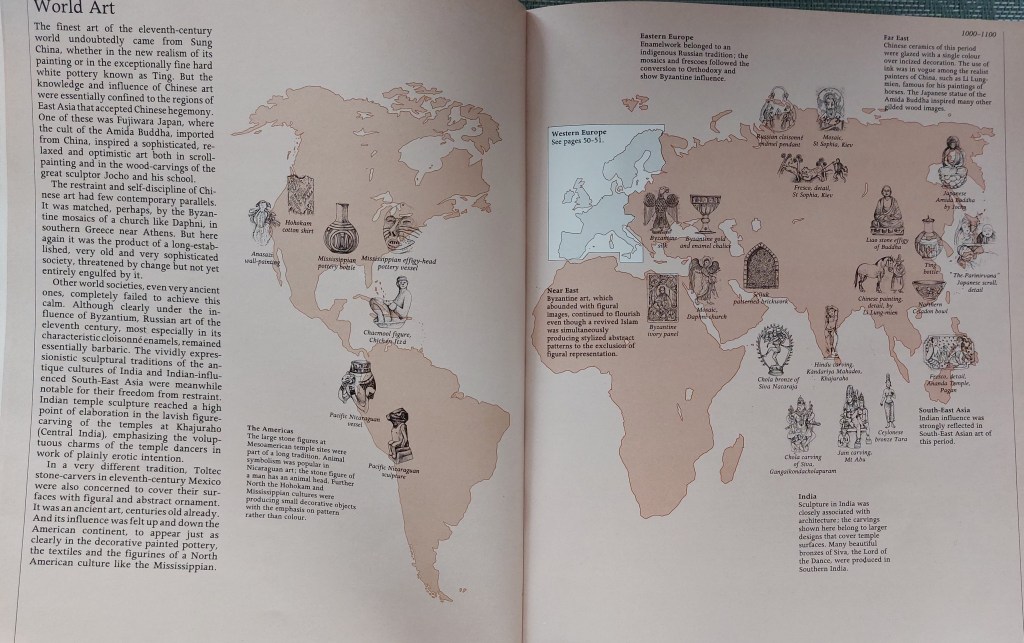
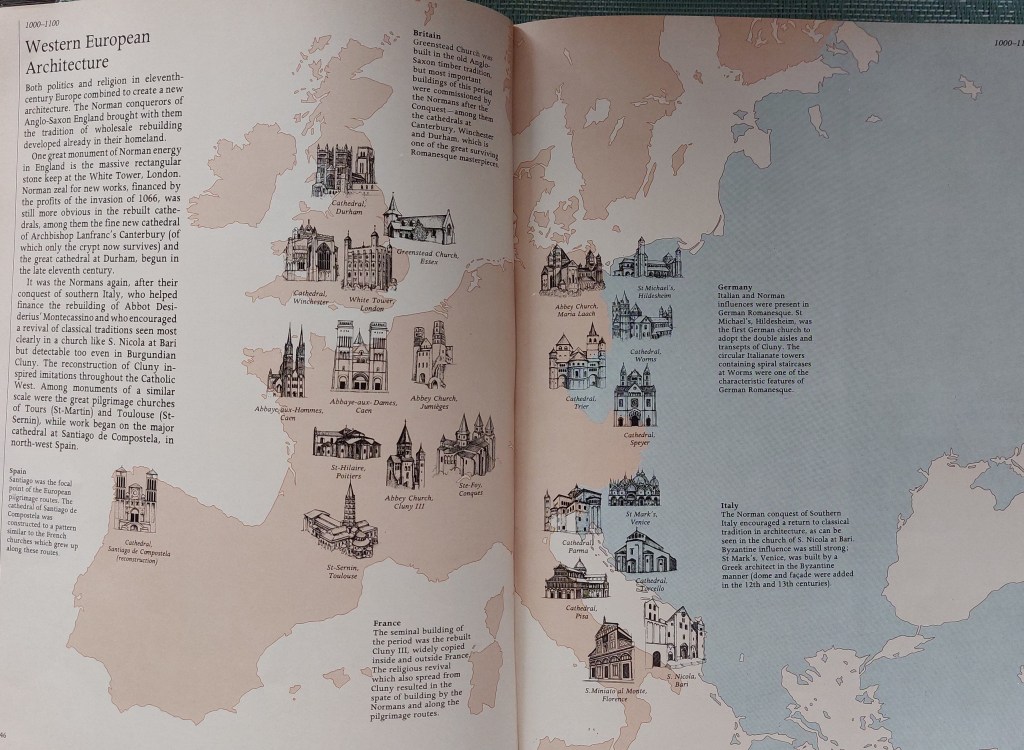
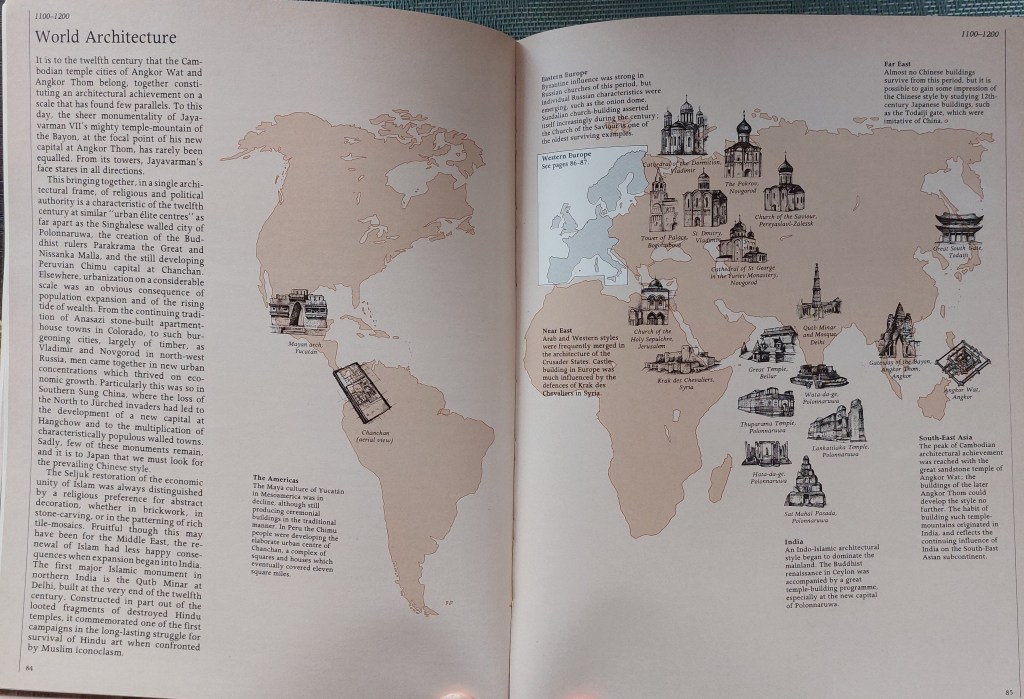
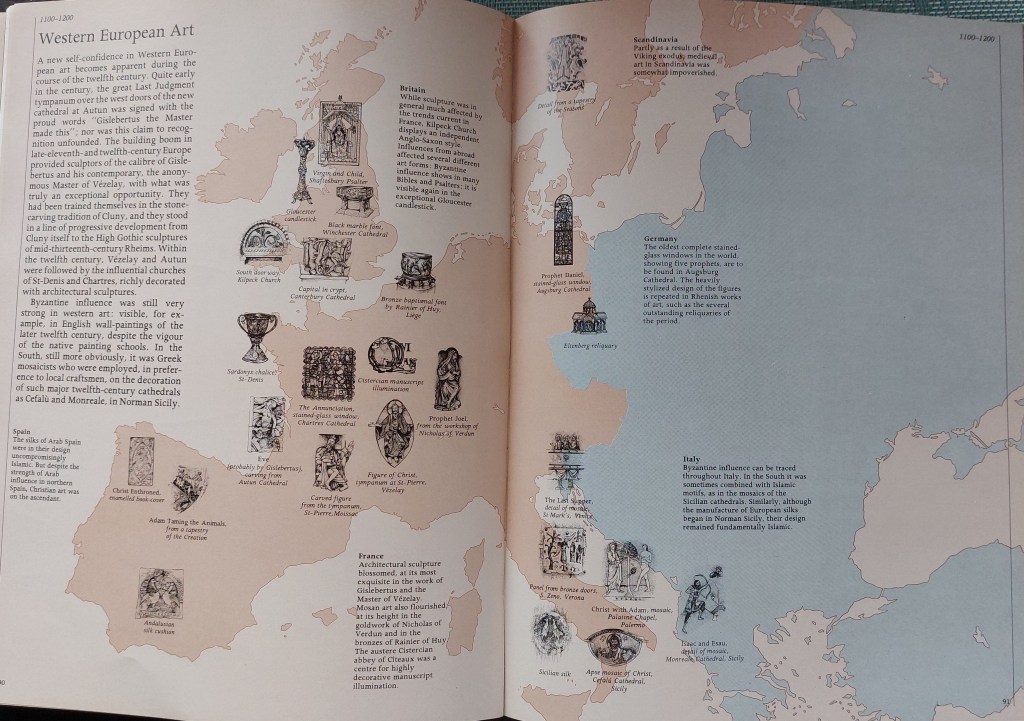
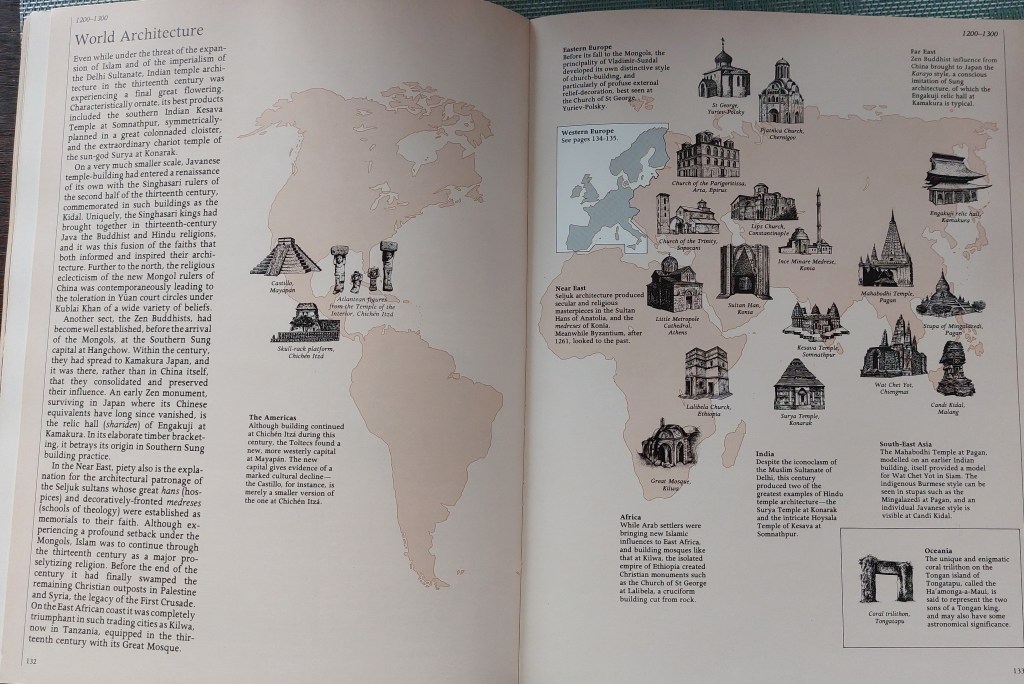
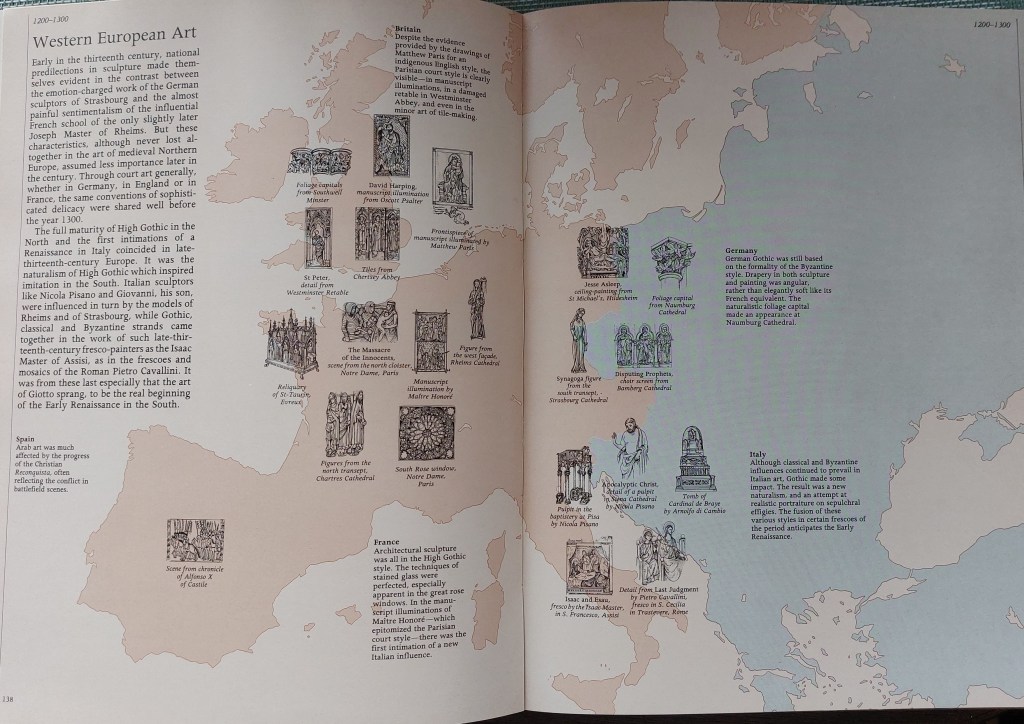
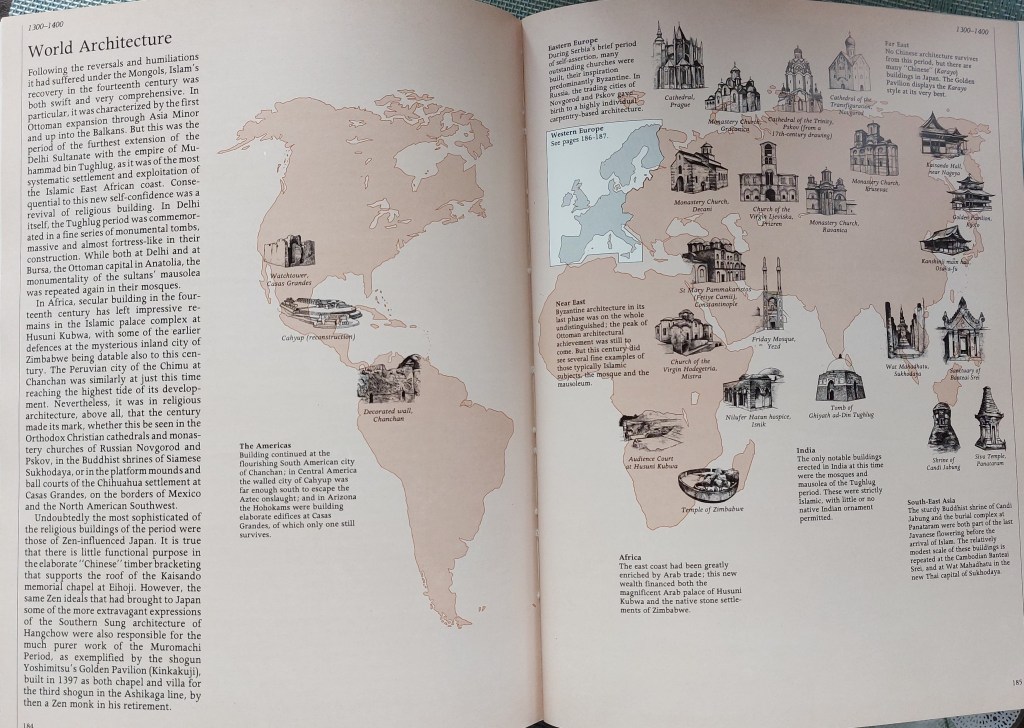
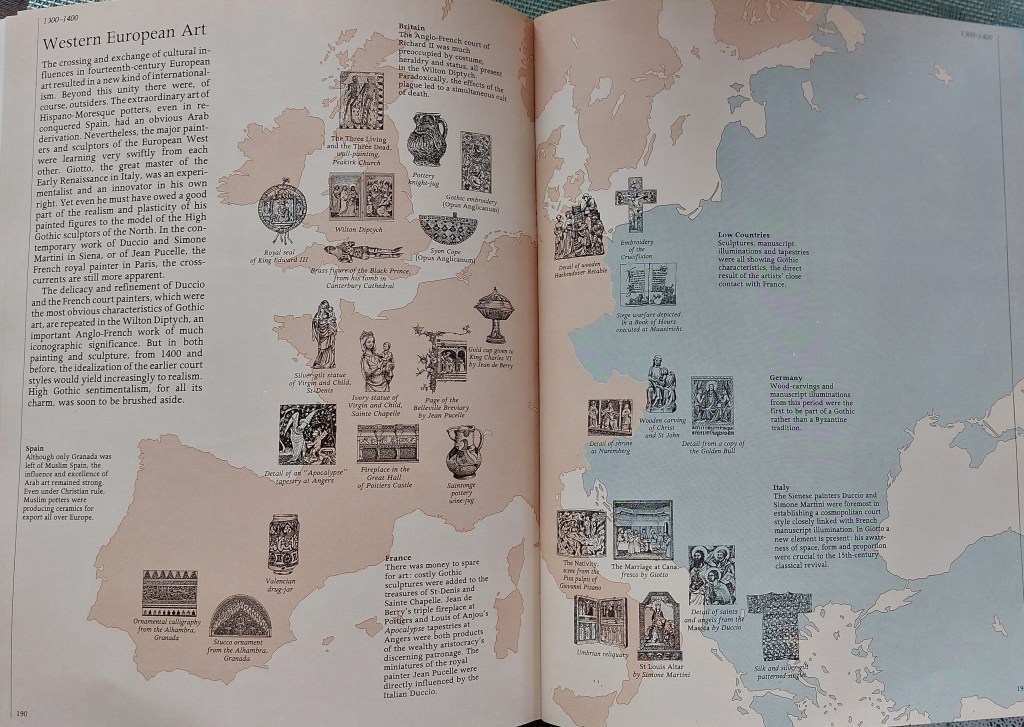
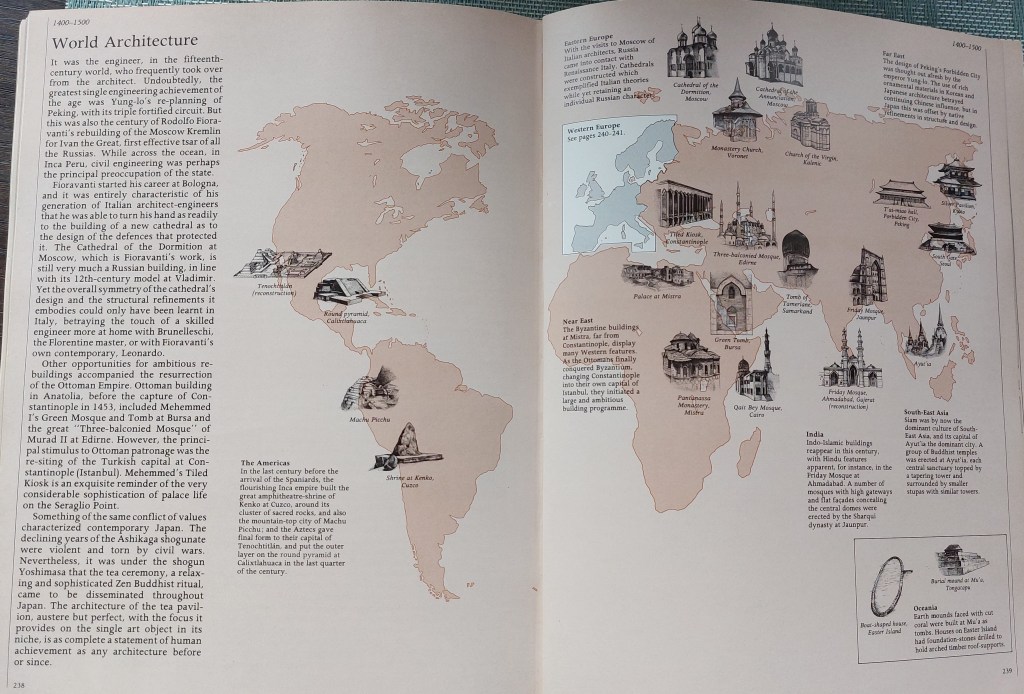
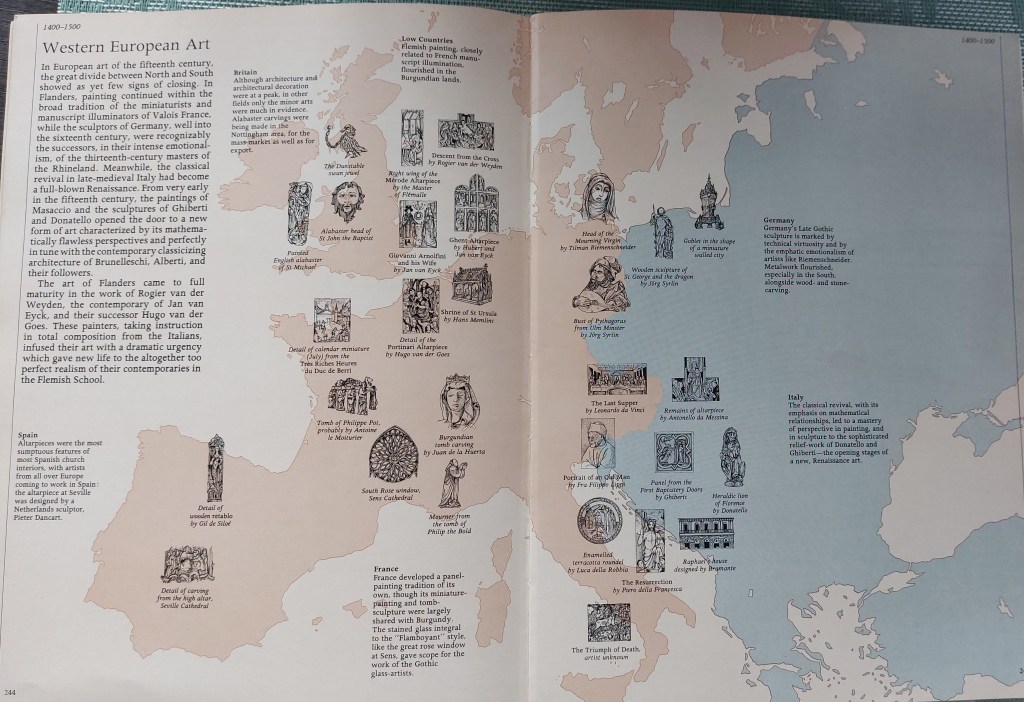
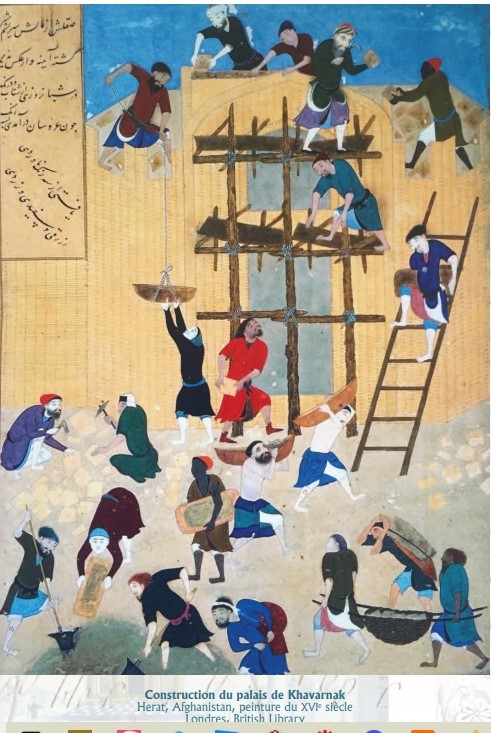
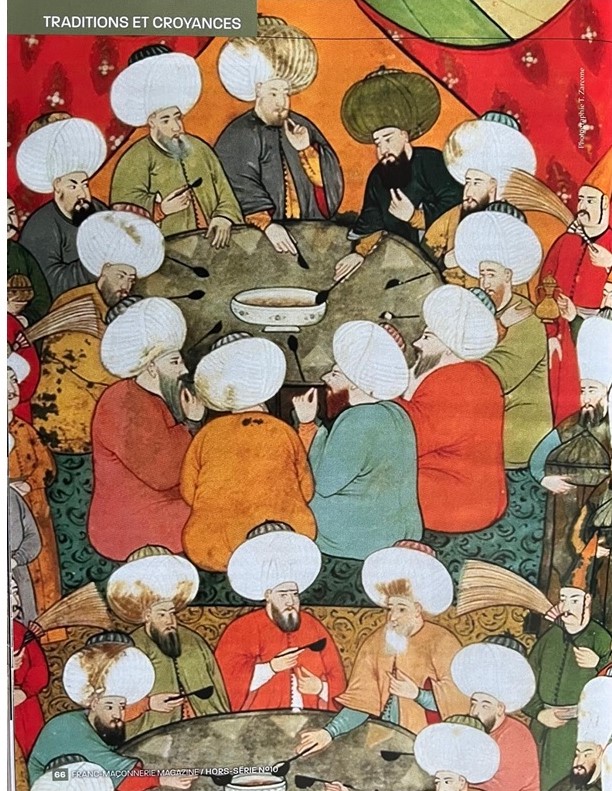
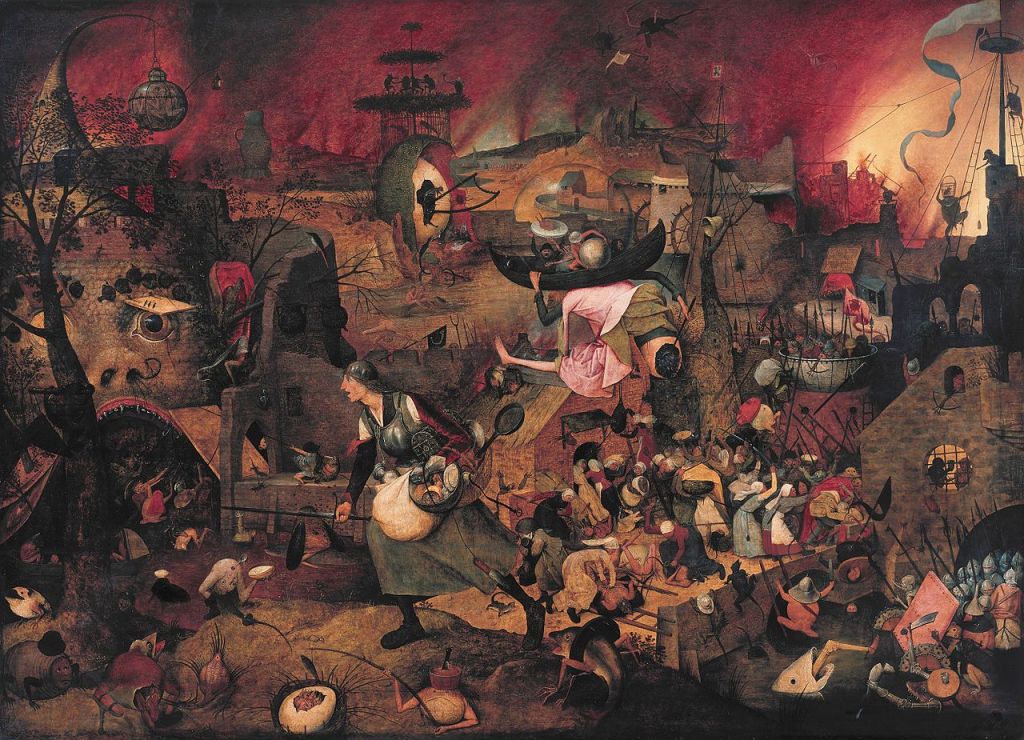

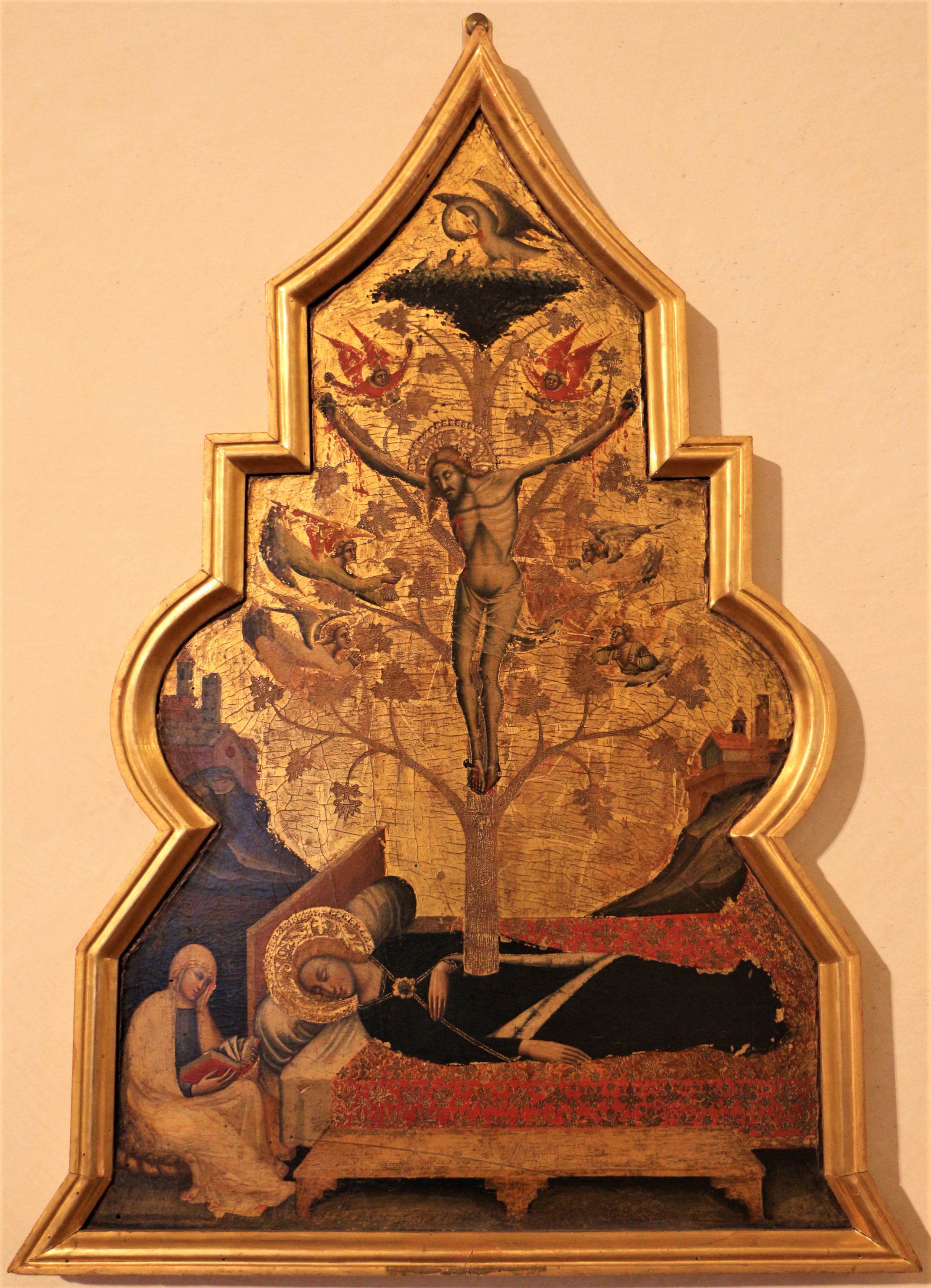
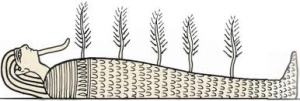
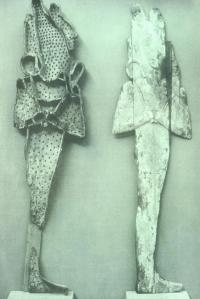
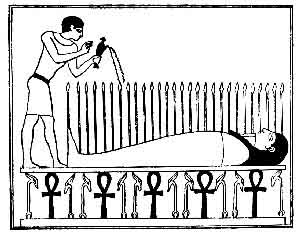
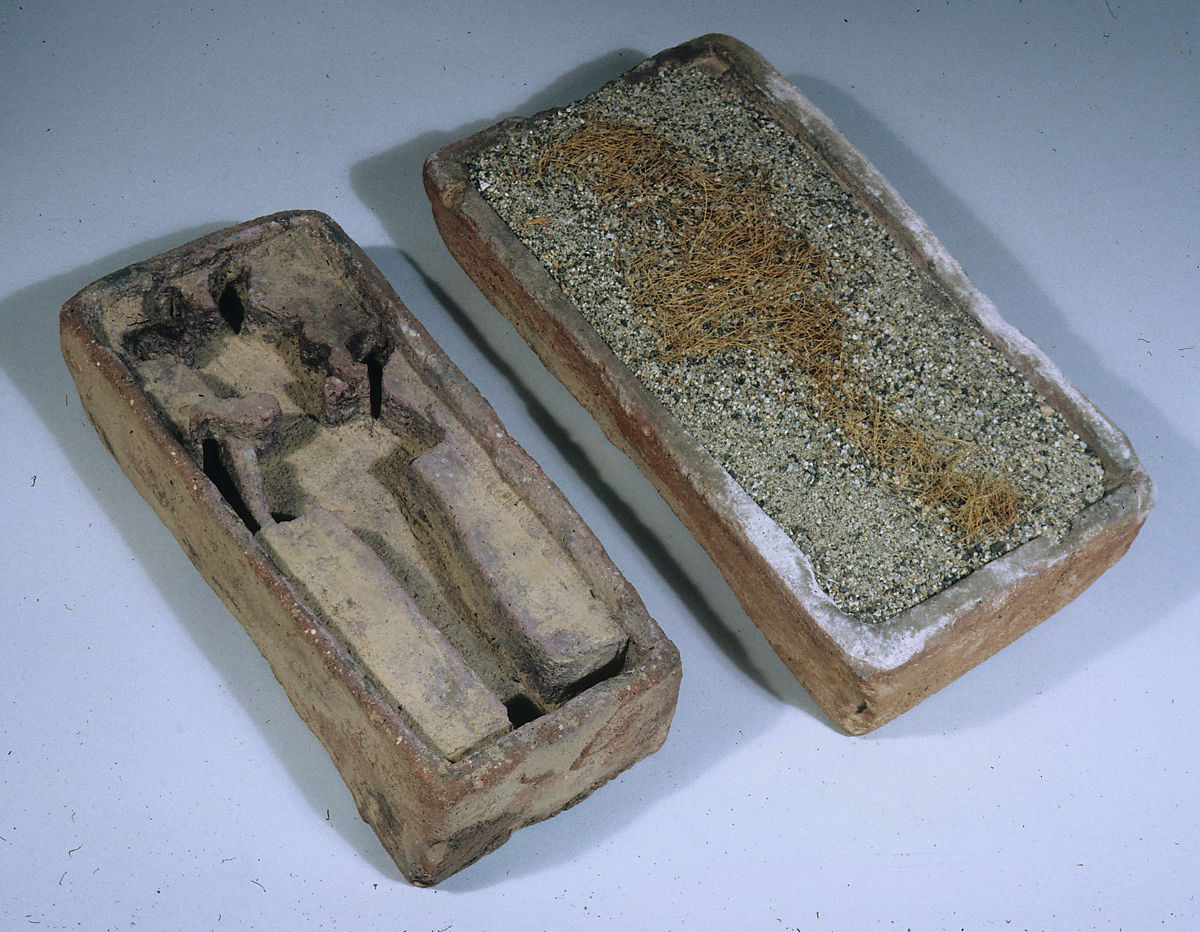
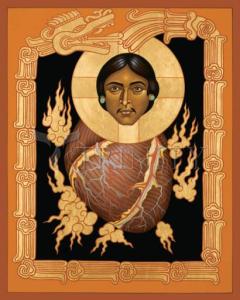
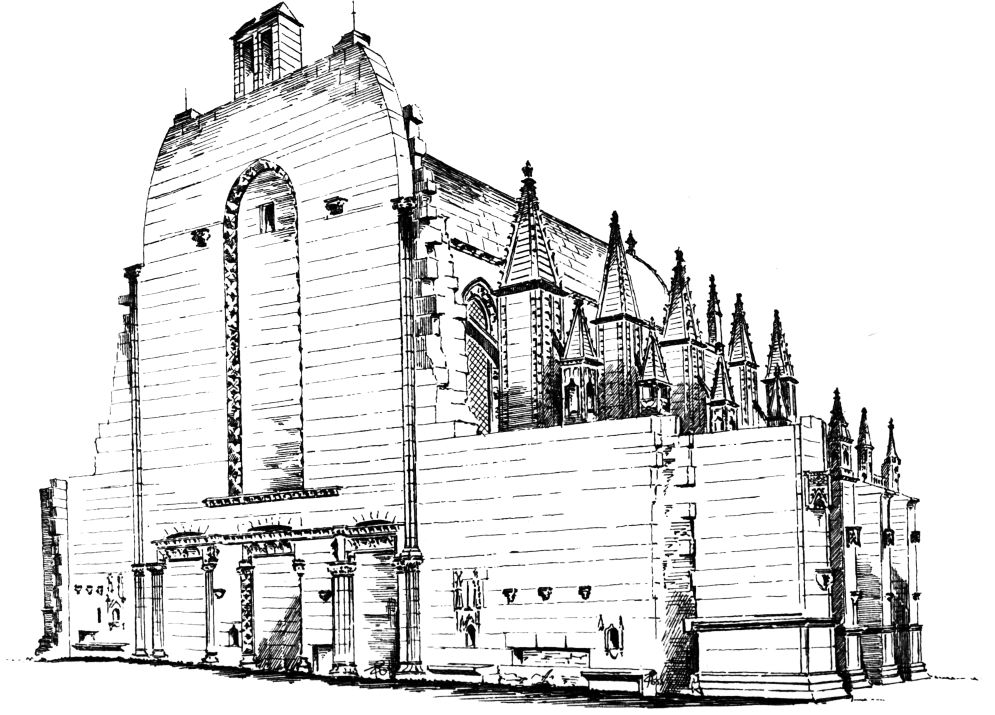
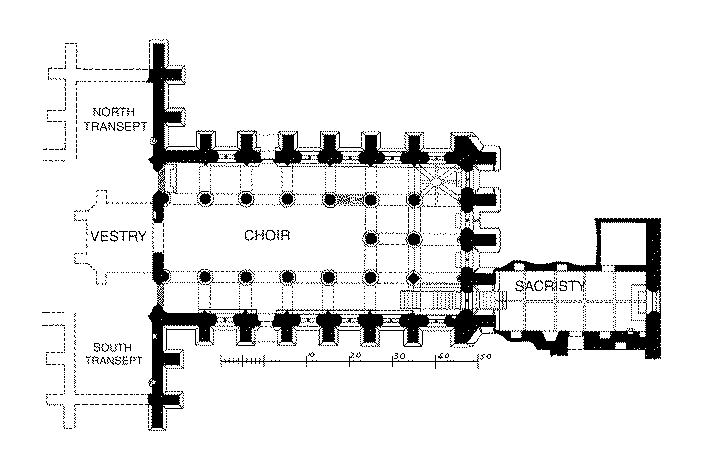
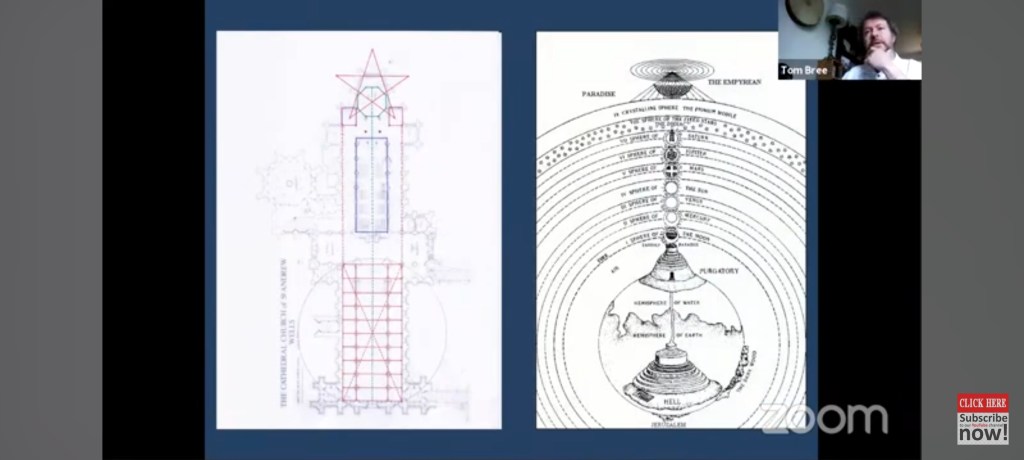
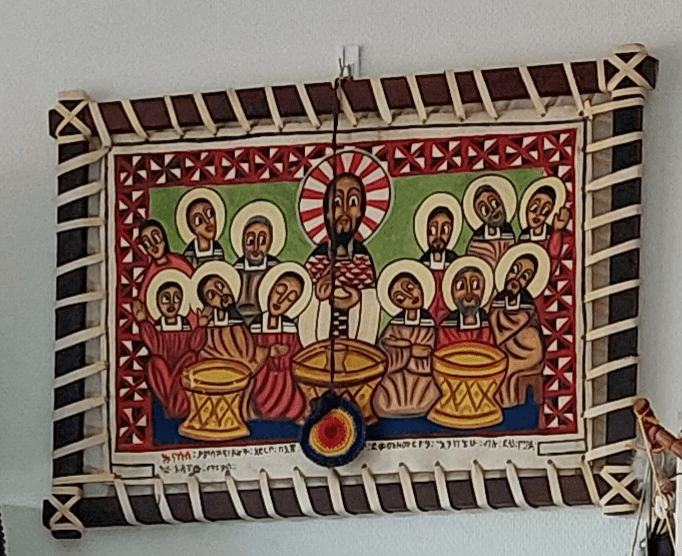
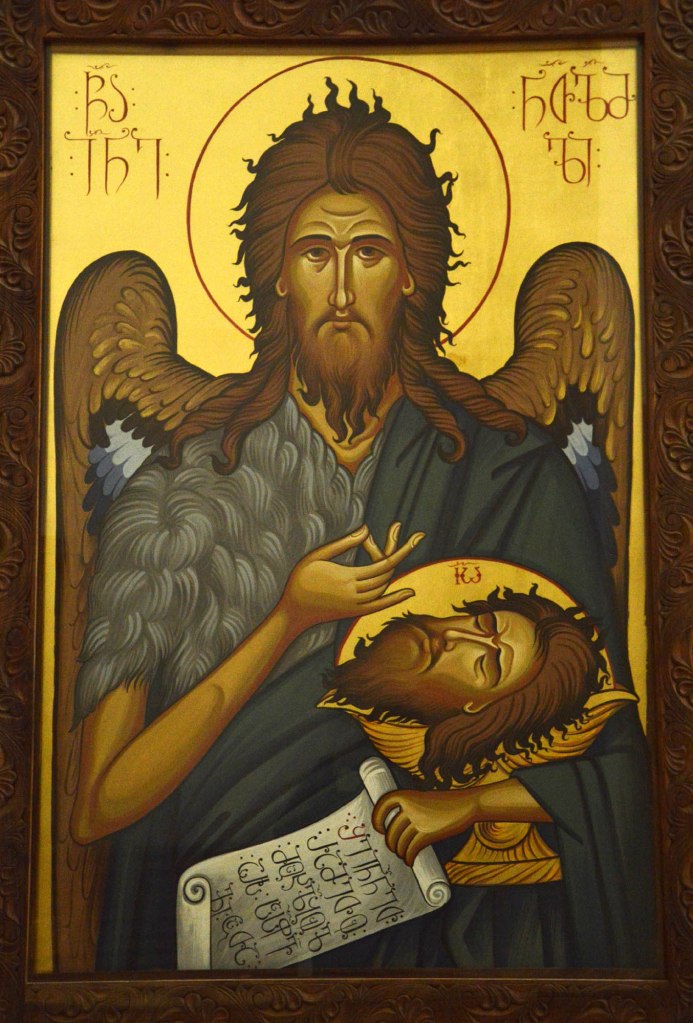
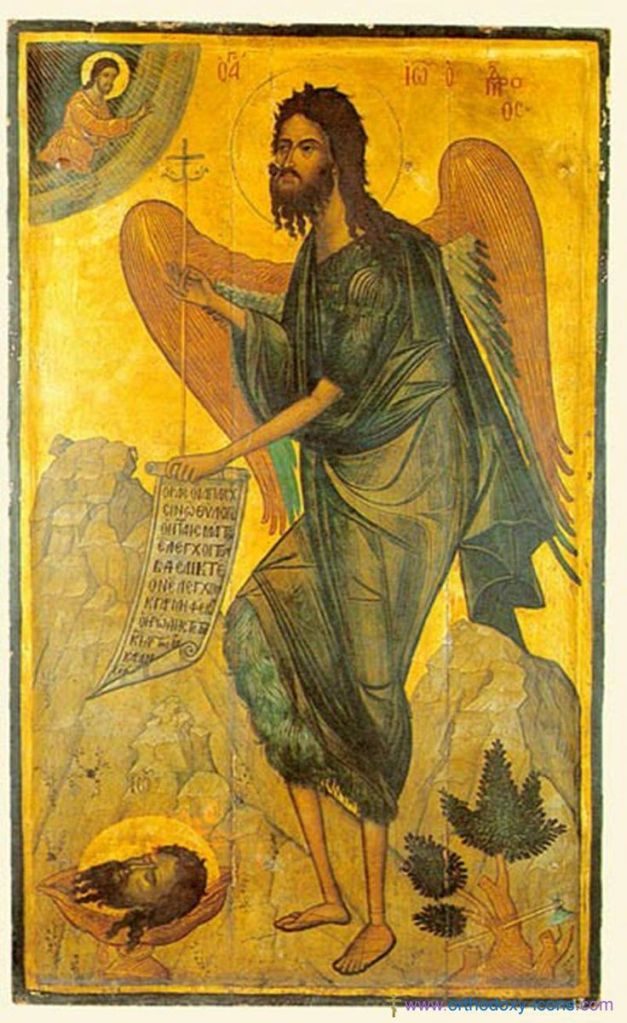

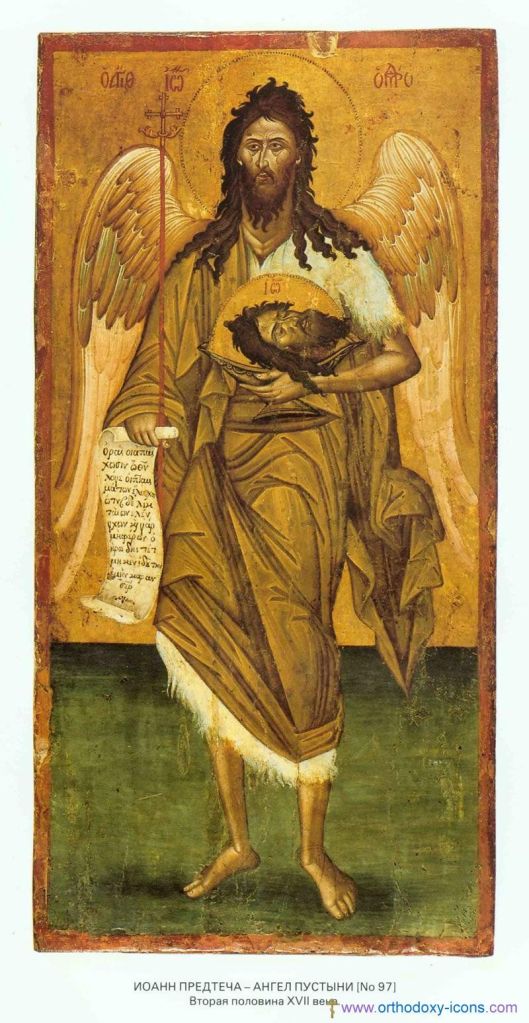
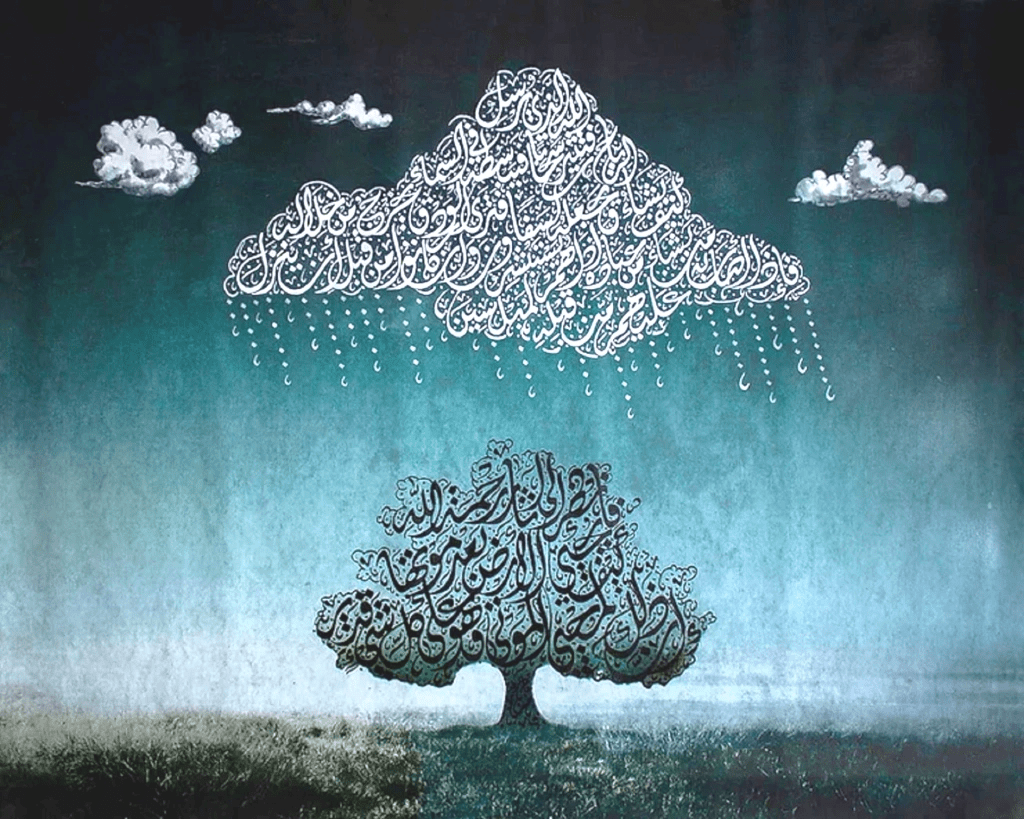
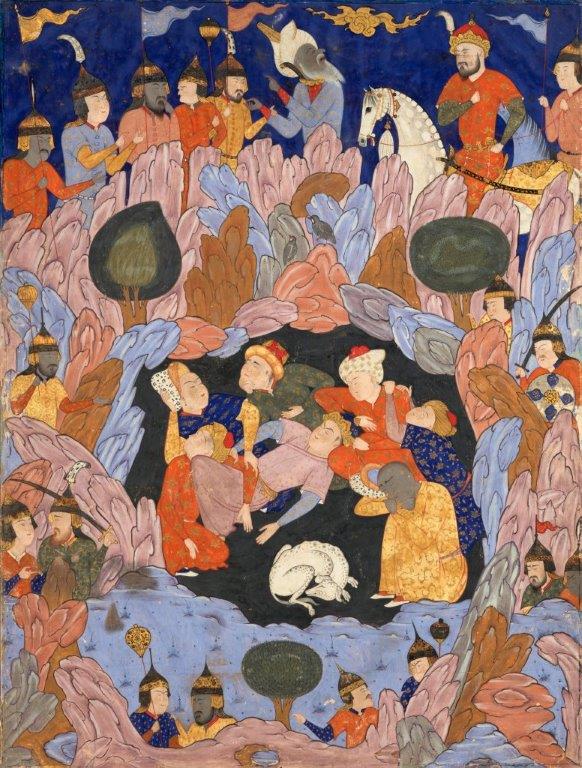
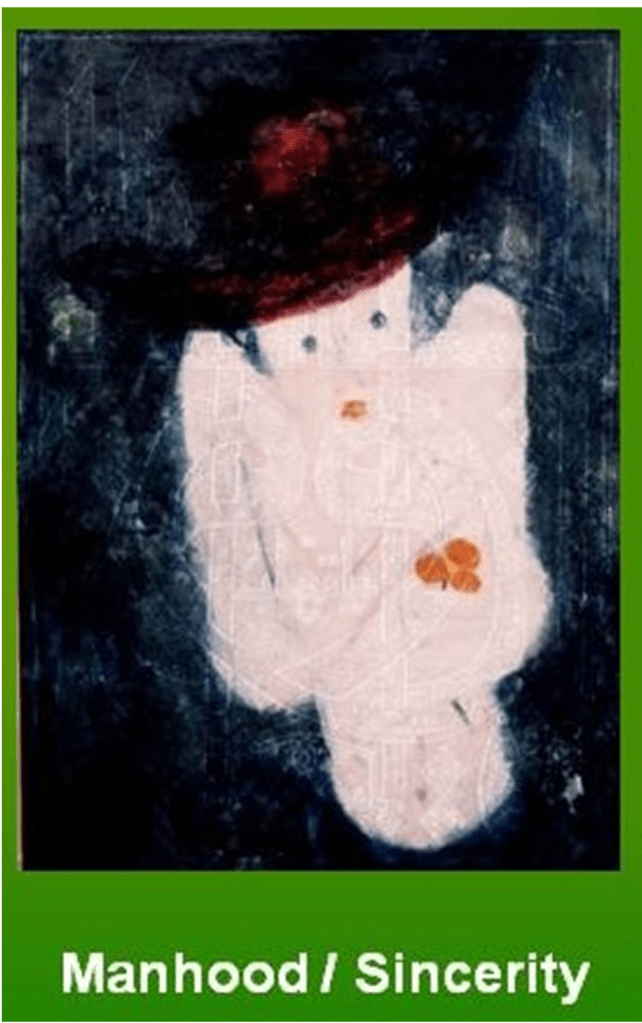
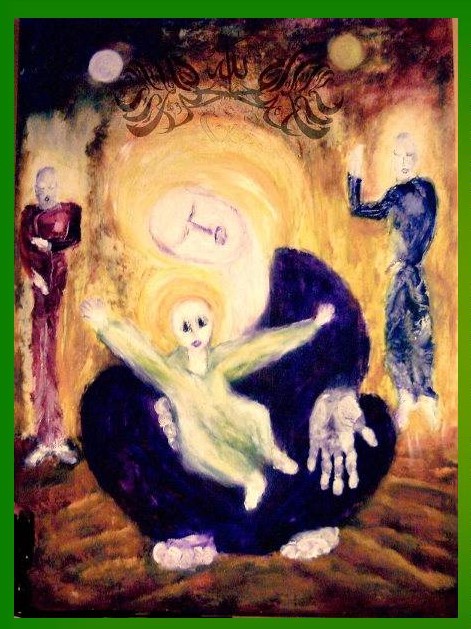
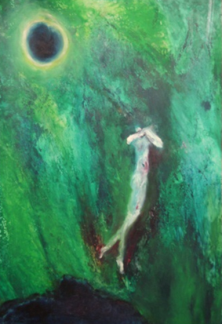
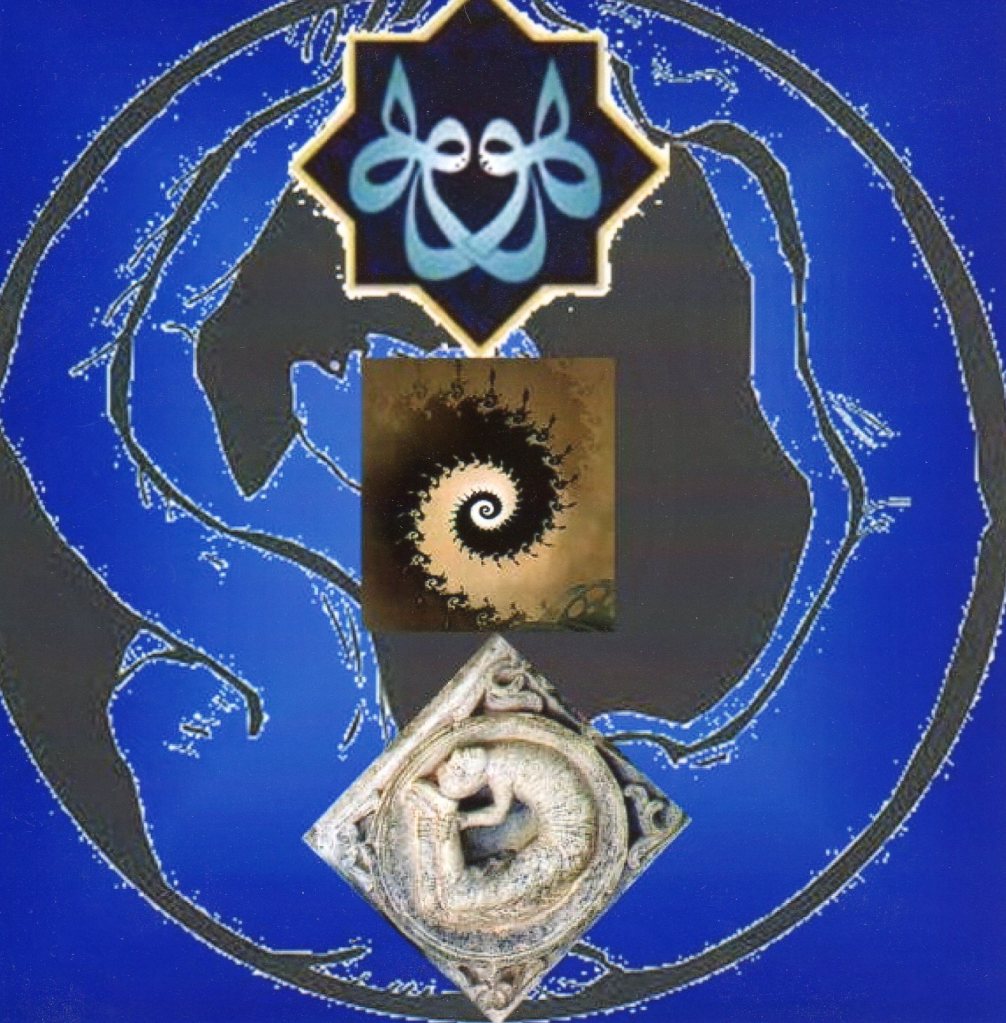
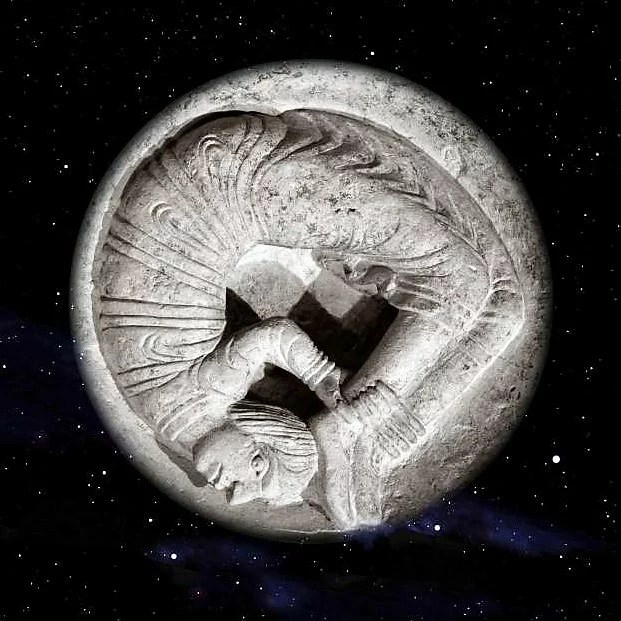
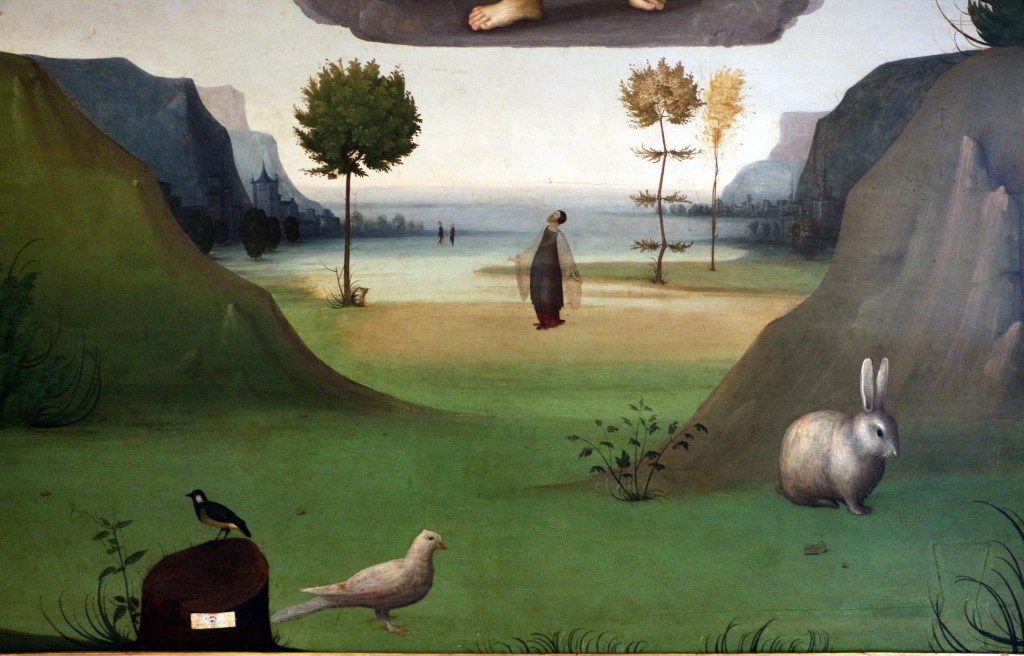
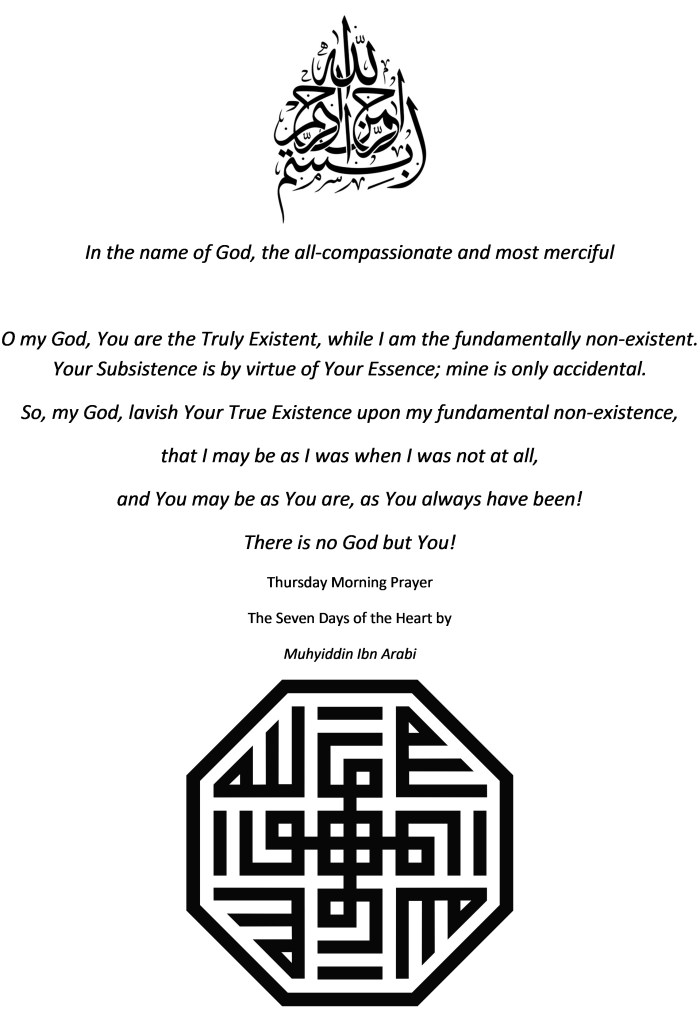
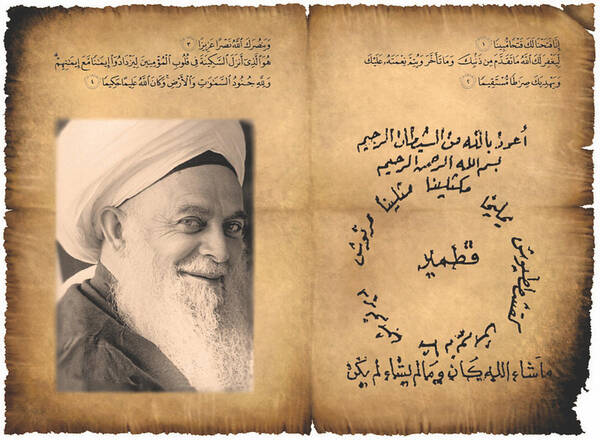
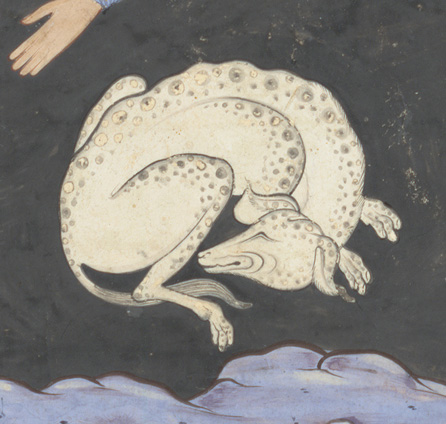
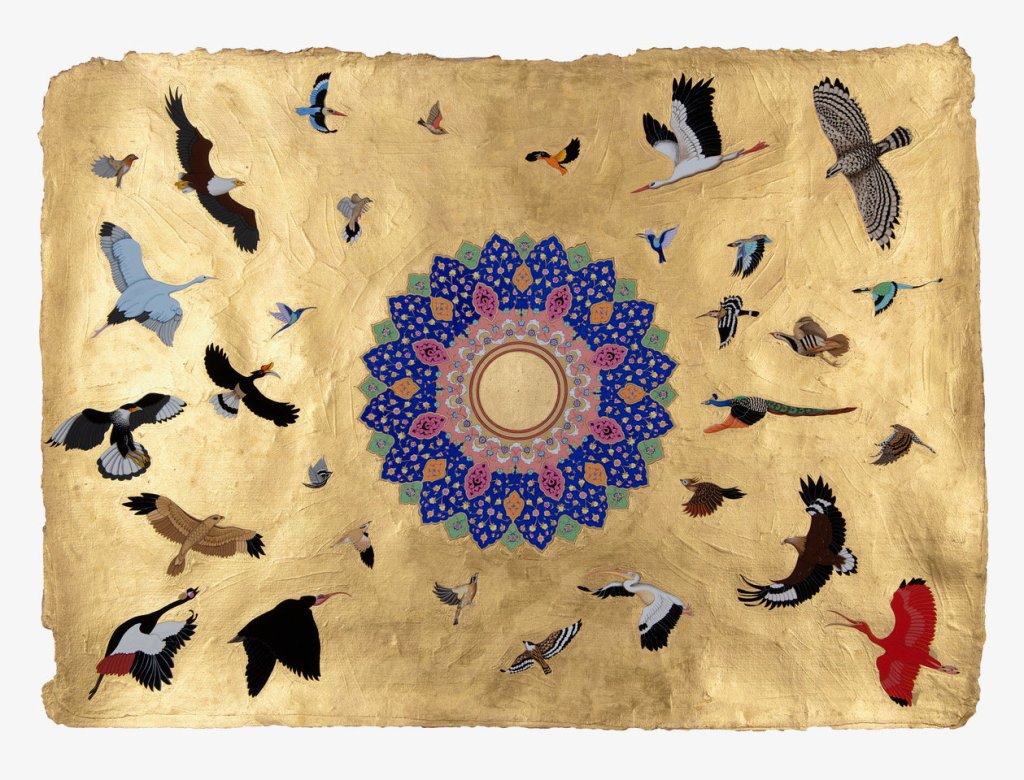

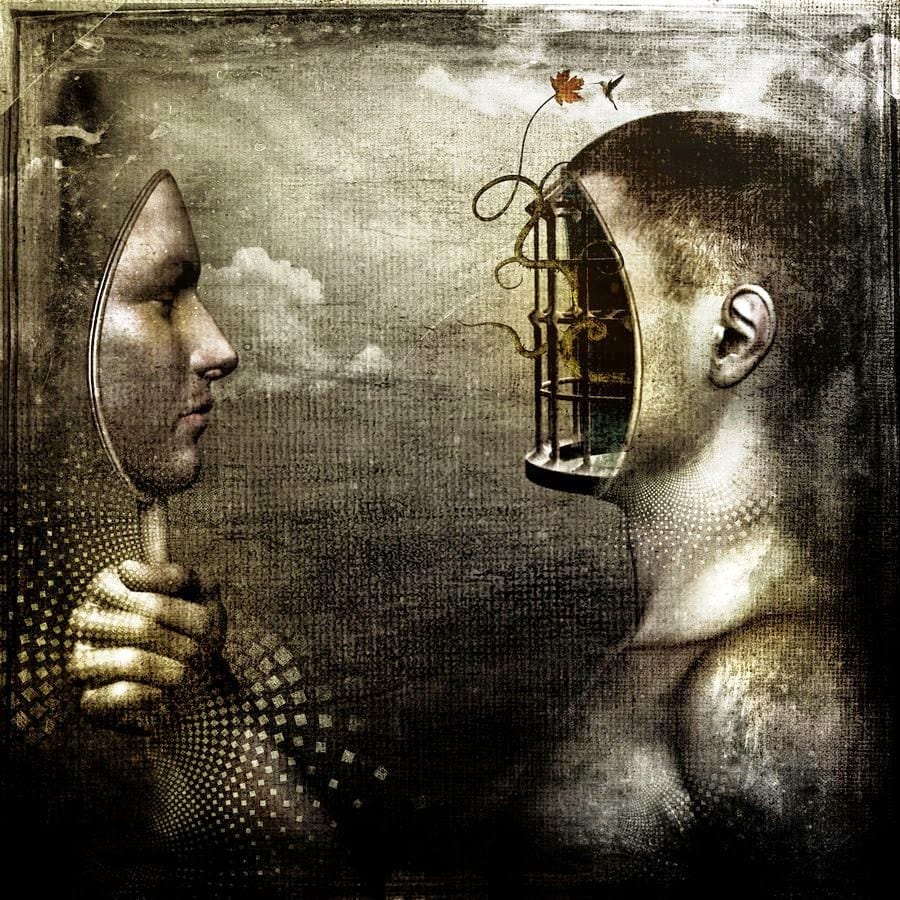
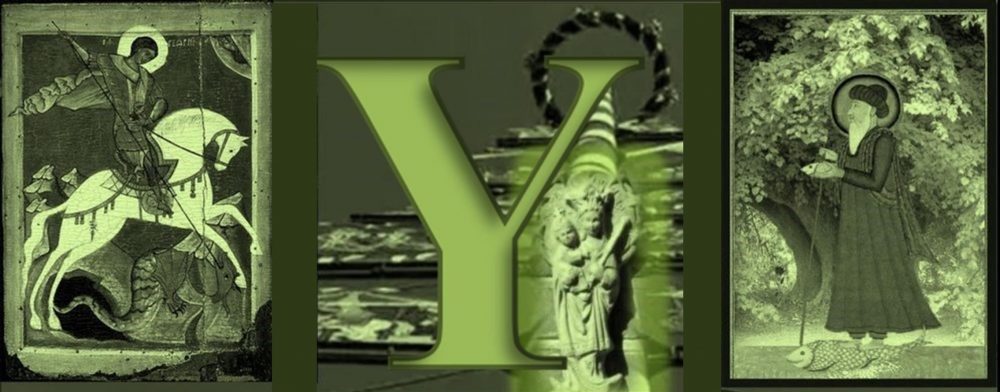
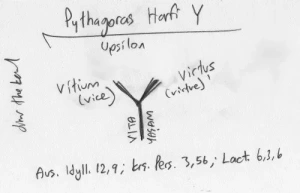
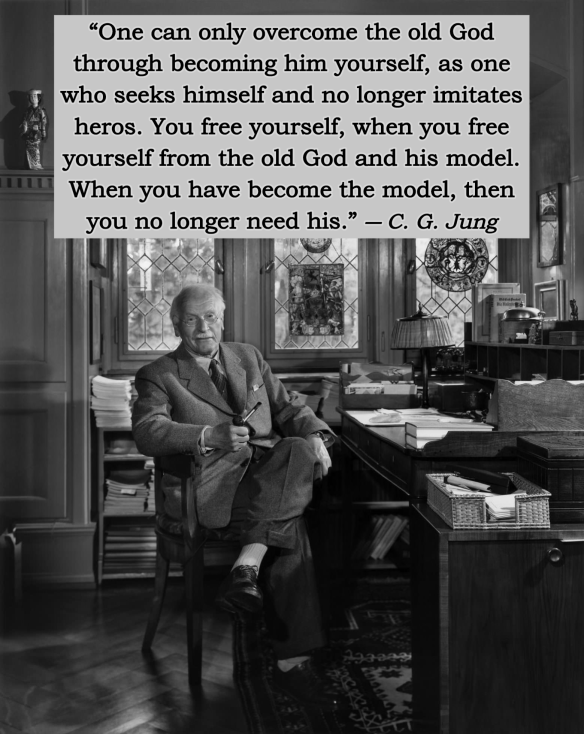
 Path to the Maypole of Wisdom