- How the phonetic alphabet drove the Fall into Division
Marshall McLuhan’s Understanding Media: The Extensions of Man is widely considered to be “the most important book ever written on communication,” and is famous for introducing the concepts of the “global village” and “the medium is the message”. But it’s really much more than even that – it’s a wholesale critique of how technology, from the radical development of the phonetic alphabet by mercantile and bureaucratic Phoenician traders in the 7th-8th century BC (“by Phoenician business men”), to the dramatic impact of the Gutenberg printing press in the 15th century, and the even greater impacts and consequences of radio, television, and the internet (by modern “business men”) in the 20th-21st centuries, has radically changed our way of being, our way of thinking, our way of relating, and even our way of feeling, remaking our very bodies – as he observes in this compelling article – in its own image.
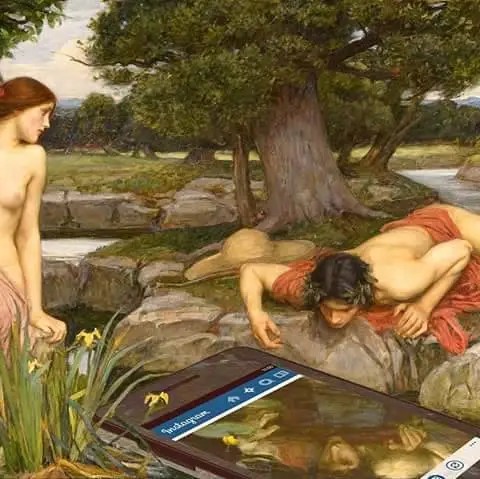
McLuhan’s arguments are remarkable, not only for their own acute perceptions and analysis of the nature of media, and his striking framing of this development in terms of the left and right hemispheres, but also for the light they shine on Blake’s in many ways similar and equally radical critique of what is often called “civilisation”. McLuhan frequently references Blake, as someone who he felt recognised these changes and cognitive shifts and really understood the nature of “media”. As he acutely observes, “Blake saw Newton and Locke and others as hyponitized Narcissus types quite unable to meet the challenge of mechanism.“
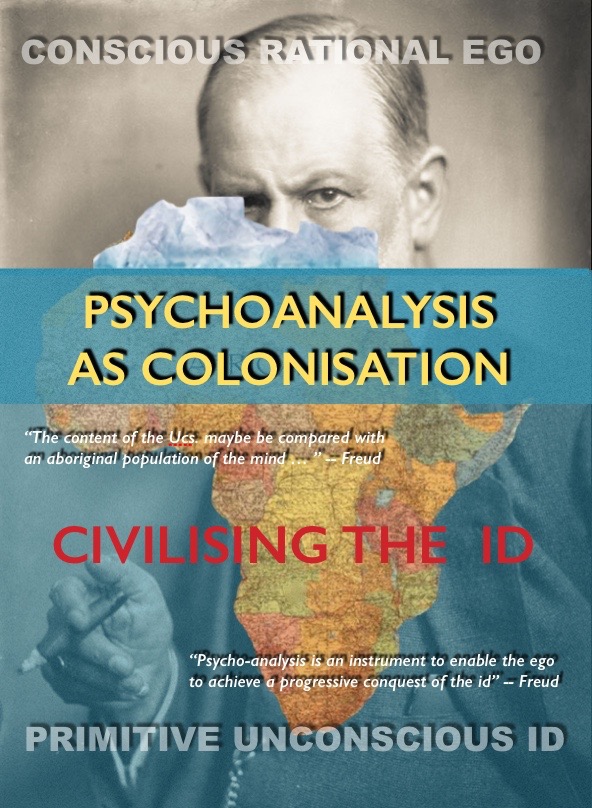
For Blake, this cognitive shift coincided with a “Fall into Division” within the human mind, and the sudden emergence into dominance of the rationalising “Urizenic” brain in the early cultures of Sumer, Babylon and Egypt. Widely regarded as the start of “civilisation”, both McLuhan and Blake reveal that it was in fact the start of a catastrophic project of colonisation of the human brain and body, which led in turn to an equally catastrophic colonisation of the (now) “external” or externalised and abstracted world outside: a world that the new solar consciousness or rational conscious “Ego” could subject, dominate, manipulate and control in ever increasing and ever more global and destructive ways.
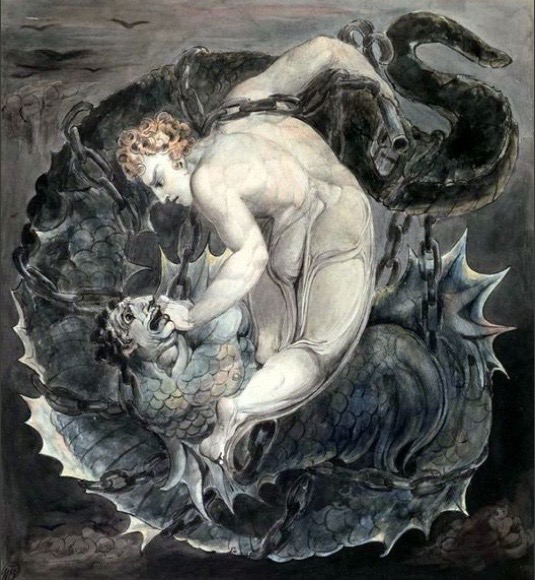
This new “civilised” thinking (or “Solar Logos”, as Urizenic consciousness is sometimes called) treated the newly-created working “class” – for example corvée labour in Egypt and Greece – exactly as it treated foreigners and “primitives” (as ‘civilised’ mind-sets now needed to see them), exactly as it treated what it called “Nature”, as it treated women, and as it treated its own unconscious (now re-defined and re-cast as a “barbaric” and seething “dragon” to be similarly subdued and subjected, just as it subdued women, slaves, the body, and ordinary people), and with which it was now forever at war. This is not patriarchy, this is Colonisation, the deep project of the grasping, manipulative “rational” ego, and as McGilchrist acutely notes, it began by colonising the left hemisphere.
McGilchrist’s analysis of the key underlying left-brain values and processes provides invaluable insights into this historical, cultural, and neurological development:
“The drive here is towards manipulation, and its ruling value is utility. It began in my view by colonising the left hemisphere, and with the increasing capacity for distance from the world mediated by the expansion of the frontal lobes as one ascends the evolutionary tree, resulted in a physical expansion of the area designed to facilitate manipulation of the environment, symbolically and physically, in the higher monkeys and apes. Eventually that expansion became the natural seat of referential language in humans.” (The Master and his Emissary).
McLuhan’s similar understanding of the role of the brain hemispheres in these developments, some thirty years before McGilchrist’s work, was remarkable. One interview with him begin by the interviewing asking: “Forgive my impertinence but has anybody asked you why you are sometimes difficult to understand?”, to which McLuhan shoots back: “Because I use the right hemisphere, while they’re trying to use the left hemisphere.”
When, on a separate occasion, he was pressed: “Are you for or against the right or left hemisphere?”, he replied “I’m for the under-dog. And the right hemisphere is the under-dog side of our world. The gifted child is a right-hemisphere child. And there’s no place for him in the school system. The school system is built only on the left hemisphere. Quantified, classified, graded, and so on.” “We really have homogenized our schools and factories and cities and entertainment to a great extent,” he remarked in Understanding Media, “just because we are literate and do accept the logic of uniformity and homogeneity that is inherent in Gutenberg technology.”

- Trapped Words: Understanding Media and Misunderstanding Civilisation
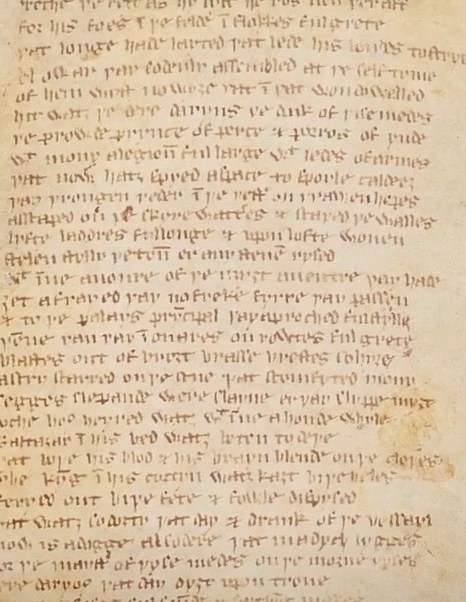
Prince Modupe wrote of his encounter with the written word in his West African days:
The one crowded space in Father Perry’s house was his bookshelves. I gradually came to understand that the marks on the pages were trapped words. Anyone could learn to decipher the symbols and turn the trapped words loose again into speech. The ink of the print trapped the thoughts; they could no more get away than a doomboo could get out of a pit. When the full realization of what this meant flooded over me, I experienced the same thrill and amazement as when I had my first glimpse of the bright lights of Konakry. I shivered with the intensity of my desire to learn to do this wondrous thing myself.
In striking contrast to the native’s eagerness, there are the current anxieties of civilized man concerning the written word. To some Westerners the written or printed word has become a very touchy subject. It is true that there is more material written and printed and read today than ever before, but there is also a new electric technology that threatens this ancient technology of literacy built on the phonetic alphabet.
Because of its action in extending our central nervous system, electric technology seems to favor the inclusive and participational spoken word over the specialist written word.
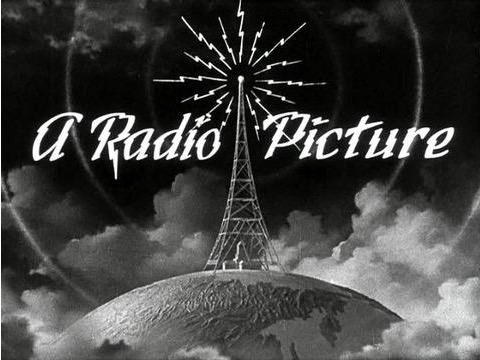
“electric technology seems to favor the inclusive and participational spoken word over the specialist written word.” Where the phonetic alphabet encourages linear ways of thinking and ordering, new media such as the radio and Wi-Fi require and establish a more gestalt, participatory and decentralised audience – transmitting in all directions, simultaneously. The medium itself, in other words, subverts Logos.
Our Western values, built on the written word, have already been considerably affected by the electric media of telephone, radio, and TV. Perhaps that is the reason why many highly literate people in our time find it difficult to examine this question without getting into a moral panic. There is the further circumstance that, during his more than two thousand years of literacy, Western man has done little to study or to understand the effects of the phonetic alphabet in creating many of his basic patterns of culture. To begin now to examine the question may, therefore, seem too late.

Suppose that, instead of displaying the Stars and Stripes, we were to write the words “American flag” across a piece of cloth and to display that. While the symbols would convey the same meaning, the effect would be quite different. To translate the rich visual mosaic of the Stars and Stripes [right hemisphere] into written form [left hemisphere] would be to deprive it of most of its qualities of corporate image and of experience, yet the abstract literal bond would remain much the same.
Perhaps this illustration will serve to suggest the change the tribal man experiences when he becomes literate. Nearly all the emotional and corporate family feeling is eliminated from his relationship with his social group. He is emotionally free to separate from the tribe and to become a civilized individual, a man of visual organization who has uniform attitudes, habits, and rights with all other civilized individuals.

- The Alphabet: The Army of Cadmus
The Greek myth about the alphabet was that [the Phoenician prince] Cadmus, reputedly the king who introduced the phonetic letters into Greece, sowed the dragon’s teeth, and they sprang up armed men. Like any other myth, this one capsulates a prolonged process into a flashing insight. The alphabet meant power and authority and control of military structures at a distance. When combined with papyrus, the alphabet spelled the end of the stationary temple bureaucracies and the priestly monopolies of knowledge and power.
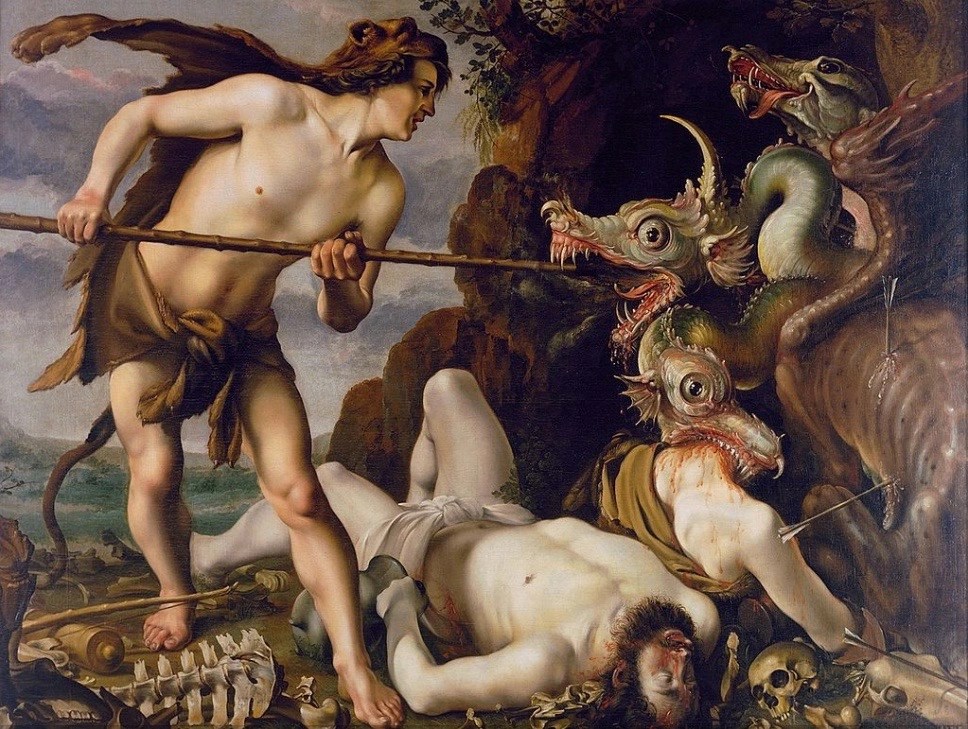
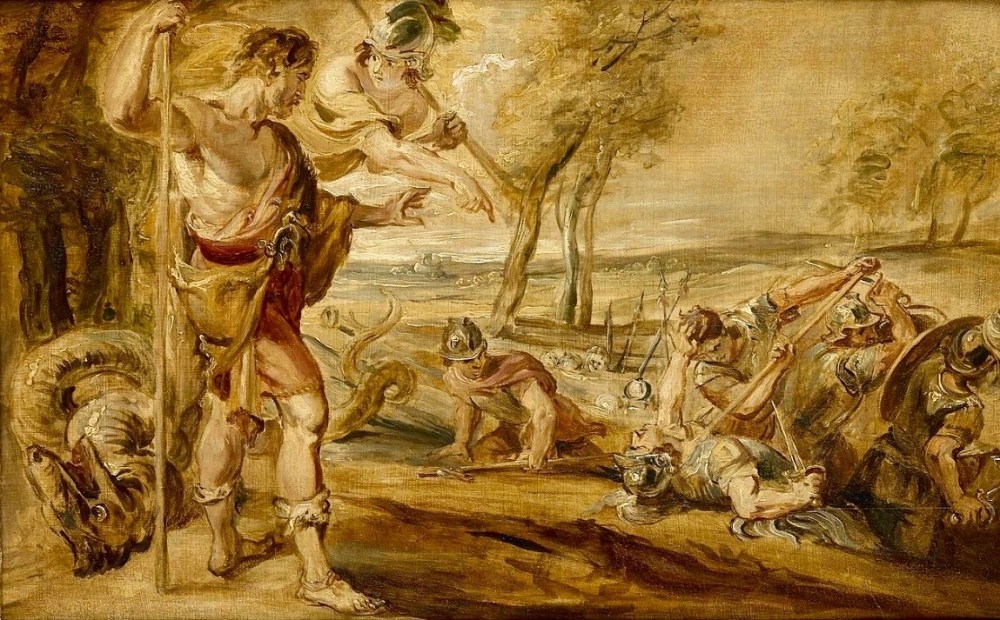
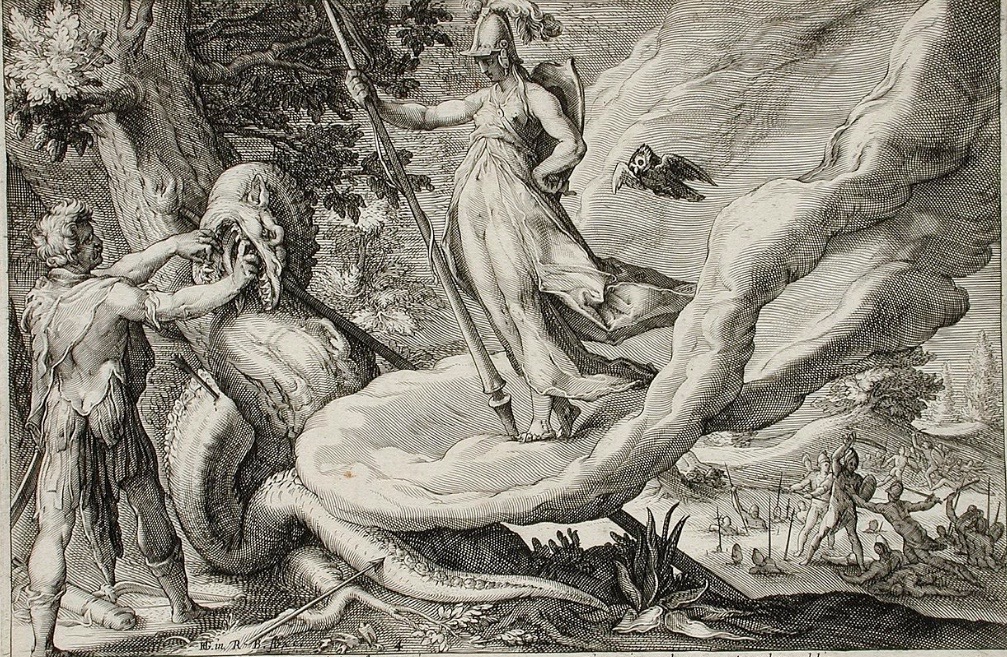
“Cadmus, the bringer of literacy and civilization, killed the sacred dragon that guarded the spring of Ares. The goddess Athena told him to sow the teeth, from which sprang a group of ferocious warriors called the spartoi. He threw a precious jewel into the midst of the warriors, who turned on each other in an attempt to seize the stone for themselves. The five survivors joined with Cadmus to found the city of Thebes.” It is notable that the myth of Cadmus associates the bringing of “literacy and civilisation” (through the technology of the written alphabet, “words”) with “sowing the dragon’s teeth” and the emergence of conflict and organised militarism. As McLuhan notes, the Cadmus myth “taught that the alphabet produced militarism … As the Greek myth of Cadmus points out, the phonetic alphabet was the greatest processer of men for homogenized military life that was known to antiquity.”
Note the similarity to the symbolism of Blake’s St Michael and the Dragon: that is, of the rationalising left hemisphere now demonising and attacking the intuitive and bodily right hemisphere world, just as the new Olympian ‘Sky Gods’ replaced and defeated the bodily, chthonic ‘Titans’). Note also how ‘civilisation’ is profoundly rooted in violence – from Thebes to the genocides from which the British and American empires have equally sprung up – and which ‘civilisation’ sees itself as the solution and rescuer from.
Unlike pre-alphabetic writing, which with its innumerable signs was difficult to master, the alphabet could be learned in a few hours. The acquisition of so extensive a knowledge and so complex a skill as pre-alphabetic writing represented and, when applied to such unwieldy materials as brick and stone, insured for the scribal caste a monopoly of priestly power. The easier alphabet and the light, cheap, transportable papyrus together effected the transfer of power from the priestly to the military class. All this is implied in the myth about Cadmus and the dragon’s teeth, including the fall of the city states, the rise of empires and military bureaucracies.
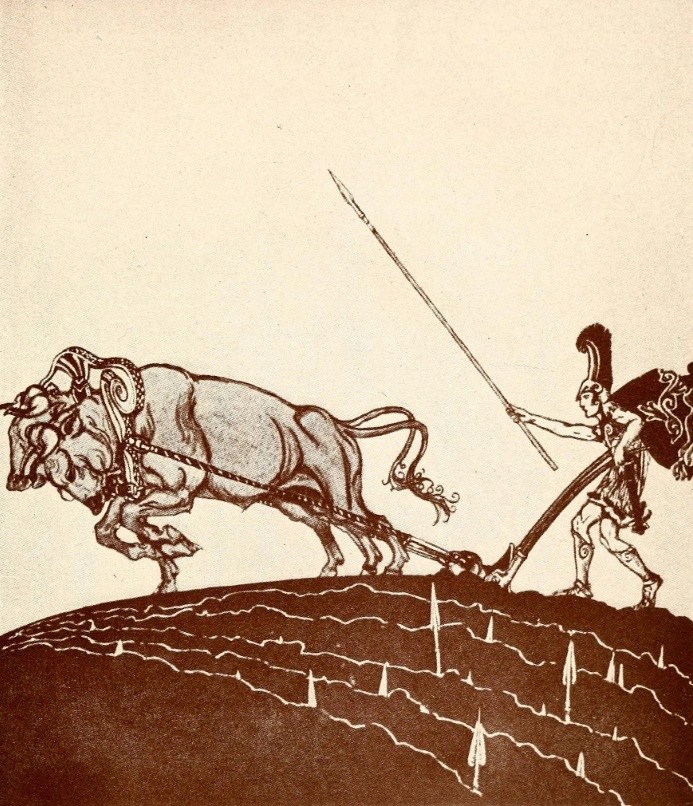
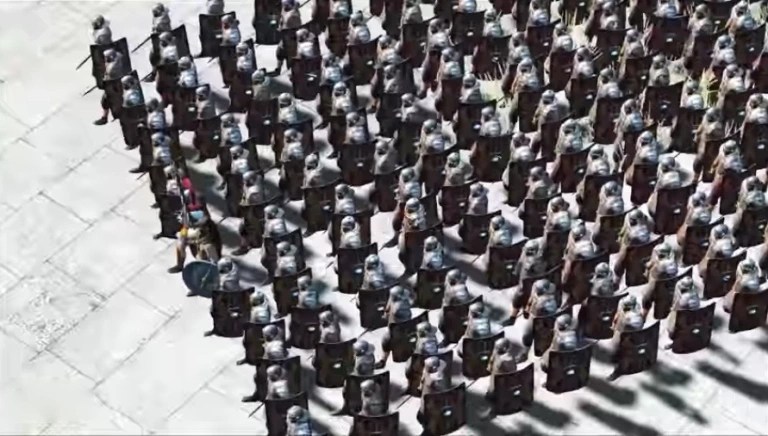
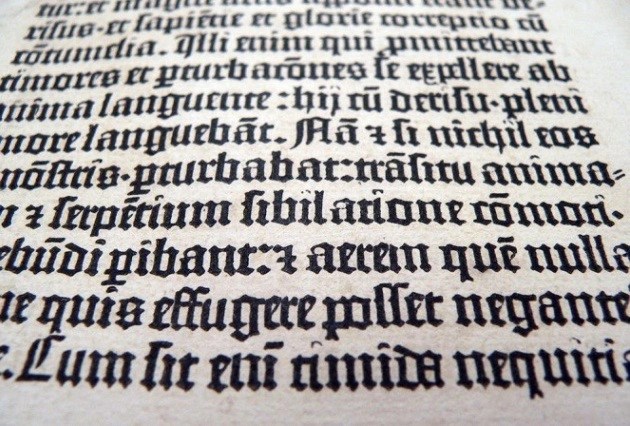
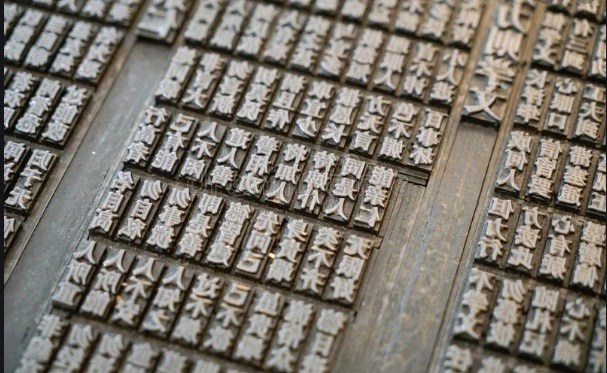
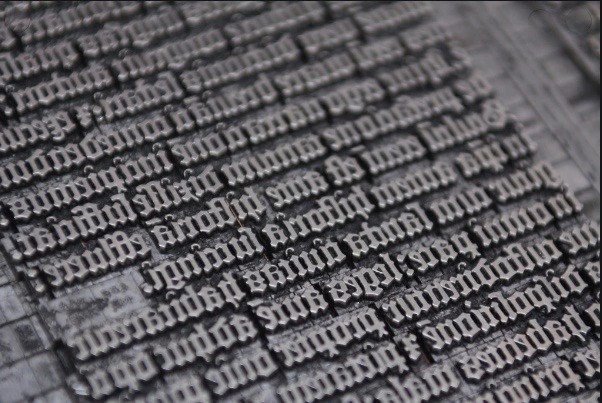
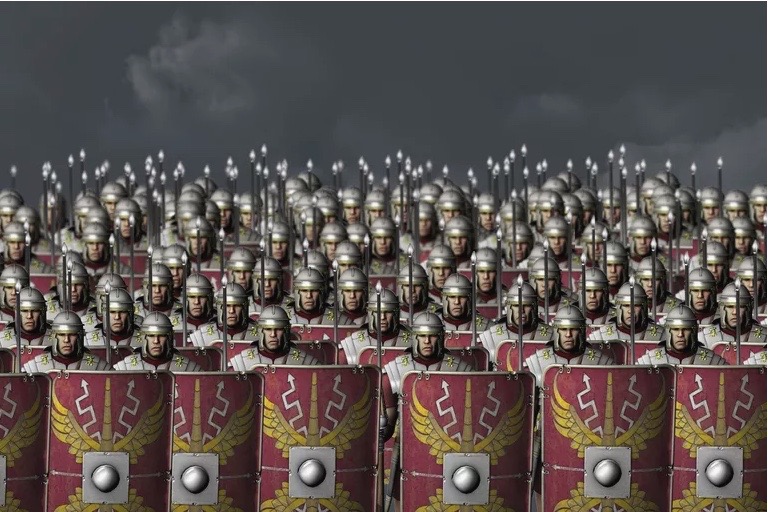
Movable Type: note the similarities between the regimented lines of ploughing, the uniform lines of linear type, the legions of soldiers, and rows of teeth. They are all by-products of the same mind-set, the same alphabet. As Blake said, “Improvement makes strait roads, but the crooked roads without Improvement, are roads of Genius.”
In terms of the [technological and physical] extensions of man, the theme of the dragon’s teeth in the Cadmus myth is of the utmost importance. Elias Canetti in Crowds and Power reminds us that the teeth are an obvious agent of power in man, and especially in many animals. Languages are filled with testimony to the grasping, devouring power and precision of teeth. That the power of letters as agents of aggressive order and precision should be expressed as extensions of the dragon’s teeth is natural and fitting. Teeth are emphatically visual in their lineal order. Letters are not only like teeth visually, but their power to put teeth into the business of empire-building is manifest in our Western history.
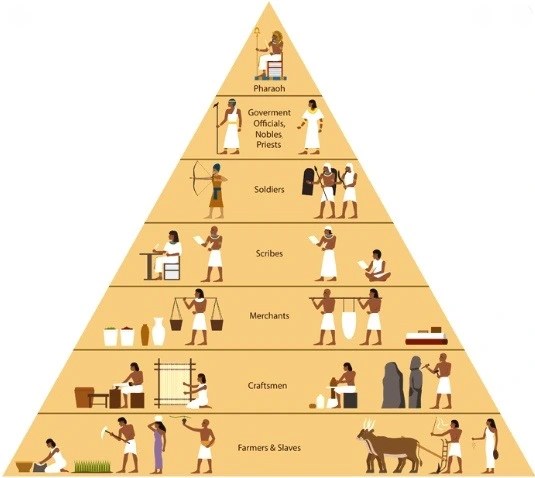
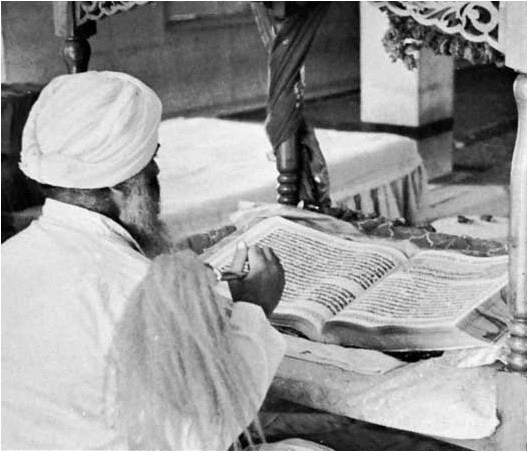
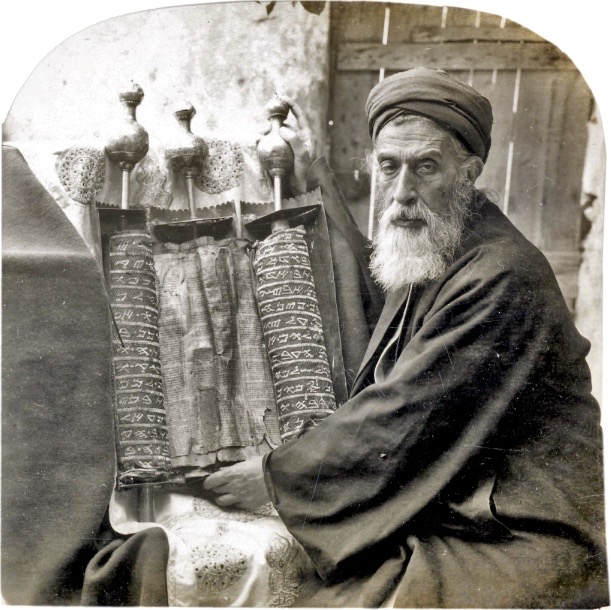
Scribes and Soldiers: “The easier alphabet and the light, cheap, transportable papyrus together effected the transfer of power from the priestly to the military class.”

- Single Vision: The Rise of Civilisation and the One Eye Culture



The alphabet, devised by Phoenician traders and business men, was used by the Greeks to translate Homer into a visual form, and to replace Homer with Plato. The pre-Socratics were pushed out, and logicians like Parmenides and Socrates came in. Western man with his alphabet has always felt it mandatory that he impose it upon all other people. He must spread civilisation by spreading literacy in all directions. Now the Romans were the great implementers of this technology.
This translation or move from auditory to visual refers to many of the characteristics we associate with civilisation. The alphabet, in divorcing the heart, the right hemisphere, from the head – the left hemisphere – the quantifying, visual, detached, observant function, the alphabet in doing that left the other side of the brain somewhat in abeyance. We really have homogenized our schools and factories and cities and entertainment to a great extent, just because we are literate and do accept the logic of uniformity and homogeneity that is inherent in Gutenberg technology.
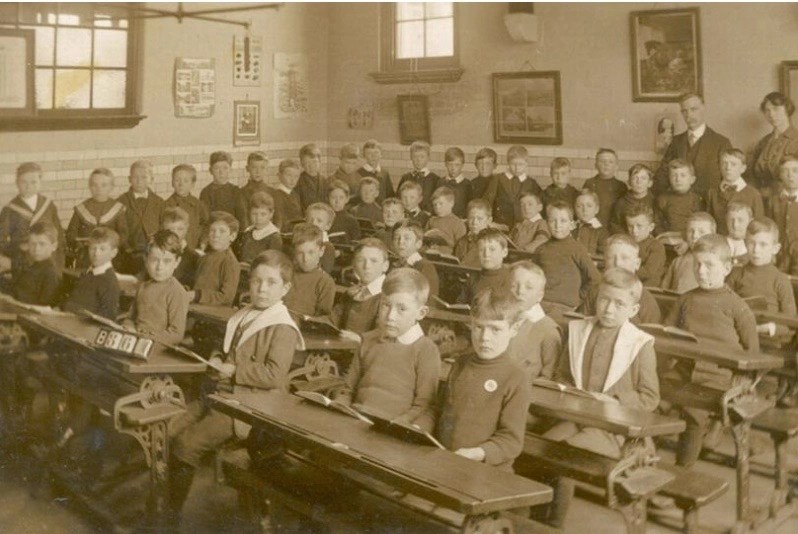

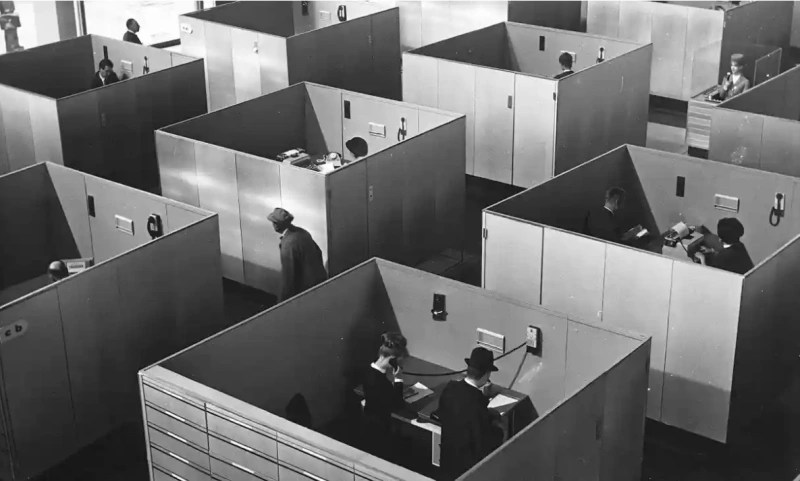
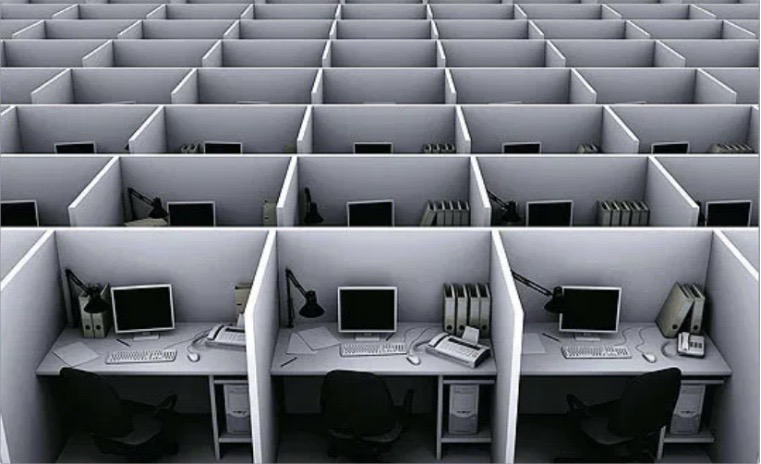
Type-ical: “We really have homogenized our schools and factories and cities and entertainment to a great extent, just because we are literate and do accept the logic of uniformity and homogeneity that is inherent in Gutenberg technology.”
Now one of the peculiar effects of the alphabet was to separate the visual faculty, the visual senses, from the other senses. The phonetic alphabet is the only alphabet in the world, or the only form of writing in the world, that has this effect. Only the phonetic alphabet has this power to divorce the visual faculty from the other senses. And this made possible, at the same moment, Euclid, and logicians, and analysts, and classifiers, and the whole of the individualist pattern of Greek life.
The phonetic alphabet is a unique technology. There have been many kinds of writing, pictographic and syllabic, but there is only one phonetic alphabet in which semantically meaningless letters are used to correspond to semantically meaningless sounds. This stark division and parallelism between a visual and an auditory world was both crude and ruthless, culturally speaking.
The phonetically written word sacrifices worlds of meaning and perception that were secured by forms like the hieroglyph and the Chinese ideogram. These culturally richer forms of writing, however, offered men no means of sudden transfer from the magically discontinuous and traditional world of the tribal word into the cool and uniform visual medium. Many centuries of ideogrammic use have not threatened the seamless web of family and tribal subtleties of Chinese society. On the other hand, a single generation of alphabetic literacy suffices in Africa today, as in Gaul two thousand years ago, to release the individual initially, at least, from the tribal web. One of the strange implications of the phonetic alphabet is private identity.
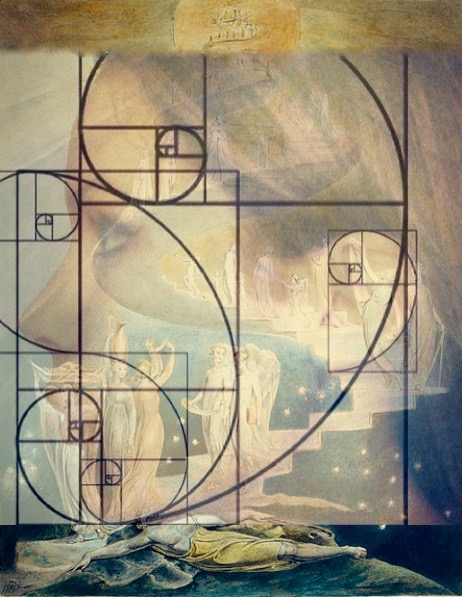
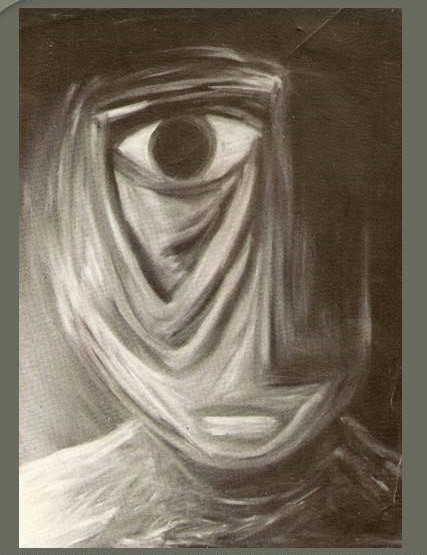
“An Eye for an Ear”: the shift from the Auditory Imagination to the Single Detached Eye, now separated from the rest of the senses and the rest of the body (as the illustrations of Newton’s Opticks make clear) signalled the domination of the left hemisphere Logos. For Blake, as for the Hebrew prophets, it was the Ear which was the organ that most connected us with God. “Hear (shema), O Israel: The Lord our God, the Lord is one” (Deut. 6:4). Shema, in the simplest terms, means ‘to hear’, but it also means to obey and take action. So, to hear God is to obey God—and to obey God is to hear God. Blake repeatedly associates the divine with listening, and the human ear with both the spiritual and the spiral, the involuted spirals that constitute a sort of “Jacob’s Ladder” within the brain of humanity. As William Henry notes, Blake “believed the image of Jacob’s Ladder as a gate to heaven was closely allied to the anatomy of the ear, whose passage he calls ‘the endlessly twisting spiral ascents to the Heaven of Heavens’.” In his poem Milton, the flight of the lark is a spiral ascent, just as the “Ears in close volutions / Shot spiring out in the deep darkness”, hearing it.
This fact has nothing to do with the content of the alphabetized words; it is the result of the sudden breach between the auditory and the visual experience of man. Only the phonetic alphabet makes such a sharp division in experience, giving to its user an eye for an ear, and freeing him from the tribal trance of resonating word magic and the web of kinship.
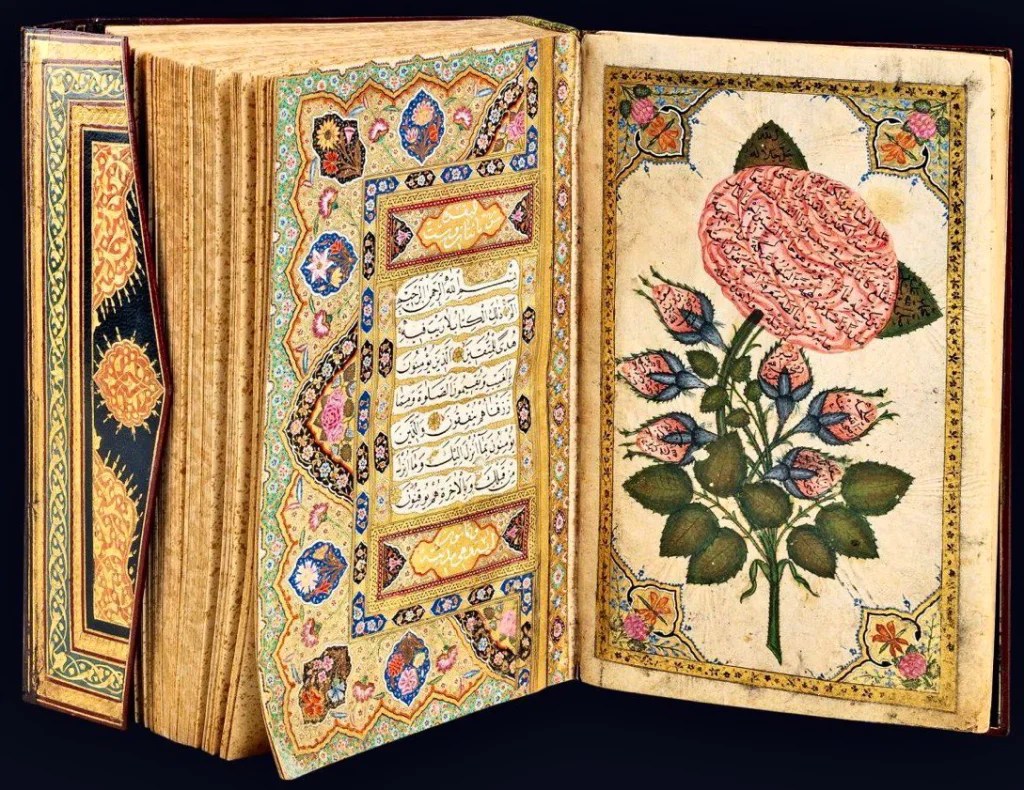
Note: Qurʾān, the sacred scripture of Islam, was revealed by the angel Gabriel to the Prophet Muhammad in the West Arabian towns Mecca and Medina beginning in 610 and ending with Muhammad’s death in 632 CE. The word qurʾān, which occurs already within the Islamic scripture itself (e.g., 9:111 and 75:17–18), is derived from the verb qaraʾa—“to read,” “to recite”—but there is probably also some connection with the Syriac qeryānā, “reading,” used for the recitation of scriptural readings during services. The Qurʾānic corpus, composed in an early form of Classical Arabic, is traditionally believed to be a literal transcript of God’s speech and to constitute the earthly reproduction of an uncreated and eternal heavenly original, according to the general view referred to in the Qurʾān itself as “the well-preserved tablet” (al-lawḥ al-mahfūẓ; Qurʾān 85:22).
The rise of Islam is intrinsically linked with the Prophet Muhammad, believed by Muslims to be the last in a long line of prophets that includes Moses and Jesus. Because Muhammad was the chosen recipient and messenger of the word of God through the divine revelations, Muslims from all walks of life strive to follow his example. After the holy Qur’an, the sayings of the Prophet (hadith) and descriptions of his way of life (sunna) are the most important Muslim texts.
When he was roughly forty, Muhammad began having visions and hearing voices. Searching for clarity, he would sometimes meditate at Mount Hira, near Mecca. On one of these occasions, the Archangel Gabriel (Jibra’il in Arabic) appeared to him and instructed him to recite “in the name of [your] lord.” This was the first of many revelations that became the basis of the Qur’an, the holy book of Islam. These early revelations pointed to the existence of a single God, contradicting the polytheistic beliefs of the pre-Islamic Arabian Peninsula.
The Qur’an identifies the Prophet Muḥammad as al-nabī al-ummī (Q.7:157–158). Muslim consensus has come to perceive this epithet for the Prophet of Islam as indicating conclusively that he was Muḥammad, ‘the illiterate prophet”.
Look also:THE ISLAMIC CONCEPT OF HUMAN PERFECTION*
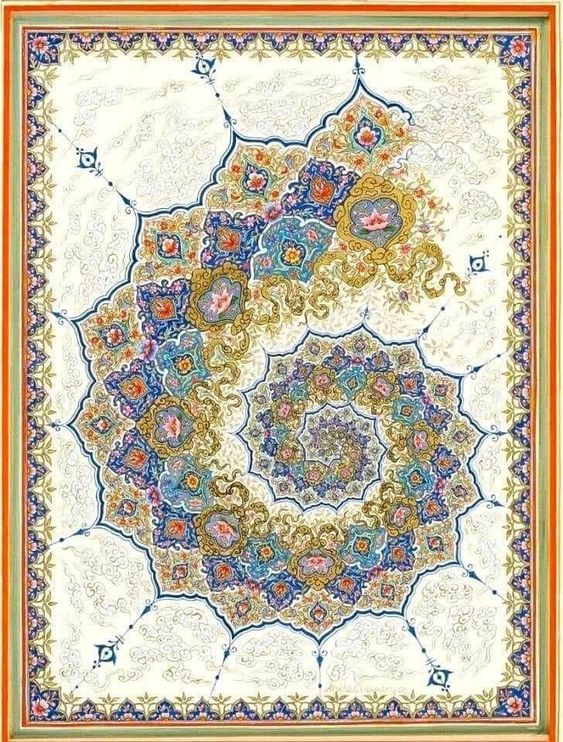

It can be argued, then, that the phonetic alphabet, alone, is the technology that has been the means of creating “civilized man” – the separate individuals equal before a written code of law. Separateness of the individual, continuity of space and of time, and uniformity of codes are the prime marks of literate and civilized societies. Tribal cultures like those of the Indian and the Chinese or Islamic culture may be greatly superior to the Western cultures, in the range and delicacy of their perceptions and expression. However, we are not here concerned with the question of values, but with the configurations of societies. Tribal cultures cannot entertain the possibility of the individual or of the separate citizen. Their ideas of spaces and times are neither continuous nor uniform, but compassional and compressional in their intensity. It is in its power to extend patterns of visual uniformity and continuity that the “message” of the alphabet is felt by cultures.
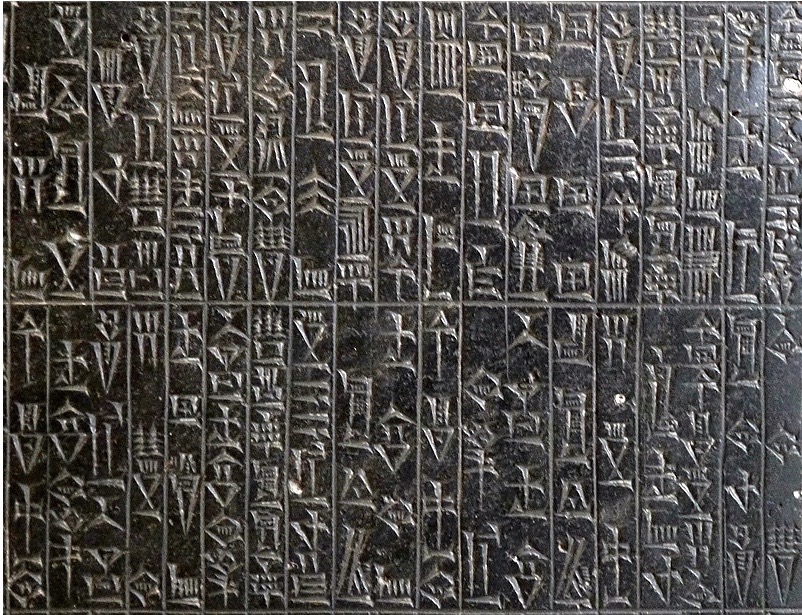
As an intensification and extension of the visual function, the phonetic alphabet diminishes the role of the other senses of sound and touch and taste in any literate culture. The fact that this does not happen in cultures such as the Chinese, which use non-phonetic scripts, enables them to retain a rich store of inclusive perception in depth of experience that tends to become eroded in civilized cultures of the phonetic alphabet. For the ideogram is an inclusive gestalt [Right H], not an analytic dissociation of senses and functions like phonetic writing [LeftH].

- The Logos and the Left Hemisphere
“The abstract side of the brain, the left hemisphere, is figure without ground [ie unlike the more gestalt RH] – it is logical and lineal, and connected. It has classification, places to put things, it has syntax, grammar, order, which is all figure without ground. The right hemisphere is all figure and ground. And is called ‘intuitive’ – is called ‘simultaneous’.
We do know how the left hemisphere did suddenly get activated. It was by Phoenician business men. They worked out this alphabetic code, just out of sheer need for speed, in their calculations and book-keeping. And they passed it along to the Greeks.
The achievements of the Western world, it is obvious, are testimony to the tremendous values of literacy. But many people are also disposed to object that we have purchased our structure of specialist technology and values at too high a price. Certainly the lineal structuring of rational life by phonetic literacy has involved us in an interlocking set of consistencies that are striking enough to justify a much more extensive inquiry than that of the present article. Perhaps there are better approaches along quite different lines; for example, consciousness is regarded as the mark of a rational being, yet there is nothing lineal or sequential about the total field of awareness that exists in any moment of consciousness.

How the brain and consciousness actually works: in a gestalt, ‘simultaneous’ and auditory way just like the broadcast model. As McGilchrist remarks, even on a neurological level our brains run in nonlinear, implicit, and reverberative ways: “the way in which neurons behave is not linear, sequential, unidirectional: they behave in a reciprocal, reverberative fashion, and not just in the right hemisphere”.
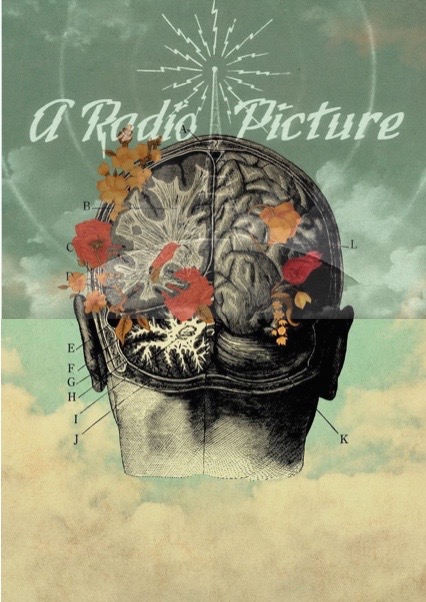
Consciousness is not a verbal process. Yet during all our centuries of phonetic literacy we have favored the chain of inference as the mark of logic and reason. Chinese writing, in contrast, invests each ideogram with a total intuition of being and reason that allows only a small role to visual sequence as a mark of mental effort and organization. In Western literate society it is still plausible and acceptable to say that something “follows” from something, as if there were some cause at work that makes such a sequence.

It was David Hume who, in the eighteenth century, demonstrated that there is no causality indicated in any sequence, natural or logical. The sequential is merely additive, not causative. Hume’s argument, said Immanuel Kant, “awoke me from my dogmatic slumber.” Neither Hume nor Kant, however, detected the hidden cause of our Western bias toward sequence as “logic” in the all pervasive technology of the alphabet. Today in the electric age we feel as free to invent non-lineal logics as we do to make non-Euclidean geometries. Even the assembly line, as the method of analytic sequence for mechanizing every kind of making and production, is nowadays yielding to new forms.
Only alphabetic cultures have ever mastered connected lineal sequences as pervasive forms of psychic and social organization. The breaking up of every kind of experience into uniform units in order to produce faster action and change of form (applied knowledge) has been the secret of Western power over man and nature alike. That is the reason why our Western industrial programs have quite involuntarily been so militant, and our military programs have been so industrial. Both are shaped by the alphabet in their technique of transformation and control by making all situations uniform and continuous. This procedure, manifest even in the Graeco-Roman phase, became more intense with the uniformity and repeatability of the Gutenberg development.

Civilization is built on literacy because literacy is a uniform processing of a culture by a visual sense extended in space and time by the alphabet. In tribal cultures, experience is arranged by a dominant auditory sense-life that represses visual values. The auditory sense, unlike the cool and neutral eye, is hyper-aesthetic and delicate and all-inclusive. Oral cultures act and react at the same time. Phonetic culture endows men with the means of repressing their feelings and emotions when engaged in action. To act without reacting, without involvement, is the peculiar advantage of Western literate man.
- Stopping the Flow: Literacy

The story of The Ugly American describes the endless succession of blunders achieved by visual and civilized Americans when confronted with the tribal and auditory cultures of the East. As a civilized UNESCO experiment, running water – with its lineal organization of pipes – was installed recently in some Indian villages. Soon the villagers requested that the pipes be removed, for it seemed to them that the whole social life of the village had been impoverished when it was no longer necessary for all to visit the communal well. To us the pipe is a convenience. We do not think of it as culture or as a product of literacy, any more than we think of literacy as changing our habits, our emotions, or our perceptions. To non-literate people, it is perfectly obvious that the most commonplace conveniences represent total changes in culture.

The Russians, less permeated with the patterns of literate culture than Americans, have much less difficulty in perceiving and accommodating the Asiatic attitudes. For the West, literacy has long been pipes and taps and streets and assembly lines and inventories. Perhaps most potent of all as an expression of literacy is our system of uniform pricing that penetrates distant markets and speeds the turn-over of commodities. Even our ideas of cause and effect in the literate West have long been in the form of things in sequence and succession, an idea that strikes any tribal or auditory culture as quite ridiculous, and one that has lost its prime place in our own new physics and biology.
All the alphabets in use in the Western world, from that of Russia to that of the Basques, from that of Portugal to that of Peru, are derivatives of the Graeco-Roman letters. Their unique separation of sight and sound from semantic and verbal content made them a most radical technology for the translation and homogenization of cultures. All other forms of writing had served merely one culture, and had served to separate that culture from others. The phonetic letters alone could be used to translate, albeit crudely, the sounds of any language into one-and-the-same visual code.
Today, the effort of the Chinese to use our phonetic letters to translate their language has run into special problems in the wide tonal variations and meanings of similar sounds. This has led to the practice of fragmenting Chinese monosyllables into polysyllables in order to eliminate tonal ambiguity. The Western phonetic alphabet is now at work transforming the central auditory features of the Chinese language and culture in order that China can also develop the lineal and visual patterns that give central unity and aggregate uniform power to Western work and organization. As we move out of the Gutenberg era of our own culture, we can more readily discern its primary features of homogeneity, uniformity, and continuity. These were the characteristics that gave the Greeks and Romans their easy ascendancy over the non-literate barbarians. The barbarian or tribal man, then as now, was hampered by cultural pluralism, uniqueness, and discontinuity.
Note: See the The noble Mantis: Wisdom of the San people

The San are the oldest inhabitants of Southern Africa, where they have lived for at least 20 000 years. See also: SAN PEOPLE: THE WORLD MOST ANCIENT RACE
To sum up, pictographic and hieroglyphic writing as used in Babylonian, Mayan, and Chinese cultures represents an extension of the visual sense for storing and expediting access to human experience. All of these forms give pictorial expression to oral meanings. As such, they approximate the animated cartoon and are extremely unwieldy, requiring many signs for the infinity of data and operations of social action. In contrast, the phonetic alphabet, by a few letters only, was able to encompass all languages. Such an achievement, however, involved the separation of both signs and sounds from their semantic and dramatic meanings. No other system of writing had accomplished this feat.

The same separation of sight and sound and meaning that is peculiar to the phonetic alphabet also extends to its social and psychological effects. Literate man undergoes much separation of his imaginative, emotional, and sense life, as Rousseau (and later the Romantic poets and philosophers) proclaimed long ago. Today the mere mention of D. H. Lawrence will serve to recall the twentieth-century efforts made to by-pass literate man in order to recover human “wholeness.” If Western literate man undergoes much dissociation of inner sensibility from his use of the alphabet, he also wins his personal freedom to dissociate himself from clan and family. This freedom to shape an individual career manifested itself in the ancient world in military life. Careers were open to talents in Republican Rome, as much as in Napoleonic France, and for the same reasons. The new literacy had created an homogeneous and malleable milieu in which the mobility of armed groups and of ambitious individuals, equally, was as novel as it was practical.
- The Eye Altering Alters All: William Blake and the Media
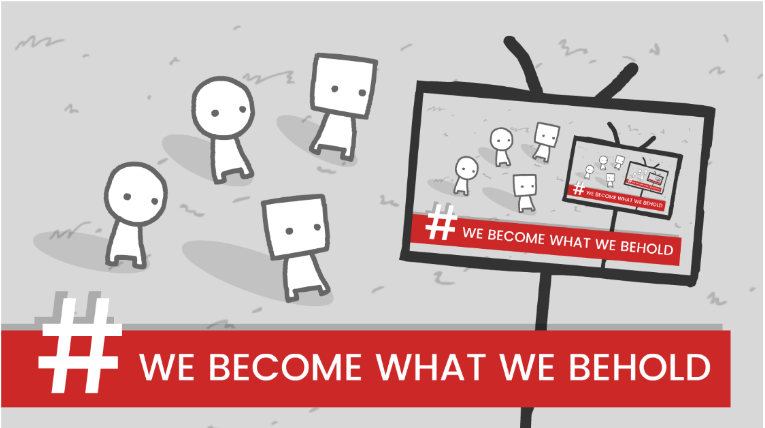
Arnold Toynbee made one approach to the transforming power of media in his concept of “etherialization,” which he holds to be the principle of progressive simplification and efficiency in any organization or technology. Typically, he is ignoring the effect of the challenge of these forms upon the response of our senses. He imagines that it is the response of our opinions that is relevant to the effect of media and technology in society, a “point of view” that is plainly the result of the typographic spell. For the man in a literate and homogenized society ceases to be sensitive to the diverse and discontinuous life of forms. He acquires the illusion of the third dimension and the “private point of view” as part of his Narcissus fixation, and is quite shut off from Blake’s awareness or that of the Psalmist, that we become what we behold.
As an extension and expediter of the sense life, any medium at once affects the entire field of the senses, as the Psalmist explained long ago in the 115th Psalm:
Their idols are silver and gold,
The work of men’s hands.
They have mouths, but they speak not;
Eyes they have, but they see not;
They have ears, but they hear not;
Noses have they, but they smell not;
They have hands, but they handle not;
Feet have they, but they walk not;
Neither speak they through their throat.
They that make them shall be like unto them;
Yea, every one that trusteth in them.
The concept of “idol” for the Hebrew Psalmist is much like that of Narcissus for the Greek myth-maker. And the Psalmist insists that the beholding of idols, or the use of technology, conforms men to them. “They that make them shall be like unto them.” This is a simple fact of sense “closure.” The poet Blake developed the Psalmist’s ideas into an entire theory of communication and social change. It is in his long poem of Jerusalem that he explains why men have become what they have beheld.

What they have, says Blake, is “the spectre of the Reasoning Power in Man” that has become fragmented and “separated from Imagination and enclosing itself as in steel.” Blake, in a word, sees man as fragmented by his technologies. But he insists that these technologies are self-amputations of our own organs. When so amputated, each organ becomes a closed system of great new intensity that hurls man into “martyrdoms and wars.” Moreover, Blake announces as his theme in Jerusalem the organs of perception:
If Perceptive Organs vary, Objects of Perception seem to vary:
If Perceptive Organs close, their Objects seem to close also.
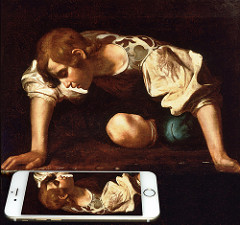
To behold, use or perceive any extension of ourselves in technological form is necessarily to embrace it. To listen to radio or to read the printed page is to accept these extensions of ourselves into our personal system and to undergo the “closure” or displacement of perception that follows automatically. It is this continuous embrace of our own technology in daily use that puts us in the Narcissus role of subliminal awareness and numbness in relation to these images of ourselves. By continuously embracing technologies, we relate ourselves to them as servo-mechanisms. That is why we must, to use them at all, serve these objects, these extensions of ourselves, as gods or minor religions. An Indian is the servo-mechanism of his canoe, as the cowboy of his horse or the executive of his clock.

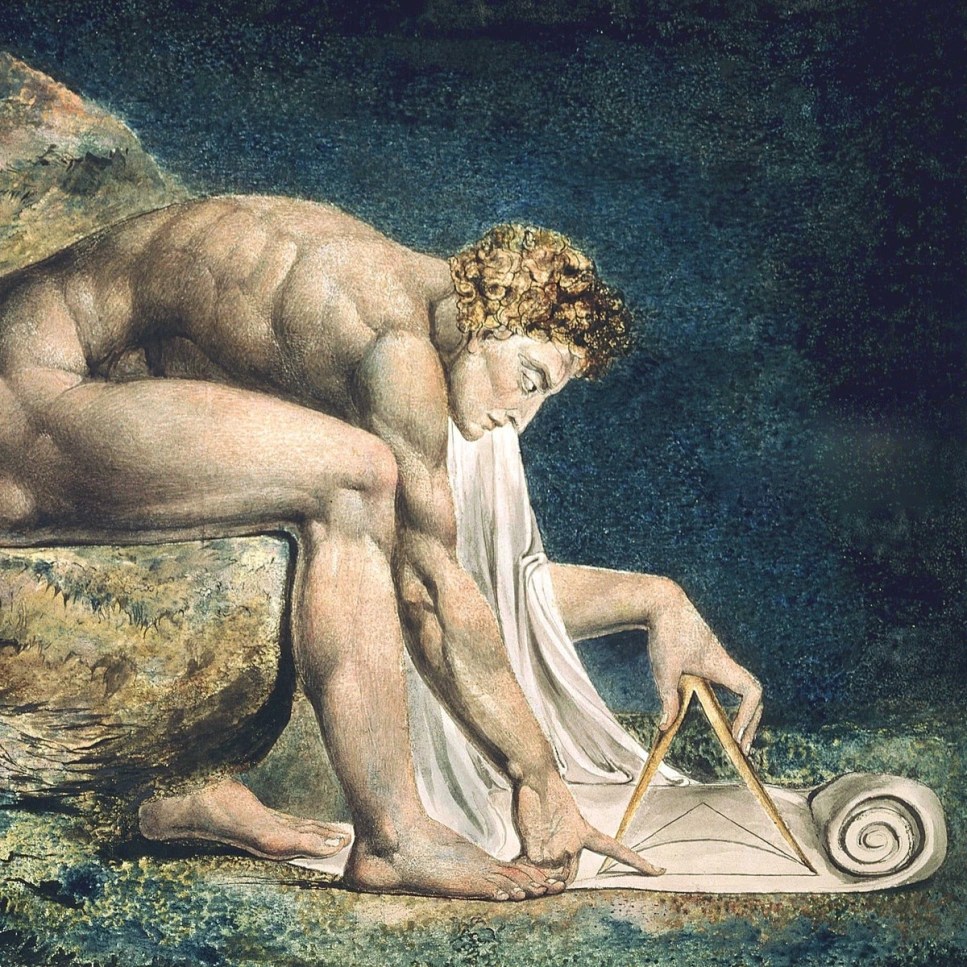
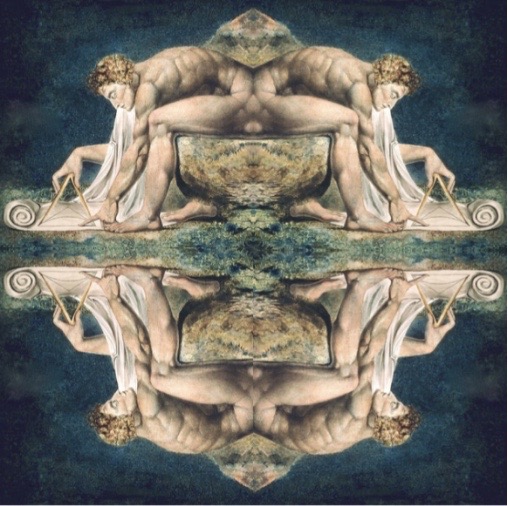
Newton, in an age of clocks, managed to present the physical universe in the image of a clock. But poets like Blake were far ahead of Newton in their response to the challenge of the clock. Blake spoke of the need to be delivered “from single vision and Newton’s sleep”, knowing very well that Newton’s response to the challenge of the new mechanism was itself merely a mechanical repetition of the challenge.
Blake saw Newton and Locke and others as hyponitized Narcissus types quite unable to meet the challenge of mechanism. W.B. Yeats gave the full Blakean version of Newton and Locke in a famous epigram:
Locke sank into a swoon;
The garden died;
God took the spinning jenny
Out of his side.
Yeats presents Locke, the philosopher of mechanical and lineal associationism, as hyponotized by his own image. The ‘garden’, or unified consciousness, ended. Eighteenth-century man got an extension of himself in the form of the spinning machine that Yeats endows with its full sexual significance.
Blake’s counterstrategy for his age was to meet mechanism with organic myth. Today, deep in the electric age, organic myth is itself a simple and automatic response capable of mathematical formulation and expression, without any of the imaginative perception of Blake about it. Had he encountered the electric age, Blake would not have met its challenge with a mere repetition of electric form.
For myth is the instant vision of a complex process that ordinarily extends over a long period. Myth is contraction or implosion of any process, and the instant speed of electricity confers the mythic dimension on ordinary industrial and social action today. We live mythically but continue to think fragmentarily and on single planes.

- The new Corporate Nervous System: How Capitalism takes advantage of the Dominance of the Single Detached Eye
Perhaps the most obvious “closure” or psychic consequence of any new technology is just the demand for it. This power of technology to create its own world of demand is not independent of technology being first an extension of our own bodies and senses. The urge to continuous use is quite independent of the “content” of public programs or of the private sense life, being testimony to the fact that technology is part of our bodies. Electric technology is directly related to our central nervous systems, so it is ridiculous to talk of “what the public wants” played over its own nerves. This question would be like asking people what sort of sights and sounds they would prefer around them in an urban metropolis.
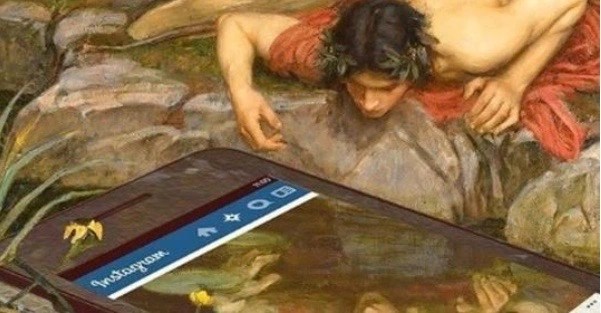
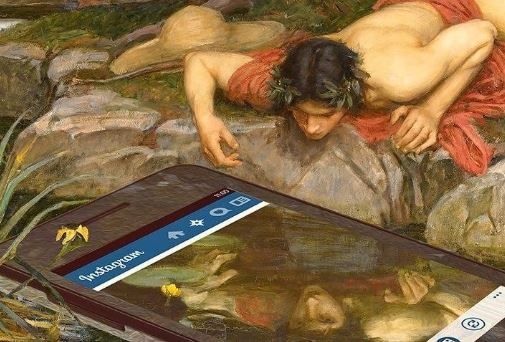
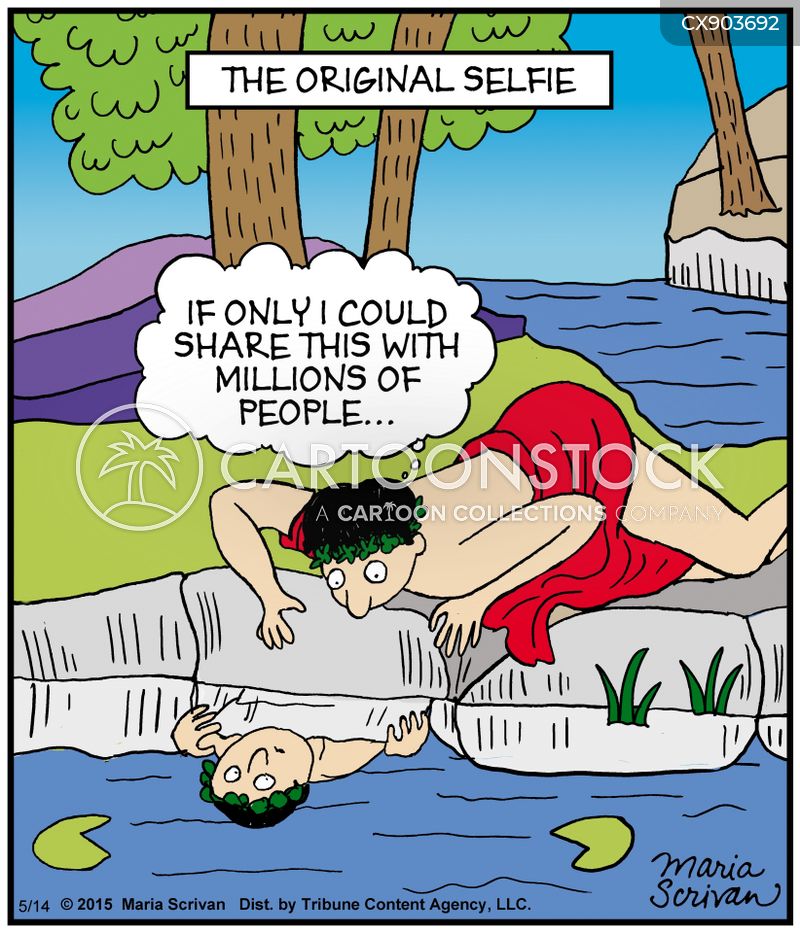
Once we have surrendered our senses and nervous systems to the private manipulation of those who would try to benefit from taking a lease on our eyes and ears and nerves, we don’t really have any rights left. Leasing our eyes and ears and nerves to commercial interests is like handing over the common speech to a private corporation, or like giving the earth’s atmosphere to a company as a monopoly. Something like this has already happened with outer space, for the same reasons that we have leased our central nervous systems to various corporations. The word Narcissus is from the Greek word narcosis, or numbness. As long as we adopt the Narcissus attitude of regarding the extensions of our own bodies as really out there and really independent of us, we will meet all technological challenges with the same sort of banana-skin pirouette and collapse.

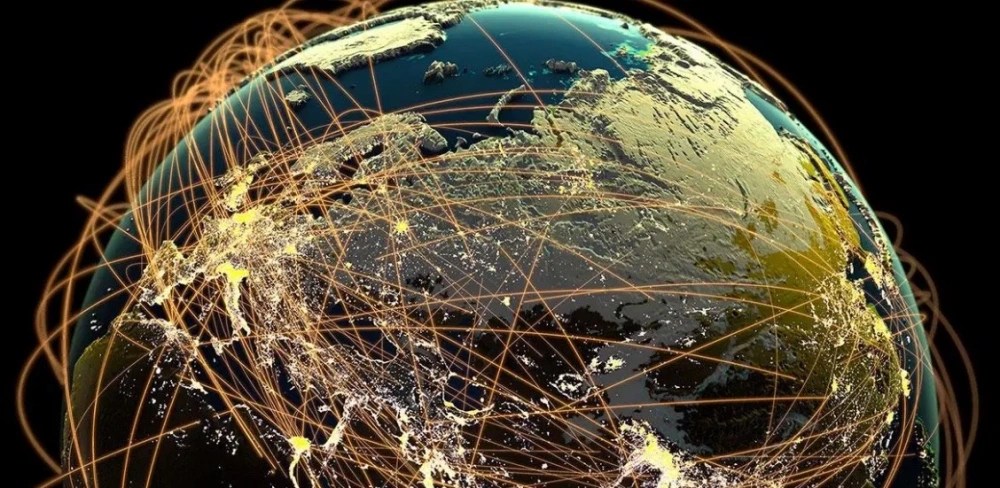
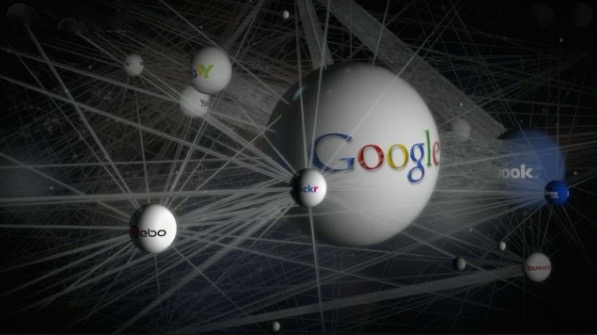
Archimedes once said, ‘Give me a place to stand and I will move the world.’ Today he would have pointed to our electric media and said, ‘I will stand on your eyes, your ears, your nerves, and your brain, and the world will move in any tempo or pattern I choose.’ We have leased these ‘places to stand’ to private corporations.

- Narcissus 2.0: The Narcissistic Trance and Modern Technology
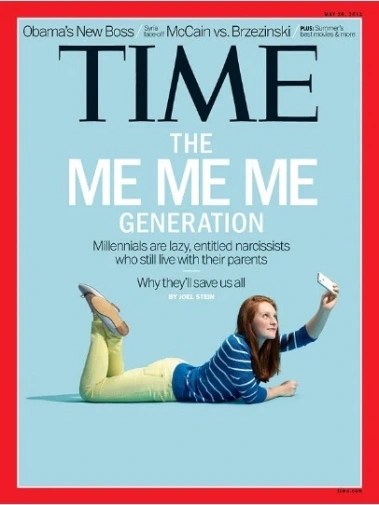
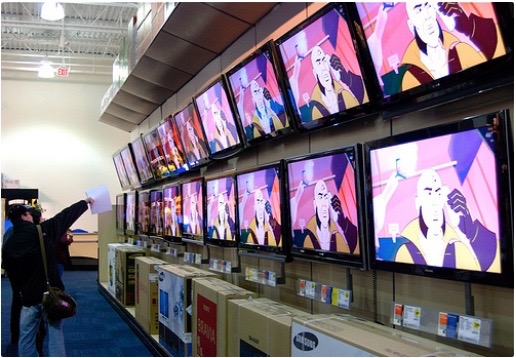
The effect of TV – the ‘message’ of TV – is quite independent of the programme. That is, there is a huge technology involved in TV which surrounds you, physically, and the effect of that huge service environment on you, personally, is vast. The effect of the programme is incidental.
Our conventional response to all media, namely that it is how they are used that counts, is the numb stance of the technological idiot. For the ‘content’ of a medium is like the juicy piece of meat carried by the burglar to distract the watchdog of the mind. This is like the voice of the literate man, floundering in a milieu of ads, who boasts, ‘Personally, I pay no attention to ads.’ The effects of technology do not occur at the level of opinions or concepts, but alter sense ratios or patterns of perception steadily and without any resistance. As Blake knew, we become what we behold.

Marshall McLuhan is widely regarded as the father of communications and media studies and a prophet of the information age. The above article is an excerpt from his book Understanding Media: The Extensions of Man. To find out more about his work, please click here.
look also: Prometheus, Narcissus and AI (artificial intelligence)
For More about Blake and his world look at : https://thehumandivine.org/ and






 Path to the Maypole of Wisdom